HD-OPM Archive
Topics › Lifestyle

Exercise & fitness

159 posts (81 primarily about this topic) · 28 reposts and set-aside posts not shown

Start here — the best posts in this topic

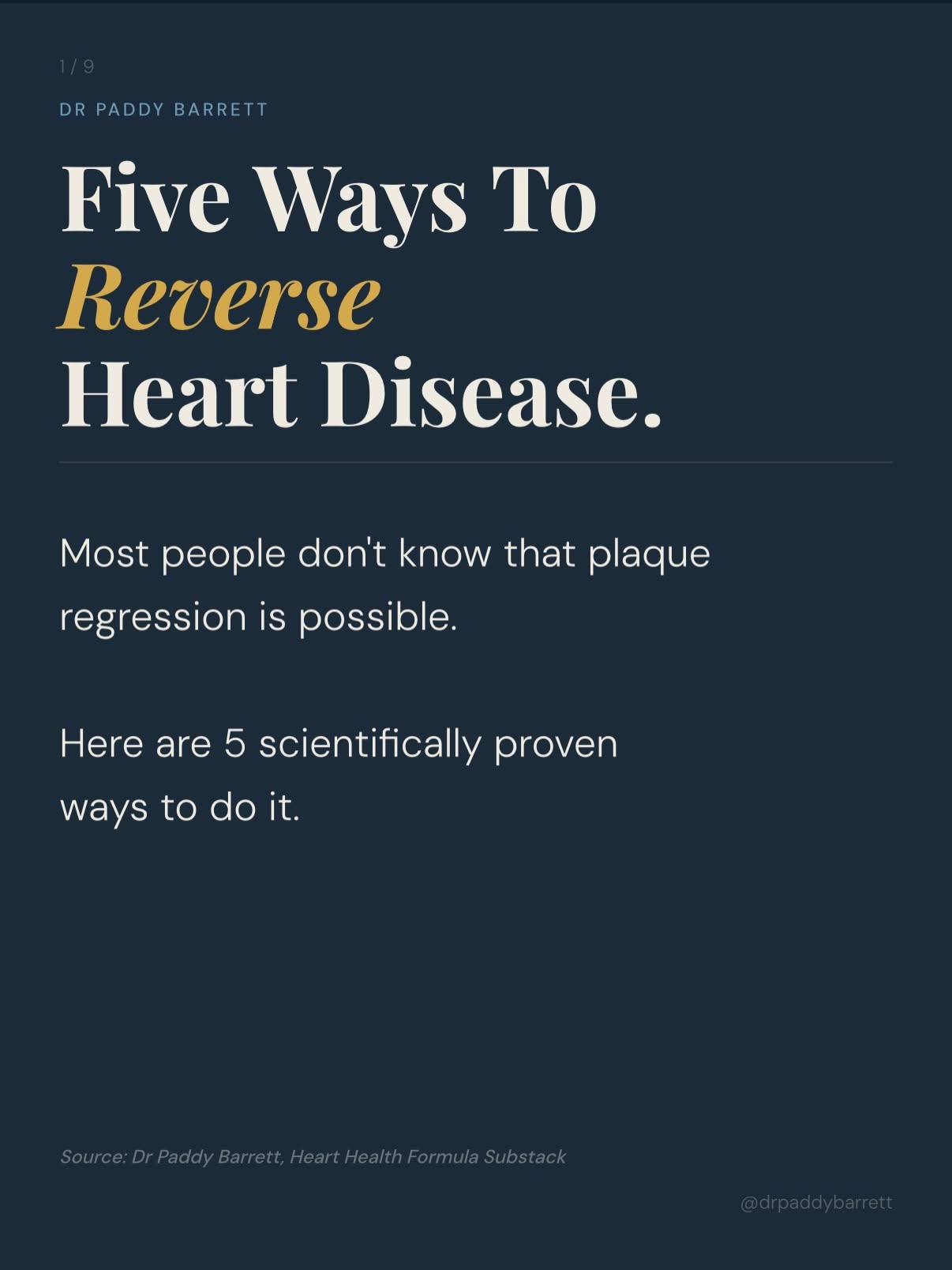
  1. Evidence that plaque can shrink: CENIT, PRECISE-IVUS, ZEUS, EVAPORATE and GLAGOV Jun 25, 2025
  2. Norwegian 4x4 intervals: Rhonda Patrick on reversing heart aging and raising VO2 max Oct 04, 2025
  3. Master@Heart: higher wearable-measured training load linked to more coronary plaque ↩ 3 · Mar 06, 2026
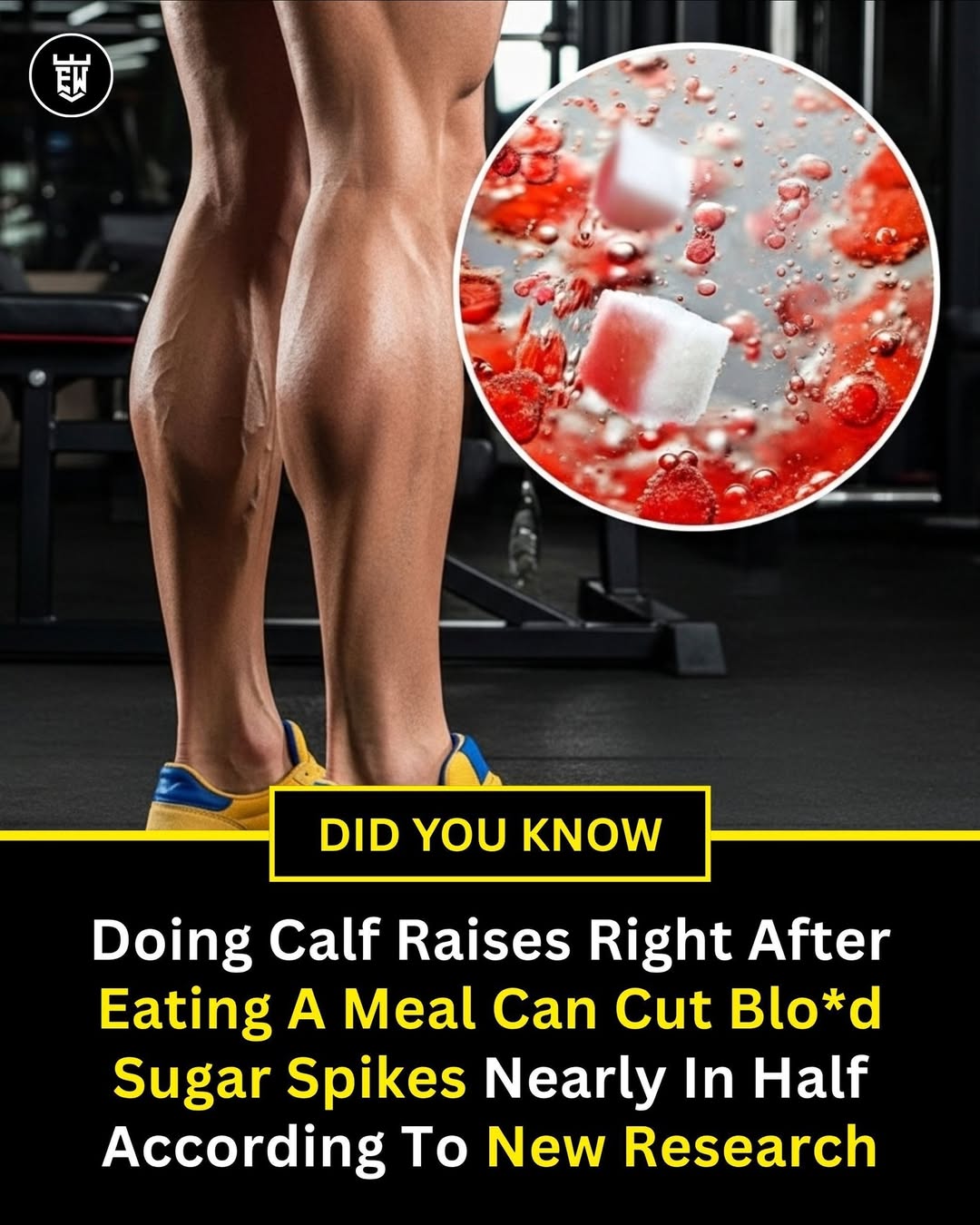
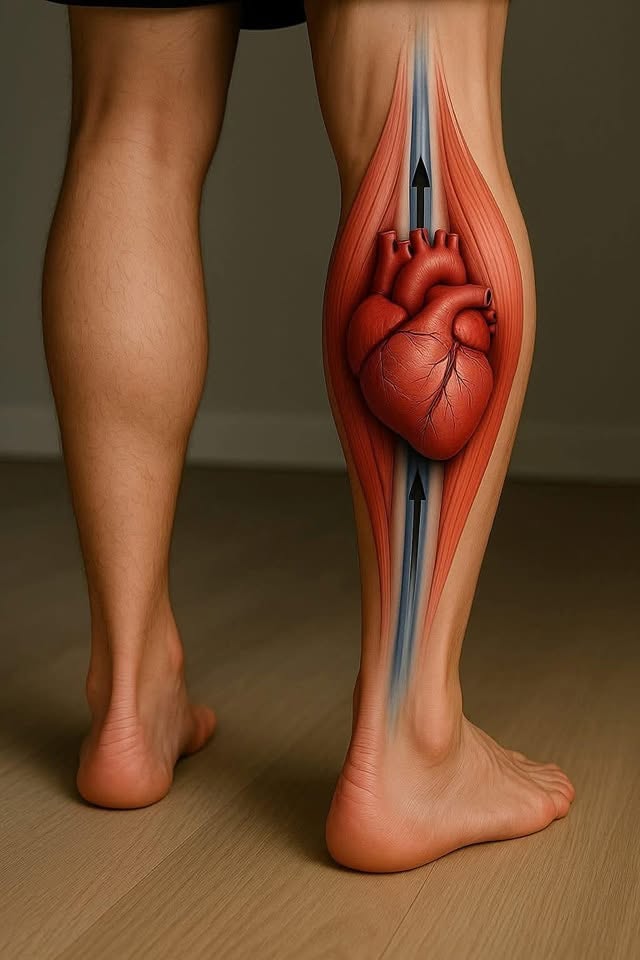
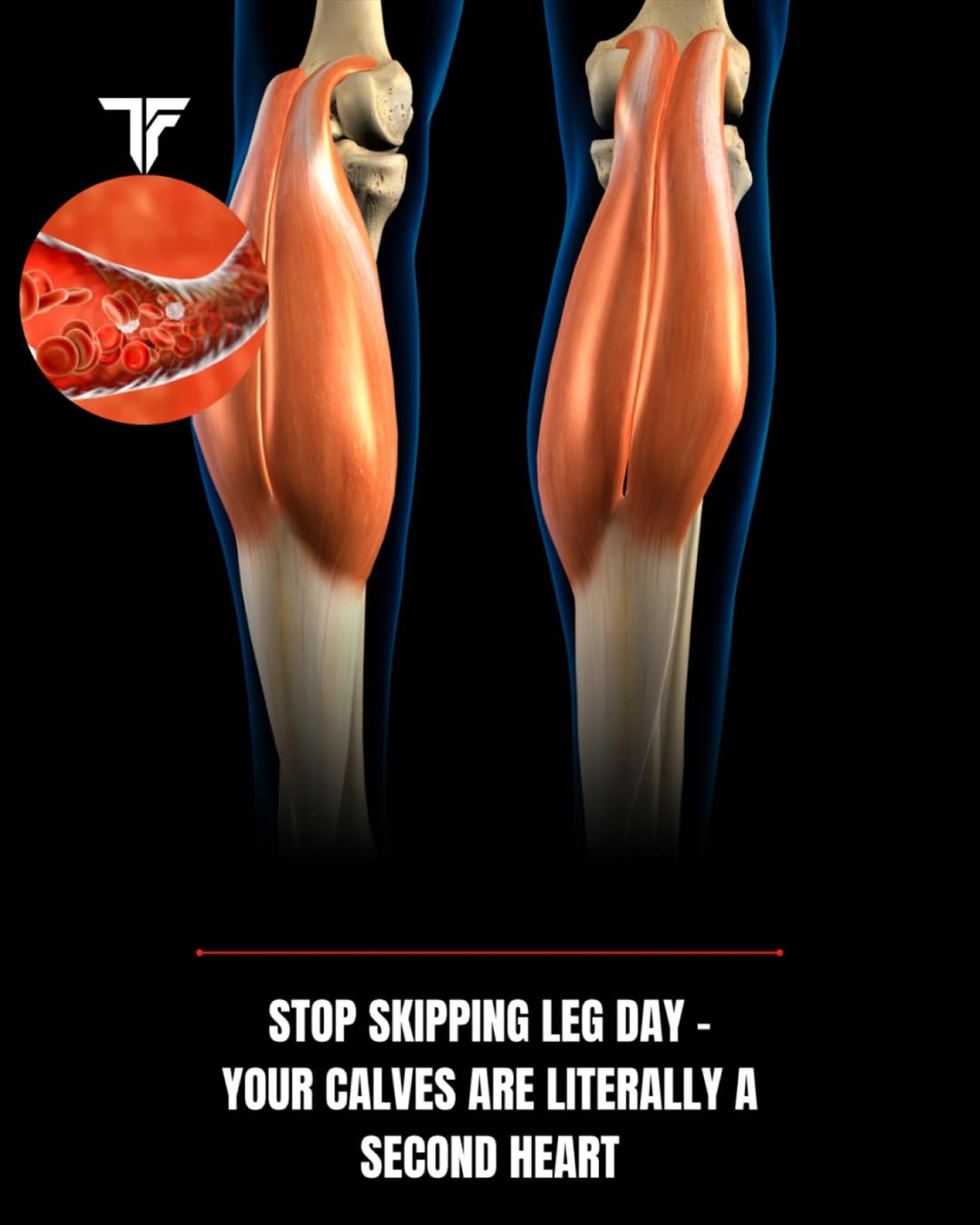
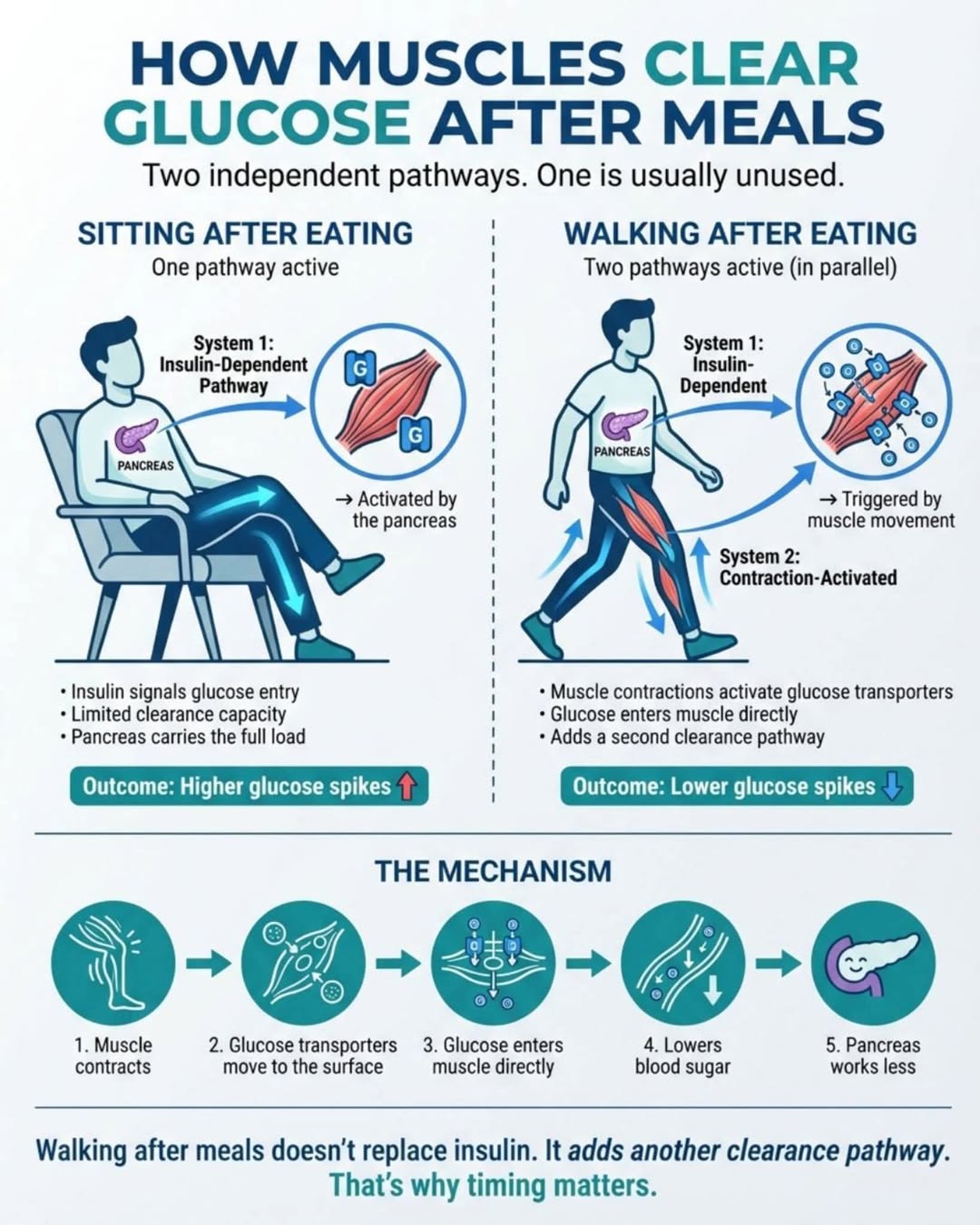
  4. Calf raises after meals are claimed to blunt blood sugar spikes by up to 52 percent Oct 23, 2025
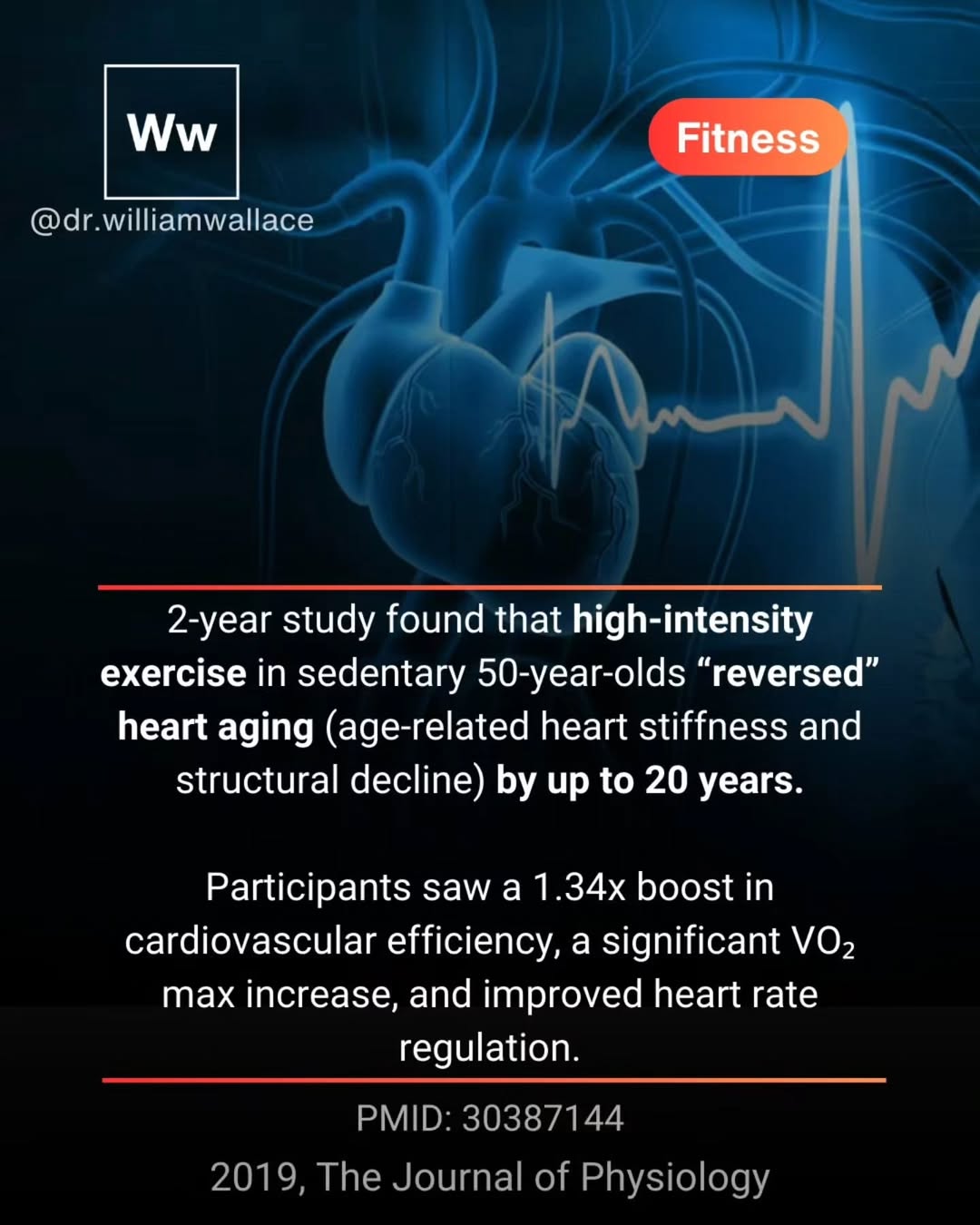
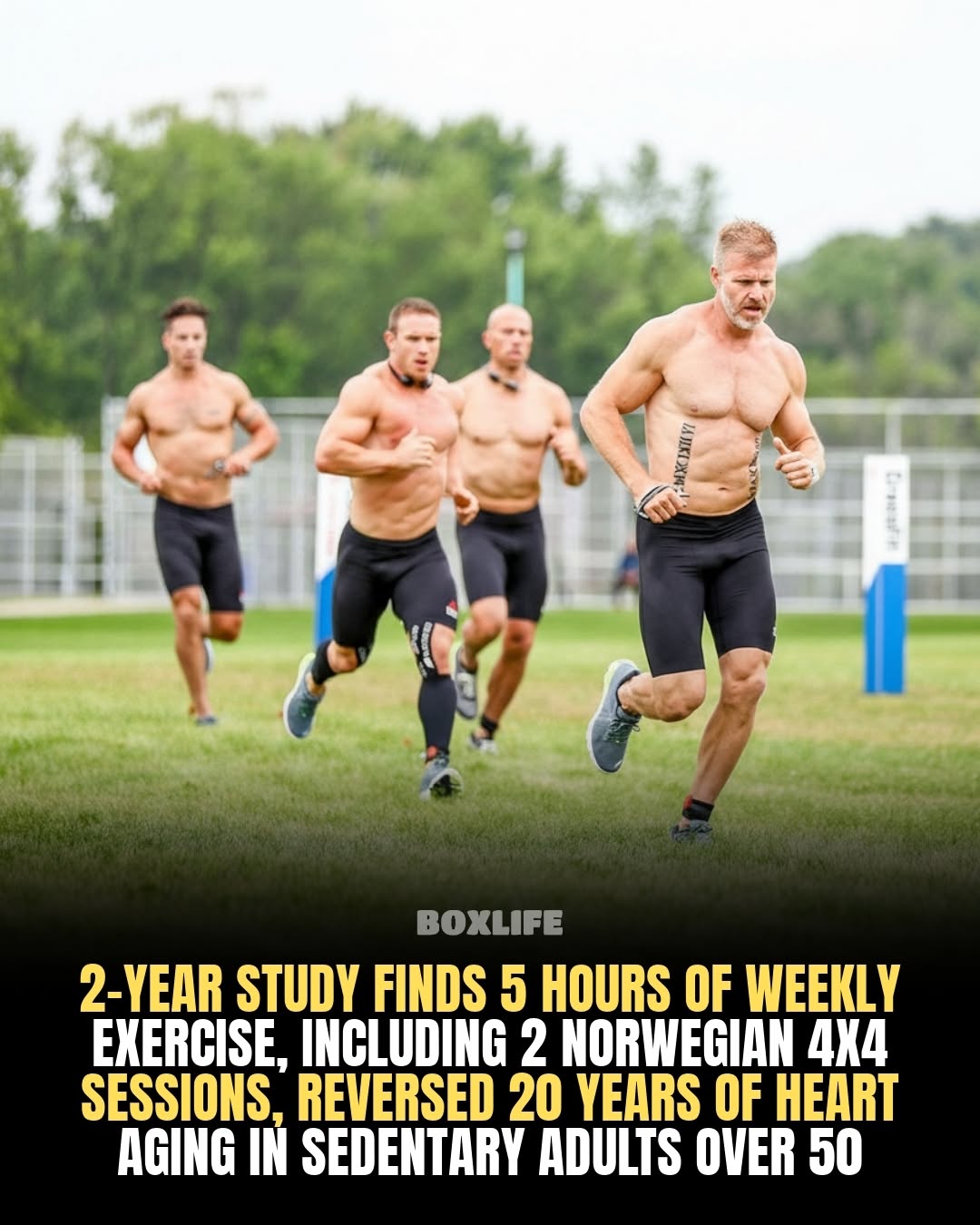
  5. Two-year high-intensity exercise reversed cardiac aging by up to 20 years in an RCT Feb 15, 2025
  6. Olive oil's brief FMD dip resembles exercise's transient, hormetic endothelial effect ↩ 6 · Jul 02, 2024
  7. At the same CAC score, exercisers have much lower heart attack risk over 20-25 years May 09, 2025
  8. AHA now formally recommends resistance training to prevent heart disease Jan 01, 2024
#exercise 87#resistancetraining 30#muscle 29#aging 20#protein 18#walking 16#longevity 16#vo2max 11#sarcopenia 11#proteinsummary 10#omega3 8#glucose 8#peterattia 8#elderly 8#diabetes 8#brain 8#reverse 7#exercisedownsides 7#inflammation 7#dementia 7#vitamind 7#weightloss 7#fishoil 6#rhondapatrick 6#cardiovascular 6#alzheimers 6#igf1 6#mtor 6#stuartphillips 6#metformin 6#hormesis 5#glp1 5#liverfat 5#cancer 5#bones 5#lactate 5#mortality 5#statins 4#fitness 4#cardio 4

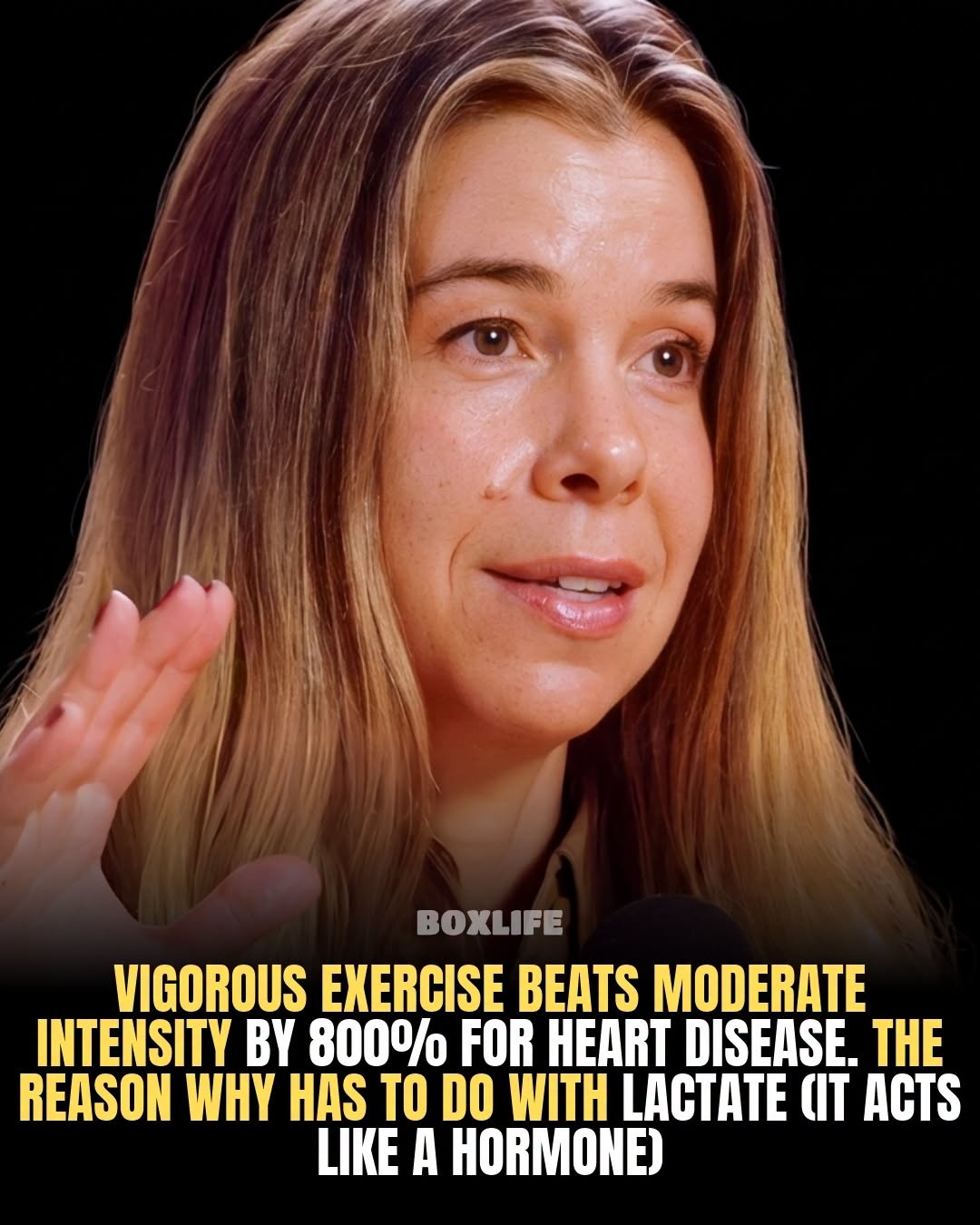
Norwegian 4x4 intervals: Rhonda Patrick on reversing heart aging and raising VO2 max

Oct 04, 2025 · Gokhan Can ♥ 27 · 💬 29

Summarises a Rhonda Patrick video: moderate exercise is ineffective for many, so vigorous HIIT such as the Norwegian 4x4 (four 4-minute efforts at about 80-90% max heart rate with 4-minute recovery) improves VO2 max. She cites a two-year study that reversed about 20 years of cardiac aging in sedentary 50-year-olds, and exercise reducing glycation-driven heart stiffness (Asif et al., PNAS 2000).

Master@Heart: higher wearable-measured training load linked to more coronary plaque

Mar 06, 2026 · Louis Nervegna ♥ 28 · 💬 27 ↩ 3

Louis argues intense exercise, especially high intensity plus high volume, carries risks as well as benefits, citing a Circulation 2026 Master@Heart analysis of wearable training load and coronary atherosclerosis in middle-aged and older athletes versus active controls. He notes the net benefit of exercise remains large but the plaque signal can no longer be ignored.

Olive oil's brief FMD dip resembles exercise's transient, hormetic endothelial effect

Jul 02, 2024 · Louis Nervegna ♥ 19 · 💬 25 ↩ 6 Blood vessels, circulation & endothelium

Responding to Esselstyn's reliance on a short-term study of refined olive oil impairing endothelial function, the poster notes exercise causes the same transient dip followed by rebound. Quoted exercise physiology papers describe an immediate FMD nadir followed by normalization or supranormalization, and he says over 30 RCTs show olive oil improves FMD long term.

AHA now formally recommends resistance training to prevent heart disease

Jan 01, 2024 · Louis Nervegna ♥ 18 · 💬 20

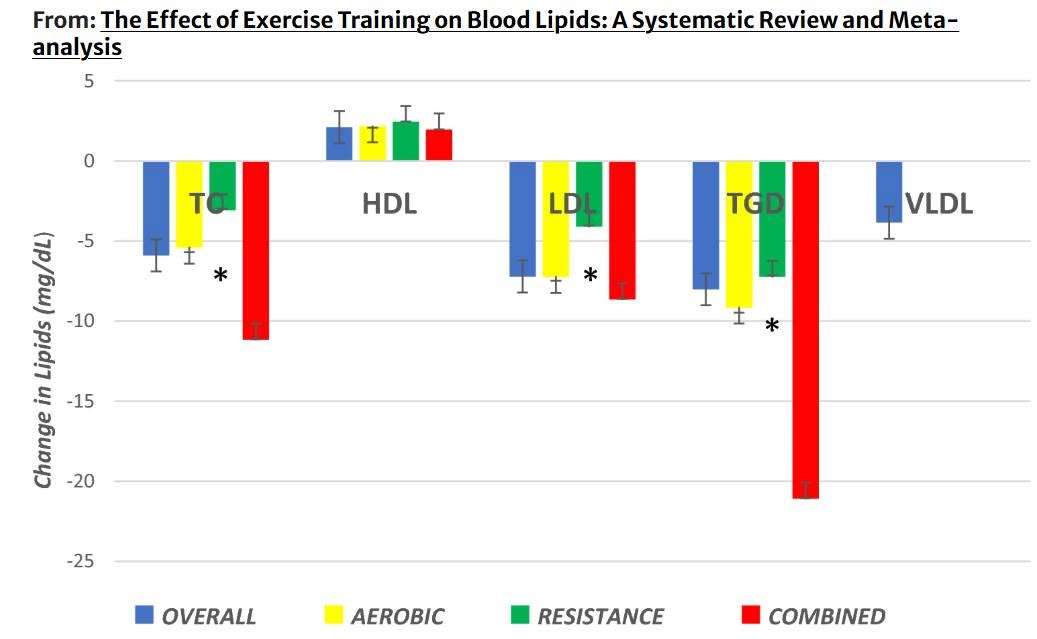
Louis highlights the American Heart Association's 2023 scientific statement updating its 2007 one on resistance training. It concludes resistance training, alone or with aerobic exercise, is safe and effective for improving cardiovascular health and risk factors in adults with and without cardiovascular disease.

Exercise, including HIIT, can reduce coronary plaque burden and add to LDL lowering

Jul 10, 2025 · Louis Nervegna ♥ 25 · 💬 17 ↩ 8 Plaque, CAC & CT angiography

A shared review states that regular moderate-to-high intensity exercise reduces coronary plaque burden in CAD patients, with HIIT and moderate continuous training both leading to regression. Combining exercise with aggressive LDL control below 70 mg/dL gives additive benefit, while extreme volumes may increase calcification though with more stable plaque.

Two years of structured exercise reversed up to 20 years of heart aging at age 50

Mar 18, 2025 · Louis Nervegna ♥ 25 · 💬 8

Louis reshares a FoundMyFitness description of Dr. Benjamin Levine's trial, in which sedentary 50-year-olds who trained 5-6 hours per week for two years made their hearts structurally younger, more like a 30-year-old's. The protocol combined Norwegian 4x4 intervals, recovery aerobics, long endurance sessions and twice-weekly strength training.

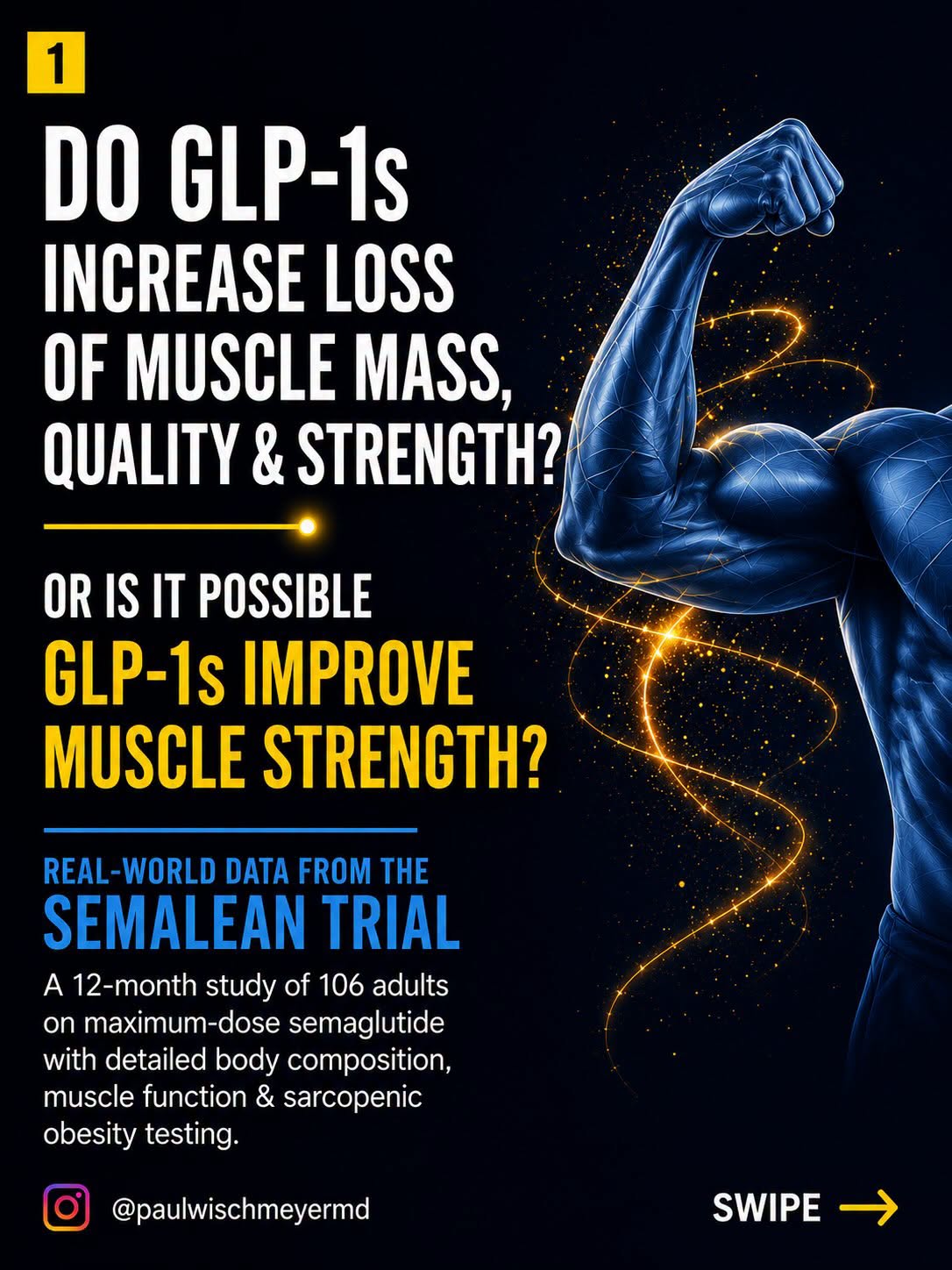
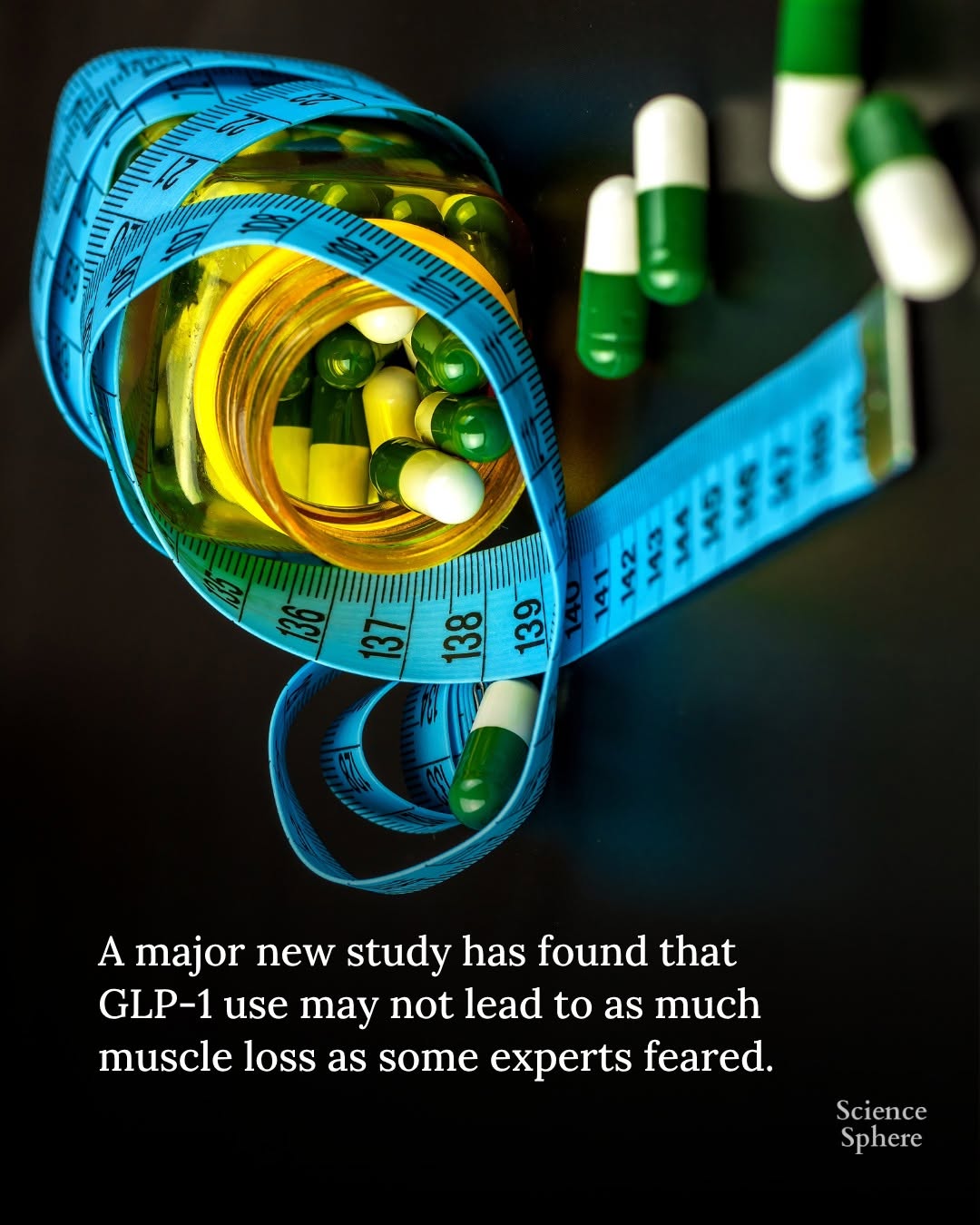
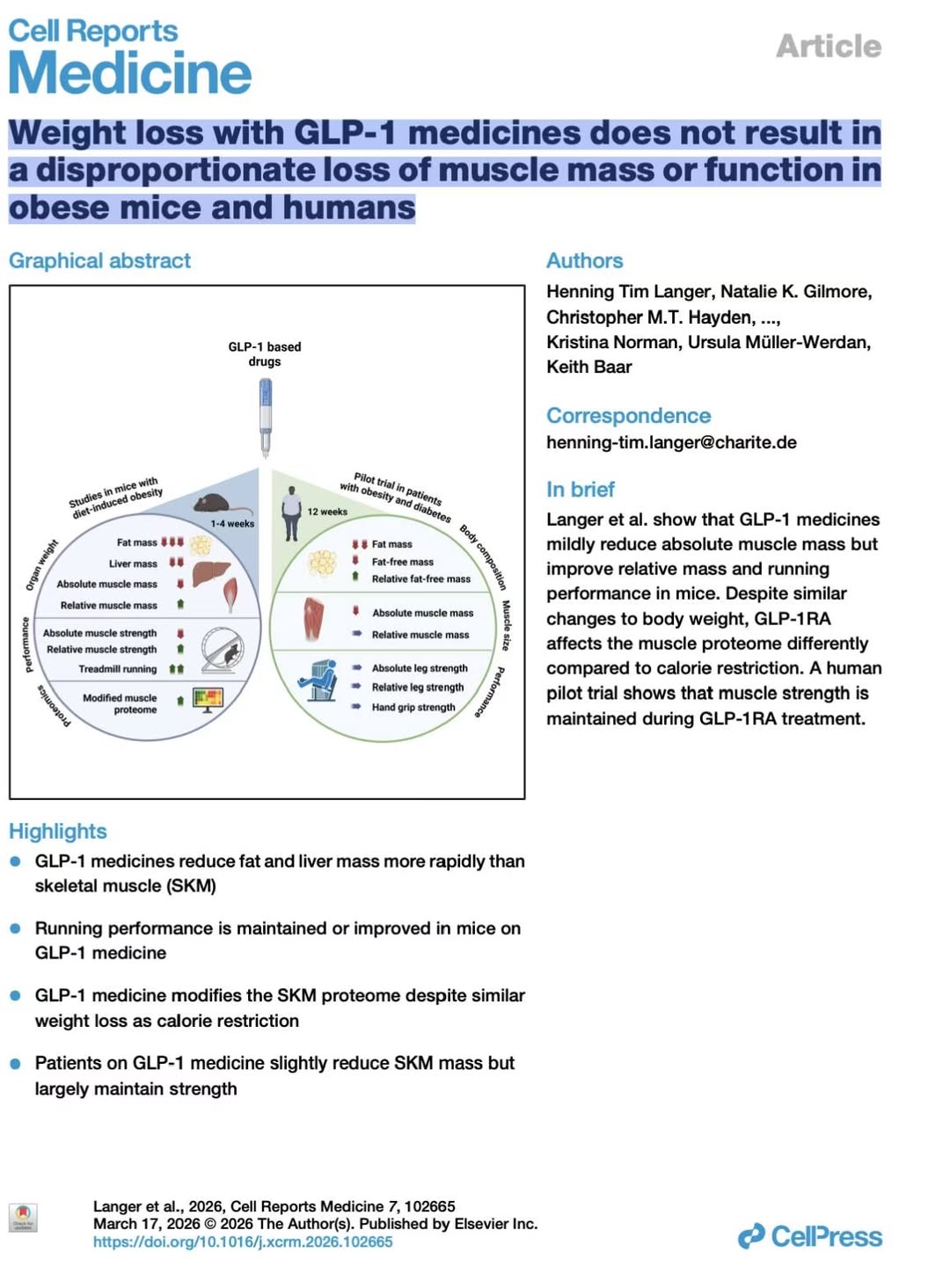
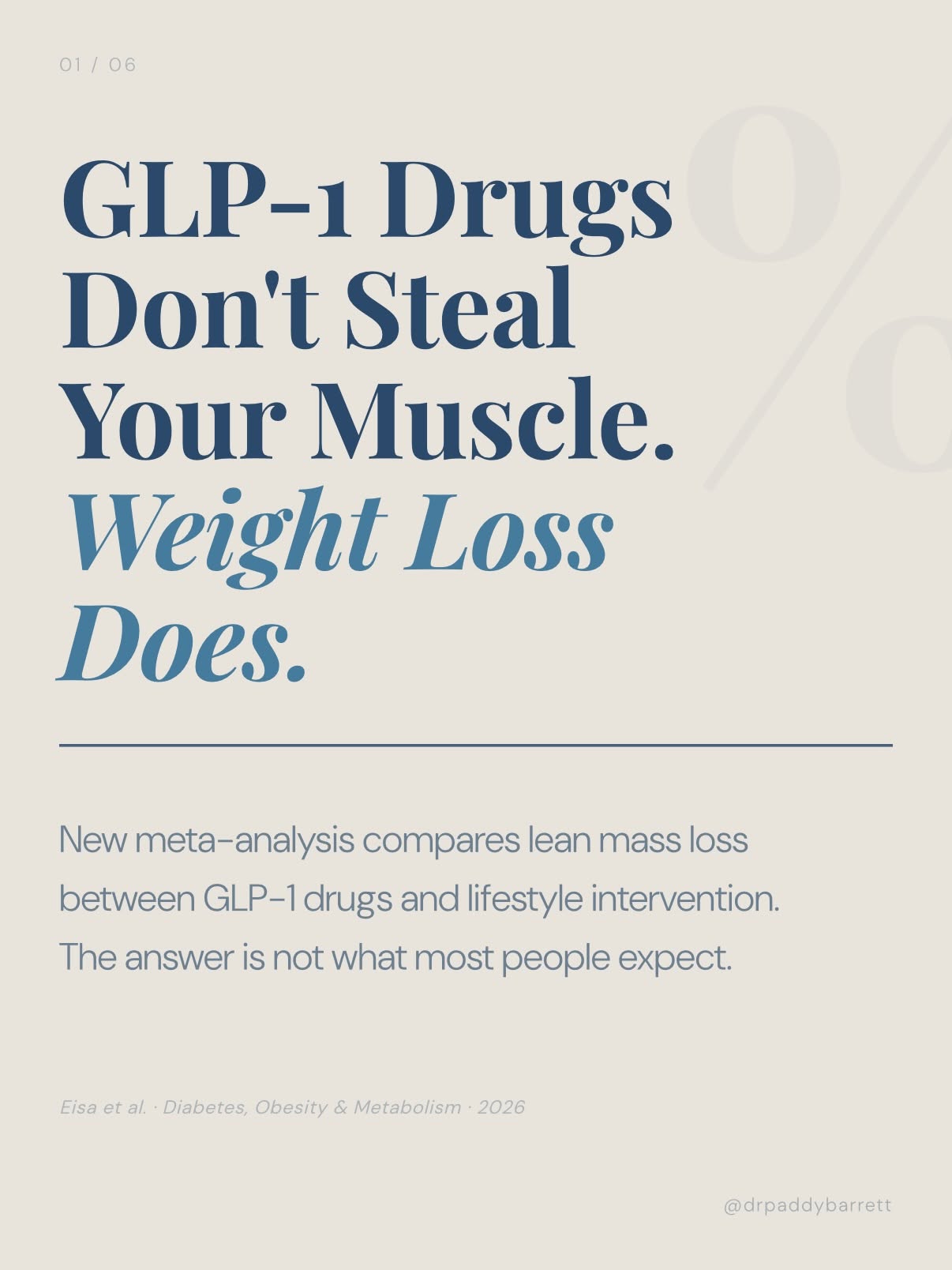
Resistance exercise preserves muscle during calorie restriction and GLP-1 weight loss

Mar 16, 2025 · Louis Nervegna ♥ 23 · 💬 8

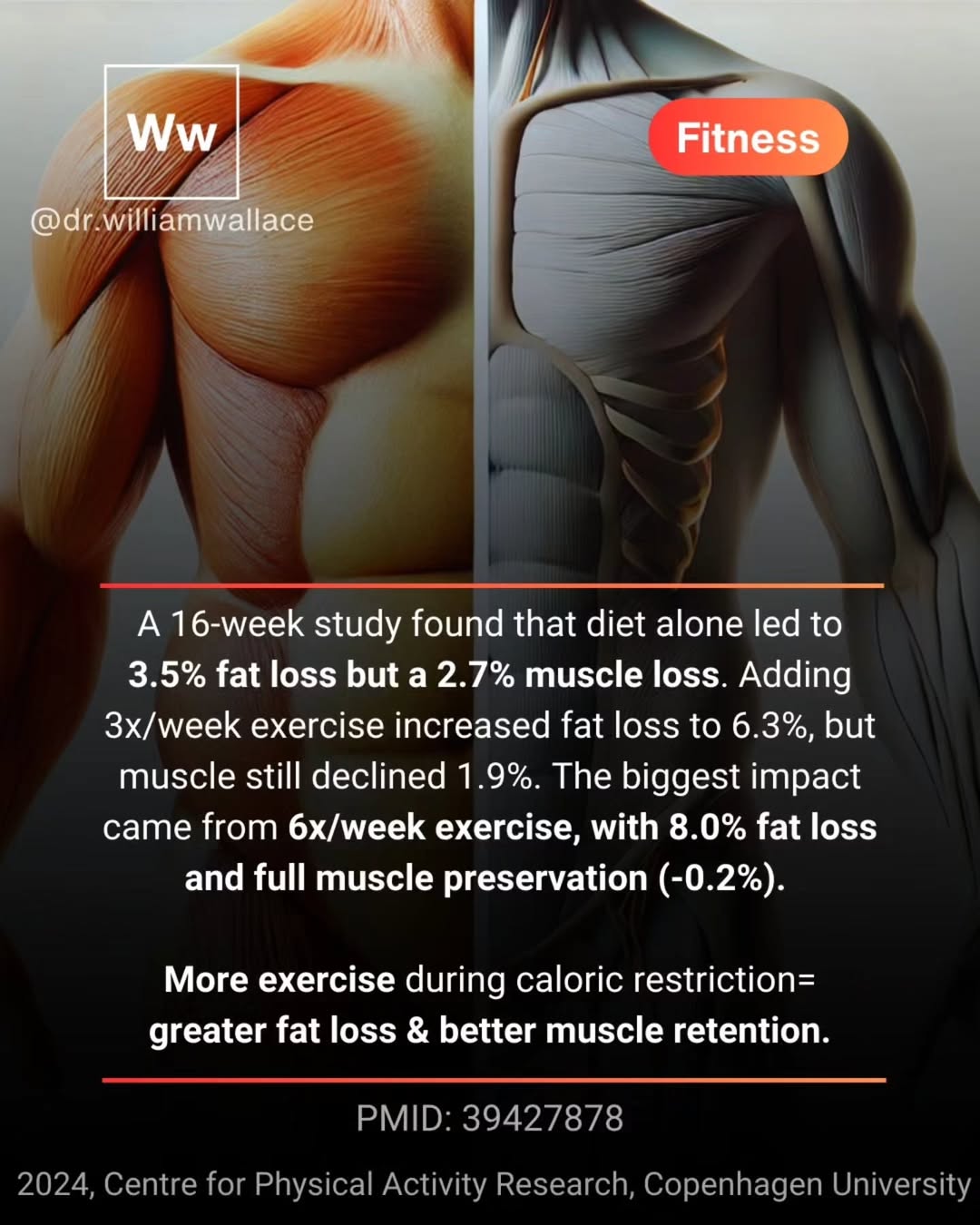
Louis argues that most muscle lost during calorie restriction can be prevented by resistance exercise without raising protein intake, citing over 70 RCTs in which exercise drives nearly all strength gains and extra protein adds only about 5% over 22 weeks. He applies this to GLP-1 drugs, saying their muscle loss comes from calorie restriction rather than a drug side effect. The shared study (16 weeks, 82 people with type 2 diabetes) showed that high-dose exercise with diet fully preserved muscle.

36 RCTs: extra protein did not boost strength or muscle in healthy adults over 65

Oct 20, 2025 · Louis Nervegna ♥ 11 · 💬 11 Protein

Louis argues that US adults over 65 already eat over 1.2 g/kg/day of protein and summarizes a 2018 AJCN meta-analysis of 36 RCTs in nonfrail older adults. Added protein did not improve grip or leg strength, walking speed, chair rise or muscle mass, with or without resistance exercise, while exercise itself helped; frail people may differ.

Sumo wrestlers stay metabolically healthy because heavy exercise shifts fat under the skin

Mar 09, 2025 · Louis Nervegna ♥ 21 · 💬 9 Weight, visceral & liver fat

Louis explains why sumo wrestlers, despite huge calorie and refined-carbohydrate intake, store little fat in the liver and pancreas and little visceral fat. He attributes this to up to 7 hours of daily exercise, which releases adiponectin and steers fat storage to subcutaneous tissue, a reason exercise protects against metabolic syndrome and diabetes.

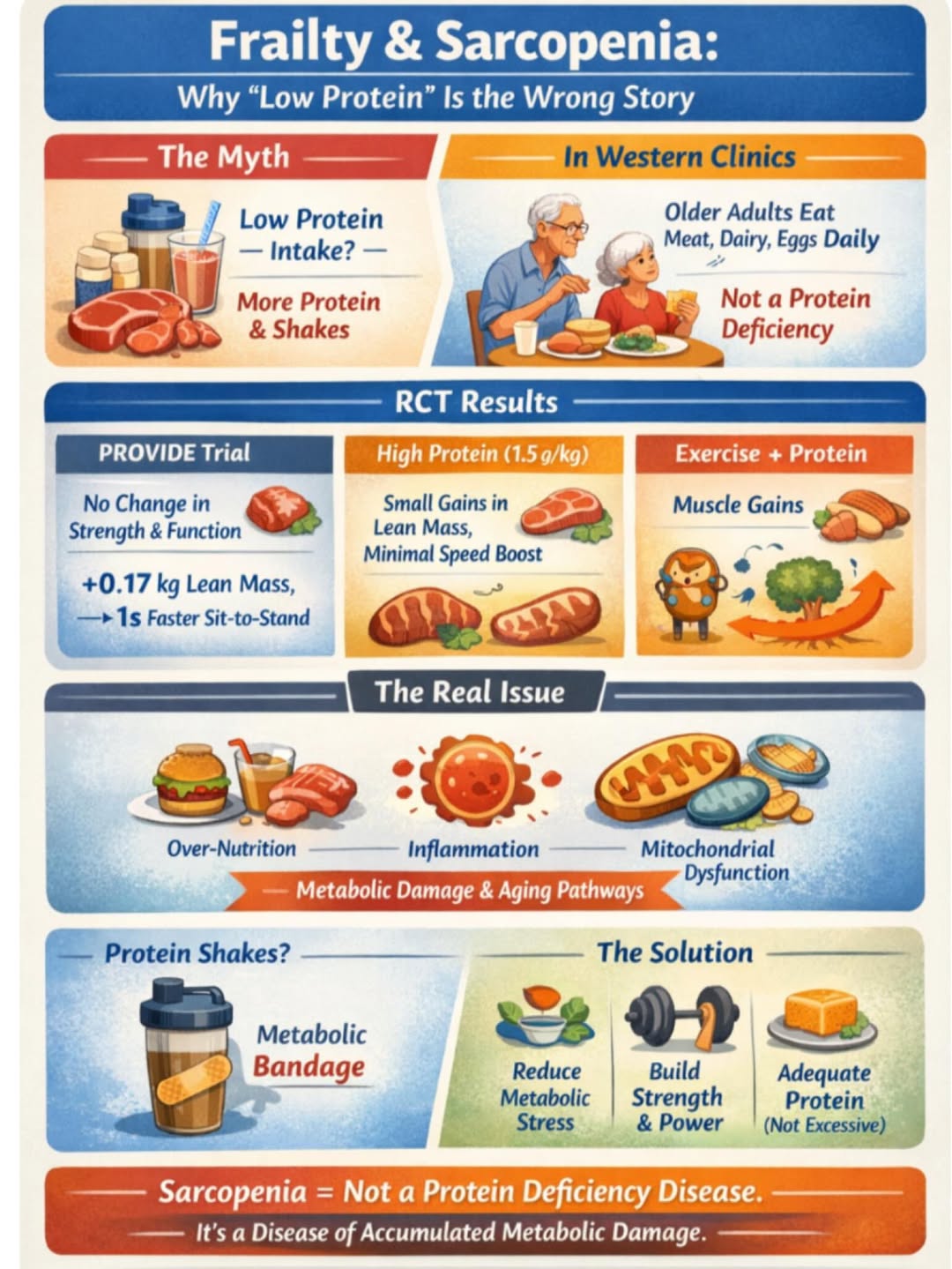
Frailty in older adults is not a protein-deficiency disease, per Luigi Fontana

Dec 19, 2025 · Louis Nervegna ♥ 14 · 💬 9 Protein

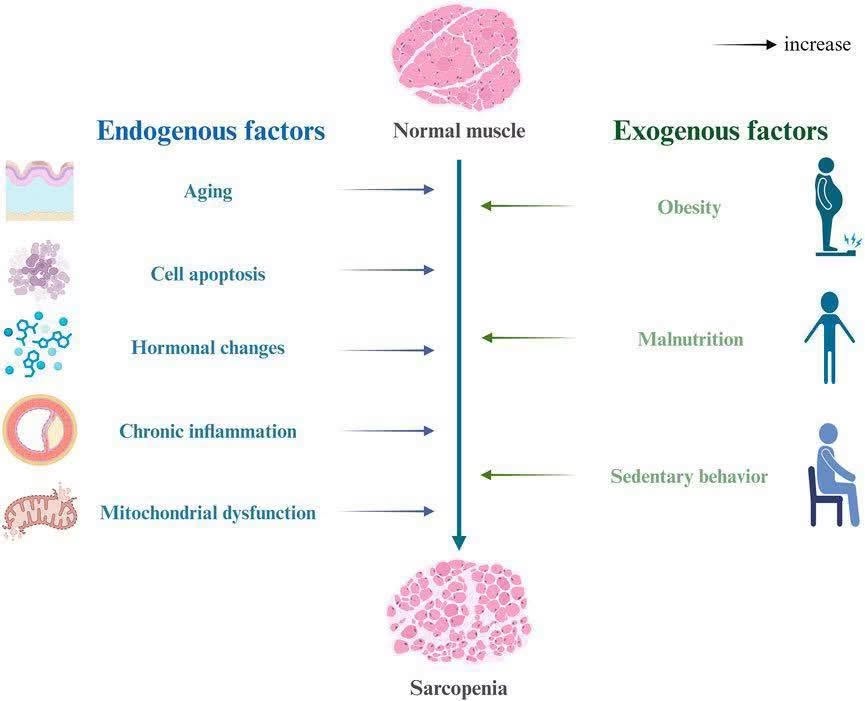
Louis shares Luigi Fontana's argument that frailty and sarcopenia in Western older adults reflect decades of overnutrition and inactivity, not low protein. The post cites randomized trials in which protein supplements gave small or no functional gains, while resistance exercise produced the functional benefit.

Exercise lowers cardiac risk, though extreme endurance exercise ties to AFib

Jun 28, 2024 · Louis Nervegna ♥ 9 · 💬 18

A cardiologist quote shared from a sports medicine institute: exercise generally lowers cardiac event risk, while extreme long-duration exercise such as marathons or triathlons is associated with atrial fibrillation. Even so, exercise still benefits blood pressure, cholesterol and diabetes risk and lowers overall death risk.
ACC/ESC consensus statement on abnormal cardiovascular findings in masters athletes

Apr 06, 2026 · Louis Nervegna ♥ 10 · 💬 14 ↩ 1

Louis highlights a new joint EAPC/ESC and ACC clinical consensus statement offering guidance for long-term high-volume exercisers over 35-40, covering atrial fibrillation, arrhythmias, coronary atherosclerosis, aortic dilatation, myocardial fibrosis and exercise-induced arrhythmogenic cardiomyopathy. Notes that very high exercise volumes over years may have cardiovascular downsides.

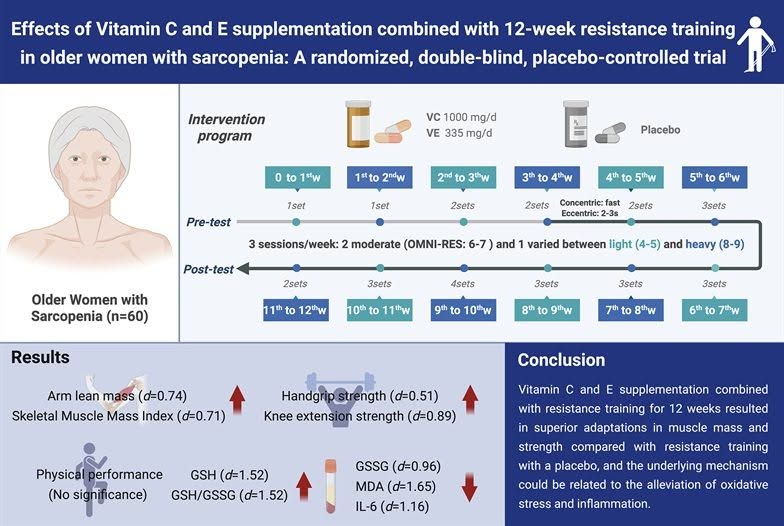
Spinach raises blood antioxidant activity more than 1250 mg vitamin C

Jun 03, 2024 · Louis Nervegna ♥ 11 · 💬 12 ↩ 1 Supplements & vitamins

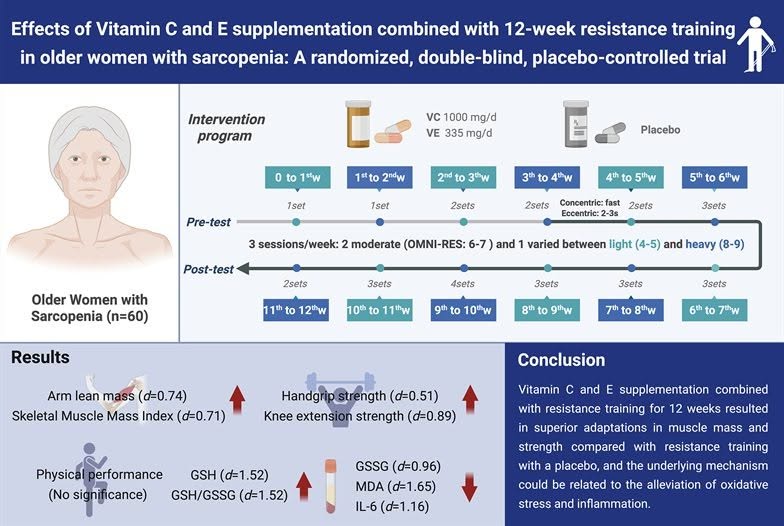
Louis argues against the claim that vitamin C supplements are harmful because antioxidants can blunt exercise adaptations in short-term studies. He notes that a large serving of spinach raises blood antioxidant activity more than a 1250 mg vitamin C supplement, and that short-term biomarker studies often predict long-term outcomes poorly. He does not claim antioxidant supplements prevent disease; human RCTs have mostly failed, with exceptions like age-related macular degeneration.

Lieberman video: exercise grows more potent for longevity with age, via hormesis

Oct 20, 2024 · Louis Nervegna ♥ 15 · 💬 7

Louis recommends a Daniel Lieberman talk on why exercise becomes more potent for longevity as we age. It covers the active grandparent hypothesis and hormetic stress, with exercise and plant molecules as examples. Louis stresses exercise is no magic bullet, but not doing it likely shortens life.

Sauna works the heart like light cardio and lowered blood pressure after one session

Nov 07, 2026 · Louis Nervegna ♥ 17 · 💬 4 Blood pressure, salt & potassium

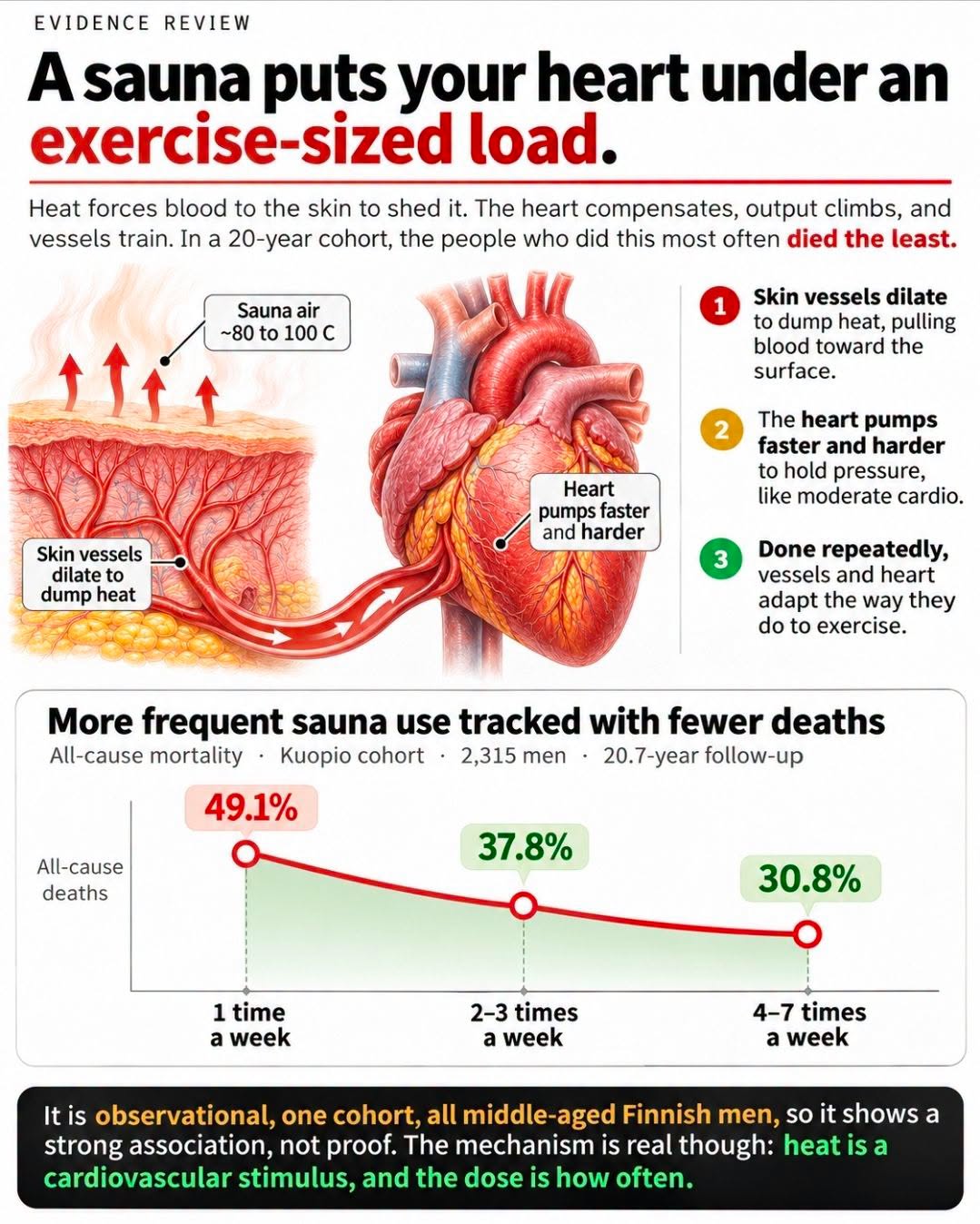
Louis shares a summary of sauna physiology. Heat opens skin vessels, so the heart works harder to hold blood pressure, matching light to moderate exercise. One session lowered arterial stiffness and systolic pressure from 137 to 130 in 102 adults with risk factors, and a Finnish cohort of 2,315 men followed about 20 years showed lower mortality with more frequent sauna use.

Wall squat isometric holds may lower systolic blood pressure about 9 points in weeks

Nov 04, 2026 · Louis Nervegna ♥ 12 · 💬 8 Blood pressure, salt & potassium

Louis shares a post saying a large review found isometric exercises, especially wall squats, lowered resting blood pressure more than cardio, intervals or weights. In one trial wall squats cut systolic pressure by about 9.4 points. The routine is four 2-minute holds with 2-minute rests, three times weekly, without holding the breath.

Two octogenarians gain strength from twice-weekly barbell training in 9 months

Oct 07, 2025 · Louis Nervegna ♥ 19 · 💬 7

An inspiring human-interest story about an 81-year-old and an 82-year-old who went from struggling with groceries to squatting, deadlifting and bench pressing after nine months of coached barbell workouts twice a week. It illustrates how resistance training can improve daily function in older age.

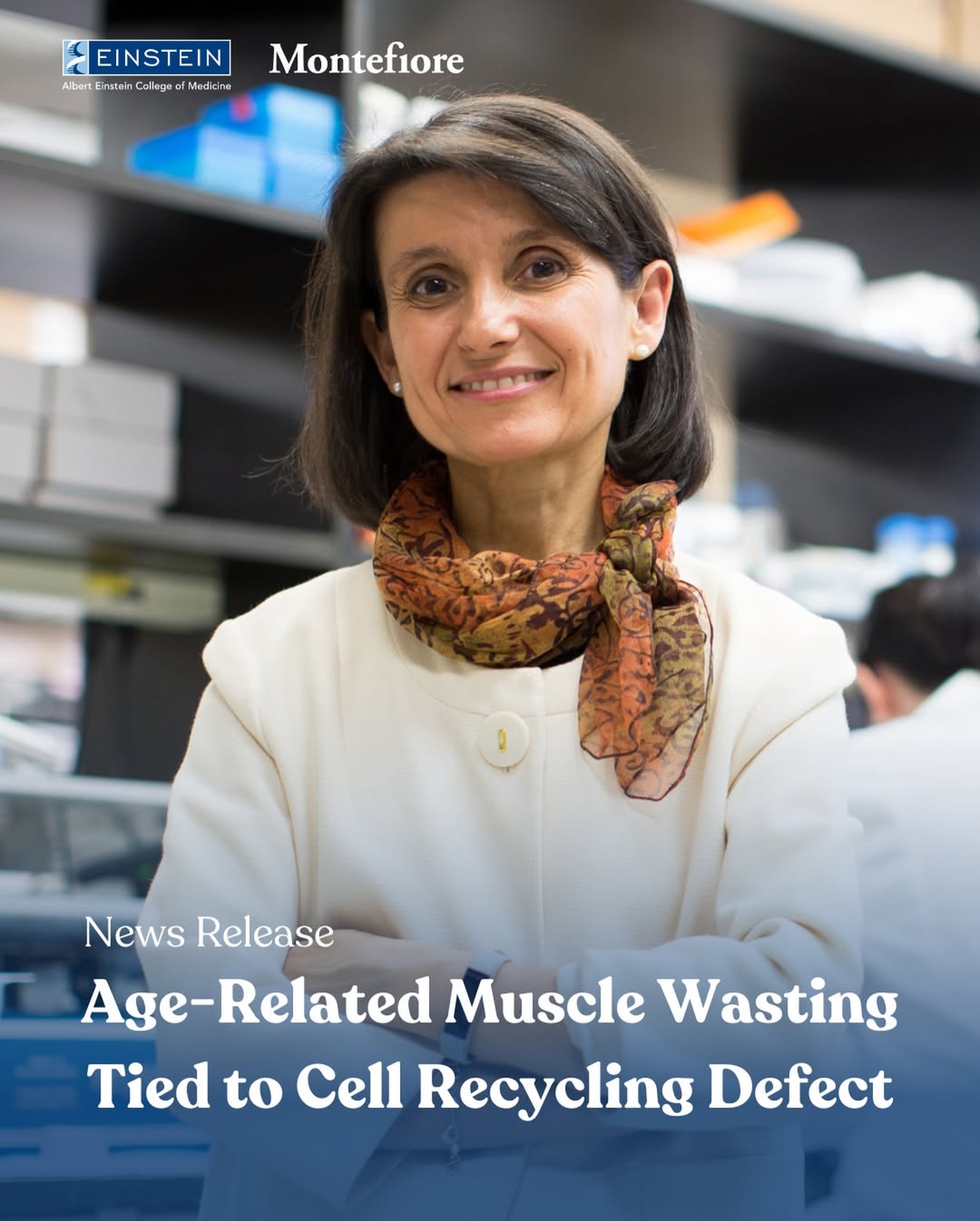
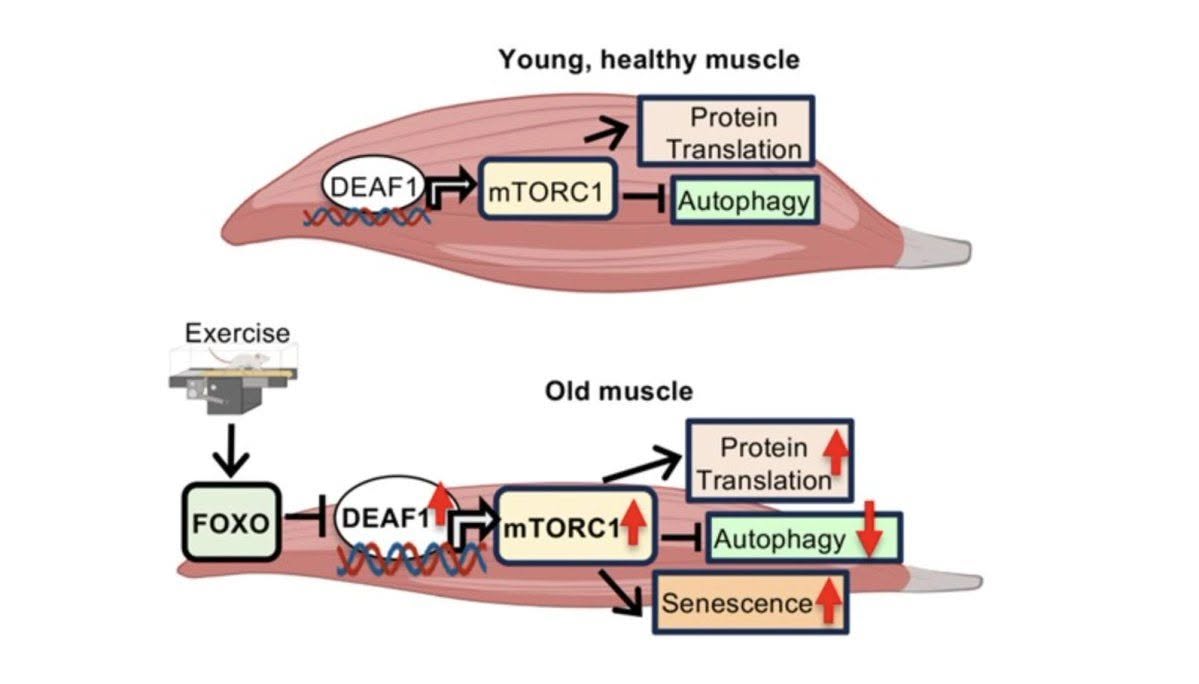
Muscle aging involves falling chaperone-mediated autophagy; fasting and exercise raise it

Dec 08, 2025 · Louis Nervegna ♥ 12 · 💬 7 ↩ 1 Aging & longevity

Louis shares two Nature Metabolism papers from Ana Maria Cuervo's group showing chaperone-mediated autophagy declines with age in muscle and that restoring it improved strength and regeneration in aging mice. He notes fasting and resistance training increase CMA, rapamycin activates it and excess high-quality protein inhibits it, and ties it to heart muscle.

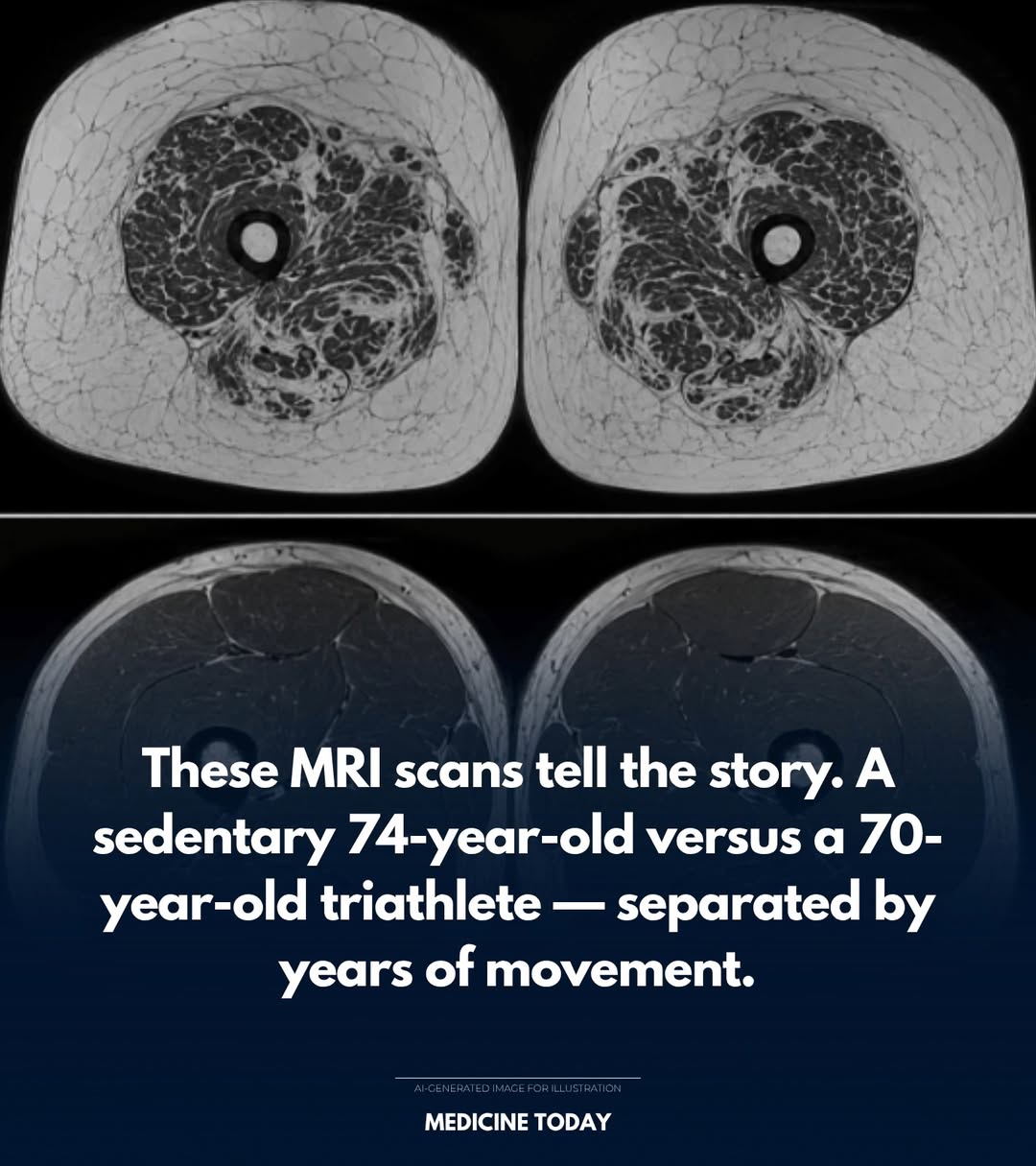
Athletes in their 70s and 80s have leg muscle density similar to athletes in their 40s

May 16, 2026 · Louis Nervegna ♥ 13 · 💬 5

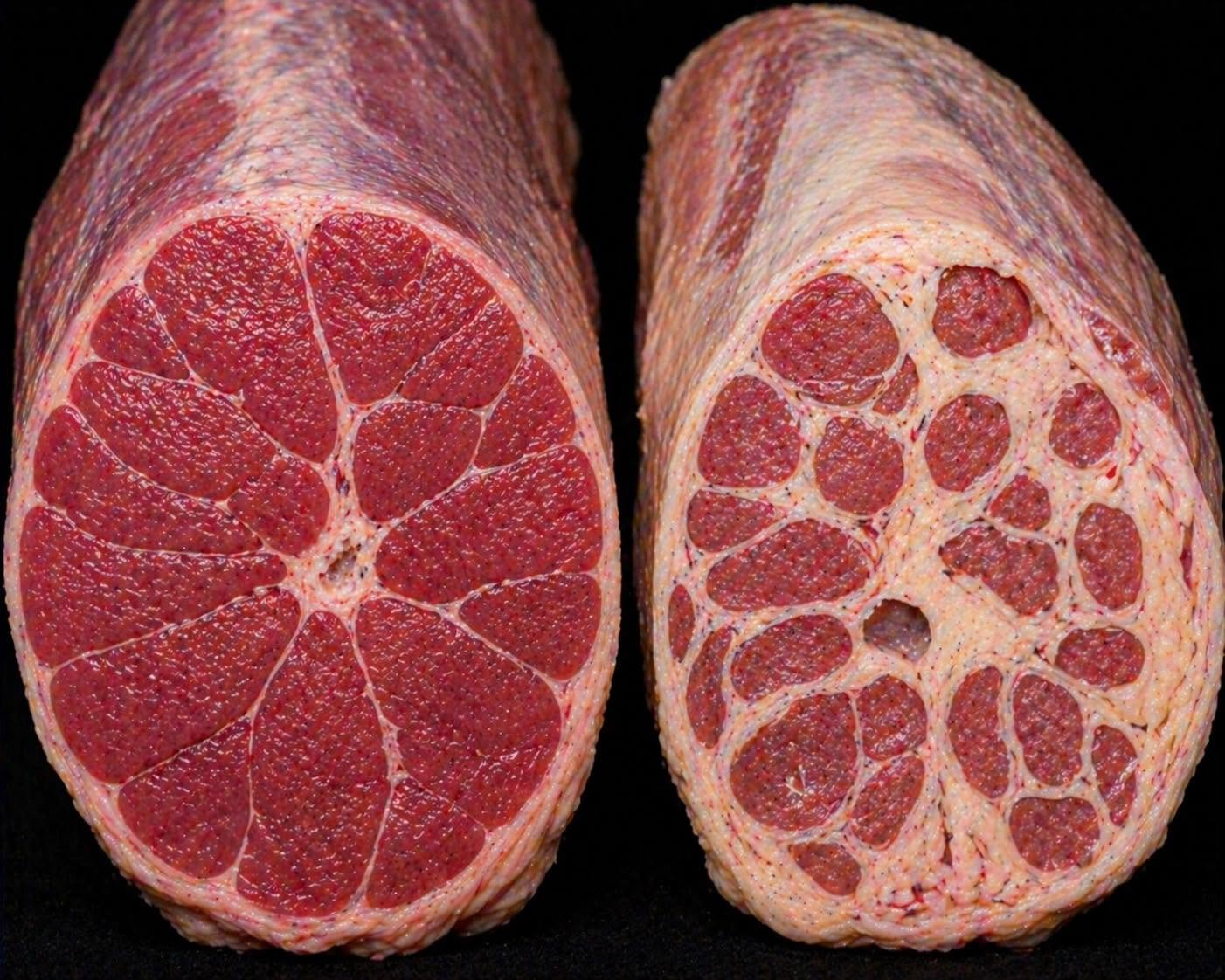
Louis shares University of Pittsburgh MRI findings in 40 high-level recreational athletes aged 40-81 training 4-5 times per week. Muscle density and strength held steady with consistent activity, suggesting much age-related decline is due to inactivity. Sedentary adults may lose up to 8% of muscle per decade after 40.

90-120 min/week of strength training linked to 13% lower mortality, 19% fewer CVD deaths

Jul 03, 2026 · Louis Nervegna ♥ 11 · 💬 3

Louis summarizes new results from the Harvard Nurses' Health Studies and Health Professionals Follow-up Study, following about 147,000 people for 30 years. Roughly 90-120 minutes a week of strength training was tied to lower all-cause, cardiovascular and neurological mortality, with the largest gains when combined with plenty of aerobic exercise.

Replacing sitting with activity raises odds of healthy aging by about 10-30%

Nov 01, 2025 · Louis Nervegna ♥ 12 · 💬 3

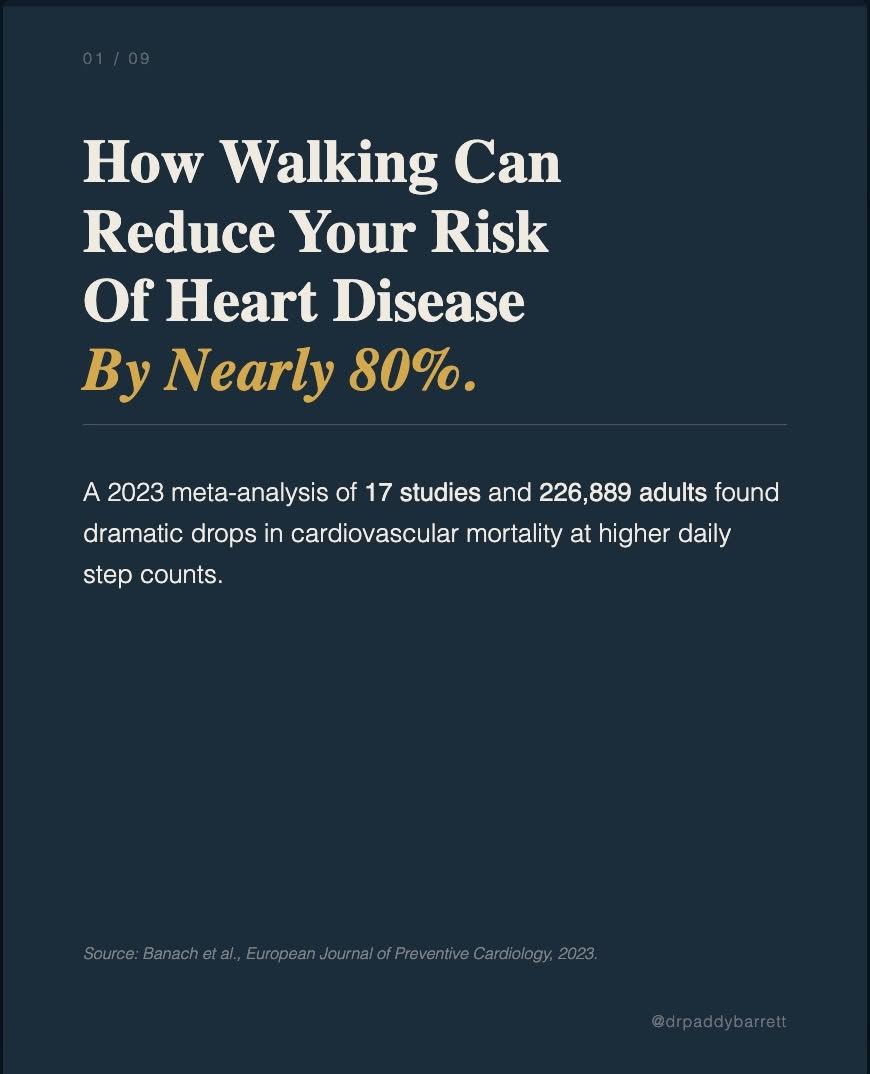
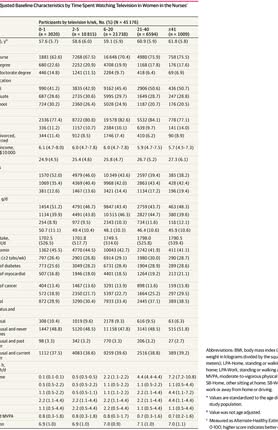
Louis summarizes a Nurses' Health Study analysis of 45,176 women followed 20 years, in which each 2 h/day of TV sitting cut odds of healthy aging 12% and replacing an hour of sitting with light activity raised odds about 8-10%. Moderate-to-vigorous activity raised them about 30%, which he calls solid but modest.

Extreme endurance exercise may accelerate plaque, but effect on events is uncertain

Jun 19, 2026 · Louis Nervegna ♥ 8 · 💬 6

Louis notes that while exercise is clearly beneficial, lifelong high-volume endurance athletes showed more plaque, including non-calcified and mixed plaque, than later starters and lightly active controls. A follow-up suggests plaque tracks with exercise duration more than intensity, and overall mortality still appears lower even at extreme levels.

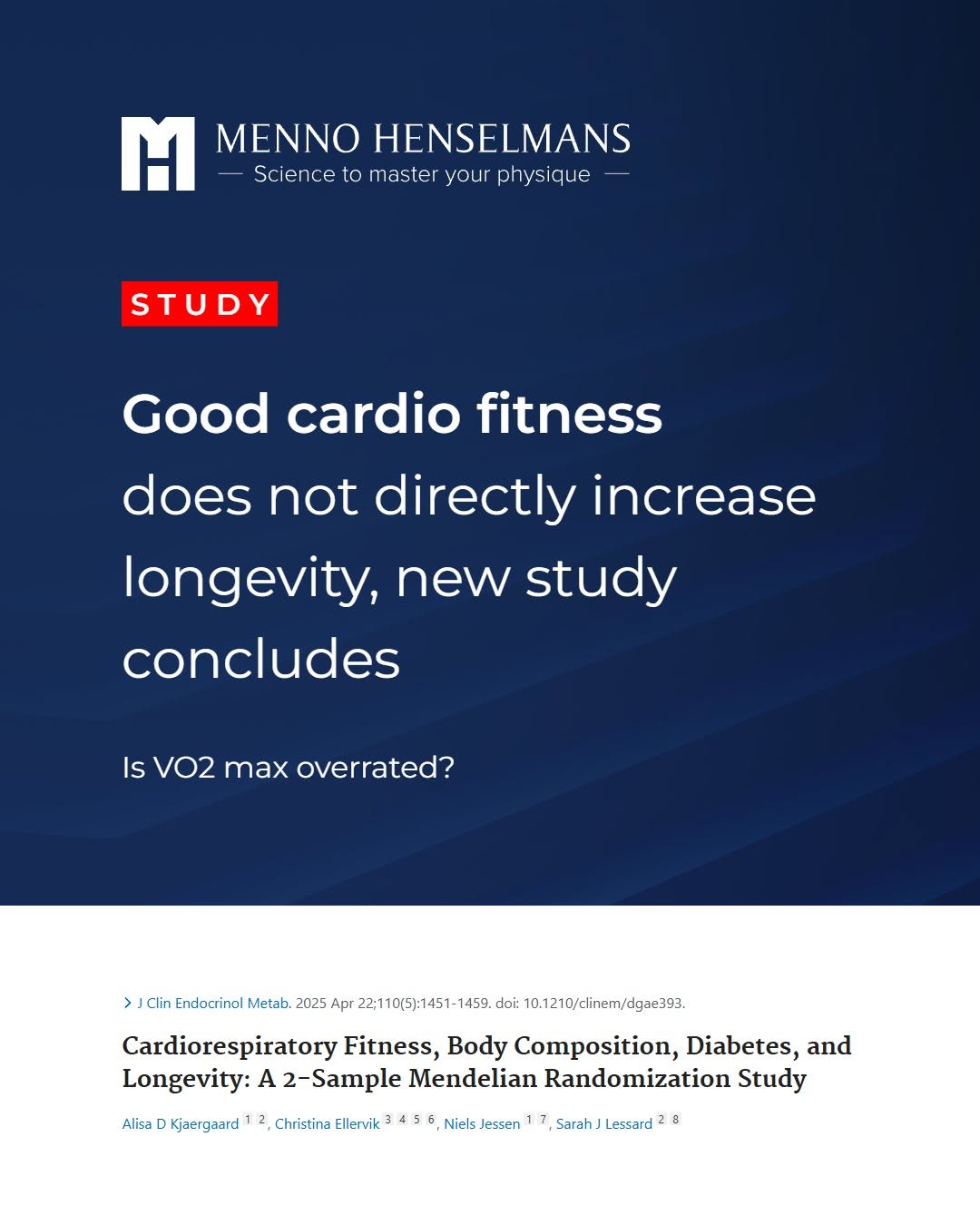
VO2max as a causal longevity metric is doubtful; Mendelian randomization shows no effect

Dec 13, 2025 · Louis Nervegna ♥ 8 · 💬 6 ↩ 7

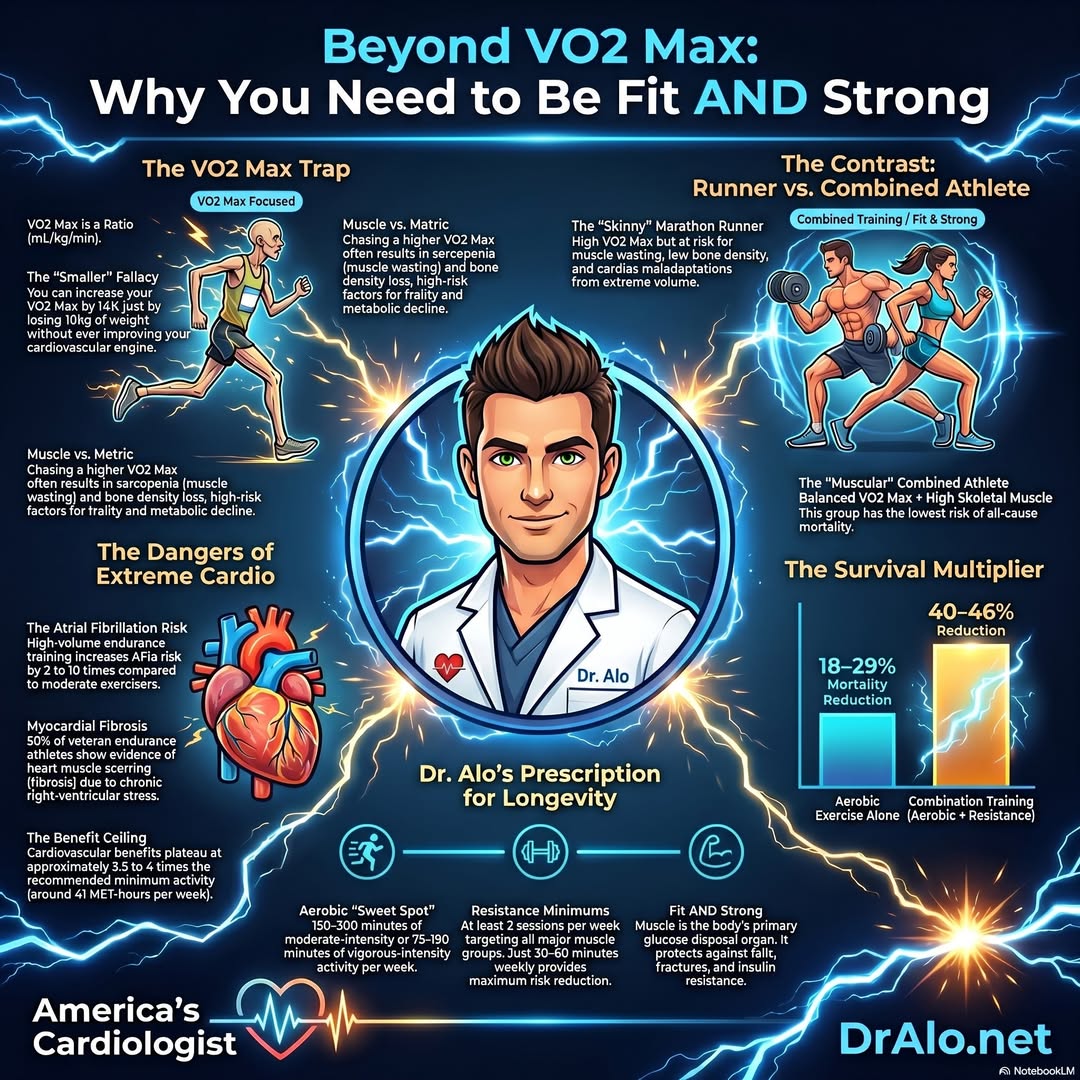
Louis endorses Chris Masterjohn's article arguing that most studies link treadmill performance, not measured VO2max, to lifespan, and that treadmill tests are influenced by many other factors and by unhealthy volunteers. Louis adds that Mendelian randomization shows no forward causal effect of VO2max on longevity but evidence of causality in the reverse direction.

Aging causes VO2max to decline, not the reverse

Nov 01, 2025 · Louis Nervegna ♥ 6 · 💬 8 ↩ 4

Louis argues that aging drives VO2max decline regardless of activity habits, and that Mendelian randomization suggests the association comes mainly from reverse causality. He cites a longitudinal Circulation study showing the decline accelerates in each successive decade.

Clonal hematopoiesis and heart disease: what exercise and sleep may do

Oct 01, 2026 · Louis Nervegna ♥ 5 · 💬 13

The poster asks what can be done about clonal hematopoiesis as a heart disease risk factor and notes that exercise and sleep are associated with lower risk and work in animal models. The shared video mentions a 90,000-person study of what exercise does to the blood.

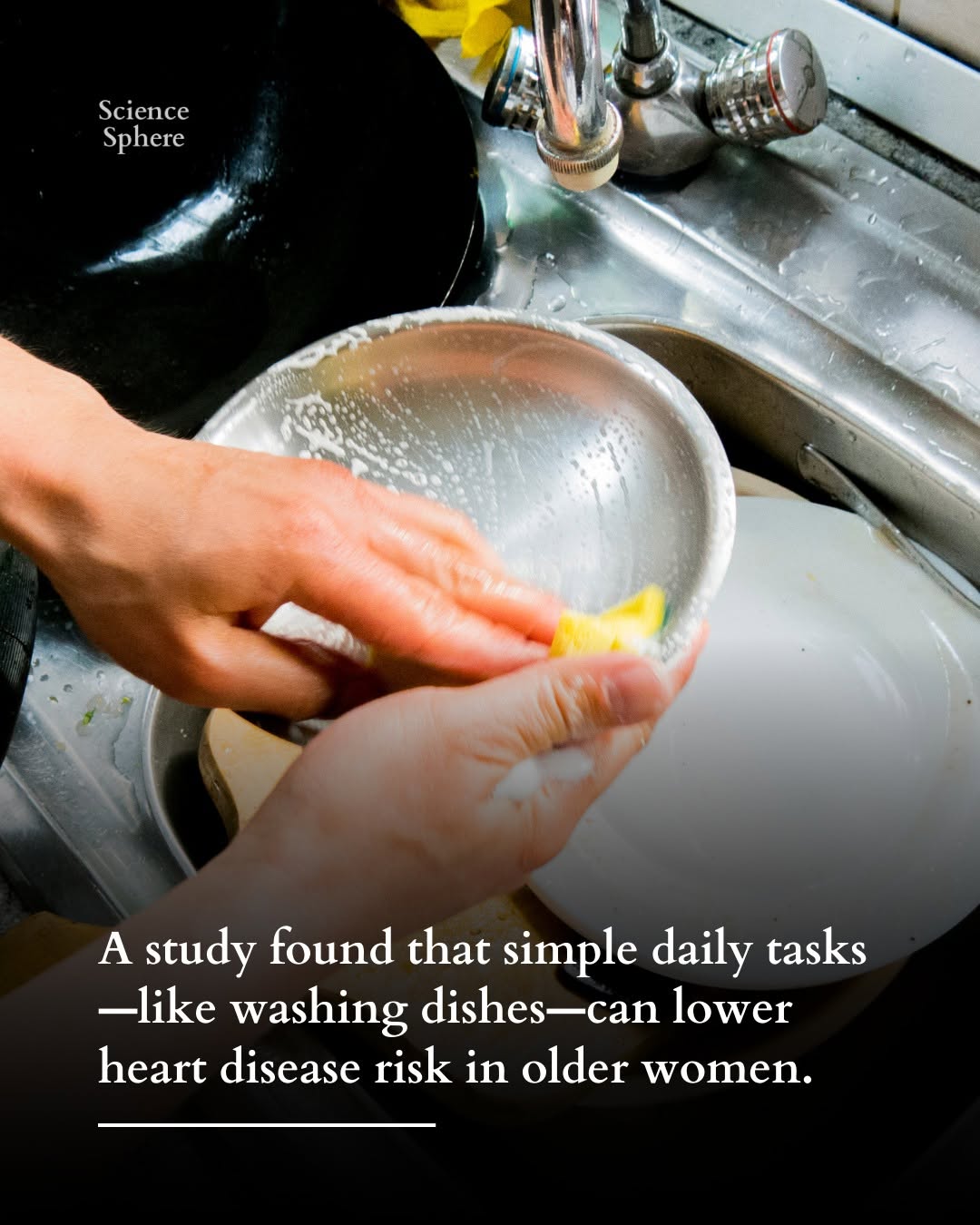
Older women with 4+ hours of daily light movement had 43% lower CVD risk

Dec 01, 2025 · Louis Nervegna ♥ 11 · 💬 3

A study of 5,416 US women aged 63-97 without prior heart disease, using accelerometers, links more time spent on housework, gardening, cooking and self-care with lower cardiovascular risk. Louis notes that reverse causality is likely but that avoiding sedentary time probably lowers risk.

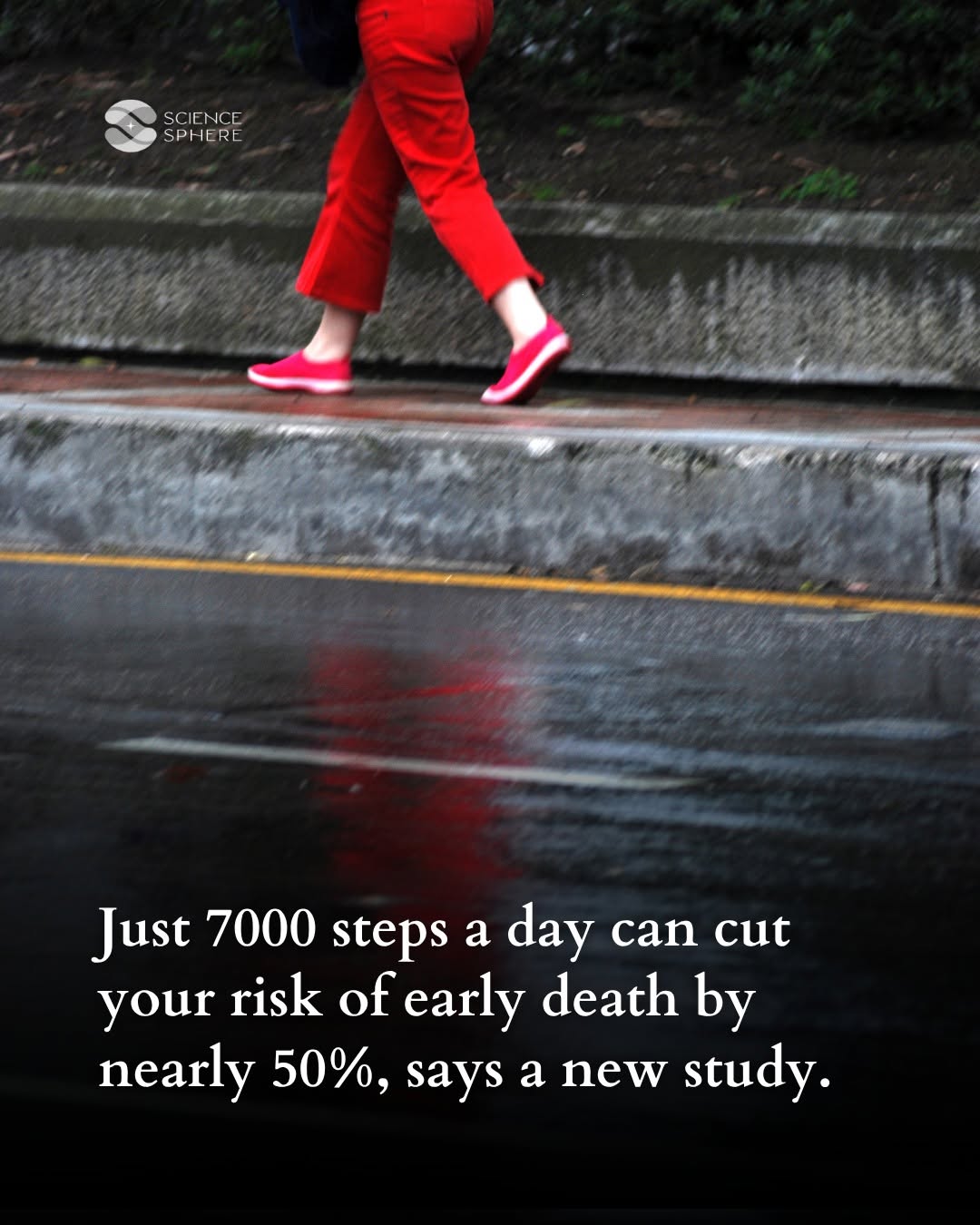
Only about 72% of exercise calories add to daily burn, limiting weight loss

Feb 09, 2026 · Louis Nervegna ♥ 8 · 💬 4

Louis explains why exercise alone is a modest weight-loss strategy: under the constrained energy model the body offsets part of exercise calories by cutting spending on other processes. The shared report states only about 72% of exercise calories are added to daily burn.

More protein without resistance training did not improve muscle in older adults

Apr 05, 2026 · Louis Nervegna ♥ 5 · 💬 6 Protein

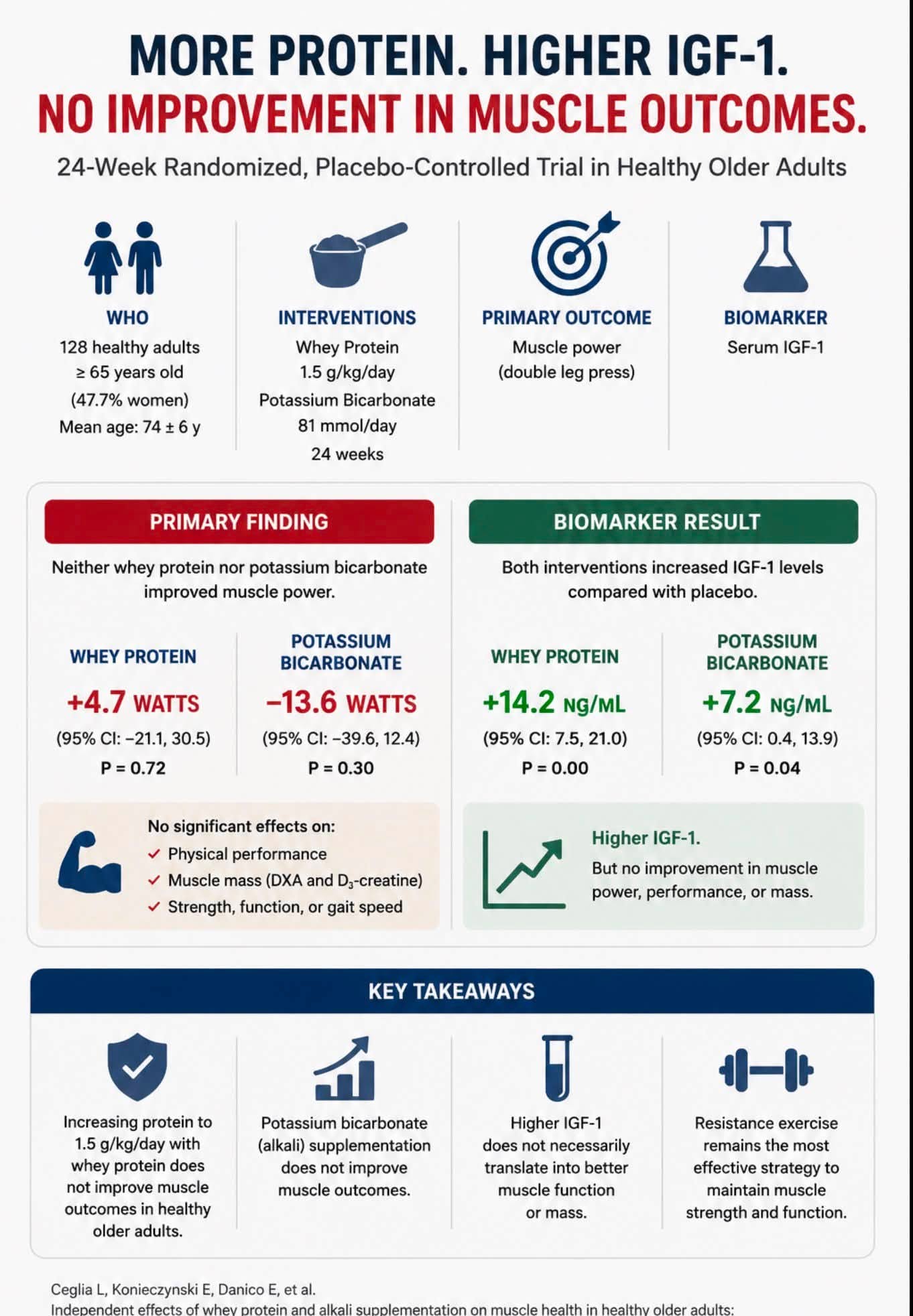
In a 24-week factorial RCT of healthy older adults, increasing protein from about 0.85 to 1.5 g/kg/day with whey, with or without potassium bicarbonate, did not improve muscle power, physical performance or mass, though IGF-1 rose. Louis adds it to evidence that extra protein alone does not build muscle.

Frequent sauna use linked to 50% lower CVD mortality, but evidence is mostly observational

Sep 30, 2025 · Louis Nervegna ♥ 13 · 💬 2

A shared summary reports that sauna use 4 to 7 times weekly is associated with about half the cardiovascular mortality and 40% lower all-cause mortality, possibly because heat mimics moderate aerobic exercise. Louis cautions that the evidence is mostly observational, though the potential benefit could be large if causal.

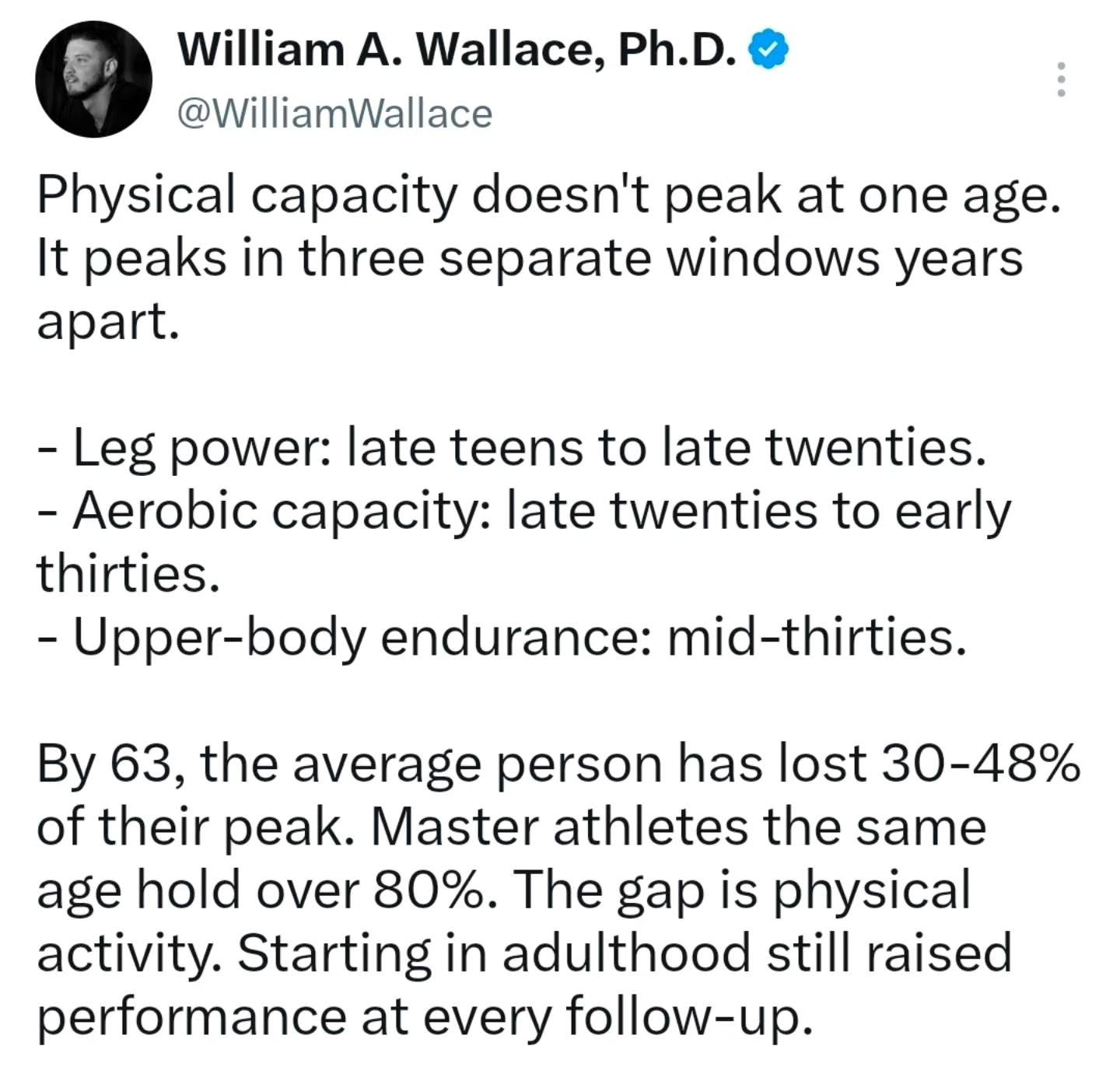
Master athletes at 63 keep over 80% of peak performance; average people lose 30-48%

May 17, 2026 · Louis Nervegna ♥ 12 · 💬 2

William Wallace shares a 47-year Swedish study of 427 people followed from age 16 to 63. Leg power peaks in the late teens to twenties, aerobic capacity in the late twenties to early thirties; by 63 the average person lost 30-48% of peak while master athletes held over 80%, with physical activity the main difference.

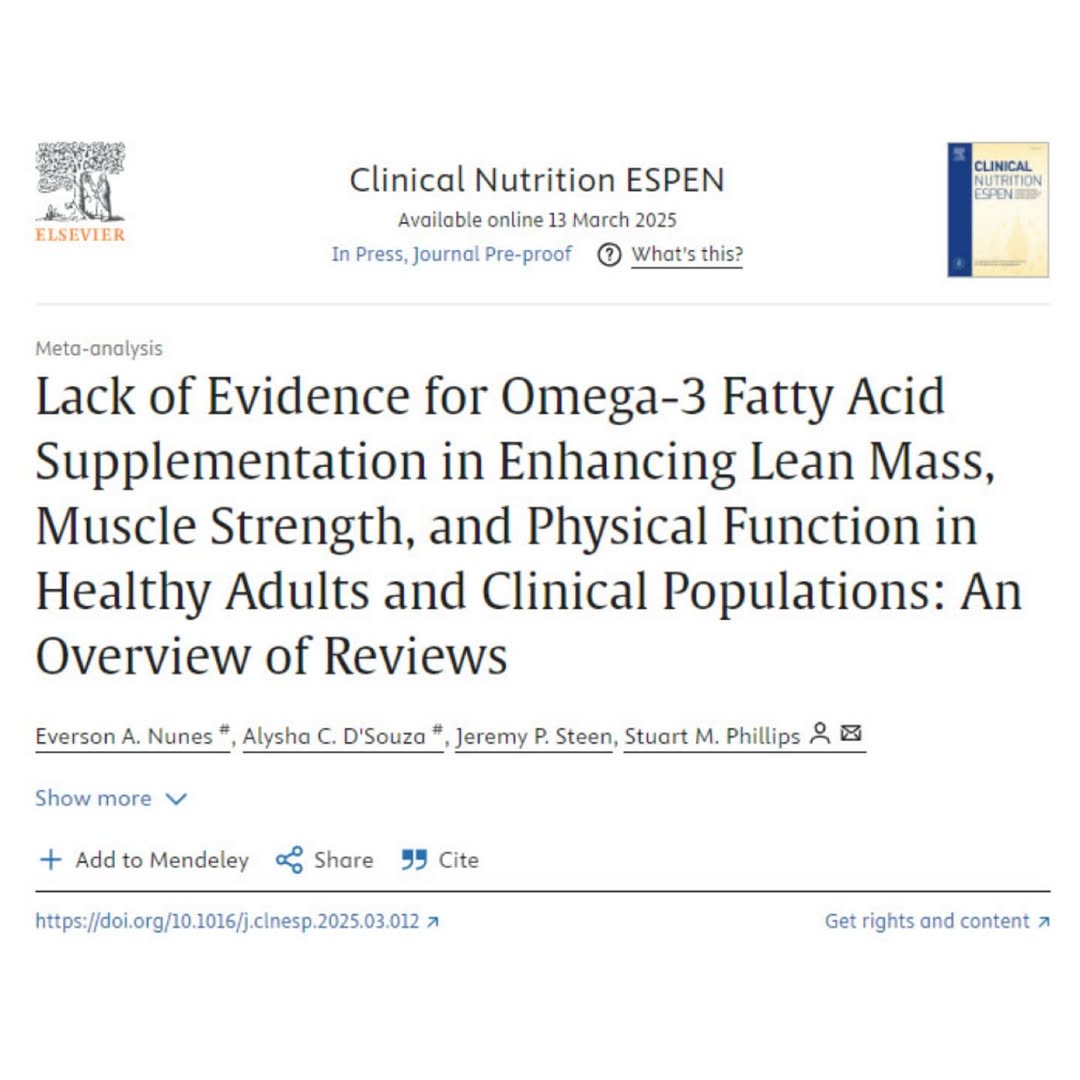
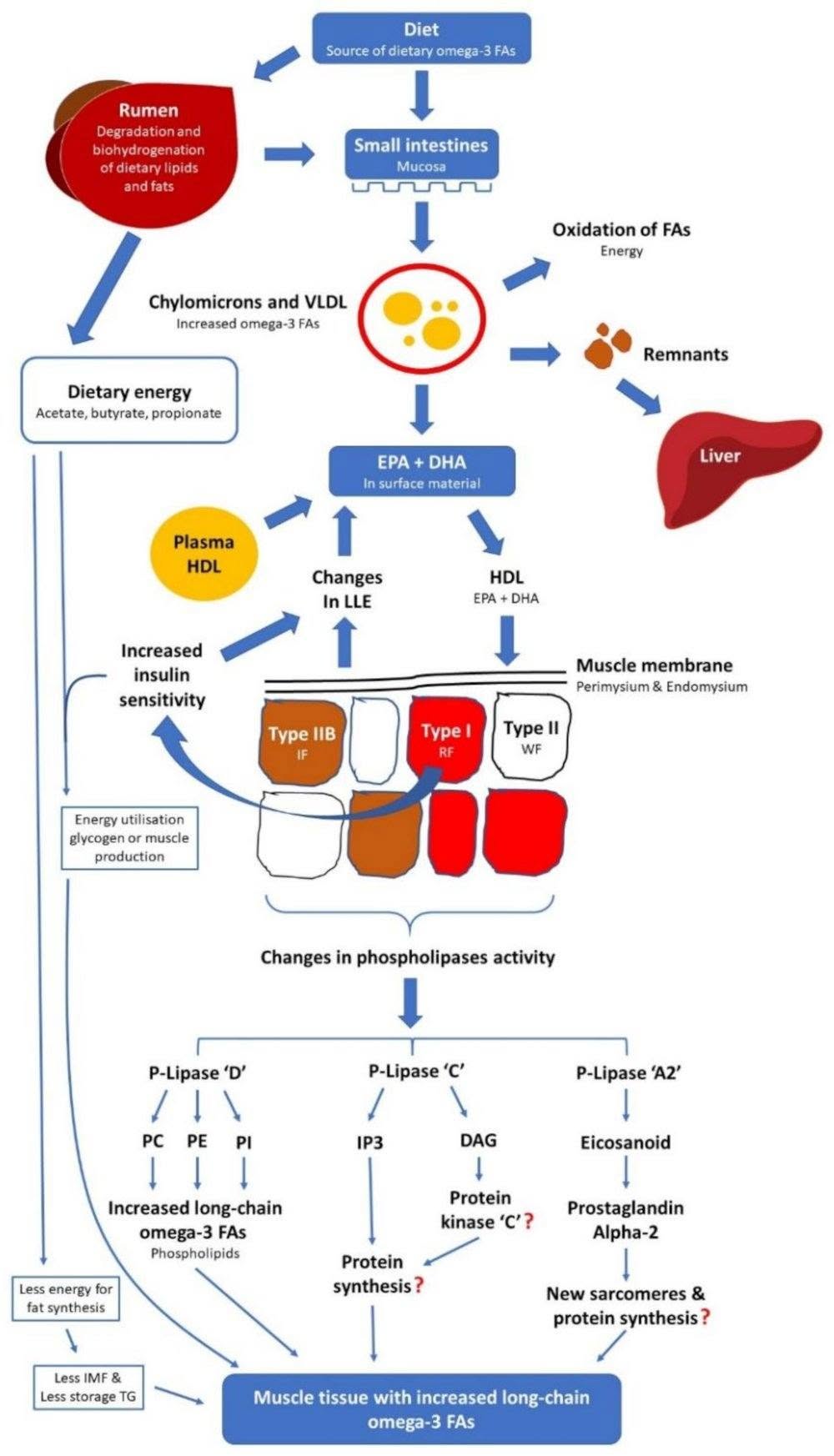
Review of 33 systematic studies finds little evidence omega-3 supplements build muscle

Mar 14, 2025 · Louis Nervegna ♥ 11 · 💬 2 Supplements & vitamins

Louis shares Stuart Phillips' summary of a 2025 Clinical Nutrition ESPEN review of 33 systematic studies, which found little evidence that omega-3 supplements improve lean mass, muscle strength or physical function in healthy adults or clinical groups. Some small benefits in older adults were suggested, but exercise and protein remain the best strategies.

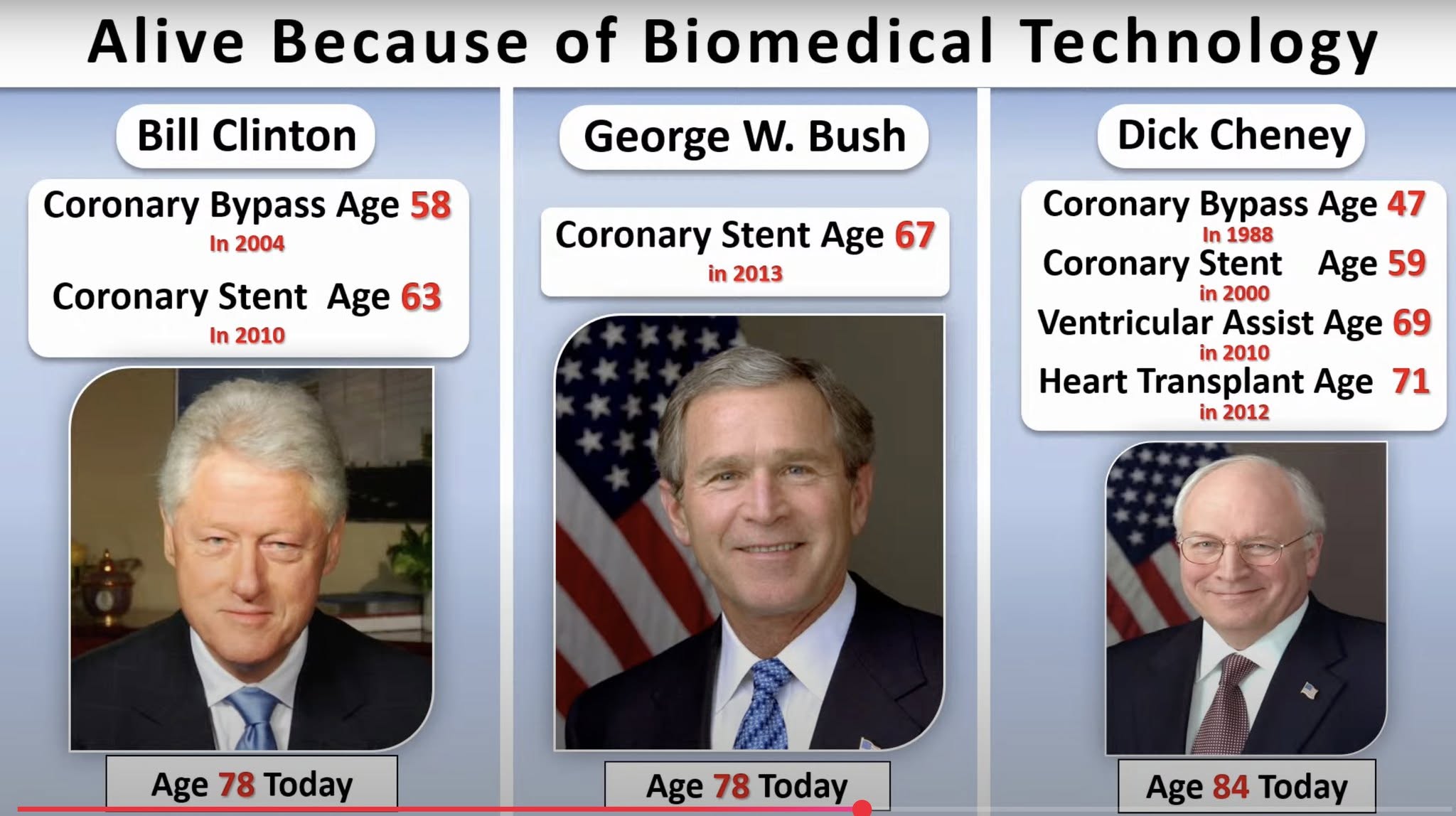
Lifestyle changes may cut sudden cardiac arrest risk 40-63%, per 2025 UK study in a video

Jun 01, 2025 · Gokhan Can ♥ 10 · 💬 2 Heart attack, stroke & procedures

A video segment from Life Extension founder Bill Faloon discusses a 2025 UK study finding that modifiable factors such as physical activity and social engagement reduce sudden cardiac arrest risk by 40-63%, while unemployment and smoking raise it. He also contrasts today's heart disease treatment with that available to past presidents.

DEMFOS: metformin neither blunted nor boosted exercise and diet gains in older adults

Aug 11, 2026 · Louis Nervegna ♥ 7 · 💬 2

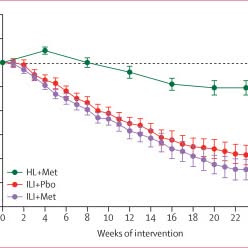
In a 6-month randomized trial of 114 older adults (mean age 72.8) with obesity, adding metformin to an intensive exercise and diet program neither impaired nor improved strength, aerobic capacity or mobility. The longer duration addresses earlier 3-month trials that suggested mild blunting.

VO2 max is a ratio, and chasing it can mislead about heart health

Jul 19, 2026 · Louis Nervegna ♥ 13 · 💬 1

Louis agrees with a critique of influencers who treat VO2 max as the key heart-health metric. VO2 max is oxygen consumption divided by body weight, so it can rise through weight loss without real fitness gain. He also notes AHA and ACC statements recognizing high-volume intense exercise can have downsides.

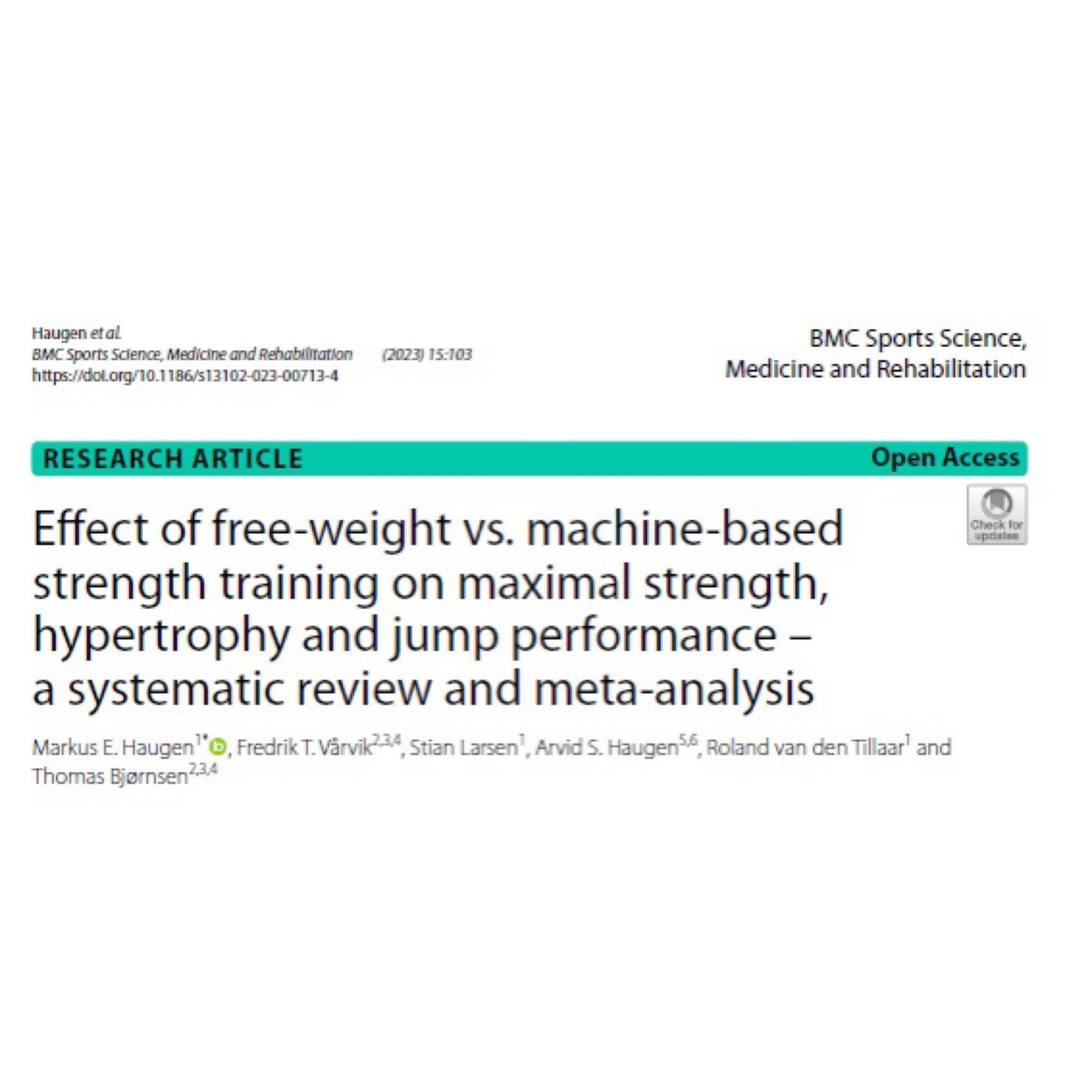
Meta-analysis: machines build muscle as well as free weights

Sep 19, 2026 · Louis Nervegna ♥ 8 · 💬 2

A systematic review and meta-analysis by Haugen and colleagues compared free weights with machines and found similar muscle growth. Only five studies qualified, and the poster notes that machines may be safer for older people.

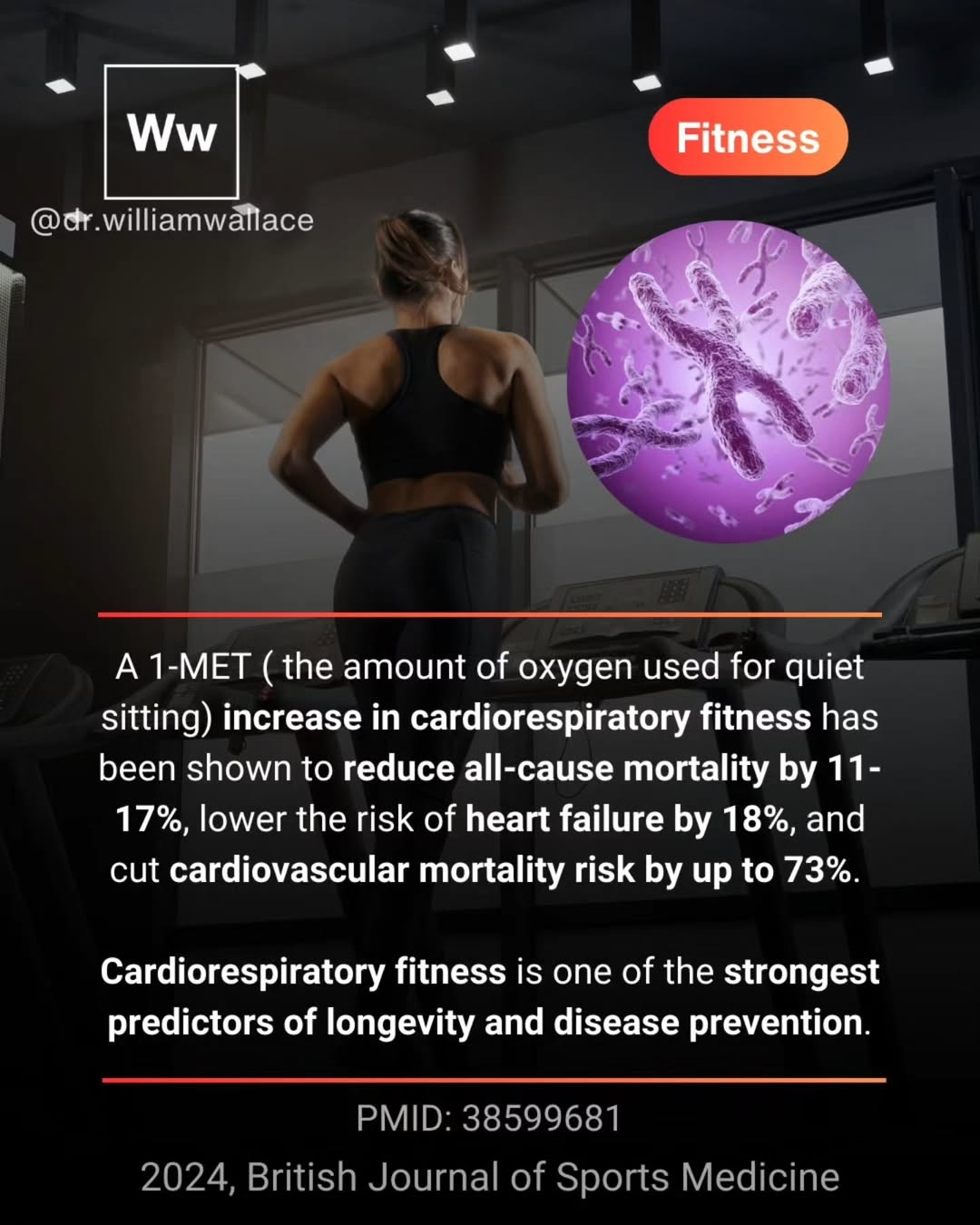
Below-average fitness carried about 41% higher mortality, like smoking, in 122,007 adults

Oct 24, 2026 · Louis Nervegna ♥ 14

A retired neurosurgeon summarizes a Cleveland Clinic study of 122,007 adults followed a median of about 8 years after a treadmill stress test. People slightly below average in fitness had about 41% higher risk of death than those slightly above average, similar to the added risk of smoking. He also discusses what the study does and does not show.

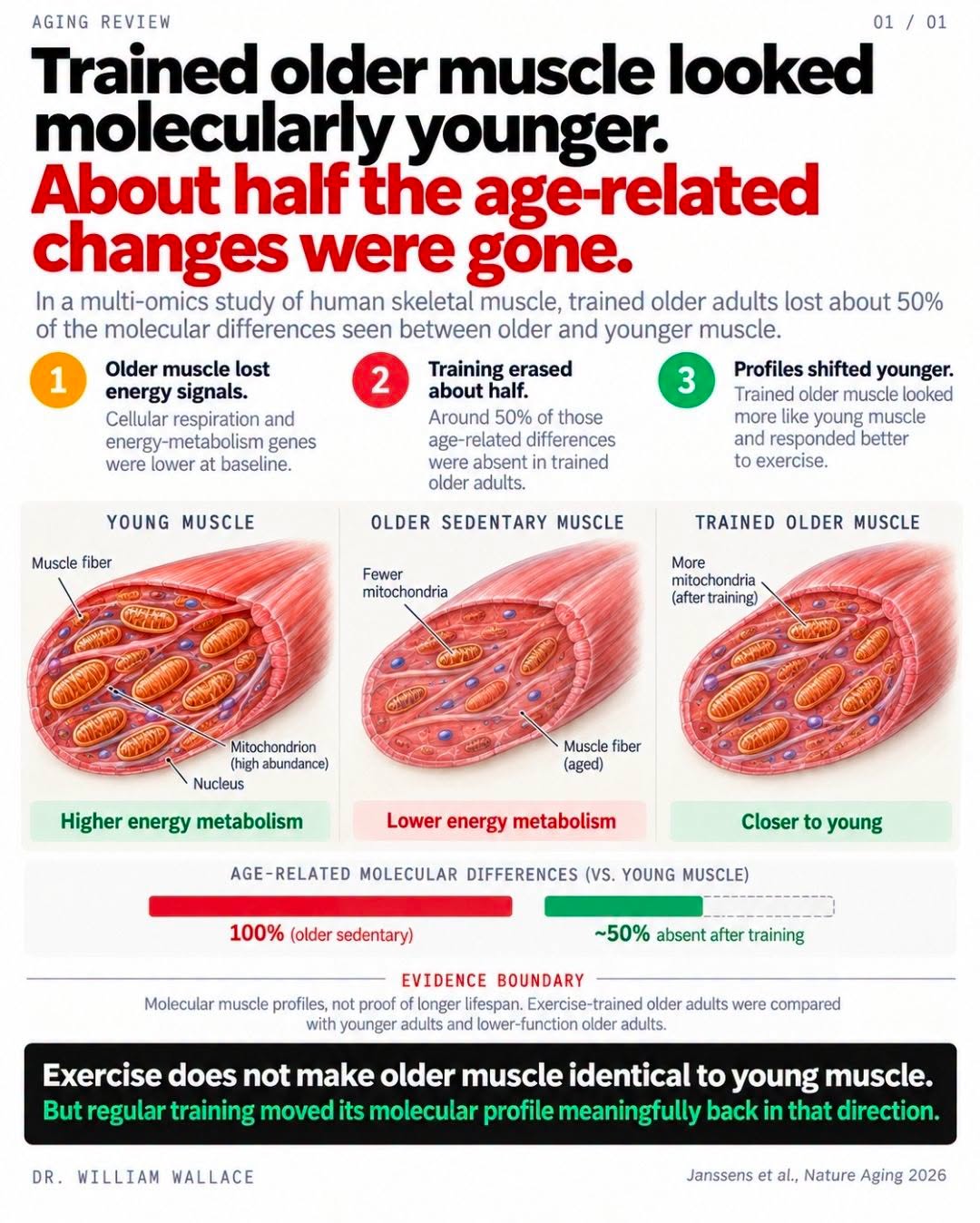
Exercise-trained older adults' muscle looked younger at the molecular level

Sep 18, 2026 · Louis Nervegna ♥ 9 · 💬 1

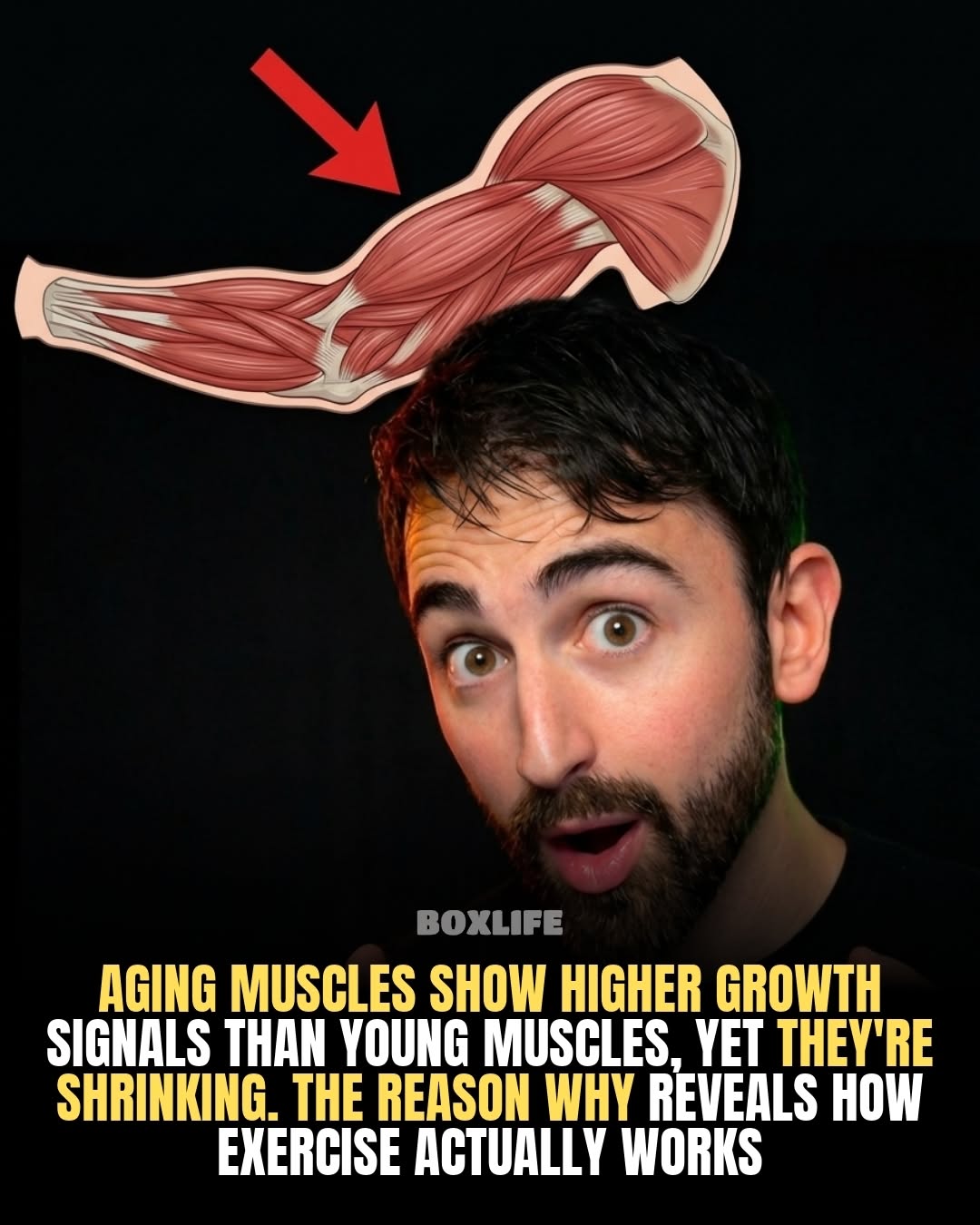
A Nature Aging multi-omics study compared skeletal muscle from younger and older adults and found that about half of the age-related molecular differences were absent in exercise-trained older adults, who looked more like young muscle. Gene expression for cellular respiration and energy metabolism was preserved.

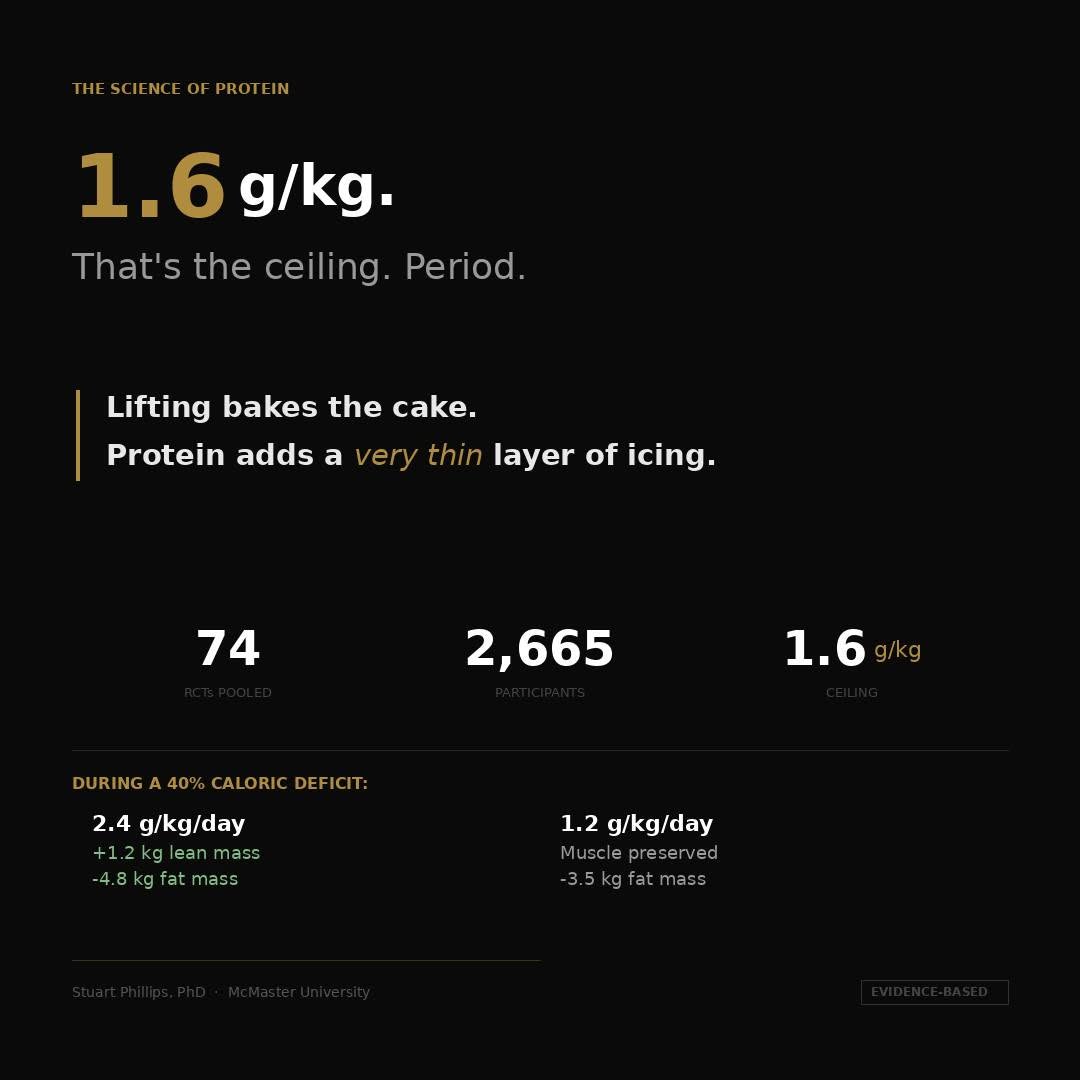
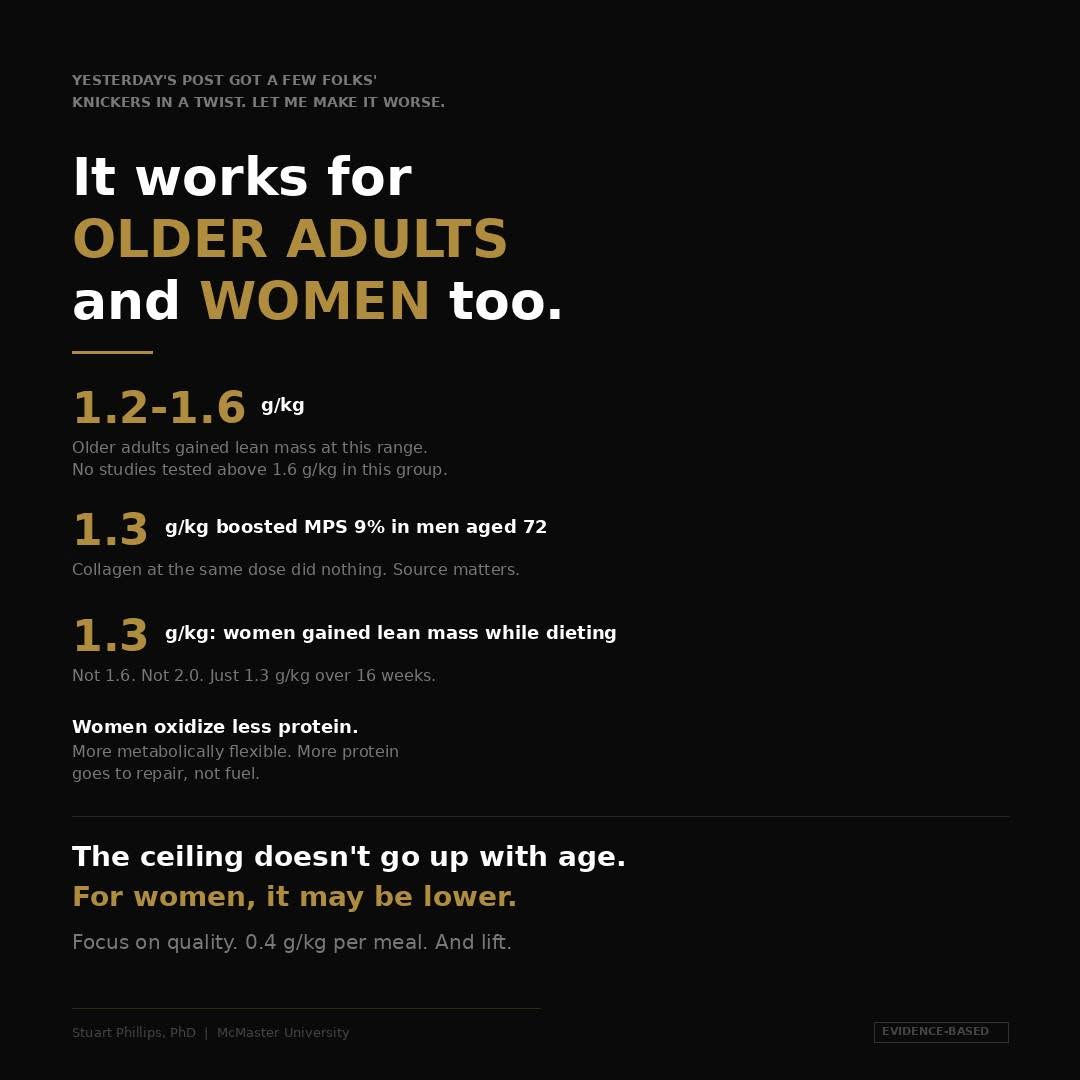
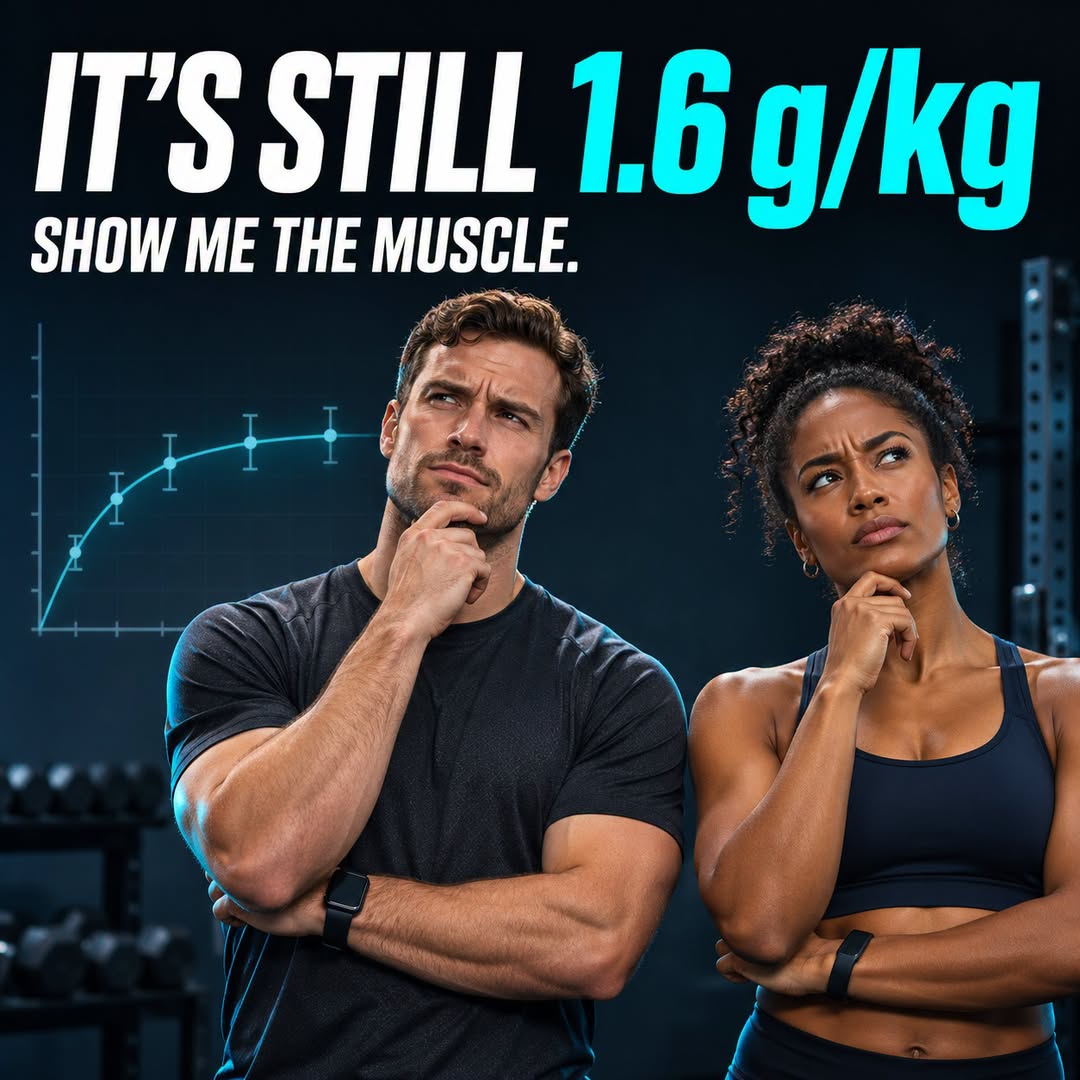
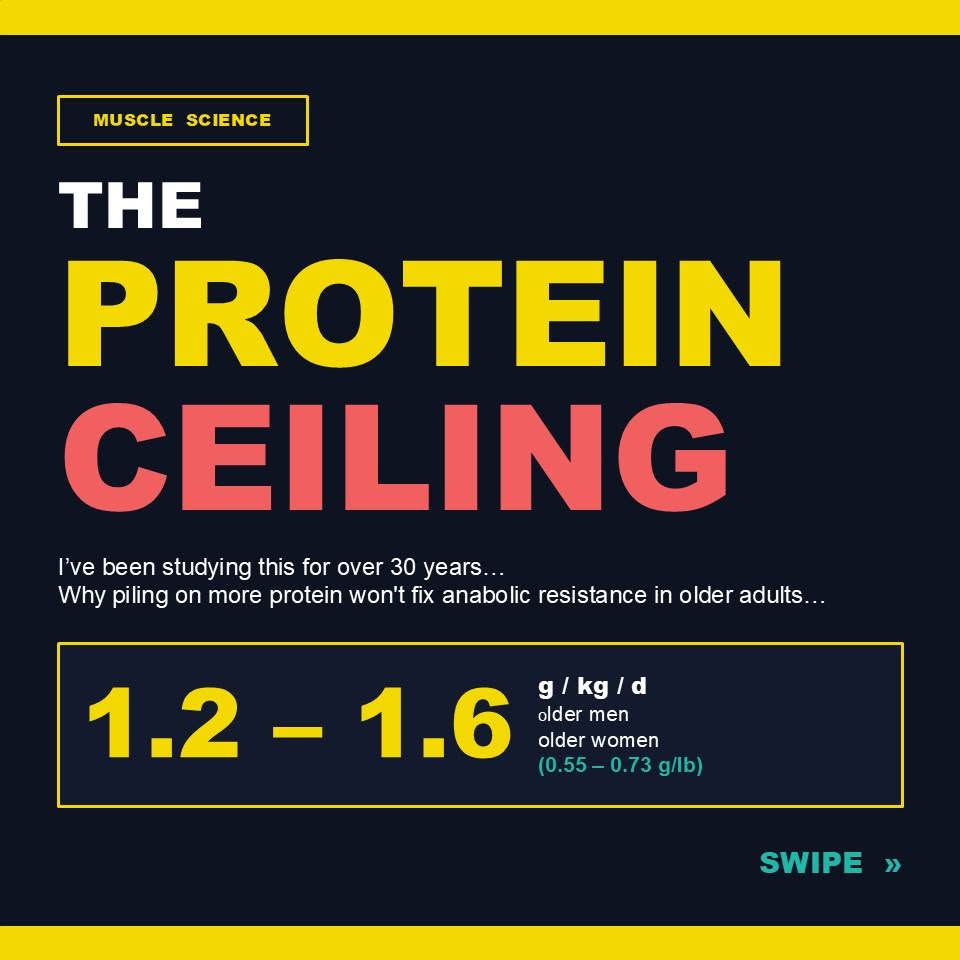
Stuart Phillips preprint: muscle benefit of protein still caps at 1.6 g/kg

Oct 08, 2026 · Louis Nervegna ♥ 8 · 💬 1 Protein

Phillips posted a new, not peer-reviewed preprint reviewing the evidence and concluding that the muscle-related benefit of protein still tops out at about 1.6 g/kg per day, and only in people doing resistance training. He argues that most trials report lean mass, about half of which is not muscle, and that women's needs are not different from men's.

After a marathon, troponin and NT-proBNP spike but look like normal physiology

Jun 10, 2026 · Louis Nervegna ♥ 5 · 💬 2

Louis shares a 2026 meta-analysis of 49 studies and 3,274 runners showing cardiac strain markers surged after marathons, often past diagnostic thresholds, while heart chambers changed shape. Changes were modest, MRI showed no clear structural injury, and the authors consider them normal responses, though long-term effects of repeated marathons are unknown.

Protein benefits for muscle plateau near 1.2 g/kg, with no proven gain beyond 1.5-1.6 g/kg

Dec 19, 2025 · Louis Nervegna ♥ 8 · 💬 1 Protein

Louis summarizes what he sees as the preponderance of evidence: extra protein without resistance training has no proven muscle-strength benefit, and with resistance exercise most benefit is reached around 1.2 g/kg/day. He links a Simon Hill podcast discussing randomized trials and meta-analyses (Morton et al., Tagawa et al.) and a list of earlier group posts.

Metformin mildly raises lactate, which Louis argues is beneficial; lactate fuels the brain

Mar 25, 2025 · Louis Nervegna ♥ 11 · 💬 1 Insulin resistance & diabetes

Louis notes that metformin mildly raises lactate and that claims this is harmful are wrong, sharing a FoundMyFitness post on lactate as brain fuel. That post says intense exercise above 85% of max heart rate generates lactate, which the brain uses and which boosts BDNF, citing research that six minutes of high-intensity cycling raised BDNF 4-5x. No primary study is named for the metformin claim.

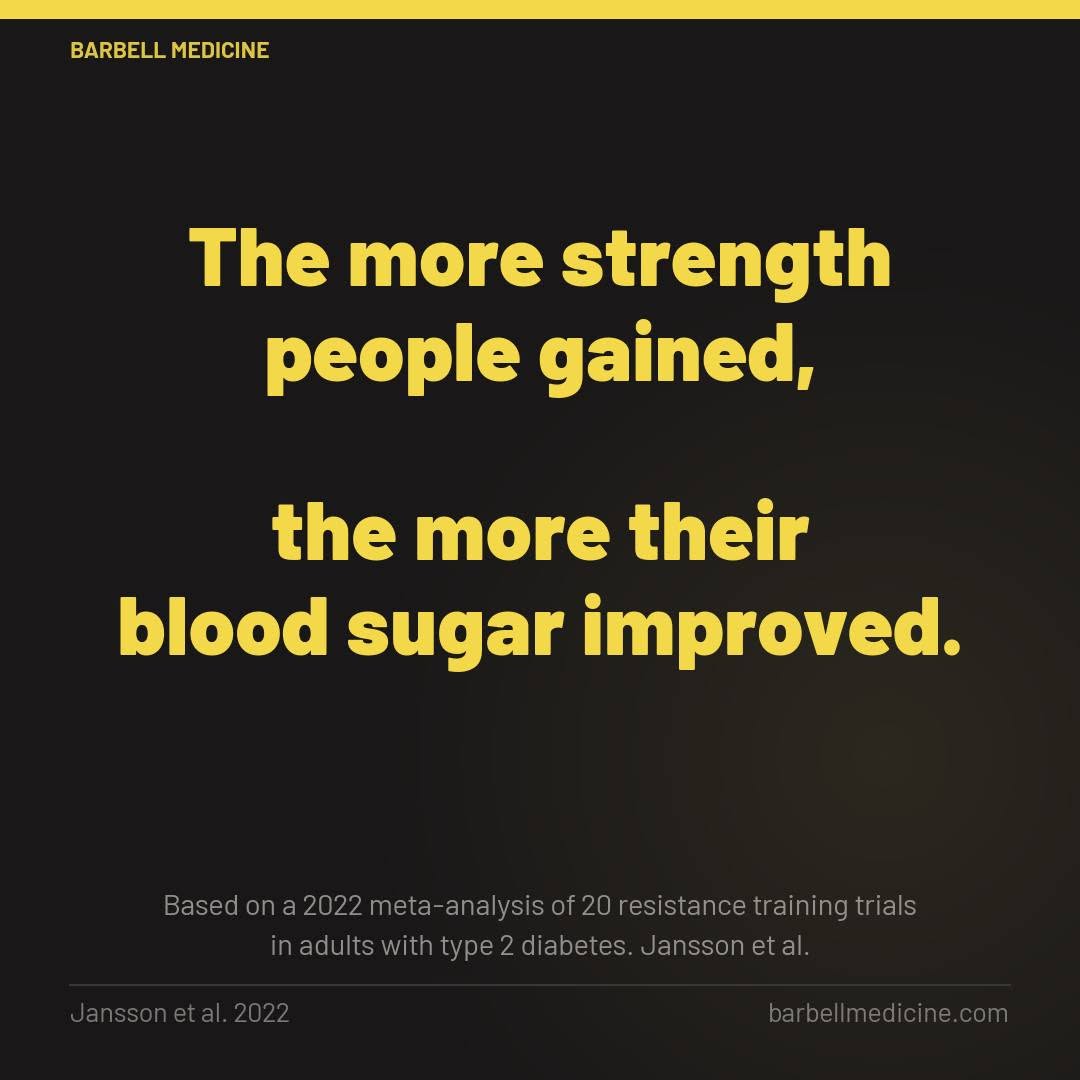
Exercise activates AS160 and GLUT4 for muscle glucose uptake; Zierath wins 2024 EASD prize

Aug 26, 2024 · Louis Nervegna ♥ 12

Louis shares news that Prof. Juleen Zierath won the 2024 EASD Diabetes Prize for Excellence for 30 years of work on exercise and muscle insulin signalling. Her group found exercise activates AS160, which boosts GLUT4 to move glucose into muscle and fat cells, a pathway still working when insulin's effect is impaired in type 2 diabetes. This supports exercise for lowering blood sugar.

Two years of 5 hours weekly exercise reversed heart stiffening in adults over 50

Dec 18, 2025 · Louis Nervegna ♥ 9

Louis shares a magazine write-up of Ben Levine's randomized trial in which sedentary adults over 50 did a 2-year program of about five hours of weekly exercise, including Norwegian 4x4 intervals and strength work. Their hearts became more elastic, larger and functioned like those of 30-year-olds.
HCM, athlete's heart and LVH look alike on imaging but differ greatly in risk

Apr 03, 2024 · Louis Nervegna ♥ 4 · 💬 1 ↩ 1 Heart rhythm & heart failure

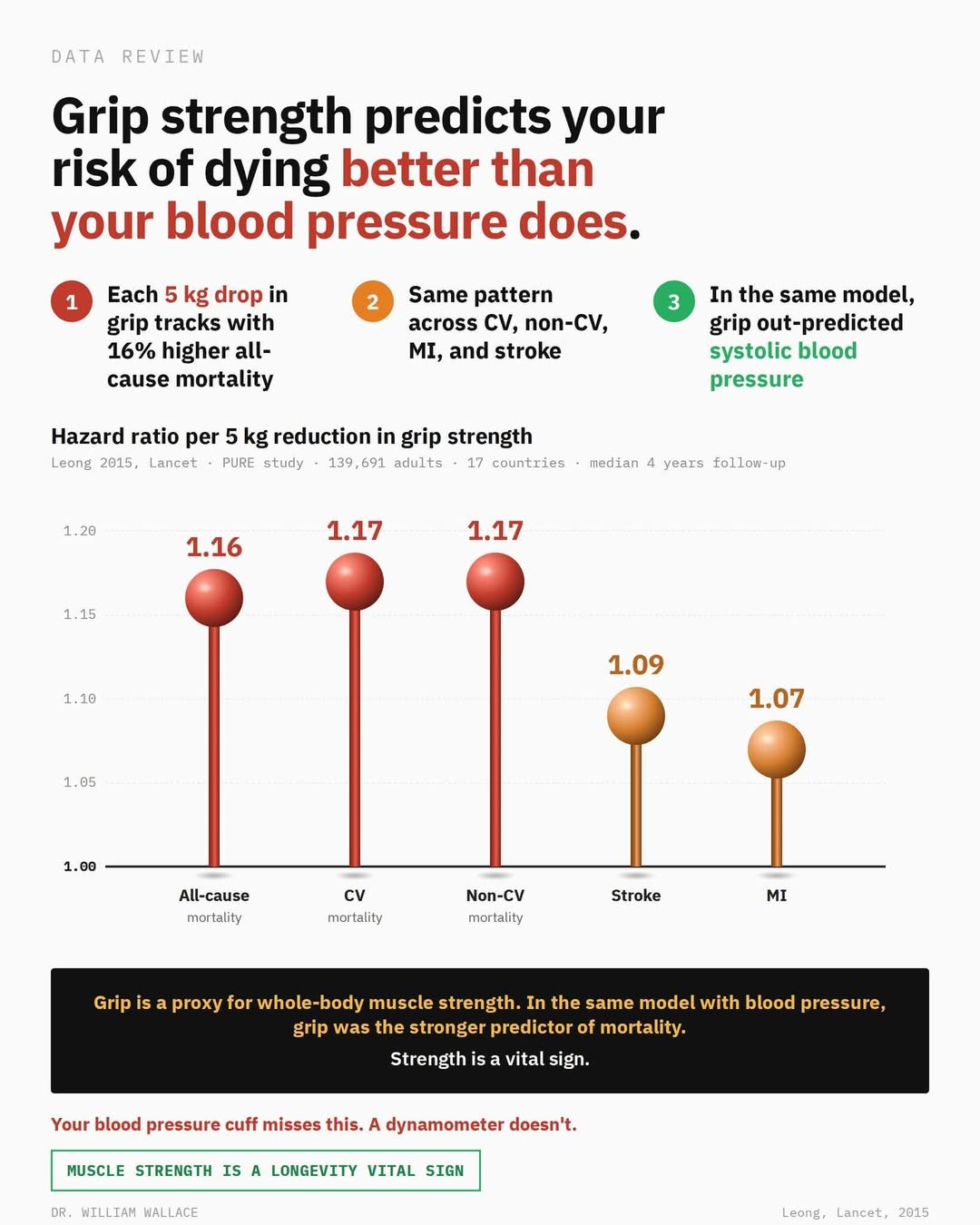
Louis explains HCM, athlete's heart and left ventricular hypertrophy (LVH) can look alike on EKG or ultrasound. HCM is usually genetic and serious, potentially causing sudden cardiac arrest; athlete's heart follows long-term intense exercise and is usually benign; LVH is usually due to uncontrolled hypertension or aortic stenosis. A person can have both HCM and athlete's heart.

Exercise beat metformin for diabetes prevention, cutting incidence 39%

Aug 13, 2025 · Louis Nervegna ♥ 8

A quoted summary says the largest diabetes prevention study found lifestyle intervention with 150 minutes weekly of moderate exercise cut diabetes incidence 39%, surpassing metformin. Over 20 years, the reduction was 24% vs 17% for metformin.

Stuart Phillips: 1.6 g/kg/day protein remains sufficient for people who resistance train

Nov 06, 2026 · Louis Nervegna ♥ 5 Protein

Louis shares a response from protein researcher Stuart Phillips defending the 1.6 g/kg/day recommendation after a critique. He argues it is a sufficiency with a margin, not a cliff, and that head-to-head trials of 1.6 versus up to 3.2 g/kg/day found no significant lean-mass advantage, while three studies cited for more benefit used weak muscle measures.

Weight lifting raises follistatin, which may protect against atherosclerosis

Jul 21, 2026 · Louis Nervegna ♥ 7

Louis points out that lifting weights raises follistatin, linking it to a shared study where follistatin protected against atherosclerosis by improving fat burning, mitochondrial function and plaque stability. He suggests this may partly explain resistance training's heart benefits.

Exercise and cancer: evidence is mostly observational and modest

Nov 01, 2025 · Louis Nervegna ♥ 4

Louis shares a Medscape article and argues that the evidence that exercise protects against cancer is almost all observational, modest and strong only for a few cancers, with melanoma and prostate cancer possibly showing positive associations.

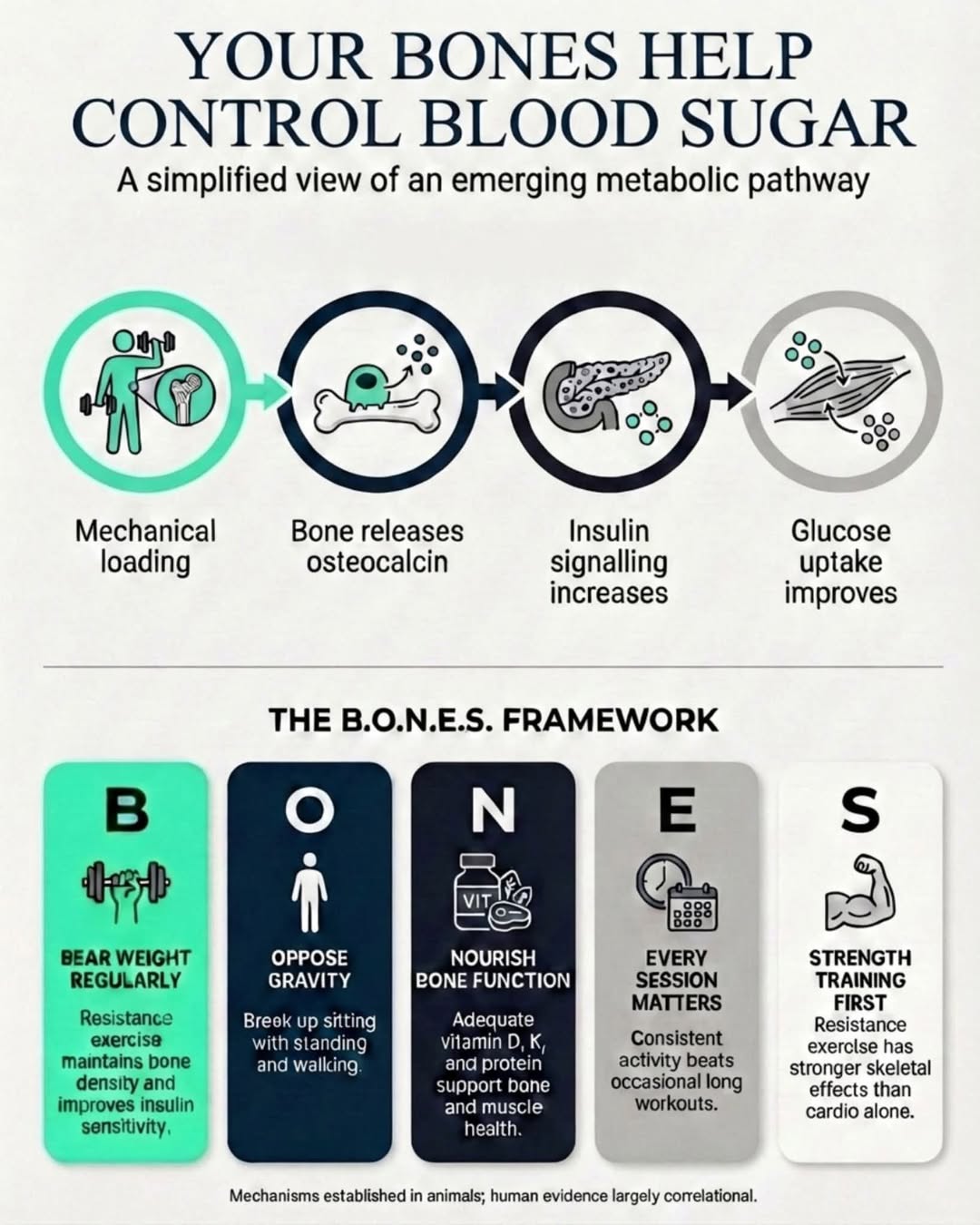
Mechanical stress on bones made mice live nearly 3 months longer via anti-aging signals

Nov 03, 2026 · Louis Nervegna ♥ 6

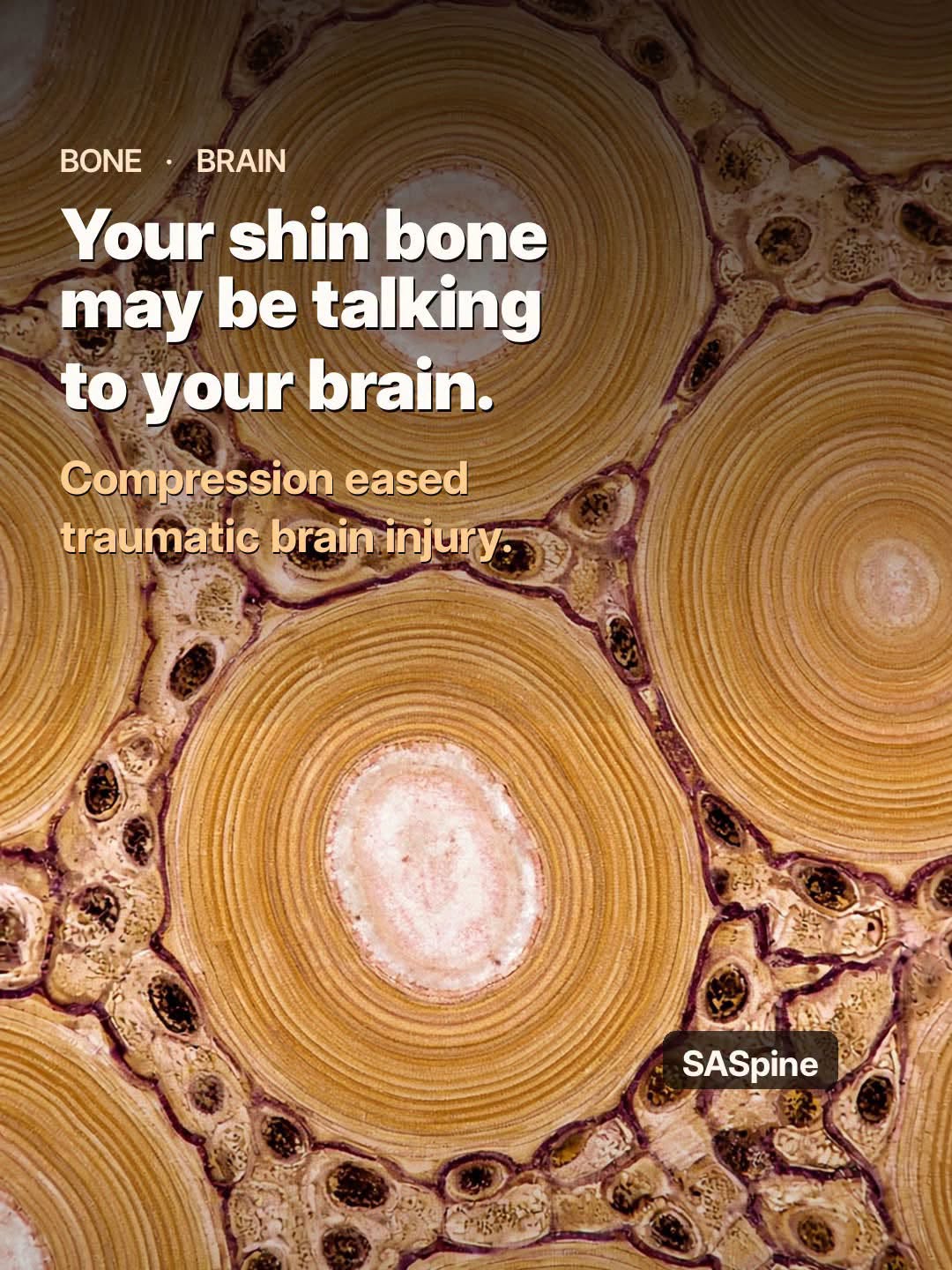
A news report on a mouse study found that mechanical strain on the skeleton, similar to what occurs in exercise and resistance training, makes osteocytes secrete anti-aging chemicals. Gently squeezing leg bones extended mouse lifespan by nearly 3 months, roughly nine human years. A related study found bone stress improved memory and motor function after traumatic brain injury in mice and pigs.

Coffee polyphenols bind NR4A1, an exercise-linked receptor, in cell models

Mar 30, 2026 · Louis Nervegna ♥ 2 Nuts, fish, coffee, tea, cocoa & other foods

SuppVersity reports a Nutrients 2026 study in which brewed coffee components such as chlorogenic acid and kahweol bound the nuclear receptor NR4A1 as inverse agonists in cell models. NR4A1 is linked to glucose and fat handling and is raised by exercise, suggesting a possible mechanism for coffee's epidemiological benefits. This is cell-model evidence only.