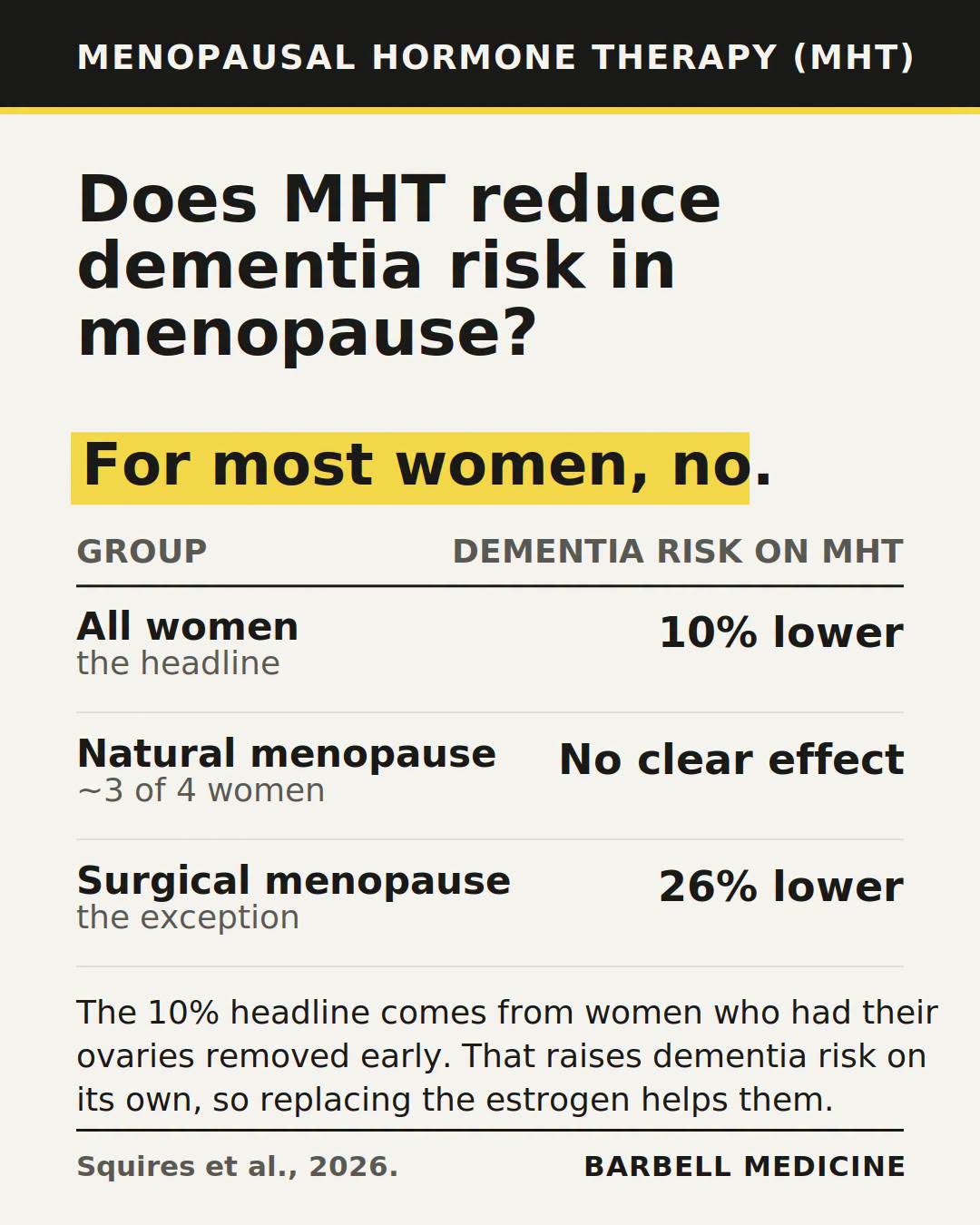
Here is good evidence-based information on hormone replacement and heart disease from the Cleveland Clinic. It discusses the benefits, as well as the risks. It also discusses the benefits of bioidentical hormones.
For many women, HRT is reasonably safe and can be beneficial, but there are some important exceptions:
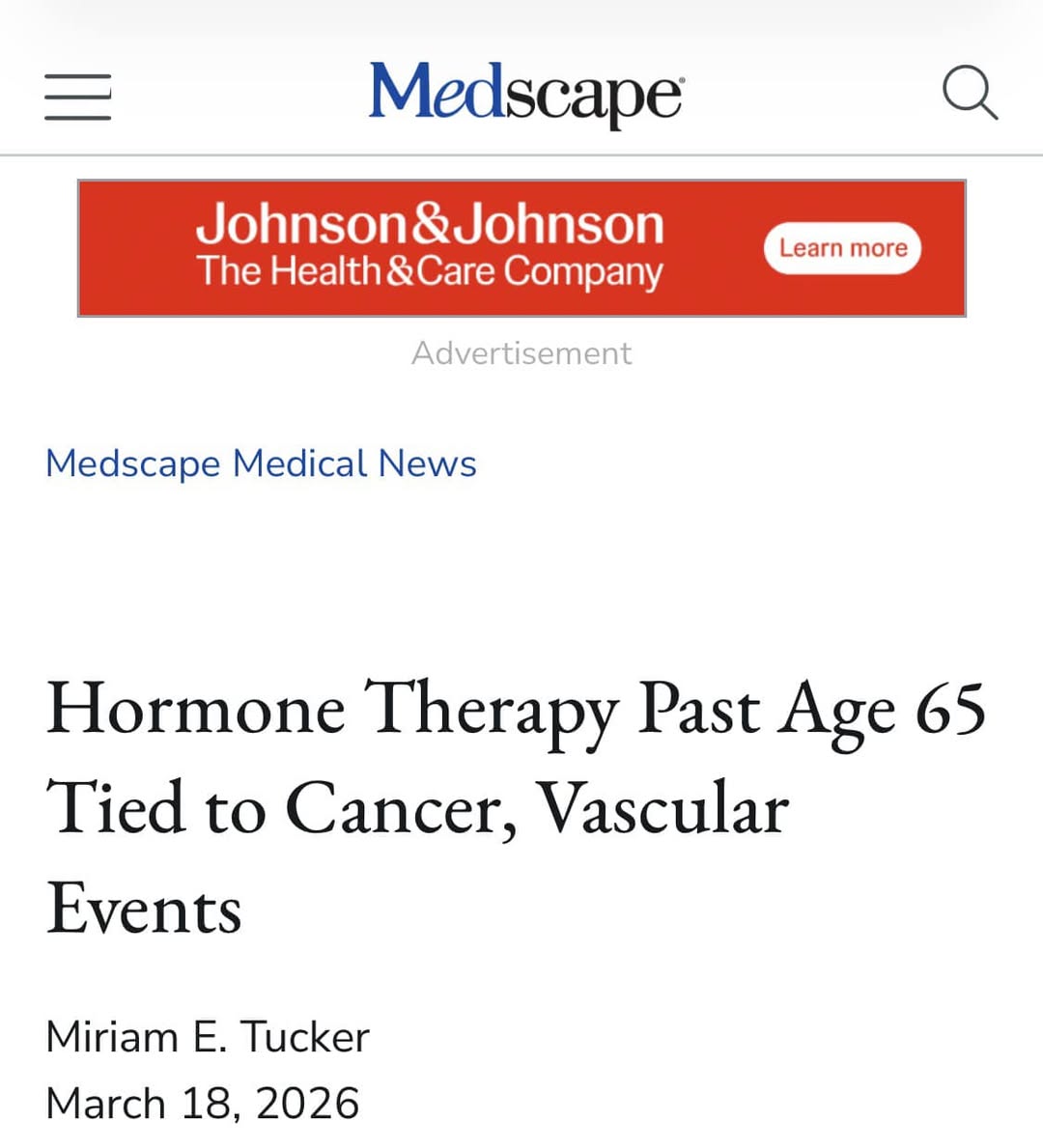
As the articles explain, studies have shown an increased risk of CVD when HRT is started more than 10 years after menopause. Studies have also shown that women who already have significant CVD and are at high risk of heart attack do worse on HRT. High risk women with established cardiovascular disease (10 year risk of ASCVD event greater than 10%) should not take HRT or BHRT. Women with breast cancer should not take HRT or BHRT.
Quoted from the second article:
“While HT may be safe for healthy women aged < 60 years or within 10 years of menopause onset, in the setting of advanced atherosclerosis, it may destabilize plaque and cause other adverse effects.”
“Treatment is low-risk in women with recent menopause, normal weight and normal blood pressure who are physically active and have a 10-year atherosclerotic cardiovascular disease (ASCVD) risk < 5% as well as a low risk for breast cancer.”
“Treatment is intermediate-risk in women who have one or more of several risk factors (diabetes, smoking, hypertension, obesity, sedentary lifestyle or limited mobility, autoimmune disease, hyperlipidemia, metabolic syndrome) and those who have a 10-year ASCVD risk from 5% to 10% or are at high risk for breast cancer.”
“Treatment is high-risk in women who have congenital heart disease, ASCVD or coronary/peripheral artery disease, venous thromboembolism (VTE) or pulmonary embolism, stroke/transient ischemic attack or myocardial infarction, breast cancer or a 10-year ASCVD risk ≥ 10%.”
 Cleveland ClinicHormone Therapy for MenopauseHRT helps relieve symptoms of menopause like vaginal dryness and night sweats. Learn more about the risks and benefits.my.clevelandclinic.org
 Cleveland ClinicMenopausal Hormone Therapy and Heart Risk: Updated Guidance Is at HandA new review by an American College of Cardiology working group urges a nuanced approach in counseling women about the benefits and risks of hormone therapy from a cardiology perspective.consultqd.clevelandclinic.org
#hrtHD #estrogenHD #clevelandclinicHD #menopauseHD #breastcancerHD