HD-OPM Archive
Hashtags

#clevelandclinic

16 posts

Menopausal hormone therapy is fairly safe for low-risk women, risky with established CVD

Apr 17, 2025 · Louis Nervegna ♥ 7 · 💬 11 Hormones, women's & men's health

Louis shares Cleveland Clinic guidance on hormone therapy and heart disease. HRT can be safe in healthy women under 60 or within 10 years of menopause, but risk rises when started over 10 years after menopause, and women with established CVD (10-year ASCVD risk over 10%) or breast cancer should avoid it. Low risk applies to recent menopause, normal weight and BP, active, and 10-year ASCVD risk under 5%.

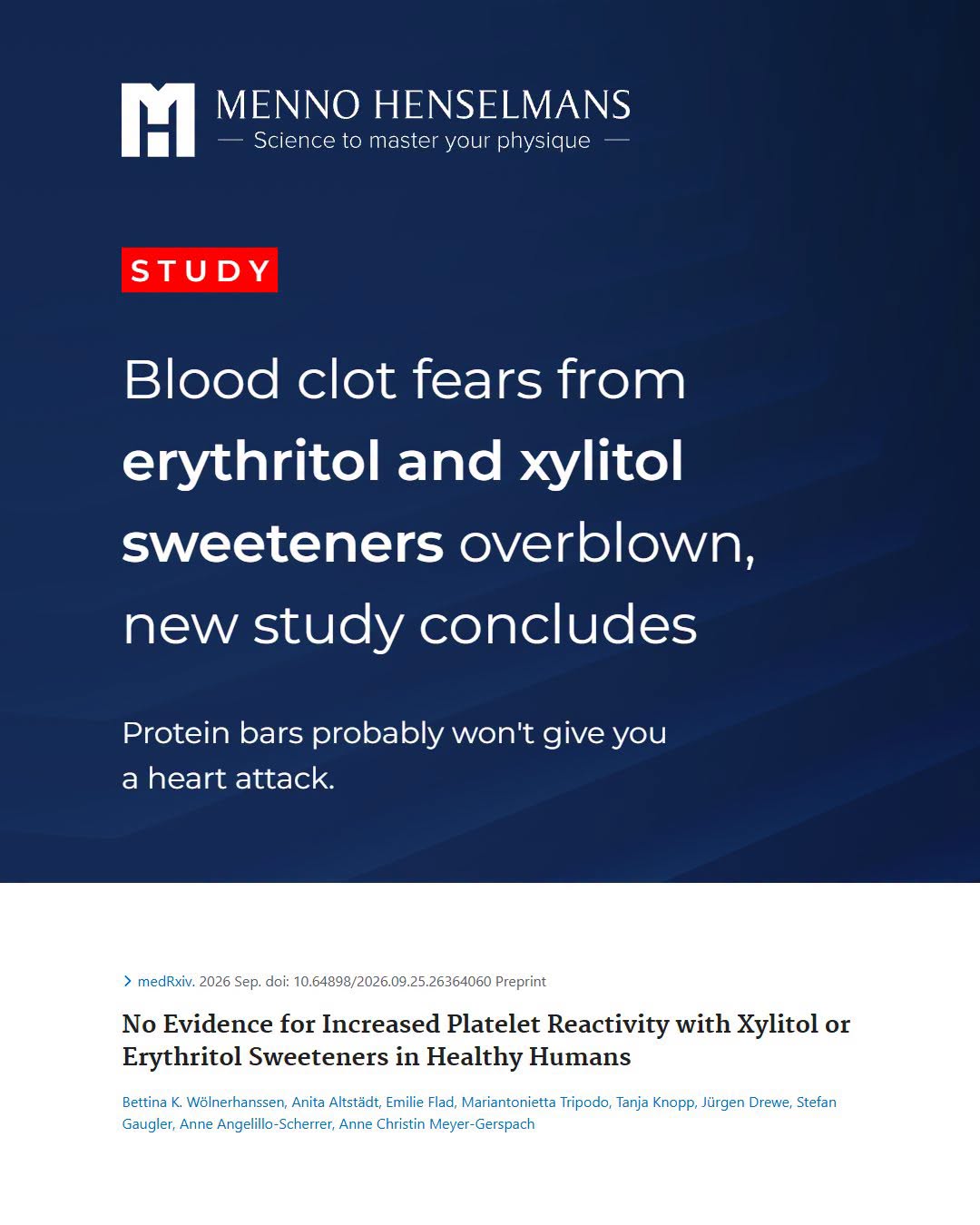
Erythritol and xylitol heart risk is unclear; the Cleveland Clinic studies were limited

Oct 27, 2026 · Louis Nervegna ♥ 7 · 💬 5 Carbs, fiber, sugar & whole grains

Louis notes it is unclear whether sugar alcohols raise CVD risk. A shared post explains that the group linking higher blood erythritol and xylitol to more heart attacks and strokes also showed that 30 g doses made platelets more reactive, but both studies had serious problems, including that the association study did not measure intake.

Cleveland Clinic: pelacarsen did not cut CV events in Lp(a)HORIZON (12.3% vs 12.1%)

Nov 07, 2026 · Louis Nervegna ♥ 3 · 💬 1 Lp(a)

Louis shares the Cleveland Clinic press release on Lp(a)HORIZON, a 797-site randomized trial in 8,322 patients with prior CVD and Lp(a) of at least 70 mg/dL. The primary endpoint occurred in 12.3% on pelacarsen versus 12.1% on placebo after a median 57 months. Senior author Steven Nissen said a single neutral trial does not prove lack of benefit from lowering Lp(a).

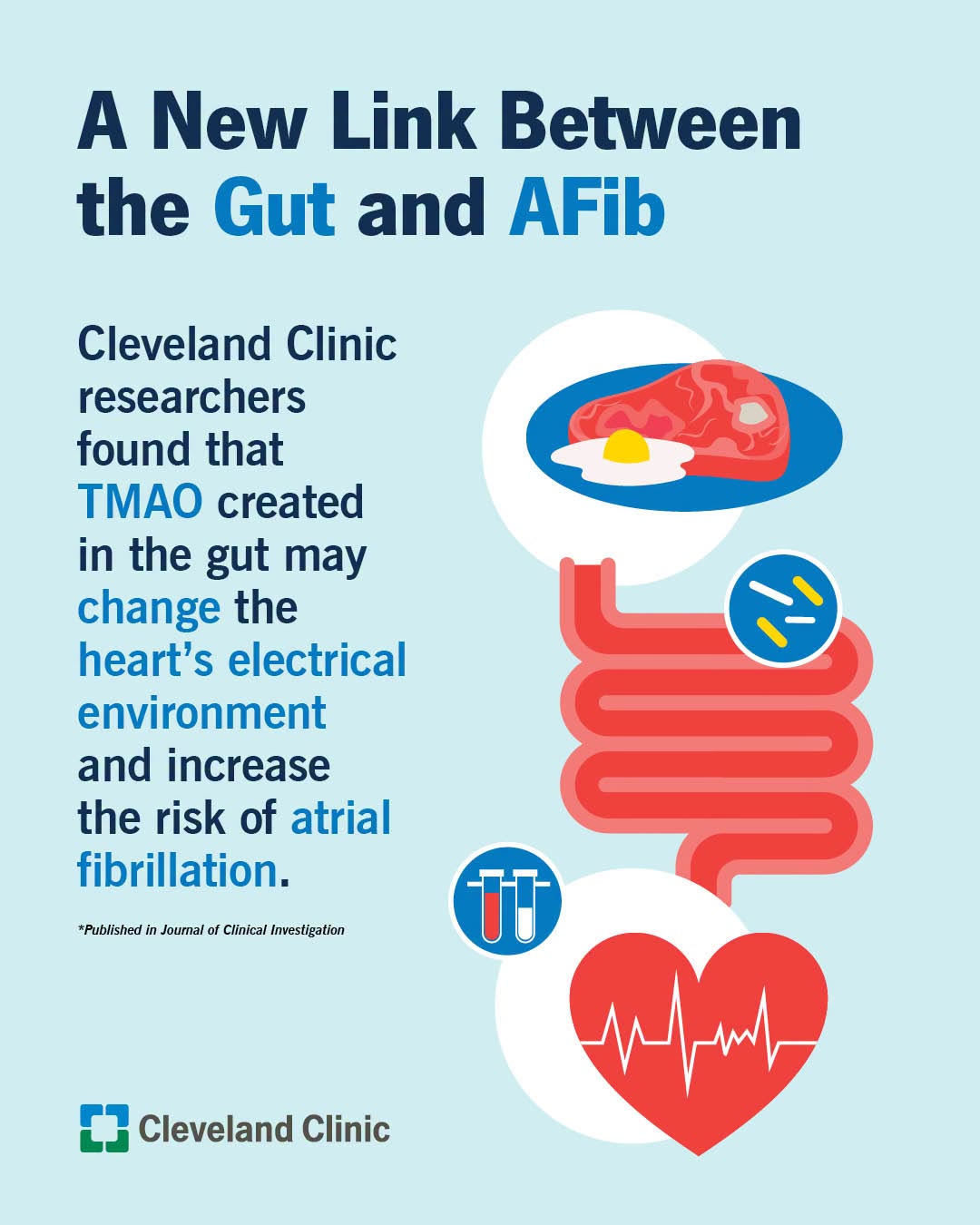
Cleveland Clinic links gut-bacteria byproduct TMAO to atrial fibrillation risk

Jul 24, 2026 · Louis Nervegna ♥ 2 · 💬 1 ↩ 2 Heart rhythm & heart failure

Cleveland Clinic researchers analyzed blood samples from over 5,000 people undergoing heart procedures and found TMAO, made by gut bacteria from nutrients in red meat and other animal products, was linked to higher AFib risk. Cell experiments suggested TMAO may alter the heart's electrical environment. Louis frames it as TMAO possibly raising AFib risk.