HD-OPM Archive
Topics › Beyond the heart

Hormones, women's & men's health

77 posts (49 primarily about this topic) · 18 reposts and set-aside posts not shown

Start here — the best posts in this topic

  1. Testosterone for anti-aging lacks proven longevity benefit; high levels tied to deaths ↩ 1 · Mar 23, 2024
  2. Prolonged very low carb diets can suppress thyroid hormones while TSH looks normal Oct 13, 2025
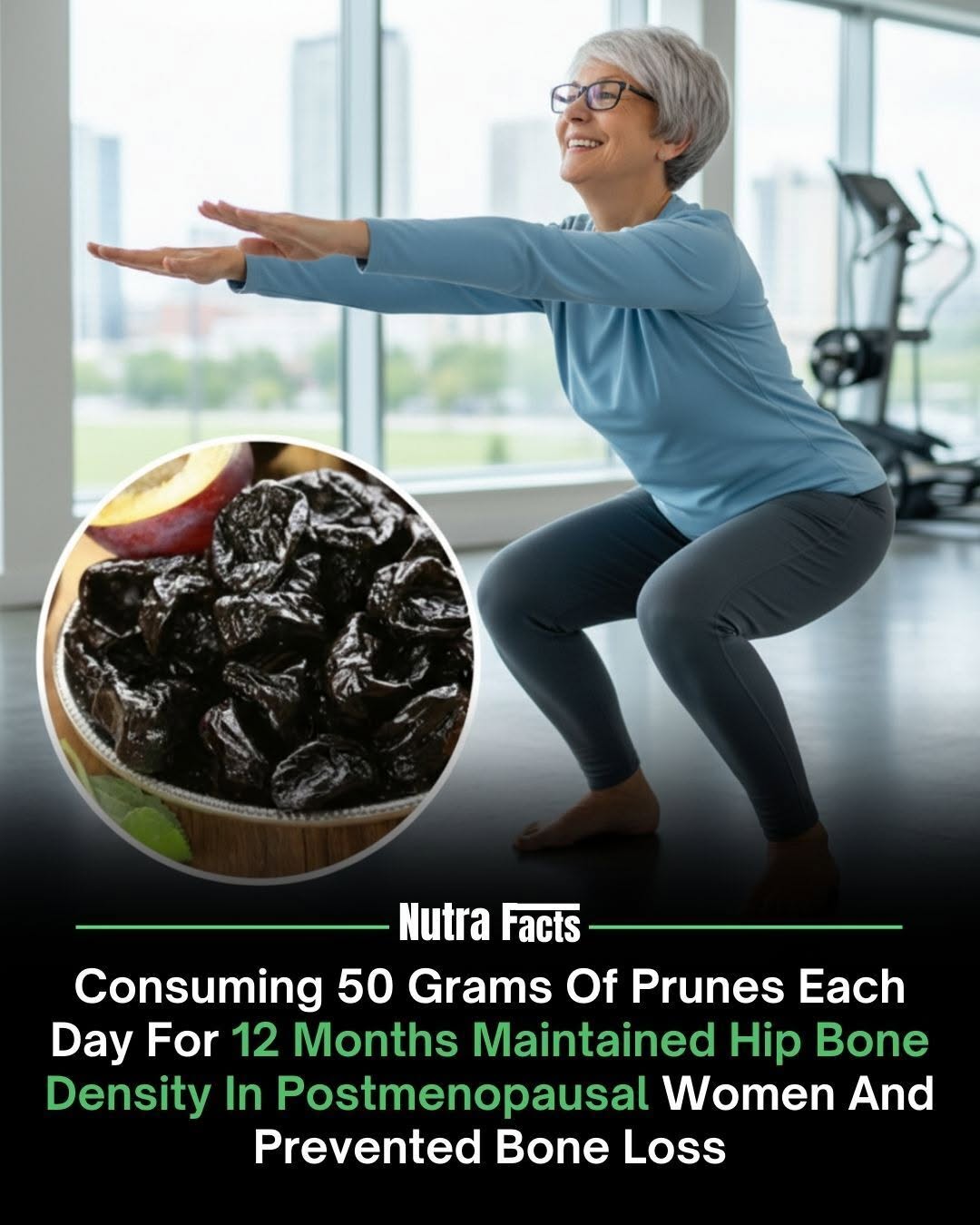
  3. Prunes help maintain bone density in postmenopausal women, researcher says ↩ 2 · Oct 04, 2024
  4. Tissues make their own cholesterol: even very low LDL-C does not impair hormone production Sep 17, 2026
  5. Uterine fibroids linked to over 80% higher long-term heart disease risk Dec 17, 2025
  6. Prune Study: 50 g of prunes daily preserved hip bone density in postmenopausal women Jan 06, 2026
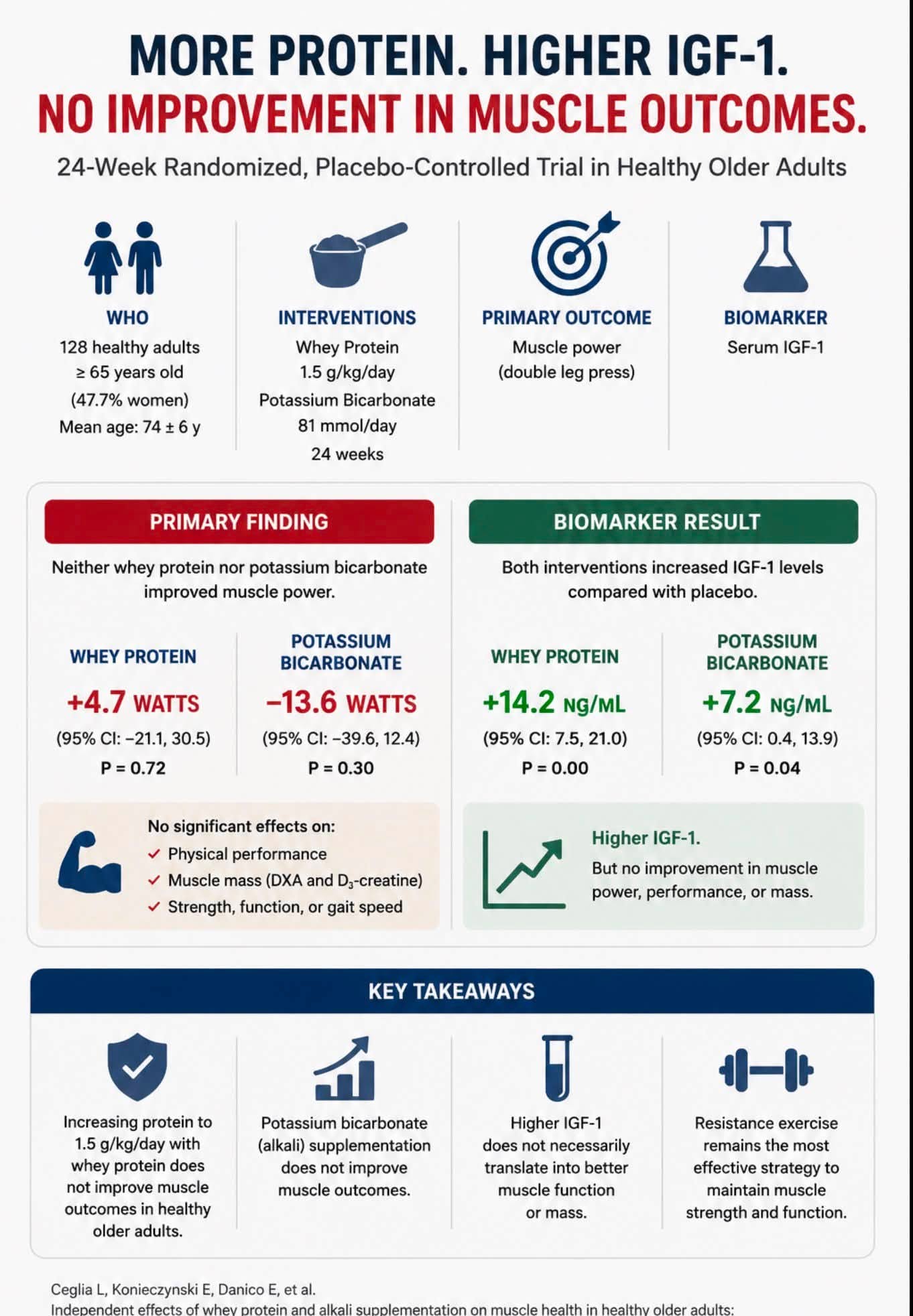
  7. Whey protein raised IGF-1 but not muscle or strength in 24-week RCT of older adults Jul 18, 2026
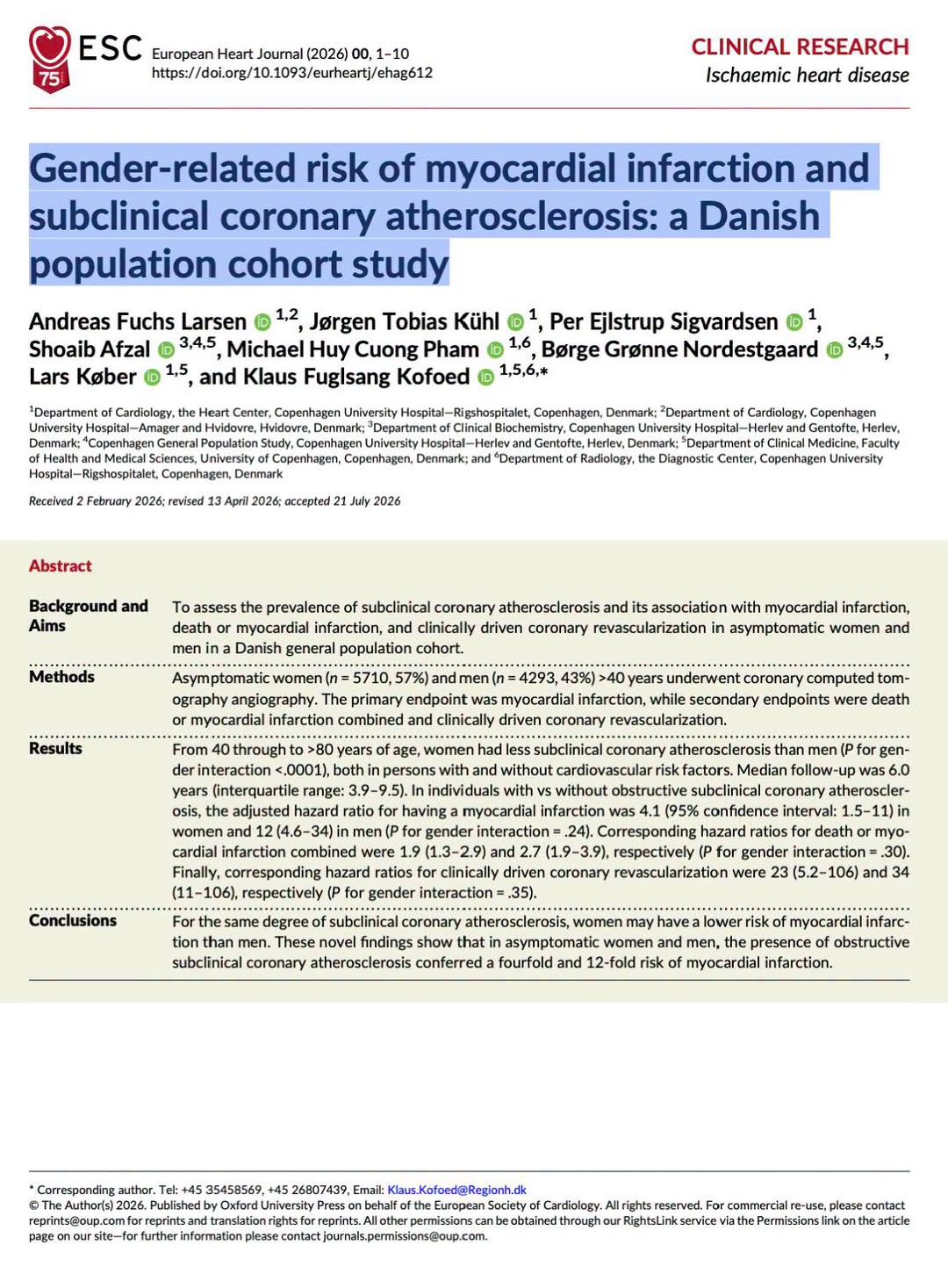
  8. Post-menopausal women may build plaque faster than men; statins alone may not suffice Apr 08, 2024
#testosterone 31#trt 26#longevity 10#hormones 9#hrt 9#menopause 9#aging 8#igf1 8#estrogen 8#weightloss 8#bones 7#visceralfat 7#cvd 6#cardiovascular 6#growthhormone 6#osteopenia 5#osteoporosis 5#cancer 5#glp1 5#hypothyroidism 4#muscle 4#breastcancer 4#cardiovasculardisease 4#peptides 4#obesity 4#alzheimers 4#calorierestriction 3#nutrition 3#supplements 3#cholesterol 3#resistancetraining 3#cta 3#hypogonadism 3#mortality 3#prevention 3#statins 3#stroke 3#heartdisease 3#dementia 3#aromatase 3

Testosterone for anti-aging lacks proven longevity benefit; high levels tied to deaths

Mar 23, 2024 · Louis Nervegna ♥ 13 · 💬 34 ↩ 1

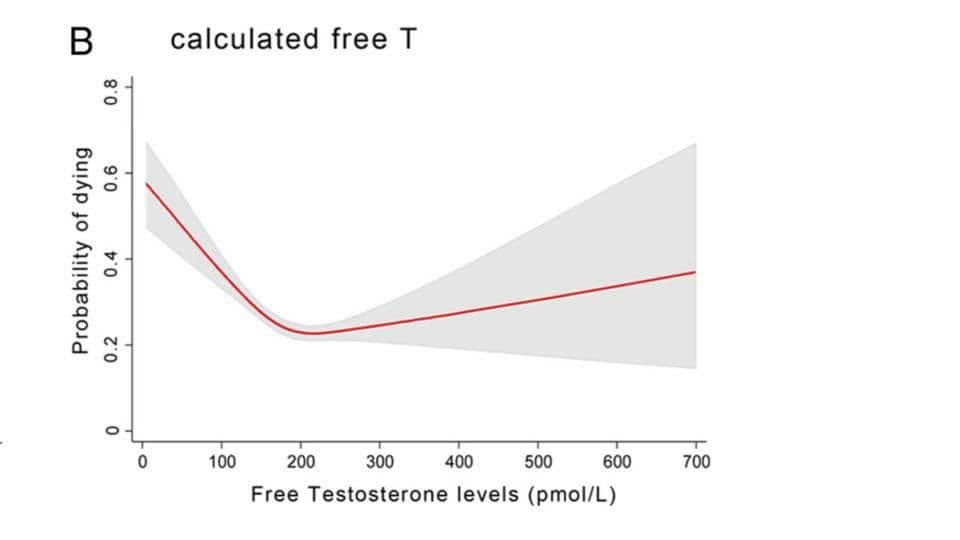
Louis warns that the only proven benefit of testosterone therapy is treating clinically diagnosed hypogonadism and no credible study shows longevity benefit. He cites data from 3,690 men aged 70-92 showing an inverse U-shaped relation between testosterone and mortality, with risk rising above an optimal level, plus animal studies showing androgens shorten and castration extends lifespan. The animal evidence and sex-difference argument are suggestive, not proof in humans.
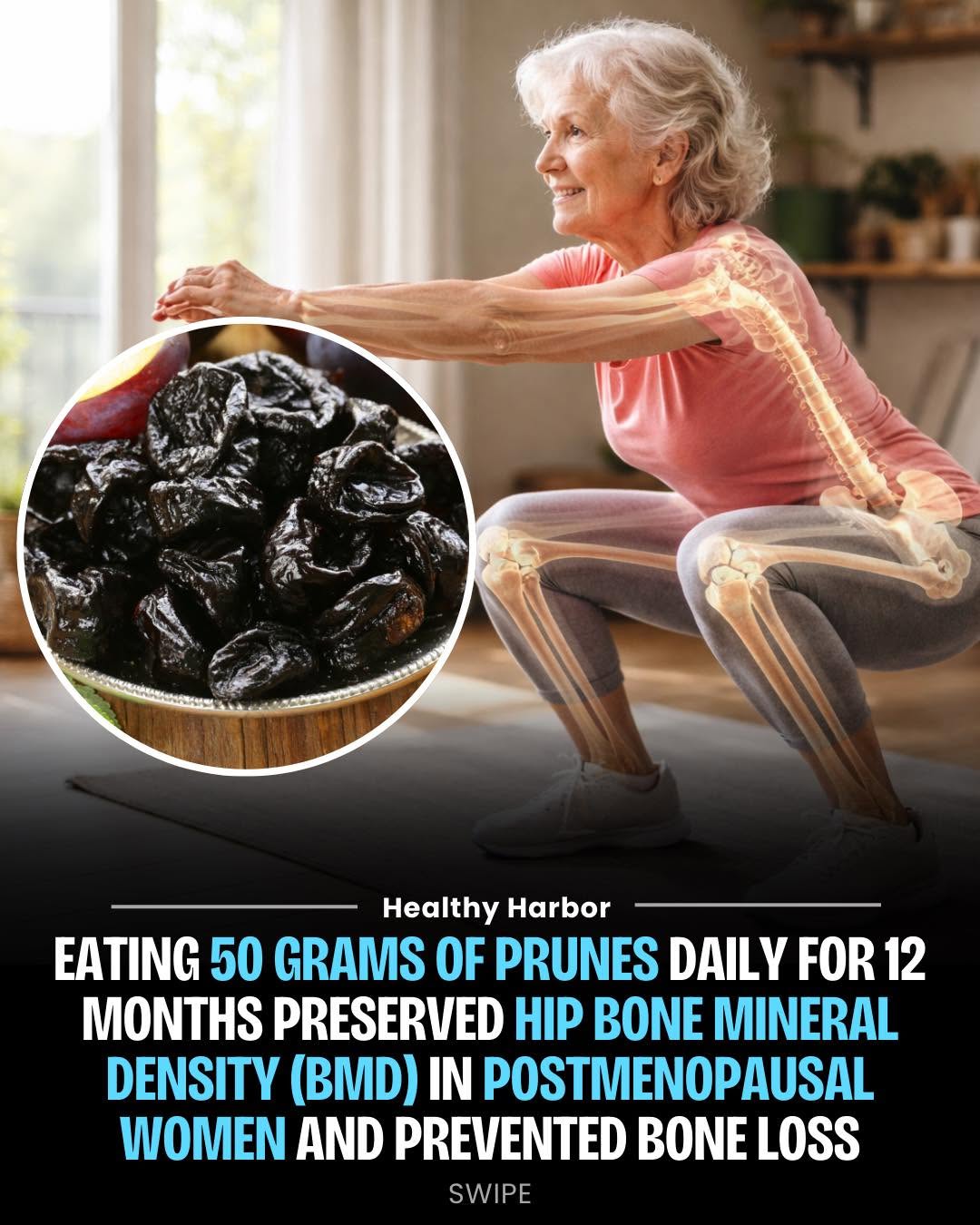
Prunes help maintain bone density in postmenopausal women, researcher says

Oct 04, 2024 · Gokhan Can ♥ 14 · 💬 22 ↩ 2

Summary of a presentation by Shirin Hooshmand: in postmenopausal women with osteopenia, eating prunes with calcium and vitamin D preserved bone density better than supplements alone, and a larger Penn State study found similar results. Prunes may also help men aged 50-79.

Tissues make their own cholesterol: even very low LDL-C does not impair hormone production

Sep 17, 2026 · Louis Nervegna ♥ 15 · 💬 11 LDL, ApoB & lipid panel

Louis explains that the blood holds only a small fraction of the body's cholesterol and that tissues, including the brain, mostly synthesize what they need. The steroid hormone demand supplied by blood is only tens of milligrams a day, easily met at very low LDL-C. He cites FOURIER and ODYSSEY OUTCOMES, in which LDL-C below 15-20 mg/dL did not impair adrenal or gonadal hormone production or vitamin D.

Uterine fibroids linked to over 80% higher long-term heart disease risk

Dec 17, 2025 · Louis Nervegna ♥ 12 · 💬 17

Louis shares an American Heart Association release on a JAHA observational study of more than 2.7 million US women over 10 years. Women with uterine fibroids had over 80% higher long-term heart disease risk, with the strongest link under age 40, suggesting fibroids may be a cardiovascular risk marker.

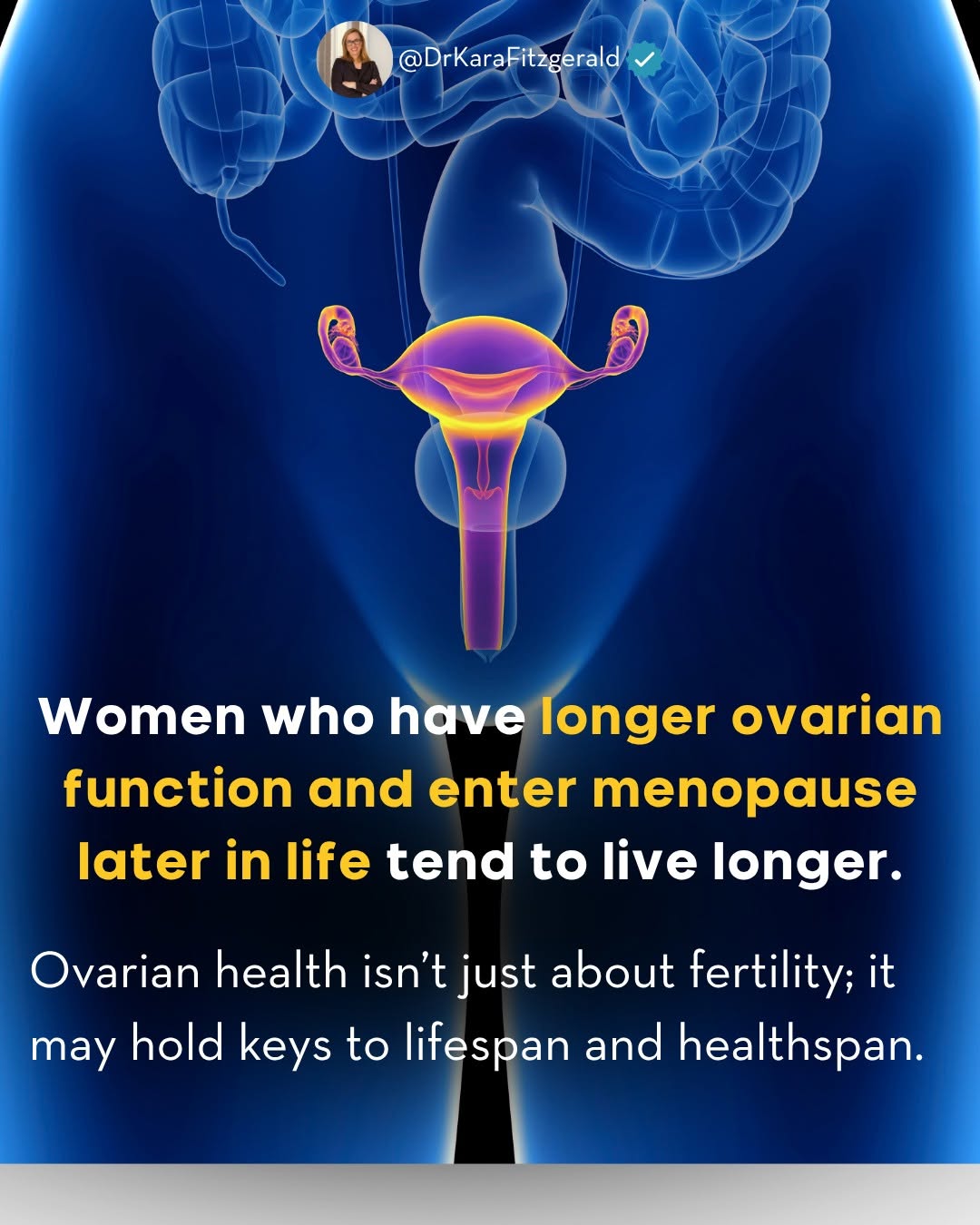
Ovarian aging may track lifespan; early menopause raises heart disease risk in women

Oct 14, 2025 · Louis Nervegna ♥ 12 · 💬 16

Louis shares a Pharmacy Times item suggesting ovarian function is tied to lifespan, with anti-Mullerian hormone (AMH) a possible marker. He adds that ovaries are the first organ to age in mammals, slower ovarian aging relates to longer life, and early menopause is a heart disease risk factor; rodent studies show interventions slowing ovarian aging extend life.

How to deal with bone loss: exercise, hormones, prunes, labs and bisphosphonates

Jan 02, 2025 · Gokhan Can ♥ 8 · 💬 15

Gokhan's checklist for osteopenia/osteoporosis: weight-bearing exercise first, discuss hormones with an endocrinologist, eat 5-10 prunes a day, have labs reviewed, and consider bisphosphonates if nothing else helps. He warns against starting calcium on your own because of cardiovascular risk.

Testosterone therapy accelerated soft plaque growth by 41 mm3 in older men in a 2017 RCT

Aug 13, 2025 · Louis Nervegna ♥ 6 · 💬 13 ↩ 1

Louis summarizes a 2017 RCT by Matthew Budoff in which older men on testosterone had about 41 mm3 greater soft plaque (NCPV) growth in a year versus placebo, equal to roughly 8 years of typical progression. He notes TRAVERSE (2023) found no increase in heart attacks or strokes with treated hypogonadism over a few years.

Menopausal hormone therapy is fairly safe for low-risk women, risky with established CVD

Apr 17, 2025 · Louis Nervegna ♥ 7 · 💬 11

Louis shares Cleveland Clinic guidance on hormone therapy and heart disease. HRT can be safe in healthy women under 60 or within 10 years of menopause, but risk rises when started over 10 years after menopause, and women with established CVD (10-year ASCVD risk over 10%) or breast cancer should avoid it. Low risk applies to recent menopause, normal weight and BP, active, and 10-year ASCVD risk under 5%.

Statins work as well in women as men: 27-trial CTT meta-analysis of 174,000 participants

Dec 19, 2023 · Louis Nervegna ♥ 5 · 💬 11 Statins

Louis rebuts the claim that statins are less effective in women using the Cholesterol Treatment Trialists' meta-analysis of 27 randomized trials. Per 1 mmol/L LDL reduction, proportional reductions in major vascular events and all-cause mortality were similar in women and men, with no adverse effect on cancer or non-CV mortality. Trials averaged 4.9 years, so longer-term benefit is likely larger.

Statins lower testosterone only slightly and often improve erectile function

Jan 03, 2026 · Gokhan Can ♥ 9 · 💬 5

Explains that statins reduce total testosterone by a trivial amount in meta-analyses, and may improve erectile function by repairing endothelial function and raising nitric oxide, with ED sometimes an early sign of heart disease. It references large trials and the SAMSON n-of-1 study.

Strict keto can suppress thyroid function (low T3, T4 and TSH); try adding back carbs

Nov 21, 2023 · Louis Nervegna ♥ 11 · 💬 5 Low-carb, keto & carnivore

Louis explains that very low carb diets, especially combined with fasting and heavy exercise, can lower T3, T4 and TSH together by mimicking starvation. Mild suppression resembles healthy calorie restriction, but full hypothyroidism is a major risk factor for disease including CVD. He suggests gradually adding small amounts of whole grains, sweet potatoes or fruit to see whether thyroid function recovers. These are his mechanistic opinions without cited studies.

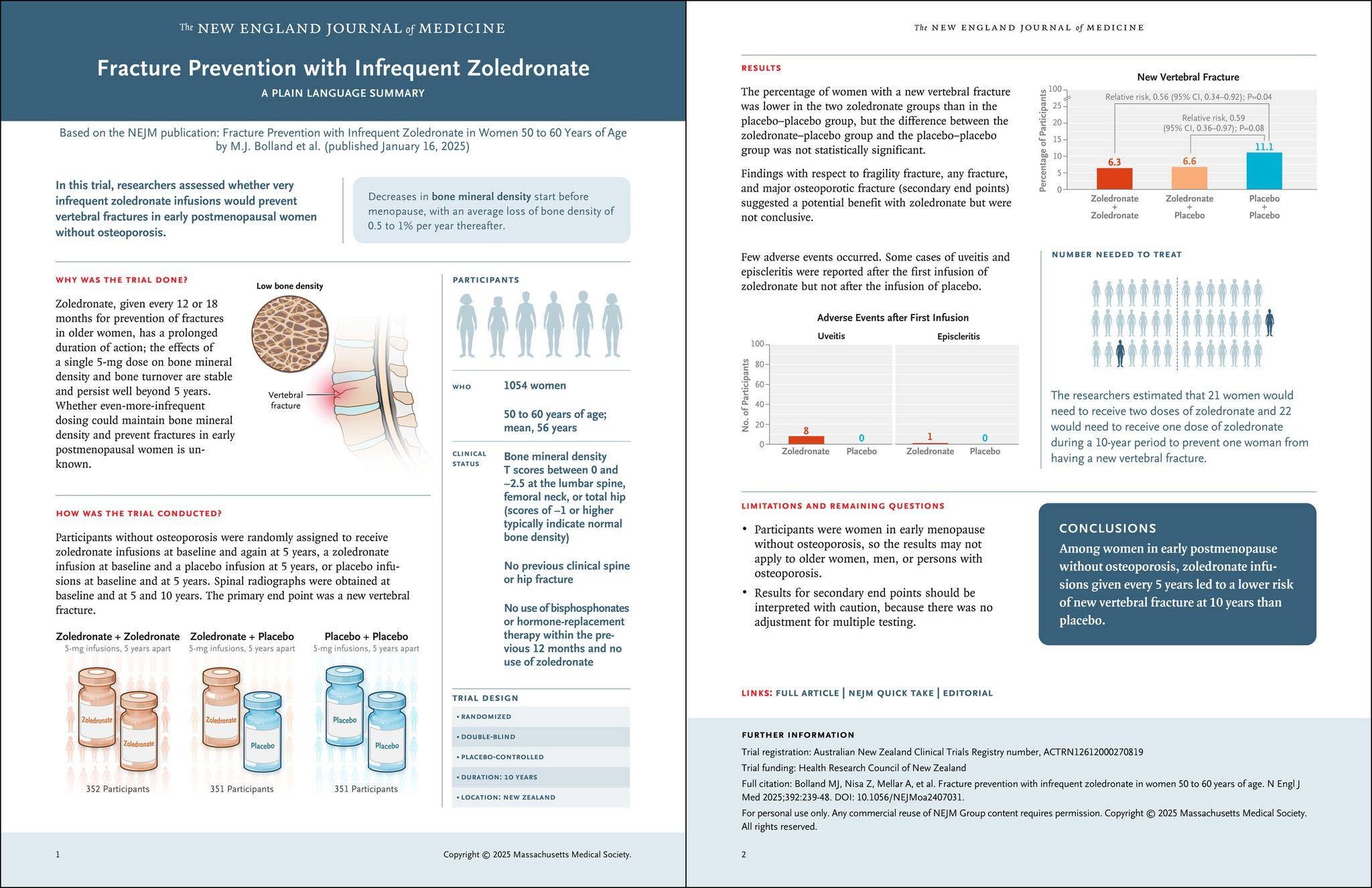
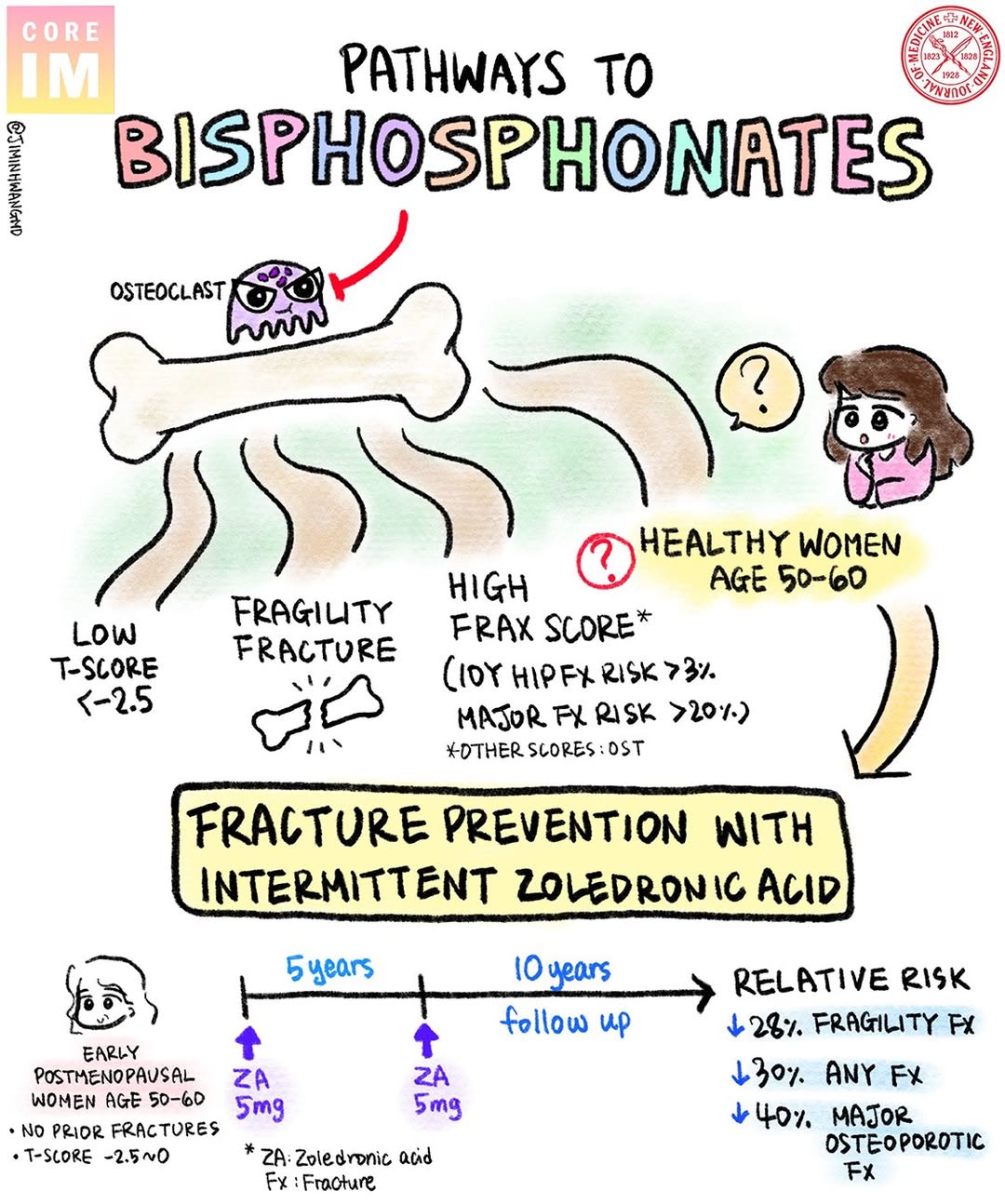
One zoledronate infusion cut vertebral fractures about 44% over 10 years in women 50-60

Jan 18, 2025 · Gokhan Can ♥ 4 · 💬 9

Gokhan shares the NEJM 10-year randomized trial of infrequent zoledronate in early postmenopausal women (50-60 years) with normal-to-low-normal bone density. Zoledronate roughly halved new morphometric vertebral fractures versus placebo, and he calls it a longevity-type drug like statins or aspirin. The trial concerns bone rather than heart outcomes.

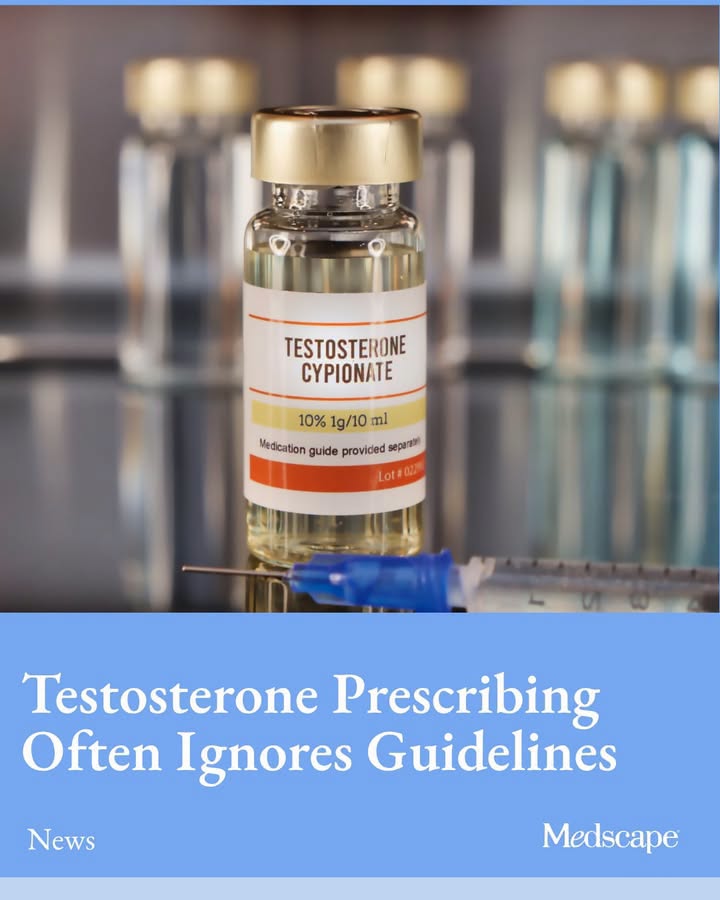
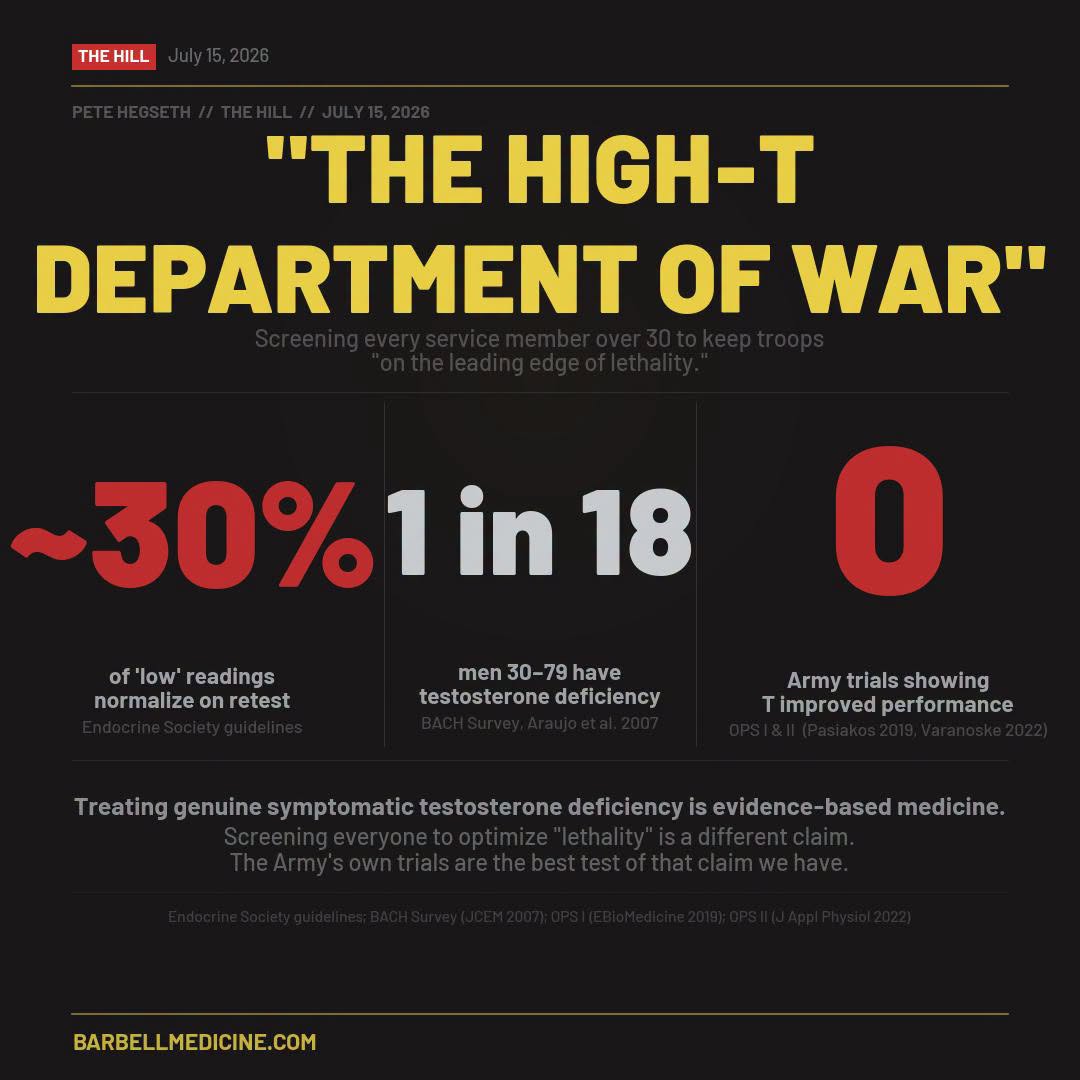
Only 12% of men prescribed testosterone had recommended diagnostic testing

Jun 21, 2026 · Louis Nervegna ♥ 7 · 💬 7

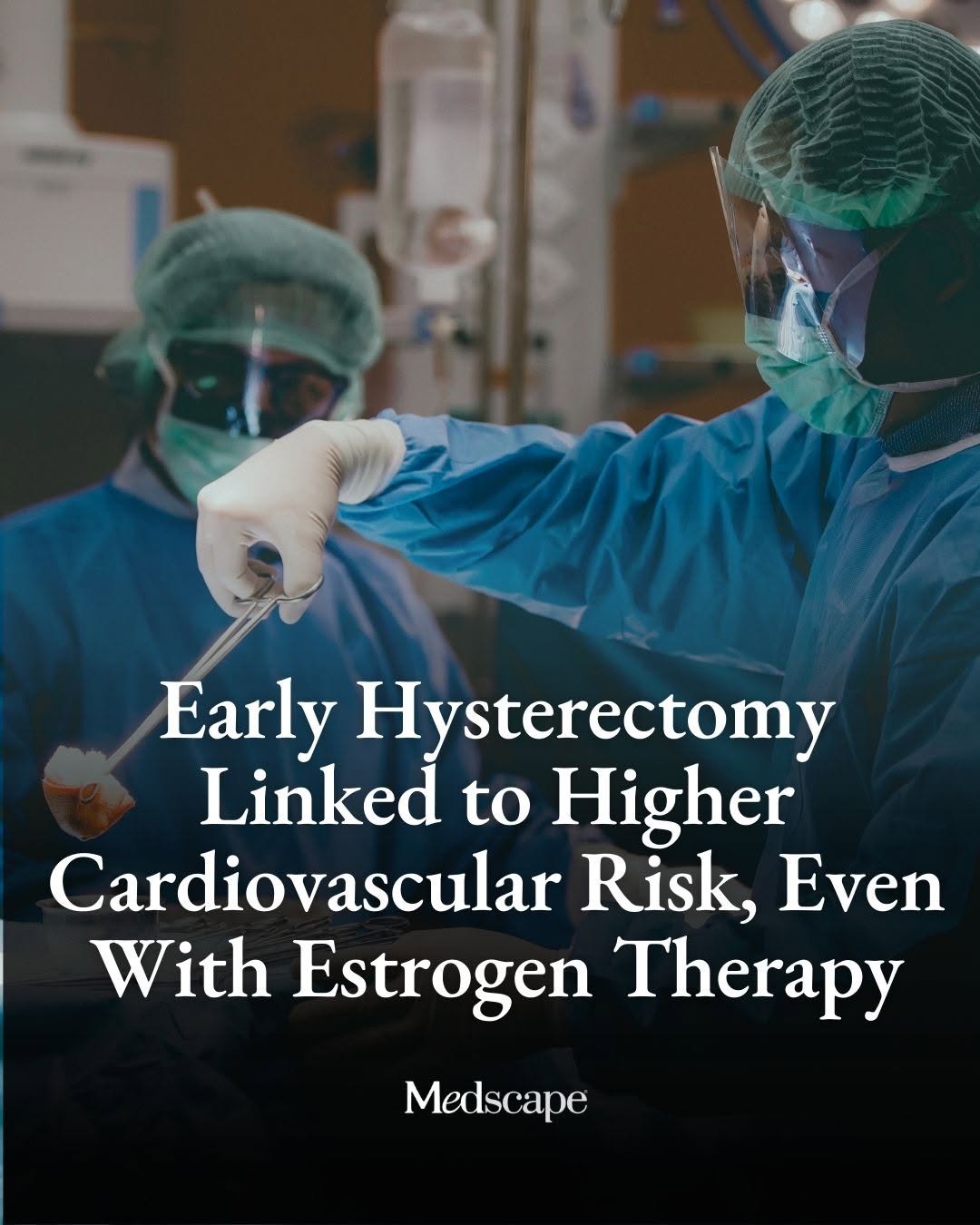
Louis shares a Medscape report of a University of Michigan single-center study finding that most men prescribed testosterone did not get recommended diagnostic testing, and many had contraindications. Prescriptions have quadrupled in three decades despite stable hypogonadism diagnosis rates. Louis's remark about 'incompetence and greed' is opinion.
Testosterone rises on GLP-1 drugs, especially in obesity, largely through weight loss

Jun 27, 2026 · Louis Nervegna ♥ 7 · 💬 6

Louis shares a Men's Health article reporting that testosterone goes up after starting a GLP-1 drug, most strongly in people with obesity. He adds that diet and exercise can achieve the same, and the drug just makes it easier. A urologist quoted says low T is usually a result of obesity rather than the cause.

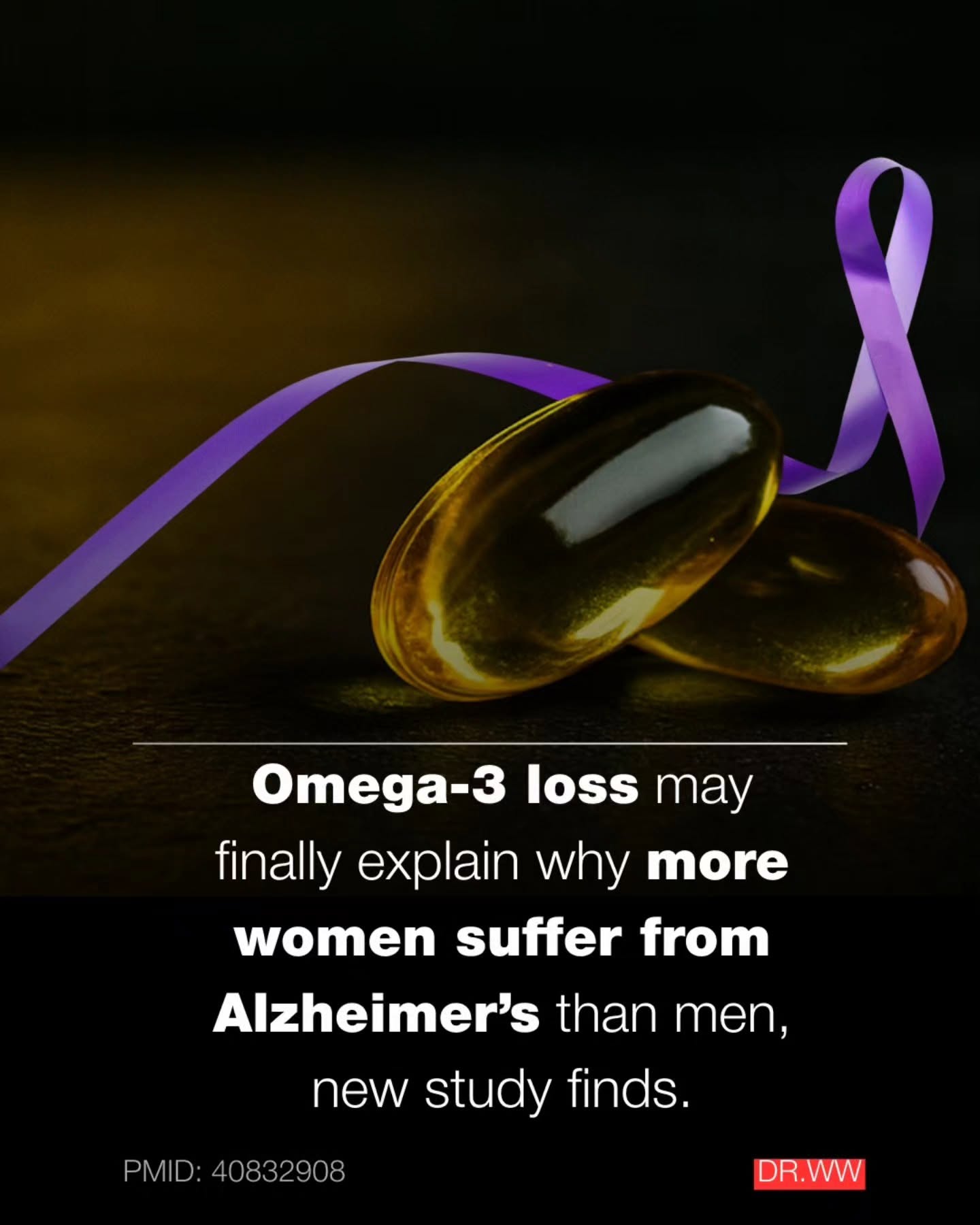
Women with Alzheimer's show lower omega-3 lipids, unlike men, in an 841-adult study

Dec 17, 2025 · Louis Nervegna ♥ 10 · 💬 4 Brain health & dementia

Louis shares a summary of a 2025 Alzheimer's & Dementia lipidomics study of 841 European adults. Women with Alzheimer's had a sharp drop in protective omega-3-rich unsaturated lipids that men did not, and the lowest levels tracked with worse memory; the post also cites a review of 58 RCTs suggesting 1,000-2,500 mg/day EPA+DHA as the cognitive sweet spot.

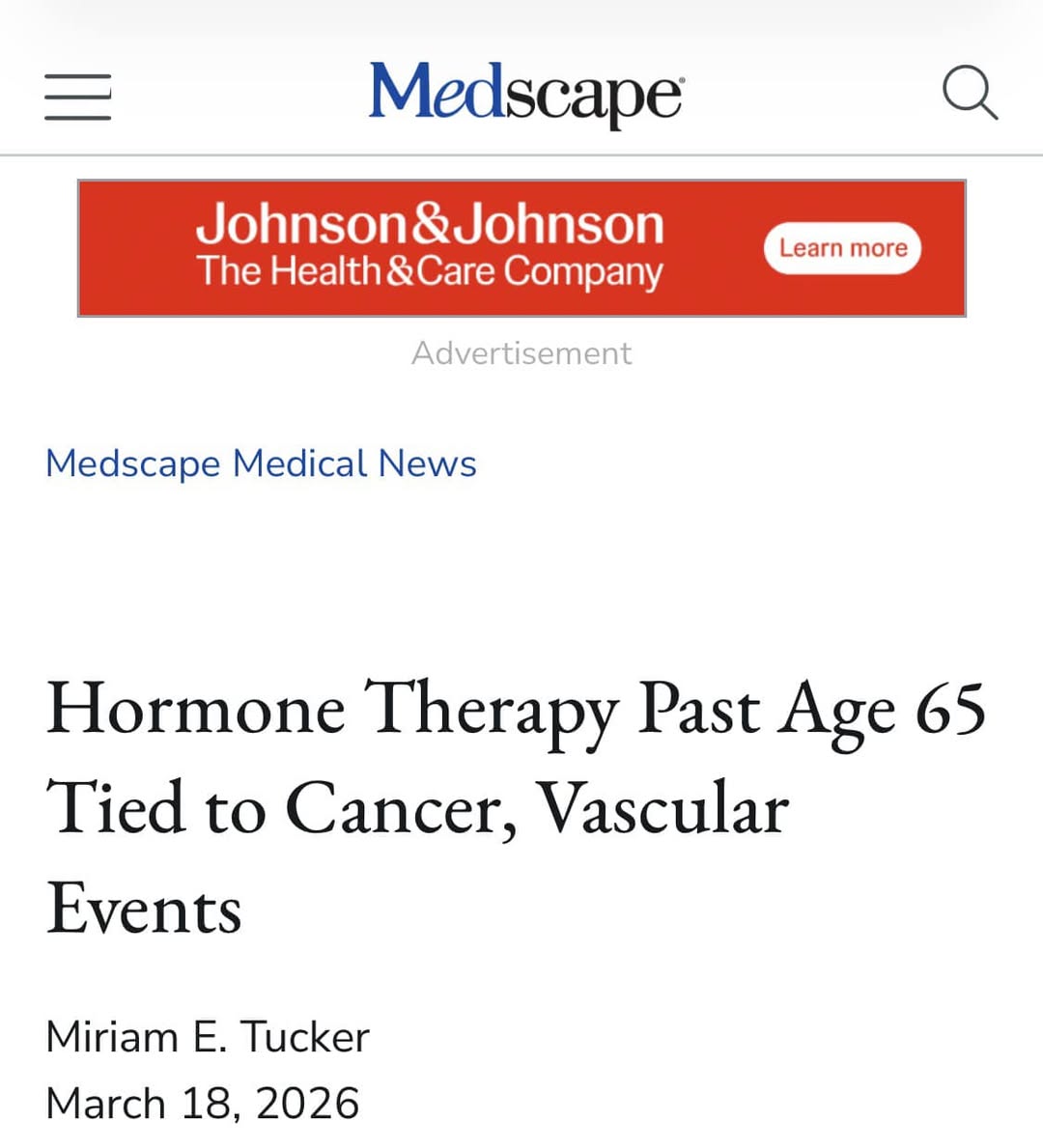
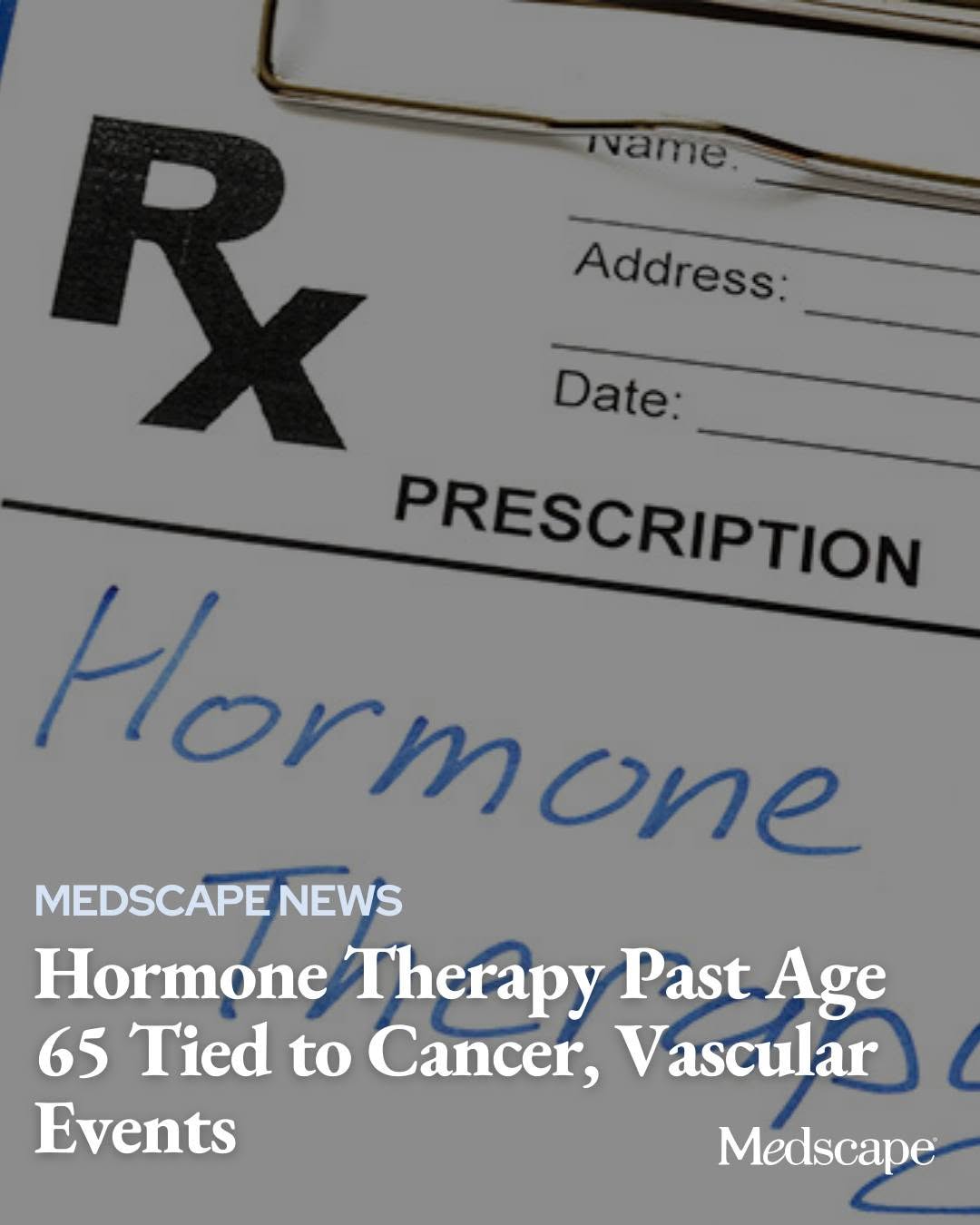
Hormone therapy started after 65 linked to higher cancer and stroke risk in Israeli cohort

Mar 18, 2026 · Louis Nervegna ♥ 6 · 💬 6

Medscape reports an Israeli study of over 80,000 women (2000-2022) where hormone therapy was linked to several cancers, with some cardiovascular benefit when started at 50-65 but higher stroke and cancer risk, and significantly increased cancer and cerebrovascular risk when started at 65 or older. It is observational.

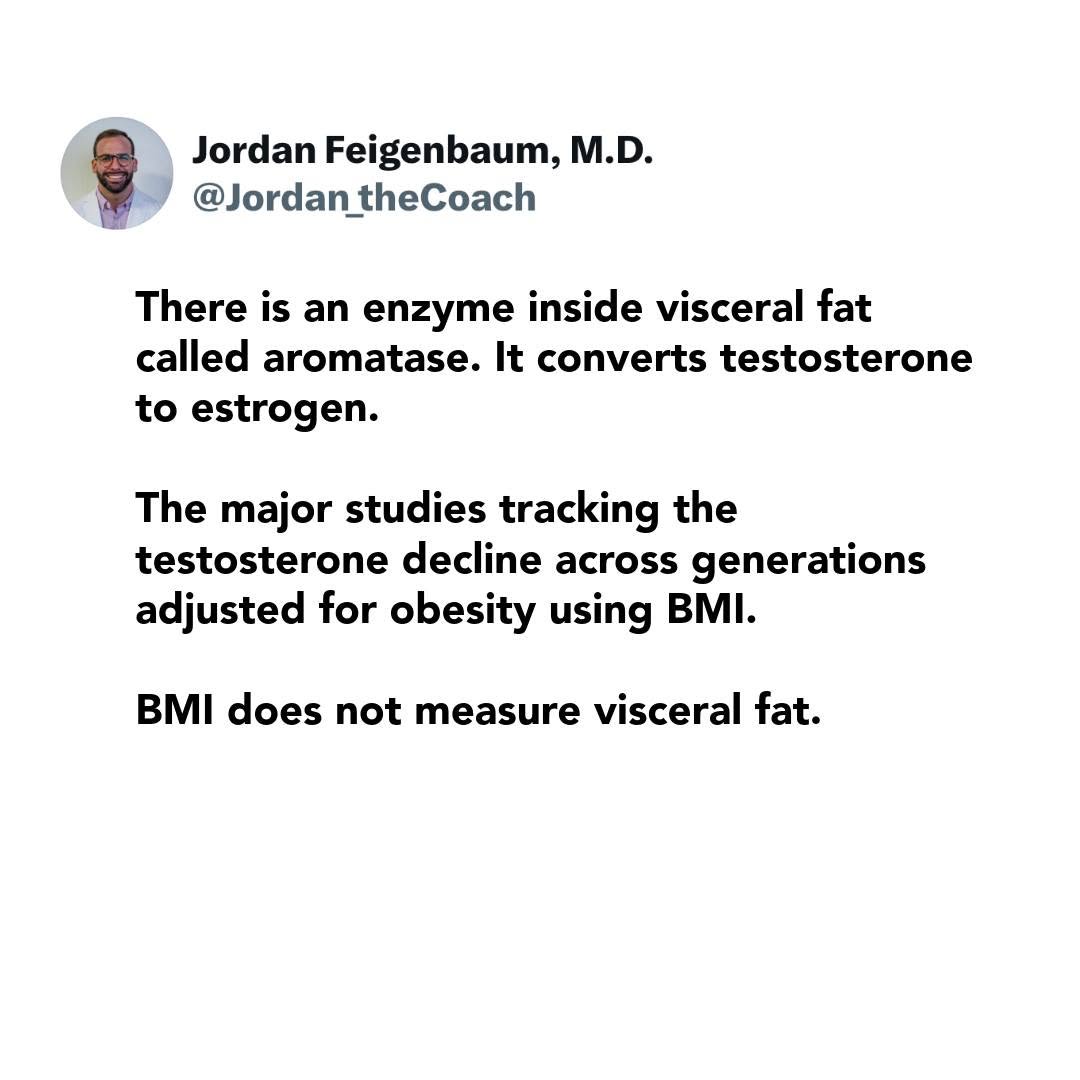
Visceral fat, via aromatase, likely drives population-level testosterone decline

Apr 15, 2026 · Louis Nervegna ♥ 7 · 💬 5 ↩ 1

Louis and a Barbell Medicine post argue that visceral fat contains aromatase, which converts testosterone to estrogen, and that BMI-adjusted studies underestimate this because waist circumference has risen faster than BMI. Lean, active men without chronic illness are said to keep stable testosterone into their 70s and 80s.

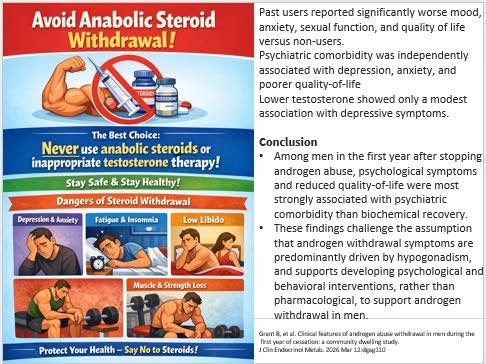
Anabolic steroid users had 3x heart attack and 8.9x cardiomyopathy risk (Circulation)

Mar 15, 2025 · Louis Nervegna ♥ 4 · 💬 5

Louis notes that excess exogenous testosterone is also an anabolic steroid and shares Luigi Fontana's summary of a Circulation study comparing 1,189 anabolic androgenic steroid users with 59,450 controls over 11 years. Users had several-fold higher risks of heart attack, revascularization, clots, arrhythmias, cardiomyopathy and heart failure.

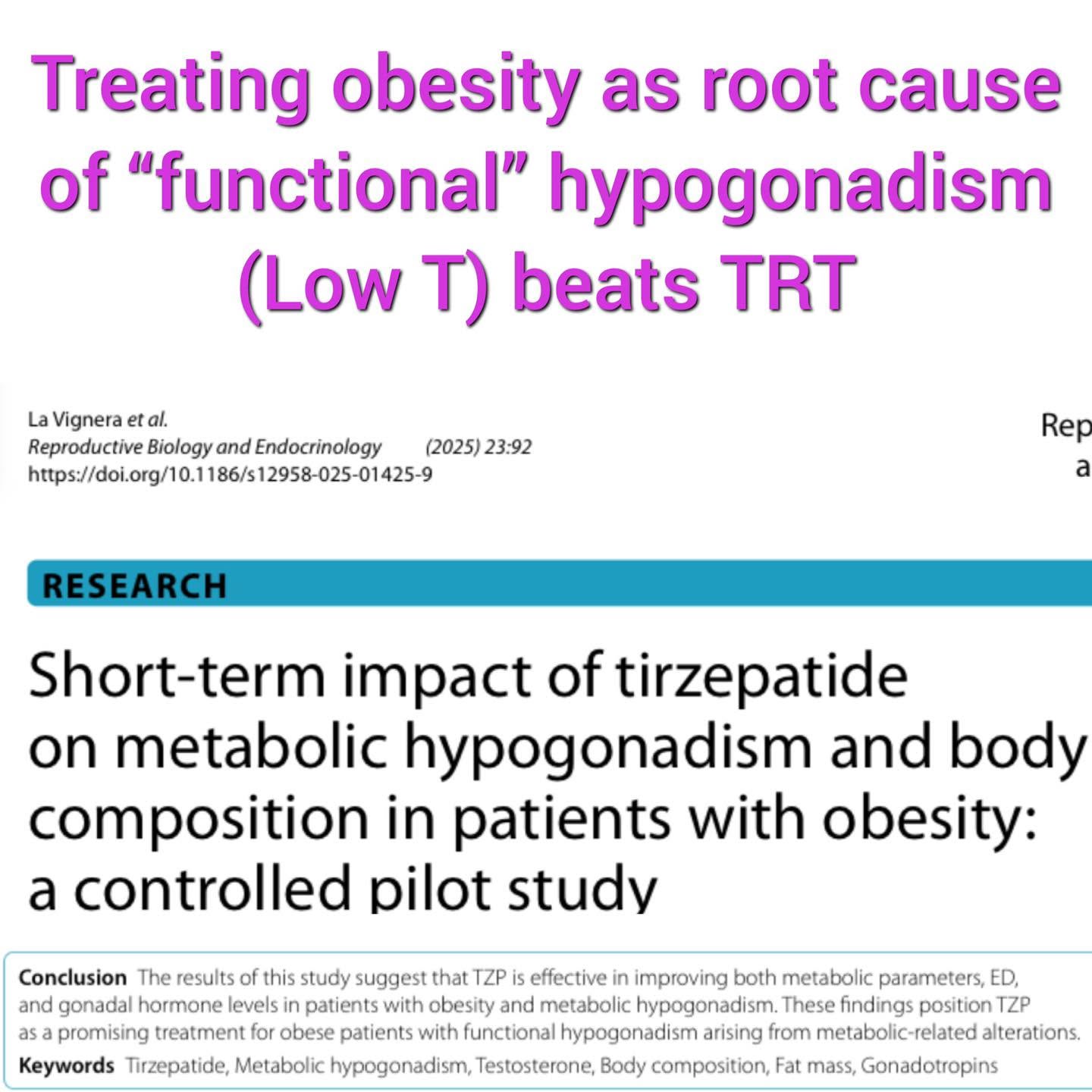
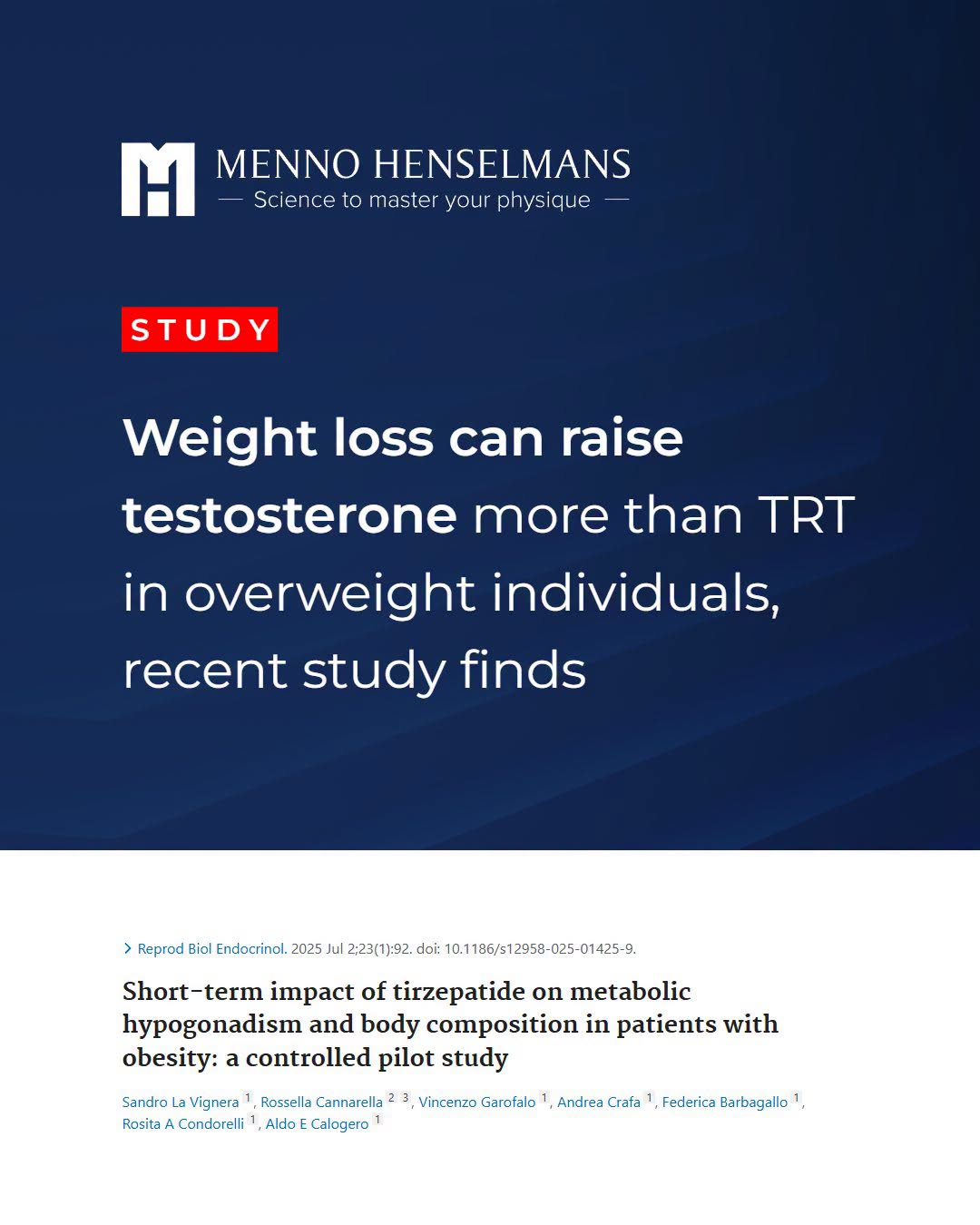
Tirzepatide beat testosterone therapy for raising testosterone in obese men (pilot, n=83)

Jul 19, 2025 · Louis Nervegna ♥ 13 · 💬 1 ↩ 2 GLP-1 drugs (semaglutide, tirzepatide)

Louis argues that low testosterone in middle-aged men is mainly driven by visceral fat and should be treated by fat loss rather than TRT. The shared pilot study in 83 men with obesity found tirzepatide plus lifestyle gave the greatest weight and fat loss and raised testosterone, LH and FSH more than lifestyle alone or TRT.

Neutering adult male mice extended lifespan over 30%, doubting testosterone as anti-aging

Nov 04, 2026 · Louis Nervegna ♥ 2 · 💬 8 Aging & longevity

Louis shares a preprint reported by Science in which neutering older male mice lengthened life by more than 30%, even when done in adulthood. He argues this undermines claims that raising testosterone in older men is anti-aging, noting no randomized trial shows benefit in men without clinical hypogonadism. It is mouse preprint data, not a human option.

Low dietary fat intake may modestly reduce testosterone in men

Aug 13, 2025 · Louis Nervegna ♥ 2 · 💬 8

Louis shares a meta-analysis summary showing lower fat intake modestly lowers testosterone and notes it might not be bad, since calorie restriction lowers testosterone too and optimal levels for longevity are unknown.

Anabolic steroid use linked to 3x heart attack and 9x cardiomyopathy risk

Feb 24, 2025 · Louis Nervegna ♥ 3 · 💬 3

Louis shares Luigi Fontana's summary of a long-term cohort of 1,189 anabolic androgenic steroid users versus 59,450 matched controls, showing sharply higher rates of cardiovascular events even in recreational gym-goers. He warns against pushing androgen levels excessively high.

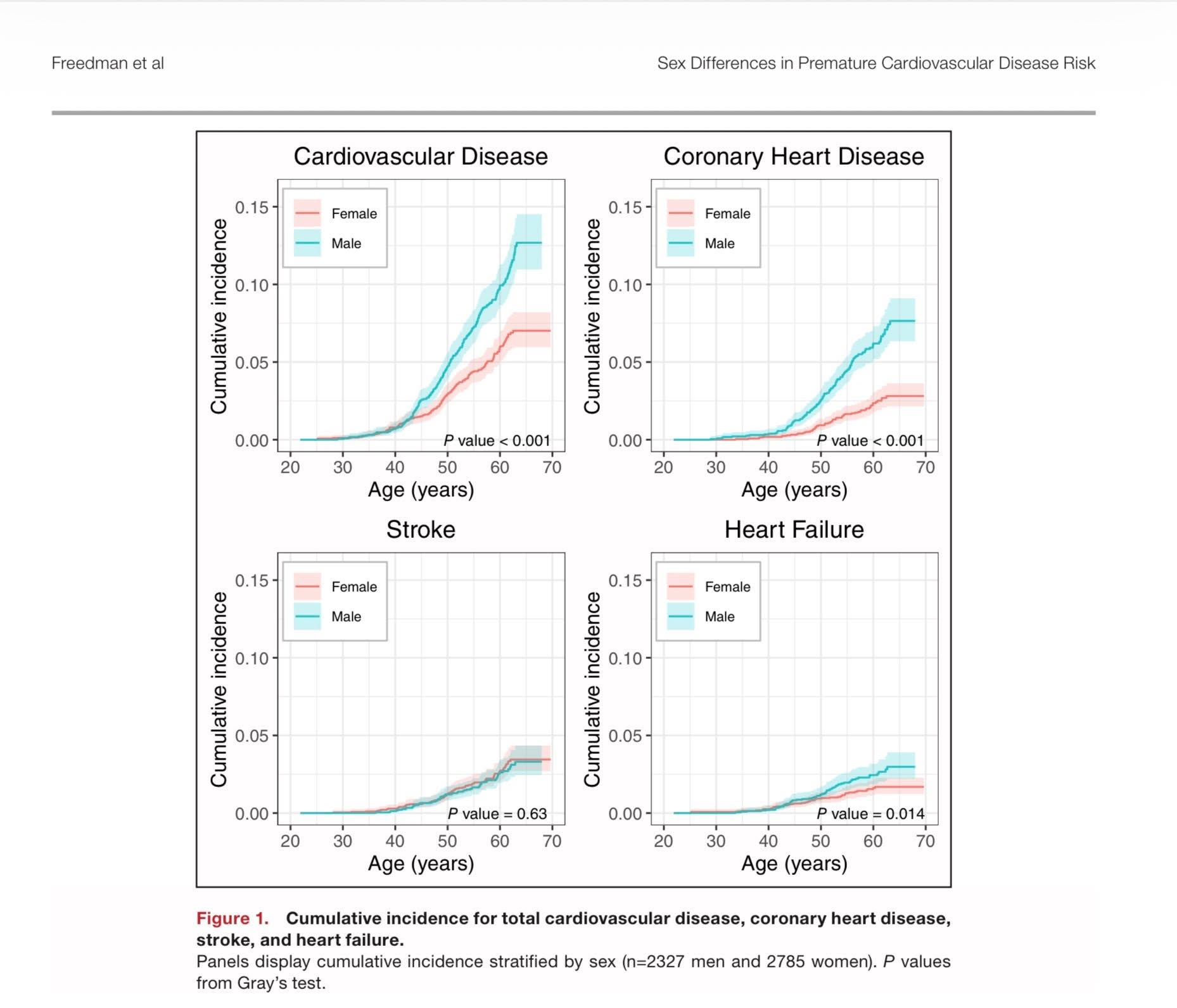
Men develop cardiovascular disease about 7 years earlier than women, per JAHA

Feb 02, 2026 · Louis Nervegna ♥ 3 · 💬 4

Louis shares a JAHA study showing men develop CVD about 7 years earlier, mainly from earlier coronary heart disease, with differences emerging by age 35 and persisting after adjusting for risk factors. The shared post discusses visceral fat as a possible contributor.

Tirzepatide raised testosterone more than TRT in men with obesity (pilot, n=83)

Jun 18, 2026 · Louis Nervegna ♥ 6 · 💬 1

Louis shares a small controlled pilot study in obese men with metabolic hypogonadism. Two months of tirzepatide gave greater weight loss and increases in testosterone, LH, FSH and SHBG while lowering estradiol, compared with no treatment or transdermal testosterone.

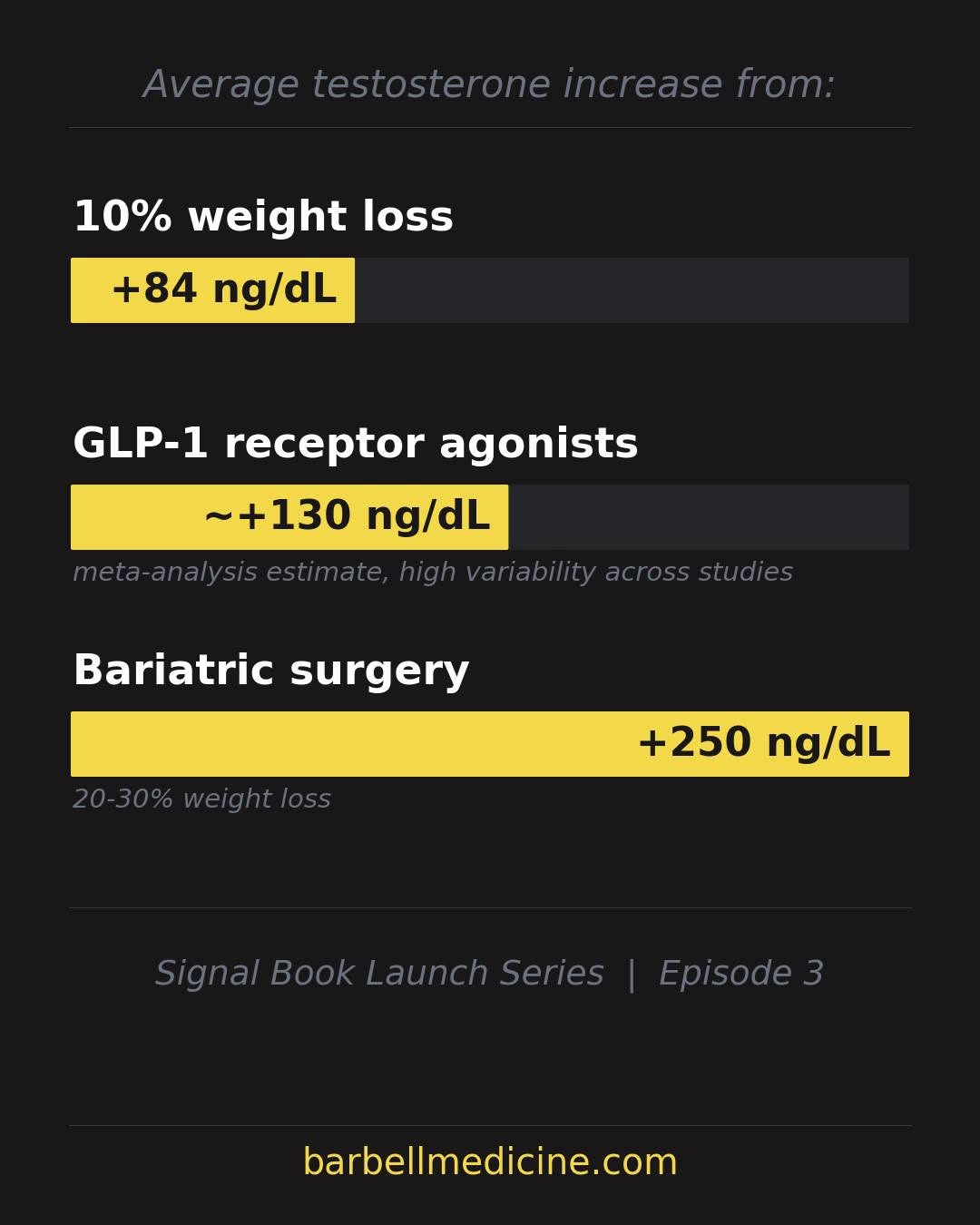
A 10% weight loss raises testosterone about 84 ng/dL; bariatric surgery about 250 ng/dL

May 12, 2026 · Louis Nervegna ♥ 7 · 💬 1

Louis shares a Barbell Medicine explanation that excess visceral fat lowers testosterone through aromatase activity and leptin pathways, and that weight loss reverses this. GLP-1 drugs raise testosterone roughly in proportion to weight lost, so weight loss may make many TRT prescriptions unnecessary.

Visceral fat is the most common cause of low testosterone in middle-aged men

Sep 11, 2025 · Louis Nervegna ♥ 4 · 💬 2

Louis argues that most middle-aged men with 'Low T' do not need testosterone replacement but need to lose visceral fat. The shared FoundMyFitness text says excess fat increases aromatization of testosterone to estrogen, which signals the brain to reduce testosterone production.

Saffron may help SSRI-related sexual dysfunction

May 24, 2025 · Louis Nervegna ♥ 4 · 💬 2

Dr. Brian Lawenda shares a Medscape report that saffron may ease sexual dysfunction from SSRIs, which affects 30-70% of users. Not heart-related.

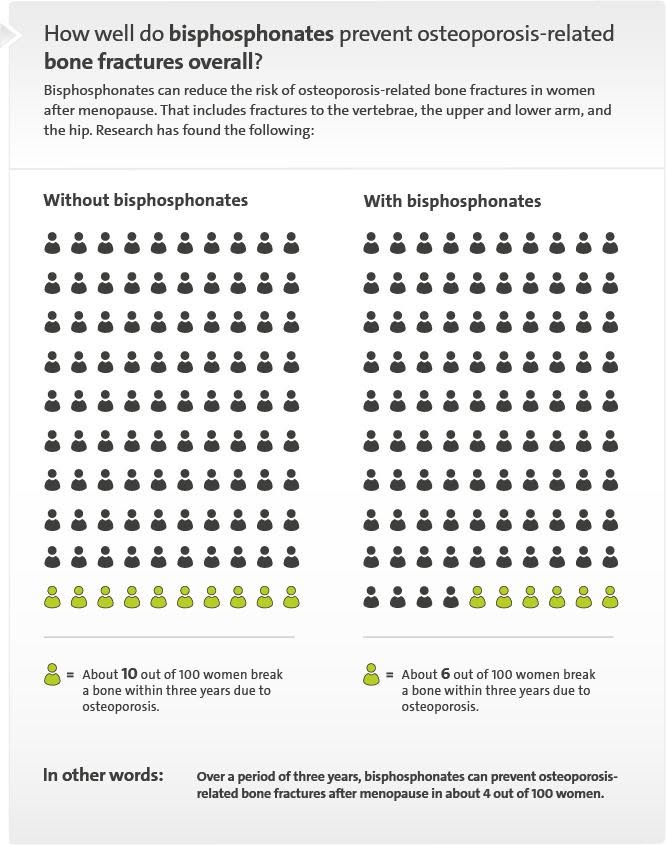
Bisphosphonates for bone loss: fracture reductions summarized

Oct 13, 2024 · Gokhan Can ♥ 4 · 💬 1 ↩ 1

Review of bisphosphonate evidence for osteoporosis. Alendronate cuts vertebral and non-vertebral fractures by about 50% in women with prior vertebral fractures; yearly IV zoledronic acid cuts vertebral fractures 70% and hip fractures 40%; a 2017 meta-analysis found overall fracture OR 0.62. Not a heart topic but relevant to aging.

Losing 7-10% of body weight is where testosterone rises in men with visceral fat

Jun 02, 2026 · Louis Nervegna ♥ 7

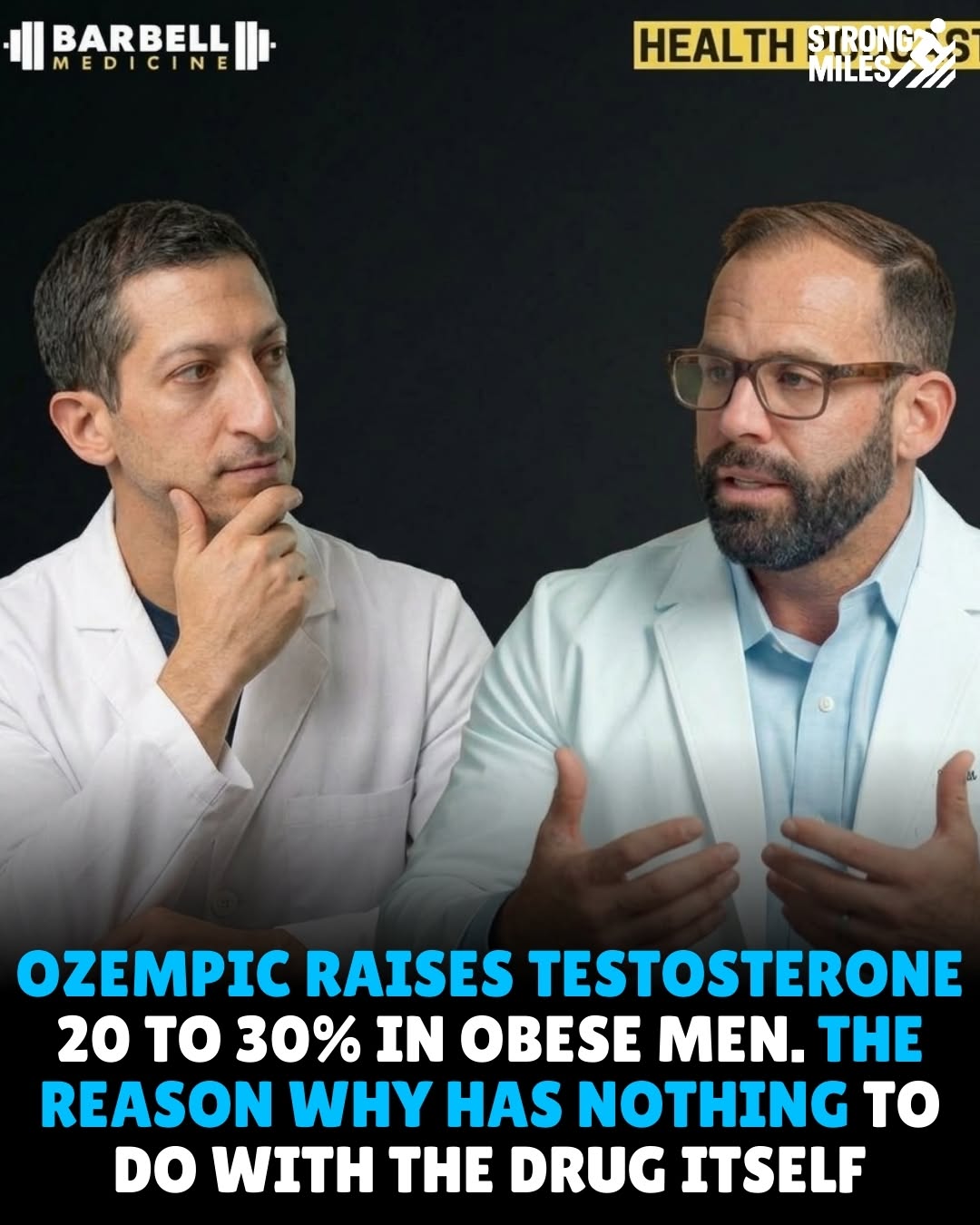
Louis shares an article saying low testosterone in middle-aged men is often caused by visceral fat, and that around 7-10% weight loss lowers leptin enough to raise testosterone. Semaglutide and other GLP-1 drugs reportedly raise testosterone 20-30% in men with abundant visceral fat.

Hormone therapy and dementia: benefit mostly vanished in naturally menopausal women

Sep 02, 2026 · Louis Nervegna ♥ 3

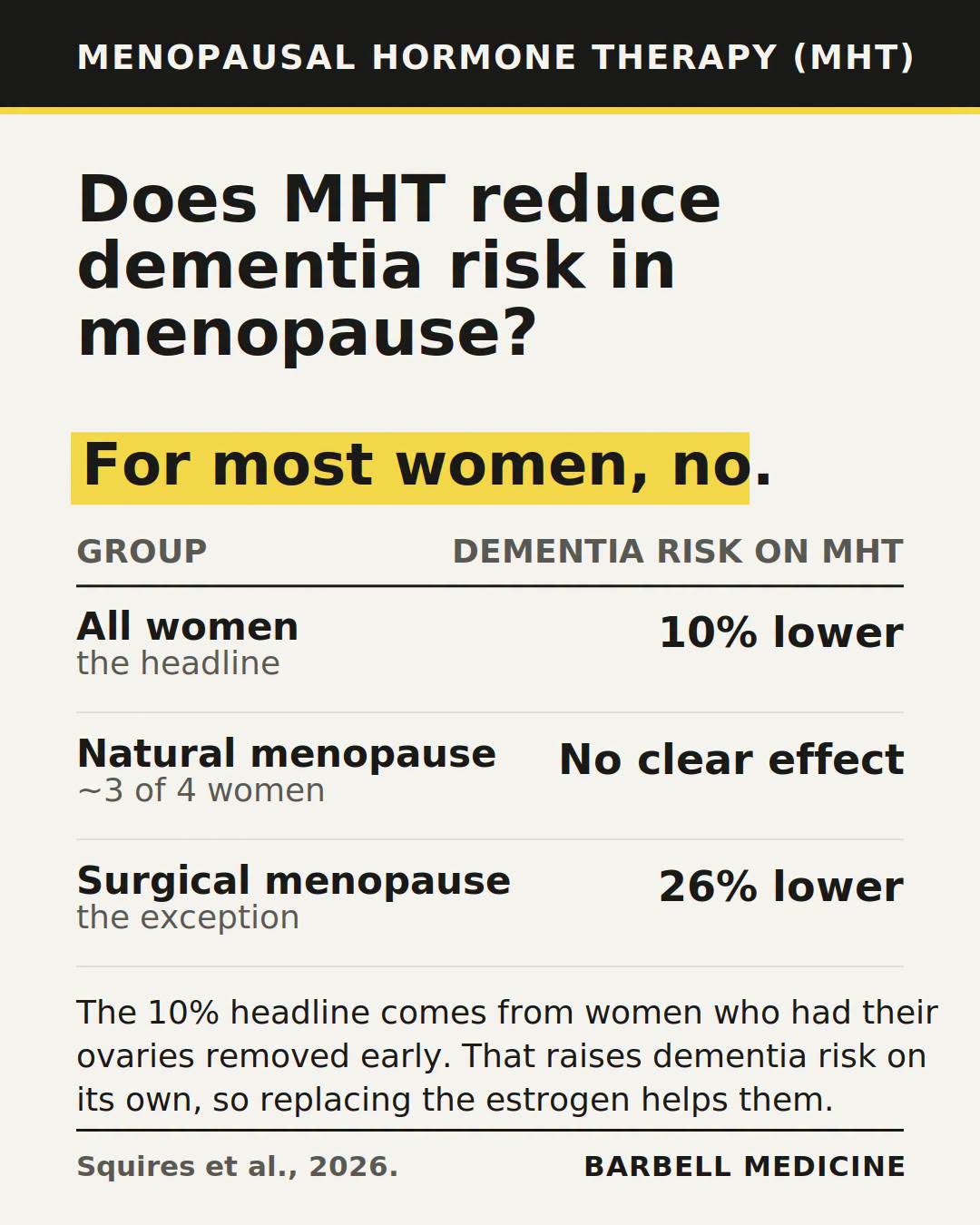
A shared Barbell Medicine critique of a study of about 183,000 women says hormone therapy users had around 10% lower dementia diagnosis, but the effect was mostly absent in women with natural menopause and only held in those with surgical ovary removal. A meta-analysis of ten studies in over a million women found no reliable effect either way.

GLP-1 drugs raised testosterone; normal levels rose from 67% to 86% of men with obesity

May 30, 2026 · Louis Nervegna ♥ 4

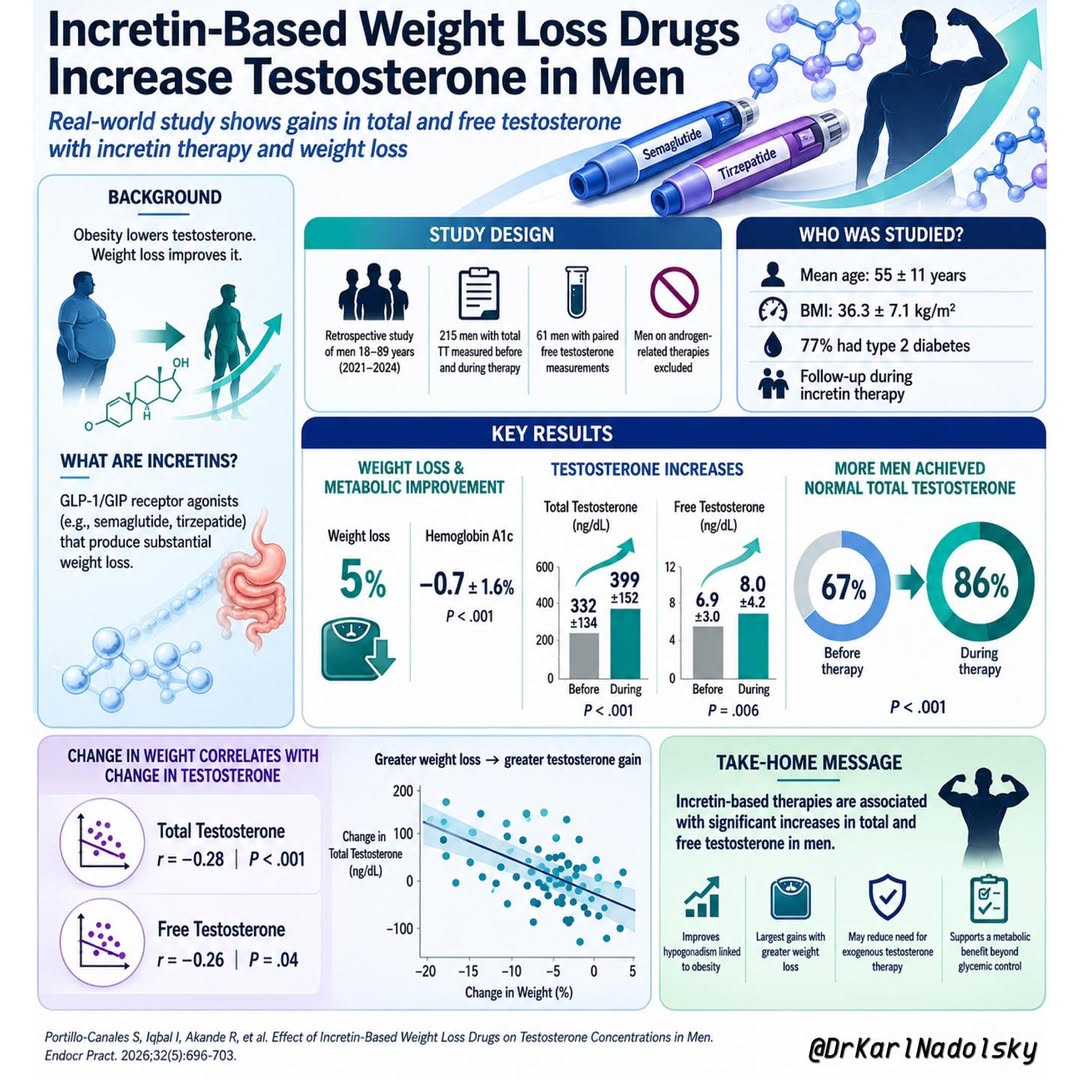
Karl Nadolsky shares a real-world study where incretin-based drugs in men with obesity produced modest weight loss, better glycemic control and higher total and free testosterone, most in those who lost the most weight. Louis argues GLP-1s treat the root cause (visceral fat) of low testosterone, unlike TRT.

Excess body fat can cut testosterone by up to half a reference range; fat loss restores it

Mar 25, 2026 · Louis Nervegna ♥ 3

Louis posts that overweight and obesity can lower testosterone by as much as half a reference range (about 350 ng/dL) and that losing visceral fat often returns levels to normal. The shared FoundMyFitness post explains that extra fat raises aromatization of testosterone to estrogen, which signals the brain to reduce testosterone production.

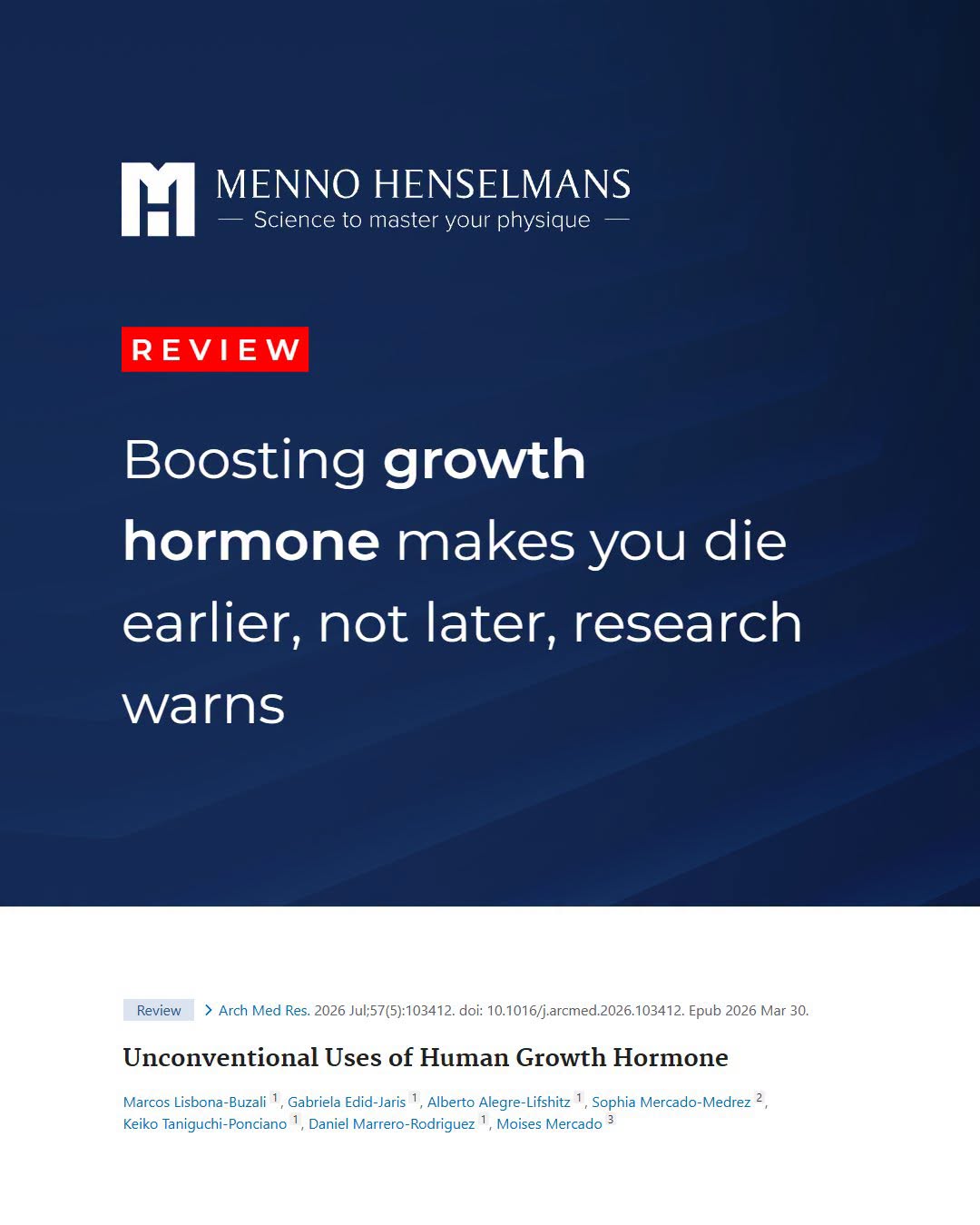
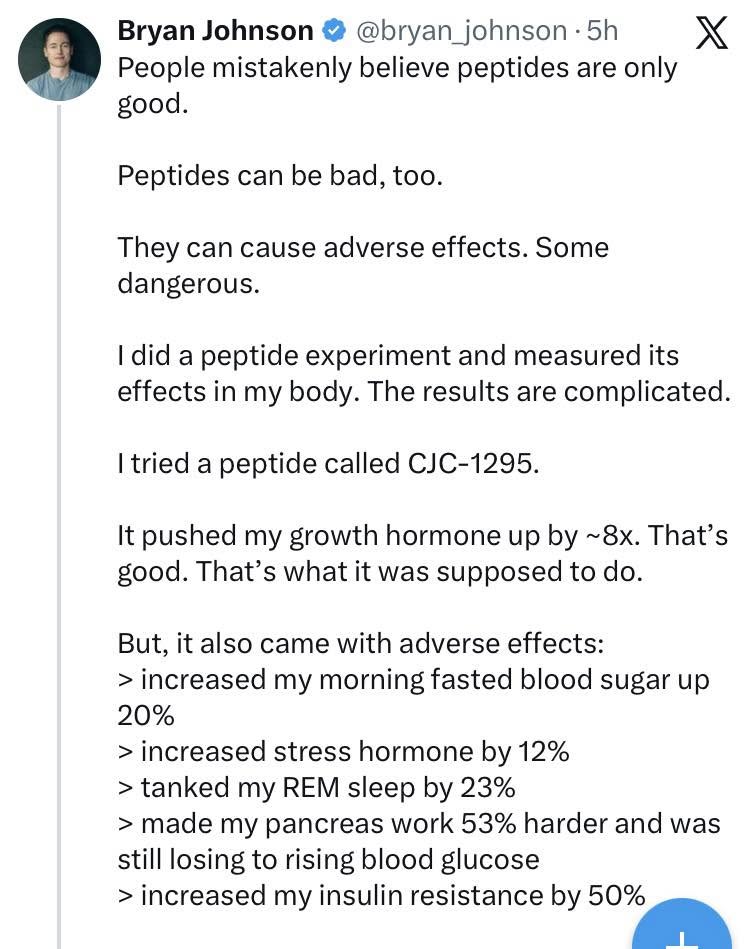
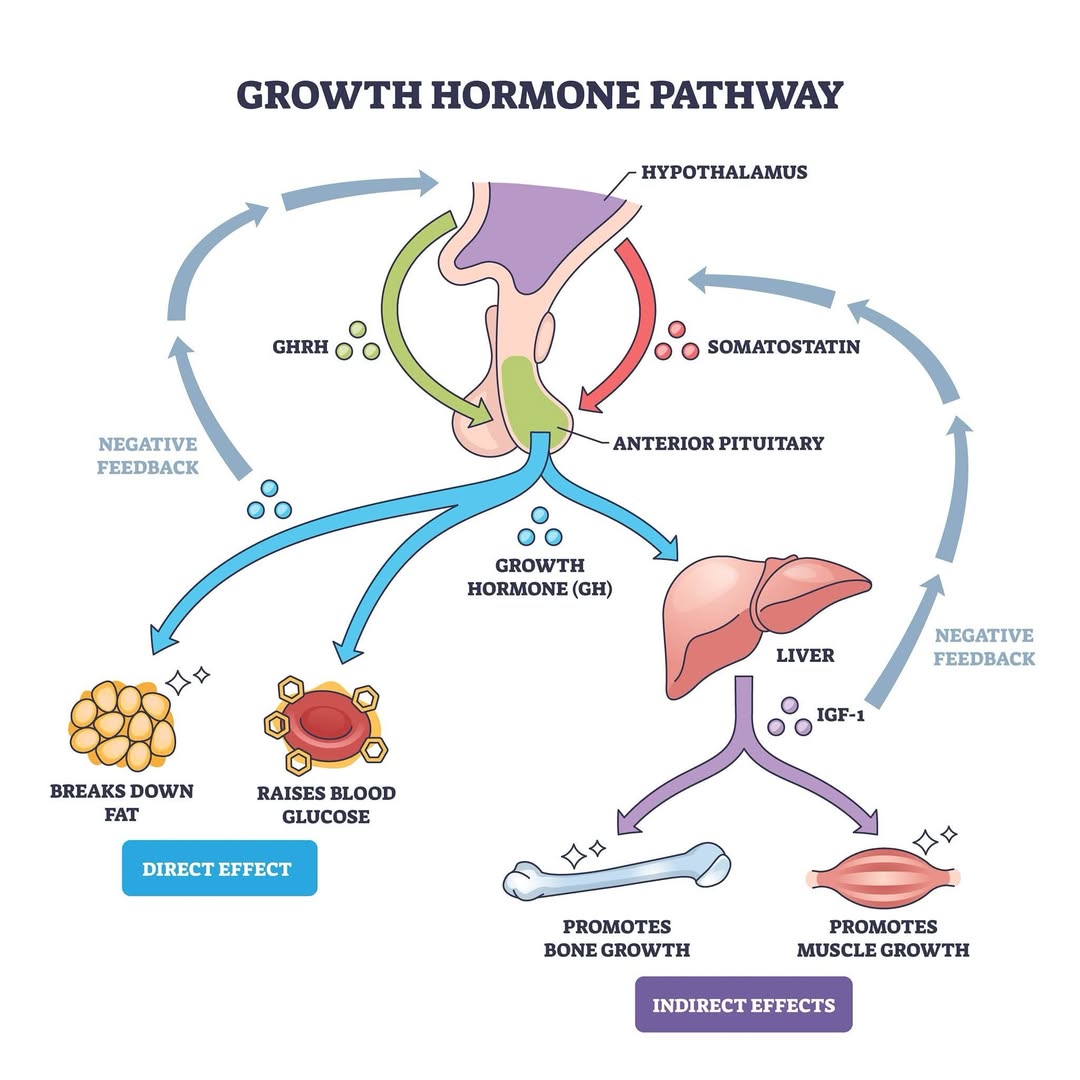
Growth-hormone peptides raise IGF-1, linked to cancer and mortality risk at high levels

May 11, 2026 · Louis Nervegna ♥ 1

Joel Kahn's post, shared by Louis, warns that injecting growth-hormone-type peptides (ipamorelin, sermorelin, CJC-1295) can chronically elevate IGF-1. High IGF-1 is associated in observational data with breast and prostate cancer and with higher cancer, cardiovascular and all-cause mortality, and excess GH signaling in acromegaly causes cardiometabolic complications.