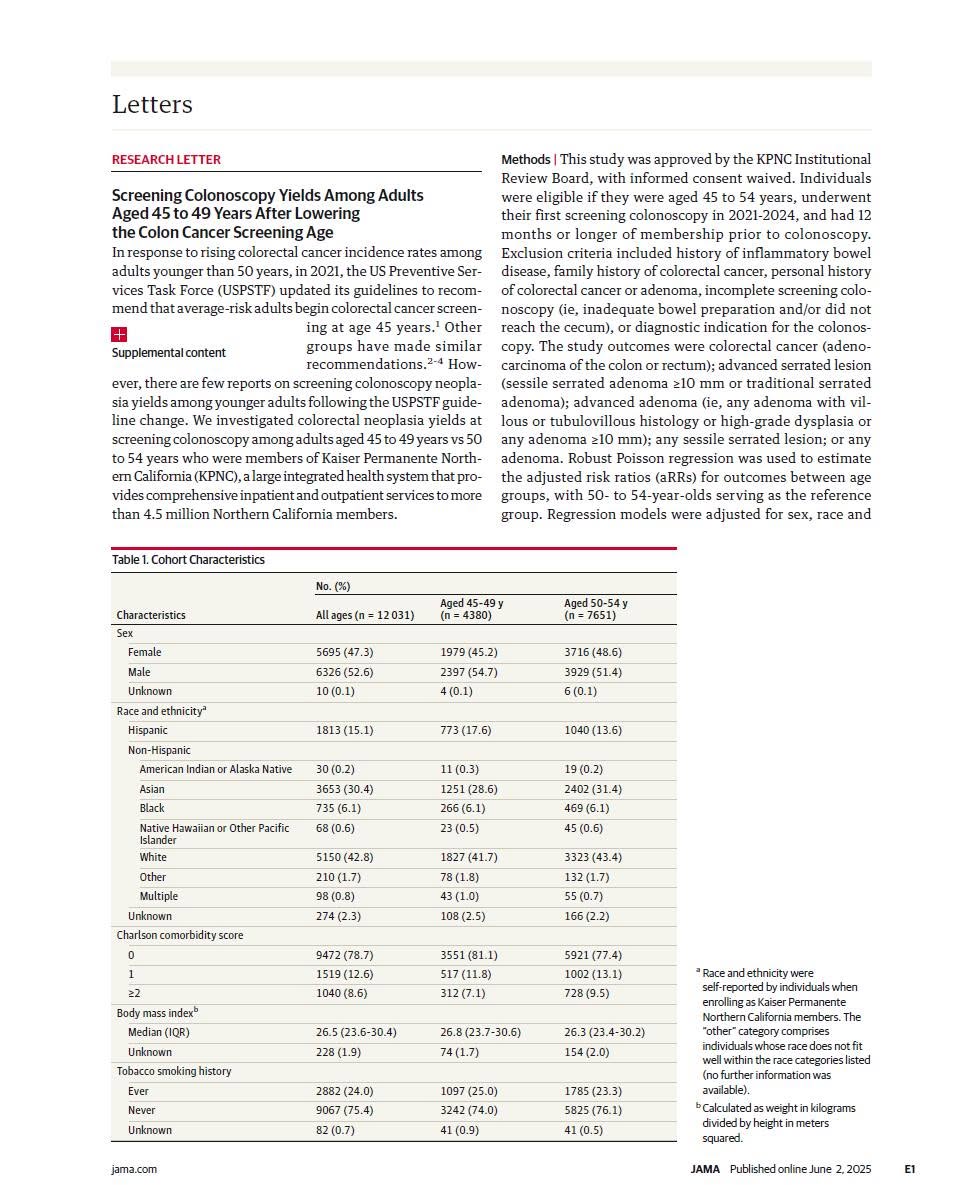
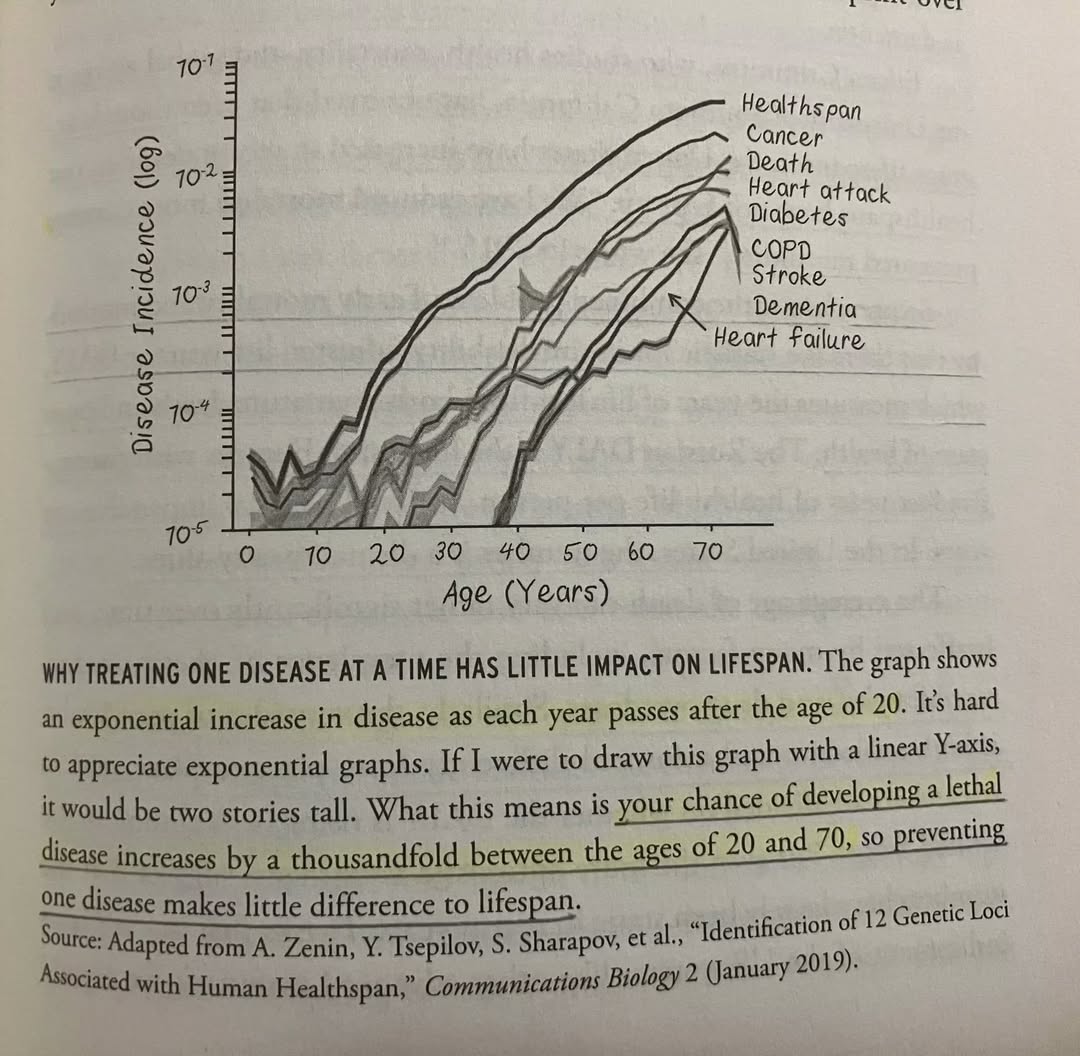
She is correct. Cancer is really a disease of aging.
Interventions that will ultimately prevent cancer from happening in the first place will be interventions that fundamentally slow down the aging process itself.
She is also correct to say that cancer is not one disease. It is now well understood in oncology that different classes of cancers are separate diseases which likely have different underlying causes. In most cases, the major common denominator is age. This unfortunately means that we are unlikely to ever have a “cure for cancer” in general. Each class of cancers will have to be addressed separately. Our best course is still prevention. Evidence keeps accumulating that diet, exercise, and lifestyle can slow down the rate of aging, and this will inevitably lower risk for cancer.
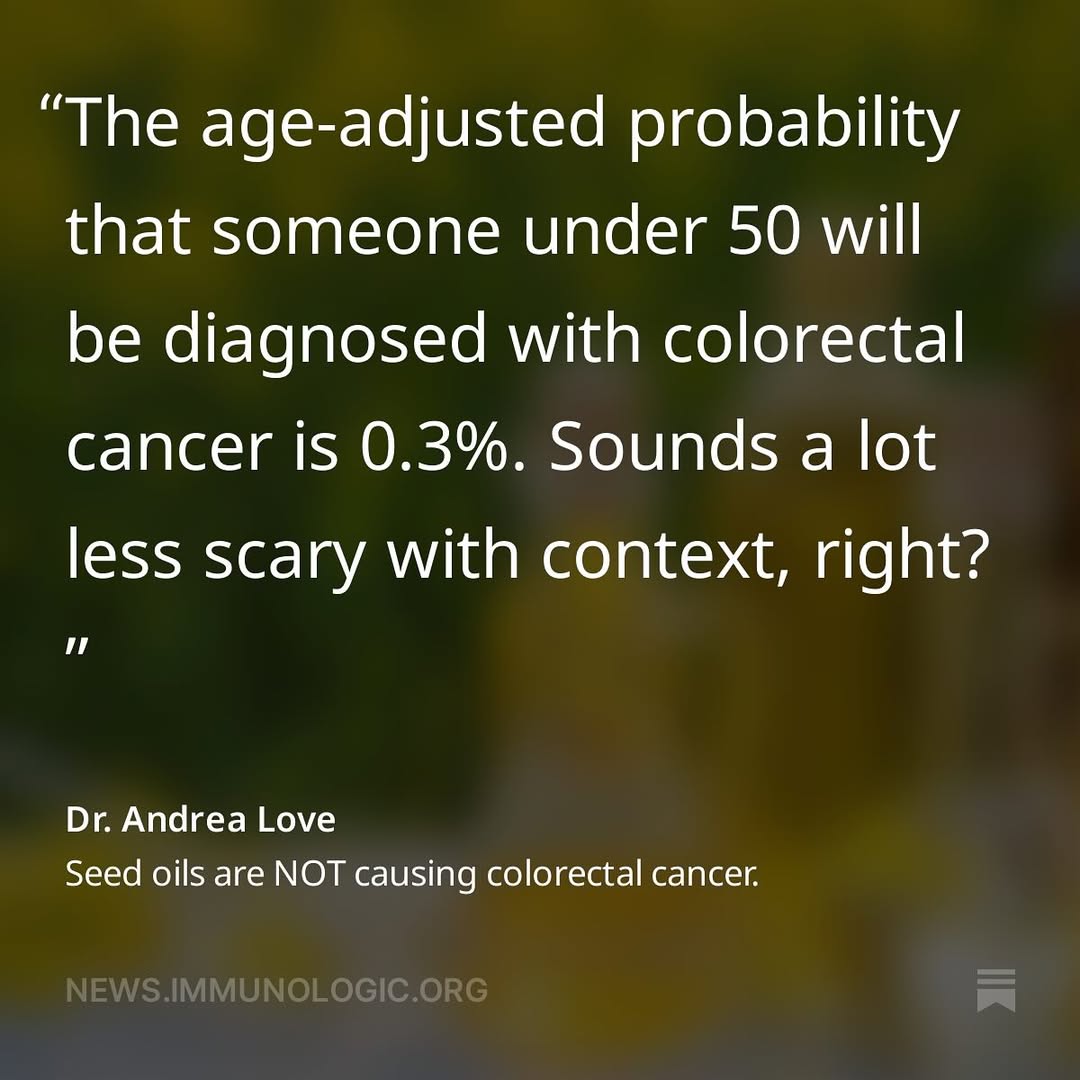
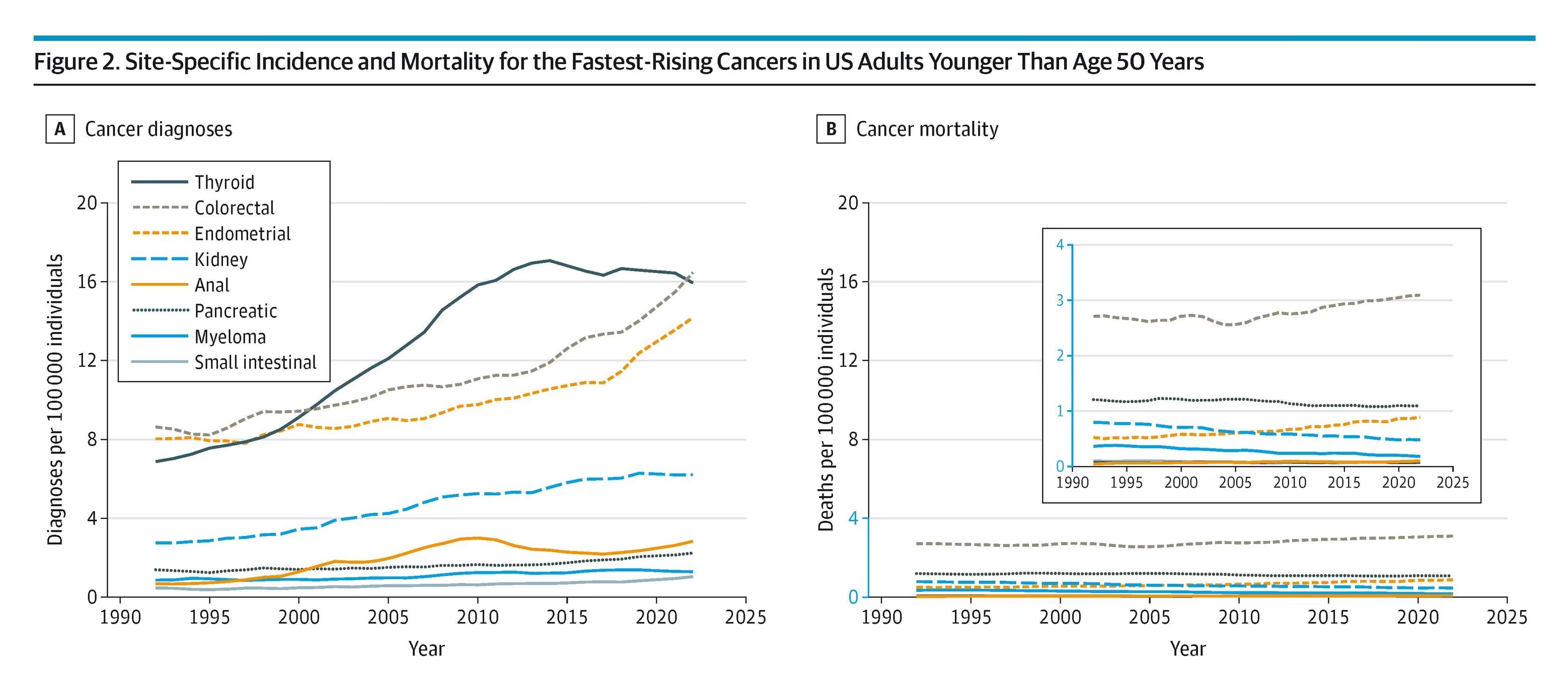
We shouldn’t minimize the recent increase in colorectal cancer in younger people, but it is also important to understand exactly how small it is in an absolute sense.
Even a 0.3% probability of being diagnosed with colon cancer under age 50 is still unacceptably high, and we should be working to lower it.
#coloncancerHD #cancerHD #agingHD #earlycancerHD
Media outlets and Mark Hyman (and his wellness buddies) LOVE to scare people about cancer. Lately, claims relate to rates “skyrocketing” in young people.
What’s real?
Cancers are hundreds of diseases and they can’t be lumped into a single bucket. Cancers are a disease of aging: as life expectancy increases and we aren’t dying of other acute causes first, there is increased likelihood that cancers develop.
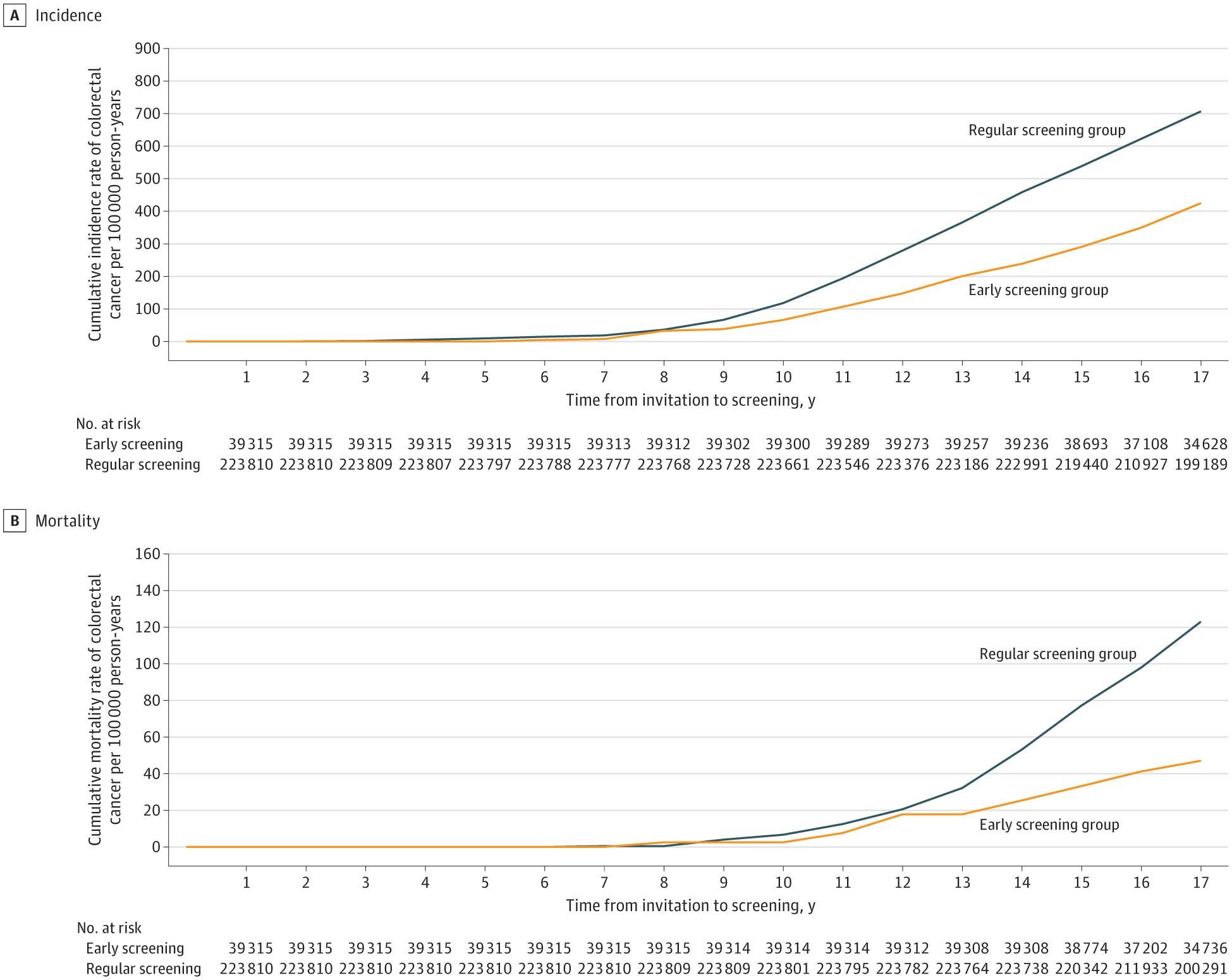
Cancer rates are a function of diagnosis AND occurrence. With changes to diagnostic guidelines, increases in cancer DIAGNOSES might occur, because those cancers would have gone undetected previously.
Many cancer rates are declining: breast, lung, cervical, prostate, stomach, bladder, Hodgkin lymphoma, and colorectal cancer in people over 50.
Cancer outcomes are improving dramatically, thanks to science: improved detection and better treatments.
What about colorectal cancer in “young people”?
The likelihood of someone being diagnosed with CRC younger than 50 years old is 0.3%.
The rate of colorectal cancer in people under 50 is the lowest of all demographics. Colorectal cancer is most common in adults over 65.
This increase you hear about?
It’s a change in RATE. Adults 20-39 from 6.4 per 100,000 to 6.464 cases per 100,000, and adults 40-49, a shift from 37 per 100,000 to 37.37 cases per 100,000.
There are 150,000 cases of CRC diagnosed every year. That means an additional 216 cases of colorectal cancer will be diagnosed each year in adults under 50, a total of 21,927 cases.
Is it the panic-inducing scenario headlines would have you believe? No.
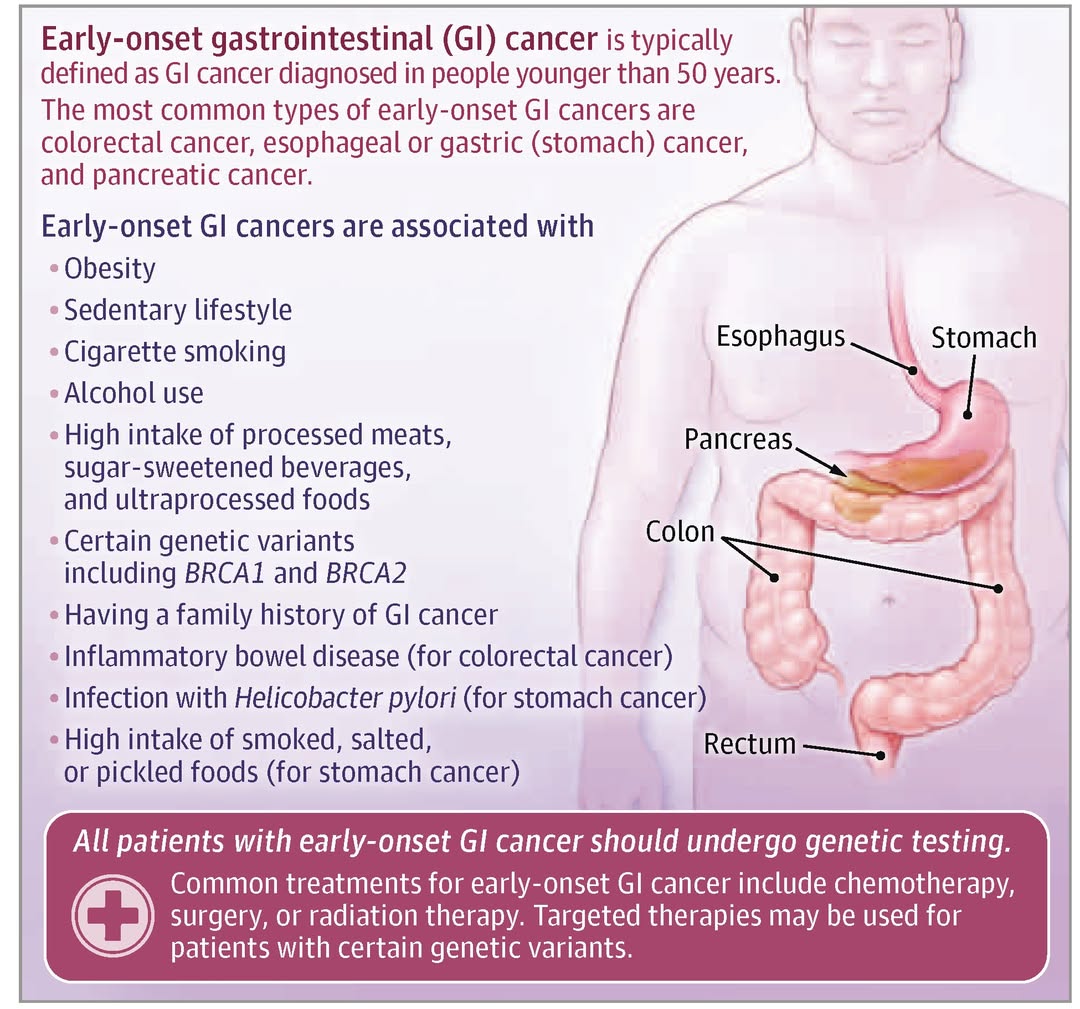
Risk factors are: low fiber diets, high animal fat consumption, sedentary lifestyle, and alcohol and tobacco use.
Colorectal cancer isn’t coming for younger adults. And it isn’t related to seed oils. Don’t listen to wellness grifters and clickbait headlines.
Read more here ⬇️
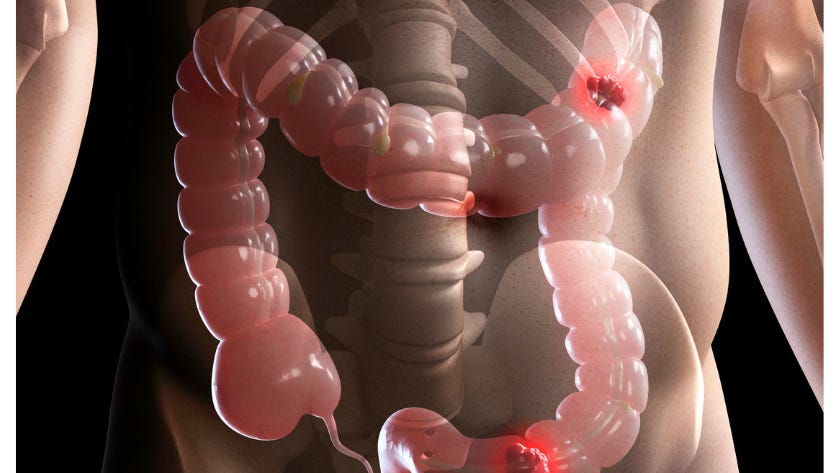 news.immunologic.orgAre cancer rates skyrocketing? No, not really.Cancer rates depend on how well we can detect and diagnose cancers. Clickbait headlines mislead you about this complex category of diseases.news.immunologic.org
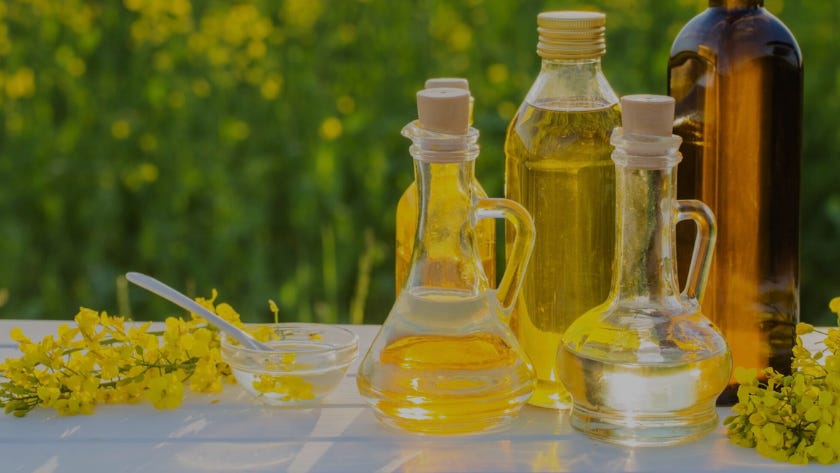 news.immunologic.orgSeed oils are NOT causing colorectal cancer.Media clickbait and wellness influencers are lying about a recent study that didn't even look at potential dietary factors in colorectal cancer.news.immunologic.org