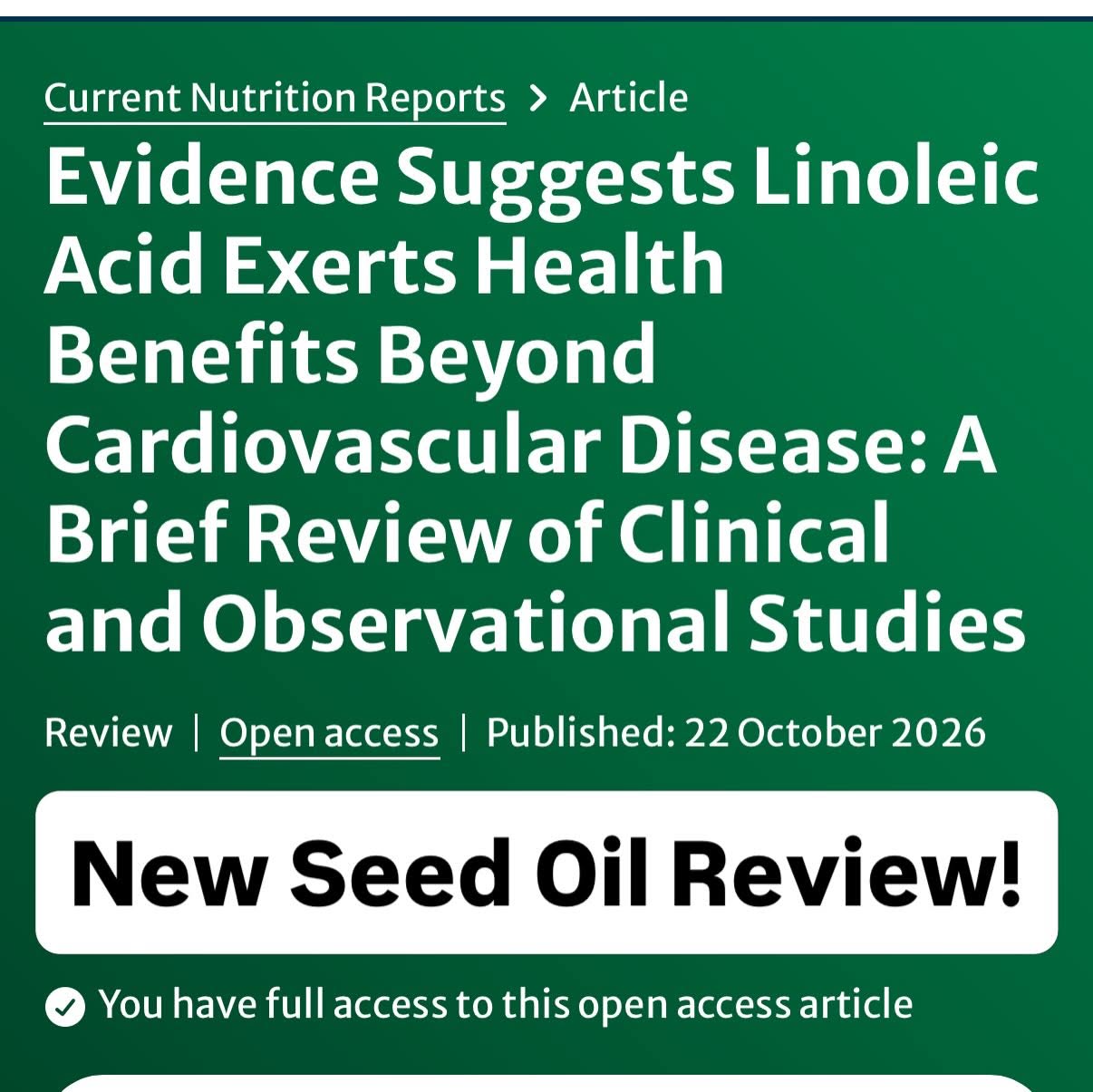
The claim:
“Zero sum game: risk of CVD + risk of
cancer = 0.”
is untrue.
——-
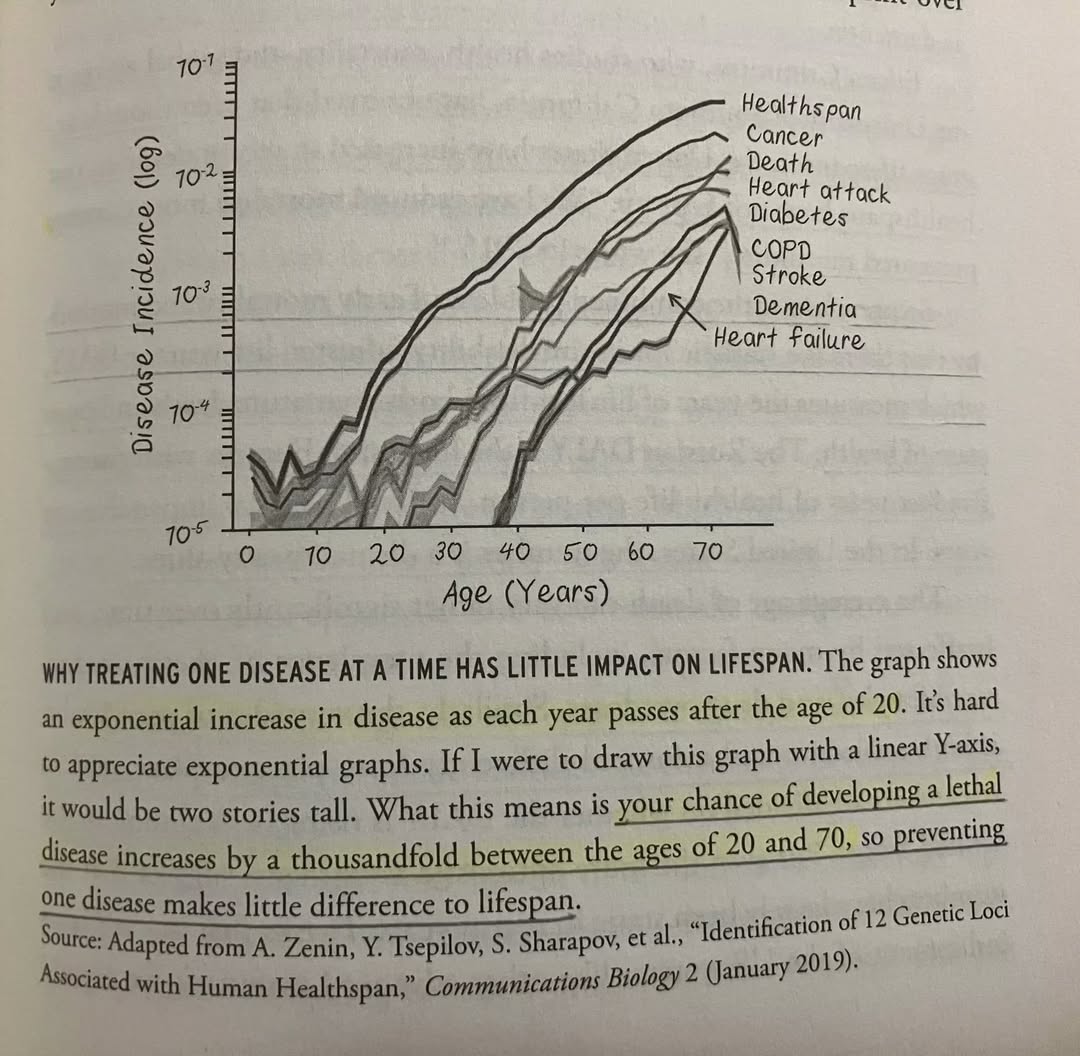
The risk for cancer and the risk for heart disease are very strongly related.
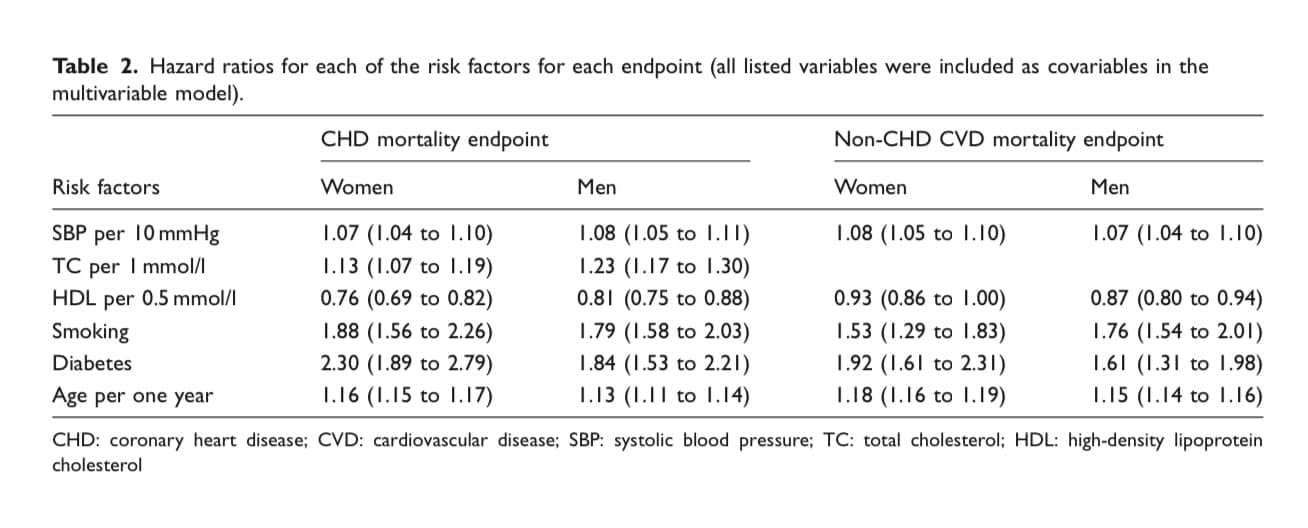
The main risk factor for both is AGE. The reason for that is obvious: The aging process itself directly CAUSES both heart disease and cancer.
↪ Age raises CVD death risk about 19.5x from 65 to 85, far above diabetes or smoking
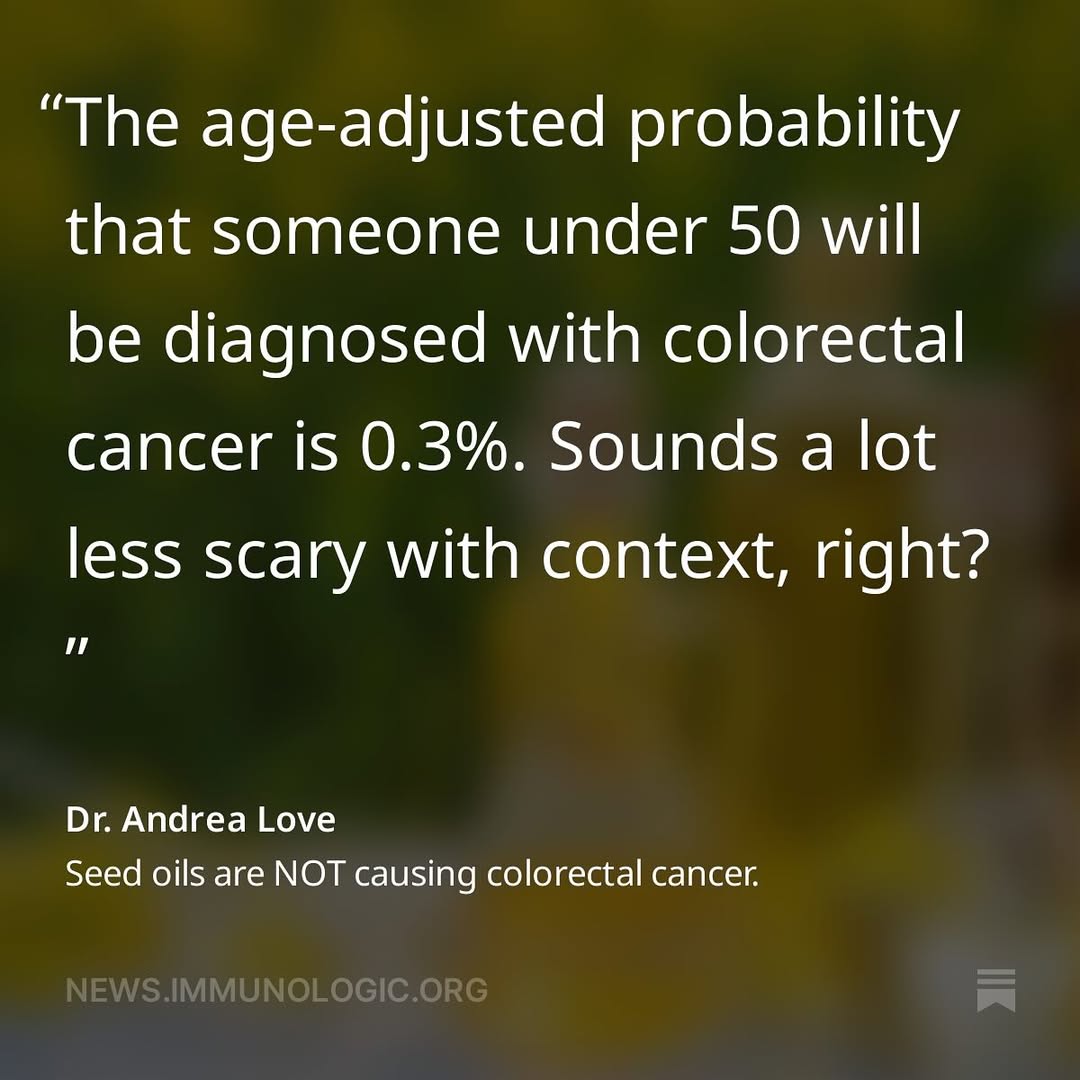
↪ Cancer is a disease of aging; young-onset colorectal rise is small in absolute terms
Obviously if two diseases share the same underlying cause, then they will be very strongly related.
Optimizing risk factors to prevent heart disease also lowers risk for cancer.
That makes sense, given that they share the same fundamental cause: AGING.
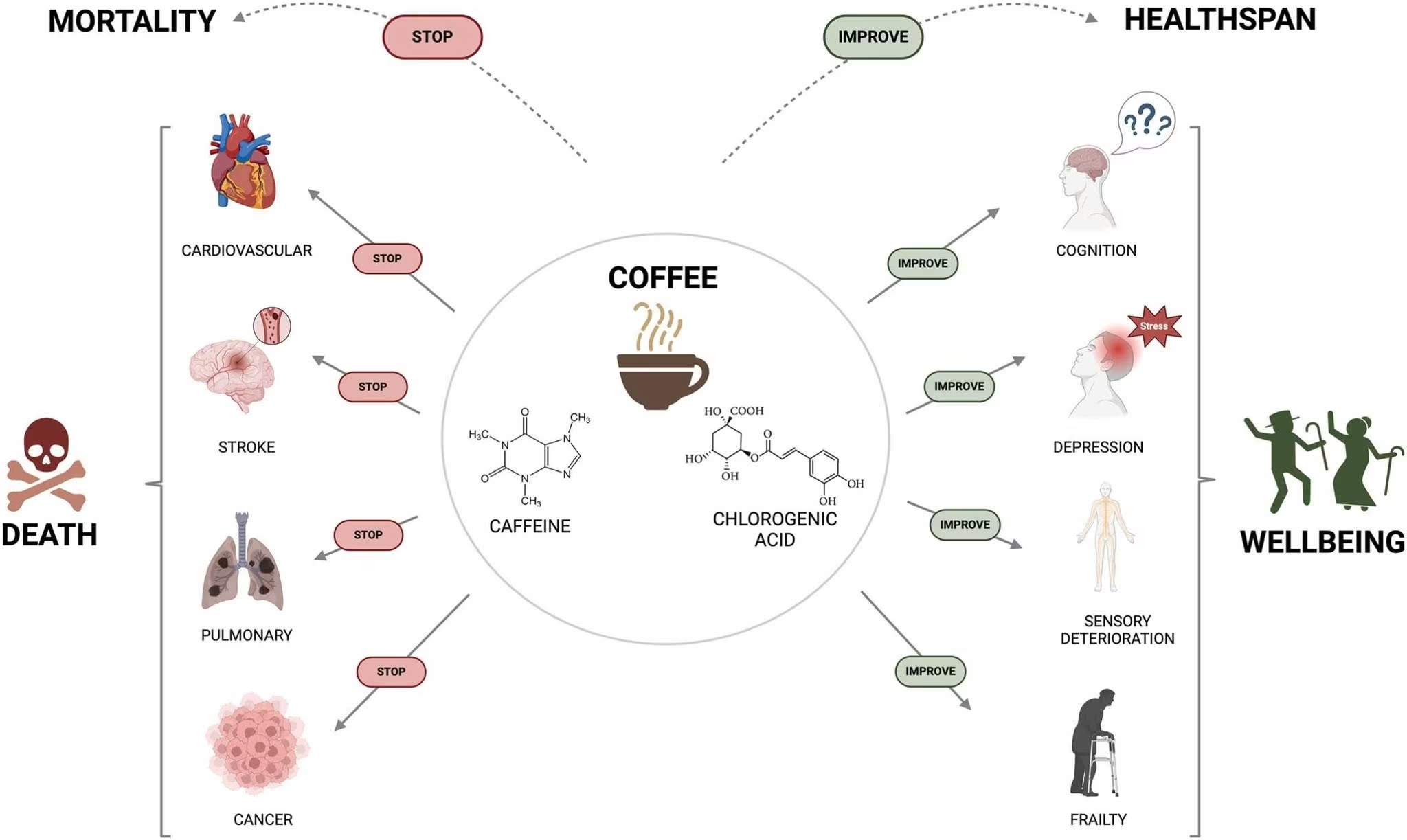
Healthy diet & lifestyle, calorie restriction & weight control, and arguably some drugs and supplements, likely work by slowing down the aging process itself. That’s why they lower the risk for BOTH heart disease AND cancer. They target the root cause of both.
Quoted:
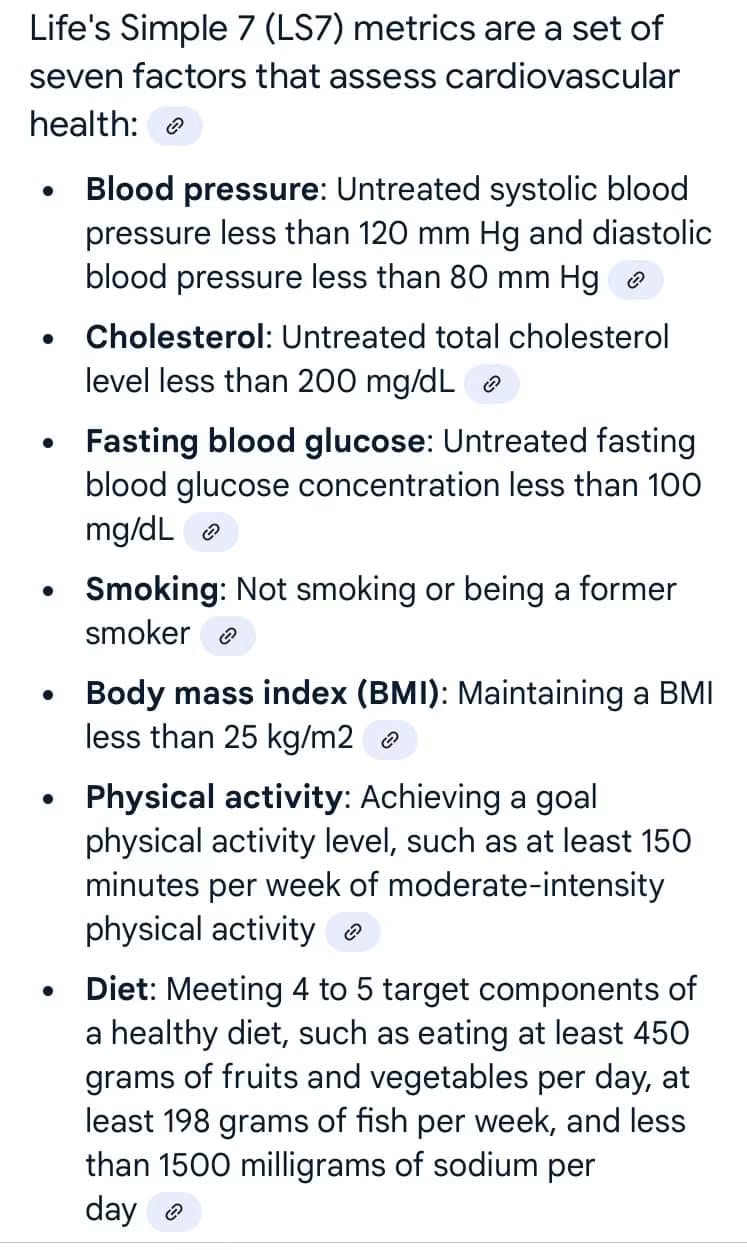
“The American Heart Association (AHA) has defined the concept of ideal cardiovascular health in promotion of the 2020 Strategic Impact Goals. We examined whether adherence to ideal levels of the 7 AHA cardiovascular health metrics was associated with incident cancers in the Atherosclerosis Risk In Communities (ARIC) study over 17 to 19 years of follow-up.
Methods and Results—
After exclusions for missing data and prevalent cancer, 13 253 ARIC participants were included for analysis. Baseline measurements were used to classify participants according to 7 AHA cardiovascular health metrics. Combined cancer incidence (excluding nonmelanoma skin cancers) from 1987 to 2006 was captured using cancer registries and hospital surveillance; 2880 incident cancer cases occurred over follow-up. Cox regression was used to calculate hazard ratios for incident cancer. There was a significant (P trend <0.0001), graded, inverse association between the number of ideal cardiovascular health metrics at baseline and cancer incidence. Participants meeting goals for 6 to 7 ideal health metrics (2.7% of the population) had 51% lower risk of incident cancer than those meeting goals for 0 ideal health metrics. When smoking was removed from the sum of ideal health metrics, the association was attenuated with participants meeting goals for 5 to 6 health metrics having 25% lower cancer risk than those meeting goals for 0 ideal health metrics (P trend =0.03).
Adherence to the 7 ideal health metrics defined in the AHA 2020 goals is associated with lower cancer incidence. The AHA should continue to pursue partnerships with cancer advocacy groups to achieve reductions in chronic disease prevalence.”
Paper · Circulation · 2013Ideal cardiovascular health is inversely associated with incident cancer: the Atherosclerosis Risk In Communities study.Conclusion: Adherence to the 7 ideal health metrics defined in the AHA 2020 goals is associated with lower cancer incidence. The AHA should continue to pursue partnerships with cancer advocacy groups to achieve reductions in chronic disease prevalence.ahajournals.org