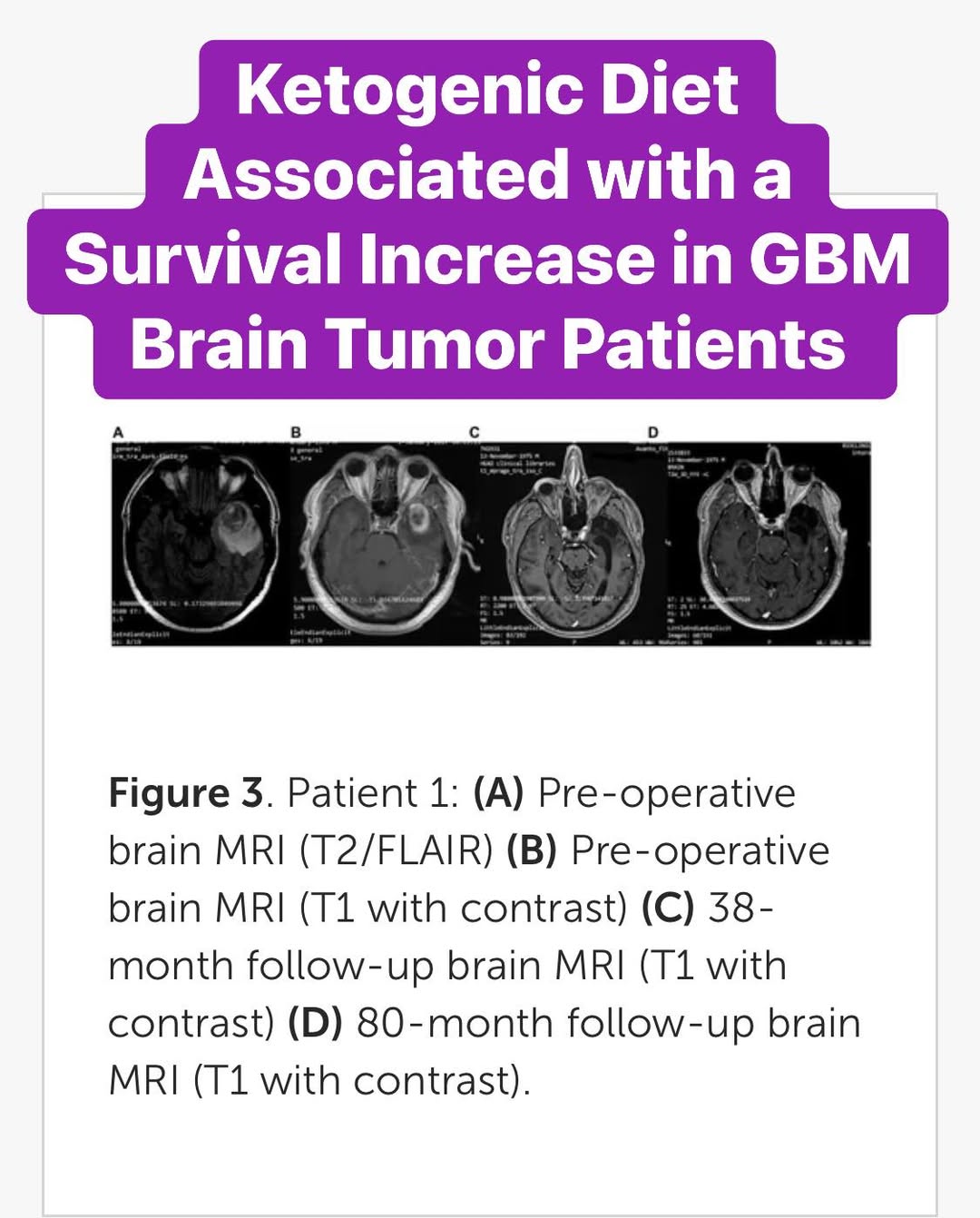
Ketogenic diets may have value in treating some kinds of cancer, especially brain tumors.
Glioblastoma (GBM) is a particularly deadly type of brain tumor with average survival time of less than 15 months. The evidence so far for keto diets in GBM has been mixed.
This tiny little observational study (18 people) produced some very good results.
#gbmHD #ketoHD #braintumorsHD
A recent study reported that patients with glioblastoma (GBM) who followed a ketogenic diet (KD) had a 67% vs. 8% three-year survival rate compared to those who did not. Notably, all patients received standard-of-care treatments, including surgery, chemotherapy, and radiation.
Should Glioblastoma Patients Consider a Ketogenic Diet?
I’m frequently asked about the ketogenic diet for cancer. There is growing evidence suggesting that a KD may have potential benefits in glioblastoma, primarily due to its ability to:
—Lower blood glucose levels, which may limit tumor growth (since many cancers rely on glucose for energy).
—Increase ketone production, which some research suggests may create a less favorable environment for tumor cells.
—Reduce inflammation, which could help slow cancer progression.
Key Considerations Before Trying a Ketogenic Diet
While the potential benefits are promising, there are important factors to consider:
- Nutrient Sufficiency Is Critical
- A poorly planned KD can lead to deficiencies in essential vitamins, minerals, fatty acids, and protein—all of which are necessary for immune function, muscle maintenance, and overall health.
- It’s important to prioritize whole, nutrient-dense foods and avoid ultra-processed “keto” products that lack essential micronutrients.
- Caloric Intake Must Be Controlled
- Excessive calories can lead to fat gain, which may promote inflammation and metabolic dysfunction.
- A calorie-controlled ketogenic diet is preferable to avoid unintended weight gain.
- Risk of Malnutrition & Weight Loss
- Many cancer patients experience cachexia (muscle wasting), and some struggle to maintain a healthy weight.
- If you’re already losing weight or at risk of becoming underweight, a ketogenic diet could exacerbate malnutrition and may not be the best choice.
- In such cases, a more balanced, protein-rich diet may be a better approach to prevent muscle loss.
My Bottomline:
The ketogenic diet shows promise as a complementary strategy for glioblastoma, but it’s not a one-size-fits-all solution. If you’re considering it, I strongly recommend working with a healthcare professional to ensure proper nutrition, calorie balance, and overall health support.
Study:
Paper · Front. Nutr. · 2025Successful application of dietary ketogenic metabolic therapy in patients with glioblastoma: a clinical studyIntroduction Glioblastoma multiforme (GBM) ranks as one of the most aggressive primary malignant tumor affecting the brain. The persistent challenge of treatment failure and high relapse rates in GBM highlights the need for new treatment approaches. Recent research has pivoted toward exploring alternative therapeutic methods, such as the ketogenic diet, for GBM. Methods A total of 18 patients with GBM, 8 women and…frontiersin.org