HD-OPM Archive
Hashtags

#keto

56 posts

Low-carb high-fat diet linked to higher LDL-C, ApoB and 2.18-fold MACE risk at 11.8 years

May 04, 2024 · Louis Nervegna ♥ 11 · 💬 24 Low-carb, keto & carnivore

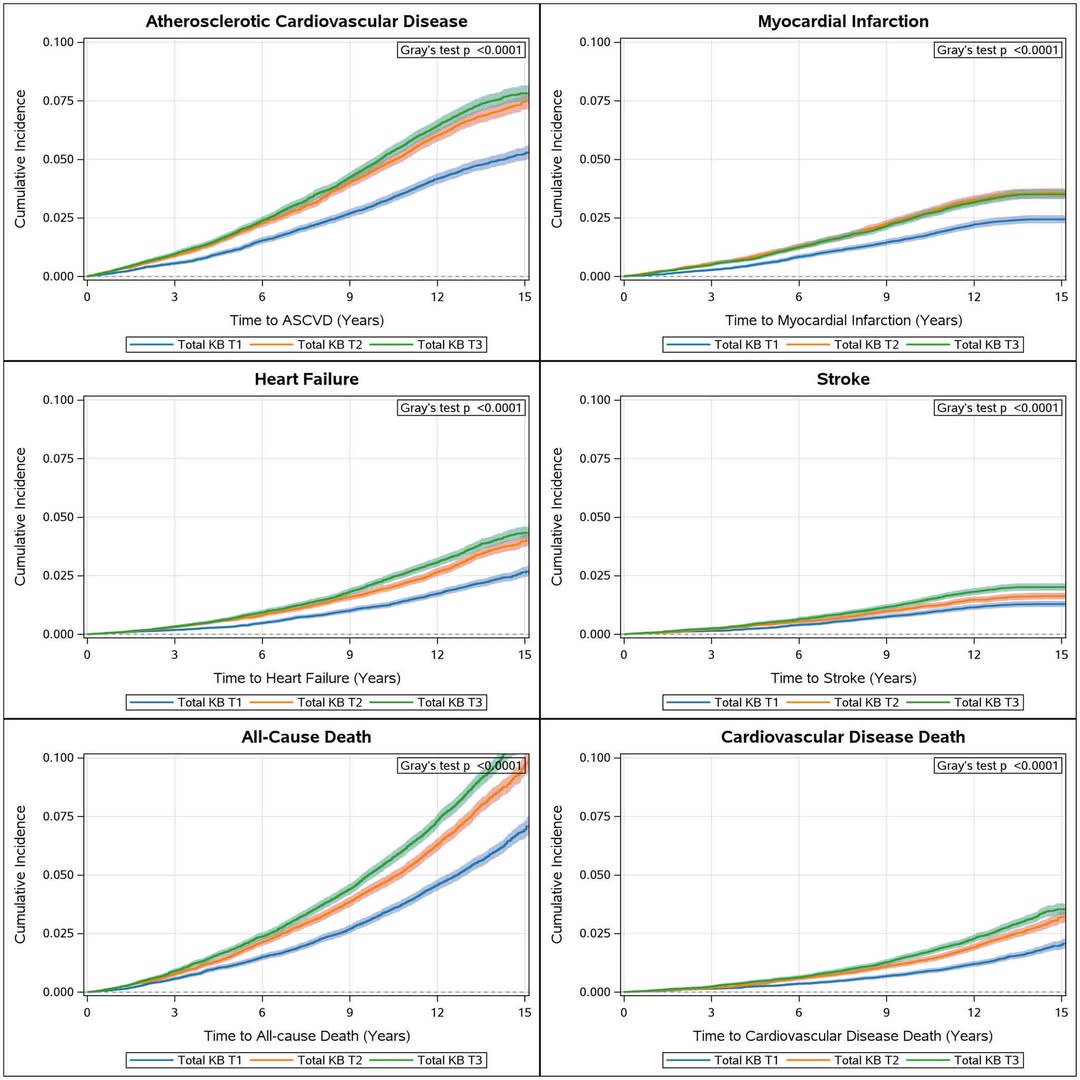
Louis quotes a JACC: Advances cohort analysis comparing low-carbohydrate high-fat (LCHF) eaters with standard-diet controls. LCHF had significantly higher LDL-C and ApoB, more severe hypercholesterolemia, and more major adverse cardiovascular events at 11.8 years; the association remained after adjustment. People with a high LDL polygenic risk score had the highest LDL-C on LCHF.

Keto/Atkins diet raised methylglyoxal 1.67-fold in 2-4 weeks, a glycation precursor

Sep 23, 2024 · Louis Nervegna ♥ 16 · 💬 23 Low-carb, keto & carnivore

Louis argues that ketogenic diets increase methylglyoxal, a precursor of advanced glycation end products linked to diabetes, heart disease, Alzheimer's and aging. He cites a 2005 study of Atkins dieters in which methylglyoxal rose 1.67-fold by 14-28 days and 2.12-fold in those in ketosis. He says claims that keto protects against glycation should be viewed with suspicion; the study measured markers, not outcomes.

Why the LMHR phenotype happens: starvation-like physiology in lean keto dieters

Jan 25, 2024 · Louis Nervegna ♥ 10 · 💬 11 ↩ 9 Low-carb, keto & carnivore

Louis proposes that the lean mass hyper-responder (LMHR) pattern, with extremely high LDL-C on keto/carnivore diets, reflects an ancient starvation response described in calorie-restriction literature. With near-zero body fat and no carbohydrate, the body acts as if starving, raising circulating LDL to deliver fat as fuel, lowering leptin, LDL receptors and thyroid and sex hormones. He links a trial showing fasting raised LDL and ApoB in healthy non-obese people, and cautions that overdoing restriction is the danger. This is a hypothesis, not proof of harm or safety.

Keto causes bigger temporary insulin resistance than statins, so statin fear is overplayed

Sep 16, 2024 · Louis Nervegna ♥ 8 · 💬 16 Statins

Louis argues that keto influencers who fixate on statins slightly reducing insulin sensitivity overlook that a keto diet causes the same effect to a much greater degree. Without carbohydrate, skeletal muscle becomes insulin resistant to preserve glucose for the brain and heart, so a glucose tolerance test on keto looks poor. Both effects are temporary and reverse on stopping.

Very low-carb diets rarely push A1C below 5 because of physiological insulin resistance

May 25, 2026 · Louis Nervegna ♥ 11 · 💬 11 Low-carb, keto & carnivore

Louis argues that in people who already have low A1C, severe carb restriction makes muscles temporarily insulin resistant to spare glucose for heart and brain, so blood sugar can rise rather than fall. This 'adaptive glucose sparing' or 'pseudo-diabetes' also explains why people on long-term keto often fail glucose tolerance tests. Personal observation and physiology reasoning rather than a cited trial.

Ketogenic diet associated with 67% vs 8% three-year survival in a tiny glioblastoma study

Mar 02, 2025 · Louis Nervegna ♥ 9 · 💬 10 Cancer

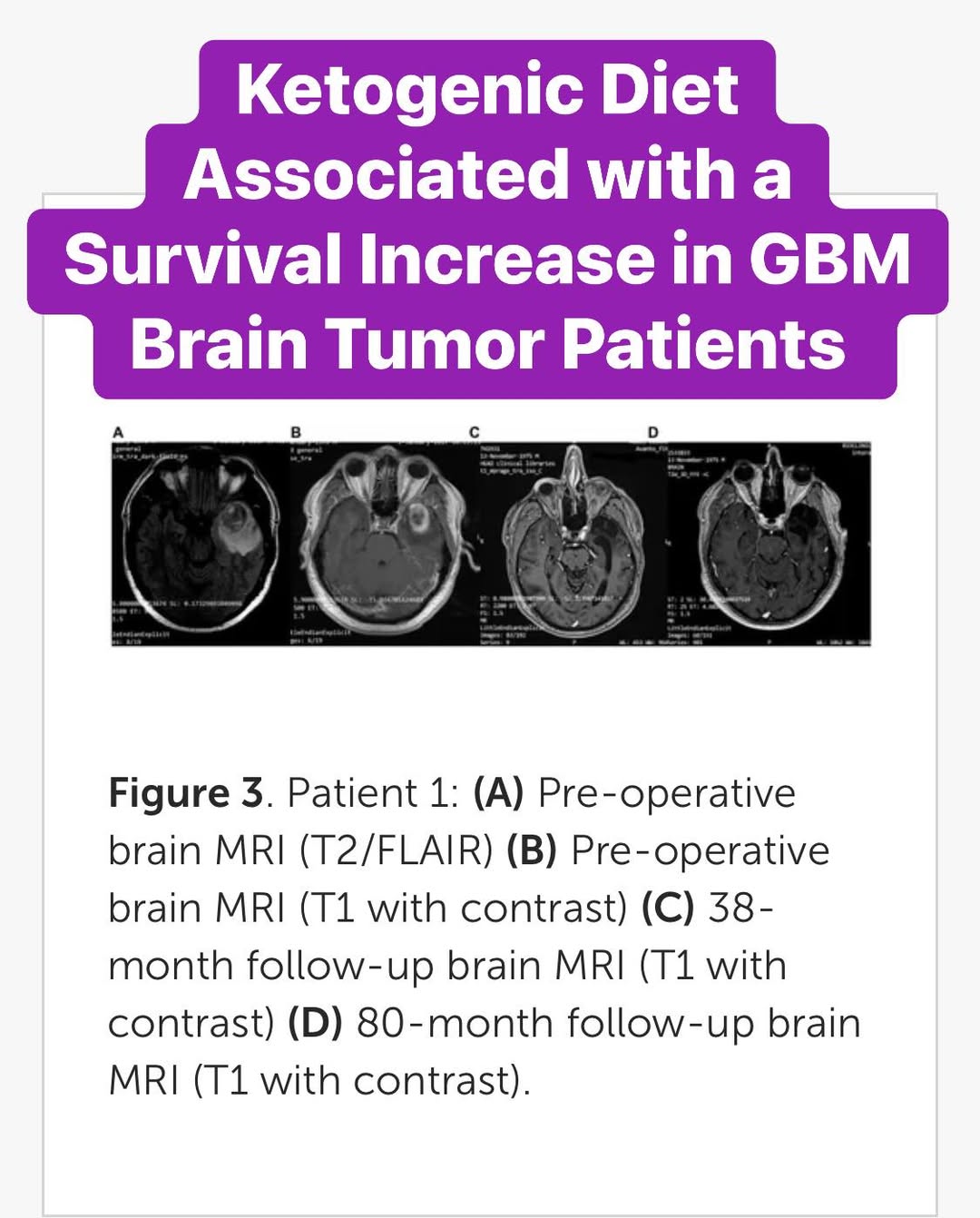
Louis shares an 18-patient observational study in glioblastoma in which patients following a ketogenic diet alongside standard treatment had much higher 3-year survival. He cautions that the study is tiny and evidence for keto in this tumor has been mixed; the shared post lists nutrient sufficiency and calorie control as key considerations.

Why LMHR happens: starvation-like physiology in very lean people on keto raises LDL

Jul 23, 2024 · Louis Nervegna ♥ 14 · 💬 4 LDL, ApoB & lipid panel

Reposting his earlier explanation, Louis argues that the lean mass hyper-responder phenotype reflects an old starvation response: with near-zero body fat, no carbohydrate and constant ketosis, the body raises circulating LDL to deliver fat as fuel, while lowering thyroid function and sex hormones. He links to a paper showing fasting increases total cholesterol, LDL-C and apoB in healthy nonobese humans.

Strict keto can suppress thyroid function (low T3, T4 and TSH); try adding back carbs

Nov 21, 2023 · Louis Nervegna ♥ 11 · 💬 5 Low-carb, keto & carnivore

Louis explains that very low carb diets, especially combined with fasting and heavy exercise, can lower T3, T4 and TSH together by mimicking starvation. Mild suppression resembles healthy calorie restriction, but full hypothyroidism is a major risk factor for disease including CVD. He suggests gradually adding small amounts of whole grains, sweet potatoes or fruit to see whether thyroid function recovers. These are his mechanistic opinions without cited studies.

Keto trial showed worse plaque progression; DASH plus statins regressed plaque

Oct 05, 2025 · Louis Nervegna ♥ 13 · 💬 3 Plaque, CAC & CT angiography

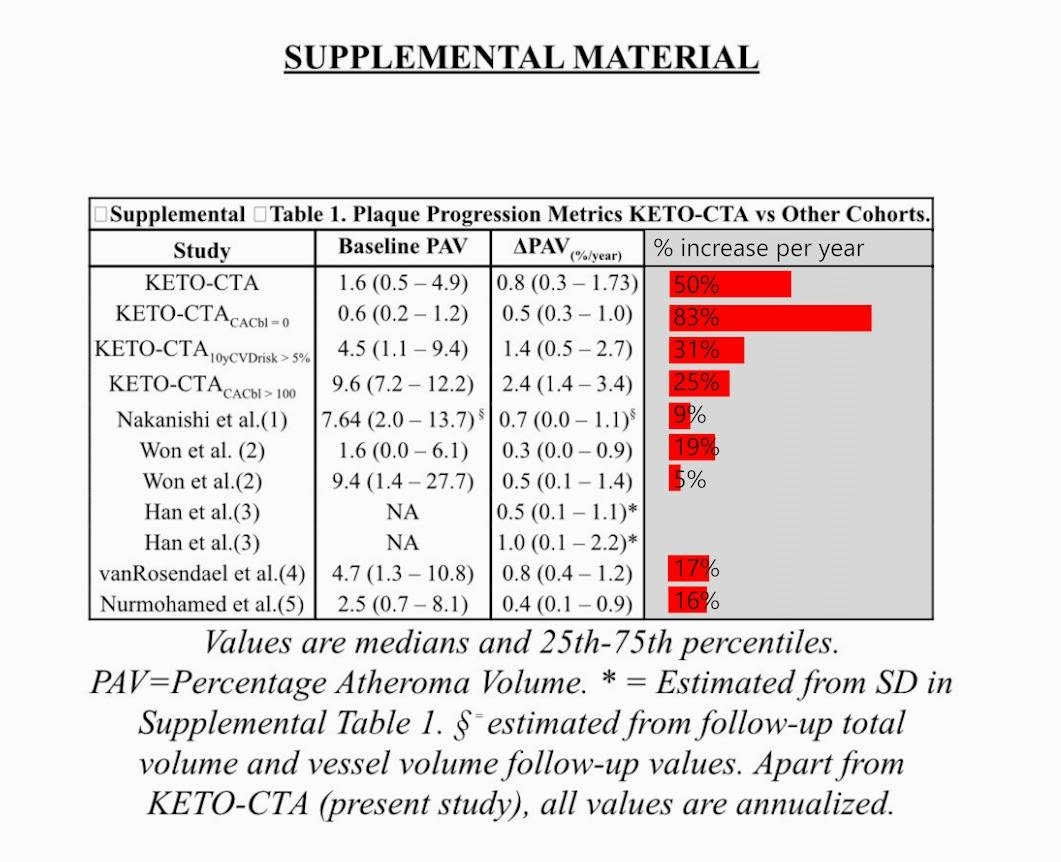
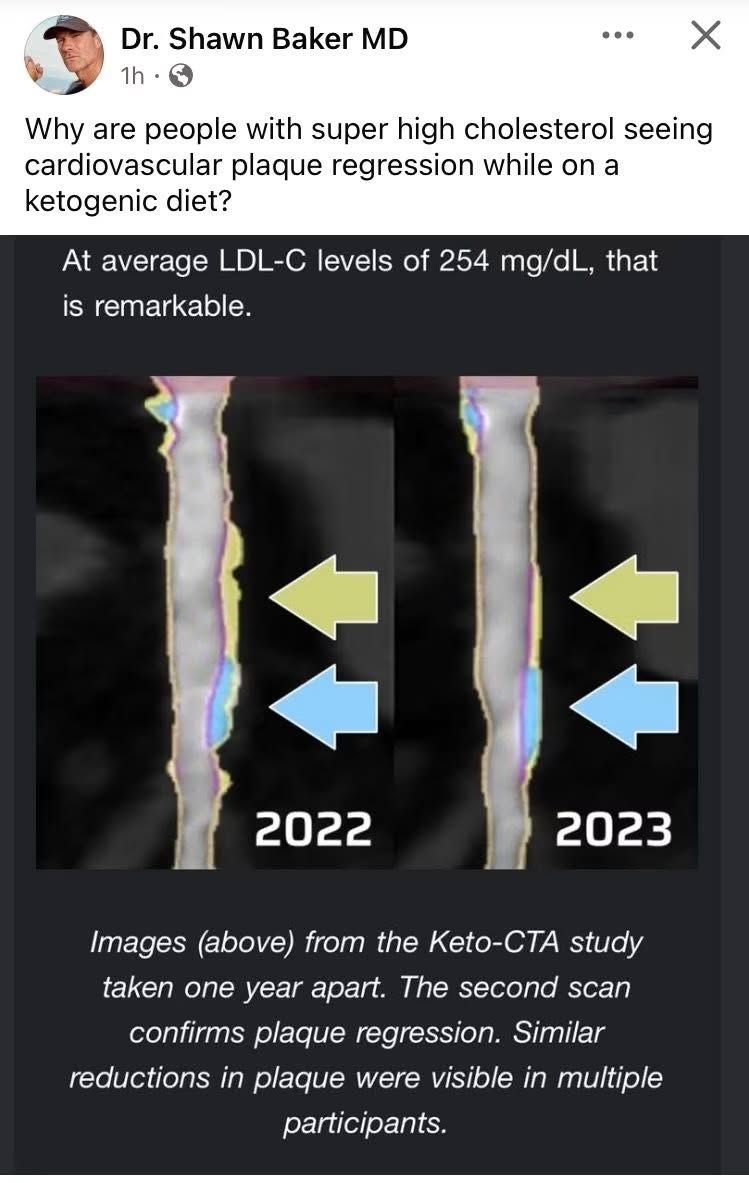
Louis rebuts a keto influencer who cherry-picked a single CT image that looked like regression, arguing the study as a whole showed more plaque progression than a standard American diet. He contrasts it with the Disco-CT trial, where a DASH diet plus statins produced average regression equal to about 8 years of progression reversed in one year.

High-carb diet raised insulin yet people ate 689 fewer calories a day in an NIH ward study

Nov 02, 2026 · Louis Nervegna ♥ 0 · 💬 3 Insulin resistance & diabetes

Louis shares a post arguing that normal insulin spikes from healthy carbohydrate do not drive hunger or overeating. In a controlled NIH study, 20 adults lived in a research facility on a high-carb low-fat diet (about 75% carbohydrate) and a ketogenic diet (about 10% carbohydrate) for two weeks each. Despite higher glucose and insulin, they ate an average of 689 fewer calories per day on the high-carb diet, contradicting the carbohydrate-insulin model's prediction, although the diets differed in other ways.

Keto-CTA vs DISCO-CT: plaque progression on keto in LMHR versus DASH diet plus statins

Oct 25, 2026 · Louis Nervegna ♥ 3 Low-carb, keto & carnivore

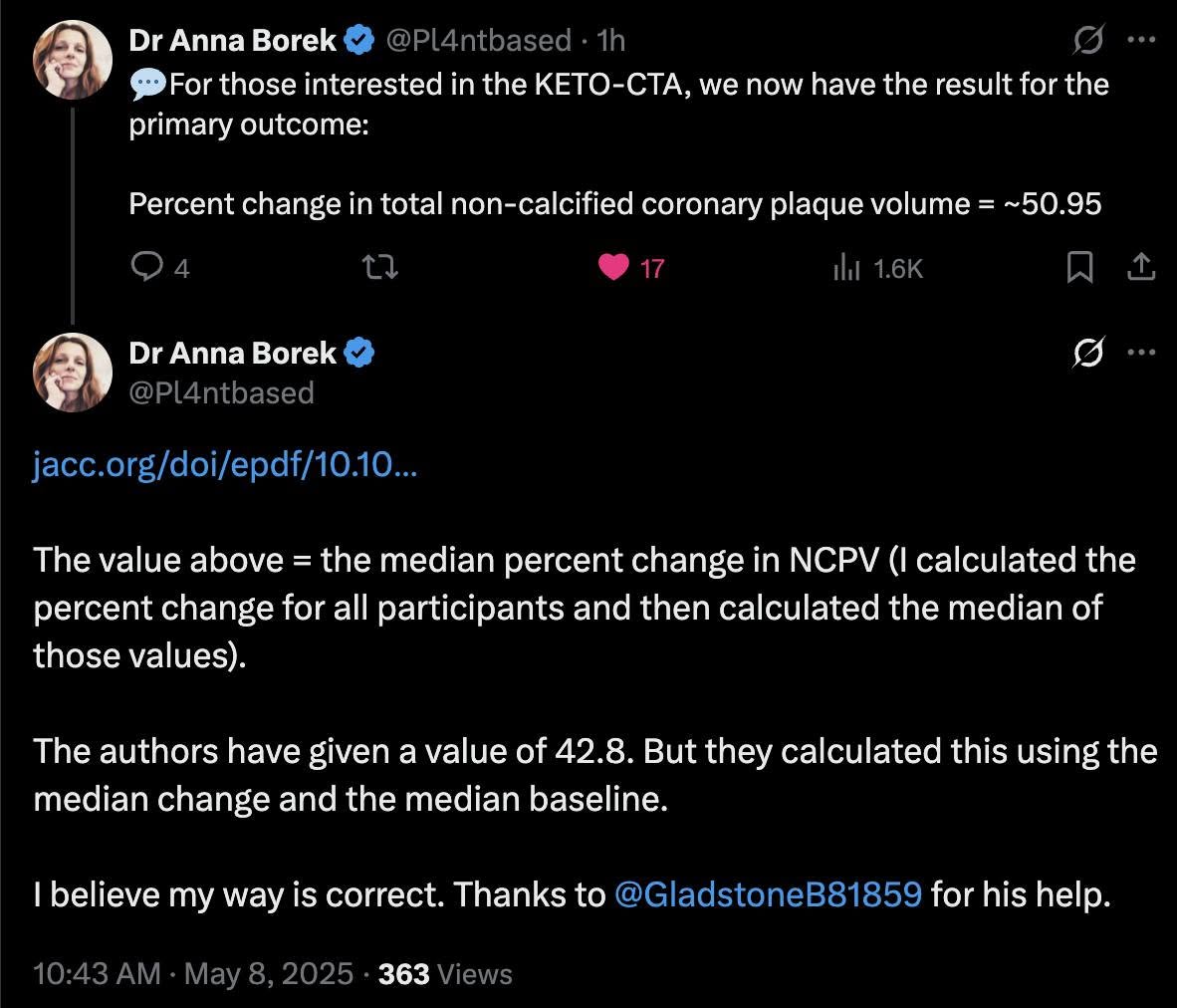
A comparison of the KETO-CTA and DISCO-CT trials. The original 2025 JACC Advances KETO-CTA paper in lean mass hyper-responders was retracted over concerns about the Cleerly plaque software. It reported non-calcified plaque progression of 18.8 mm3 in a year versus about 5 mm3 typical of unmedicated Western populations, and re-analysis with HeartFlow and QAngio gave different values.