HD-OPM Archive
Topics › Evidence & tools

Myths, misinformation & controversies

157 posts (10 primarily about this topic) · 119 reposts and set-aside posts not shown

Start here — the best posts in this topic

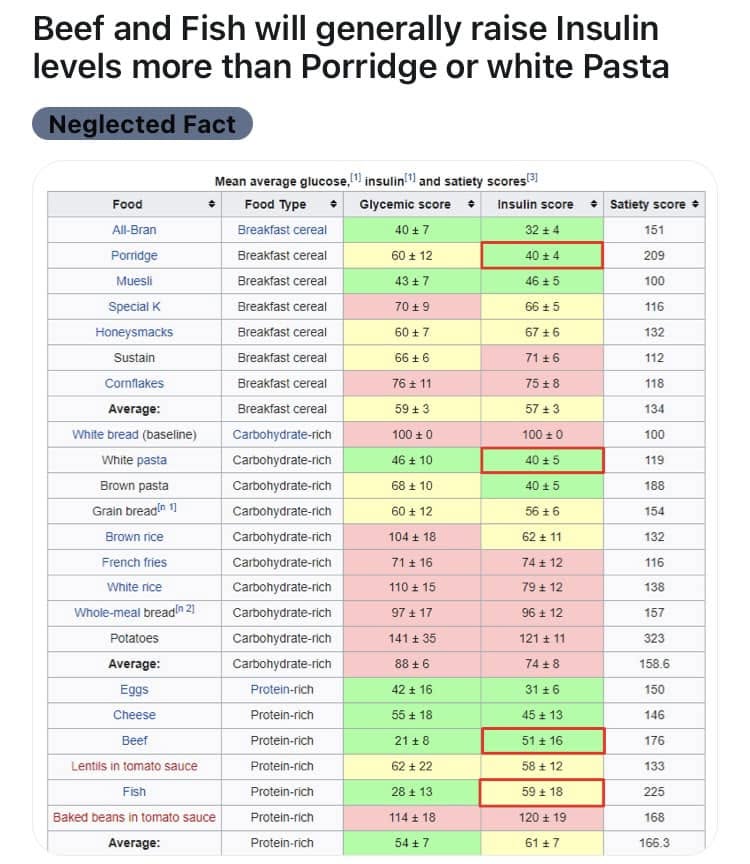
  1. Beef and whey raise insulin more than pasta, oatmeal or glucose: use the insulin index ↩ 27 · May 26, 2024
  2. Six RCTs have shown diet can reverse plaque, and none used a purely vegan diet Oct 24, 2025
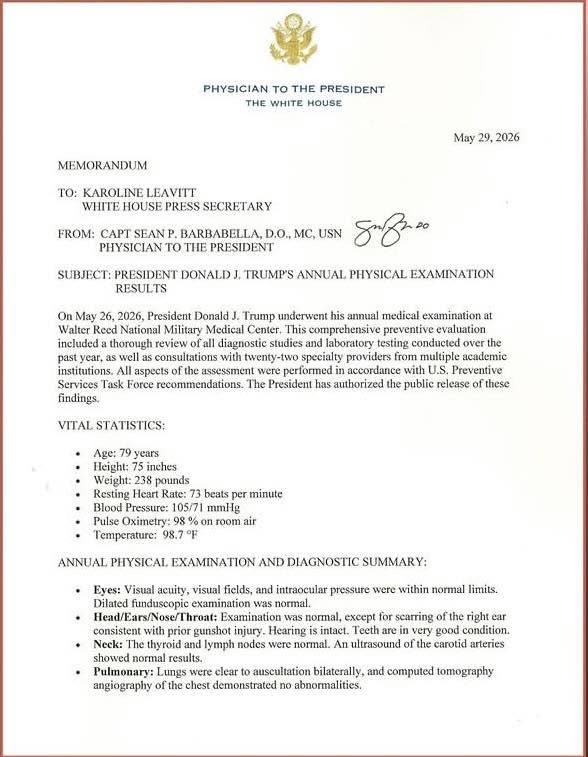
  3. Latest presidential health report shows LDL of 53 mg/dL on rosuvastatin plus ezetimibe May 30, 2026
  4. Blood omega-6 biomarker cohorts link higher levels to lower heart disease and diabetes ↩ 5 · Nov 24, 2024
  5. High LDL does not protect the brain: 2024 Lancet Commission lists LDL as top dementia risk Dec 15, 2024
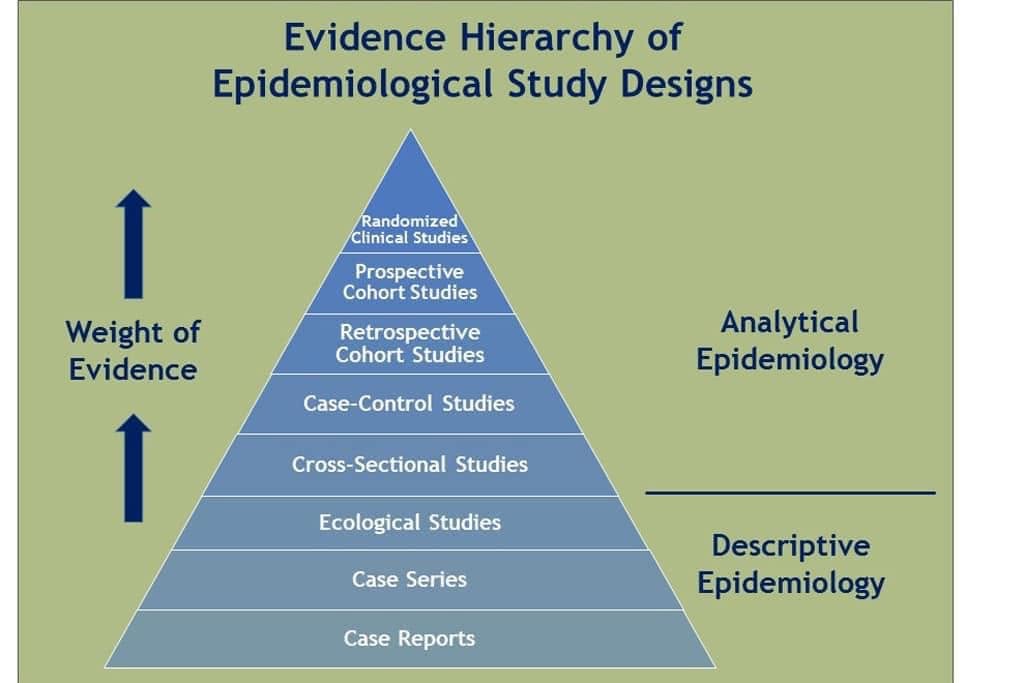
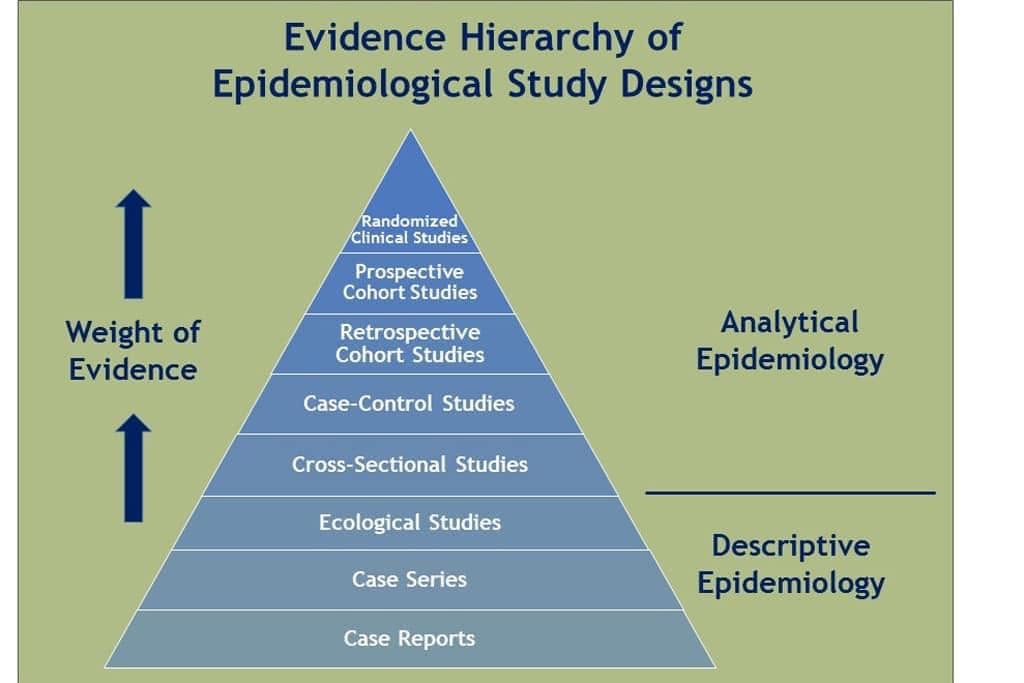
  6. An opinion piece is not a study: judge excess-death claims by the evidence hierarchy Aug 03, 2026
  7. Nuts protect people with heart disease, and even the Ornish program now allows them May 05, 2026
  8. The AHA recommends Mediterranean and DASH diets, backed by long-running randomized trials Sep 05, 2025
#seedoils 25#omega6 23#influencers 22#ldl 14#statins 13#heartdisease 13#inflammation 13#carnivore 13#cancer 12#inflammation6 11#cholesterol 10#harvard 9#peterattia 9#cholesteroldeniers 8#omega6cvd 8#esselstyn 8#keto 8#saturatedfat 8#fruit 7#carnivoreinfluencers 7#omega6diabetes 7#seeds 6#evoo 6#oliveoil 6#lowldl 6#ushapedcurve 6#evidence 6#nutrition 6#artificialsweeteners 6#insulin 5#protein 5#redmeat 5#willett 5#apob 5#hearthealth 5#longevity 5#processedmeat 5#omega3 5#nocebo 5#aspartame 5

Beef and whey raise insulin more than pasta, oatmeal or glucose: use the insulin index

May 26, 2024 · Louis Nervegna ♥ 23 · 💬 71 ↩ 27 Insulin resistance & diabetes

Louis points out that some proteins are more insulinogenic than carbs: beef raised insulin more than equal-calorie white pasta or oatmeal in the 1997 insulin index study, and whey more than glucose or white bread in a 2012 study. He says influencers have misled people about this and recommends learning the insulin index rather than assuming carbs alone drive insulin.
Six RCTs have shown diet can reverse plaque, and none used a purely vegan diet

Oct 24, 2025 · Louis Nervegna ♥ 38 · 💬 29 Plaque, CAC & CT angiography

Louis pushes back on claims that only vegan diets reverse plaque. He lists the only six randomized diet trials showing plaque reversal (Lifestyle Heart, STARS, SCRIP, PREDIMED, CORDIOPREV, DISCO), all primarily plant-based but none strictly vegan (even Ornish allowed egg whites and non-fat dairy), and summarizes the common foods they emphasized and limited.

Blood omega-6 biomarker cohorts link higher levels to lower heart disease and diabetes

Nov 24, 2024 · Louis Nervegna ♥ 19 · 💬 45 ↩ 5 Fats & oils (saturated fat, seed oils, omega-6, olive oil)

Louis stresses that evidence for omega-6 protection does not rest on food questionnaires but on blood and tissue measurements tracked prospectively for years before disease. He cites a pooled analysis of 30 cohorts in which people with higher linoleic acid levels had less CVD. He argues that avoiding nuts and seeds to cut omega-6 is likely harmful, and that RCTs on this timescale are impractical.

High LDL does not protect the brain: 2024 Lancet Commission lists LDL as top dementia risk

Dec 15, 2024 · Louis Nervegna ♥ 18 · 💬 38 Brain health & dementia

Louis counters the claim that high blood LDL protects against dementia. The 2024 Lancet Commission lists LDL cholesterol as the biggest modifiable dementia risk factor, accounting for 7% of cases among 14 factors that together account for 45%. He adds circulating cholesterol does not cross the blood-brain barrier; the brain makes its own.

At high risk of a heart attack? Find a good cardiologist and add, don't replace, treatment

Feb 26, 2024 · Louis Nervegna ♥ 46 · 💬 15 ↩ 2

Louis advises high-risk people to follow a good cardiologist rather than social media claims, which often cherry-pick one study out of many. He argues the window to experiment has passed once risk is high, and that natural or alternative approaches are safest as additions, with treatment reduced later with the cardiologist if risk markedly improves. It is opinion, not research.

Esselstyn's plant-based diet is supported only by case series, not high-level evidence

Nov 11, 2025 · Louis Nervegna ♥ 23 · 💬 22 ↩ 2 Mediterranean, DASH, MIND & plant-forward diets

Louis argues the Esselstyn diet is probably healthy and likely lowers cardiovascular risk, but that claims for it are overhyped. Esselstyn's published work consists of case reports and case series, which sit low on the evidence hierarchy, so the strong evidence for plant-based diets in general should be allowed to speak for itself.

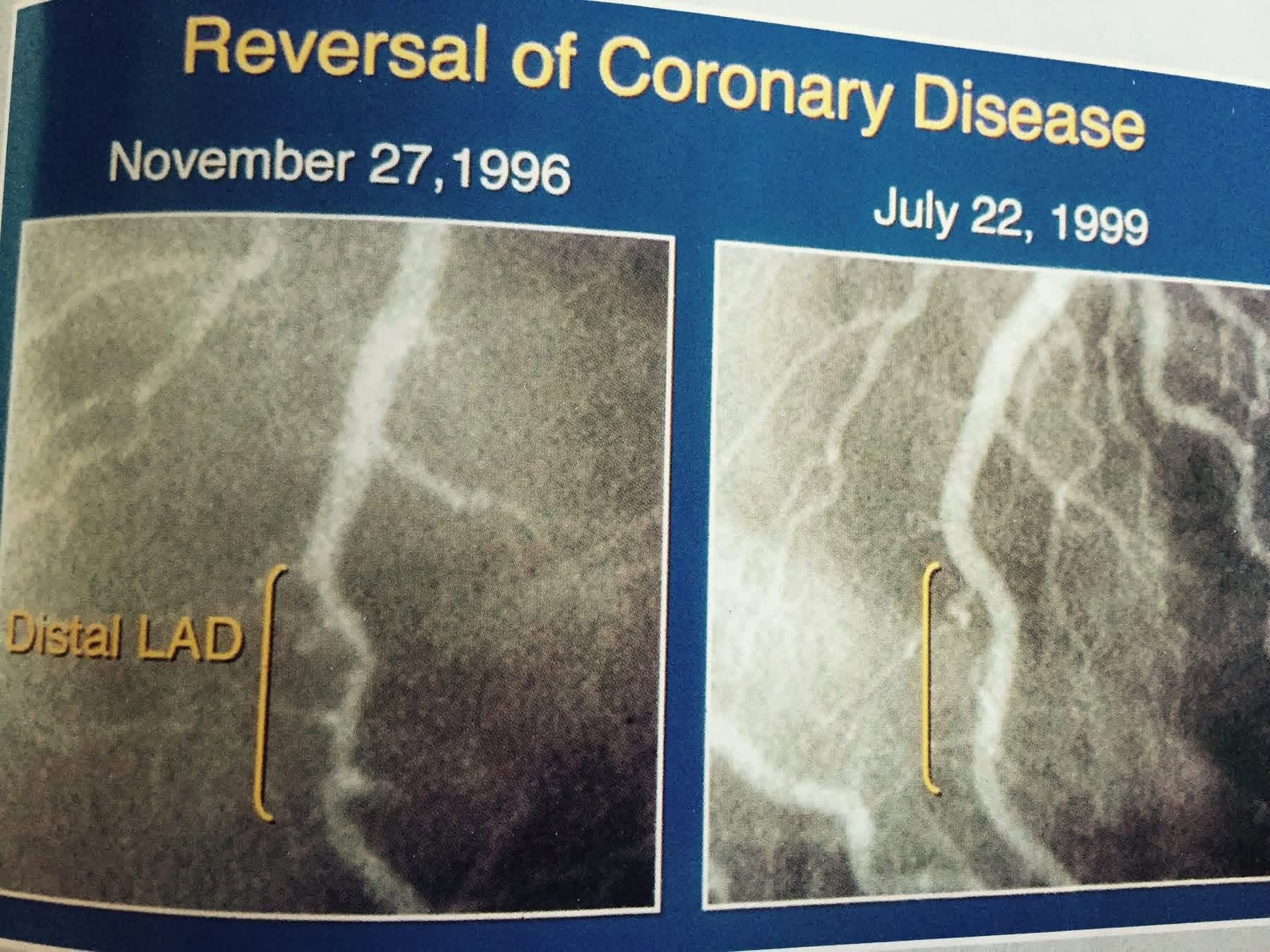
Esselstyn's 'cure' angiogram overstates diet effect: baseline followed a heart attack

Nov 13, 2026 · Louis Nervegna ♥ 19 · 💬 17 Mediterranean, DASH, MIND & plant-forward diets

Louis critiques the angiogram of Esselstyn's patient Joseph Crowe, often cited as proof that diet cures heart disease. The baseline image came directly after a heart attack and showed plaque plus thrombus and vasospasm, so later opening of the artery reflects natural healing as well as diet. He also notes Crowe died at 72, about 28 years after a heart attack at 44.

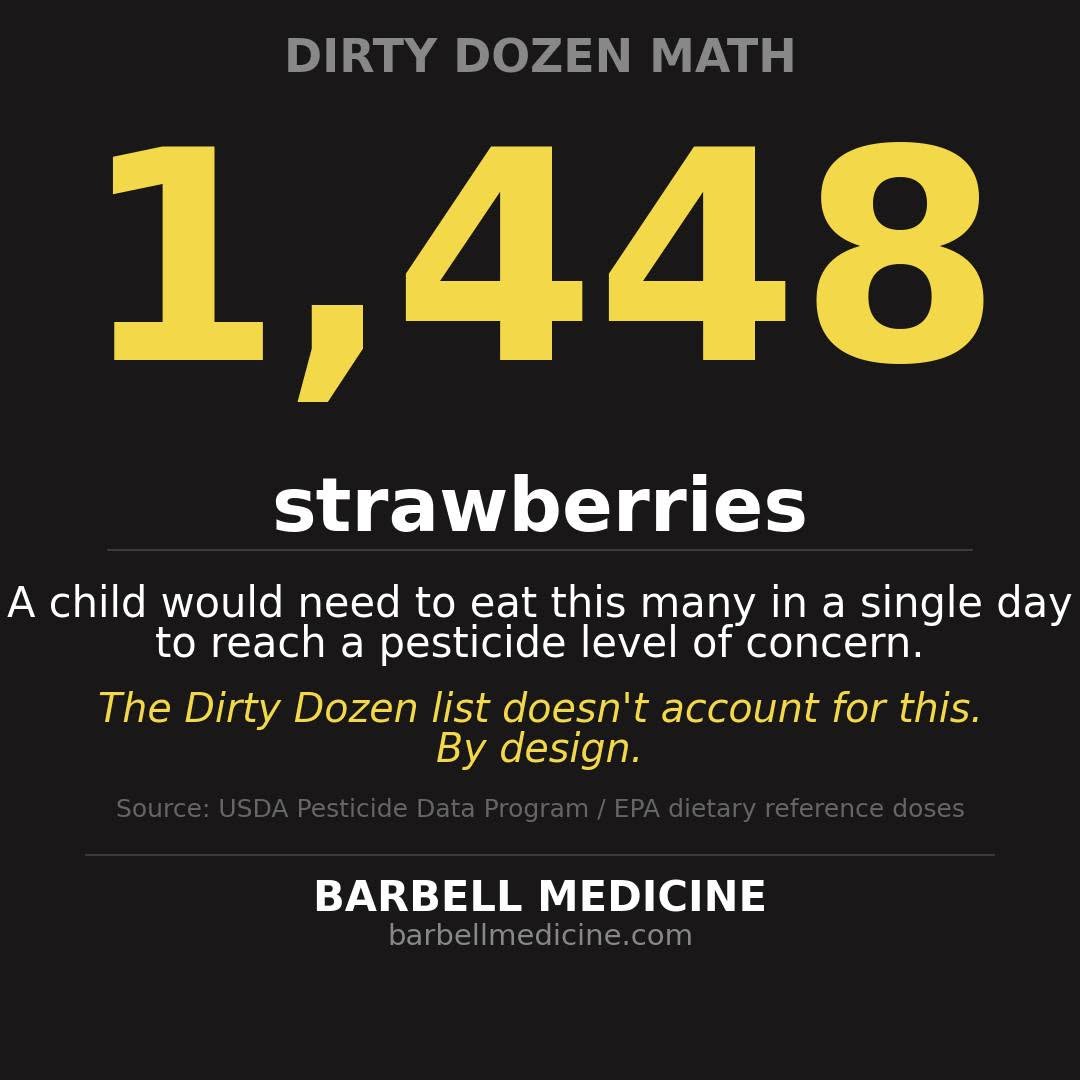
The EWG 'Dirty Dozen' list ignores dose, and conventional produce is still good for you

May 08, 2026 · Louis Nervegna ♥ 18 · 💬 24 Nuts, fish, coffee, tea, cocoa & other foods

Louis argues the Dirty Dozen is built on flawed methodology (EWG weights all pesticides equally and ignores EPA safety thresholds). Decades of Harvard cohort data on conventionally grown produce show benefit, and a shared Barbell Medicine video says most exposures sit roughly a million times below safe reference doses.

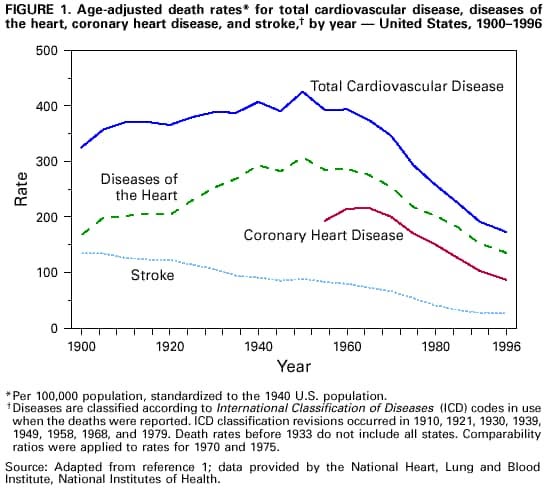
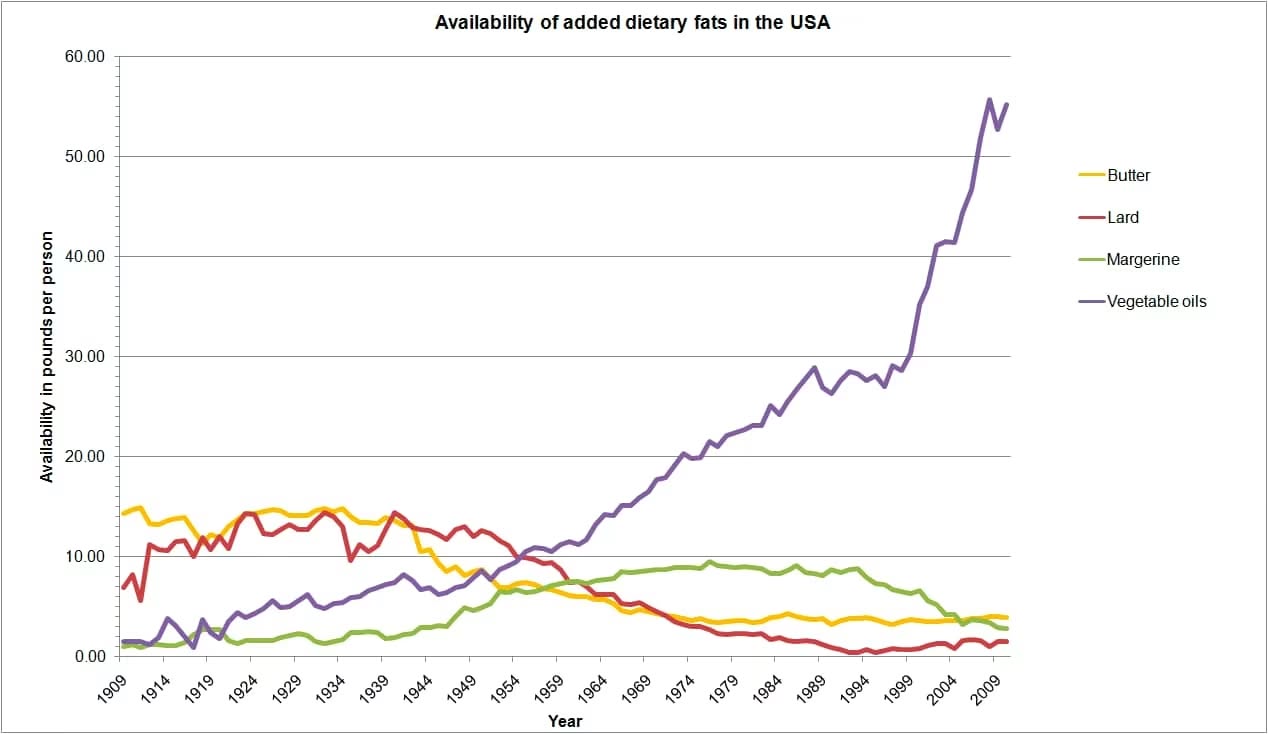
Seed oil intake rose 5x since 1950 while US heart disease death rates fell over 4x

Nov 27, 2024 · Louis Nervegna ♥ 18 · 💬 30 Fats & oils (saturated fat, seed oils, omega-6, olive oil)

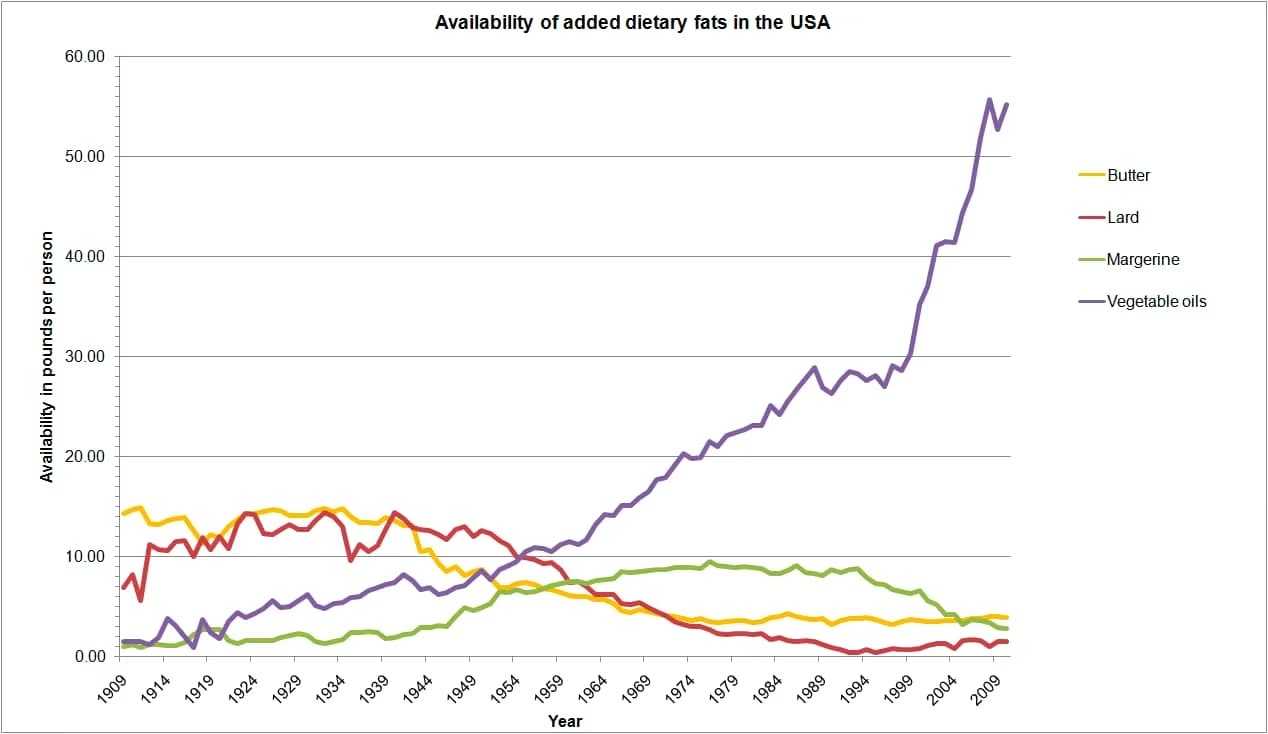
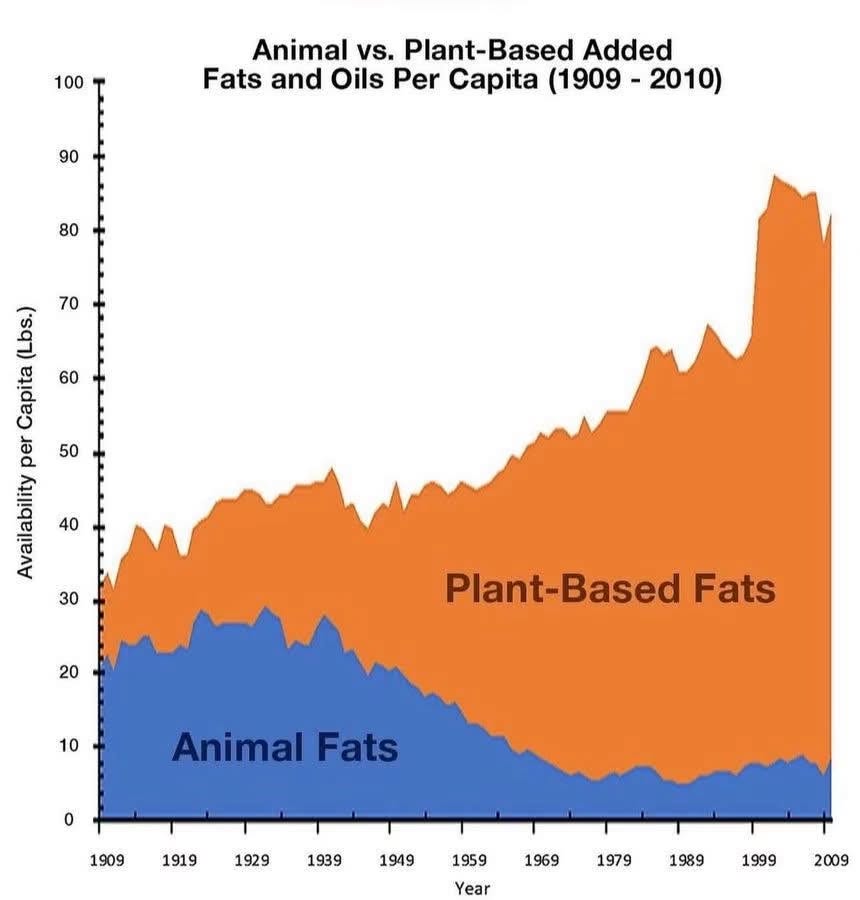
Louis argues that since 1950 vegetable oil consumption has risen about 5x and butter and lard intake has fallen 2-3x, while heart disease death rates fell by over 4x and life expectancy rose from 60 to 78. He presents the raw unadjusted correlation as evidence against claims that seed oils drive heart disease. It is an ecological correlation, not a controlled test.

Eight human feeding studies on canola oil show no sign of inflammation

Sep 05, 2024 · Louis Nervegna ♥ 15 · 💬 23 Fats & oils (saturated fat, seed oils, omega-6, olive oil)

Louis shares a literature search by Physionic that found eight controlled human feeding studies testing whether canola oil is inflammatory. After reading them, Louis says there is no evidence of inflammation, and if anything the opposite, so the claim is unfounded. He prefers olive oil himself and urges fact-checking influencers.

Medical schools push back on seed-oil myths; pooled cohorts link omega-6 to lower risk

Jun 18, 2025 · Louis Nervegna ♥ 12 · 💬 26 Fats & oils (saturated fat, seed oils, omega-6, olive oil)

Louis says major medical and public health schools are countering influencer claims about seed oils. He notes a 2019 pooled analysis of 30 prospective cohorts found higher blood omega-6 (linoleic acid) predicted lower risk of heart disease and diabetes over 2.5 to 30 years, and points to earlier group posts.

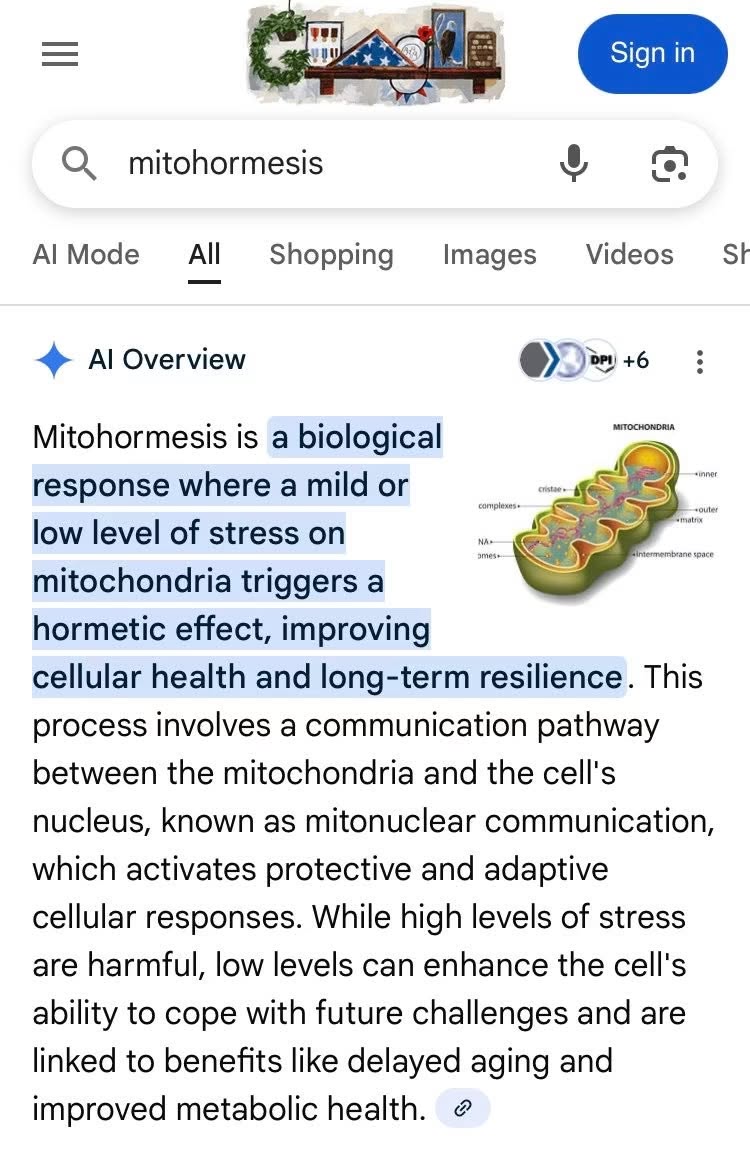
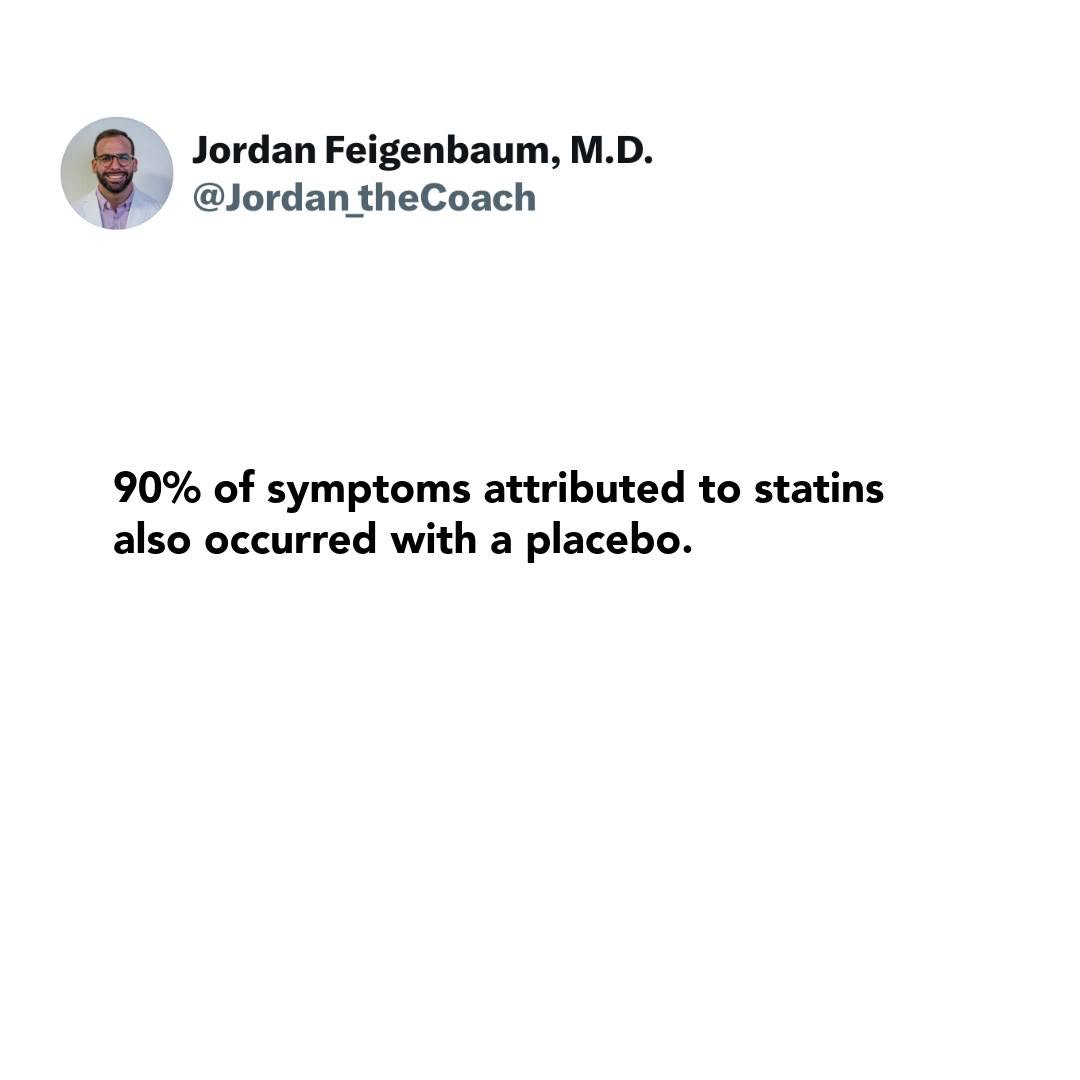
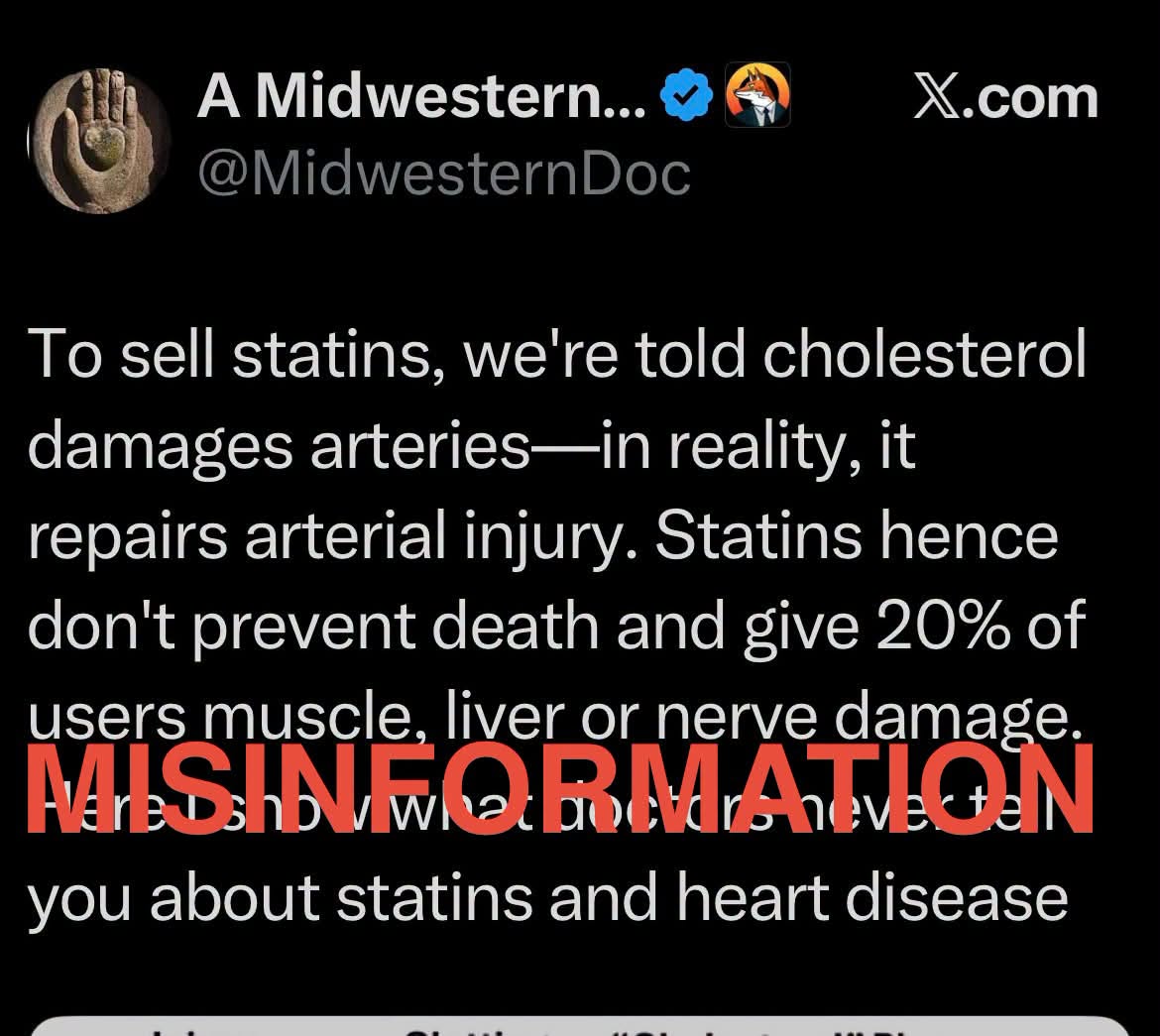
Mild mitochondrial stress from statins is hormetic, not harmful

Nov 17, 2025 · Louis Nervegna ♥ 25 · 💬 11 Statins

Louis argues that mild mitochondrial toxicity from statins, metformin, exercise and calorie restriction is mitohormesis, which is beneficial at low doses. He says influencer claims that statins damage mitochondria misrepresent this.

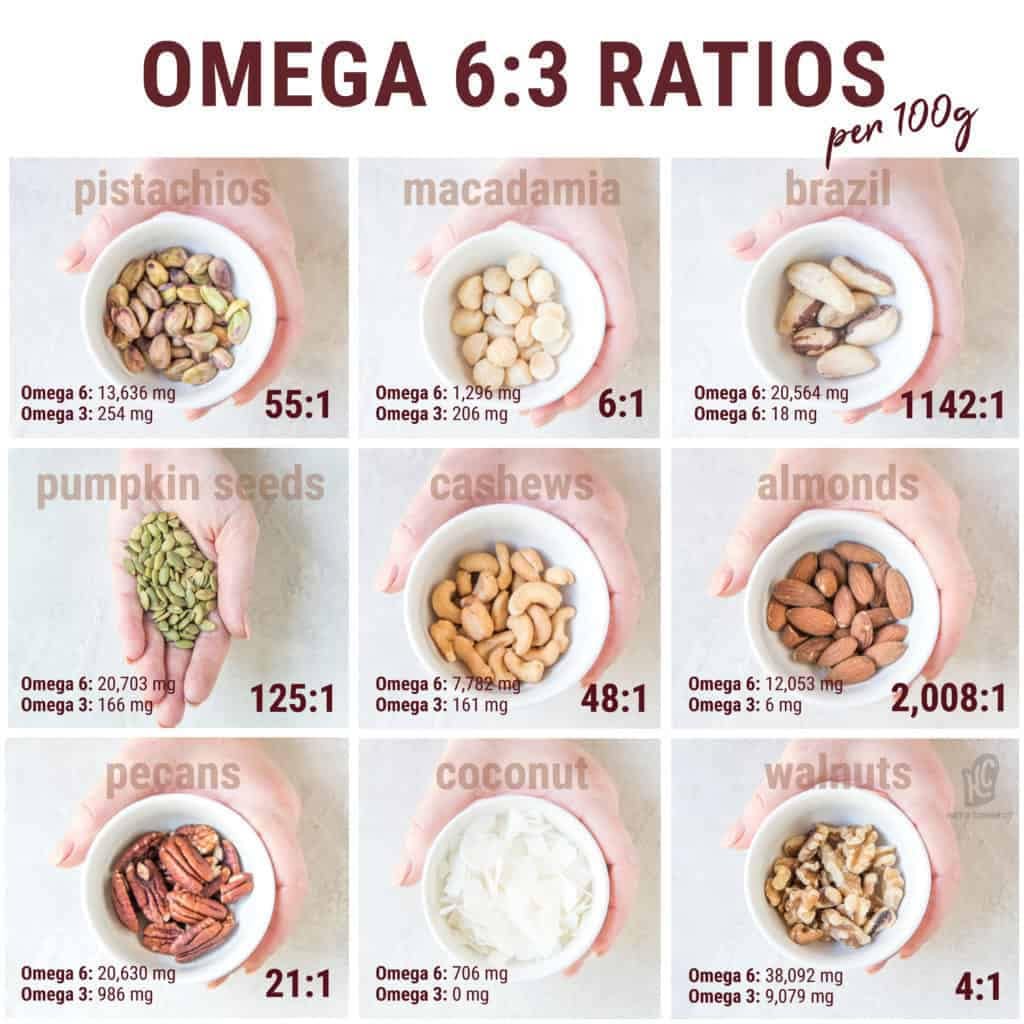
Omega-6:omega-3 ratio does not predict heart disease; nuts and seeds link to lower risk

Jun 12, 2024 · Louis Nervegna ♥ 21 · 💬 13 Fats & oils (saturated fat, seed oils, omega-6, olive oil)

The poster rejects claims that pistachios, almonds, cashews, pumpkin seeds and similar foods are harmful because of a high omega-6:omega-3 ratio. He says these foods are associated with lower heart disease and diabetes risk (possibly excepting very high coconut intake) and the ratio is useless for predicting risk.

Red meat and whey raise insulin, countering claims in a Lustig clip

Oct 29, 2024 · Louis Nervegna ♥ 13 · 💬 19 Insulin resistance & diabetes

Louis says Robert Lustig and Levels are wrong to imply red meat does not raise insulin. He states red meat raises insulin as much as white pasta or oatmeal and whey more than white bread, so switching from carbs to protein mainly lowers glucose, not insulin. He agrees excess insulin may promote vascular smooth muscle growth and some cancers.
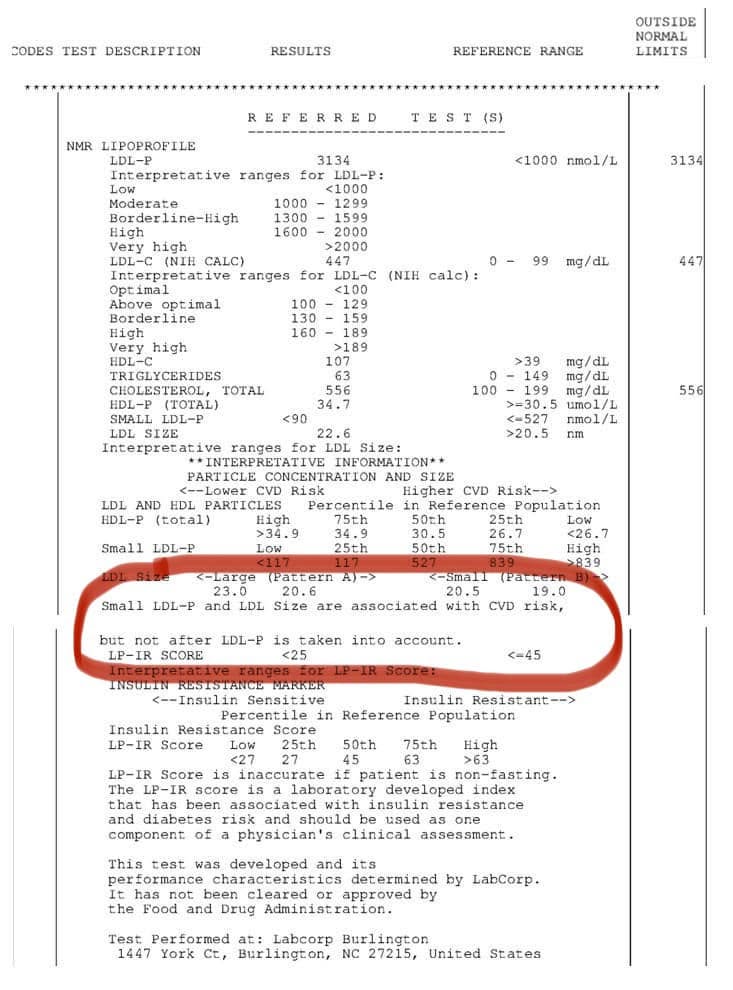
Tissues make their own cholesterol: even very low LDL-C does not impair hormone production

Sep 17, 2026 · Louis Nervegna ♥ 15 · 💬 11 LDL, ApoB & lipid panel

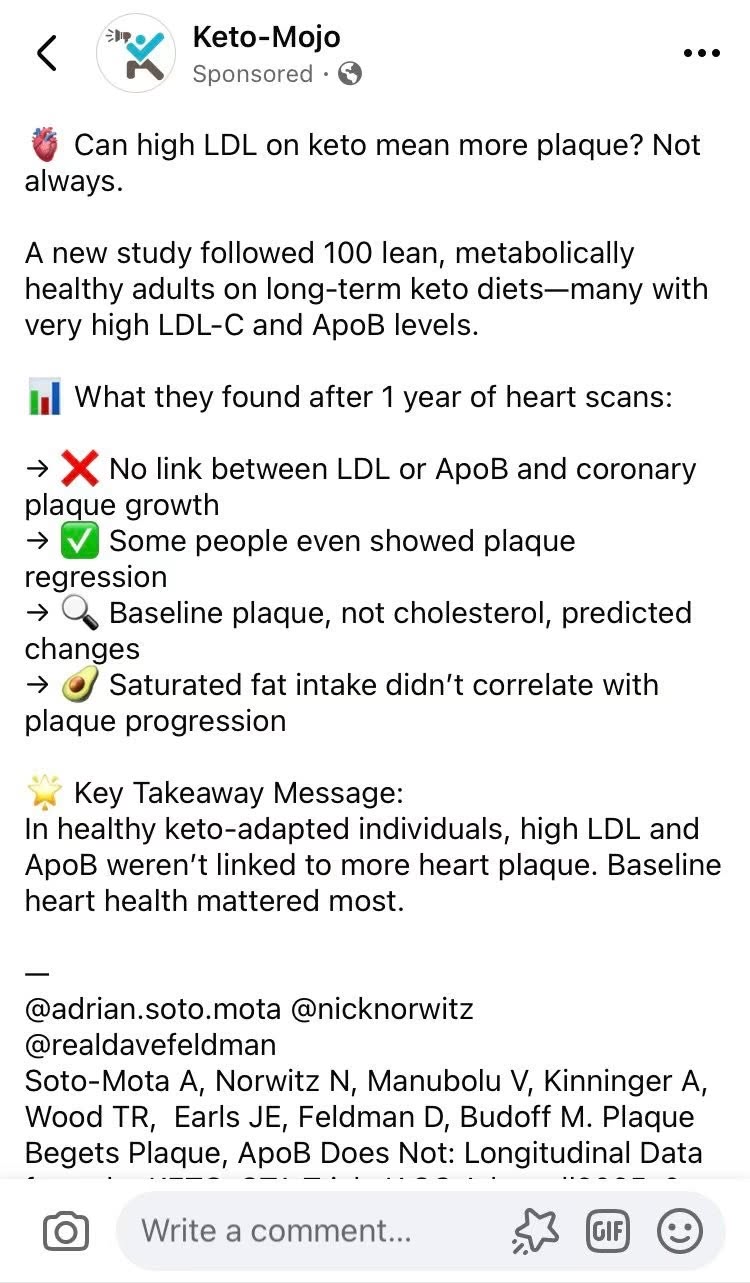
Louis explains that the blood holds only a small fraction of the body's cholesterol and that tissues, including the brain, mostly synthesize what they need. The steroid hormone demand supplied by blood is only tens of milligrams a day, easily met at very low LDL-C. He cites FOURIER and ODYSSEY OUTCOMES, in which LDL-C below 15-20 mg/dL did not impair adrenal or gonadal hormone production or vitamin D.

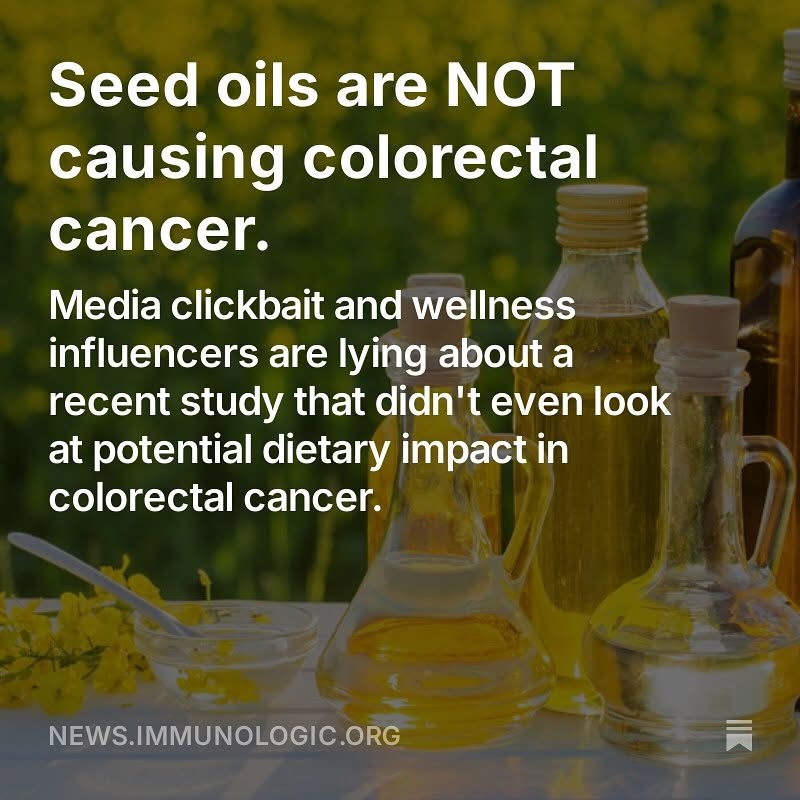
Dozens of RCTs show seed oils are not inflammatory; viral tumor study involved no diet

Dec 13, 2024 · Louis Nervegna ♥ 15 · 💬 14 Fats & oils (saturated fat, seed oils, omega-6, olive oil)

Louis says dozens of human RCTs show seed oils are not inflammatory and some show anti-inflammatory effects. He shares Andrea Love's explanation that a viral colorectal cancer study was a molecular screen of 40 tumor biopsies with no dietary component, and that only 0.2% of linoleic acid is converted into arachidonic acid.

Reliable medical knowledge does not require RCTs: smoking and trans fats as examples

Jan 08, 2024 · Louis Nervegna ♥ 17 · 💬 9 ↩ 1 How to read research

Louis argues that long RCTs are often unethical or impractical for diseases that take decades to develop, and that no human RCT showed smoking causes lung cancer or trans fats cause heart disease. Instead, causality is established by combining high-quality prospective cohorts, short-term biomarker RCTs and animal mechanistic studies, applying Bradford-Hill criteria, as with the Framingham Heart Study. He says much nutrition knowledge was built this way, so dismissing it for lacking long RCTs is mistaken.

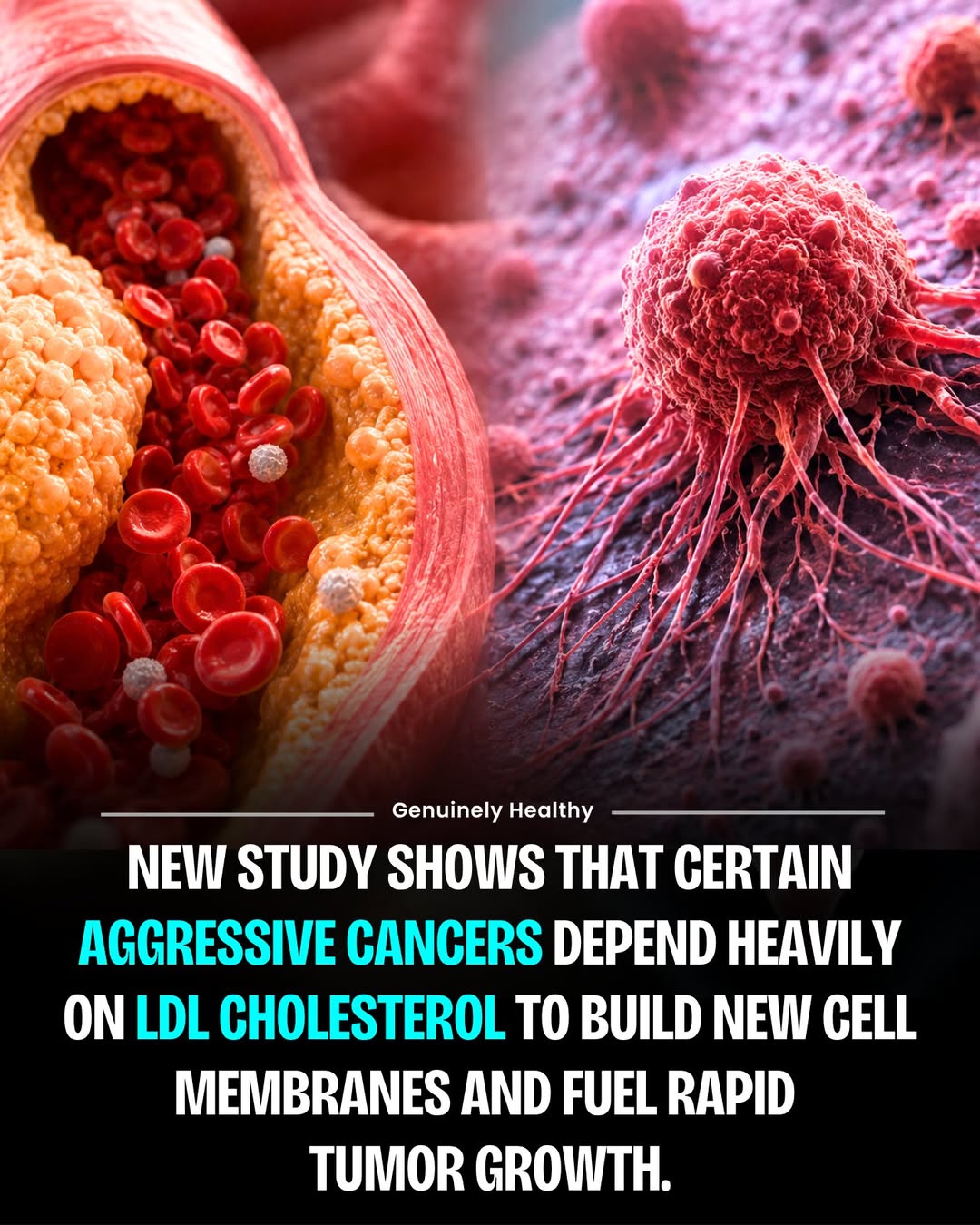
Low LDL in cancer patients reflects reverse causality: tumours scavenge LDL

May 25, 2026 · Louis Nervegna ♥ 17 · 💬 12 LDL, ApoB & lipid panel

Louis explains that rapidly dividing tumour cells take up circulating LDL, so LDL falls in people with cancer and observational data show low LDL with higher cancer mortality. The shared 2026 Science Advances study found aggressive breast cancers with TP53 mutations depend on cholesterol, and blocking PI5P4K enzymes trapped cholesterol and disrupted mTOR signalling.

Video series tallies ages of death of 100+ health influencers by diet type

Jun 08, 2024 · Louis Nervegna ♥ 13 · 💬 23 Aging & longevity

Louis shares a three-part video series that surveys the ages at which more than 100 famous health influencers died. His takeaway is that influencers promoting diets high in red and processed meat and low in whole grains, fruit, vegetables and beans did not live long on average. This is an anecdotal survey, not controlled research.

Why diet-health epidemiology may mislead: reverse causation and socioeconomic confounding

Jan 15, 2025 · Gokhan Can ♥ 15 · 💬 17 How to read research

Gokhan argues that dramatic personal improvements on low-carb diets undermine trust in guidelines, and that observational nutrition studies can be distorted by reverse causation (people with insulin resistance may prefer fat and protein) and socioeconomic confounding. He says only intervention trials resolve this, and shares a Viva Longevity video on influencers versus epidemiologists reposted by Louis Nervegna. The argument is one-sided.

Harris and Patrick: omega-6 to omega-3 ratio does not predict heart disease or diabetes

Dec 05, 2023 · Louis Nervegna ♥ 15 · 💬 11 ↩ 6 Fats & oils (saturated fat, seed oils, omega-6, olive oil)

Louis shares a FoundMyFitness clip with Bill Harris and Rhonda Patrick explaining that the omega-6:omega-3 ratio is not useful for predicting heart disease or diabetes. Harris co-authored the two large biomarker studies (about 70,000 and 40,000 people) showing higher blood omega-6 linked to lower heart disease and diabetes. They agree that avoiding nuts over unfounded ratio claims makes no sense.

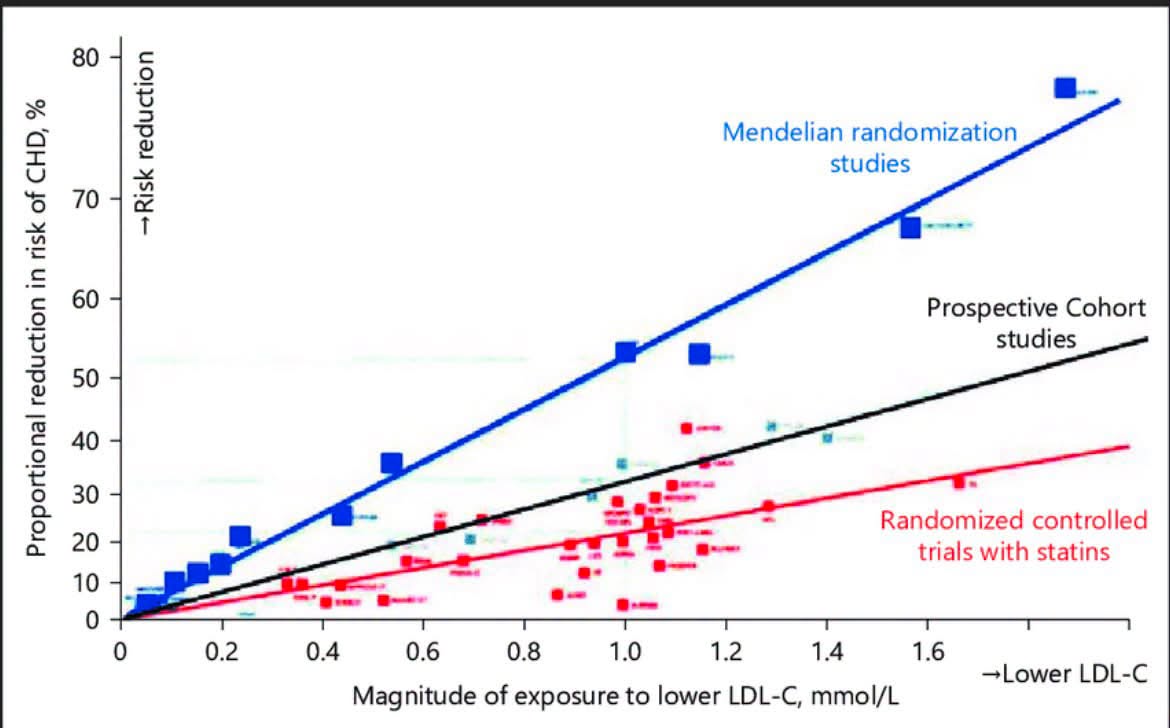
Mendelian randomization: lifelong lower LDL tracks linearly with lower heart disease risk

Oct 10, 2026 · Louis Nervegna ♥ 13 · 💬 8 LDL, ApoB & lipid panel

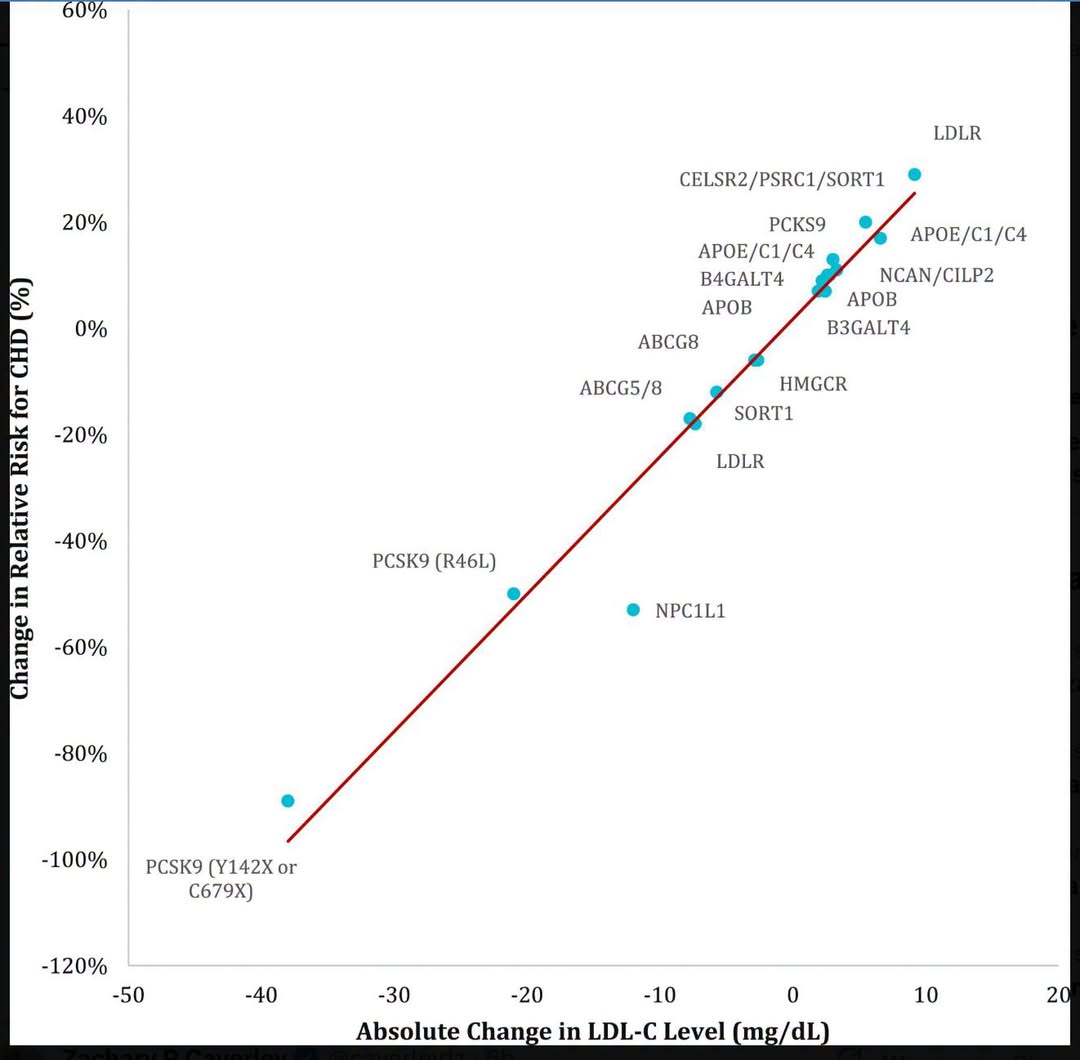
The post explains a chart from a European Atherosclerosis Society consensus statement showing that genetic variants affecting LDL through different pathways (LDLR, PCSK9, APOB, HMGCR, NPC1L1, SORT1, ABCG5/8) change coronary risk in proportion to the LDL change. This matches the linear relationship seen in statin trials. The poster also shows how to convert relative risk reductions into lifetime absolute risk.

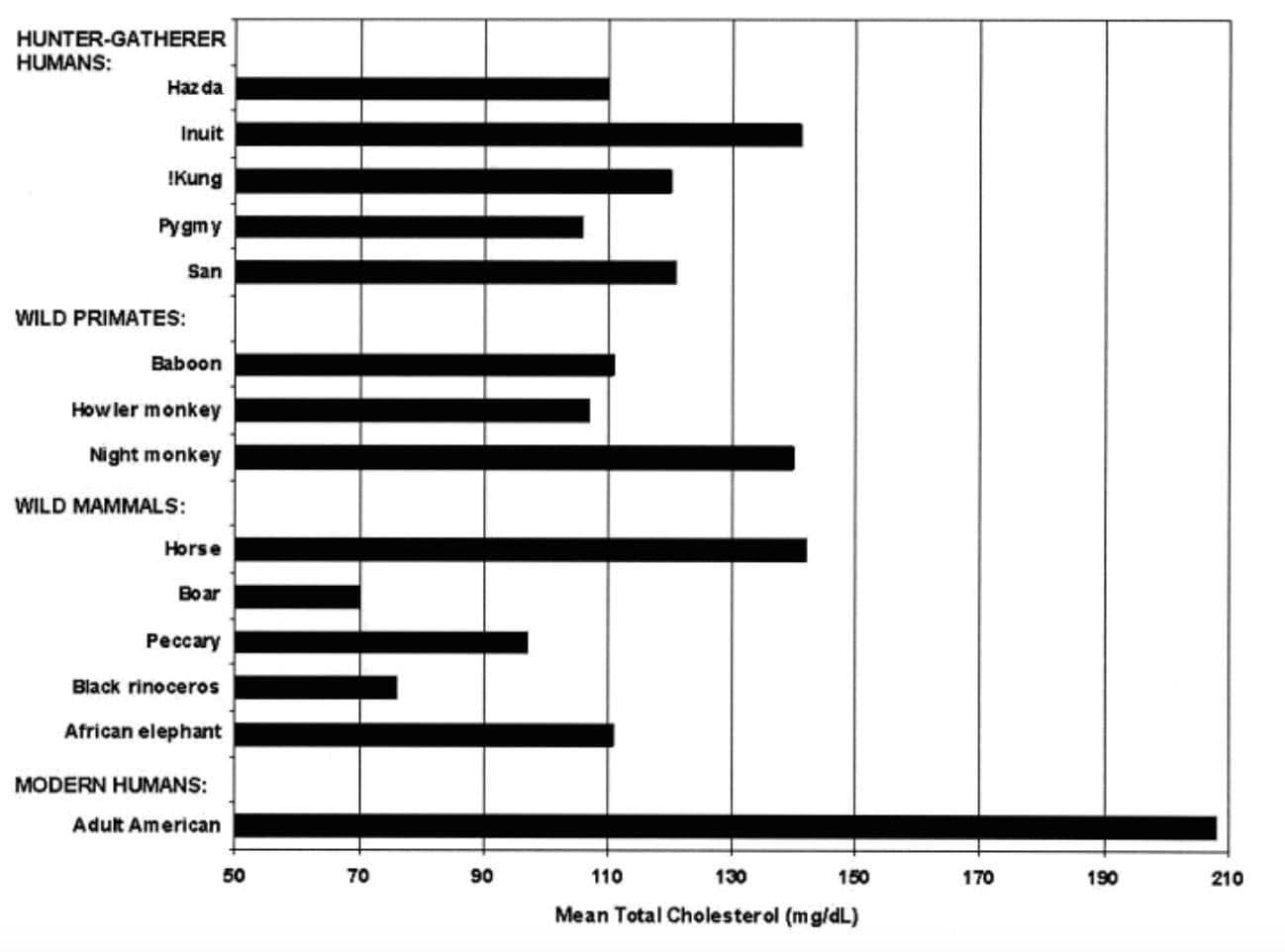
The Hadza eat about 70% plants and have LDL around 62 mg/dL, not a carnivore diet

Feb 24, 2024 · Louis Nervegna ♥ 13 · 💬 8 Low-carb, keto & carnivore

Louis rebuts carnivore influencers' claims about the Hadza hunter-gatherers. Their diets are well studied: about 70% of calories from plants (tubers, berries, baobab) plus honey and lean game meat, making them low fat, moderate protein and high in natural sugar and starch. Their LDL is very low (62 mg/dL), heart disease risk is low, and their gut microbiome reflects a high-fiber plant diet.

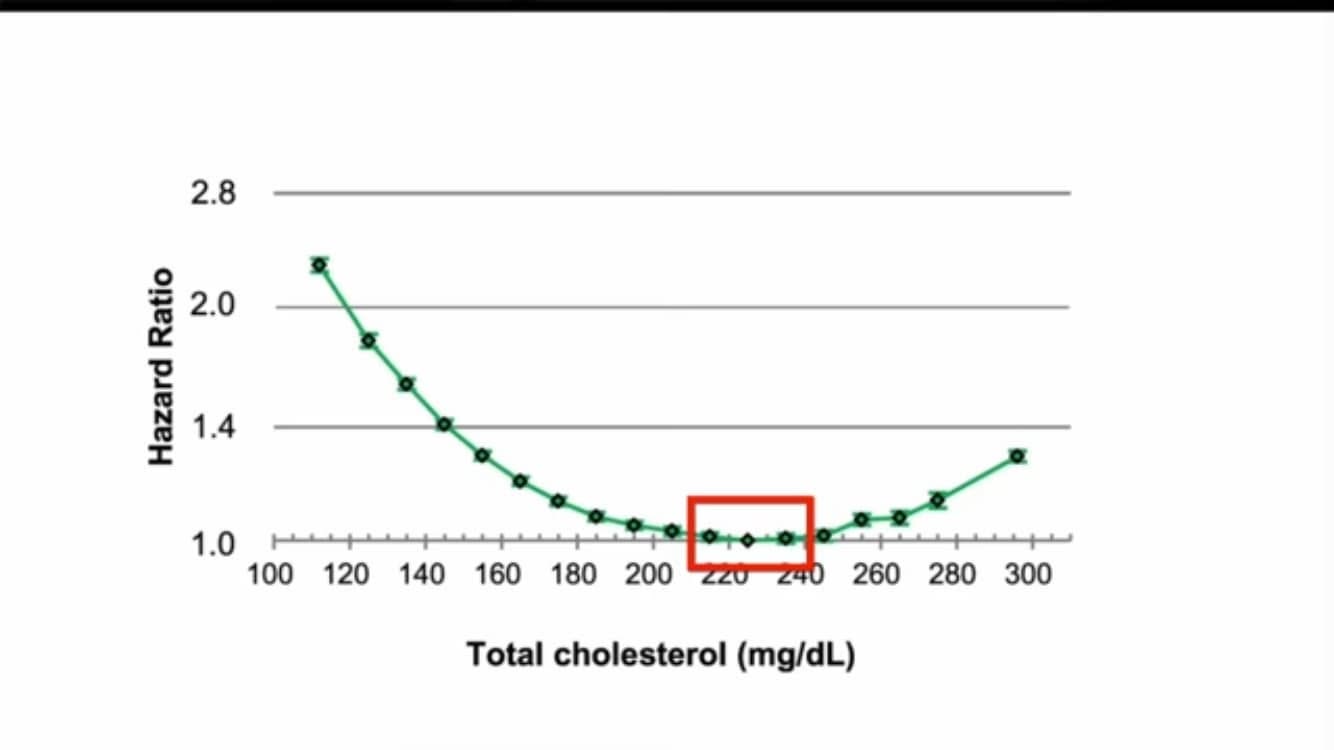
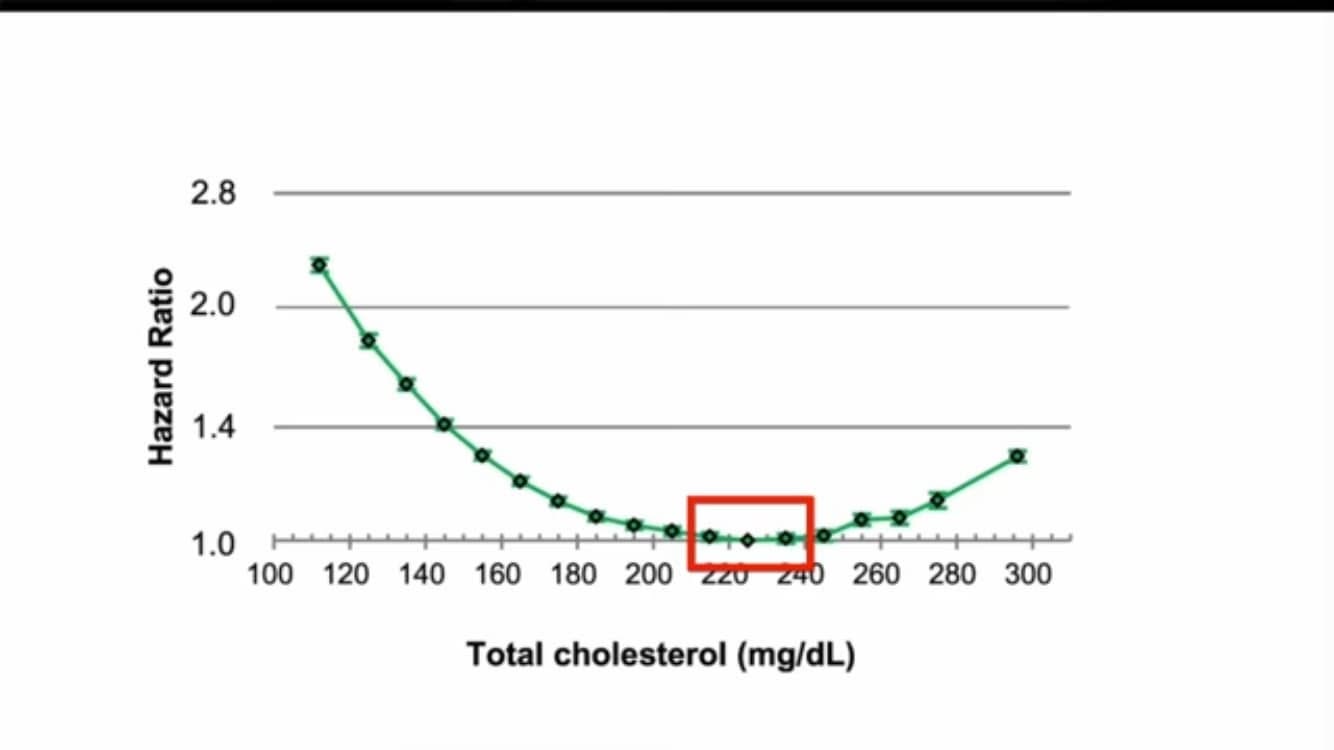
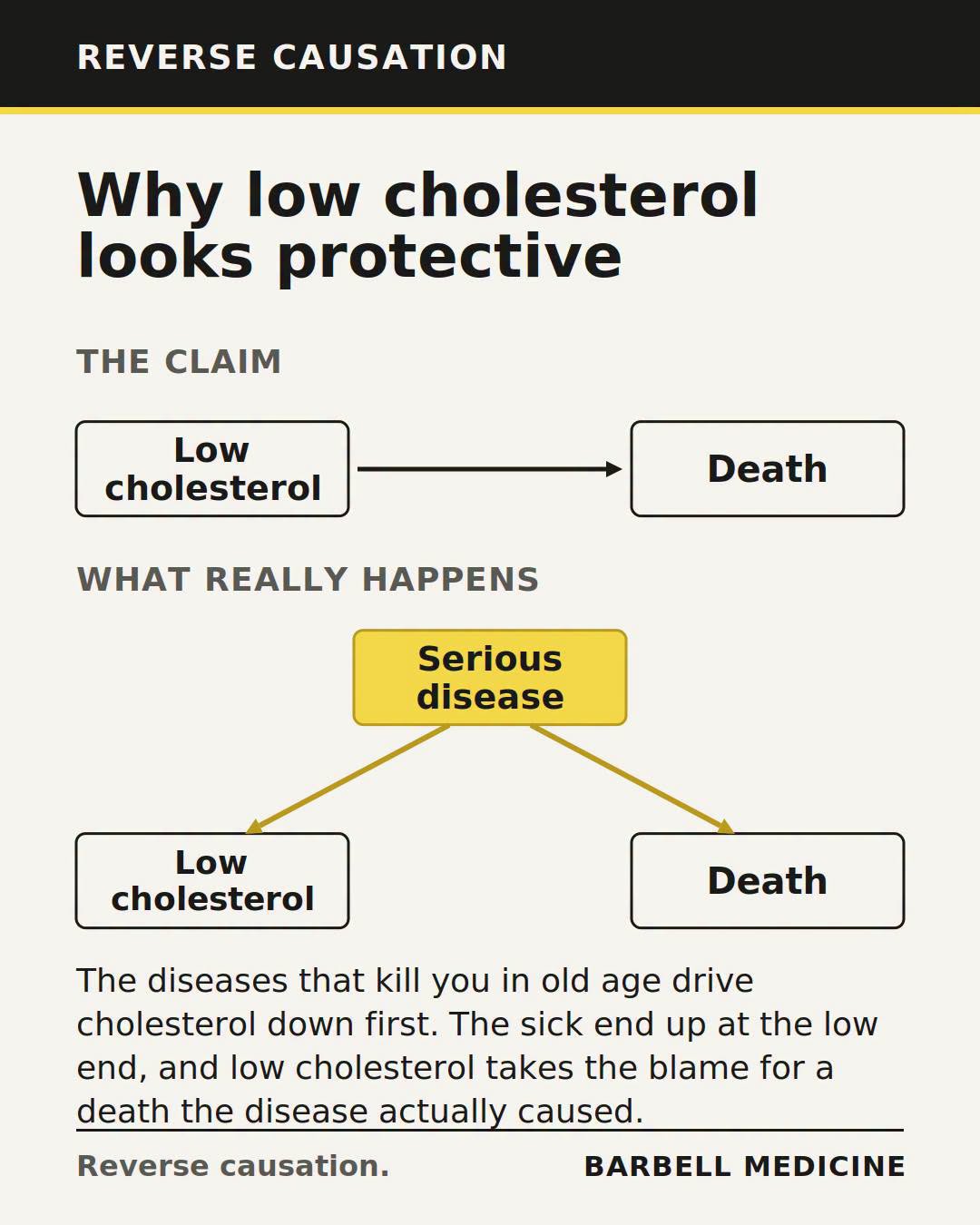
Why high cholesterol 'protects' in observational data: reverse causation, not low-LDL harm

Sep 06, 2026 · Louis Nervegna ♥ 14 · 💬 7 LDL, ApoB & lipid panel

Louis quotes a Barbell Medicine explanation that low cholesterol in sick, older people reflects disease lowering cholesterol, not the reverse. Genetically low LDL lowers heart disease with normal cancer risk and lifespan, and lowering LDL on purpose cuts heart risk proportionally. The small diabetes risk is concentrated in people already near the metabolic edge.

Blending whole fruit does not cause bigger blood-sugar spikes than eating it whole

May 10, 2026 · Louis Nervegna ♥ 10 · 💬 13 Carbs, fiber, sugar & whole grains

Louis rebuts the claim that blending fruit spikes blood sugar. Per the shared response, an RCT comparing whole apples and blackberries with a smoothie of the same fruits found a slightly smaller glucose rise with the smoothie, and blending mangoes also did not raise the spike. Fiber remains in the blend and still slows sugar absorption.

NY Times: higher omega-6 linked to lower CVD, diabetes, cancer and mortality

Nov 24, 2024 · Louis Nervegna ♥ 13 · 💬 10 Fats & oils (saturated fat, seed oils, omega-6, olive oil)

Louis shares a NY Times article on the seed oil myth, noting it quotes researchers who studied the question in humans. The article states that people who eat more omega-6 or have higher blood levels have lower risk of cardiovascular disease, type 2 diabetes, cancer and earlier death, and links to the relevant meta-analyses.

No long-lived population ate a carbohydrate-free diet; long-term effects unknown

Jun 09, 2026 · Louis Nervegna ♥ 21 · 💬 4 Low-carb, keto & carnivore

Louis argues that every long-lived population studied includes carbohydrate from vegetables, fruits, legumes, nuts, seeds, whole grains or fermented dairy, and that the few carbohydrate-free-eating groups, such as certain Eskimo populations, were not notably long-lived. He says low-carb diets may help short-term but long-term heart-disease effects are speculative, so he suggests including low-GI carbohydrates.

Extreme starch-based vegan diet critique: John McDougall's arteries and cardiac death

Apr 01, 2025 · Louis Nervegna ♥ 14 · 💬 10 Mediterranean, DASH, MIND & plant-forward diets

Louis argues that the McDougall 90% starch diet is the opposite extreme of carnivore and is not supported by credible evidence, claiming McDougall's arteries were in poor shape and he likely died of cardiac arrest in his sleep. He also notes McDougall called cholesterol and diabetes drugs poison. The post is opinion backed by linked Facebook posts, not a study.

Victorian-diet longevity claim is survivorship bias from excluding deaths under age 5

Dec 01, 2023 · Louis Nervegna ♥ 9 · 💬 6 ↩ 1 How to read research

Louis uses a paper on mid-Victorian diets as an example of survivorship bias. The authors exclude deaths before age 5, but those who survive early childhood were genetically selected for health, so their long lives do not show that the diet made average adults live as long as people today. Including the weaker people would have produced a much lower average age of death. The linked paper itself says life expectancy at age 5 was as good or better than today.

Louis: forcing LDL-C below 20 in low-risk people is unwise, per Willett on brain bleeds

Mar 30, 2024 · Louis Nervegna ♥ 9 · 💬 8 LDL, ApoB & lipid panel

Louis criticizes advice for low-risk people to use multiple drugs to push LDL-C below 20, noting major cardiology associations do not recommend it. He quotes Walter Willett saying very low LDL raises hemorrhagic stroke risk, citing Japanese experience and Mendelian randomization of the statin-target gene. The caveat is that high-risk people should push LDL low because heart attack and ischemic stroke risk outweigh this. His rule: LDL target should scale with risk.

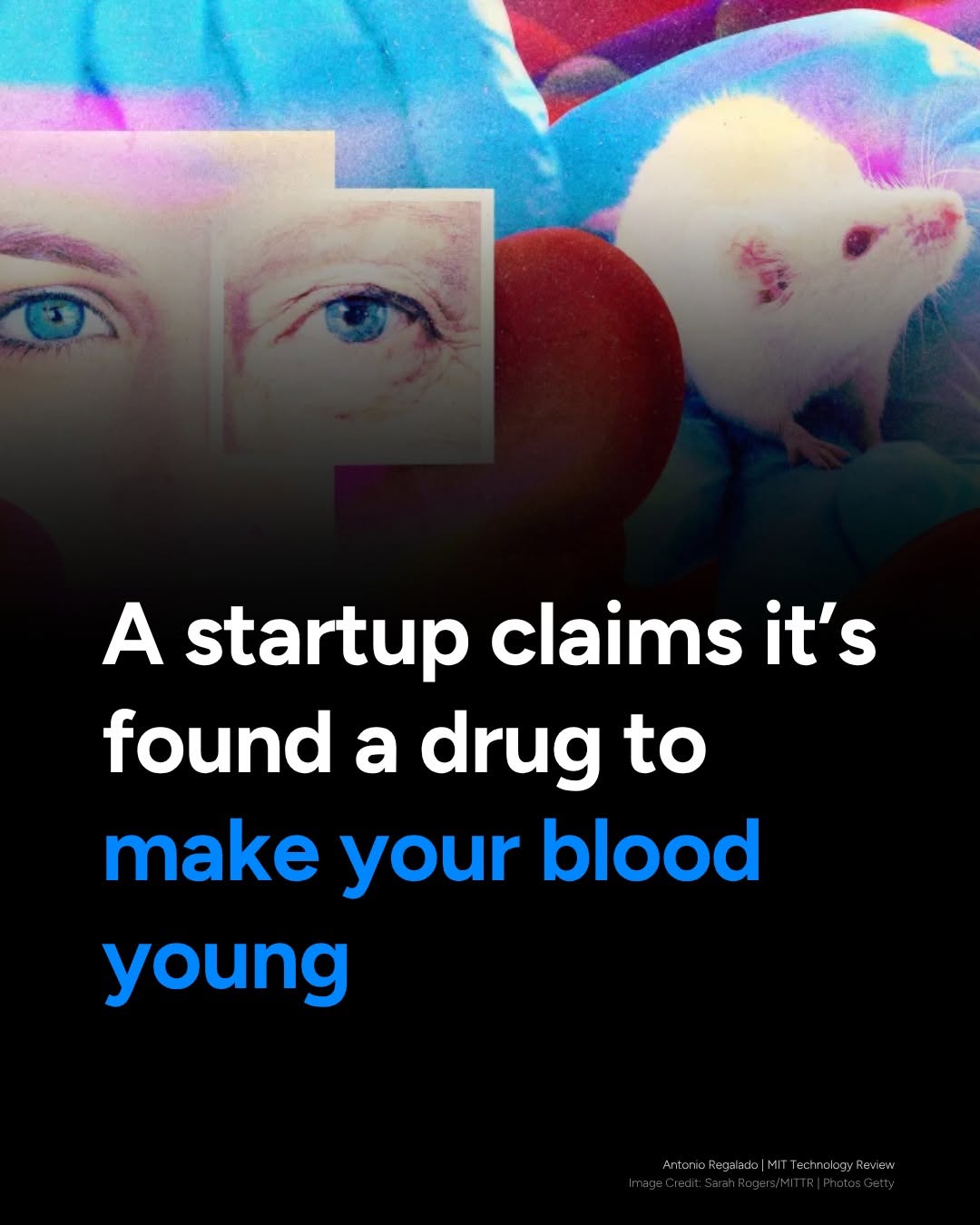
Skepticism of a startup's claimed drug combo that mimics young blood for aging

Sep 09, 2026 · Louis Nervegna ♥ 12 · 💬 9 Aging & longevity

Louis comments on a startup claiming a two-drug combination replicates the effect of young blood. He says the underlying parabiosis science is real but the commercial rollout, based on anecdotes and a pay-to-play trial, endangers the field's reputation. He speculates the drugs are anti-inflammatory agents targeting cytokines such as IL-11 and TGF-beta.

Young-adult colon cancer 'doubling' means 0.0032% to 0.0064% a year, not soaring cancer

Apr 23, 2025 · Louis Nervegna ♥ 6 · 💬 17 Cancer

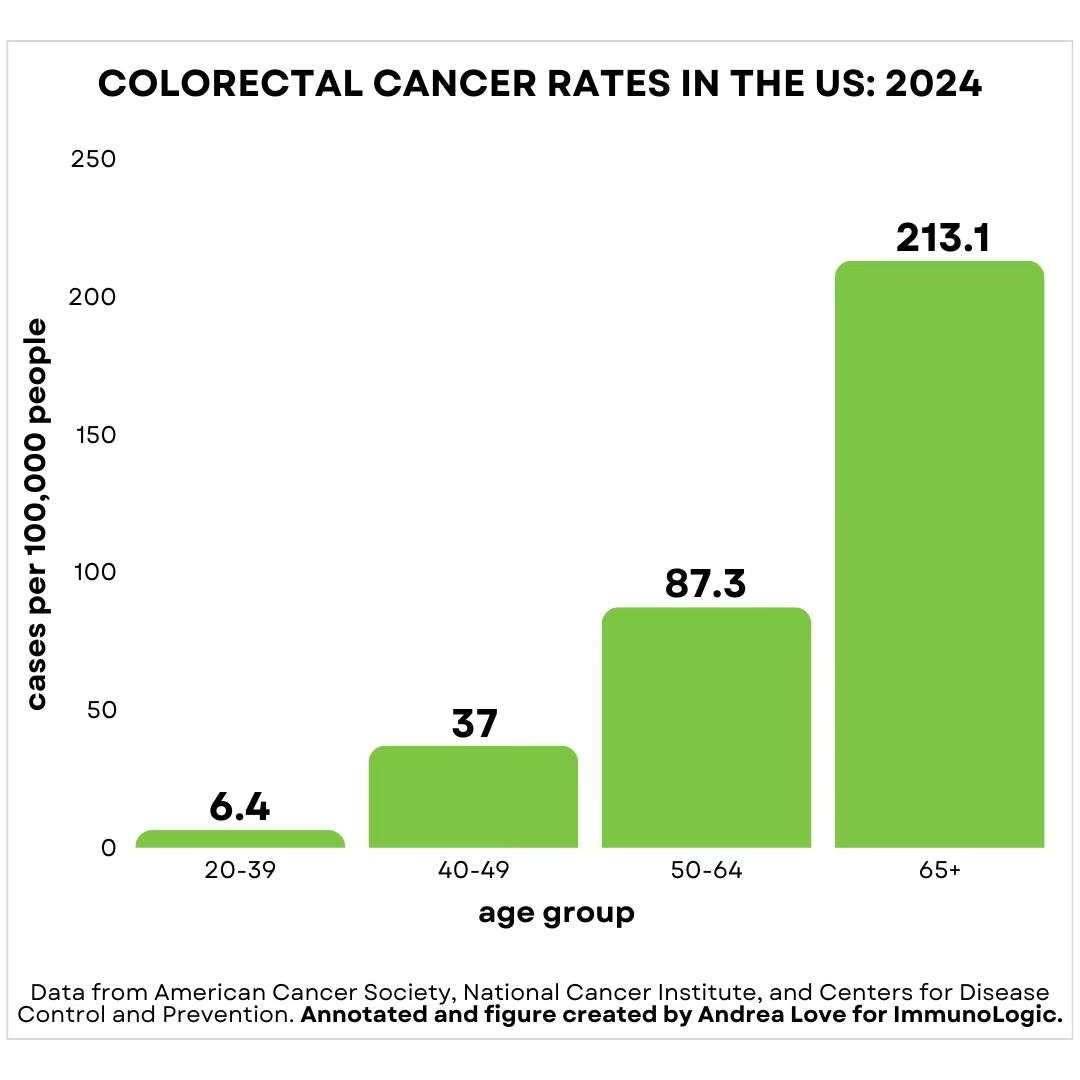
Louis puts the 'colon cancer doubled in young people' claim in context: in 2024, 6.4 per 100,000 people aged 20-39 were diagnosed, versus about half that before. He argues this tiny change barely affects total cancer rates and that overall cancer death rates have fallen sharply over 40 years. Off the cardiovascular focus.

Minnesota Coronary Experiment did not show that omega-6 fats cause heart disease

Jun 12, 2024 · Louis Nervegna ♥ 6 · 💬 5 ↩ 2 Fats & oils (saturated fat, seed oils, omega-6, olive oil)

The poster says the 1989 report of the Minnesota trial found no difference in cardiovascular events, cardiovascular deaths or total mortality between treatment and control, and that the 2016 BMJ re-analysis added no new data changing this. The BMJ paper's observational cholesterol-mortality analysis is criticized as unreliable because causes of death were unknown, and hundreds of observational studies show omega-6 inversely related to heart disease.

Omega-6 unlikely to cause heart disease when blood biomarkers show an inverse association

Sep 12, 2024 · Louis Nervegna ♥ 12 · 💬 3 Fats & oils (saturated fat, seed oils, omega-6, olive oil)

Louis argues that causation requires at minimum a positive association, and omega-6 measured directly in blood and tissue shows an inverse association with heart disease and diabetes. He says these prospective biomarker studies are not nutritional epidemiology because no questionnaires are used. He re-shares the pooled analysis of about 70,000 people in 30 cohorts.

Claude AI summary: Paleolithic humans were omnivores, not carnivores

May 14, 2024 · Louis Nervegna ♥ 11 · 💬 4 Low-carb, keto & carnivore

Louis uses Claude AI to summarize the totality of evidence on whether Paleolithic humans were carnivores, as a quick fact check on influencer claims. The summary cites coprolites with plant remains, grinding stones, dental and skeletal adaptations, stable isotope data and hunter-gatherer ethnography, concluding they were omnivores. No specific papers are cited, and it is an AI-generated overview.

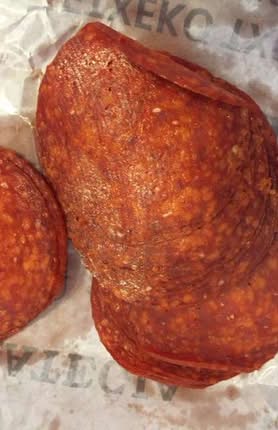
Hot dogs are not health food: processed meat has among the worst hazard ratios of any food

Oct 27, 2025 · Louis Nervegna ♥ 11 · 💬 6 Meat, eggs & dairy

Louis mocks a carnivore influencer's claim that hot dogs are healthy, noting the omission that they are high in nitrosamines (including 'natural' celery-juice-cured ones), which are likely carcinogenic and linked by him to atherosclerosis and diabetes. He backs the point with Harvard Chan School pages on processed meat, ultra-processed foods and the WHO carcinogenicity finding.

Dr. Chong on LDL misinformation, with RCT and Mendelian randomization evidence

Sep 02, 2026 · Louis Nervegna ♥ 10 · 💬 6

Louis shares a Vital Human post in which Dr. Daniel Chong describes being repeatedly told his LDL science is wrong by people influenced by social media content that exaggerates or misreads evidence. The tags point to statin RCTs and Mendelian randomization as the supporting evidence; the post itself is largely about frustration with misinformation.

Blending bananas with berries does not cancel the berries' benefits

Jul 24, 2026 · Louis Nervegna ♥ 5 · 💬 6

Louis shares a rebuttal of the claim that bananas in smoothies negate berry polyphenols. Banana polyphenol oxidase can break down some polyphenols such as epicatechins but does not degrade most anthocyanins, the main blueberry polyphenols, so the effect is likely minor.

Human trials: omega-6 and oxidized fish oil do not raise oxidation or inflammation markers

Sep 18, 2026 · Louis Nervegna ♥ 7 · 💬 4 Fats & oils (saturated fat, seed oils, omega-6, olive oil)

The post states that human randomized trials have repeatedly shown omega-6 fats do not cause oxidation or lipid peroxidation, and that oxidized fish oil does not raise inflammation, oxidation or peroxidation markers or worsen cardiometabolic or liver health. It shares a saturated fat versus omega-6 breakdown by Dr Alan Flanagan.

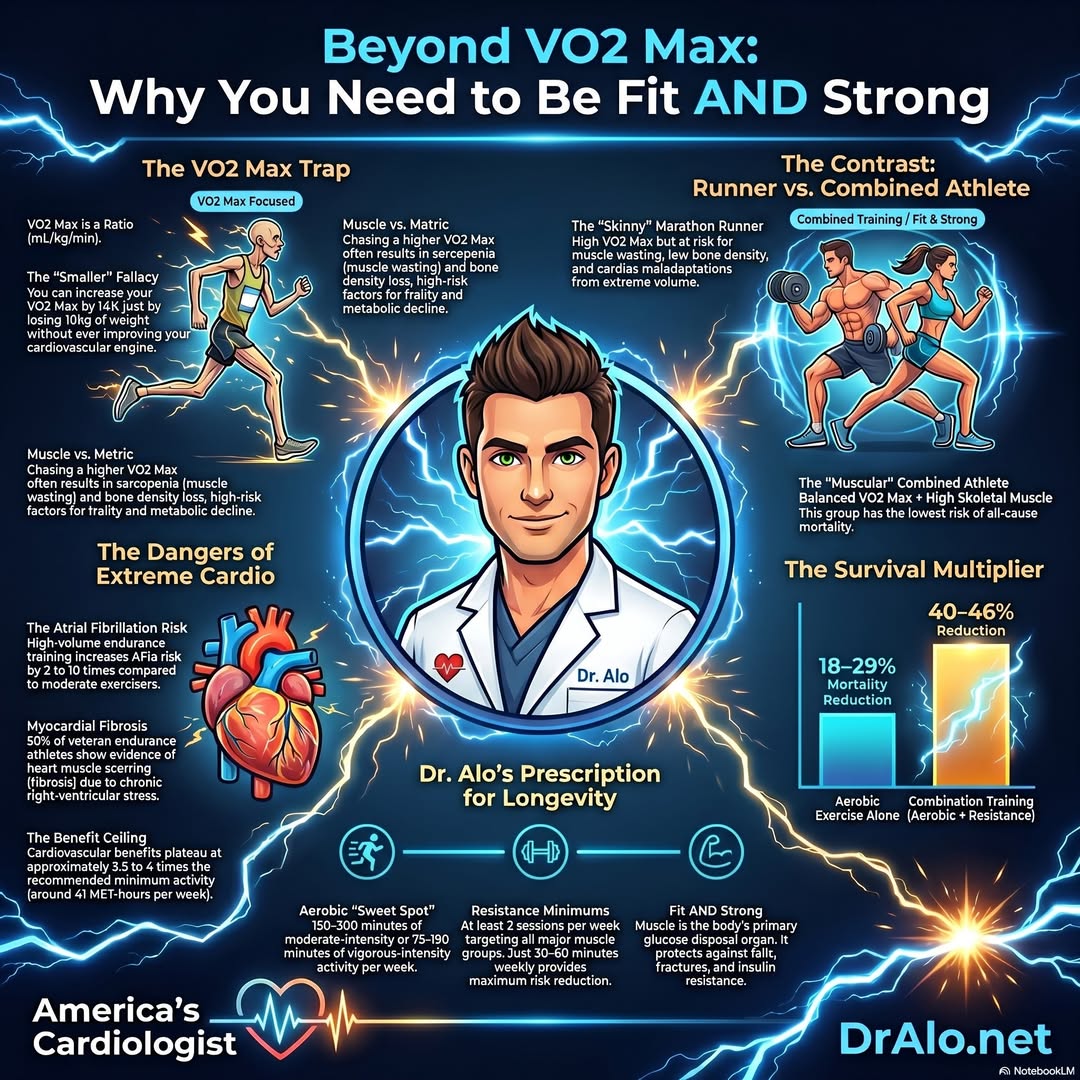
VO2 max is a ratio, and chasing it can mislead about heart health

Jul 19, 2026 · Louis Nervegna ♥ 13 · 💬 1 Exercise & fitness

Louis agrees with a critique of influencers who treat VO2 max as the key heart-health metric. VO2 max is oxygen consumption divided by body weight, so it can rise through weight loss without real fitness gain. He also notes AHA and ACC statements recognizing high-volume intense exercise can have downsides.
Stanford's Christopher Gardner on why seed oils are not the villain

Oct 15, 2026 · Louis Nervegna ♥ 6 · 💬 3 Fats & oils (saturated fat, seed oils, omega-6, olive oil)

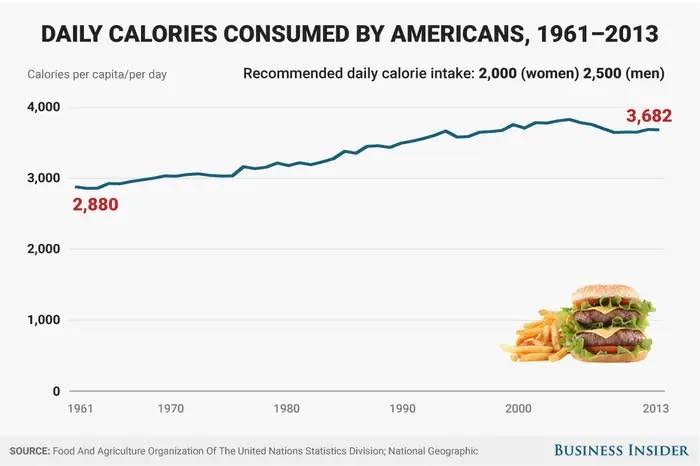
A promotional description of a podcast episode in which Stanford nutrition researcher Christopher Gardner argues the evidence does not support the fear of seed oils. It notes that decades of research show replacing saturated fat with omega-6 polyunsaturated fat can improve cardiovascular outcomes. No specific studies or numbers are given.

Health influencers on high red/processed meat diets rarely lived long, a video series says

Apr 01, 2025 · Louis Nervegna ♥ 6 · 💬 3 Mediterranean, DASH, MIND & plant-forward diets

Louis shares a video series (Viva Longevity) reviewing the ages at death of over 100 health influencers, claiming those advocating diets high in red and processed meat and low in whole grains, fruit, vegetables and beans did not live long on average. He asks members to name any such influencer who reached their 90s; the only one he found is Richard Bernstein. This is an informal, anecdotal tally rather than a controlled study.
Video accuses Diary of a CEO of knowingly spreading health misinformation

Aug 30, 2026 · Gokhan Can ♥ 11 · 💬 1

Shares a Gil Carvalho (Nutrition Made Simple) video criticising the podcast for guest claims such as curing cancer with keto, discouraging fibre and fear-mongering about glucose spikes. It says the producers attach research PDFs or footnotes that contradict guests yet still promote the claims.

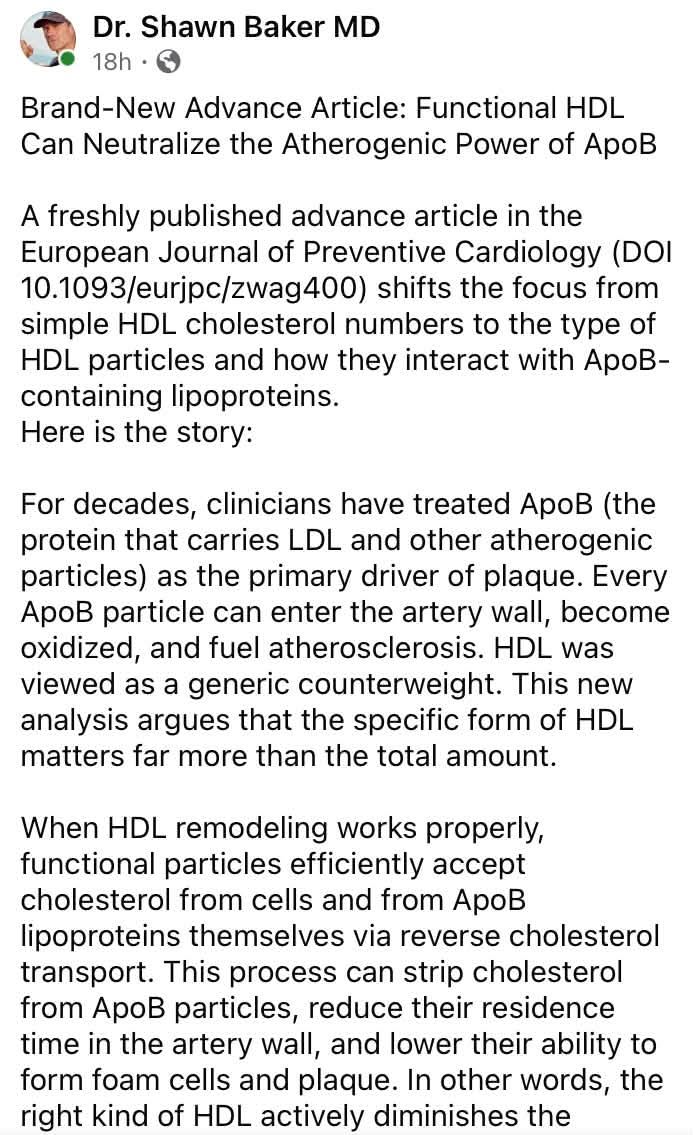
200+ studies and 2 million participants show LDL drives atherosclerosis dose-dependently

Oct 28, 2026 · Louis Nervegna ♥ 1 LDL, ApoB & lipid panel

A shared post rebuts a claim that LDL research is incomplete and flawed. It cites over 200 prospective cohort, genetic and randomized studies involving over 2 million participants, 20 million person-years and 150,000+ cardiovascular events that consistently show a dose-dependent LDL-ASCVD relationship. It also addresses the U-shaped curve claim and Mendelian randomization.

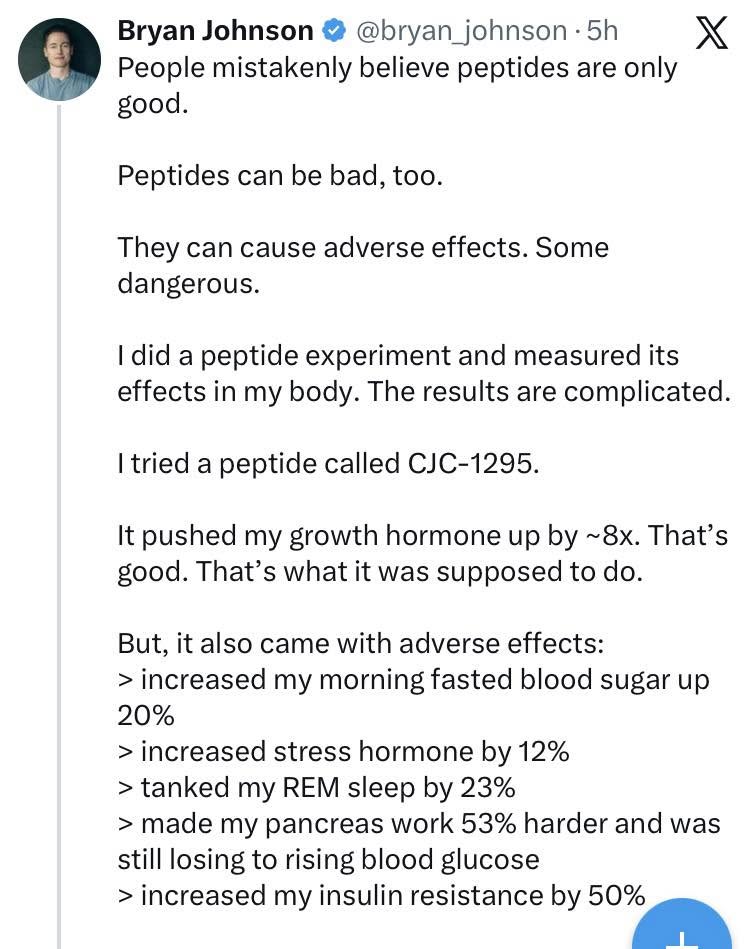
Growth-hormone peptides raise IGF-1, linked to cancer and mortality risk at high levels

May 11, 2026 · Louis Nervegna ♥ 1 Hormones, women's & men's health

Joel Kahn's post, shared by Louis, warns that injecting growth-hormone-type peptides (ipamorelin, sermorelin, CJC-1295) can chronically elevate IGF-1. High IGF-1 is associated in observational data with breast and prostate cancer and with higher cancer, cardiovascular and all-cause mortality, and excess GH signaling in acromegaly causes cardiometabolic complications.

Meta-analyses: swapping sugary drinks for low-calorie sweetened ones does not harm weight

Aug 25, 2025 · Louis Nervegna ♥ 0 Carbs, fiber, sugar & whole grains

A quoted rebuttal to Peter Attia's claim that diet soda swaps would not aid weight loss cites a systematic review of 17 RCTs where replacing sugar-sweetened beverages with low/no-calorie sweetened beverages reduced weight, BMI, body fat and liver fat. A cohort meta-analysis found no cardiometabolic harm from these drinks used as a substitution.