HD-OPM Archive
Topics › Nutrition

Low-carb, keto & carnivore

110 posts (64 primarily about this topic) · 40 reposts and set-aside posts not shown

Start here — the best posts in this topic

  1. Keto-CTA: lean keto dieters with plaque progressed; Mediterranean plus statins did not Apr 07, 2025
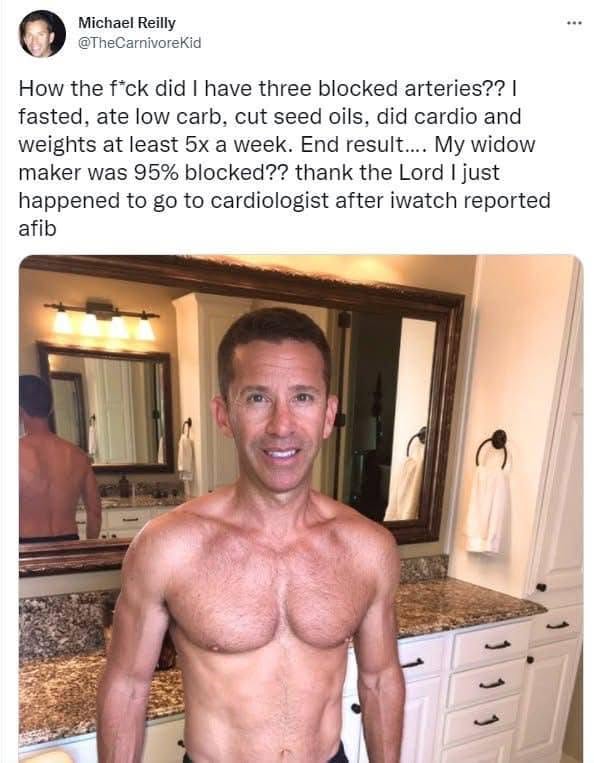
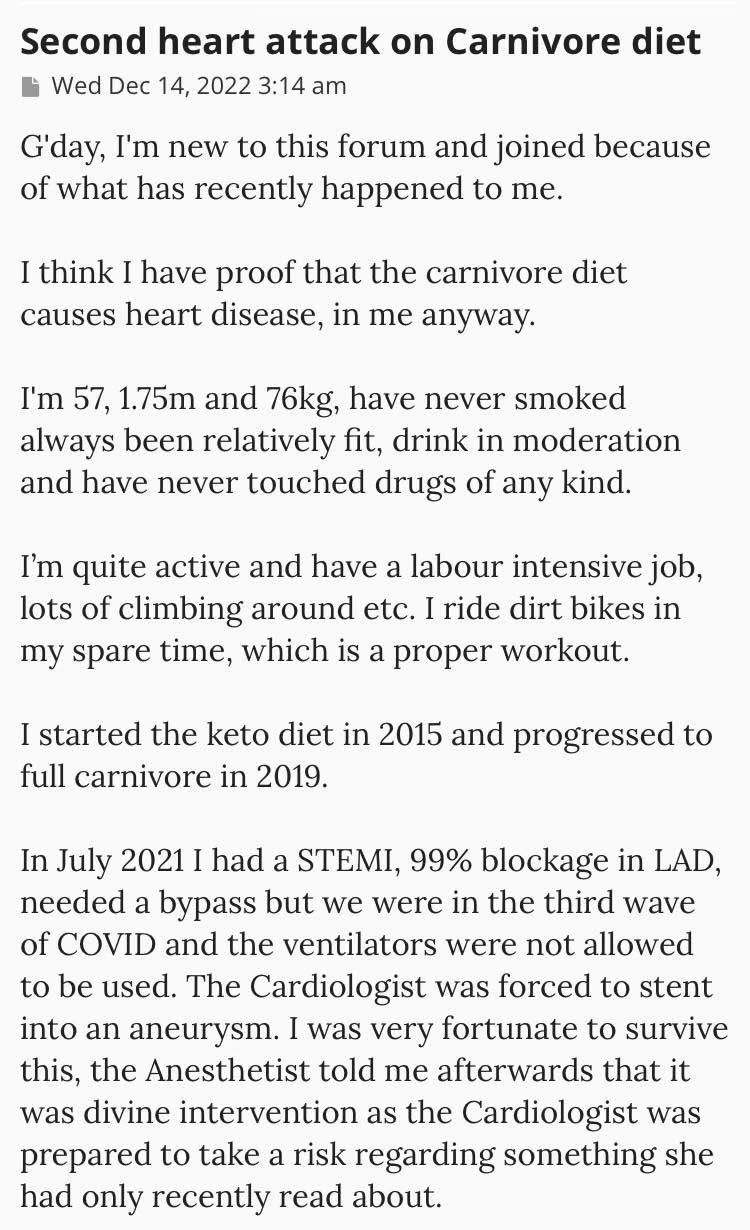
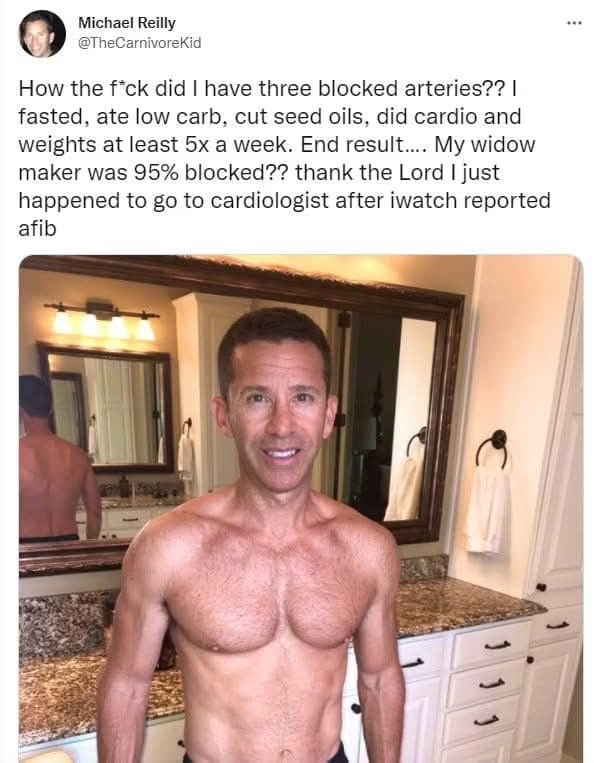
  2. Five years of carnivore and five of keto ended in 95% left main-branch blockage ↩ 2 · Feb 11, 2025
  3. Opinion: keto is not heart healthy if LDL rises; never ignore LDL Apr 13, 2025
  4. Fifth carnivore influencer reports a stroke after years on the diet Mar 31, 2025
  5. KETO-CTA compared high-LDL to very-high-LDL keto dieters with no low-LDL control group Apr 15, 2025
  6. Keto-CTA (LMHR): very high LDL keto dieters with plaque kept progressing despite lean ↩ 1 · Apr 07, 2025
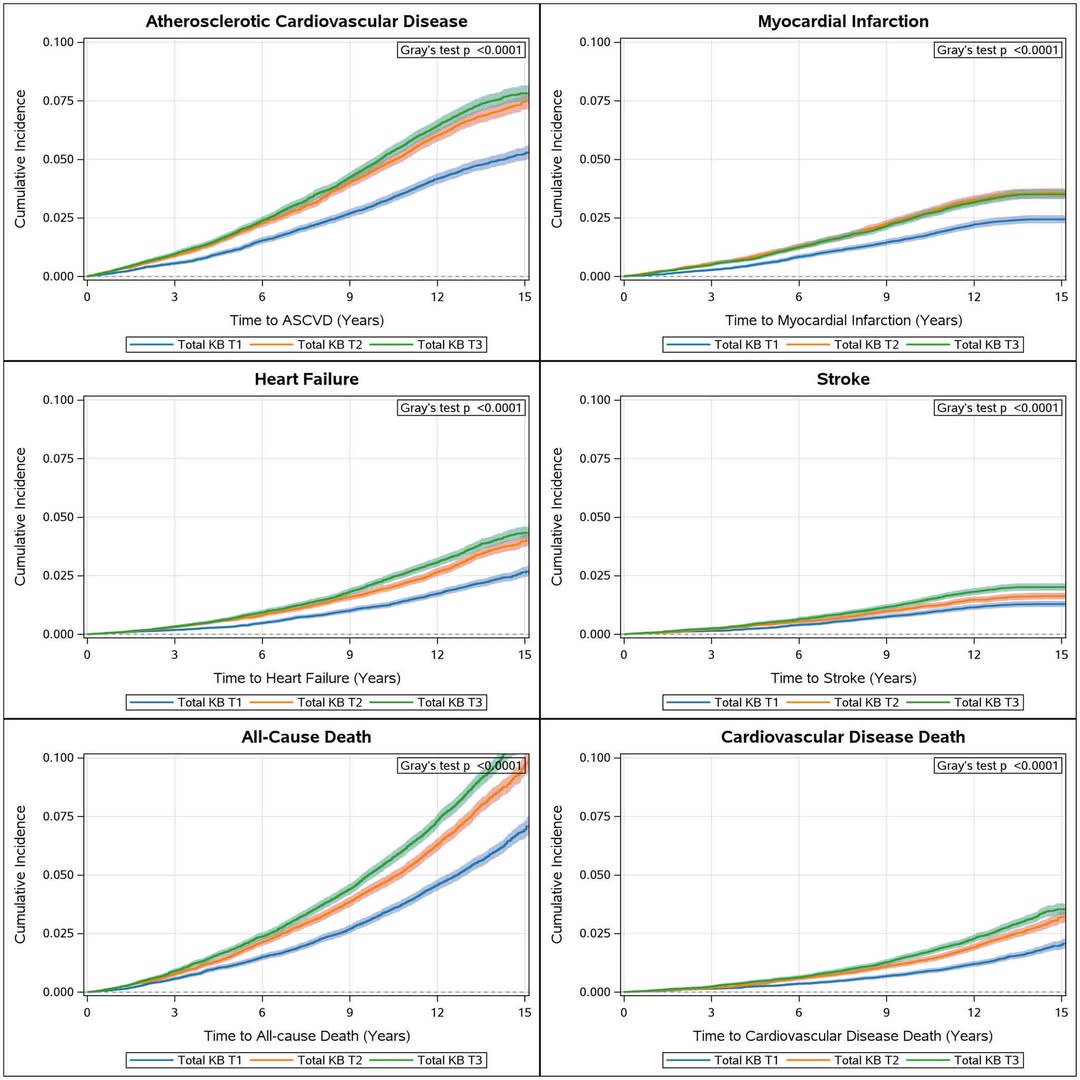
  7. Low-carb high-fat diet linked to higher LDL-C, ApoB and 2.18-fold MACE risk at 11.8 years May 04, 2024
  8. Chiropractor had a widow-maker heart attack at 35 with CAC 0 and LDL 372 on carnivore/keto ↩ 2 · Oct 21, 2024
#keto 48#ketocta 36#lmhr 31#carnivore 28#ketoctasummary 21#lowcarb 20#weightloss 13#ncpv 12#carnivoreinfluencers 11#mediterranean 11#plaque 8#insulin 8#ldl 7#fasting 6#insulinresistance 6#diabetes 6#protein 6#liverfat 6#atherosclerosis 5#calorierestriction 5#budoff 5#carbohydrate 5#ketosis 5#harvard 5#influencers 5#paradigm 5#apob 5#dash 5#naturect 5#nuts 4#saturatedfat 4#cholesterol 4#heartdisease 4#type2diabetes 4#heartattack 4#huntergatherers 4#pav 4#hypothyroidism 4#visceralfat 4#wfpbno 4

Keto-CTA: lean keto dieters with plaque progressed; Mediterranean plus statins did not

Apr 07, 2025 · Louis Nervegna ♥ 32 · 💬 37

Louis says the published Keto-CTA (LMHR) study settles his earlier hesitation: lean, metabolically healthy people with significant plaque whose LDL is raised by keto are very likely to see progression. He contrasts this with large trials of a traditional Mediterranean diet plus statins that showed halted progression or regression.
Opinion: keto is not heart healthy if LDL rises; never ignore LDL

Apr 13, 2025 · Gokhan Can ♥ 29 · 💬 74

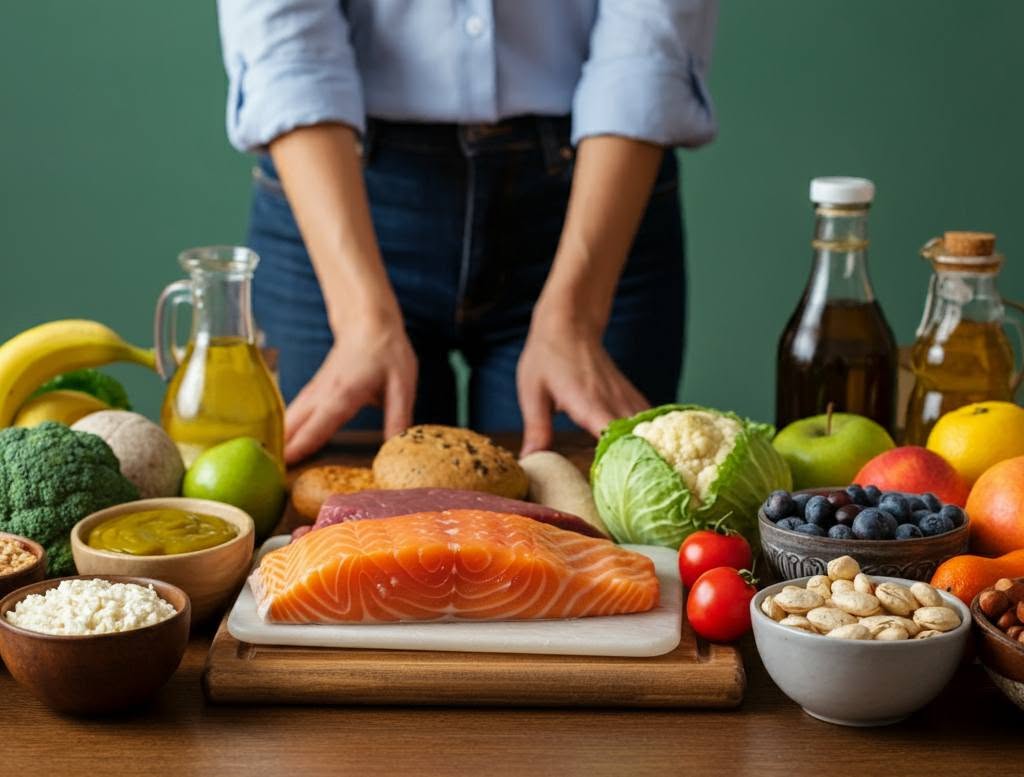
Gokhan argues keto often raises LDL through saturated fat and that people ignore it, citing the recent keto plaque-progression study. His suggestions are to track LDL and use a nut, fish and olive-oil heavy version of keto.

Fifth carnivore influencer reports a stroke after years on the diet

Mar 31, 2025 · Louis Nervegna ♥ 28 · 💬 57

Louis notes another carnivore-diet influencer had a stroke after more than 2.5 years on the diet and says he keeps a list of five carnivore influencers with heart attacks, strokes or open heart surgery. These are anecdotes rather than controlled evidence.

KETO-CTA compared high-LDL to very-high-LDL keto dieters with no low-LDL control group

Apr 15, 2025 · Gokhan Can ♥ 21 · 💬 20

Gokhan argues media coverage misrepresented KETO-CTA: it compared keto dieters with LDL around 200 to those around 300, with no low-LDL control, and still showed substantial new plaque, progressing like high-risk conditions. He says he would not keto as a lean mass hyper-responder and controls his own LDL with low-dose rosuvastatin.

Keto-CTA (LMHR): very high LDL keto dieters with plaque kept progressing despite lean

Apr 07, 2025 · Louis Nervegna ♥ 14 · 💬 23 ↩ 1

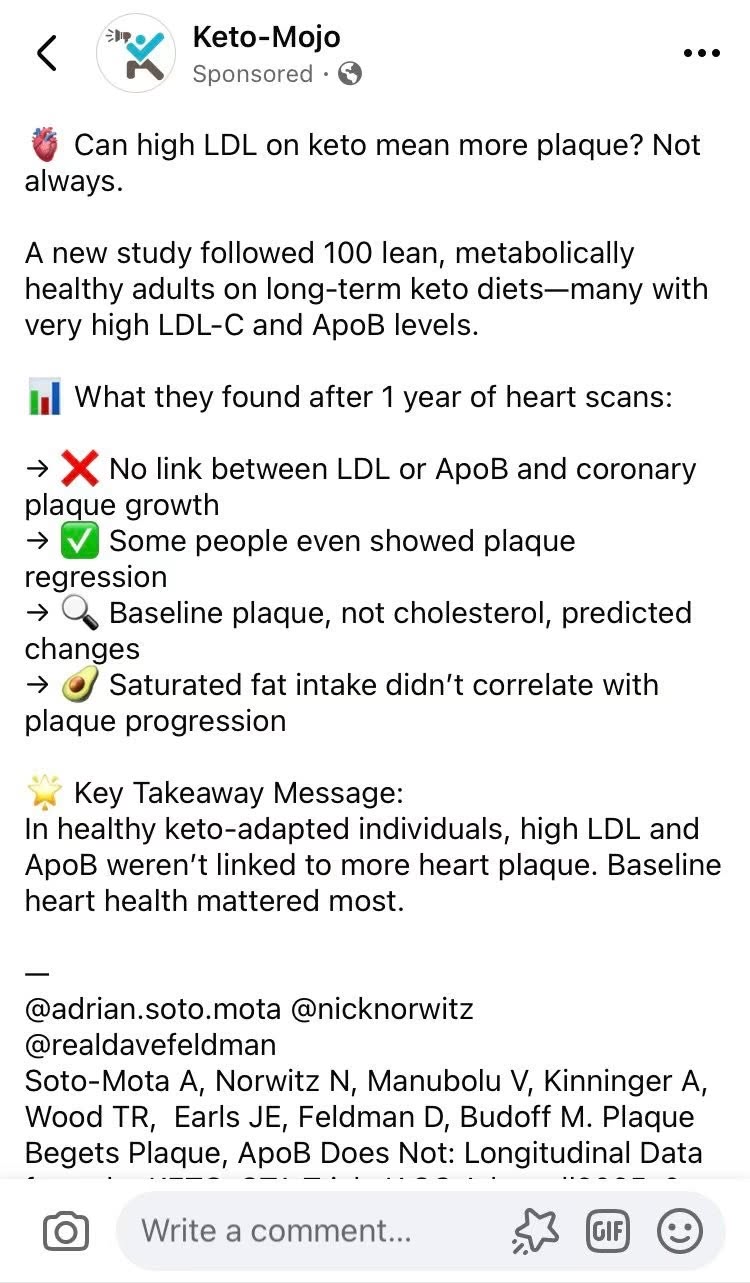
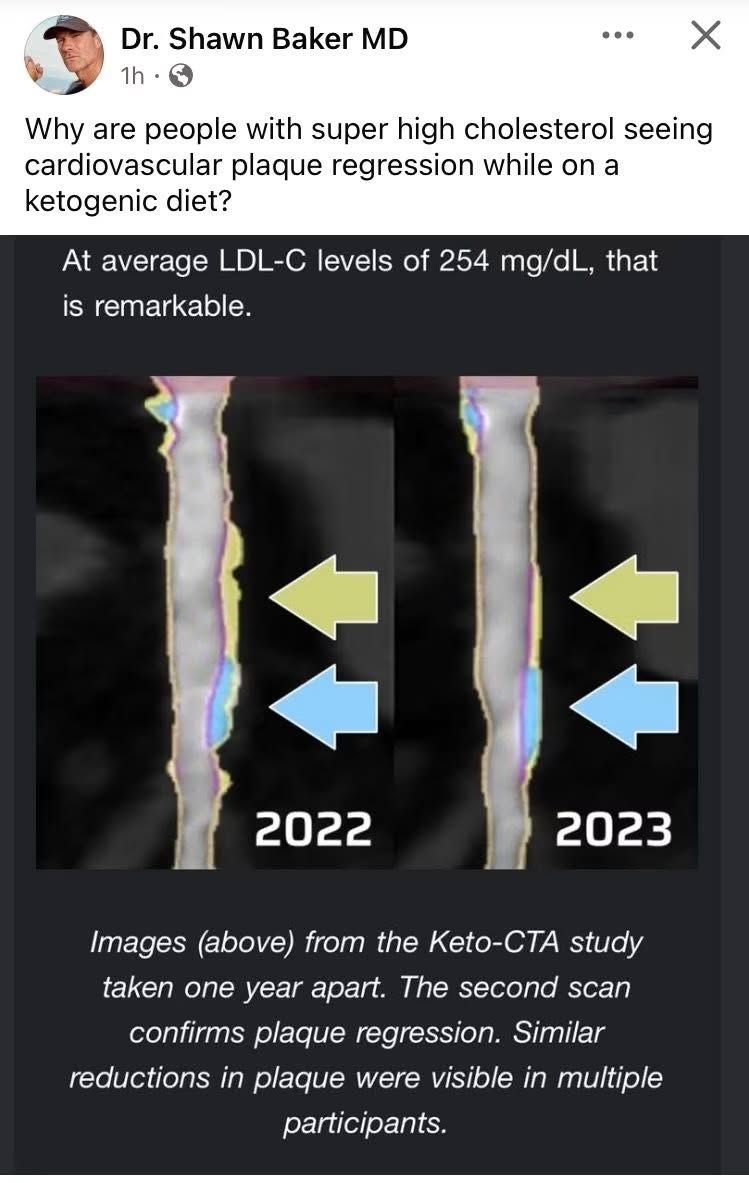
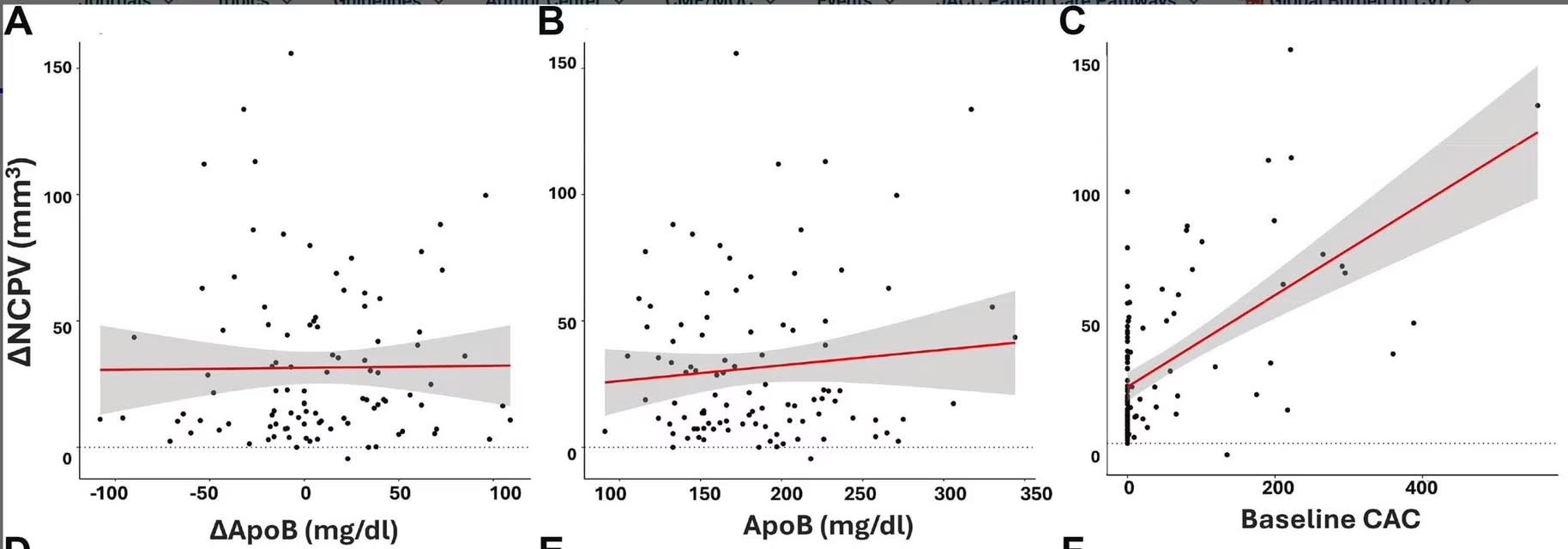
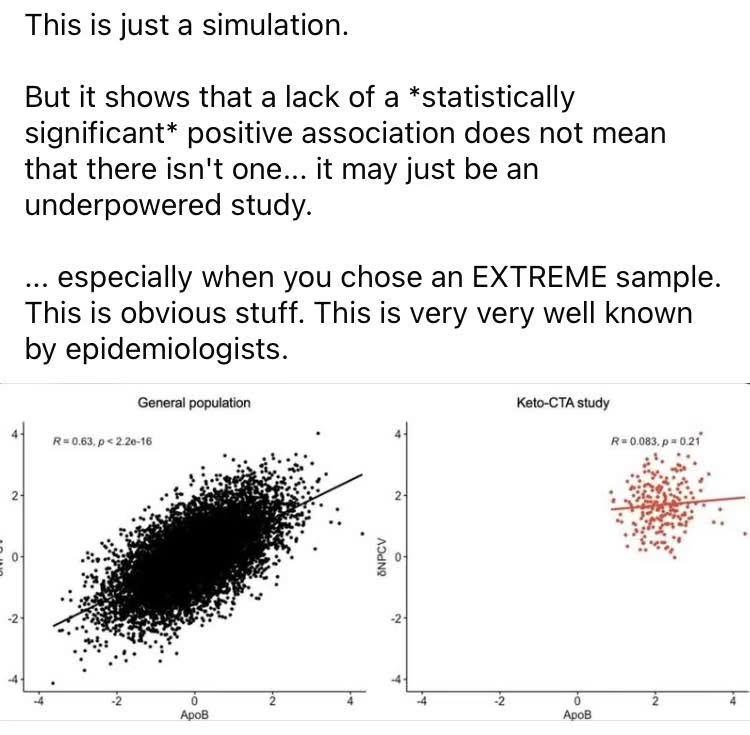
Louis summarizes the newly published one-year prospective Keto-CTA study of lean, metabolically healthy people on keto with very high LDL (mean 254 mg/dL). Those with baseline plaque progressed significantly at similar rates regardless of how high the LDL was, while those with zero plaque were unlikely to develop it within a year. There was no low-LDL comparison group.

Low-carb high-fat diet linked to higher LDL-C, ApoB and 2.18-fold MACE risk at 11.8 years

May 04, 2024 · Louis Nervegna ♥ 11 · 💬 24

Louis quotes a JACC: Advances cohort analysis comparing low-carbohydrate high-fat (LCHF) eaters with standard-diet controls. LCHF had significantly higher LDL-C and ApoB, more severe hypercholesterolemia, and more major adverse cardiovascular events at 11.8 years; the association remained after adjustment. People with a high LDL polygenic risk score had the highest LDL-C on LCHF.

Keto/Atkins diet raised methylglyoxal 1.67-fold in 2-4 weeks, a glycation precursor

Sep 23, 2024 · Louis Nervegna ♥ 16 · 💬 23

Louis argues that ketogenic diets increase methylglyoxal, a precursor of advanced glycation end products linked to diabetes, heart disease, Alzheimer's and aging. He cites a 2005 study of Atkins dieters in which methylglyoxal rose 1.67-fold by 14-28 days and 2.12-fold in those in ketosis. He says claims that keto protects against glycation should be viewed with suspicion; the study measured markers, not outcomes.

Keto-CTA: LMHR group's 0.8% plaque volume rise exceeded that of typical Western cohorts

Apr 08, 2025 · Louis Nervegna ♥ 18 · 💬 14 Plaque, CAC & CT angiography

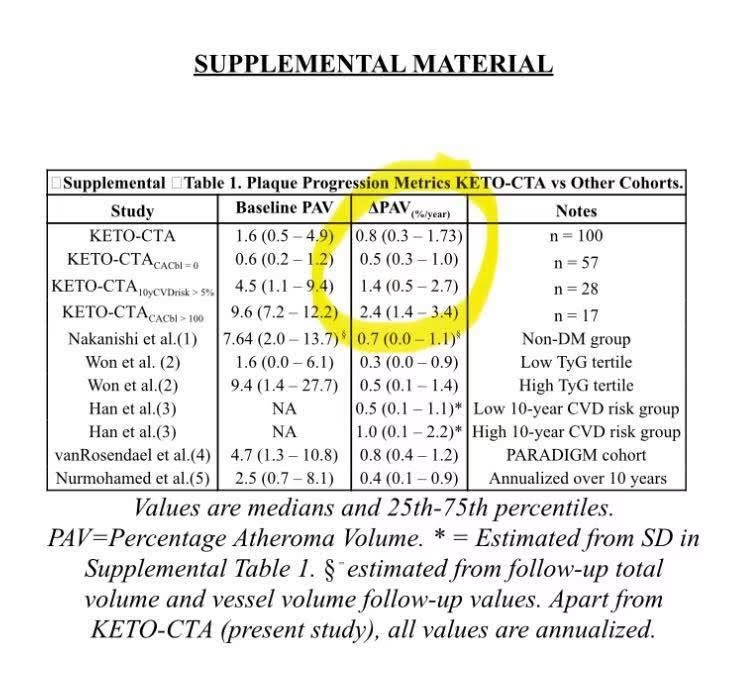
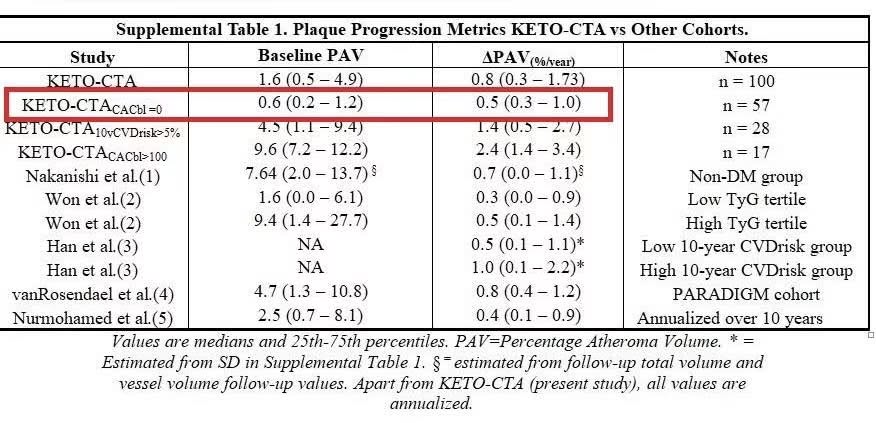
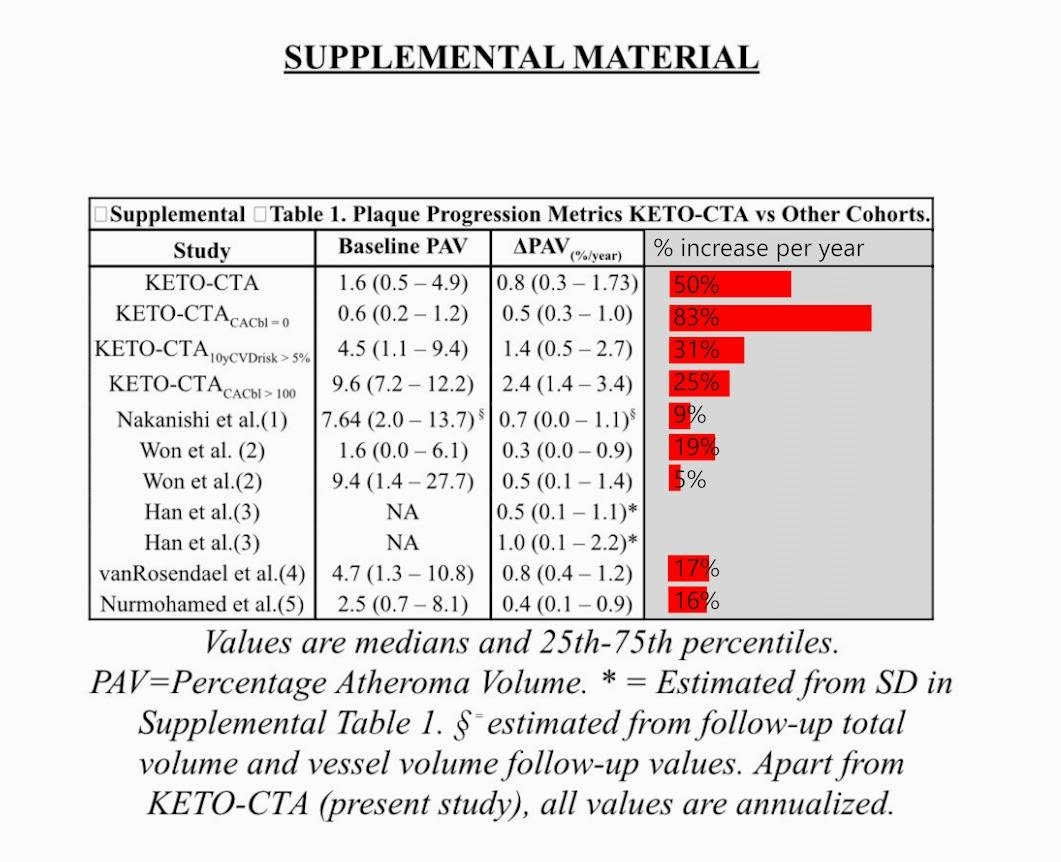
Louis expresses disappointment in the LMHR prospective cohort study, in which lean, metabolically healthy keto dieters with very high LDL had total plaque volume rise 0.8% in a year. He cites the paper's supplemental table, which he says shows other Western cohorts progressing less, and notes that no participant showed NCPV regression and that those with the most baseline plaque progressed the most.

Prolonged very low carb diets can suppress thyroid hormones while TSH looks normal

Oct 13, 2025 · Louis Nervegna ♥ 17 · 💬 20

Louis says long-term very low carbohydrate diets can suppress thyroid function, with a pattern of normal or low TSH but low T3 and/or T4 that can mislead doctors. He explains this as an adaptive response to perceived low calories, the same pattern found with prolonged calorie restriction. No study is cited.

Big glucose spikes from oats signal insulin resistance; only losing visceral fat cures it

Mar 01, 2025 · Louis Nervegna ♥ 23 · 💬 8 Insulin resistance & diabetes

Louis argues that large glucose spikes from low-to-moderate GI carbs suggest prediabetes or diabetes, and that cutting carbs only masks the problem unless enough weight is lost to clear liver and pancreas fat. He adds that visceral fat can hide in people with normal BMI, that Asians develop insulin resistance at lower visceral fat levels, and summarizes Roy Taylor's very-low-calorie diet trials.

Budoff recommends statins, aspirin and BP control for keto dieters with CT-detected plaque

Apr 14, 2025 · Louis Nervegna ♥ 14 · 💬 15

Louis cites a video in which Keto-CTA principal investigator Matthew Budoff recommends statins, low-dose aspirin and tight blood pressure control for patients on keto diets with significant plaque on CT angiography, and CT scans for his ketogenic patients. He says the statin is to treat plaque, since statins slow plaque progression even at low LDL.

Harvard cohort: unhealthy low-carb diets raise diabetes risk, plant-based ones lower it

Nov 30, 2025 · Gokhan Can ♥ 13 · 💬 15

Summarises a video on a 30-year Harvard study of over 200,000 participants: low-carb diets high in animal protein, saturated fat and refined carbs like white potatoes were linked to higher type 2 diabetes risk, while plant-based versions (nuts, avocado, whole grains) lowered it. It also discusses rapid weight loss without exercise causing 'fat overshooting' on regain.

A balanced look at the ketogenic diet: anti-inflammatory potential and caveats

Nov 26, 2023 · Gokhan Can ♥ 13 · 💬 15 ↩ 3

The author, who uses keto for 3-12 months at a time, lists potential benefits of a ketogenic diet, such as anti-inflammatory effects of ketones (BHB) and possible anti-cancer effects, with a longer blog post. It acknowledges he cannot do keto all the time and alternates with Mediterranean eating.

Why diet-health epidemiology may mislead: reverse causation and socioeconomic confounding

Jan 15, 2025 · Gokhan Can ♥ 15 · 💬 17 How to read research

Gokhan argues that dramatic personal improvements on low-carb diets undermine trust in guidelines, and that observational nutrition studies can be distorted by reverse causation (people with insulin resistance may prefer fat and protein) and socioeconomic confounding. He says only intervention trials resolve this, and shares a Viva Longevity video on influencers versus epidemiologists reposted by Louis Nervegna. The argument is one-sided.

Why the LMHR phenotype happens: starvation-like physiology in lean keto dieters

Jan 25, 2024 · Louis Nervegna ♥ 10 · 💬 11 ↩ 9

Louis proposes that the lean mass hyper-responder (LMHR) pattern, with extremely high LDL-C on keto/carnivore diets, reflects an ancient starvation response described in calorie-restriction literature. With near-zero body fat and no carbohydrate, the body acts as if starving, raising circulating LDL to deliver fat as fuel, lowering leptin, LDL receptors and thyroid and sex hormones. He links a trial showing fasting raised LDL and ApoB in healthy non-obese people, and cautions that overdoing restriction is the danger. This is a hypothesis, not proof of harm or safety.

Long-term keto in mice caused high cholesterol, fatty liver and poor insulin secretion

Oct 04, 2025 · Louis Nervegna ♥ 9 · 💬 12

Because lifelong diet RCTs are impossible in humans, Louis points to a long-term mouse study. Keto protected against weight gain and kept insulin sensitivity at first, but over the long run caused hypercholesterolemia, liver fat and glucose intolerance from impaired insulin secretion in male and female mice.

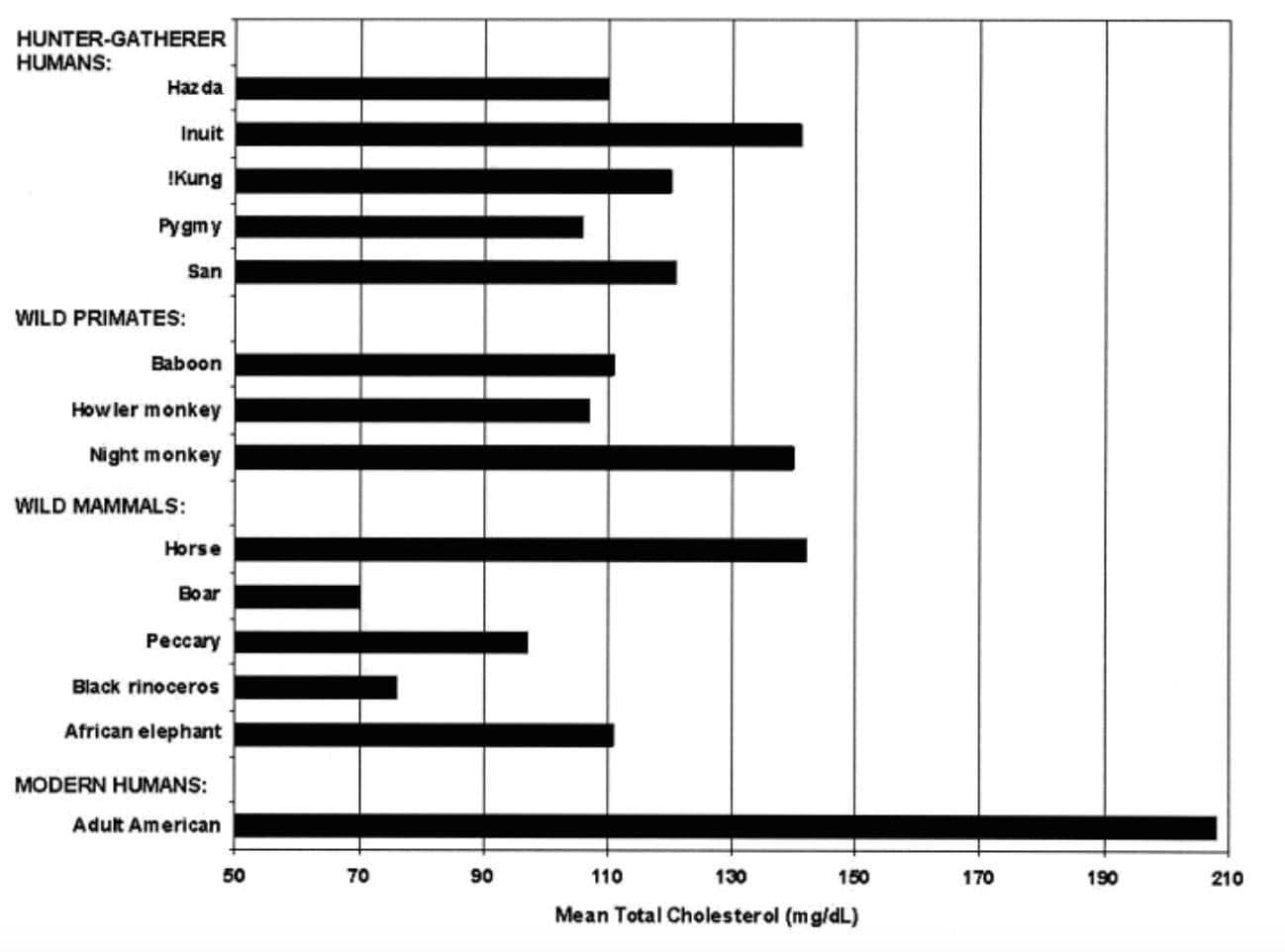
The Hadza eat about 70% plants and have LDL around 62 mg/dL, not a carnivore diet

Feb 24, 2024 · Louis Nervegna ♥ 13 · 💬 8

Louis rebuts carnivore influencers' claims about the Hadza hunter-gatherers. Their diets are well studied: about 70% of calories from plants (tubers, berries, baobab) plus honey and lean game meat, making them low fat, moderate protein and high in natural sugar and starch. Their LDL is very low (62 mg/dL), heart disease risk is low, and their gut microbiome reflects a high-fiber plant diet.

Keto causes bigger temporary insulin resistance than statins, so statin fear is overplayed

Sep 16, 2024 · Louis Nervegna ♥ 8 · 💬 16 Statins

Louis argues that keto influencers who fixate on statins slightly reducing insulin sensitivity overlook that a keto diet causes the same effect to a much greater degree. Without carbohydrate, skeletal muscle becomes insulin resistant to preserve glucose for the brain and heart, so a glucose tolerance test on keto looks poor. Both effects are temporary and reverse on stopping.

Stanford finds BHB-amino acids, a new keto metabolite family that suppresses appetite

Nov 25, 2024 · Gokhan Can ♥ 15 · 💬 13

Stanford researchers led by Jonathan Long discovered a third ketosis pathway in which enzymes attach beta-hydroxybutyrate to amino acids, forming BHB-amino acids that suppress appetite and promote weight loss. It may explain reduced hunger during fasting or keto diets; heart relevance is indirect.

Very low-carb diets rarely push A1C below 5 because of physiological insulin resistance

May 25, 2026 · Louis Nervegna ♥ 11 · 💬 11

Louis argues that in people who already have low A1C, severe carb restriction makes muscles temporarily insulin resistant to spare glucose for heart and brain, so blood sugar can rise rather than fall. This 'adaptive glucose sparing' or 'pseudo-diabetes' also explains why people on long-term keto often fail glucose tolerance tests. Personal observation and physiology reasoning rather than a cited trial.

Meat-heavy, low-carb health influencers rarely reach 90, per a video survey

Apr 19, 2025 · Louis Nervegna ♥ 13 · 💬 13 Aging & longevity

Louis shares a video series surveying ages at death of over 100 health influencers and says those advocating diets high in red and processed meat and low in whole grains, fruit, vegetables and legumes did not live long. Richard Bernstein, who died at 90, is the only one he found who reached 90. This is an anecdotal tally, not controlled evidence.

Nicola Guess: Keto-CTA plaque rose ~20 mm3 in 1 year vs ~13 mm3 over 3 years in PARADIGM

Apr 12, 2025 · Louis Nervegna ♥ 7 · 💬 8 Plaque, CAC & CT angiography

Louis shares Dr. Nicola Guess's critique of the Keto-CTA study: the abstract omitted the registered primary outcome (non-calcified plaque volume), but the figure suggests a rise of ~20 mm3 in one year in lean keto dieters. In PARADIGM, high-risk people on Western diets rose ~13 mm3 over three years (about 17 mm3 with metabolic syndrome). With no control group, the comparison suggests accelerated soft plaque growth.

Co-author of LMHR study protocol says the design could not detect plaque progression

Dec 10, 2023 · Louis Nervegna ♥ 4 · 💬 17

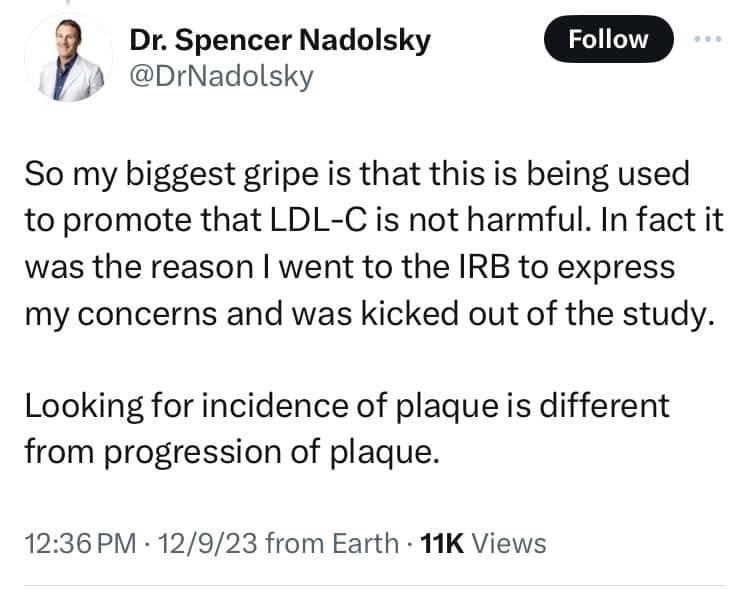
Louis paraphrases Dr. Spencer Nadolsky, who helped write the LMHR (keto hypercholesterolemia) study protocol, saying it enrolled only extremely healthy people with no diabetes, prediabetes, atherosclerosis, smoking, overweight or high hs-CRP and perfect blood pressure. Because soft plaque takes years to form even with very high LDL, little progression was likely after one year; enrolling people with existing atherosclerosis would have been more informative. The study's absence of progression should therefore not be read as proof of safety.

Paleolithic humans were omnivores who relied heavily on cooked starchy tubers

May 09, 2024 · Louis Nervegna ♥ 7 · 💬 13

Louis rebuts the idea that paleolithic humans ate keto or carnivore diets, pointing to evidence of cooked starch use and Richard Wrangham's 'Catching Fire' hypothesis that cooked tubers and roots, a reliable glucose source, helped drive brain growth. Starchy underground foods were available even when meat and fish were not.

No long-lived population ate a carbohydrate-free diet; long-term effects unknown

Jun 09, 2026 · Louis Nervegna ♥ 21 · 💬 4

Louis argues that every long-lived population studied includes carbohydrate from vegetables, fruits, legumes, nuts, seeds, whole grains or fermented dairy, and that the few carbohydrate-free-eating groups, such as certain Eskimo populations, were not notably long-lived. He says low-carb diets may help short-term but long-term heart-disease effects are speculative, so he suggests including low-GI carbohydrates.

Ketogenic diet associated with 67% vs 8% three-year survival in a tiny glioblastoma study

Mar 02, 2025 · Louis Nervegna ♥ 9 · 💬 10 Cancer

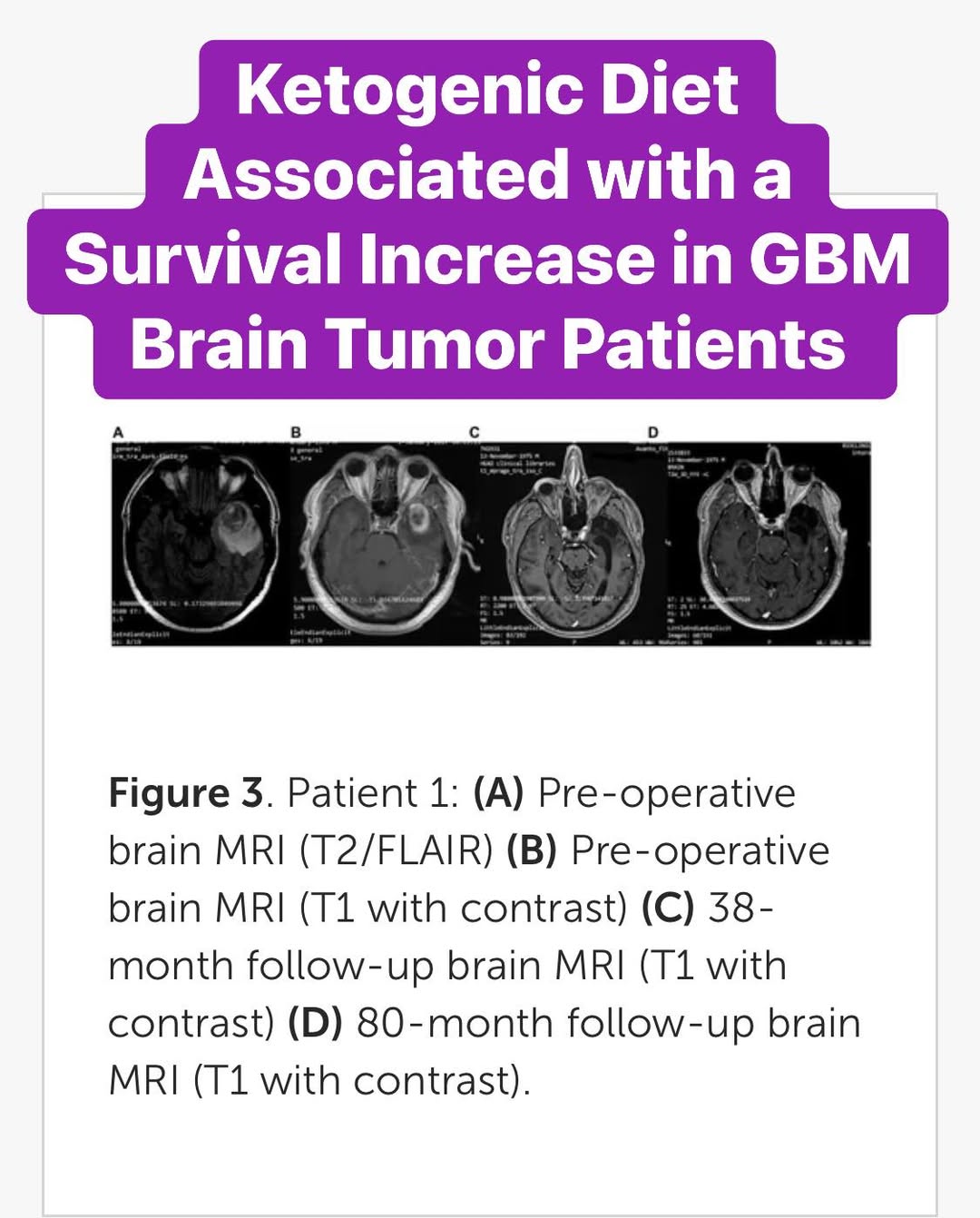
Louis shares an 18-patient observational study in glioblastoma in which patients following a ketogenic diet alongside standard treatment had much higher 3-year survival. He cautions that the study is tiny and evidence for keto in this tumor has been mixed; the shared post lists nutrient sufficiency and calorie control as key considerations.

Louis calls out keto influencer claims about the Keto-CTA study

Jun 22, 2025 · Louis Nervegna ♥ 6 · 💬 22

A short opinion post accusing keto influencers of misrepresenting the Keto-CTA study for profit, referencing a video and pointing readers to the #ketoctasummaryHD tag. No data are given in the post itself.

Keto-CTA reanalysis: plaque progression still no better than the standard American diet

Sep 06, 2025 · Louis Nervegna ♥ 5 · 💬 12 ↩ 7

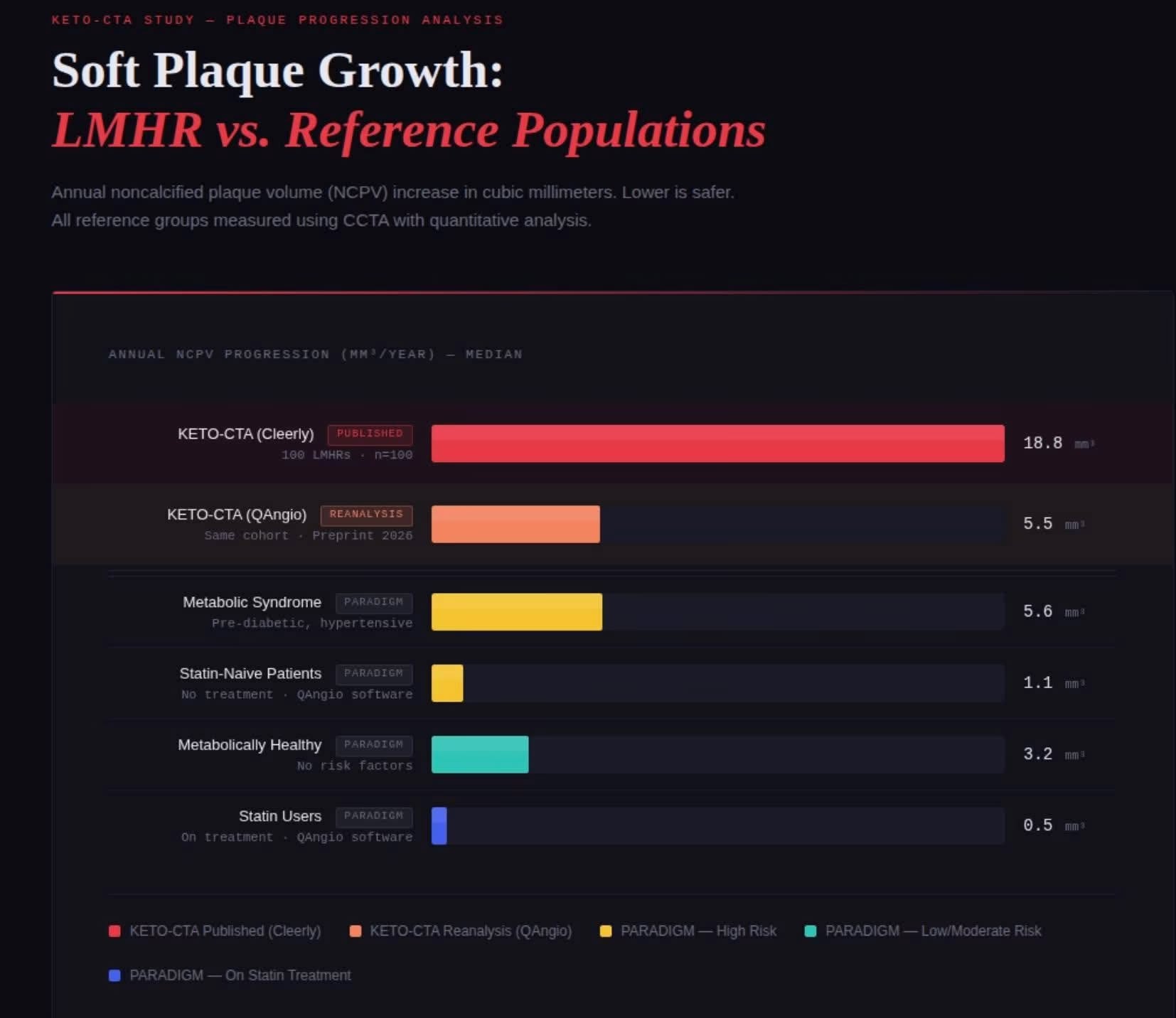
Louis compares reanalyses of the Keto-CTA (lean mass hyper-responder) study by different CT software with the Nature-CT standard American diet group. Even with QAngio and HeartFlow, progression is similar to or worse than the SAD group, and far from the regression seen on DASH plus statins in DISCO-CT.

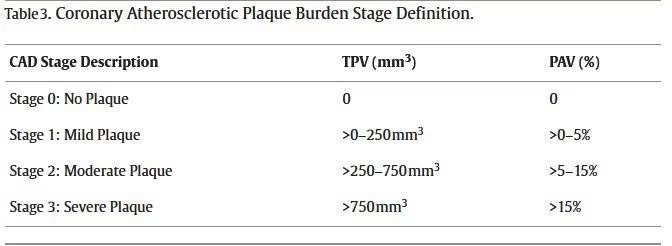
Keto-CTA (LMHR): plaque volume rose 25-100% in one year across CAC and risk subgroups

Apr 09, 2025 · Louis Nervegna ♥ 10 · 💬 6 ↩ 2 Plaque, CAC & CT angiography

Louis walks through a table from the Keto-CTA (LMHR) paper showing percent atheroma volume (PAV) changes after one year in lean, metabolically healthy people on keto with average LDL 254 mg/dL. Plaque progressed in every subgroup, with the largest relative increase among those who started with zero CAC. He also explains what PAV measures.

Why LMHR happens: starvation-like physiology in very lean people on keto raises LDL

Jul 23, 2024 · Louis Nervegna ♥ 14 · 💬 4 LDL, ApoB & lipid panel

Reposting his earlier explanation, Louis argues that the lean mass hyper-responder phenotype reflects an old starvation response: with near-zero body fat, no carbohydrate and constant ketosis, the body raises circulating LDL to deliver fat as fuel, while lowering thyroid function and sex hormones. He links to a paper showing fasting increases total cholesterol, LDL-C and apoB in healthy nonobese humans.

Why fasting insulin is very low on a carnivore diet

Aug 13, 2025 · Louis Nervegna ♥ 7 · 💬 10

Louis explains that high protein and near-zero carbs force insulin very low and glucagon high when fasting, the hormonal setting needed for gluconeogenesis, which can look like pancreatic insufficiency on labs.

Nick Norwitz's eight statements on ApoB, keto, LMHR and the J-shaped curve

Jul 23, 2024 · Louis Nervegna ♥ 10 · 💬 5 ↩ 8 LDL, ApoB & lipid panel

The poster paraphrases the final hour of a Nick Norwitz interview: ApoB is causal and necessary for atherosclerosis but not alone sufficient; lowering it lowers risk; the J-shaped LDL mortality curve disappears after correcting for confounding and reverse causality. In LMHR, a distinct physiology may change absolute risk and the benefit of lowering ApoB is still unknown.

Keto beat Mediterranean and low-fat diets on liver fat and glycemia at equal weight loss

Aug 27, 2026 · Gokhan Can ♥ 6 · 💬 8 ↩ 1

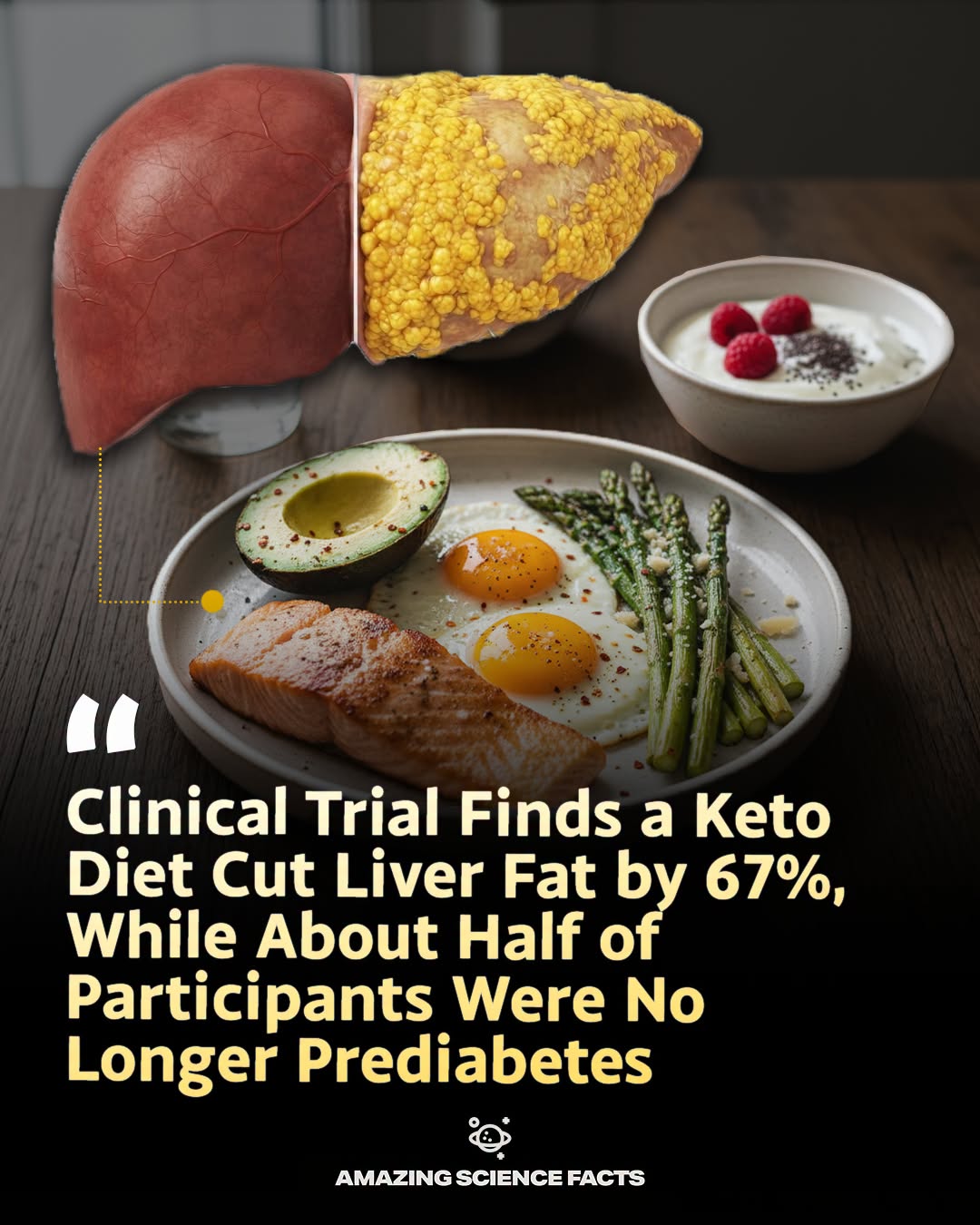
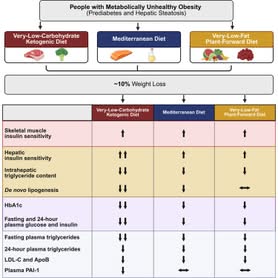
Petersen et al. (Cell Metabolism, 2026) fed 42 adults with obesity, prediabetes and fatty liver all meals in a controlled trial until ~10% weight loss. All diets improved muscle insulin sensitivity and body composition, but the very-low-carb ketogenic diet gave clearly larger improvements in liver metabolic function, intrahepatic fat and glycemic control.

Case report: rapid CAD progression after stopping statin and starting keto (LMHR)

Oct 28, 2024 · Louis Nervegna ♥ 6 · 💬 11

Louis shares a Circulation abstract describing a patient with a lean mass hyper-responder profile whose coronary disease progressed rapidly on a ketogenic diet without lipid treatment. The authors caution that people with known CAD and LMHR should be careful with popular diets and consult a provider. A single case, but a cautionary one.

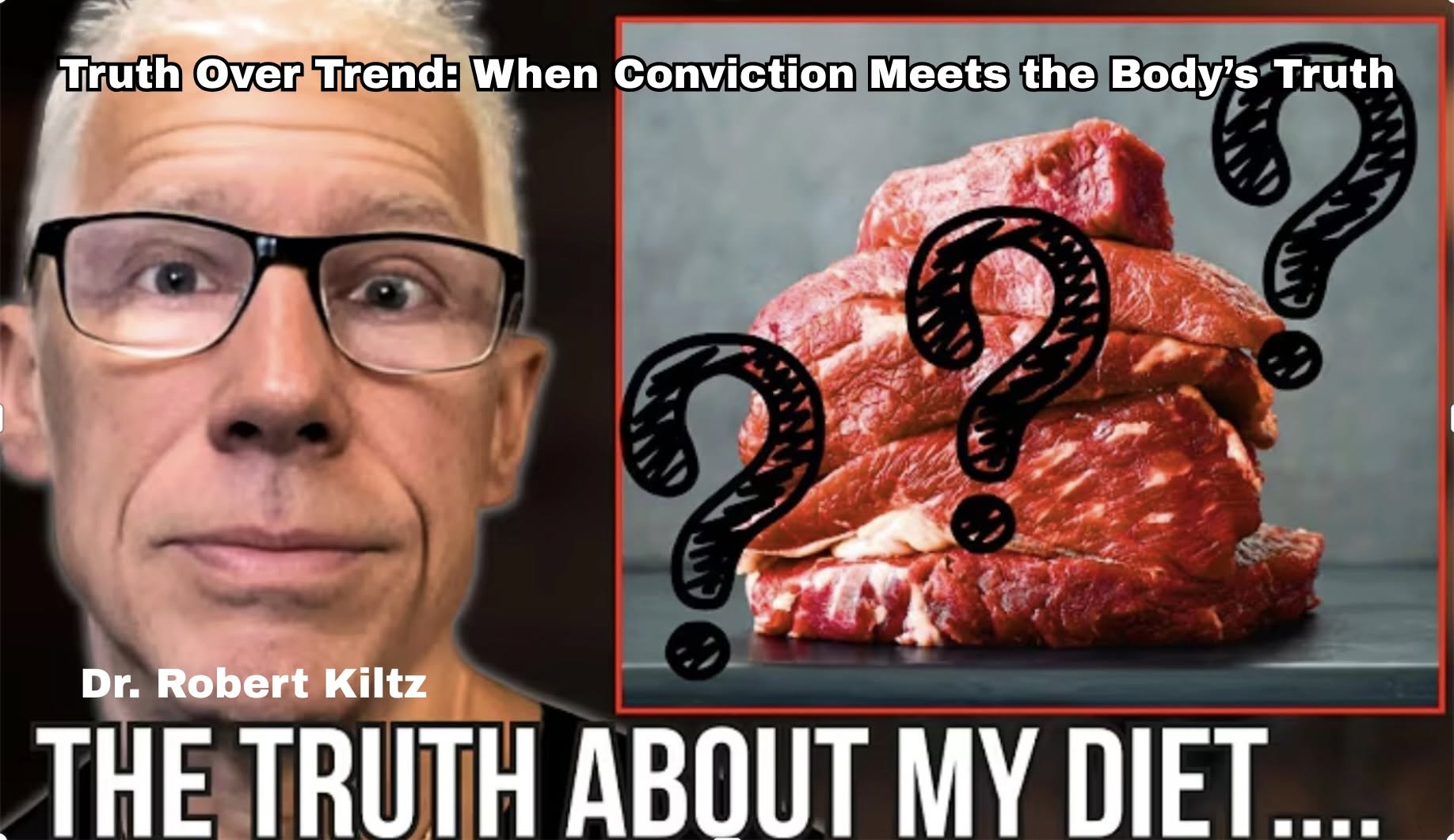
Another carnivore influencer reports worsening cardiovascular health and plaque growth

Oct 21, 2025 · Louis Nervegna ♥ 14 · 💬 7

Louis shares a post about Dr. Robert Kiltz, a long-time strict carnivore advocate who reports adding seafood and softening his message after finding cardiovascular worsening. Louis says the plaque progression is worse than some fast progressors in the Keto-CTA study; this is anecdote, not controlled evidence.

Low-carb diets lose their diabetes advantage by 12 months, trials and meta-analyses show

Nov 25, 2025 · Gokhan Can ♥ 5 · 💬 8

Argues low-carb gives better remission and HbA1c at 6 months, but the edge fades. A 2021 BMJ meta-analysis (23 RCTs) found benefit at 6 months diminishing by 12; Silverii 2020 (37 RCTs, 3,301 patients) found HbA1c differences vanishing and reversing by 24 months; a 2-year calorie-matched RCT showed identical weight loss. Concludes the benefit comes from adherence, not metabolic magic.

Strict keto can suppress thyroid function (low T3, T4 and TSH); try adding back carbs

Nov 21, 2023 · Louis Nervegna ♥ 11 · 💬 5

Louis explains that very low carb diets, especially combined with fasting and heavy exercise, can lower T3, T4 and TSH together by mimicking starvation. Mild suppression resembles healthy calorie restriction, but full hypothyroidism is a major risk factor for disease including CVD. He suggests gradually adding small amounts of whole grains, sweet potatoes or fruit to see whether thyroid function recovers. These are his mechanistic opinions without cited studies.

JAHA cohort: higher ketone body levels linked to more cardiovascular events and death

Mar 02, 2026 · Gokhan Can ♥ 9 · 💬 6

Shares a JAHA report that higher circulating ketone body levels are associated with increased cardiovascular events and mortality in a large population cohort. The admin finds it worrying for people who use keto diets therapeutically; the post does not say whether ketones came from diet, and association does not show causation.

DISCO-CT diet-plus-medication group showed plaque reversal, unlike progression in Keto-CTA

Jul 17, 2025 · Louis Nervegna ♥ 6 · 💬 6 Plaque, CAC & CT angiography

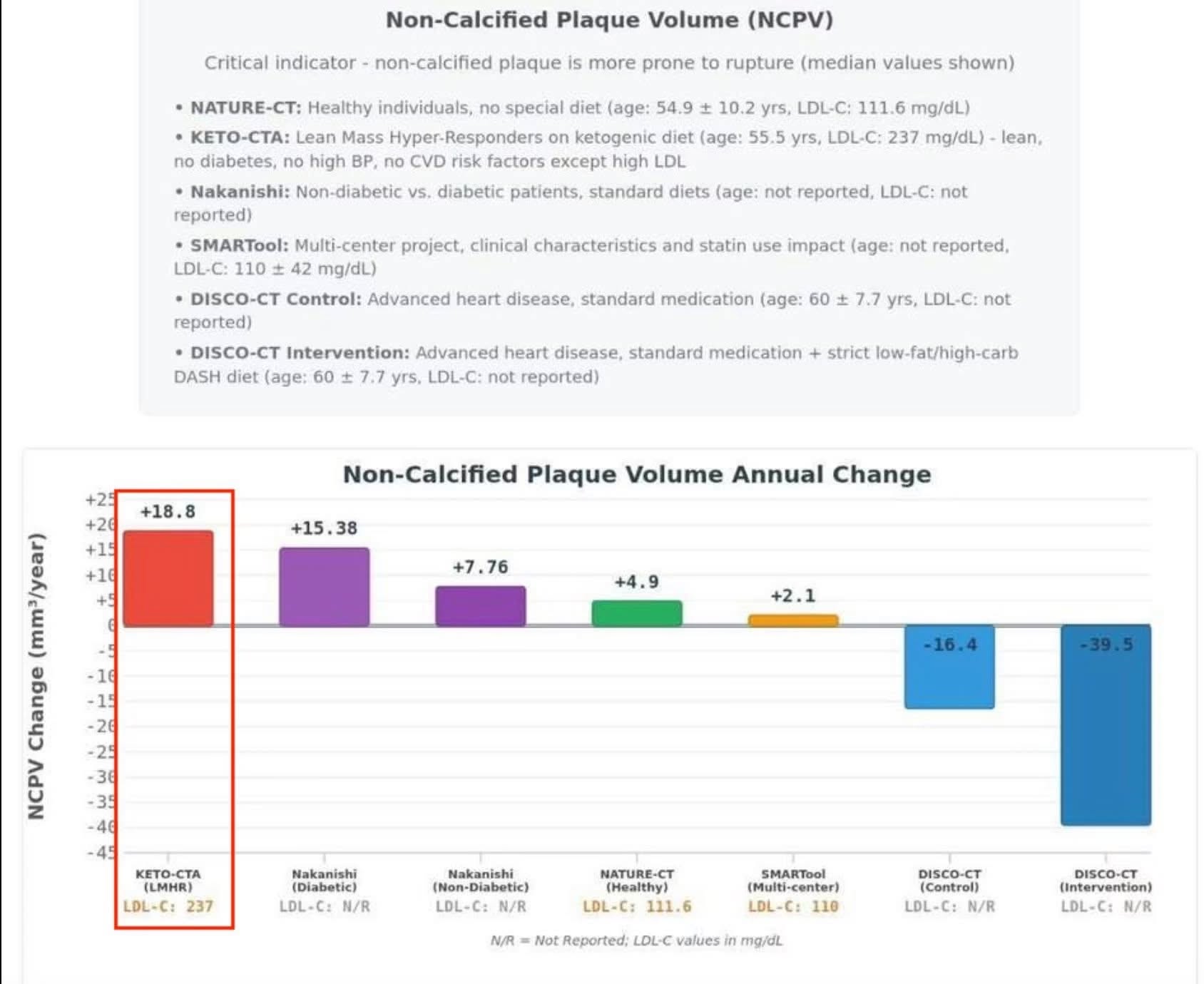
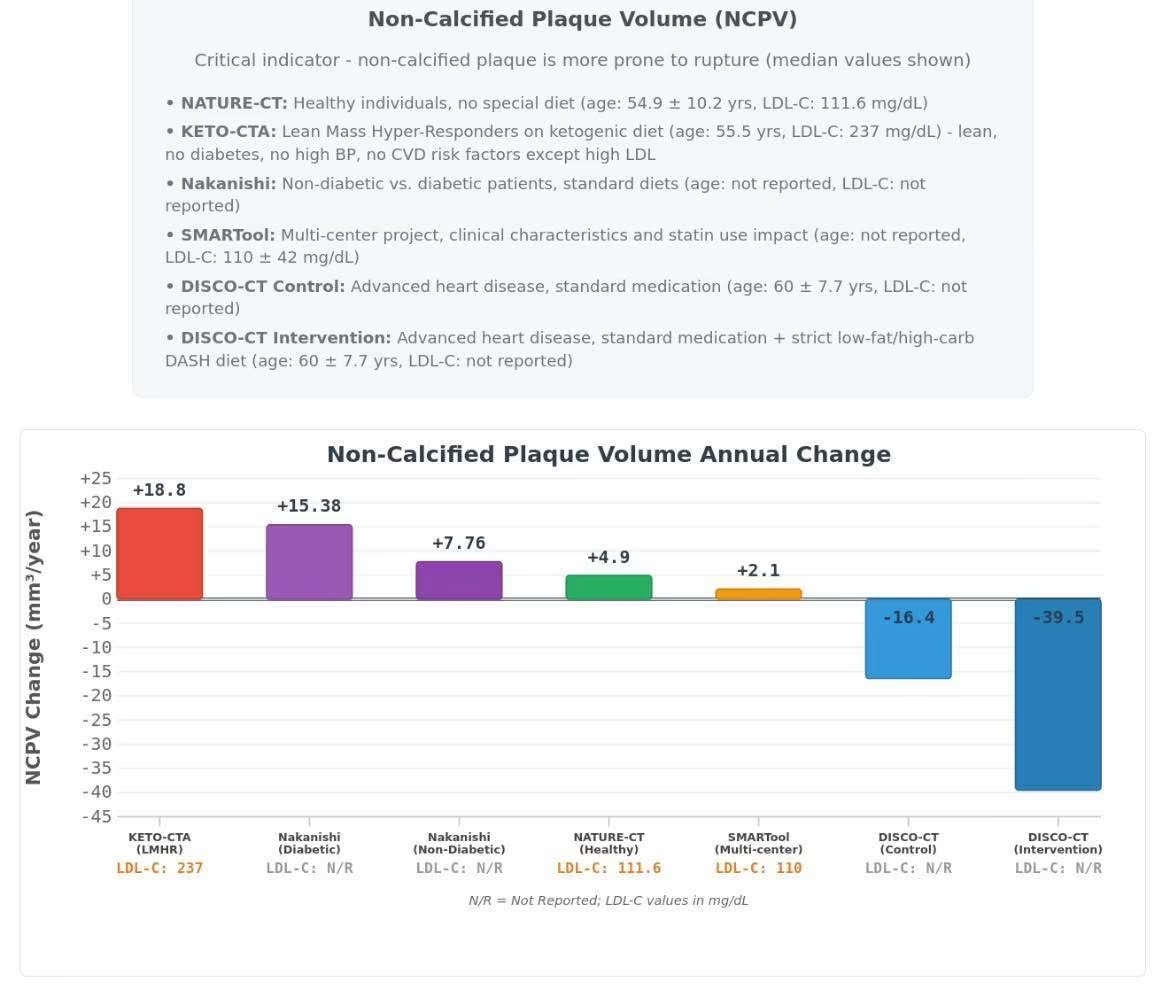
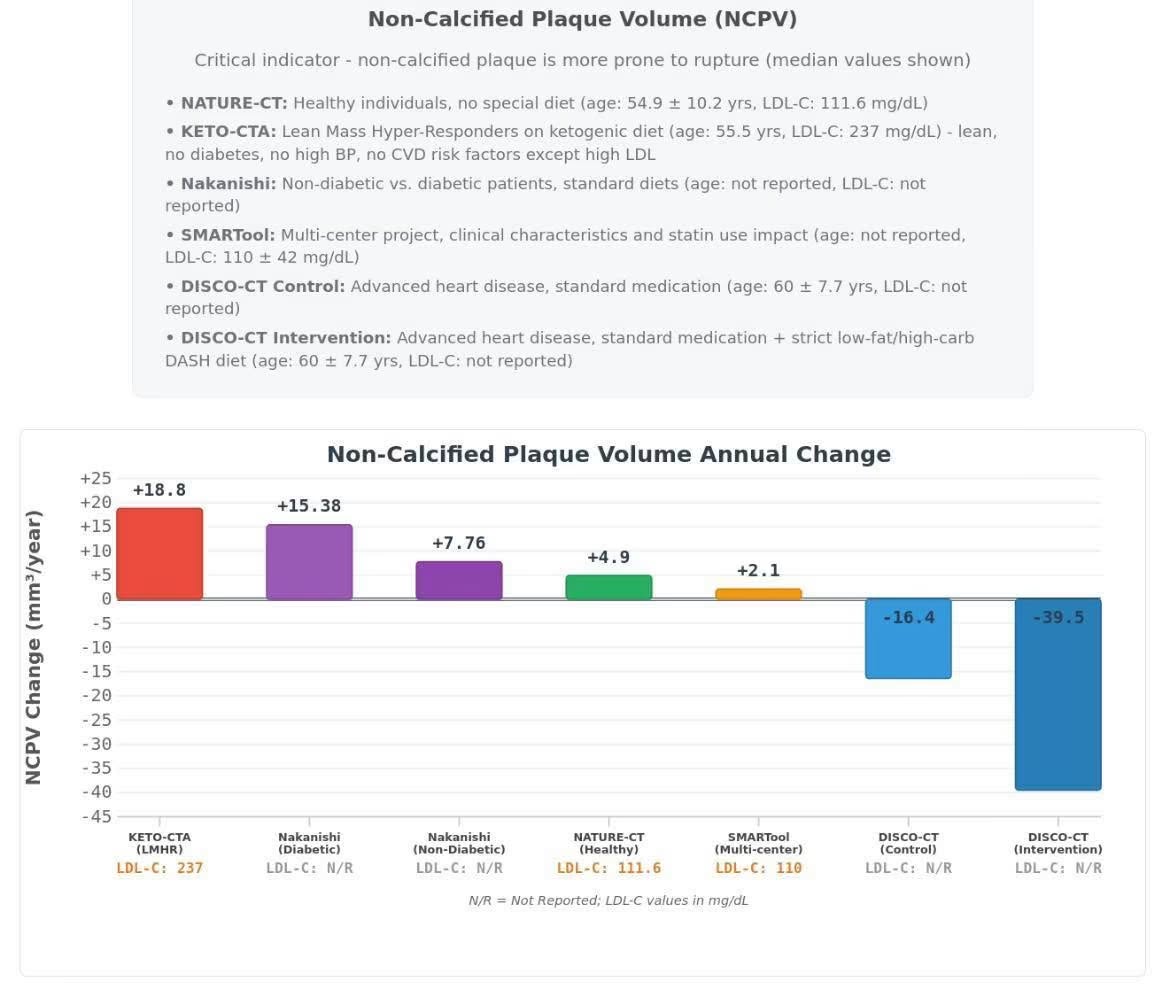
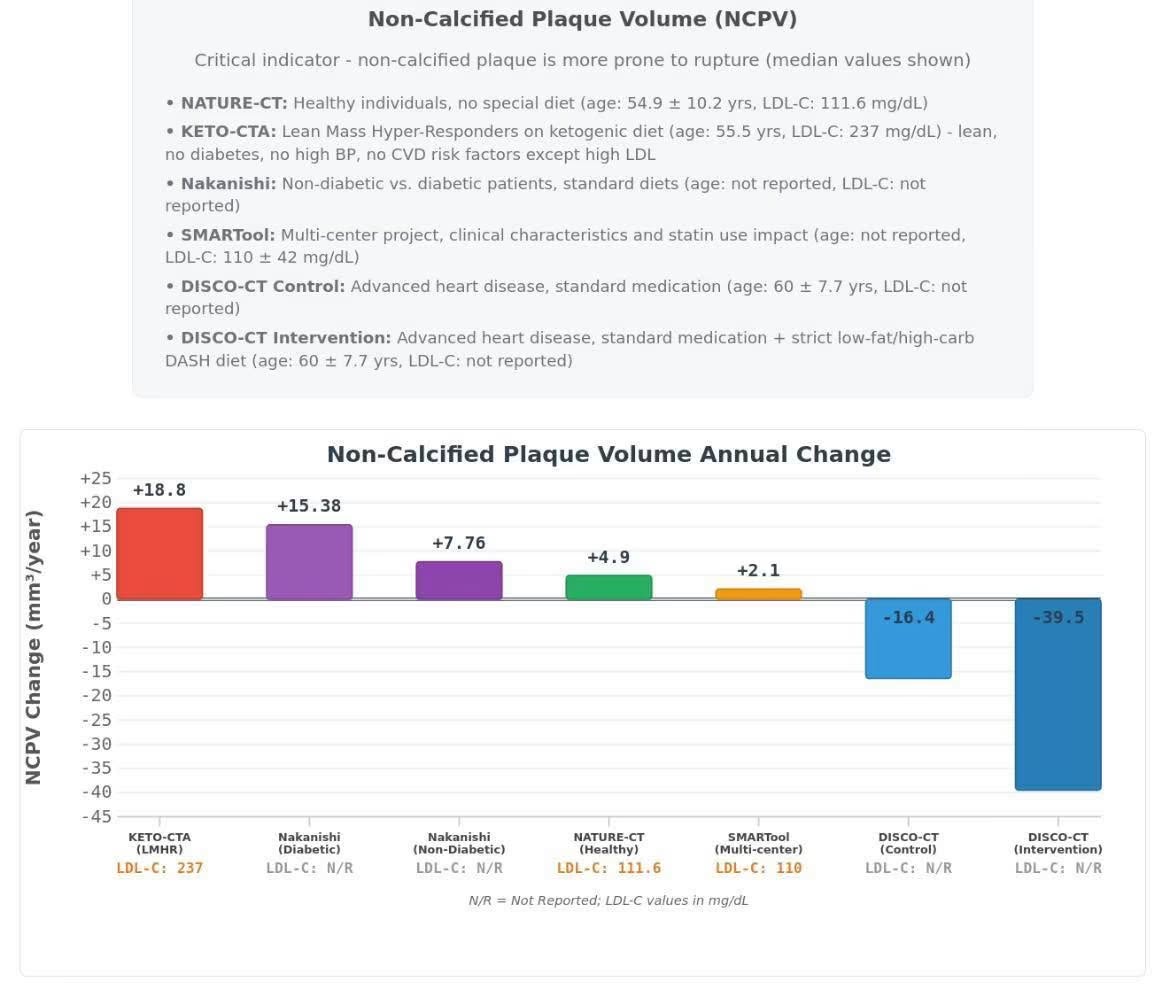
Louis shares a comparison of non-calcified plaque volume changes across several CT angiography studies. The DISCO-CT intervention group (statins, other medications and a DASH diet) showed significant plaque reversal at one year, while the Keto-CTA group of lean mass hyper-responders with LDL-C around 237 mg/dL showed progression. The linked Keto-CTA longitudinal paper is retracted per link metadata.

Staying keto while still tracking ApoB and plaque markers (shared from Dominic D'Agostino)

Aug 30, 2025 · Gokhan Can ♥ 12 · 💬 6

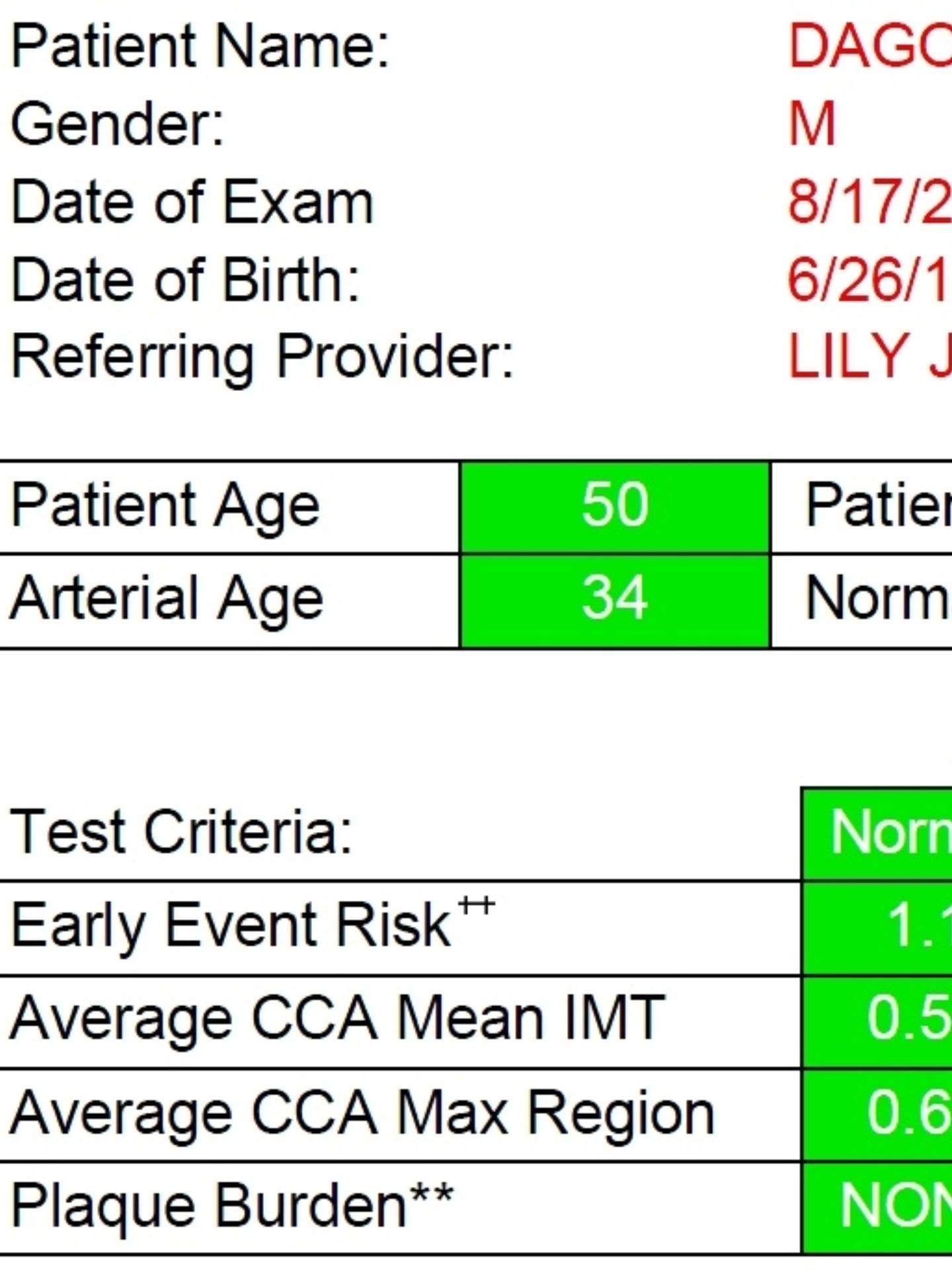
Gokhan reshares a keto practitioner's account: 15 years of keto lowered blood pressure, triglycerides, HbA1c, insulin and hsCRP but raised LDL and ApoB until ezetimibe was added. Because of high Lp(a) and a decade of very high LDL, he used a carotid IMT test instead of CTA. The message is to keep monitoring markers on keto.

Keto-CTA: metabolic health and large LDL particles gave no protection from plaque

Aug 18, 2025 · Louis Nervegna ♥ 4 · 💬 8 ↩ 2

Louis says Keto-CTA tested whether good metabolic health and large LDL particle size protect against very high LDL (average 254 mg/dL) and found no protection. Plaque progression was 3x worse than in the Nature-CT comparison group, while DISCO showed reversal with DASH plus statins.

Claude AI summary: Paleolithic humans were omnivores, not carnivores

May 14, 2024 · Louis Nervegna ♥ 11 · 💬 4

Louis uses Claude AI to summarize the totality of evidence on whether Paleolithic humans were carnivores, as a quick fact check on influencer claims. The summary cites coprolites with plant remains, grinding stones, dental and skeletal adaptations, stable isotope data and hunter-gatherer ethnography, concluding they were omnivores. No specific papers are cited, and it is an AI-generated overview.

Hot dogs are not health food: processed meat has among the worst hazard ratios of any food

Oct 27, 2025 · Louis Nervegna ♥ 11 · 💬 6 Meat, eggs & dairy

Louis mocks a carnivore influencer's claim that hot dogs are healthy, noting the omission that they are high in nitrosamines (including 'natural' celery-juice-cured ones), which are likely carcinogenic and linked by him to atherosclerosis and diabetes. He backs the point with Harvard Chan School pages on processed meat, ultra-processed foods and the WHO carcinogenicity finding.

Keto influencer with LDL near 500 mg/dL discovers isoleucine restriction (Lamming work)

Oct 18, 2025 · Louis Nervegna ♥ 7 · 💬 6 ↩ 3 Protein

Louis comments on a Nick Norwitz video in which a ketovore diet, whose LDL reached 500 mg/dL, is paired with isoleucine restriction. He explains Dudley Lamming's research showing isoleucine restriction extends HET3 mouse lifespan 33% and promotes weight loss, noting animal protein is high in isoleucine and whole plant protein is naturally low. The attachment mentions human data on protein restriction raising energy expenditure via FGF21 (Nature Metabolism).

Keto trial showed worse plaque progression; DASH plus statins regressed plaque

Oct 05, 2025 · Louis Nervegna ♥ 13 · 💬 3 Plaque, CAC & CT angiography

Louis rebuts a keto influencer who cherry-picked a single CT image that looked like regression, arguing the study as a whole showed more plaque progression than a standard American diet. He contrasts it with the Disco-CT trial, where a DASH diet plus statins produced average regression equal to about 8 years of progression reversed in one year.

After reanalysis, Keto-CTA plaque growth still matches untreated metabolic syndrome

Mar 02, 2026 · Louis Nervegna ♥ 9 · 💬 4 ↩ 4

Louis argues the reanalyzed Keto-CTA plaque growth in the lean mass hyper-responder cohort is still as bad as that of people with untreated metabolic syndrome and prediabetes on a standard diet in the PARADIGM study, moving from 'horrible' to 'just plain bad'. PARADIGM used the same QAngio software as the reanalysis.

Carnivore influencer's CAC rose from 700 to 800 after 15 years

Oct 27, 2025 · Louis Nervegna ♥ 11 · 💬 5

Louis shares a post about Dr. Robert Kiltz, who after 15 years on a strict carnivore diet reported significant blockage in three coronary arteries, CAC up from 700 to 800, and colitis. It is an anecdote.

Why a cross-sectional NHANES keto mortality study sits low on the evidence hierarchy

Jan 24, 2025 · Louis Nervegna ♥ 8 · 💬 4

Louis comments on a Scientific Reports NHANES study (43,776 adults, 2001-2018) suggesting a ketogenic diet may lower all-cause mortality without raising CVD mortality. He explains cross-sectional studies capture one snapshot and are only hypothesis-generating. Quality nutrition evidence comes from prospective cohorts and RCTs.

Optimal diets vary: Mediterranean first, with individualized low-carb or low-fat options

Jun 30, 2024 · Gokhan Can ♥ 14 · 💬 2 Mediterranean, DASH, MIND & plant-forward diets

Gokhan says no scientist can tell you the single best diet. The Mediterranean diet has the strongest evidence for average people, while those with insulin resistance may try low-carb or low-fat vegan diets. Dietary saturated fat can raise cholesterol sharply in some people, and monitoring weight, blood markers and blood pressure matters more than the specific diet.

CARDIA: low-carb diets in young adults tied to more coronary calcium if animal-based

Dec 01, 2025 · Gokhan Can ♥ 3 · 💬 7

Posts the abstract of a CARDIA analysis of 2,226 participants (mean age 40.4) followed 8.3 years. Higher carbohydrate intake was inversely associated with CAC progression (HR 0.731); an animal-based low-carb score predicted higher progression (HR 1.456) but a plant-based score did not (HR 1.016). 26.5% had CAC progression.

Keto-CTA plaque progression vs plaque regression on Repatha in Budoff's other study

Apr 09, 2025 · Louis Nervegna ♥ 8 · 💬 2 Plaque, CAC & CT angiography

Louis compares non-calcified plaque volume (NCPV) changes in the Keto-CTA (LMHR) study with a second Matthew Budoff study in higher-risk people whose LDL was lowered to about 30 mg/dL with the PCSK9 inhibitor Repatha. The lean, healthy keto group with LDL 254 mg/dL progressed, while the hypertensive, higher-risk Repatha group mostly showed major regression. He also notes that uL and mm^3 are the same unit when comparing NCPV across studies.
KETO-CTA: why Louis thinks the flawed paper should stay published

May 30, 2025 · Louis Nervegna ♥ 11 · 💬 1

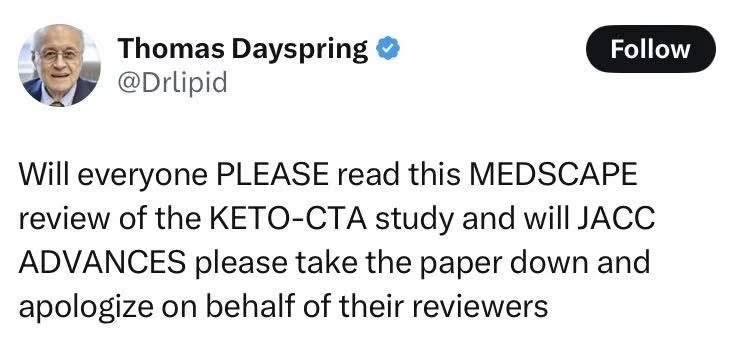
Louis responds to the KETO-CTA controversy, saying the paper should not be retracted because the data are valuable and public. He thinks criticism targeted the write-up, not the methodology, and that it is the only CT-angiography study on lean, metabolically healthy keto and carnivore dieters.

Keto-CTA hyper-responders progressed soft plaque 3.8x faster than Nature-CT controls

Apr 18, 2025 · Louis Nervegna ♥ 5 · 💬 1 Plaque, CAC & CT angiography

Louis compares Keto-CTA (keto diet, LMHR) with the Nature-CT study, both from Budoff's UCLA group using CCTA and Cleerly software, with similar age (~55), no diabetes and no statins. After one year non-calcified plaque volume rose 18.8 mm3 in LMHR versus 4.9 mm3 in the Nature-CT standard-diet group. Budoff reportedly agrees it is a good comparison and plans a paper comparing them.

Orthopedic surgeon on carnivore warns followers not to ignore high LDL

Jun 09, 2024 · Louis Nervegna ♥ 6 · 💬 3

Louis shares a video of a doctor who lost 43 lbs on a carnivore diet but urges others on keto or carnivore diets to keep monitoring LDL cholesterol, particularly with a family history of heart disease. He says the diet is physiologically extreme and that the long-term risks are unknown.
Letter to JACC: Keto-CTA omitted pre-specified outcome, a 43% rise in non-calcified plaque

Apr 21, 2025 · Louis Nervegna ♥ 4 · 💬 1 Plaque, CAC & CT angiography

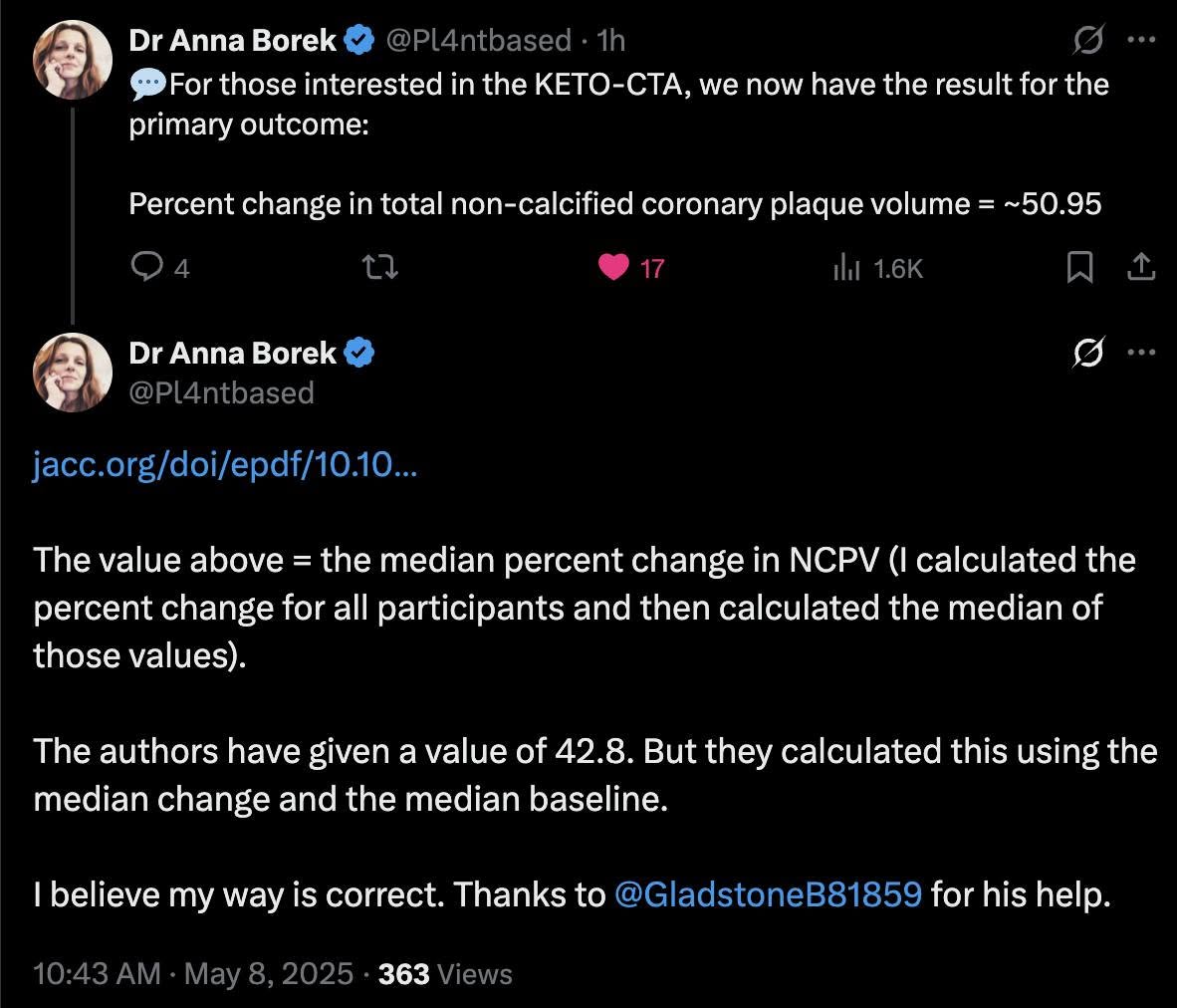
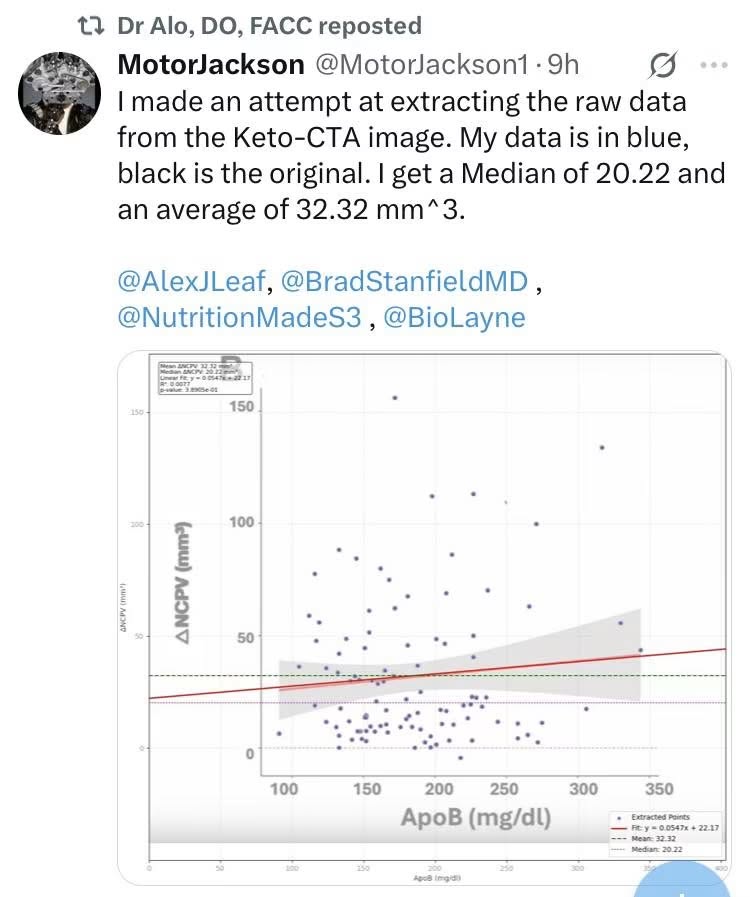
Louis shares a letter to the editor critiquing the Keto-CTA study of lean mass hyper-responders. It argues the primary outcome (non-calcified plaque volume) was not reported in the paper, but the lead author later shared a median increase of 18.8 mm3 (~43%), several-fold above normal annual progression and in contrast to regression seen in DISCO-CT. The 0.8% rise in percent atheroma volume also exceeds typical annual change in PARADIGM.
Keto-CTA plaque growth matched diabetics' and far exceeded high-risk statin-treated groups

Apr 16, 2025 · Louis Nervegna ♥ 4 · 💬 1 Plaque, CAC & CT angiography

Louis quotes an analysis of the Keto-CTA trial putting its plaque progression in context: median non-calcified plaque rose 18.8 mm3 in one year, comparable to type 2 diabetics (~17.4 mm3/yr), about triple PARADIGM metabolically normal people, and nearly 3x SMARTool high-risk non-statin users (6.4 mm3/yr). PAV rose 0.8% overall and 2.4% in those with CAC over 100.

Scurvy can occur on a carnivore diet, as a case report of canned-beef eating shows

Mar 29, 2025 · Louis Nervegna ♥ 4 · 💬 2

Louis cites a case report showing that a man eating only canned beef and other cooked foods with minimal fresh produce developed classic scurvy. He recovered within weeks on vitamin C 500 mg twice daily. Louis argues that vitamin C needs vary and that fresh meat's vitamin C may not suffice for everyone.

Keto-CTA omitted its primary plaque outcome: median NCPV rose 18.8 mm3, 2.5x forecast

Apr 13, 2025 · Louis Nervegna ♥ 6 Plaque, CAC & CT angiography

Louis quotes Alex Leaf's critique: the Keto-CTA paper barely mentioned non-calcified plaque volume (NCPV), the primary outcome, saying only 'most participants presented with stable NCPV'. The lead author later gave a median increase of 18.8 mm3, over 2.5x the 7 mm3 predicted, comparable to metabolic syndrome over 3 years or type 2 diabetes per year, and nearly 3x SMARTool high-risk non-statin users.

Keto may beat Mediterranean on blood sugar, weight and waist, but only short term

Jan 13, 2025 · Gokhan Can ♥ 3 · 💬 2

Gokhan comments that keto-like diets work amazingly well short term but often stop working as cheating and adherence problems accumulate, linking a report comparing keto and Mediterranean diets. It found keto improved blood sugar, gut microbiota, BMI and waist circumference more, but only in the short term.

High-carb diet raised insulin yet people ate 689 fewer calories a day in an NIH ward study

Nov 02, 2026 · Louis Nervegna ♥ 0 · 💬 3 Insulin resistance & diabetes

Louis shares a post arguing that normal insulin spikes from healthy carbohydrate do not drive hunger or overeating. In a controlled NIH study, 20 adults lived in a research facility on a high-carb low-fat diet (about 75% carbohydrate) and a ketogenic diet (about 10% carbohydrate) for two weeks each. Despite higher glucose and insulin, they ate an average of 689 fewer calories per day on the high-carb diet, contradicting the carbohydrate-insulin model's prediction, although the diets differed in other ways.

Keto-CTA vs DISCO-CT: plaque progression on keto in LMHR versus DASH diet plus statins

Oct 25, 2026 · Louis Nervegna ♥ 3

A comparison of the KETO-CTA and DISCO-CT trials. The original 2025 JACC Advances KETO-CTA paper in lean mass hyper-responders was retracted over concerns about the Cleerly plaque software. It reported non-calcified plaque progression of 18.8 mm3 in a year versus about 5 mm3 typical of unmedicated Western populations, and re-analysis with HeartFlow and QAngio gave different values.

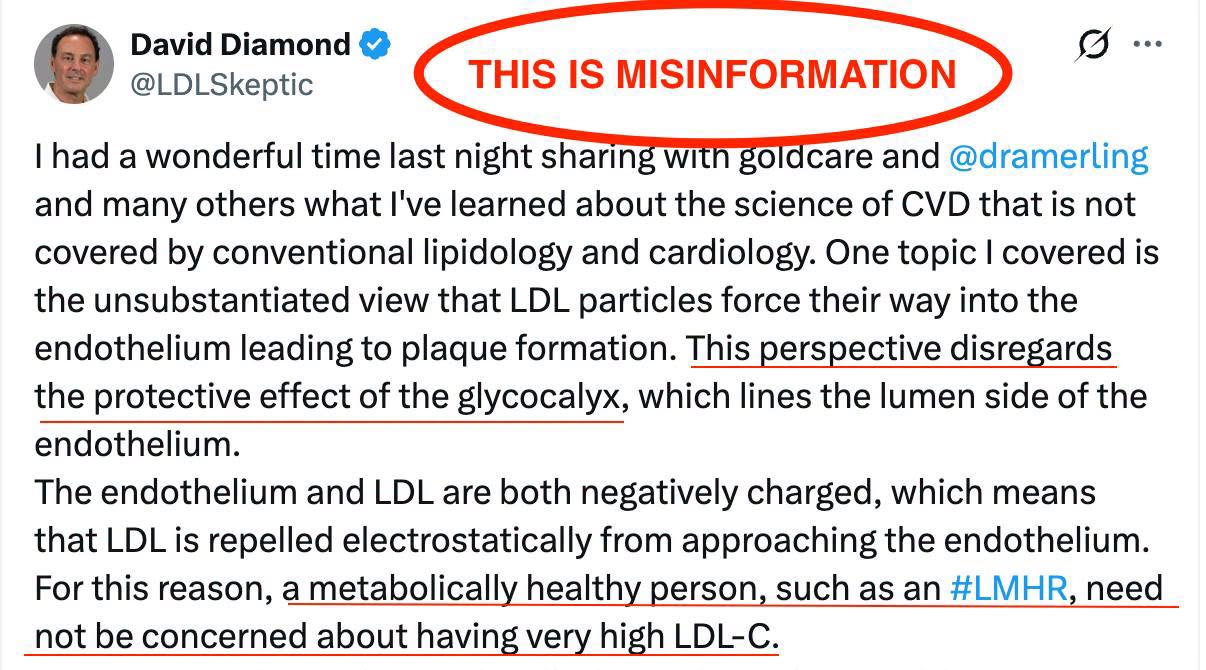
A healthy glycocalyx does not protect against high LDL/ApoB, despite keto-carnivore claims

Oct 28, 2026 · Louis Nervegna ♥ 1 Blood vessels, circulation & endothelium

A shared post rebuts the argument, popular among keto and carnivore advocates, that metabolically healthy people with very high LDL/apoB are shielded by their endothelial glycocalyx. It explains what the glycocalyx is and why its protection has limits. Louis recommends it as a good discussion of the endothelium and its limits in protecting against CVD.