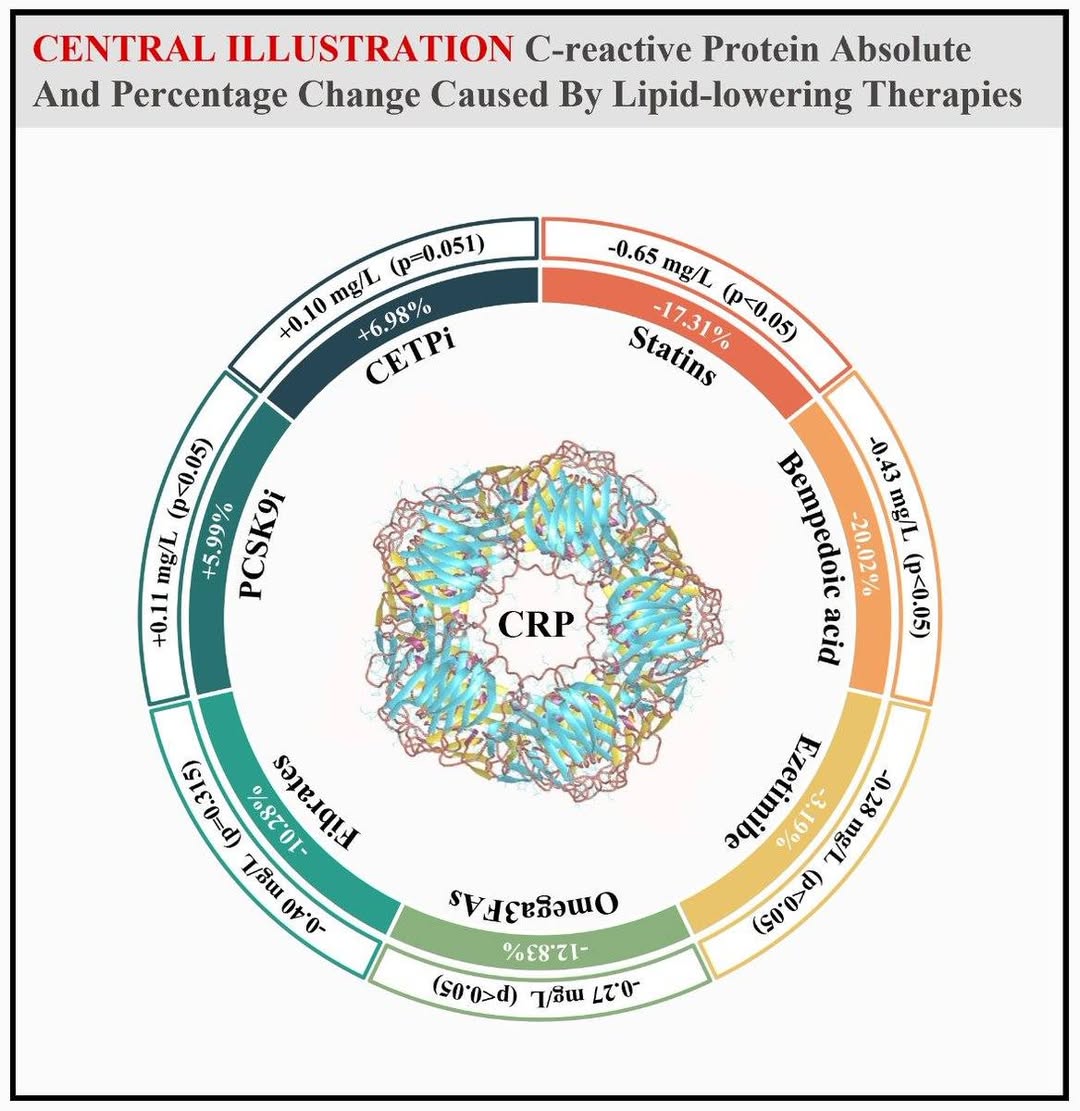
Statins, bempedoic acid, ezetimibe, fibrates and PCSK9 inhibitors all lower hsCRP
Louis summarizes meta-analysis data on average hsCRP reductions from lipid-lowering drugs, noting part of the effect is that high LDL itself is inflammatory.
5 posts
Louis summarizes meta-analysis data on average hsCRP reductions from lipid-lowering drugs, noting part of the effect is that high LDL itself is inflammatory.
Louis explains low HDL usually stems from insulin resistance and visceral fat. Losing visceral fat and replacing refined carbs with healthy fats raises it. A shared post argues randomized trials suggest HDL/ApoA-1 itself is unlikely a major causal driver.
Louis reviews why HDL or ApoA-I is probably not causal for heart disease. CETP inhibitor trials failed (ILLUMINATE with torcetrapib was stopped for harm; dal-OUTCOMES with dalcetrapib and ACCELERATE with evacetrapib showed no benefit), as did fibrate and niacin trials and CSL112 infusions, and Mendelian randomization agrees. He proposes HDL and ApoA-I mainly act as a proxy for insulin sensitivity, which is the real causal factor.
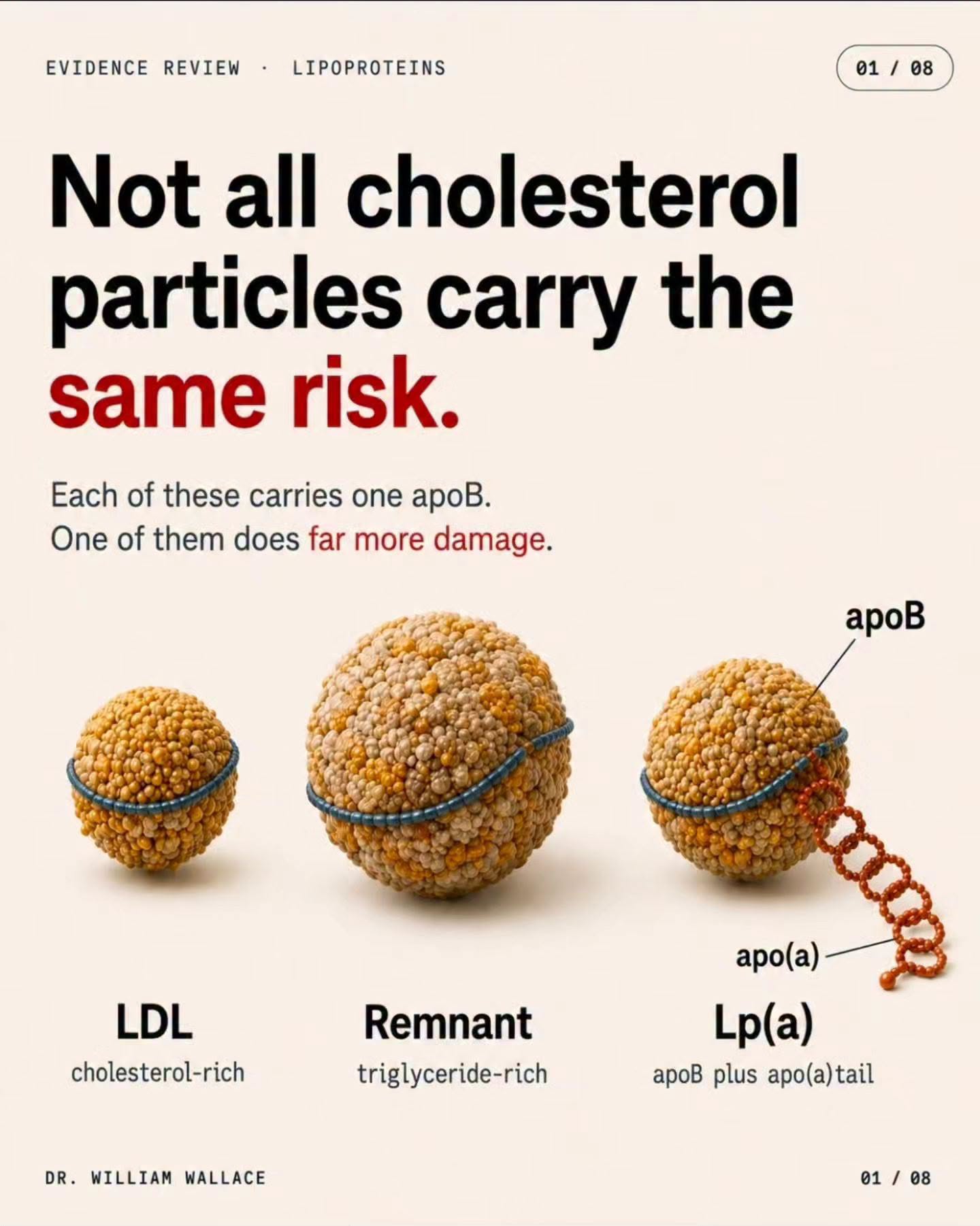
Louis shares graphics explaining Lp(a). It is an LDL-like particle that is genetically set, affects about one in five people, and is not lowered by statins, ezetimibe, fibrates or fish oil. New drugs lower it by 80-99%, but benefit on outcomes was not yet shown.
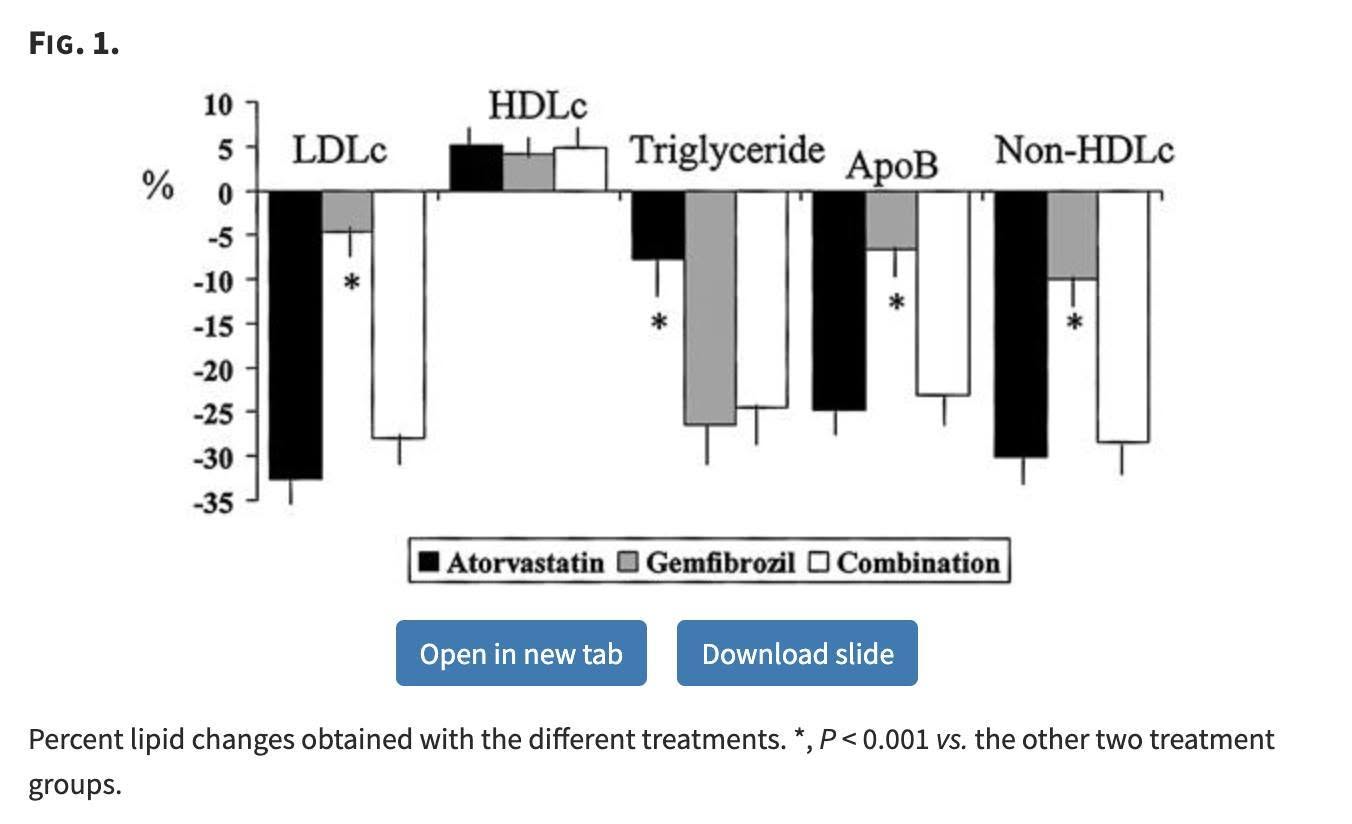
Brief overview of fibrates (fenofibrate, gemfibrozil), PPAR-alpha agonists that lower triglycerides, raise HDL and have anti-inflammatory effects. Meta-analyses and real-world data suggest a role for CVD risk reduction in people with metabolic syndrome, especially high triglycerides and low HDL. A 2020 review notes that several RCTs did not show clear benefit overall.