HD-OPM Archive
Topics › Cholesterol & lipid-lowering

Lp(a)

85 posts (67 primarily about this topic) · 20 reposts and set-aside posts not shown

Start here — the best posts in this topic

  1. Lp(a) carries LDL cholesterol, so LDL-C on a lab report includes Lp(a) cholesterol ↩ 3 · Jun 14, 2025
  2. Lp(a) carries LDL cholesterol, so lab LDL-C includes cholesterol from Lp(a) particles Oct 10, 2025
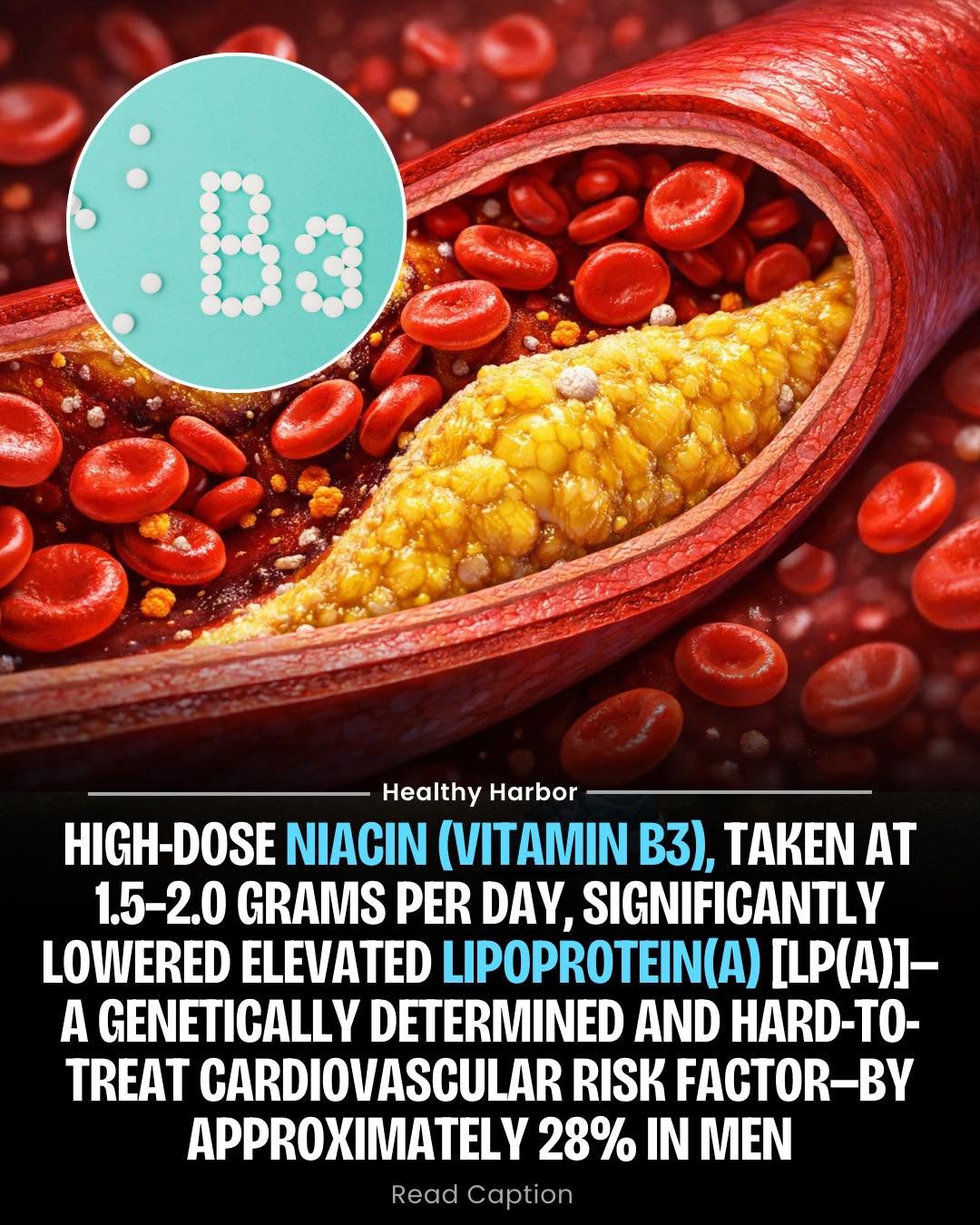
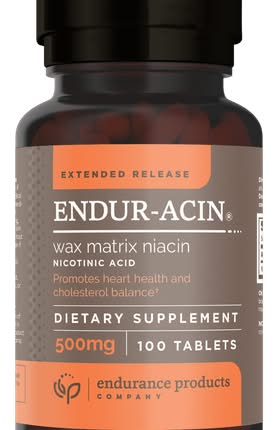
  3. Niacin can cut Lp(a) (one member saw 40% with 1500 mg) but has no outcome proof Jan 19, 2024
  4. No trial shows PCSK9 inhibitor monotherapy cuts heart attacks; HORIZON undermines Lp(a) ↩ 1 · Oct 31, 2026
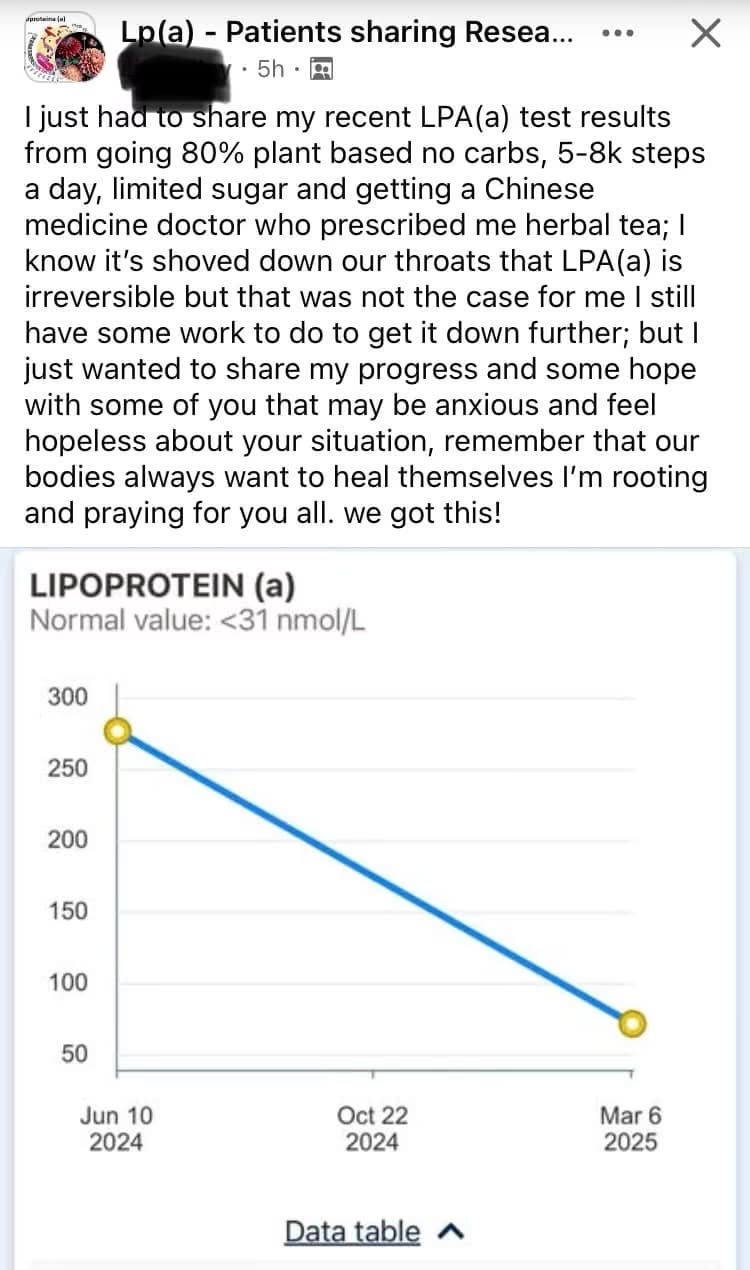
  5. Anecdote: large Lp(a) drop reported after diet and lifestyle changes, possibly a lab error Mar 14, 2025
  6. Novartis Lp(a)HORIZON: pelacarsen failed to reduce heart attacks and strokes Sep 04, 2026
  7. Statins raise Lp(a) 5-20% yet still cut heart attack and stroke, including with high Lp(a) Jan 21, 2025
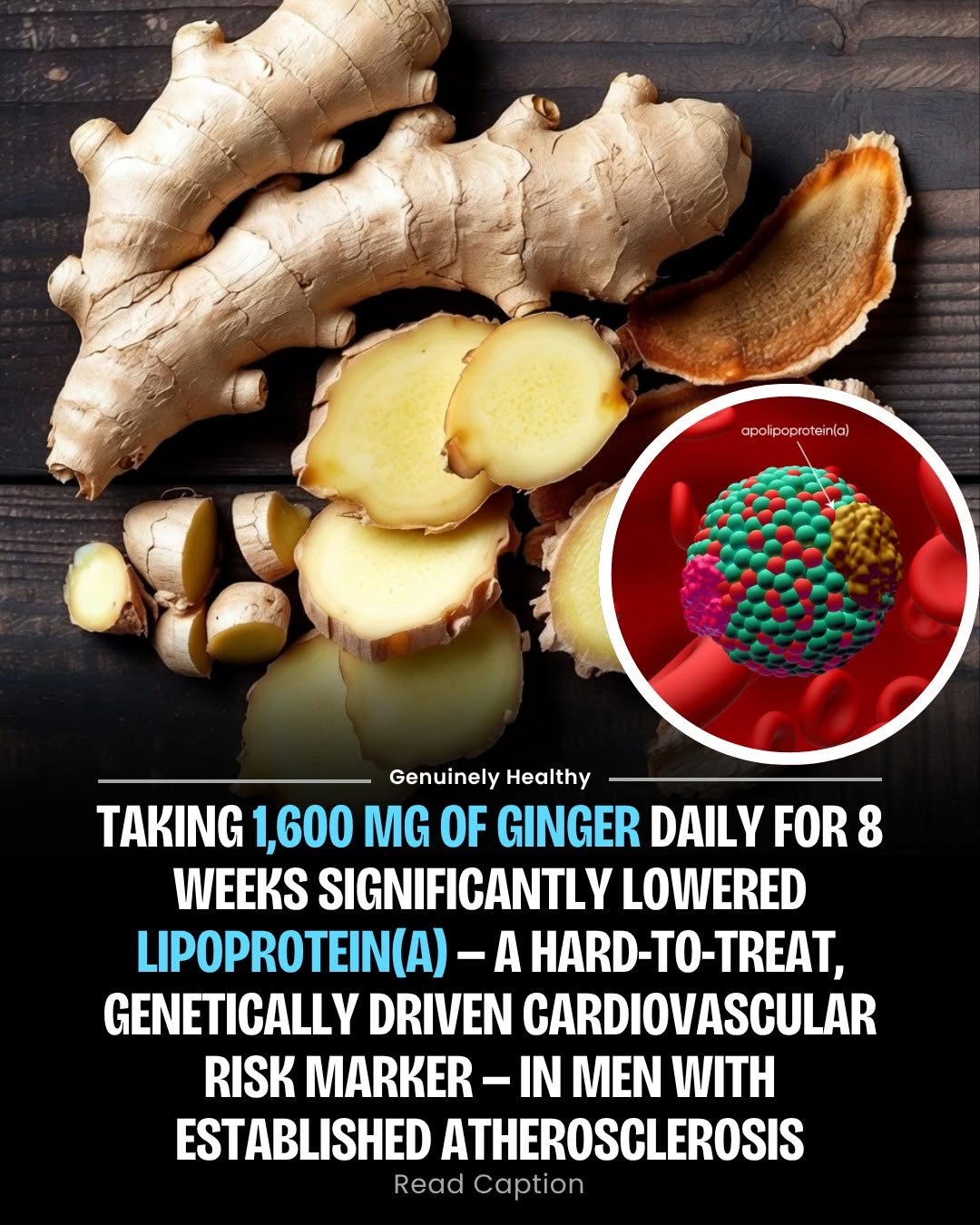
  8. Ginger 1,600 mg/day for 8 weeks lowered Lp(a), hsCRP and fasting glucose in a small RCT Apr 28, 2026
#lpa 58#horizon 15#statins 13#pelacarsen 10#ldl 9#apob 9#cholesterol 9#cac 8#niacin 7#mesa 7#cardiovascular 7#vitaminb3 6#statinslpa 6#crp 6#riskfactors 6#oxpl 6#lpaldl 5#pcsk9 5#cac100 5#ldlc 4#prevent 4#cardiology 4#heartattack 4#visceralfat 4#inflammation 4#guidelines 3#novartis 3#aha 3#calculator 3#triglycerides 3#joelkahn 3#heartdisease 3#prevention 3#genetics 3#calcium 3#plaque 3#zeus 3#stroke 3#lpasummary 2#glucose 2

Lp(a) carries LDL cholesterol, so LDL-C on a lab report includes Lp(a) cholesterol

Jun 14, 2025 · Louis Nervegna ♥ 25 · 💬 49 ↩ 3

Louis explains with a boats-and-cargo analogy that Lp(a) particles carry LDL cholesterol just as LDL particles do, so LDL-C counts cholesterol from both. In people with very high Lp(a), a significant part of reported LDL-C actually comes from Lp(a). He adds that Lp(a) seems dangerous partly because it deposits LDL cholesterol into artery walls.
Lp(a) carries LDL cholesterol, so lab LDL-C includes cholesterol from Lp(a) particles

Oct 10, 2025 · Louis Nervegna ♥ 37 · 💬 23

Louis explains that Lp(a) particles are 'boats' carrying the same LDL cholesterol 'cargo' as LDL particles, so a lab LDL-C value includes cholesterol carried by Lp(a); in people with very high Lp(a), a significant portion of LDL-C comes from Lp(a). Lp(a)'s sticky apo(a) protein deposits cholesterol in artery walls and is prothrombotic.

Niacin can cut Lp(a) (one member saw 40% with 1500 mg) but has no outcome proof

Jan 19, 2024 · Louis Nervegna ♥ 15 · 💬 37

Louis explains niacin can be effective at lowering Lp(a) and is still used by some cardiologists, with one group member reporting a 40% Lp(a) drop on 1500 mg. He gives tips for reducing the harmless flush and explains sustained-release formulations. He warns niacin has not been shown in large RCTs to reduce heart attacks, strokes or mortality, and two large trials found no added benefit on top of high-dose statins but more side effects.

No trial shows PCSK9 inhibitor monotherapy cuts heart attacks; HORIZON undermines Lp(a)

Oct 31, 2026 · Louis Nervegna ♥ 16 · 💬 32 ↩ 1 PCSK9, ezetimibe & newer drugs

Louis argues guidelines recommend against PCSK9 inhibitor monotherapy as first-line primary prevention because no randomized trial shows it lowers heart attacks, strokes or CVD mortality. He adds that the HORIZON trial massively lowered Lp(a) but had no effect on MACE, so people on PCSK9i mainly to lower Lp(a) should revisit that choice, since statins or statins plus PCSK9i are proven even with high Lp(a).

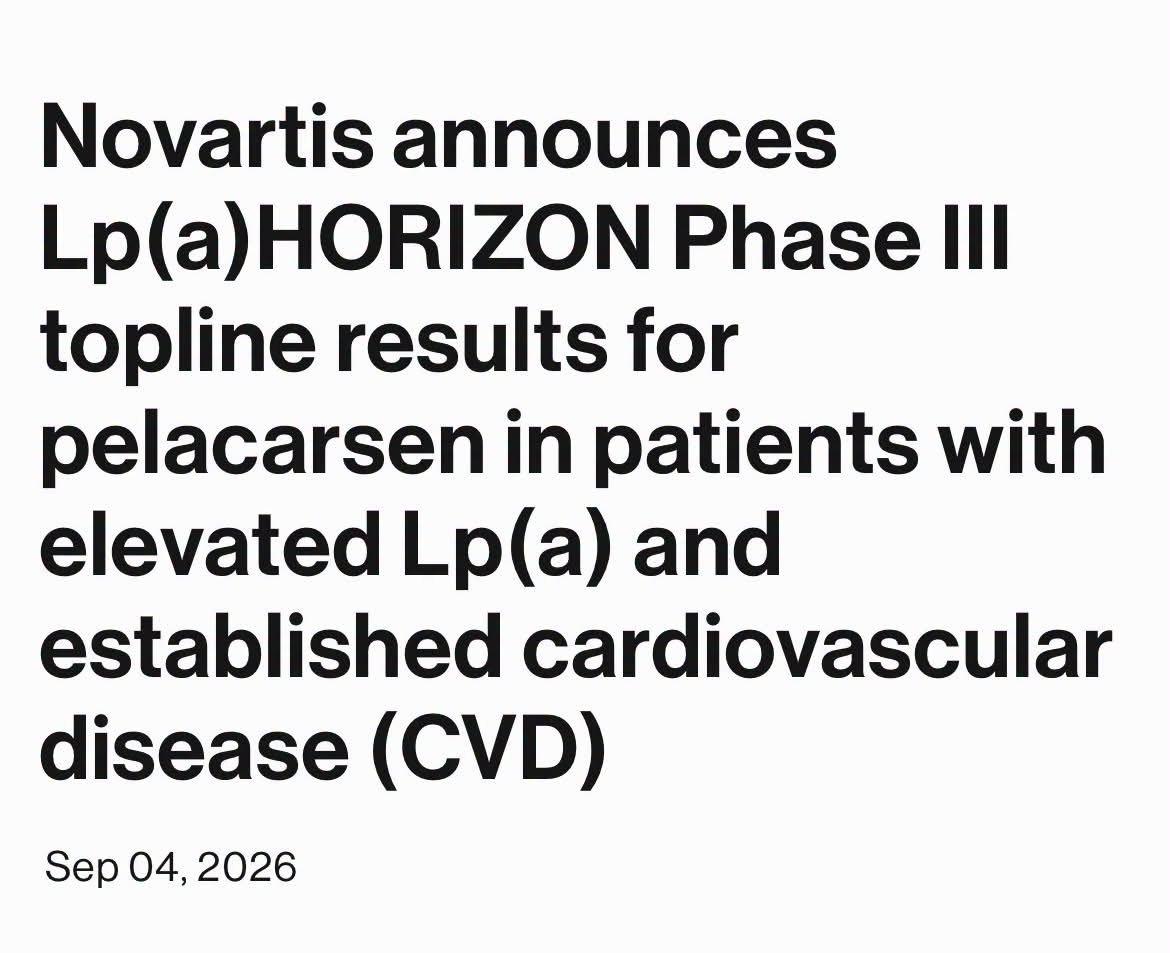
Novartis Lp(a)HORIZON: pelacarsen failed to reduce heart attacks and strokes

Sep 04, 2026 · Louis Nervegna ♥ 20 · 💬 24

Louis shares the first outcome-trial result for an Lp(a)-lowering drug: topline data from Novartis say pelacarsen lowered Lp(a) but did not show reduced cardiovascular risk overall. He says the result seriously questions whether Lp(a) is directly causal, noting only a press announcement is available so far.

Statins raise Lp(a) 5-20% yet still cut heart attack and stroke, including with high Lp(a)

Jan 21, 2025 · Louis Nervegna ♥ 16 · 💬 22

Louis cites meta-analyses showing statins can raise Lp(a) by 5-20%, and a video of Stanford's Joshua Knowles explaining this is clinically unimportant and that statins are an important part of treating genetically high Lp(a). Across 25 statin trials, lowering LDL by about 75 mg/dL cut MACE roughly 40%, with larger relative reductions in primary prevention.

MESA: high Lp(a) raised CVD risk only when hsCRP was 2 mg/L or higher

Jul 12, 2024 · Louis Nervegna ♥ 16 · 💬 12 ↩ 4

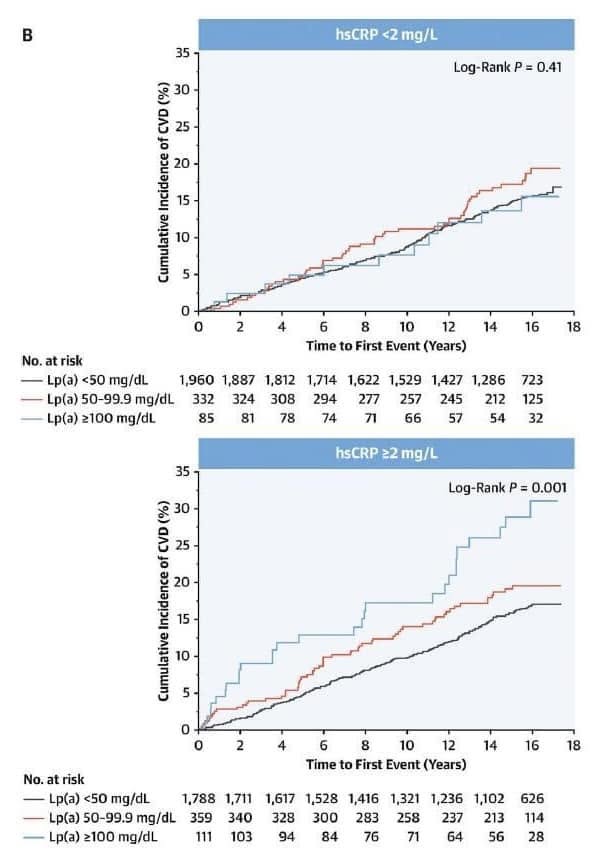
In MESA (mean follow-up 13.6 years, 684 CVD events), high Lp(a) conferred no significant risk when hsCRP was below 2 mg/L. With hsCRP of at least 2, Lp(a) of 50-99.9 mg/dL had HR 1.36 and 100 or more had HR 2.09. Participants were lower-risk, averaged age 62, so applicability to others is unclear.

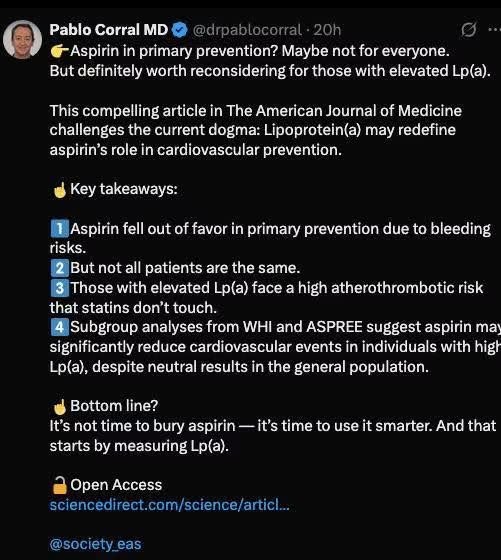
Baby aspirin may be worth considering for people with high Lp(a)

Jul 13, 2025 · Louis Nervegna ♥ 25 · 💬 13

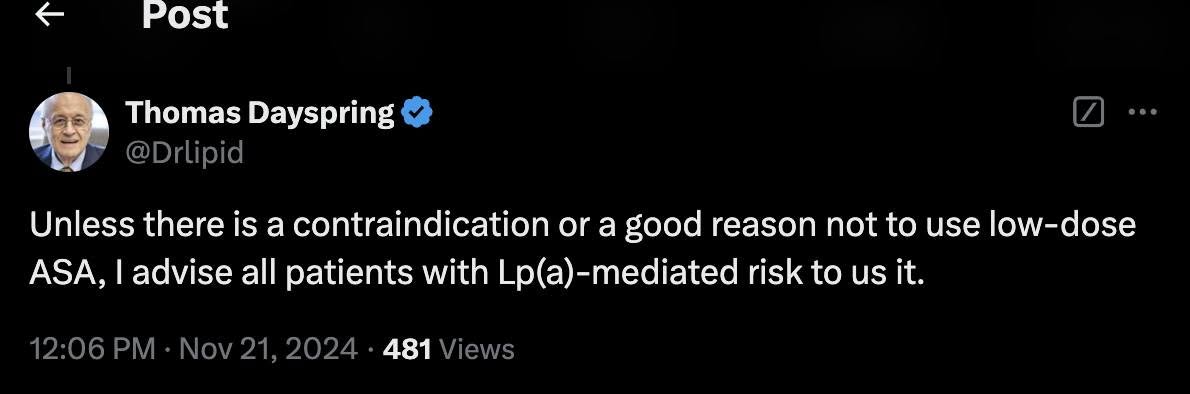
Louis suggests low-dose aspirin is worth considering in people with elevated Lp(a), linking a physician's post and a 2025 review on the aspirin prevention conundrum. The referenced material argues Lp(a) may redefine aspirin's role in primary prevention.

Niacin for CVD prevention: no reason to use it given proven options, says the poster

Sep 19, 2026 · Louis Nervegna ♥ 21 · 💬 11 PCSK9, ezetimibe & newer drugs

The poster gives his opinion that niacin is only better than nothing and no longer worth taking for cardiovascular prevention given proven alternatives. He would never combine it with high-dose statins, citing two large trials with no added benefit and more side effects, and no longer sees a role in high Lp(a) after the HORIZON trial failure.

Niacin has lowered Lp(a) up to 80% in rare cases but is a long shot

Aug 13, 2025 · Louis Nervegna ♥ 10 · 💬 20

Louis notes reports of Lp(a) falling as much as 80% on niacin, though most people see modest reductions. He cautions to talk to a doctor, as niacin fell out of favor after two large trials with high-dose statins failed.

NEJM: hs-CRP, LDL and Lp(a) each predicted 30-year CVD risk in women, best combined

Aug 31, 2024 · Louis Nervegna ♥ 8 · 💬 14 Risk assessment & lab tests

Louis highlights a NEJM Women's Health Study analysis of initially healthy women followed 30 years with 3,662 first major cardiovascular events. Top versus bottom quintile hazard ratios were 1.70 for hs-CRP, 1.36 for LDL and 1.33 for Lp(a), each independent, with the combination predicting best. The authors argue prevention should extend beyond 10-year risk estimates.

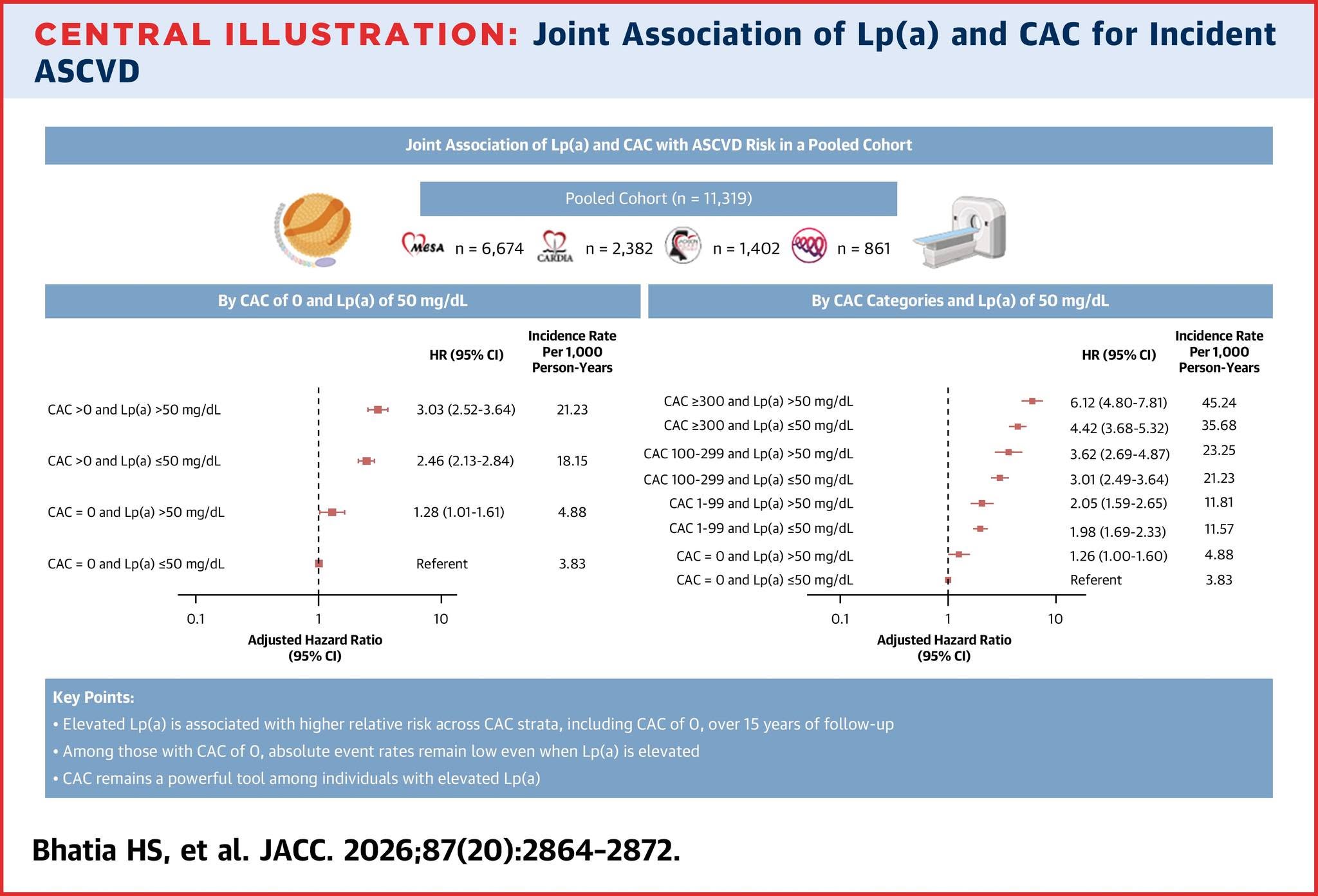
In MESA, high Lp(a) mattered mainly when CAC was 100 or higher

Jun 01, 2024 · Louis Nervegna ♥ 8 · 💬 15 ↩ 5

Louis shares a new MESA analysis suggesting that elevated Lp(a) raises 10-year heart attack and stroke risk mainly in people with CAC of 100 or more. With CAC between 1 and 99, high versus low Lp(a) mattered less, and a zero CAC appeared to 'trump' high Lp(a) over a decade.

High Lp(a) raises CVD death risk 16% per 50 mg/dL, independent of other risk factors

May 11, 2024 · Louis Nervegna ♥ 5 · 💬 22

Louis argues Lp(a) alone raises heart disease mortality even in people with no other risk factors. Citing a Current Opinion in Lipidology review, he notes each 50 mg/dL increase corresponds to a hazard ratio of 1.16 for CVD mortality, and works an example: Lp(a) of 250 mg/dL would imply roughly an 80% higher risk, taking a 20% lifetime risk to about 36%. The linear extrapolation is his own illustration.

Lp(a) risk starts above the median, well below the 125 nmol/L guideline cutoff

May 09, 2024 · Louis Nervegna ♥ 8 · 💬 14

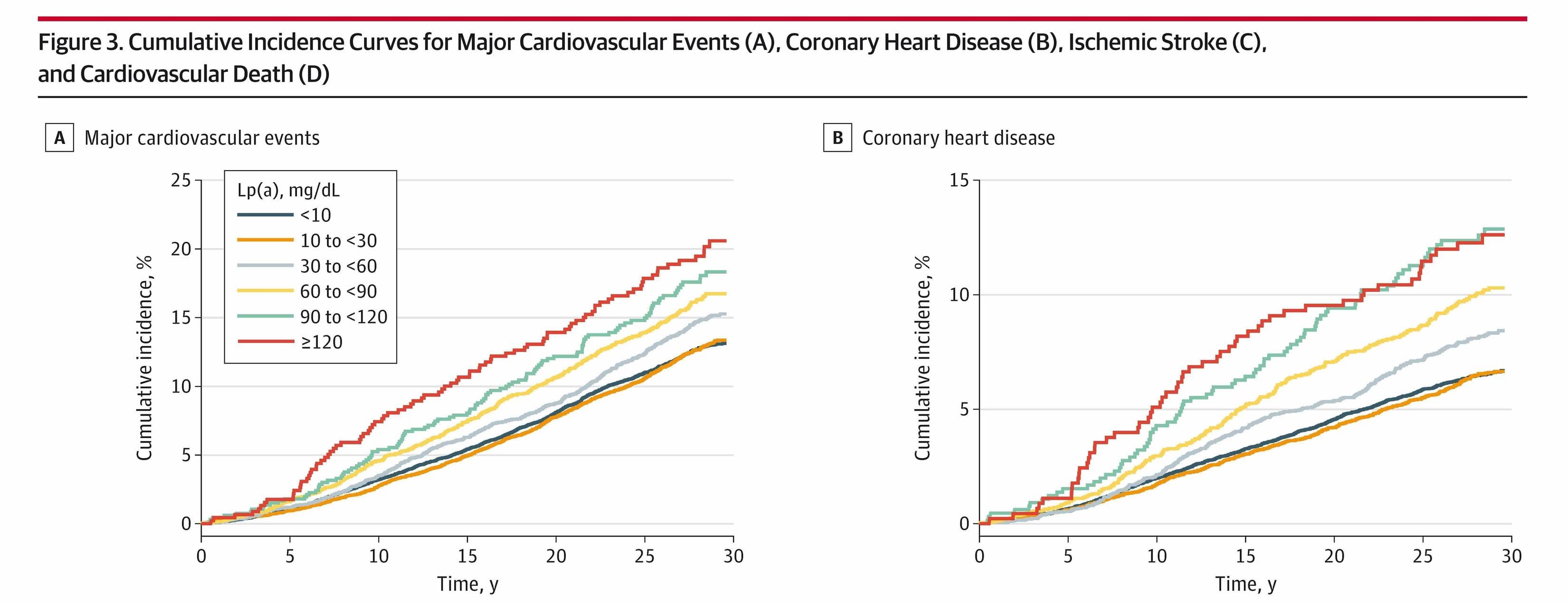
Louis shares analysis of the Mass General Brigham Lp(a) Registry suggesting guideline thresholds for elevated Lp(a) are too high. MACE risk was already higher for people from the 51st percentile upward, even though guidelines flag only 125 nmol/L or above (the 80th percentile).

Atorvastatin may 'disarm' Lp(a) by blocking oxidation, a theory for HORIZON's failure

Nov 10, 2026 · Louis Nervegna ♥ 9 · 💬 12 ↩ 1

Louis proposes that Lp(a)HORIZON failed because aggressive statin treatment (78% on high-intensity statins) may have already neutralized oxidized phospholipids carried by Lp(a). A shared abstract (Sherratt et al., Eur Heart J) found atorvastatin's active metabolite scavenges free radicals and inhibits oxidation of Lp(a) and small dense LDL better than other statins. This is a lab-based hypothesis.

Why some people with very high Lp(a) have clean arteries: oxidized phospholipids

Dec 04, 2025 · Louis Nervegna ♥ 19 · 💬 7

Louis shares an article proposing that Lp(a) harms arteries largely through oxidized phospholipids (OxPL), and that people with high Lp(a) but low OxPL content may avoid plaque. OxPL may predict risk better than Lp(a) itself, so measuring both could improve risk assessment; the piece is a blog explainer, not new data.

Lipoprotein(a) explained: 80-90% genetic, stable for life, a risk factor beyond LDL

Oct 05, 2024 · Gokhan Can ♥ 12 · 💬 8

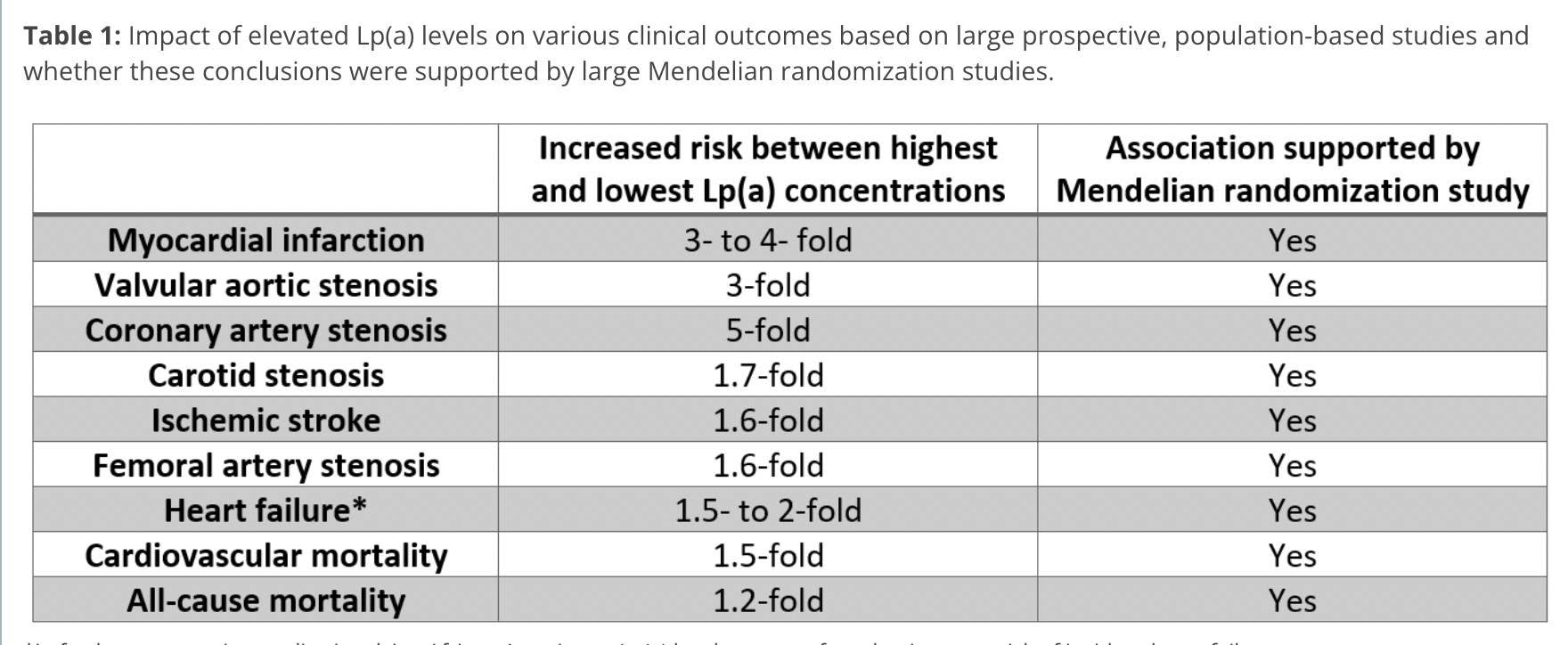
Explainer on Lp(a): an LDL-like particle with apo(a) attached, 80-90% genetically determined, fully expressed by 1-2 years of age, and elevated in about 1 in 5 US individuals (1.4 billion globally). Levels above 50 mg/dL or 125 nmol/L raise ASCVD risk, possibly via impaired fibrinolysis and cholesterol deposition, and may occur with normal lipid panels.

High Lp(a) risk offset by about 19 mg/dL lower lifelong LDL-C in UK Biobank analysis

Oct 23, 2025 · Louis Nervegna ♥ 13 · 💬 6

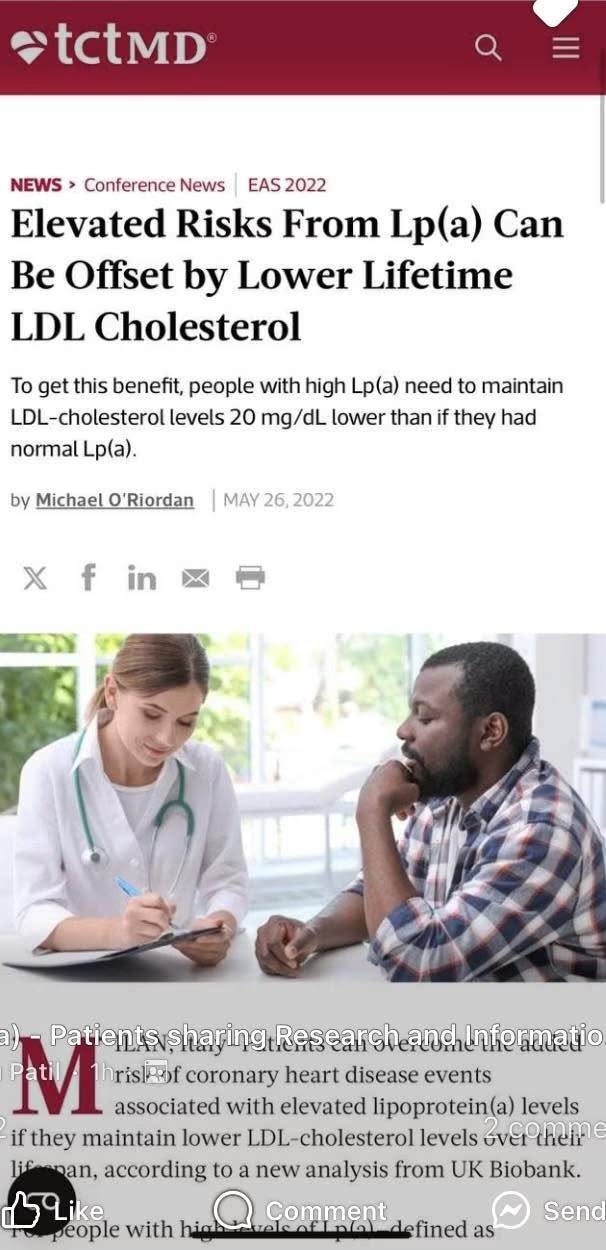
Louis shares a TCTMD report on a Ference analysis of 445,765 UK Biobank participants using genetic (natural randomization) methods. Lifelong high Lp(a) was associated with a projected 37% higher risk of major coronary events, completely offset by lower lifetime LDL-C; the later LDL lowering starts, the larger the reduction required.

Statins cut heart attack and stroke risk in high Lp(a) despite raising it 5-20%

Jun 20, 2026 · Louis Nervegna ♥ 11 · 💬 7

Louis explains that Lp(a) carries LDL cholesterol and sticks in artery walls, so lowering total LDL-C with statins cancels much of the risk from high Lp(a). Meta-analyses show statins raise Lp(a) 5-20%, but a Stanford expert argues this is clinically unimportant given the outcome benefit across 25 randomized trials.

Statins remain essential for high Lp(a) even though they raise Lp(a) 5-20%

Apr 06, 2025 · Louis Nervegna ♥ 8 · 💬 9

Louis shares a video of Stanford's Joshua Knowles explaining why the small statin-related rise in Lp(a), shown in meta-analyses of RCTs, does not matter clinically and why statins are an important treatment for genetically high Lp(a). He cites over 25 long-running statin RCTs, including primary prevention trials, showing large reductions in heart attack and stroke.

Why lowering Lp(a) failed to cut heart attacks in the HORIZON trial, per Nature

Nov 03, 2026 · Louis Nervegna ♥ 10 · 💬 8

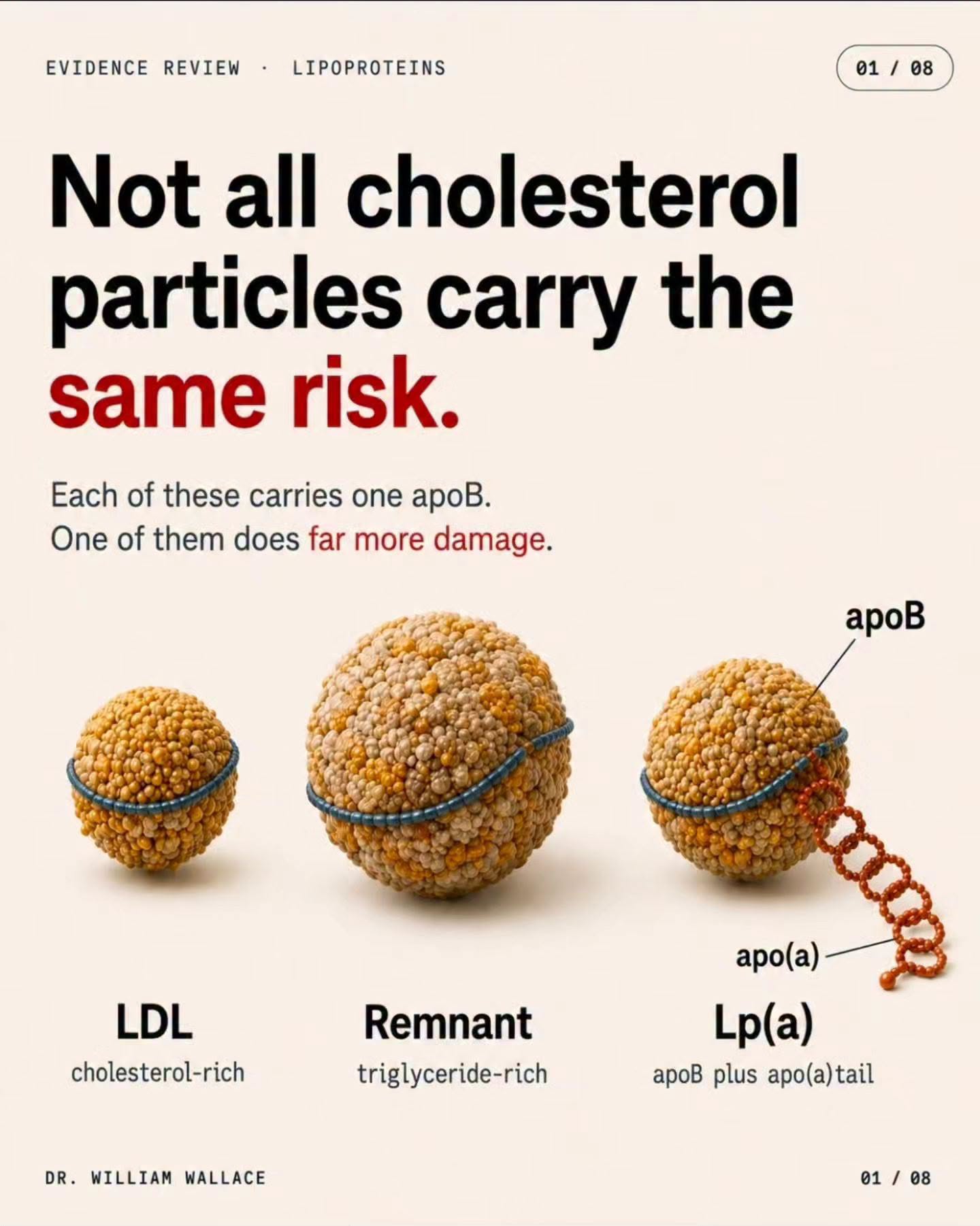
Louis shares a Nature news feature asking why Lp(a) lowering did not reduce heart attacks and strokes in the HORIZON trial, with full results due November 7. The quoted passage explains that Lp(a) is like LDL but has an apolipoprotein(a) tail with kringle repeats, that particle for particle it carries about six times LDL's risk, and that clotting effects may matter.

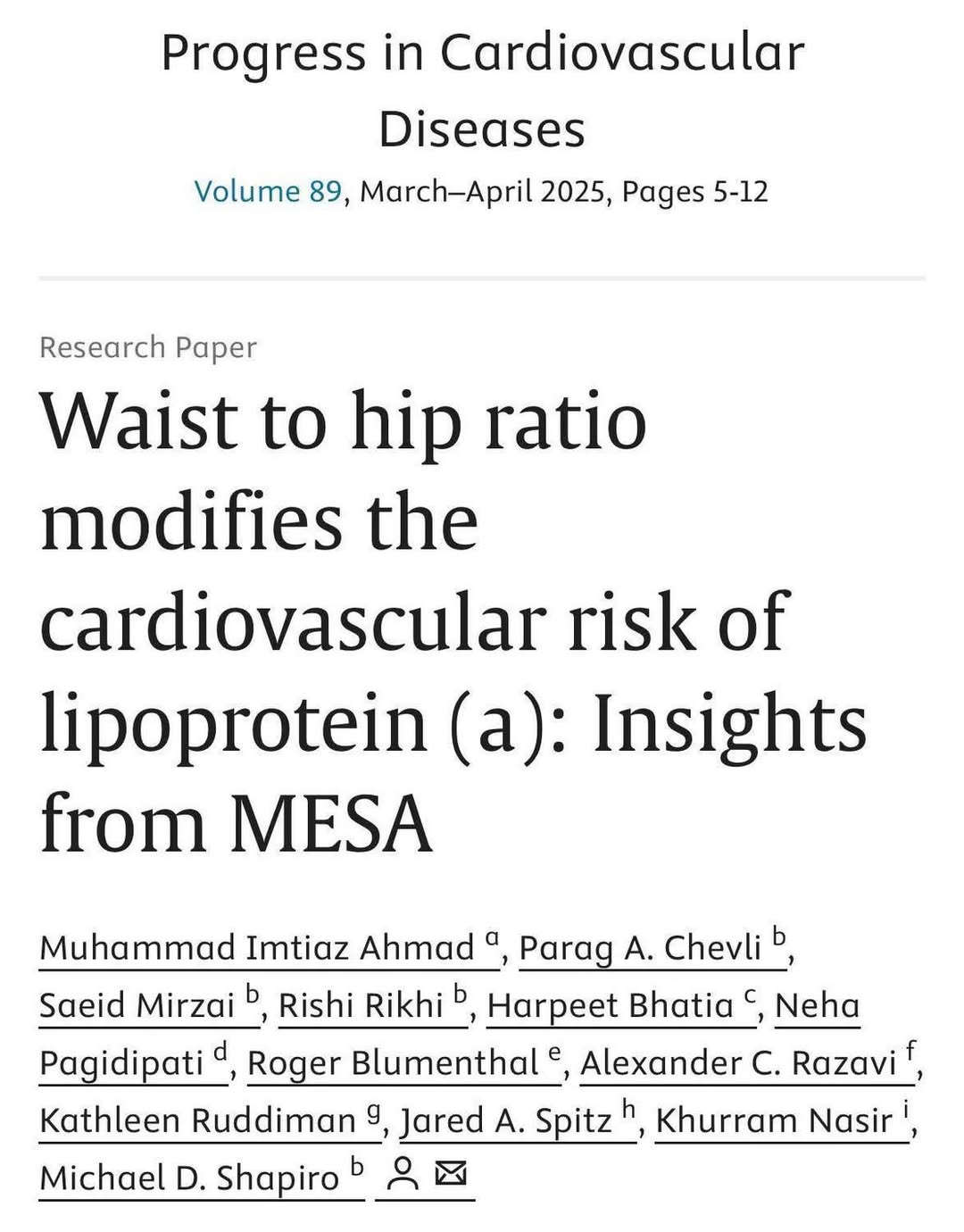
MESA: high Lp(a) raised ASCVD risk 2.34-fold only in people with large waist-to-hip ratio

Oct 18, 2025 · Louis Nervegna ♥ 10 · 💬 5 ↩ 4

Louis summarizes a MESA cohort analysis in Progress in Cardiovascular Diseases showing waist-to-hip ratio (a visceral-fat and liver-fat proxy) modifies the ASCVD risk of Lp(a), while BMI did not. Lp(a) of 50 mg/dL or more with high WHR carried the excess risk, which mostly vanished when WHR was low. He stresses this is a prospective cohort, so it cannot prove causality, but suggests losing visceral fat is important with high Lp(a).

Tsimikas on why Lp(a) HORIZON missed its endpoint despite strong Lp(a)-risk evidence

Sep 05, 2026 · Louis Nervegna ♥ 8 · 💬 6

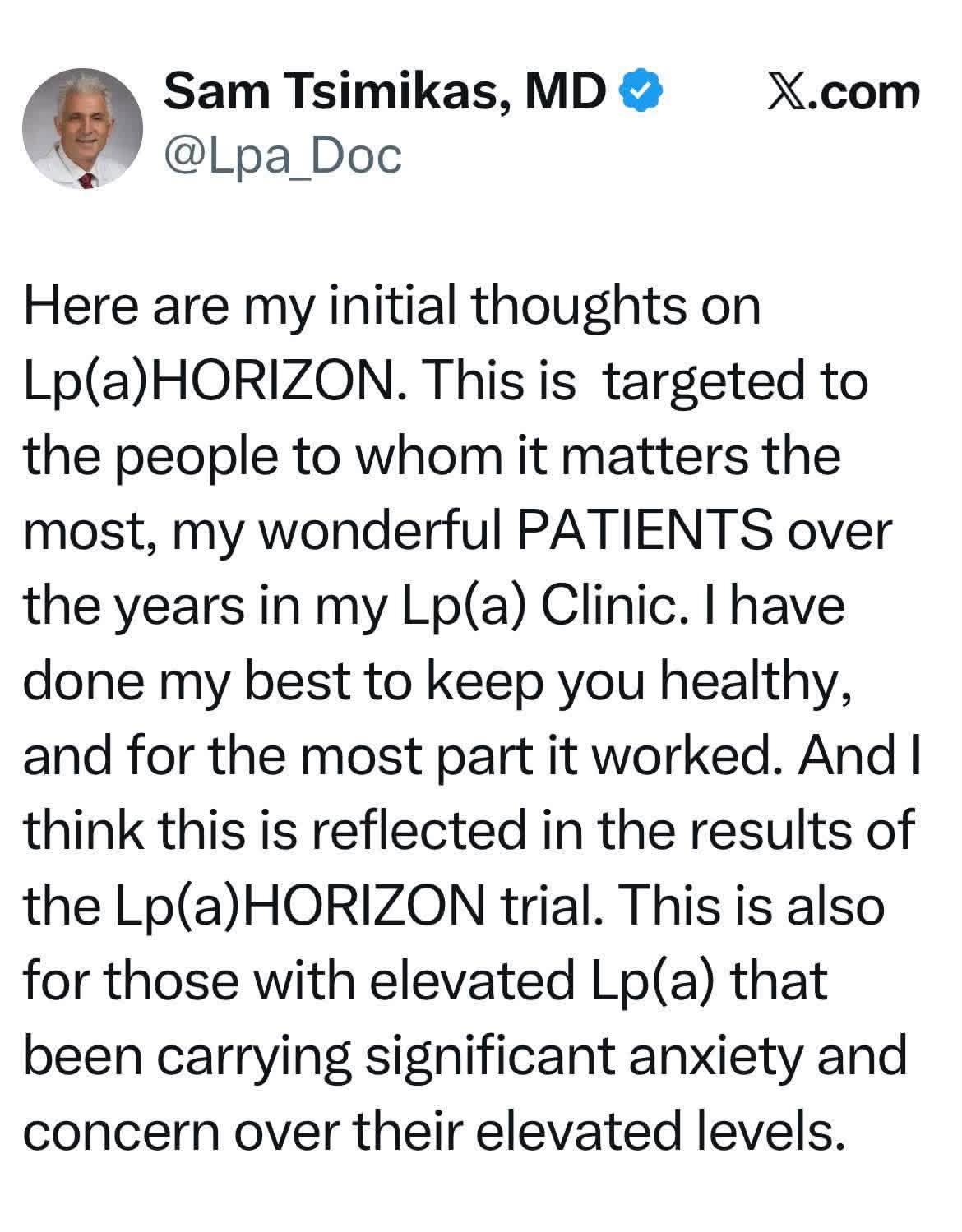
Louis shares a summary of Dr. Sam Tsimikas's comments on the pelacarsen HORIZON trial missing its primary endpoint. Evidence linking high Lp(a) to heart attack, stroke, PAD and aortic valve disease remains large, but most came from general populations before aggressive LDL lowering, and HORIZON patients were already aggressively treated.

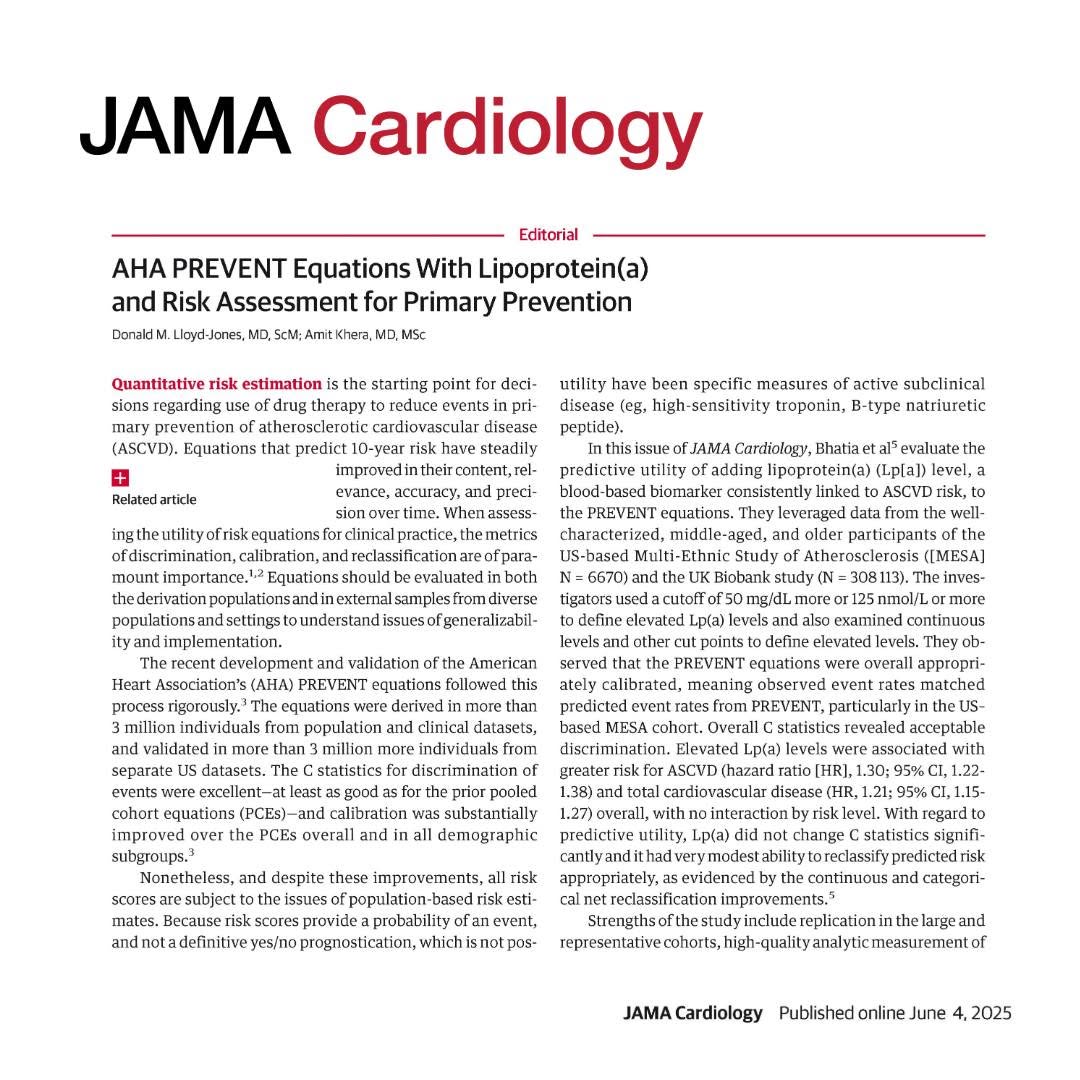
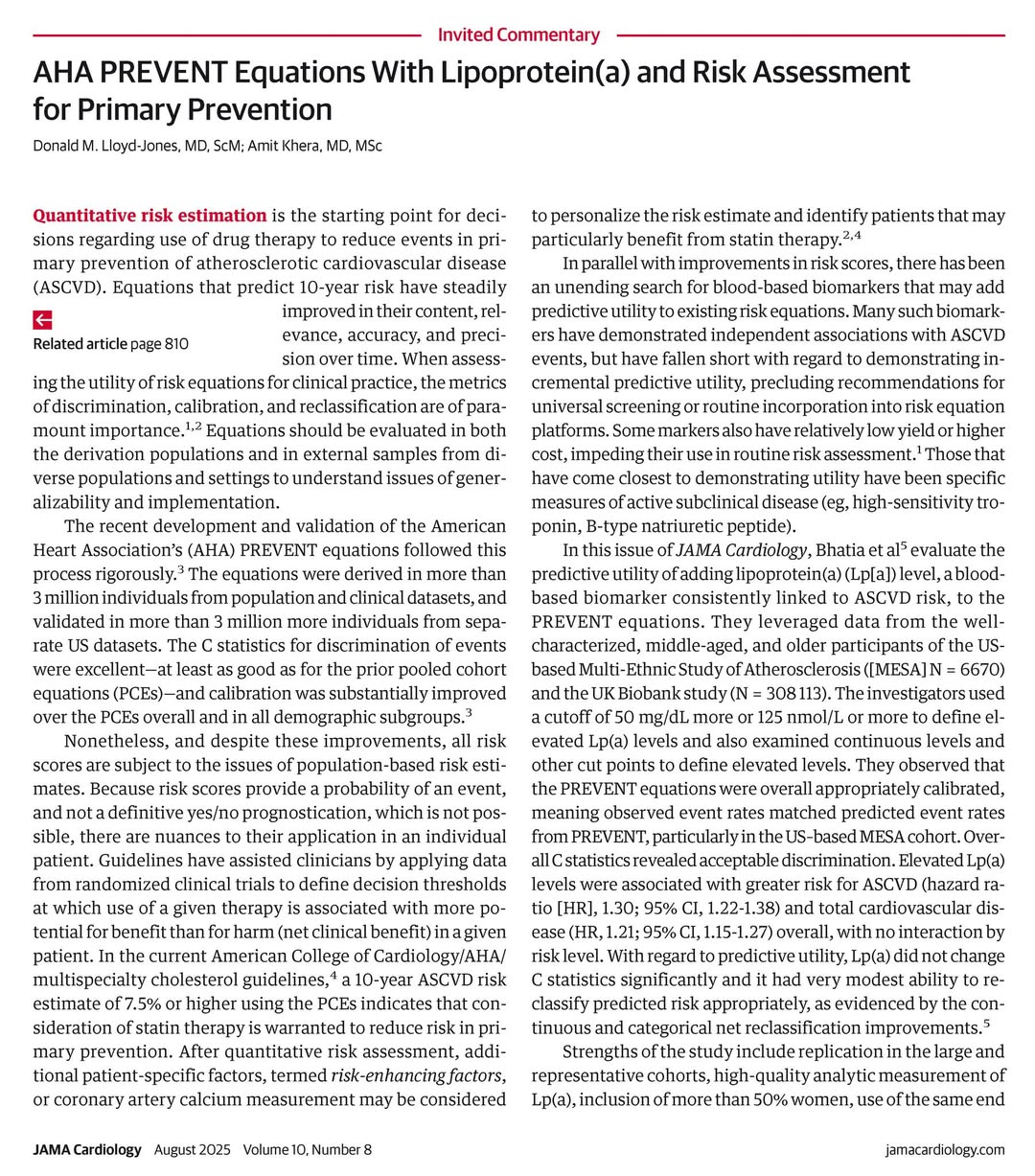
Adding Lp(a) does not improve the accuracy of the PREVENT risk calculator

Jun 04, 2025 · Louis Nervegna ♥ 11 · 💬 6

Louis shares a JAMA Cardiology editorial on a model that added Lp(a) to the AHA risk calculator. Adding Lp(a) did not improve prediction accuracy, so it is unlikely to be added soon, though measuring it can still personalize risk because Lp(a) is a causal factor.

Big swings in Lp(a) usually reflect acute inflammation, not an intervention working

Jun 20, 2026 · Louis Nervegna ♥ 11 · 💬 4 ↩ 1

Louis explains that Lp(a) is largely genetic but behaves as an acute-phase reactant, so infection, surgery, extreme exercise, vaccine reactions or inflammatory flares can shift test results temporarily. Large changes are therefore usually due to inflammation, and blaming big jumps on statins can hide an underlying problem.

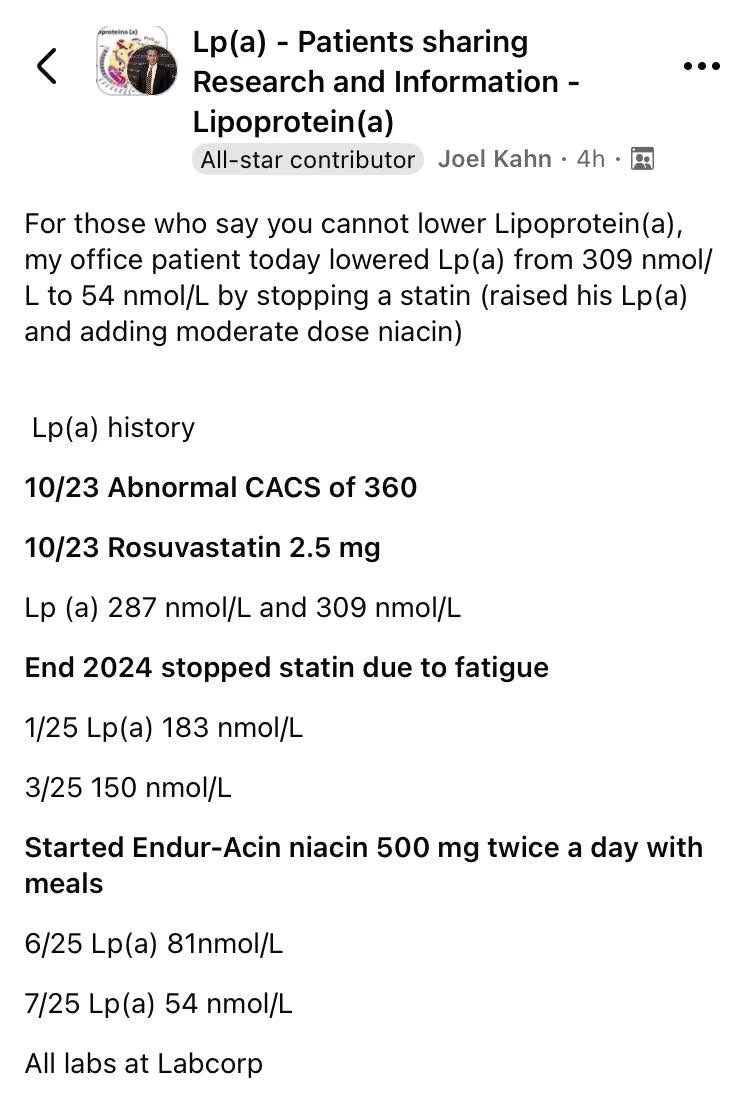
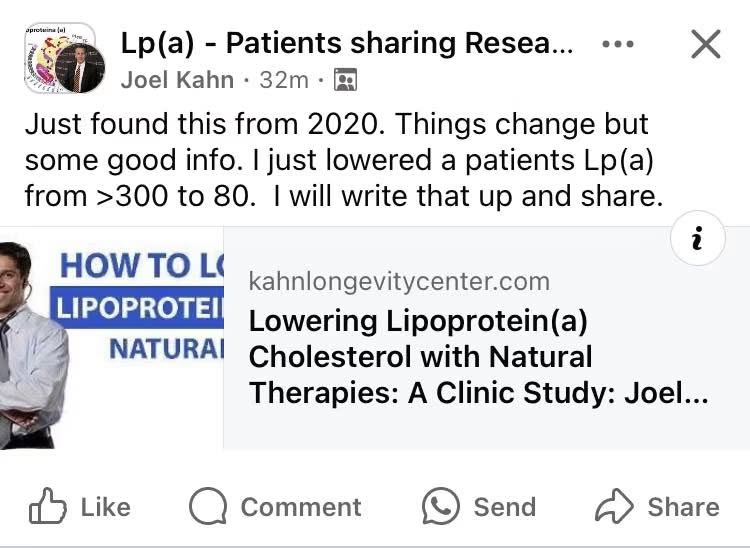
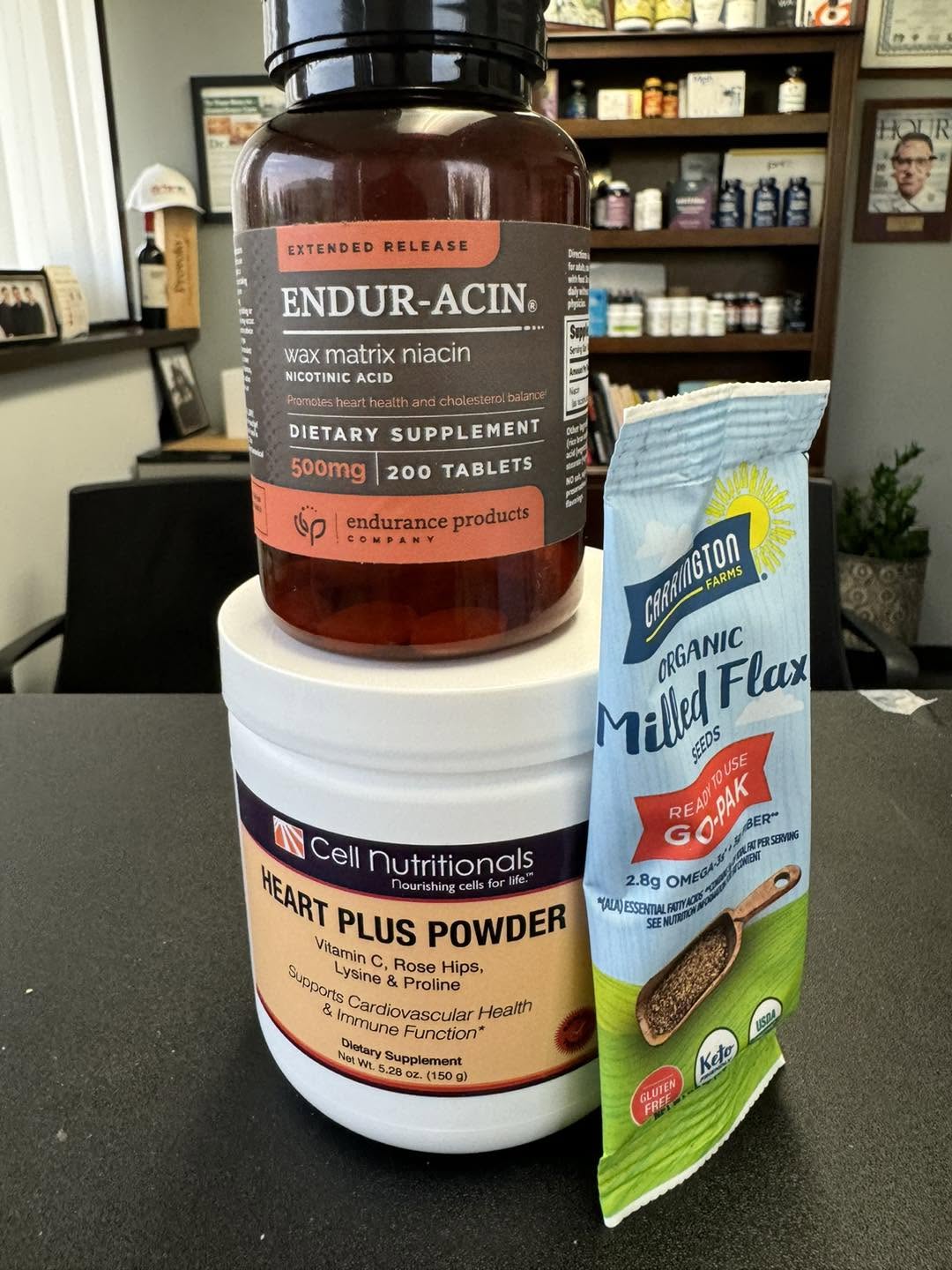
Joel Kahn case study on lowering Lp(a) with niacin and natural therapies

Jun 08, 2025 · Louis Nervegna ♥ 7 · 💬 13

Louis links a Joel Kahn clinic article describing a case study of lowering lipoprotein(a) with diet and supplements, including niacin (vitamin B3). It is a single-case report on a genetic risk factor generally resistant to lifestyle change.

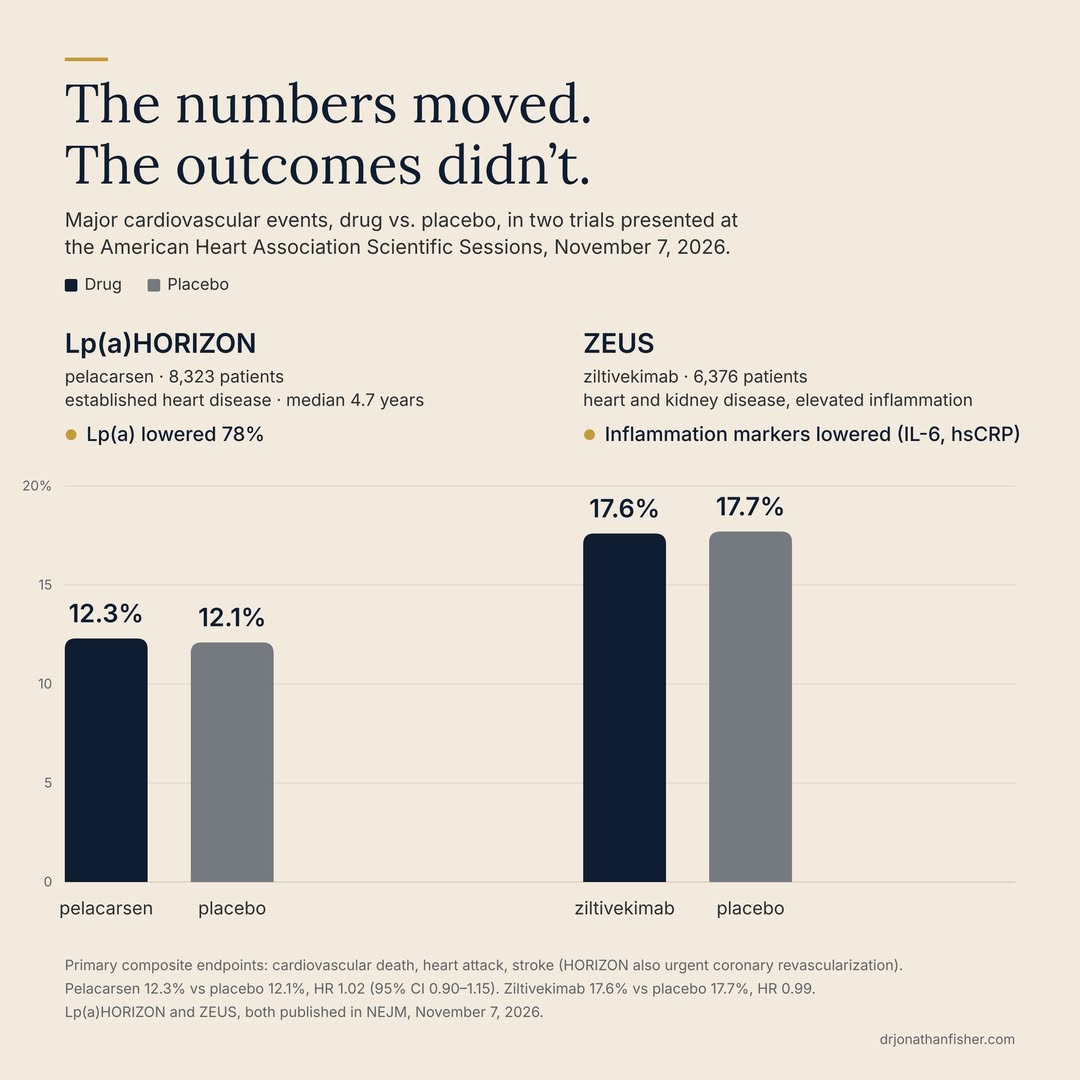
Pelacarsen and ziltivekimab lowered their targets but not events, and why that matters

Nov 08, 2026 · Louis Nervegna ♥ 8 · 💬 6

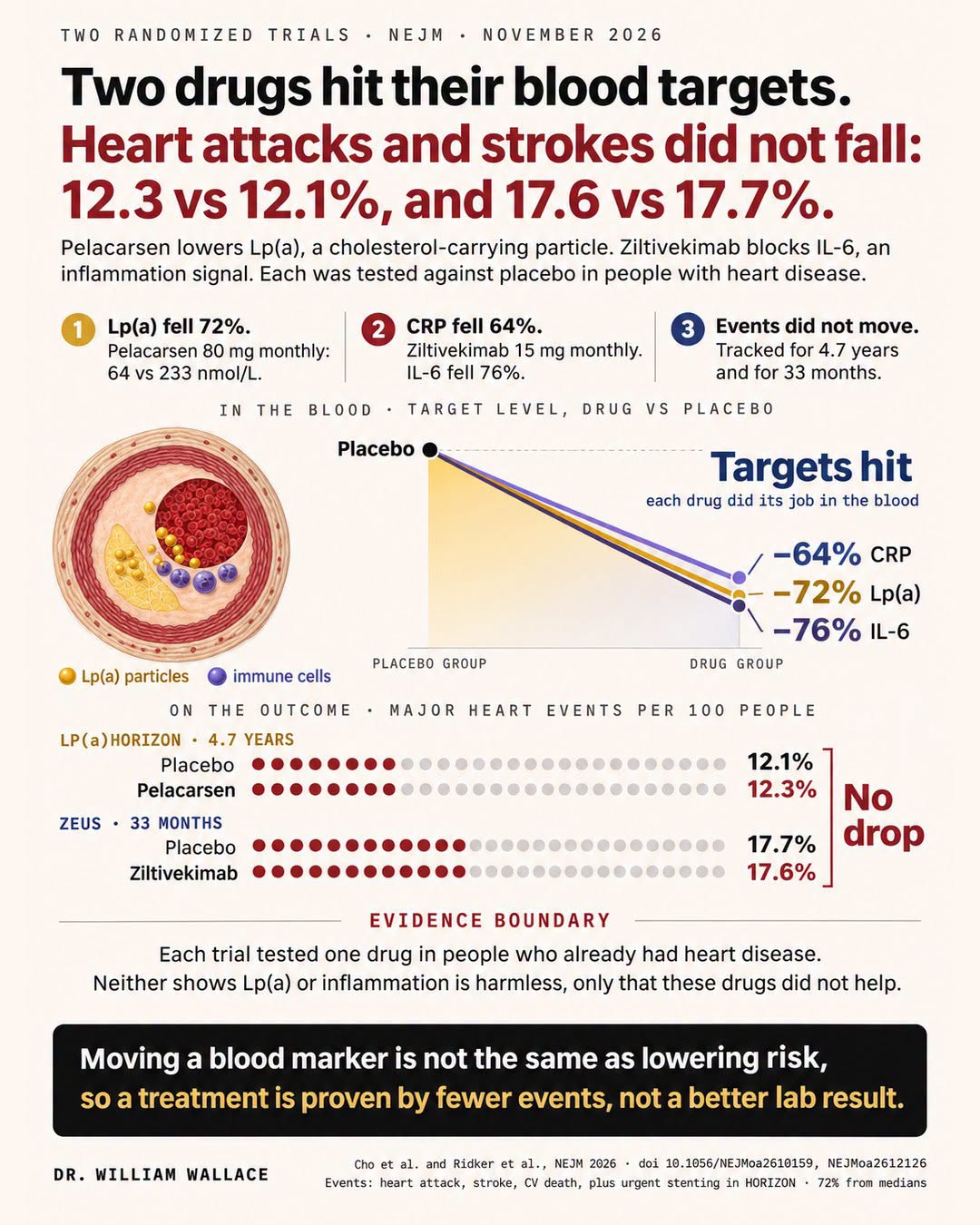
Louis shares a physician's commentary on the Lp(a) and inflammation trials presented at AHA: one drug lowered Lp(a) nearly 80% and another sharply cut inflammation, yet event rates matched placebo. The lesson is that measuring and changing a marker does not guarantee benefit, and that the underlying risk factors still matter.

Very low LDL-C cancels much of the risk from high Lp(a), possibly explaining HORIZON

Sep 11, 2026 · Louis Nervegna ♥ 10 · 💬 3

Louis explains that Lp(a) carries LDL cholesterol, so lowering LDL-C reduces the cholesterol available to deposit in arteries even from Lp(a). He speculates this may help explain why the HORIZON Lp(a) trial failed: once LDL-C is low enough, there may be too little to cause major damage.

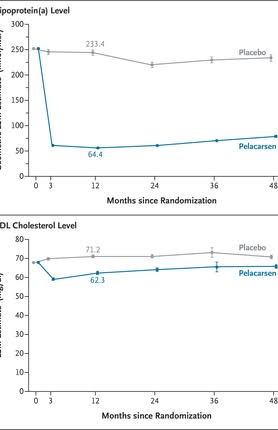
Lp(a)HORIZON NEJM: pelacarsen cut Lp(a) 78% with no trend toward fewer events

Nov 07, 2026 · Louis Nervegna ♥ 6 · 💬 4 ↩ 1

Louis summarizes the Lp(a)HORIZON paper in NEJM. Pelacarsen lowered Lp(a) by 78% but there was no reduction in MACE, not even a trend, with slightly more events on the drug (non-significant). Subgroups with Lp(a) above 90 mg/dL showed no extra benefit over 70-90, and serious adverse events were actually higher on placebo.

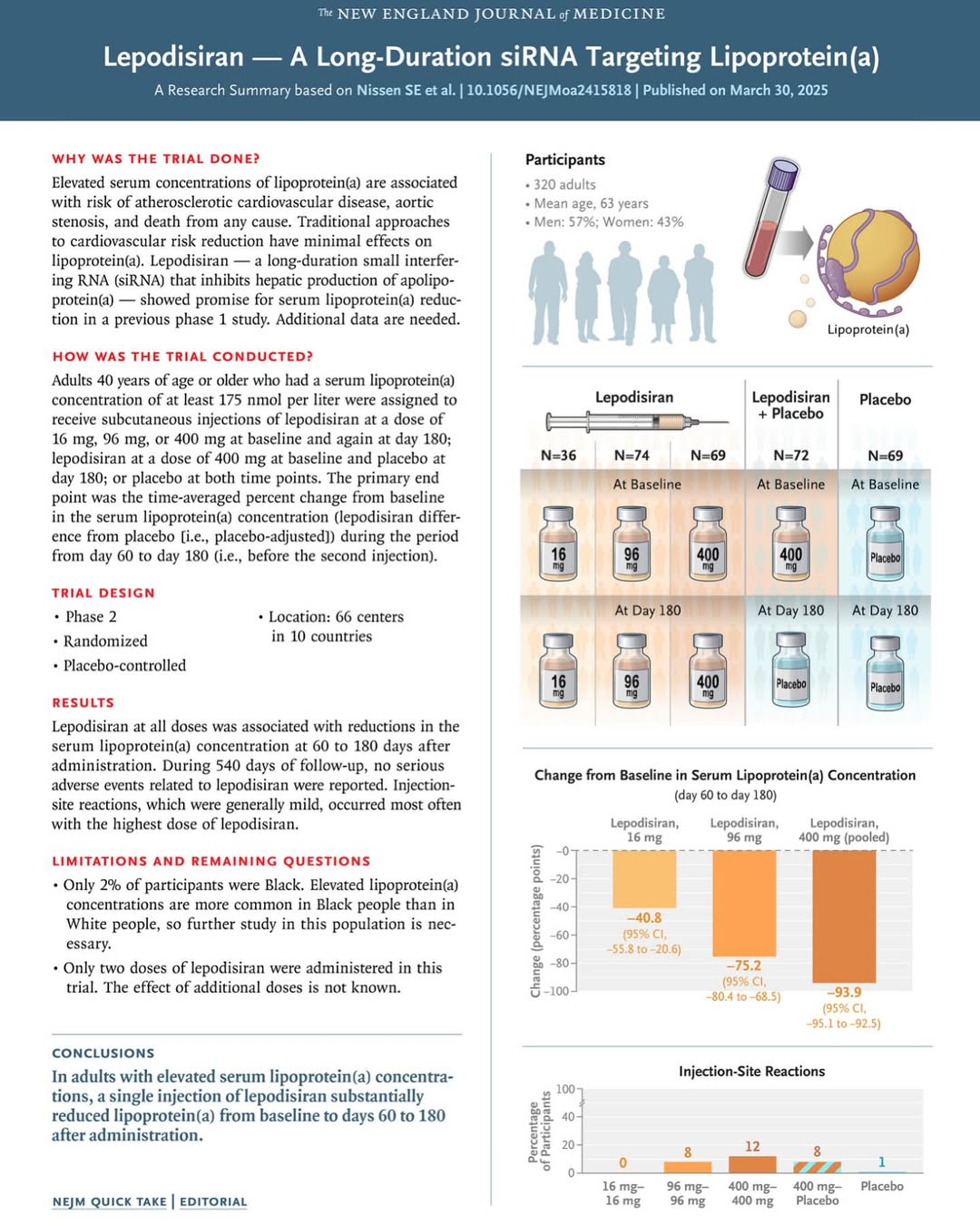
Lepodisiran siRNA cut Lp(a) by 93.9% at 400 mg in a 320-person NEJM trial

May 07, 2025 · Louis Nervegna ♥ 15 · 💬 1

Luigi Fontana's summary of an NEJM trial of lepodisiran, an siRNA that blocks hepatic Lp(a) production. At the 400 mg dose Lp(a) fell by 93.9% placebo-adjusted, lasting up to a year, with only mild injection-site reactions. It offers a potential option for people with genetically high Lp(a) who cannot lower it with lifestyle or standard drugs.

Higher Lp(a) is linearly associated with lower risk of fatty liver in NHANES data

Mar 16, 2025 · Louis Nervegna ♥ 16 · 💬 1

Louis shares a Scientific Reports cross-sectional analysis of 2,308 NHANES participants finding a significant linear negative association between Lp(a) and NAFLD, suggesting Lp(a) could serve as a biomarker of NAFLD risk. He notes that at this point only the inverse relationship is known, and the headline claim that high Lp(a) might protect against fatty liver is speculative.

Tsimikas: Lp(a) risk can be managed with LDL under 65 and tight risk-factor control

Nov 10, 2026 · Louis Nervegna ♥ 13 · 💬 1 ↩ 1

Louis quotes Sam Tsimikas, who calls Lp(a)HORIZON a success because it suggests Lp(a) risk can be reduced by keeping LDL-C at or below 65, blood pressure at 120 or lower, controlling other risk factors and taking proven medicines. In his Lp(a) clinic about 75% take a statin, 50% ezetimibe, 50% a PCSK9 inhibitor, plus aspirin.

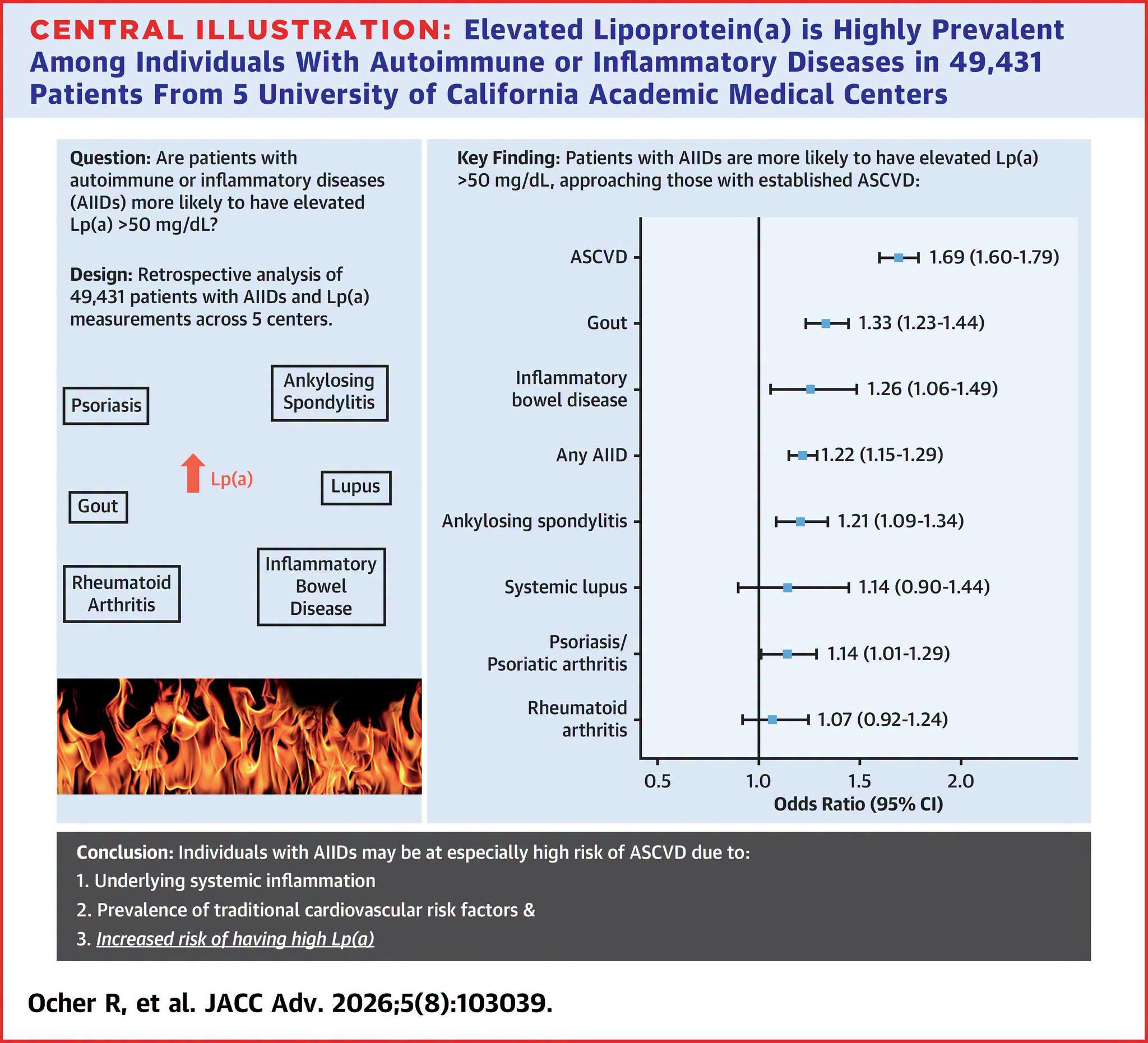
Autoimmune and inflammatory diseases linked to elevated Lp(a) in ~50,000 patients

Sep 14, 2026 · Louis Nervegna ♥ 7 · 💬 2

A JACC Advances study of nearly 50,000 patients found people with gout, ankylosing spondylitis and IBD are more likely to have elevated Lp(a), with rates approaching those in established heart disease. Louis notes this fits Lp(a) being highly responsive to acute-phase inflammation.

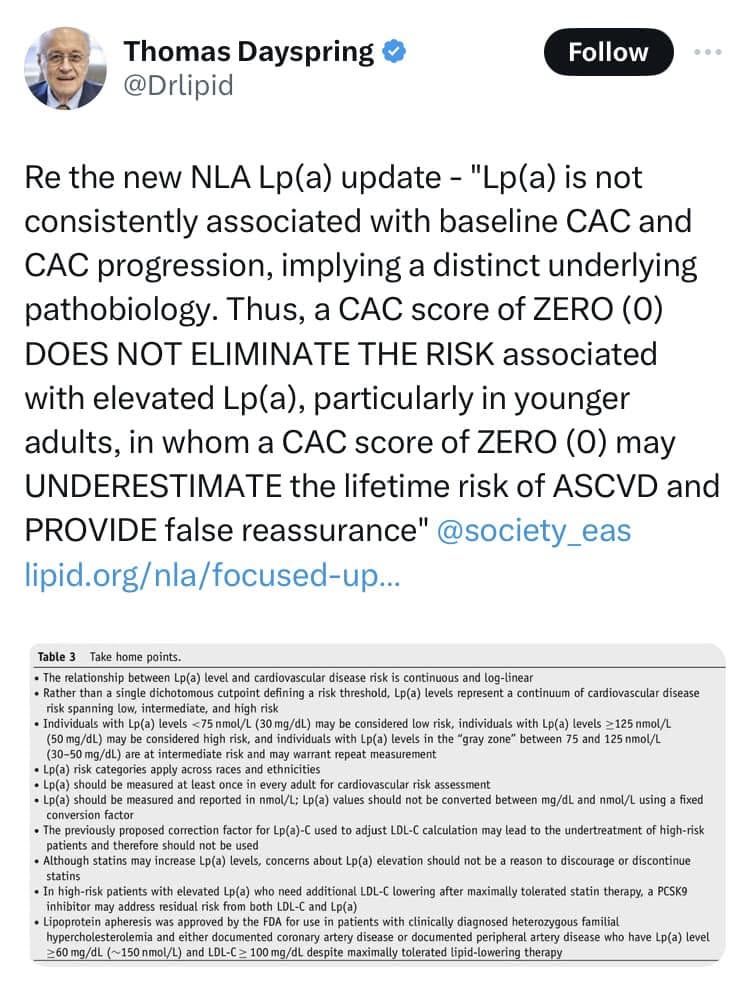
A CAC score of zero does not eliminate risk from high Lp(a), especially in younger adults

Apr 01, 2024 · Louis Nervegna ♥ 10 · 💬 1

Louis relays Thomas Dayspring's quote from the new NLA Lp(a) update: Lp(a) is not consistently associated with baseline CAC or CAC progression, implying distinct pathobiology, so a zero calcium score does not remove the risk of elevated Lp(a), particularly in younger adults. This contrasts with his earlier MESA-based post focused on 10-year risk.

Lp(a) has no known essential role in modern humans and may even have minor upsides

Sep 16, 2026 · Louis Nervegna ♥ 6 · 💬 2

Louis explains that people with very low or undetectable Lp(a) show no significant ill effects, so it does not appear essential today. It may have conferred an evolutionary advantage to hunter-gatherer ancestors, and high Lp(a) might lower the risk of some conditions such as diabetes and hemorrhagic stroke, even though it strongly raises CVD risk. He supports this with an AI-generated explanation.

AHA share: high Lp(a) raises peripheral artery disease risk

Aug 07, 2024 · Louis Nervegna ♥ 14 · 💬 1

A share of an American Heart Association promotion noting that high Lp(a) significantly raises the risk of peripheral artery disease, linking to its Lp(a) professional resources. No further detail.

MESA: high Lp(a) mostly matters when CAC is 100 or above

Jul 18, 2024 · Louis Nervegna ♥ 4 · 💬 1

A repost of a MESA analysis suggesting that people with high Lp(a), CAC under 100 and hsCRP under 2 mg/L have 10-year risk not much above those with normal Lp(a). The highest risk is with elevated Lp(a) and CAC of 100 or more. Louis notes this is a cohort study, not an RCT.

Pelacarsen (Lp(a)HORIZON) and ziltivekimab (ZEUS) cut their targets but not heart events

Nov 13, 2026 · Louis Nervegna ♥ 3 · 💬 1

Shared summary of two NEJM trials. Pelacarsen lowered Lp(a) sharply but event rates were 12.3% vs 12.1% on placebo, and ziltivekimab cut CRP and IL-6 but events were 17.6% vs 17.7%. The post notes prior biomarker failures (torcetrapib, dalcetrapib), and that both trials enrolled people with existing disease and so do not prove Lp(a) or inflammation are not causal.

Cleveland Clinic: pelacarsen did not cut CV events in Lp(a)HORIZON (12.3% vs 12.1%)

Nov 07, 2026 · Louis Nervegna ♥ 3 · 💬 1

Louis shares the Cleveland Clinic press release on Lp(a)HORIZON, a 797-site randomized trial in 8,322 patients with prior CVD and Lp(a) of at least 70 mg/dL. The primary endpoint occurred in 12.3% on pelacarsen versus 12.1% on placebo after a median 57 months. Senior author Steven Nissen said a single neutral trial does not prove lack of benefit from lowering Lp(a).

Lp(a) makes clots form more easily and resist breakdown via OxPL and apo(a)

Nov 10, 2026 · Louis Nervegna ♥ 3

Louis shares a summary of an ATVB commentary by Rafael Zubiran explaining why high Lp(a) may be worse than LDL. Its oxidized phospholipids activate monocytes to make tissue factor, and apo(a) resembles plasminogen and competes with clot breakdown, producing denser, harder-to-dissolve clots. Louis notes statins, especially atorvastatin, may neutralize OxPL and aspirin lowers clotting risk.

Possible, mostly unproven natural ways to lower Lp(a) after statins leave it high

Jan 28, 2025 · Louis Nervegna ♥ 4

Louis shares a question from a member who started statins and saw large improvements in cholesterol and triglycerides but still has high Lp(a). He points to the comments for possible natural approaches, stressing that little if any of this is proven. Since no other effective treatment for high Lp(a) was available, some might be worth trying, with caution.

How Lp(a) captures and carries oxidized phospholipids through its apo(a) tail

Nov 10, 2026 · Louis Nervegna ♥ 1

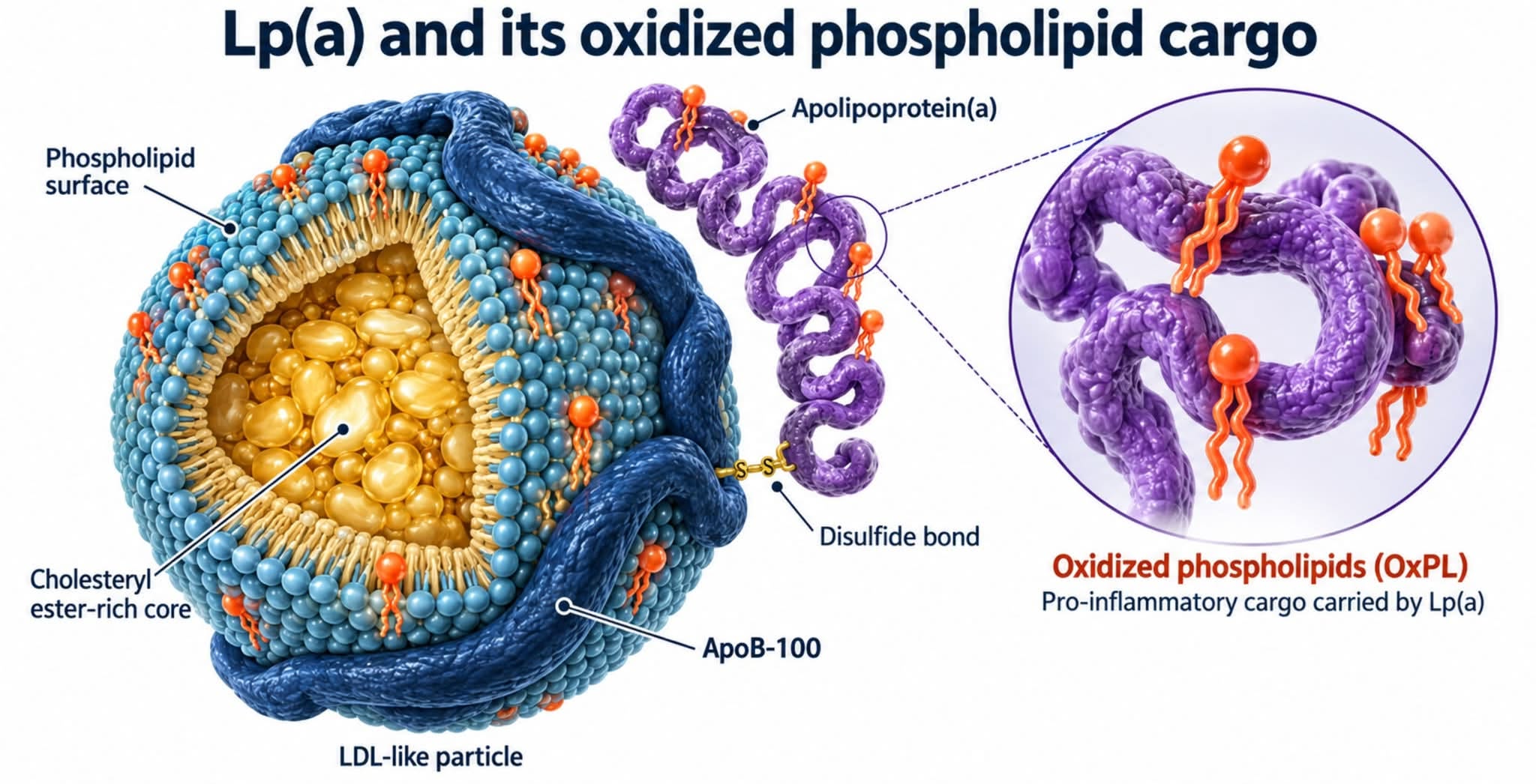
A detailed explainer on how Lp(a) is the main carrier of oxidized phospholipids (OxPL) in the blood, which may be largely responsible for the damage Lp(a) causes. Lp(a) is an LDL-like particle with apoB-100 plus an apo(a) tail made of kringle domains, and a lysine binding site in kringle IV type 10 binds OxPL.