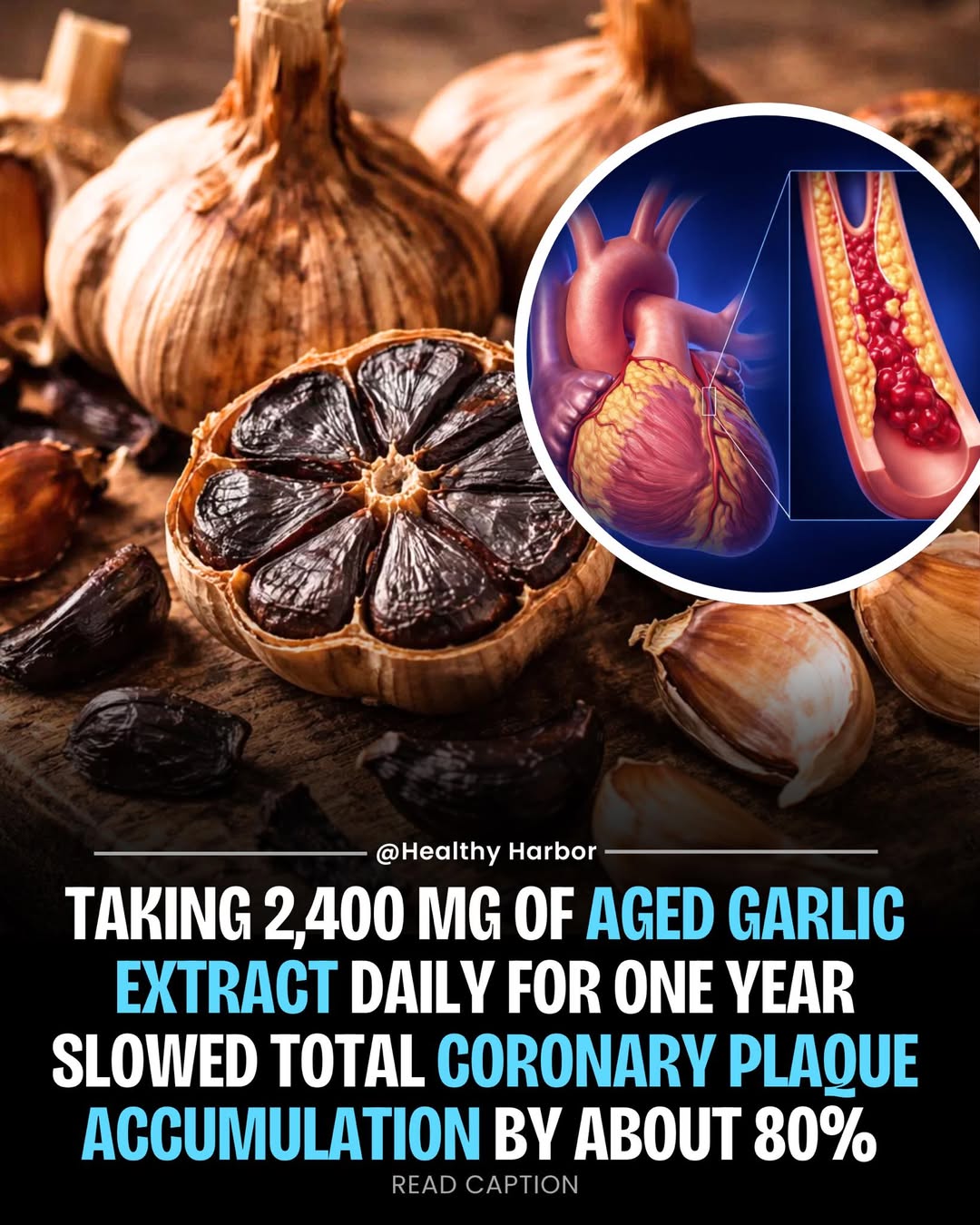
Aged garlic extract reduced high-risk soft plaque in a small CT-angiography RCT
A small randomized, double-blind trial using CT angiography found aged garlic extract reduced low-attenuation soft plaque in coronary arteries of patients with diabetes.
7 posts
A small randomized, double-blind trial using CT angiography found aged garlic extract reduced low-attenuation soft plaque in coronary arteries of patients with diabetes.
Gokhan reports using aged garlic extract for five years on top of low-dose rosuvastatin, an ACE inhibitor and fish oil, and links a video on garlic and plaque.
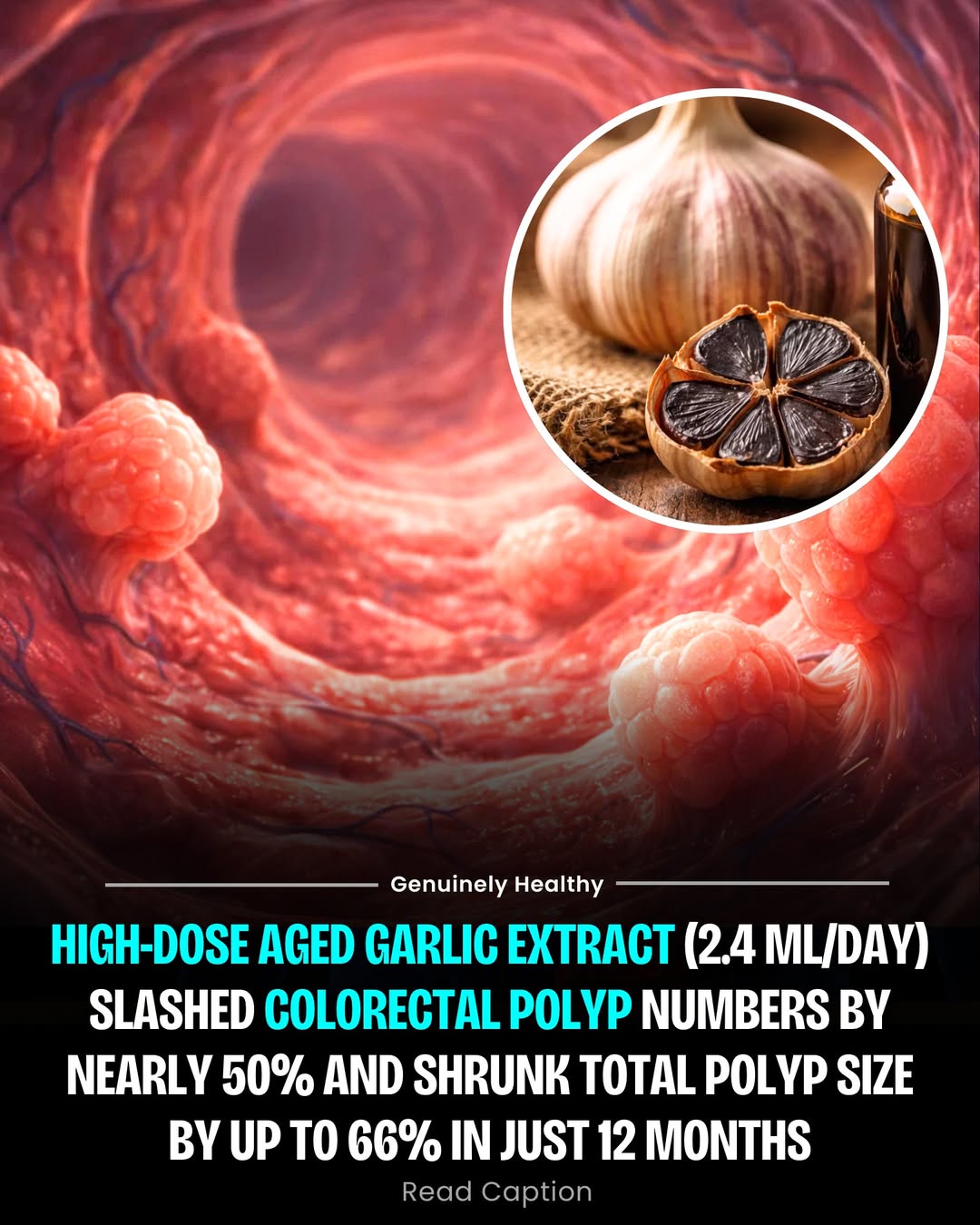
Louis notes aged garlic extract (Kyolic) slowed plaque growth and regressed high-risk soft plaque in a small CT angiography RCT, and a 2006 RCT showed about half as many colorectal adenomas on the high dose.
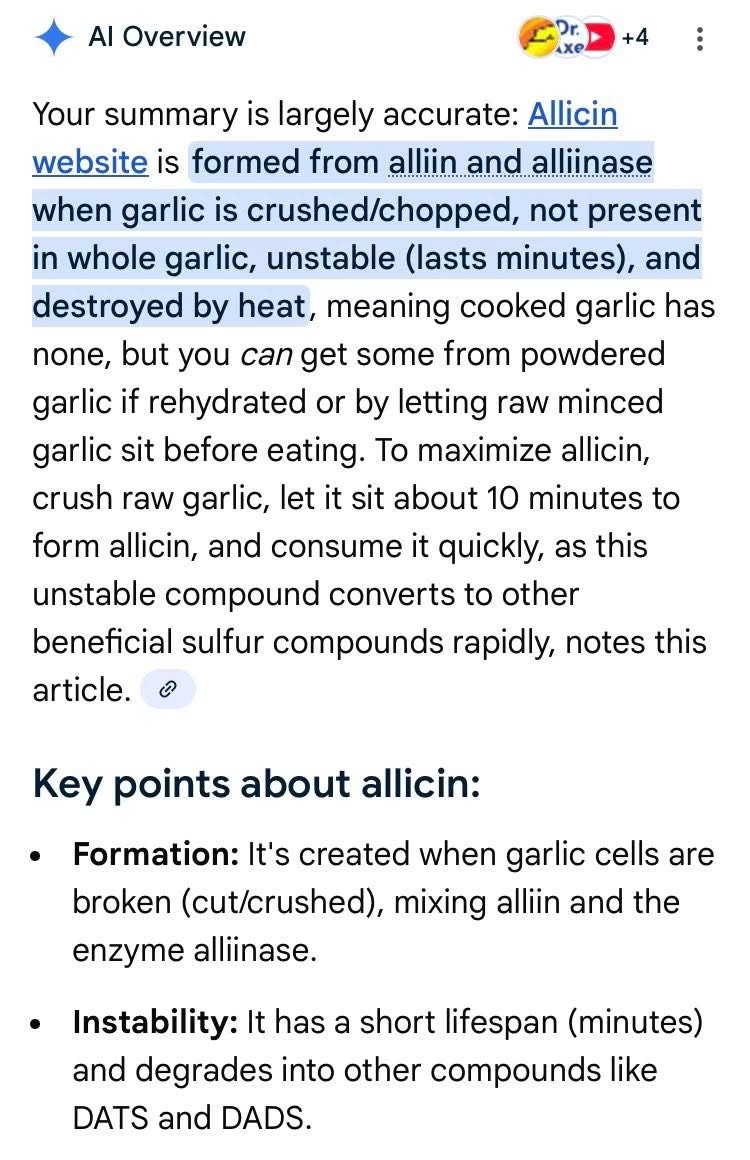
Louis explains that raw garlic contains enzymes that produce allicin when crushed, allicin lasts only minutes, and cooking or aged garlic extract provides none, though other beneficial compounds remain.
Summarizes three small double-blind RCTs using Kyolic aged garlic extract (about 1.2 g/day) with CAC as a surrogate. In each, CAC progression over a year was lower than with placebo, though the studies were small and used some co-supplements.
Louis highlights an npj Biofilms and Microbiomes paper showing raw garlic juice and allicin reduce TMAO production via gut microbiota. In people with high TMAO production, a week of raw garlic juice reduced TMAO formation, increased microbial diversity and beneficial bacteria; in mice allicin ameliorated atherosclerosis. He notes cooking destroys allicin.
A shared note says 'passivation' means making arteries less likely to cause a heart attack and that statins do this, as shown again in a detailed study. No study details are given.