HD-OPM Archive
Topics › Plaque, CAC & CT angiography

Aged garlic extract reduced high-risk soft plaque in a small CT-angiography RCT

Louis Nervegna · Dec 27, 2025 · ♥ 46 reactions · 28 comments · original Facebook post
Plaque, CAC & CT angiographySupplements & vitaminsNuts, fish, coffee, tea, cocoa & other foods
AI summary & key facts

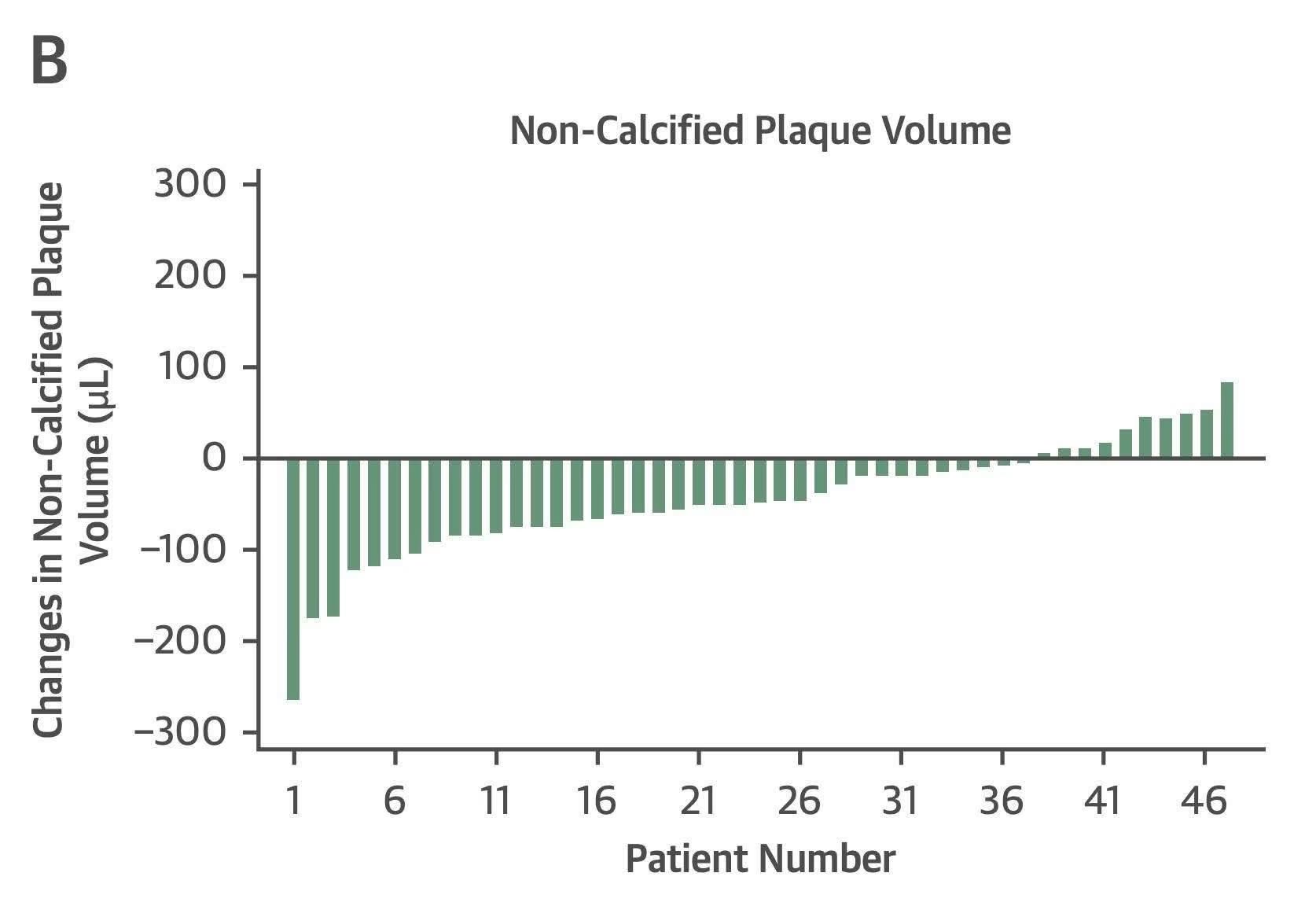
A small randomized, double-blind trial using CT angiography found aged garlic extract reduced low-attenuation soft plaque in coronary arteries of patients with diabetes.

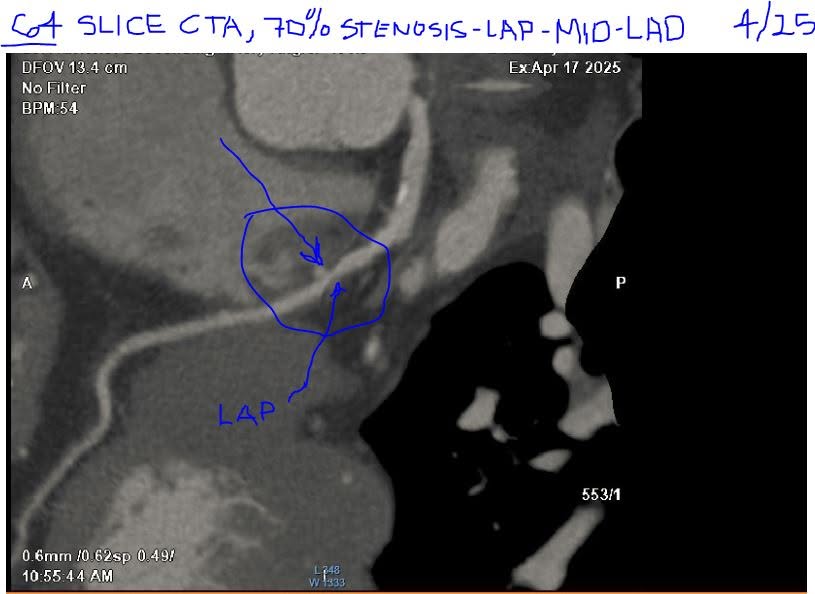
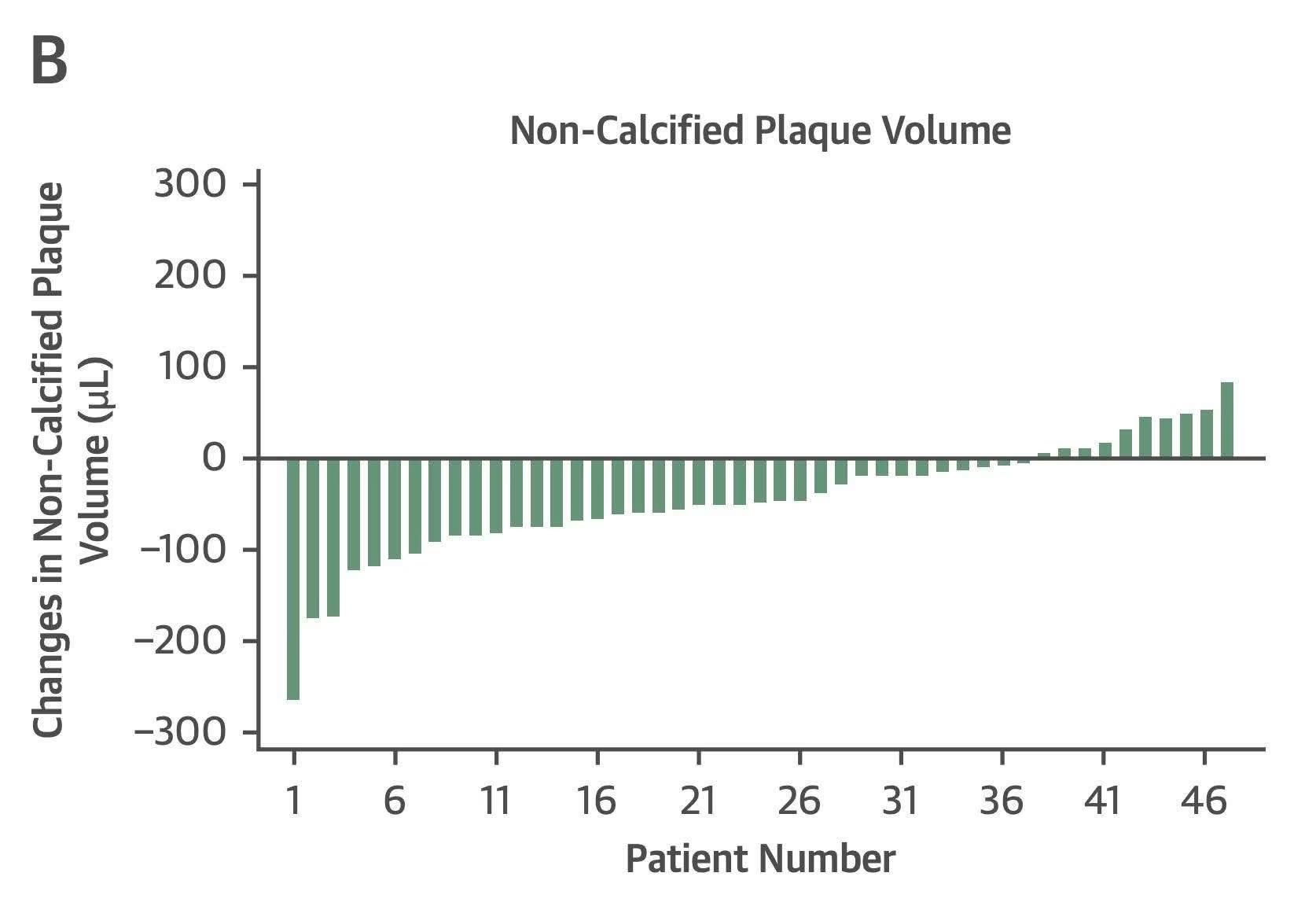
Aged garlic extract slows plaque growth, and reverses high-risk soft plaque. This was proven in a small randomized controlled trial, using high resolution CT-angiography.

Links to full study & news release:

Paper · Exp Ther Med · 2020Aged garlic extract reduces low attenuation plaque in coronary arteries of patients with diabetes: A randomized, double-blind, placebo-controlled study.Several previous studies have demonstrated that aged garlic extract (AGE) inhibits the progression of coronary artery calcification and non-calcified plaque (NCP) in the general population. However, its effects on plaque progression in patients with diabetes have not yet been investigated, at least to the best of our knowledge. This study investigated whether AGE reduces the coronary plaque volume measured by…pmc.ncbi.nlm.nih.gov eurekalert.orgLink to eurekalert.orgeurekalert.org
#garlicHD #plaqueHD #budoffHD #reverseHD

Research cited

In a clinical investigation conducted at the Los Angeles Biomedical Research Institute at Harbor–UCLA Medical Center, Budoff and colleagues examined the effects of aged garlic extract on coronary atherosclerosis using serial coronary computed tomography angiography. The study, published in 2016 in the Journal of Nutrition, enrolled 55 adults aged 40–75 years with metabolic syndrome, a population characterized by central obesity, hypertension, insulin resistance, and dyslipidemia. All participants had measurable coronary artery plaque at baseline, allowing for direct assessment of plaque burden and composition rather than reliance on indirect cardiovascular risk markers.

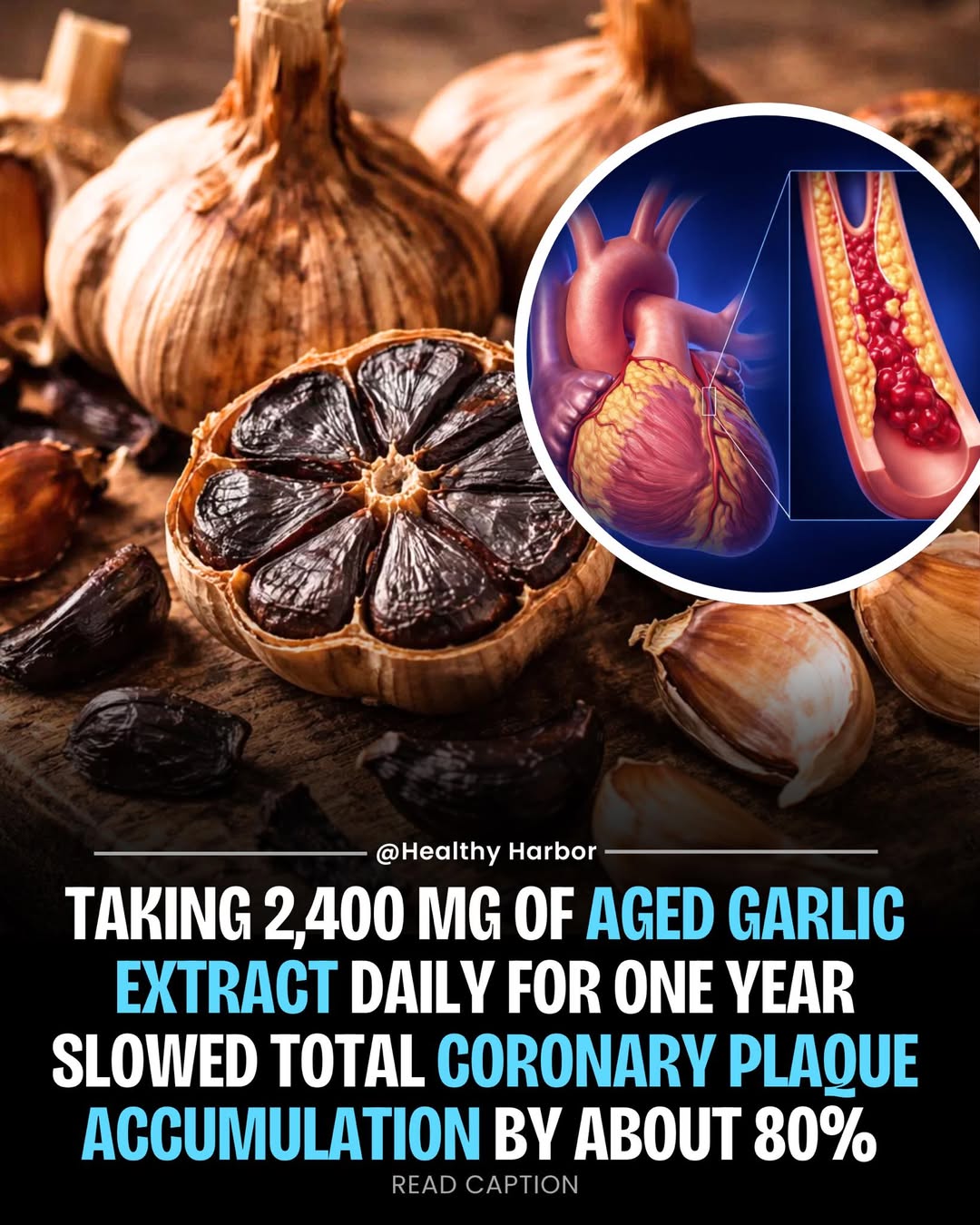
Participants were assigned to receive either 2,400 mg of aged garlic extract daily or placebo for 12 months, with follow-up imaging performed using the same standardized CT protocol. Compared with placebo, the aged garlic extract group demonstrated a marked slowing of total coronary plaque accumulation and showed regression of low-attenuation plaque, a lipid-rich plaque subtype associated with increased vulnerability to rupture. These findings suggest that aged garlic extract may influence plaque biology in patients with metabolic syndrome and established subclinical atherosclerosis, as evaluated through direct arterial imaging.

No photo description available.
← newer: The calcification paradox: why a CAC score can rise as plaquolder: One avocado a week linked to 16% lower CVD and 21% lower CHD →