HD-OPM Archive
Hashtags

#nutritionscience

8 posts

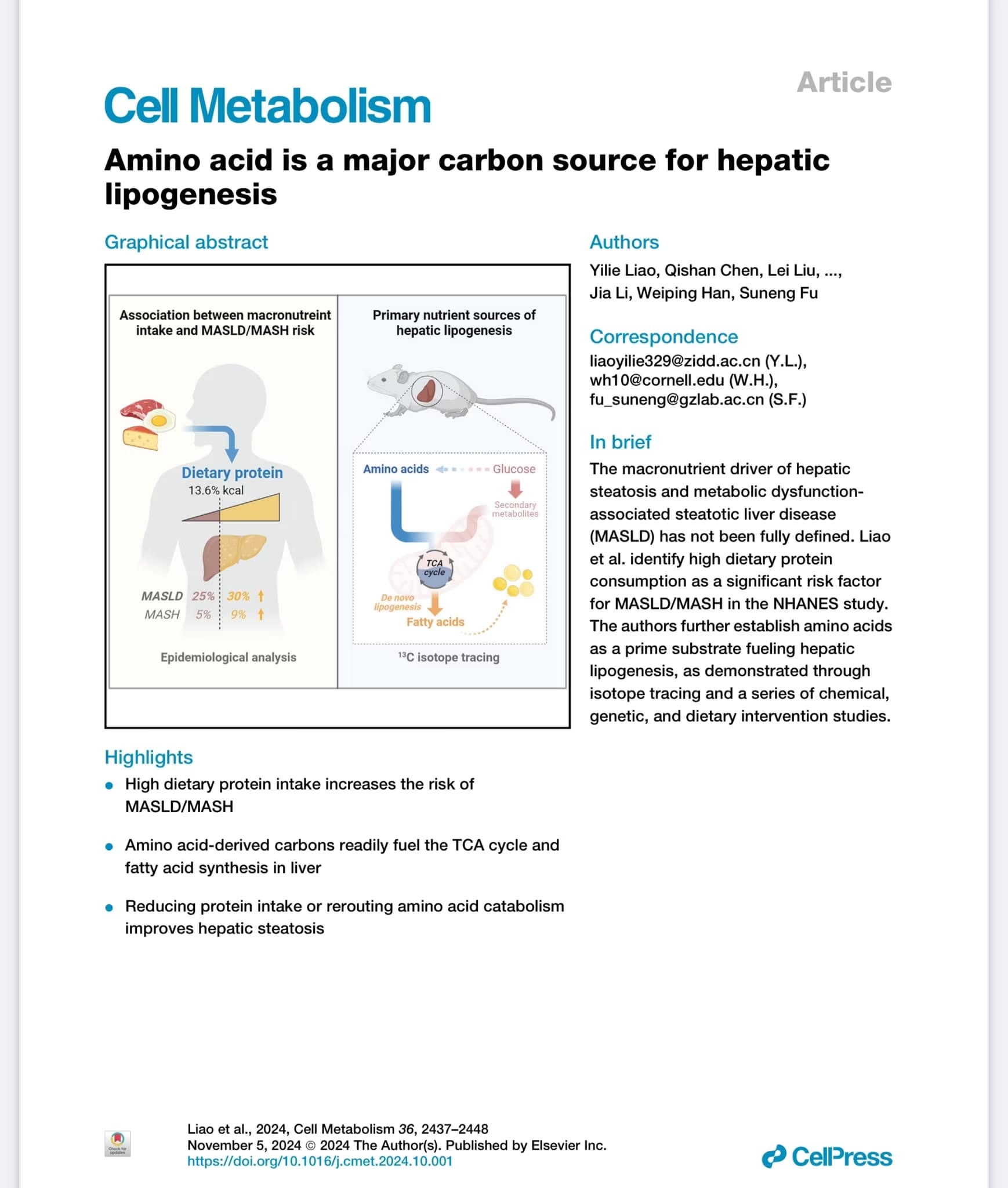
High protein intake linked to MASLD in NHANES; amino acids fuel liver fat synthesis

Dec 02, 2024 · Louis Nervegna ♥ 4 · 💬 7 Weight, visceral & liver fat

Louis shares a Cell Metabolism study suggesting high-quality protein may drive fatty liver. In NHANES (4,693 participants), carbohydrate and total fat were not associated with MASLD, while medium/high protein intake raised MASLD risk about 1.45-fold and high protein doubled MASH risk; low carbohydrate intake was associated with about 2-fold higher MASH progression. Amino acids serve as carbon sources for liver fatty acid synthesis, and mTOR may play a role.

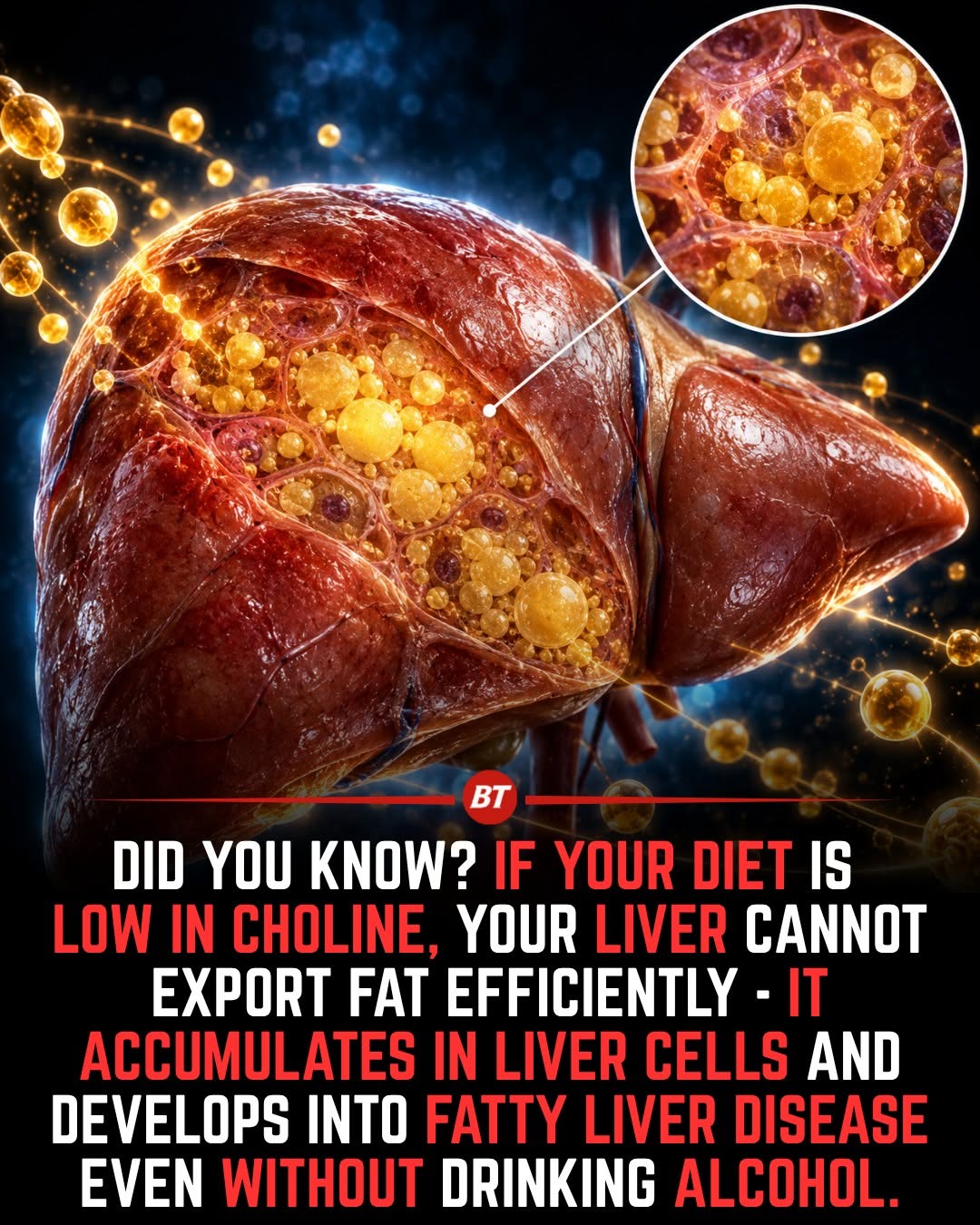
Choline deficiency can cause fat to accumulate in the liver

Sep 06, 2026 · Louis Nervegna ♥ 9 · 💬 4 Weight, visceral & liver fat

A shared post explains that choline is needed for phosphatidylcholine, which packages and exports liver fat in lipoproteins. Severely inadequate intake can cause liver fat to accumulate in controlled feeding studies and is reversible with adequate choline. Good sources include eggs, liver, meat, fish and soybeans.

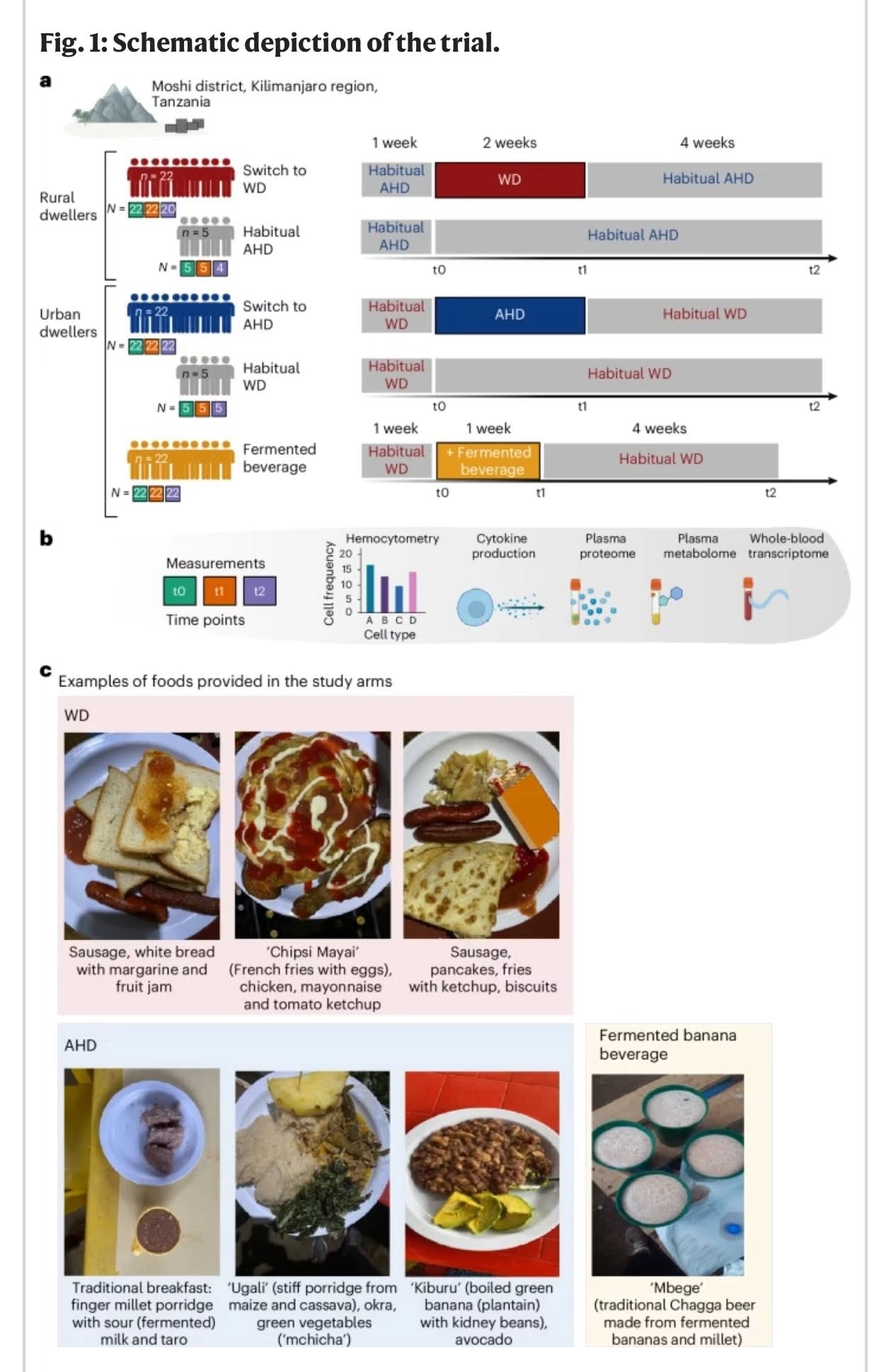
Swapping to a Western diet for weeks raised inflammation in a Tanzanian multiomics trial

Jun 04, 2025 · Louis Nervegna ♥ 5 · 💬 1 Mediterranean, DASH, MIND & plant-forward diets

A Nature Medicine study of 77 healthy Tanzanian men tested a switch between a traditional Kilimanjaro diet and a Western diet, plus a Western diet with the fermented banana drink mbege. The Western diet quickly increased weight and inflammatory and cardiometabolic proteins, while the heritage diet and mbege reduced inflammatory markers.

Meta-analysis of 87 trials: whole grains improved LDL, glucose, blood pressure, weight

Oct 02, 2026 · Louis Nervegna ♥ 9 Carbs, fiber, sugar & whole grains

A European Heart Journal meta-analysis of 87 randomized trials found greater whole-grain intake improved LDL and total cholesterol, triglycerides, fasting glucose and systolic blood pressure, and reduced body weight, waist and IL-6. Effects were estimated per 48 g/day and were generally largest around 60-100 g/day, though certainty of evidence varied.