HD-OPM Archive
Topics › Metabolic health

Weight, visceral & liver fat

235 posts (79 primarily about this topic) · 86 reposts and set-aside posts not shown

Start here — the best posts in this topic

  1. TG/HDL ratio tracks visceral fat; clearing liver and pancreas fat improves it ↩ 10 · Jul 27, 2024
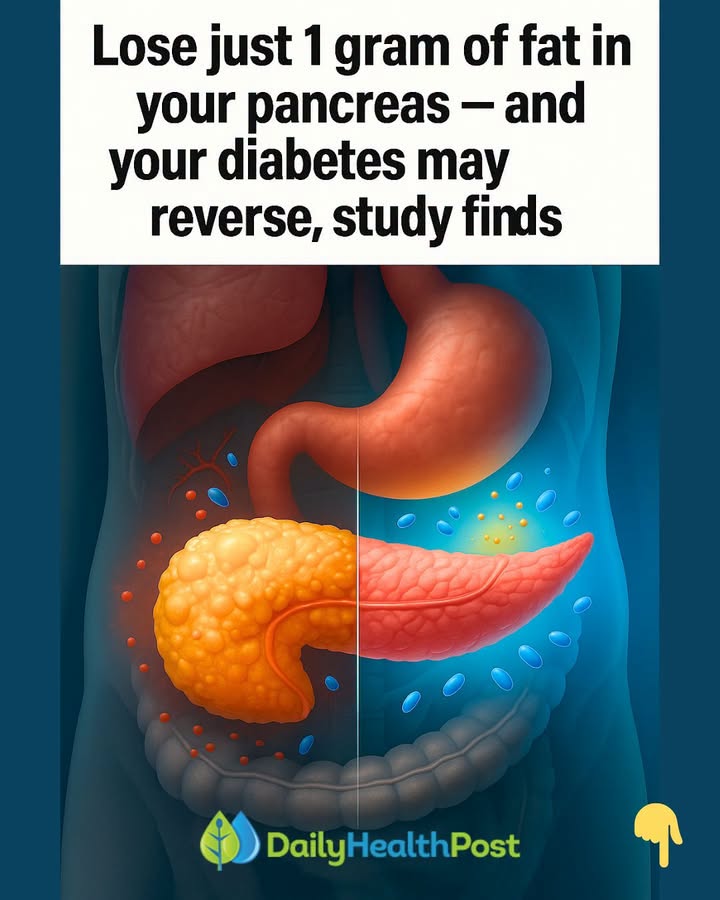
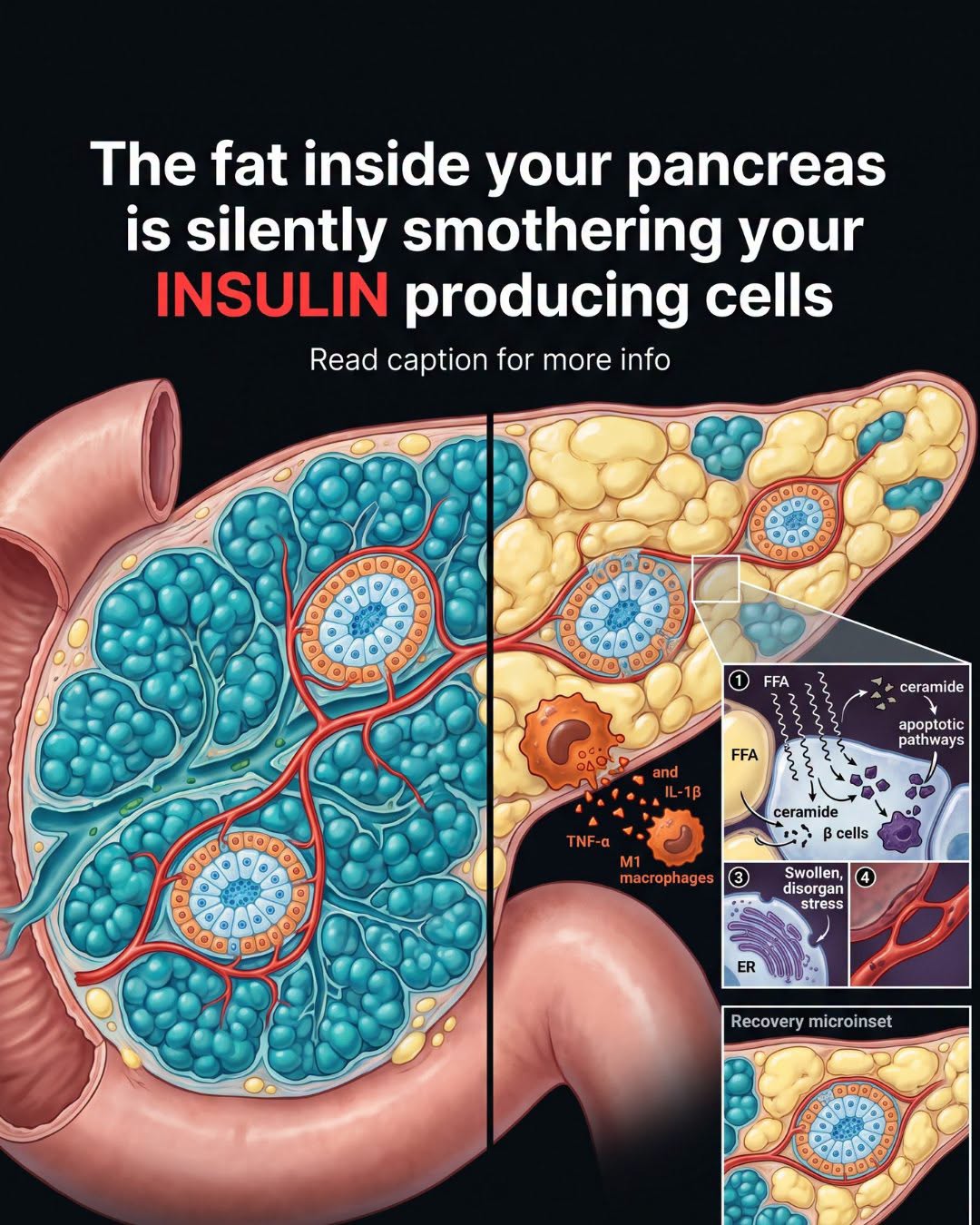
  2. Roy Taylor trials: 15 kg weight loss cleared liver and pancreas fat, reversing diabetes ↩ 13 · Feb 09, 2025
  3. High CAC score is not a death sentence: weight loss, LDL below 70, diet and exercise May 28, 2025
  4. Roy Taylor trial: clearing liver and pancreas fat via 8-week low-calorie diet reversed T2D ↩ 21 · Sep 01, 2024
  5. Liver fat is the main driver of insulin resistance, and visceral fat is a visible marker Sep 24, 2024
  6. Shared personal account of reversing type 2 diabetes through caloric deficit and low carbs Dec 19, 2025
  7. Weight loss that clears liver and pancreas fat reverses diabetes regardless of diet type Jul 27, 2025
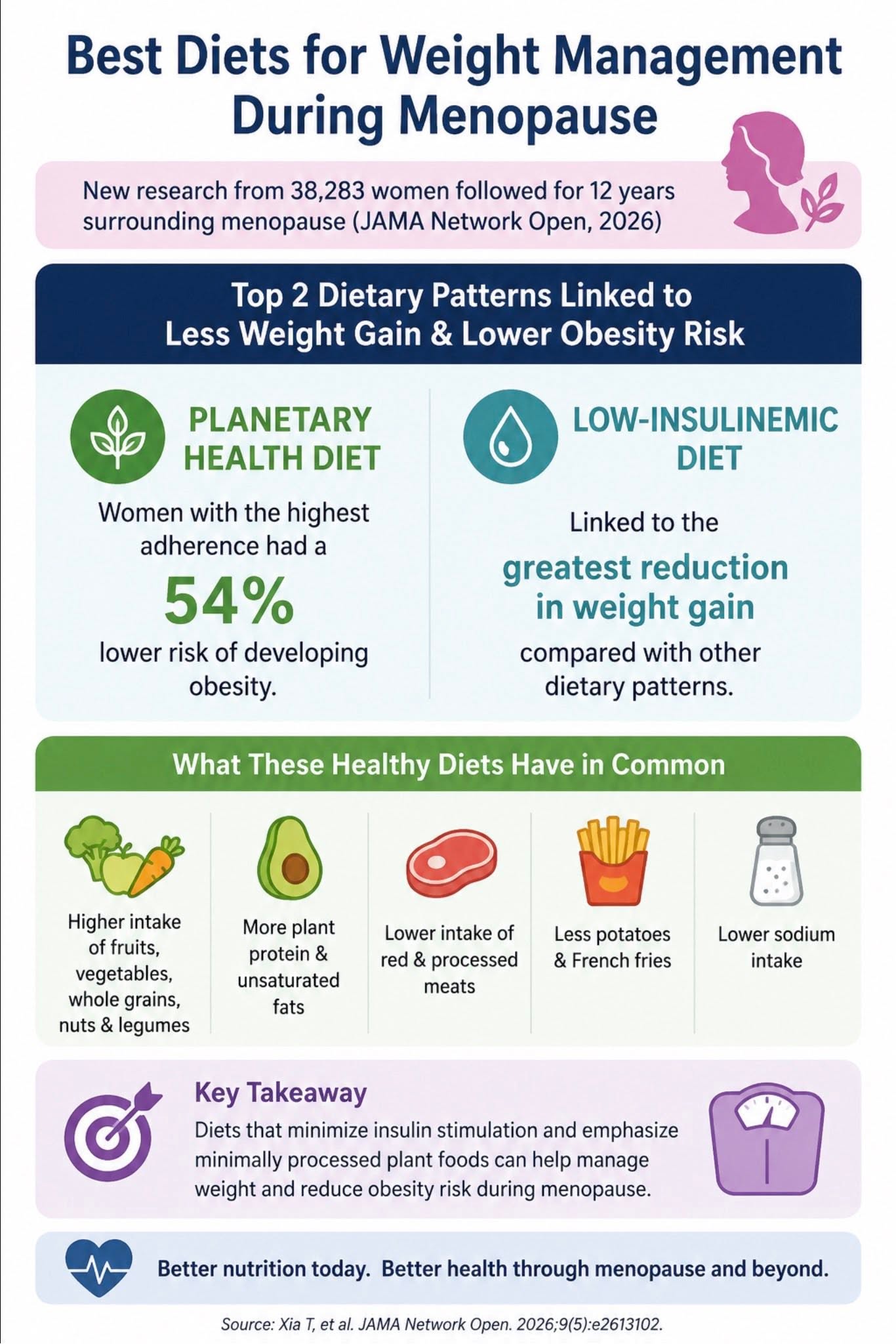
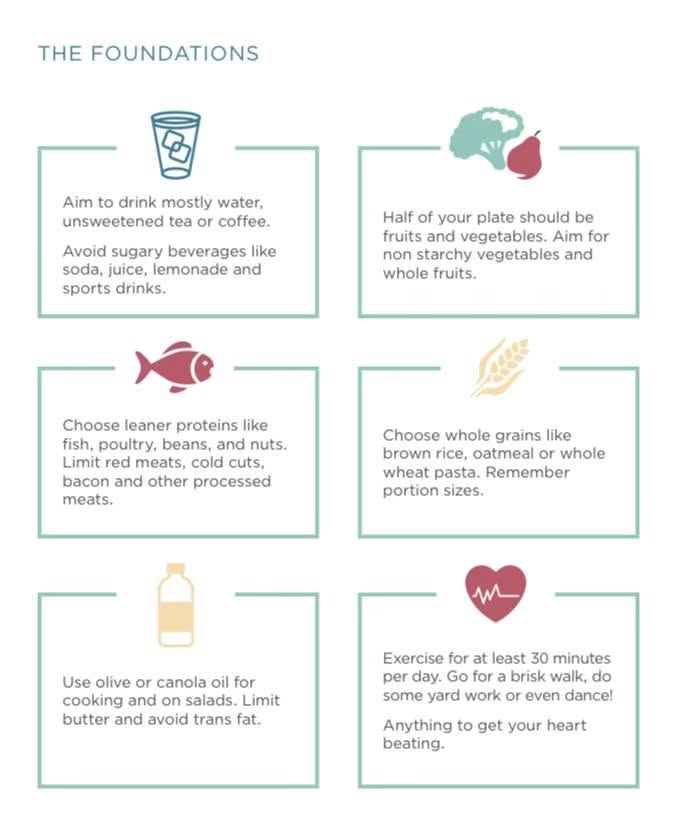
  8. Harvard Nutrition Source: potatoes linked to weight gain, diabetes and heart disease Jun 19, 2025
#liverfat 93#insulinresistance 69#visceralfat 68#weightloss 63#diabetes 40#obesity 38#liverfatsummary 37#fattyliver 37#roytaylor 35#glp1 32#metabolicsyndrome 21#liver 21#pancreasfat 20#calorierestriction 19#reversediabetes 17#muscle 17#insulin 17#mediterranean 15#betacells 13#mice 13#testosterone 13#regeneratepancreas 12#fasting 12#pancreaticinsufficiency 11#refinedsugar 11#trt 11#exercise 10#refinedstarch 10#cancer 10#coffee 9#inflammation 9#keto 9#liverdisease 9#nuts 9#harvard 8#musclefat 8#protein 8#semaglutide 8#longevity 8#prediabetes 7

TG/HDL ratio tracks visceral fat; clearing liver and pancreas fat improves it

Jul 27, 2024 · Louis Nervegna ♥ 37 · 💬 50 ↩ 10

The poster argues TG/HDL is really a marker of metabolic health driven by visceral fat, especially in the liver and pancreas. Any diet that removes that fat should improve TG/HDL, insulin sensitivity and glycemic control. This is opinion without a cited study.
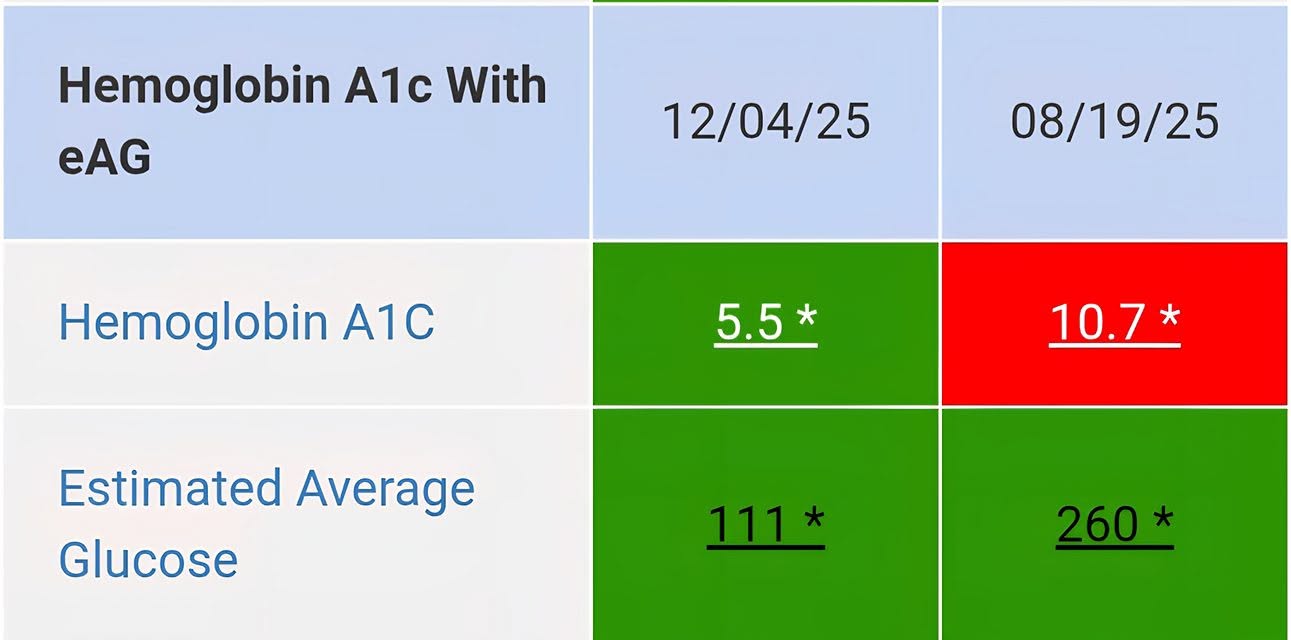
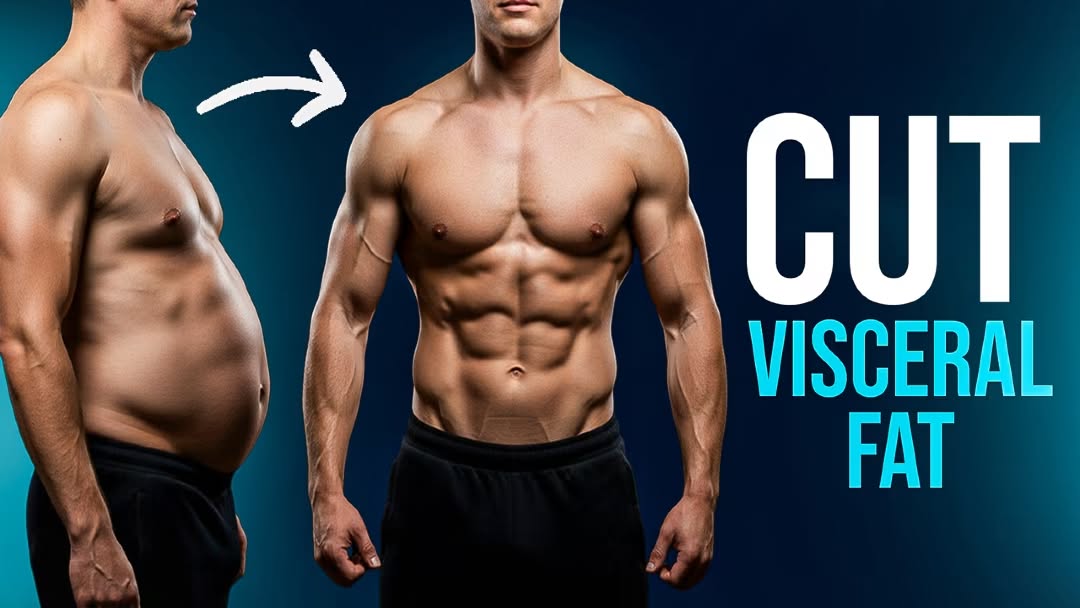
Roy Taylor trial: clearing liver and pancreas fat via 8-week low-calorie diet reversed T2D

Sep 01, 2024 · Louis Nervegna ♥ 24 · 💬 22 ↩ 21 Insulin resistance & diabetes

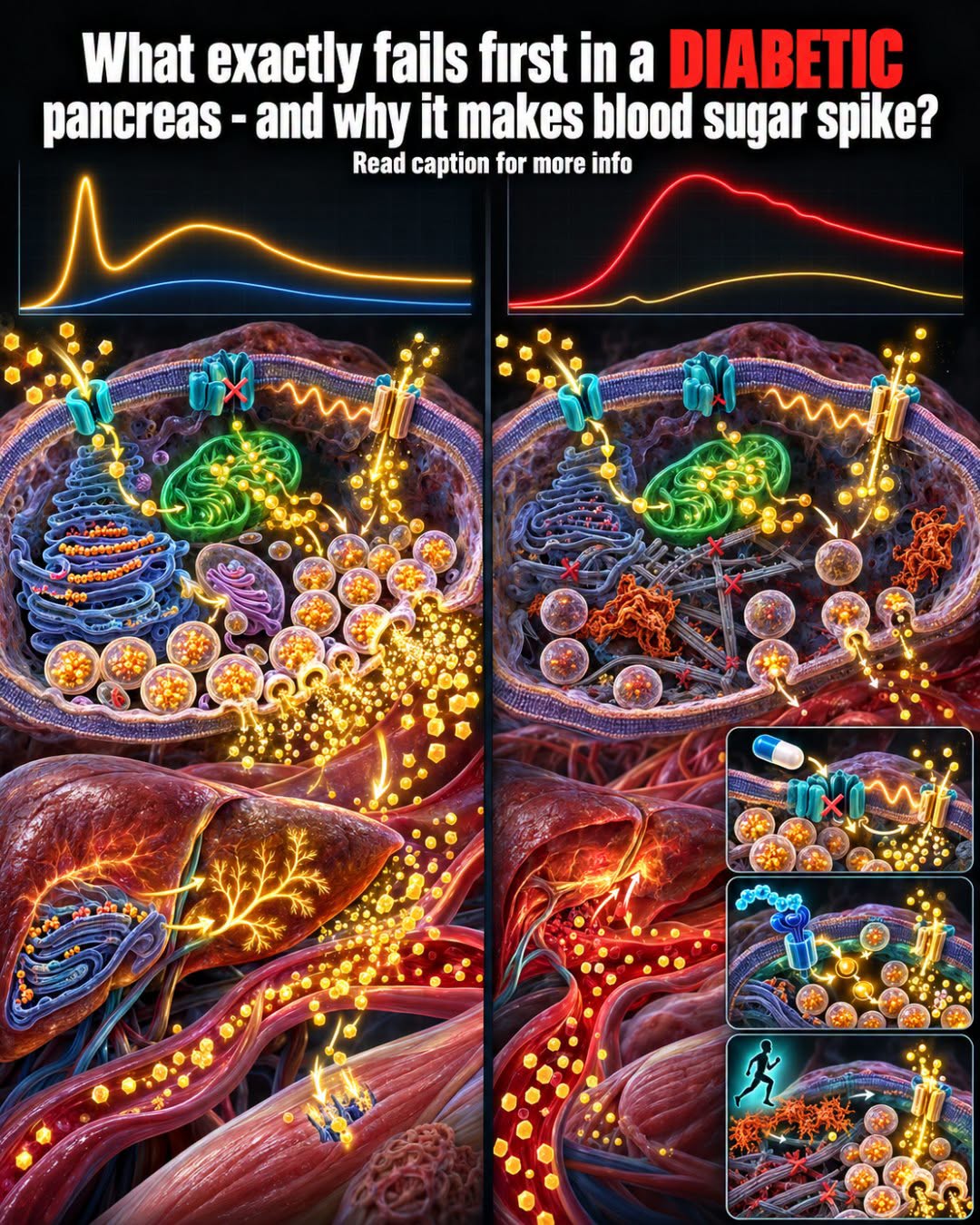
Louis summarizes Roy Taylor's randomized trial in which an 8-week very low calorie liquid diet cleared fat from the liver and pancreas, restoring insulin sensitivity and beta cell function and putting diabetes into remission. Average weight loss needed was about 15 kg (33 lb), followed by a Mediterranean-style maintenance diet. Some patients had a full curative response with pancreas regeneration seen on imaging.

Liver fat is the main driver of insulin resistance, and visceral fat is a visible marker

Sep 24, 2024 · Louis Nervegna ♥ 21 · 💬 25 Insulin resistance & diabetes

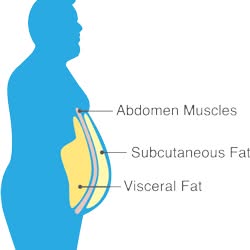
Louis reposts a Harvard diabetologist's explanation that in most people fat stored in the liver is the biggest cause of insulin resistance. Losing liver fat by any means dramatically improves it, and weight loss removes liver fat first. Refined starch and sugar-sweetened drinks raise the odds, though excess calories alone can do it. Visible abdominal visceral fat is a simple proxy.

Liver fat as low as 1.85% is linked to insulin resistance (Yale)

Jun 29, 2025 · Louis Nervegna ♥ 10 · 💬 25 ↩ 14

Louis posts a Yale report showing that liver fat above 1.85%, well below the 5% fatty liver threshold, is linked to insulin resistance. Lean people may have enough liver fat to cause insulin resistance without knowing it.

Can fasting reverse plaque? Autophagy makes it plausible but evidence is indirect

Jun 29, 2026 · Louis Nervegna ♥ 23 · 💬 14 Fasting & meal timing

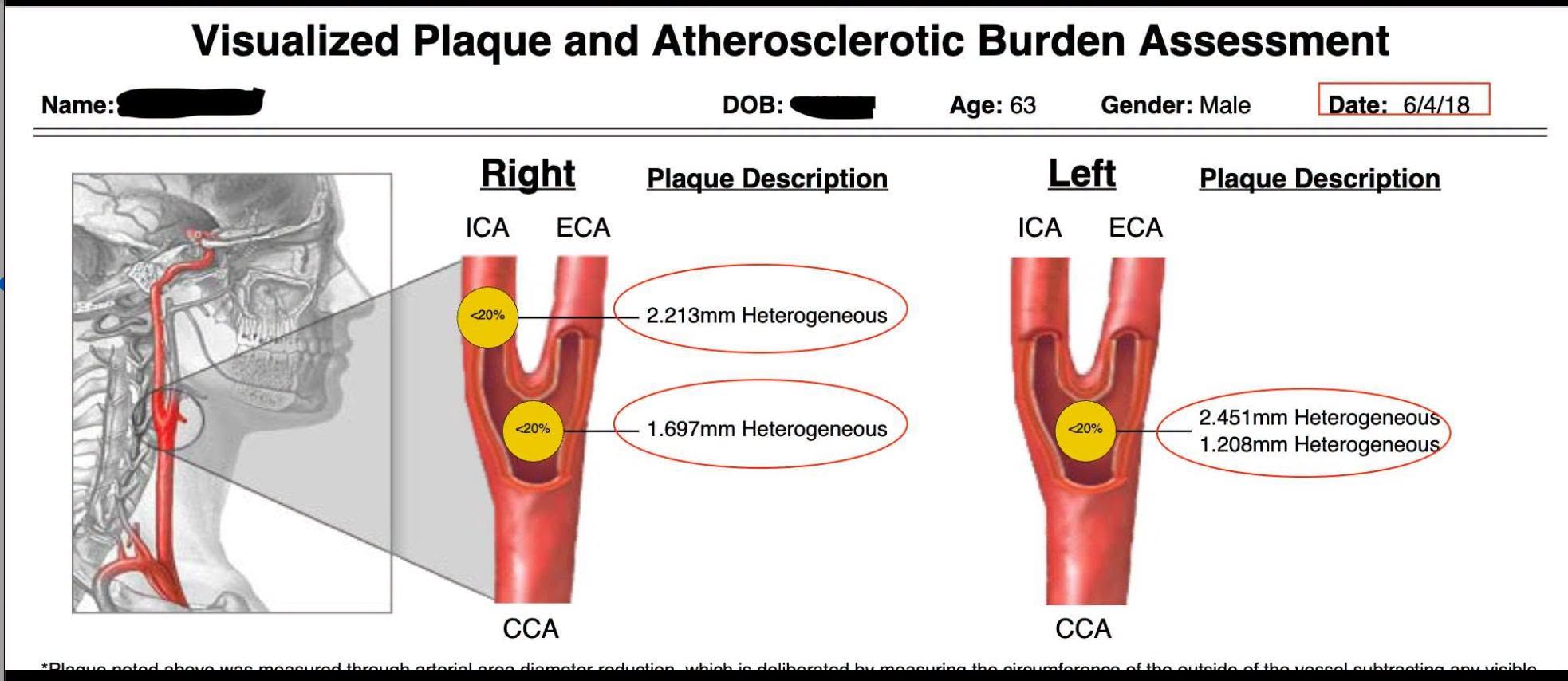
Louis argues there is biological plausibility that fasting could clear damaged arterial tissue via autophagy, linking earlier posts. He cites the 2010 DIRECT-Carotid trial showing large weight loss can regress carotid atherosclerosis, and a shared post on a Nature Metabolism 7-day fast study in 12 people with a day-3 shift in about 1,000 proteins. Direct evidence for plaque reversal by fasting is anecdotal.

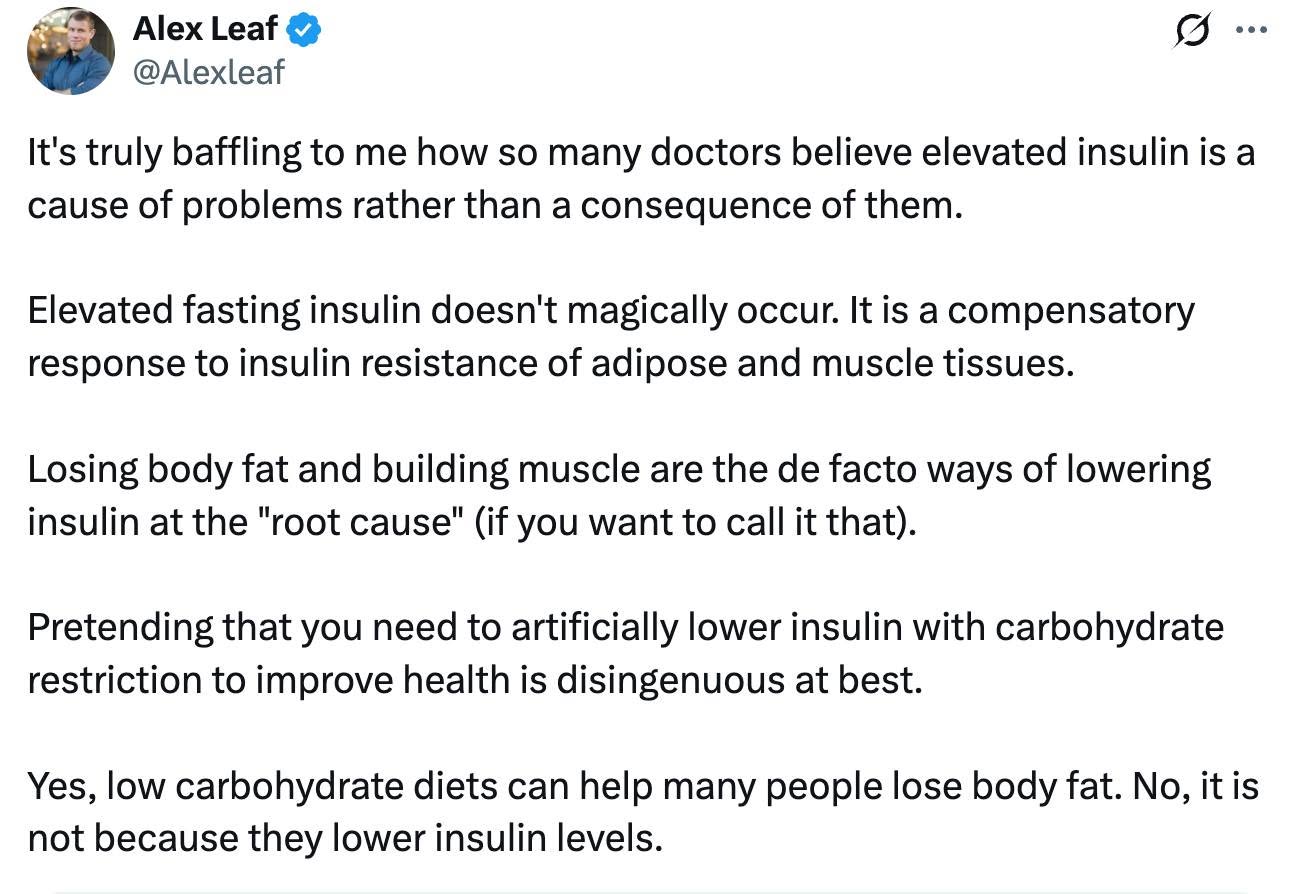
Diabetes researchers cite fat in muscle and liver as the main cause of insulin resistance

Oct 19, 2025 · Louis Nervegna ♥ 23 · 💬 13 Insulin resistance & diabetes

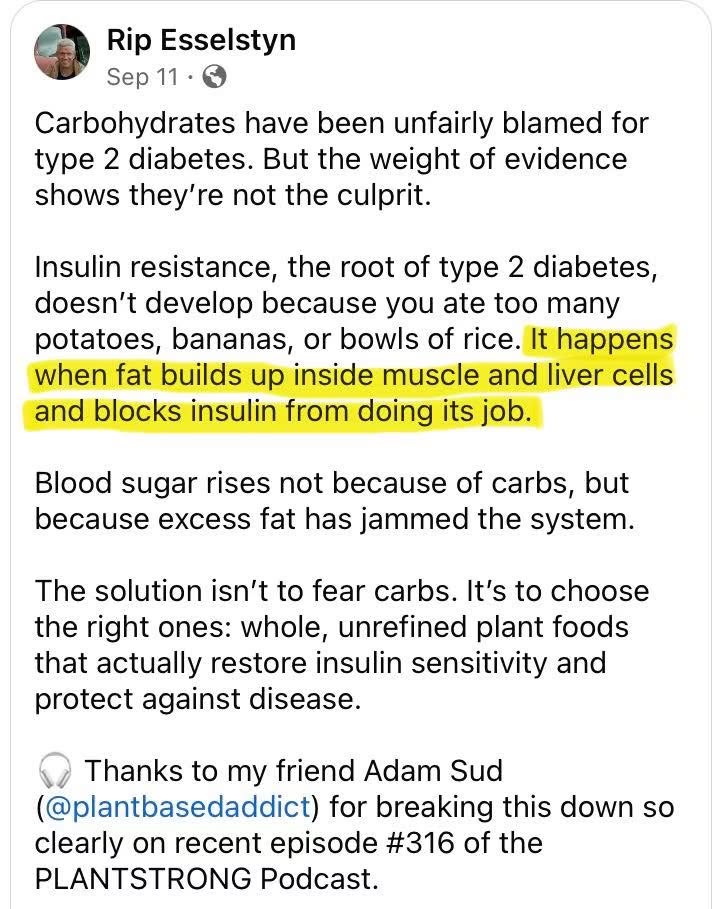
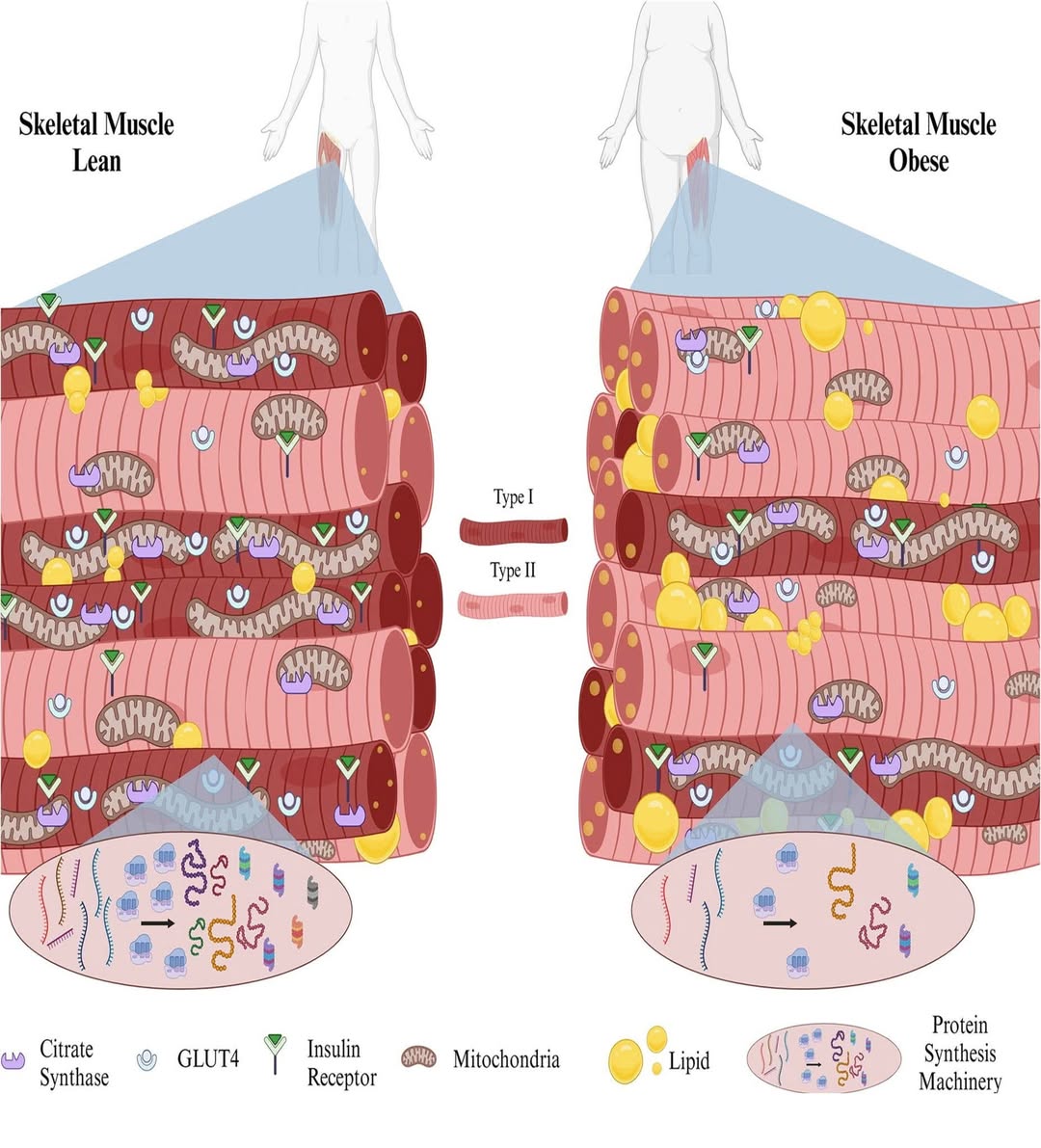
Louis says leading diabetes researchers increasingly agree that fat build-up inside muscle and liver is what causes insulin resistance in most people. Food types can make accumulation easier or harder, but the main cause is overall calorie overconsumption, and very lean people with no ectopic fat rarely develop insulin resistance whatever they eat.

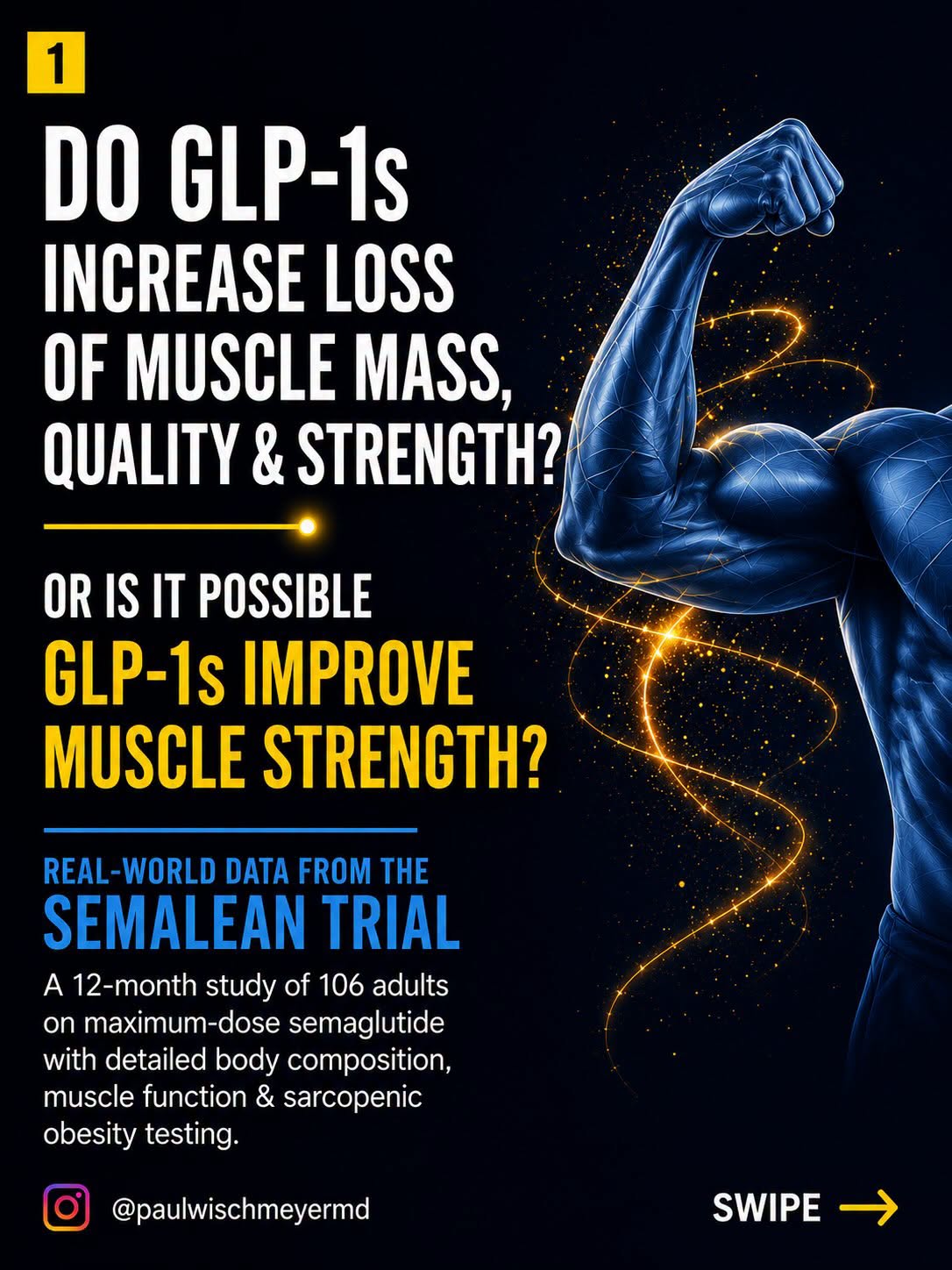
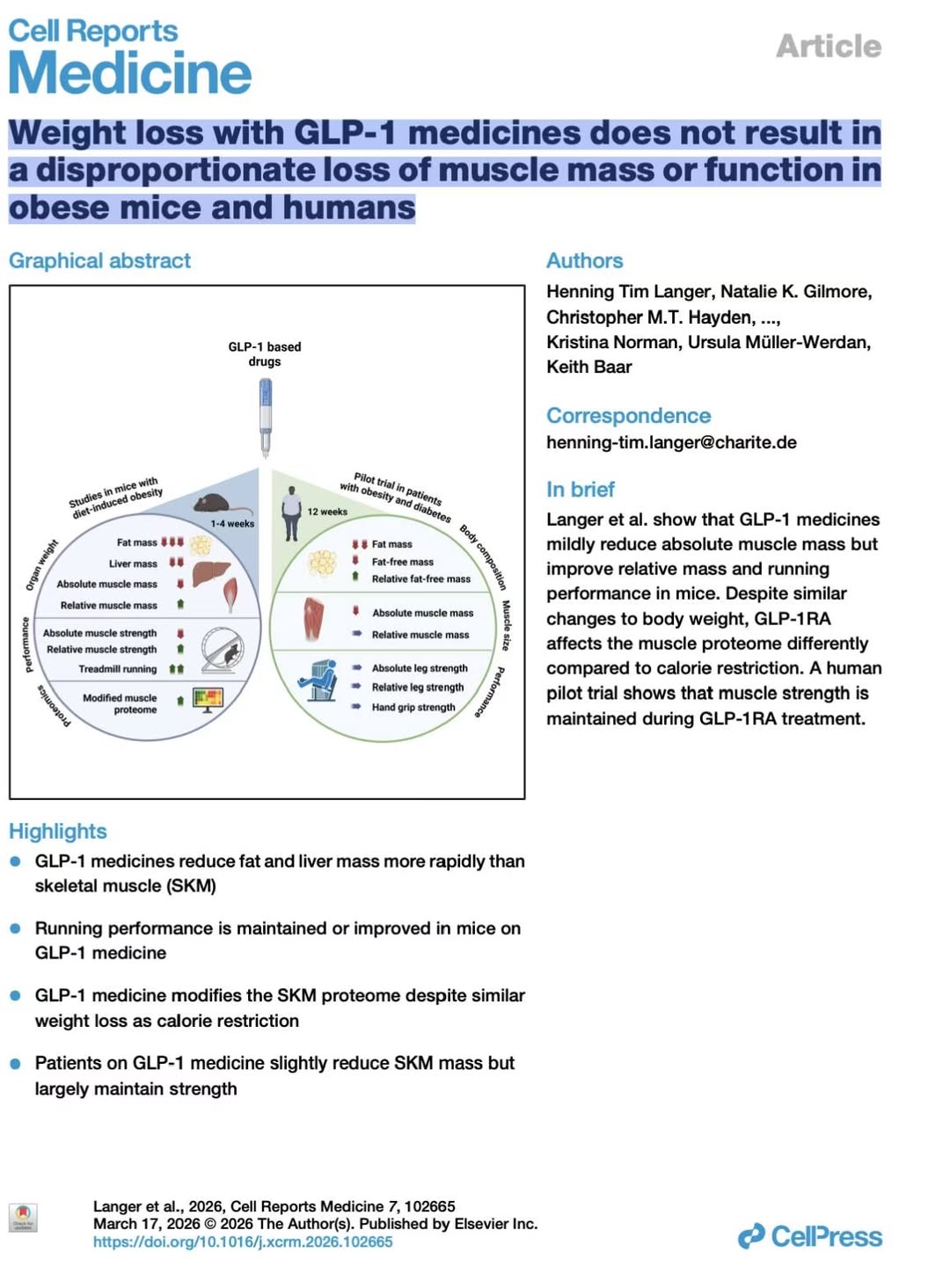
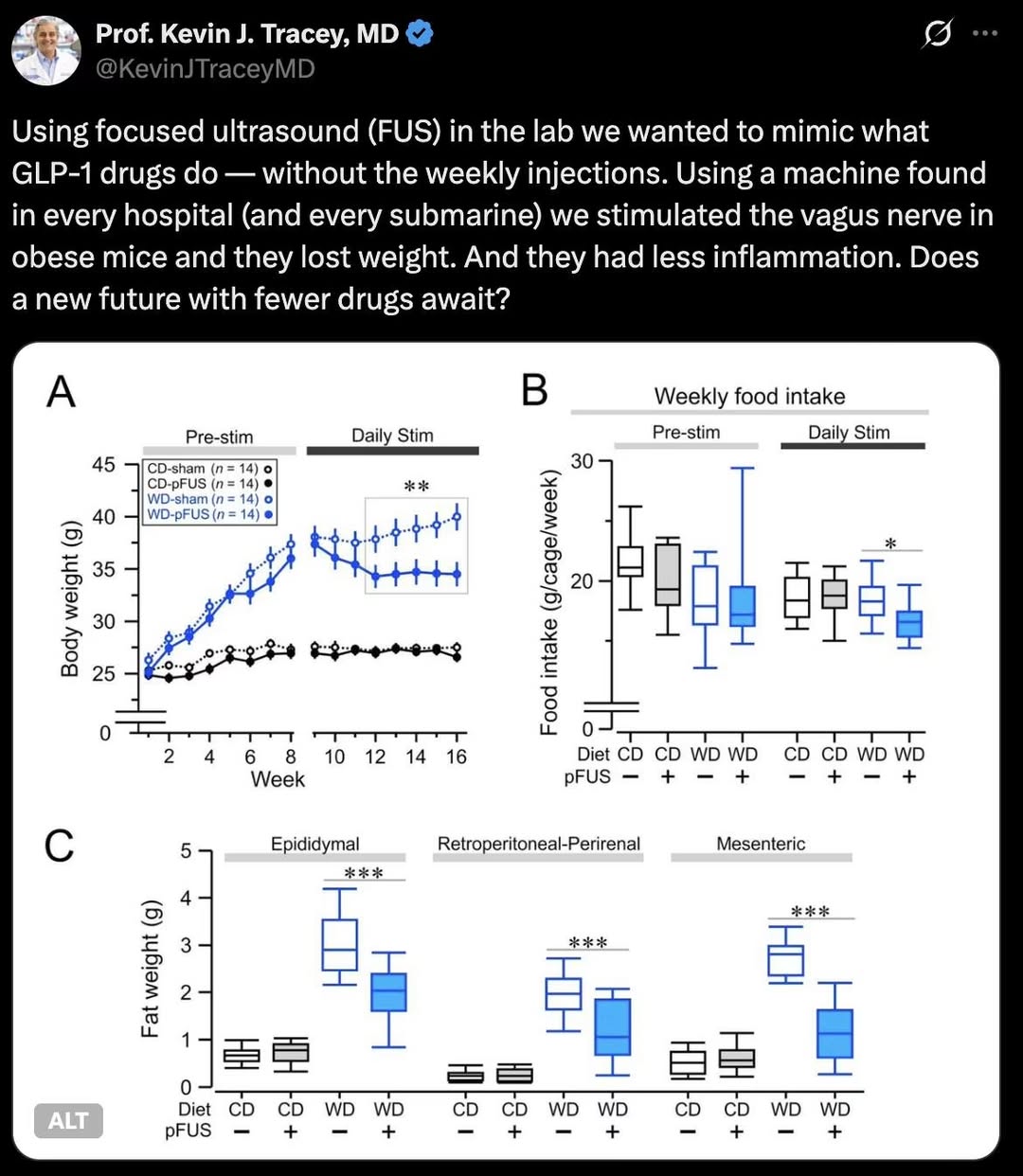
Resistance exercise preserves muscle during calorie restriction and GLP-1 weight loss

Mar 16, 2025 · Louis Nervegna ♥ 23 · 💬 8 Exercise & fitness

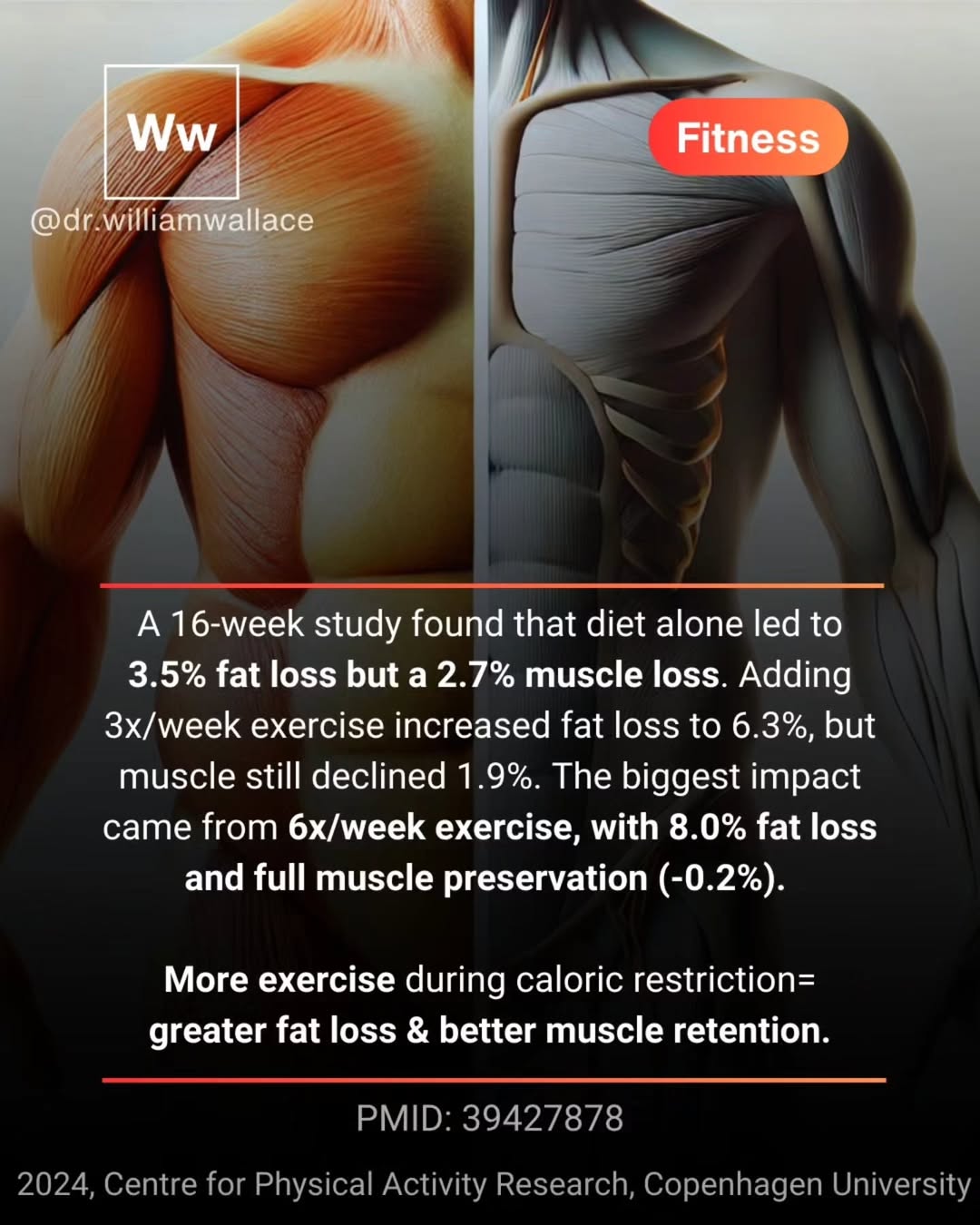
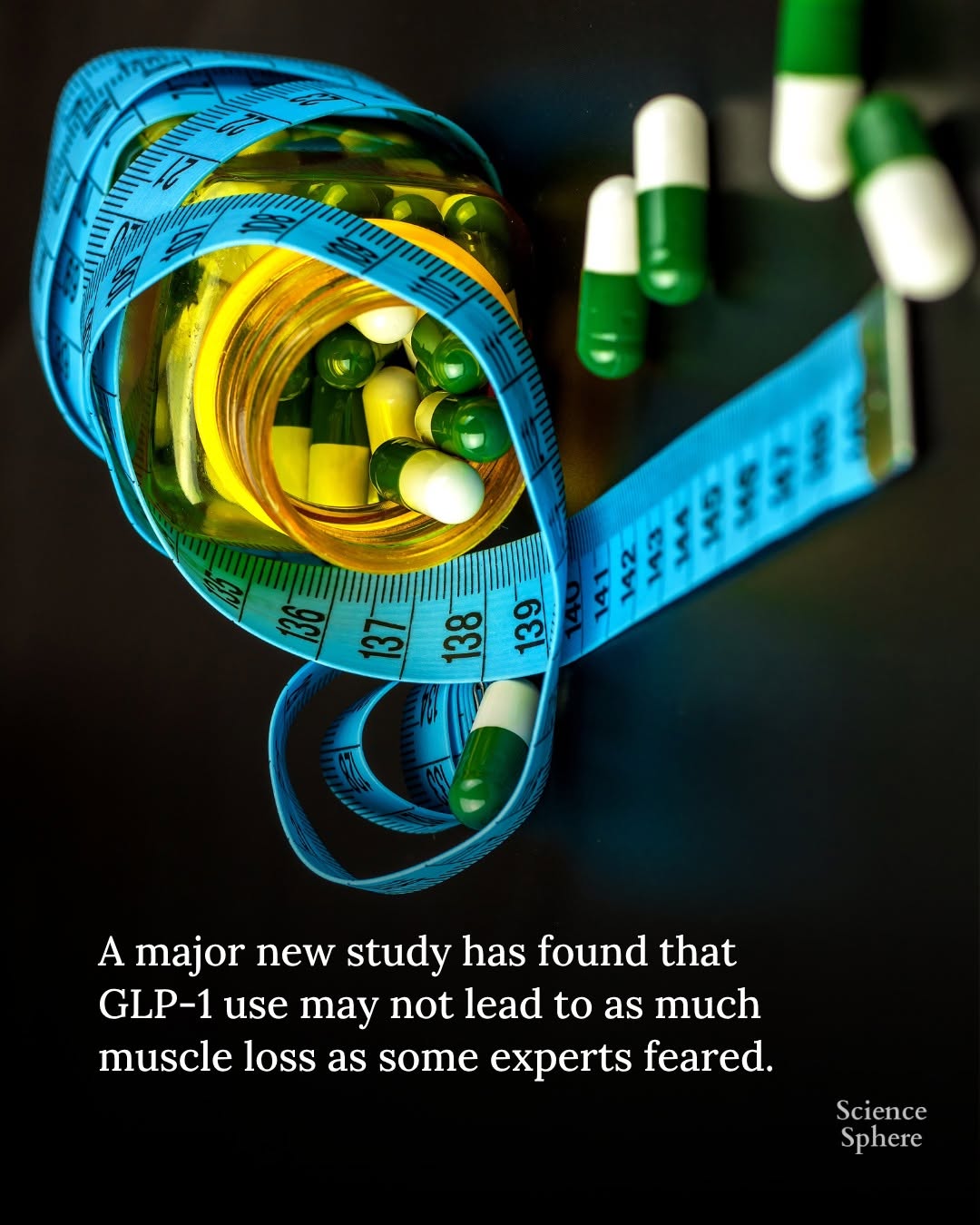
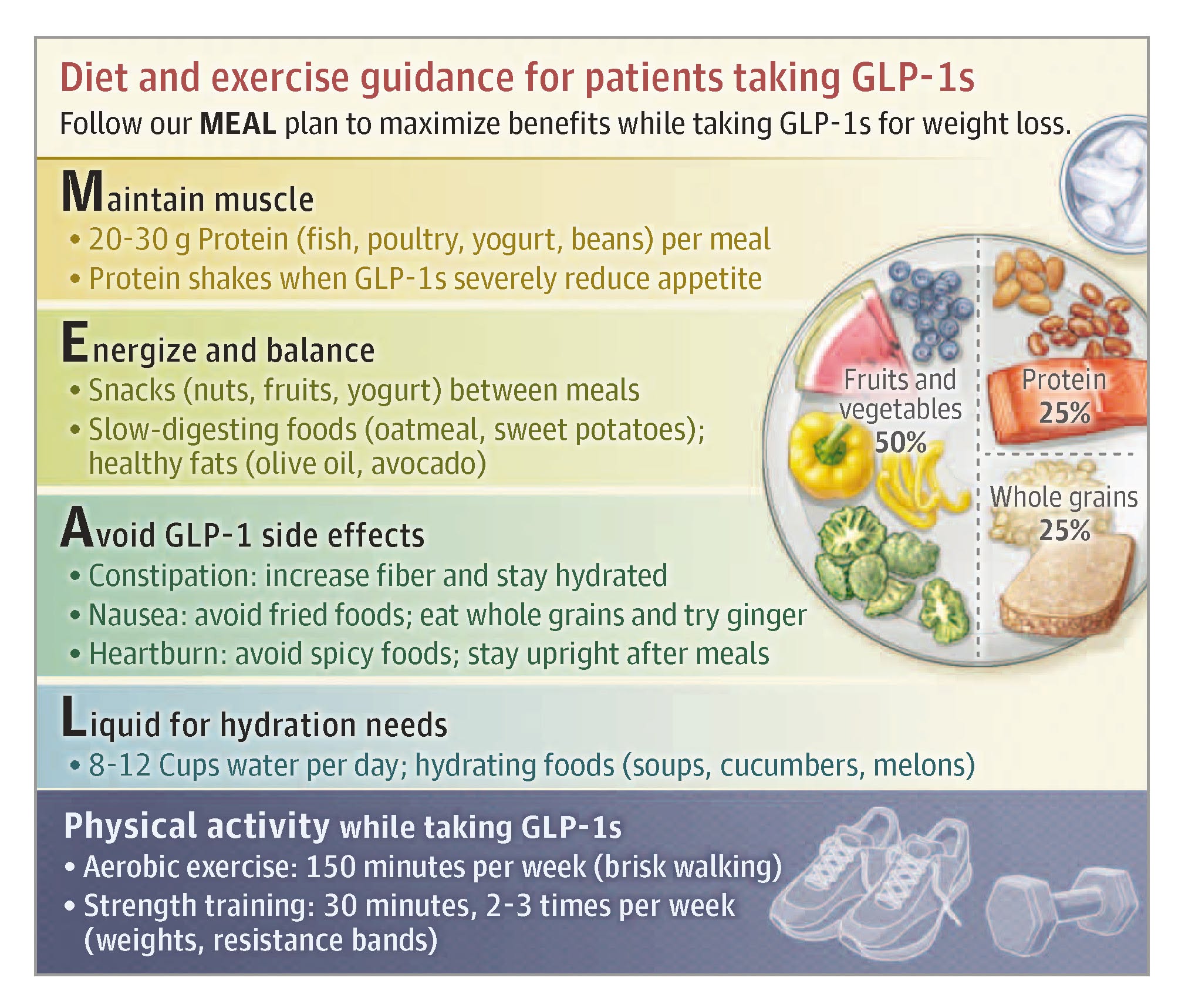
Louis argues that most muscle lost during calorie restriction can be prevented by resistance exercise without raising protein intake, citing over 70 RCTs in which exercise drives nearly all strength gains and extra protein adds only about 5% over 22 weeks. He applies this to GLP-1 drugs, saying their muscle loss comes from calorie restriction rather than a drug side effect. The shared study (16 weeks, 82 people with type 2 diabetes) showed that high-dose exercise with diet fully preserved muscle.

Big glucose spikes from oats signal insulin resistance; only losing visceral fat cures it

Mar 01, 2025 · Louis Nervegna ♥ 23 · 💬 8 Insulin resistance & diabetes

Louis argues that large glucose spikes from low-to-moderate GI carbs suggest prediabetes or diabetes, and that cutting carbs only masks the problem unless enough weight is lost to clear liver and pancreas fat. He adds that visceral fat can hide in people with normal BMI, that Asians develop insulin resistance at lower visceral fat levels, and summarizes Roy Taylor's very-low-calorie diet trials.

Swapping saturated for polyunsaturated 'seed oil' fats lowered liver fat in an RCT

Dec 18, 2024 · Louis Nervegna ♥ 14 · 💬 13 ↩ 5 Fats & oils (saturated fat, seed oils, omega-6, olive oil)

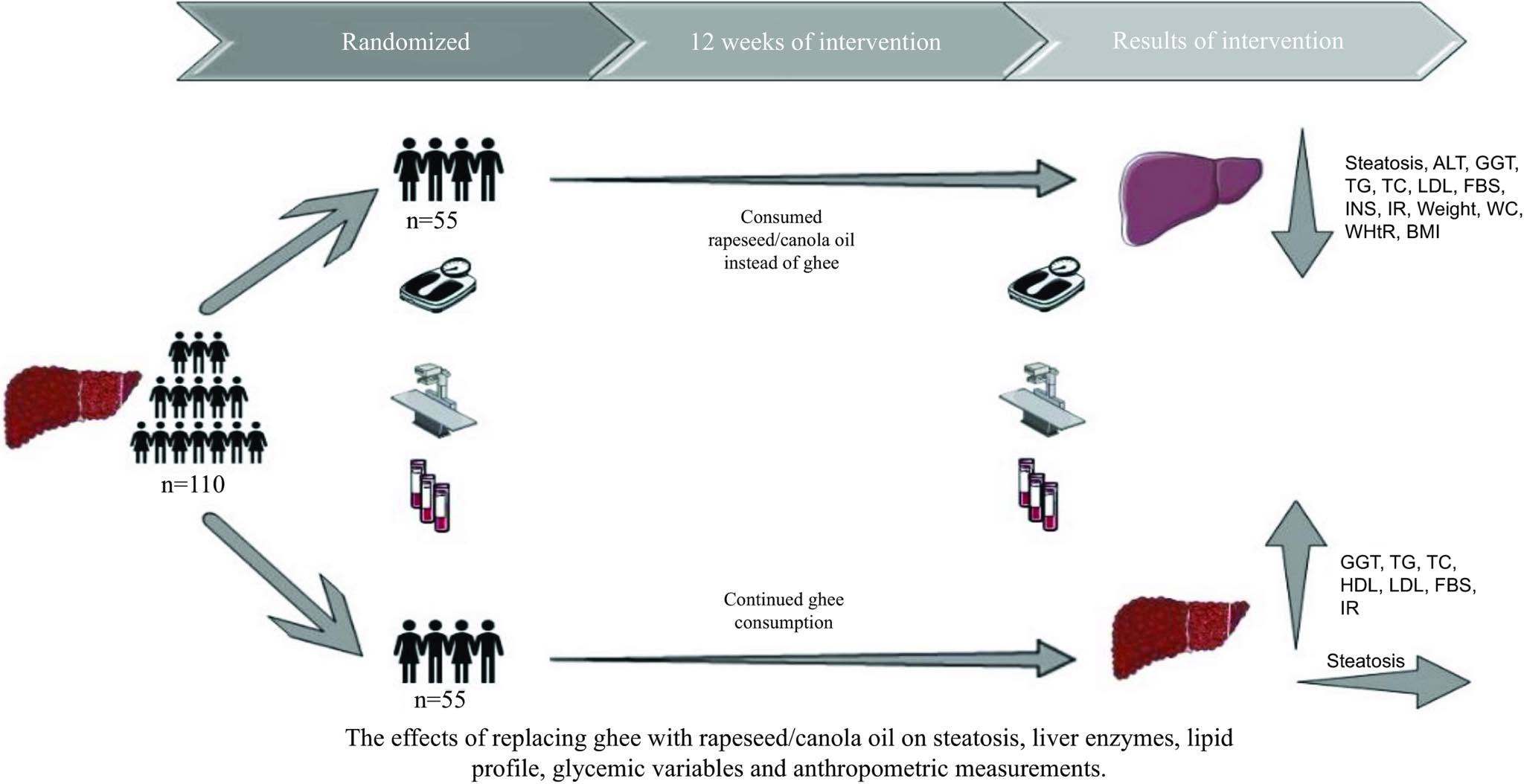
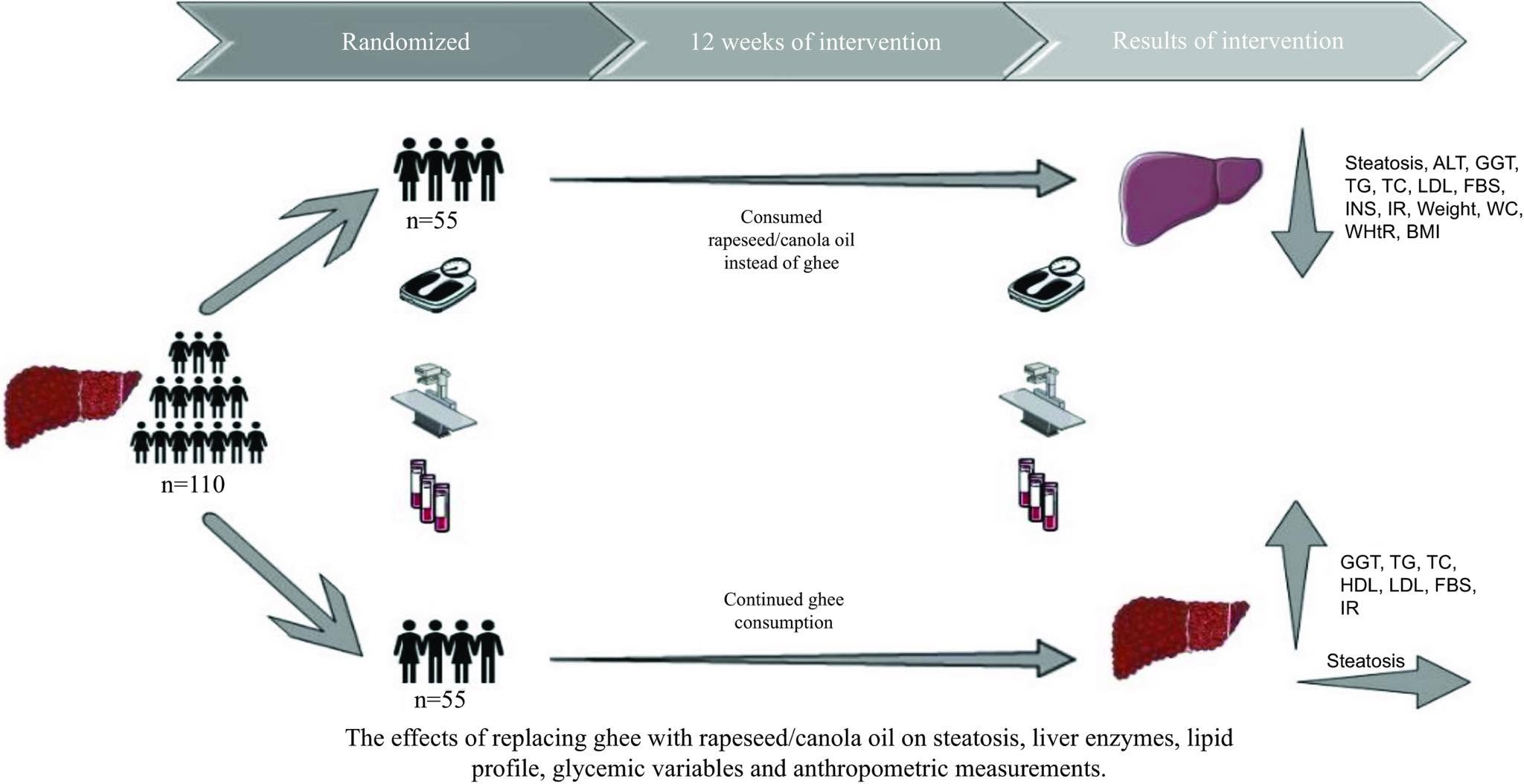
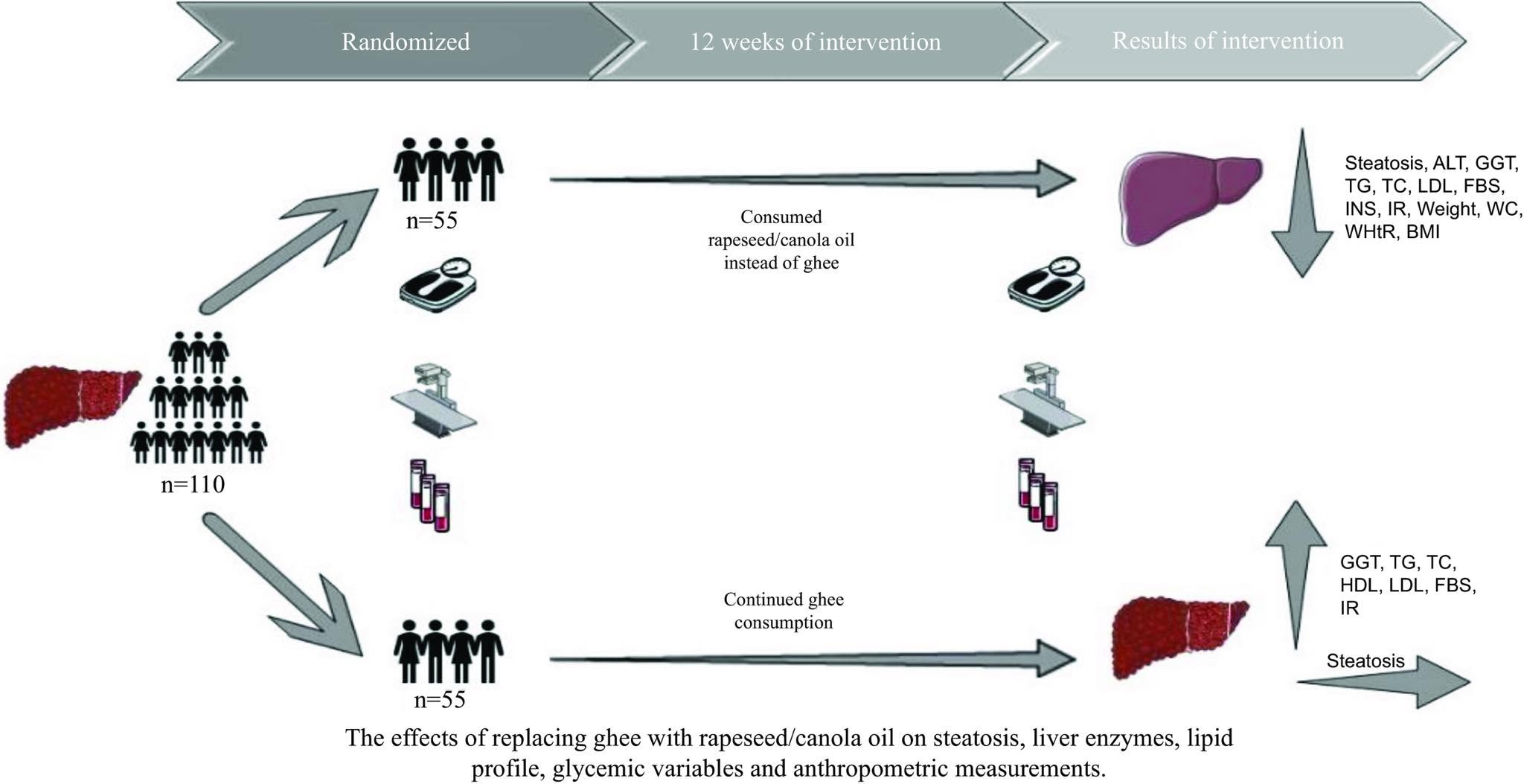
Louis highlights a secondary analysis of a 12-week RCT in NAFLD. Higher dietary and plasma polyunsaturated fat, especially n-6, was associated with larger liver fat loss, while higher saturated fat intake or plasma saturated fat was associated with less reduction in liver stiffness and liver fat. He says multiple well-done studies show this.

Sumo wrestlers stay metabolically healthy because heavy exercise shifts fat under the skin

Mar 09, 2025 · Louis Nervegna ♥ 21 · 💬 9

Louis explains why sumo wrestlers, despite huge calorie and refined-carbohydrate intake, store little fat in the liver and pancreas and little visceral fat. He attributes this to up to 7 hours of daily exercise, which releases adiponectin and steers fat storage to subcutaneous tissue, a reason exercise protects against metabolic syndrome and diabetes.

Krill oil preserved muscle and strength during weight loss in an 8-week RCT

Jul 21, 2025 · Louis Nervegna ♥ 17 · 💬 8

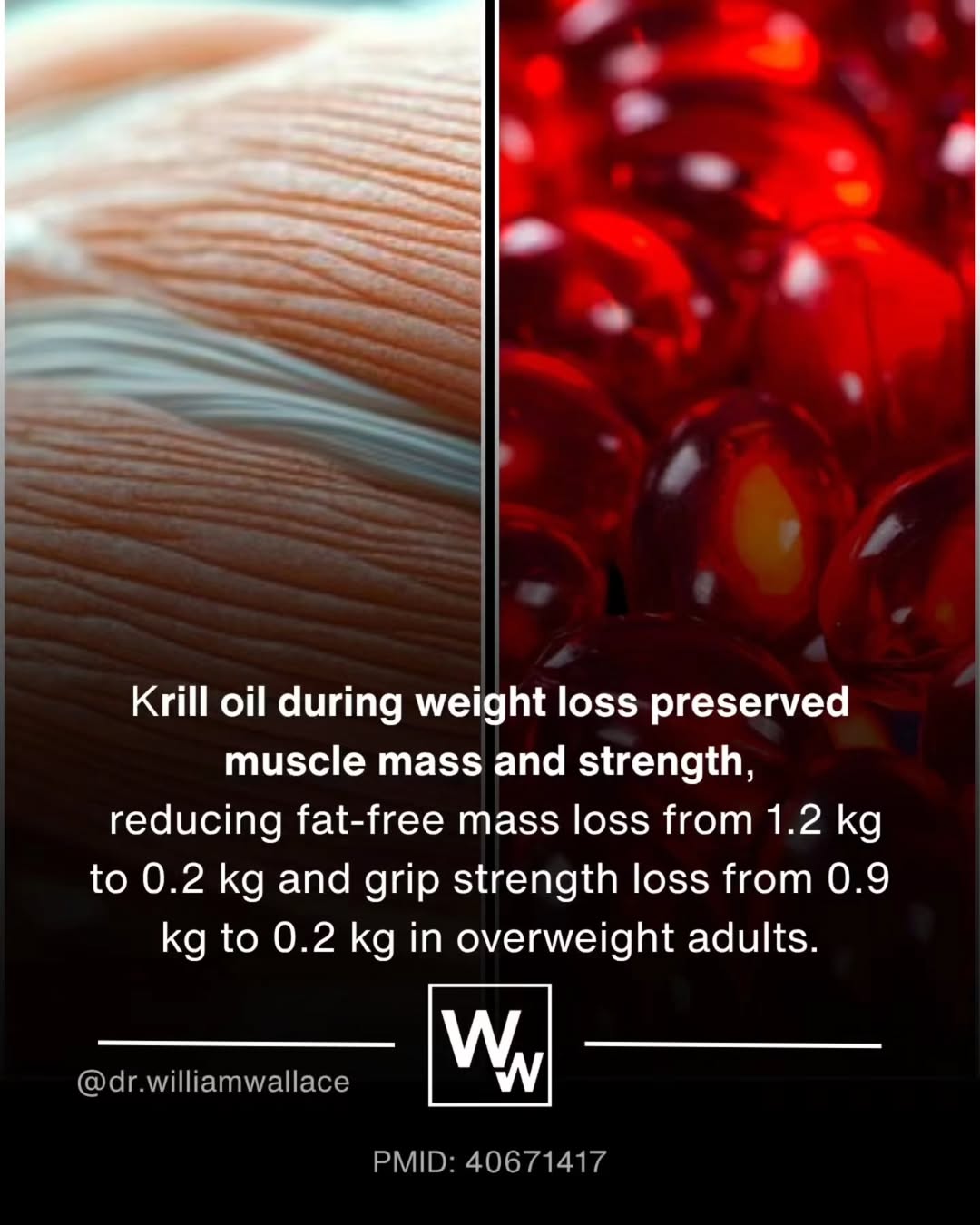
Louis notes that omega-3 protection against muscle loss has been accumulating for years. The shared summary describes a 2025 placebo-controlled trial in adults with overweight or obesity doing alternate-day fasting, where krill oil preserved fat-free mass and function despite equal weight loss.

Removing visceral fat extended rat lifespan, hinting at how calorie restriction works

Feb 12, 2025 · Louis Nervegna ♥ 12 · 💬 12

Louis shares a video discussing an animal study where removing visceral fat lengthened rat lifespan, suggesting much of calorie restriction's benefit may come from less visceral fat. He links this to human epidemiology on BMI and to Roy Taylor's trials showing lower visceral fat reverses diabetes and fatty liver.

Fat cells retain an epigenetic memory of past obesity

Feb 19, 2025 · Louis Nervegna ♥ 7 · 💬 26

Louis states that fat cells remember past obesity through epigenetic mechanisms, possibly passed to offspring. The linked content is unavailable so the underlying study cannot be identified.

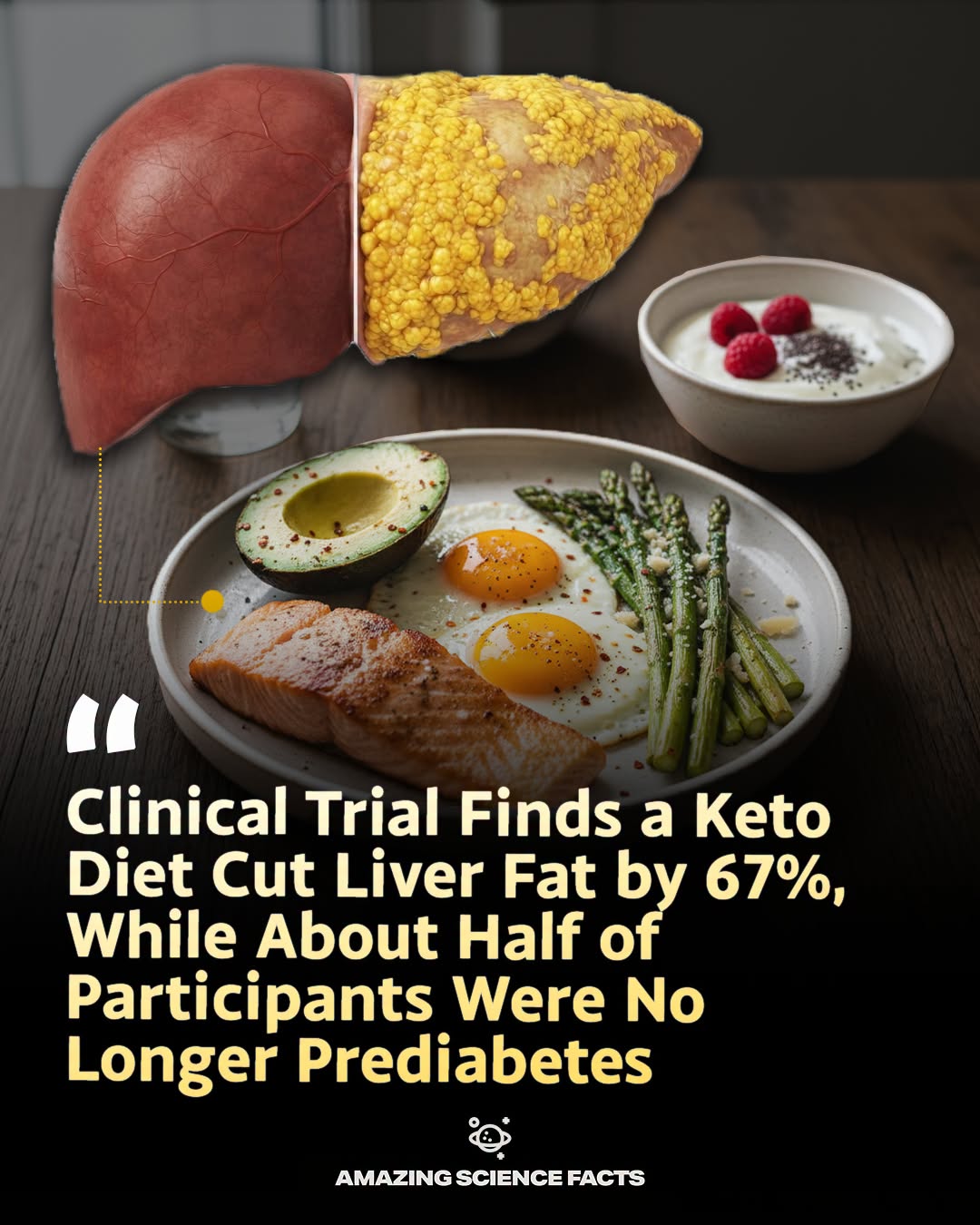
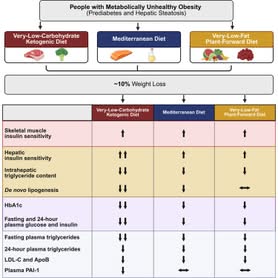
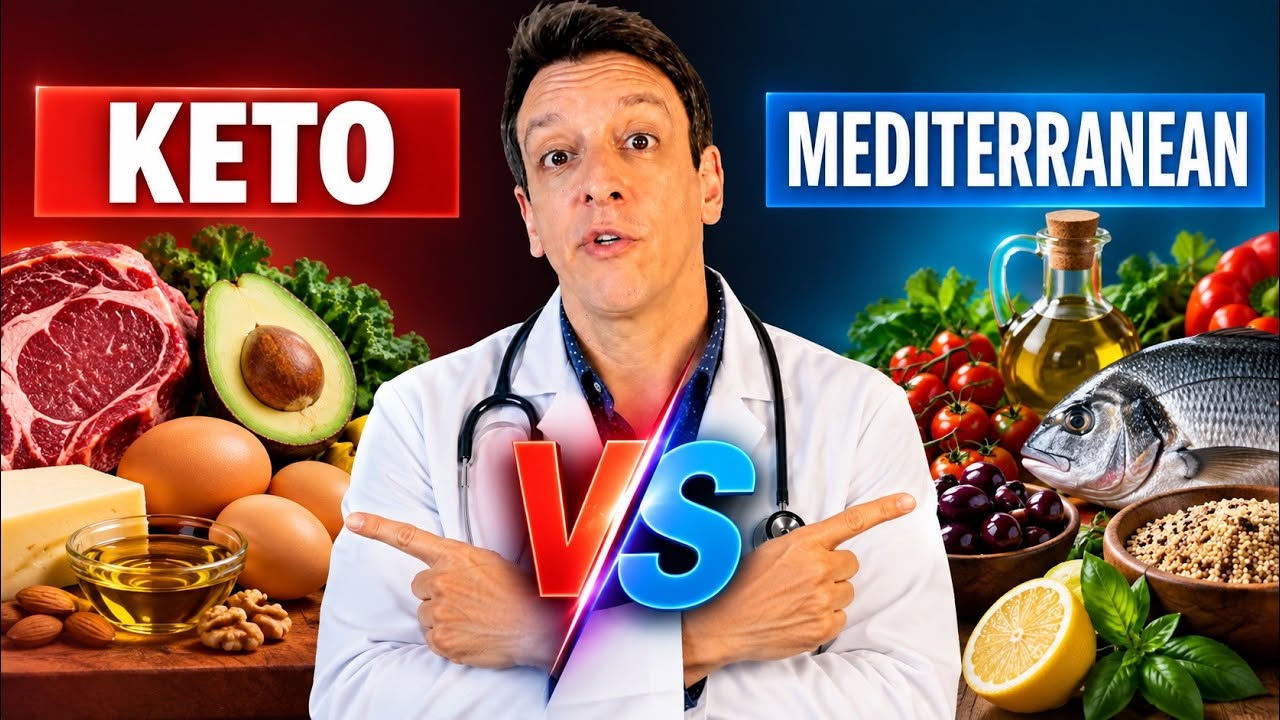
Keto cut liver fat 67% vs 45% on Mediterranean or plant-forward diets in a small RCT

Aug 31, 2026 · Louis Nervegna ♥ 24 · 💬 3

Louis highlights a Cell Metabolism randomized trial of 42 people with obesity, prediabetes and fatty liver assigned to ketogenic, Mediterranean or low-fat plant-forward diets with weight loss matched. Keto cut liver fat 67% versus 45% for the other diets. He notes it is small and wonders about a Mediterranean keto diet.

Twinkie diet shows metabolic gains come from fat loss, not food type

Nov 05, 2025 · Louis Nervegna ♥ 18 · 💬 6

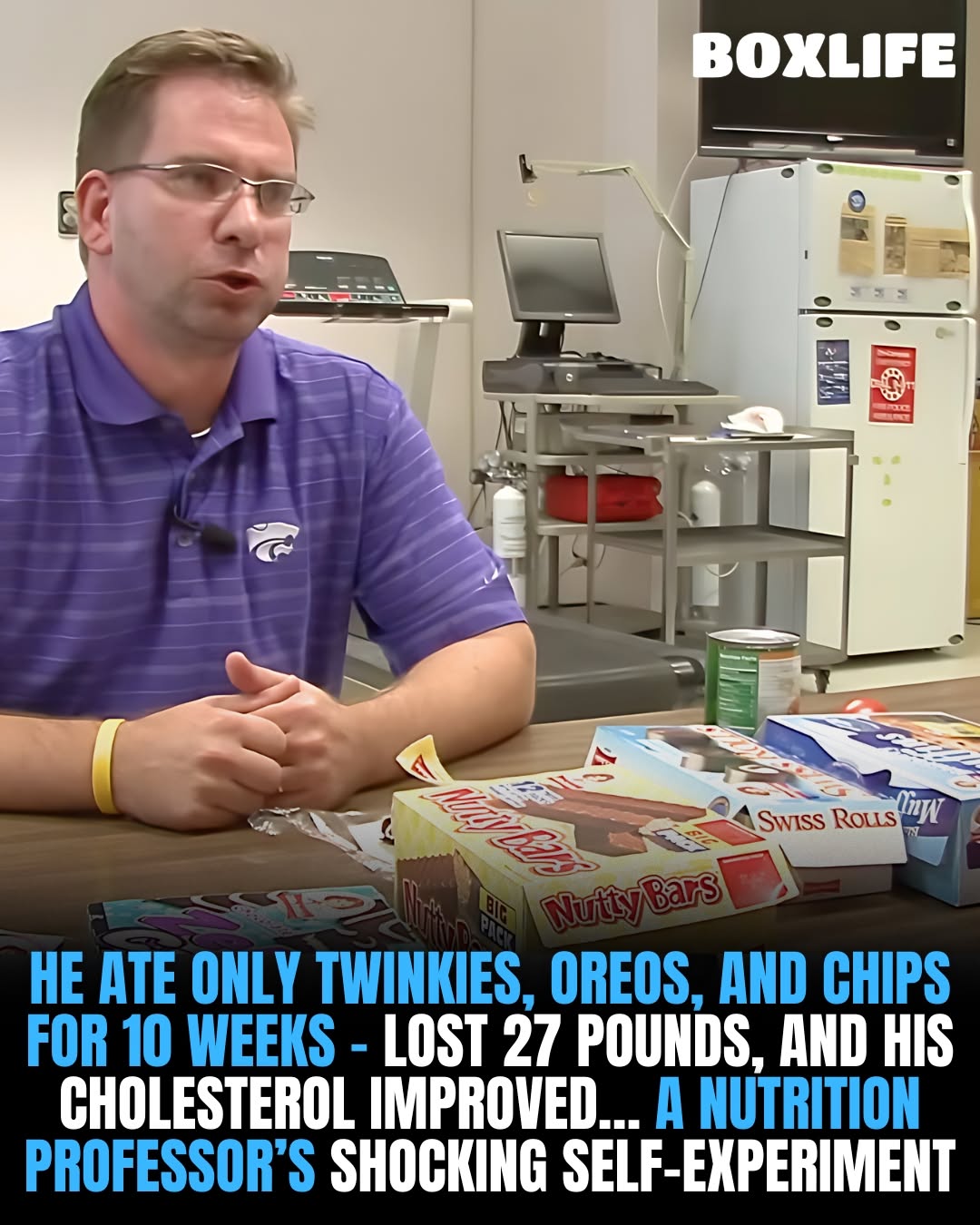
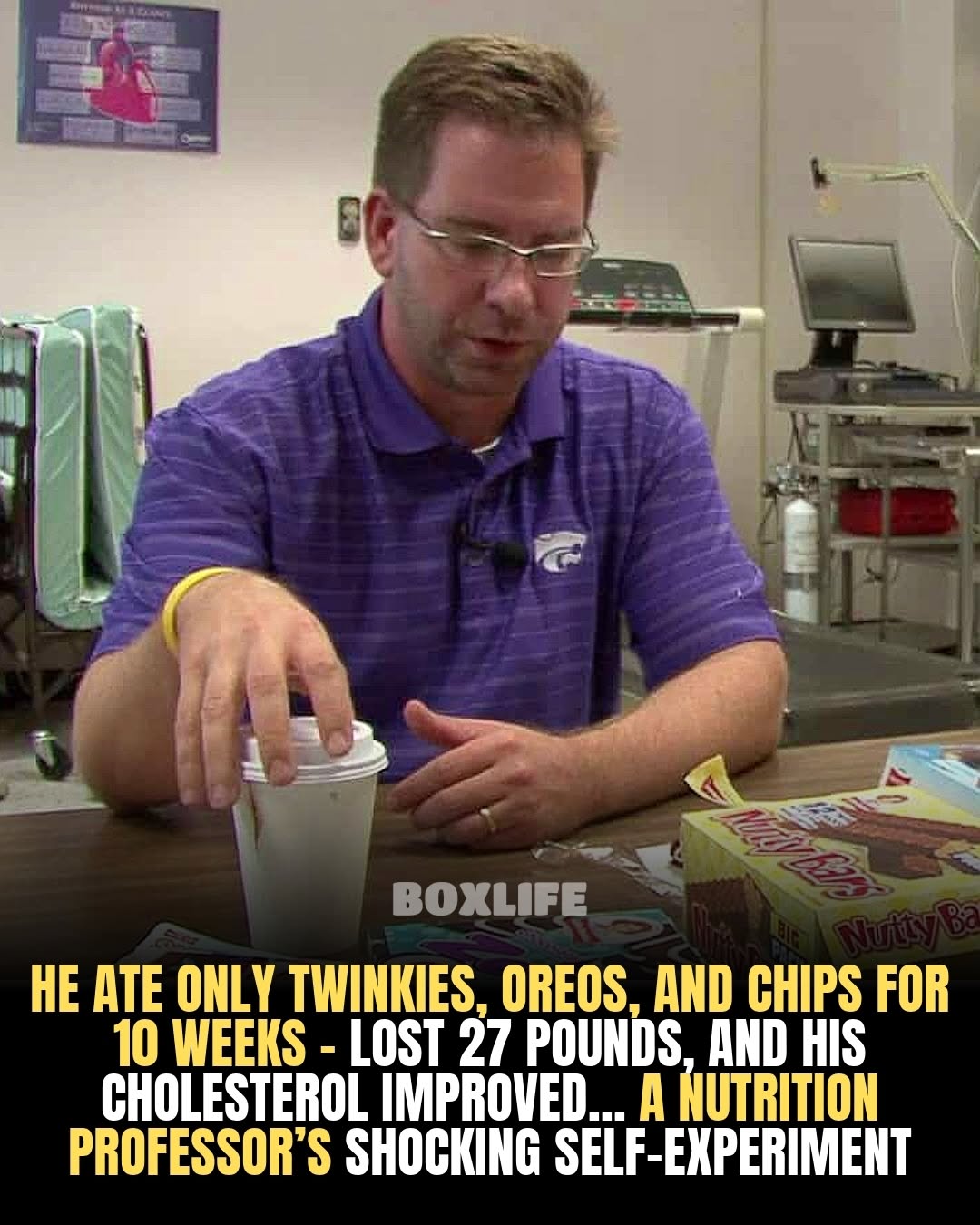
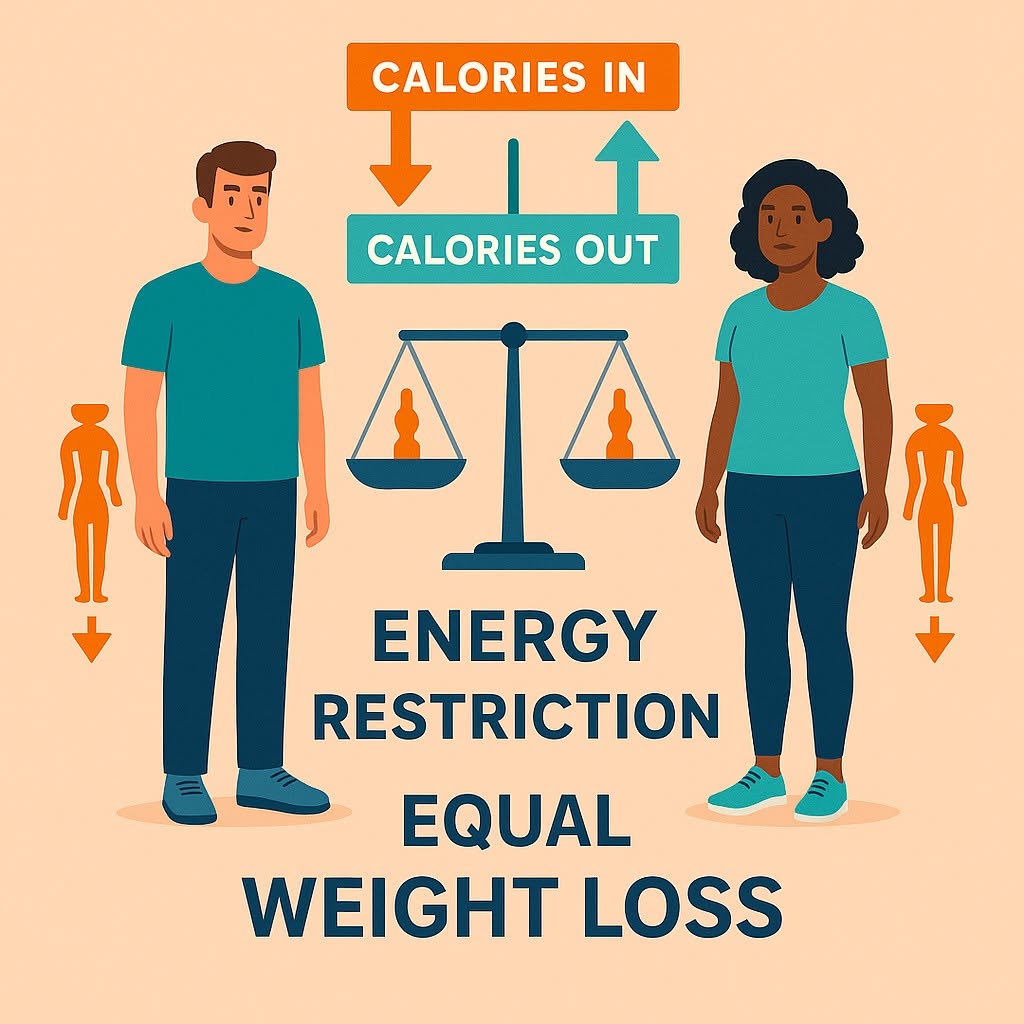
Louis uses the Mark Haub 'Twinkie diet' case, where a professor lost 27 pounds in 10 weeks on junk food at 1,800 kcal/day, to argue that metabolic improvement follows loss of liver and visceral fat. He does not recommend such a diet.

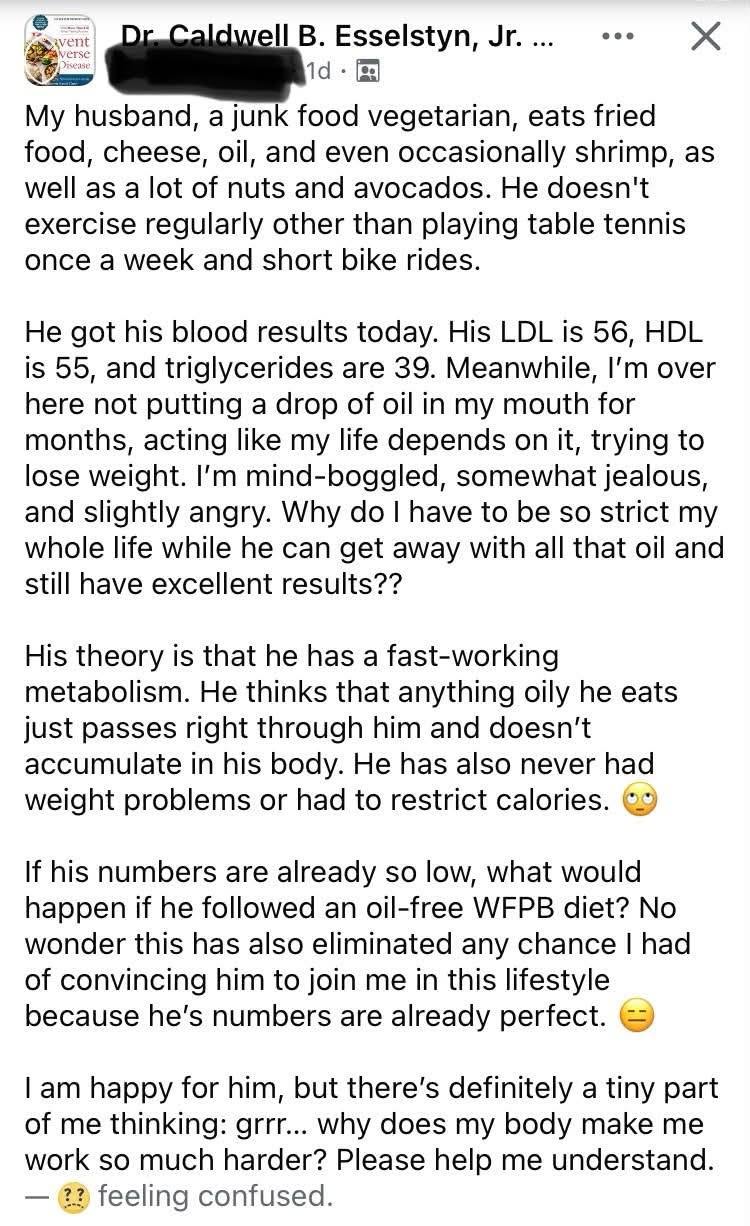
Defending a lean, nut-and-olive-oil vegetarian diet against 'junk food' labels

Jul 25, 2026 · Louis Nervegna ♥ 9 · 💬 12 Fats & oils (saturated fat, seed oils, omega-6, olive oil)

Louis argues a diet heavy in nuts, avocado, unsaturated oils, some cheese and seafood, and low in refined starch, sugar and saturated fat is healthy. He says unsaturated fat improves insulin sensitivity and lowers LDL, and that his example's good lipids reflect leanness, whereas a person avoiding all fat but staying overweight needs to lose visceral fat first.

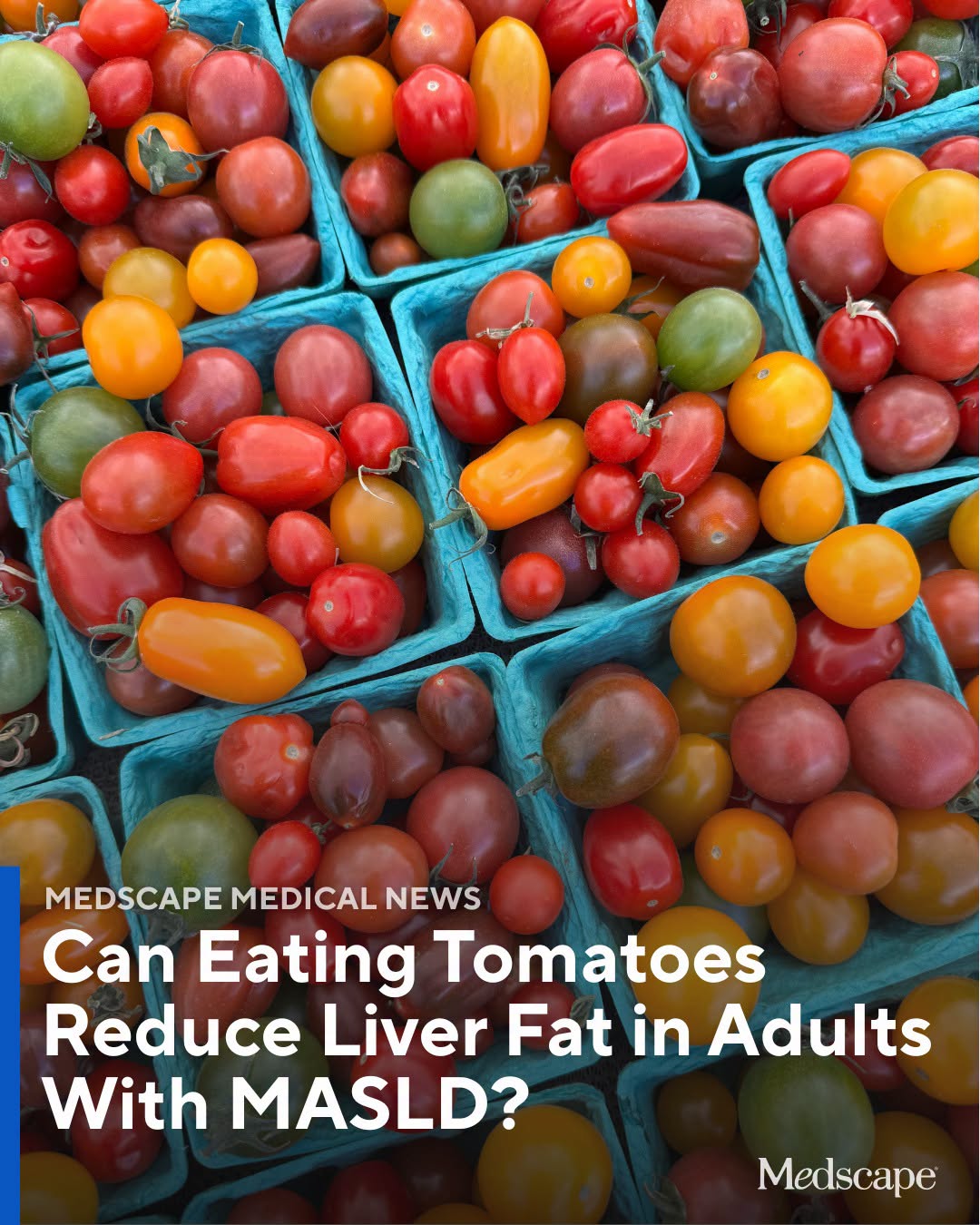
Daily tomatoes and tomato sauce reduced liver fat in fatty liver without weight loss

Aug 20, 2026 · Louis Nervegna ♥ 15 · 💬 5

In a 6-week randomized trial of 79 adults with MASLD, eating 200 g raw tomatoes plus 50 g tomato sauce daily lowered FibroScan liver fat more than a tomato-free diet. Body weight, fat mass, waist and metabolic markers did not differ, suggesting a food effect independent of weight loss. The trial is small and short.

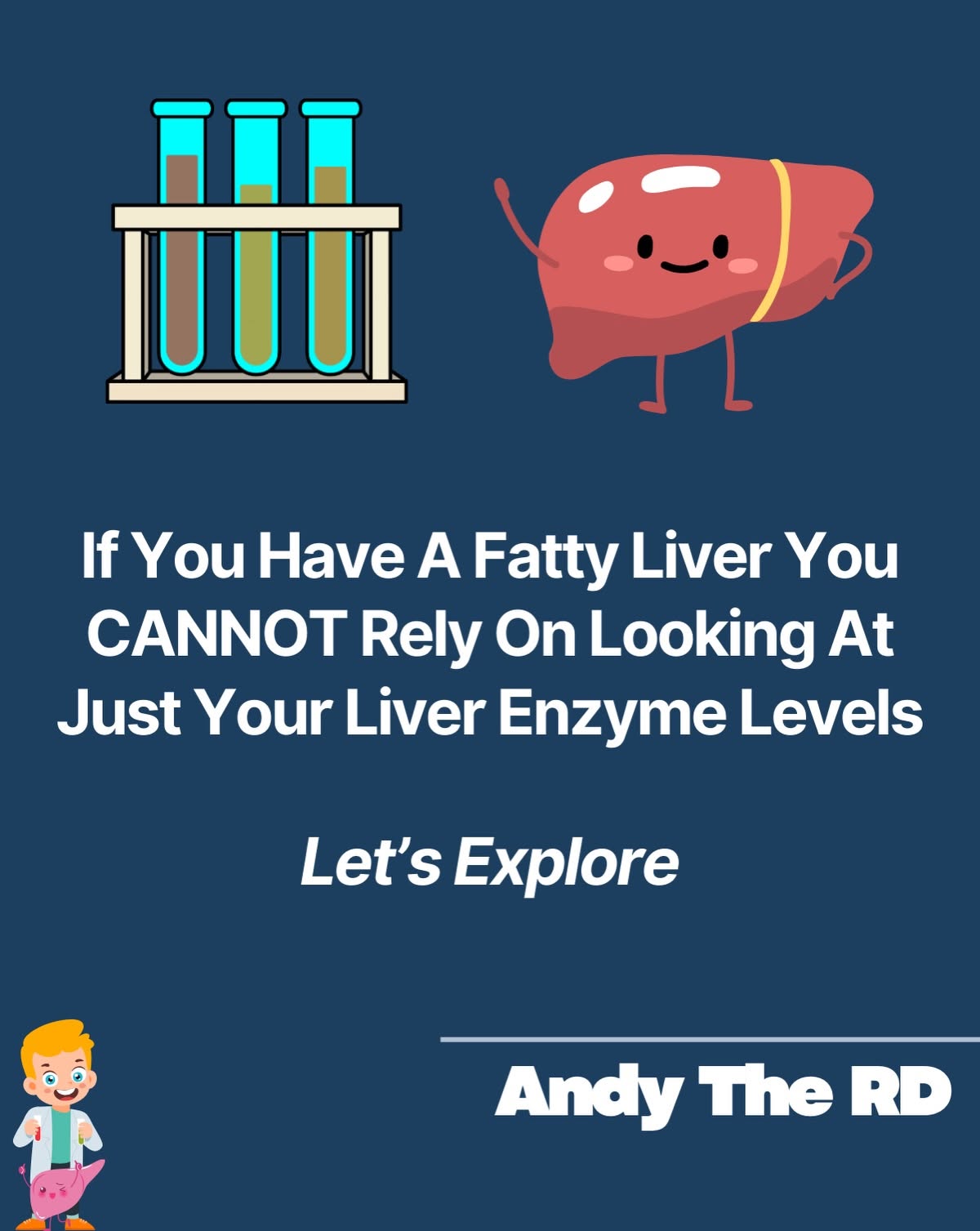
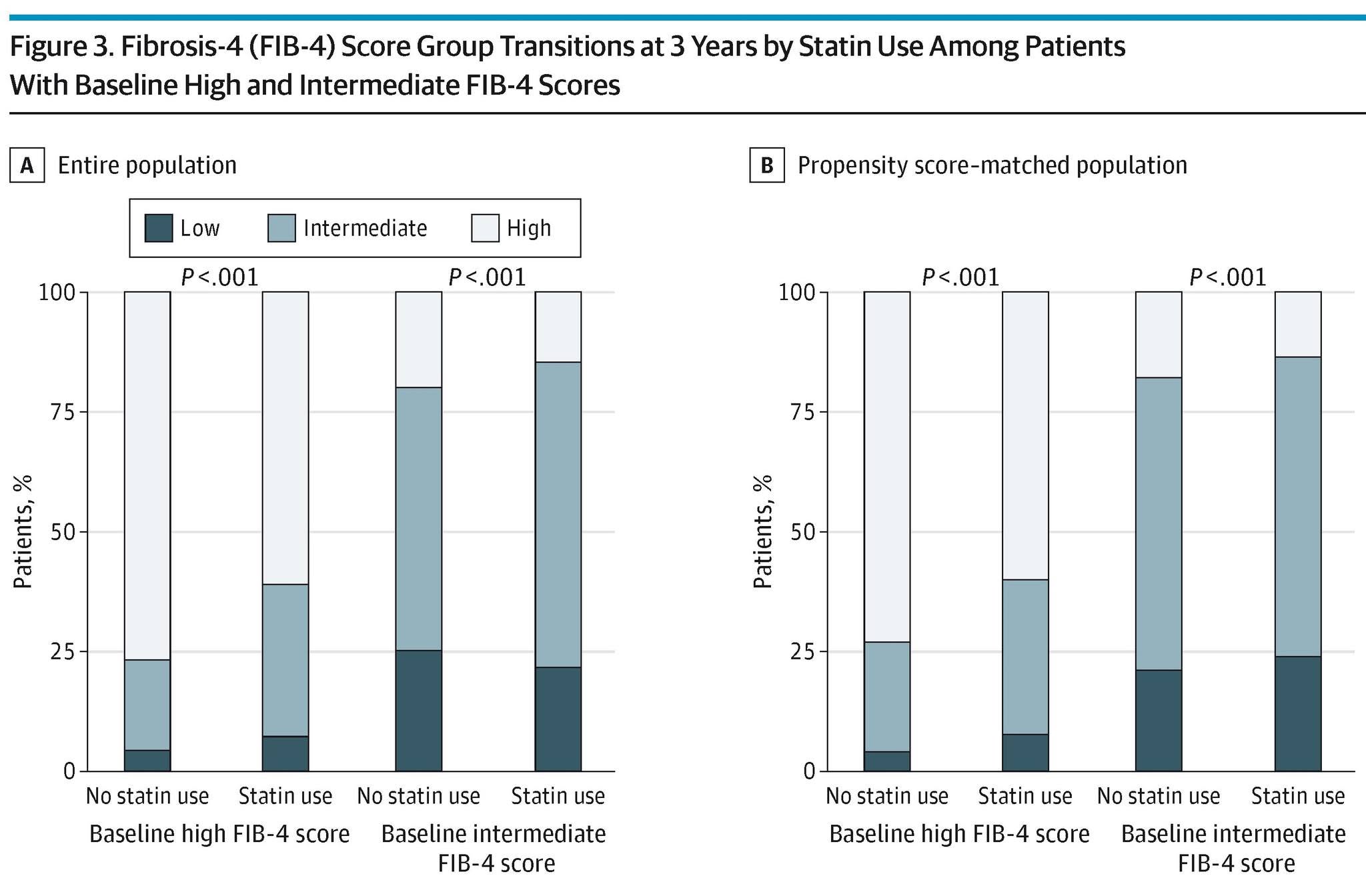
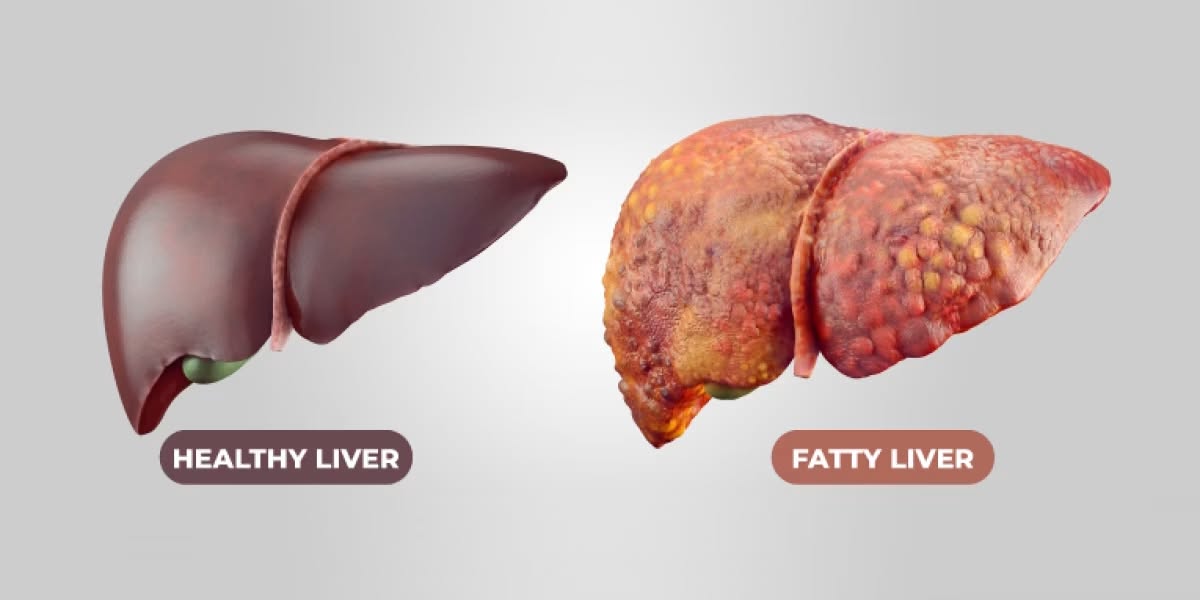
Normal liver enzymes can hide fatty liver; use FibroScan and look beyond FIB-4

Jun 05, 2026 · Louis Nervegna ♥ 9 · 💬 11

Louis shares a dietitian post and note that half of people with fatty liver have normal liver enzymes, so enzymes and enzyme-based scores like FIB-4 poorly predict liver fat. He recommends FibroScan, with fatty liver diagnosed above 5% liver fat and insulin resistance linked to levels above 1.85%.

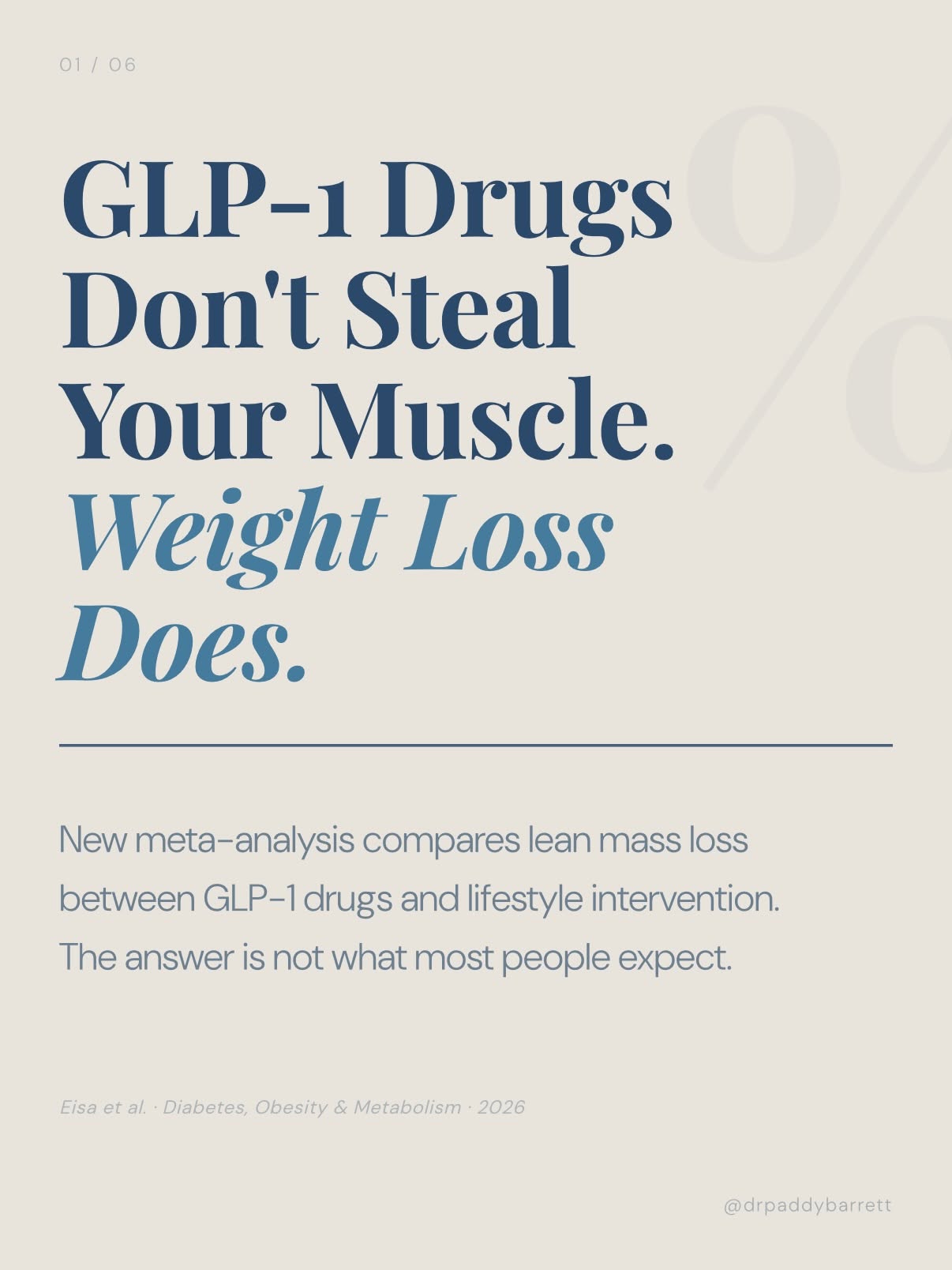
GLP-1 drug muscle loss matches calorie restriction: about 25% of weight lost

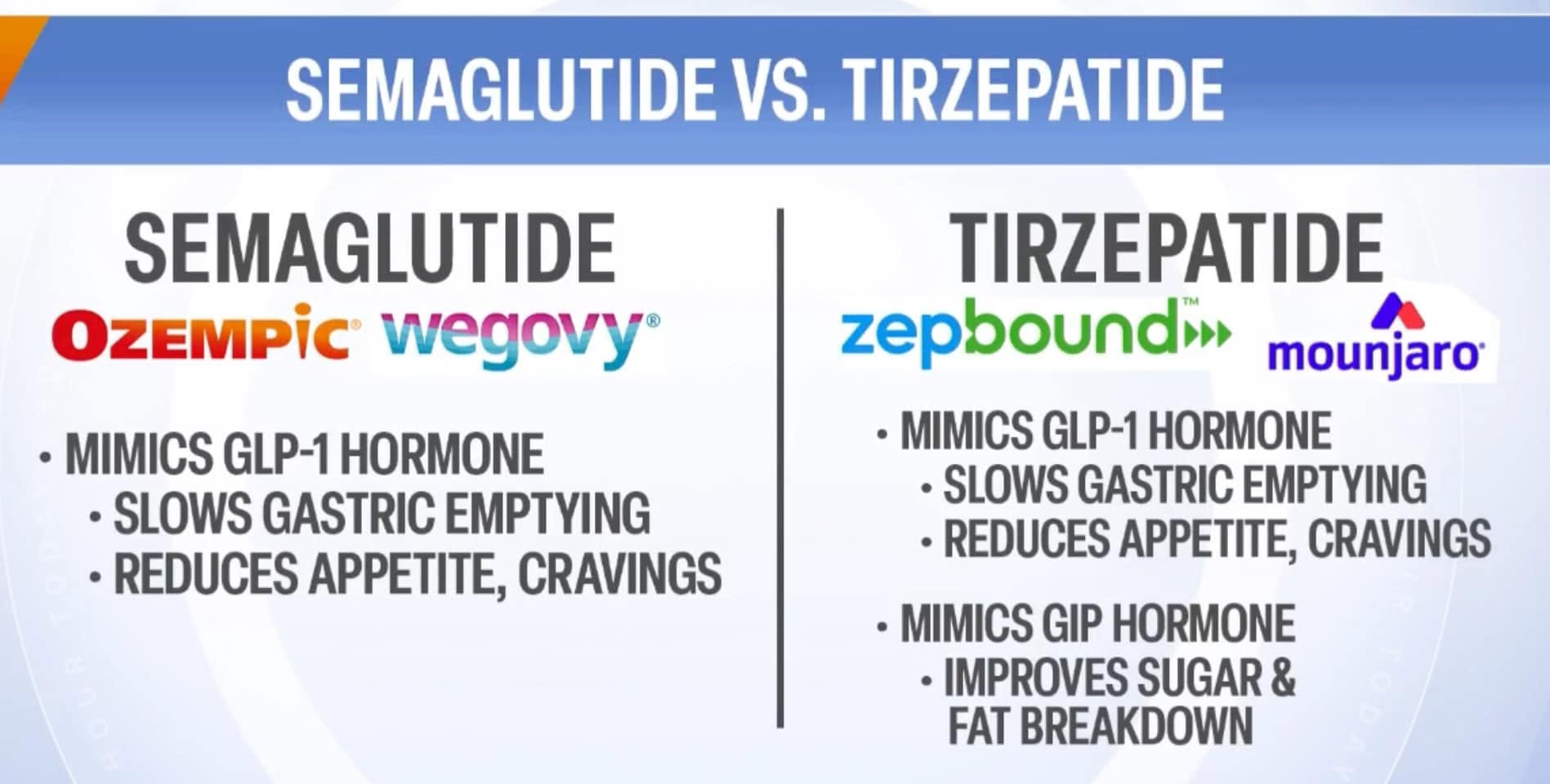
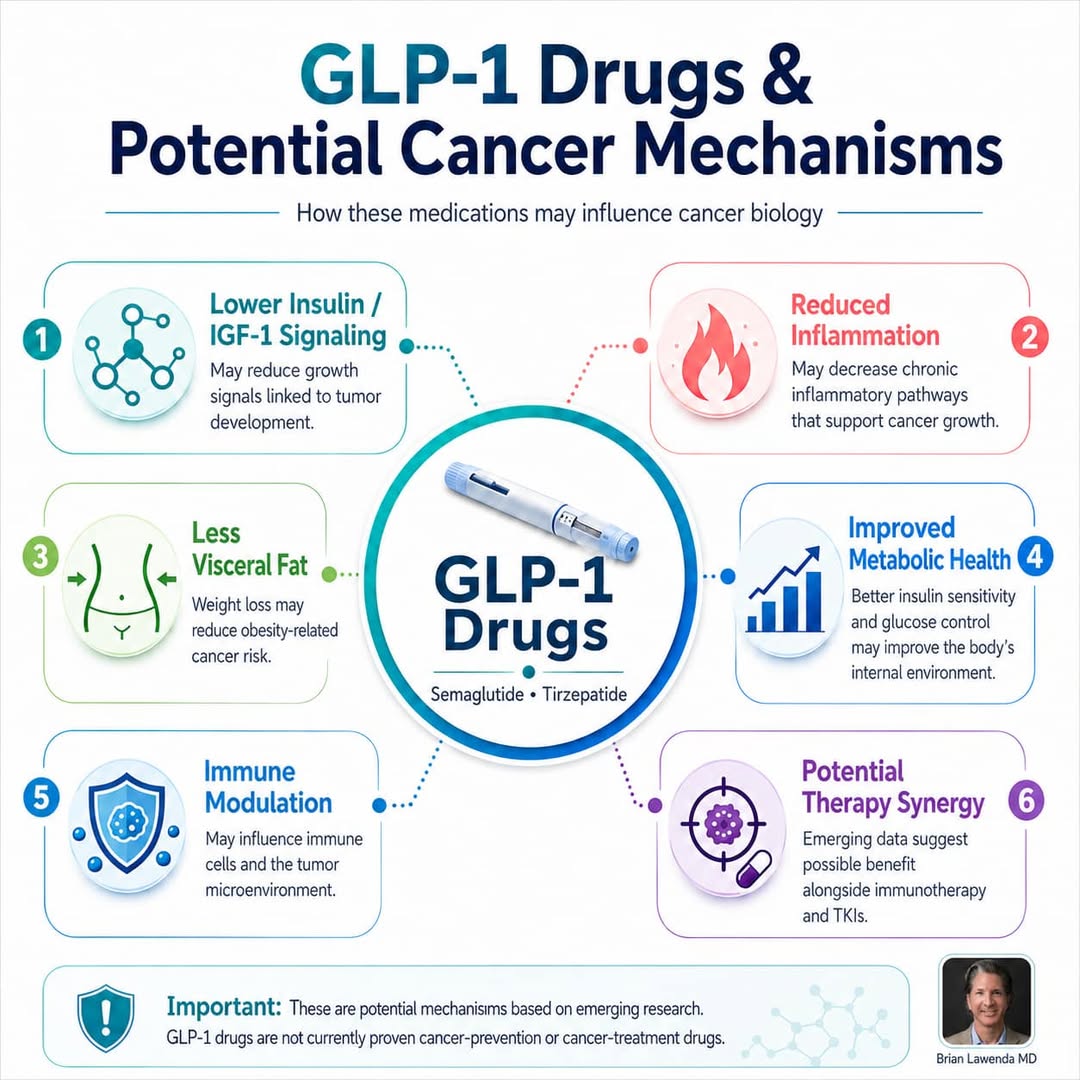
Mar 01, 2026 · Louis Nervegna ♥ 8 · 💬 9 GLP-1 drugs (semaglutide, tirzepatide)

Louis summarizes meta-analytic evidence that lean mass loss on GLP-1 drugs is about 25% of total weight loss, matching diet trials and bariatric surgery, suggesting calorie restriction rather than the drug itself drives it. He cautions higher protein may blunt benefits of calorie restriction in mice, though human relevance is unknown.

Tape-measure calculator estimates visceral fat, said to rival DEXA

Feb 09, 2025 · Louis Nervegna ♥ 7 · 💬 14 ↩ 1

Louis shares the Luxembourg Institute of Health visceral fat calculator, which uses waist and thigh/hip tape measurements. He says it gives a good estimate and a study found it more accurate than a DEXA scan number.

Normal fruit intake does not raise liver or visceral fat

Dec 03, 2025 · Louis Nervegna ♥ 16 · 💬 4 Carbs, fiber, sugar & whole grains

Louis quotes a post arguing that 500 g/day of added fruit for 2 months did not raise MRI liver fat despite nearly tripled fructose intake, and that fructose harms appear in extreme overfeeding studies with fructose-sweetened drinks. In calorie-matched trials, fructose replacing other carbs did not raise liver fat or ALT.

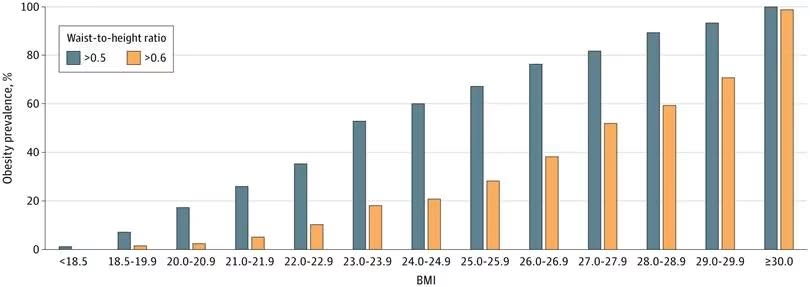
Waist size beats BMI for obesity-related cancer risk in men, likely via visceral fat

Mar 26, 2025 · Louis Nervegna ♥ 8 · 💬 11

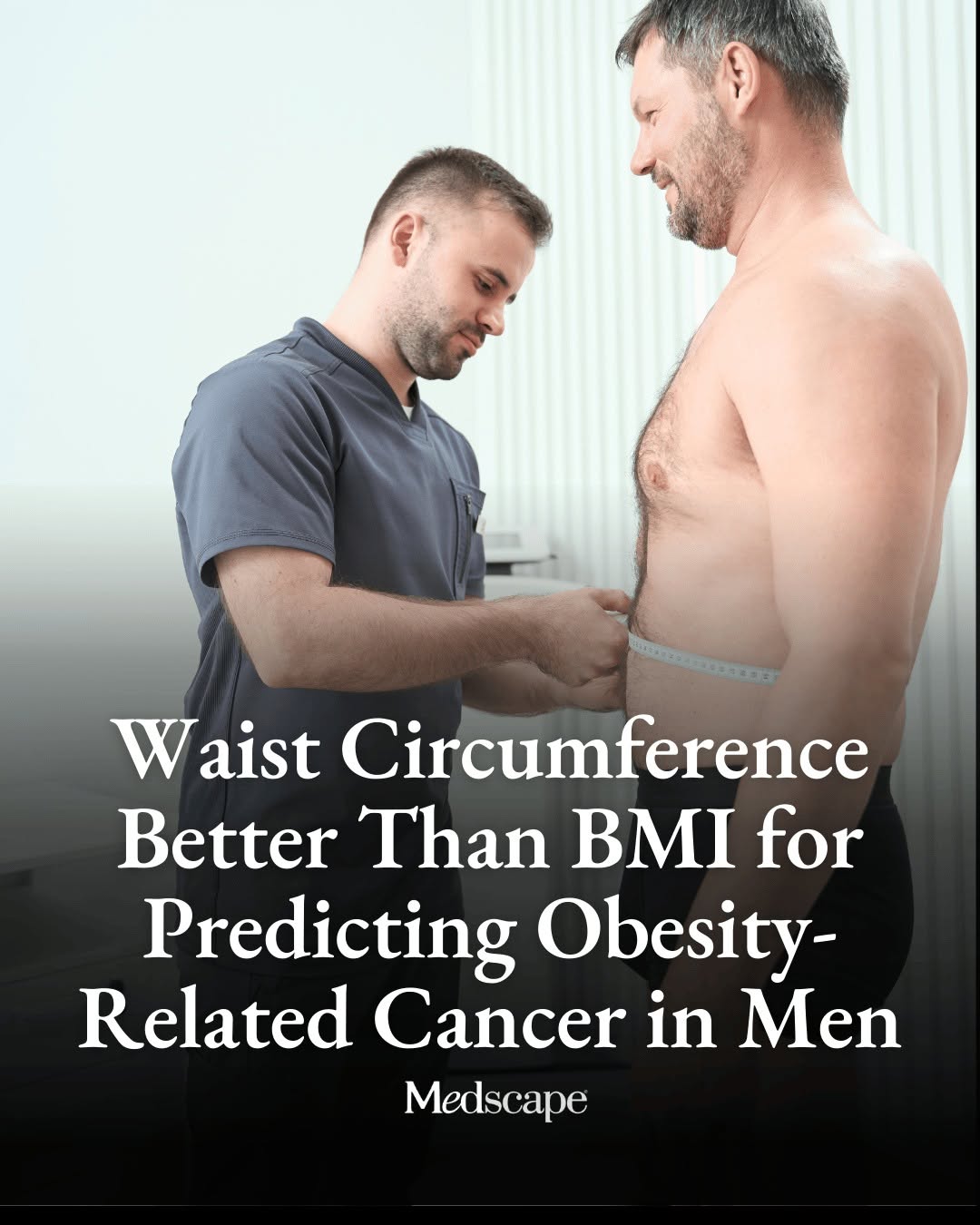
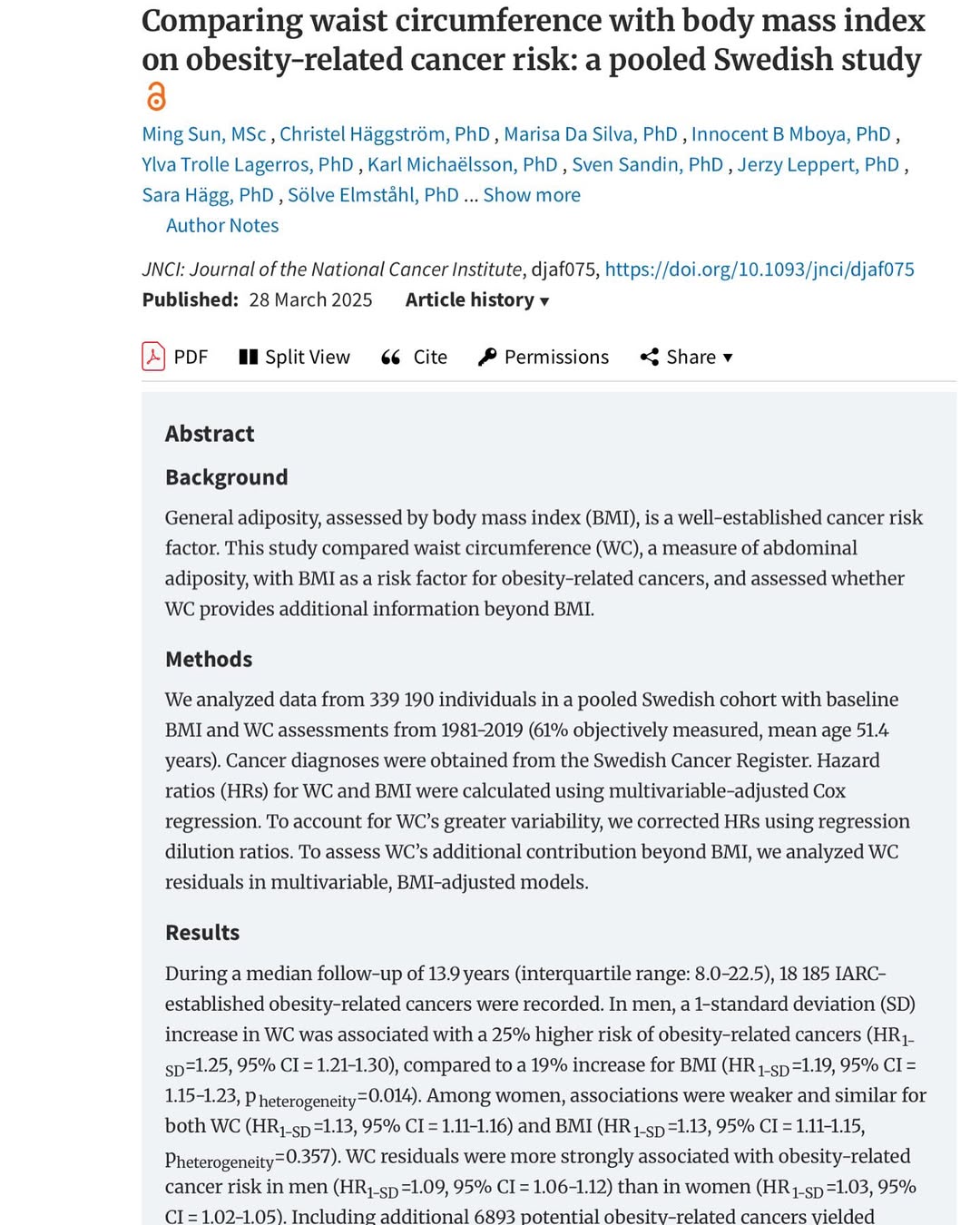
Louis shares a Swedish study showing that waist circumference was a stronger marker than BMI for obesity-related cancers in men but not women. He suggests the reason is that waist size in men mostly reflects visceral fat, whereas women store more waist fat subcutaneously, and visceral fat is the dangerous kind.

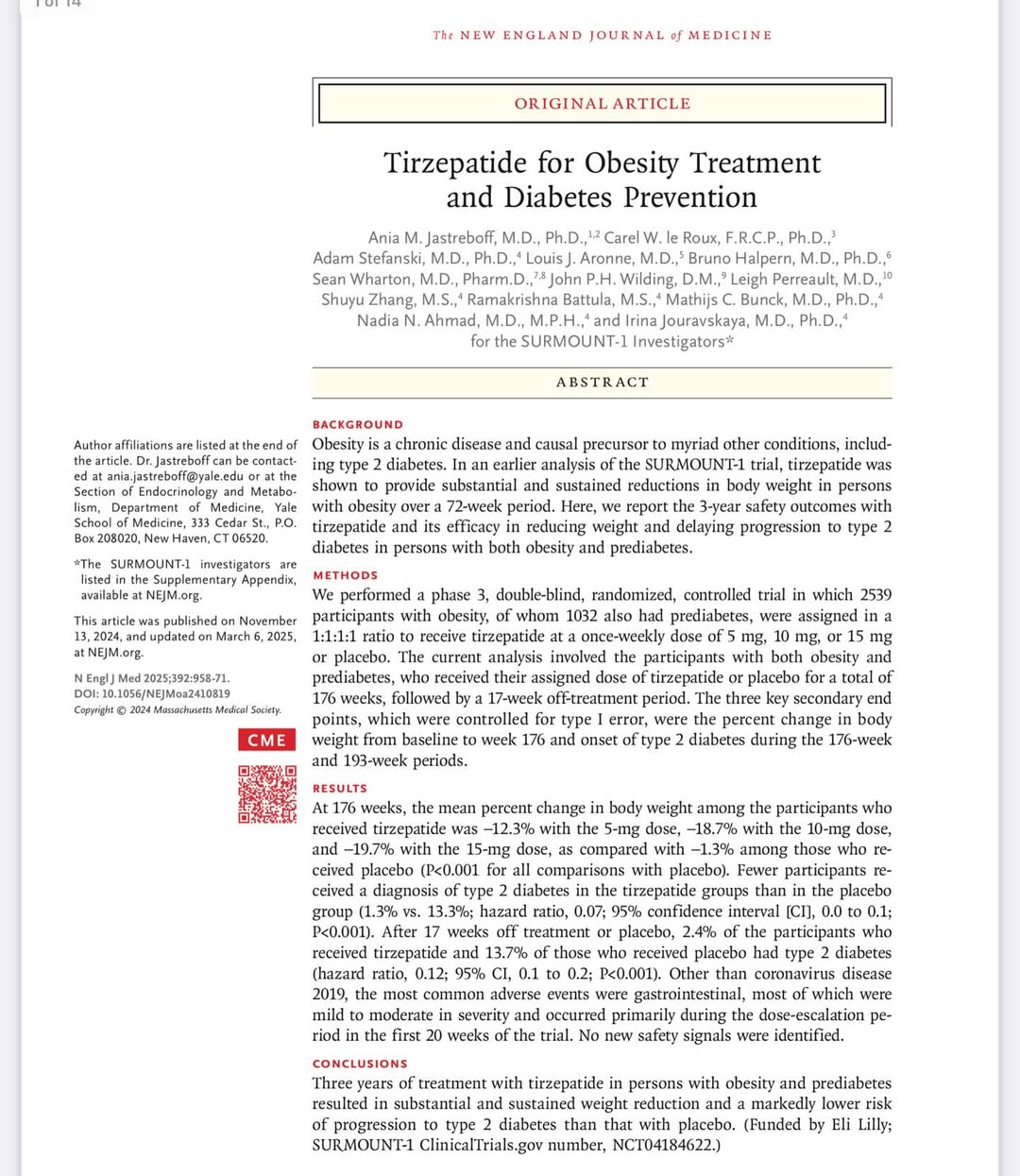
Tirzepatide cut 3-year diabetes incidence to 1.3% vs 13.3% in SURMOUNT-1

Mar 06, 2025 · Louis Nervegna ♥ 12 · 💬 5 GLP-1 drugs (semaglutide, tirzepatide)

Louis shares Luigi Fontana's post on the 3-year SURMOUNT-1 results and adds that weight loss clears fat from liver and pancreas, the main cause of insulin resistance and beta-cell dysfunction, so any diet producing major weight loss can do the same. The shared post also warns about muscle/bone loss and nutrient deficiencies without exercise and good nutrition.

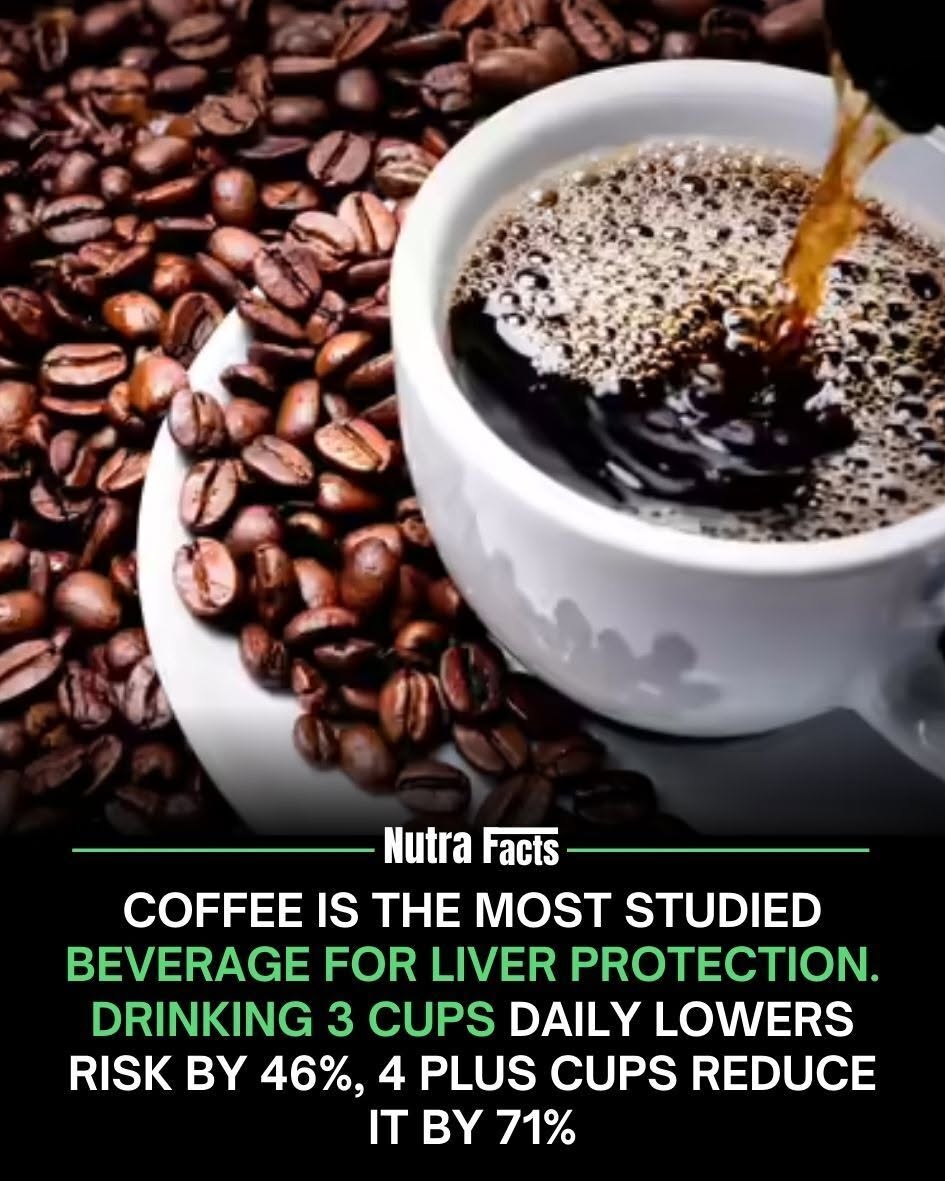
UChicago fatty liver advice: 3 cups coffee, 4 tablespoons olive oil, Mediterranean diet

Sep 01, 2024 · Louis Nervegna ♥ 7 · 💬 12

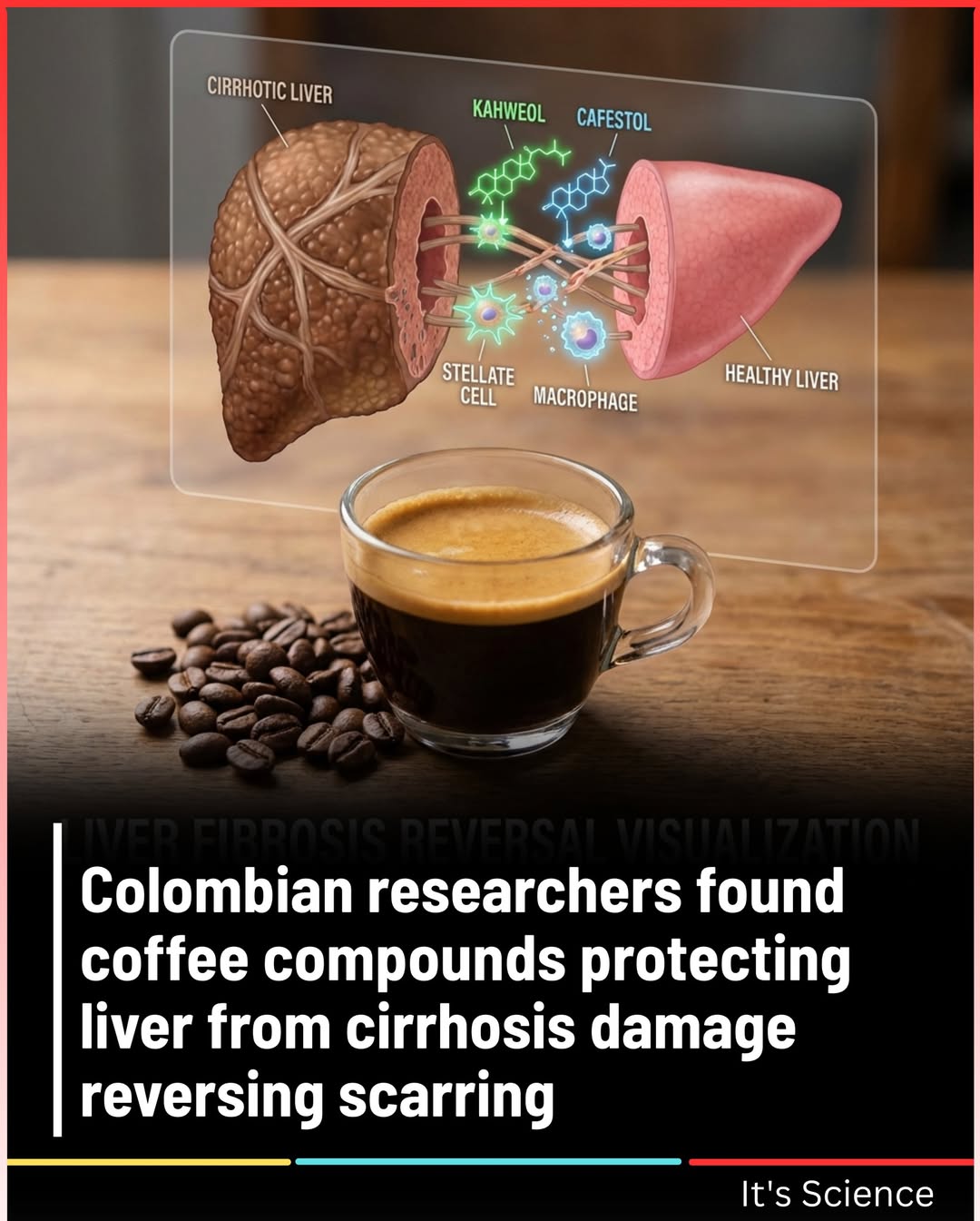
Louis shares UChicago Medicine dietitian advice for non-alcoholic fatty liver disease: three cups of coffee a day, four tablespoons of olive oil a day and a Mediterranean diet. He reminds the group that liver fat is the main cause of insulin resistance for most people. It is clinic guidance, not a trial.

Weighted vest during weight loss halved regain at 18 months in a pilot study

Aug 17, 2025 · Gokhan Can ♥ 6 · 💬 10

A pilot study tested whether a weighted vest helps maintain weight loss. Both groups lost about 10-11 kg, but resting metabolic rate fell 238 kcal/day without the vest versus 16 with it, and regain was far smaller with the vest. Gokhan notes his own vest use did not produce much weight loss.

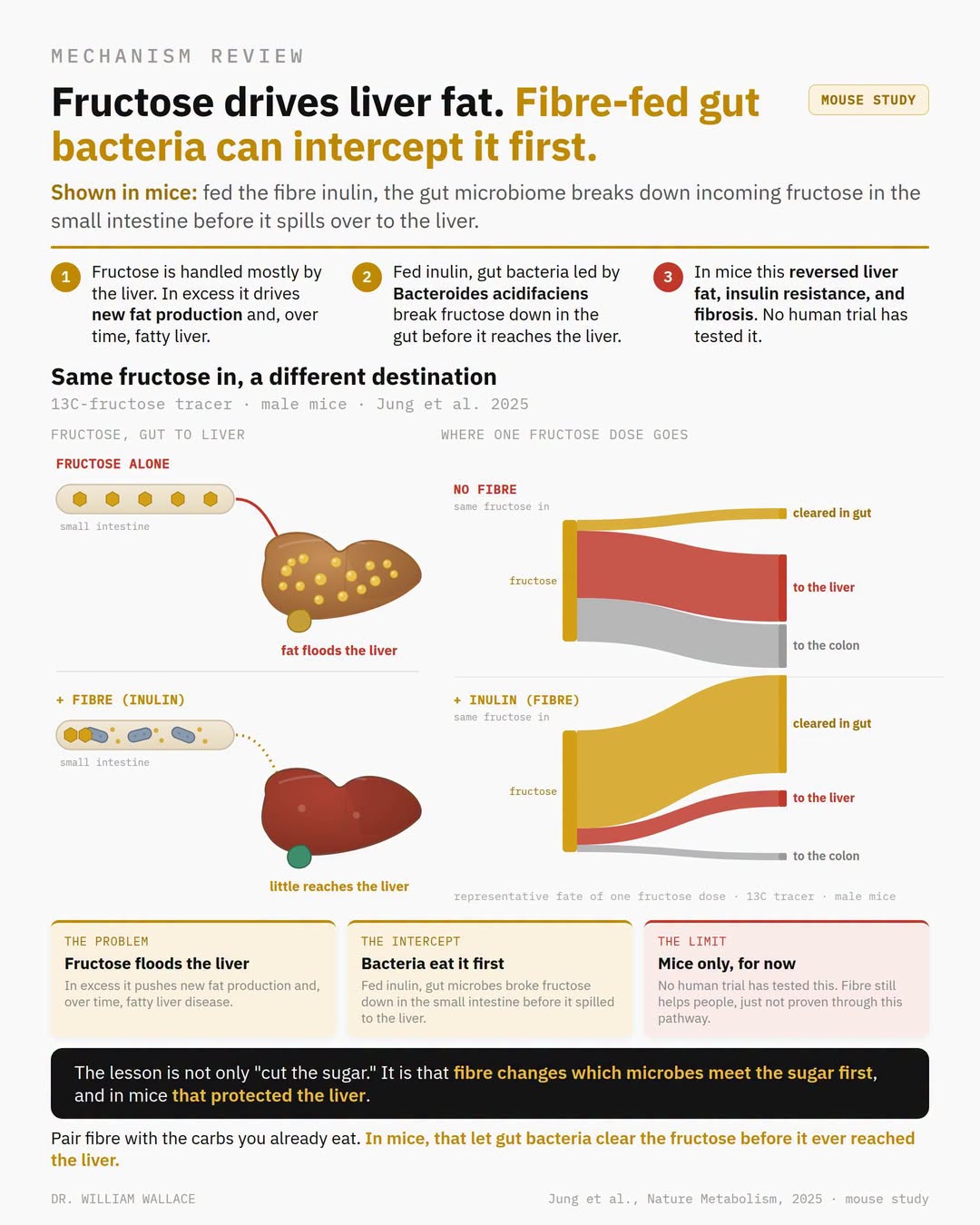
Whole fruit is linked to less fatty liver; fiber may protect the liver from fructose

Jun 09, 2026 · Louis Nervegna ♥ 18 · 💬 4

Louis notes high fructose causes fatty liver in animals, yet whole fruit is linked to lower fatty liver risk in humans. He cites a 2025 mouse study where inulin fiber changed gut bacteria so fructose was broken down in the intestine before reaching the liver, which could partly explain it; no human trial has tested that mechanism.

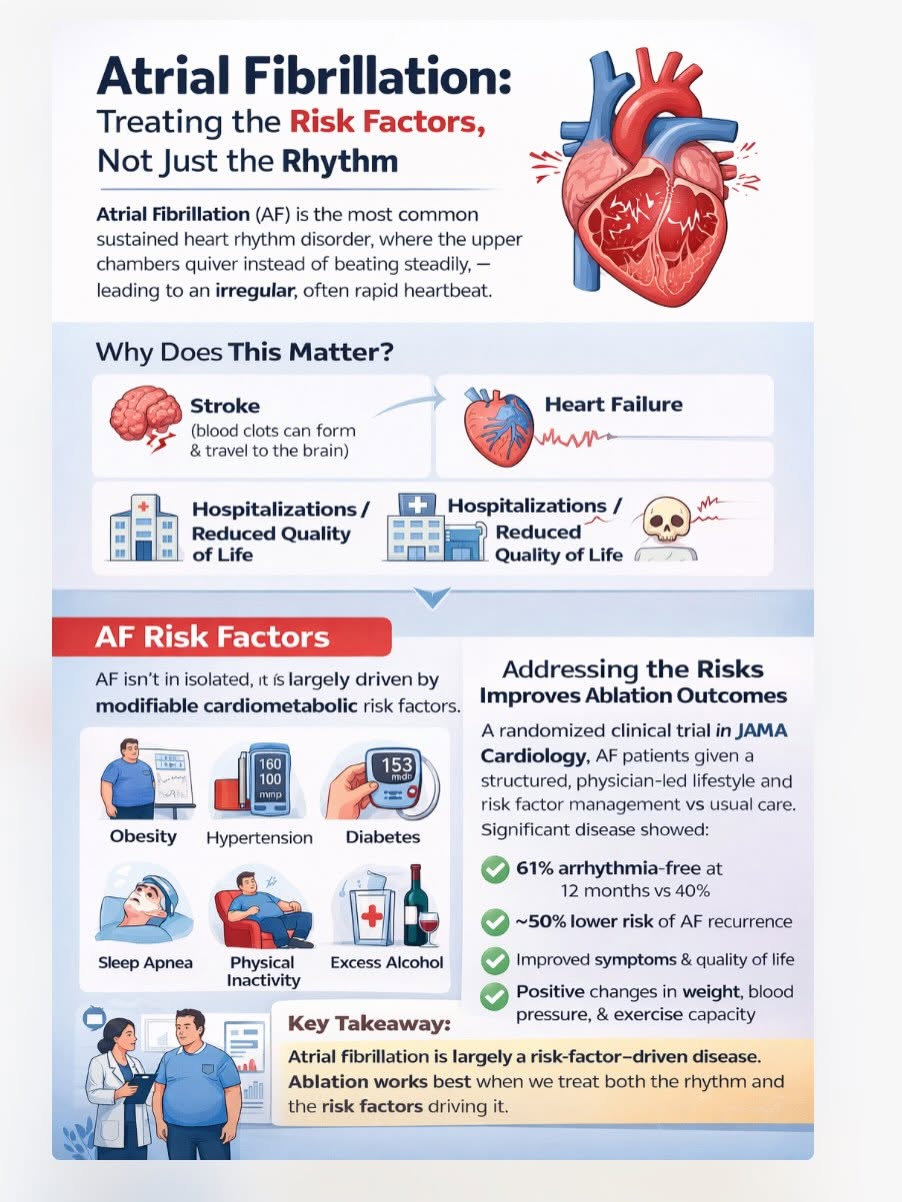
Epicardial fat around the heart may be an overlooked predictor of heart attack

Sep 20, 2025 · Louis Nervegna ♥ 13 · 💬 9

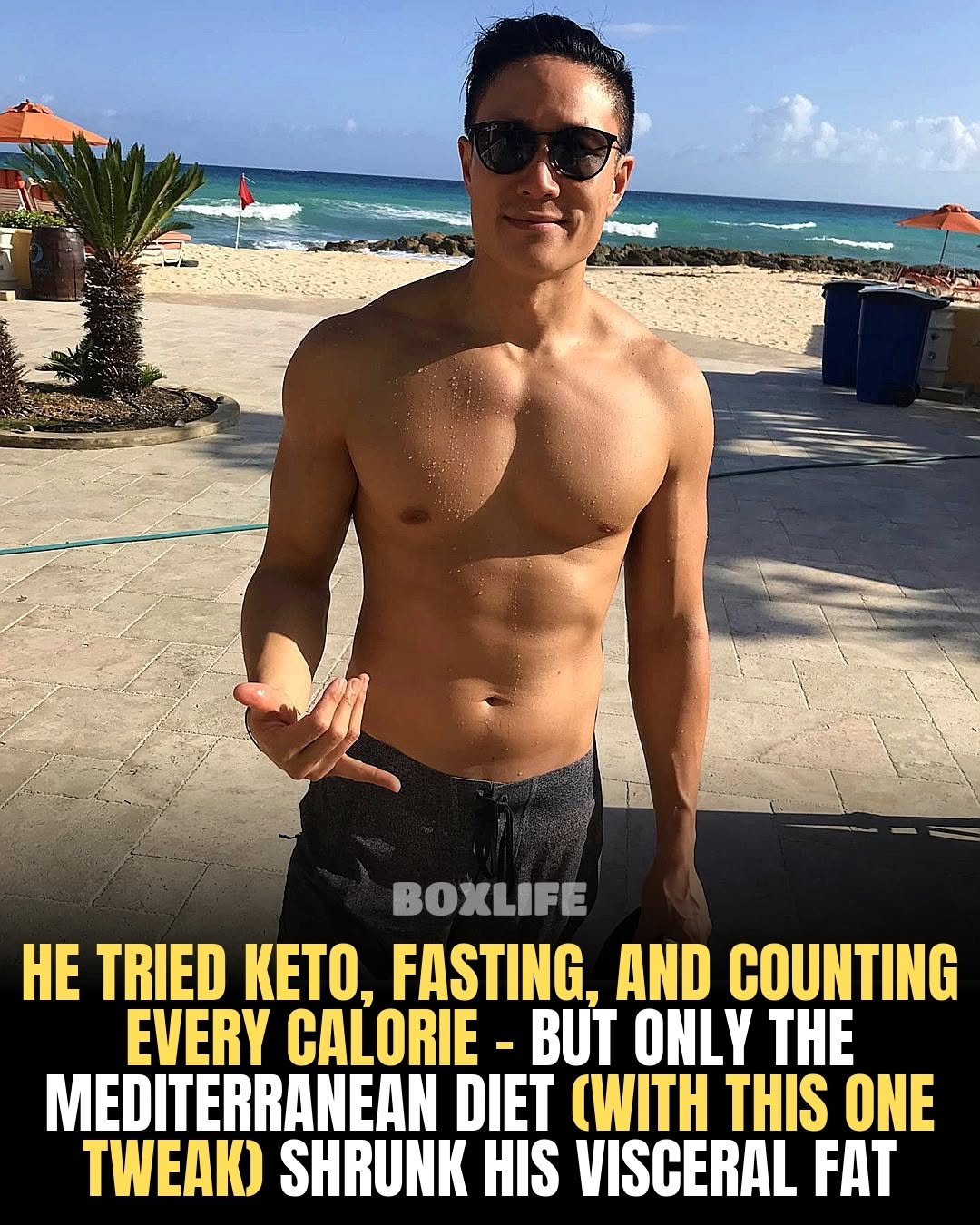
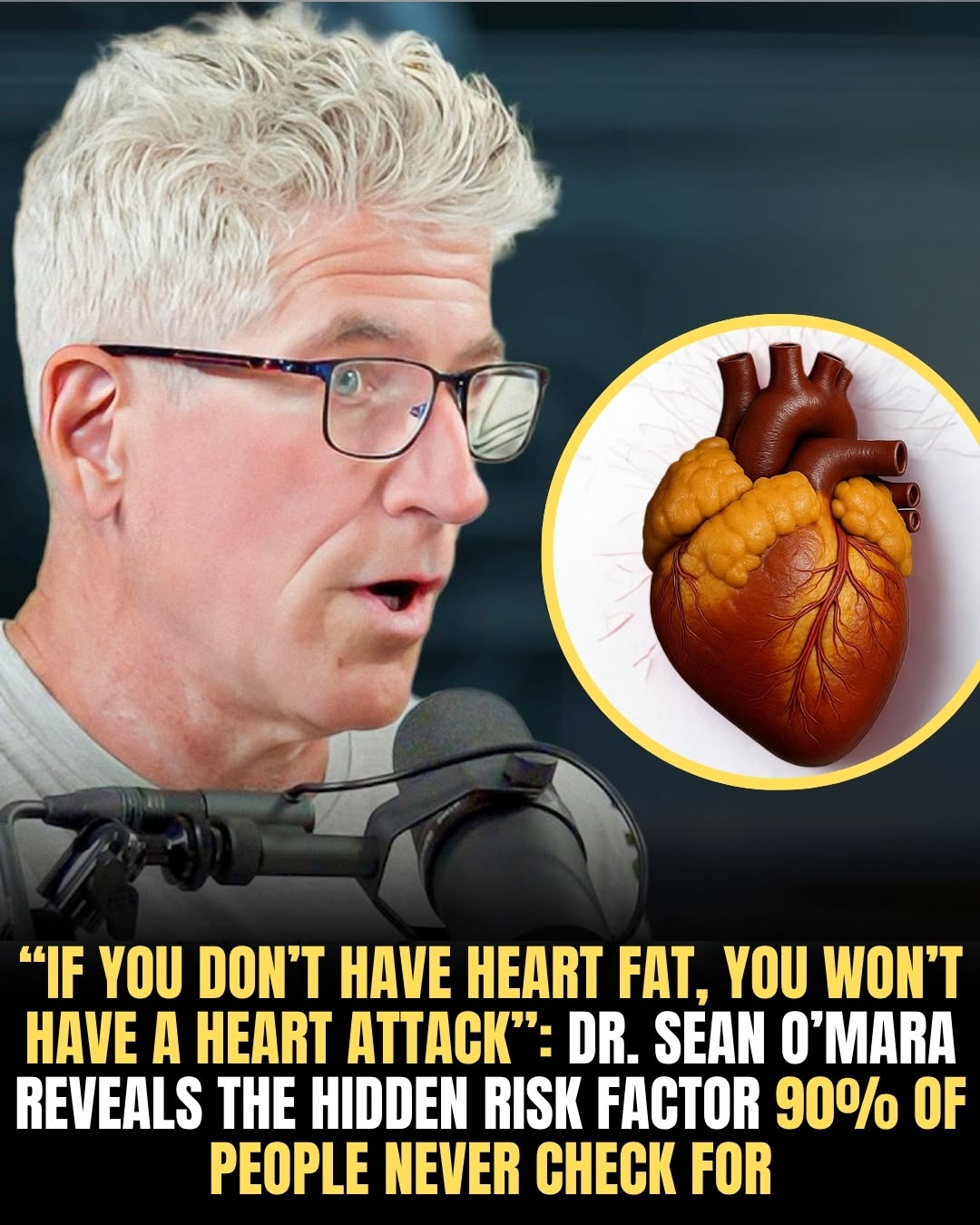
BoxLife Magazine article in which Dr. Sean O'Mara argues that fat around the heart (epicardial fat) compresses the heart, drives inflammation and is rarely measured by standard bloodwork. Louis shares it noting that visceral fat around the heart is a risk factor.

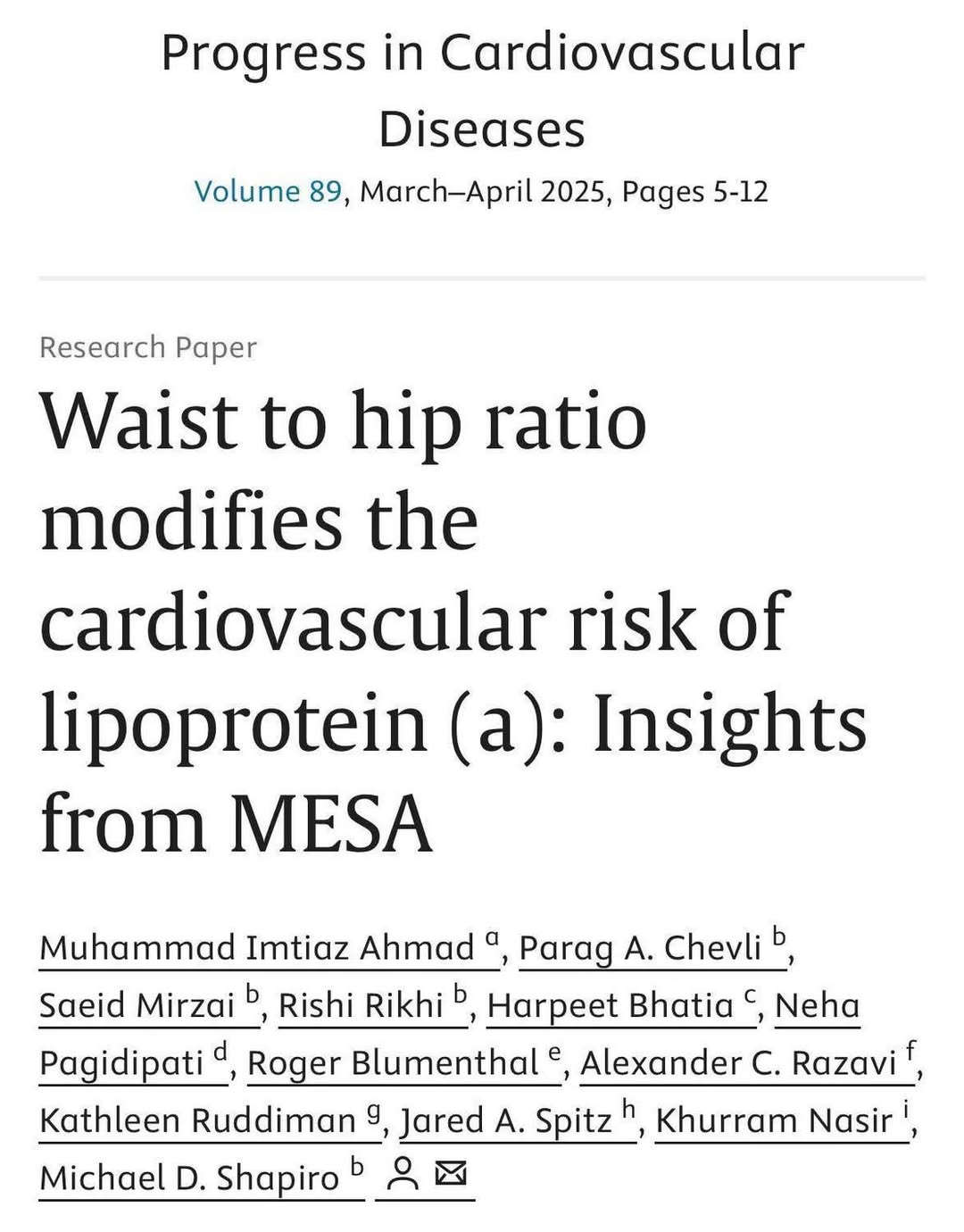
MESA: high Lp(a) raised ASCVD risk 2.34-fold only in people with large waist-to-hip ratio

Oct 18, 2025 · Louis Nervegna ♥ 10 · 💬 5 ↩ 4 Lp(a)

Louis summarizes a MESA cohort analysis in Progress in Cardiovascular Diseases showing waist-to-hip ratio (a visceral-fat and liver-fat proxy) modifies the ASCVD risk of Lp(a), while BMI did not. Lp(a) of 50 mg/dL or more with high WHR carried the excess risk, which mostly vanished when WHR was low. He stresses this is a prospective cohort, so it cannot prove causality, but suggests losing visceral fat is important with high Lp(a).

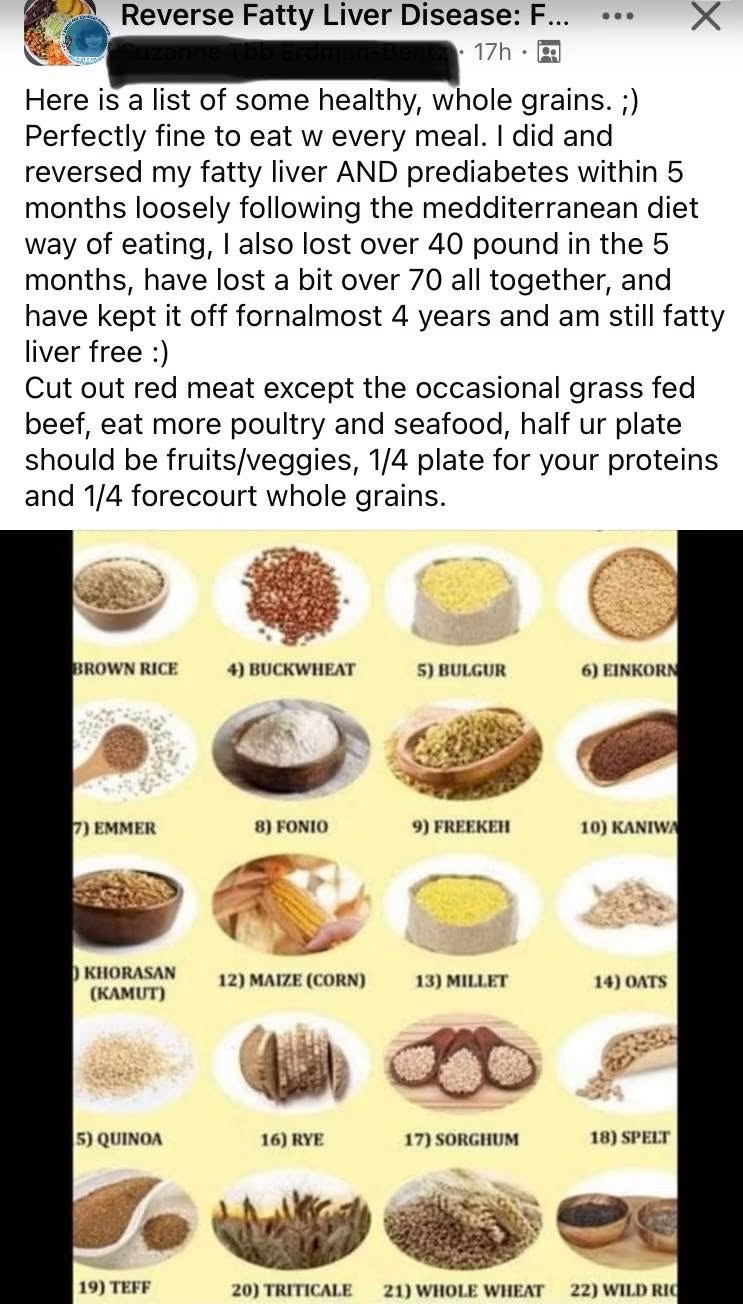
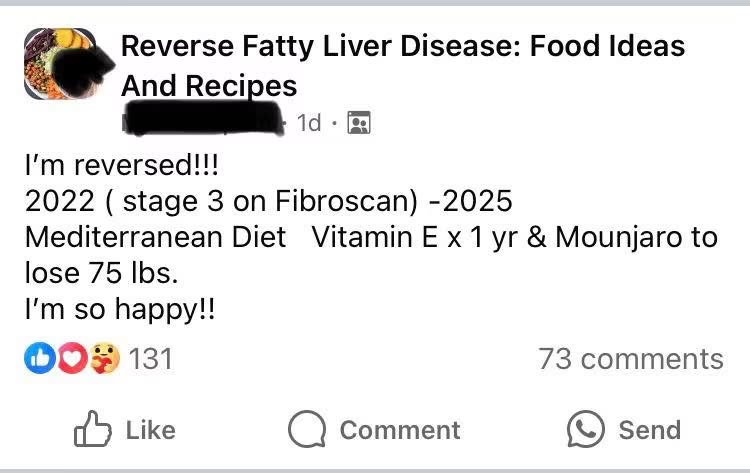
Fatty liver and liver stiffness reversed in one year on a Mediterranean diet

Oct 14, 2026 · Louis Nervegna ♥ 12 · 💬 9

A dietitian shares a single client's success story: complete reversal of fatty liver and liver scarring within a year on a high-polyphenol Mediterranean diet including beans and nuts. The poster stresses this is not just anecdote, since randomized trials show this type of diet reverses liver fat, and links earlier posts.

Keto beat Mediterranean and low-fat diets on liver fat and glycemia at equal weight loss

Aug 27, 2026 · Gokhan Can ♥ 6 · 💬 8 ↩ 1 Low-carb, keto & carnivore

Petersen et al. (Cell Metabolism, 2026) fed 42 adults with obesity, prediabetes and fatty liver all meals in a controlled trial until ~10% weight loss. All diets improved muscle insulin sensitivity and body composition, but the very-low-carb ketogenic diet gave clearly larger improvements in liver metabolic function, intrahepatic fat and glycemic control.

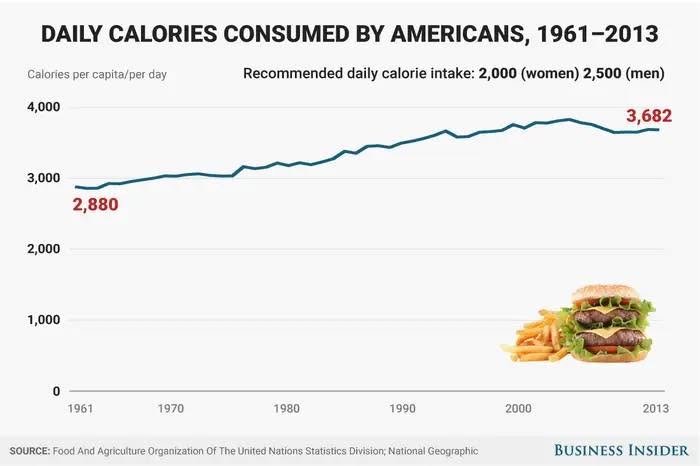
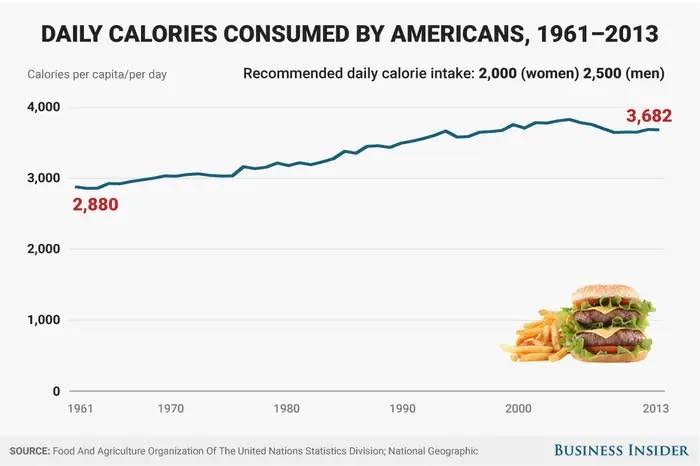
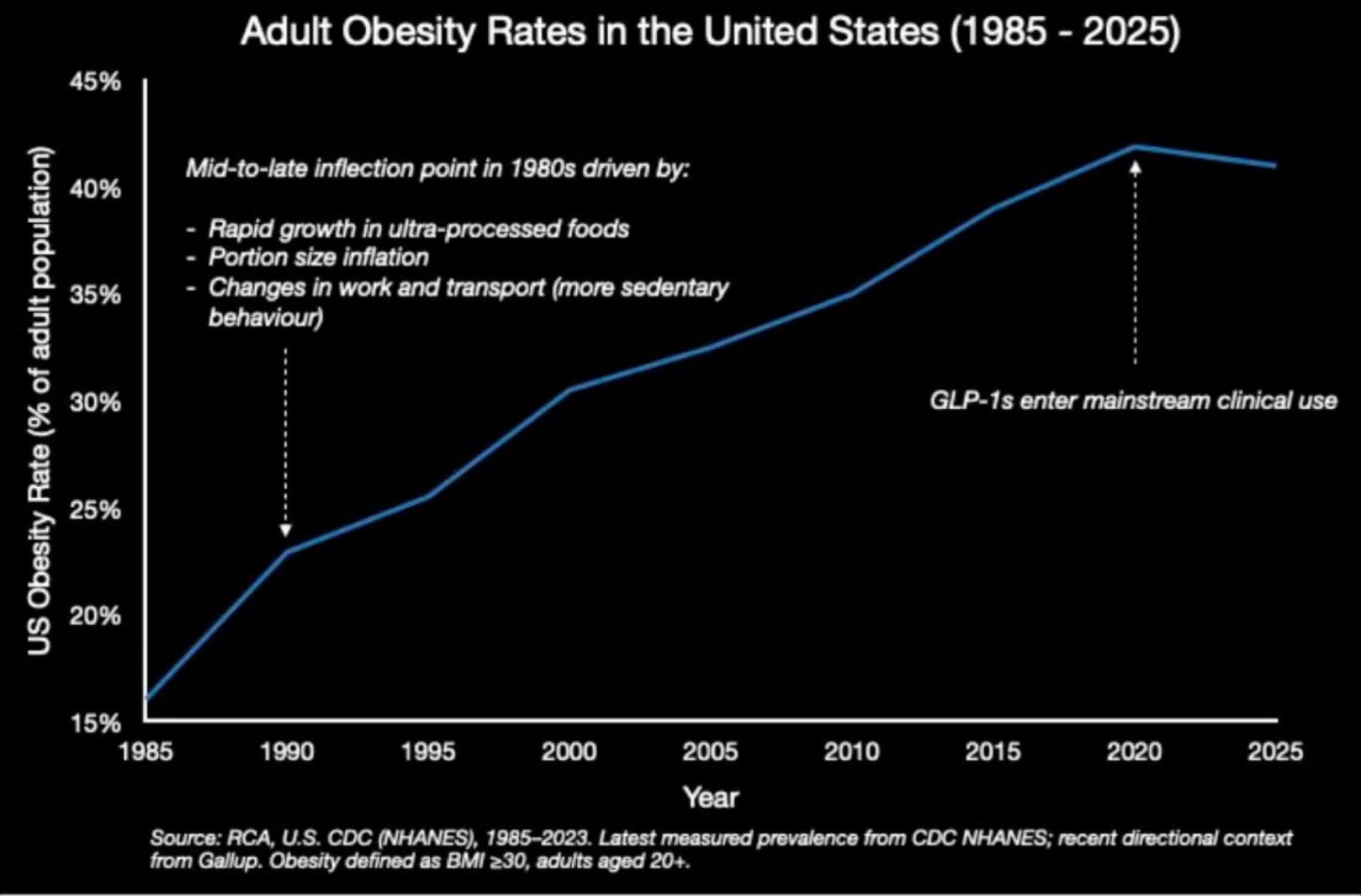
US calorie intake has risen 24% since 1961, one chart of the obesity crisis

Jun 09, 2024 · Louis Nervegna ♥ 12 · 💬 8 ↩ 1

Louis shares a Business Insider article with charts showing how much more Americans eat than in the past, as a one-chart view of the obesity crisis. The linked article reports a rise in daily calories and in meat, alcohol, grains and sugar consumption.

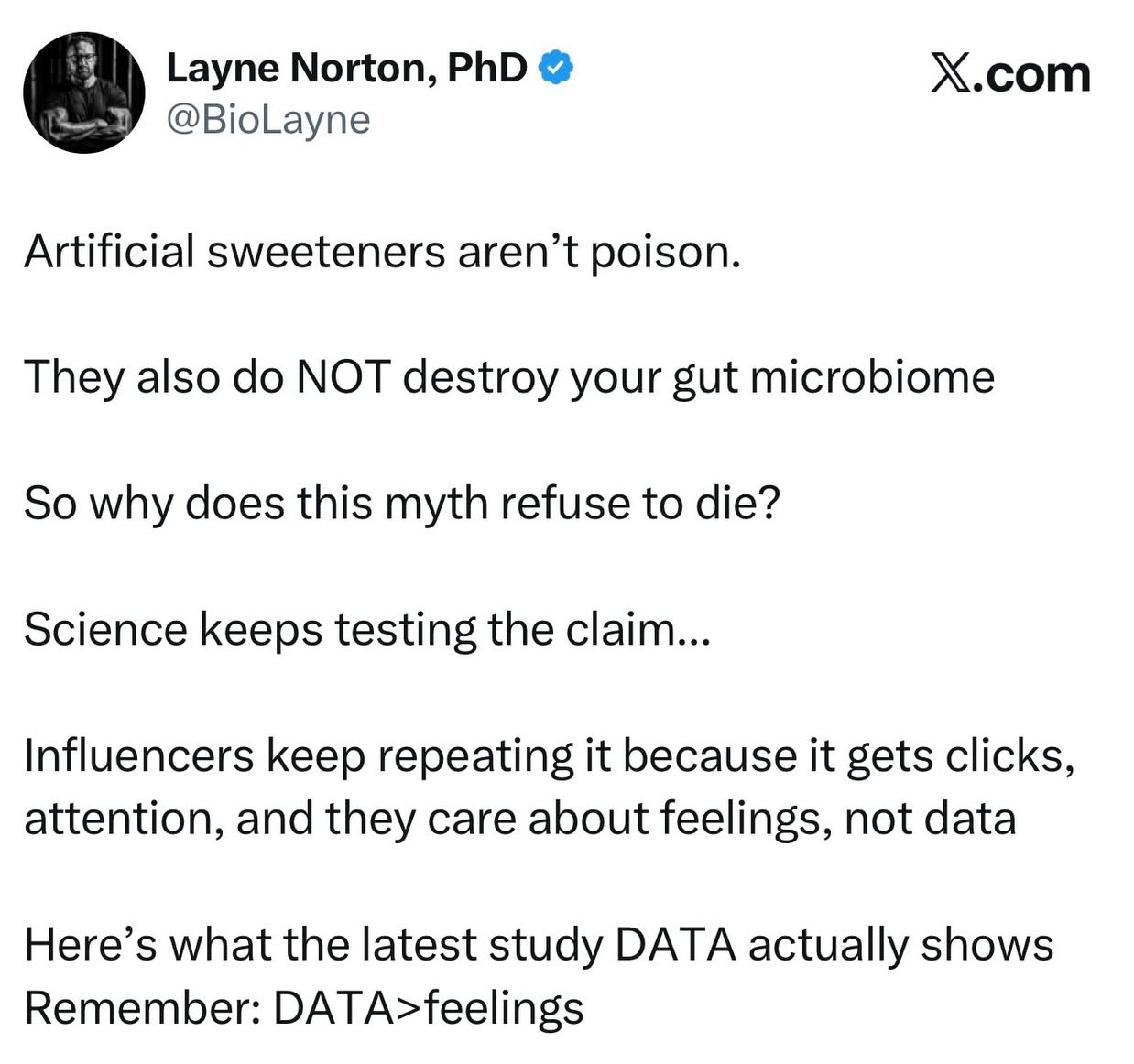
Long-term RCT: artificial sweeteners did not harm cardiometabolic health or gut microbiota

Dec 18, 2025 · Louis Nervegna ♥ 6 · 💬 8 Gut microbiome

Louis shares Layne Norton's summary of a new long-term randomized trial of artificial sweeteners during weight-loss maintenance, which found better weight maintenance and no adverse cardiometabolic effects versus a low-sugar diet alone, with gut findings worth more study. Louis does not recommend sweeteners but wants the evidence stated accurately.
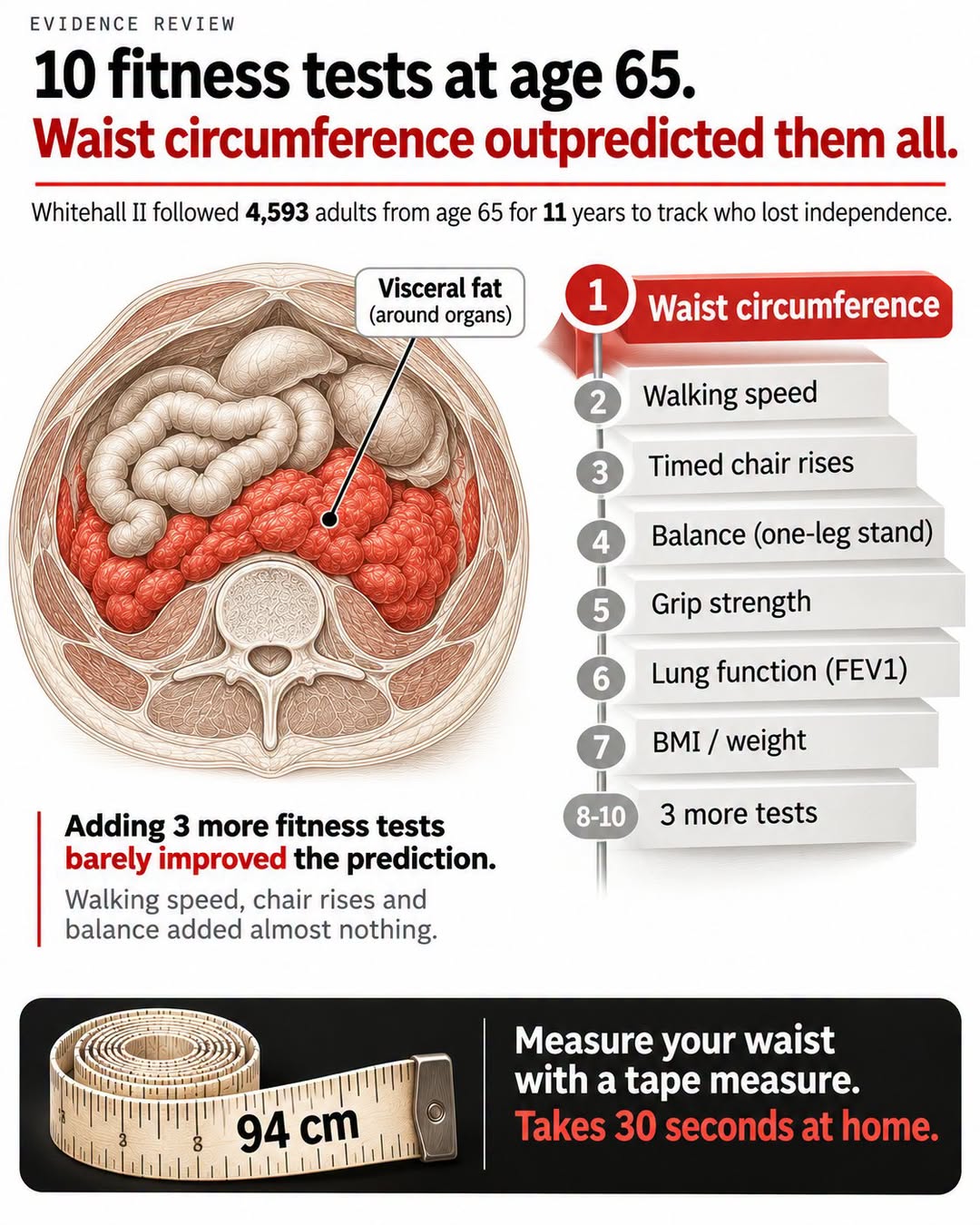
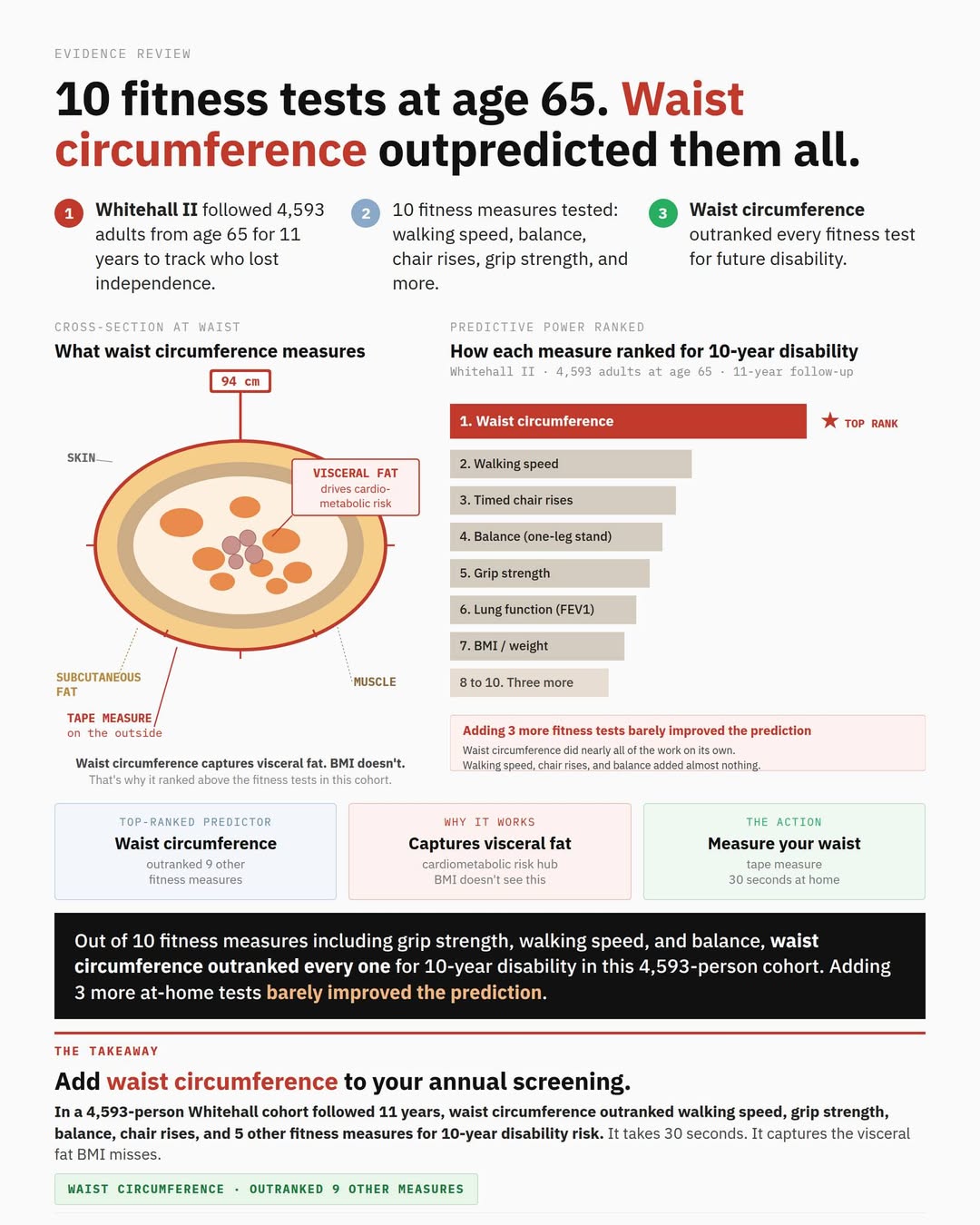
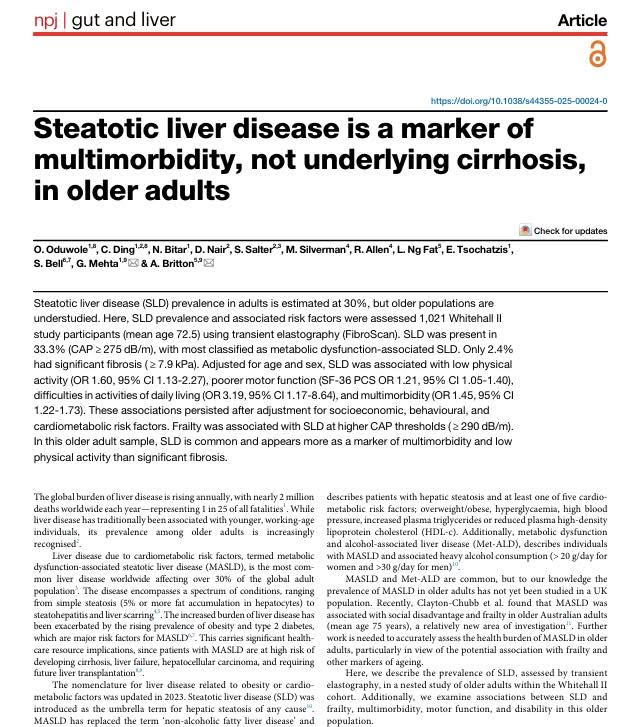
Waist size predicted future disability better than 9 other aging and fitness measures

Nov 02, 2026 · Louis Nervegna ♥ 6 · 💬 5

Whitehall II data on 4,593 UK adults (average age 65) followed for about 11 years compared 10 standard measures, including walking speed, chair rises, balance, grip strength, lung function and BMI. Waist size predicted disability, and severe disability, best, and adding other tests improved prediction only slightly. Waist reflects visceral fat, which drives inflammation, insulin resistance and liver fat.
Whey shake did not curb buffet intake versus a calorie-free drink, challenging satiety

Nov 01, 2024 · Louis Nervegna ♥ 8 · 💬 5 Protein

Louis, sharing Menno Henselmans, argues protein per se is not more satiating than fat or carbs. A study by Oberoi et al. found a 30 g whey shake did not reduce buffet intake more than a calorie-free drink, and a meta-analysis in older adults found extra protein increased energy intake. Louis says meat satiates because of muscle fiber structure and fat.

Green Mediterranean diet with walnuts cut liver fat about 39% in an 18-month RCT

Sep 08, 2025 · Louis Nervegna ♥ 9 · 💬 3 ↩ 9

Louis shares the DIRECT-PLUS trial in Gut, where a Mediterranean diet enriched with green tea, the aquatic plant Mankai and walnuts and restricted in red and processed meat reduced liver fat most among 294 adults with abdominal obesity. He emphasizes liver fat as a root cause of insulin resistance for most people.

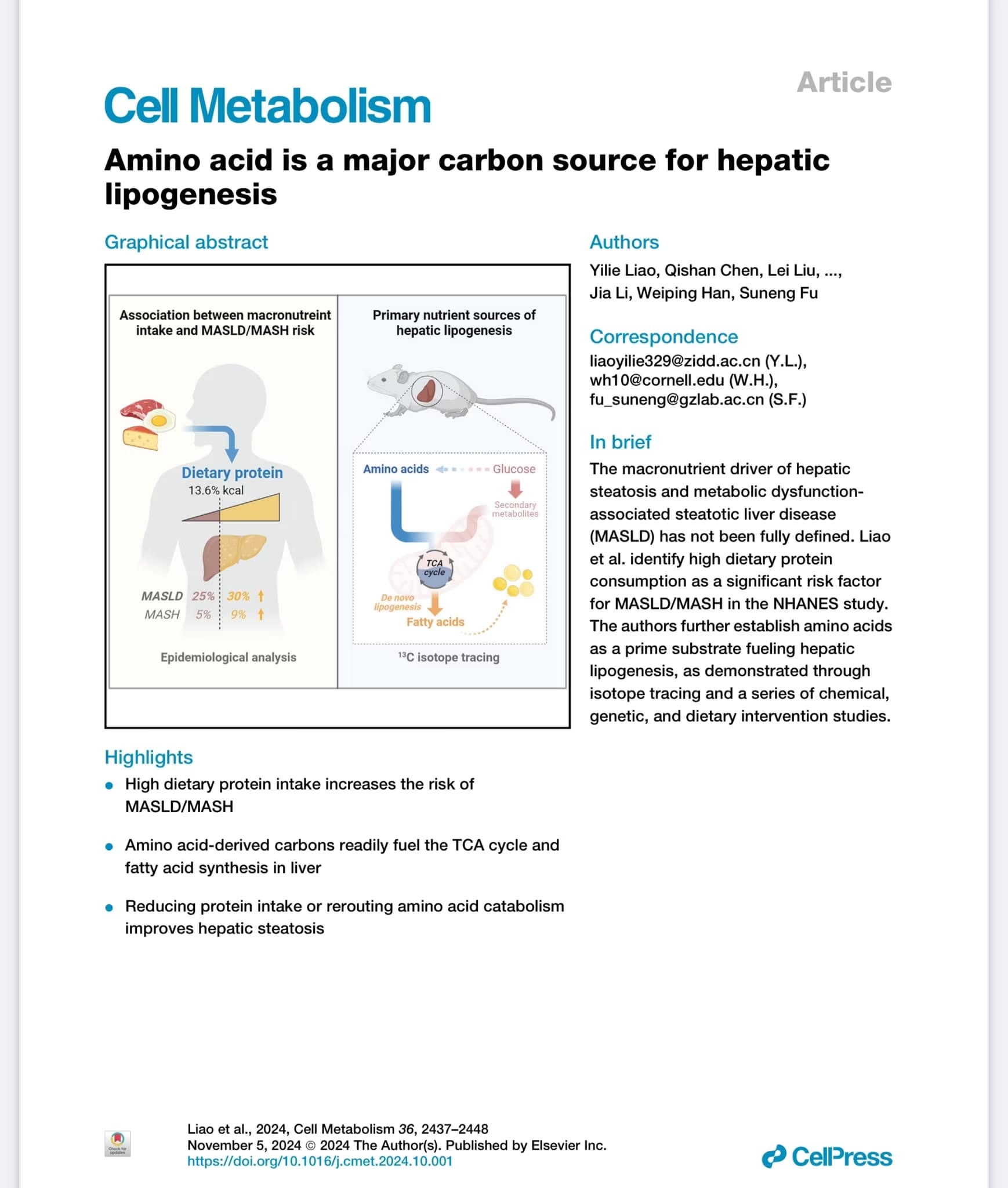
High protein intake linked to MASLD in NHANES; amino acids fuel liver fat synthesis

Dec 02, 2024 · Louis Nervegna ♥ 4 · 💬 7

Louis shares a Cell Metabolism study suggesting high-quality protein may drive fatty liver. In NHANES (4,693 participants), carbohydrate and total fat were not associated with MASLD, while medium/high protein intake raised MASLD risk about 1.45-fold and high protein doubled MASH risk; low carbohydrate intake was associated with about 2-fold higher MASH progression. Amino acids serve as carbon sources for liver fatty acid synthesis, and mTOR may play a role.

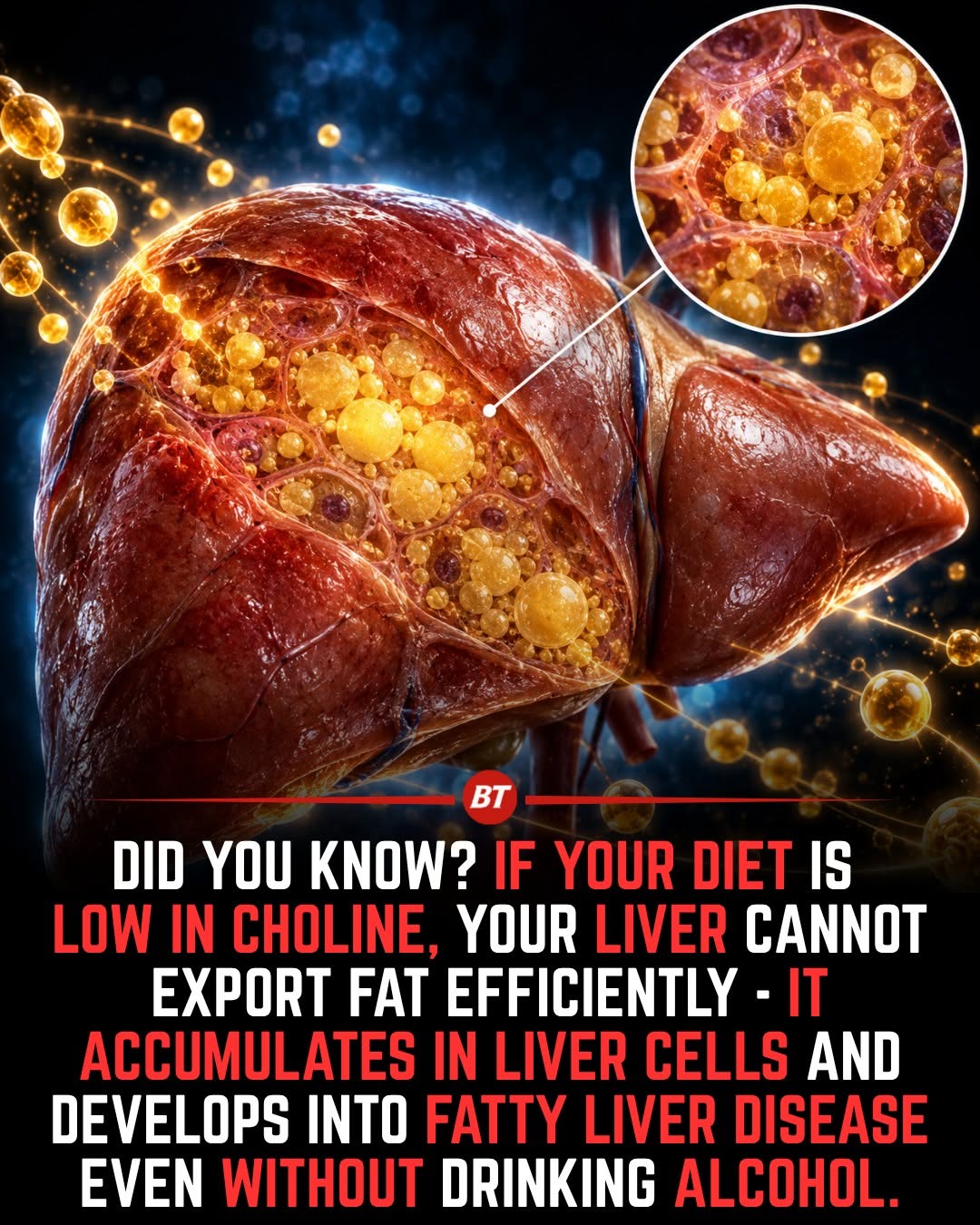
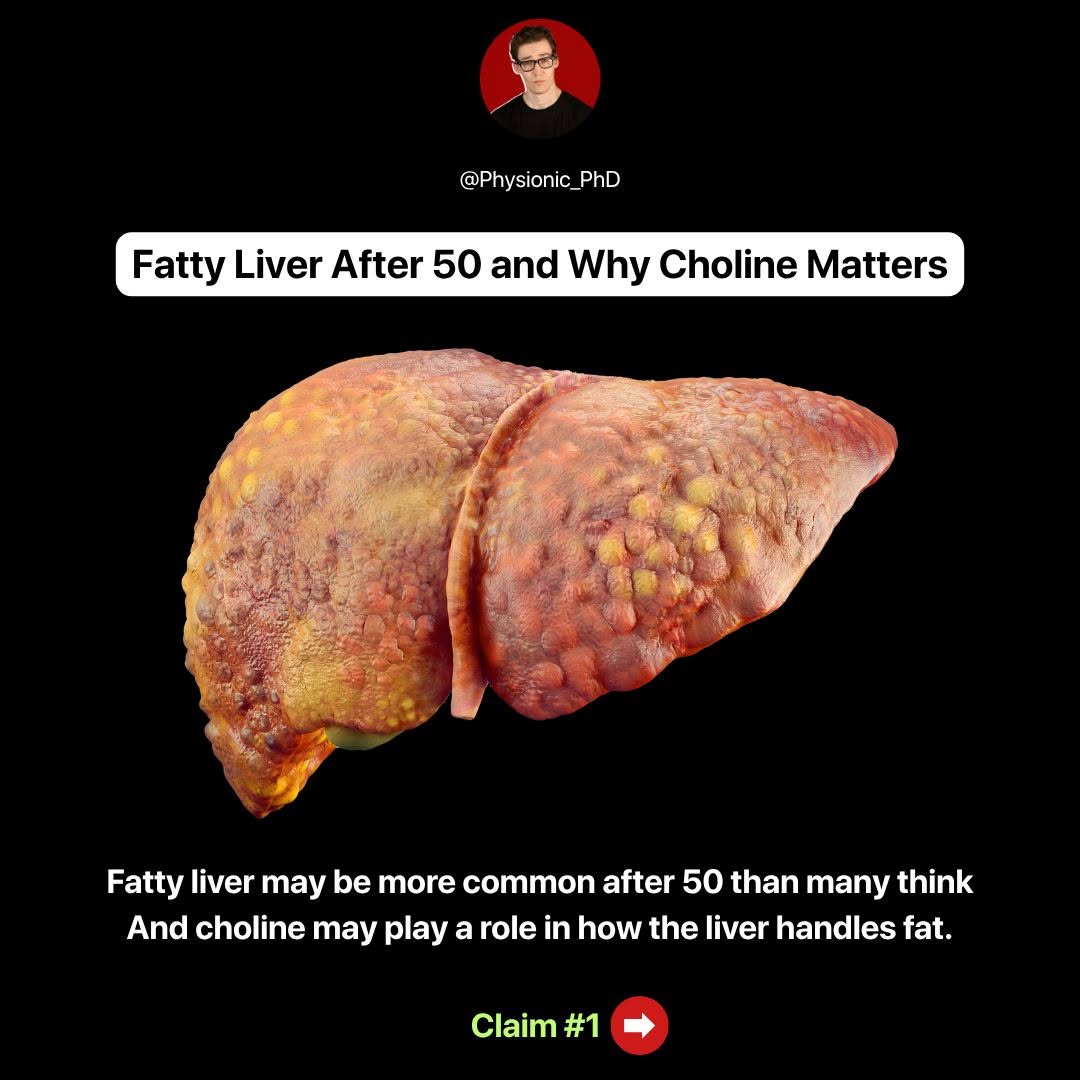
Choline deficiency can cause fat to accumulate in the liver

Sep 06, 2026 · Louis Nervegna ♥ 9 · 💬 4

A shared post explains that choline is needed for phosphatidylcholine, which packages and exports liver fat in lipoproteins. Severely inadequate intake can cause liver fat to accumulate in controlled feeding studies and is reversible with adequate choline. Good sources include eggs, liver, meat, fish and soybeans.

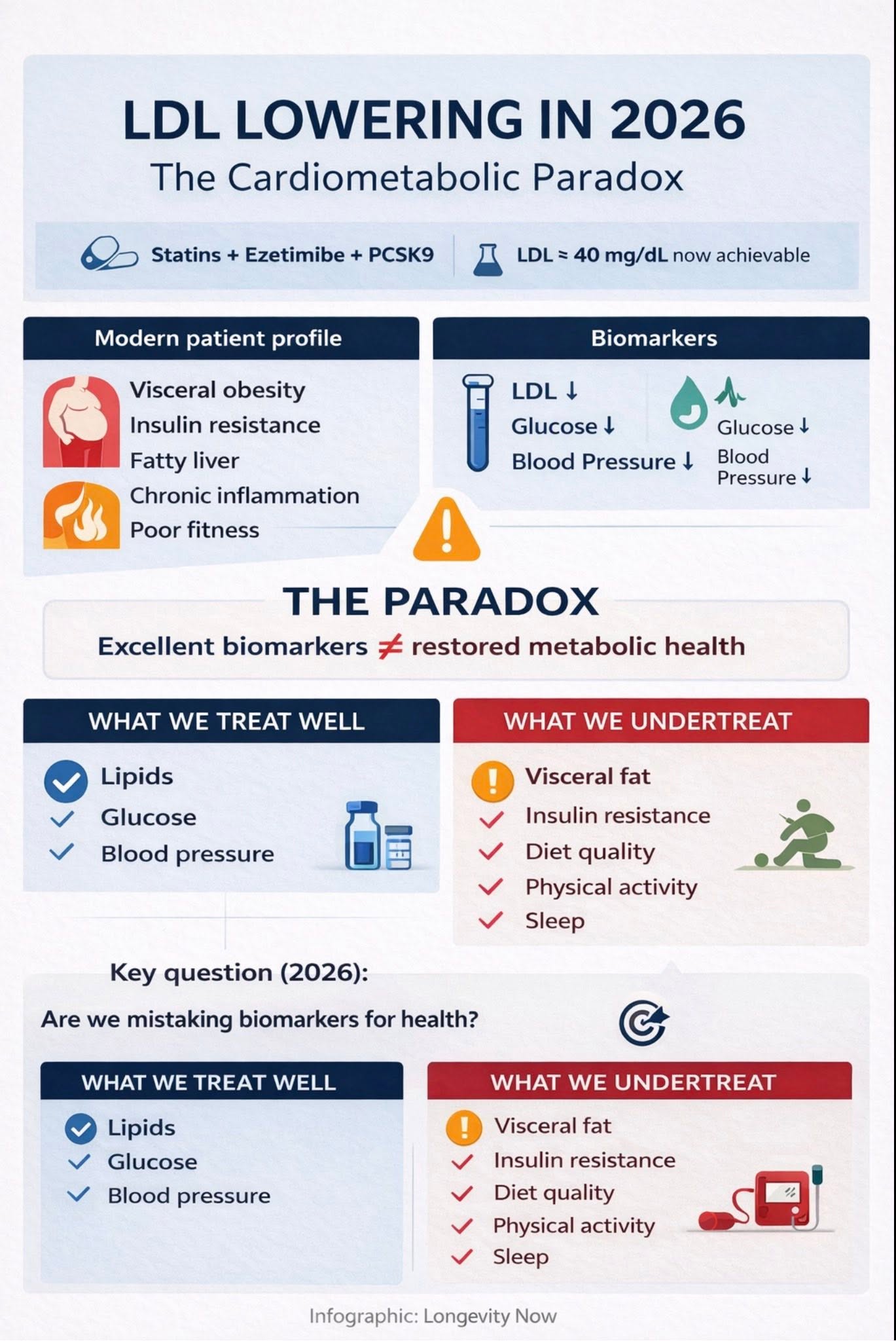
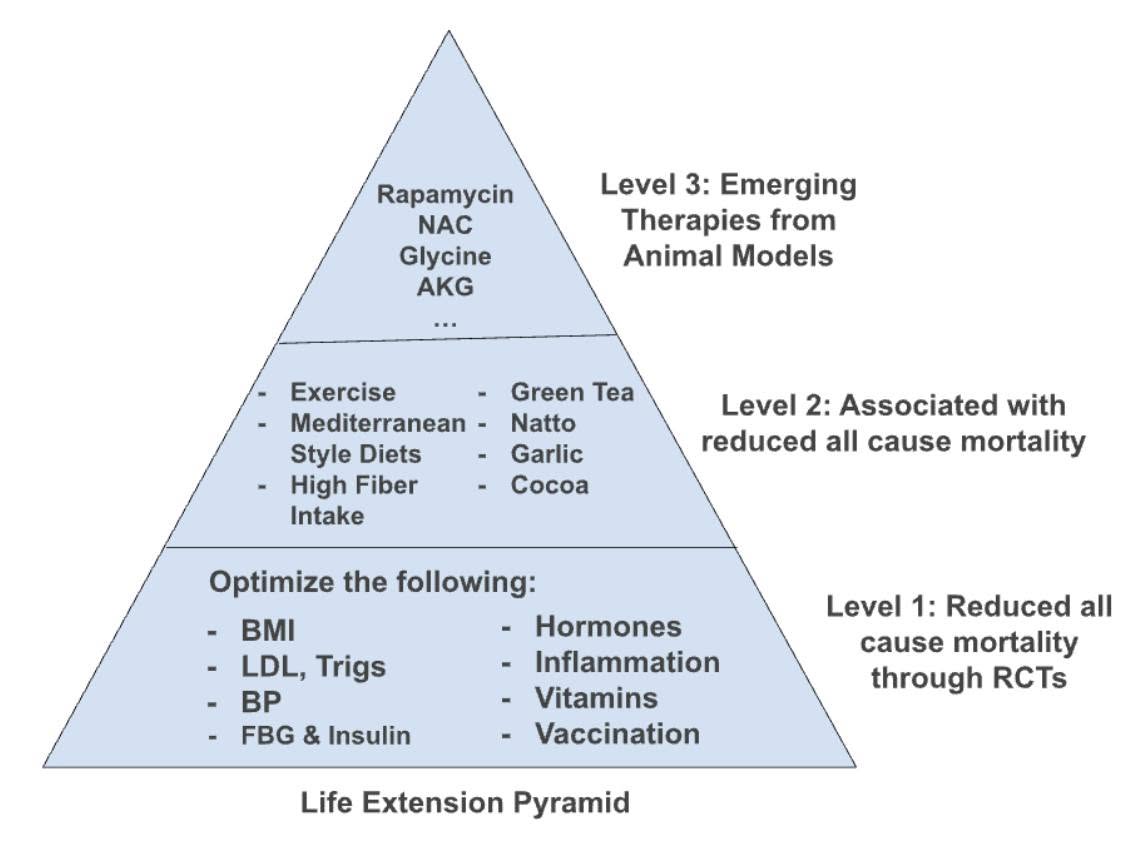
Mendelian randomization: BMI, BP, LDL and type 2 diabetes lower odds of longevity

Jan 25, 2025 · Gokhan Can ♥ 5 · 💬 5 LDL, ApoB & lipid panel

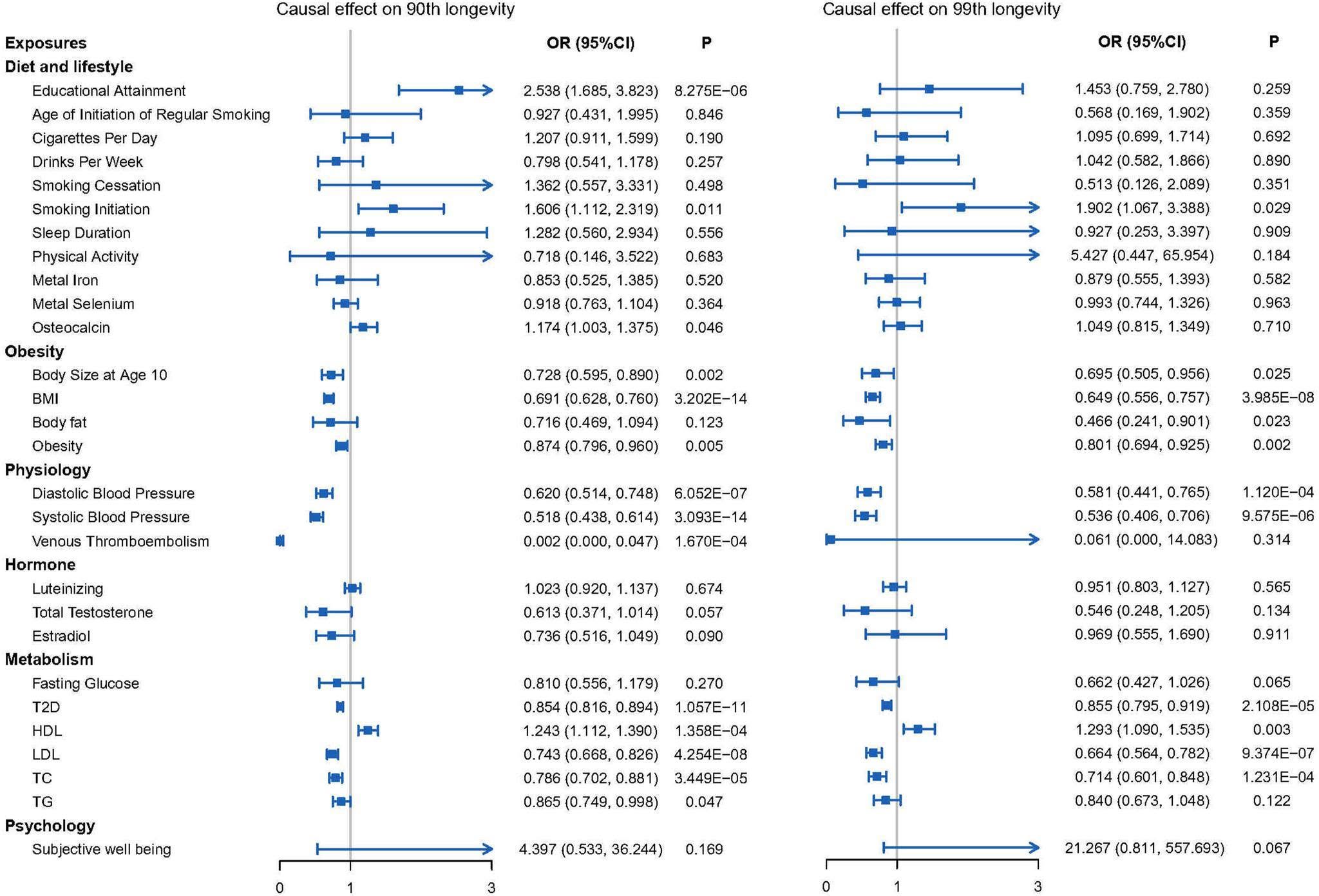
A Mendelian randomization study of 46 modifiable risk factors in people of European ancestry found nine linked to longevity (90+ years) and super-longevity (99+). Higher genetically predicted HDL was associated with greater odds of longevity, while higher BMI, obesity, blood pressure, type 2 diabetes, LDL and total cholesterol were associated with lower odds.

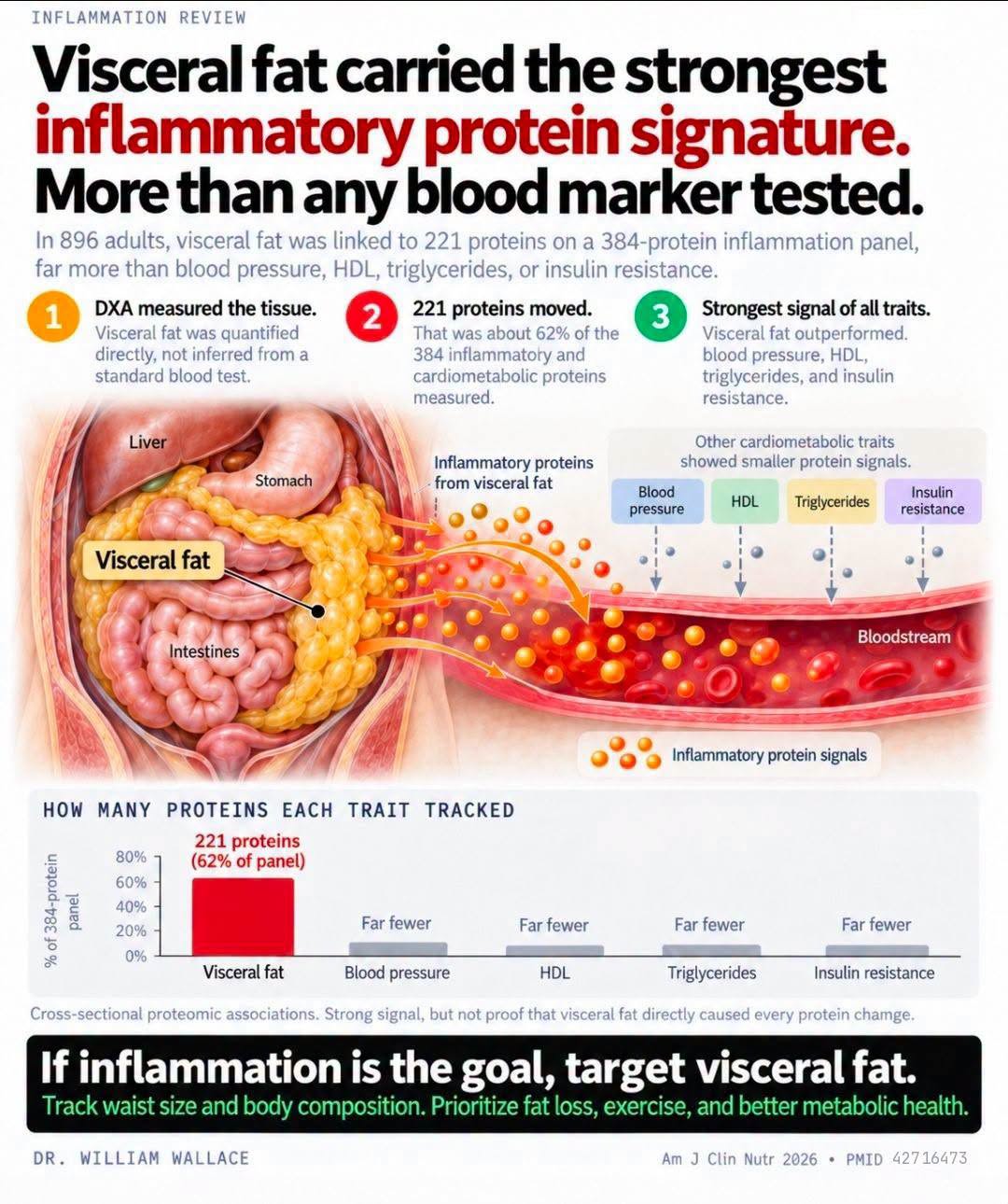
Visceral fat had the strongest inflammatory protein signature of any trait in VITAL/COSMOS

Nov 05, 2026 · Louis Nervegna ♥ 10 · 💬 2

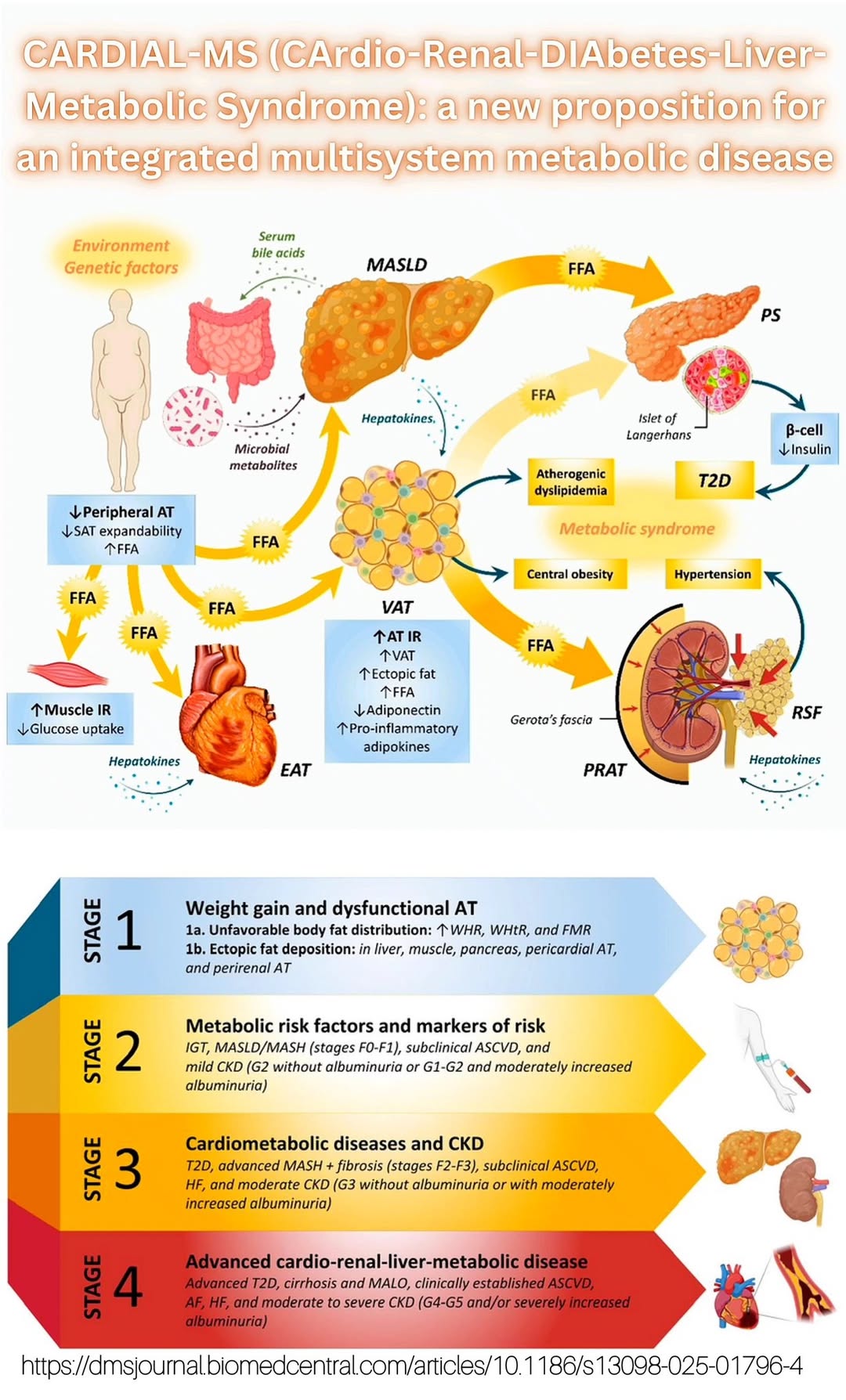
Louis shares a cross-sectional proteomics analysis of 896 adults from VITAL and COSMOS. Visceral fat measured by DXA was associated with 221 circulating proteins, more than blood pressure, HDL, triglycerides or insulin resistance. It cannot prove causation, but suggests visceral fat is a meaningful target for reducing chronic inflammation.

Meta-analysis of 119 trials: nuts did not cause weight gain and modestly lowered LDL

Oct 29, 2026 · Louis Nervegna ♥ 10 · 💬 2 Nuts, fish, coffee, tea, cocoa & other foods

A systematic review and meta-analysis of randomized trials (154 articles, 119 unique RCTs) found adding about 120 kcal/day of nuts did not significantly change weight, BMI or waist; body fat fell slightly and lean mass rose. Nuts were associated with small reductions in total cholesterol, LDL and triglycerides, with no significant effect on HDL.

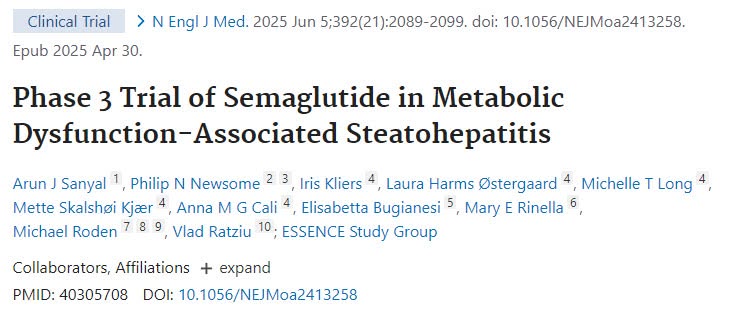
Semaglutide improved MASH inflammation and fibrosis in the Phase 3 ESSENCE trial

Jun 08, 2025 · Louis Nervegna ♥ 5 · 💬 4 GLP-1 drugs (semaglutide, tirzepatide)

The post argues that liver and pancreas fat drive diabetes, insulin resistance and metabolic syndrome, and that fat leaves the liver early on a diet, which is why GLP-1 drugs work well in fatty liver disease. The shared summary describes the ESSENCE trial of weekly semaglutide 2.4 mg in biopsy-proven MASH with fibrosis stage 2-3 and lists open questions such as cirrhosis and durability.

Higher Lp(a) is linearly associated with lower risk of fatty liver in NHANES data

Mar 16, 2025 · Louis Nervegna ♥ 16 · 💬 1 Lp(a)

Louis shares a Scientific Reports cross-sectional analysis of 2,308 NHANES participants finding a significant linear negative association between Lp(a) and NAFLD, suggesting Lp(a) could serve as a biomarker of NAFLD risk. He notes that at this point only the inverse relationship is known, and the headline claim that high Lp(a) might protect against fatty liver is speculative.

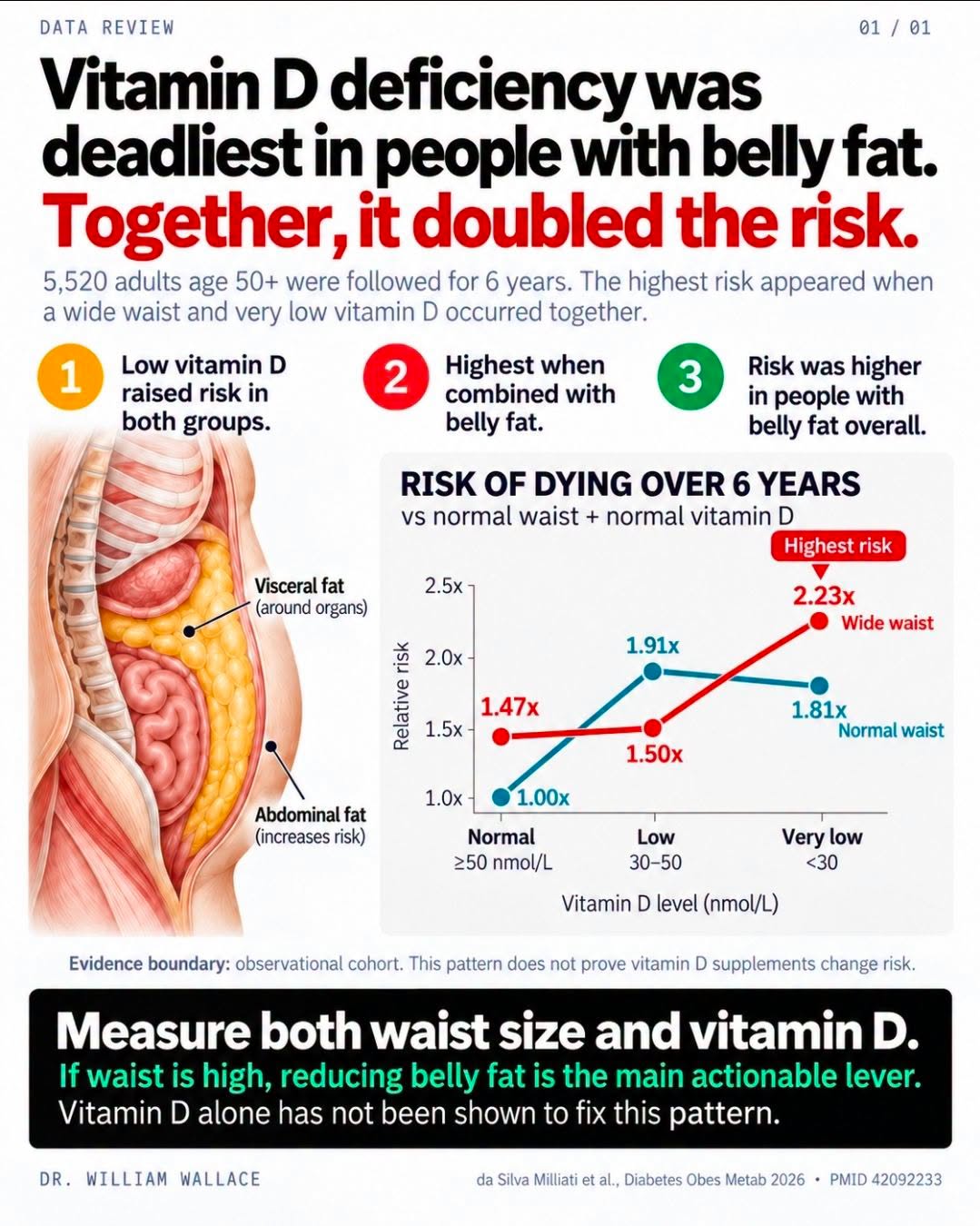
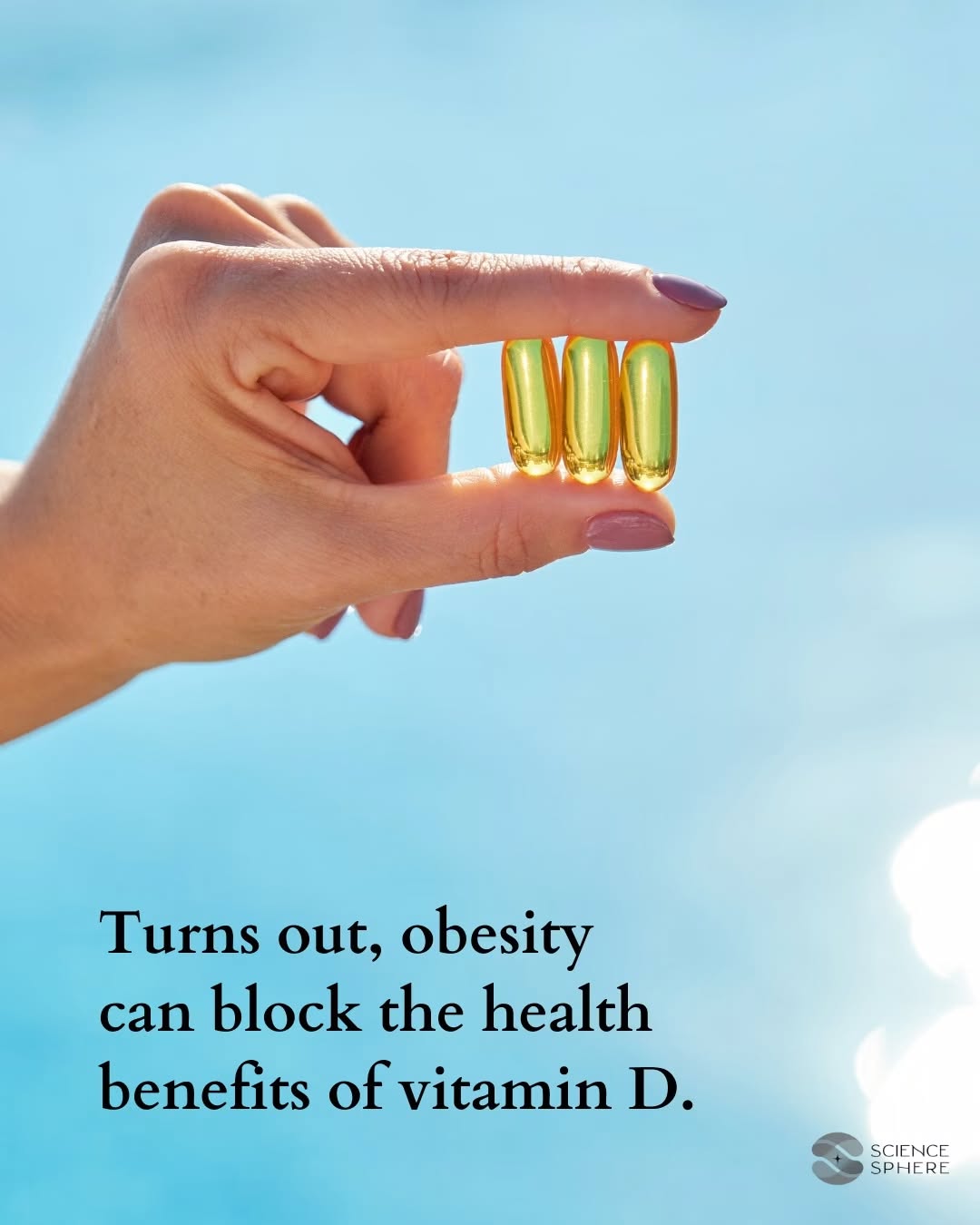
Vitamin D deficiency with abdominal obesity carried 2.23 times the mortality risk

Sep 14, 2026 · Louis Nervegna ♥ 10 · 💬 2

Louis notes that excess visceral fat reduces vitamin D bioavailability. The shared study followed 5,520 adults aged 50+ for six years and found that those with both abdominal obesity and vitamin D deficiency had 2.23 times the risk of death compared with normal waist and sufficient vitamin D. It is observational.

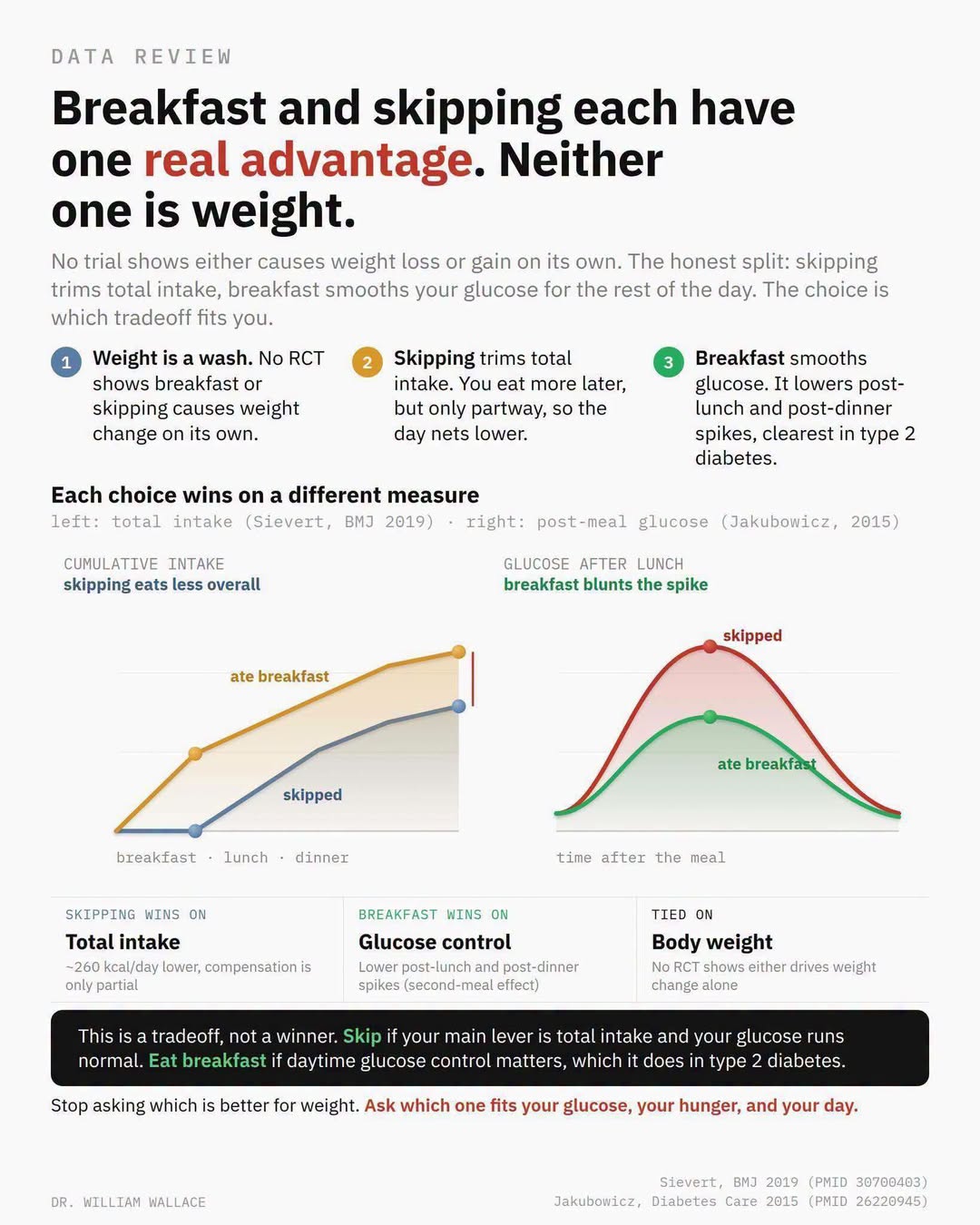
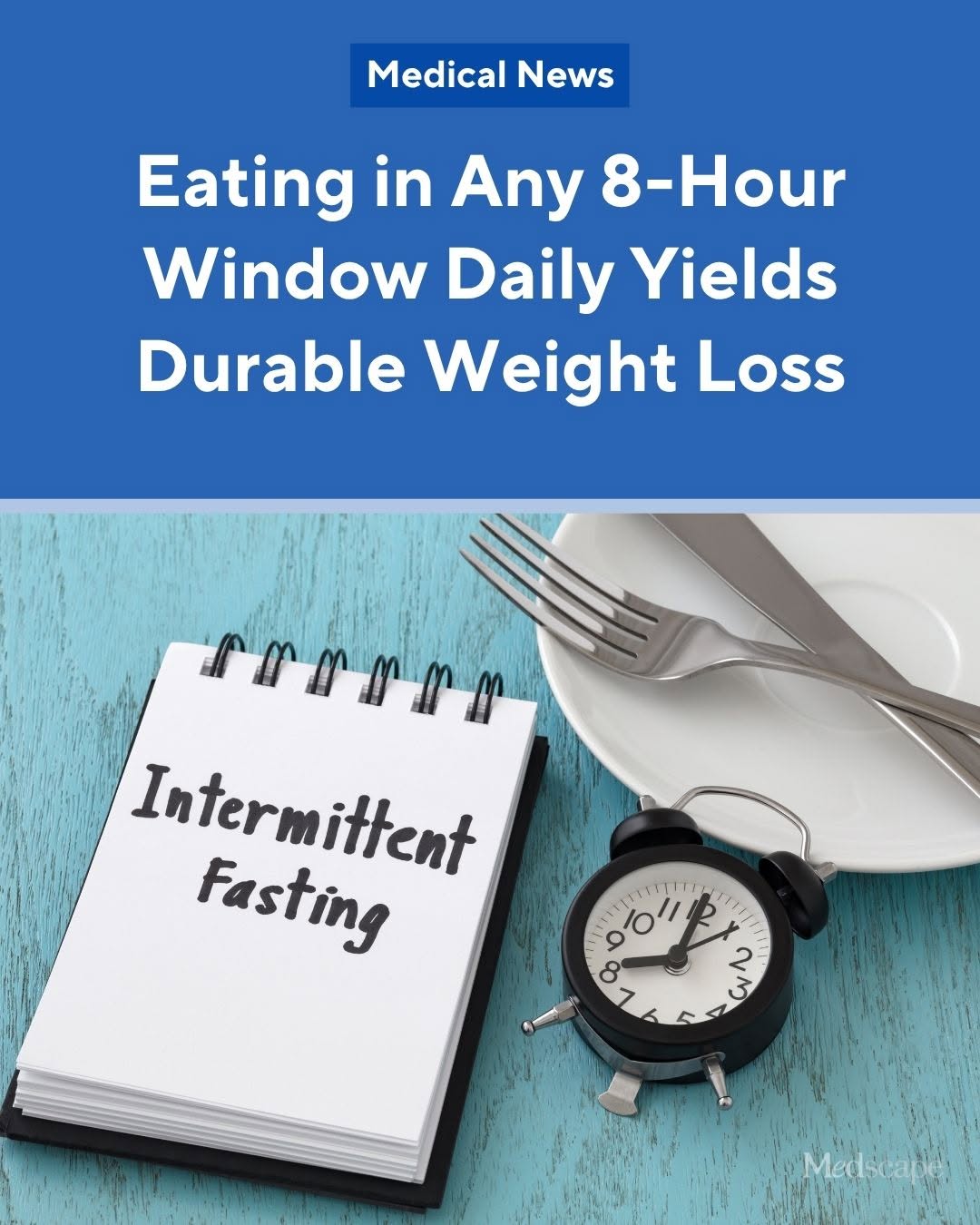
RCTs show skipping breakfast does not cause weight gain and cuts about 260 calories a day

Oct 29, 2026 · Louis Nervegna ♥ 9 · 💬 1 Fasting & meal timing

Observational studies link skipping breakfast to weight gain, but a 2019 BMJ review pooling 13 randomized trials found no evidence that eating breakfast aids weight loss or that skipping it causes weight gain. Breakfast skippers ate about 260 fewer calories per day overall. The possible downside is poorer glycemic control later in the day in people with diabetes or prediabetes.

DIRECT-PLUS: green Mediterranean diet cut fatty liver prevalence to 31.5% over 18 months

Sep 08, 2025 · Louis Nervegna ♥ 7 · 💬 1 ↩ 4

Louis quotes a Healio report on the DIRECT-PLUS trial, in which 294 people with abdominal obesity or dyslipidemia were randomized to healthy guidelines, Mediterranean or green-Mediterranean diets. The green-MED diet (walnuts, green tea, Mankai, little red/processed meat) roughly doubled intrahepatic fat loss.

Lower visceral fat over 16 years linked to slower brain atrophy and better cognition

May 12, 2026 · Louis Nervegna ♥ 5 · 💬 2

A long-term MRI study of 533 women and men in late midlife found that lower cumulative visceral fat, measured for up to 16 years, was associated with slower brain atrophy, preserved brain structures and better cognition, independent of weight loss. The link appears to run mainly through glucose control and insulin sensitivity.

Waist circumference predicted late-life disability better than grip strength or BMI

May 19, 2026 · Louis Nervegna ♥ 12

William Wallace shares Whitehall II data (GeroScience 2026): in 4,593 adults tracked from age 65 for a median 11 years, waist circumference ranked first among 10 geriatric measures for predicting loss of basic daily activities. Adding other measures barely improved prediction, pointing to visceral fat as key.

Diet alone restored pancreas and beta-cell function in a Roy Taylor trial patient

Dec 19, 2025 · Louis Nervegna ♥ 12 Insulin resistance & diabetes

Louis re-shares his post on a patient in Roy Taylor's randomized trial whose advanced type 2 diabetes fully resolved after 2 years, with the pancreas imaging almost back to normal. The intervention was 8 weeks of an 800-calorie meal-replacement diet followed by a normal-calorie Mediterranean diet for maintenance. He argues the liver and pancreas were cleared of fat and that some people get a full curative response, though not everyone.

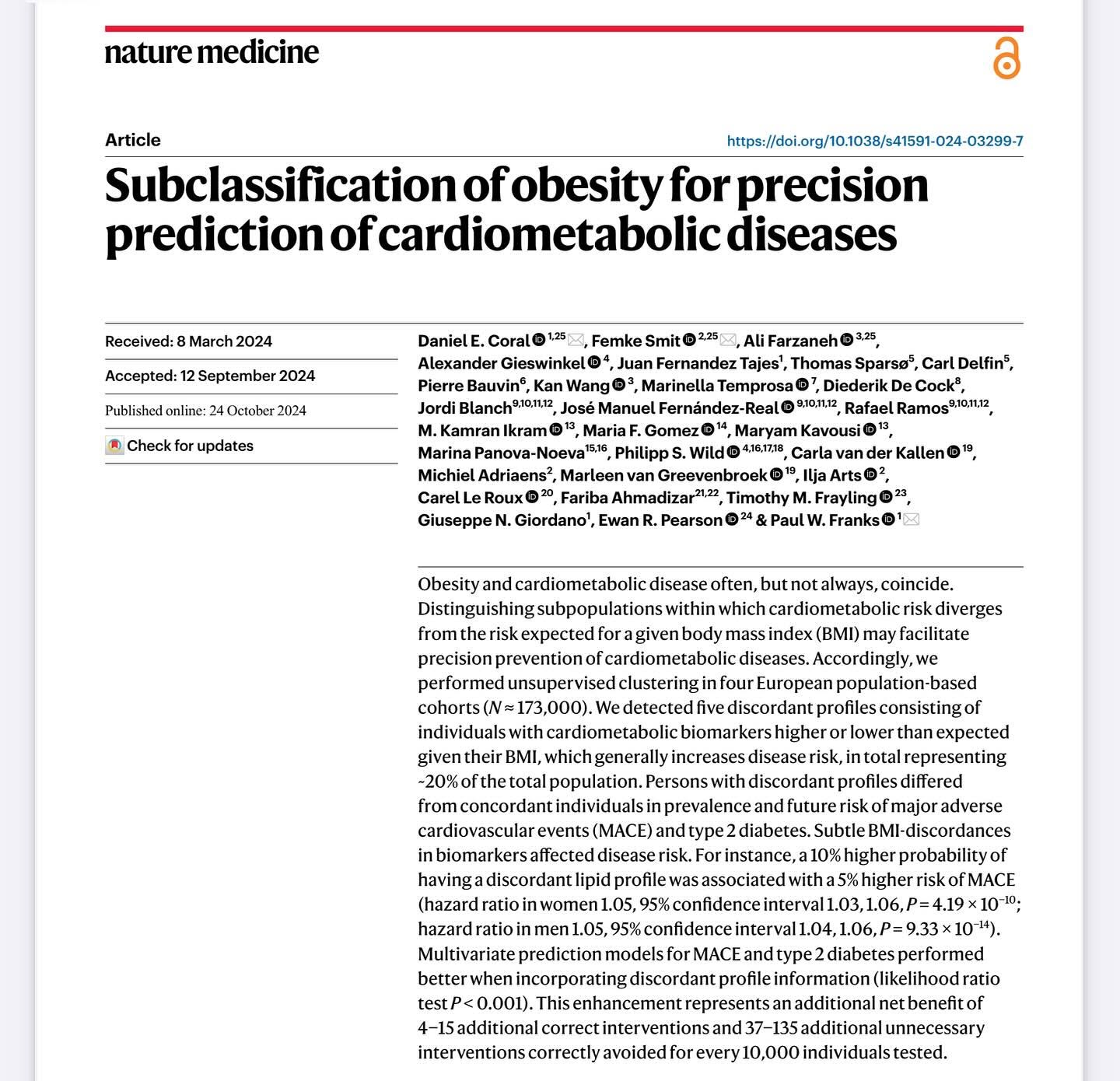
A normal BMI does not guarantee health: discordant cardiometabolic profiles

Feb 21, 2025 · Louis Nervegna ♥ 6 · 💬 1

Louis shares Luigi Fontana's summary of a Nature Medicine paper on discordant health profiles. Many people with normal BMI have poor lipids, blood pressure or glucose, especially with visceral fat, and metabolic markers such as insulin, glucose, cholesterol, hsCRP and blood pressure predict risk better than BMI, with differences by ethnicity.

Weight loss and mortality: lifestyle trials and bariatric surgery data

Nov 25, 2023 · Gokhan Can ♥ 9 ↩ 2

Argues that excess weight is the most important modifiable CVD risk factor, with lowest mortality at a BMI of 20-24. Lifestyle-driven weight loss of 5.5 kg was linked to 15% lower all-cause mortality in an RCT meta-analysis, and bariatric surgery to 38-41% lower mortality in observational pooled data.

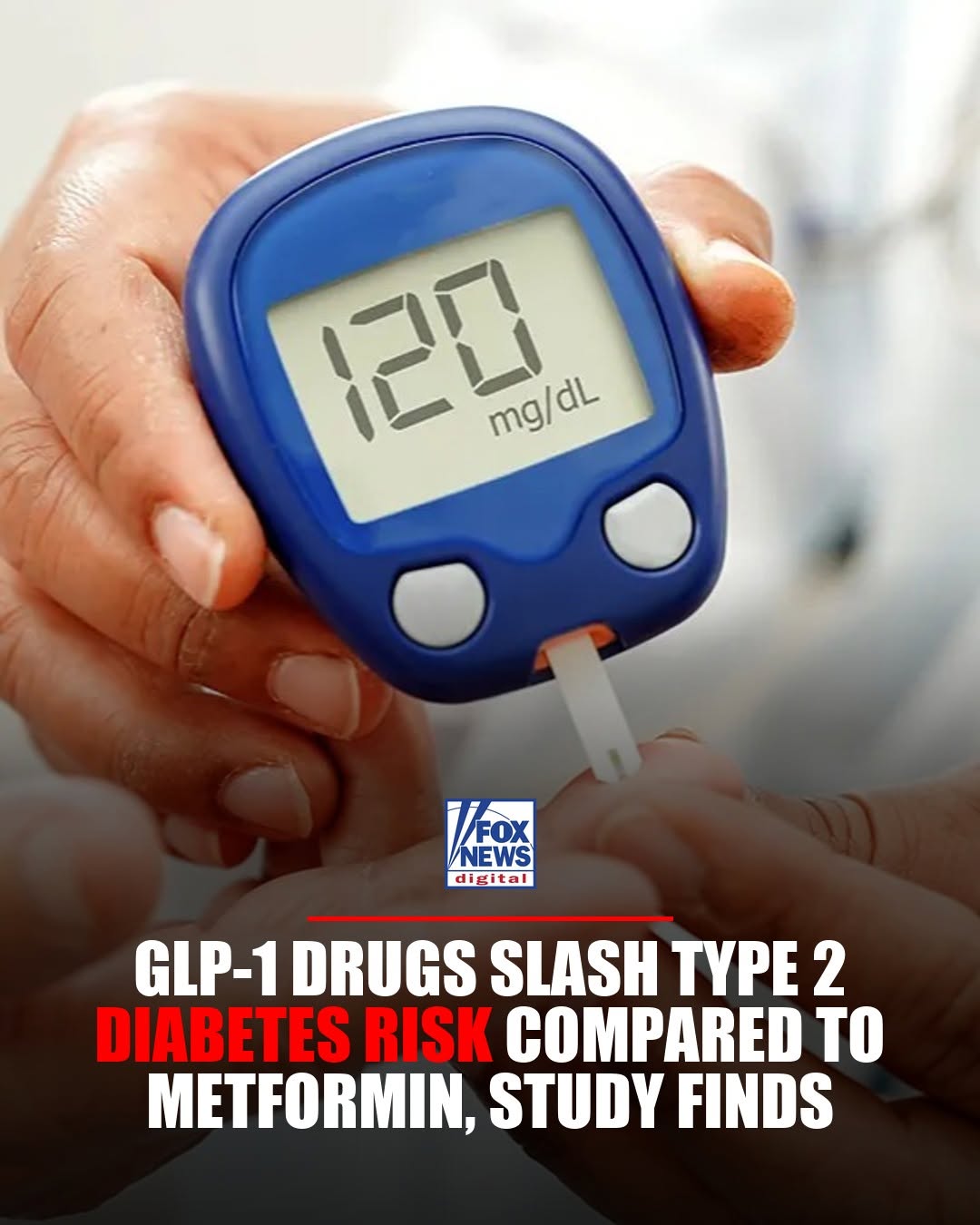
GLP-1 drugs vs metformin in obese prediabetes: 31% less diabetes, 41% lower mortality

Nov 06, 2026 · Louis Nervegna ♥ 7 GLP-1 drugs (semaglutide, tirzepatide)

Louis shares a large observational AHA 2026 study of 256,492 adults with prediabetes and obesity: GLP-1 users had 31% lower risk of type 2 diabetes and 41% lower mortality than metformin users. They also had fewer strokes, heart attacks and heart failure cases. The data are unpublished, observational and not yet peer reviewed, and Louis ties the results to ectopic fat and calorie restriction.

Low-fat vegan diet improved blood sugar and liver fat without calorie restriction

Oct 15, 2026 · Louis Nervegna ♥ 9

A human trial covered by Lifespan.io found that a low-fat plant-based diet improved glucose control, reduced liver fat and lowered skin AGEs even without calorie restriction. The poster adds that Mediterranean, keto and low-fat vegan diets all reduce liver fat and improve insulin sensitivity, and argues the common mechanism is loss of visceral fat.

Excess visceral fat can cause fatigue, brain fog and cravings

Jul 17, 2026 · Louis Nervegna ♥ 7

Louis shares an interview clip explaining how visceral fat releases inflammatory molecules that keep the immune system activated, which is energy-expensive. He argues diets feel better when they reduce visceral fat.

Skinny fat: normal weight can hide unhealthy visceral and liver fat

Sep 11, 2025 · Louis Nervegna ♥ 3 · 💬 2

Louis shares a Cleveland Clinic explainer on 'skinny fat', meaning a normal weight with unhealthy internal fat or low muscle. He notes it is a very common issue, relevant to visceral fat, liver fat and insulin resistance.

A week of all-ultraprocessed food caused more weight gain than none in a crossover RCT

May 16, 2025 · Louis Nervegna ♥ 3 · 💬 1 Mediterranean, DASH, MIND & plant-forward diets

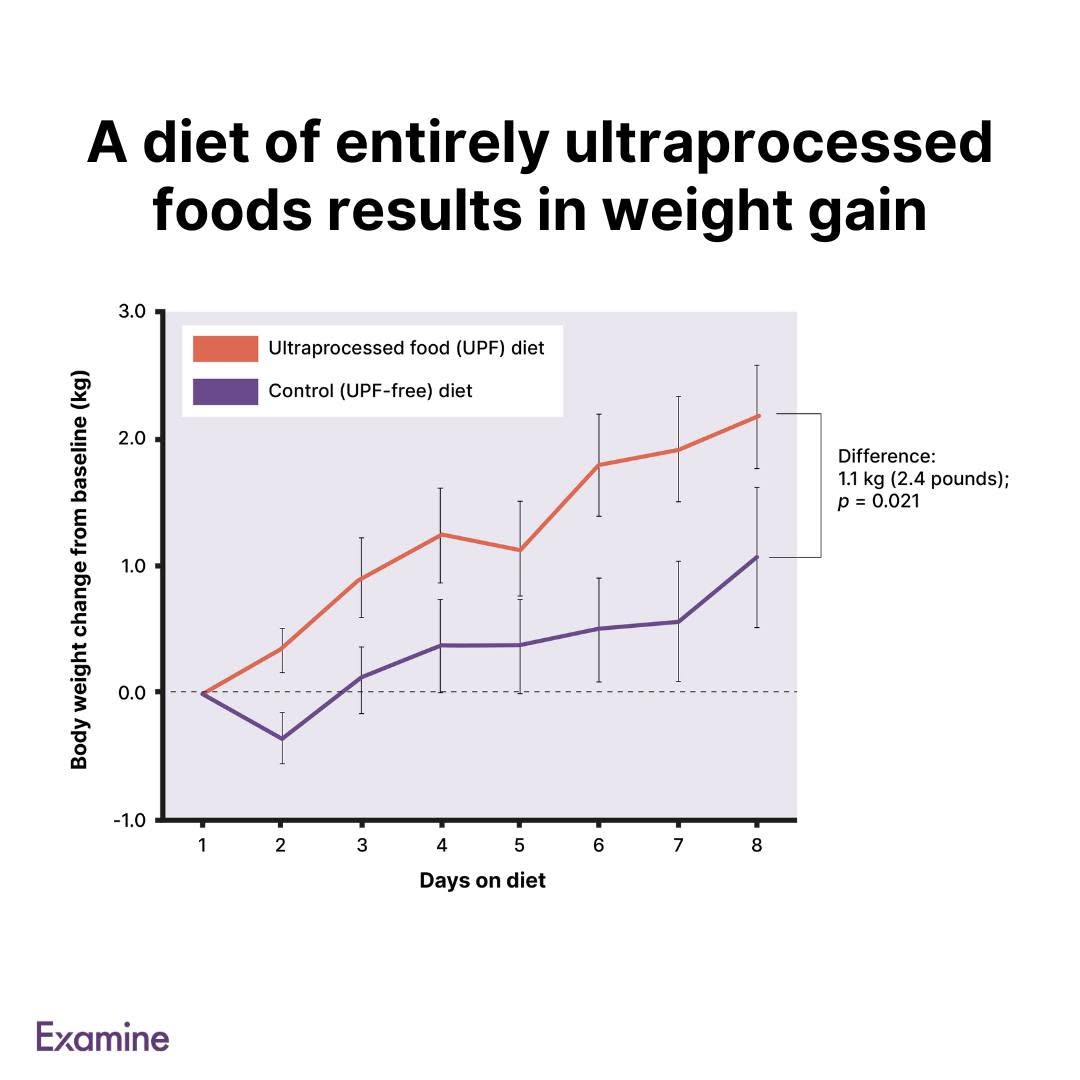
Shared from Examine.com: a small randomized crossover trial in young men found a week of an entirely ultraprocessed diet led to more weight gain than a diet with no ultraprocessed food. The result fits observational data and an earlier RCT, though the post cautions that ultraprocessed food is a broad category and not all of it is equally harmful.

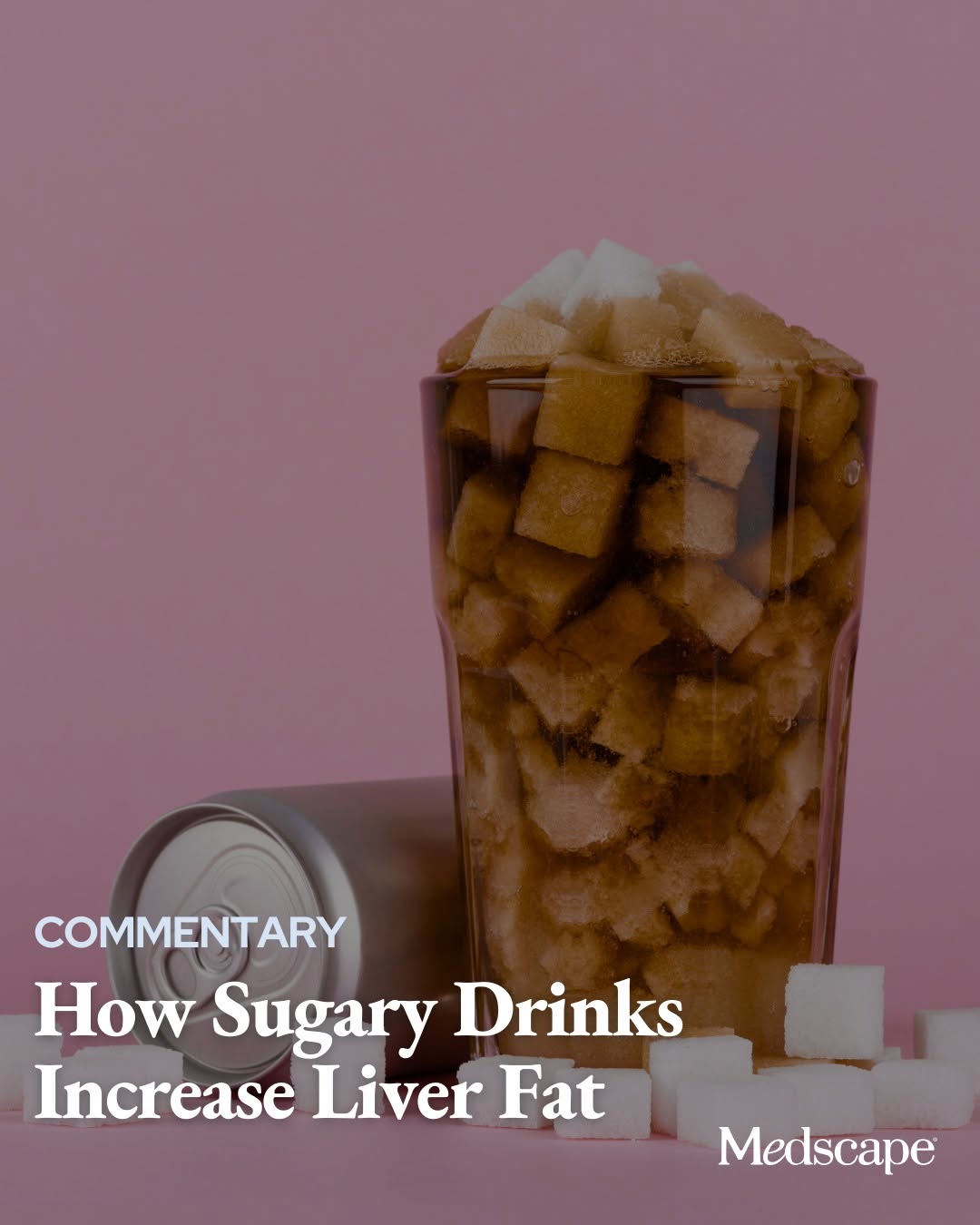
Sugar-sweetened beverages are especially potent drivers of liver fat via fructose

Mar 06, 2026 · Louis Nervegna ♥ 1 · 💬 2

Quotes a Medscape review explaining that sugary drinks deliver fast-absorbed free sugars, and fructose is cleared mainly by the liver where it boosts de novo lipogenesis and triglyceride production. Frequent intake is tied to weight gain, type 2 diabetes and cardiovascular disease.

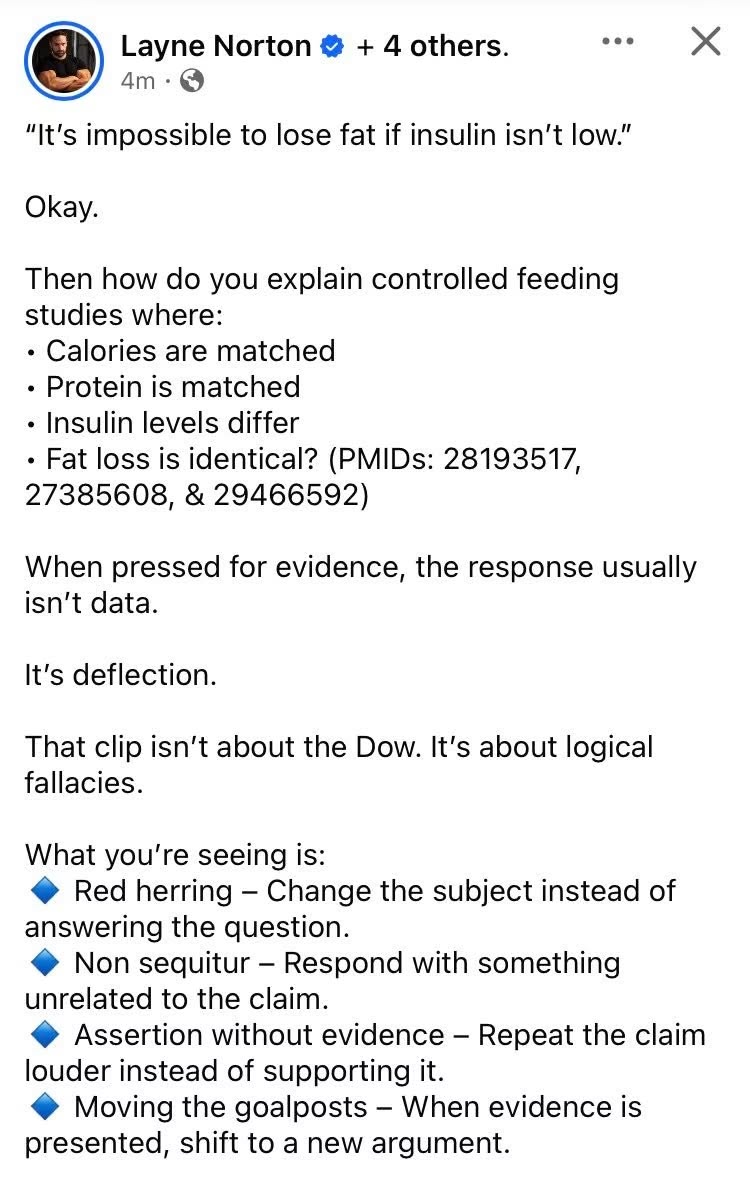
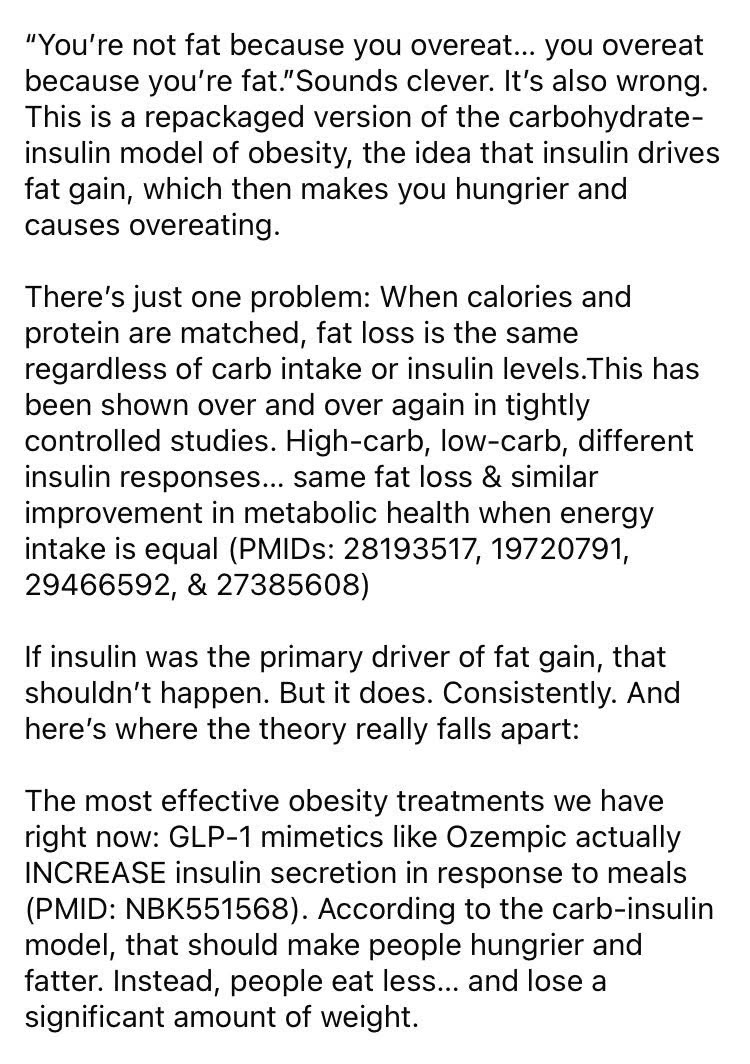
High-carb diet raised insulin yet people ate 689 fewer calories a day in an NIH ward study

Nov 02, 2026 · Louis Nervegna ♥ 0 · 💬 3 Insulin resistance & diabetes

Louis shares a post arguing that normal insulin spikes from healthy carbohydrate do not drive hunger or overeating. In a controlled NIH study, 20 adults lived in a research facility on a high-carb low-fat diet (about 75% carbohydrate) and a ketogenic diet (about 10% carbohydrate) for two weeks each. Despite higher glucose and insulin, they ate an average of 689 fewer calories per day on the high-carb diet, contradicting the carbohydrate-insulin model's prediction, although the diets differed in other ways.

Green Mediterranean diet cut visceral fat about 14% in an 18-month randomized trial

Oct 30, 2026 · Louis Nervegna ♥ 3 Mediterranean, DASH, MIND & plant-forward diets

A shared summary of an 18-month RCT comparing a healthy diet, a Mediterranean diet and a Green Mediterranean diet enriched with green tea and Wolffia globosa (mankai duckweed). The Green Mediterranean diet reduced visceral fat by about 14%, the largest effect of the three arms. Visceral fat drives inflammation and metabolic dysfunction.

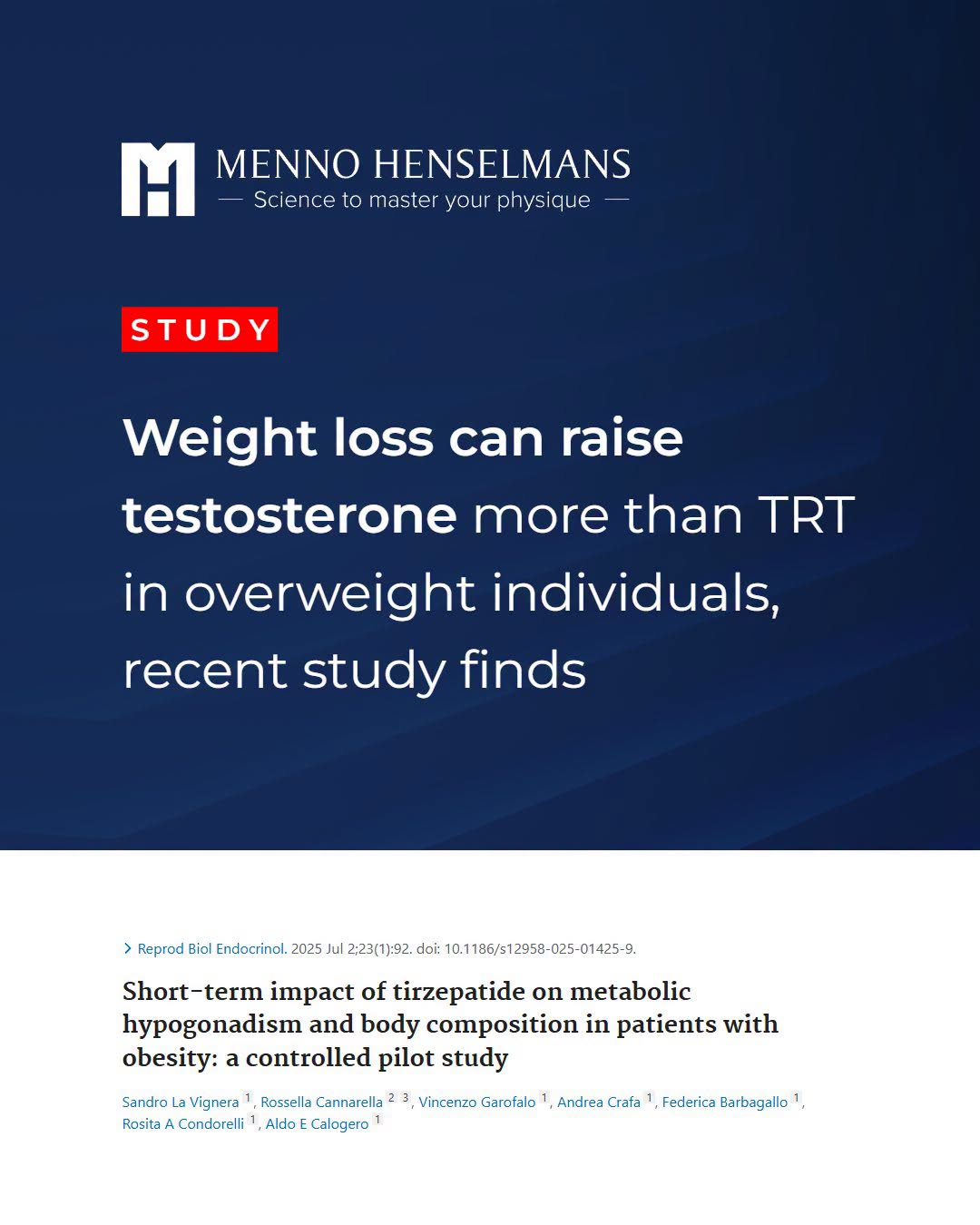
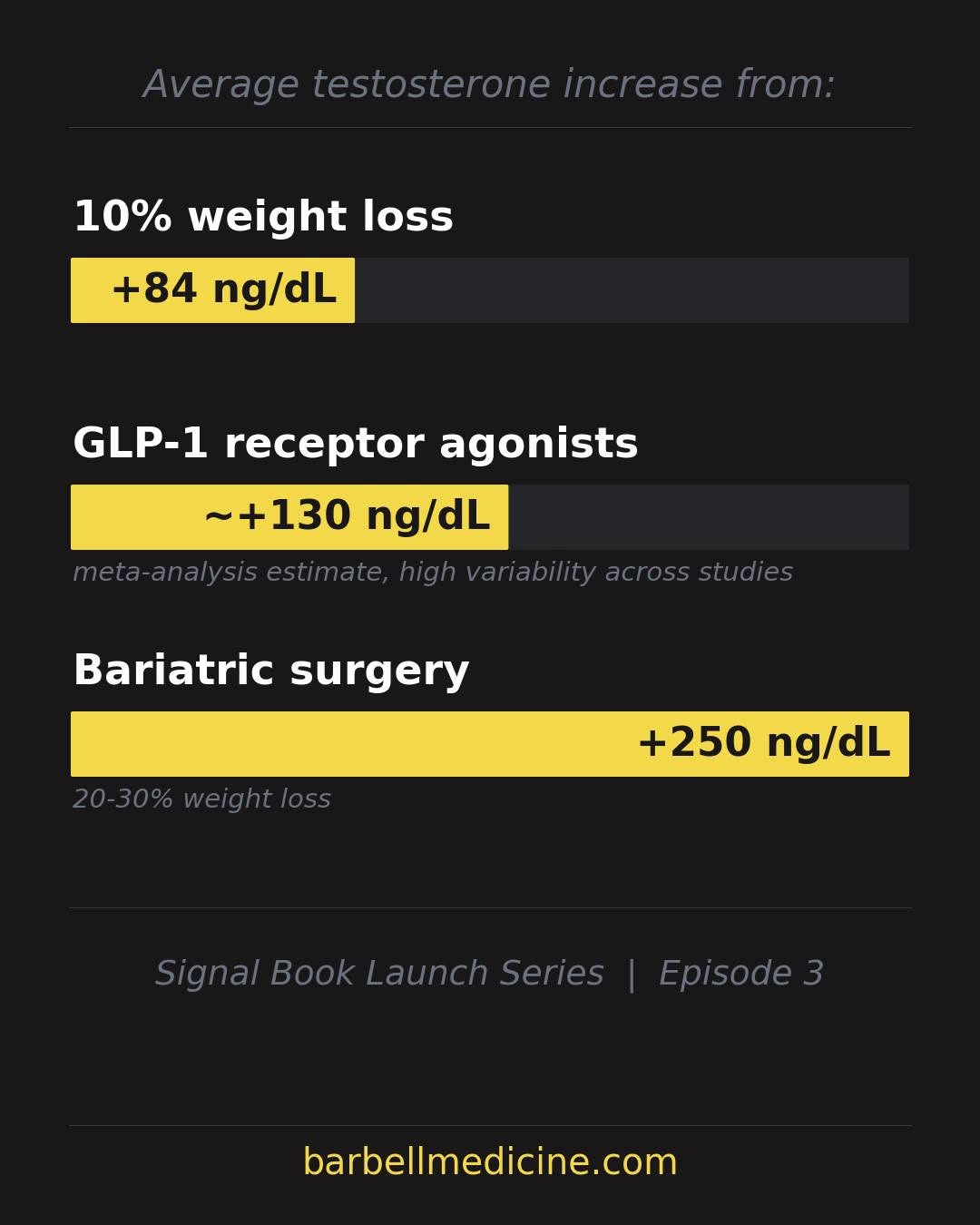
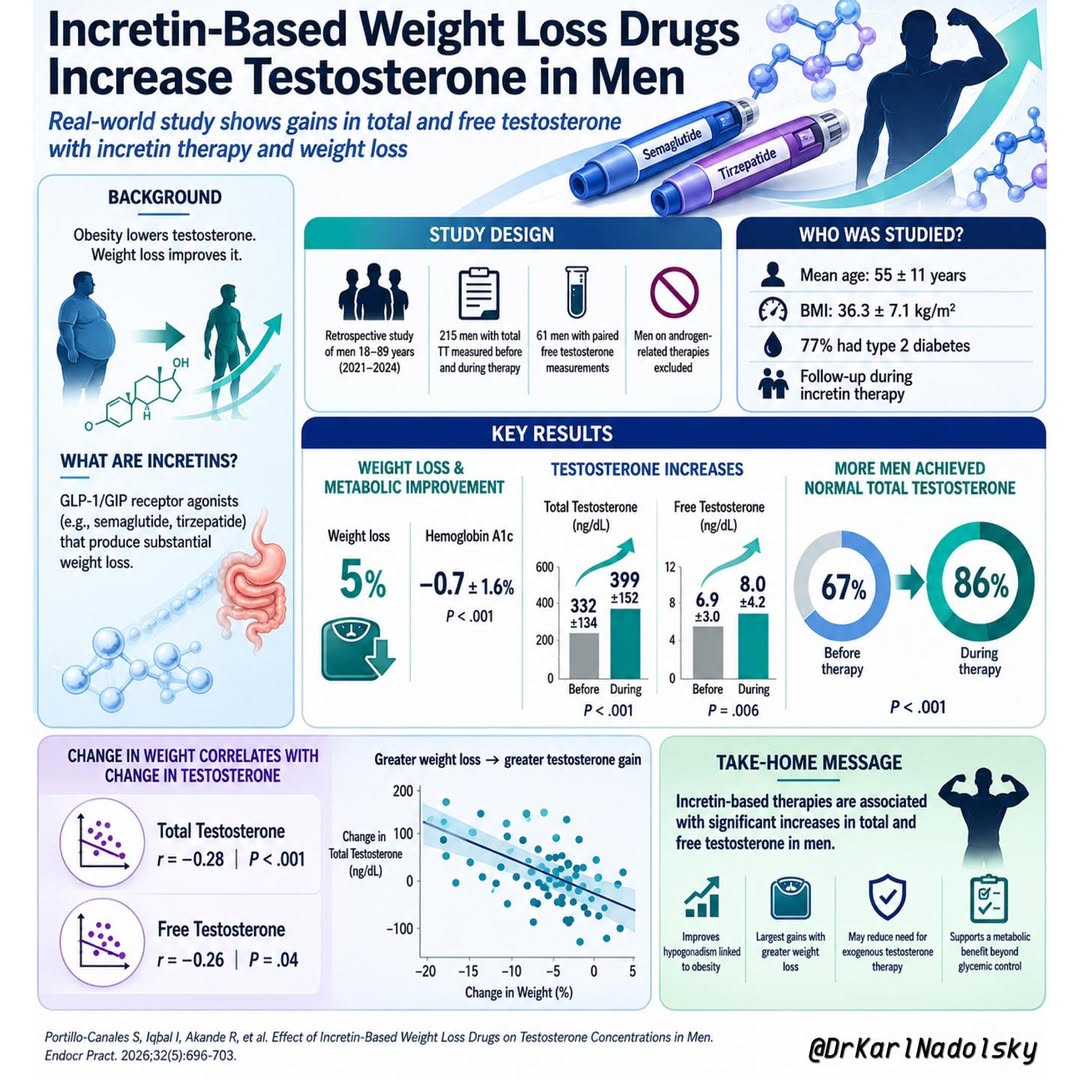
Excess body fat can cut testosterone by up to half a reference range; fat loss restores it

Mar 25, 2026 · Louis Nervegna ♥ 3 Hormones, women's & men's health

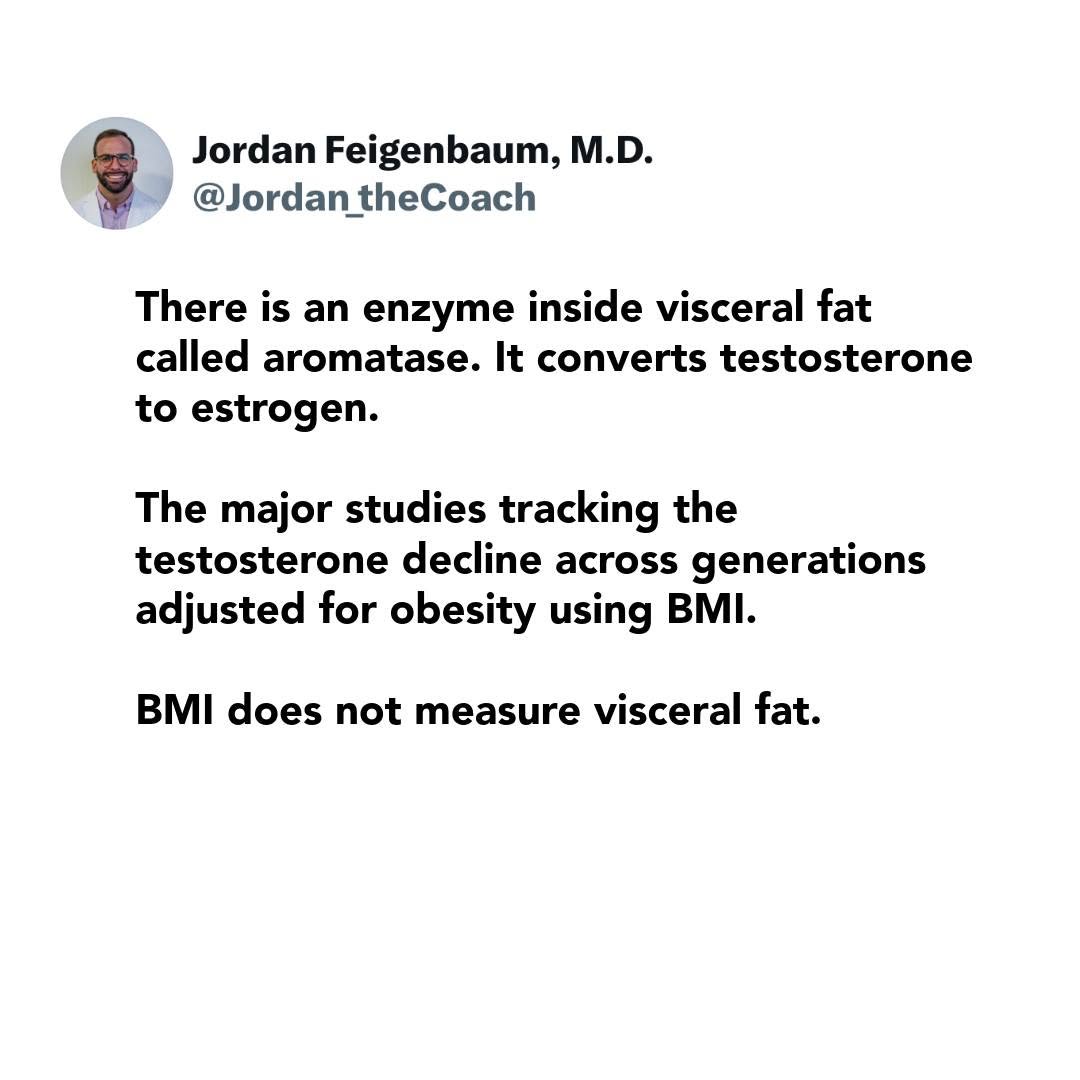
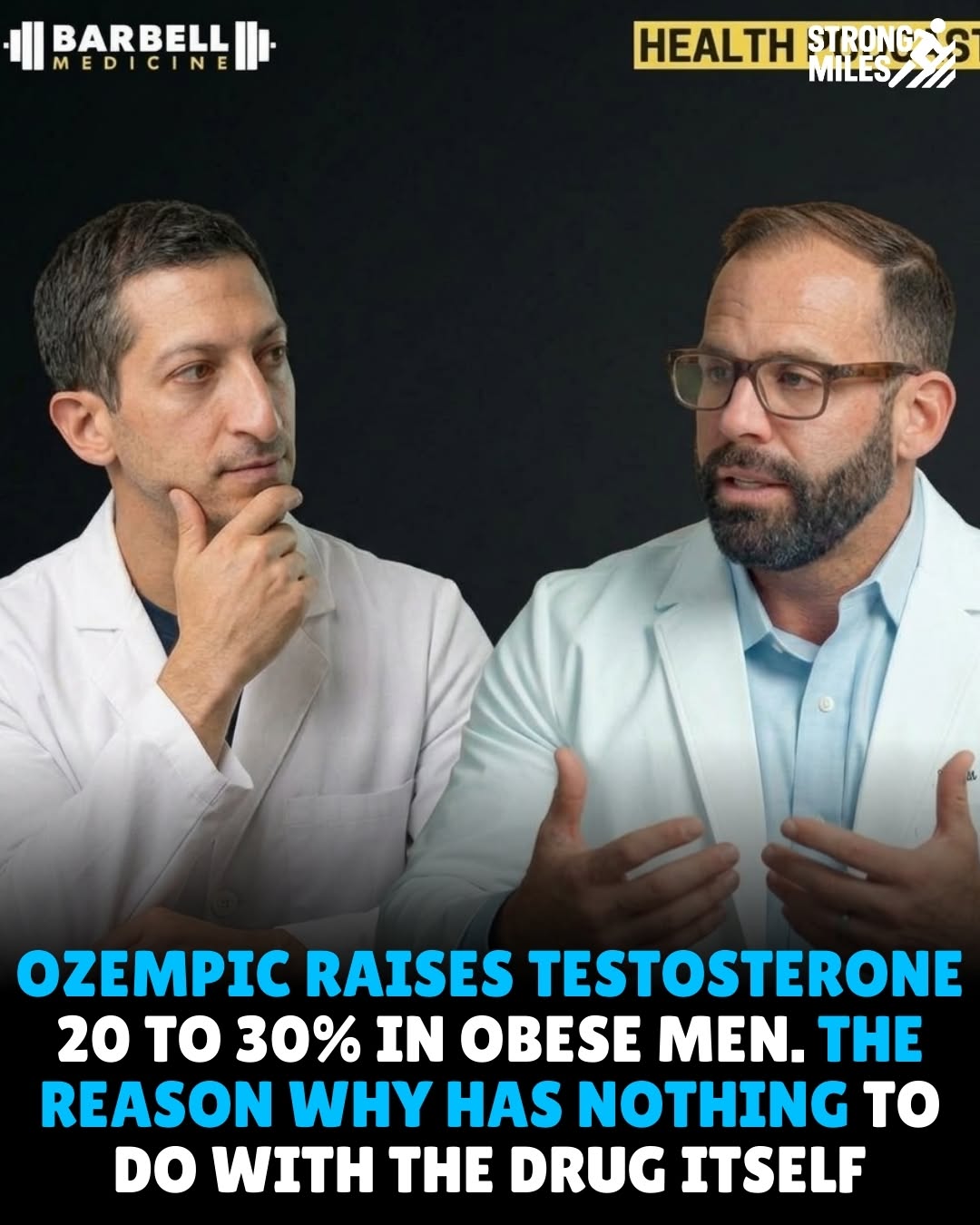
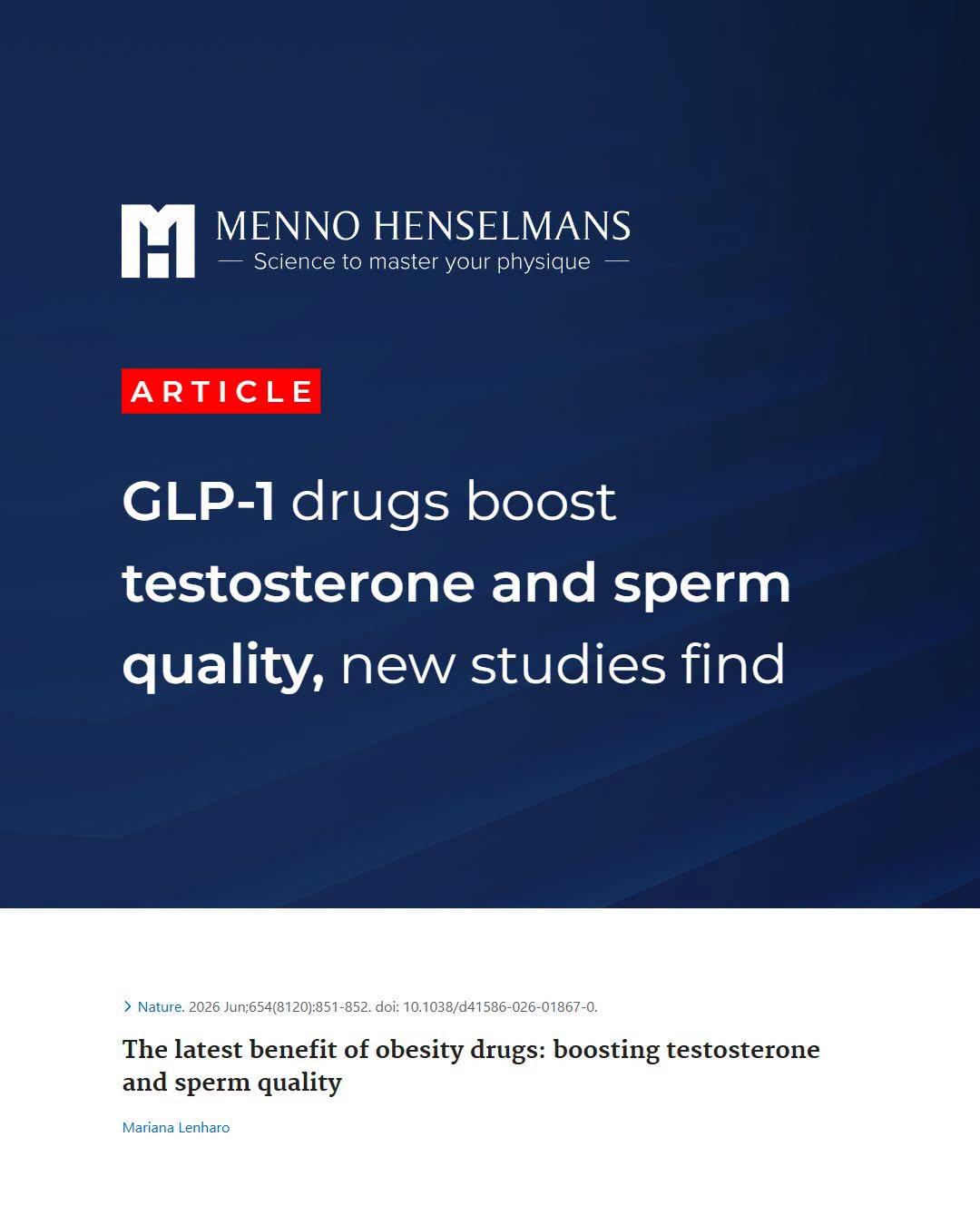
Louis posts that overweight and obesity can lower testosterone by as much as half a reference range (about 350 ng/dL) and that losing visceral fat often returns levels to normal. The shared FoundMyFitness post explains that extra fat raises aromatization of testosterone to estrogen, which signals the brain to reduce testosterone production.

Why some foods are hard to stop eating: palatability, reward and gut signals

Sep 10, 2026 · Louis Nervegna ♥ 2

A shared graphic explains that eating is driven by taste, smell, texture, reward and gut signals, not just hunger. Highly engineered foods may combine sensory inputs that delay sensory-specific satiety, creating a mismatch between energy need and hedonic eating. It stresses that obesity is complex and 'just eat less' misses the physiology.

Waist circumference beat BMI for predicting obesity-related cancer in 339,000 Swedish men

Apr 16, 2025 · Louis Nervegna ♥ 2

Luigi Fontana's summary of a large Swedish cohort showing waist circumference was a stronger predictor of obesity-related cancer than BMI in men, with added value after adjusting for BMI; the link was weaker in women. He argues abdominal fat signals metabolic dysfunction and should prompt deeper evaluation. Primarily cancer, linked to visceral fat.

Fatty liver can scar the liver years before ALT rises; 10% weight loss resolves it in 90%

Nov 03, 2026 · Louis Nervegna ♥ 1

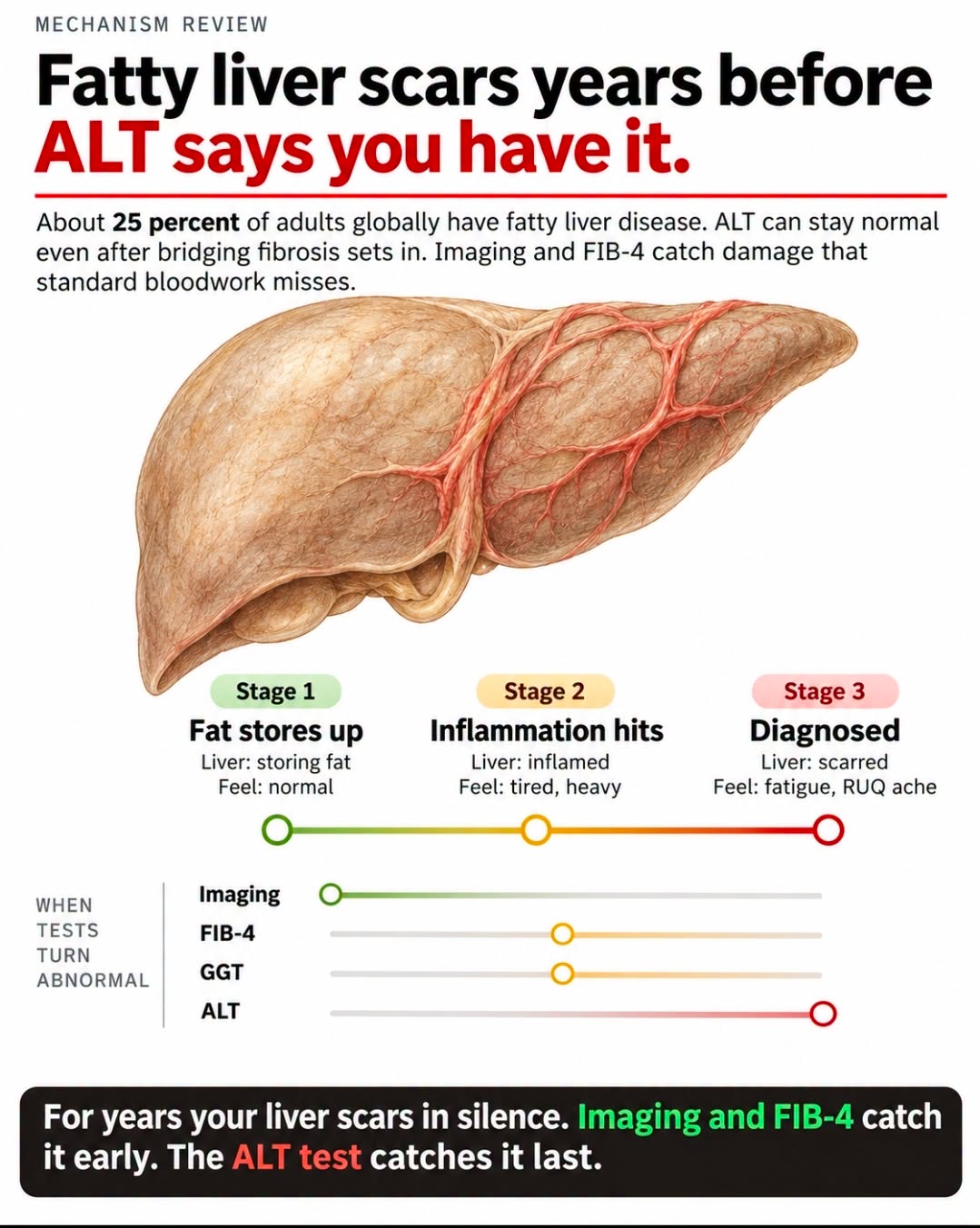
Routine ALT testing can miss advanced fatty liver disease: a Hepatology study biopsied 51 patients with normal ALT and found 12 with bridging fibrosis and 6 with cirrhosis. The post notes selection bias in that sample but says fibrosis behind a normal ALT is well established. Ten percent body weight loss resolved fatty liver in 90 percent and regressed fibrosis in 45 percent, and Mediterranean diet, resistance training and insulin-resistance management reduce liver fat independent of weight.

Obesity may explain rising cancer rates in adults under 50

Feb 28, 2026 · Louis Nervegna ♥ 3 Cancer

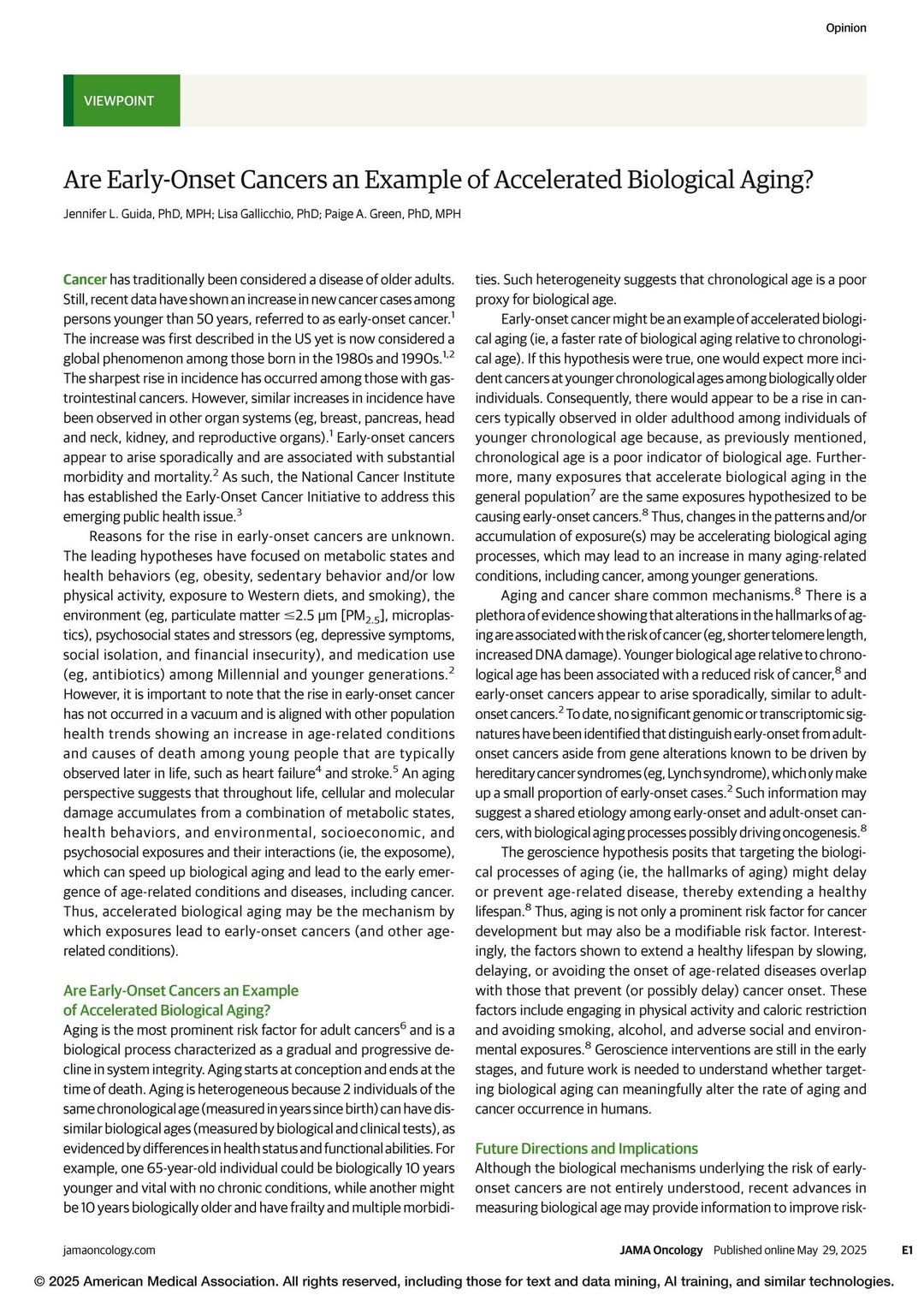
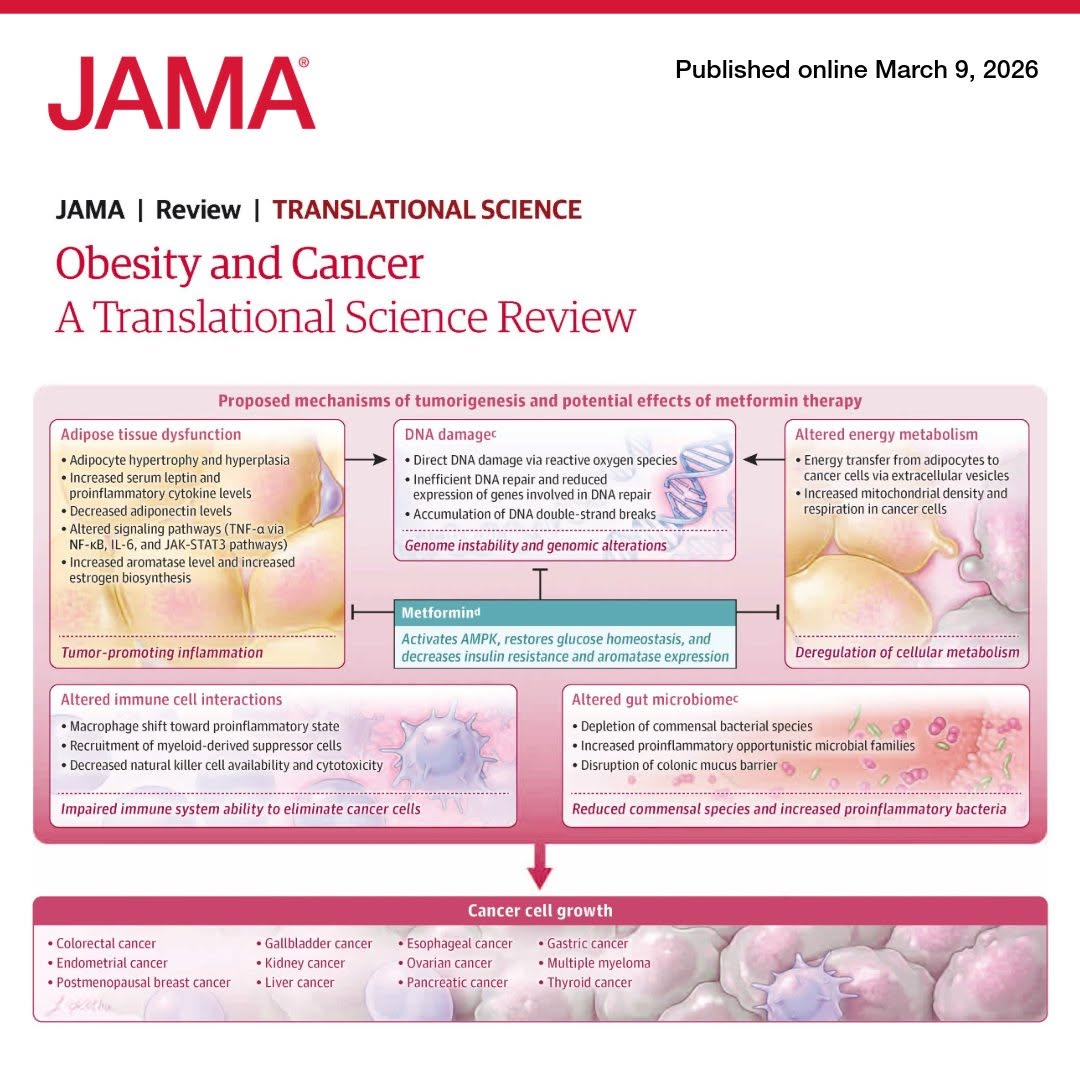
Shared article says early-onset cancers (thyroid, breast, colorectal, kidney, endometrial, leukemia) are rising in over three-quarters of countries studied, with obesity-driven inflammation and hormonal changes as likely drivers.

Meta-analyses: swapping sugary drinks for low-calorie sweetened ones does not harm weight

Aug 25, 2025 · Louis Nervegna ♥ 0 Carbs, fiber, sugar & whole grains

A quoted rebuttal to Peter Attia's claim that diet soda swaps would not aid weight loss cites a systematic review of 17 RCTs where replacing sugar-sweetened beverages with low/no-calorie sweetened beverages reduced weight, BMI, body fat and liver fat. A cohort meta-analysis found no cardiometabolic harm from these drinks used as a substitution.