This study continues to attract a lot of attention on social media and in the popular press.
#oatmealHD
🥣 Can just 48 hours of oatmeal really improve heart health? Science says yes.
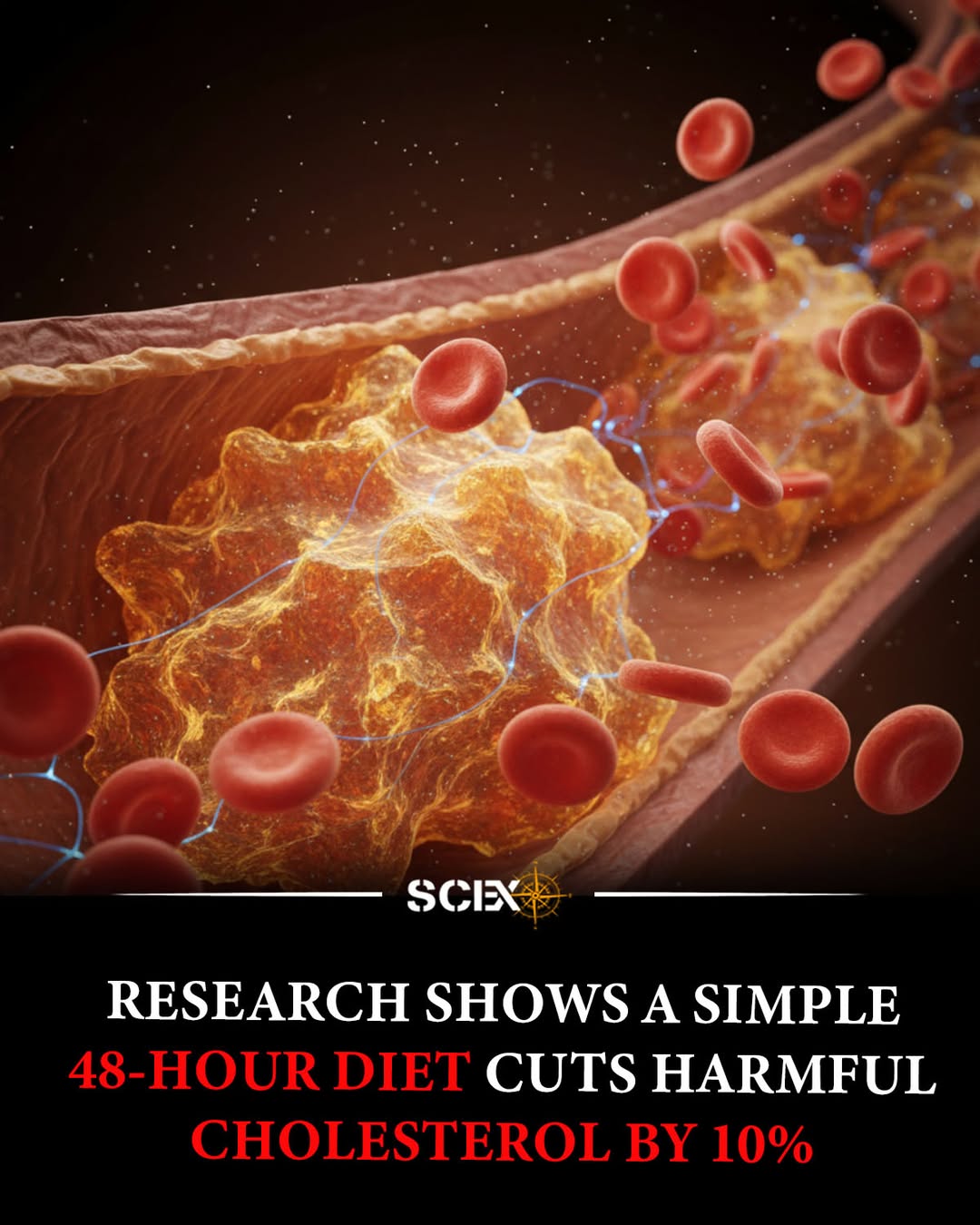
A short but intensive oatmeal-based diet has been shown to significantly reduce “bad” LDL cholesterol levels—by nearly 10% in just two days—according to new research from researchers at the University of Bonn.
In the randomized controlled study, adults with metabolic syndrome—a condition linked to obesity, high blood pressure, elevated blood sugar, and unhealthy cholesterol—followed a sharply calorie-restricted diet for 48 hours. One group consumed about 300 grams of oatmeal per day, cooked in water and split across three meals, with only small portions of fruit or vegetables. A comparison group followed the same low-calorie plan but without oats.
While both groups benefited from calorie reduction, the oatmeal group stood out. Along with the drop in LDL cholesterol, participants lost an average of two kilograms, experienced a slight reduction in blood pressure, and—most impressively—the cholesterol-lowering effect was still measurable six weeks later.
Researchers discovered that oats may work by reshaping the gut microbiome. The oat-rich diet increased beneficial gut bacteria that break down oats into phenolic compounds such as ferulic acid, which has been linked to improved cholesterol metabolism. Other microbes appeared to reduce molecules associated with insulin resistance, a major contributor to type 2 diabetes.
Interestingly, a separate six-week trial where participants ate a smaller daily portion of oats (80 grams) without calorie restriction showed only modest benefits. This suggests that short, intensive “oat days” may deliver stronger metabolic effects than small daily servings.
While this isn’t a replacement for long-term healthy eating, the findings highlight how even brief dietary interventions can trigger meaningful biological changes—especially through the gut.
📖 Source: Nature Communications (2026)
#HeartHealth #Cholesterol #OatmealDiet #GutMicrobiome #MetabolicSyndrome #LDLCholesterol #NutritionScience #HealthyEating #ScienceExplained #PreventiveHealth