HD-OPM Archive
Topics › Meat, eggs & dairy

Harvard's Deirdre Tobias on industry-funded red meat trials

Louis Nervegna · Jul 27, 2025 · ♥ 6 reactions · 2 comments · original Facebook post
Meat, eggs & dairyHow to read research
↻ This is a repost. The main version (highest ranked) is Harvard's Tobias: independent red meat RCTs mostly show harm; industry-funded ones do not · May 25, 2025.
AI summary & key facts

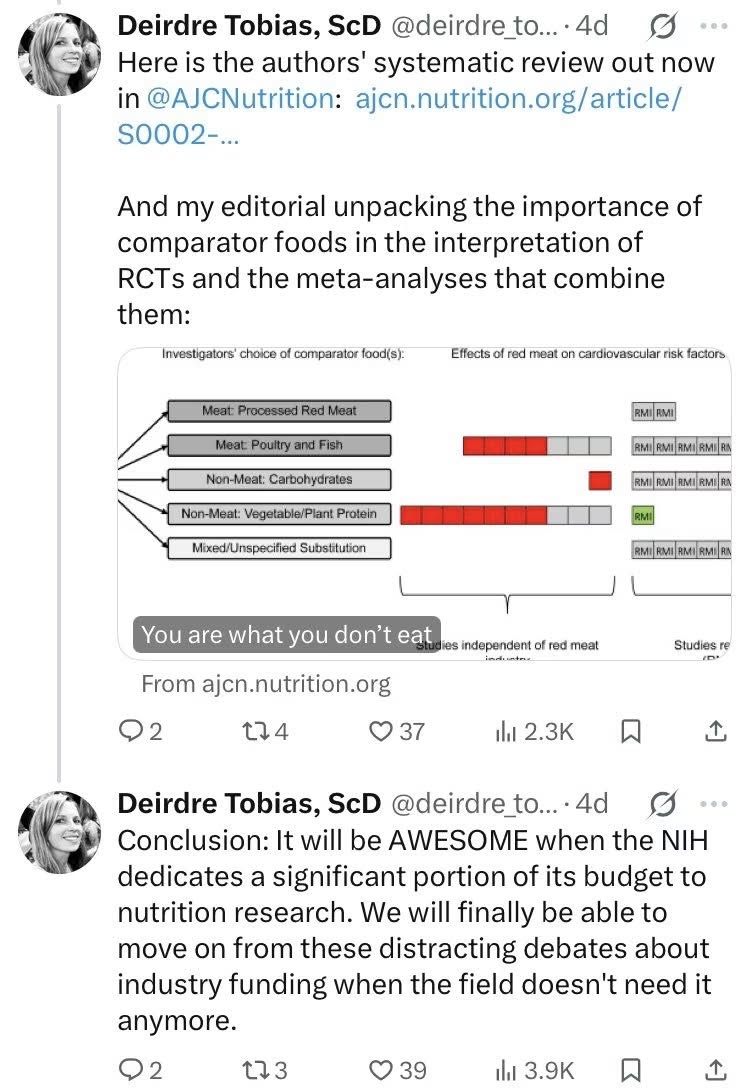
Louis shares a Twitter thread by Harvard's Deirdre Tobias explaining that independent RCTs mostly find red meat raises cholesterol and risk markers, while studies funded by beef and pork industries often report no harm. An AJCN editorial is referenced.

(no text — see the shared post below)
Research cited

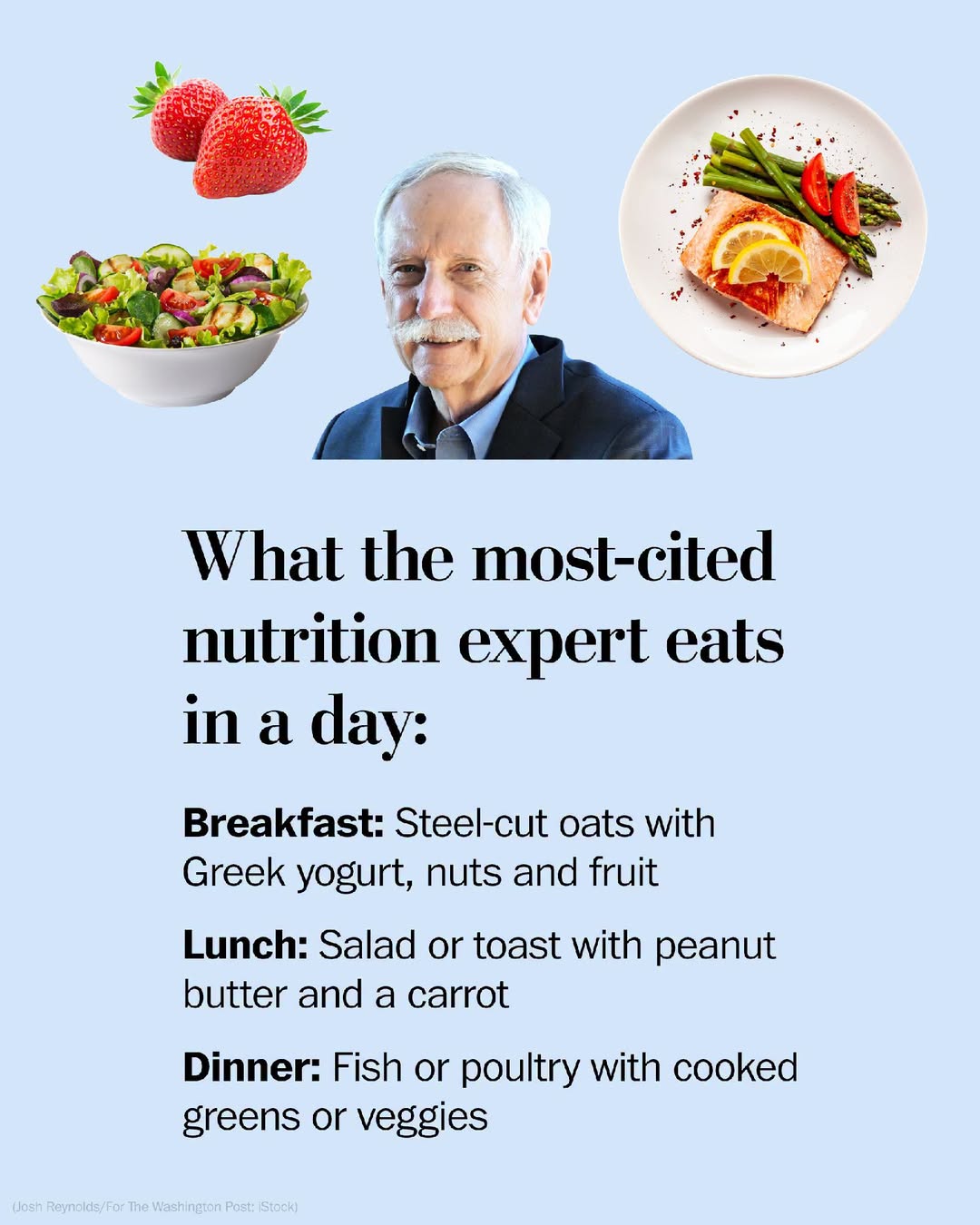
Deidre Tobias is a professor at Harvard Medical School and the Harvard School of Public Health, with a PhD (ScD) from Harvard.

She studies the relationship between nutrition and disease.

She is not a vegan. She eats a traditional mediterranean diet (including animal products), like many in this group.

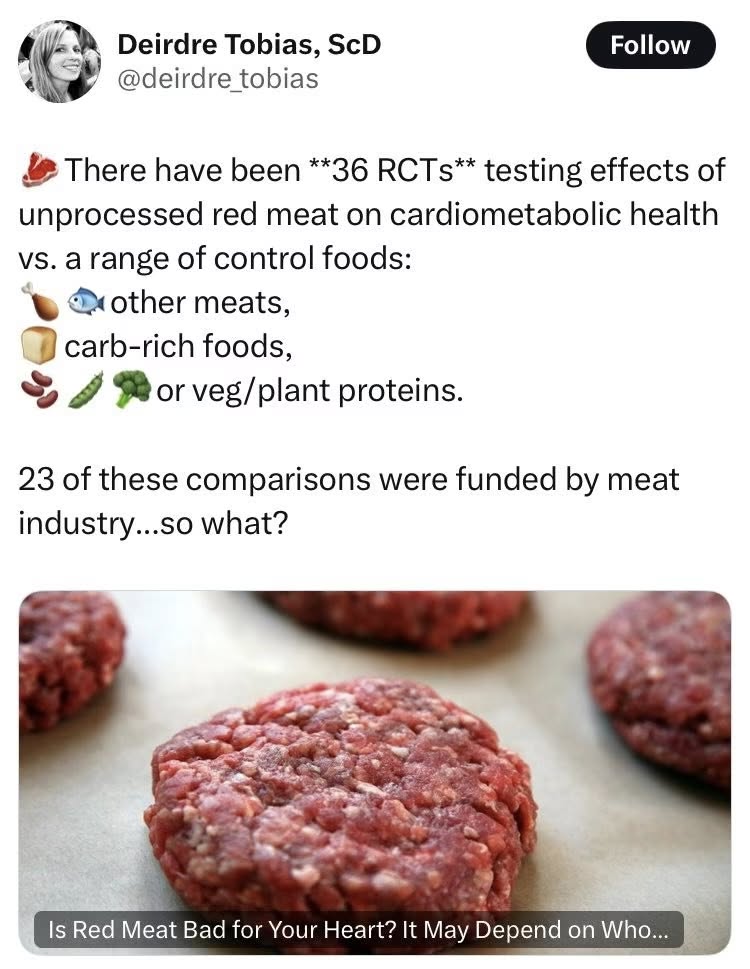
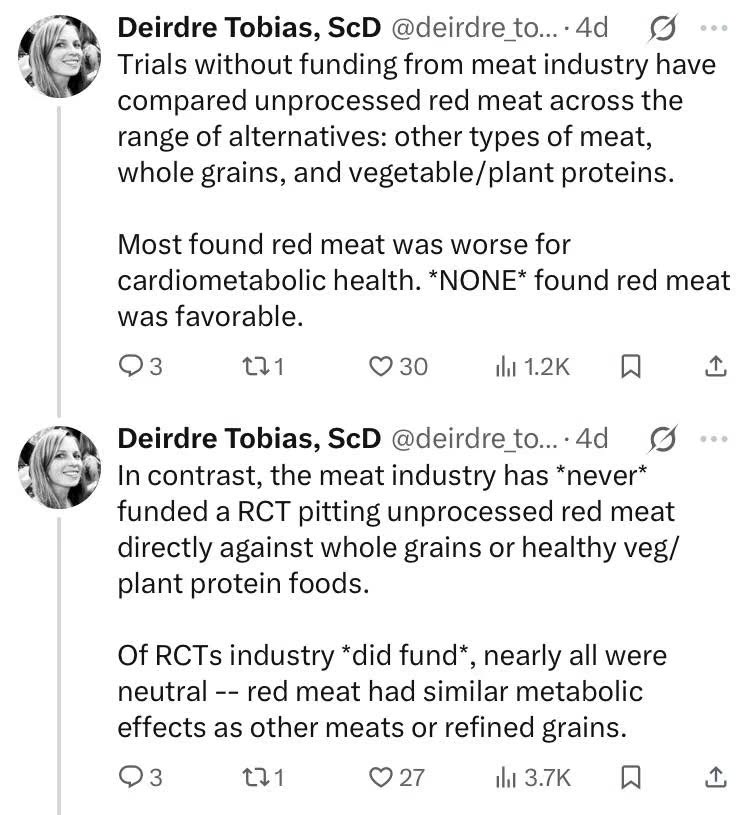
In this twitter thread, she explains how independent studies (RCT’s) funded by government and academic sources have mostly found that red meat worsens cardiometabolic health.

She explains that the exceptions to this rule have been studies entirely funded by the beef and pork industries.

You can read her editorial on this subject here:

PaperAm J Clinical Nutrition articleajcn.nutrition.org

The full Twitter thread can be found here:

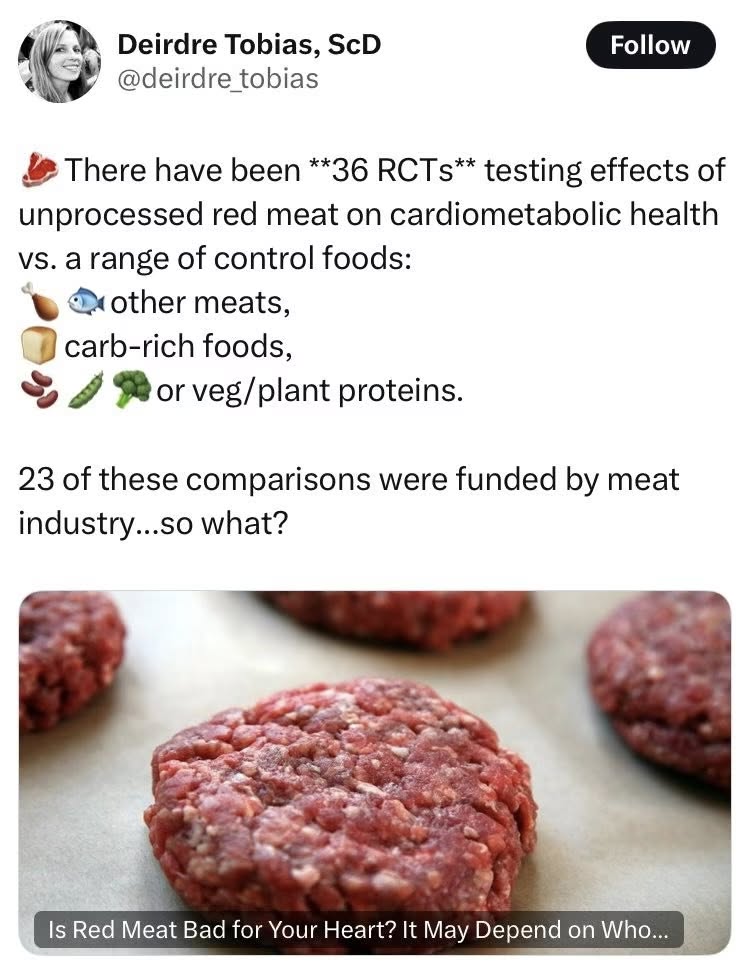
Post on X · Deirdre Tobias, ScDDeirdre Tobias, ScD on X🥩There have been 36 RCTs testing effects of unprocessed red meat on cardiometabolic health vs. a range of control foods: 🍗🐟other meats, 🍞carb-rich foods, 🫘🫛🥦or veg/plant proteins. 23 of these comparisons were funded by meat industry...so what? https://t.co/0gDYpOIyphx.com

#redmeatHD #harvardHD #deidretobiasHD

No photo description available.No photo description available.No photo description available.
← newer: Admin rule: telling heart disease patients that LDL is not colder: Insulin resistance alone does not cause type 2 diabetes; fai →