(no text — see the shared post below)
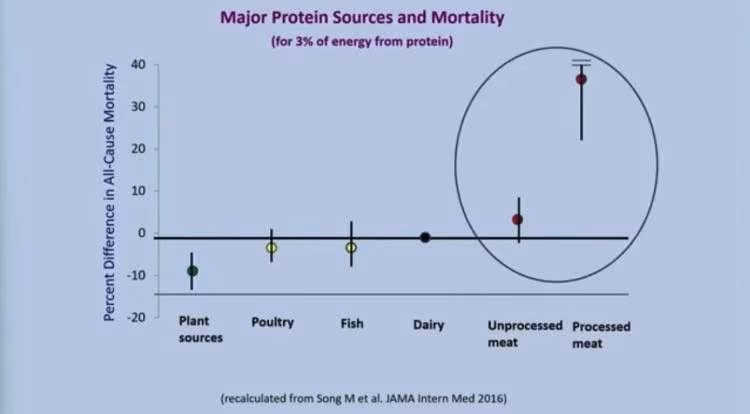
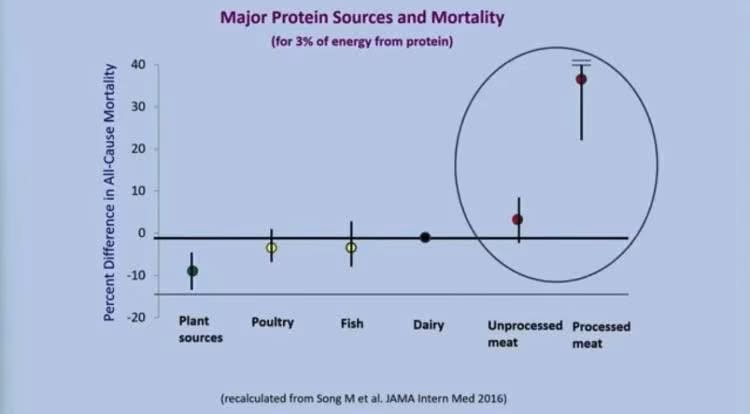
The ratio of plant to animal protein predicts risk for heart disease.
These results are from the Harvard Nurses Study and the Harvard Physicians Followup Study.
Over 200,000 people were tracked prospectively for 30 years of their lives, all the way from middle age to death.
The greatest benefit was seen among participants who consumed both the highest ratio of plant protein relative to animal protein, along with the highest protein intake overall.
In other words, the best results were achieved in participants who consumed the most total plant protein.
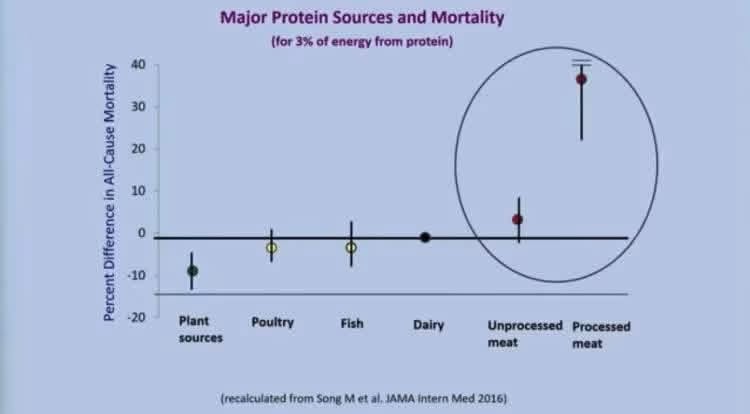
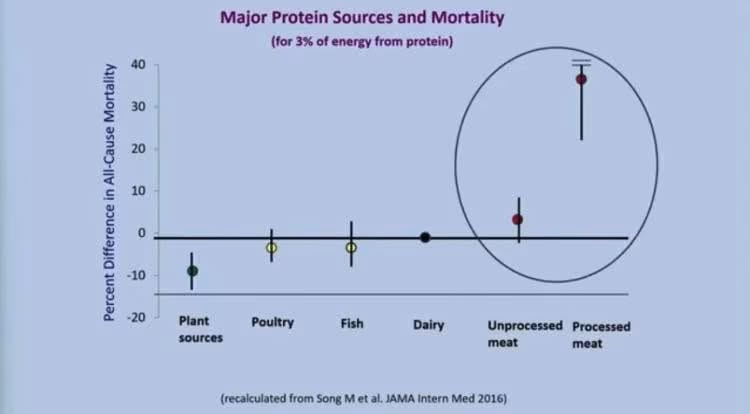
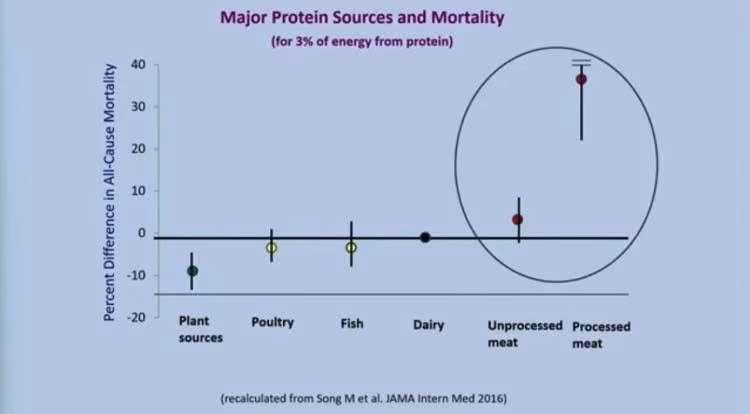
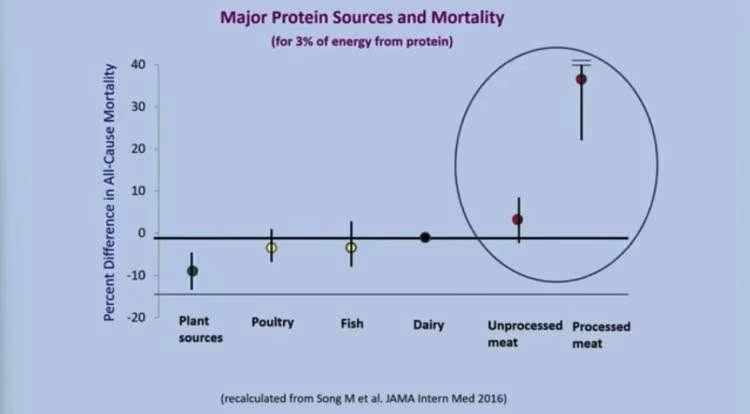
According to the researchers, the risk reductions were driven largely by the replacement of red and processed meats.
This is the longest prospective cohort study to ever track protein consumption in a large group of people.
Note that the vast majority of the plant protein consumed in this study came from food, not supplements.
Link to the full study:
Paper · The American Journal of Clinical Nutrition · 2024Dietary plant-to-animal protein ratio and risk of cardiovascular disease in 3 prospective cohortssciencedirect.com
Quoted:
“The researchers used 30 years of data on diet, lifestyle, and heart health among nearly 203,000 men and women enrolled in the Nurses’ Health Studies I and II and the Health Professionals’ Follow-up Study. Participants reported their dietary intake every four years. The researchers calculated each participant’s total protein intake, measured in grams per day, as well as their specific intakes of animal and plant proteins.“
“After adjusting for participants’ health history and sociodemographic and lifestyle factors, the study found that eating a higher ratio of plant to animal protein was associated with lower risks of cardiovascular disease and coronary heart disease.”
“Compared to participants who consumed the lowest plant to animal protein ratio (~1 : 4.2), participants who consumed the highest (~1 : 1.3) had a 19 percent lower risk of cardiovascular disease and a 27 percent lower risk of coronary heart disease.”
“These risk reductions were even higher among participants who ate more protein overall. Those who consumed the most protein (21 percent of energy coming from protein) and adhered to a higher plant to animal protein ratio saw a 28 percent lower risk of cardiovascular disease and a 36 percent lower risk of coronary heart disease, compared to those who consumed the least protein (16 percent of energy).”
“The researchers also examined if there’s a point at which eating more plant protein stops having added benefits or could even have negative implications. They found that risk reduction for cardiovascular disease begins to plateau around a 1:2 ratio, but that coronary heart disease risk continues to decrease at higher ratios of plant to animal protein.”
“The average American eats a 1:3 plant to animal protein ratio. Our findings suggest a ratio of at least 1:2 is much more effective in preventing cardiovascular disease.”
 Harvard GazetteScore another point for the plants — Harvard GazetteThirty years of data find 1:2 ratio of plant to animal protein may reduce the risk of cardiovascular disease and coronary heart disease.news.harvard.edu
#proteinHD #plantproteinHD #animalproteinHD #proteinsummaryHD #hnsHD #hpfsHD #harvardHD #redmeatHD #processedmeatHD