HD-OPM Archive
Topics › Evidence & tools

How to read research

100 posts (25 primarily about this topic) · 62 reposts and set-aside posts not shown

Start here — the best posts in this topic

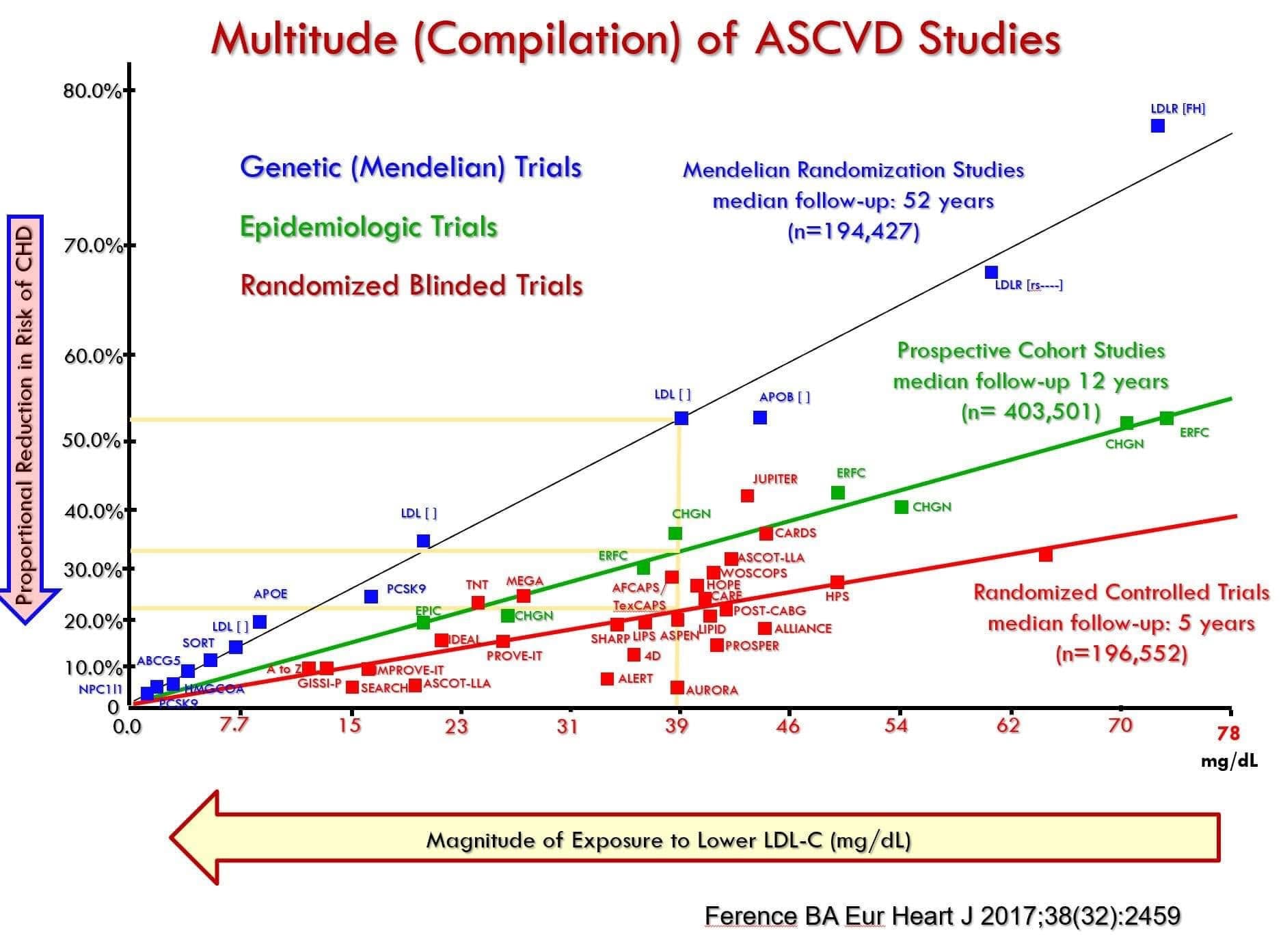
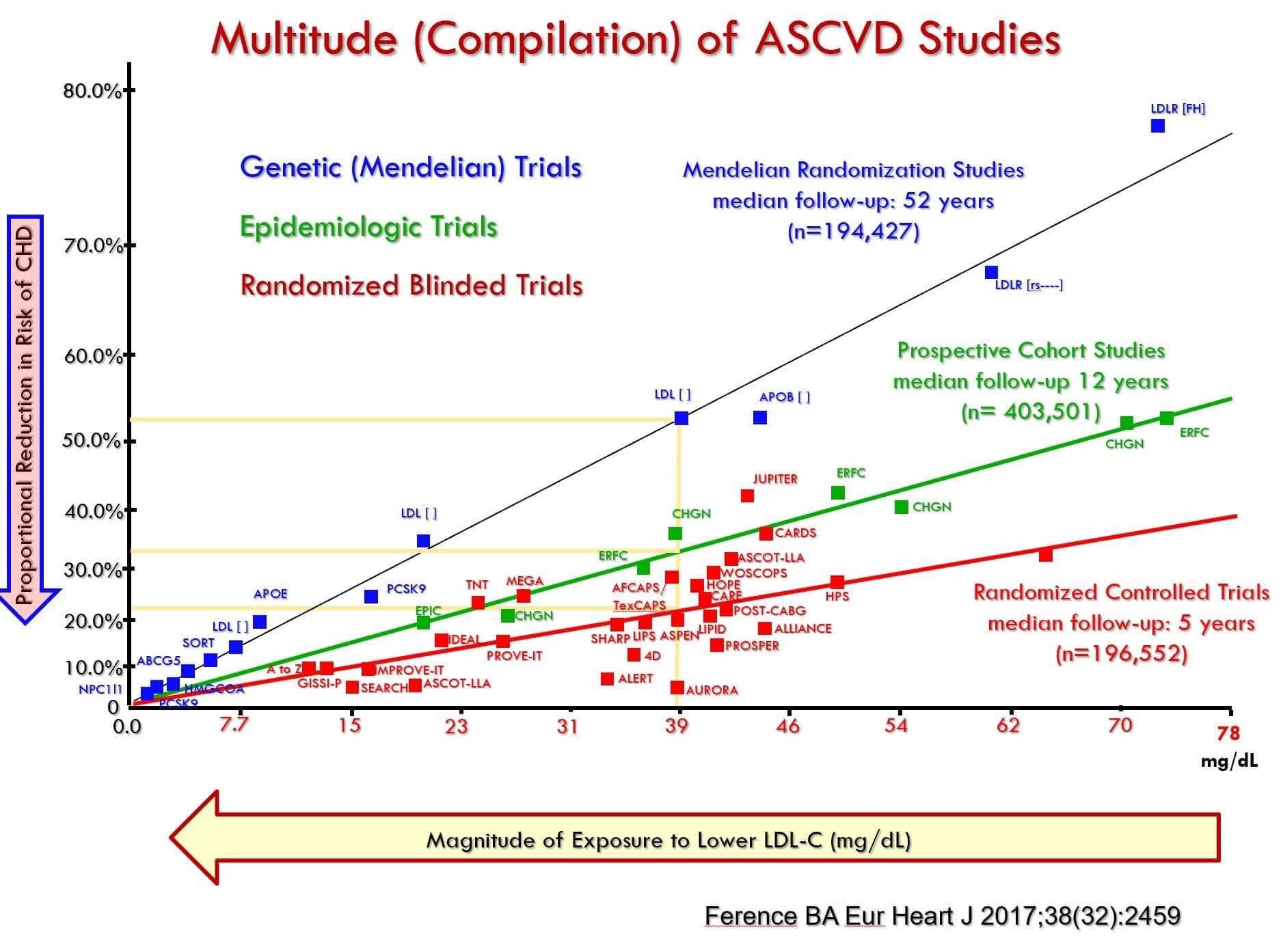
  1. LDL down 39 mg/dL: 20%+ fewer heart attacks in RCTs, 30%+ in cohorts, 50%+ genetically ↩ 9 · Dec 20, 2023
  2. Esselstyn's diet evidence is case series, not RCTs; Mediterranean diet trials match it Mar 07, 2025
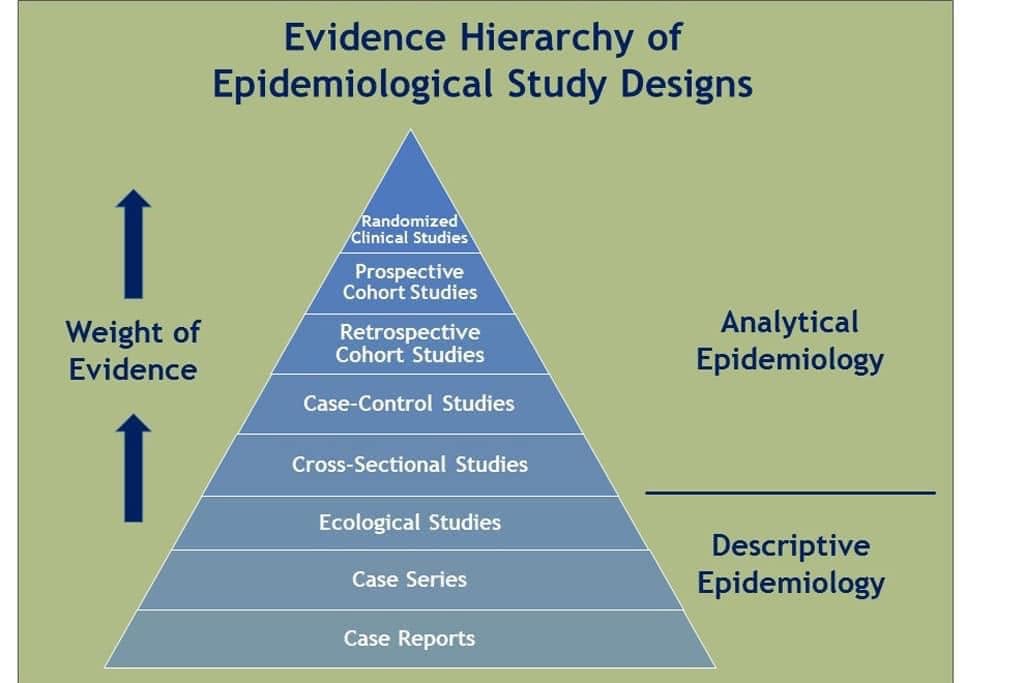
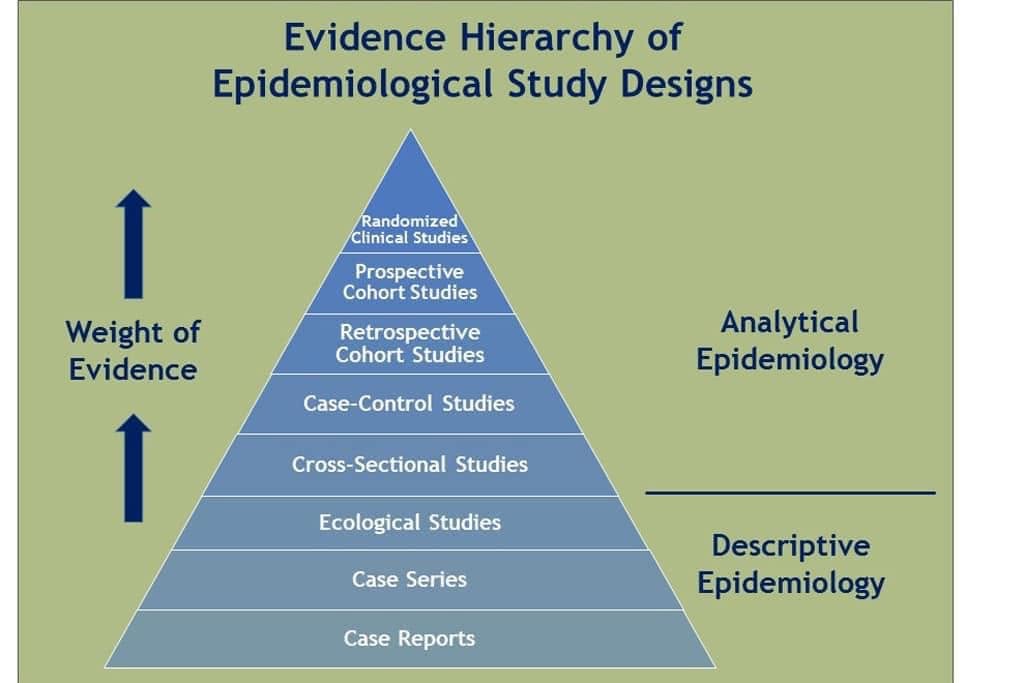
  3. An opinion piece is not a study: judge excess-death claims by the evidence hierarchy Aug 03, 2026
  4. Zero-oil vs olive-oil diet trial was calorie restriction; LDL differences not significant Sep 26, 2024
  5. Statin absolute risk reduction is small over years but can exceed 10% over a lifetime ↩ 2 · Nov 10, 2025
  6. Turmeric liver case report criticised: 2.25 g is a normal intake, no contamination test Jul 11, 2025
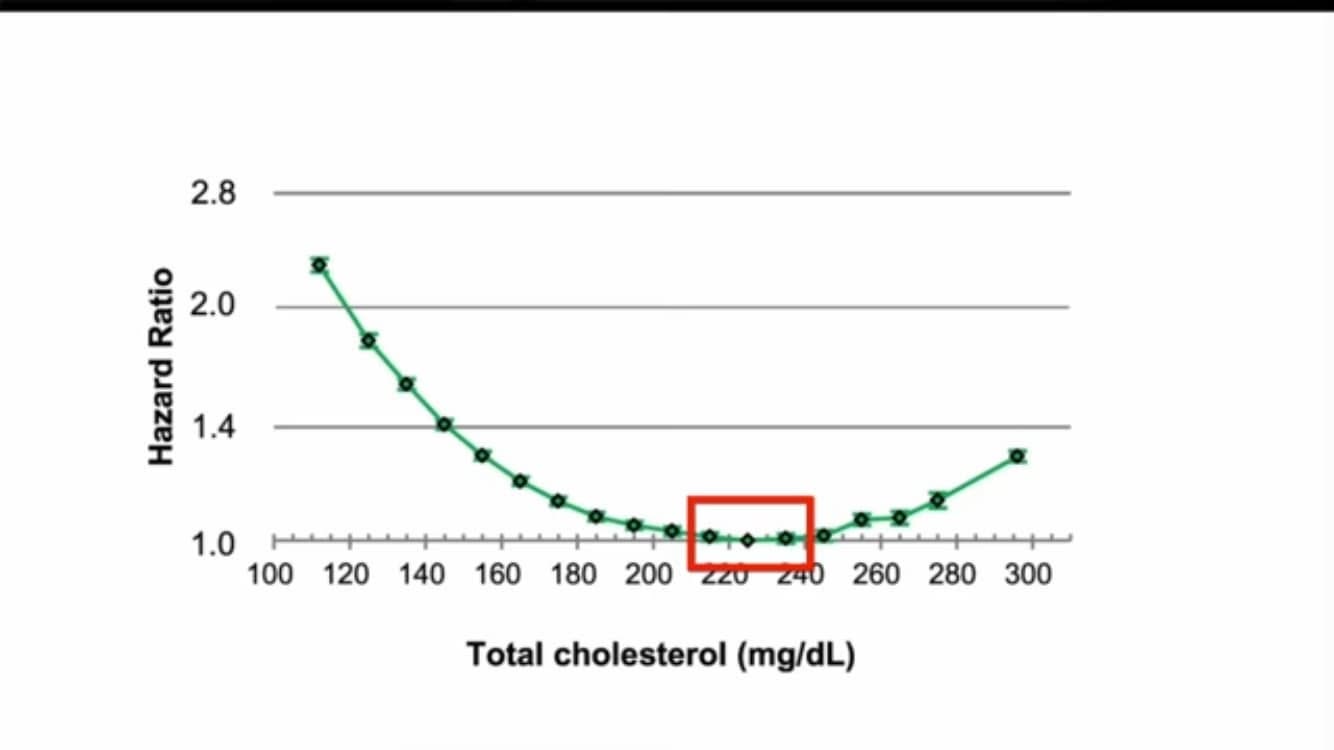
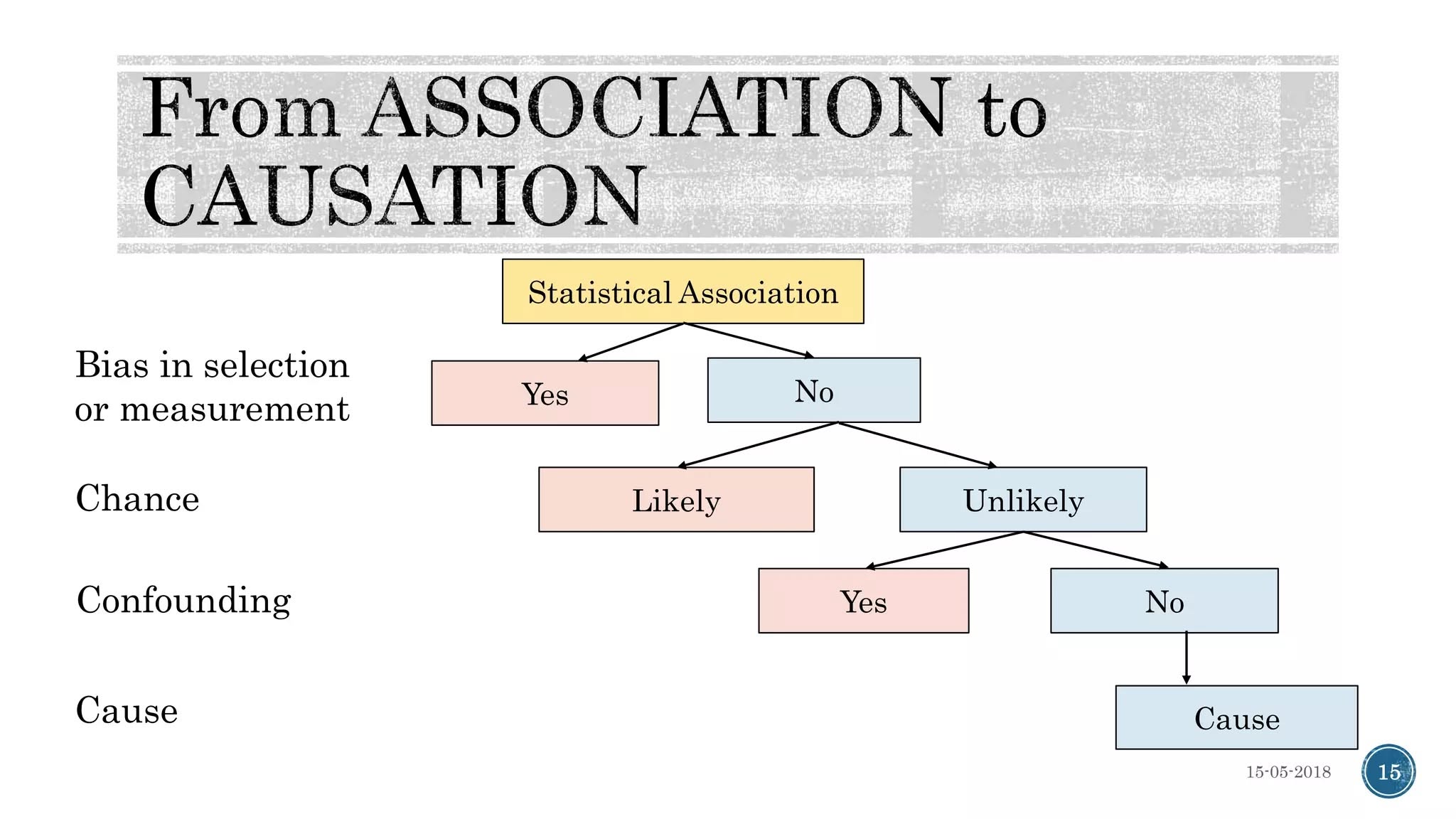
  7. U-shaped mortality curves for cholesterol, BMI, A1C and BP reflect reverse causality Jun 12, 2024
  8. Esselstyn's plant-based diet is supported only by case series, not high-level evidence ↩ 2 · Nov 11, 2025
#reversecausality 12#lowldl 11#ushapedcurve 11#evidence 11#cancer 11#statins 10#absoluterisk 9#peterattia 8#ldl 7#harvard 7#heartattack 7#heartdisease 7#mortality 7#cholesterol 6#influencers 6#vo2max 6#longevity 6#mendelianrandomization 5#mrhd 5#ecological 5#stroke 5#ketocta 5#redmeat 5#supplements 5#lmhr 4#dementia 4#nhanes 4#ldlmr 3#ldlrcts 3#statinrcts 3#statinsmr 3#ornish 3#liver 3#bloodpressure 3#prospectivecohortstudies 3#survivorshipbias 3#smoking 3#prevent 3#exercise 3#apob 3

LDL down 39 mg/dL: 20%+ fewer heart attacks in RCTs, 30%+ in cohorts, 50%+ genetically

Dec 20, 2023 · Louis Nervegna ♥ 23 · 💬 43 ↩ 9 LDL, ApoB & lipid panel

Louis presents a graph combining RCTs (5 years), prospective cohorts (12 years) and Mendelian randomization (52 years) to show that the benefit of lowering LDL grows with duration of exposure. A 39 mg/dL reduction, achievable with a very low-dose statin, is associated with larger risk reductions over longer periods. He translates the 50% figure to a lifetime absolute risk falling from 20% to 10%, and describes his own 10 mg atorvastatin. The absolute estimate is his extrapolation.
Esselstyn's diet evidence is case series, not RCTs; Mediterranean diet trials match it

Mar 07, 2025 · Louis Nervegna ♥ 22 · 💬 48 Mediterranean, DASH, MIND & plant-forward diets

Louis argues that Esselstyn's published results are case-based observational studies at the bottom of the evidence hierarchy, in patients who were heavily medicated and mostly on statins, with no RCT ever run. He notes Ornish did run an RCT with results similar to the large Mediterranean-diet trials, and criticizes Esselstyn's stance on olive oil, nuts and white potatoes while calling the diet healthy.

Zero-oil vs olive-oil diet trial was calorie restriction; LDL differences not significant

Sep 26, 2024 · Louis Nervegna ♥ 12 · 💬 42 Fats & oils (saturated fat, seed oils, omega-6, olive oil)

Louis critiques a trial claimed to show a no-oil diet lowers LDL more than a diet with 4 tablespoons of olive oil. He says LDL and ApoB results were not statistically significant overall, and the no-oil group ate only 1338 kcal per day, over 400 kcal less than the olive oil group. He concludes it was a short-term calorie restriction study, not an oil versus no-oil comparison.

Statin absolute risk reduction is small over years but can exceed 10% over a lifetime

Nov 10, 2025 · Louis Nervegna ♥ 20 · 💬 25 ↩ 2 Statins

Louis explains that short statin trials show only 1-2% absolute risk reduction because baseline risk over a few years is only 2-5%, the same as diet and exercise trials. Over a lifetime, with a 20% baseline risk of heart attack, cohort and Mendelian randomization data suggest cumulative reductions of 10% or more.

Esselstyn's plant-based diet is supported only by case series, not high-level evidence

Nov 11, 2025 · Louis Nervegna ♥ 23 · 💬 22 ↩ 2 Mediterranean, DASH, MIND & plant-forward diets

Louis argues the Esselstyn diet is probably healthy and likely lowers cardiovascular risk, but that claims for it are overhyped. Esselstyn's published work consists of case reports and case series, which sit low on the evidence hierarchy, so the strong evidence for plant-based diets in general should be allowed to speak for itself.

A 1.1-4.7% absolute risk reduction from statins is large against a 20% lifetime risk

Apr 28, 2024 · Louis Nervegna ♥ 14 · 💬 20 ↩ 2 Statins

Louis explains relative versus absolute risk in statin trials. Statins cut absolute heart attack or stroke risk by 1.1% to 4.7% in roughly 5-year RCTs, which is large against a lifetime risk of about 20%, and sustained over decades could lower lifetime risk toward 10%. He shares a graph combining RCTs (over 20% risk reduction after 5 years), prospective cohorts (over 30% at 12 years) and Mendelian randomization (over 50% at 52 years) for a 39 mg/dL LDL reduction.

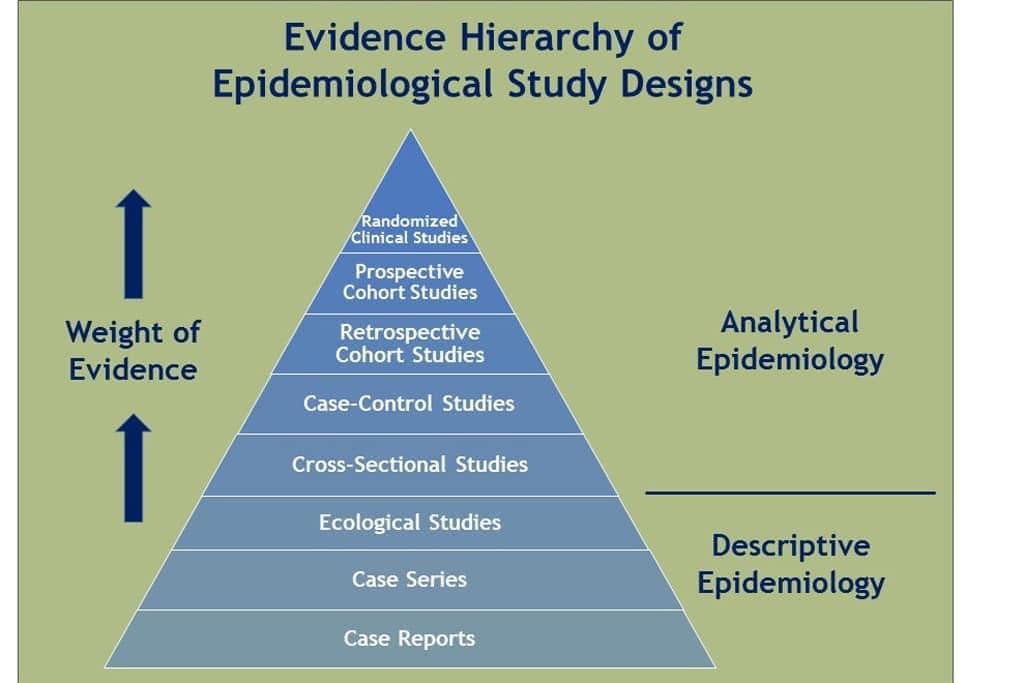
Check where a study sits on the evidence hierarchy before citing it

Dec 10, 2023 · Louis Nervegna ♥ 27 · 💬 15 ↩ 22

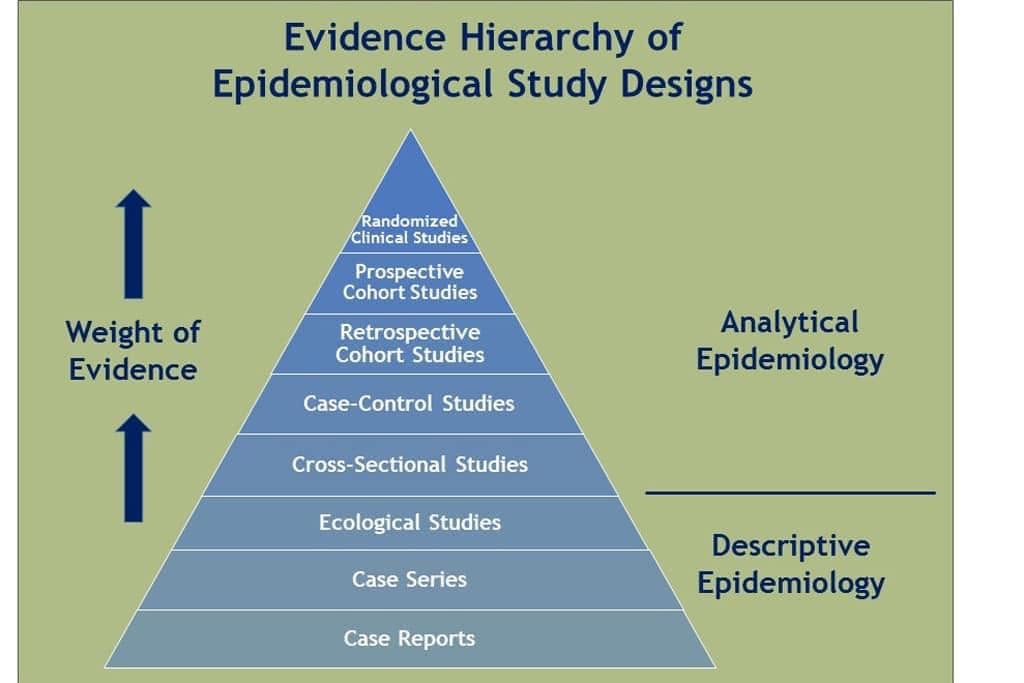
Louis shares an evidence-hierarchy graphic and warns that people often cite low-level studies (such as ecological studies) to refute higher-level ones. He advises asking first where on the hierarchy a posted study falls.

Centenarians' higher LDL reflects survivorship bias, not a benefit of high LDL

Oct 15, 2025 · Louis Nervegna ♥ 8 · 💬 36 LDL, ApoB & lipid panel

Louis explains that centenarians tend to have higher LDL simply because higher LDL is common in the general population; they reach 100 because of protective genes that let them survive despite high LDL. Low LDL is uncommon in Western countries, genetics is the main determinant of reaching 100, and low LDL may delay cardiovascular death but will not by itself get someone to 100.

U-shaped mortality curves for cholesterol, BMI, A1C and BP reflect reverse causality

May 11, 2025 · Louis Nervegna ♥ 16 · 💬 12

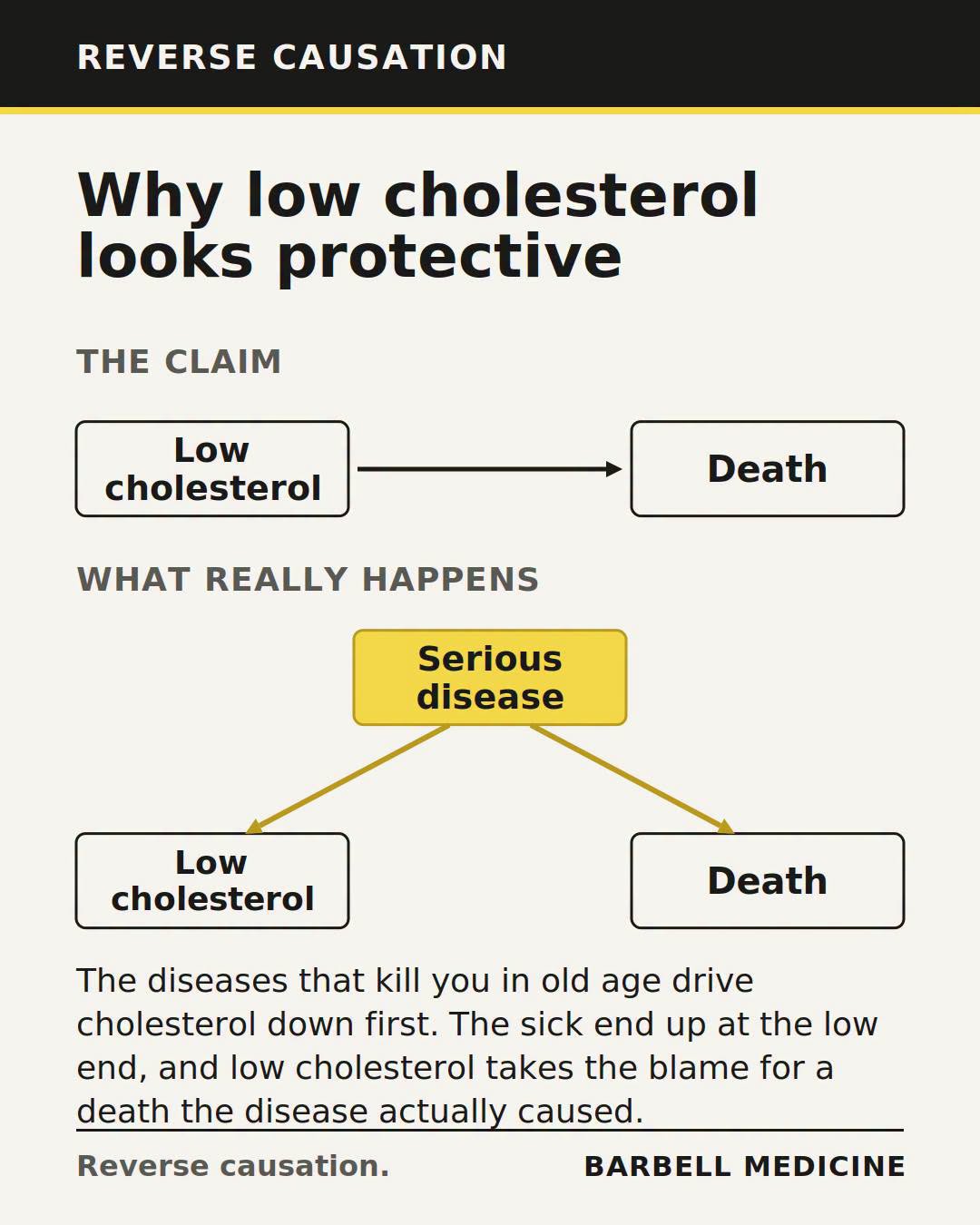
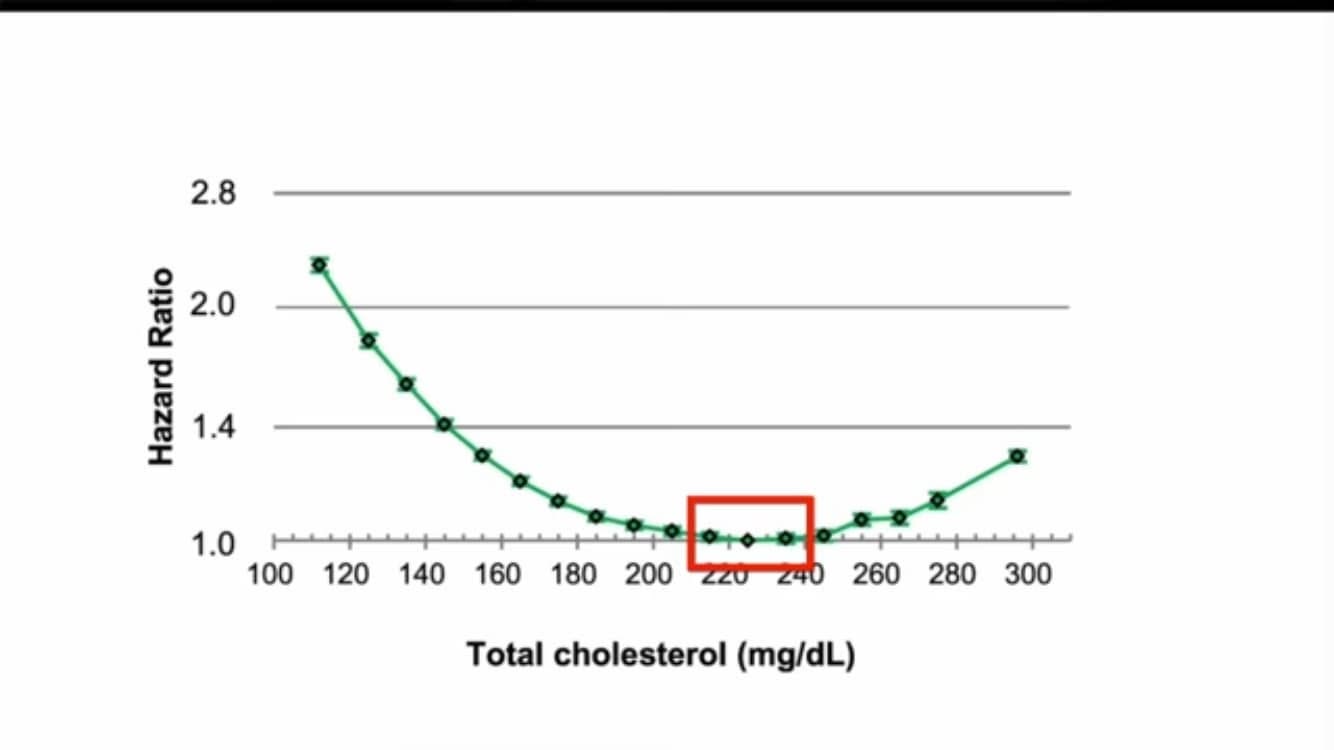
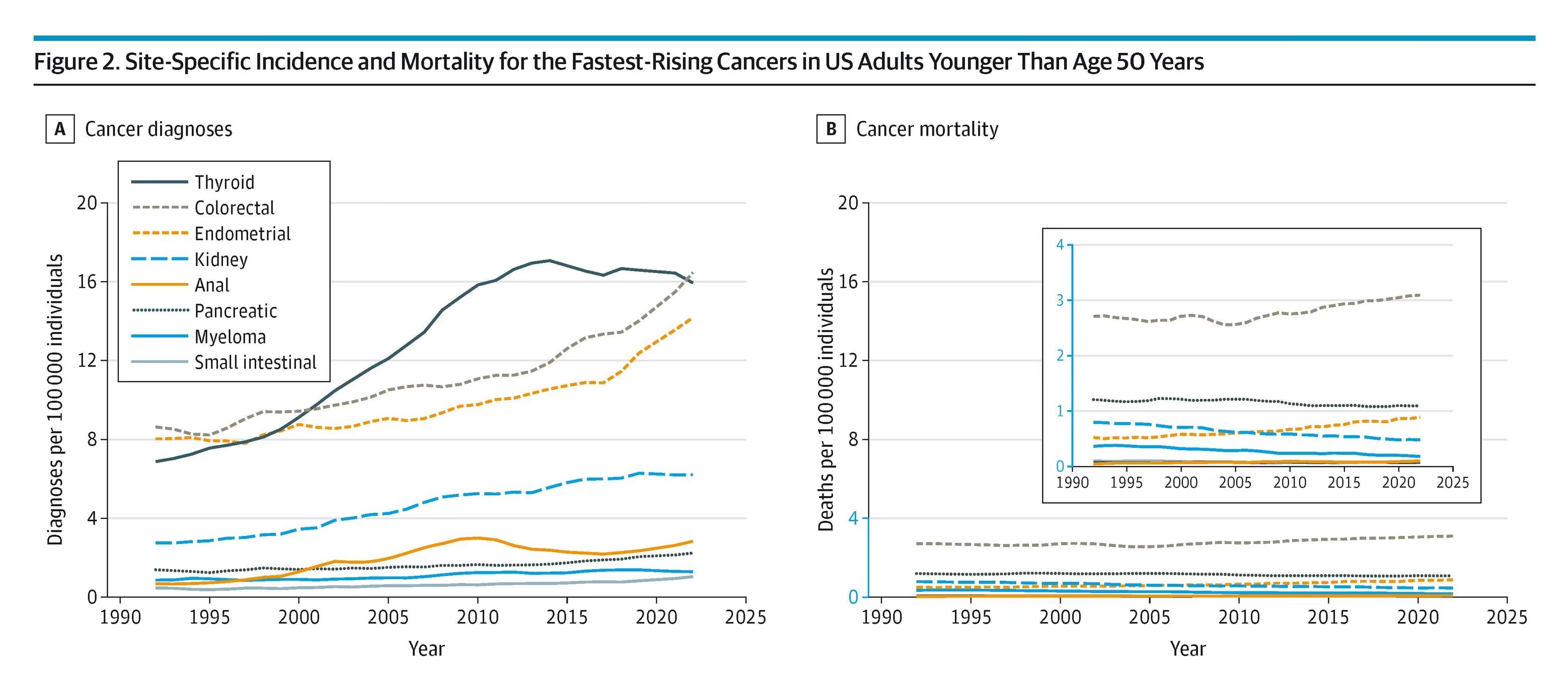
Louis explains why observational studies show higher mortality at both low and high LDL or total cholesterol: the same U-curves appear for BMI, A1C and blood pressure, and illnesses like cancer lower these values. RCTs and Mendelian randomization show lower LDL causes lower mortality, so high LDL does not protect.

N-of-1 trial: most statin side effects arose with placebo too, pointing to nocebo

Feb 24, 2025 · Louis Nervegna ♥ 11 · 💬 15 Statins

Louis highlights a NEJM N-of-1 trial where people who had stopped statins for side effects received four months of statin, four of placebo and four of nothing, randomly ordered. Symptoms with placebo were about the same as with statin, and half could restart statins; Louis infers about 90% of side effects were nocebo.

Reliable medical knowledge does not require RCTs: smoking and trans fats as examples

Jan 08, 2024 · Louis Nervegna ♥ 17 · 💬 9 ↩ 1

Louis argues that long RCTs are often unethical or impractical for diseases that take decades to develop, and that no human RCT showed smoking causes lung cancer or trans fats cause heart disease. Instead, causality is established by combining high-quality prospective cohorts, short-term biomarker RCTs and animal mechanistic studies, applying Bradford-Hill criteria, as with the Framingham Heart Study. He says much nutrition knowledge was built this way, so dismissing it for lacking long RCTs is mistaken.

Why diet-health epidemiology may mislead: reverse causation and socioeconomic confounding

Jan 15, 2025 · Gokhan Can ♥ 15 · 💬 17

Gokhan argues that dramatic personal improvements on low-carb diets undermine trust in guidelines, and that observational nutrition studies can be distorted by reverse causation (people with insulin resistance may prefer fat and protein) and socioeconomic confounding. He says only intervention trials resolve this, and shares a Viva Longevity video on influencers versus epidemiologists reposted by Louis Nervegna. The argument is one-sided.

Statins for all could halve heart attacks yet add only 10-20 days to life over 5 years

May 14, 2024 · Louis Nervegna ♥ 11 · 💬 11 Statins

Louis works through why universal statin use could cut lifetime heart attack and stroke risk from about 20% to 10% while extending average lifespan by only days over 5 years: only about 10% of heart attacks and strokes are fatal, and only 1 in 5 US deaths are from them, so the reduction in overall deaths is about 50 times smaller. His arithmetic suggests a 0.022% to 0.094% reduction in overall deaths over 5 years. Note that this is a population-averaged back-of-envelope calculation.
Number needed to treat explained: short prevention trials understate long-term benefit

Oct 12, 2025 · Louis Nervegna ♥ 14 · 💬 8

Louis explains NNT (1 divided by absolute risk reduction) and why it looks poor in short prevention trials, where heart attack risk is only 2-3% over a few years. He argues that diet, exercise and statins taken for decades could cut lifetime risk from about 20% to 10%, an NNT of about 10, and that NNTs from short trials shouldn't mislead.

How to do your own research: find the scientific consensus and check your biases

May 20, 2024 · Louis Nervegna ♥ 8 · 💬 19

A shared article from Thinking Is Power argues that 'doing your own research' is often motivated reasoning and confirmation bias. It advises asking whether you are learning or conclusion-shopping, checking your biases and knowledge, and, outside your expertise, looking for the scientific consensus.

A rule for deciding: don't bet your life on anything not proven in high-quality RCTs

Oct 12, 2025 · Louis Nervegna ♥ 37 · 💬 6

Louis shares his personal approach to heart disease decisions: rely first on interventions proven in multiple high-quality randomized trials, such as the Mediterranean diet and LDL lowering, ignore advice that conflicts with RCTs, and add less-proven measures only on top of standard care in tiers. It is an opinion piece with no new data.

Why high cholesterol 'protects' in observational data: reverse causation, not low-LDL harm

Sep 06, 2026 · Louis Nervegna ♥ 14 · 💬 7 LDL, ApoB & lipid panel

Louis quotes a Barbell Medicine explanation that low cholesterol in sick, older people reflects disease lowering cholesterol, not the reverse. Genetically low LDL lowers heart disease with normal cancer risk and lifespan, and lowering LDL on purpose cuts heart risk proportionally. The small diabetes risk is concentrated in people already near the metabolic edge.

Saturated fat 'no harm' studies usually compare with the Western diet, not healthy foods

Aug 26, 2024 · Louis Nervegna ♥ 17 · 💬 5 ↩ 2 Fats & oils (saturated fat, seed oils, omega-6, olive oil)

Louis argues that studies finding saturated fat does not raise CVD risk typically use the standard Western diet, which has over 40% of calories from refined starch and sugar, as the comparator. When compared with fruits, vegetables, legumes, whole grains, olive oil, nuts, fish or unsaturated fats, saturated fat consistently raises risk. He notes some exceptions, such as full-fat yogurt and cocoa butter in dark chocolate.

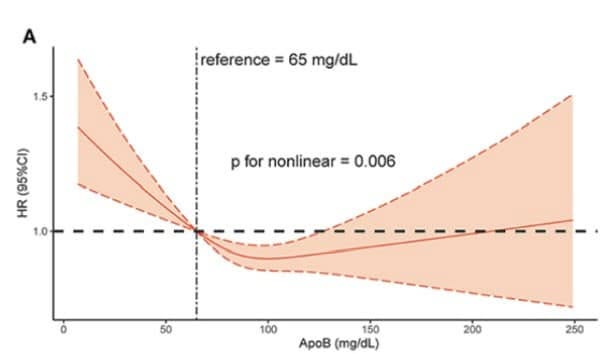
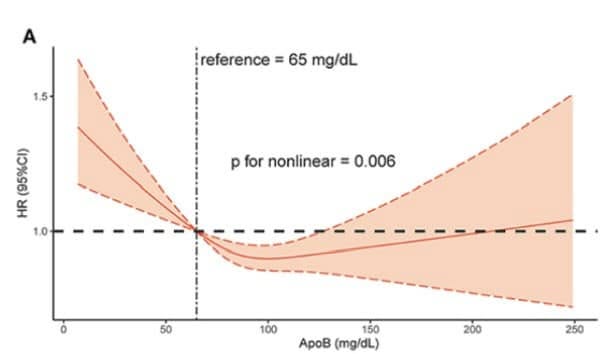
U-shaped ApoB-mortality curve turns linear after adjusting for bilirubin and malnutrition

Jun 01, 2024 · Louis Nervegna ♥ 13 · 💬 5 ↩ 1 LDL, ApoB & lipid panel

Louis explains a 2022 Chinese cohort of about 36,500 people showing the commonly observed U-shaped relationship between ApoB and all-cause mortality disappears once comorbidities, bilirubin and malnutrition are corrected for. Low ApoB at older ages appears to be a consequence of illness and wasting rather than a cause of death, consistent with RCT and Mendelian randomization evidence that the low-end increase is not causal.

Why an ecological study on sodium and life expectancy is weak evidence

Aug 04, 2025 · Louis Nervegna ♥ 5 · 💬 12

Louis uses a country-level Eur Heart J analysis linking higher sodium intake with longer life expectancy as an example of an ecological study. He explains such designs are at the bottom of the evidence hierarchy and only generate hypotheses.

Victorian-diet longevity claim is survivorship bias from excluding deaths under age 5

Dec 01, 2023 · Louis Nervegna ♥ 9 · 💬 6 ↩ 1

Louis uses a paper on mid-Victorian diets as an example of survivorship bias. The authors exclude deaths before age 5, but those who survive early childhood were genetically selected for health, so their long lives do not show that the diet made average adults live as long as people today. Including the weaker people would have produced a much lower average age of death. The linked paper itself says life expectancy at age 5 was as good or better than today.

LMHR cross-sectional study critique: Miami Heart comparison group was sicker by design

Sep 01, 2024 · Louis Nervegna ♥ 8 · 💬 6 LDL, ApoB & lipid panel

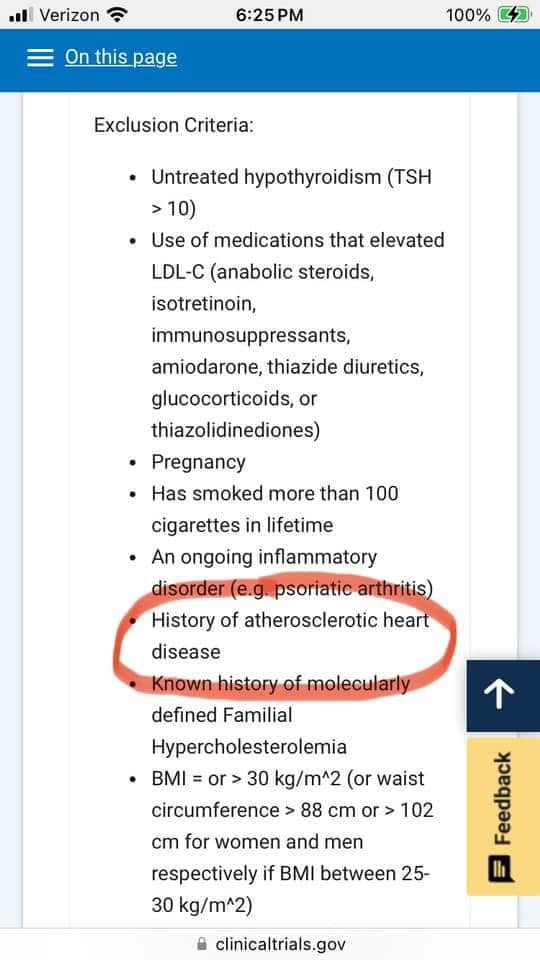
Louis compared official trial-registry exclusion criteria for the LMHR cross-sectional CT-angiogram study and the Miami Heart Study comparison cohort. LMHR excluded anyone with any atherosclerotic history, smokers, obesity, inflammatory disorders and familial hypercholesterolemia, whereas Miami excluded only advanced cases. He argues this creates selection bias because a healthy group cannot be matched to an unhealthy one.

Minnesota Coronary Experiment did not show that omega-6 fats cause heart disease

Jun 12, 2024 · Louis Nervegna ♥ 6 · 💬 5 ↩ 2 Fats & oils (saturated fat, seed oils, omega-6, olive oil)

The poster says the 1989 report of the Minnesota trial found no difference in cardiovascular events, cardiovascular deaths or total mortality between treatment and control, and that the 2016 BMJ re-analysis added no new data changing this. The BMJ paper's observational cholesterol-mortality analysis is criticized as unreliable because causes of death were unknown, and hundreds of observational studies show omega-6 inversely related to heart disease.

Omega-6 unlikely to cause heart disease when blood biomarkers show an inverse association

Sep 12, 2024 · Louis Nervegna ♥ 12 · 💬 3 Fats & oils (saturated fat, seed oils, omega-6, olive oil)

Louis argues that causation requires at minimum a positive association, and omega-6 measured directly in blood and tissue shows an inverse association with heart disease and diabetes. He says these prospective biomarker studies are not nutritional epidemiology because no questionnaires are used. He re-shares the pooled analysis of about 70,000 people in 30 cohorts.

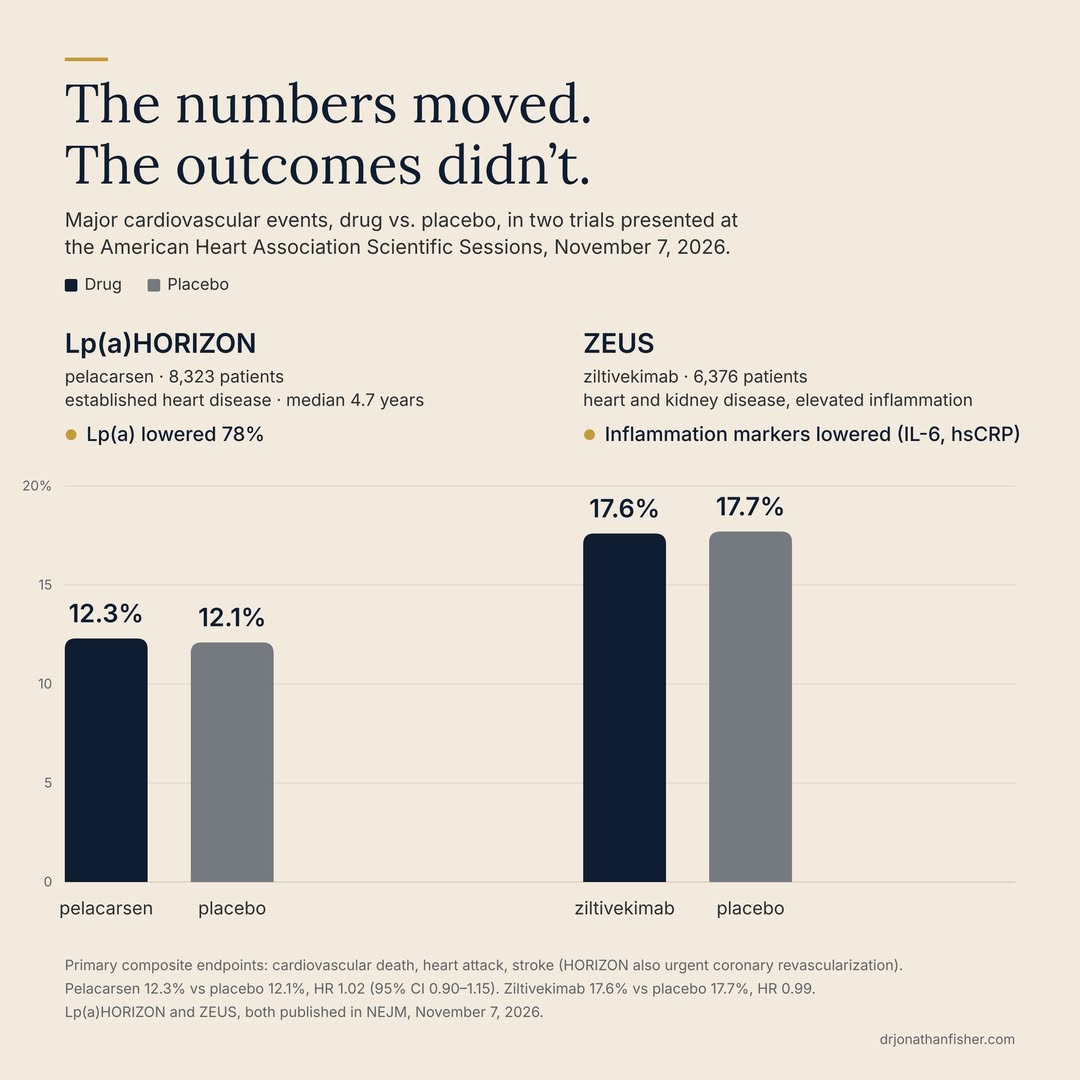
Pelacarsen and ziltivekimab lowered their targets but not events, and why that matters

Nov 08, 2026 · Louis Nervegna ♥ 8 · 💬 6 Lp(a)

Louis shares a physician's commentary on the Lp(a) and inflammation trials presented at AHA: one drug lowered Lp(a) nearly 80% and another sharply cut inflammation, yet event rates matched placebo. The lesson is that measuring and changing a marker does not guarantee benefit, and that the underlying risk factors still matter.

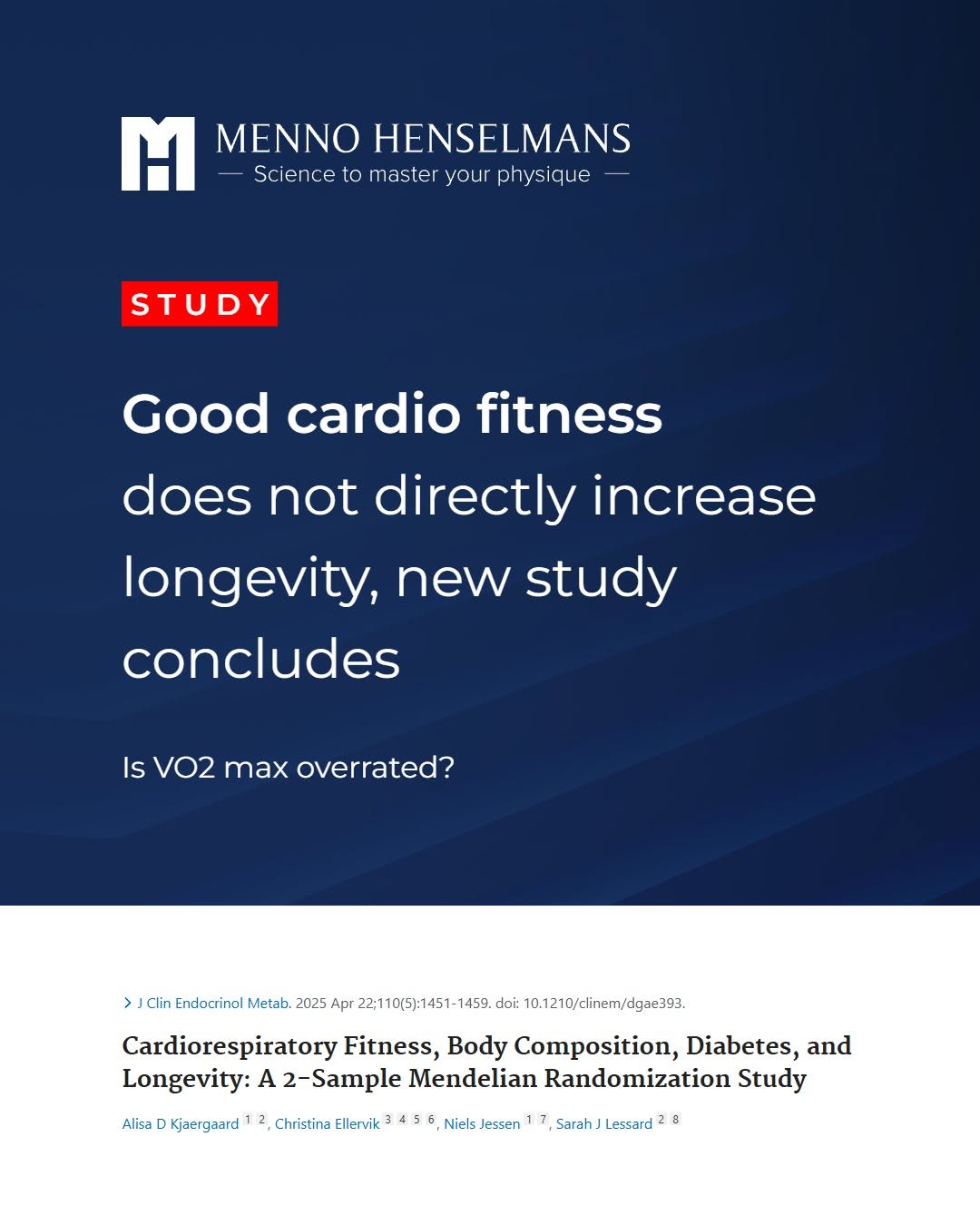
VO2max as a causal longevity metric is doubtful; Mendelian randomization shows no effect

Dec 13, 2025 · Louis Nervegna ♥ 8 · 💬 6 ↩ 7 Exercise & fitness

Louis endorses Chris Masterjohn's article arguing that most studies link treadmill performance, not measured VO2max, to lifespan, and that treadmill tests are influenced by many other factors and by unhealthy volunteers. Louis adds that Mendelian randomization shows no forward causal effect of VO2max on longevity but evidence of causality in the reverse direction.

Randomized trials and prospective cohorts top the evidence hierarchy

Sep 18, 2026 · Louis Nervegna ♥ 18 · 💬 2

The poster explains that randomized controlled trials can prove causality and prospective cohort studies track long-term outcomes, so the two together are the best evidence. He warns that people often cite lower-level studies to refute higher-level ones and urges readers to ask where a study sits on the hierarchy.

Influencers citing only 1960s-70s studies or post-hoc RCT analyses are likely misleading

Oct 23, 2025 · Louis Nervegna ♥ 12 · 💬 3

Louis warns that influencers often cite decades-old studies, ignoring 50 years of newer research, or present observational post-hoc analyses of randomized trials as if they were RCTs, which cannot prove causality. He names Paul Saladino as a frequent user of both tricks and urges readers to look up the references.

A framework for choosing longevity interventions: four evidence criteria

Dec 09, 2023 · Gokhan Can ♥ 15 · 💬 2 Aging & longevity

Outlines a strategy for deciding which longevity interventions to bet on: prefer those that lowered all-cause mortality in long human RCTs or are associated with longer human life, then mouse lifespan data with short human RCT support, then biomarker-guided treatment and personal N=1 tracking. The full post continues on the author's blog.

U-shaped ApoB-mortality curve turns linear after adjustment in 36,500 people

Jan 13, 2025 · Louis Nervegna ♥ 10 · 💬 2 LDL, ApoB & lipid panel

Louis explains that the U-shaped curve between ApoB or LDL and mortality is not causal at low levels per RCTs and Mendelian randomization. A 2022 Chinese cohort of 36,500 showed the curve becomes linear after correcting for comorbidities, bilirubin and wasting-related malnutrition. He clarifies that 'metabolic vulnerability' is a broad set of age-related disease processes, not simply insulin resistance, and is the source of the reverse causality.
Bill Harris: omega-6/omega-3 ratio does not predict heart disease or diabetes

May 01, 2025 · Louis Nervegna ♥ 5 · 💬 6 ↩ 3 Fats & oils (saturated fat, seed oils, omega-6, olive oil)

Louis shares a clip where fatty acid scientist Bill Harris explains the omega-6 to omega-3 ratio does not predict cardiovascular disease or diabetes risk. He notes Harris co-authored two very large pooled biomarker studies (~70,000 and ~40,000 people) showing higher blood omega-6 linked to lower heart disease and diabetes.

Why new therapies take 10+ years and $100M+ for FDA approval, and what doctors can do

Jan 15, 2024 · Louis Nervegna ♥ 11 · 💬 2 Guidelines, policy & public health

Louis explains FDA approval needs three phases (safety, preliminary efficacy, full efficacy), typically a decade or more and at least $100 million, sometimes near $1 billion. Phase 3 trials are large and long and often fail, so promising therapies may never be tested. Meanwhile doctors can use GRAS supplements and prescribe drugs off-label, which lets science-based clinicians go beyond the standard of care.

Statins cause under 10% of reported muscle pain, analysis of 23 RCTs finds

Jun 29, 2026 · Louis Nervegna ♥ 6 · 💬 2 Statins

Louis shares the Oxford/CTT Lancet analysis of 23 large randomized trials (155,000 people) showing muscle pain is common with or without a statin. Over 90% of muscle pain reported on statins was not caused by the drug, and true statin-related cases occurred mainly in the first year, more with high-intensity dosing.

Serious statin muscle side effects (myopathy) are rare; benign aches are common

Jun 29, 2026 · Louis Nervegna ♥ 6 · 💬 5 Statins

Louis notes that a large new study confirms benign muscle aches are fairly common but serious statin-related muscle problems are rare. The shared Duke post says concern about side effects exceeds the evidence and points to the PREVENTABLE trial of statins in older adults without cardiovascular disease.

A 92-year-old athlete's fitness mixes exercise benefit with genetic reverse causality

Dec 06, 2025 · Louis Nervegna ♥ 12 · 💬 1

Louis comments on a CNN story about a 92-year-old athlete, arguing her health is probably both caused by exercise and a reason she can exercise so hard. He notes many observational exercise studies are inflated by reverse causality and survivorship bias, and welcomes research separating the two.

Multivitamin cohort study found 4% higher mortality, but bias makes it uninformative

Aug 11, 2024 · Gokhan Can ♥ 8 · 💬 1 Supplements & vitamins

Peter Attia's critique of a study of over 390,000 adults in three US cohorts followed up to 27 years found daily multivitamin users had 4% higher mortality, inconsistent across follow-up and not dose-dependent. Healthy and sick user biases and confounding mean it neither proves a benefit nor shows harm, and multivitamins can correct deficiencies.

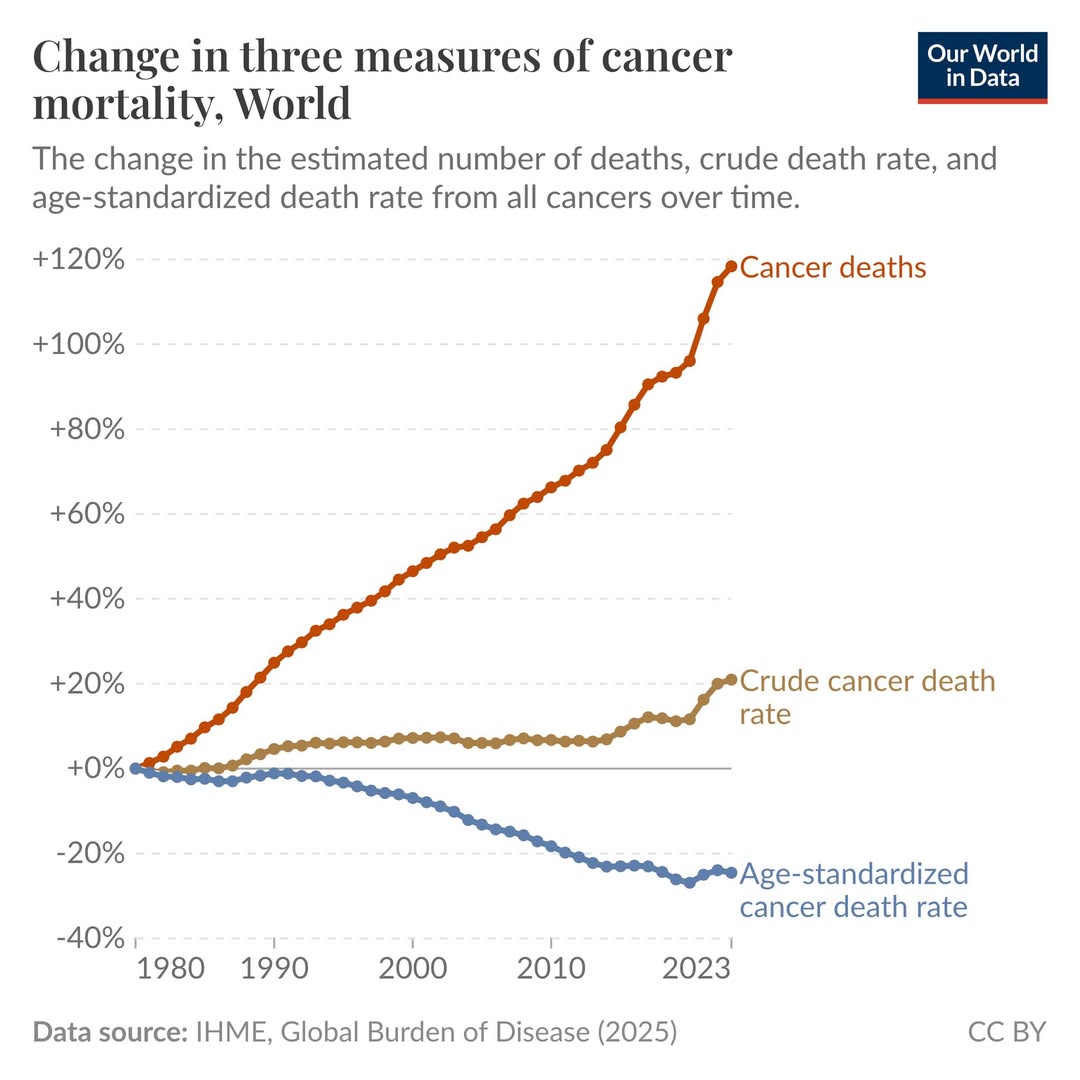
Low LDL's link to cancer is reverse causality: cancer lowers cholesterol, not vice versa

Dec 21, 2023 · Louis Nervegna ♥ 5 · 💬 1 LDL, ApoB & lipid panel

Louis explains why observational studies linking low LDL to cancer are not causal. Citing a Circulation review on reverse causality, he notes cholesterol declines before cancer diagnosis (likely from cancer-related inflammation), statin RCTs show no increase in cancer, and Mendelian randomization with an average of 52 years of lifetime exposure shows no higher cancer rates in people with genetically lower cholesterol.

Absence of evidence is not evidence of absence: weighing unproven interventions

Oct 30, 2026 · Louis Nervegna ♥ 6 · 💬 1

Louis explains that an intervention that has not been properly studied is indeterminate, not proven ineffective, and that this differs from interventions proven not to work. For speculative items such as supplements, he suggests assigning a subjective probability from limited evidence, while warning against betting your life on indeterminate interventions.

Video explainer on relative vs absolute risk and statin claims

Dec 20, 2023 · Louis Nervegna ♥ 7 · 💬 1 Statins

Louis recommends a video by Nutrition Made Simple explaining relative versus absolute risk and how they apply to statins. He says many absolute-risk claims by statin critics are wrong and that understanding these concepts lets readers judge the claims. The post has no numbers of its own.

How to correctly estimate human equivalent doses from animal studies

Sep 09, 2024 · Louis Nervegna ♥ 9

Shared from Olafur Pall Olafsson: many people draw wrong conclusions about supplement and drug doses by using incorrect scaling factors between animals and humans, a mistake seen even in published papers. The linked article explains how to estimate human equivalent doses.

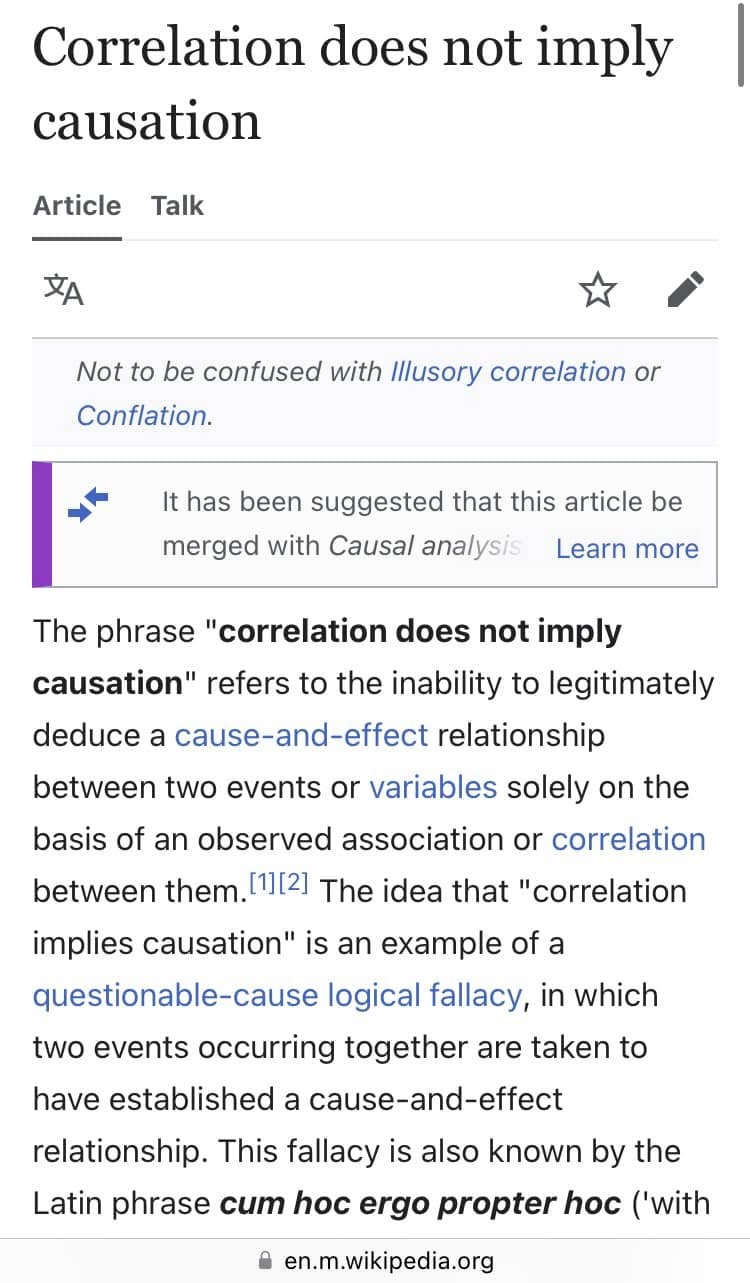
Why low LDL-C correlates with higher mortality: causation versus correlation

Nov 17, 2023 · Gokhan Can ♥ 5 · 💬 1 ↩ 2 LDL, ApoB & lipid panel

Points to a video on how ignoring the difference between correlation and causation can mislead, and argues that the association of low LDL-C with higher mortality is a marker of illnesses such as cancer or liver disease rather than a cause. Also links a paper from the author's cardiologist on causal roles of LDL-C, HDL, triglycerides and inflammation.

Open-label placebo beat deceptive placebo in 90 older adults in a small trial

Mar 30, 2026 · Louis Nervegna ♥ 2 · 💬 2

A Nautilus article describes a trial of 90 healthy adults aged 65+ split into deceptive placebo, open-label placebo and control groups for three weeks. The open-label group, told they were taking sugar pills, showed less stress and better memory and physical performance than the deceptive group.