(no text — see the shared post below)
A summary of the latest research on protein and HEART DISEASE from the Harvard School of Public Health.
——-
Quoted:
“Research on Protein and Health
Available evidence indicates that it’s the source of protein (or, the protein “package”), rather than the amount of protein, that likely makes a difference for our health. You can explore the research related to each disease in the tabs below, but here’s the evidence-based takeaway: eating healthy protein sources like beans, nuts, fish, or poultry in place of red meat and processed meat can lower the risk of several diseases and premature death.
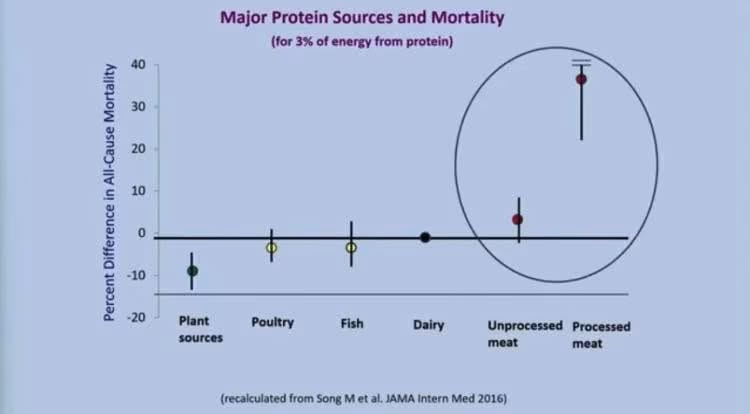
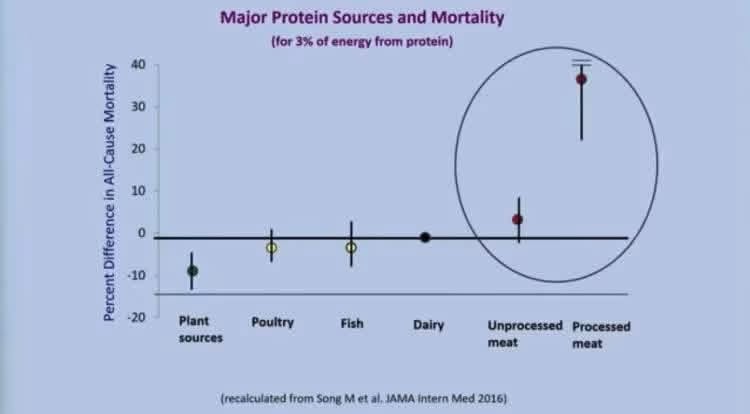
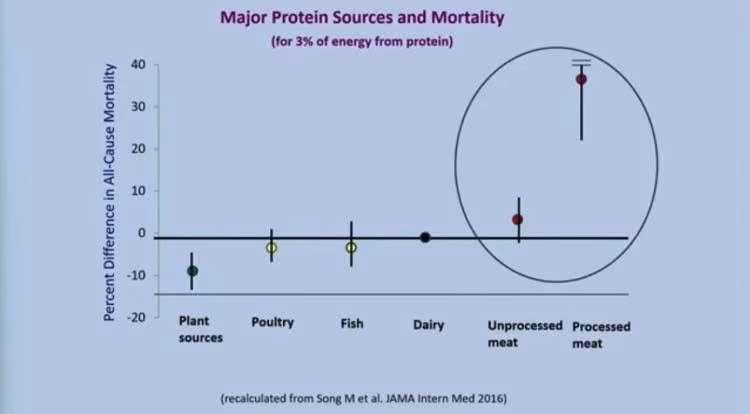
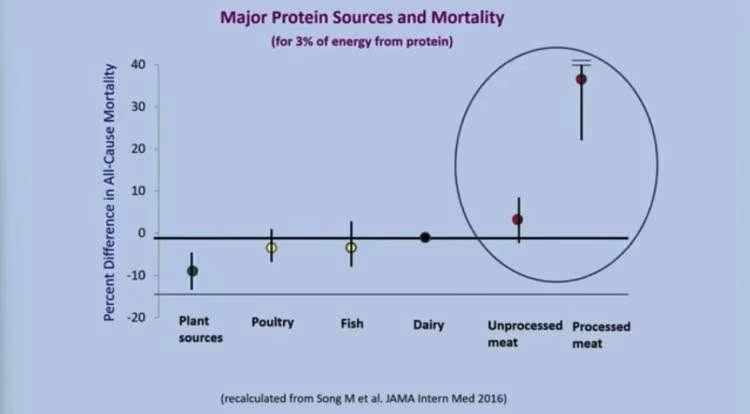
Heart disease research conducted at the Harvard Chan School of Public Health has found that eating even small amounts of red meat—especially processed red meat—on a regular basis is linked to an increased risk of heart disease and stroke, and the risk of dying from cardiovascular disease or any other cause. [4-6] Conversely, replacing red and processed red meat with healthy protein sources such as beans, soy foods, nuts, fish, or poultry seems to reduce these risks. One of the reasons why plant sources of protein are related to lower risk of cardiovascular disease compared to protein from red meat and dairy is because of the different types of fat in these protein packages. Plant-based protein sources are more unsaturated, which lowers LDL cholesterol—an established risk factor for heart disease. Also, plant sources contain no cholesterol. Other factors are likely to contribute to the lower risk, but this is a key factor.
One investigation followed 120,000 men and women in the Nurses’ Health Study and Health Professionals Follow-Up Study for more than two decades. For every additional 3-ounce serving of unprocessed red meat the study participants consumed each day, their risk of dying from cardiovascular disease increased by 13%. [5]
Processed red meat was even more strongly linked to dying from cardiovascular disease—and in smaller amounts: every additional 1.5 ounce serving of processed red meat consumed each day (equivalent to one hot dog or two strips of bacon) was linked to a 20% increase in the risk of cardiovascular disease death.
Cutting back on red meat could save lives: the researchers estimated that if all the men and women in the study had reduced their total red and processed red meat intake to less than half a serving a day, one in ten cardiovascular disease deaths would have been prevented.
In another study of 43,000 men that looked at both amount and sources of protein found that intake of total protein was minimally associated with heart disease risk, but intake of protein from red meat was associated with higher risk. [7]
Another study—the first meta-analysis of randomized controlled trials looking at the health effects of red meat by substituting it for other specific types of foods—found that diets that replaced red meat with healthy plant proteins led to decreases in risk factors for cardiovascular disease. [28]
The study included data from 36 randomized controlled trials involving 1,803 participants. The researchers compared people who ate diets with red meat with people who ate more of other types of foods (i.e. chicken, fish, carbohydrates, or plant proteins such as legumes, soy, or nuts), looking at blood concentrations of cholesterol, triglycerides, lipoproteins, and blood pressure—all risk factors for cardiovascular disease.
Researchers found that when diets with red meat were compared with all other types of diets combined, there were no significant differences in total cholesterol, lipoproteins, or blood pressure, although diets higher in red meat did lead to higher triglyceride concentrations than the comparison diets.
However, researchers found that diets higher in high-quality plant protein sources such as legumes, soy, and nuts resulted in lower levels of both total and LDL (“bad”) cholesterol compared to diets with red meat.
In terms of the amount of protein consumed, there’s evidence that eating a relatively high-protein diet may be beneficial for the heart, as long as the protein comes from a healthy source.
A 20-year prospective study of over 80,000 women found that those who ate low-carbohydrate diets that were high in plant-based sources of fat and protein had a 30%lower risk of heart disease compared with women who ate high-carbohydrate, low-fat diets. [8] However, eating a low-carbohydrate diet high in animal fat or protein did not offer such protection.
Further evidence of the heart benefits of eating healthy protein in place of carbohydrate comes from a randomized trial known as the Optimal Macronutrient Intake Trial for Heart Health (OmniHeart). A healthy diet that replaced some carbohydrate with healthy protein (or healthy fat) did a better job of lowering blood pressure and harmful low-density lipoprotein (LDL) cholesterol than a higher carbohydrate diet. [9]
Similarly, the “EcoAtkins” weight loss trial compared a low-fat, high -carbohydrate, vegetarian diet to a low-carbohydrate vegan diet that was high in vegetable protein and fat. Though weight loss was similar on the two diets, study participants on the high protein diet saw improvements in blood lipids and blood pressure. [10]
Of course, occasionally a study will generate headlines because it found the opposite result. For example, one study of Swedish women who ate low-carbohydrate, high-protein diets had higher rates of cardiovascular disease and death than those who ate lower-protein, higher-carbohydrate diets. [11] But the study, which assessed the women’s diets only once and then followed them for 15 years, did not look at what types of carbohydrates or what sources of protein these women ate. That was important because most of the women’s protein came from animal sources.”
#proteinHD #processedmeatHD #redmeatHD #plantproteinHD #harvardHD #cvdHD #proteinsummaryHD #plantproteinsummaryHD
Source: