HD-OPM Archive
Hashtags

#protein

147 posts

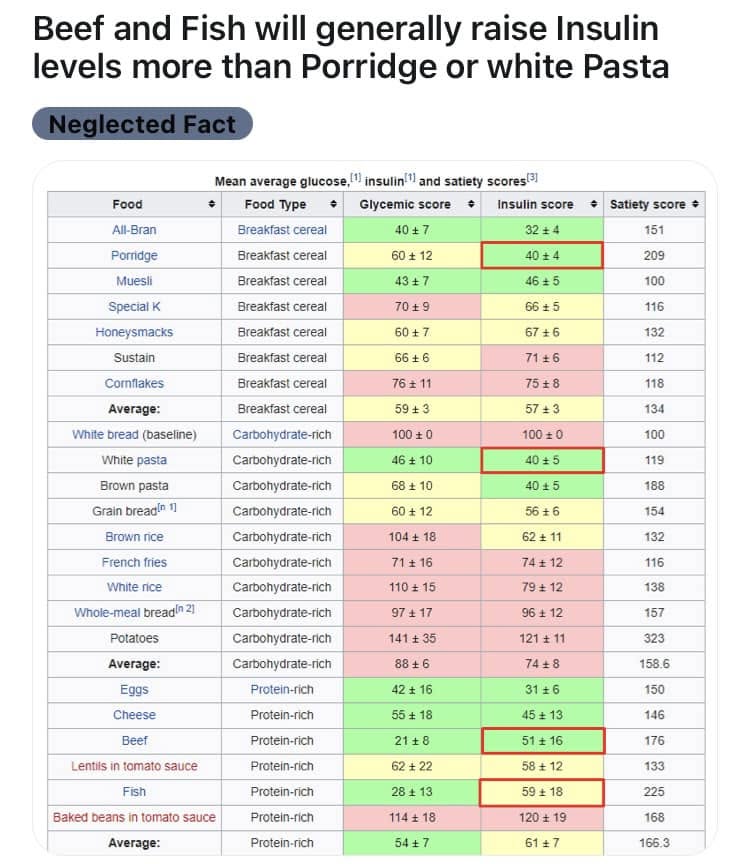
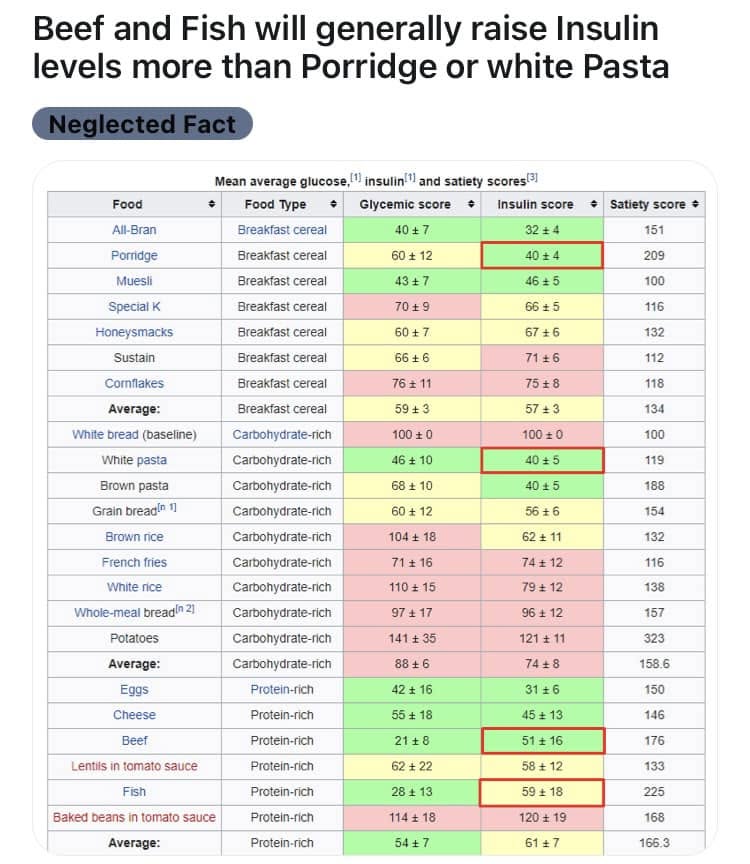
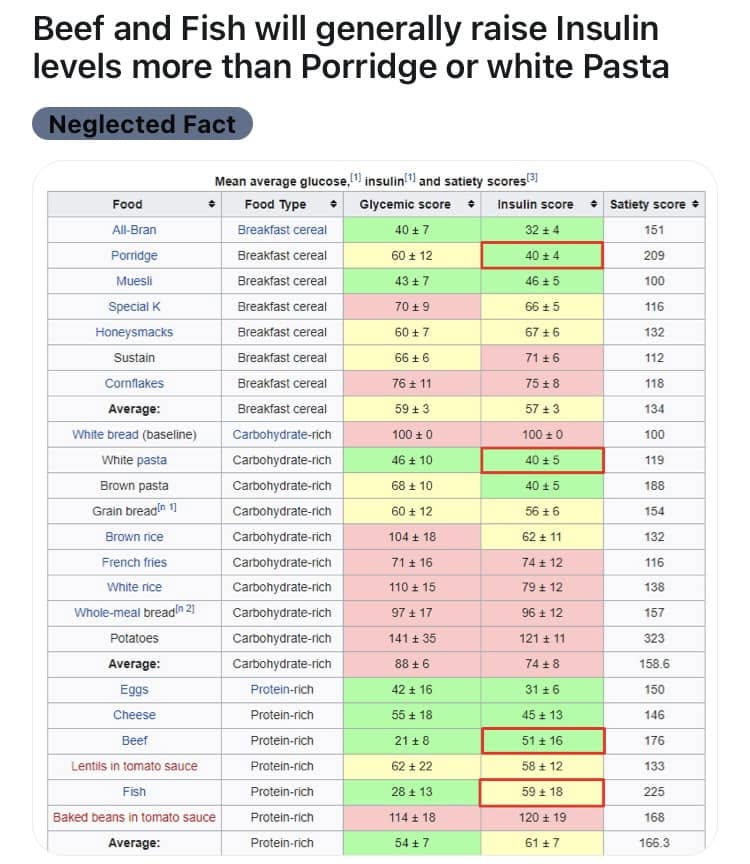
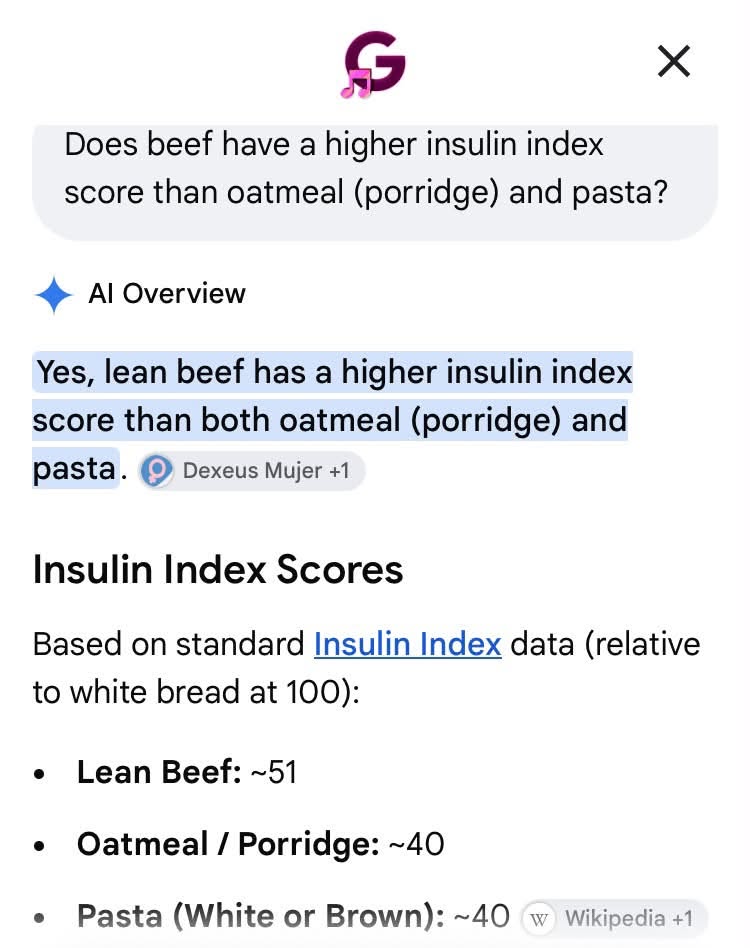
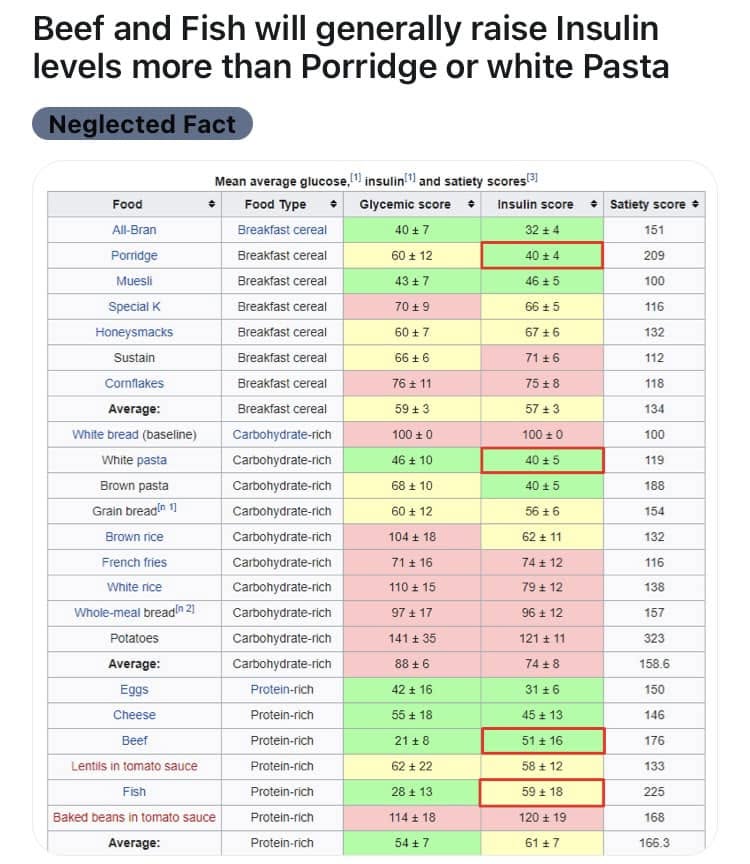
Beef and whey raise insulin more than pasta, oatmeal or glucose: use the insulin index

May 26, 2024 · Louis Nervegna ♥ 23 · 💬 71 ↩ 27 Insulin resistance & diabetes

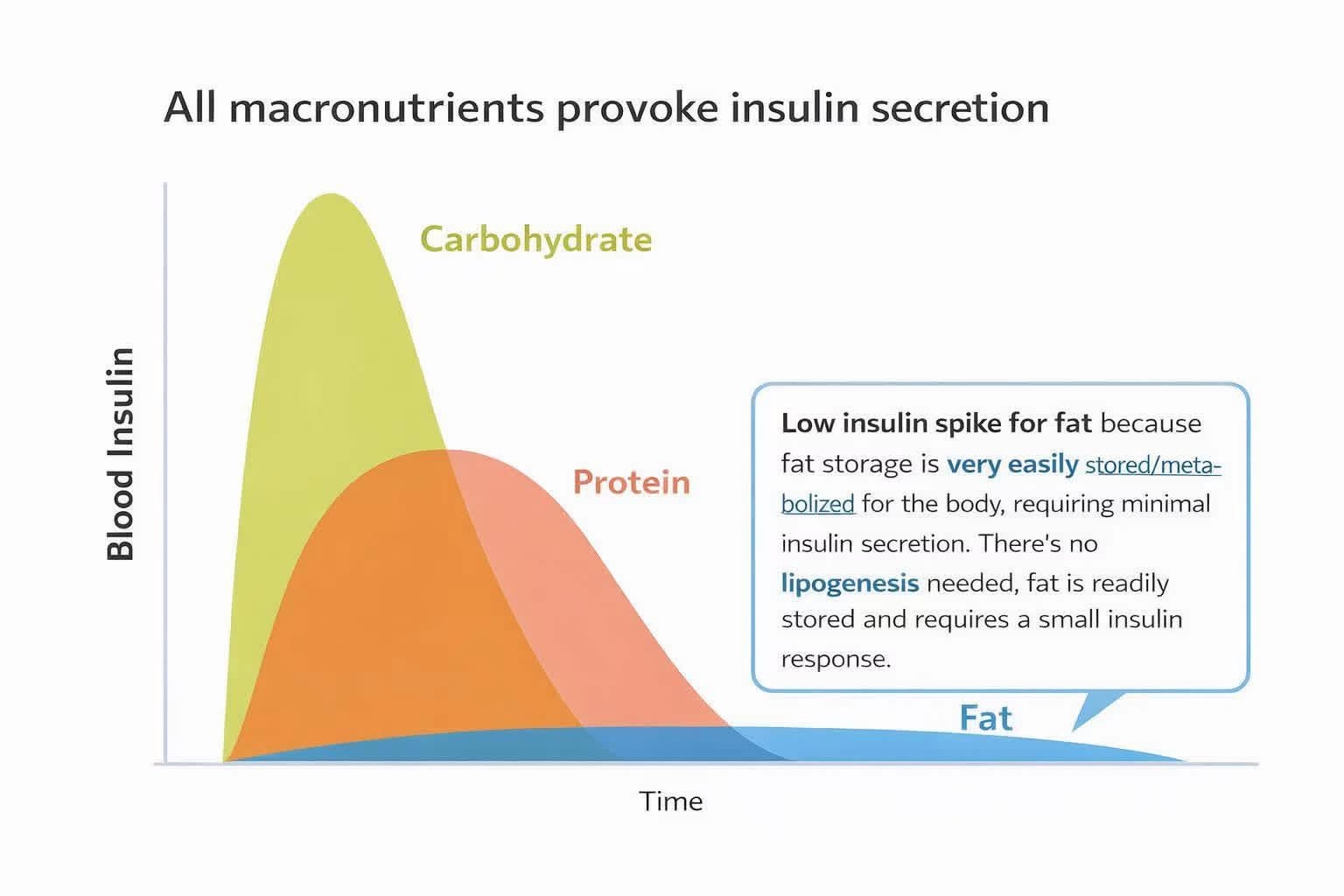
Louis points out that some proteins are more insulinogenic than carbs: beef raised insulin more than equal-calorie white pasta or oatmeal in the 1997 insulin index study, and whey more than glucose or white bread in a 2012 study. He says influencers have misled people about this and recommends learning the insulin index rather than assuming carbs alone drive insulin.
Protein type matters more than restriction: whole-food plant protein beats processed meat

Nov 12, 2026 · Louis Nervegna ♥ 18 · 💬 38 Protein

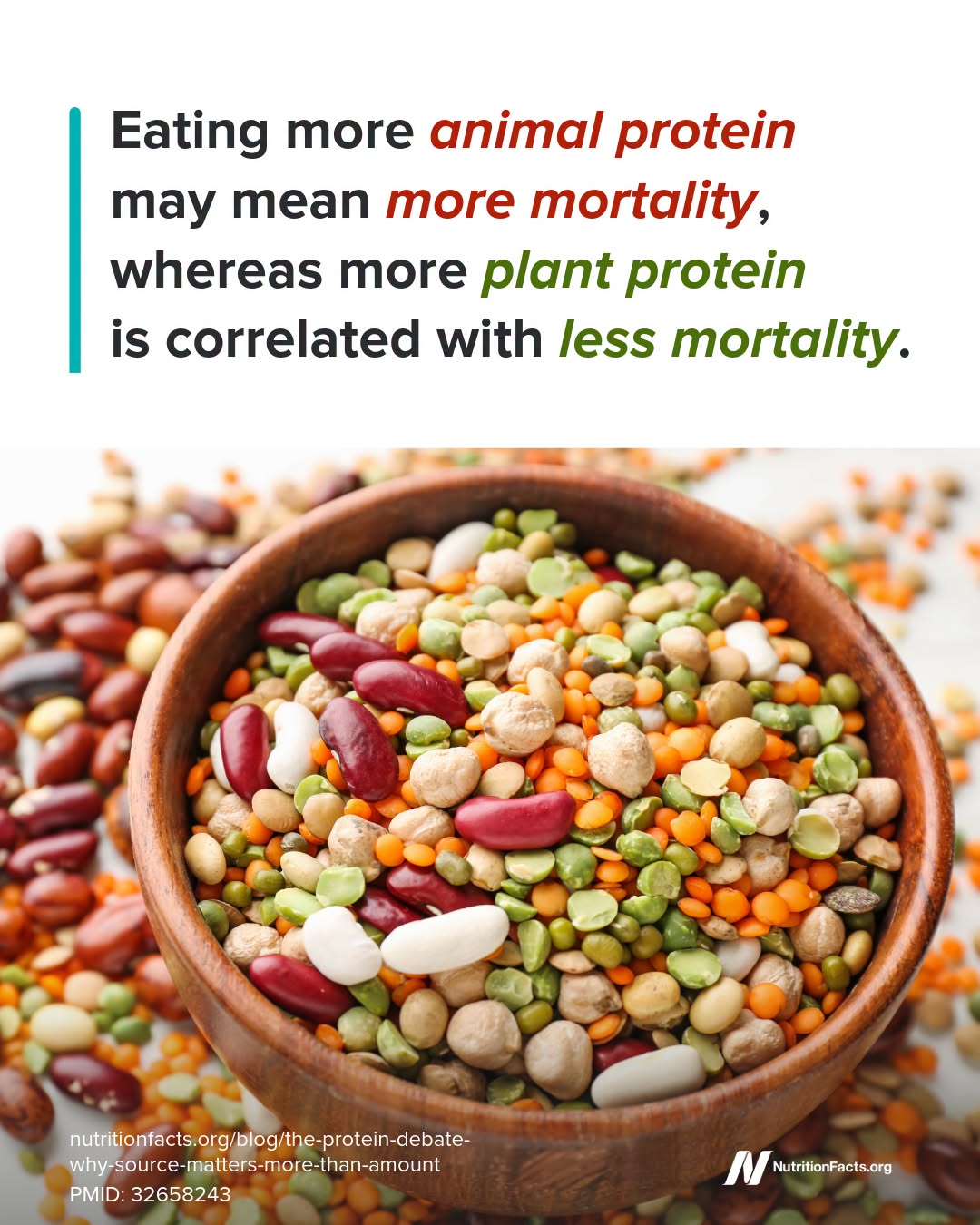
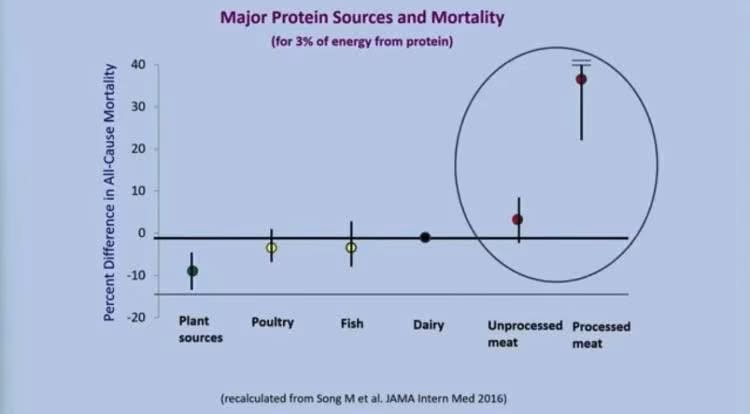
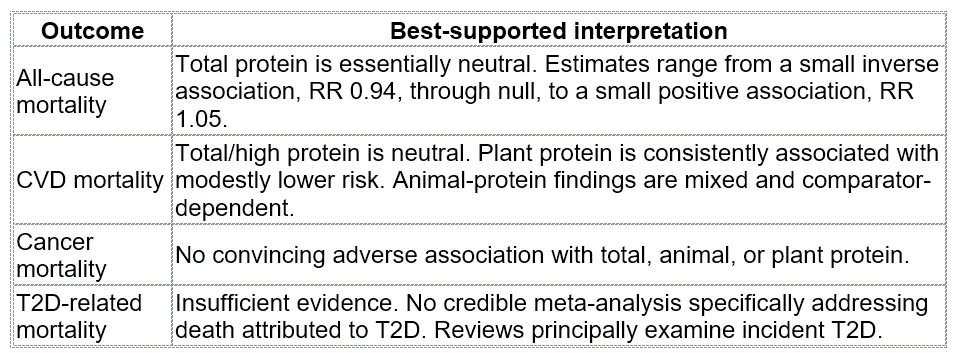
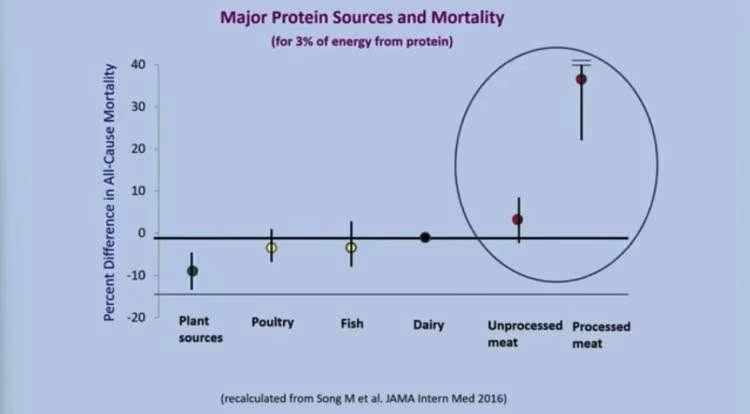
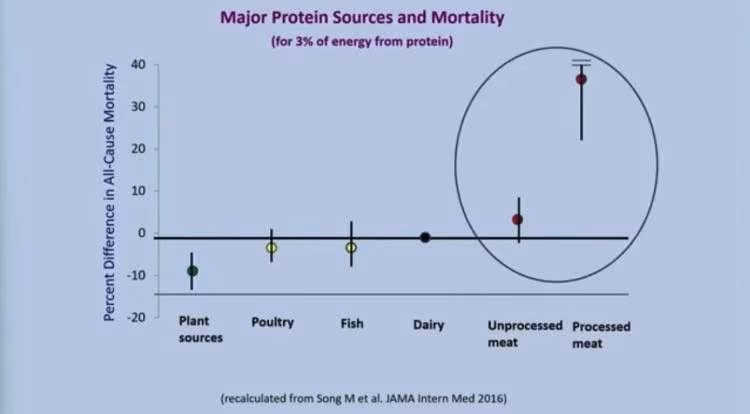
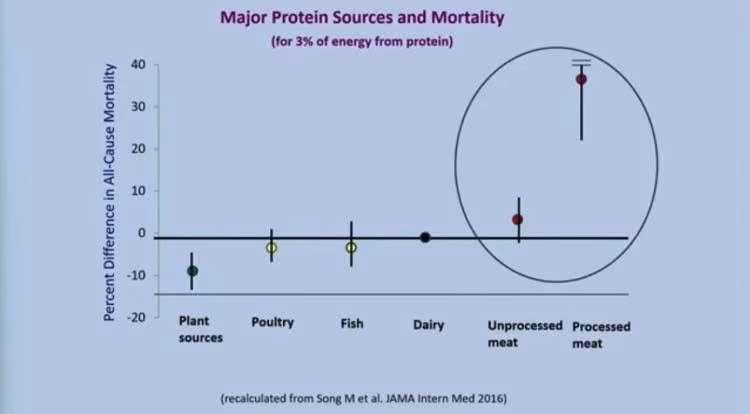
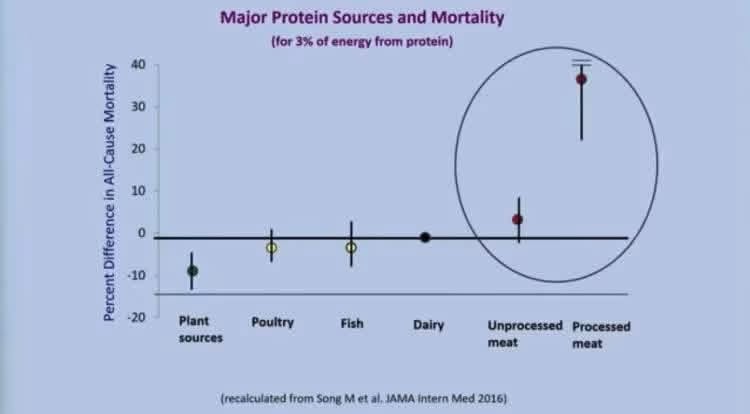
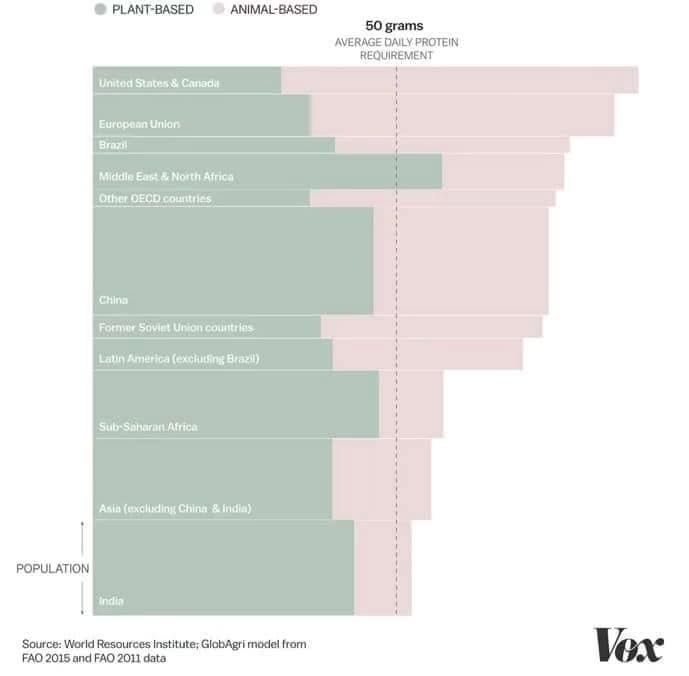
Louis argues against the 'protein craze': there is no good evidence protein restriction slows human aging, but long-term data show whole-food plant protein beats animal protein, especially processed and red meat. Among animal sources, seafood, poultry and fermented dairy have the lowest mortality and processed meat is worst. Plant protein's lower isoleucine, valine and methionine may explain part of it.

Beef and whey raise insulin more than equal-calorie oatmeal, pasta or bread

May 09, 2025 · Louis Nervegna ♥ 10 · 💬 41 Insulin resistance & diabetes

Louis explains that CGMs measure glucose, not insulin, and that some proteins provoke as much or more insulin than carbohydrates. Citing the 1997 insulin index paper and a 2012 whey study, he shows beef raises insulin more than pasta or oatmeal calorie for calorie, and whey more than glucose or white bread, so swapping protein for carbs may raise post-meal insulin.

Dr Carvalho: evidence for vitamin K2 supplements and arterial calcium is weak

Nov 16, 2025 · Gokhan Can ♥ 19 · 💬 27 Supplements & vitamins

Summarises a Carvalho video: arterial calcium is a marker of long-standing plaque, not the cause of risk, so lowering a calcium score can mislead, just as statins raise calcium while lowering risk. No large properly powered trials show K2 reduces heart attacks or strokes, and he warns of false reassurance. The admin adds that supplement use is fine but expectations should stay grounded.

Insulin stimulates liver cholesterol production, linking insulin resistance to high LDL

Jun 25, 2024 · Louis Nervegna ♥ 17 · 💬 22 LDL, ApoB & lipid panel

The post explains that insulin signals the liver to make more cholesterol by keeping HMG-CoA reductase active, one reason insulin resistance and metabolic syndrome go with high cholesterol. It argues protein, especially animal protein, also raises insulin, partly offset by glucagon, and that swapping animal for plant protein lowers cholesterol beyond saturated fat and fiber effects. Much of the protein argument is the poster's inference.

Harvard cohorts: plant protein linked to lower CVD and total mortality over 30 years

Sep 16, 2026 · Louis Nervegna ♥ 19 · 💬 15 Protein

Louis summarizes Harvard Nurses' Health Study and Health Professionals Follow-up Study findings that higher plant protein intake is strongly associated with lower CVD and all-cause mortality over 30 years, whereas animal protein is not, driven by red and processed meat. Seafood and yogurt look favorable. The shared text cites a Rotterdam Study plus meta-analysis of protein intake and mortality.

High insulin/IGF-1 tied to cancer, diabetes; Laron syndrome and low-IGF-1 mice live longer

May 13, 2025 · Louis Nervegna ♥ 23 · 💬 13 Aging & longevity

Louis praises a video on height, insulin/IGF-1 and longevity and lays out his argument: diet (refined starch/sugar and excess animal protein) is the main driver of IGF-1, and low IGF-1 is linked to lower cancer and diabetes risk. He cites Laron syndrome, with no documented cancer deaths, little diabetes and less heart disease and Alzheimer's, and a long-lived low-IGF-1 mouse. Claims come from the post and videos, not named papers.

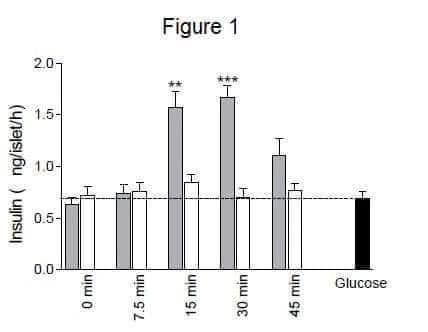
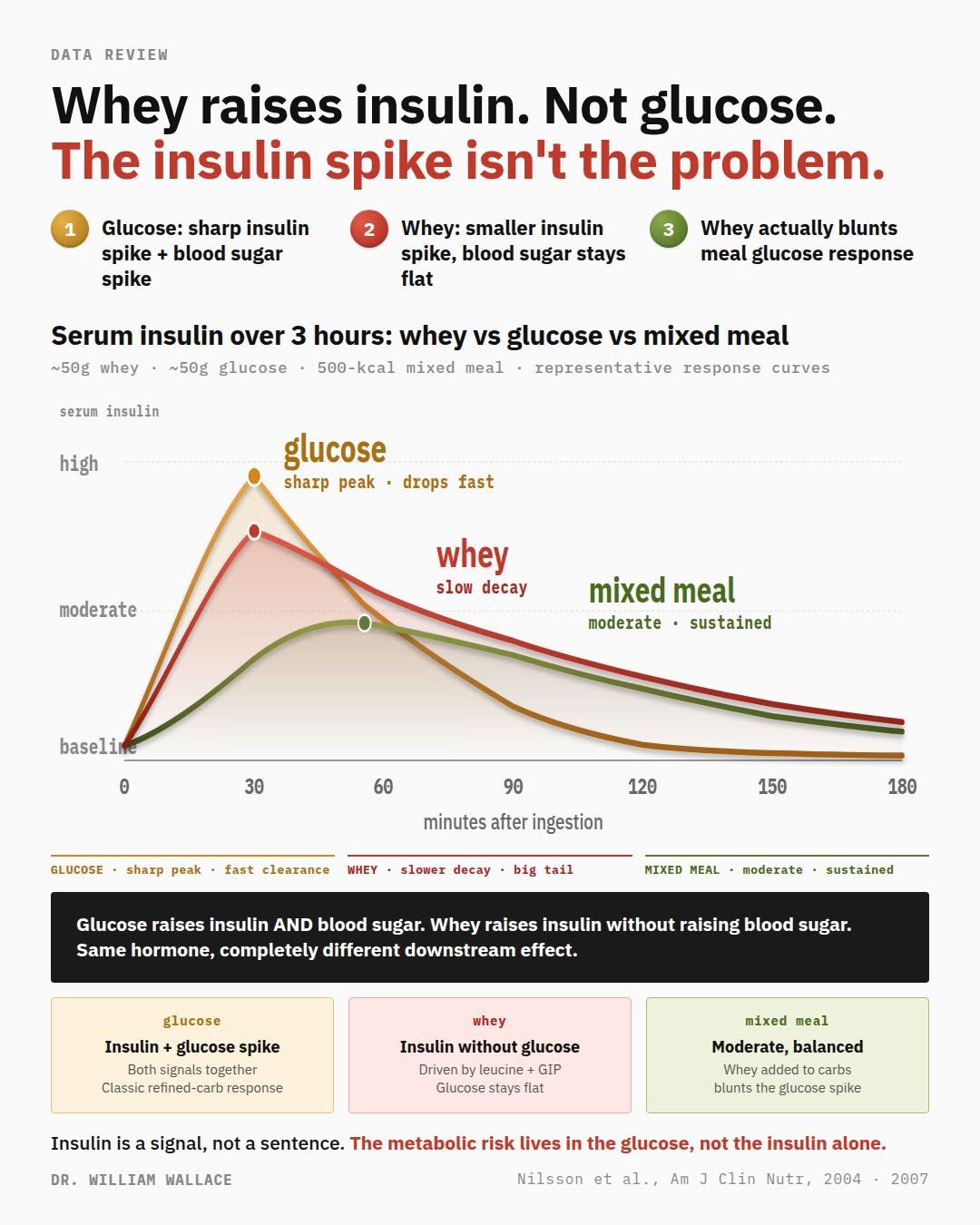
Whey protein raised insulin 90% more than white bread despite 57% lower glucose response

May 15, 2026 · Louis Nervegna ♥ 11 · 💬 17 Protein

William Wallace shares the Nilsson 2004 trial: in 12 healthy volunteers, whey produced a 90% higher insulin AUC and 57% lower glucose AUC than white bread, tracking plasma branched-chain amino acids. He argues repeated large insulin surges raise IGF1 and mTOR and may have long-term costs, disagreeing with a source that dismisses the concern.

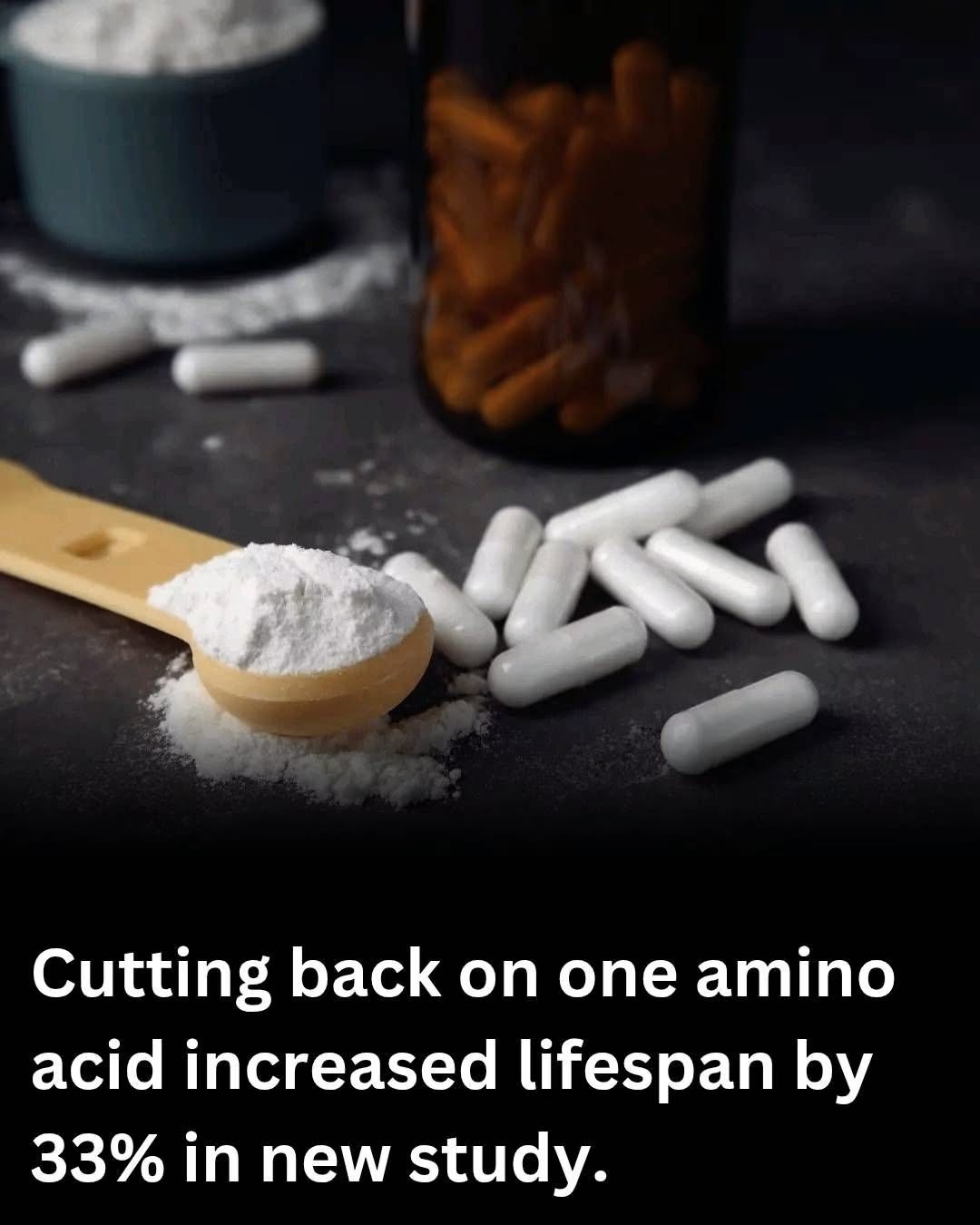
Cutting dietary isoleucine by two-thirds extended male mouse lifespan 33%

Oct 18, 2025 · Louis Nervegna ♥ 17 · 💬 11 ↩ 4 Protein

Louis shares a Cell Metabolism mouse study in which restricting a single essential amino acid, isoleucine, lengthened life (33% in males, 7% in females), improved leanness, blood sugar, strength and frailty, and reduced age-related cancer. He notes the male effect matches major calorie restriction in mice, and suggests getting protein mainly from whole plant foods, which are naturally lower in isoleucine than animal protein. Mouse data, not proven in humans.

Resistance exercise preserves muscle during calorie restriction and GLP-1 weight loss

Mar 16, 2025 · Louis Nervegna ♥ 23 · 💬 8 Exercise & fitness

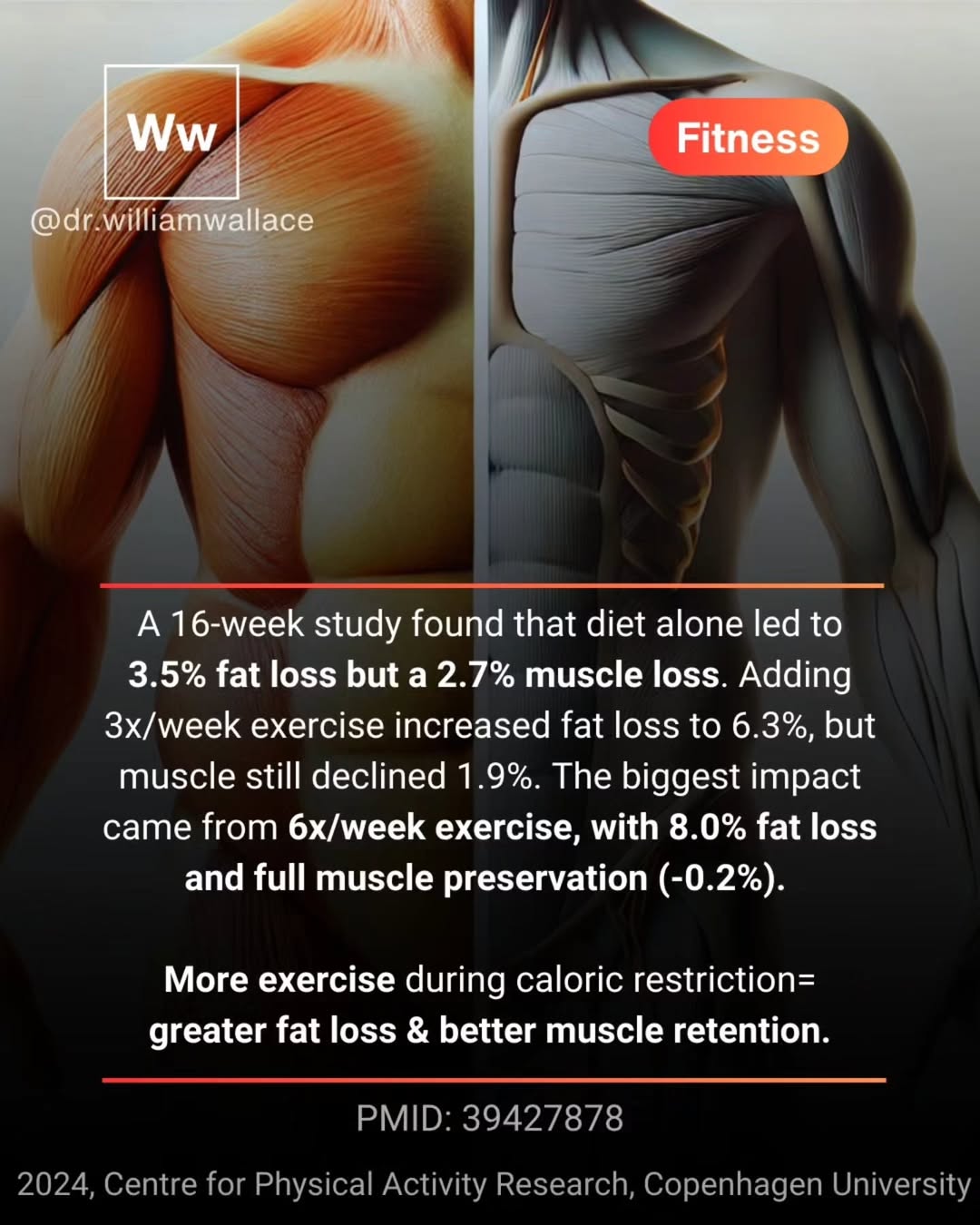
Louis argues that most muscle lost during calorie restriction can be prevented by resistance exercise without raising protein intake, citing over 70 RCTs in which exercise drives nearly all strength gains and extra protein adds only about 5% over 22 weeks. He applies this to GLP-1 drugs, saying their muscle loss comes from calorie restriction rather than a drug side effect. The shared study (16 weeks, 82 people with type 2 diabetes) showed that high-dose exercise with diet fully preserved muscle.

Red meat and whey raise insulin, countering claims in a Lustig clip

Oct 29, 2024 · Louis Nervegna ♥ 13 · 💬 19 Insulin resistance & diabetes

Louis says Robert Lustig and Levels are wrong to imply red meat does not raise insulin. He states red meat raises insulin as much as white pasta or oatmeal and whey more than white bread, so switching from carbs to protein mainly lowers glucose, not insulin. He agrees excess insulin may promote vascular smooth muscle growth and some cancers.
36 RCTs: extra protein did not boost strength or muscle in healthy adults over 65

Oct 20, 2025 · Louis Nervegna ♥ 11 · 💬 11 Protein

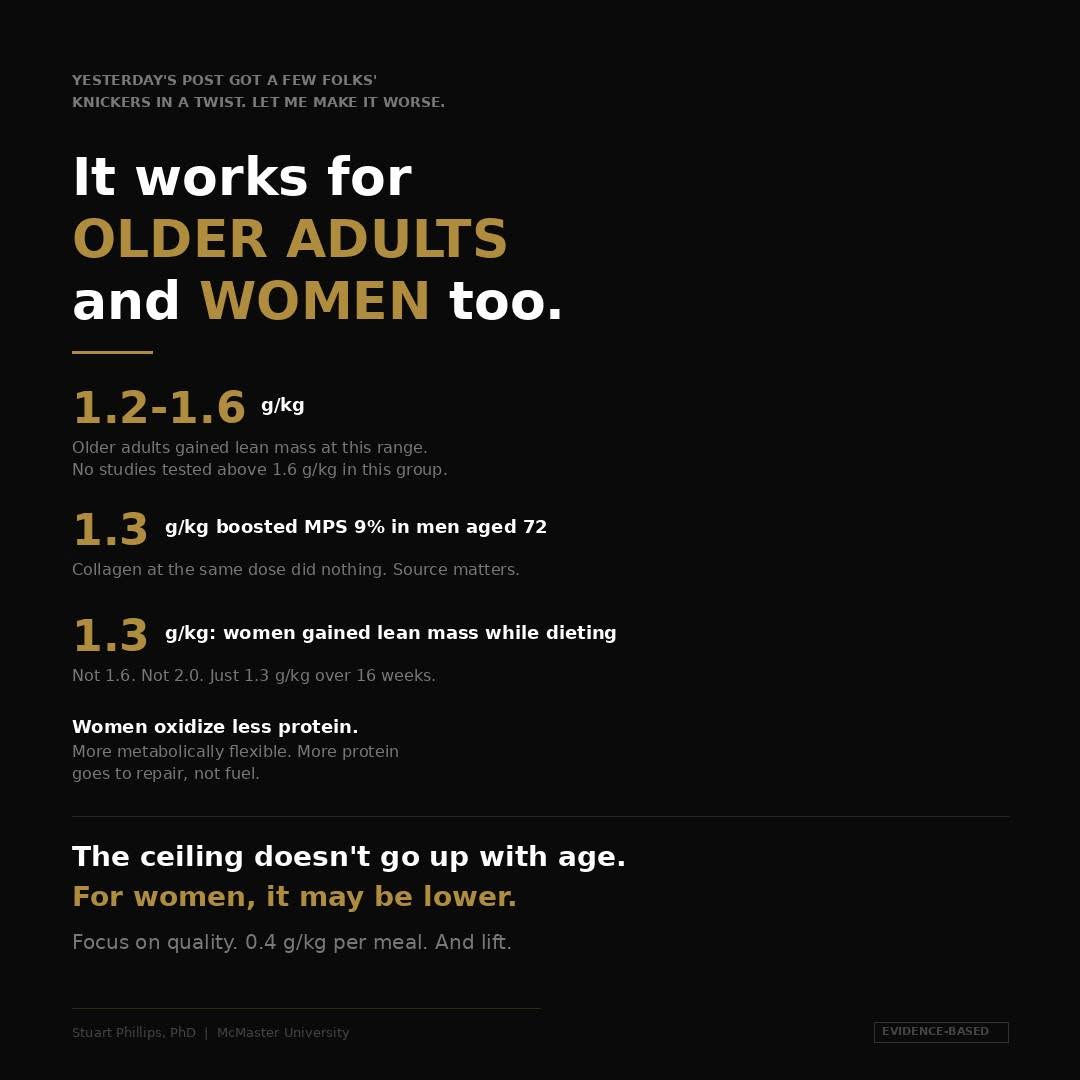
Louis argues that US adults over 65 already eat over 1.2 g/kg/day of protein and summarizes a 2018 AJCN meta-analysis of 36 RCTs in nonfrail older adults. Added protein did not improve grip or leg strength, walking speed, chair rise or muscle mass, with or without resistance exercise, while exercise itself helped; frail people may differ.

Why chronically high insulin is harmful and how to keep it low

Feb 22, 2025 · Louis Nervegna ♥ 11 · 💬 18 Insulin resistance & diabetes

Louis argues excess insulin promotes cancer growth, heart disease and IGF-1/mTOR growth pathways that accelerate aging, citing animal lifespan work, Loyal's dog research and Laron syndrome. He recommends avoiding refined starch/sugar, limiting excess animal protein, and using fats, fasting and calorie restriction to keep insulin low.

Harvard cohort: unhealthy low-carb diets raise diabetes risk, plant-based ones lower it

Nov 30, 2025 · Gokhan Can ♥ 13 · 💬 15 Low-carb, keto & carnivore

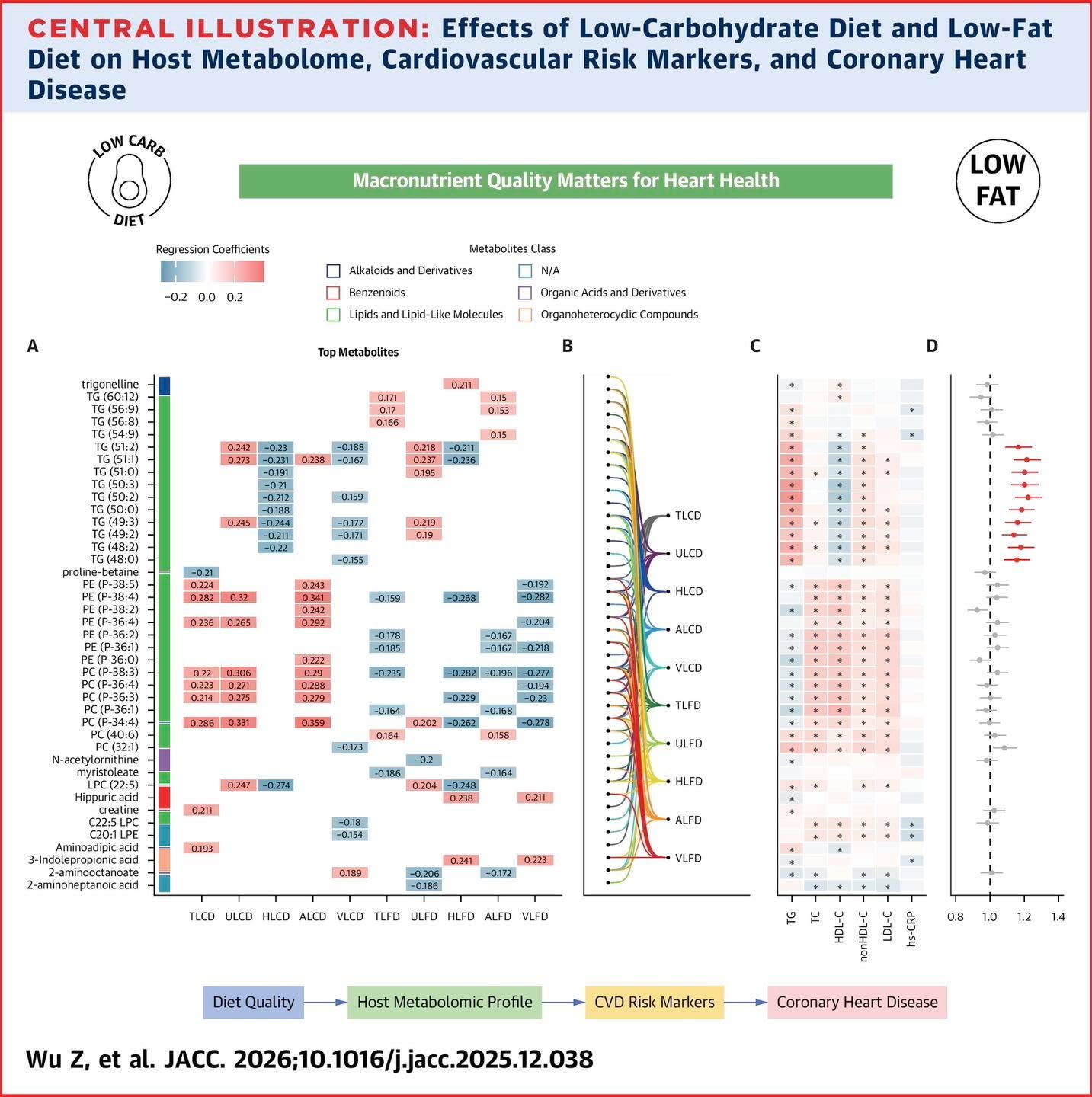
Summarises a video on a 30-year Harvard study of over 200,000 participants: low-carb diets high in animal protein, saturated fat and refined carbs like white potatoes were linked to higher type 2 diabetes risk, while plant-based versions (nuts, avocado, whole grains) lowered it. It also discusses rapid weight loss without exercise causing 'fat overshooting' on regain.

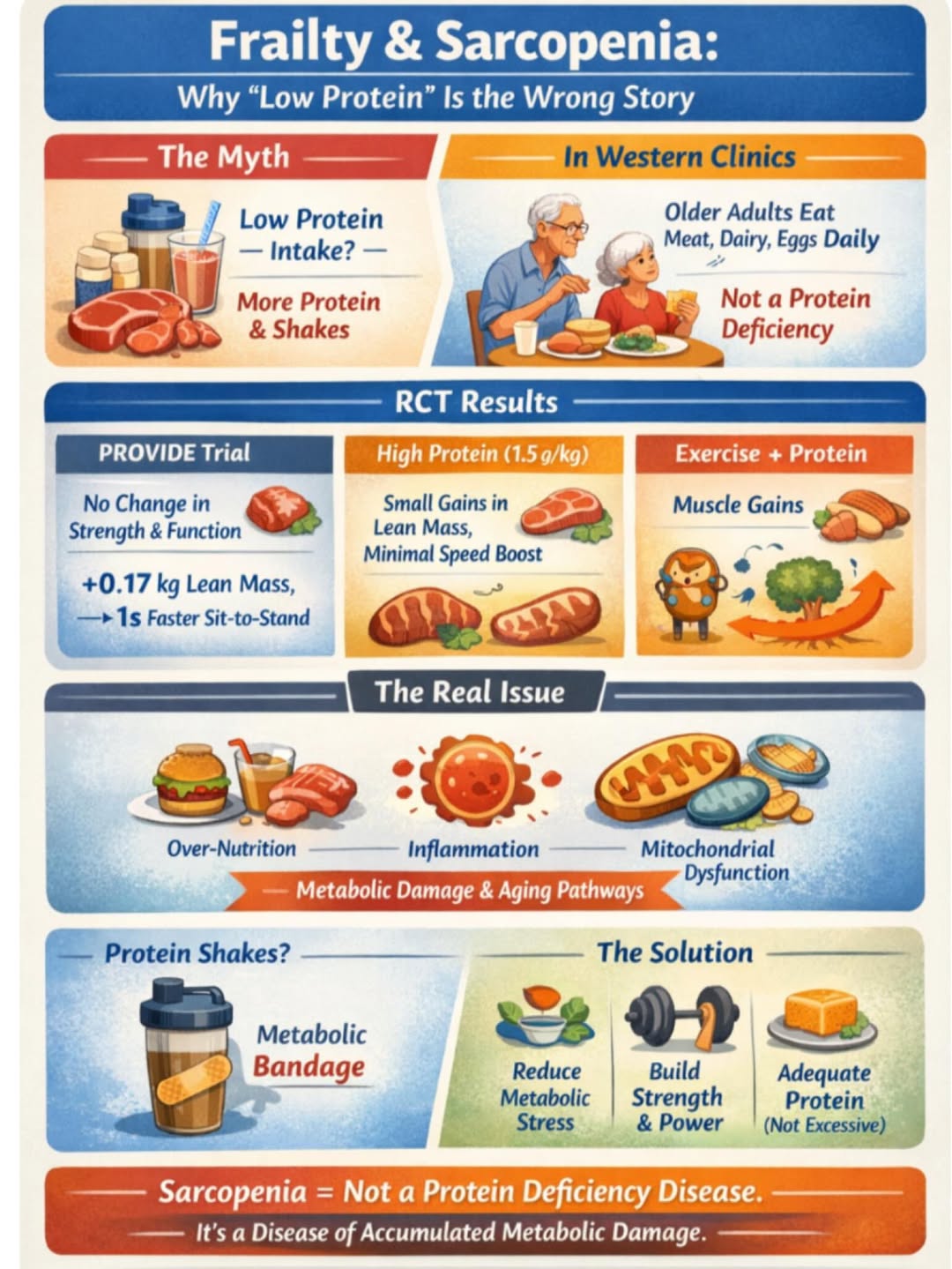
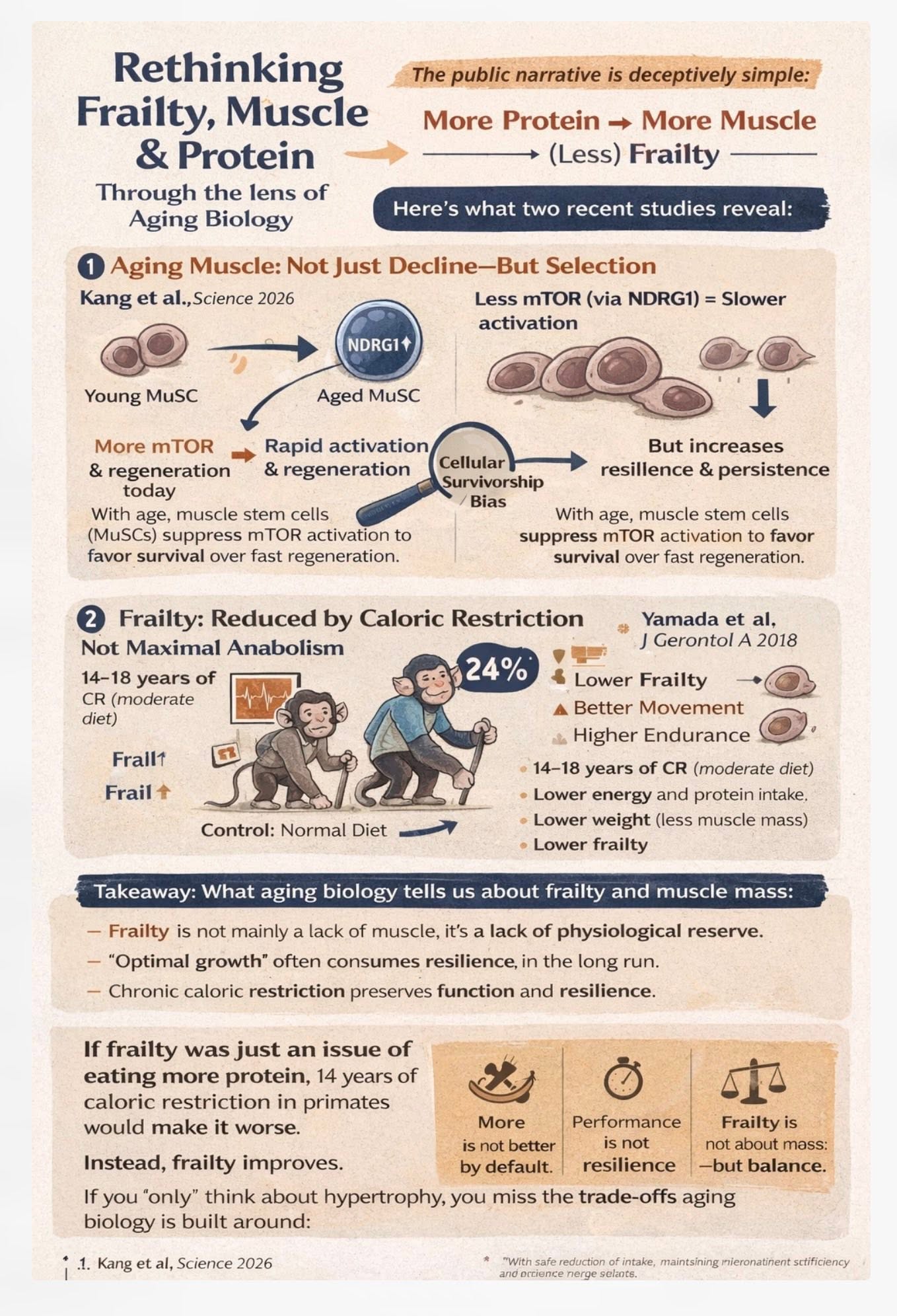
Frailty in older adults is not a protein-deficiency disease, per Luigi Fontana

Dec 19, 2025 · Louis Nervegna ♥ 14 · 💬 9 Protein

Louis shares Luigi Fontana's argument that frailty and sarcopenia in Western older adults reflect decades of overnutrition and inactivity, not low protein. The post cites randomized trials in which protein supplements gave small or no functional gains, while resistance exercise produced the functional benefit.

Ideas to improve Mediterranean diet adherence: almond fruit bars, no-salt sprouted bread

Feb 23, 2025 · Gokhan Can ♥ 12 · 💬 14 Mediterranean, DASH, MIND & plant-forward diets

Gokhan shares two practical swaps for sticking to a Mediterranean diet: low-saturated-fat almond fruit bars and no-salt sprouted bread, which he says lowers his blood pressure. He links earlier group posts on plaque reversal, salt restriction and anti-inflammatory foods, and reshares a do's-and-don'ts guide to the diet.

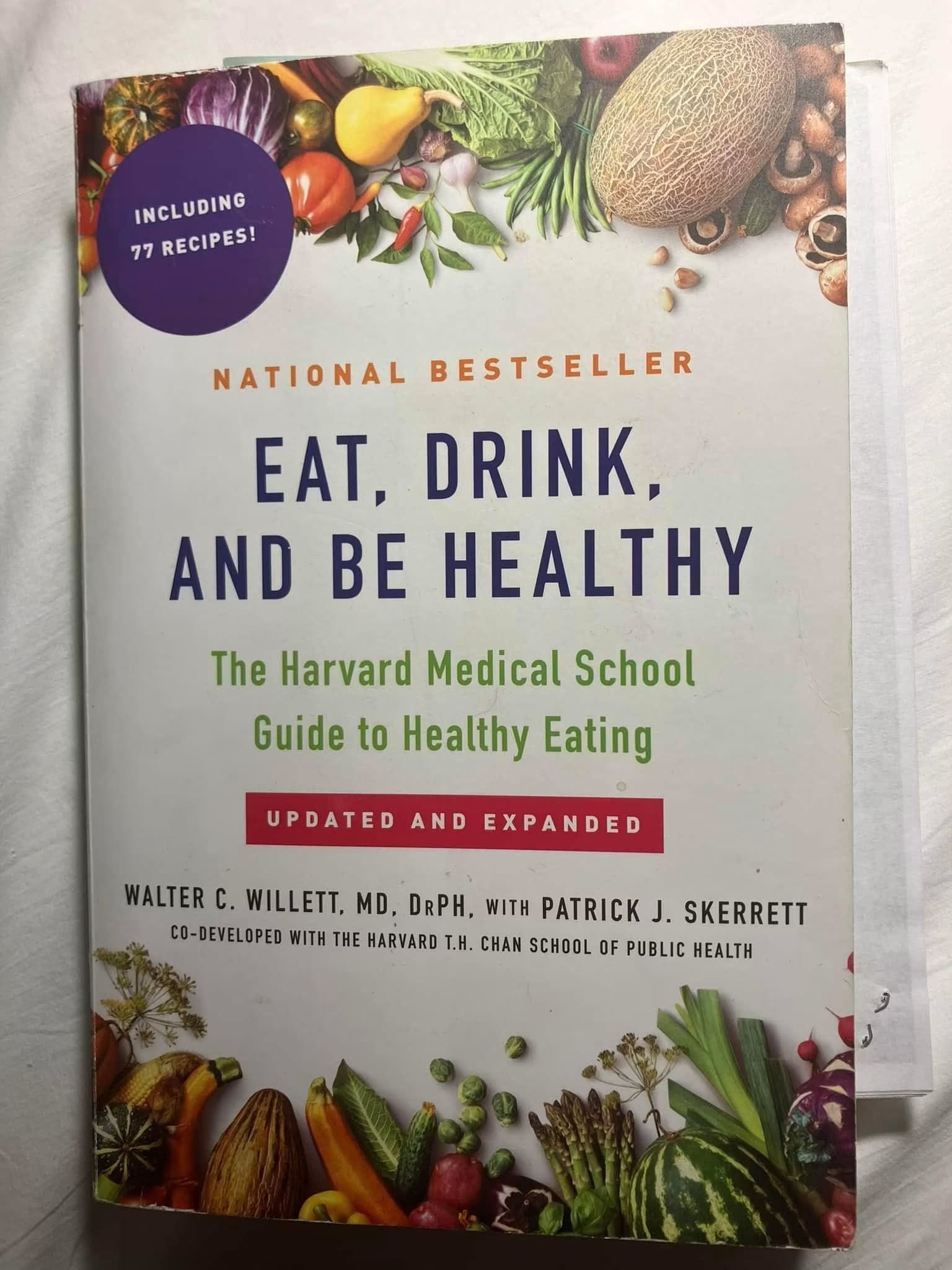
Whey protein is highly insulinogenic; Willett wary of powders and IGF-1 cancer risk

Dec 13, 2024 · Louis Nervegna ♥ 15 · 💬 10 ↩ 2 Protein

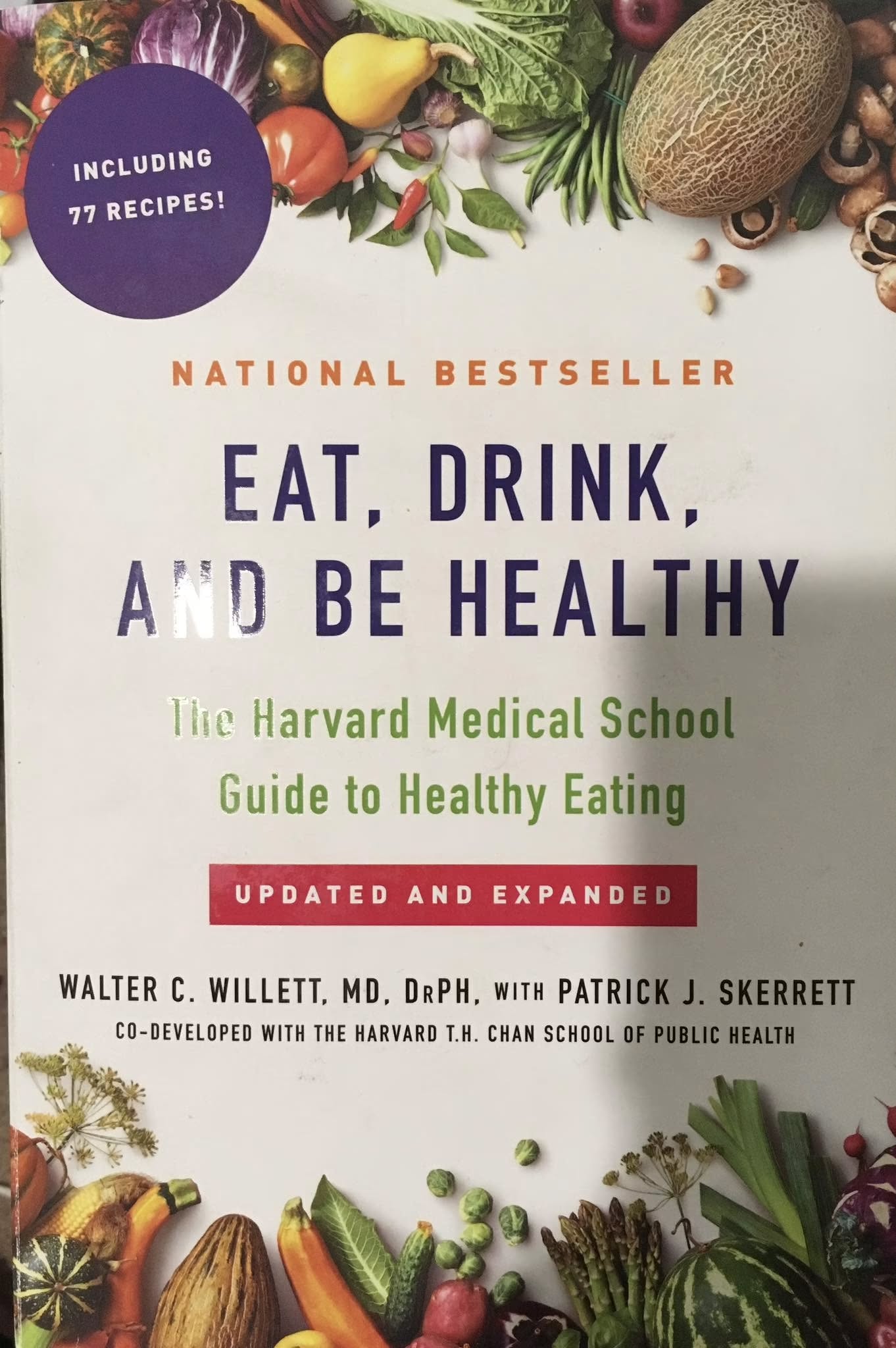
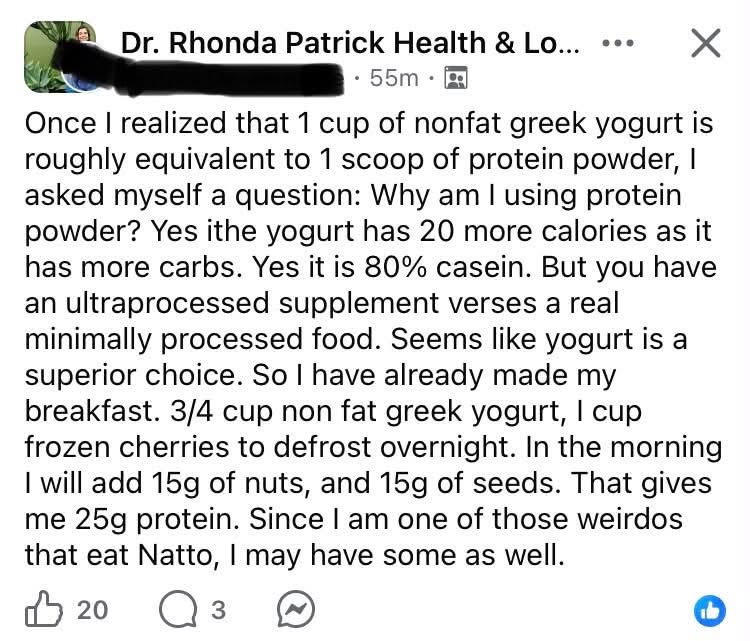
Louis argues processed whey spikes insulin more than glucose or white bread and may raise insulin/IGF-1, which promote cancer cell growth. He cites Walter Willett's 2017 book cautioning that protein supplements add little muscle without exercise and that BCAAs increase IGF-1, which may raise breast and prostate cancer risk.

Nurses' Health Study: plant but not animal protein linked to lower frailty in older women

Aug 31, 2024 · Louis Nervegna ♥ 10 · 💬 10 ↩ 3 Protein

Louis cites a 2022 Nurses' Health Study analysis in older women: higher plant protein intake was associated with lower frailty risk, but animal and dairy protein were not. Substituting 5% of energy from plant protein for animal, dairy or non-dairy animal protein was linked to 38%, 32% and 42% lower frailty risk respectively.

Harvard: swapping red and processed meat for beans, nuts, fish or poultry cuts heart risk

Apr 11, 2025 · Louis Nervegna ♥ 13 · 💬 7 Protein

Louis quotes the Harvard Nutrition Source: protein source matters more than quantity. Even small regular amounts of red meat, especially processed, are linked to higher heart disease, stroke and mortality, while replacing them with beans, soy, nuts, fish or poultry appears to lower risk, partly because plant proteins are more unsaturated and cholesterol-free.

Midlife plant protein raised odds of healthy aging 22-58% per 3% of calories (NHS)

Aug 31, 2024 · Louis Nervegna ♥ 6 · 💬 15 ↩ 7 Protein

Louis summarizes a Nurses' Health Study analysis of midlife protein and later-life health. Total and animal protein were unfavorably associated with chronic disease, while plant and dairy protein were favorable. Replacing 3% of energy with plant protein (from fats, carbs, animal or dairy protein) raised odds of healthy aging by 22-58%, and the protein came mainly from food rather than supplements.

Sabatini on diet and mTOR: limit amino acids and insulin; ~18 h fasting may inhibit mTORC1

Dec 09, 2024 · Louis Nervegna ♥ 10 · 💬 11 ↩ 3 Aging & longevity

Louis shares notes on a David Sabatini interview about how diet affects mTOR and autophagy. Sabatini suggests low amino acid or low carbohydrate diets lower mTOR, favors a higher-carbohydrate diet of low-glycemic carbs, and thinks mTORC1 senses total daily insulin. He guesses about 18 hours of fasting inhibits mTORC1, while stressing nobody has all the answers.
Halving dietary protein for 4 weeks did not increase autophagy in human immune cells

Sep 17, 2026 · Louis Nervegna ♥ 15 · 💬 4 Protein

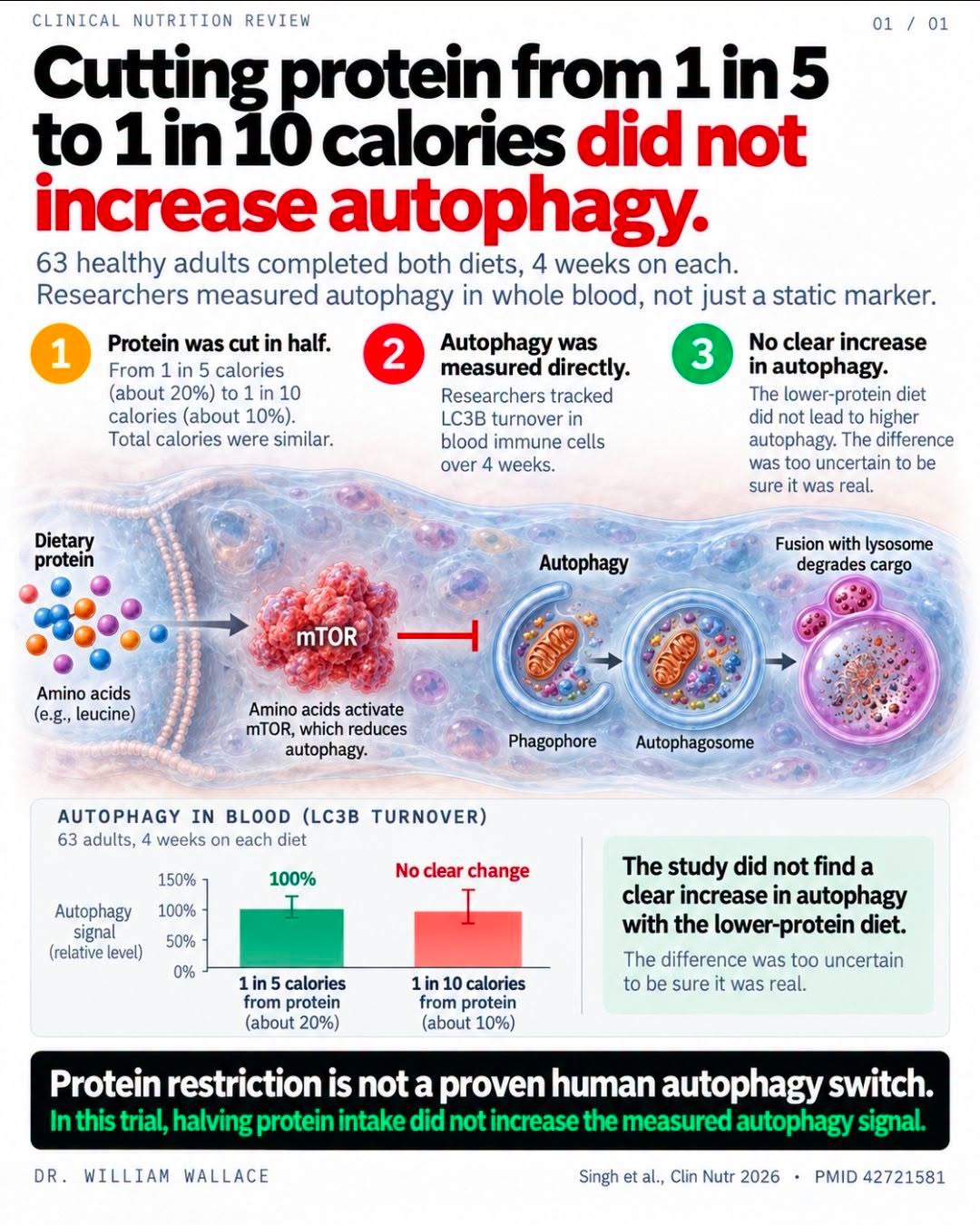
In a randomized crossover trial of healthy adults, reducing protein from 20% to 10% of calories for four weeks did not significantly change autophagic flux in blood immune cells. Louis concludes that moderate protein restriction alone, without fasting or calorie restriction, does not appear to raise basal autophagy. Caveats include measurement only in circulating immune cells and a short duration; this is a preprint.

Muscle aging involves falling chaperone-mediated autophagy; fasting and exercise raise it

Dec 08, 2025 · Louis Nervegna ♥ 12 · 💬 7 ↩ 1 Aging & longevity

Louis shares two Nature Metabolism papers from Ana Maria Cuervo's group showing chaperone-mediated autophagy declines with age in muscle and that restoring it improved strength and regeneration in aging mice. He notes fasting and resistance training increase CMA, rapamycin activates it and excess high-quality protein inhibits it, and ties it to heart muscle.

Six converging evidence lines favor plant protein over red and processed meat

Aug 27, 2026 · Louis Nervegna ♥ 11 · 💬 4 Protein

Louis shares an Ageproof article by group member Mert Erogul MD arguing that genetics, IGF-1 biomarkers, rodent experiments, amino-acid decomposition, short-term human trials and epidemiology converge: methionine, isoleucine and valine, not leucine or total protein, are implicated. Favoring whole-food plant protein over red and processed meat likely extends lifespan.

Another large cohort: higher plant protein linked to 35% lower all-cause mortality

Sep 10, 2026 · Louis Nervegna ♥ 18 · 💬 3 Protein

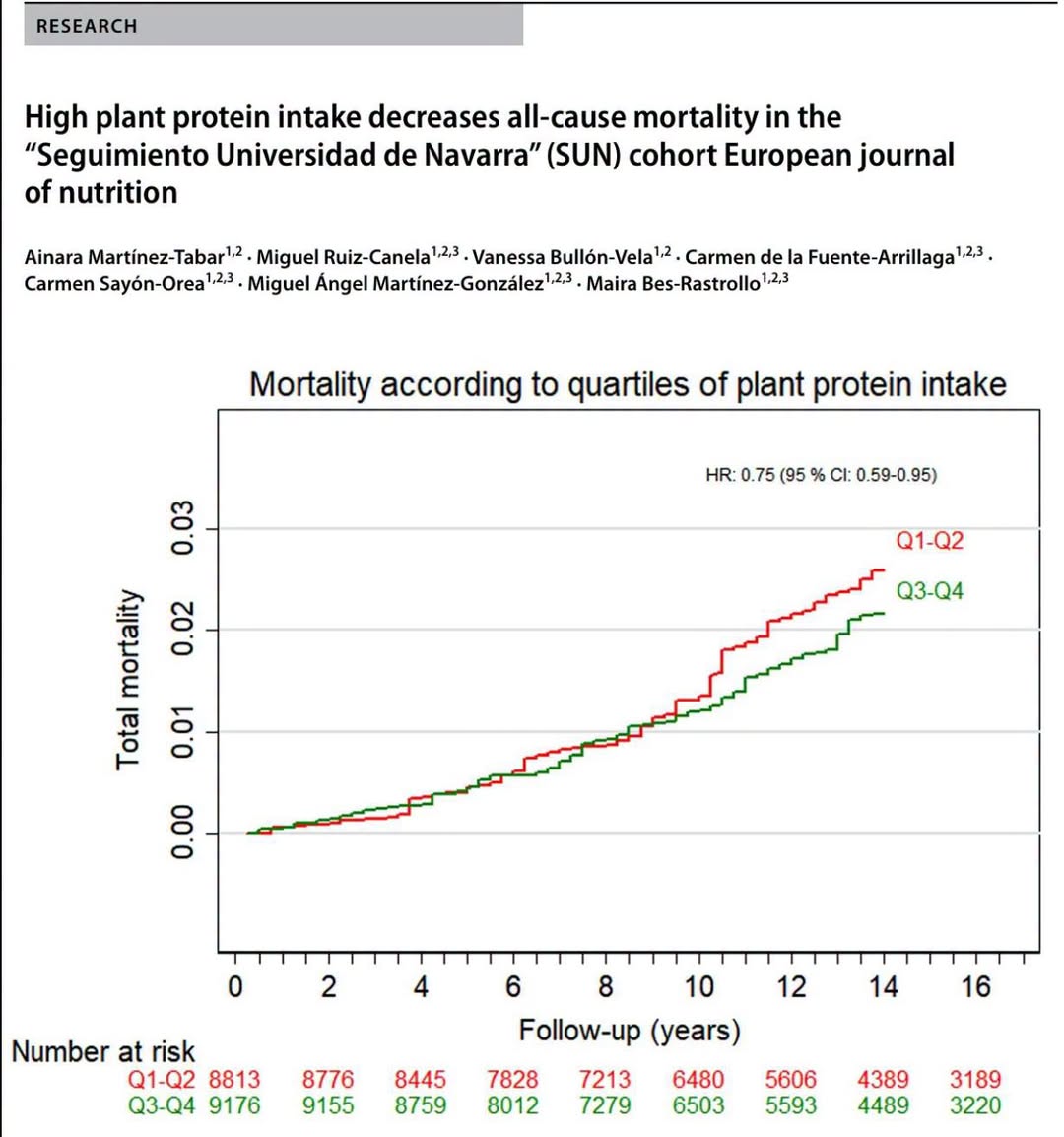
Louis notes that another large prospective cohort confirms Harvard findings on protein. Higher plant protein intake was associated with 35% lower all-cause mortality, while animal protein showed no significant association. The shared summary adds that the effect likely reflects whole plant foods such as grains, legumes and vegetables.
Six lines of evidence favor whole-food plant protein over red and processed meat

Nov 12, 2026 · Louis Nervegna ♥ 12 · 💬 3 ↩ 1 Protein

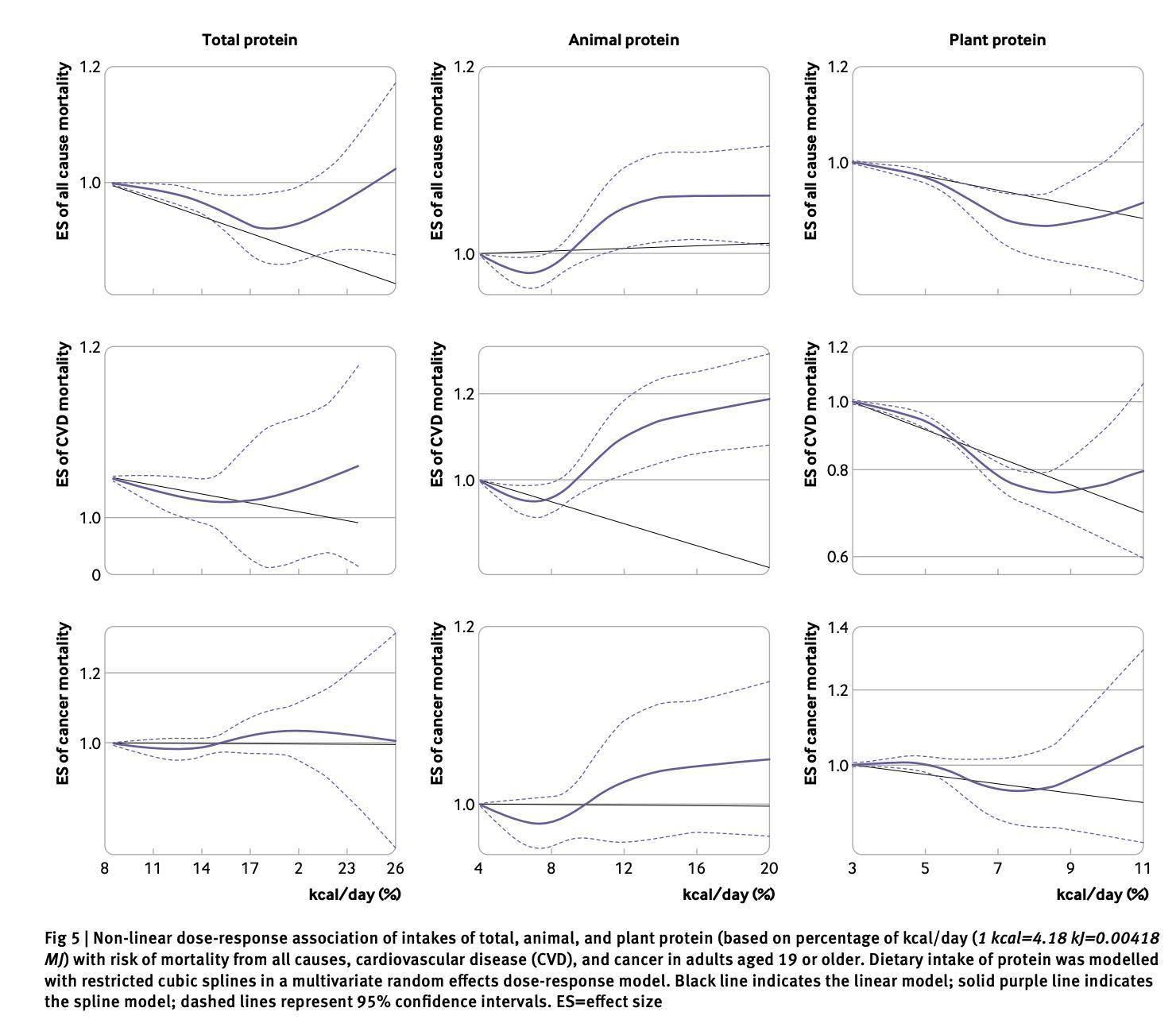
Louis recommends an article by group member Mert Erogul MD on protein and aging. It argues six lines of evidence converge: growth-signaling genetics, IGF-1 biomarker data, rodent protein restriction through FGF21 and mTORC1, the roles of methionine, isoleucine and valine, short-term human trials, and epidemiology showing source matters more than amount. Plant protein from whole foods is favored.

Keto influencer with LDL near 500 mg/dL discovers isoleucine restriction (Lamming work)

Oct 18, 2025 · Louis Nervegna ♥ 7 · 💬 6 ↩ 3 Protein

Louis comments on a Nick Norwitz video in which a ketovore diet, whose LDL reached 500 mg/dL, is paired with isoleucine restriction. He explains Dudley Lamming's research showing isoleucine restriction extends HET3 mouse lifespan 33% and promotes weight loss, noting animal protein is high in isoleucine and whole plant protein is naturally low. The attachment mentions human data on protein restriction raising energy expenditure via FGF21 (Nature Metabolism).

Bowel movement frequency of once or twice daily linked to better gut and overall health

Mar 19, 2025 · Louis Nervegna ♥ 26 · 💬 1 Gut microbiome

Louis shares a news report on a Cell Reports Medicine study finding that once or twice daily is the 'Goldilocks zone' for stool frequency. Constipation raised blood levels of toxins such as p-cresol sulfate and indoxyl sulfate that burden the kidneys, while diarrhea was linked to excess bile acid loss. More fruit and vegetables, water, exercise and a plant-dominant diet characterized the Goldilocks group.

Whey shake did not curb buffet intake versus a calorie-free drink, challenging satiety

Nov 01, 2024 · Louis Nervegna ♥ 8 · 💬 5 Protein

Louis, sharing Menno Henselmans, argues protein per se is not more satiating than fat or carbs. A study by Oberoi et al. found a 30 g whey shake did not reduce buffet intake more than a calorie-free drink, and a meta-analysis in older adults found extra protein increased energy intake. Louis says meat satiates because of muscle fiber structure and fat.

High protein intake linked to MASLD in NHANES; amino acids fuel liver fat synthesis

Dec 02, 2024 · Louis Nervegna ♥ 4 · 💬 7 Weight, visceral & liver fat

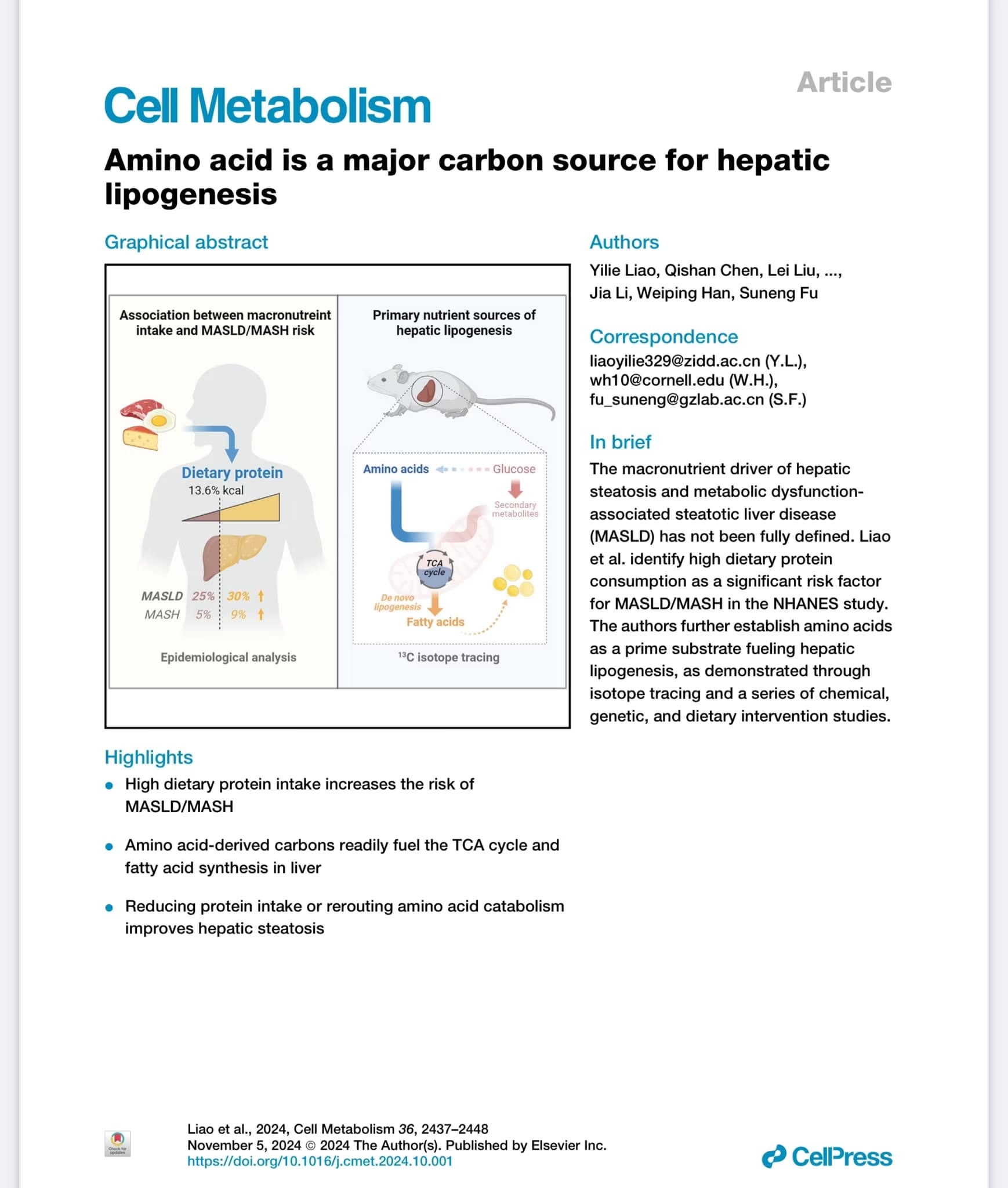
Louis shares a Cell Metabolism study suggesting high-quality protein may drive fatty liver. In NHANES (4,693 participants), carbohydrate and total fat were not associated with MASLD, while medium/high protein intake raised MASLD risk about 1.45-fold and high protein doubled MASH risk; low carbohydrate intake was associated with about 2-fold higher MASH progression. Amino acids serve as carbon sources for liver fatty acid synthesis, and mTOR may play a role.

Optimal diets vary: Mediterranean first, with individualized low-carb or low-fat options

Jun 30, 2024 · Gokhan Can ♥ 14 · 💬 2 Mediterranean, DASH, MIND & plant-forward diets

Gokhan says no scientist can tell you the single best diet. The Mediterranean diet has the strongest evidence for average people, while those with insulin resistance may try low-carb or low-fat vegan diets. Dietary saturated fat can raise cholesterol sharply in some people, and monitoring weight, blood markers and blood pressure matters more than the specific diet.

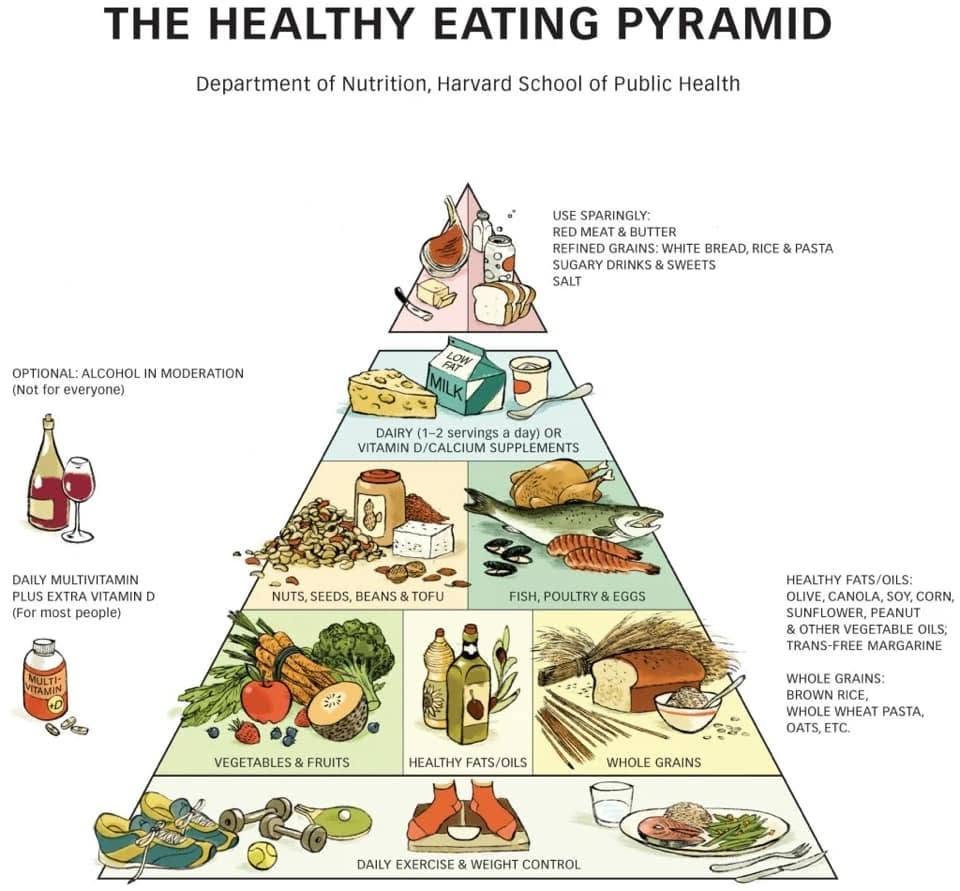
How to follow a traditional Mediterranean diet: do's and don'ts

Apr 07, 2025 · Louis Nervegna ♥ 14 · 💬 2 ↩ 1 Mediterranean, DASH, MIND & plant-forward diets

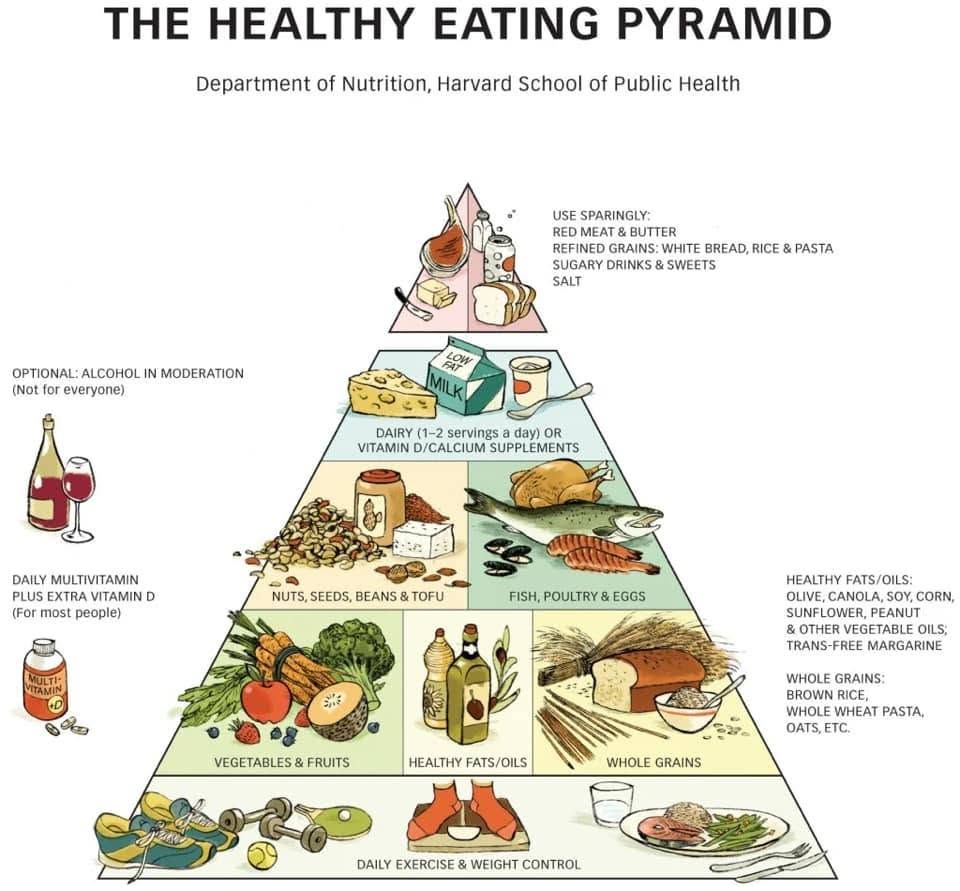
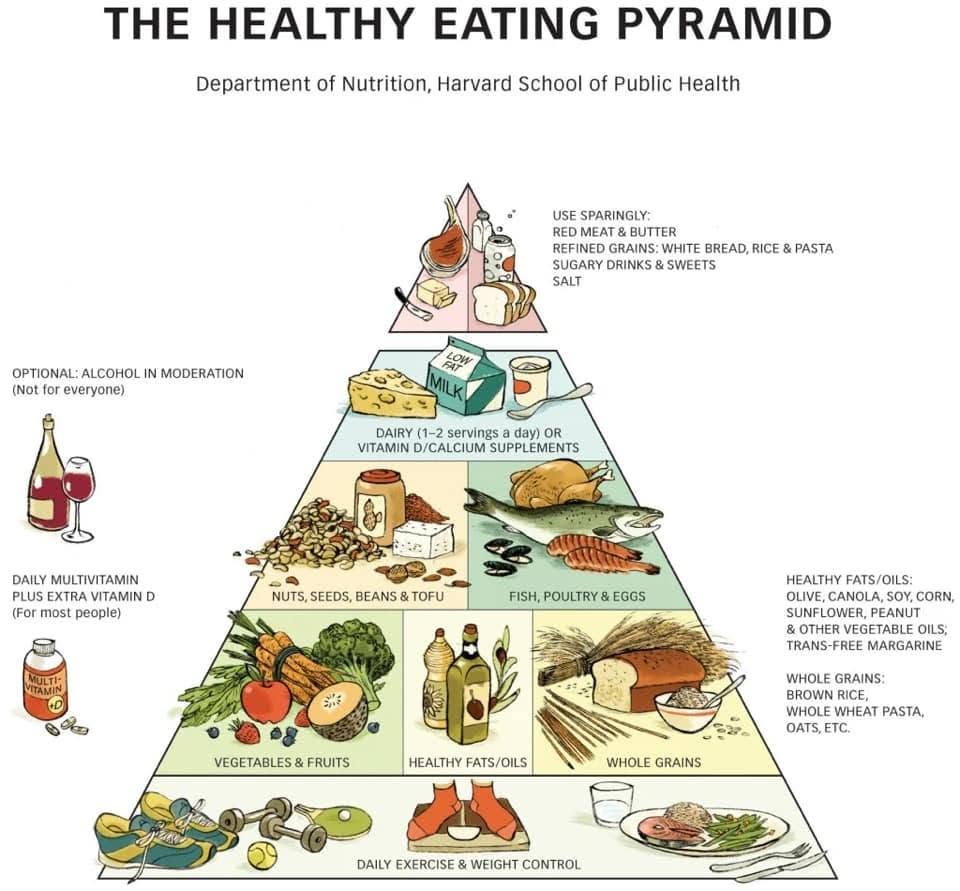
Louis shares Gokhan Can's summary of Mediterranean diet do's and don'ts for people asking how to do it properly, and recommends the book behind the food pyramid. Advice includes plenty of fruit and vegetables, whole grains, olive oil, nuts and fatty fish, legumes, limited red meat and minimal saturated fat such as butter and cream.

More protein without resistance training did not improve muscle in older adults

Apr 05, 2026 · Louis Nervegna ♥ 5 · 💬 6 Protein

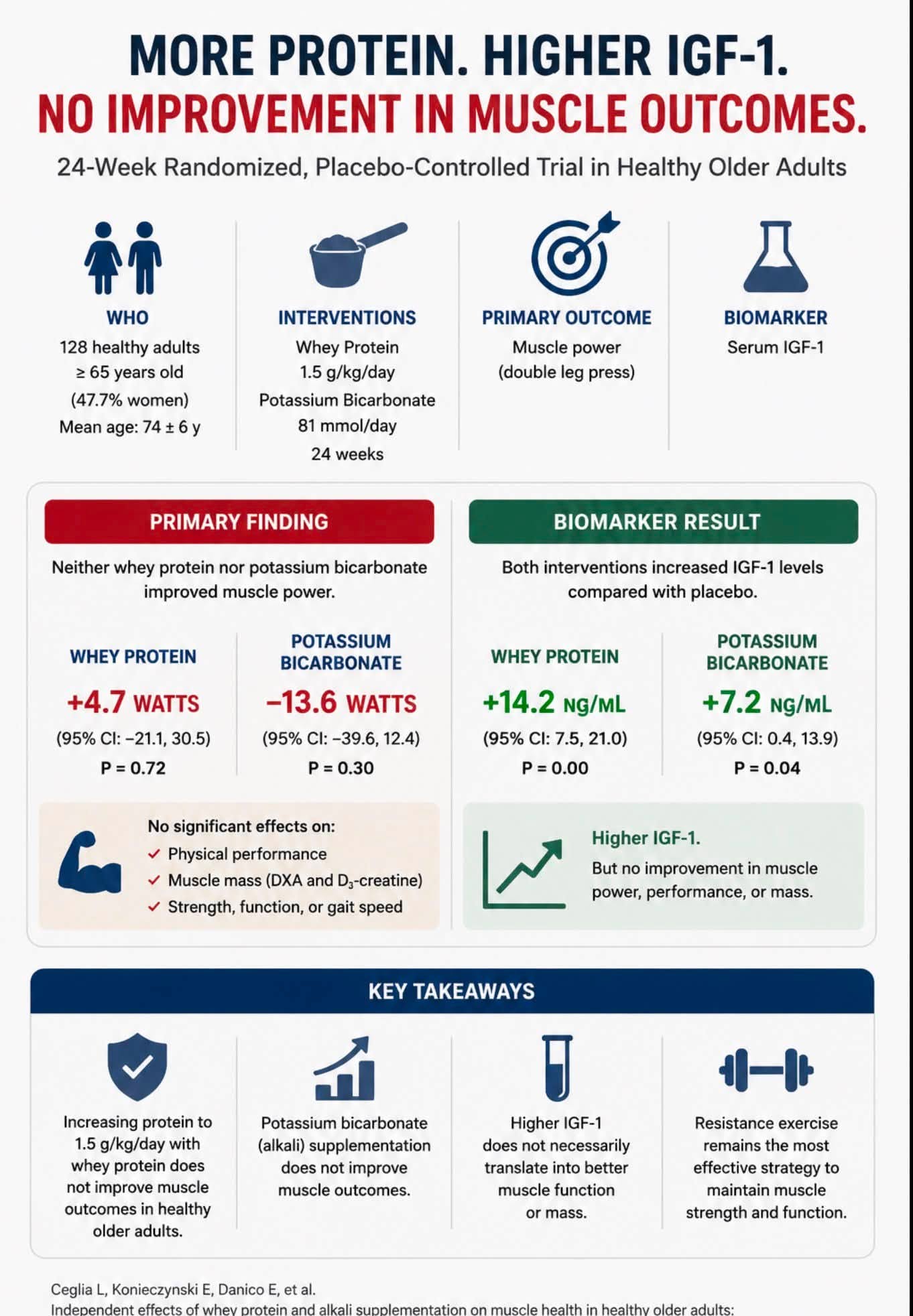
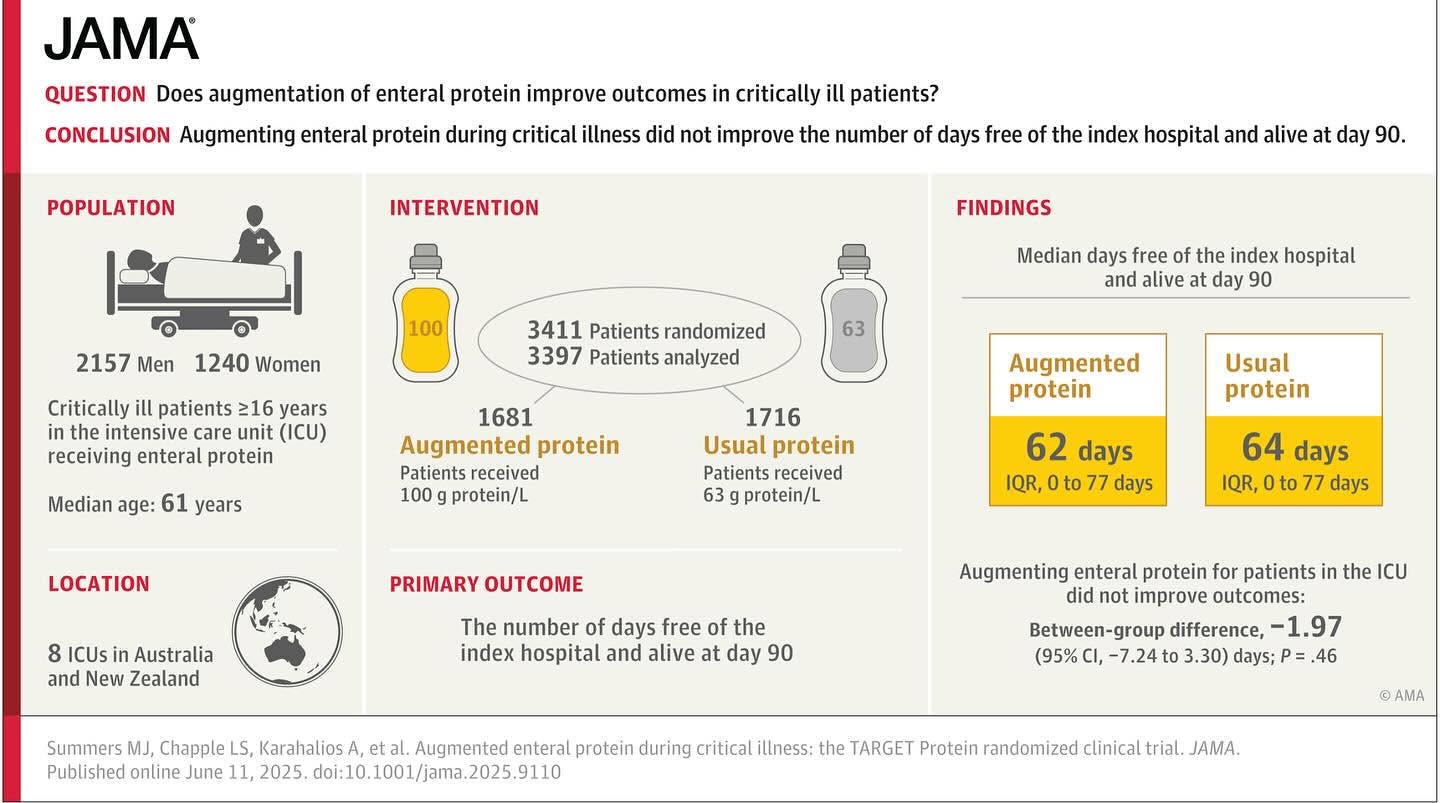
In a 24-week factorial RCT of healthy older adults, increasing protein from about 0.85 to 1.5 g/kg/day with whey, with or without potassium bicarbonate, did not improve muscle power, physical performance or mass, though IGF-1 rose. Louis adds it to evidence that extra protein alone does not build muscle.

Valter Longo says higher whole-food plant protein likely protects against heart disease

May 18, 2026 · Louis Nervegna ♥ 9 · 💬 3 ↩ 1 Protein

Louis notes that Longo, in a podcast, accepts the epidemiology showing whole-food plant protein protects the heart. The rationale is getting plant protein from legumes, nuts, seeds and whole grains without the excess of isoleucine, methionine and BCAAs found mainly in animal protein, which shorten lifespan in animal models.

US dietary guidelines panel pushes plant protein, citing Nurses' Health Study papers

Nov 20, 2024 · Louis Nervegna ♥ 9 · 💬 2 Protein

Louis notes the US dietary guidelines committee is emphasizing plant protein for 2025-2030, partly because of Harvard Nurses' Health Study papers. Those reported that higher midlife protein lowered later-life disease risk only when it came mainly from plants. He advises getting as much protein as possible from legumes, nuts, seeds and whole grains while leaving room for animal foods.

Swapping refined carbs for unsaturated fat lowers LDL: meta-analysis of 60 feeding trials

Oct 08, 2025 · Louis Nervegna ♥ 5 · 💬 2 Fats & oils (saturated fat, seed oils, omega-6, olive oil)

A meta-analysis of 60 controlled human feeding trials found that replacing carbohydrate calories with monounsaturated or polyunsaturated fat lowers LDL cholesterol, while saturated fat raises it. The effect looked largest for polyunsaturated fat, which is why choosing oils and nuts over refined starch and sugar helps the lipid profile.

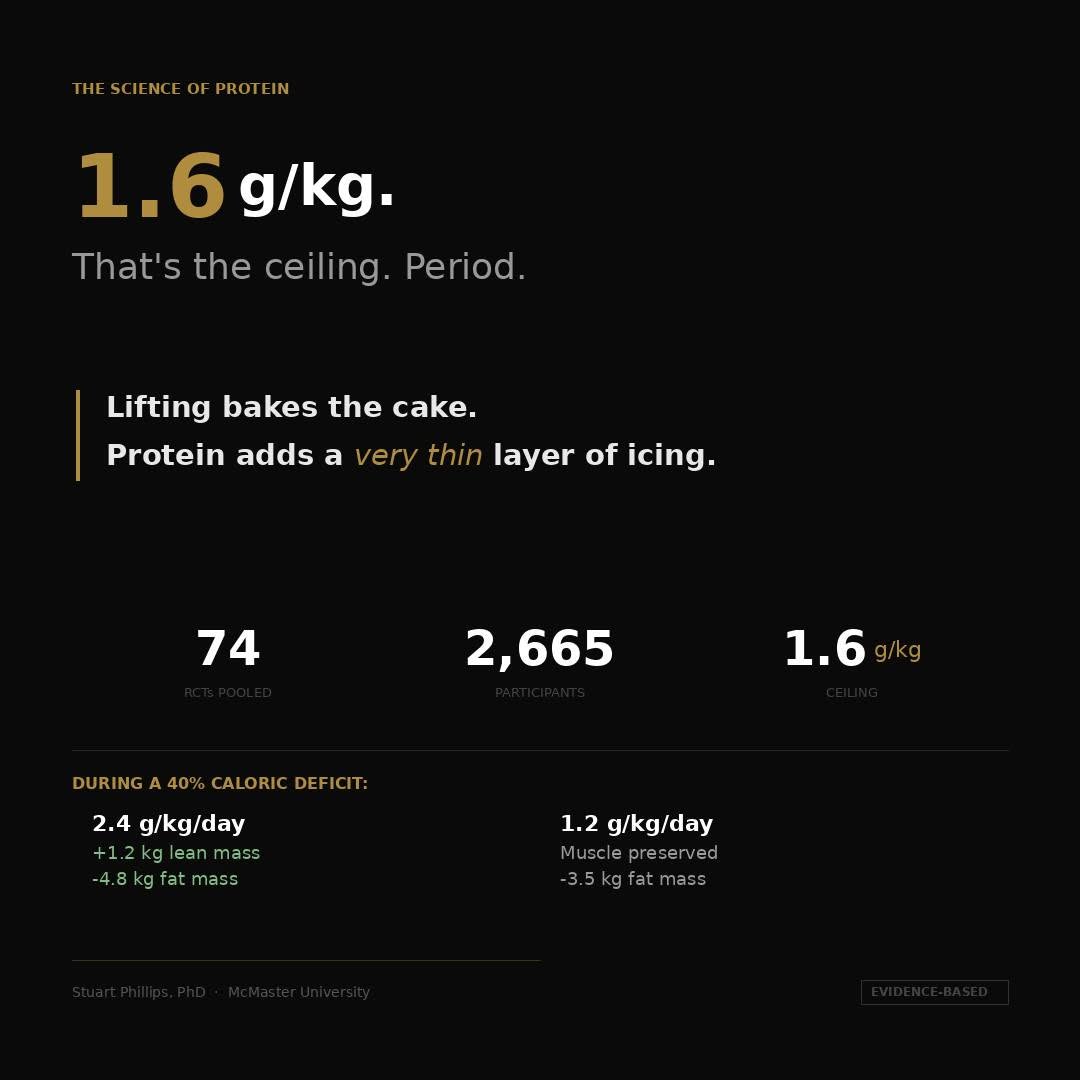
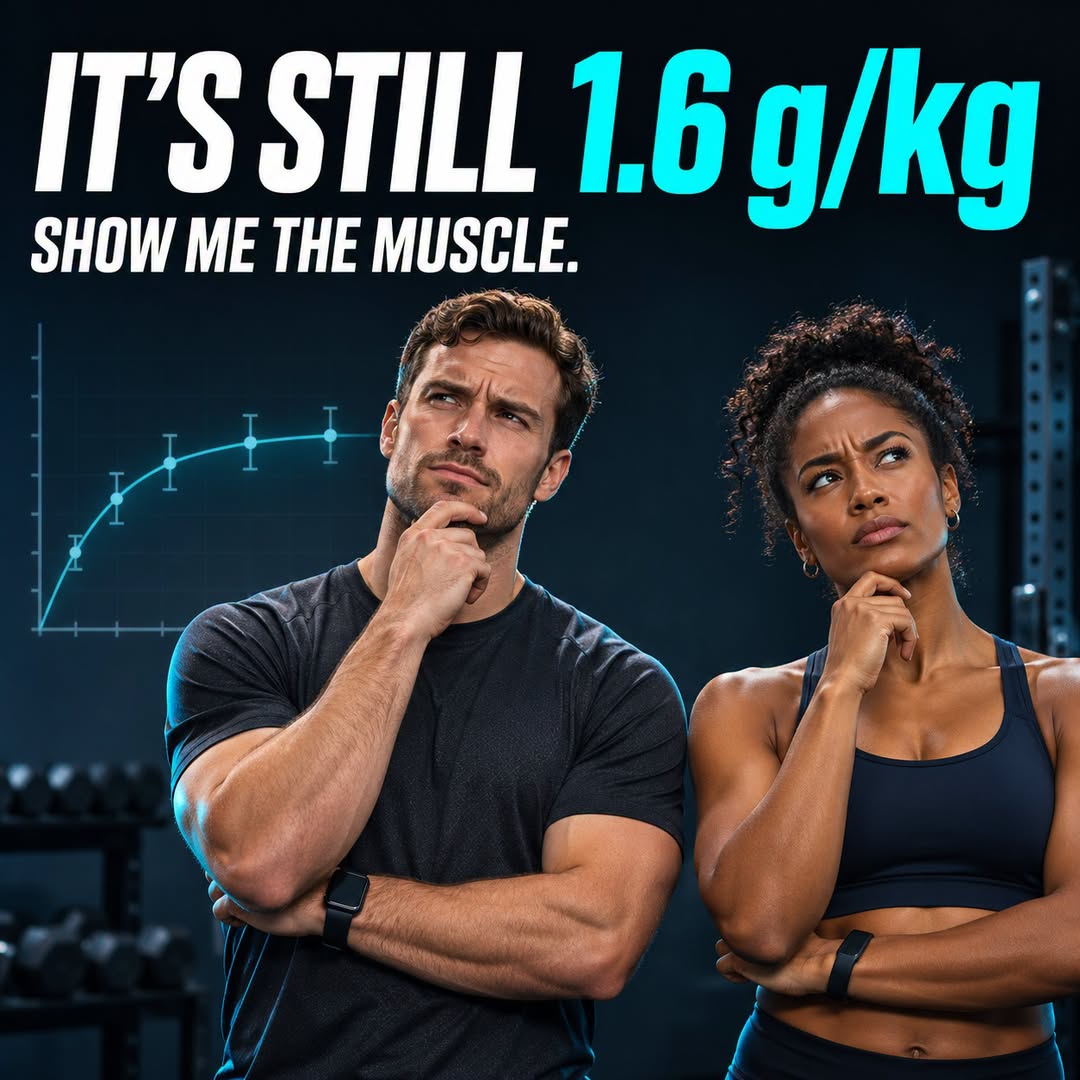
Stuart Phillips preprint: muscle benefit of protein still caps at 1.6 g/kg

Oct 08, 2026 · Louis Nervegna ♥ 8 · 💬 1 Protein

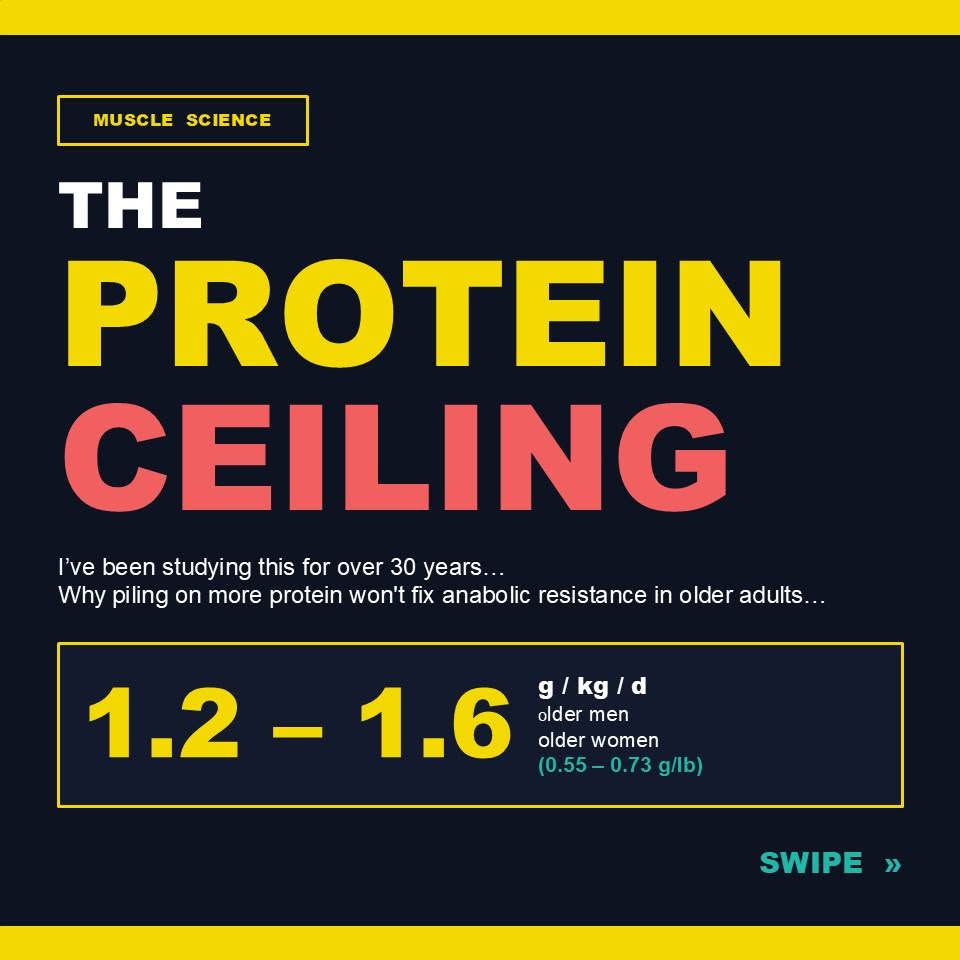
Phillips posted a new, not peer-reviewed preprint reviewing the evidence and concluding that the muscle-related benefit of protein still tops out at about 1.6 g/kg per day, and only in people doing resistance training. He argues that most trials report lean mass, about half of which is not muscle, and that women's needs are not different from men's.

Protein benefits for muscle plateau near 1.2 g/kg, with no proven gain beyond 1.5-1.6 g/kg

Dec 19, 2025 · Louis Nervegna ♥ 8 · 💬 1 Protein

Louis summarizes what he sees as the preponderance of evidence: extra protein without resistance training has no proven muscle-strength benefit, and with resistance exercise most benefit is reached around 1.2 g/kg/day. He links a Simon Hill podcast discussing randomized trials and meta-analyses (Morton et al., Tagawa et al.) and a list of earlier group posts.

Exercise activates AS160 and GLUT4 for muscle glucose uptake; Zierath wins 2024 EASD prize

Aug 26, 2024 · Louis Nervegna ♥ 12 Exercise & fitness

Louis shares news that Prof. Juleen Zierath won the 2024 EASD Diabetes Prize for Excellence for 30 years of work on exercise and muscle insulin signalling. Her group found exercise activates AS160, which boosts GLUT4 to move glucose into muscle and fat cells, a pathway still working when insulin's effect is impaired in type 2 diabetes. This supports exercise for lowering blood sugar.

Whole-food plant protein beats animal protein for long-term outcomes in Harvard cohorts

Mar 30, 2026 · Louis Nervegna ♥ 11 ↩ 2 Protein

Louis summarizes 30-year follow-up in the Harvard Nurses' Health Study and Health Professionals Follow-up Study: whole-food plant protein is associated with better outcomes, especially for heart disease. The benefit depends on the animal protein type: plant protein is only slightly better than fish, poultry and fermented dairy but clearly better than red and processed meat.

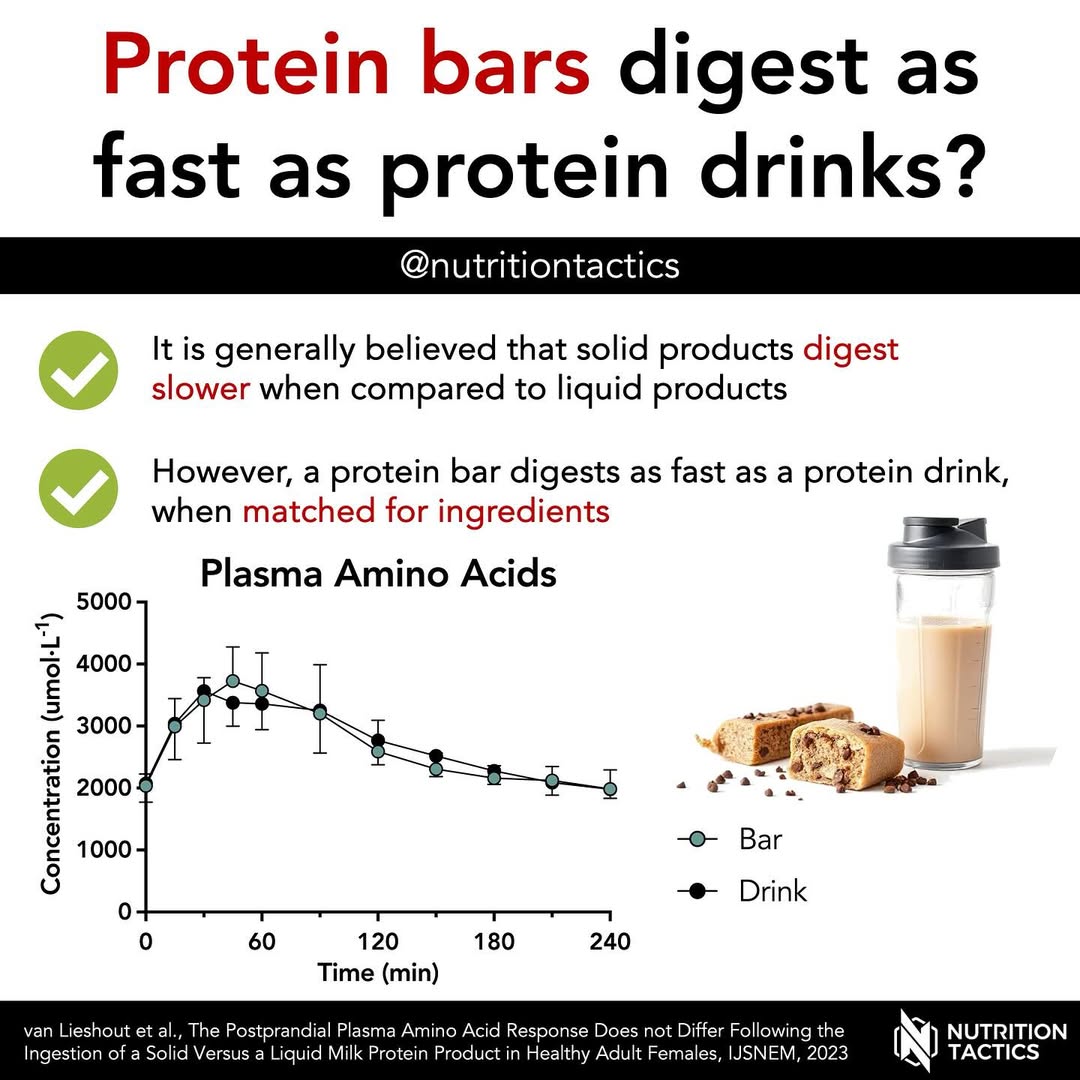
Protein bars and protein shakes produce similar insulin spikes

Jun 04, 2025 · Louis Nervegna ♥ 4 · 💬 1 Protein

Louis argues that a protein bar spikes insulin as much as a shake, since insulin release tracks blood amino acid levels and both use rapidly digested processed protein. The shared study compared 20 g of milk protein as a bar or a drink in 12 healthy young women.

Isoleucine restriction extended male HET3 mouse lifespan 33% despite higher calorie intake

Oct 18, 2025 · Louis Nervegna ♥ 1 · 💬 2 ↩ 4 Protein

Louis reposts a summary of the HET3 (Interventions Testing Program) mouse study from Dudley Lamming's group. Mice fed a diet with isoleucine cut by two-thirds from 6 months of age lived 33% longer in males and 7% in females with better health scores, leaner bodies and less cancer, despite higher calorie intake. Louis says this beats rapamycin in males and recommends whole plant protein as a way to lower isoleucine intake.

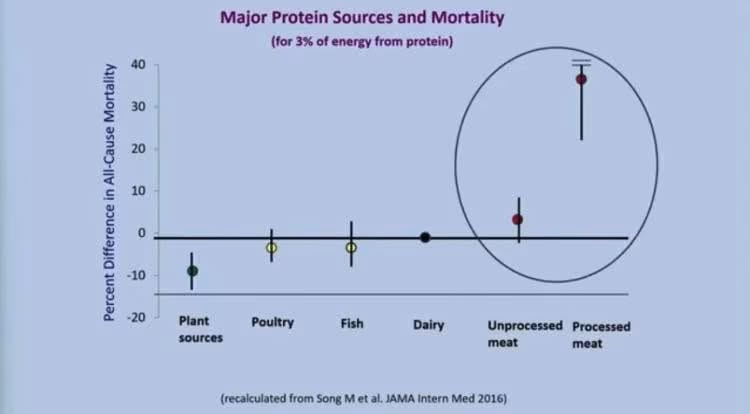
Protein type matters more than amount: processed meat worst, plant protein most protective

Jun 05, 2026 · Louis Nervegna ♥ 4 Protein

Louis reshares his summary of protein intake and mortality in nearly 300,000 people followed over 30 years in the Nurses' Health Studies and Health Professionals Follow-up Study. Plant protein was protective, fish and poultry slightly so, dairy and eggs neutral, while unprocessed red meat modestly and processed meat very strongly raised mortality.

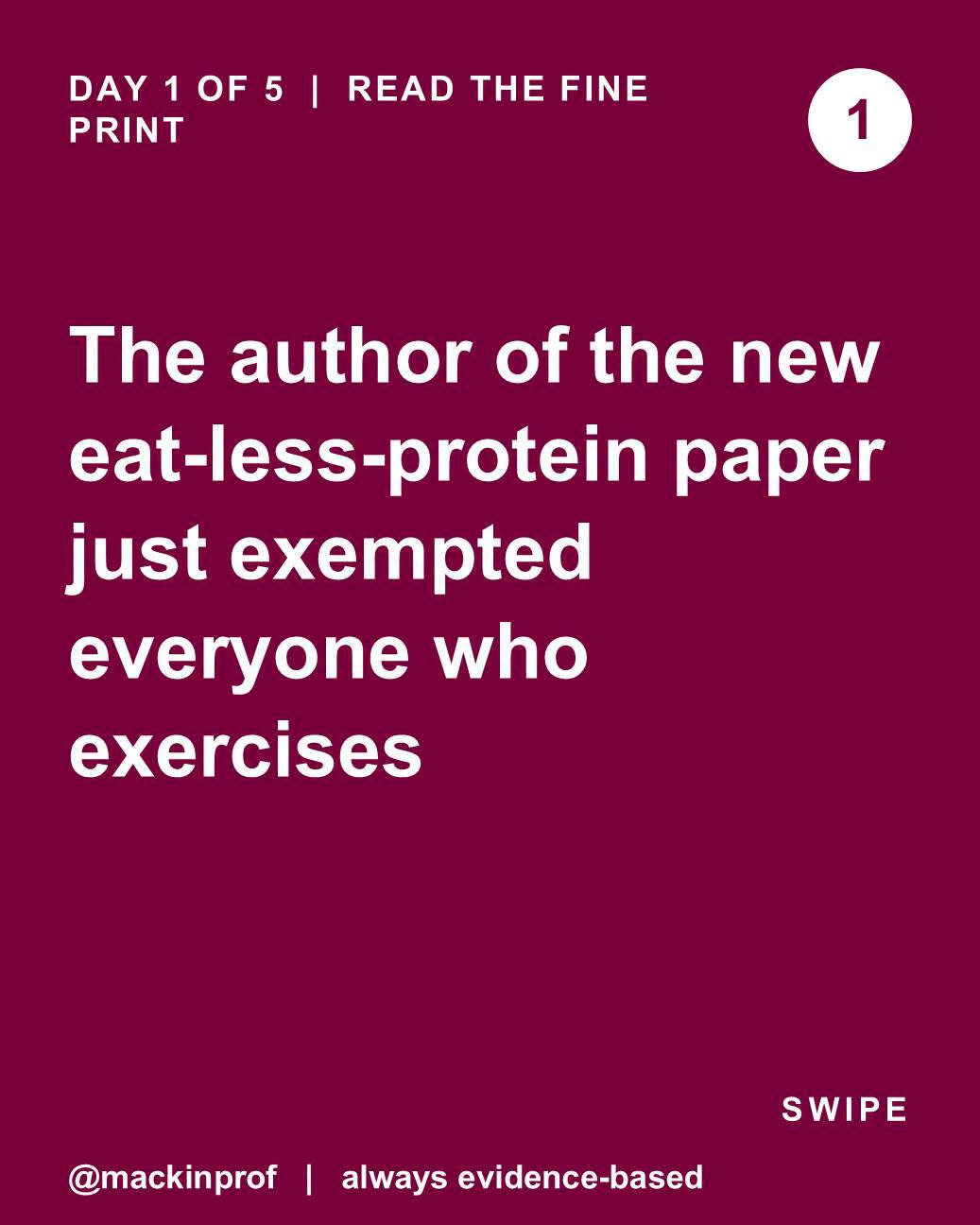
Stuart Phillips: 1.6 g/kg/day protein remains sufficient for people who resistance train

Nov 06, 2026 · Louis Nervegna ♥ 5 Protein

Louis shares a response from protein researcher Stuart Phillips defending the 1.6 g/kg/day recommendation after a critique. He argues it is a sufficiency with a margin, not a cliff, and that head-to-head trials of 1.6 versus up to 3.2 g/kg/day found no significant lean-mass advantage, while three studies cited for more benefit used weak muscle measures.

Protein restriction and aging: animal benefits, no proven human lifespan gain

Nov 14, 2026 · Louis Nervegna ♥ 4 Protein

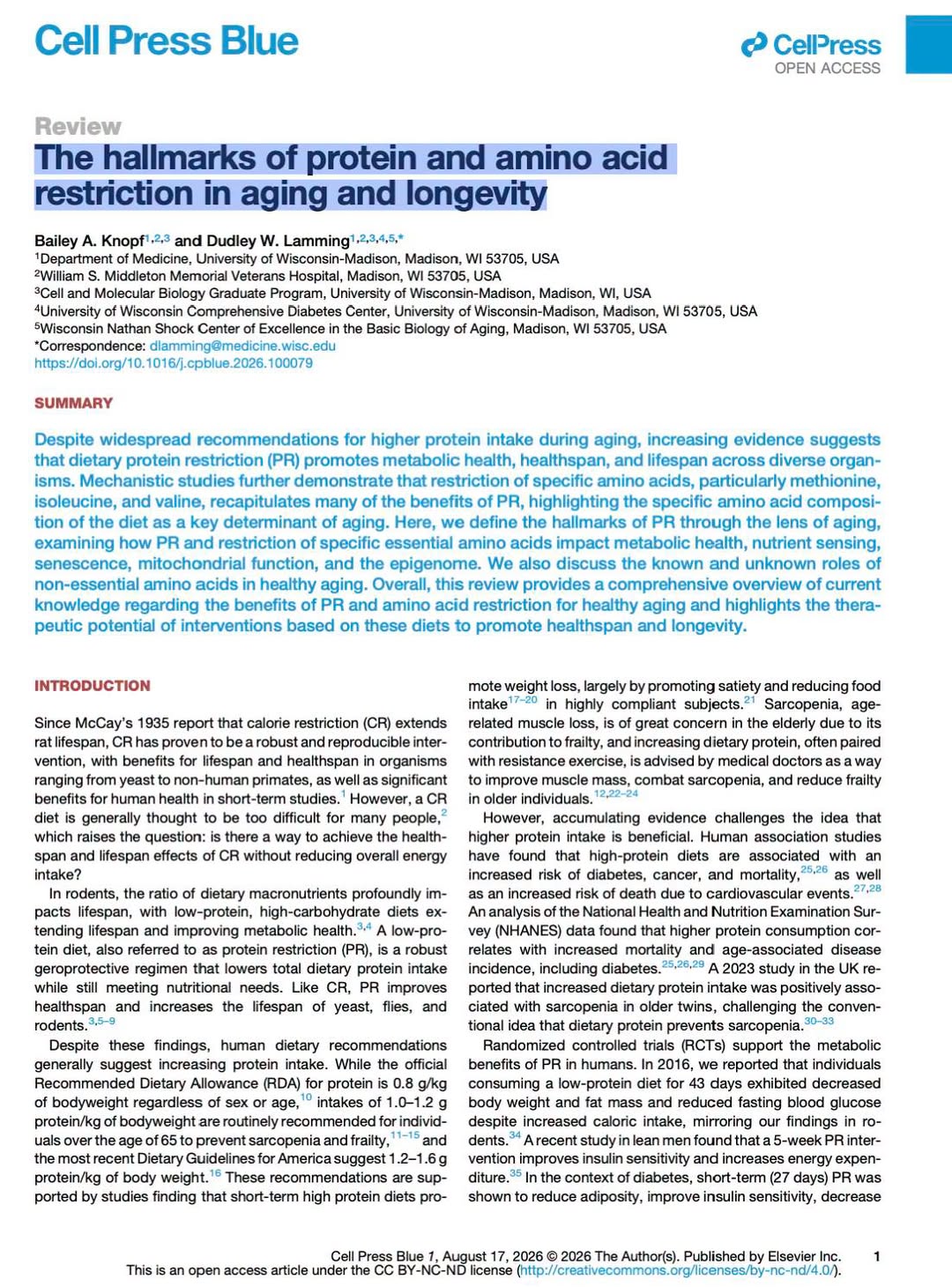
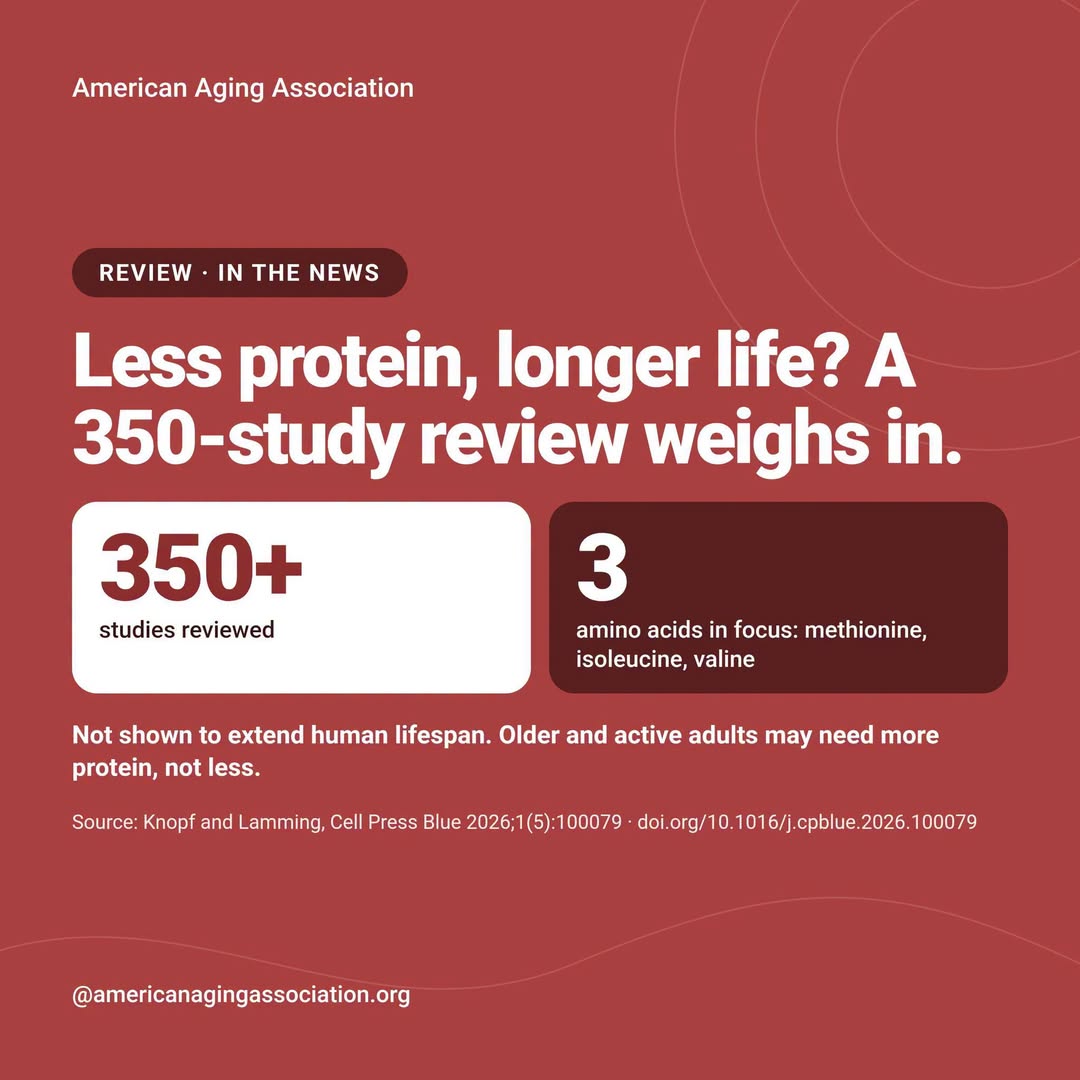
Louis shares a summary of a review (Knopf and Lamming) of protein and amino-acid restriction. Restricting methionine or the branched-chain amino acids isoleucine and valine drives many animal metabolic benefits, FGF21 is involved, but lifespan extension has not been shown in humans. The field is shifting from 'less protein' to which amino acids matter, and older or active adults may need more protein. Louis says protein is complicated and influencers oversimplify it.

Extra protein cannot be stored: the body burns it for energy or converts it to fat

Nov 12, 2026 · Louis Nervegna ♥ 1 Protein

Louis shares a clip of Stanford's Christopher Gardner explaining that unlike fat, the body has no dedicated storage for excess dietary protein. Surplus amino acids are broken down and used for energy, with carbon skeletons possibly becoming glucose or fat. Adequate protein matters, but more is not automatically better.

Summary of Dudley Lamming's isoleucine restriction research in rodents

Jul 25, 2026 · Louis Nervegna ♥ 0 · 💬 1 Protein

Louis shares a simplified summary of Dudley Lamming's rodent work on restricting the amino acid isoleucine, linking earlier posts. Human translation is unclear, though some short-term trials of protein restriction show metabolic benefits that might be due to lower isoleucine intake.