What the Science Really Says About Organic Food and Your Health
The choice between organic and conventional food is a major topic of public and scientific debate. A thorough review of the evidence moves beyond simple "good vs. bad" labels to reveal a complex picture with varying levels of scientific certainty. The core of the matter lies in balancing the clear reduction in pesticide exposure from an organic diet against the more complex evidence for direct, long-term health benefits.
The "Organic" Standard: What the Label Really Means
It's crucial to understand that "USDA Organic" is a certification of specific farming practices, not a direct health claim. This label guarantees that a product was grown and processed according to strict federal guidelines managed by the National Organic Program (NOP).
The philosophy of organic agriculture is built on a holistic, systems-based approach that prioritizes ecological balance. Key principles include:
- Soil Health: Land must be free of prohibited substances for at least three years before a harvest can be certified organic. Farmers build soil fertility using natural methods like crop rotation, cover crops, and compost rather than synthetic fertilizers.
- Pest Management Hierarchy: The first line of defense against pests and diseases must be preventative, relying on physical, mechanical, and biological controls (like introducing beneficial insects). Chemical intervention is a last resort.
- Prohibited Technologies: Organic standards strictly forbid the use of genetic engineering (GMOs), ionizing radiation, and sewage sludge.
Debunking the "Pesticide-Free" Myth Mythbusters 🧪
##
A common misconception is that organic food is completely free of pesticides. This isn't true. Organic farming does permit the use of certain pesticides, but the "toolbox" available to farmers is vastly different. While conventional farmers have access to over 900 synthetic pesticide products, organic farmers are restricted to just 27 approved substances.
These approved substances are primarily derived from natural sources, such as neem oil (from a tree), pyrethrins (from chrysanthemum flowers), and spinosad (from a soil bacterium). A few synthetic substances are allowed if natural alternatives are ineffective, but they are chosen for their low toxicity. Importantly, the term "natural" isn't a free pass for safety; highly toxic natural substances like arsenic and strychnine are explicitly banned.
A Stark Difference in Residues
##
The most robust and undisputed finding when comparing organic and conventional foods is the dramatic difference in pesticide residue levels.
A landmark 2014 meta-analysis of 343 studies found that the frequency of detectable pesticide residues was four times higher in conventional crops (46% of samples) compared to organic crops (11% of samples). Other analyses corroborate this, with one finding that 73% of conventional produce samples had at least one residue, compared to just 23% of organic samples.
Furthermore, conventional foods are far more likely to contain a mixture of different pesticides, often called the "cocktail effect." One analysis found that 46% of conventional samples contained multiple residues, compared to only 7% of organic ones.
When residues are found on organic products (due to factors like environmental drift or cross-contamination), their concentrations are substantially lower. For example, a USDA test found that residue levels of two common fungicides on organic apples were 82-fold and 120-fold lower than on their conventional counterparts.
The Regulatory Framework and the "Cocktail Effect"
The conventional food supply is regulated to ensure safety. Agencies like the EPA establish an Acceptable Daily Intake (ADI) for each pesticide. This is calculated by taking the highest dose that showed no adverse effects in animal studies (the NOAEL) and dividing it by a 100-fold safety factor to protect sensitive individuals. Maximum Residue Limits (MRLs) on food are then set to ensure that a person's total intake doesn't exceed this ADI. Monitoring shows that the vast majority of conventional food (around 98%) complies with these legal limits.
However, the traditional regulatory model has a significant limitation: it assesses the risk of each pesticide in isolation. This doesn't account for the "cocktail effect" of being exposed to multiple different chemicals simultaneously. In recognition of this gap, regulators are developing Cumulative Risk Assessment (CRA), which evaluates the combined risk of chemicals that have a common mechanism of toxicity (e.g., all organophosphate pesticides that affect the nervous system in the same way).
The existence of these complex CRA programs is an acknowledgment that the single-chemical safety model may not fully capture real-world risks. The consumer choice for organic food can be seen as a precautionary decision to opt out of the scientific uncertainties inherent in assessing chemical mixtures.
Evidence from Human Studies: A Picture of Association
Epidemiological studies, which observe large groups of people over time, provide valuable clues but cannot definitively prove causation due to confounding lifestyle factors (the "healthy user effect"). Nonetheless, they point toward several potential benefits of an organic diet.
Cancer Risk 🎗️
##
The most significant evidence comes from the French NutriNet-Santé study, which followed nearly 70,000 adults. It found that individuals with the highest organic food consumption had a 25% lower overall risk of cancer. The association was particularly strong for postmenopausal breast cancer and lymphomas.
This finding for non-Hodgkin lymphoma (NHL) is especially compelling because it was independently corroborated by the UK's Million Women Study. While that study found no link to overall cancer risk, it did find a significant 21% lower risk of NHL among women who regularly ate organic food. The convergence of two large, independent studies on this specific cancer—one known to be linked to occupational pesticide exposure—strengthens the plausibility of a real dietary effect.
Neurodevelopment and Cognitive Health 🧠
There is strong evidence that exposure to certain pesticides during pregnancy can harm a child's developing brain, leading to lower IQ scores and a higher risk of ADHD. A study from the HELIX project in Europe found a positive link between organic food intake during childhood and higher scores on tests for fluid intelligence and working memory. However, the evidence is mixed, as a large Norwegian study found no protective effect of a mother's organic diet during pregnancy on her child's risk for ADHD or autism.
Allergies and Metabolic Health
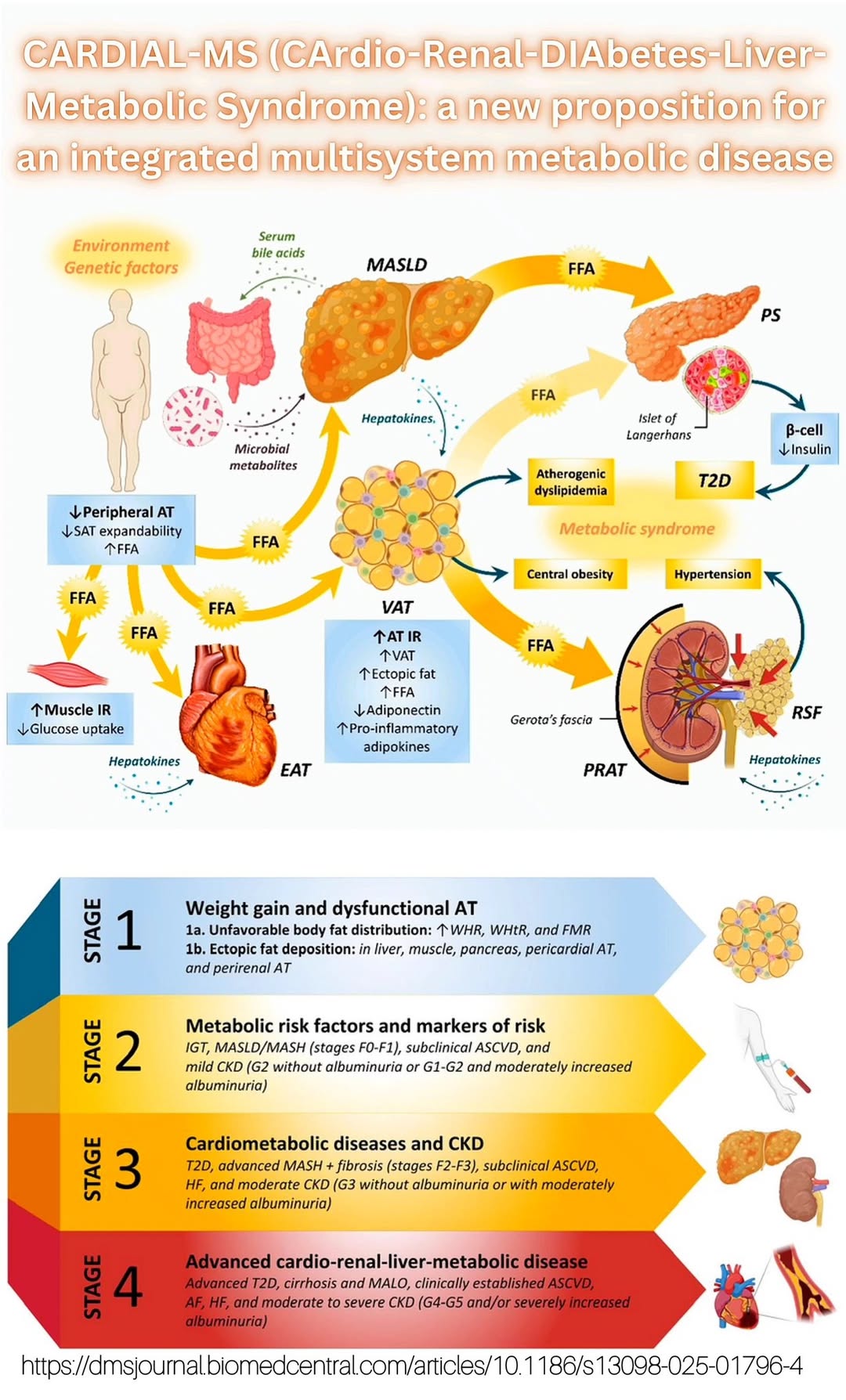
The evidence linking organic diets to a lower risk of allergies is inconsistent. However, the link to metabolic health is more robust, though heavily confounded. Multiple studies have found that people who eat organic food are less likely to be overweight or obese and have a lower incidence of metabolic syndrome.
Evidence from Animal Studies: A Causal Link
To overcome the confounding variables of human studies, scientists use controlled animal experiments where diet is the only variable. These studies provide strong causal evidence for several physiological effects.
The most consistent finding is that an organic diet enhances immune system function. Studies in both rats and chickens have shown that animals fed organic diets mount a more robust and reactive immune response when challenged. They show higher levels of key antibodies (IgG), greater proliferation of immune cells, and better resilience after stress.
This finding is critical because it provides a plausible biological mechanism for the associations seen in humans. A stronger immune system could theoretically lead to better cancer surveillance and defense against pathogens. Other findings from animal studies suggest that organic diets may lead to a slimmer body composition and have a positive influence on fertility and reproductive success, with a consistently lower stillborn rate observed in multiple studies.
How It Might Work: Mechanistic Pathways
Three key biological pathways help explain how the differences between organic and conventional foods could impact health.
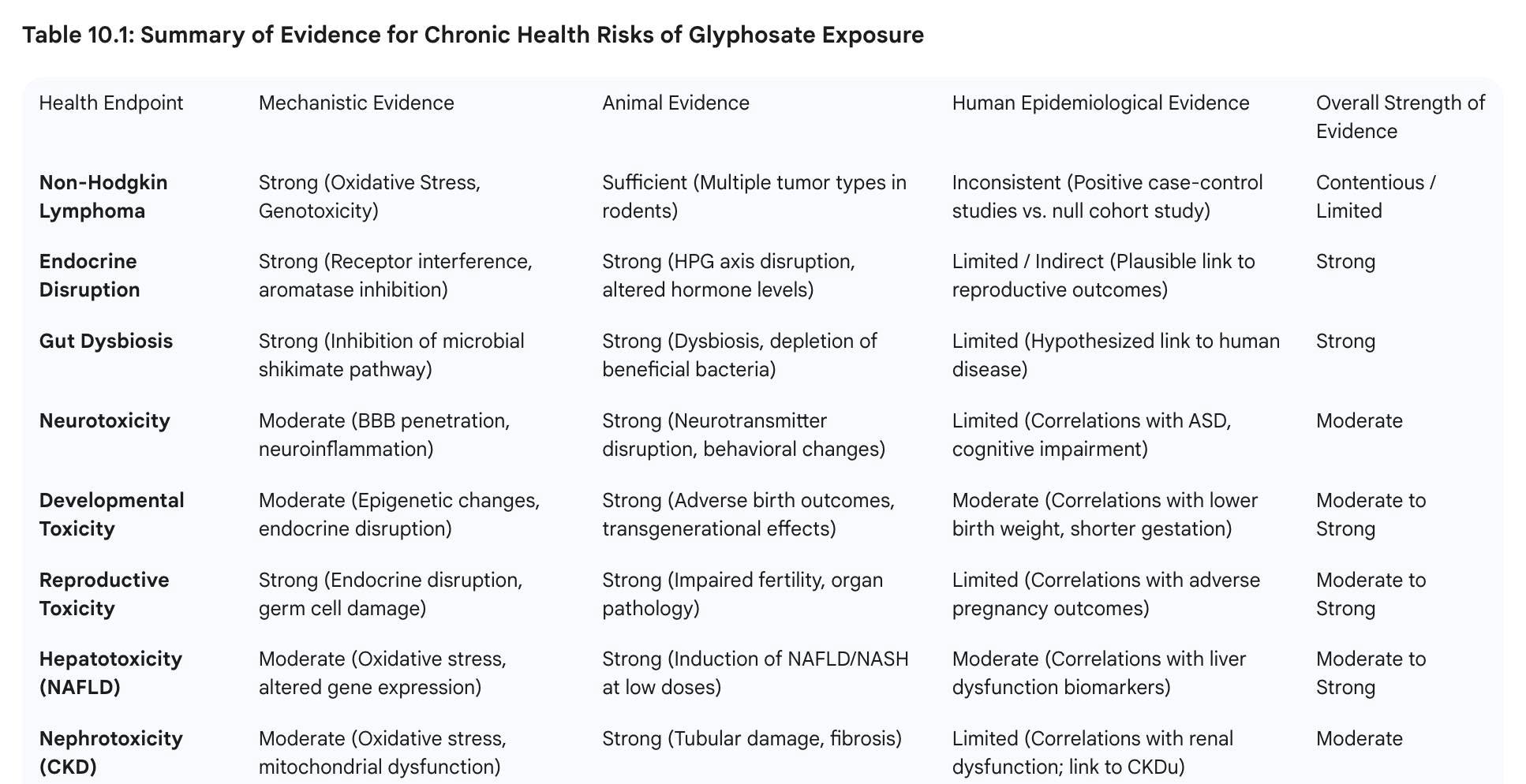
- Direct Cellular Impact of Pesticides: Many synthetic pesticides are known to cause harm at a cellular level. Organophosphates are neurotoxic because they disrupt nerve signaling. Many others are Endocrine Disrupting Chemicals (EDCs) that interfere with the body's hormone system, which has been linked to reproductive disorders and hormone-sensitive cancers. Some pesticides can also cause oxidative stress, which damages DNA and can initiate cancer.
- Higher Antioxidant Content: The 2014 meta-analysis found that organic crops contain substantially higher concentrations—between 19% and 69% higher—of beneficial antioxidant compounds. This is likely due to the "Plant Stress Hypothesis," which posits that without synthetic pesticides to protect them, organic plants ramp up production of their own defensive compounds, which happen to be antioxidants. These compounds protect our cells by neutralizing damaging free radicals.
- The Gut Microbiome: This is an emerging and powerful theory. A growing body of evidence suggests that some pesticides, like glyphosate, can act like antibiotics, disrupting the healthy balance of our gut bacteria. An organic diet, in contrast, may promote a healthier microbiome by removing this chemical insult while simultaneously providing more polyphenols and fiber, which act as prebiotics to feed beneficial microbes. A healthy gut microbiome is central to regulating immunity and overall health.
Final Verdict: Weighing the Evidence ⚖️
The science on organic food can be summarized in three tiers of certainty:
- High Certainty: Consuming organic food leads to a significant and measurable reduction in exposure to synthetic pesticide residues. This is the most definitive conclusion from the available research.
- Moderate Certainty (High Plausibility): There are real compositional differences between organic and conventional foods (e.g., more antioxidants) and causal physiological effects observed in controlled animal studies (e.g., enhanced immunity). This makes a potential human health benefit highly plausible.
- Low Certainty (High Uncertainty): A direct, causal link between eating organic and having better long-term health outcomes in humans is not yet conclusively proven. The evidence from human studies remains associative and is difficult to separate from overall lifestyle effects.
For consumers, this means the choice is a personal calculation. For the general population, the most important dietary advice is to eat an abundance of fruits and vegetables, whether they are organic or conventional. However, for vulnerable populations and those who can afford it—particularly pregnant women, infants, and young children—the precautionary principle makes a strong case for choosing organic to minimize exposure to chemicals that could potentially interfere with critical developmental processes.
docs.google.comGoogle Docdocs.google.com