HD-OPM Archive
Topics › Lifestyle

Environment (microplastics, pollution, heat)

30 posts (24 primarily about this topic) · 7 reposts and set-aside posts not shown

Start here — the best posts in this topic

  1. The EWG 'Dirty Dozen' list ignores dose, and conventional produce is still good for you May 08, 2026
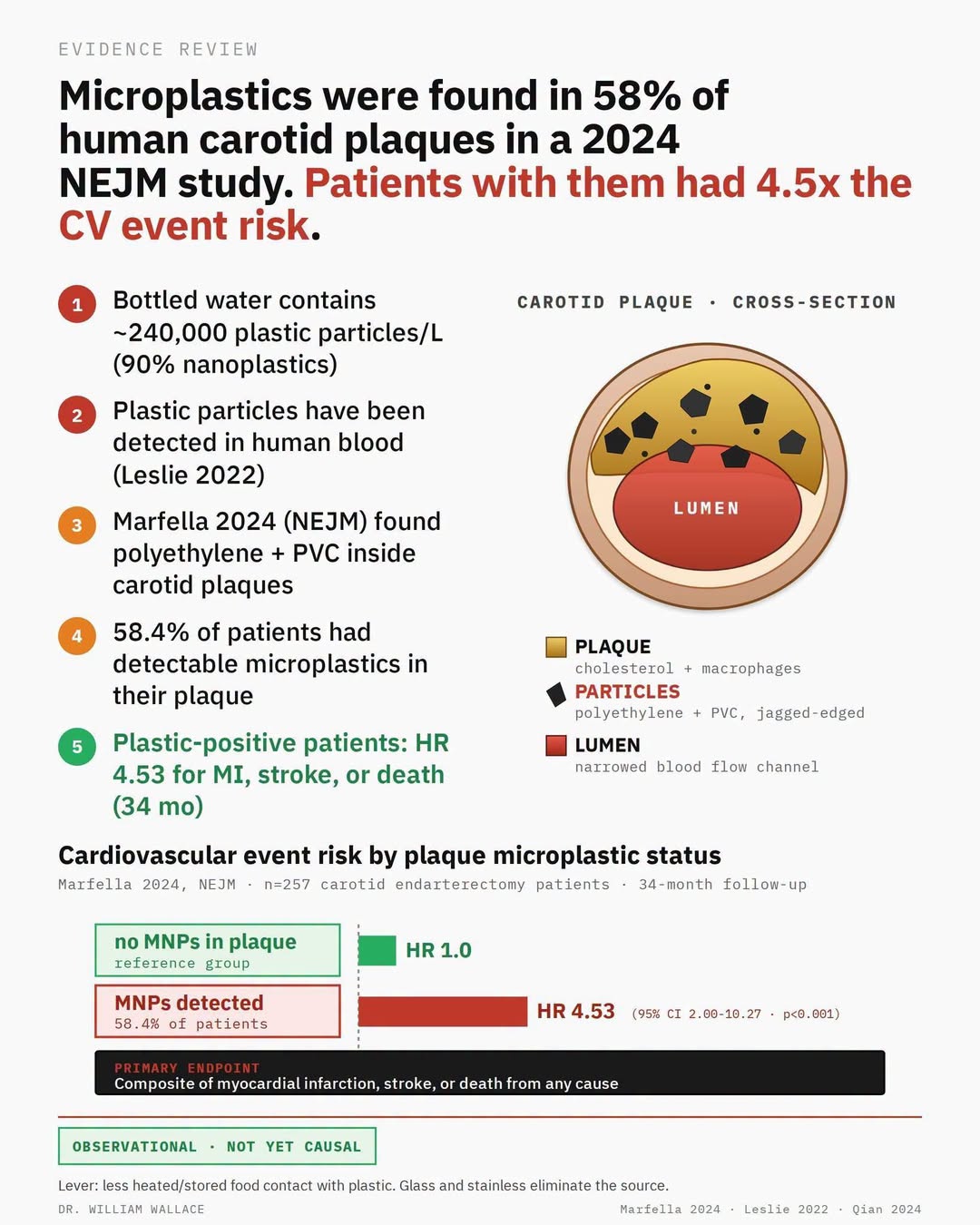
  2. Microplastics in carotid plaque tied to 4.5x higher MI, stroke or death risk; early data Jun 08, 2026
  3. Commercial blood microplastics tests mostly measure contamination, says Louis Dec 28, 2024
  4. Conventional produce beats no produce: natural plant carcinogens dwarf pesticide residues May 09, 2026
  5. Microplastics raised plaque 63% in male mice, with no change in cholesterol or weight Dec 28, 2025
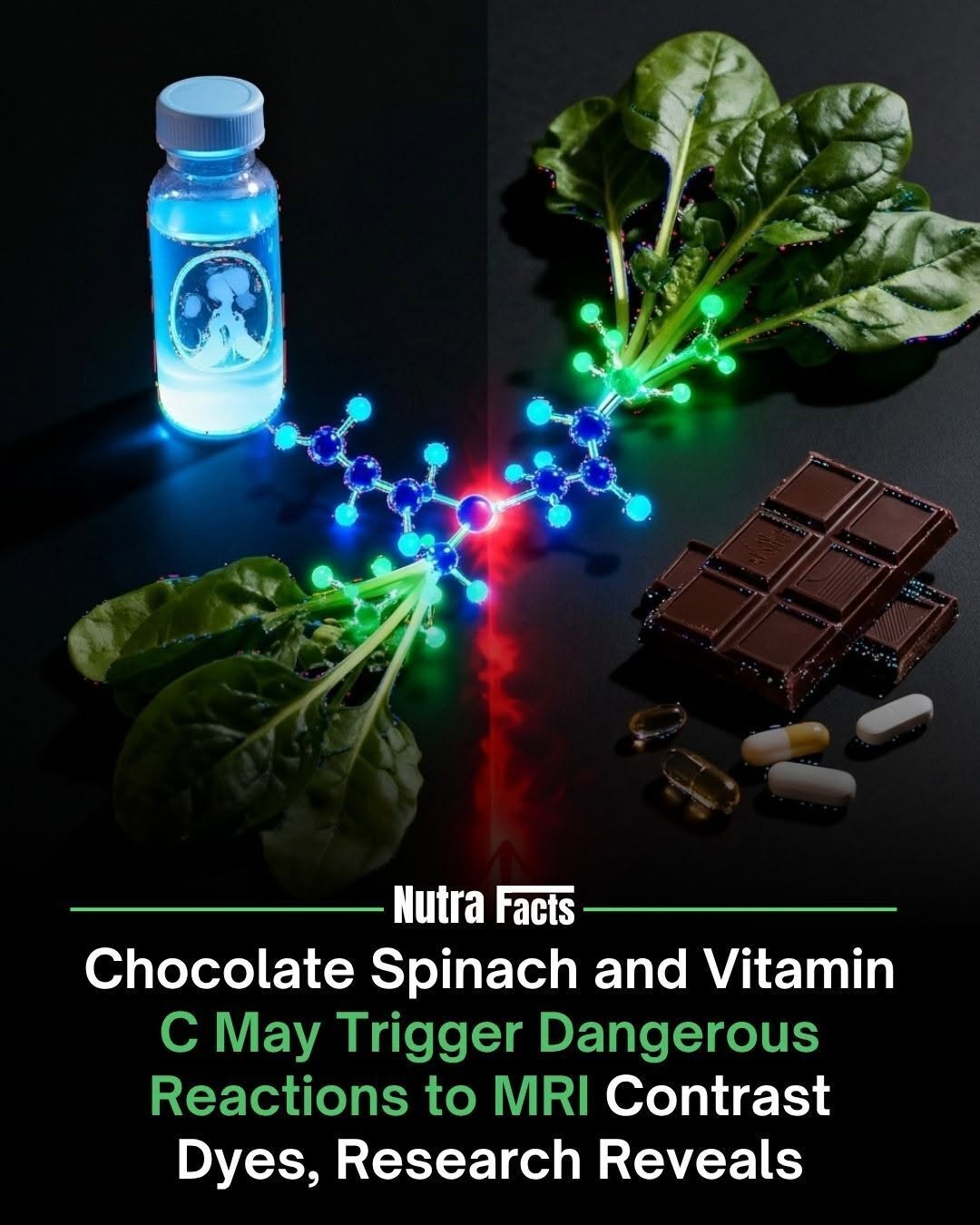
  6. Foods high in oxalate may worsen gadolinium retention after MRI contrast Nov 17, 2025
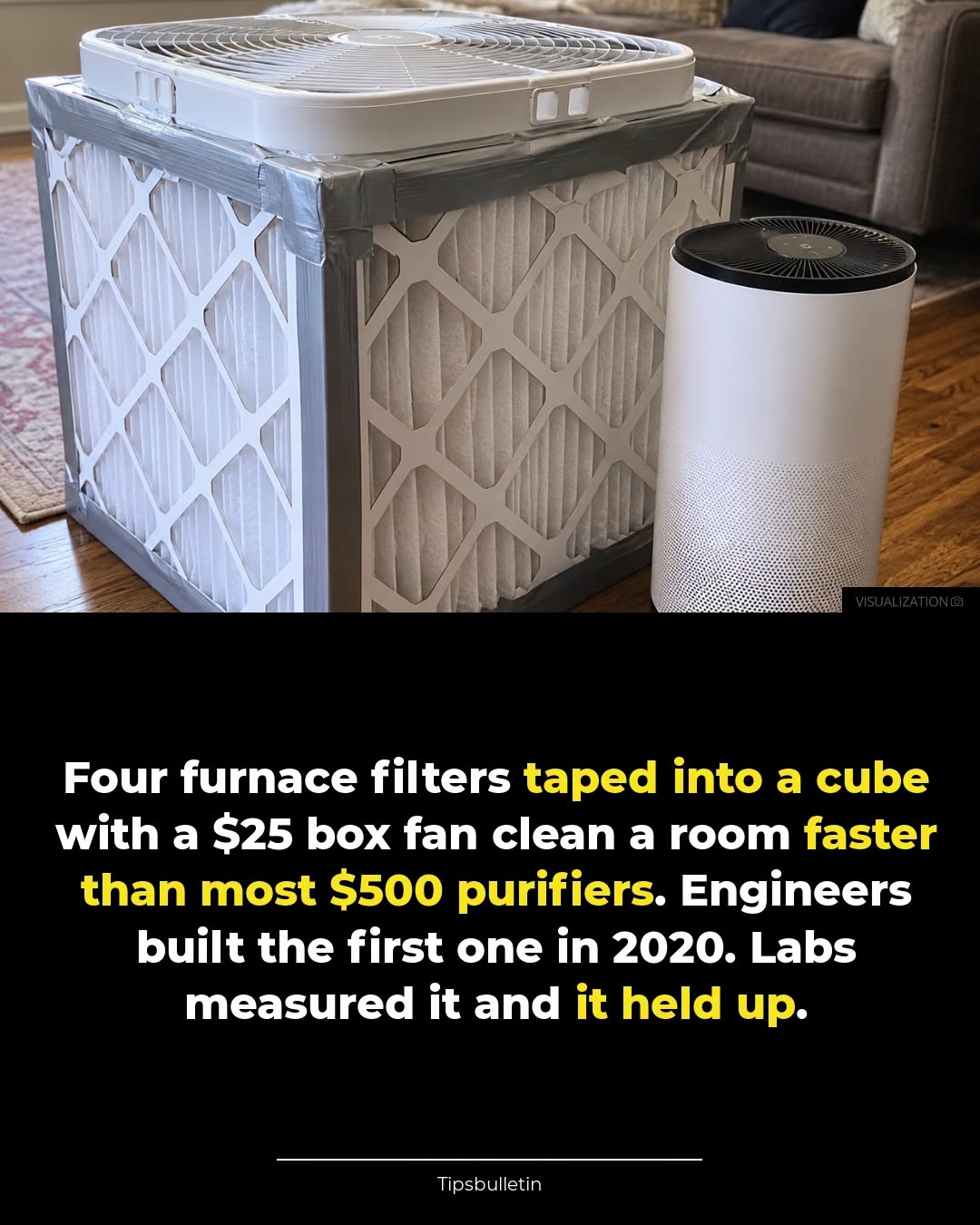
  7. How to reduce microplastic exposure: less plastic, glass, natural fibers, HEPA filters Aug 31, 2024
  8. Small Swedish study: colesevelam lowered blood PFAS up to 38% Nov 11, 2025
#microplastic 10#cancer 7#heartdisease 5#cvd 4#plaque 3#fiber 3#riskfactors 3#smoking 3#rhondapatrick 3#microbiome 3#alzheimers 3#fruit 2#vegetables 2#bryanjohnson 2#antioxidants 2#coffee 2#atherosclerosis 2#cholesterol 2#inflammation 2#mice 2#airpurifier 2#liver 2#oatmeal 2#stroke 2#sauna 2#heading 2#hormones 2#brain 2#airpollution 2#jacc 2#dementia 2#factchecking 1#vitamins 1#fblifestyle 1#healthychoices 1#mri 1

The EWG 'Dirty Dozen' list ignores dose, and conventional produce is still good for you

May 08, 2026 · Louis Nervegna ♥ 18 · 💬 24 Nuts, fish, coffee, tea, cocoa & other foods

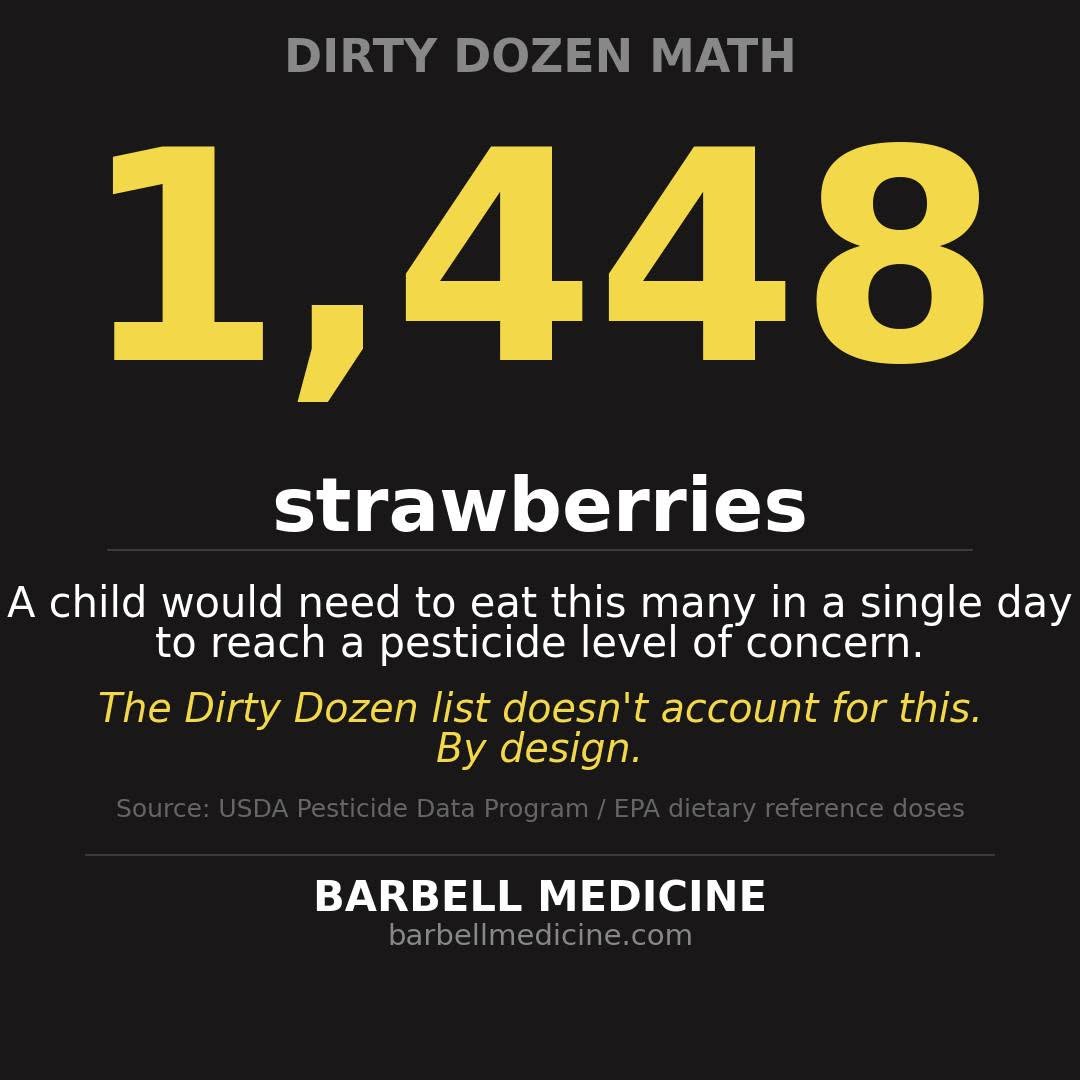
Louis argues the Dirty Dozen is built on flawed methodology (EWG weights all pesticides equally and ignores EPA safety thresholds). Decades of Harvard cohort data on conventionally grown produce show benefit, and a shared Barbell Medicine video says most exposures sit roughly a million times below safe reference doses.
Commercial blood microplastics tests mostly measure contamination, says Louis

Dec 28, 2024 · Louis Nervegna ♥ 17 · 💬 20

Louis argues that the microplastics blood test sold by Bryan Johnson measures plastic contamination from blood draw, transport and processing. Single-digit particle counts in a 100 uL sample require a cleanroom and plastic-minimized lab, which no commercial lab offers.

Conventional produce beats no produce: natural plant carcinogens dwarf pesticide residues

May 09, 2026 · Louis Nervegna ♥ 17 · 💬 10 Nuts, fish, coffee, tea, cocoa & other foods

Louis argues that, while organic is fine if affordable, eating conventionally grown fruit and vegetables is much better than skipping them. He cites Ames's PNAS papers showing 99.99% by weight of dietary pesticides are plants' own natural defense chemicals, and that natural carcinogens in produce far exceed synthetic residues.

Microplastics raised plaque 63% in male mice, with no change in cholesterol or weight

Dec 28, 2025 · Gokhan Can ♥ 13 · 💬 12

Summarises a UC Riverside mouse study: atherosclerosis-prone mice given 10 mg/kg/day microplastics for nine weeks. Males had 63% more plaque in the aortic root and 624% more in the brachiocephalic artery; females had no significant increase. Weight and cholesterol were unchanged, suggesting direct endothelial damage and inflammation. Admin suggests high fiber and Finnish sauna as defenses (not from the study).

Small Swedish study: colesevelam lowered blood PFAS up to 38%

Nov 11, 2025 · Gokhan Can ♥ 10 · 💬 12

Summarises a 10-person Swedish study of adults with high PFAS exposure: cholestyramine increased fecal PFAS excretion and a 12-week course of colesevelam reduced blood PFAS up to 38%. Authors say it was very small and observational, needs larger trials, and these drugs should not be used off-label.

Urinary metals linked to coronary calcium comparable to smoking and diabetes in MESA

Sep 18, 2024 · Gokhan Can ♥ 8 · 💬 5

A JACC study in 6,418 MESA participants followed over 10 years found higher urinary levels of non-essential (cadmium, tungsten, uranium) and essential (cobalt, copper, zinc) metals corresponded to more coronary artery calcification, with associations similar in size to traditional risk factors like smoking and diabetes.

Micronanoplastics 50 times higher in carotid plaque than in plaque-free arteries

Apr 23, 2025 · Gokhan Can ♥ 14 · 💬 3 ↩ 1

A small preliminary study presented at an AHA meeting found carotid plaque, especially from people with stroke, TIA or transient vision loss, held 50 times more micronanoplastics than plaque-free arteries. It cannot prove causation and no direct link to inflammation markers was found, though gene activity related to plaque stability differed.

Organic food: clear pesticide reduction, less certain evidence of health benefit

Sep 07, 2025 · Gokhan Can ♥ 5 · 💬 8

A review-style explainer on organic versus conventional food. It clarifies that the USDA Organic label certifies farming practices rather than health claims, and that organic farming still permits some pesticides. The core tension is a clear drop in pesticide exposure against more complex evidence for long-term health benefit.

Glyphosate: usage surge, conflicting safety assessments and residues in food

Sep 07, 2025 · Gokhan Can ♥ 5 · 💬 7

A comprehensive overview of glyphosate use and the regulatory split over its safety. Use rose about 15-fold after GM crops in 1996, and pre-harvest desiccation of oats, wheat and legumes explains high residues in some non-GM foods. IARC and other agencies reached different conclusions on cancer risk.

FoundMyFitness episode on microplastics in the brain, body and reproductive system

Sep 20, 2024 · Louis Nervegna ♥ 9 · 💬 2

Louis shares a FoundMyFitness podcast on microplastic exposure and accumulation in organs, including claims about bottled water, heating food in plastic, microwave popcorn PFAS and canned soup BPA. The post only has episode promotion text, not study details, and no heart-specific content.

Fiber may reduce microplastic absorption from the gut, per Rhonda Patrick

Apr 05, 2025 · Louis Nervegna ♥ 11 · 💬 1

Louis shares a FoundMyFitness post suggesting that dietary fiber, both fermentable and non-fermentable, can help block larger microplastics from being absorbed, though nano-sized particles can still cross the gut lining. It lists fiber-rich foods such as legumes, nuts, fruit, vegetables and whole grains. No study is cited in the post.

Glyphosate: IARC classification and the case for avoiding it

Sep 07, 2025 · Gokhan Can ♥ 5 · 💬 1

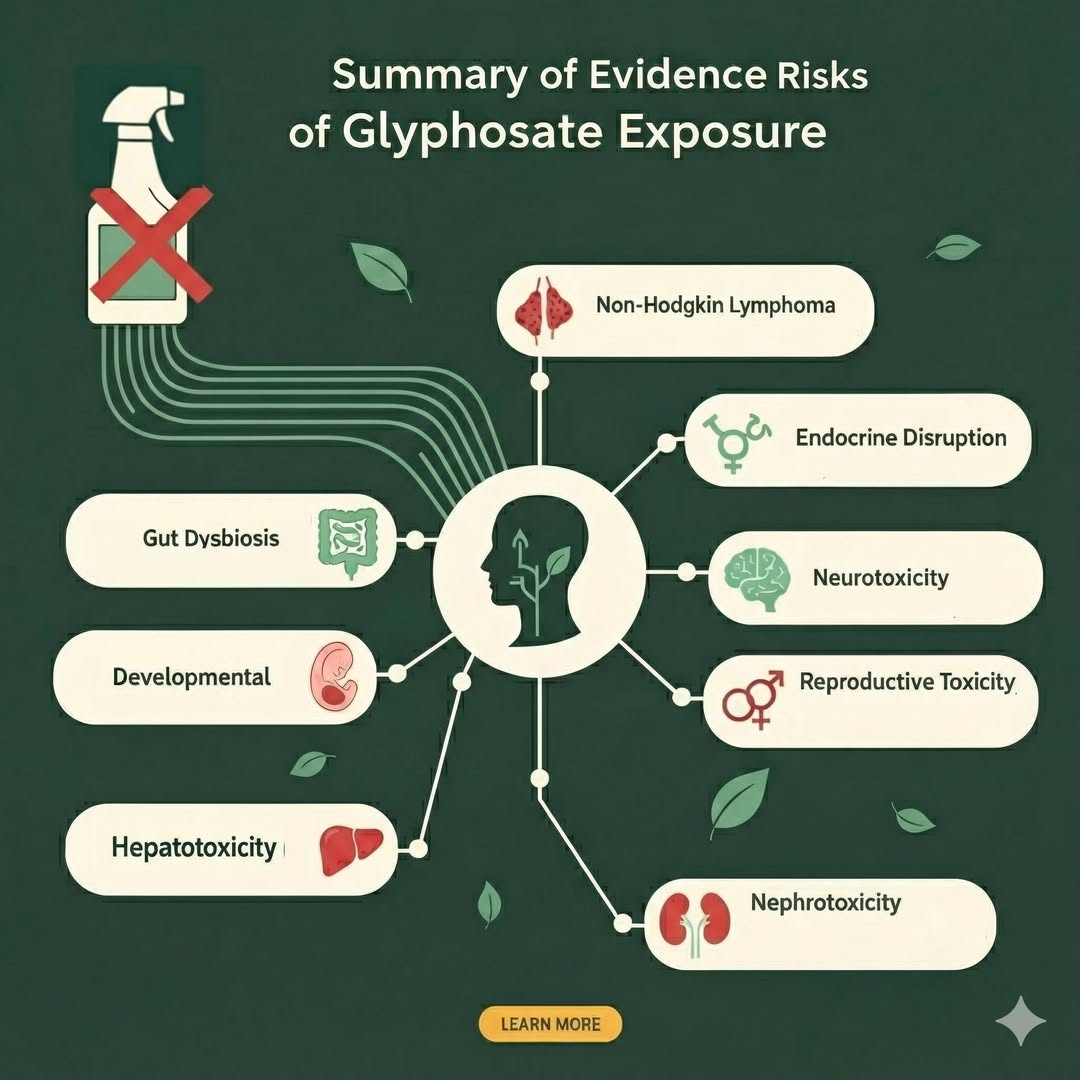
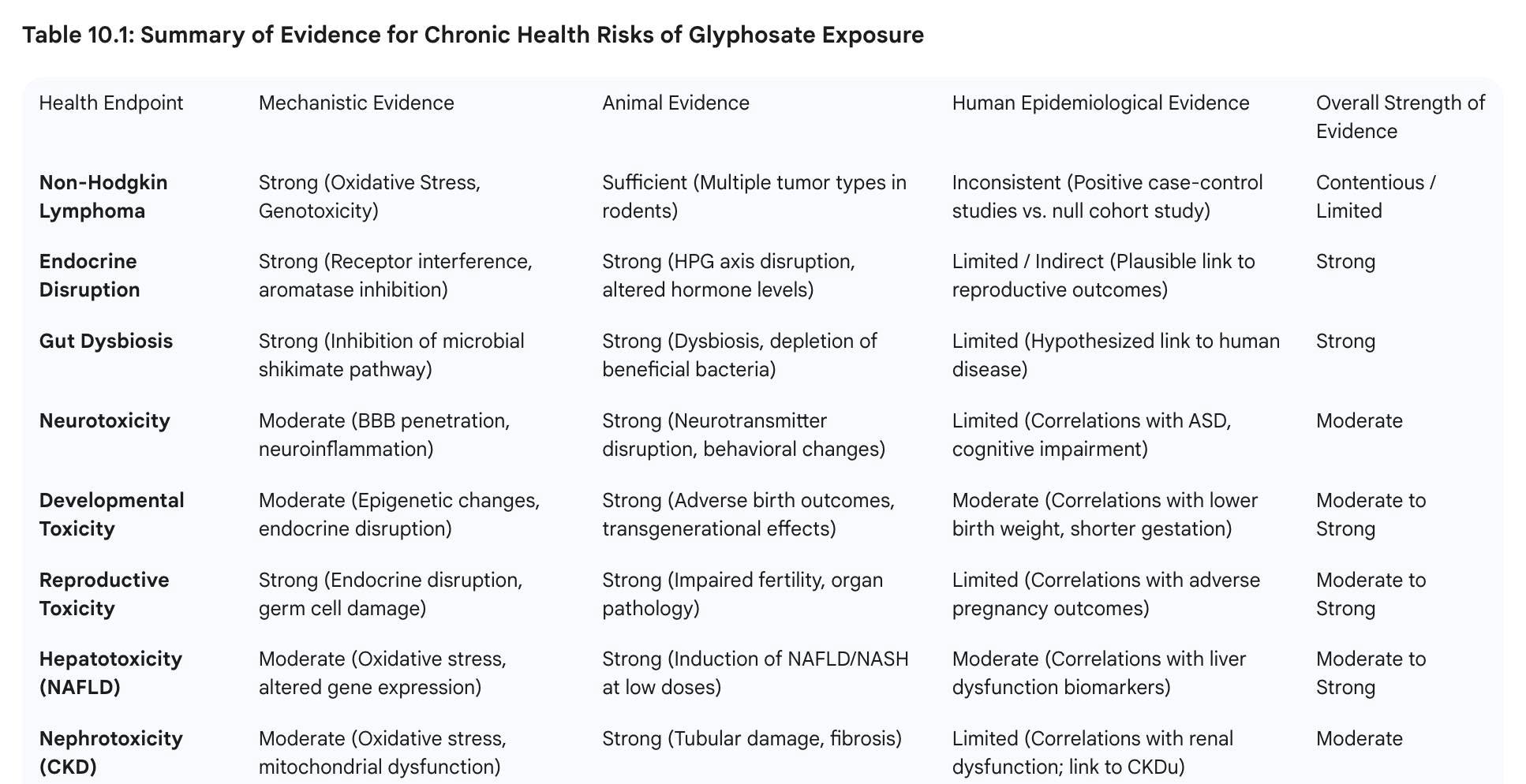
An advocacy-style essay arguing that glyphosate should be avoided. It cites the 2015 IARC classification as probably carcinogenic to humans, based on limited human evidence of non-Hodgkin lymphoma, sufficient animal evidence and strong mechanistic evidence. Not specific to heart disease.