Glyphosate Risks: Verdict? Avoid it as if your life depends on it
Glyphosate is a chemical you've almost certainly been exposed to. It’s the active ingredient in Roundup®, the most widely used weed killer in the history of the world. It’s on our crops, in our soil, in our water, and as a result, it’s in our bodies. For decades, we were told it was safe for humans because its primary killing mechanism—the shikimate pathway—doesn’t exist in our cells. This simplistic assurance has crumbled under the weight of a massive and growing body of scientific evidence.
The debate over its safety rages in regulatory agencies, but in the independent scientific literature and in the bodies of those exposed, a different story is being told. It’s a story of systemic cellular damage, hormonal chaos, and multi-generational harm. When you look past the industry-funded talking points and examine the full spectrum of evidence, the conclusion becomes starkly clear. This is not a chemical to be taken lightly. This is a chemical to be avoided as if your life, and the lives of future generations, depend on it.
The Cancer Connection They Can't Deny
##
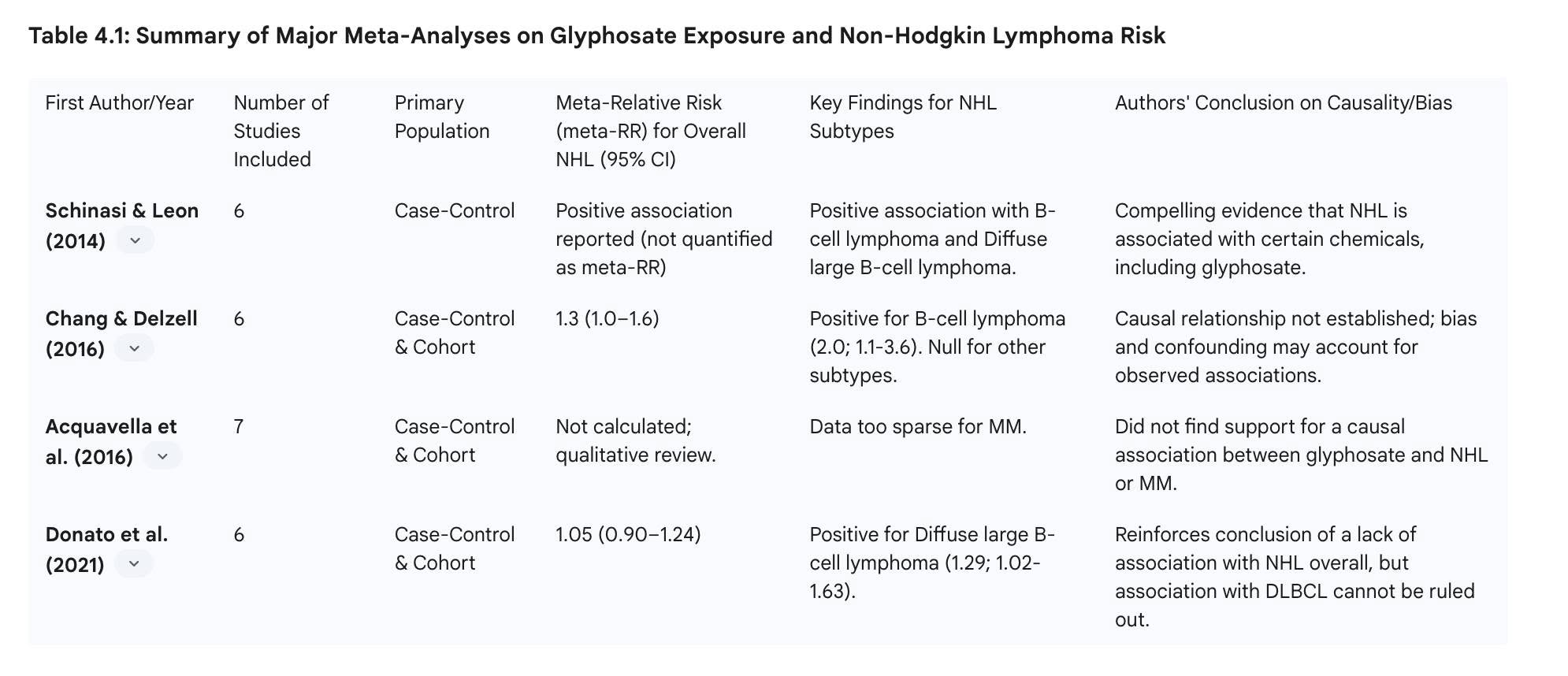
The most explosive charge against glyphosate is that it causes cancer. In 2015, the International Agency for Research on Cancer (IARC), the specialized cancer agency of the World Health Organization, brought this issue to the world stage. After a comprehensive review of publicly available, peer-reviewed science, its international panel of experts classified glyphosate as "probably carcinogenic to humans."
This wasn't a flippant decision. It was based on a weight-of-evidence approach that found:
- "Limited evidence" in humans: Multiple high-quality studies of agricultural workers in the US, Canada, and Sweden showed a consistent, positive association between glyphosate exposure and an increased risk for a specific blood cancer: non-Hodgkin lymphoma (NHL).
- "Sufficient evidence" in animals: Laboratory studies repeatedly showed that glyphosate could cause rare tumors in mice and rats, providing convincing evidence of its carcinogenicity in experimental animals.
- "Strong evidence" for mechanism: The IARC panel found powerful evidence that glyphosate works through two key pathways known to cause cancer. First, it is genotoxic, meaning it directly damages DNA and chromosomes. Second, it induces oxidative stress, a state of cellular imbalance that leads to widespread damage to DNA, proteins, and cell membranes—a hallmark of many carcinogens.
Regulatory bodies like the U.S. EPA and the European Food Safety Authority (EFSA) have pushed back, claiming glyphosate is "not likely to be carcinogenic." But this schism is rooted in a fundamental, and dangerous, difference in philosophy. The IARC asks, "Does this chemical have the potential to cause cancer?"—a question of hazard. The EPA and EFSA ask, "Is it likely to cause cancer under typical exposure scenarios?"—a question of risk assessment that relies heavily on unpublished, proprietary studies submitted by the pesticide manufacturers themselves. This "black box" assessment process, which prioritizes industry data over independent science, has been widely criticized and even legally challenged.
While the debate over NHL continues, emerging evidence suggests the cancer risk may be far broader. A landmark long-term study by the renowned Ramazzini Institute found that rats exposed to glyphosate and its commercial formulations at doses currently considered "safe" by regulators developed statistically significant increases in leukemias and cancers of the skin, liver, thyroid, and nervous system, with many tumors appearing early in life. The mechanism of oxidative stress is not specific to one cell type, suggesting that if glyphosate is a carcinogen, its effects are unlikely to be confined to a single type of cancer.
Beyond Cancer: The Cascade of Chronic Illness
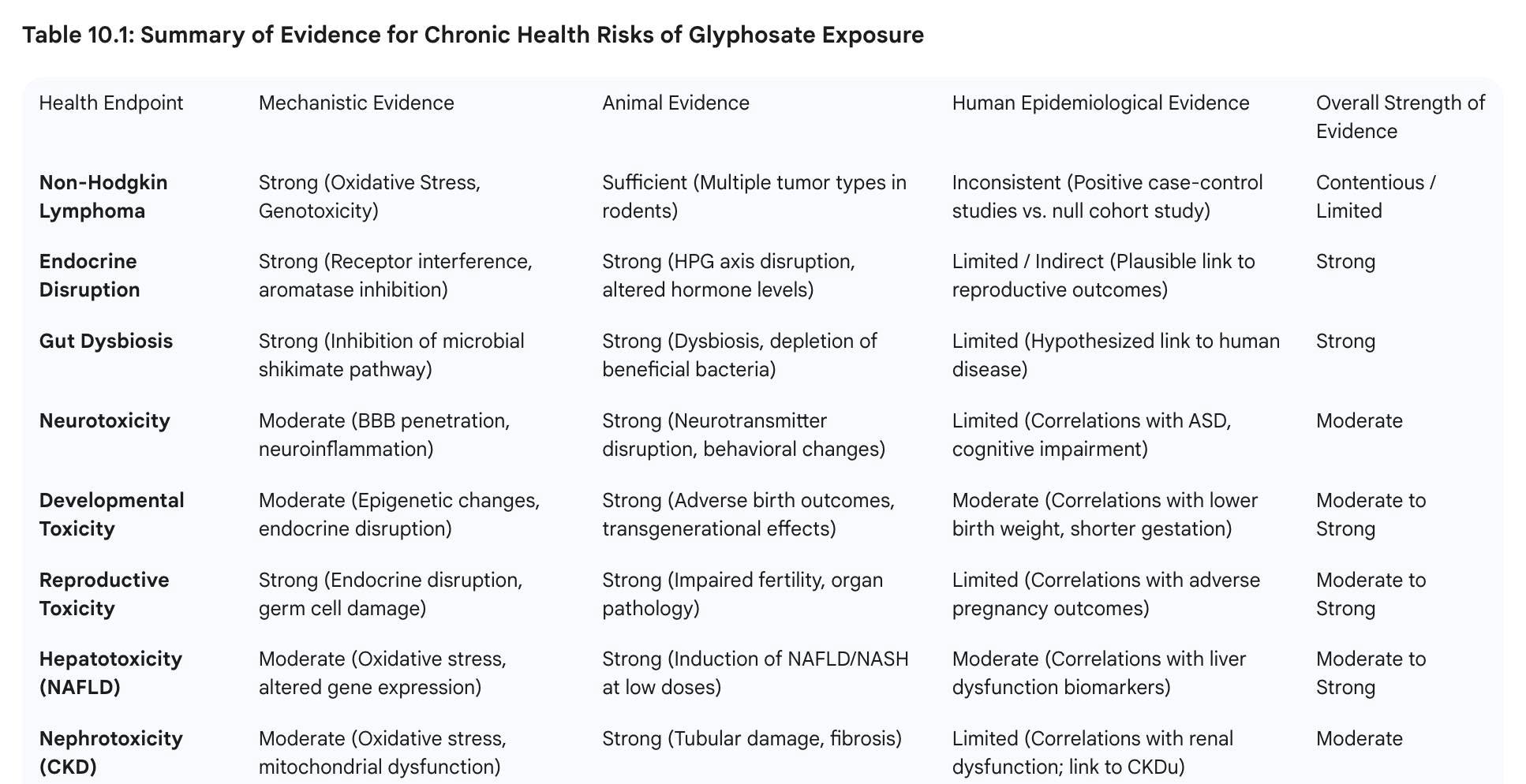
To focus only on cancer is to miss the larger, more insidious picture of glyphosate’s impact. The scientific evidence now points to it as a key driver of a host of chronic diseases through multiple, interconnected pathways.
An Attack on Your Hormones
Glyphosate is a potent endocrine-disrupting chemical (EDC). A comprehensive 2021 review concluded that it satisfies at least eight of the ten established characteristics of an EDC. It interferes with the body’s hormonal systems even at incredibly low, real-world doses. Studies on human cells show that glyphosate formulations can block the signaling of critical sex hormones like estrogen and androgen. Critically, it inhibits aromatase, the key enzyme that converts testosterone into estrogen, a disruption that can wreak havoc on the delicate hormonal balance required for reproductive health in both men and women.
This isn't just a laboratory finding. Multiple human studies have correlated higher levels of glyphosate in pregnant women’s urine with shortened pregnancies and reduced fetal growth. Animal studies are even more damning, linking prenatal exposure to birth defects, fetal loss, and impaired reproductive function in adult offspring.
The Silent War in Your Gut
One of the most powerful and elegant explanations for glyphosate's systemic harm lies in its effect on the gut microbiome. While human cells don't have the shikimate pathway, a vast number of the trillions of microbes living in our gut—microbes essential for our health—do.
Orally ingested glyphosate acts as a potent, broad-spectrum antibiotic inside your digestive tract. Worse, it’s a selective one. Studies consistently show that beneficial bacteria like Bifidobacterium and Lactobacillus are highly susceptible to glyphosate, while pathogenic bacteria like Clostridium and Salmonella are often resistant. This creates dysbiosis, a catastrophic imbalance in the gut that favors the overgrowth of harmful microbes. This dysbiosis is now linked to a terrifying range of modern diseases:
- Systemic Inflammation: A damaged gut barrier, or "leaky gut," allows toxins to enter the bloodstream, triggering the chronic, low-grade inflammation that is the root cause of countless diseases.
- Neurological Disorders: The gut-brain axis is a direct line of communication. A sick microbiome is linked to anxiety, depression, and even neurodegenerative diseases. By disrupting the microbial production of key neurotransmitter precursors, glyphosate can directly impact brain function and mental health.
- Metabolic Disease: The gut microbiome is a key regulator of metabolism. Its disruption is increasingly seen as a driver of obesity, type 2 diabetes, and other metabolic disorders.
A Threat to the Brain and Future Generations
The damage doesn’t stop at the gut. Animal studies have confirmed that glyphosate can cross the protective blood-brain barrier, entering the central nervous system where it triggers neuroinflammation—a key driver of diseases like Alzheimer's and Parkinson's. A study on a mouse model of Parkinson's found glyphosate exposure exacerbated the loss of dopamine-producing neurons. In humans, studies have linked residential proximity to glyphosate spraying during pregnancy to a significantly increased risk of autism spectrum disorder (ASD) in children.
Perhaps most chilling is the evidence of transgenerational epigenetic inheritance. A landmark 2019 study exposed pregnant rats to glyphosate. Their children and grandchildren were never directly exposed. Yet, the grand-offspring (F2) and great-grand-offspring (F3) generations showed a dramatic increase in diseases, including kidney disease, ovarian disease, and obesity. The glyphosate exposure had caused permanent epigenetic changes—modifications to how genes are expressed—that were passed down through the sperm of the male offspring. This suggests the glyphosate being sprayed today could be programming a latent disease burden into our descendants for generations to come.
The "Inert" Illusion
A final, critical piece of the puzzle is the lie of the "inert" ingredients. We are not primarily exposed to pure glyphosate; we are exposed to commercial formulations like Roundup®, which contain a cocktail of adjuvants designed to make the herbicide more effective. These co-formulants are far from biologically inert.
In study after study, the complete commercial formulations are found to be significantly more toxic than glyphosate alone. They are more effective at killing human cells, more damaging to DNA, more potent as endocrine disruptors, and cause more severe liver and kidney damage. This means that our entire regulatory system, which bases its "safe" levels primarily on the active ingredient, is built on a foundation of flawed science, leading to a catastrophic underestimation of the true public health risk.
The Verdict
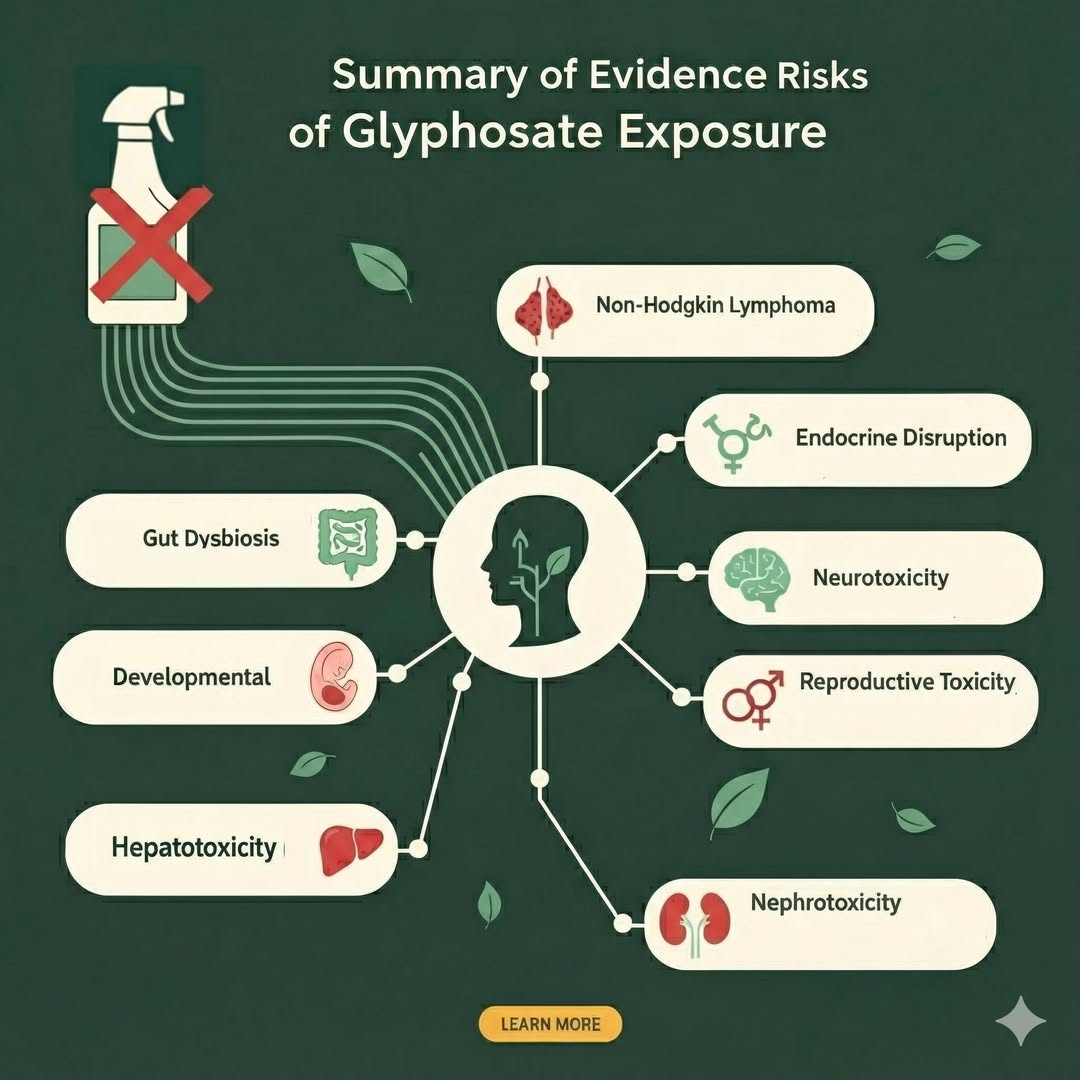
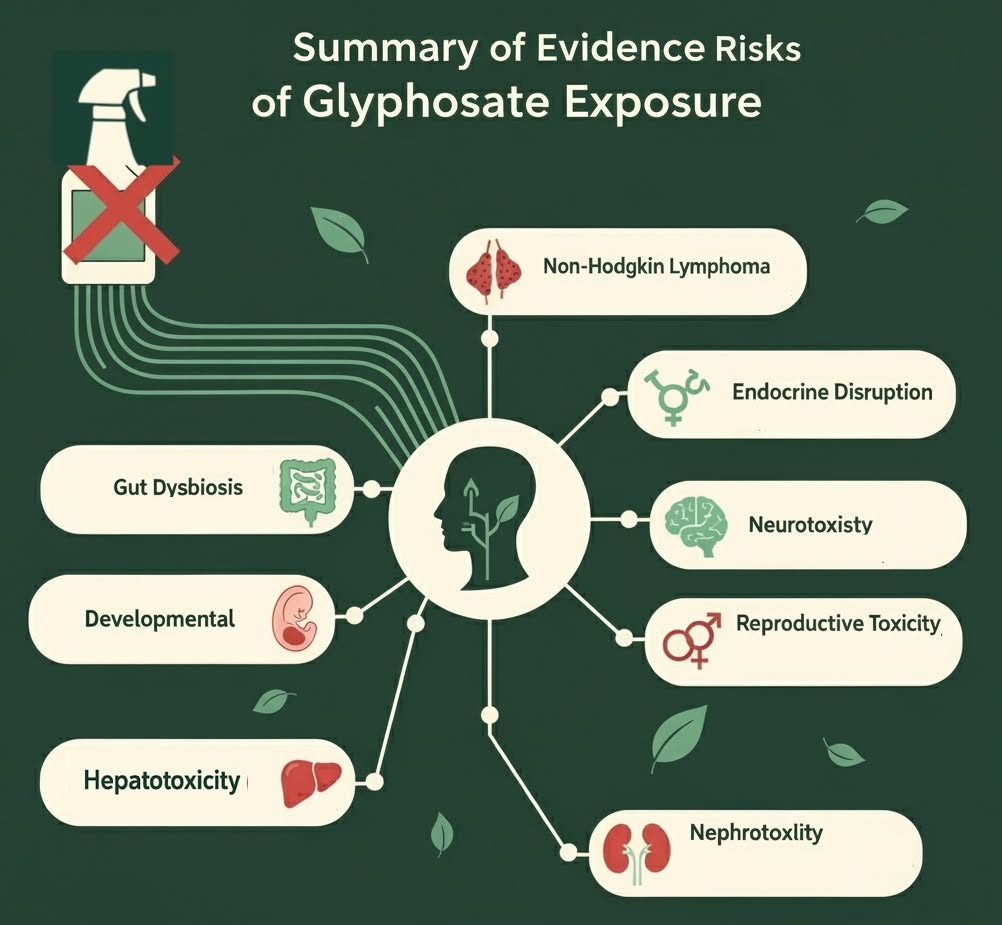
When you assemble the full weight of the evidence, the picture is undeniable and deeply disturbing. We are faced with a chemical that is a probable carcinogen, a potent endocrine disruptor, a destroyer of gut health, a neurotoxin, and a threat to the health of future generations. The regulatory bodies that are supposed to protect us are mired in controversy, heavily reliant on industry-funded data, and failing to assess the full toxicity of the products sold on shelves.
Waiting for these agencies to act is a luxury we don’t have. The science is clear enough for a personal verdict. The only rational choice for your health and the health of your family is to minimize your exposure in every way possible. Choose organic foods when you can. Avoid using glyphosate-based herbicides on your own property. Support policies that reduce our agricultural dependence on this chemical.
The verdict is in. Avoid glyphosate as if your life depends on it. Because it just might.
docs.google.comGoogle Docdocs.google.com