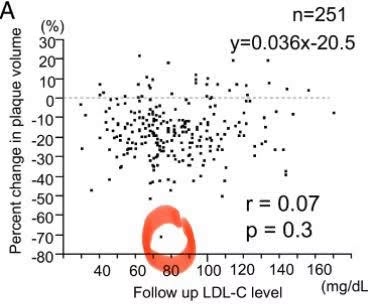
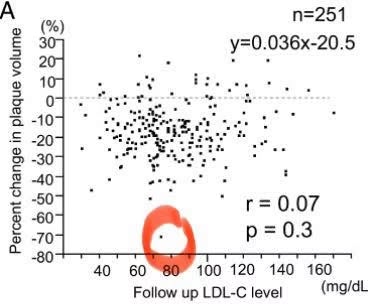
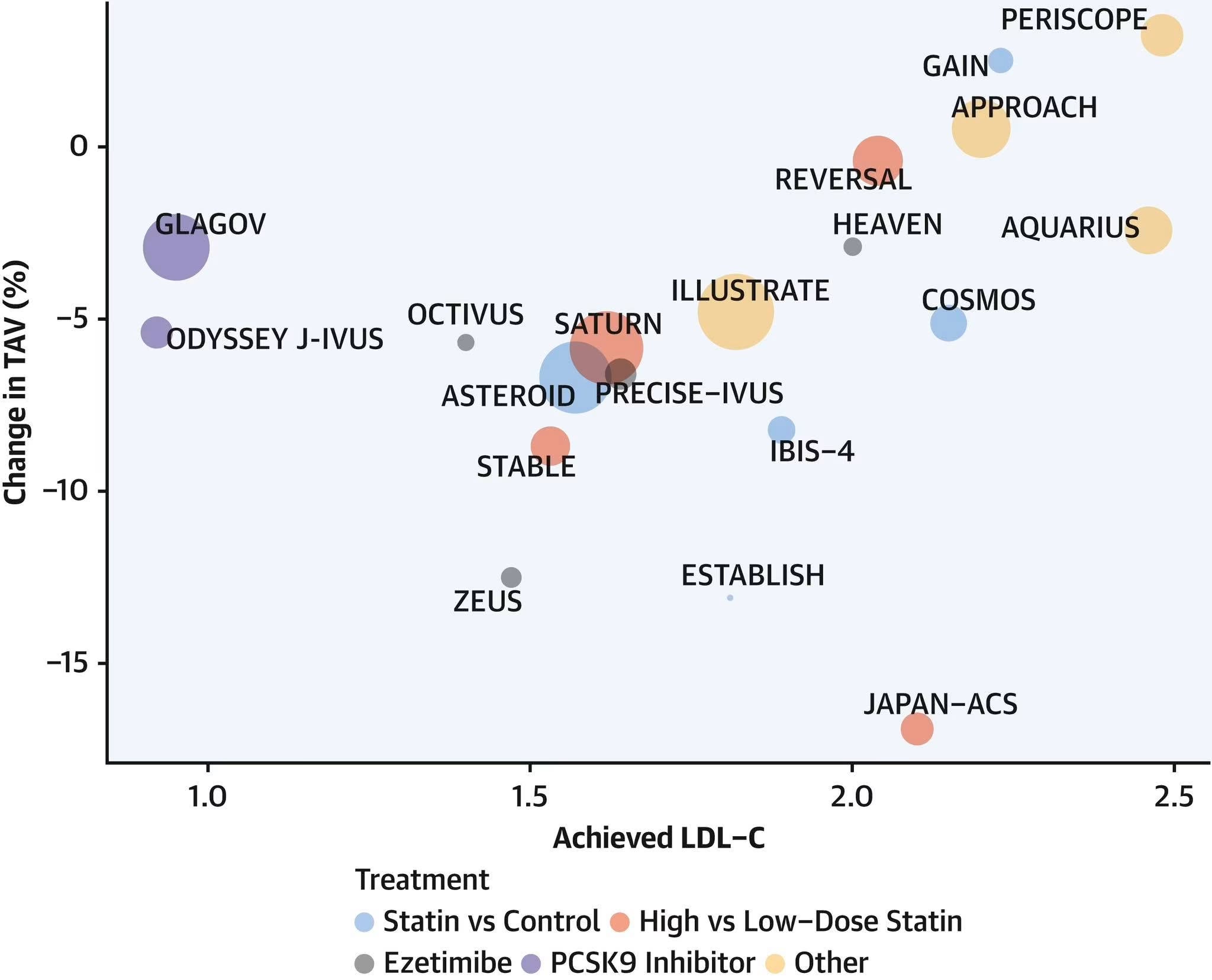
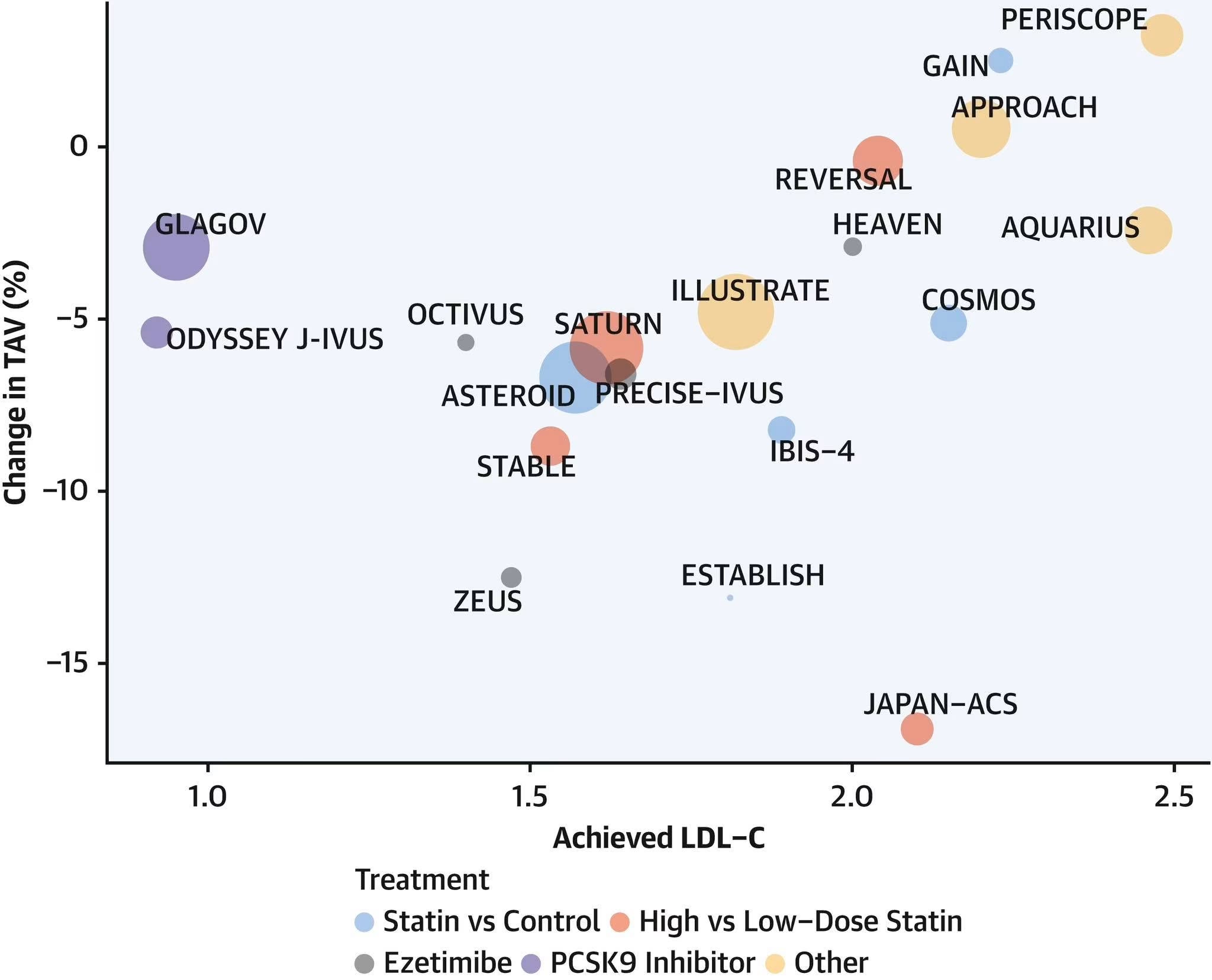
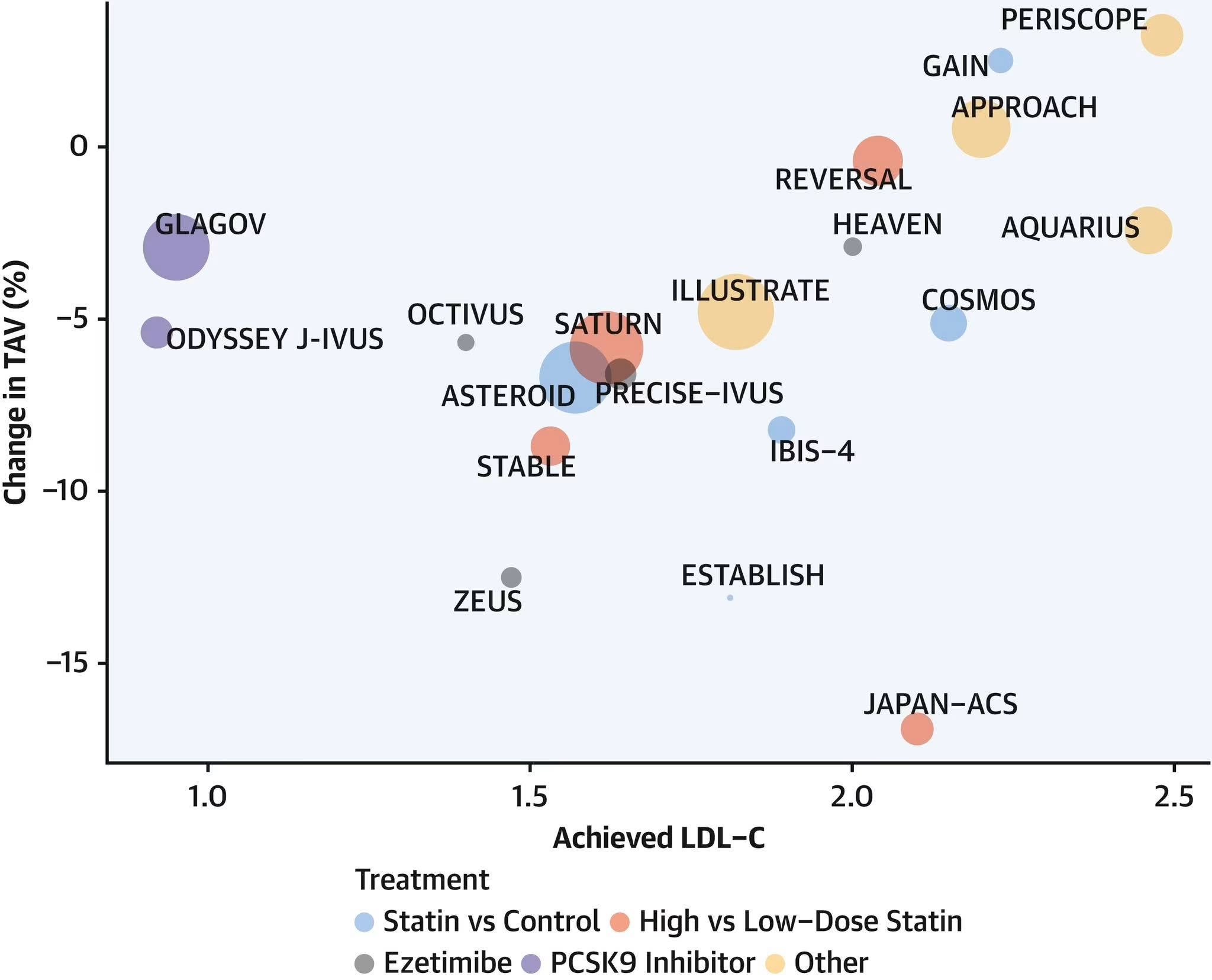
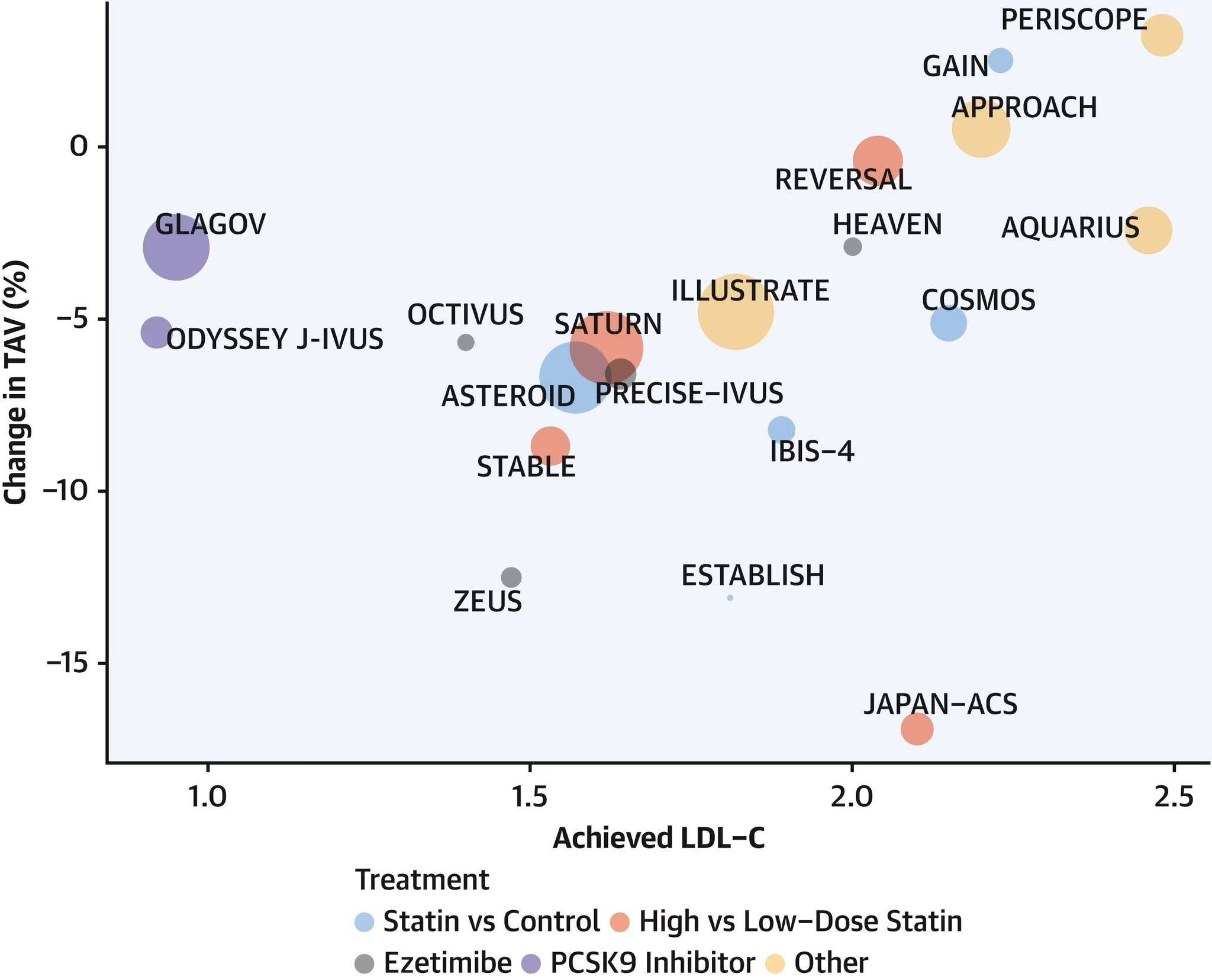
The Japan-ACS study produced the largest plaque reversal (-17%) ever reported in a cardiology drug prevention trial.
The trial used 4mg pitavastatin or 20mg atorvastatin, with similar plaque regression achieved from either.
A sub-study of JAPAN-ACS found that high baseline levels of Advanced Glycation End Products (AGEs) were independently associated with plaque progression.
Statin therapy was found to significantly decrease AGE levels, suggesting a potential pleiotropic effect involved with preventing plaque progression, beyond the primary cholesterol-lowering function.
See these previous posts for more information on the Japan-ACS trial:
↪ Japan-ACS: pitavastatin and atorvastatin both regressed coronary plaque by about 17-18%
↪ Plaque volume begins to regress once LDL-C falls below about 90 mg/dL across RCTs
Quoted:
“At baseline, no differences in the levels of either AGEs or sRAGE were found between patients with DM [diabetes] and those without DM. The levels of AGEs decreased significantly with statin therapy from 8.6 ± 2.2 to 8.0 ± 2.1 U/ml (p < 0.001), whereas the levels of sRAGE did not change. There were no significant correlations between changes in PV and the changes in levels of AGEs as well as sRAGE. However, high baseline AGEs levels were significantly associated with plaque progression (odds ratio, 1.21; 95% confidence interval, 1.01 - 1.48; p = 0.044) even after adjusting for DM in multivariate logistic regression models.”
“High baseline AGEs levels were associated with plaque progression in the JAPAN-ACS trial. This relationship was independent of DM [diabetes]. These findings suggest AGEs may be related to long-term glucose control and other oxidative stresses in ACS.”
cc: Pankaj Kapahi
#japanacsHD #agesHD #glycationHD #statinsHD #reverseHD #statinreverseHD #atorvastatinHD #pitavastatinHD #diabetesHD #glucoseHD