HD-OPM Archive
Hashtags

#glucose

85 posts

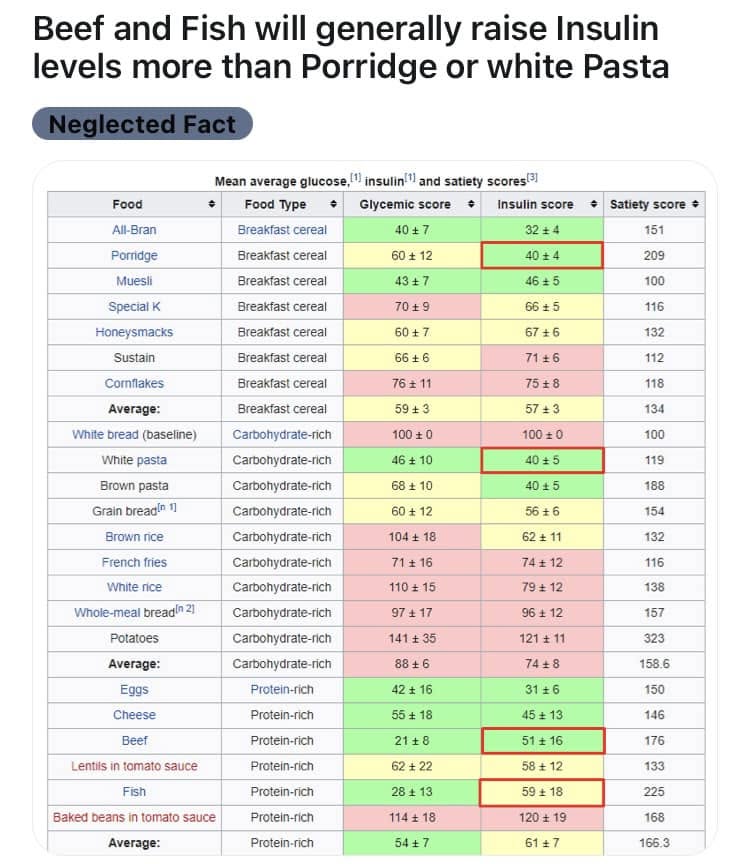
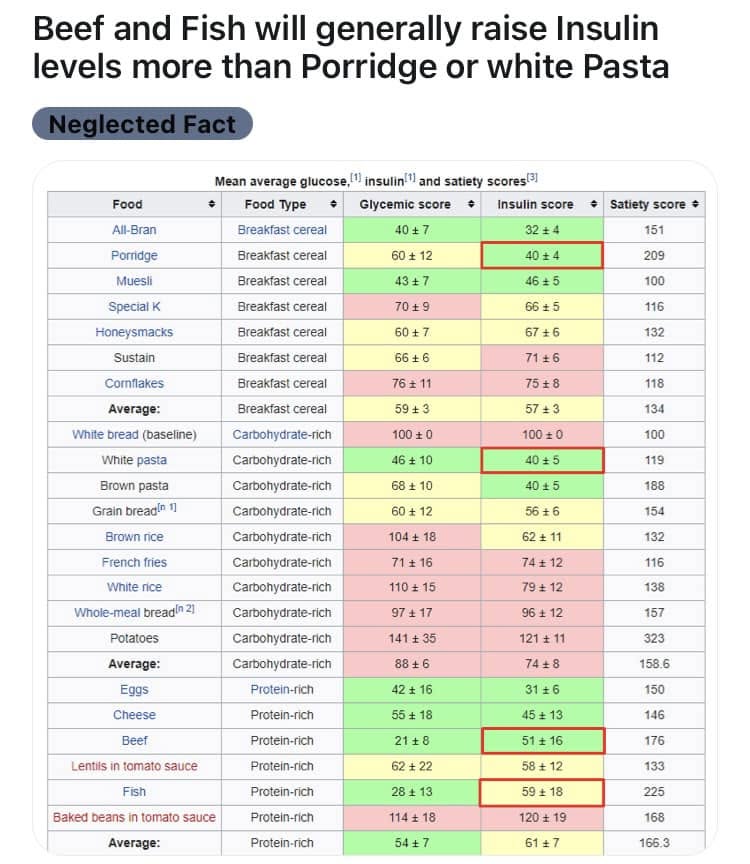
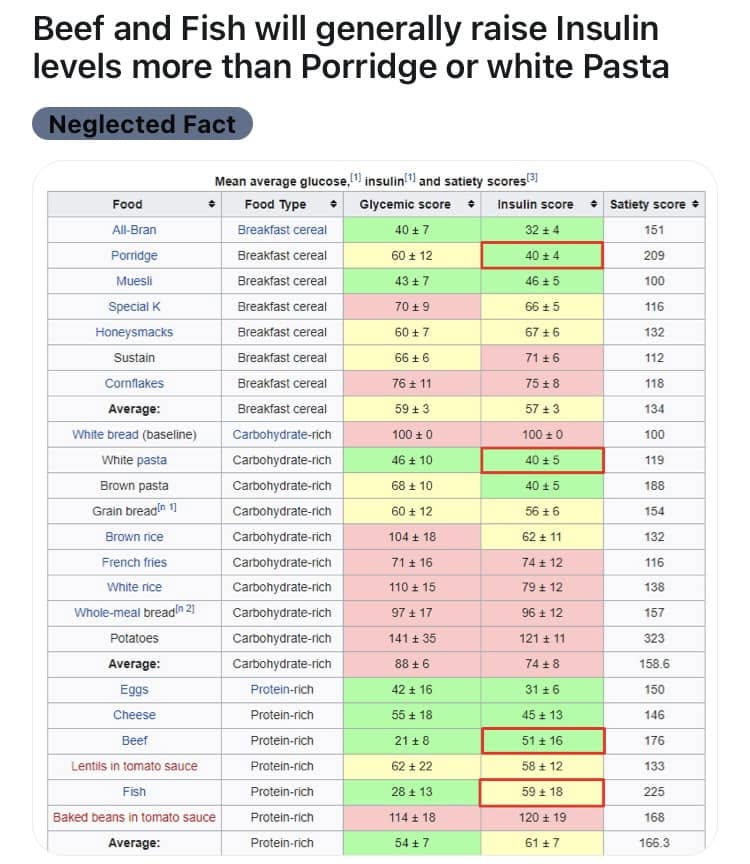
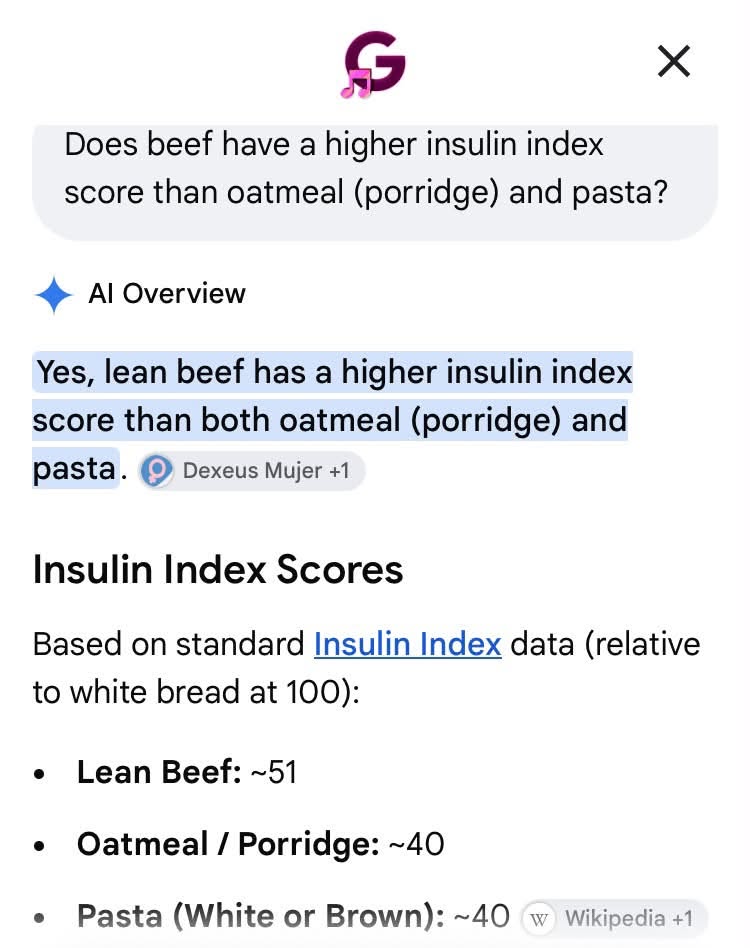
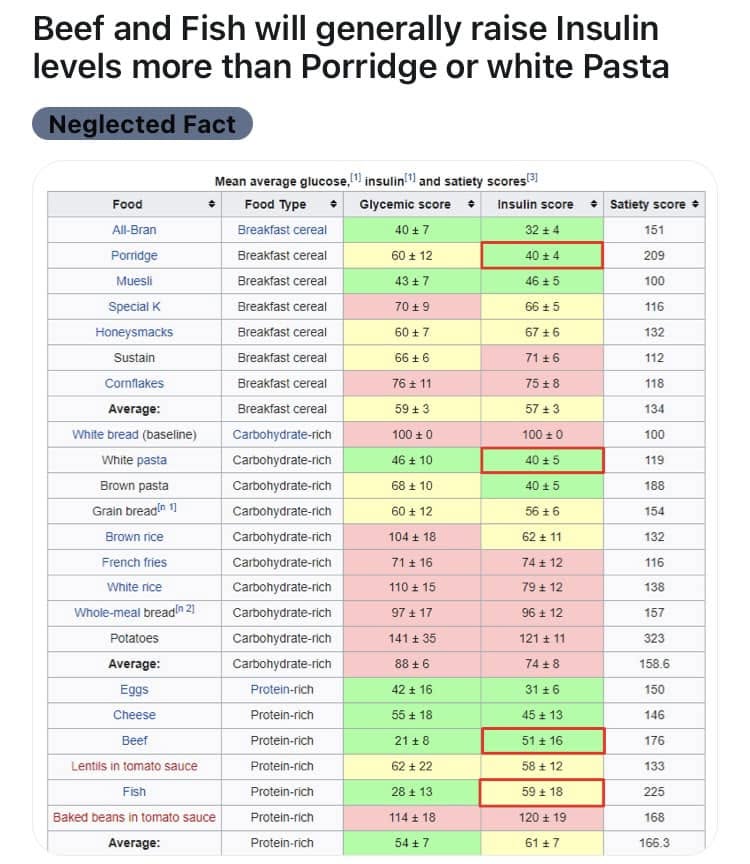
Beef and whey raise insulin more than pasta, oatmeal or glucose: use the insulin index

May 26, 2024 · Louis Nervegna ♥ 23 · 💬 71 ↩ 27 Insulin resistance & diabetes

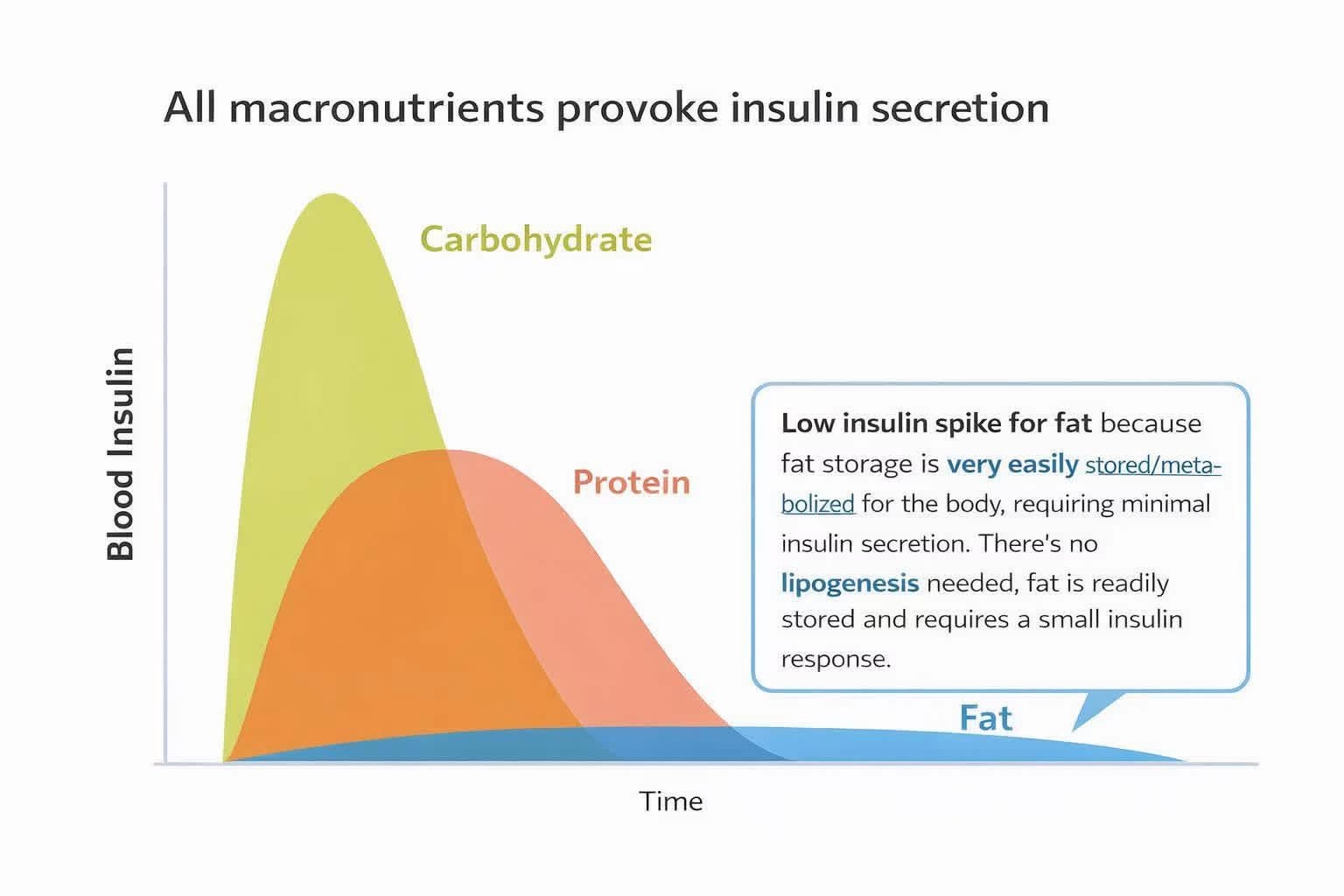
Louis points out that some proteins are more insulinogenic than carbs: beef raised insulin more than equal-calorie white pasta or oatmeal in the 1997 insulin index study, and whey more than glucose or white bread in a 2012 study. He says influencers have misled people about this and recommends learning the insulin index rather than assuming carbs alone drive insulin.
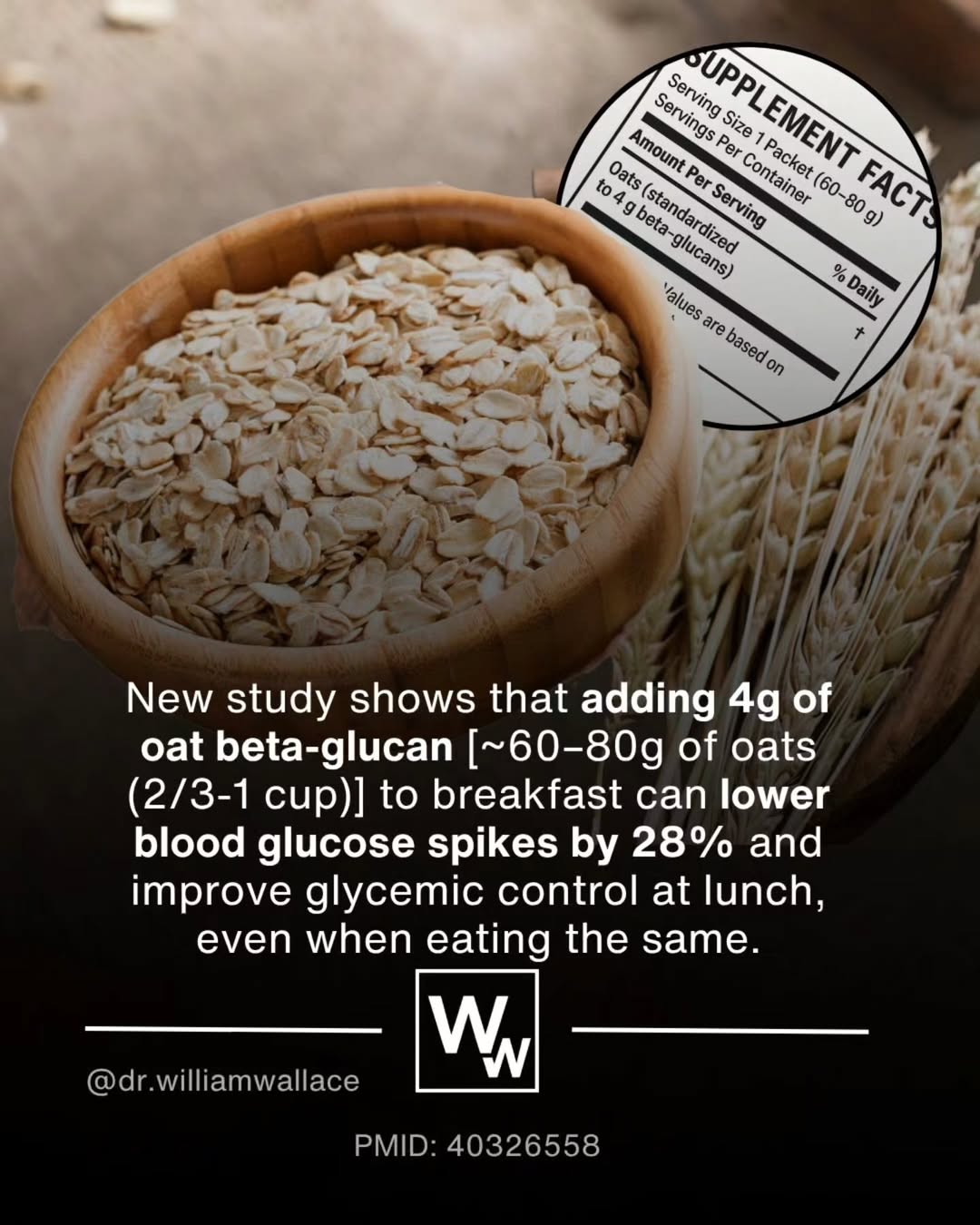

Oat beta-glucan (4 g) cut breakfast glucose peaks 28% and lunch response 24% in small RCT

May 14, 2025 · Louis Nervegna ♥ 30 · 💬 50 ↩ 2 Carbs, fiber, sugar & whole grains

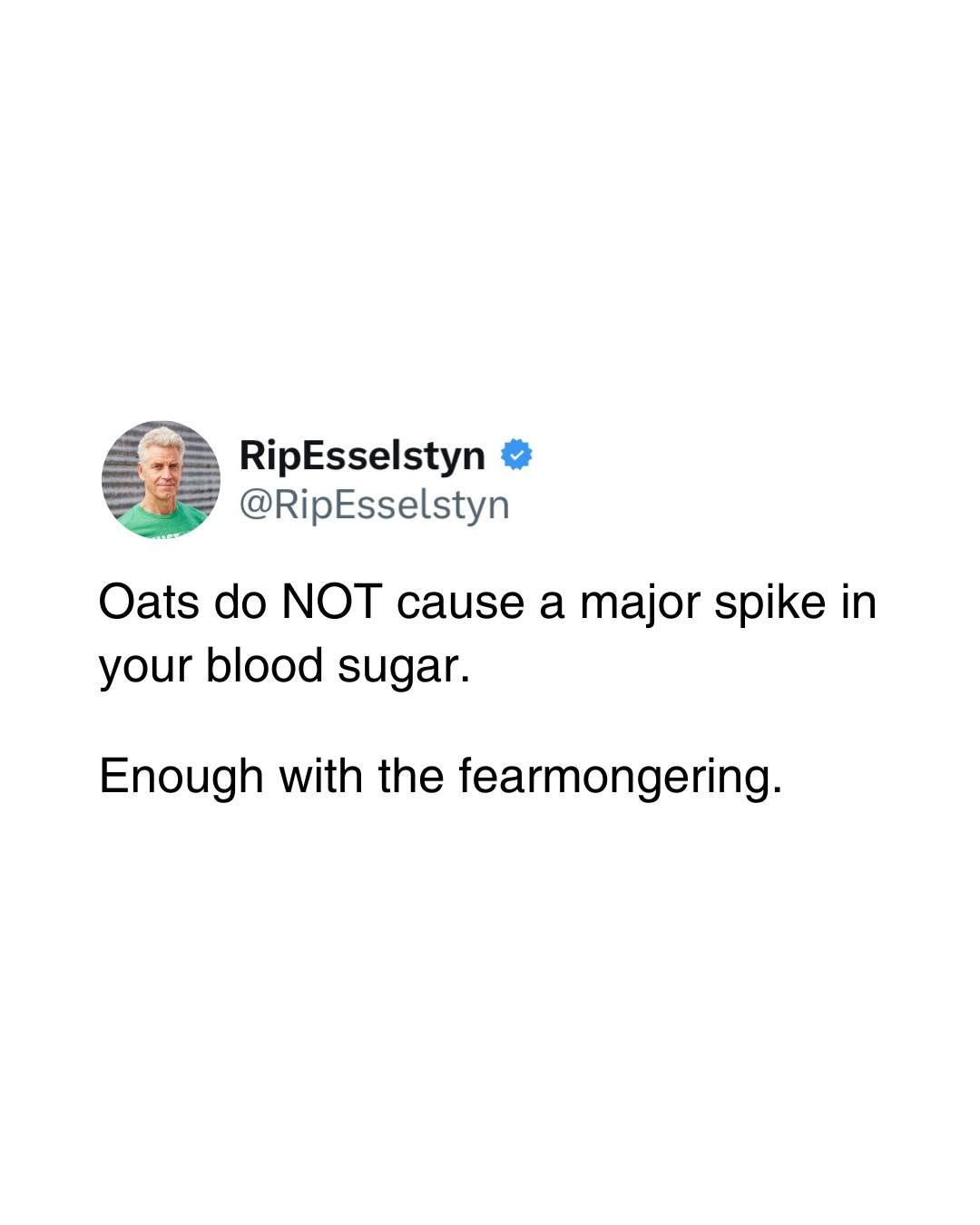
Louis says slow-cooked steel-cut oats are among the heart-healthiest foods and rejects influencer claims that oats are 'the same as eating sugar'. The shared post summarizes a small RCT in 19 healthy adults where oat beta-glucan blunted glucose and insulin responses and carried over to the next meal. About 3/4 to 1 cup of oats supplies ~4 g beta-glucan.

Norwegian 4x4 intervals: Rhonda Patrick on reversing heart aging and raising VO2 max

Oct 04, 2025 · Gokhan Can ♥ 27 · 💬 29 Exercise & fitness

Summarises a Rhonda Patrick video: moderate exercise is ineffective for many, so vigorous HIIT such as the Norwegian 4x4 (four 4-minute efforts at about 80-90% max heart rate with 4-minute recovery) improves VO2 max. She cites a two-year study that reversed about 20 years of cardiac aging in sedentary 50-year-olds, and exercise reducing glycation-driven heart stiffness (Asif et al., PNAS 2000).

Beef and whey raise insulin more than equal-calorie oatmeal, pasta or bread

May 09, 2025 · Louis Nervegna ♥ 10 · 💬 41 Insulin resistance & diabetes

Louis explains that CGMs measure glucose, not insulin, and that some proteins provoke as much or more insulin than carbohydrates. Citing the 1997 insulin index paper and a 2012 whey study, he shows beef raises insulin more than pasta or oatmeal calorie for calorie, and whey more than glucose or white bread, so swapping protein for carbs may raise post-meal insulin.
Vitamin K2 trials show better glucose and HbA1c in type 2 diabetes, per Life Extension

Sep 09, 2024 · Louis Nervegna ♥ 19 · 💬 14 ↩ 1 Supplements & vitamins

Louis shares a Life Extension article summarizing RCTs of vitamin K and glucose metabolism. Three RCTs of MK-7 vitamin K2 (90-360 mcg/day for 3-6 months) lowered fasting glucose and HbA1c in type 2 diabetes versus placebo, and trials in healthy and prediabetic people improved insulin sensitivity. Louis takes it for insulin sensitivity despite failed arterial calcification trials. Source is a supplement-industry magazine.

8-hour time-restricted eating improved glucose control in prediabetes, early or late

Sep 11, 2024 · Louis Nervegna ♥ 13 · 💬 8 Fasting & meal timing

Louis shares a randomized crossover trial presented at EASD showing that restricting eating to eight hours a day improved time in normal glucose range and reduced glucose fluctuations in adults at risk of type 2 diabetes. Timing of the window (early or late) made no extra difference, and benefits appeared within three days. The authors attribute it to the 16-hour fast, not timing or calorie change.

Blending whole fruit does not cause bigger blood-sugar spikes than eating it whole

May 10, 2026 · Louis Nervegna ♥ 10 · 💬 13 Carbs, fiber, sugar & whole grains

Louis rebuts the claim that blending fruit spikes blood sugar. Per the shared response, an RCT comparing whole apples and blackberries with a smoothie of the same fruits found a slightly smaller glucose rise with the smoothie, and blending mangoes also did not raise the spike. Fiber remains in the blend and still slows sugar absorption.

Keto causes bigger temporary insulin resistance than statins, so statin fear is overplayed

Sep 16, 2024 · Louis Nervegna ♥ 8 · 💬 16 Statins

Louis argues that keto influencers who fixate on statins slightly reducing insulin sensitivity overlook that a keto diet causes the same effect to a much greater degree. Without carbohydrate, skeletal muscle becomes insulin resistant to preserve glucose for the brain and heart, so a glucose tolerance test on keto looks poor. Both effects are temporary and reverse on stopping.

Very low-carb diets rarely push A1C below 5 because of physiological insulin resistance

May 25, 2026 · Louis Nervegna ♥ 11 · 💬 11 Low-carb, keto & carnivore

Louis argues that in people who already have low A1C, severe carb restriction makes muscles temporarily insulin resistant to spare glucose for heart and brain, so blood sugar can rise rather than fall. This 'adaptive glucose sparing' or 'pseudo-diabetes' also explains why people on long-term keto often fail glucose tolerance tests. Personal observation and physiology reasoning rather than a cited trial.

Satchin Panda: wait 2 hours after waking to eat; finish dinner 3 hours before sleep

Mar 20, 2024 · Louis Nervegna ♥ 13 · 💬 8 Fasting & meal timing

Louis summarizes meal-timing advice from circadian researcher Satchin Panda for glucose control. Delay breakfast at least two hours after waking because the pancreas regulates insulin poorly then, and eat the last large meal at least 3 hours before sleep since melatonin begins rising about 3 hours before bedtime and inhibits insulin secretion. This is expert advice from a podcast clip rather than a cited trial.

Probiotics might counter statin-linked blood sugar rise via gut microbiota, editorial says

Nov 09, 2024 · Louis Nervegna ♥ 8 · 💬 11 Statins

Louis shares an ATVB editorial describing statin-induced gut microbiota changes as a candidate mechanism for statin-associated new-onset type 2 diabetes. The editorial says causality still needs larger sequencing studies. Louis adds that in JUPITER, high-dose rosuvastatin raised A1C by 0.1, bringing diabetes diagnosis about 5.4 weeks earlier over 2 years, a small but real effect.

Delaying breakfast to midday lowered post-meal glucose in type 2 diabetes (crossover RCT)

Dec 27, 2024 · Louis Nervegna ♥ 10 · 💬 8 Fasting & meal timing

A small randomized crossover trial found delaying breakfast from about 07:00 to mid-morning or midday lowered the 2-hour postprandial glucose response in people with type 2 diabetes. A 20-minute walk after breakfast had only a small effect. Louis notes this suggests morning fasting is acceptable in the short term for people with poor glycemic control.

Meta-analysis of 102 feeding trials: polyunsaturated fat gives the best glycemic benefit

Nov 18, 2025 · Gokhan Can ♥ 6 · 💬 7 Fats & oils (saturated fat, seed oils, omega-6, olive oil)

Summarises a systematic review of 102 randomized feeding trials (4,220 participants) on 5% energy swaps. Replacing carbs with MUFA lowered HbA1c 0.09% and HOMA-IR 2.4%; with PUFA lowered HbA1c 0.11% and fasting insulin 1.6 pmol/L. PUFA alone improved insulin secretion capacity; saturated fat swaps did not change fasting glucose. Authors favor replacing refined carbs and saturated fat with unsaturated fats.

100+ trials: polyunsaturated fat improves glucose and insulin markers, saturated doesn't

Sep 14, 2025 · Louis Nervegna ♥ 7 · 💬 6 ↩ 13 Fats & oils (saturated fat, seed oils, omega-6, olive oil)

Louis summarizes a meta-analysis of randomized feeding trials showing polyunsaturated fat, mostly omega-6 from vegetable oils, lowers fasting glucose and A1C and improves insulin resistance and insulin secretion. Monounsaturated fat did well but less so, and saturated fat showed no appreciable benefit.

Vitamin K improved fasting glucose and HOMA-IR and was linked to lower T2DM risk

Apr 29, 2024 · Louis Nervegna ♥ 9 · 💬 6 ↩ 1 Insulin resistance & diabetes

Louis suggests the main value of vitamin K may be improving insulin sensitivity and lowering risk of pre-diabetes and diabetes, citing a 2023 systematic review and meta-analysis. The quoted conclusion is that supplementation significantly affected fasting blood sugar and HOMA-IR and that vitamin K was associated with reduced risk of developing type 2 diabetes.

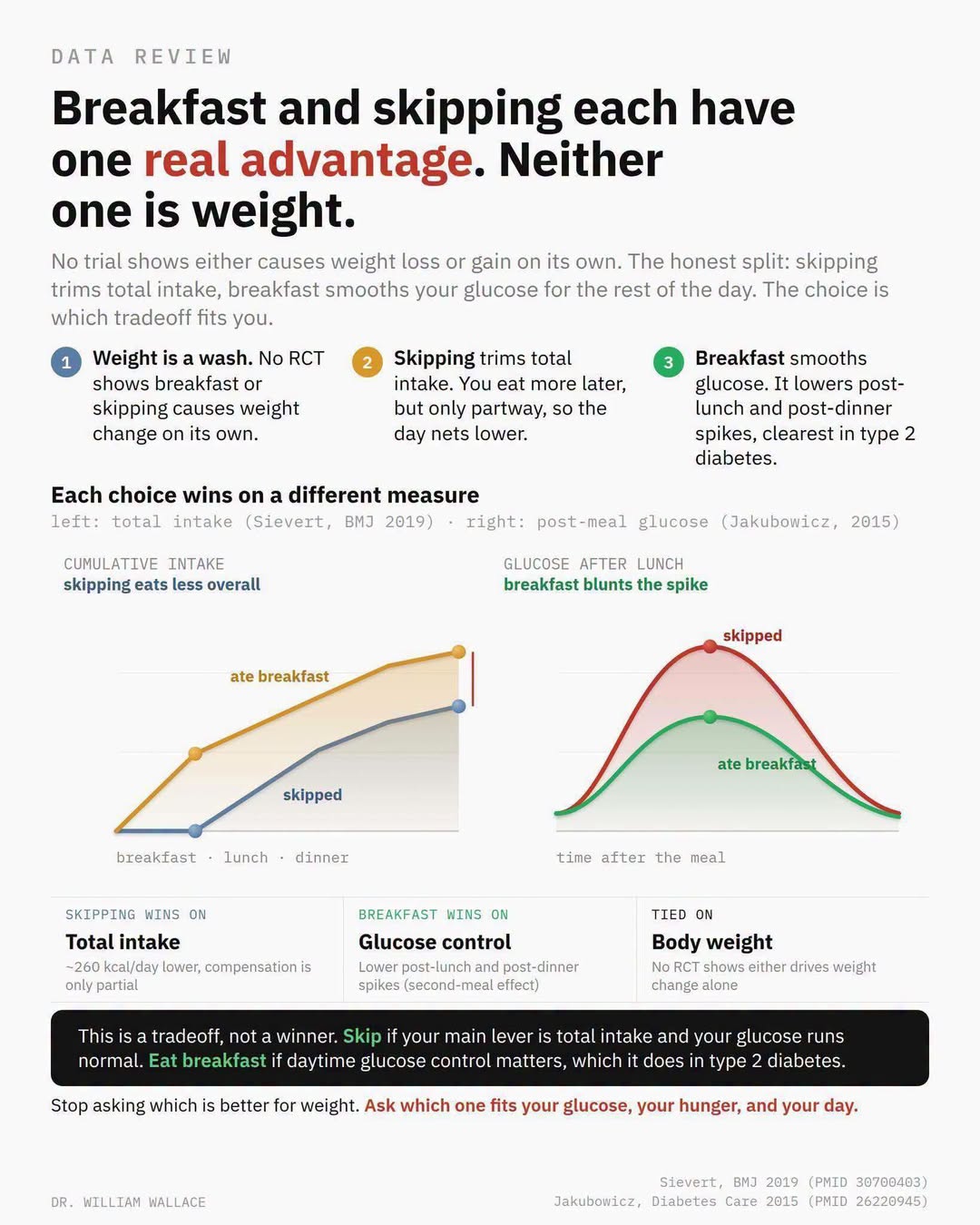
RCTs show skipping breakfast does not cause weight gain and cuts about 260 calories a day

Oct 29, 2026 · Louis Nervegna ♥ 9 · 💬 1 Fasting & meal timing

Observational studies link skipping breakfast to weight gain, but a 2019 BMJ review pooling 13 randomized trials found no evidence that eating breakfast aids weight loss or that skipping it causes weight gain. Breakfast skippers ate about 260 fewer calories per day overall. The possible downside is poorer glycemic control later in the day in people with diabetes or prediabetes.

100+ feeding trials: polyunsaturated fat improves glucose control, saturated fat does not

Dec 17, 2025 · Louis Nervegna ♥ 7 · 💬 1 Fats & oils (saturated fat, seed oils, omega-6, olive oil)

Louis summarizes the 2016 PLoS Medicine meta-analysis of randomized feeding trials: polyunsaturated fat, mainly omega-6 from vegetable oils, lowered fasting glucose and A1C and improved insulin resistance and secretion, MUFA did well but less so, and saturated fat showed no appreciable benefit. He pairs it with the 20-cohort biomarker study showing a 43% lower diabetes risk with high omega-6.

Olive oil raised GLP-1 and lowered post-meal glucose versus butter in type 1 diabetes

Olive oil, like all fats, raises GLP-1, and the quoted crossover data suggest it does so more than butter, helping people feel full sooner. After a high-glycemic meal in people with type 1 diabetes, glucose exposure was lower with EVOO than with butter or a low-fat meal, plausibly via slower gastric emptying and glucose-lipid competition.

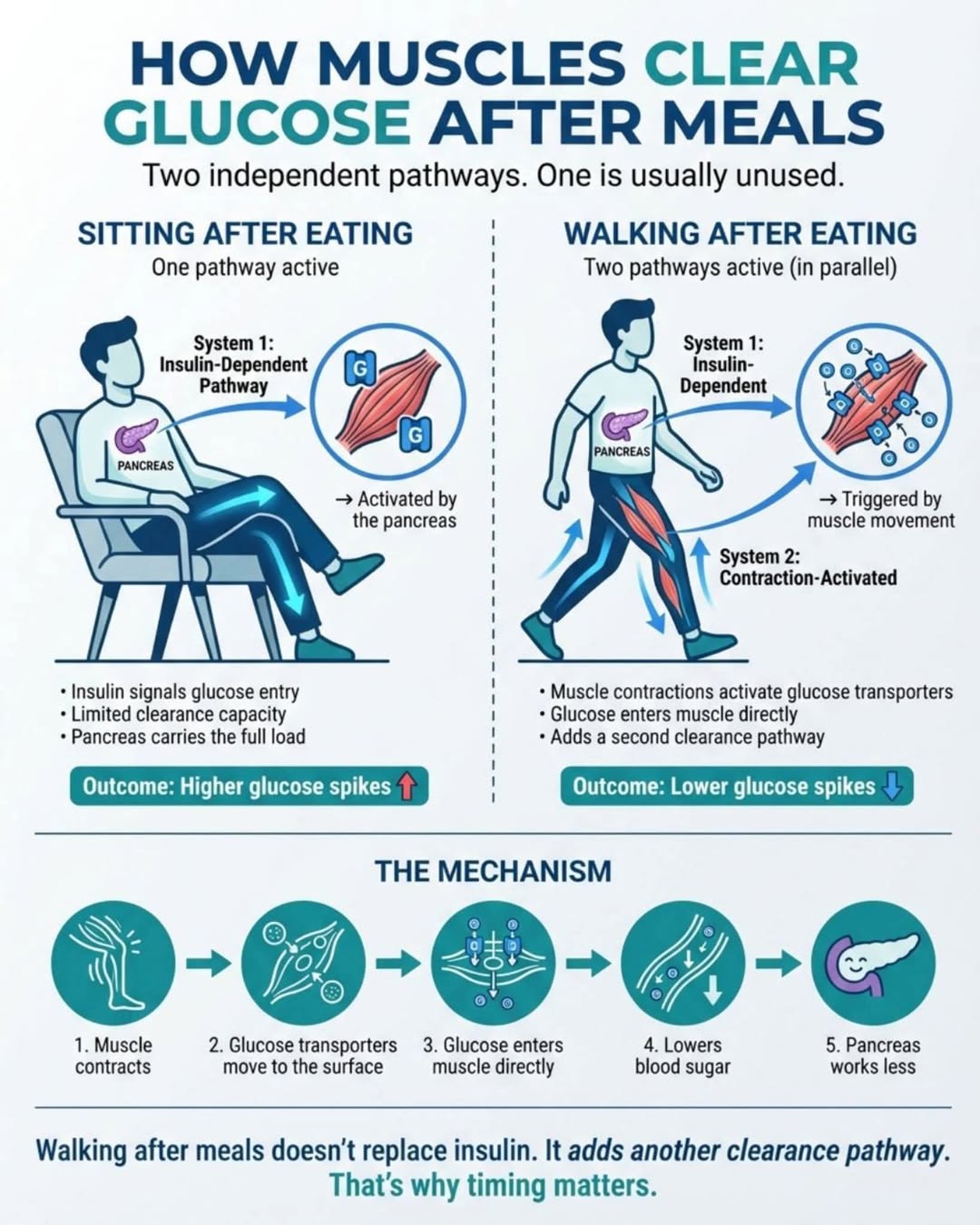
Exercise activates AS160 and GLUT4 for muscle glucose uptake; Zierath wins 2024 EASD prize

Aug 26, 2024 · Louis Nervegna ♥ 12 Exercise & fitness

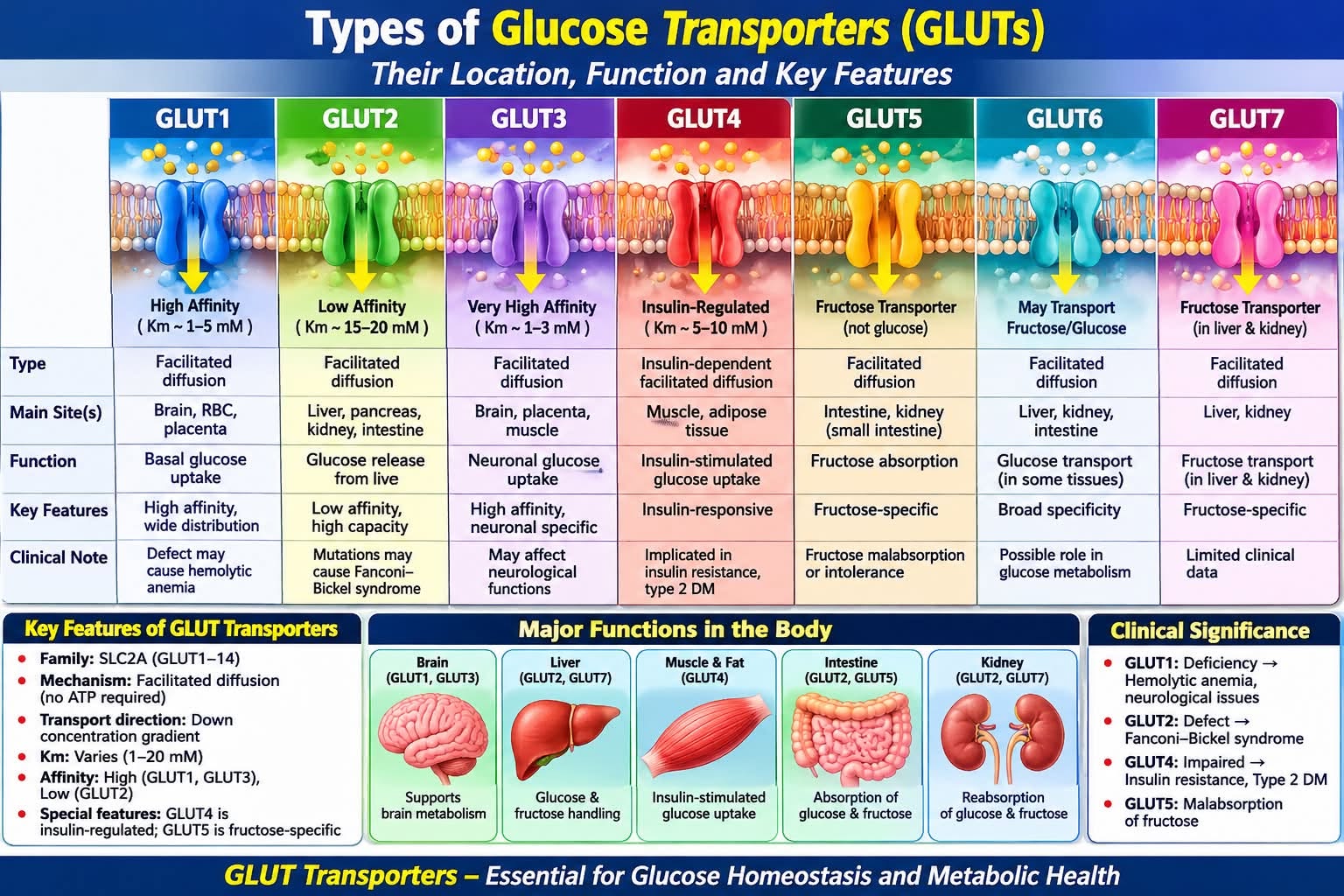
Louis shares news that Prof. Juleen Zierath won the 2024 EASD Diabetes Prize for Excellence for 30 years of work on exercise and muscle insulin signalling. Her group found exercise activates AS160, which boosts GLUT4 to move glucose into muscle and fat cells, a pathway still working when insulin's effect is impaired in type 2 diabetes. This supports exercise for lowering blood sugar.

100+ RCTs and 20 cohorts: omega-6 improves glucose control, 43% lower diabetes risk

Louis summarizes evidence that omega-6 polyunsaturated fat lowers fasting glucose and A1C and improves insulin resistance and secretion across more than 100 randomized trials. A pooled analysis of about 40,000 people from 20 prospective cohorts with biomarker-measured omega-6 found the top fifth had 43% lower diabetes risk than the bottom fifth. He lists the supporting meta-analyses.