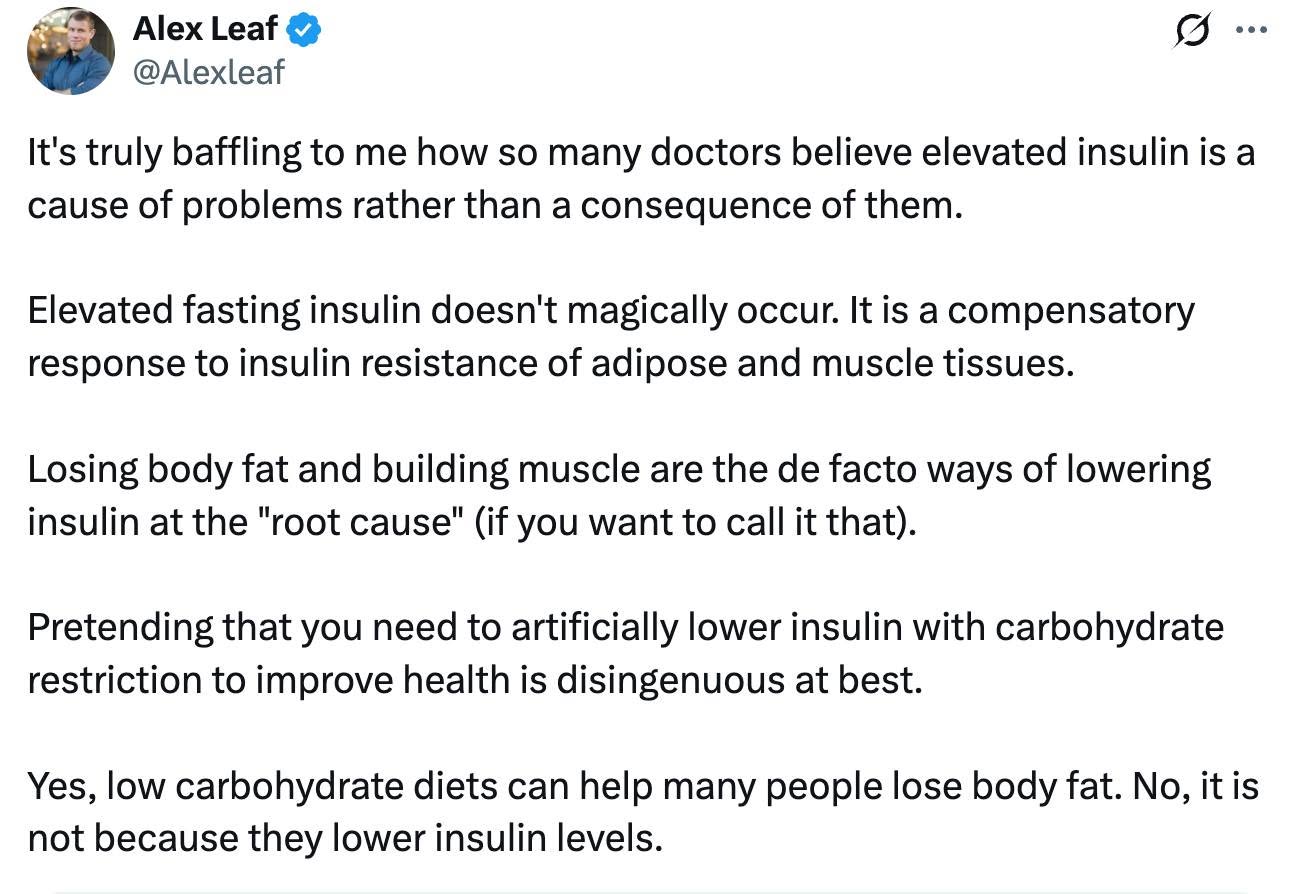
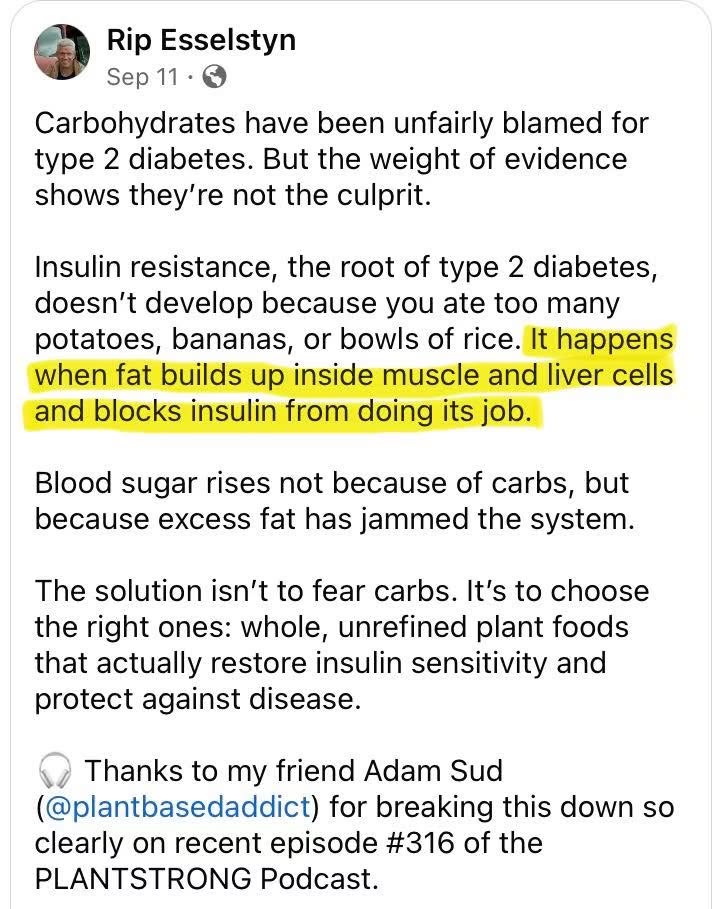
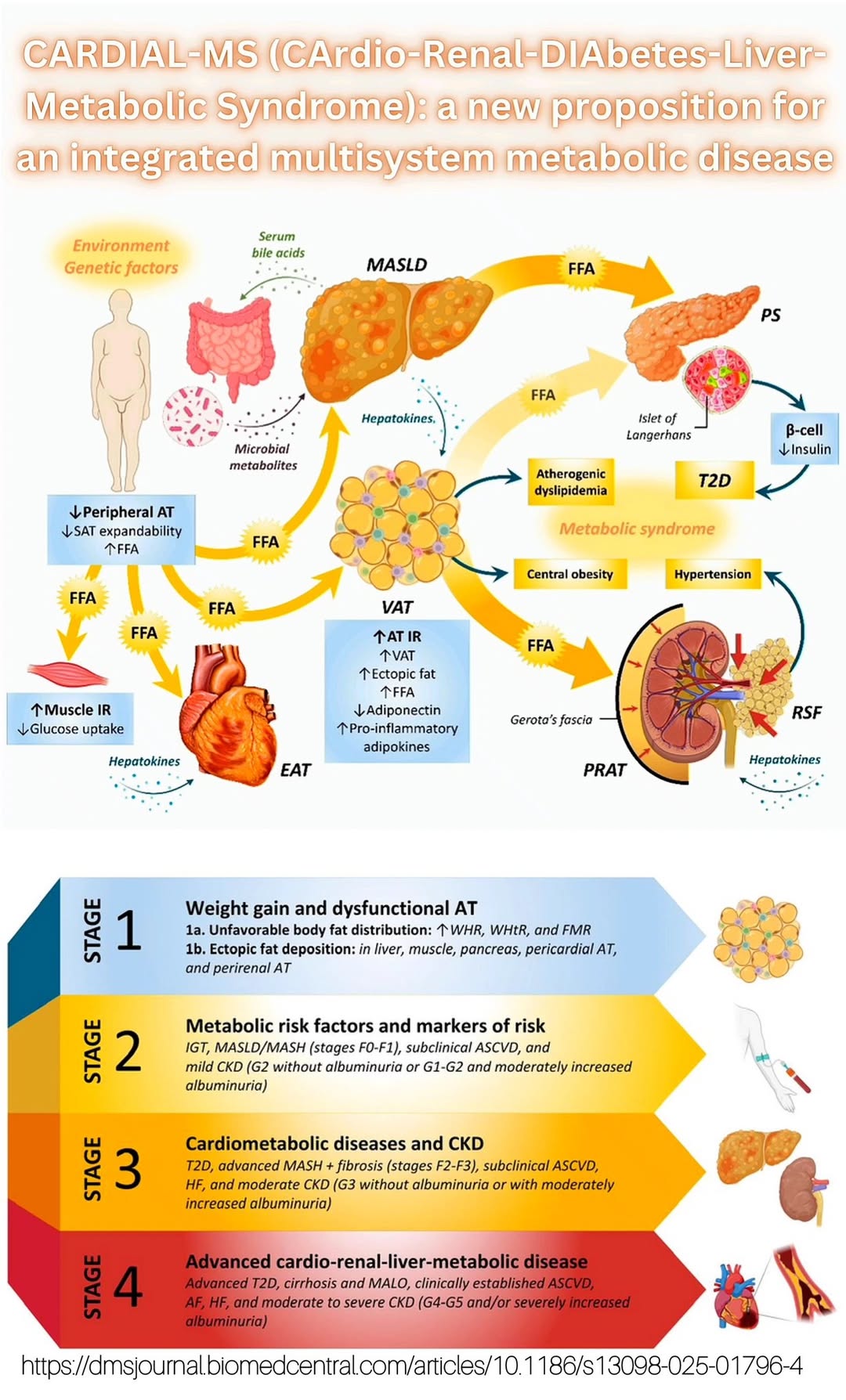
Insulin resistance initially begins with fat accumulation in muscle. This is the very start of the process. It’s only later that fat begins to accumulate in the liver.
(Also see this post for more information on this topic: ↪ Insulin resistance starts with fat accumulating in muscle, before liver fat.)
#muscleHD #musclefatHD #insulinresistanceHD
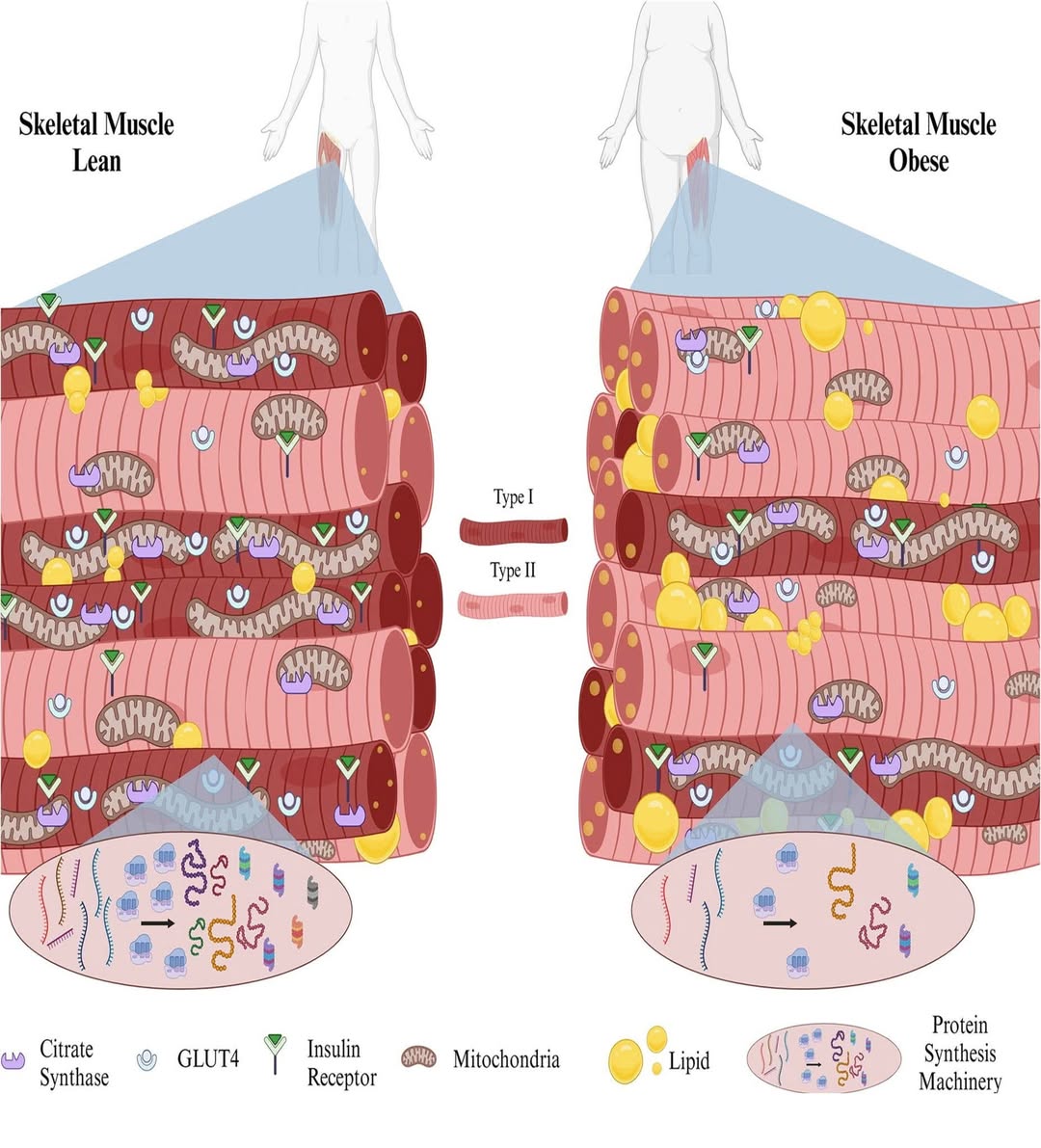
The way your muscles are built determines how your body handles energy; lean muscle uses it, while obese muscle is prone to storing it.
What you’re seeing
This image compares skeletal muscle from lean and obese individuals, revealing how changes in fiber type, mitochondria, and lipid content shift muscle from an energy-burning organ to an energy-storing one.
🟡 Lean muscle has more type I oxidative fibers, which are dense with mitochondria and glucose transporters. These fibers efficiently oxidize fat and glucose, maintaining insulin sensitivity and steady energy output.
🟡 Obese muscle contains fewer oxidative fibers and more type II glycolytic fibers, which tire quickly and accumulate fat droplets within the tissue. Mitochondrial content is lower, GLUT4 expression declines, and overall fuel utilization becomes inefficient.
🟡 This imbalance creates a ripple effect; less glucose uptake, impaired fat oxidation, reduced insulin sensitivity, and higher risk of metabolic and cardiovascular disease.
The bigger picture:
Skeletal muscle is one of the body’s most powerful metabolic regulators. Its cellular composition reflects lifestyle, nutrition, and physical activity. Exercise reverses these changes by increasing oxidative fiber content and mitochondrial density, transforming muscle back into a metabolic engine that supports long-term health.
Citation:
Serrano, N., Hyatt, J. P. K., Houmard, J. A., Murgia, M., & Katsanos, C. S. (2023). Muscle fiber phenotype: a culprit of abnormal metabolism and function in skeletal muscle of humans with obesity. American Journal of Physiology – Endocrinology and Metabolism, 325(6), E545–E556.