HD-OPM Archive
Hashtags

#insulinresistance

137 posts

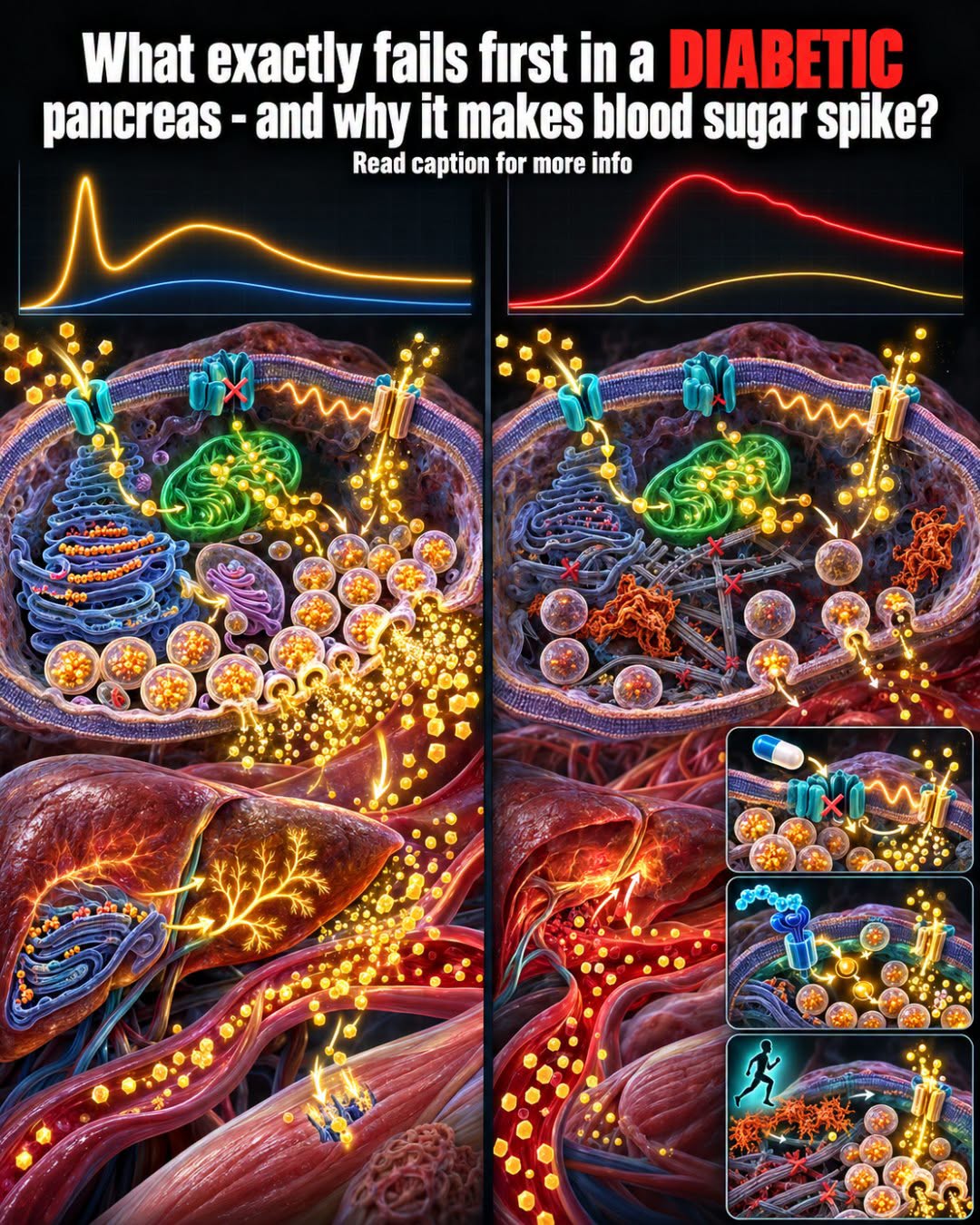
Roy Taylor trial: clearing liver and pancreas fat via 8-week low-calorie diet reversed T2D

Sep 01, 2024 · Louis Nervegna ♥ 24 · 💬 22 ↩ 21 Insulin resistance & diabetes

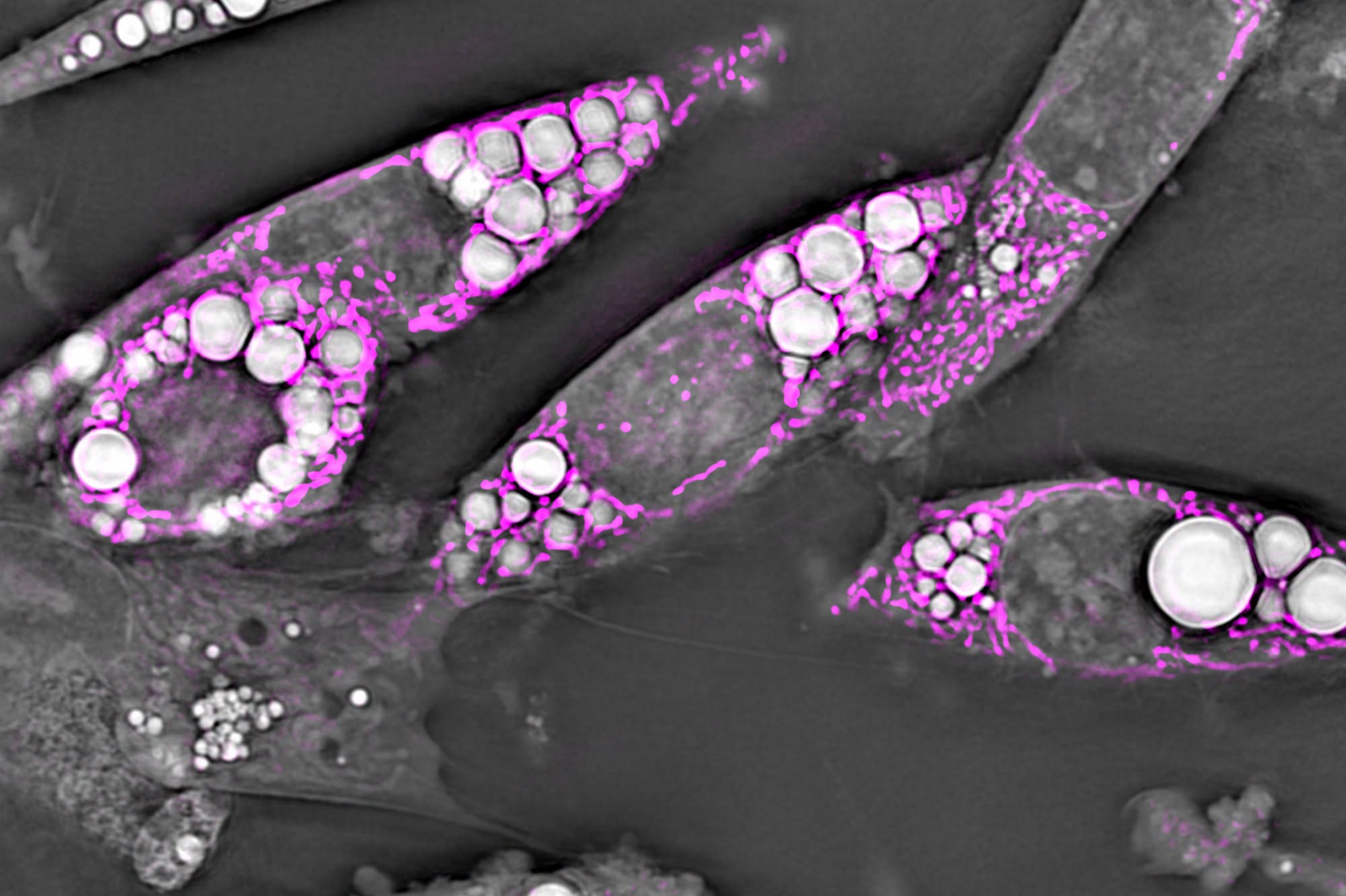
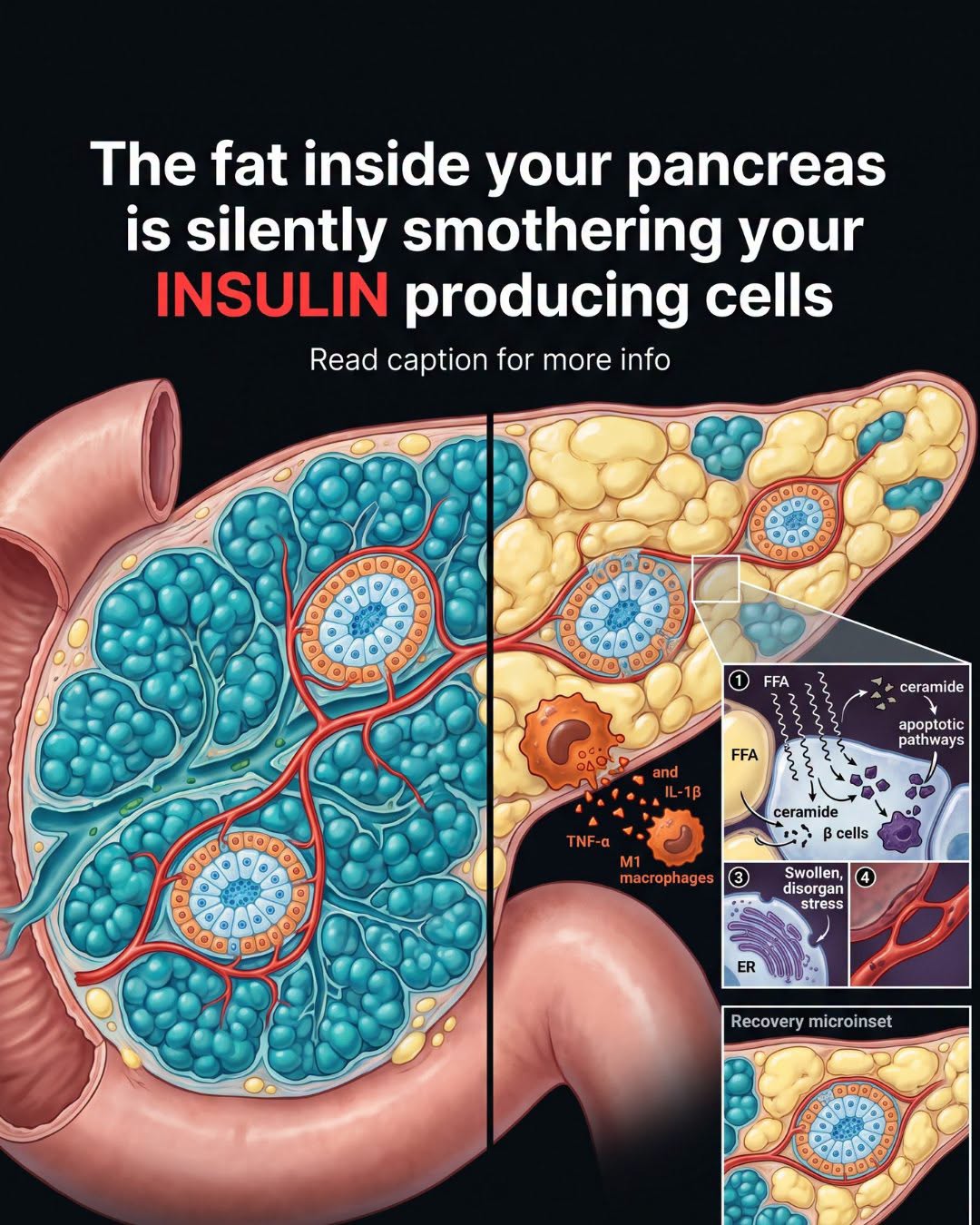
Louis summarizes Roy Taylor's randomized trial in which an 8-week very low calorie liquid diet cleared fat from the liver and pancreas, restoring insulin sensitivity and beta cell function and putting diabetes into remission. Average weight loss needed was about 15 kg (33 lb), followed by a Mediterranean-style maintenance diet. Some patients had a full curative response with pancreas regeneration seen on imaging.

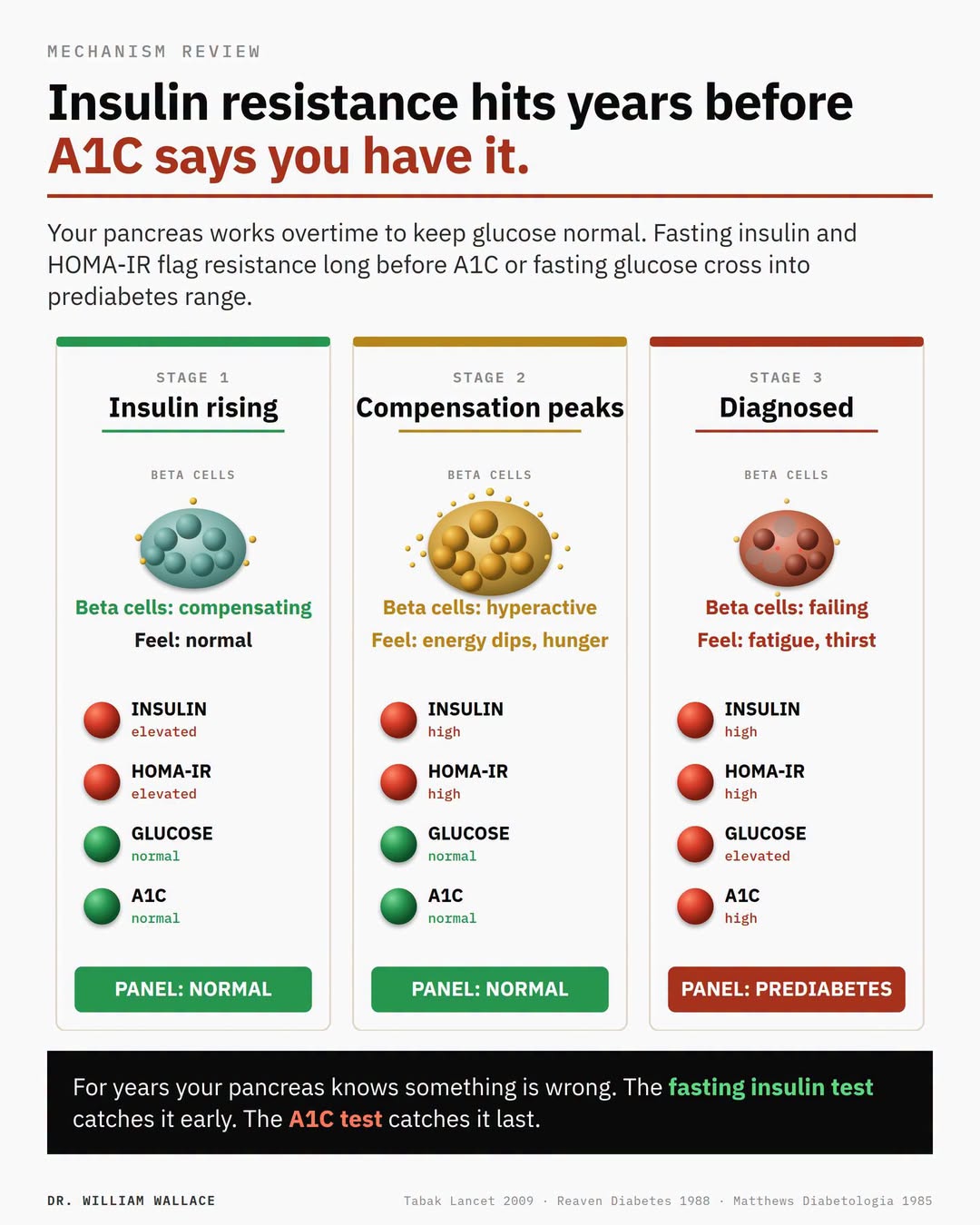
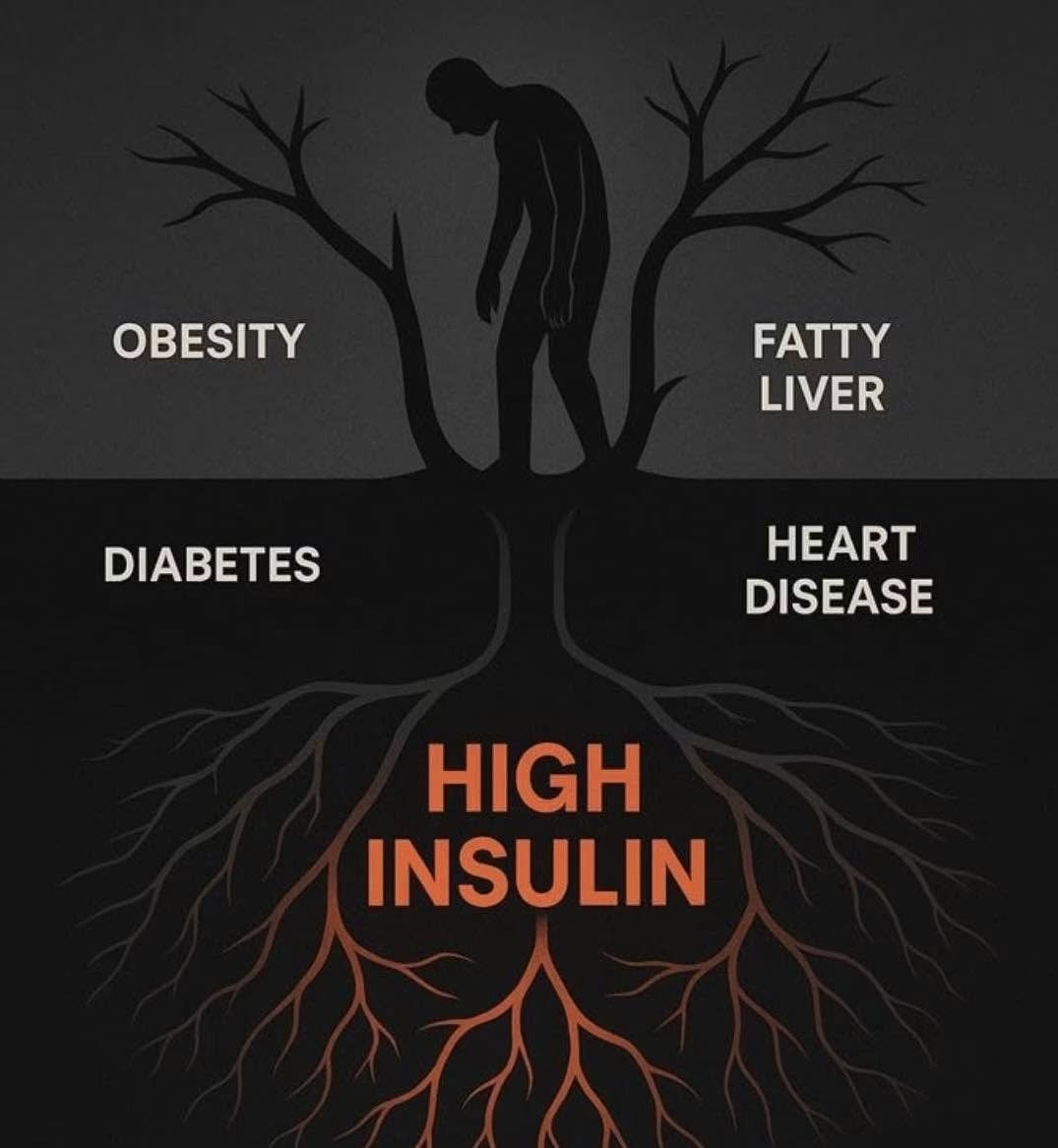
Liver fat is the main driver of insulin resistance, and visceral fat is a visible marker

Sep 24, 2024 · Louis Nervegna ♥ 21 · 💬 25 Insulin resistance & diabetes

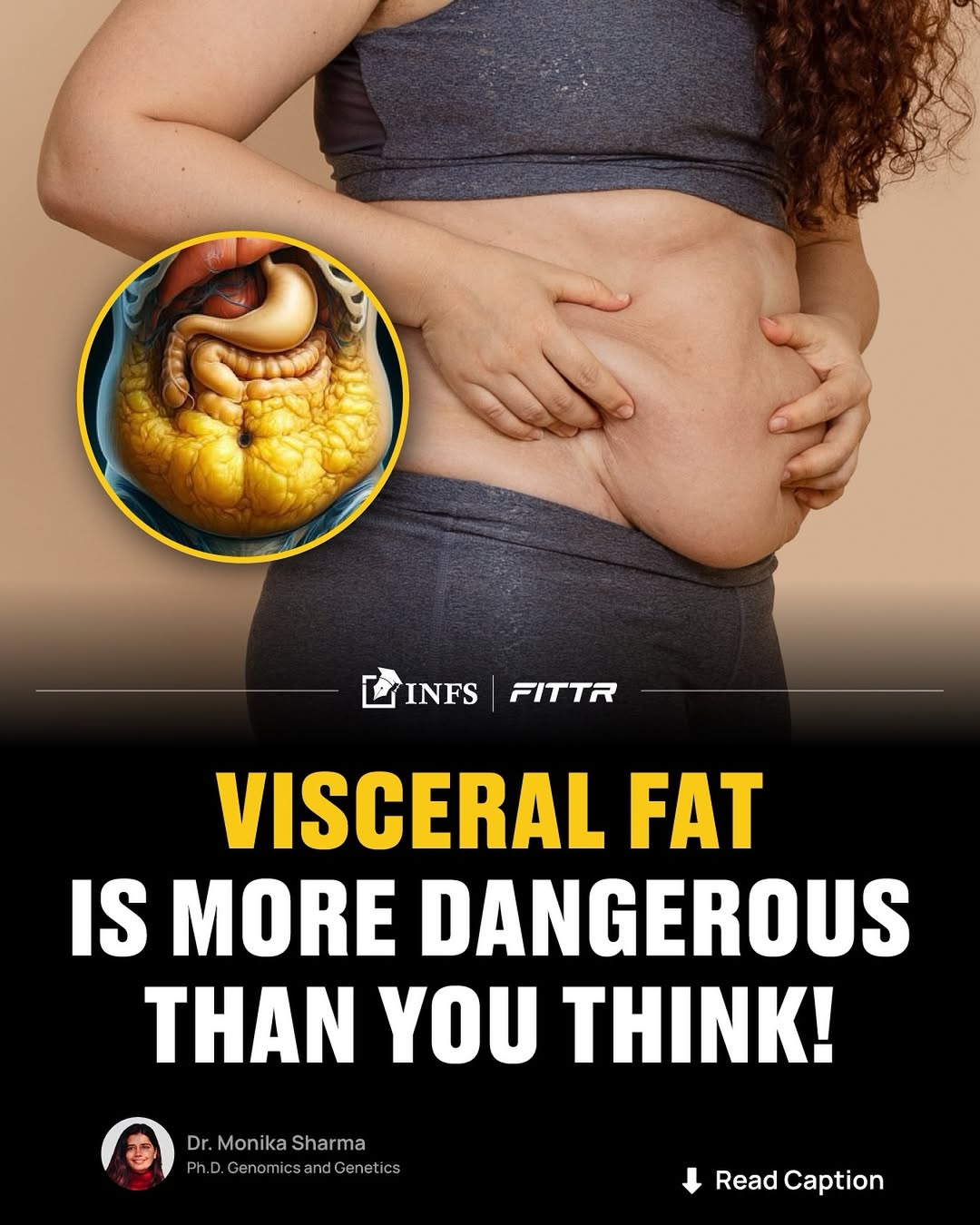
Louis reposts a Harvard diabetologist's explanation that in most people fat stored in the liver is the biggest cause of insulin resistance. Losing liver fat by any means dramatically improves it, and weight loss removes liver fat first. Refined starch and sugar-sweetened drinks raise the odds, though excess calories alone can do it. Visible abdominal visceral fat is a simple proxy.
Medical schools push back on seed-oil myths; pooled cohorts link omega-6 to lower risk

Jun 18, 2025 · Louis Nervegna ♥ 12 · 💬 26 Fats & oils (saturated fat, seed oils, omega-6, olive oil)

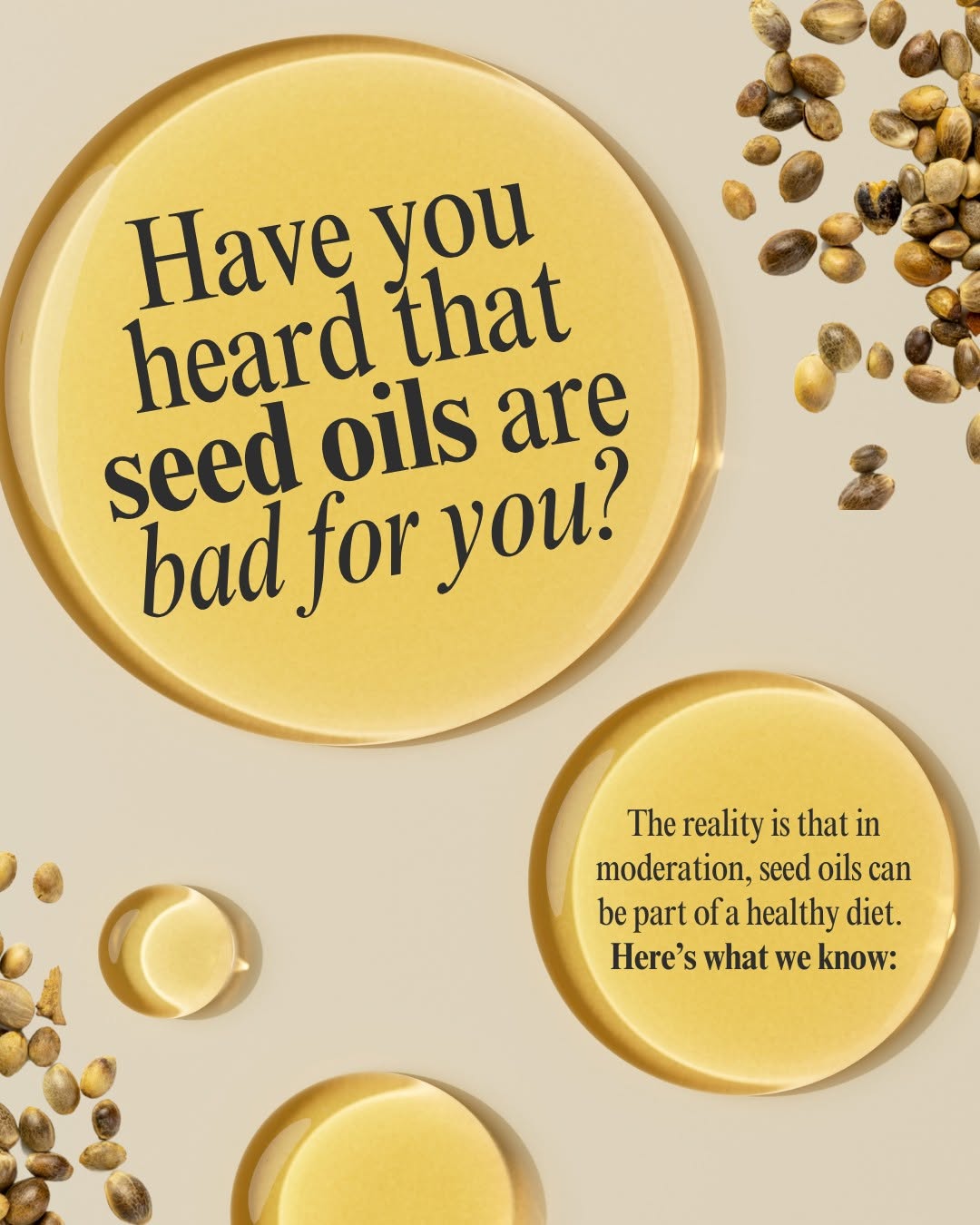
Louis says major medical and public health schools are countering influencer claims about seed oils. He notes a 2019 pooled analysis of 30 prospective cohorts found higher blood omega-6 (linoleic acid) predicted lower risk of heart disease and diabetes over 2.5 to 30 years, and points to earlier group posts.
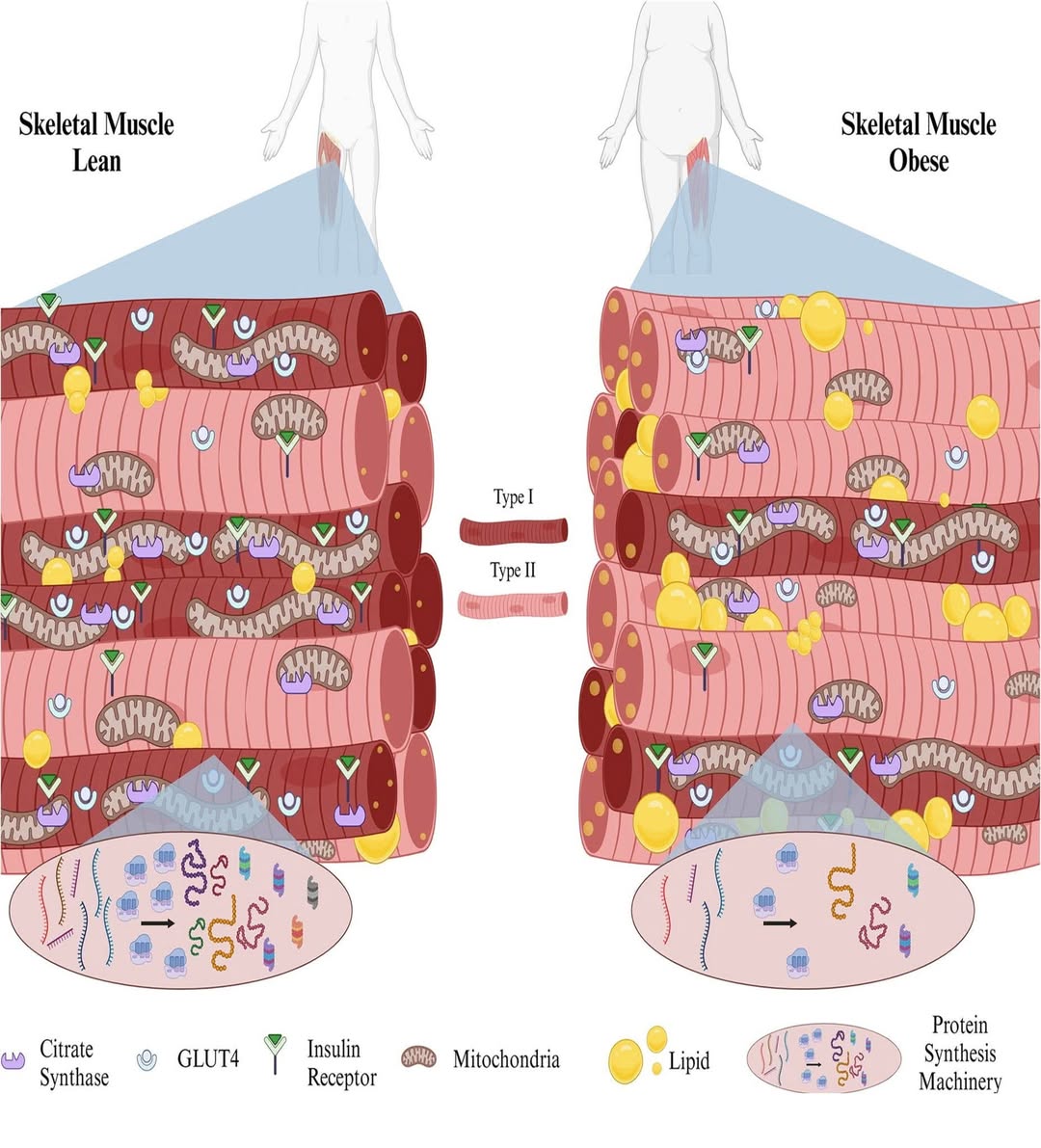
Diabetes researchers cite fat in muscle and liver as the main cause of insulin resistance

Oct 19, 2025 · Louis Nervegna ♥ 23 · 💬 13 Insulin resistance & diabetes

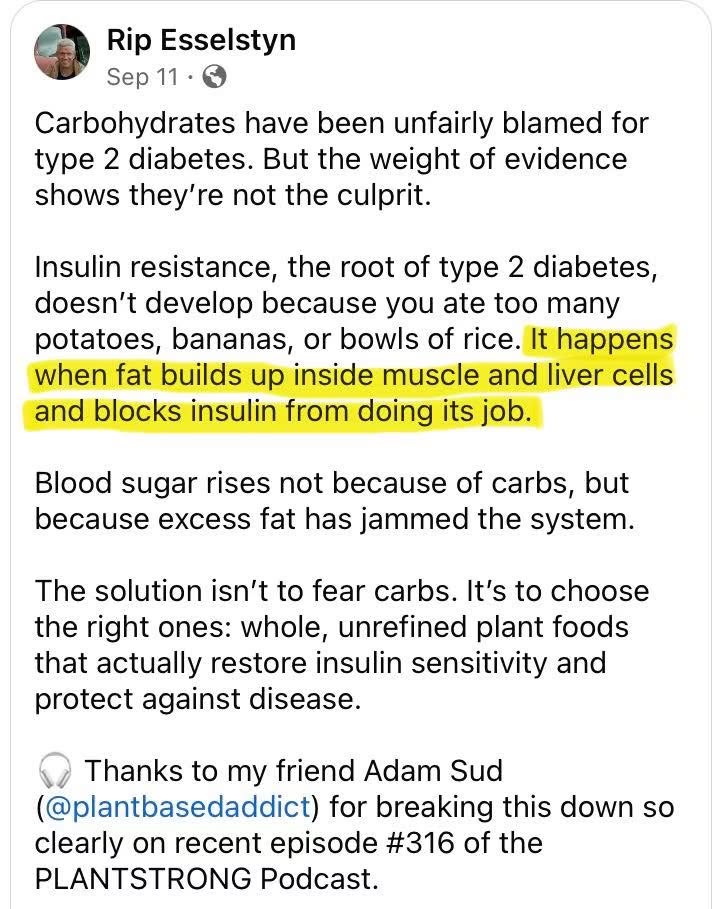
Louis says leading diabetes researchers increasingly agree that fat build-up inside muscle and liver is what causes insulin resistance in most people. Food types can make accumulation easier or harder, but the main cause is overall calorie overconsumption, and very lean people with no ectopic fat rarely develop insulin resistance whatever they eat.

Vitamin K2 trials show better glucose and HbA1c in type 2 diabetes, per Life Extension

Sep 09, 2024 · Louis Nervegna ♥ 19 · 💬 14 ↩ 1 Supplements & vitamins

Louis shares a Life Extension article summarizing RCTs of vitamin K and glucose metabolism. Three RCTs of MK-7 vitamin K2 (90-360 mcg/day for 3-6 months) lowered fasting glucose and HbA1c in type 2 diabetes versus placebo, and trials in healthy and prediabetic people improved insulin sensitivity. Louis takes it for insulin sensitivity despite failed arterial calcification trials. Source is a supplement-industry magazine.

Big glucose spikes from oats signal insulin resistance; only losing visceral fat cures it

Mar 01, 2025 · Louis Nervegna ♥ 23 · 💬 8 Insulin resistance & diabetes

Louis argues that large glucose spikes from low-to-moderate GI carbs suggest prediabetes or diabetes, and that cutting carbs only masks the problem unless enough weight is lost to clear liver and pancreas fat. He adds that visceral fat can hide in people with normal BMI, that Asians develop insulin resistance at lower visceral fat levels, and summarizes Roy Taylor's very-low-calorie diet trials.

Keto causes bigger temporary insulin resistance than statins, so statin fear is overplayed

Sep 16, 2024 · Louis Nervegna ♥ 8 · 💬 16 Statins

Louis argues that keto influencers who fixate on statins slightly reducing insulin sensitivity overlook that a keto diet causes the same effect to a much greater degree. Without carbohydrate, skeletal muscle becomes insulin resistant to preserve glucose for the brain and heart, so a glucose tolerance test on keto looks poor. Both effects are temporary and reverse on stopping.

HDL and ApoA-I raising therapies repeatedly failed, so HDL is probably not directly causal

Mar 11, 2024 · Louis Nervegna ♥ 6 · 💬 9 ↩ 22 LDL, ApoB & lipid panel

Louis reviews why HDL or ApoA-I is probably not causal for heart disease. CETP inhibitor trials failed (ILLUMINATE with torcetrapib was stopped for harm; dal-OUTCOMES with dalcetrapib and ACCELERATE with evacetrapib showed no benefit), as did fibrate and niacin trials and CSL112 infusions, and Mendelian randomization agrees. He proposes HDL and ApoA-I mainly act as a proxy for insulin sensitivity, which is the real causal factor.

100+ trials: polyunsaturated fat improves glucose and insulin markers, saturated doesn't

Sep 14, 2025 · Louis Nervegna ♥ 7 · 💬 6 ↩ 13 Fats & oils (saturated fat, seed oils, omega-6, olive oil)

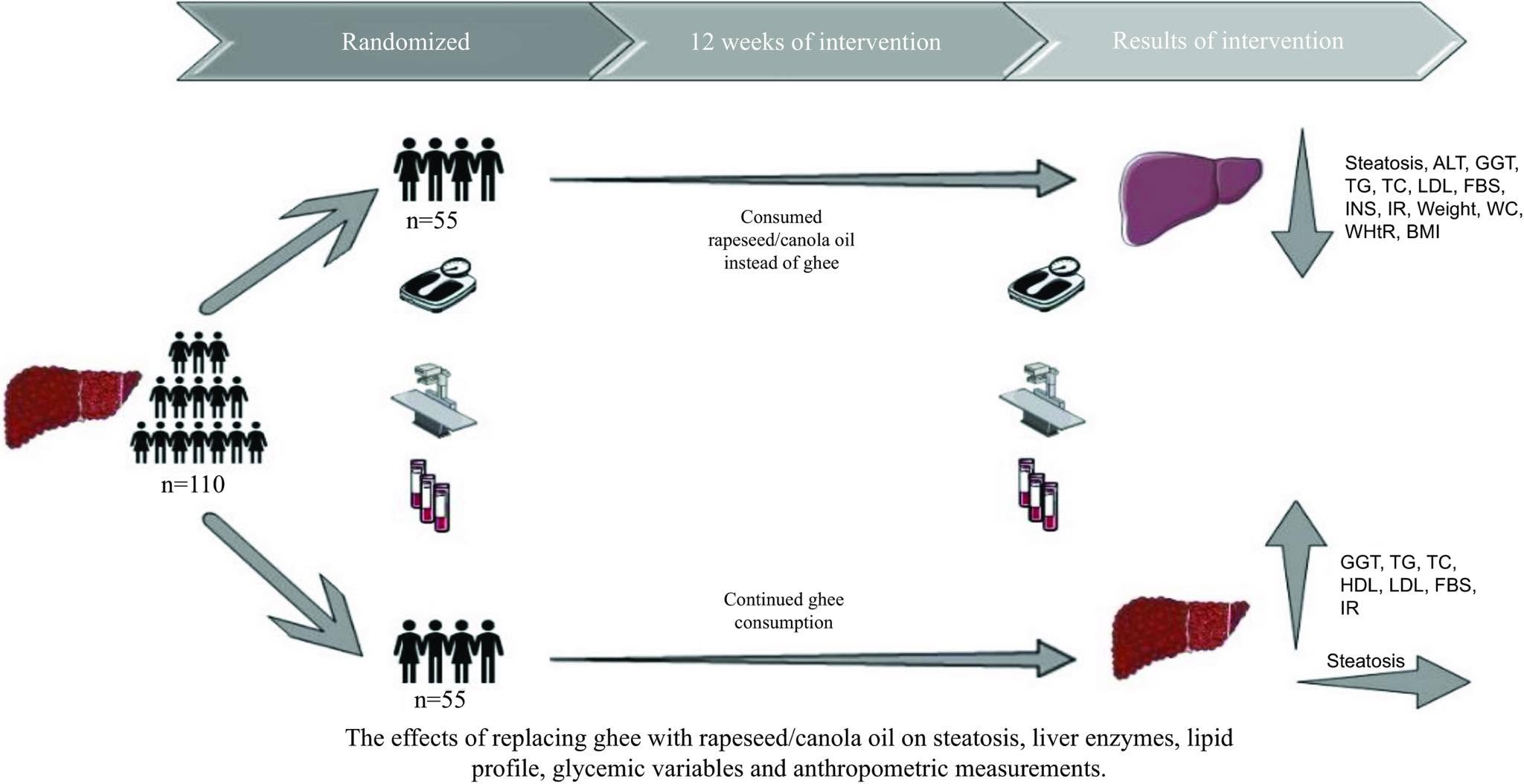
Louis summarizes a meta-analysis of randomized feeding trials showing polyunsaturated fat, mostly omega-6 from vegetable oils, lowers fasting glucose and A1C and improves insulin resistance and insulin secretion. Monounsaturated fat did well but less so, and saturated fat showed no appreciable benefit.

CSL112 ApoA-I infusion failed in phase 3 AEGIS-II, supporting HDL as marker not cause

Feb 13, 2024 · Louis Nervegna ♥ 8 · 💬 5 ↩ 14 LDL, ApoB & lipid panel

Louis argues the failure of AEGIS-II, in which patients received native ApoA-I (CSL112), shows ApoA-I is not directly causal in heart disease. Every large pharmaceutical trial raising HDL or ApoA-I has failed to prevent heart attacks and strokes. HDL and ApoA-I remain good risk markers, probably standing in for insulin resistance, so raising them by means other than improving insulin sensitivity may not lower risk.

Vitamin K improved fasting glucose and HOMA-IR and was linked to lower T2DM risk

Apr 29, 2024 · Louis Nervegna ♥ 9 · 💬 6 ↩ 1 Insulin resistance & diabetes

Louis suggests the main value of vitamin K may be improving insulin sensitivity and lowering risk of pre-diabetes and diabetes, citing a 2023 systematic review and meta-analysis. The quoted conclusion is that supplementation significantly affected fasting blood sugar and HOMA-IR and that vitamin K was associated with reduced risk of developing type 2 diabetes.

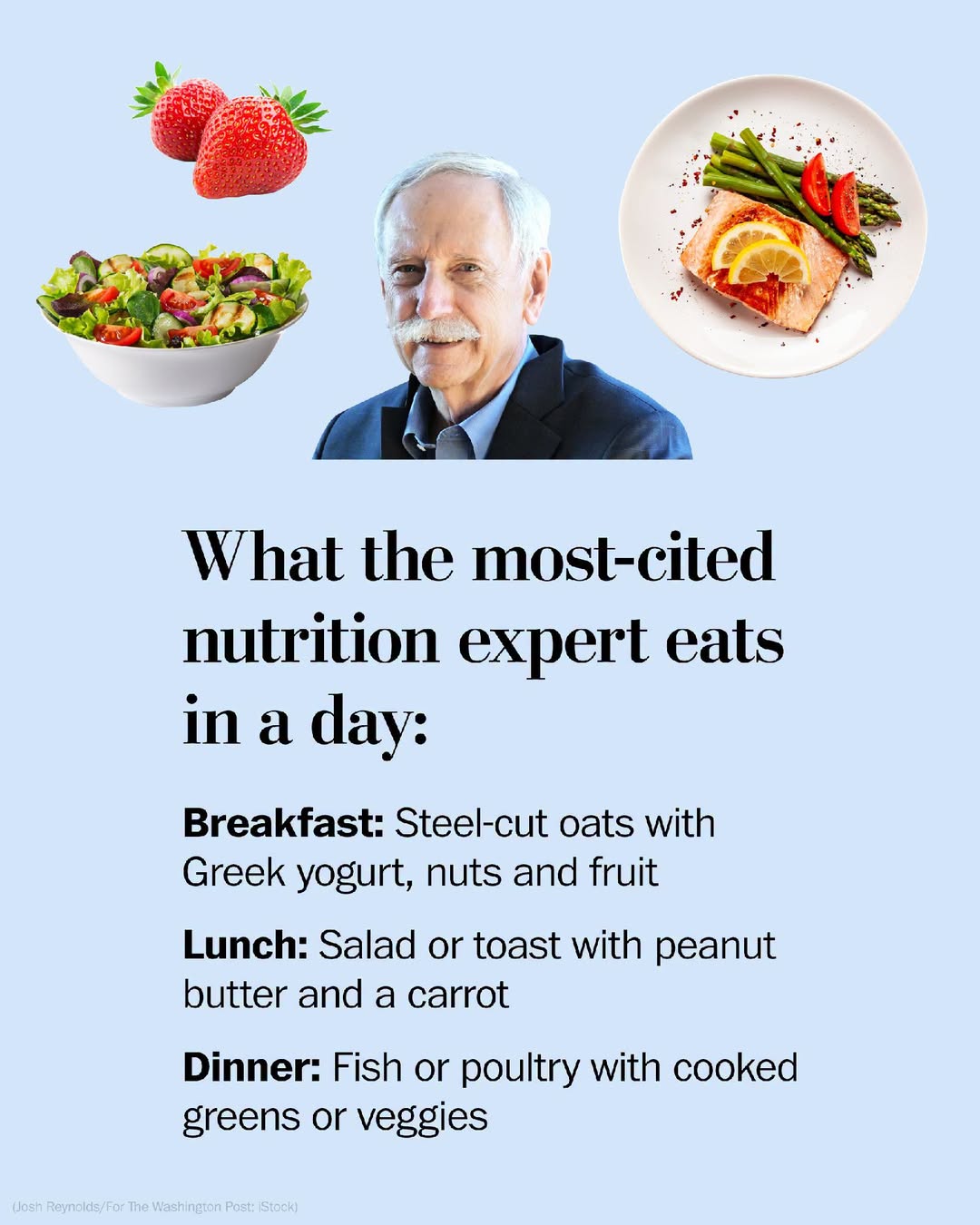
Walter Willett: unsaturated fats, Mediterranean eating and daily habits at 81

Oct 11, 2026 · Louis Nervegna ♥ 12 · 💬 4 Mediterranean, DASH, MIND & plant-forward diets

A Washington Post interview with Harvard nutrition researcher Walter Willett. He says his group's data showed total fat was irrelevant, trans fats were bad, saturated fat versus refined carbohydrate was only weakly related to heart disease, and unsaturated fats were linked to lower heart disease and mortality. He also describes his own diet, including oats, nuts, blueberries and a plant-based lunch.

Small dense HDL tied to coronary calcium in insulin resistance; drugs may offset 40%

Nov 26, 2024 · Louis Nervegna ♥ 7 · 💬 4 Insulin resistance & diabetes

Louis highlights a paper in the International Journal of Cardiology reporting that small HDL particles are associated with prediabetes, diabetes and subclinical coronary atherosclerosis. The authors suggest lipid-lowering drugs may reduce up to 40% of the coronary calcification linked to high small HDL. Louis concludes that high HDL is not always good and that people with insulin resistance considering a statin should read the paper.

Green tea extract improved muscle insulin sensitivity in obese mice at thermoneutrality

Oct 14, 2025 · Louis Nervegna ♥ 10 · 💬 3 Nuts, fish, coffee, tea, cocoa & other foods

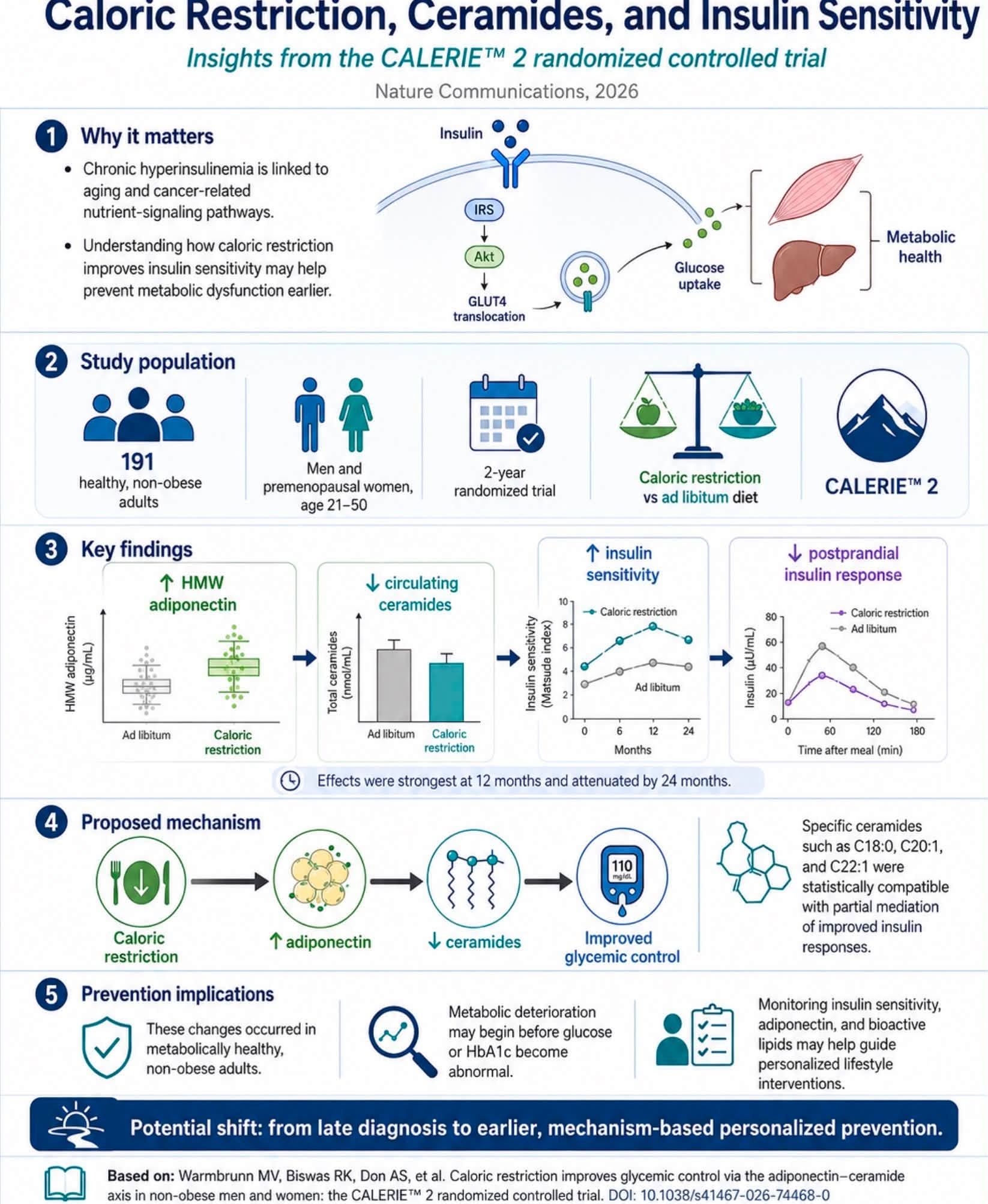
A shared summary of a 2025 Cell Biochemistry & Function mouse study: obese, high-fat-fed mice kept at thermoneutrality received catechin-standardized green tea extract (about 2-5 cups human equivalent) for 12 weeks. It enlarged muscle fibers, raised fatty-acid handling and mitochondrial biogenesis markers, reduced ceramide synthesis enzymes and improved glucose handling.

PREDIMED: Mediterranean diet with olive oil or nuts cut major CV events by 30% and 28%

Aug 26, 2025 · Louis Nervegna ♥ 10 · 💬 2 ↩ 7 Mediterranean, DASH, MIND & plant-forward diets

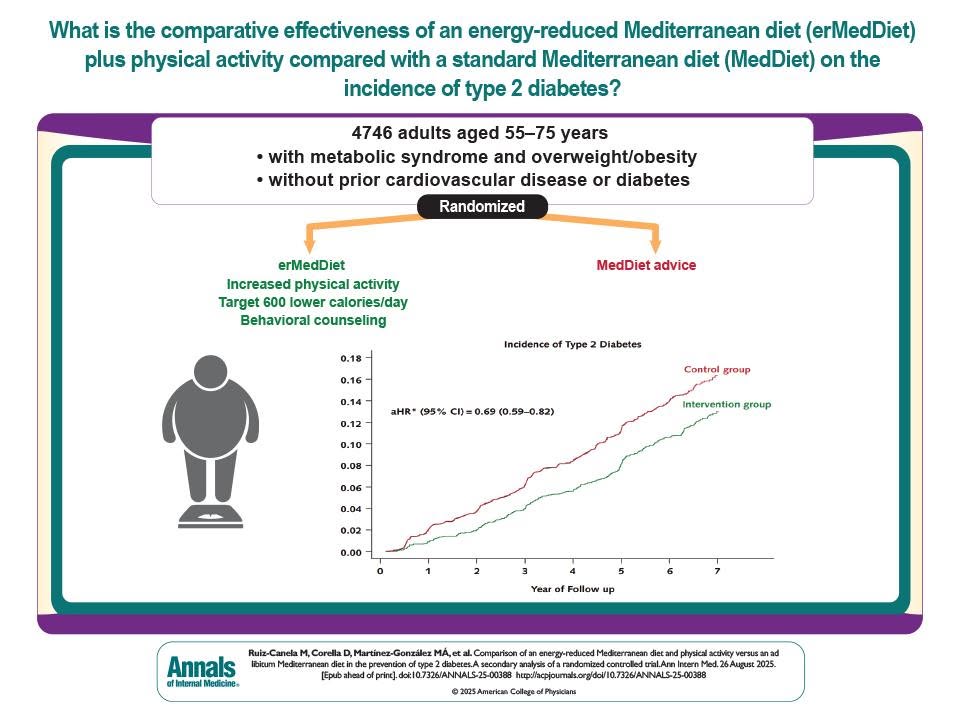
Louis summarizes the PREDIMED randomized trial of about 7,500 people testing the traditional Mediterranean diet for primary prevention. Groups supplemented with extra-virgin olive oil or nuts had a 30% and 28% lower rate of heart attack, stroke or cardiovascular death after 5 years versus an AHA-style control diet. A shared Annals post adds that Mediterranean diet plus calorie reduction and exercise cut diabetes risk by 31% in a large trial.

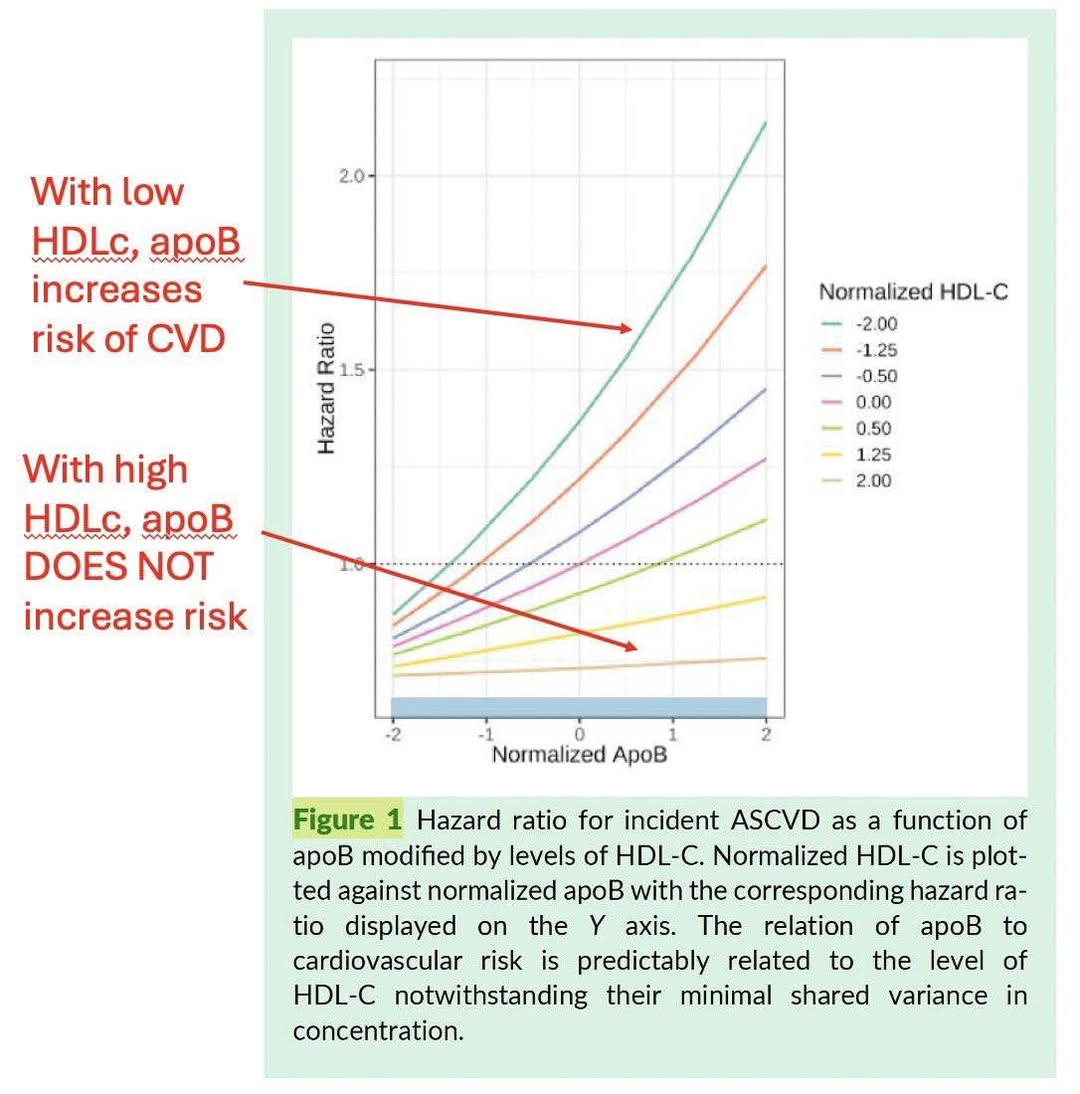
High HDL tracks with lower risk in UK Biobank, but HDL-raising drugs have failed

Oct 28, 2026 · Louis Nervegna ♥ 7 · 💬 3 ↩ 1 LDL, ApoB & lipid panel

Louis explains that a viral UK Biobank graph shows higher HDL linked to lower ASCVD risk at any LDL/ApoB, as dozens of earlier observational studies have, though the effect size here is larger. Every randomized HDL-raising drug trial failed on hard outcomes, and Mendelian randomization shows no lifetime benefit from genes raising HDL, so HDL is thought to be a proxy for insulin resistance, which is better measured directly.

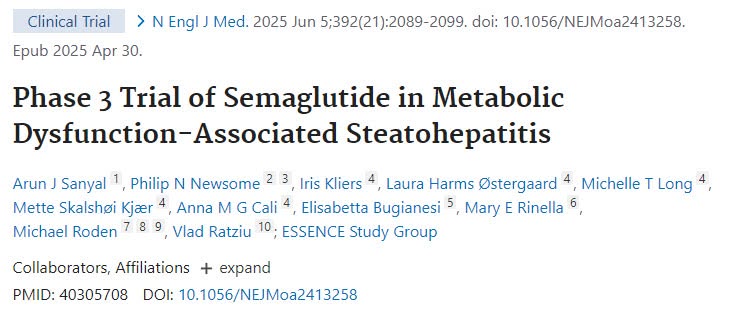
Semaglutide improved MASH inflammation and fibrosis in the Phase 3 ESSENCE trial

Jun 08, 2025 · Louis Nervegna ♥ 5 · 💬 4 GLP-1 drugs (semaglutide, tirzepatide)

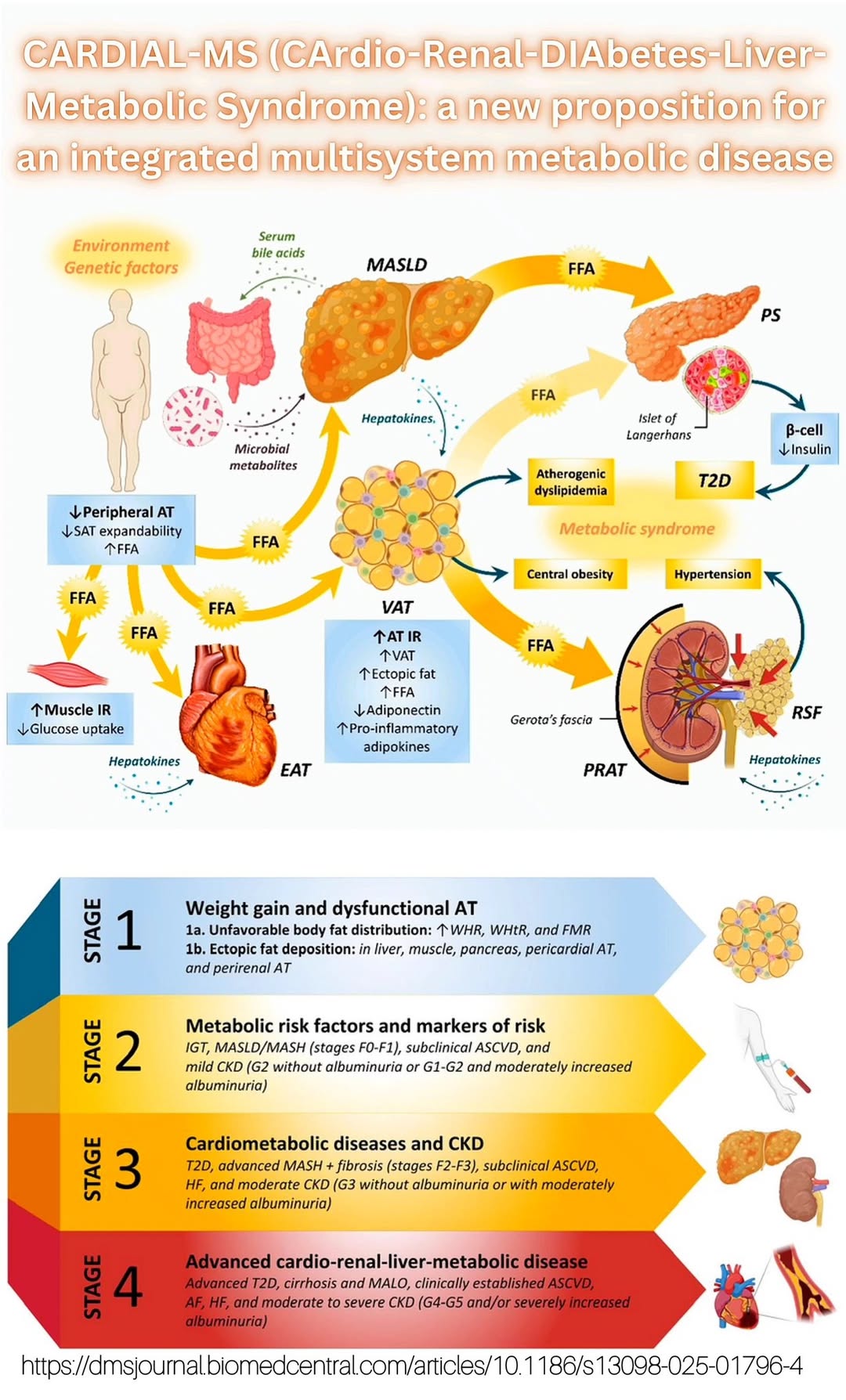
The post argues that liver and pancreas fat drive diabetes, insulin resistance and metabolic syndrome, and that fat leaves the liver early on a diet, which is why GLP-1 drugs work well in fatty liver disease. The shared summary describes the ESSENCE trial of weekly semaglutide 2.4 mg in biopsy-proven MASH with fibrosis stage 2-3 and lists open questions such as cirrhosis and durability.

100+ feeding trials: polyunsaturated fat improves glucose control, saturated fat does not

Dec 17, 2025 · Louis Nervegna ♥ 7 · 💬 1 Fats & oils (saturated fat, seed oils, omega-6, olive oil)

Louis summarizes the 2016 PLoS Medicine meta-analysis of randomized feeding trials: polyunsaturated fat, mainly omega-6 from vegetable oils, lowered fasting glucose and A1C and improved insulin resistance and secretion, MUFA did well but less so, and saturated fat showed no appreciable benefit. He pairs it with the 20-cohort biomarker study showing a 43% lower diabetes risk with high omega-6.

Video: immunoglobulin G buildup in fat tissue drives insulin resistance and aging

Feb 02, 2025 · Gokhan Can ♥ 19 Insulin resistance & diabetes

Gokhan summarizes a Mike Lustgarten video on research showing IgG accumulates in fat tissue with age and obesity, impairs insulin signaling, promotes inflammation and fibrosis, and is reduced by calorie restriction. Blocking IgG recycling through the FcRn receptor in mice improved metabolic health and extended lifespan. He calls it potentially Nobel-worthy 'if it holds up'.

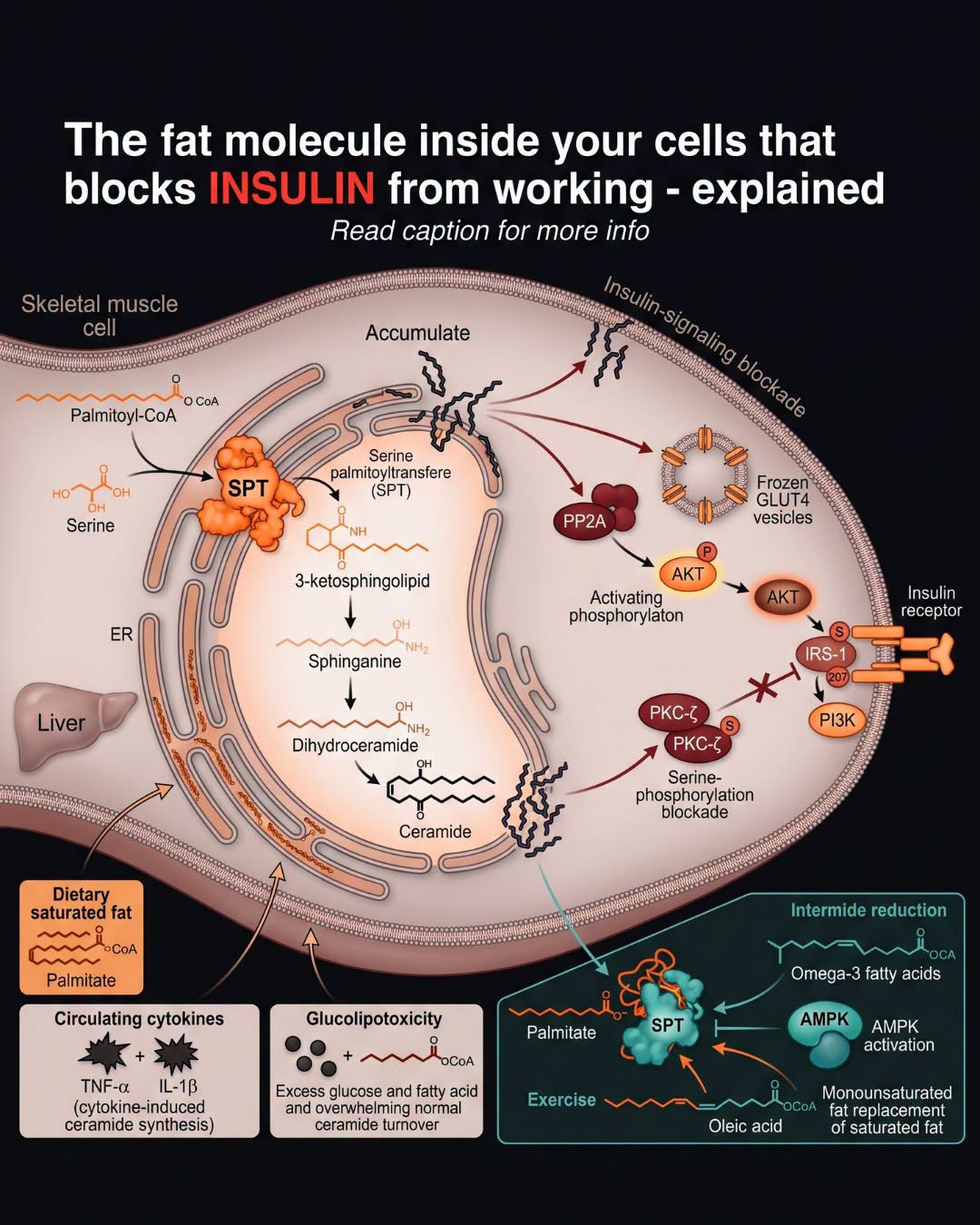
Palmitic acid impairs insulin action while olive oil's oleic acid counteracts it

Jun 24, 2026 · Louis Nervegna ♥ 7 · 💬 1 Fats & oils (saturated fat, seed oils, omega-6, olive oil)

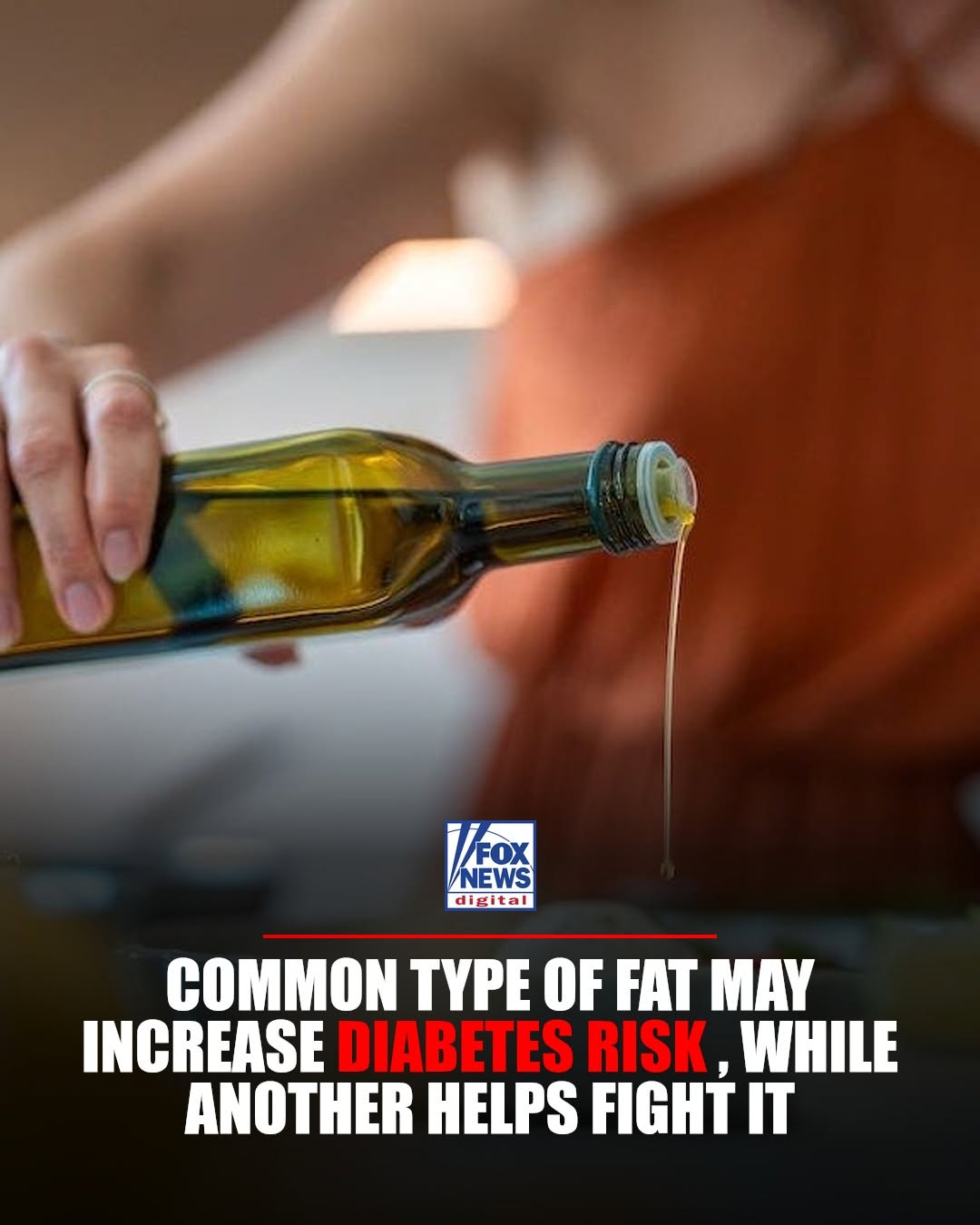
Louis shares a Fox News report on a review concluding that palmitic acid, the most common saturated fat in American foods, promotes inflammation, oxidative stress and insulin resistance, while oleic acid from olive oil, nuts and avocados counteracts these effects. Researchers back swapping saturated fats for extra-virgin olive oil rather than just cutting total fat.

About one cup of blueberries a day: best human evidence is for vascular function

Oct 06, 2026 · Louis Nervegna ♥ 6 · 💬 1 Nuts, fish, coffee, tea, cocoa & other foods

A podcast excerpt says one cup (150-180 g) of fresh or frozen blueberries daily matches the dose in most positive human studies. The clearest benefit is better endothelial function, with possible memory benefits in at-risk older adults and glucose benefits when metabolism is strained. Randomized trials have not shown they prevent dementia, diabetes, heart attacks or strokes.

Regular coffee linked to lower stroke, heart disease and diabetes risk in Harvard data

Sep 26, 2024 · Louis Nervegna ♥ 9 Nuts, fish, coffee, tea, cocoa & other foods

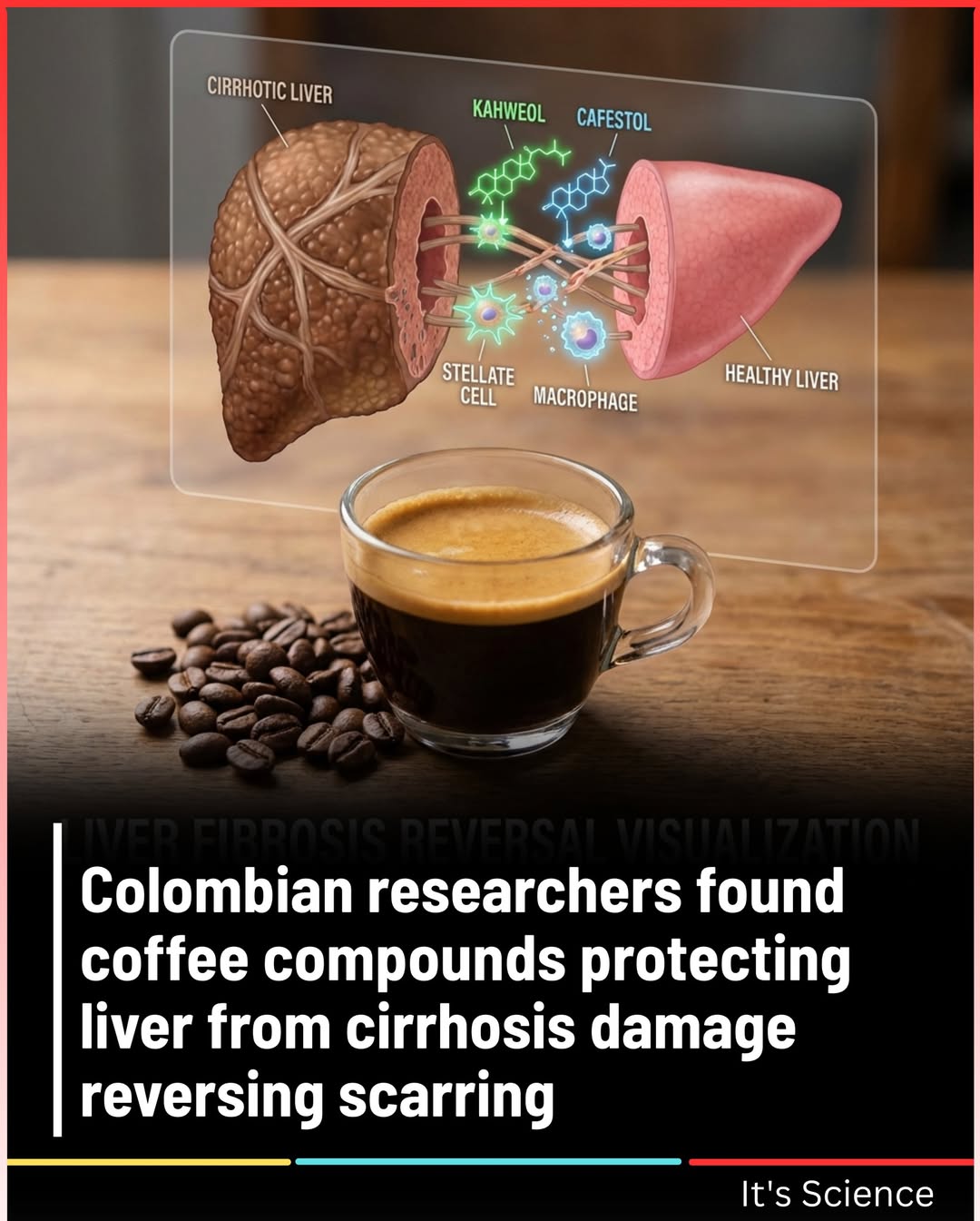
Louis shares a roundup of his coffee posts and quotes the Harvard Nutrition Source. Among 83,076 Nurses' Health Study women, 4+ cups daily was linked to 20% lower stroke risk, and in 37,514 women 2-3 cups daily to 21% lower heart disease risk. A 21-study meta-analysis tied about 3 cups daily to 21% lower CVD death. Benefits also cover insulin sensitivity and diabetes.

DIABMET-FMT: lean-donor fecal transplant improved insulin resistance in type 2 diabetes

Oct 12, 2026 · Louis Nervegna ♥ 7 Gut microbiome

The shared description of the DIABMET-FMT randomized trial says repeated fecal microbiota transplant capsules from lean, metabolically healthy donors improved insulin sensitivity, microbiome diversity and short-chain fatty acid production in adults with type 2 diabetes, without diet, drug or exercise changes. The poster sees it as evidence that the microbiome contributes to diabetes in some people. The details come from the post only and could not be verified here.

Why insulin resistance lowers HDL, and why improving insulin sensitivity beats chasing HDL

Mar 21, 2024 · Louis Nervegna ♥ 5 ↩ 10 LDL, ApoB & lipid panel

Louis lists six mechanisms by which insulin resistance lowers HDL: impaired HDL maturation (lower LCAT), reduced apoA-I production, faster HDL catabolism (hepatic lipase, CETP), altered HDL composition and function, higher triglycerides making small dense HDL, and inflammation and oxidative stress. He concludes the best way to raise HDL is improving insulin sensitivity (lose visceral fat, exercise, cut refined starch and sugar), since insulin resistance is causal in heart disease while large RCTs suggest HDL itself is probably not.

100+ RCTs and 20 cohorts: omega-6 improves glucose control, 43% lower diabetes risk

Louis summarizes evidence that omega-6 polyunsaturated fat lowers fasting glucose and A1C and improves insulin resistance and secretion across more than 100 randomized trials. A pooled analysis of about 40,000 people from 20 prospective cohorts with biomarker-measured omega-6 found the top fifth had 43% lower diabetes risk than the bottom fifth. He lists the supporting meta-analyses.

Fiber and longevity: observational links plus RCTs showing better risk factors

Oct 06, 2026 · Louis Nervegna ♥ 2 · 💬 1 Carbs, fiber, sugar & whole grains

A summary explaining that most evidence linking fiber to longer life is observational but consistent across countries and populations. Randomized trials, though too short for mortality, show fiber improves glucose, HbA1c, insulin resistance, blood pressure and LDL. The lack of a decades-long mortality trial is not evidence of no benefit.

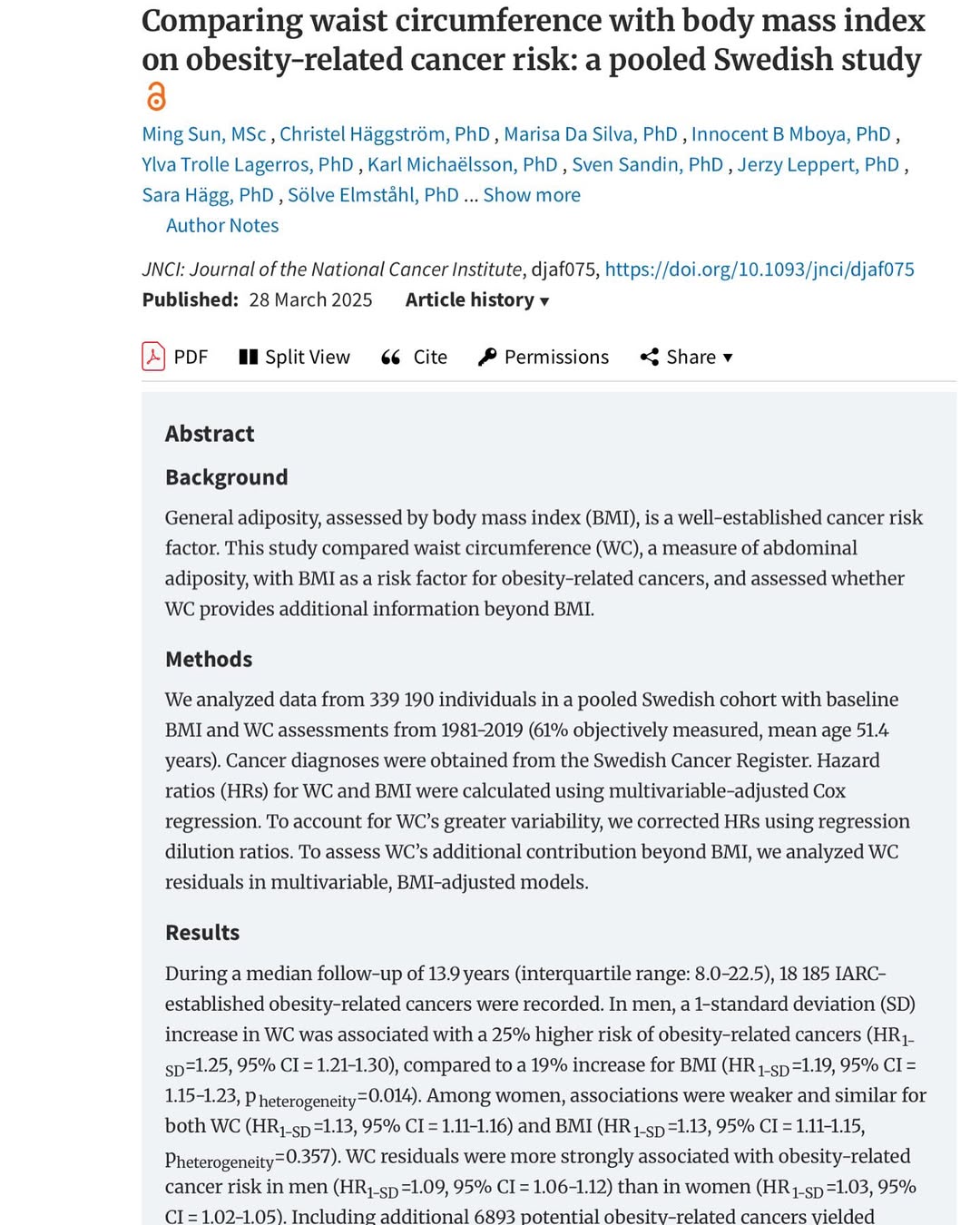
Waist circumference beat BMI for predicting obesity-related cancer in 339,000 Swedish men

Apr 16, 2025 · Louis Nervegna ♥ 2 Weight, visceral & liver fat

Luigi Fontana's summary of a large Swedish cohort showing waist circumference was a stronger predictor of obesity-related cancer than BMI in men, with added value after adjusting for BMI; the link was weaker in women. He argues abdominal fat signals metabolic dysfunction and should prompt deeper evaluation. Primarily cancer, linked to visceral fat.

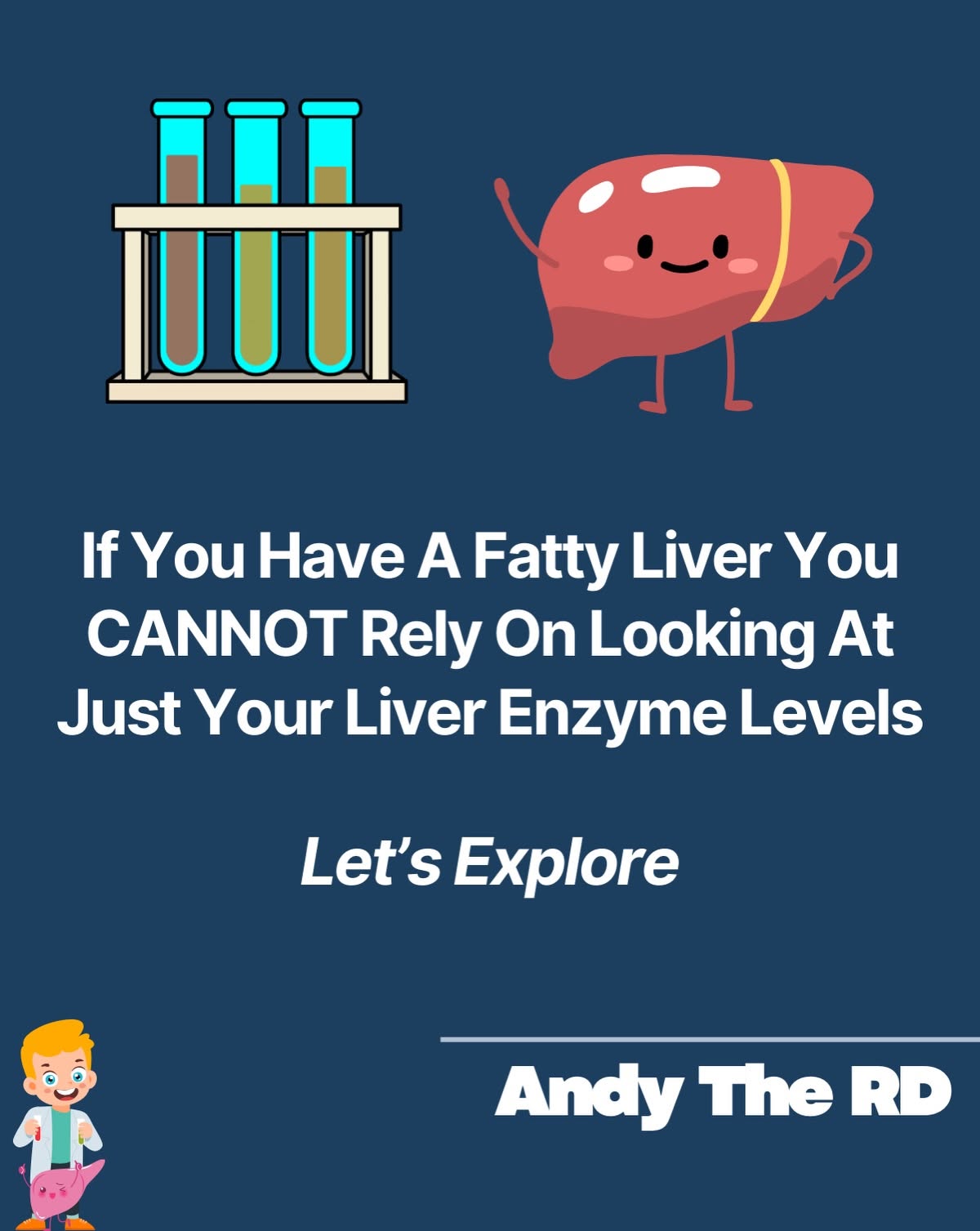
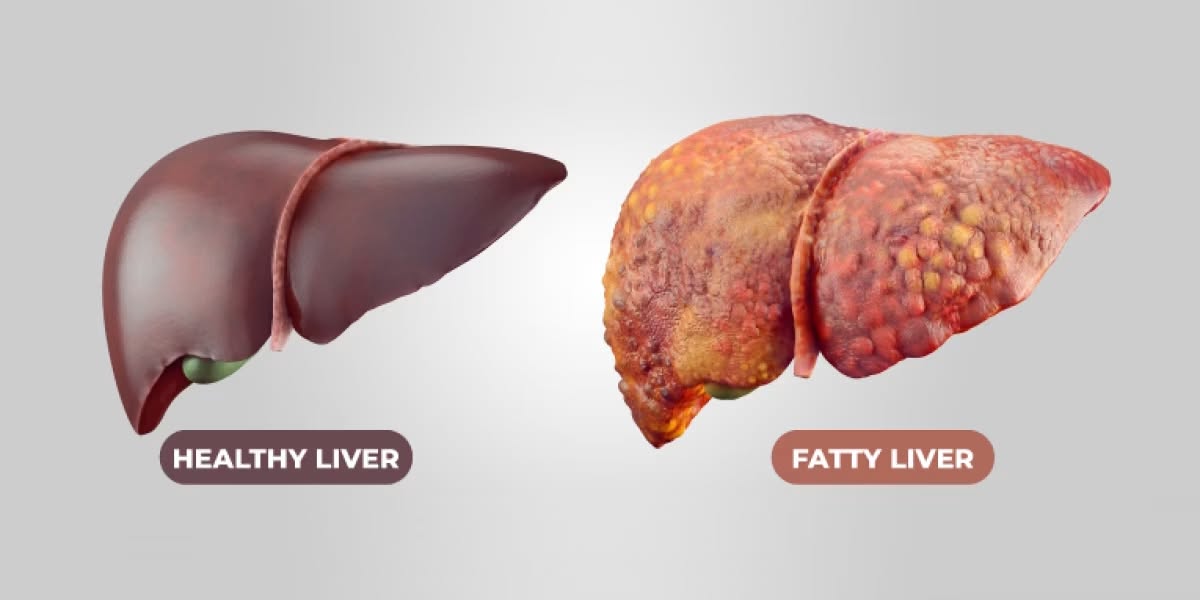
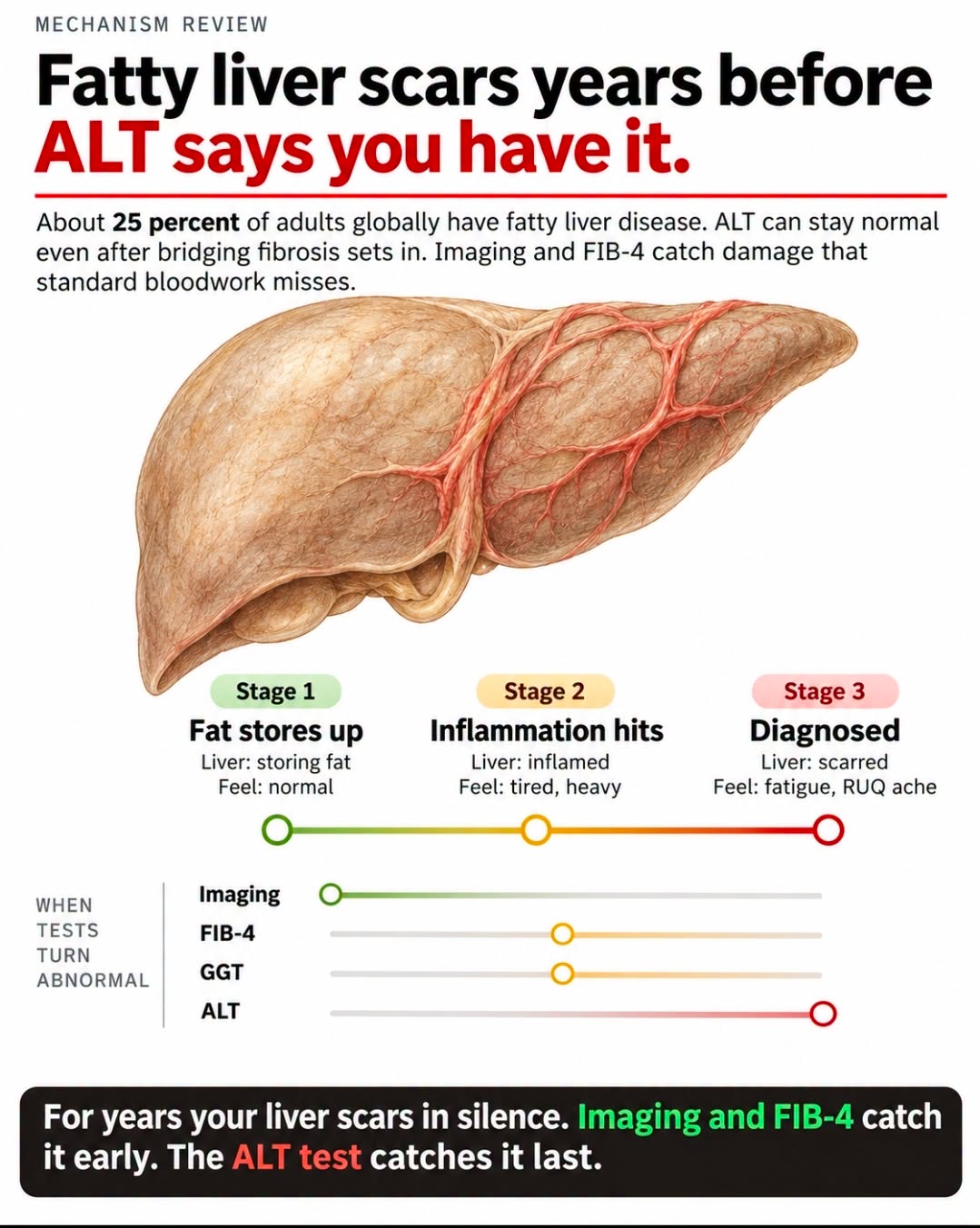
Fatty liver can scar the liver years before ALT rises; 10% weight loss resolves it in 90%

Nov 03, 2026 · Louis Nervegna ♥ 1 Weight, visceral & liver fat

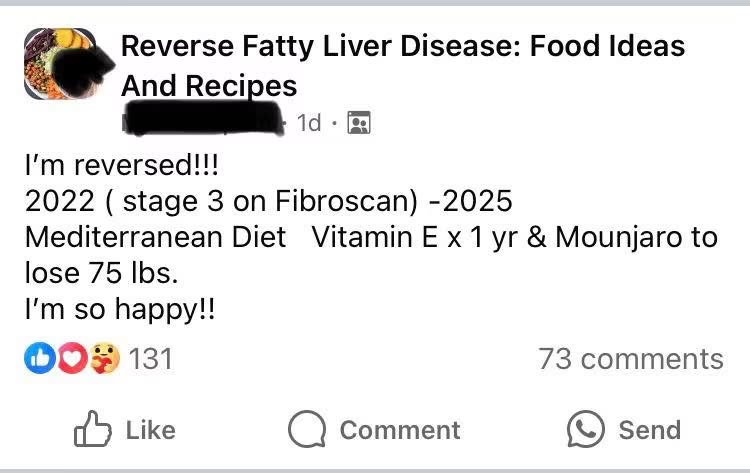
Routine ALT testing can miss advanced fatty liver disease: a Hepatology study biopsied 51 patients with normal ALT and found 12 with bridging fibrosis and 6 with cirrhosis. The post notes selection bias in that sample but says fibrosis behind a normal ALT is well established. Ten percent body weight loss resolved fatty liver in 90 percent and regressed fibrosis in 45 percent, and Mediterranean diet, resistance training and insulin-resistance management reduce liver fat independent of weight.