HD-OPM Archive
Hashtags

#muscle

77 posts

Statin muscle side effects may stem from HMG-CoA reductase gene variants

May 03, 2024 · Louis Nervegna ♥ 27 · 💬 24 ↩ 3 Statins

Louis shares an Atlantic article on a proposed mechanism for statin-related muscle symptoms: people at higher risk likely carry variants in genes coding for HMG-CoA reductase, which statins then further inhibit. Extreme versions of the same gene defects cause a very rare limb girdle muscular dystrophy. Louis calls it a definitive answer; the article is journalism rather than a primary paper.
Tricaprin supplement reversed atherosclerosis in two patients with TGCV

Jan 09, 2025 · Gokhan Can ♥ 18 · 💬 22 Supplements & vitamins

Osaka University research in the European Heart Journal reported that tricaprin, a dietary supplement that promotes lipid breakdown in heart muscle cells, reversed atherosclerotic lesions and relieved chest pain in two diabetic patients with TGCV. This condition involves triglyceride deposits and resists standard treatment. Only two patients were reported.

What to try for statin muscle pain: lower dose, other statins, non-statins; beware nocebo

Feb 17, 2025 · Louis Nervegna ♥ 14 · 💬 18 Statins

Louis explains that statin muscle pain is often genetic, linked to HMG-CoA reductase gene variants, so CoQ10 usually fails though it is harmless. Practical steps include lowering the dose, switching statins (pitavastatin or pravastatin often tolerated) or using non-statin drugs, while recognizing that much reported muscle pain may be nocebo.

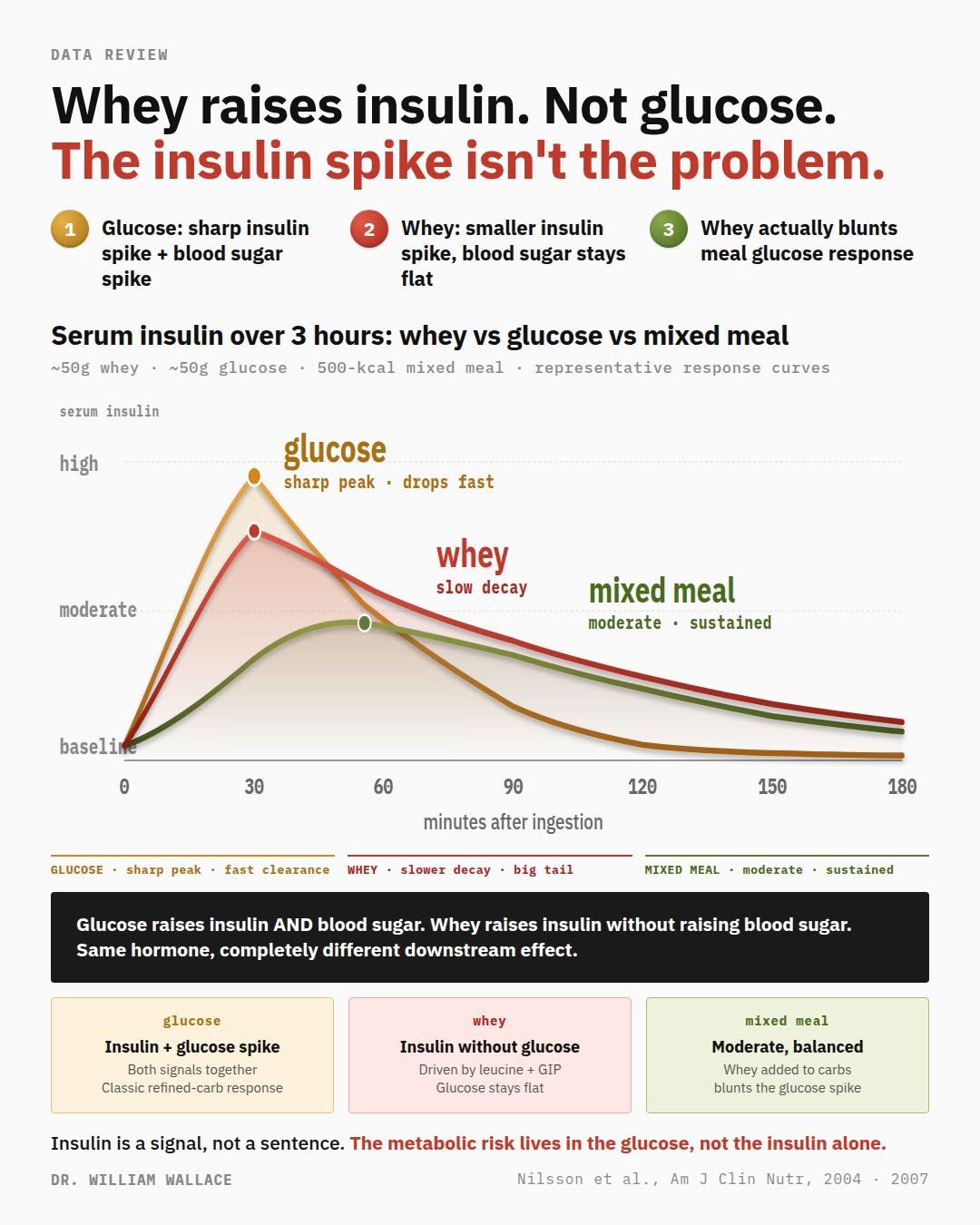
Whey protein raised insulin 90% more than white bread despite 57% lower glucose response

May 15, 2026 · Louis Nervegna ♥ 11 · 💬 17 Protein

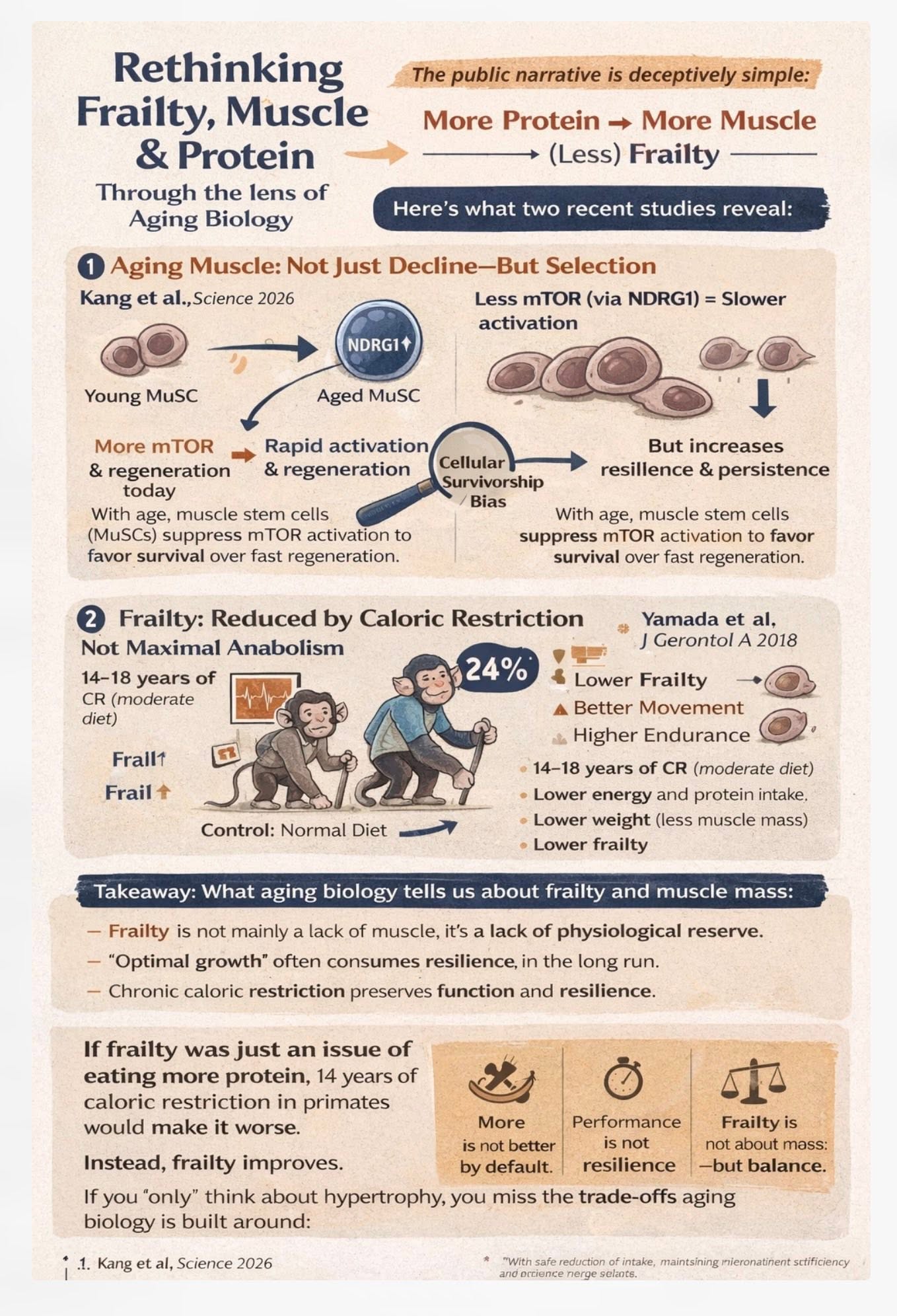
William Wallace shares the Nilsson 2004 trial: in 12 healthy volunteers, whey produced a 90% higher insulin AUC and 57% lower glucose AUC than white bread, tracking plasma branched-chain amino acids. He argues repeated large insulin surges raise IGF1 and mTOR and may have long-term costs, disagreeing with a source that dismisses the concern.

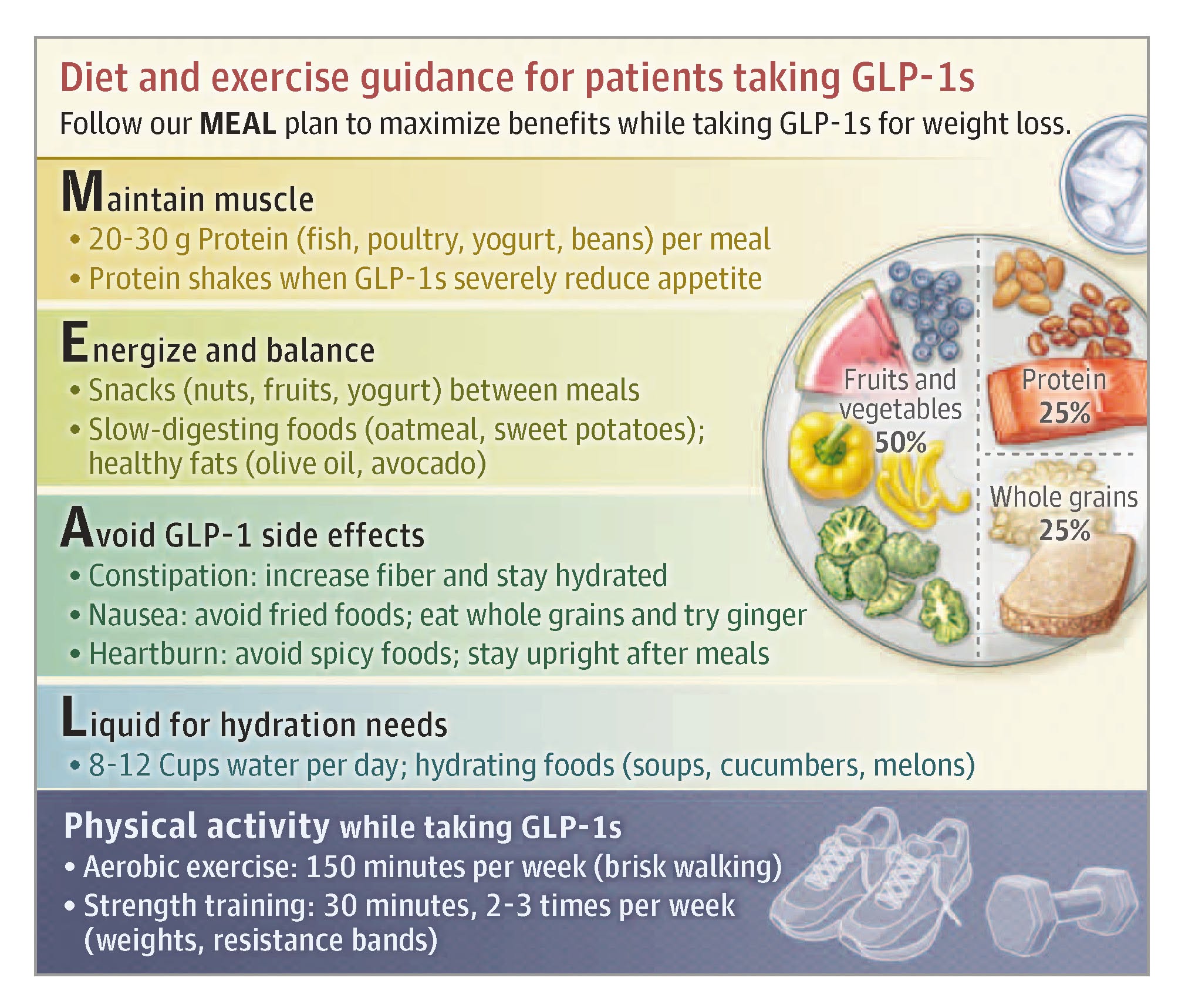
Resistance exercise preserves muscle during calorie restriction and GLP-1 weight loss

Mar 16, 2025 · Louis Nervegna ♥ 23 · 💬 8 Exercise & fitness

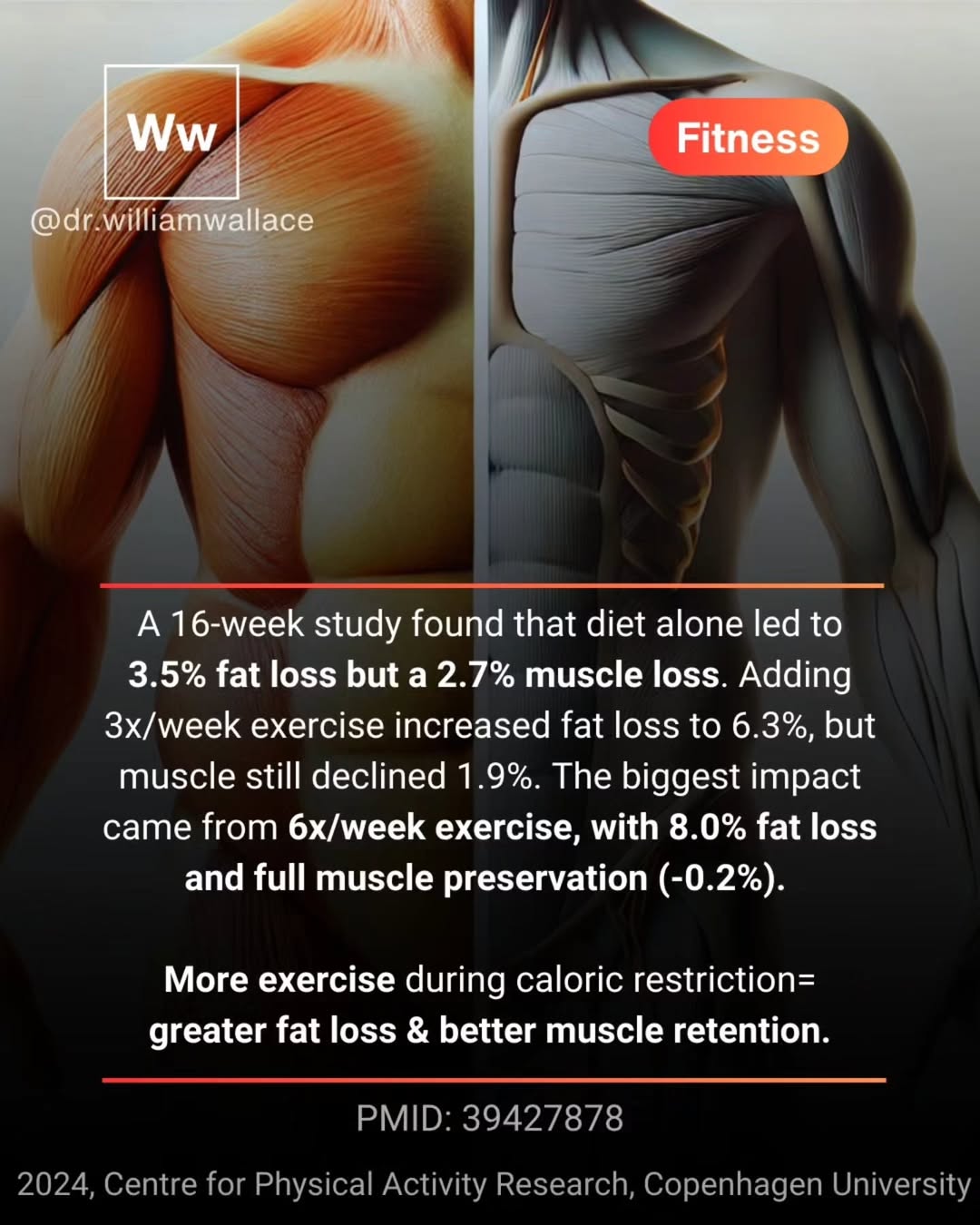
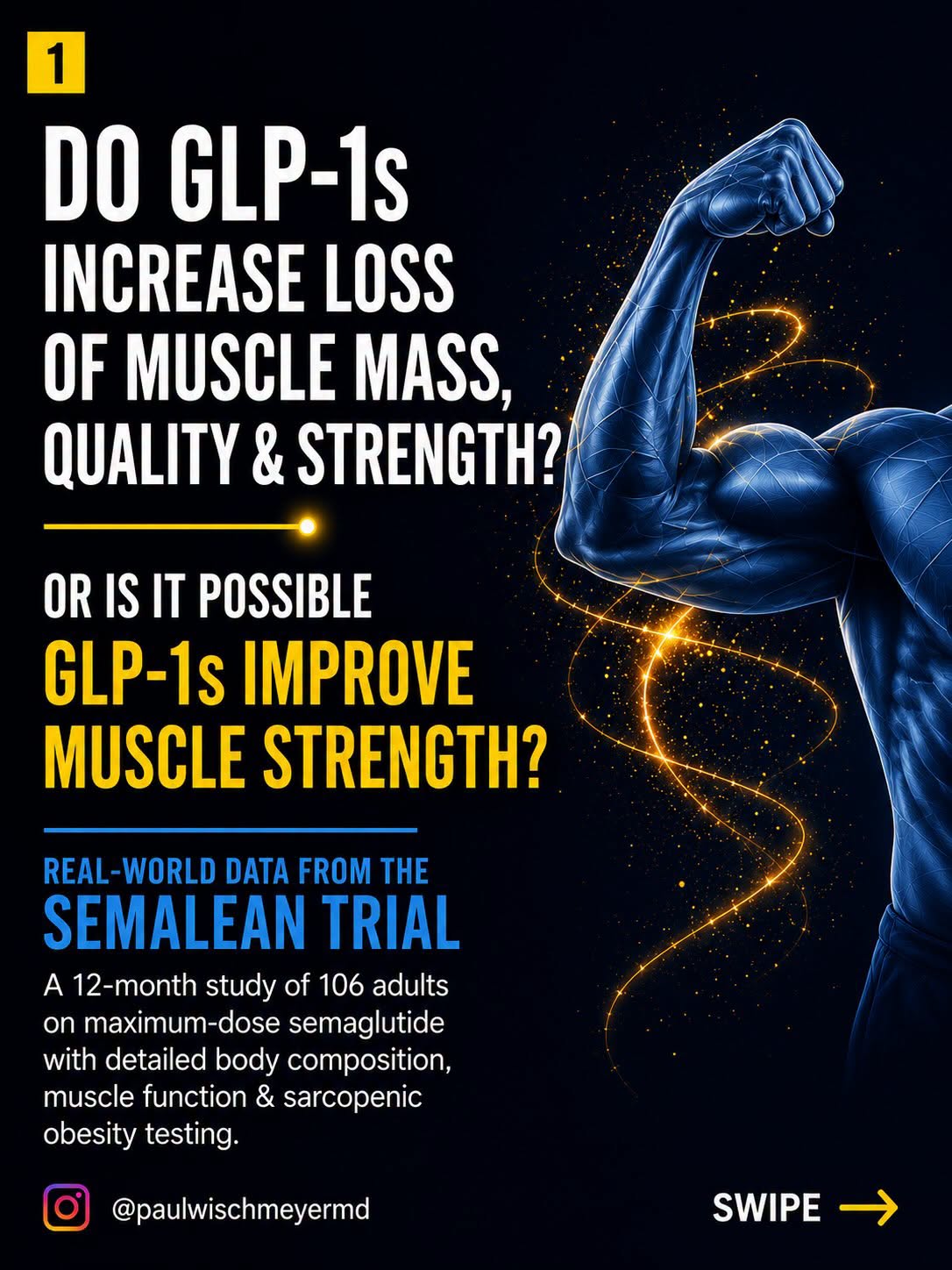
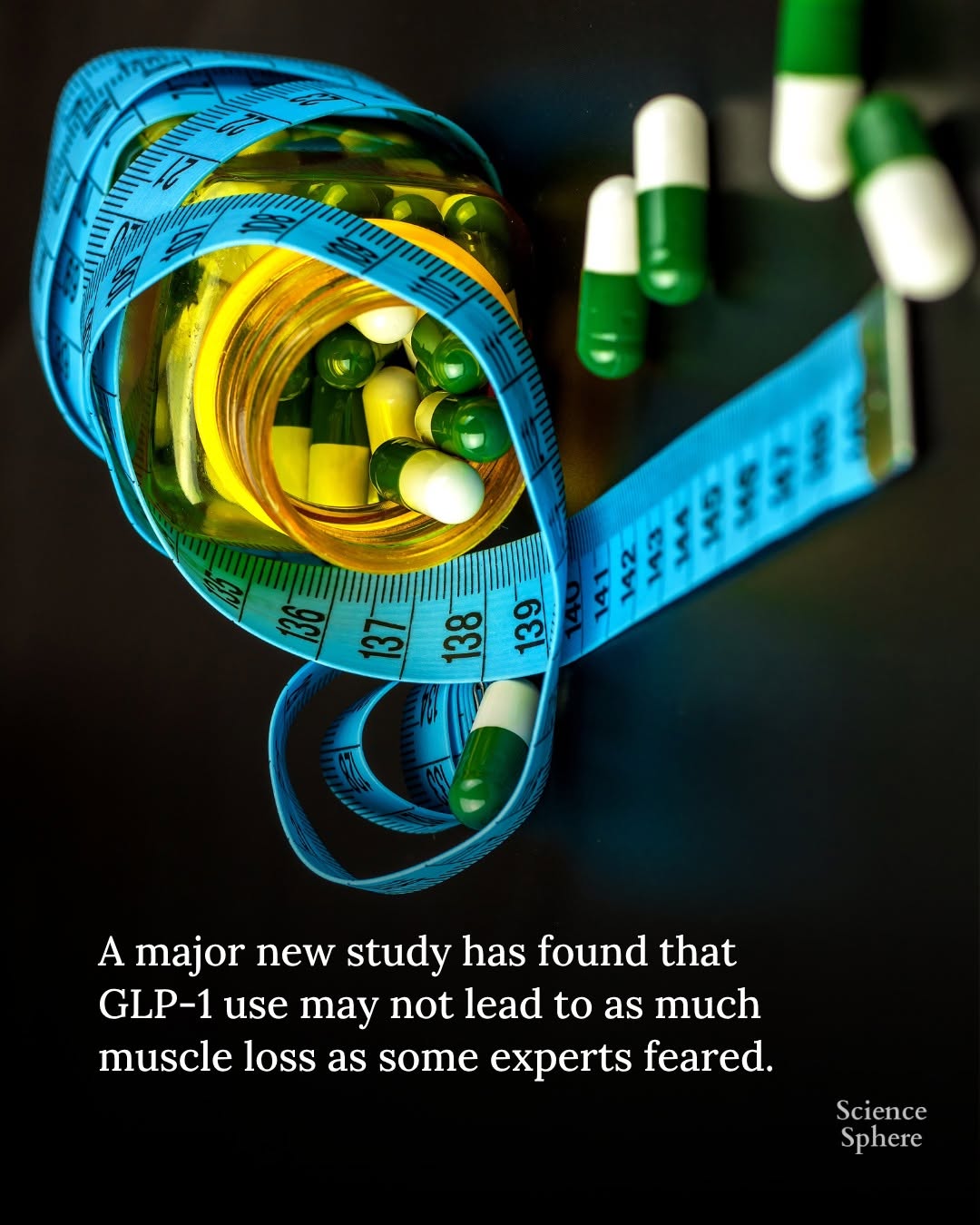
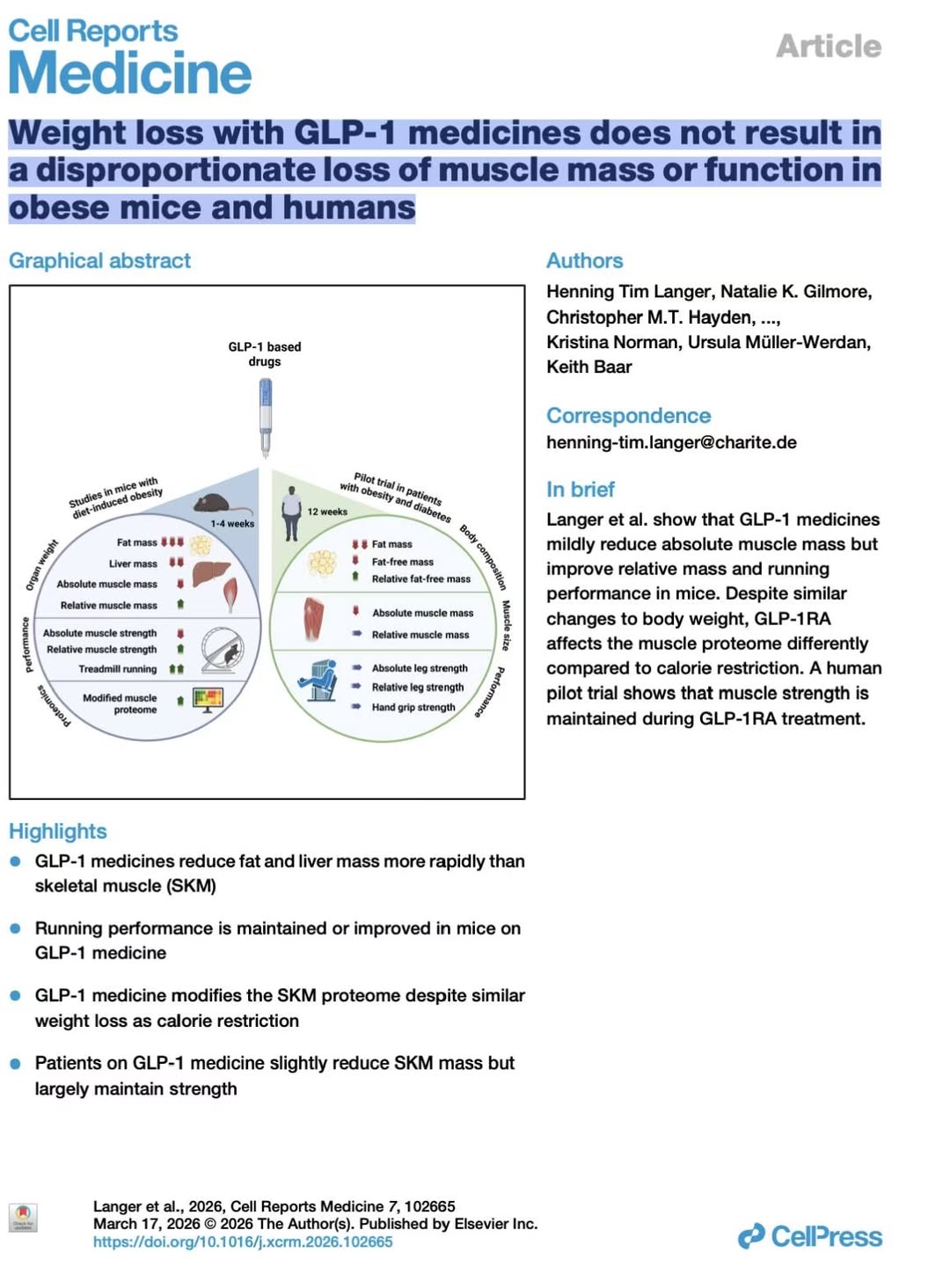
Louis argues that most muscle lost during calorie restriction can be prevented by resistance exercise without raising protein intake, citing over 70 RCTs in which exercise drives nearly all strength gains and extra protein adds only about 5% over 22 weeks. He applies this to GLP-1 drugs, saying their muscle loss comes from calorie restriction rather than a drug side effect. The shared study (16 weeks, 82 people with type 2 diabetes) showed that high-dose exercise with diet fully preserved muscle.

Big glucose spikes from oats signal insulin resistance; only losing visceral fat cures it

Mar 01, 2025 · Louis Nervegna ♥ 23 · 💬 8 Insulin resistance & diabetes

Louis argues that large glucose spikes from low-to-moderate GI carbs suggest prediabetes or diabetes, and that cutting carbs only masks the problem unless enough weight is lost to clear liver and pancreas fat. He adds that visceral fat can hide in people with normal BMI, that Asians develop insulin resistance at lower visceral fat levels, and summarizes Roy Taylor's very-low-calorie diet trials.

Whey protein is highly insulinogenic; Willett wary of powders and IGF-1 cancer risk

Dec 13, 2024 · Louis Nervegna ♥ 15 · 💬 10 ↩ 2 Protein

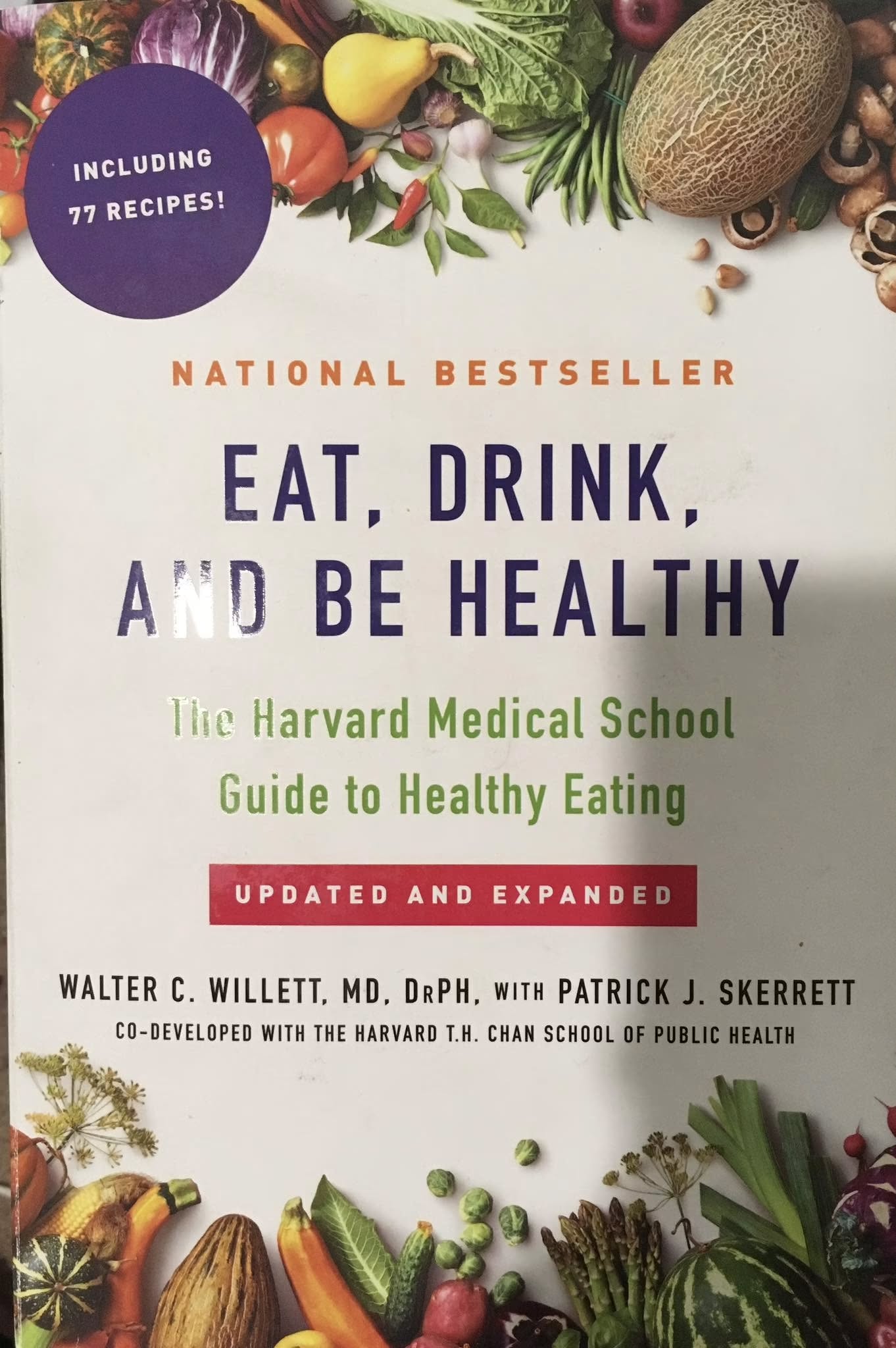
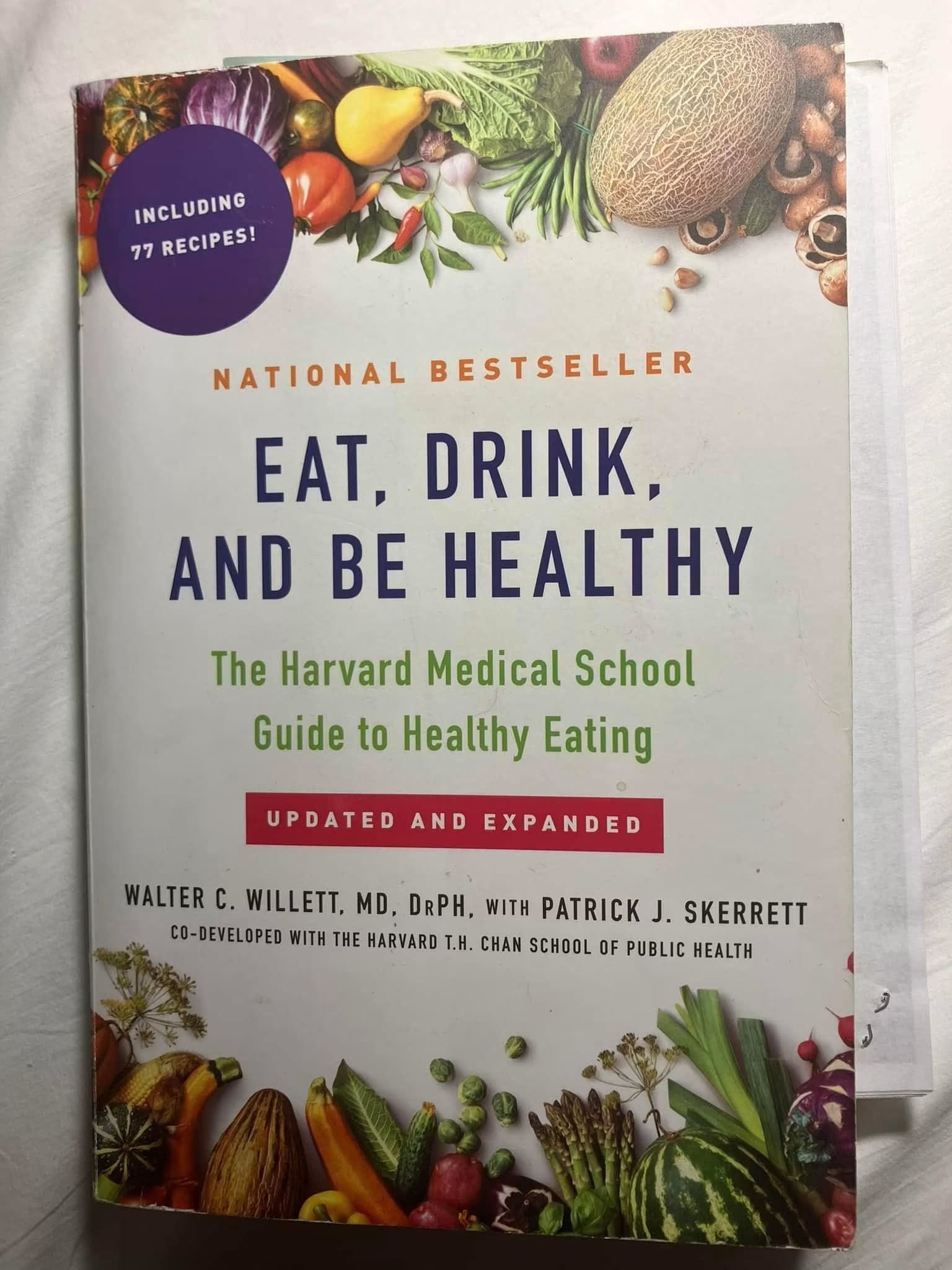
Louis argues processed whey spikes insulin more than glucose or white bread and may raise insulin/IGF-1, which promote cancer cell growth. He cites Walter Willett's 2017 book cautioning that protein supplements add little muscle without exercise and that BCAAs increase IGF-1, which may raise breast and prostate cancer risk.

Statin muscle pain is common in some, severe damage is rare; statins may aid sarcopenia

Jan 02, 2025 · Louis Nervegna ♥ 7 · 💬 15 Statins

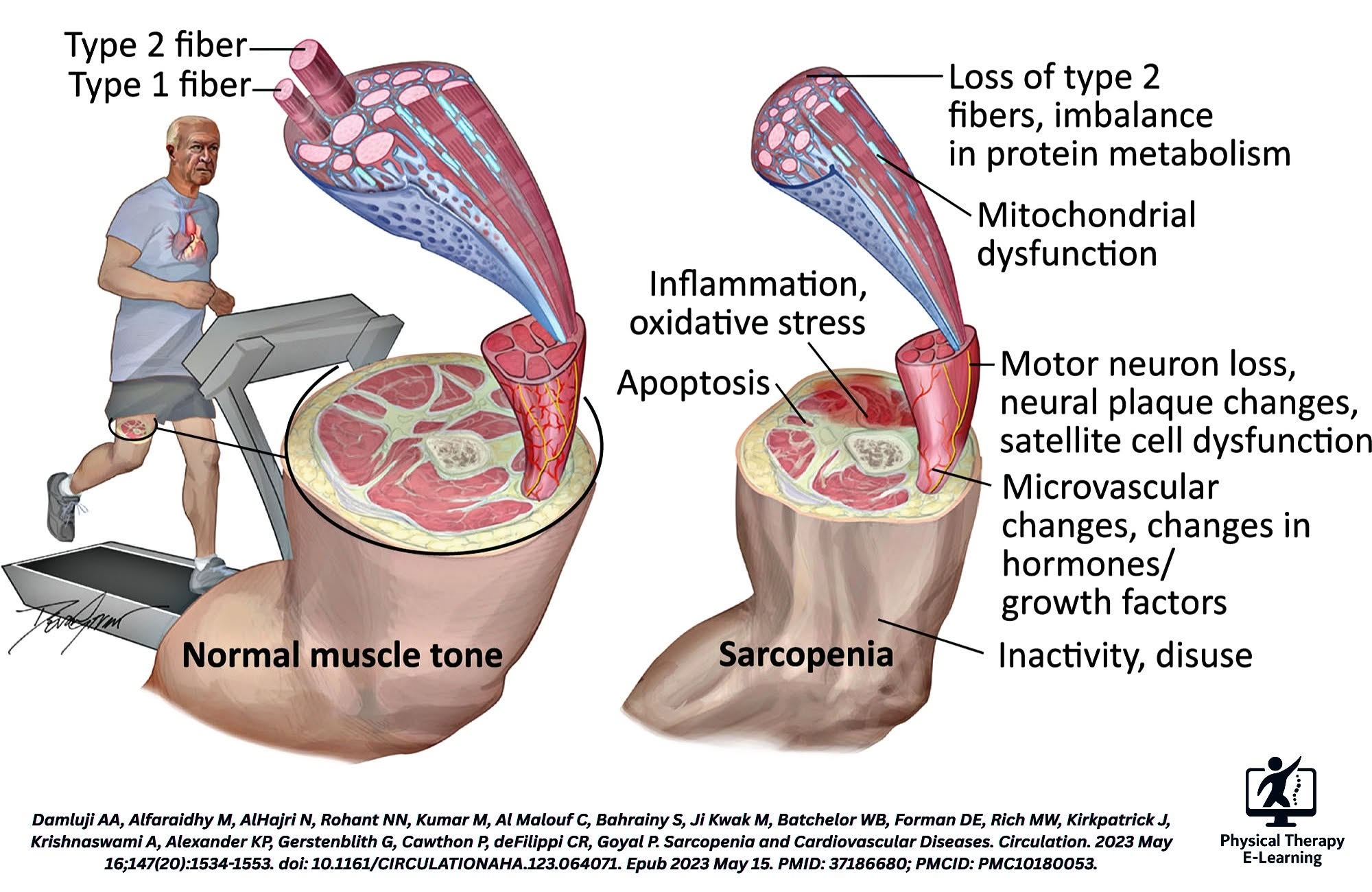
Louis argues statins are not toxic to muscle in most people. Myalgia occurs in some, possibly with a genetic susceptibility, while rhabdomyolysis is very rare (about 1 in 100,000, or 1 in 10,000 conservatively). Switching statins (e.g., to pravastatin or pitavastatin) or using non-statin LDL drugs can help, and low-dose statins are being studied as a treatment for sarcopenia.

Keto causes bigger temporary insulin resistance than statins, so statin fear is overplayed

Sep 16, 2024 · Louis Nervegna ♥ 8 · 💬 16 Statins

Louis argues that keto influencers who fixate on statins slightly reducing insulin sensitivity overlook that a keto diet causes the same effect to a much greater degree. Without carbohydrate, skeletal muscle becomes insulin resistant to preserve glucose for the brain and heart, so a glucose tolerance test on keto looks poor. Both effects are temporary and reverse on stopping.
Sabatini on diet and mTOR: limit amino acids and insulin; ~18 h fasting may inhibit mTORC1

Dec 09, 2024 · Louis Nervegna ♥ 10 · 💬 11 ↩ 3 Aging & longevity

Louis shares notes on a David Sabatini interview about how diet affects mTOR and autophagy. Sabatini suggests low amino acid or low carbohydrate diets lower mTOR, favors a higher-carbohydrate diet of low-glycemic carbs, and thinks mTORC1 senses total daily insulin. He guesses about 18 hours of fasting inhibits mTORC1, while stressing nobody has all the answers.

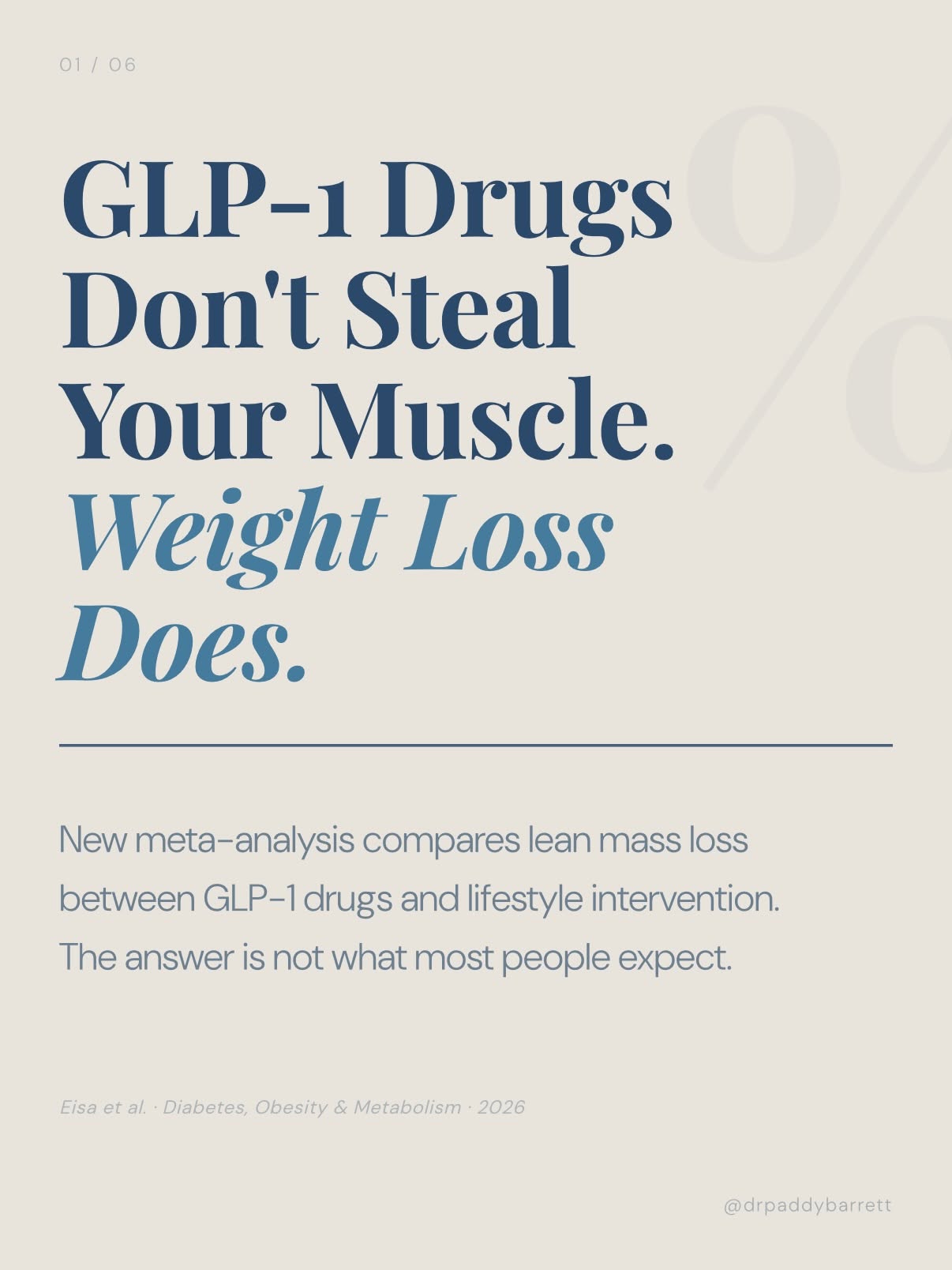
GLP-1 drug muscle loss matches calorie restriction: about 25% of weight lost

Mar 01, 2026 · Louis Nervegna ♥ 8 · 💬 9 GLP-1 drugs (semaglutide, tirzepatide)

Louis summarizes meta-analytic evidence that lean mass loss on GLP-1 drugs is about 25% of total weight loss, matching diet trials and bariatric surgery, suggesting calorie restriction rather than the drug itself drives it. He cautions higher protein may blunt benefits of calorie restriction in mice, though human relevance is unknown.

Muscle aging involves falling chaperone-mediated autophagy; fasting and exercise raise it

Dec 08, 2025 · Louis Nervegna ♥ 12 · 💬 7 ↩ 1 Aging & longevity

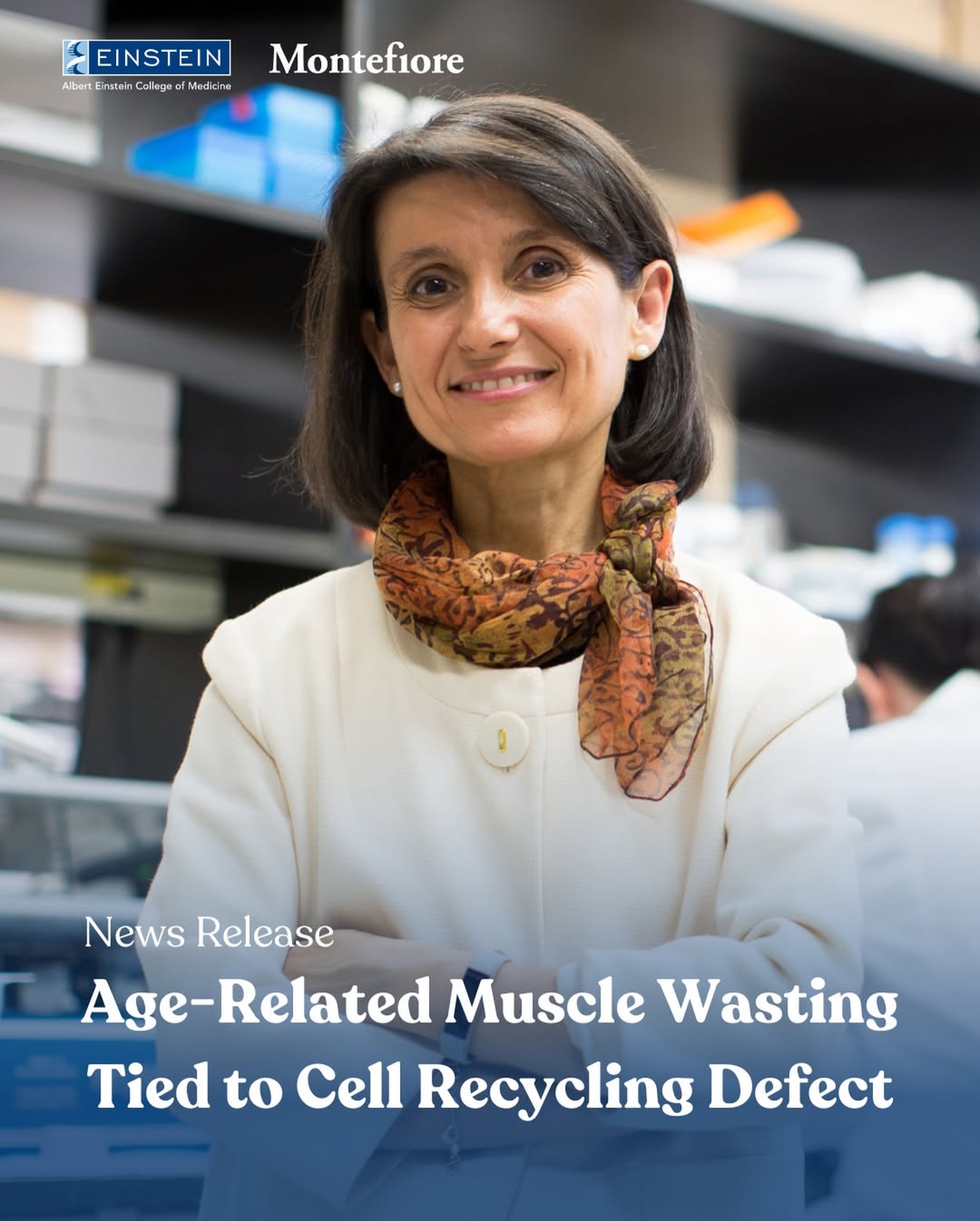
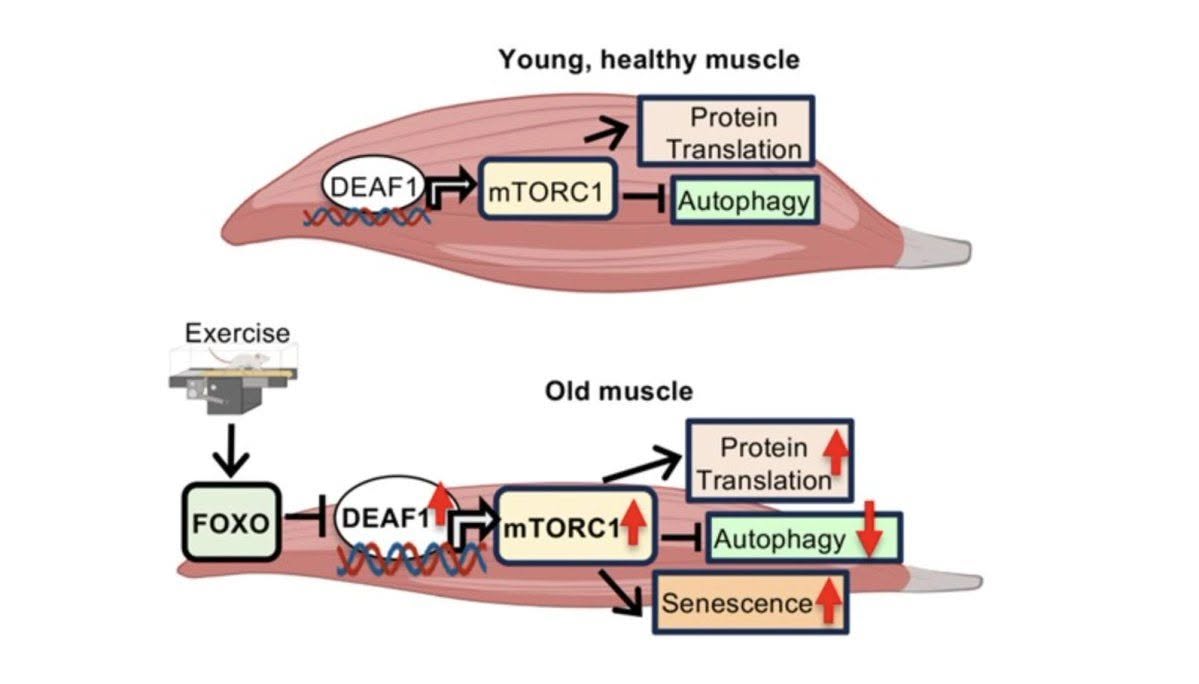
Louis shares two Nature Metabolism papers from Ana Maria Cuervo's group showing chaperone-mediated autophagy declines with age in muscle and that restoring it improved strength and regeneration in aging mice. He notes fasting and resistance training increase CMA, rapamycin activates it and excess high-quality protein inhibits it, and ties it to heart muscle.

Keto beat Mediterranean and low-fat diets on liver fat and glycemia at equal weight loss

Aug 27, 2026 · Gokhan Can ♥ 6 · 💬 8 ↩ 1 Low-carb, keto & carnivore

Petersen et al. (Cell Metabolism, 2026) fed 42 adults with obesity, prediabetes and fatty liver all meals in a controlled trial until ~10% weight loss. All diets improved muscle insulin sensitivity and body composition, but the very-low-carb ketogenic diet gave clearly larger improvements in liver metabolic function, intrahepatic fat and glycemic control.

Rhonda Patrick's morning and evening supplement list

May 18, 2024 · Gokhan Can ♥ 11 · 💬 5 Supplements & vitamins

Reposts a list of the supplements Rhonda Patrick takes, including multivitamin, fish oil, vitamin D, K2, ubiquinol, cocoa extract, sulforaphane, berberine and urolithin A, plus evening magnesium and more fish oil. It is a personal regimen with no supporting studies attached, so it is context rather than evidence.

Meta-analysis of 119 trials: nuts did not cause weight gain and modestly lowered LDL

Oct 29, 2026 · Louis Nervegna ♥ 10 · 💬 2 Nuts, fish, coffee, tea, cocoa & other foods

A systematic review and meta-analysis of randomized trials (154 articles, 119 unique RCTs) found adding about 120 kcal/day of nuts did not significantly change weight, BMI or waist; body fat fell slightly and lean mass rose. Nuts were associated with small reductions in total cholesterol, LDL and triglycerides, with no significant effect on HDL.

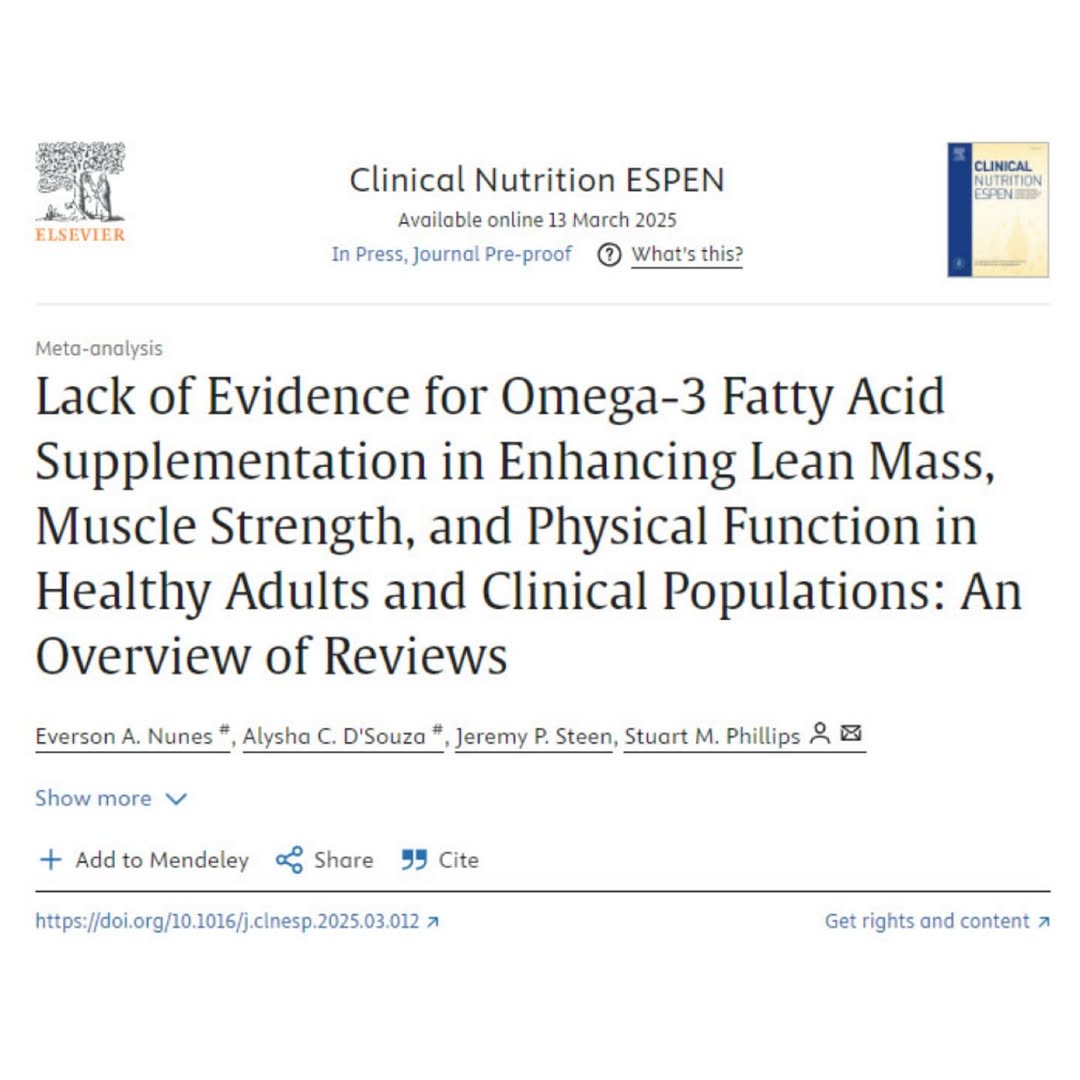
Review of 33 systematic studies finds little evidence omega-3 supplements build muscle

Mar 14, 2025 · Louis Nervegna ♥ 11 · 💬 2 Supplements & vitamins

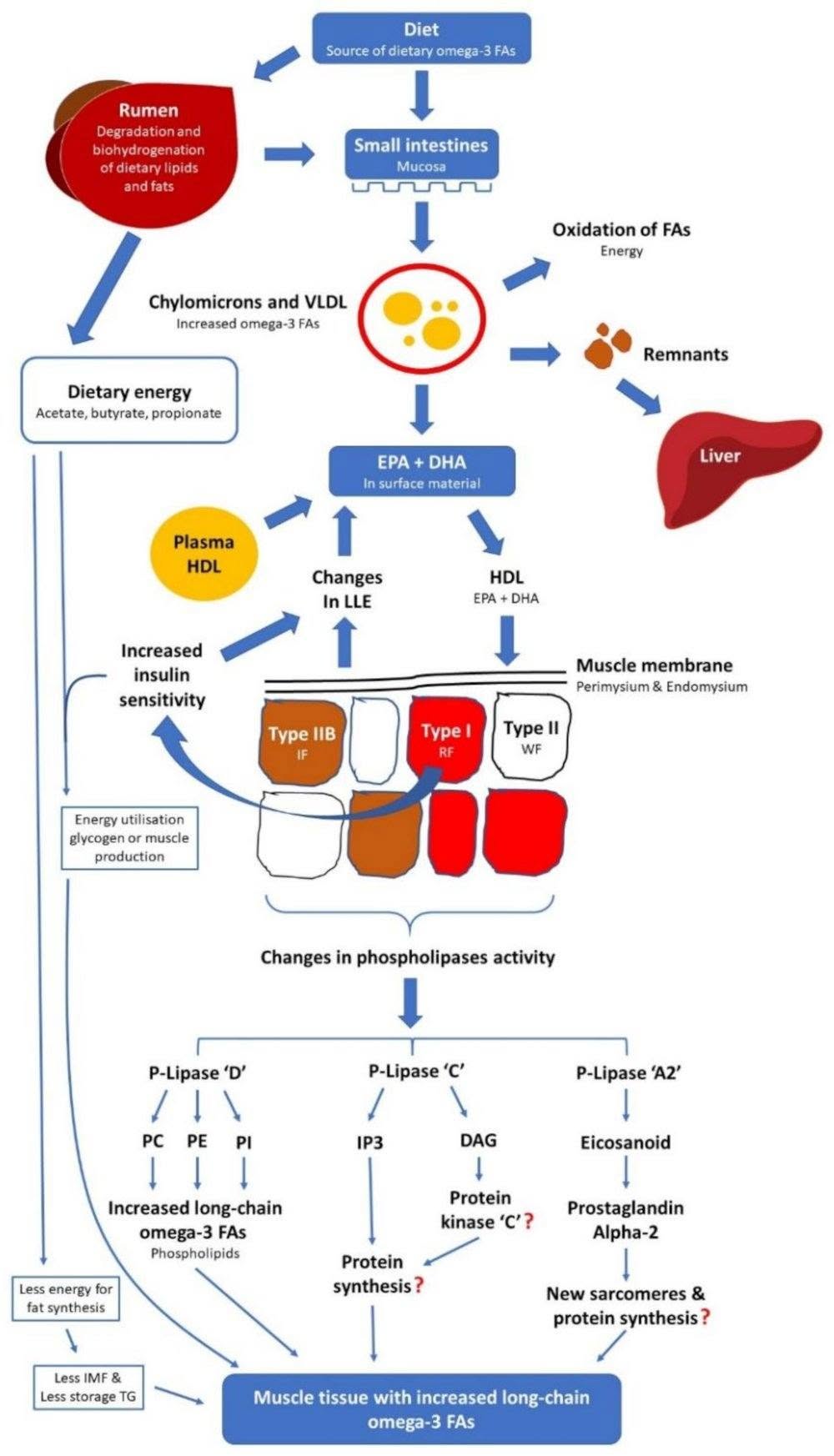
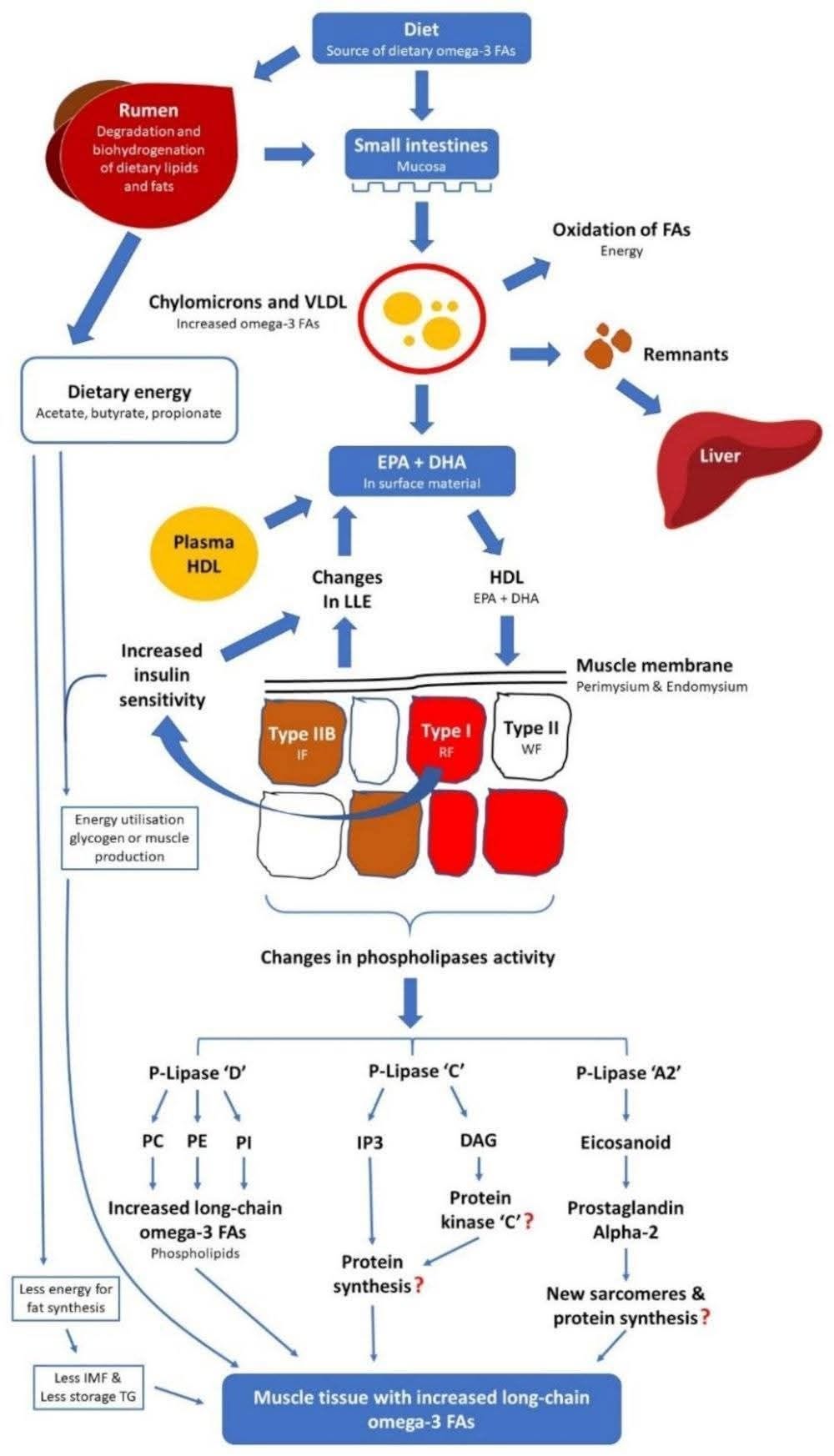
Louis shares Stuart Phillips' summary of a 2025 Clinical Nutrition ESPEN review of 33 systematic studies, which found little evidence that omega-3 supplements improve lean mass, muscle strength or physical function in healthy adults or clinical groups. Some small benefits in older adults were suggested, but exercise and protein remain the best strategies.

Statins cause under 10% of reported muscle pain, analysis of 23 RCTs finds

Jun 29, 2026 · Louis Nervegna ♥ 6 · 💬 2 Statins

Louis shares the Oxford/CTT Lancet analysis of 23 large randomized trials (155,000 people) showing muscle pain is common with or without a statin. Over 90% of muscle pain reported on statins was not caused by the drug, and true statin-related cases occurred mainly in the first year, more with high-intensity dosing.

Stuart Phillips preprint: muscle benefit of protein still caps at 1.6 g/kg

Oct 08, 2026 · Louis Nervegna ♥ 8 · 💬 1 Protein

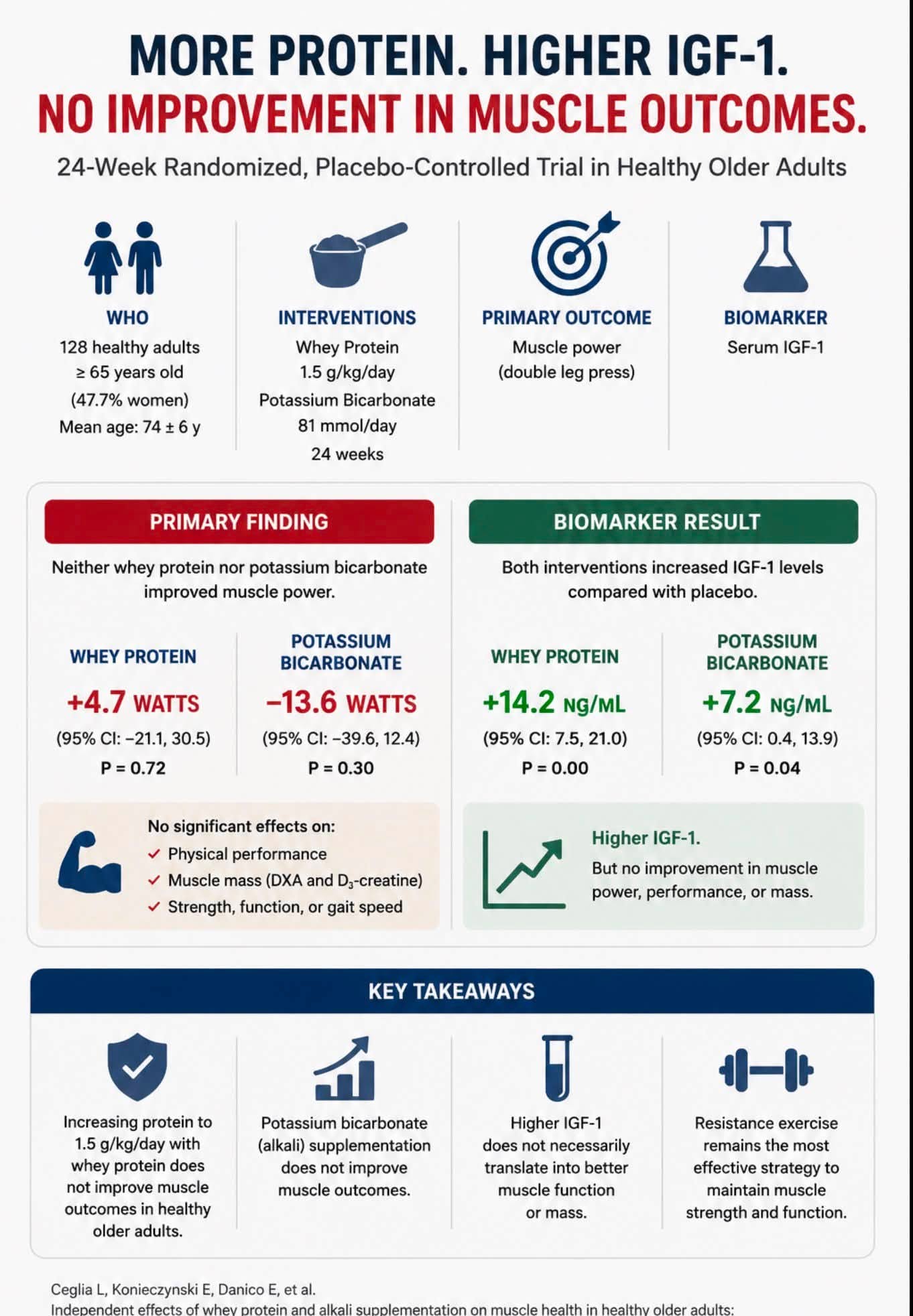
Phillips posted a new, not peer-reviewed preprint reviewing the evidence and concluding that the muscle-related benefit of protein still tops out at about 1.6 g/kg per day, and only in people doing resistance training. He argues that most trials report lean mass, about half of which is not muscle, and that women's needs are not different from men's.

Exercise activates AS160 and GLUT4 for muscle glucose uptake; Zierath wins 2024 EASD prize

Aug 26, 2024 · Louis Nervegna ♥ 12 Exercise & fitness

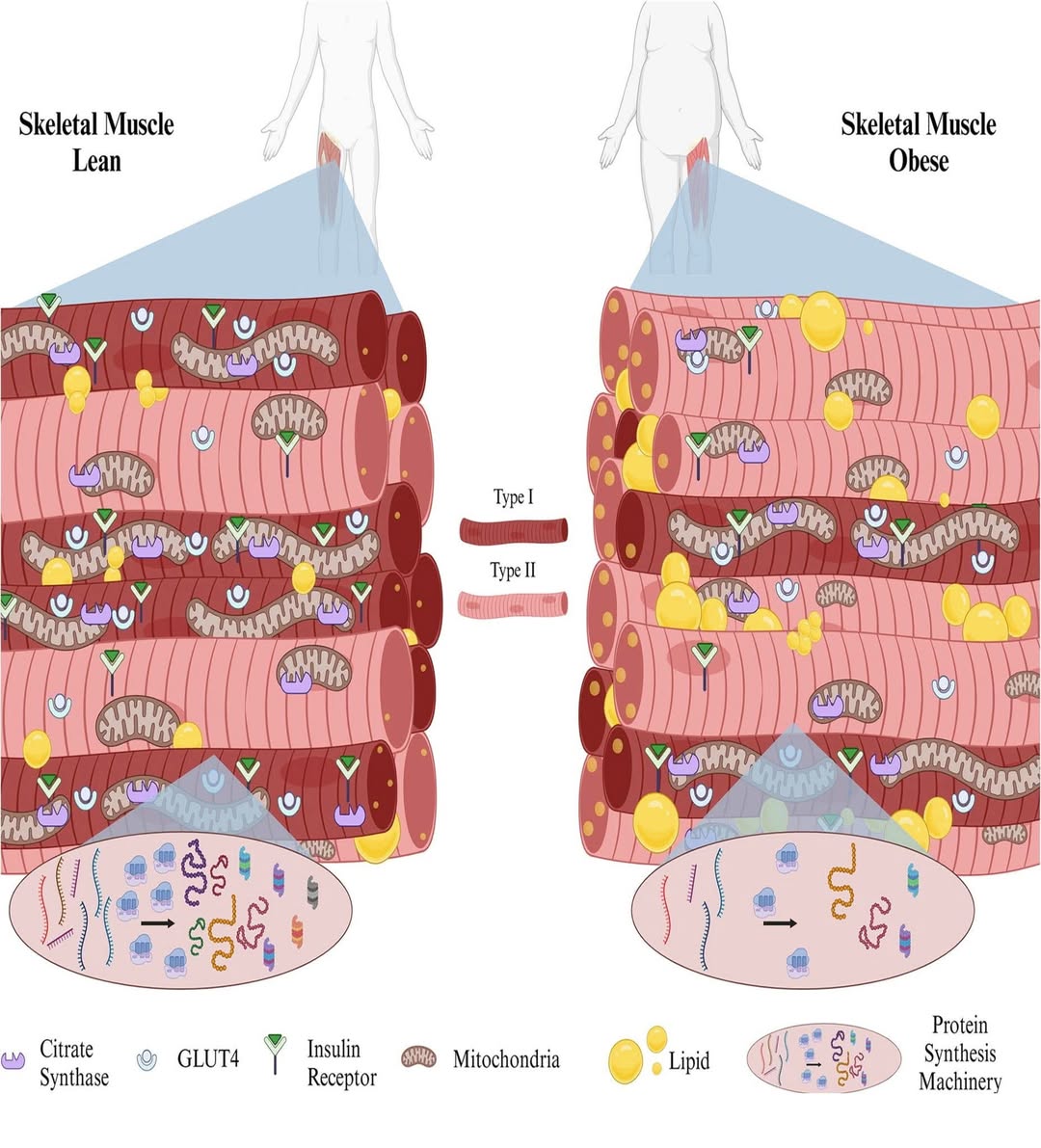
Louis shares news that Prof. Juleen Zierath won the 2024 EASD Diabetes Prize for Excellence for 30 years of work on exercise and muscle insulin signalling. Her group found exercise activates AS160, which boosts GLUT4 to move glucose into muscle and fat cells, a pathway still working when insulin's effect is impaired in type 2 diabetes. This supports exercise for lowering blood sugar.

Bisphosphonates for bone loss: fracture reductions summarized

Oct 13, 2024 · Gokhan Can ♥ 4 · 💬 1 ↩ 1 Hormones, women's & men's health

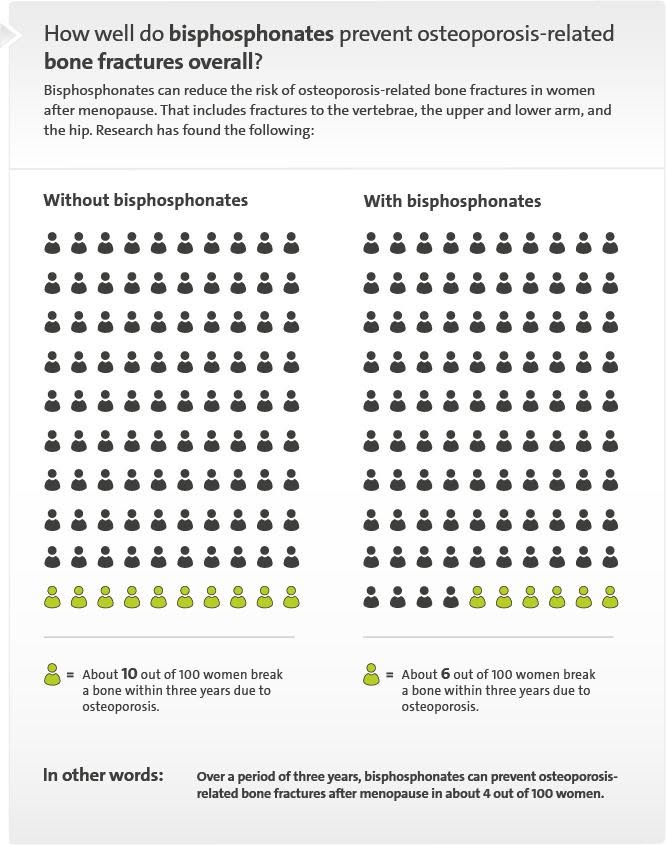
Review of bisphosphonate evidence for osteoporosis. Alendronate cuts vertebral and non-vertebral fractures by about 50% in women with prior vertebral fractures; yearly IV zoledronic acid cuts vertebral fractures 70% and hip fractures 40%; a 2017 meta-analysis found overall fracture OR 0.62. Not a heart topic but relevant to aging.

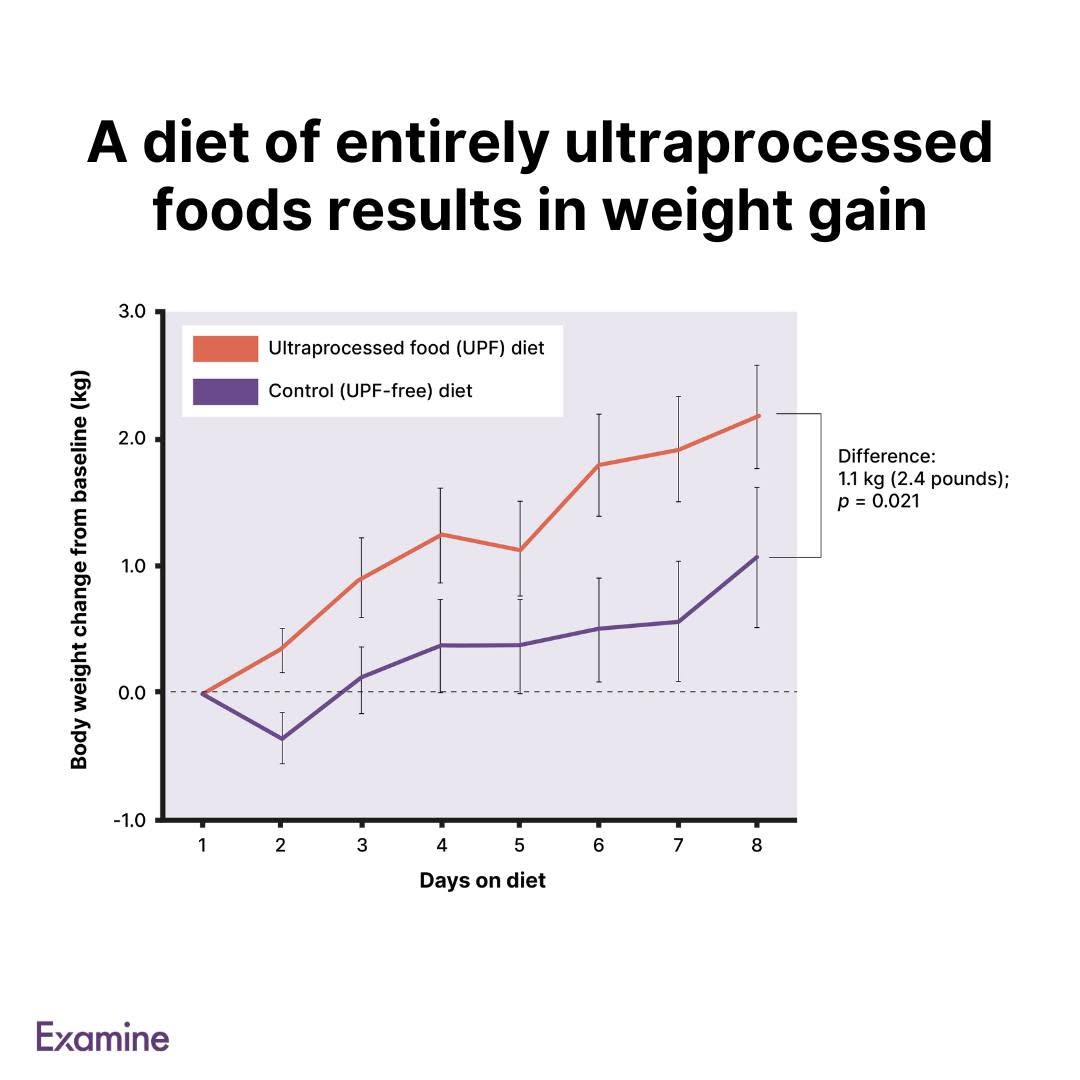
A week of all-ultraprocessed food caused more weight gain than none in a crossover RCT

May 16, 2025 · Louis Nervegna ♥ 3 · 💬 1 Mediterranean, DASH, MIND & plant-forward diets

Shared from Examine.com: a small randomized crossover trial in young men found a week of an entirely ultraprocessed diet led to more weight gain than a diet with no ultraprocessed food. The result fits observational data and an earlier RCT, though the post cautions that ultraprocessed food is a broad category and not all of it is equally harmful.

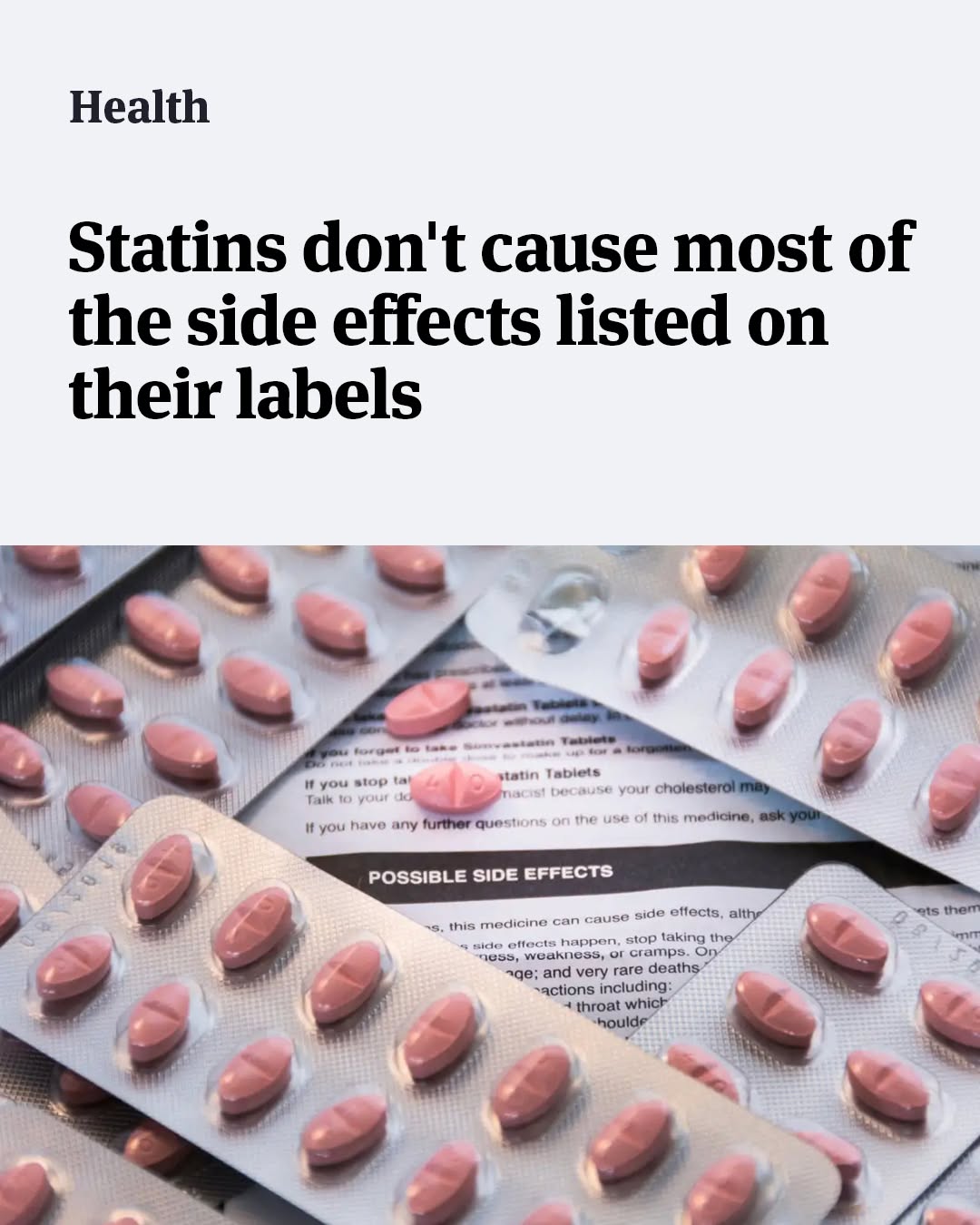
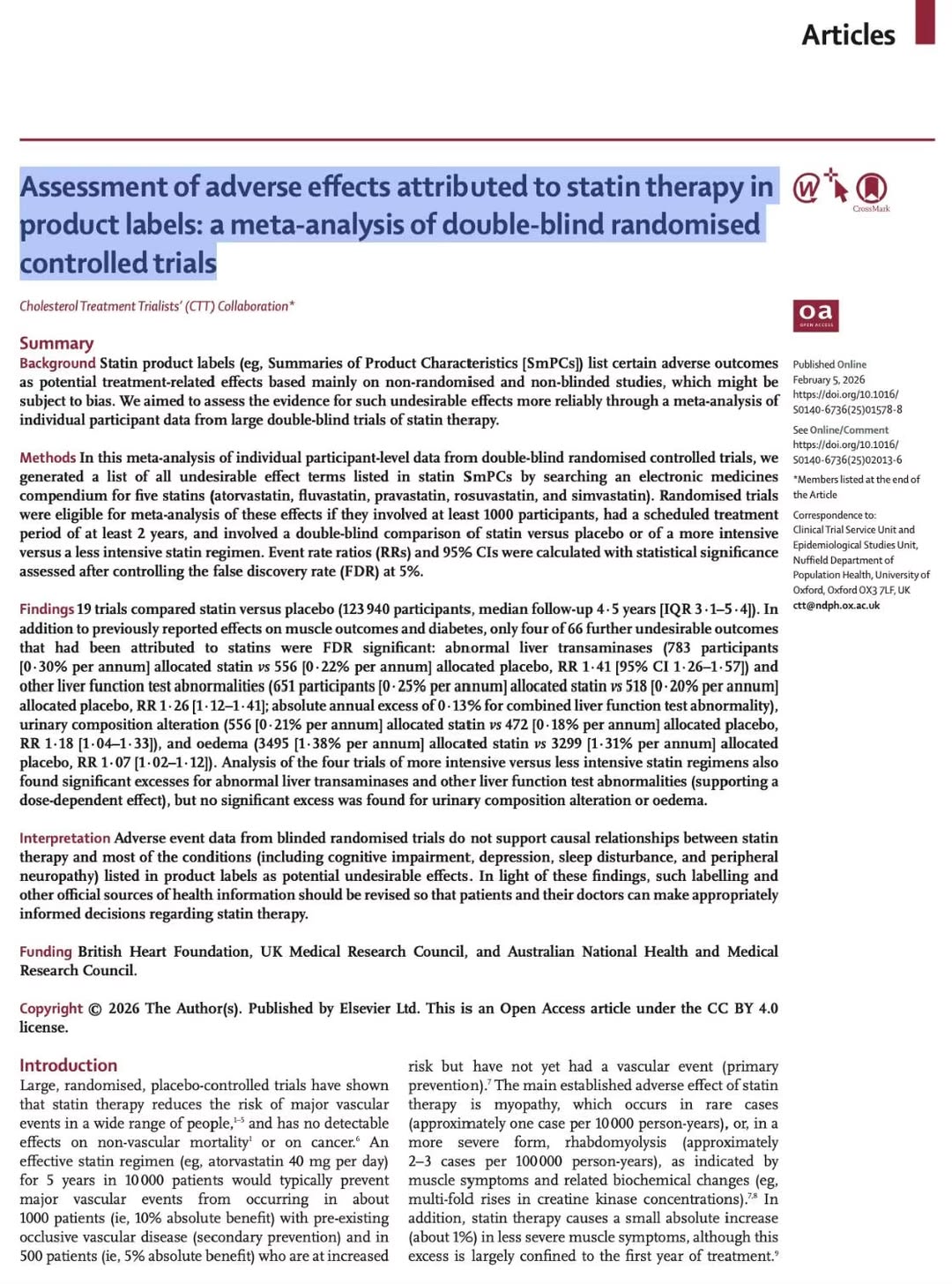
New Scientist: most statin label side effects are not caused by statins

Feb 11, 2026 · Louis Nervegna ♥ 1 · 💬 2 Statins

Shared news report on a rigorous assessment of the evidence concluding that the long list of statin side effects is vastly overstated and that package warnings may be deterring people from life-saving drugs. The investigator quoted says we can now be confident statins do not cause the vast majority of listed issues.