HD-OPM Archive
Topics › Supplements & vitamins

Magnesium glycinate RCT (n=240) shifted colorectal-cancer-linked gut bacteria

Louis Nervegna · Dec 12, 2025 · ♥ 15 reactions · 1 comments · original Facebook post
Supplements & vitaminsGut microbiomeCancer
AI summary & key facts

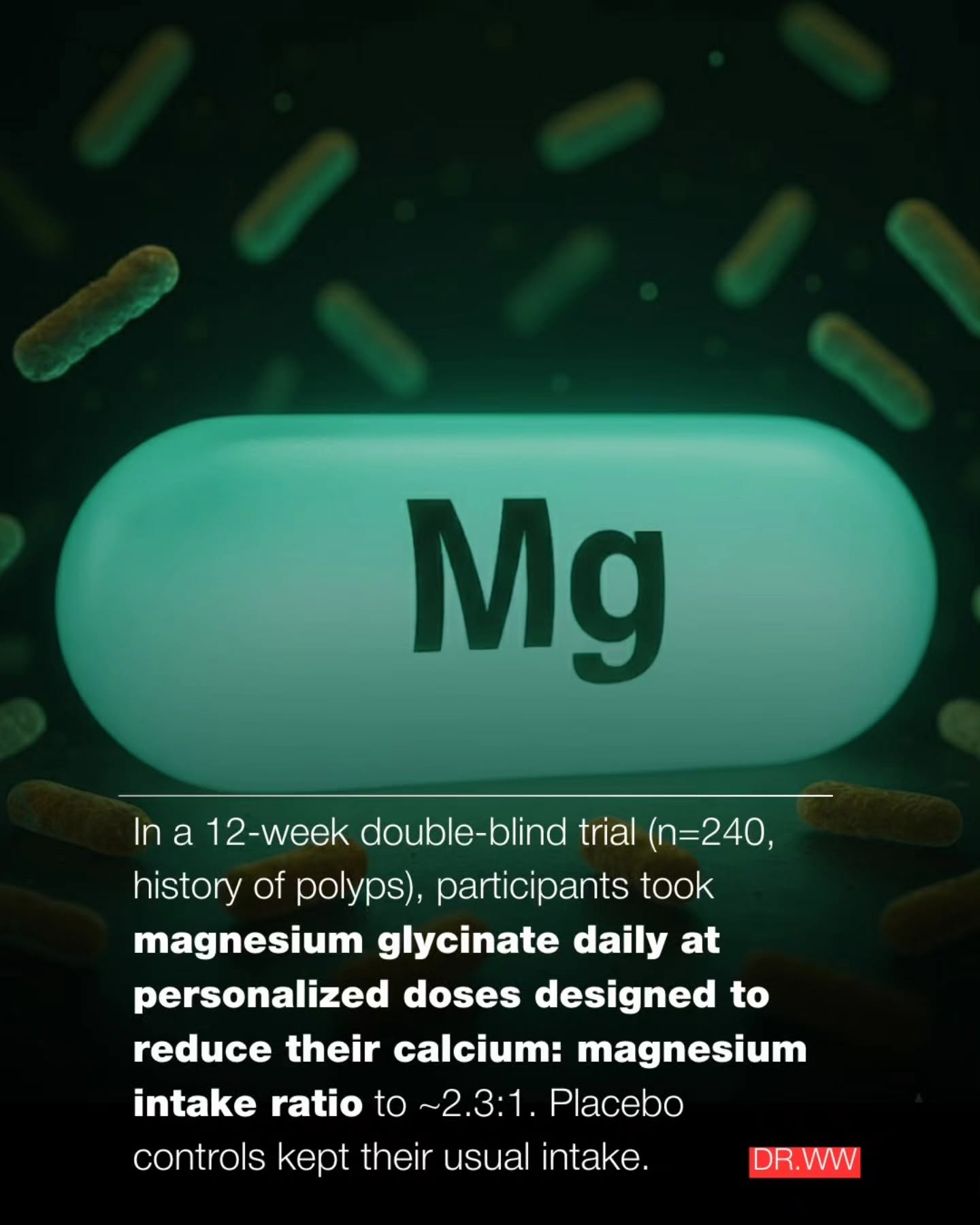
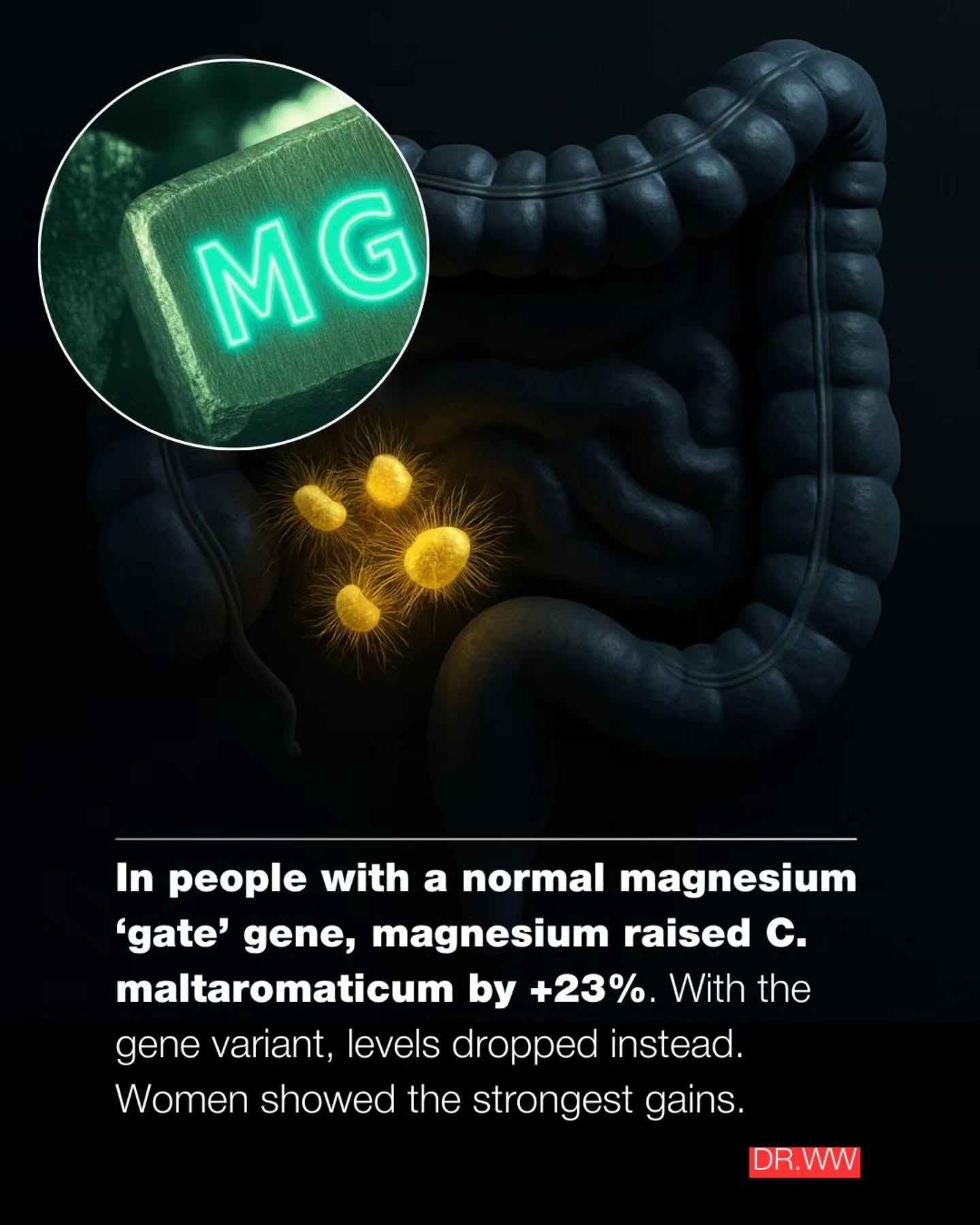
Louis shares a summary of a double-blind precision RCT in 240 adults with prior colorectal polyps taking magnesium glycinate for 12 weeks, dosed to lower the calcium:magnesium ratio. In participants with a normal TRPM7 'magnesium gate', beneficial bacteria rose, with effects strongest in women.

#magnesiumHD #coloncancerHD #microbiomeHD

Research cited

Magnesium supplementation (please read to the bottom) may shape the gut microbiome in ways that influence colorectal cancer risk.

Study
A double-blind, precision-based randomized controlled trial tested the effects of magnesium glycinate supplementation on gut microbes linked to colorectal cancer prevention.

Findings

Mechanistic context
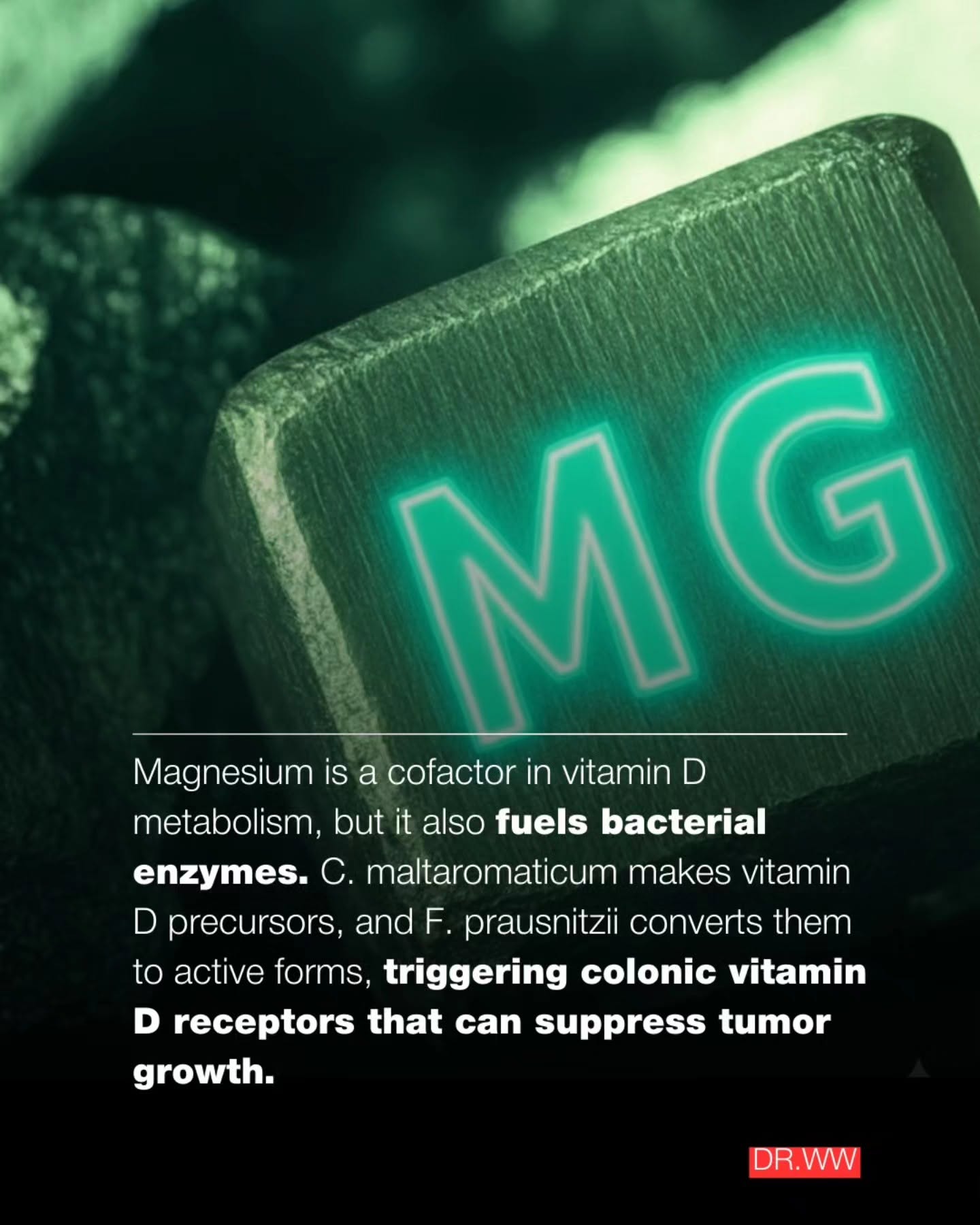
Magnesium is a cofactor in vitamin D metabolism and bacterial enzymes. C. maltaromaticum produces vitamin D precursors, while F. prausnitzii converts them into active metabolites that activate colonic vitamin D receptors and may inhibit tumor initiation. TRPM7 (the gene studied here), a magnesium channel, determines whether supplementation increases or decreases these bacterial populations.

Limitations
Short duration (12 weeks), relative rather than absolute abundance data, lack of strain-specific resolution, and modest sample diversity (older White adults, Tennessee). F. prausnitzii effects weakened after multiple-comparison correction.

Personalized magnesium supplementation shifted gut bacteria toward potentially protective profiles in women and in those without TRPM7 variants. These findings support a precision nutrition approach, but long-term and more diverse RCTs are required before clinical recommendations.

No photo description available.No photo description available.No photo description available.No photo description available.No photo description available.
← newer: Lyon Diet Heart Study: Mediterranean diet cut cardiac eventsolder: Caffeine metabolism: CYP1A2 genetics and half-life explain v →