Imidazole Propionate: A Microbial Metabolite Driving Chronic Disease
#
Imidazole propionate (ImP), a small molecule with the chemical formula 1C6H8N2O2, has emerged from scientific obscurity to become a focal point in understanding the intricate relationship between diet, the gut microbiome, and the development of chronic disease.2 It is not produced by human cells but is exclusively synthesized by specific bacteria in the gut from the essential amino acid L-histidine.3 Once produced, ImP is absorbed into the bloodstream, where it functions as a potent signaling molecule that can disrupt fundamental cellular processes in multiple organs. A growing body of evidence now implicates elevated ImP levels as a key driver and predictive biomarker for a host of modern epidemics, including type 2 diabetes, atherosclerosis, heart failure, chronic kidney disease, and non-alcoholic steatohepatitis (NASH). Understanding the biology of ImP, its mechanisms of action, and the strategies to lower its production offers a new frontier for preventing and treating these widespread conditions.
The Biology and Production of Imidazole Propionate
The synthesis of ImP is a direct consequence of a specific microbial metabolic pathway acting on a dietary component.4 This process is not a universal feature of the human gut but is strongly associated with dysbiosis—an imbalanced microbial ecosystem often characterized by low bacterial diversity.
The pathway is a two-step conversion:
- Deamination: The process begins when certain gut bacteria use the enzyme histidine ammonia-lyase to convert dietary L-histidine into an intermediate molecule called urocanate (or urocanic acid).
- Reduction: In the critical final step, other bacteria employ the enzyme urocanate reductase (UrdA) to reduce urocanate into Imidazole Propionate.5
The capacity of an individual's gut microbiota to perform this final step is the primary determinant of their circulating ImP levels. Studies have consistently shown that high ImP is not primarily driven by high dietary intake of histidine. Instead, it is a hallmark of a dysbiotic gut that is functionally geared towards its production. This dysbiotic state is often linked to the Bacteroides 2 enterotype and a higher abundance of specific ImP-producing bacteria, including certain species of Clostridium, Ruminococcus gnavus, and Eggerthella lenta.
Conversely, a healthy, diverse microbiome fueled by a high-fiber diet is associated with significantly lower ImP levels. Dietary fiber promotes the growth of beneficial, fiber-fermenting bacteria that produce health-promoting short-chain fatty acids (SCFAs).6 This healthy ecosystem appears to outcompete or suppress the ImP-producing species, shifting gut metabolism away from the detrimental fermentation of amino acids.
Molecular Mechanisms: How ImP Causes Disease
ImP exerts its harmful effects by hijacking and disrupting central signaling pathways that regulate metabolism, inflammation, and cell growth across various tissues.7 Its mechanisms are tissue-specific, explaining its broad impact on health.
Impairment of Insulin Sig naling and Metformin Action
##
In the liver and muscle, ImP is a powerful instigator of insulin resistance. Its primary mechanism involves activating the p38γ MAPK kinase, which in turn triggers a cascade that activates mTORC1.8 Activated mTORC1 then leads to the degradation of Insulin Receptor Substrate (IRS) proteins, effectively severing the cell's communication line with insulin and impairing glucose uptake.9 Furthermore, ImP has been shown to blunt the effectiveness of metformin, a cornerstone diabetes medication, by interfering with its ability to activate the key metabolic regulator AMPK. This provides a molecular explanation for why some individuals may have a poor response to metformin therapy.
Driving Atherosclerosis and Vascular Disease
ImP promotes atherosclerosis through a powerful two-pronged attack on the vasculature.10 First, it directly impairs the function of endothelial cells (the lining of blood vessels) by suppressing the pro-survival PI3K/AKT signaling pathway, which compromises the endothelium's ability to repair itself.11 Second, and perhaps more critically, recent research has identified ImP as a direct inflammatory agonist. It binds to the imidazoline receptor I1R on myeloid immune cells (like macrophages), triggering mTOR-dependent inflammatory signaling. This promotes vascular inflammation and the recruitment of immune cells to the artery wall, directly driving the formation and growth of atherosclerotic plaques, even independent of high cholesterol levels.
Driving Renal and Hepatic Fibrosis
In the kidneys, ImP functions as a uremic toxin that contributes to the progression of chronic kidney disease (CKD), particularly in diabetic nephropathy.12 Its mechanism in renal tubular cells is distinct, involving the direct targeting of the protein Hsp90α. This interaction activates PI3K–Akt signaling, which promotes epithelial-mesenchymal transition (EMT)—a key process where epithelial cells transform into scar-tissue-producing cells, leading to renal fibrosis and a decline in kidney function.
Similarly, in the liver, ImP is implicated as a driver of non-alcoholic steatohepatitis (NASH). While it may not initiate liver damage on its own, it acts as a potent accelerator of fibrosis in the context of existing liver injury. It promotes the death of liver cells and pushes liver macrophages towards a pro-inflammatory state, creating a toxic environment that activates the primary scar-producing hepatic stellate cells.
Clinical Associations and How to Lower ImP
The mechanistic evidence is strongly supported by clinical observations. Elevated ImP is consistently found in patients with prediabetes and T2D, and it prospectively predicts the future development of diabetes, the progression of kidney disease, and mortality in patients with heart failure.13 Given these strong links to pathology, strategies to lower circulating ImP are of significant clinical interest.
The most effective interventions focus on reshaping the gut microbiome rather than simply restricting dietary histidine.
1. Increase Dietary Fiber Intake (Core Strategy)
This is the most well-supported and actionable strategy. A diet rich in diverse, fermentable fibers from vegetables, legumes, whole grains, and fruits is consistently associated with lower ImP levels. Fiber nourishes a healthy microbiome, promoting the growth of beneficial bacteria that suppress ImP producers.14 Aiming for at least 30-40 grams of fiber per day from a variety of plant sources is a primary goal.
2. Improve Overall Diet Quality
Adherence to a plant-forward or Mediterranean-style dietary pattern, rich in unsaturated fats and minimally processed foods, correlates with lower ImP. These diets foster the microbial diversity that is protective against the dysbiosis that fuels ImP production. Conversely, diets high in saturated fat and low in fiber are linked to higher ImP.
3. Ensure Adequate Magnesium Intake
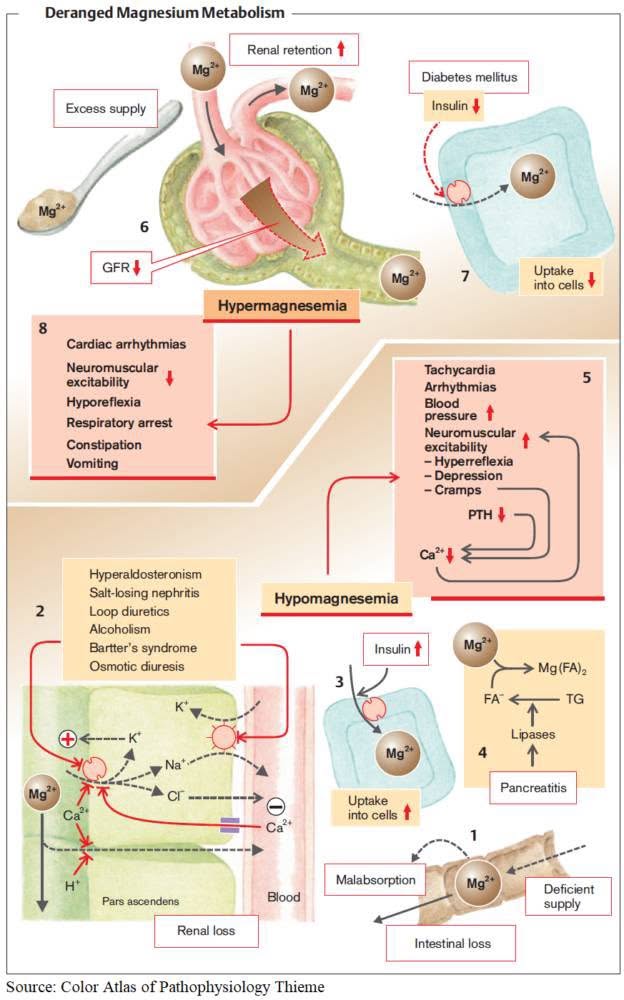
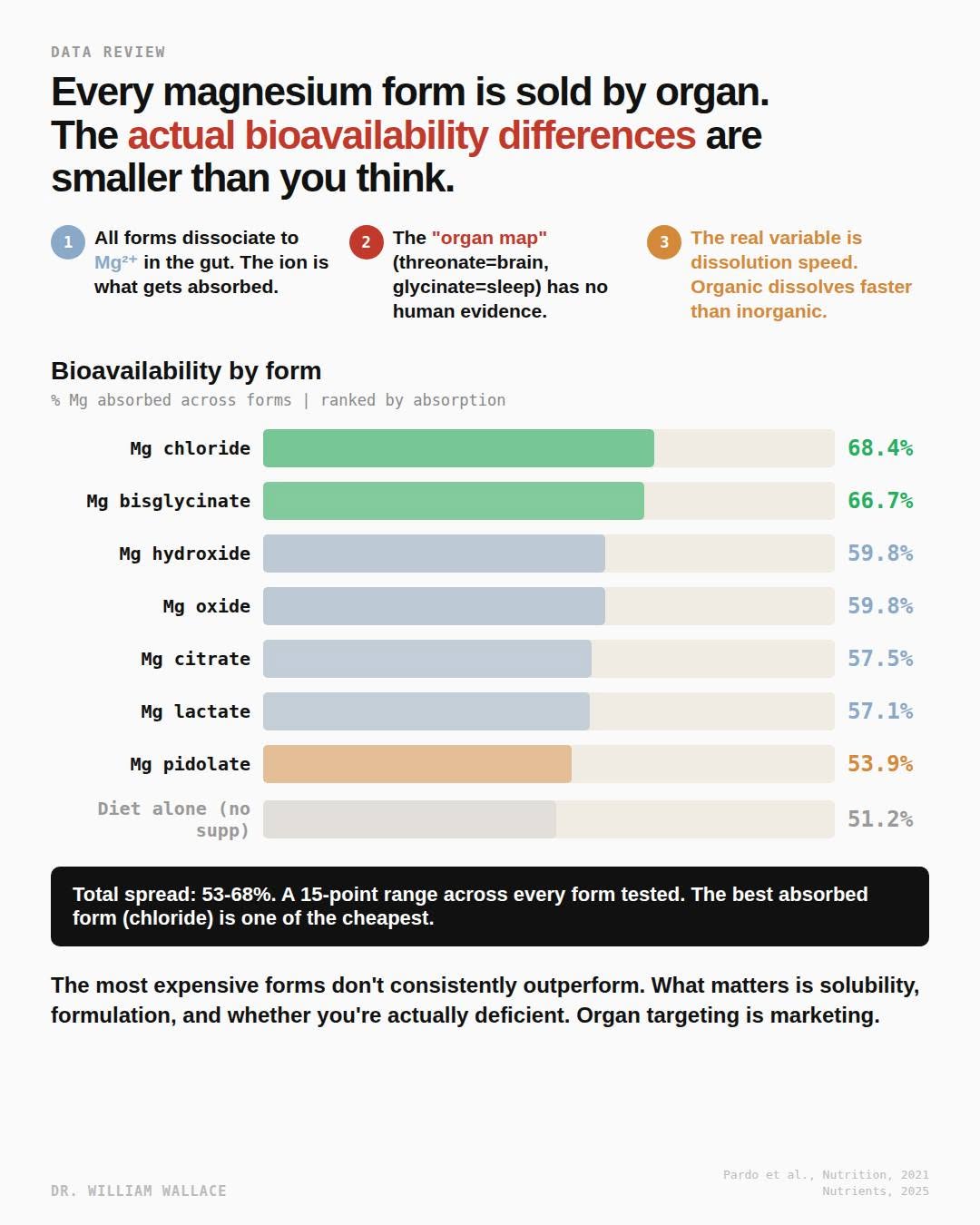
An intriguing randomized controlled trial showed that magnesium supplementation in individuals at risk for deficiency led to a significant (~40%) reduction in plasma ImP levels. The proposed mechanism is that adequate magnesium levels in the gut may alter microbial enzyme function, shifting histidine metabolism away from the ImP pathway. This makes ensuring adequate magnesium intake, either from foods like leafy greens and nuts or through supplementation, a promising and evidence-based strategy.
4. Future and Emerging Interventions
While not yet standard care, future therapies are on the horizon:
- Targeted Probiotics: The use of specific probiotic strains that can compete with or inhibit ImP producers is an area of active research. The goal would be to develop "next-generation" probiotics that are validated to lower ImP.
- Pharmacological Inhibitors: The identification of key molecules in the ImP pathway, such as the enzyme UrdA and the receptor I1R, opens the door for developing drugs that can either block ImP's production in the gut or neutralize its harmful effects in the body.
In conclusion, Imidazole Propionate stands as a powerful example of how our internal microbial ecosystem can translate dietary and lifestyle inputs into molecules that actively drive chronic disease. While it is currently an emerging biomarker, its strong causal links to pathology highlight its importance.15 The actionable strategies to lower ImP—primarily increasing dietary fiber and ensuring magnesium adequacy—are aligned with foundational principles of healthy living and offer a tangible way to mitigate the risk posed by this detrimental microbial metabolite.
docs.google.comGoogle Docdocs.google.com