Introduction
- Magnesium is a critical yet often overlooked mineral that plays a foundational role in many aspects of human health.
- Nearly 45% of the US population has inadequate magnesium intake, primarily due to diets lacking in magnesium-rich foods like dark leafy greens.
- Magnesium deficiency can have far-reaching negative health effects. Increasing magnesium intake through diet and supplementation may be key for optimal health.
Recommended Intake
- Adult women need 310-320 mg magnesium per day (360 mg if pregnant). Adult men need 400-420 mg per day.
- Athletes and highly active individuals may need an additional 10-20% above the RDA due to greater losses through sweat and urine.
- The average intake in the US falls below the RDA, especially for women.
- The RDA is the minimum amount to avoid severe deficiency diseases. Even meeting the RDA may mean only getting the bare minimum to function.
Magnesium Absorption and Bioavailability
- Magnesium absorption from the diet is around 50%. It's lower with high fiber diets.
- Cooking, heating, sprouting and fermentation can increase magnesium bioavailability from plant foods by activating phytase enzymes that break down phytates.
- Excessive supplemental zinc (over 142 mg/day) can inhibit magnesium absorption. Brief high dose zinc during illness onset is an exception.
Reasons for Widespread Magnesium Insufficiency
- The standard American diet is calorically dense but low in magnesium-rich foods.
- Magnesium bioavailability from plants is limited unless techniques are used to reduce phytates.
- Health conditions like diabetes and alcohol consumption increase magnesium excretion.
Assessing Magnesium Status
- Dietary tracking of magnesium intake is the most practical way to ensure adequate intake. The USDA Food Data Central database is a good resource.
- Plasma and red blood cell magnesium tests are poor indicators of magnesium status in healthy people. They are more likely to identify severe deficiency.
- Over time, the body pulls magnesium from bones to maintain blood levels, so blood tests can appear normal while bones become depleted.
Magnesium Supplements
- The upper safe limit for supplemental magnesium is 350 mg/day. Exceeding this may cause GI issues like diarrhea.
- Smaller doses spread throughout the day allow for better absorption than a single large dose.
- Organic magnesium salts like magnesium glycinate, citrate, and malate are more bioavailable than inorganic forms like magnesium oxide.
- Magnesium threonate is thought to cross the blood-brain barrier better, but should not count towards the RDA as it is very low in elemental magnesium.
- The author takes a supplement with mixed magnesium salts to get benefits of different forms.
Stress and Magnesium
- Stress triggers release of hormones like adrenaline and cortisol that can deplete magnesium levels.
- Studies show both acute and chronic stress, even from things like sleep deprivation and test-taking, can significantly lower magnesium levels.
- During the fight-or-flight response, magnesium is mobilized for immediate energy production. Prolonged stress gradually depletes the body's magnesium stores.
Exercise and Magnesium
- Short intense exercise causes a temporary spike in blood magnesium to aid energy production.
- Longer workouts over an hour deplete magnesium without this protective spike. Magnesium levels fall below baseline.
- The increased energy demands of exercise affect the body's magnesium balance. Athletes require higher magnesium intake.
Magnesium and Sleep
- Observational studies link higher magnesium intake to better sleep, but this could reflect an overall healthier lifestyle.
- Randomized trials on magnesium supplementation and sleep show mixed results, with some benefits but many seeing no clear effect.
- Nutrition trials are often flawed by not measuring baseline nutrient status. Giving magnesium to someone who already has sufficient levels is very different than correcting a deficiency.
Magnesium and Brain Health
- An observational UK Biobank study of over 6000 people found higher magnesium intake correlated with greater gray matter volume in the brain, indicating slower brain aging.
- This effect was most pronounced in women, with the high intake group averaging 550 mg magnesium per day compared to 350 mg in the lower group.
- Though limited by the observational design, this suggests a possible neuroprotective effect of higher magnesium intake, especially for women.
Magnesium and Dementia/Alzheimer's
- Alzheimer's patients have lower plasma and possibly brain magnesium levels compared to healthy controls.
- Long-term observational studies link higher magnesium intake to lower dementia risk later in life.
- Magnesium is a co-factor for key enzymes involved in cellular energy production, neurotransmitter synthesis, and preventing excitotoxicity in the brain.
- Though not definitive proof, the evidence points to a potential role for magnesium in supporting brain health and cognitive function with aging.
Magnesium and Migraines
- Many migraine sufferers are found to have magnesium deficiency or insufficiency.
- Magnesium may help prevent cortical spreading depression (the brain signaling disruption linked to migraines), reduce pain-transmitting chemicals like substance P and glutamate, and prevent constriction of brain blood vessels.
- A dose of around 600 mg magnesium per day, divided into smaller doses, was found in several small clinical trials to significantly reduce migraine frequency and severity.
- While more research is needed, magnesium shows promise as a potential migraine management tool, especially for those with insufficient magnesium intake.
The Triage Theory, DNA Damage and Aging
- Dr. Bruce Ames' triage theory posits that when nutrients are scarce, the body "triages" them to prioritize short-term survival and reproduction over long-term health.
- Magnesium is directed to acute functions like energy production and away from long-term maintenance like DNA repair.
- Though this doesn't cause immediate harm, over a lifetime this could allow DNA damage to accumulate, contributing to aging, mutations, and chronic diseases like cancer.
- Subtle inadequacies in magnesium and other nutrients may thus have an insidious impact on the aging process and disease risk over time.
Magnesium and Reduced Cancer Risk
- Magnesium is essential for genomic stability and DNA repair, replication and transcription. Deficiency allows more DNA damage and errors to occur.
- Observational studies link low magnesium intake to significantly higher risk of pancreatic and colorectal cancers. Every 100 mg decrease in intake was tied to a 24% increase in pancreatic cancer rates.
- Another study found the highest magnesium group had 40% lower all-cause mortality and 50% lower cancer mortality risk compared to the lowest group.
- A meta-analysis calculated that each 100 mg increase in magnesium intake lowered all-cause mortality by 10% and cancer mortality by 5% in a dose-dependent manner.
- Though only observational, the consistency of the evidence points to higher magnesium intake likely being protective against DNA damage and cancer.
Magnesium and Bone Health
- Around 60% of the body's magnesium is stored in bone, where it supports skeletal structure and acts as a mineral reserve.
- When intake is low, magnesium is pulled from bone to maintain blood levels. Over a lifetime, bones can lose nearly half their magnesium content.
- Magnesium-rich diets in childhood support greater peak bone mass in young adulthood. One study found a year of magnesium supplementation increased bone mineral density in teen girls.
- Getting adequate magnesium, especially earlier in life, may help prevent the bone loss and increased osteoporosis risk that comes with long-term insufficient intake.
Magnesium and Vitamin D
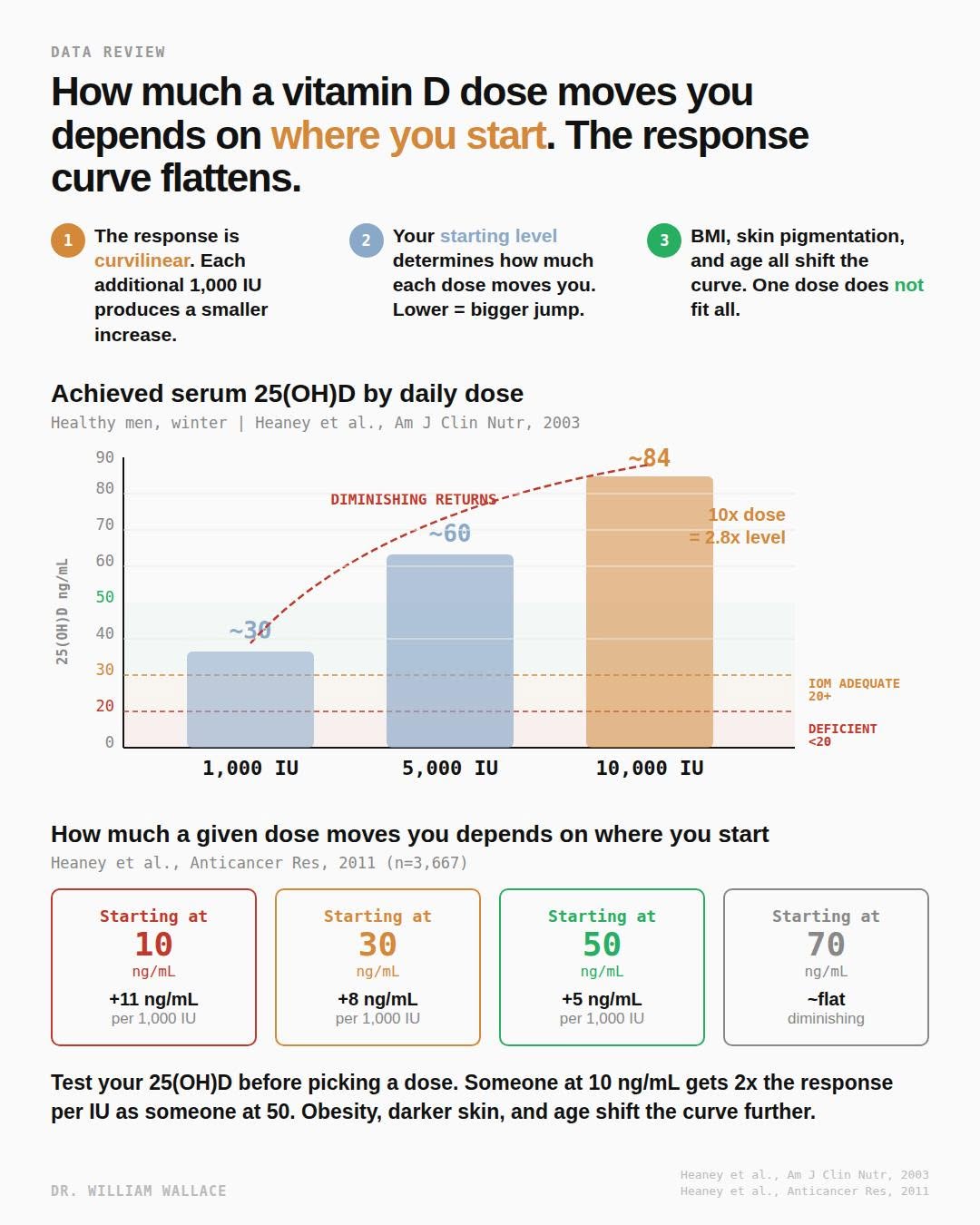
- Magnesium acts as a cofactor for enzymes that metabolize vitamin D into its active forms. Deficiency impairs vitamin D metabolism.
- Higher magnesium intake is associated with lower risk of vitamin D deficiency. Magnesium supplementation can increase blood levels of 25(OH)D, the main marker of vitamin D status.
- Conversely, low magnesium intake hinders the body's ability to properly utilize vitamin D, even when vitamin D intake is sufficient.
- The synergistic relationship between magnesium and vitamin D has implications for bone health and other areas influenced by vitamin D status.
Magnesium and Blood Pressure
- Magnesium helps regulate blood pressure by increasing production of vasodilators like nitric oxide, fighting inflammation, and protecting blood vessels.
- A meta-analysis of 34 controlled trials with over 2000 participants found magnesium supplementation at a mean dose of 368 mg/day significantly lowered both systolic and diastolic blood pressure.
- The effect was dose-dependent and more pronounced with longer treatment duration. For some, magnesium may be a useful adjunct to other lifestyle and medical treatments for hypertension.
Magnesium and Muscle Cramps
- Magnesium supports muscle relaxation and contraction. Deficiency may increase muscle excitability and cramping, making supplementation of interest for those prone to cramps.
- However, evidence for magnesium reducing muscle cramps is mixed. Benefits are more often seen in pregnant women. Not all cramps are caused by low magnesium.
- Epsom salt baths are popular for cramps, but it's scientifically unclear if meaningful amounts of magnesium can be absorbed through the skin to affect muscle tissue.
- Magnesium may help some with muscle cramps, but the effect likely depends on the individual's magnesium status and the underlying cause of their cramps.
Conclusions
- Magnesium is a critical nutrient with far-reaching effects on metabolic, cardiovascular, skeletal, neurological and muscle health.
- Deficiency and insufficiency are common, and even mild inadequacies over time may raise the risk of chronic diseases and accelerate aging.
- Increasing magnesium intake, preferably from nutrient-dense foods but also supplementation in some cases, may have profound benefits for health and longevity.
- However, the effects may be most apparent in those who are deficient, with less noticeable impact expected for people whose magnesium intake is already sufficient.
- An individualized approach considering dietary intake, health status, and personal response is ideal.
- Though much is still to be uncovered, magnesium proves to be an often underappreciated but vitally essential piece of the nutritional puzzle for lifelong health and wellbeing.
 ▶