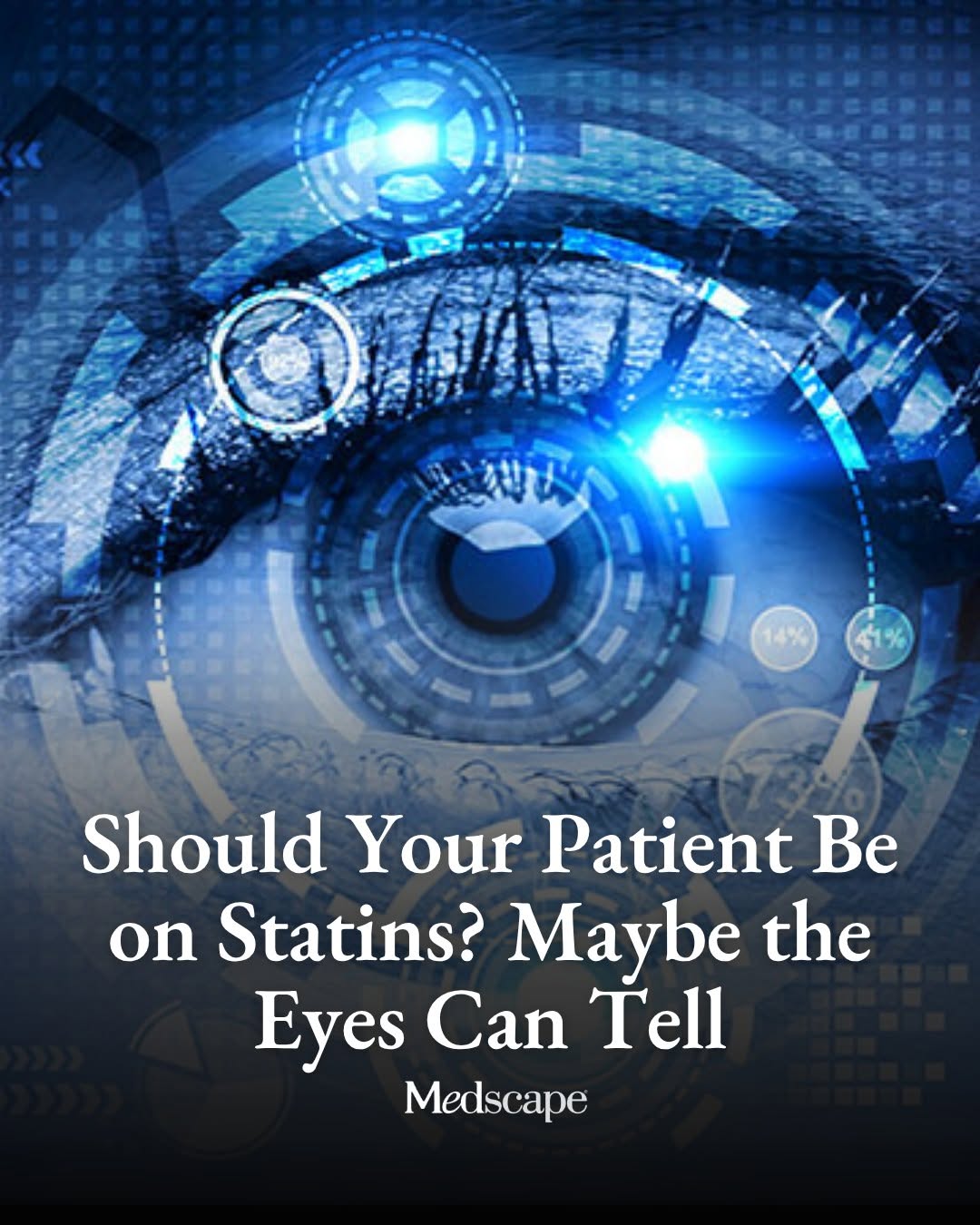
More and more research is hinting that retinal imaging can predict risk for CVD.
The health of the vasculature in your eyes gives a window into the health of your overall vasculature.
The advantage of this test is that it is cheap, fast, and non-invasive. It is already performed by many optometrists during a standard eye exam. It only takes a few seconds to image each eye.
The AI tools necessary to analyze the images and determine CVD risk are still in the research stage. But it may not be very long before this technology becomes available.
What fascinates me is the idea that it could one day be used to non-invasively track progression. Imagine getting this test every month to put together an AI-generated picture of how your disease is progressing (or regressing!). You could see how various interventions that you are trying (diet, exercise, medication, supplements) are affecting your disease in real time.