Essential Labs for Heart Disease Prevention
(This list is what I personally get. It isn't meant to be exhaustive. But it's a really good start.)
Blood Tests
1. Lipid Panel (Total Cholesterol, LDL, HDL, Triglycerides): This is the cornerstone of heart disease risk assessment. It measures the different types of cholesterol and fats in your blood. High levels of LDL ("bad" cholesterol) and triglycerides, along with low levels of HDL ("good" cholesterol) are major risk factors.
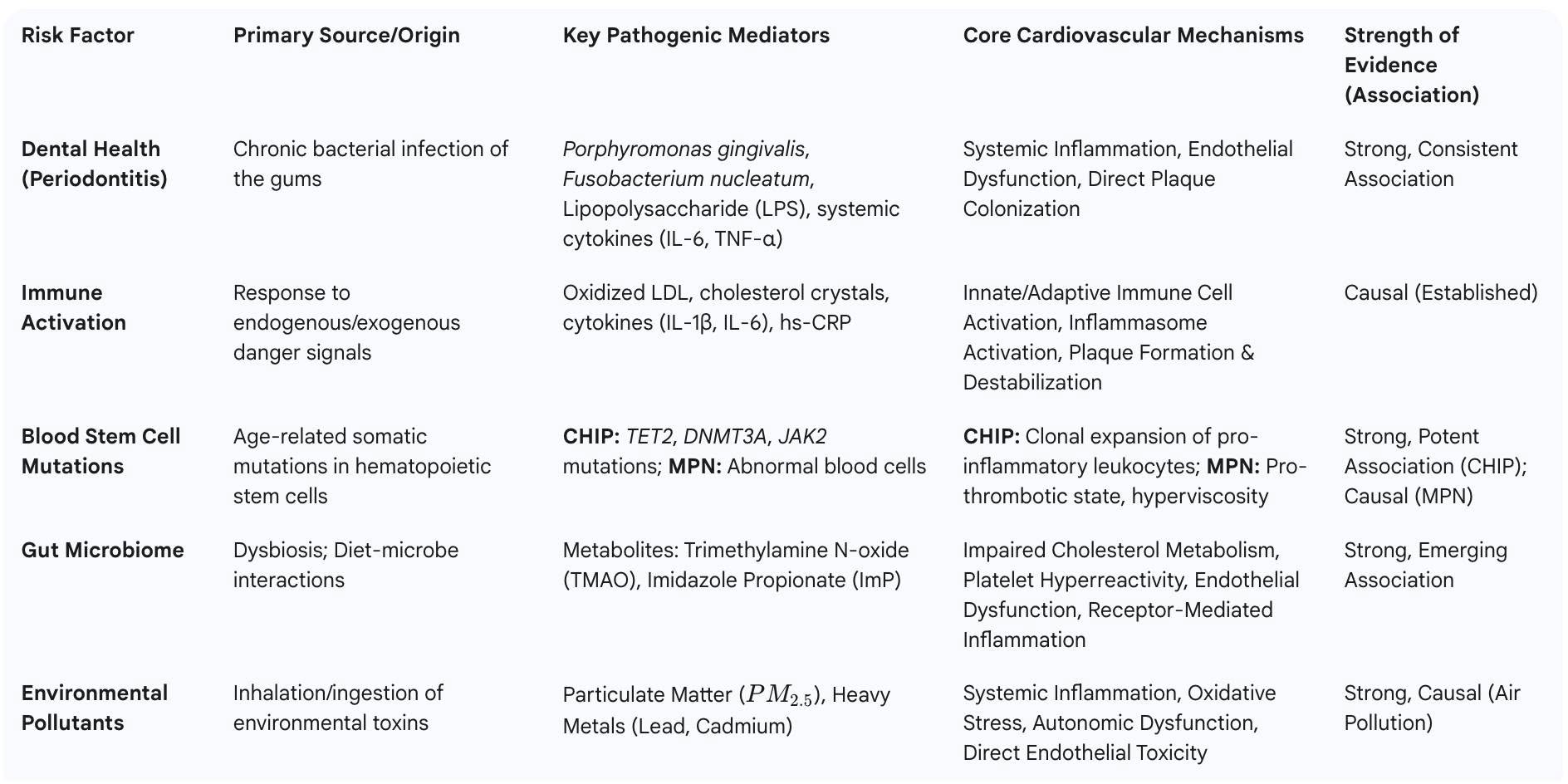
2. High-Sensitivity C-Reactive Protein (hs-CRP): This marker indicates inflammation in the body. Even low levels of elevated hs-CRP can predict future heart problems, independent of cholesterol levels. It helps identify people who might benefit from early intervention.
3. Lipoprotein(a) [Lp(a)]: High levels of Lp(a), a genetic variation of LDL cholesterol, are linked to increased heart attack and stroke risk, even when total cholesterol seems normal. It's particularly important for those with a family history of early heart disease.
4. Apolipoprotein B (ApoB): This measures the total number of atherogenic (plaque-forming) particles in the blood. Some studies suggest it may be a better predictor of risk than LDL cholesterol alone. It can be particularly useful for those with metabolic syndrome or diabetes.
5. Fasting Blood Glucose, HbA1c, Fasting Insulin, HOMA-IR (calculated): These tests assess how well your body processes sugar. Diabetes and insulin resistance are significant risk factors for heart disease, even if blood sugar levels are only mildly elevated. Some folks get OGTT instead of Fasting Insulin.
6. Basic Metabolic Panel (BMP): Assesses kidney and liver function, electrolyte balance.
7. Complete Blood Count (CBC)
8. Thyroid Stimulating Hormone (TSH)
9. Vitamin D3
10. Total Testosterone and Other Relevant Hormones
Imaging Studies
Just one of the following should be sufficient.
Coronary Artery Calcium Score (CAC): This CT scan measures the amount of calcium in your coronary arteries. Calcium buildup is a sign of atherosclerosis (plaque formation), and the score helps predict future heart attack risk.
Carotid Plaque Burden: This ultrasound measures the plaque in the carotid arteries in your neck. Any sign of plaque or a sign of early atherosclerosis can help assess your risk of stroke and heart attack.
TRACKING
Always add your results to a spreadsheet with their respective dates. This will allow you to notice any trends. I also add my drugs and supplements at the bottom to see correlations.
The attached spreadsheet includes
- Labs (Mark out-of-range values with a color)
- Drugs and supplements with their dosage at the time of the test.
- Levine Biological Age Estimate -- helpful to get a sense of how things are going.