HD-OPM Archive
Topics › Evidence & tools

Risk assessment & lab tests

151 posts (29 primarily about this topic) · 59 reposts and set-aside posts not shown

Start here — the best posts in this topic

  1. A zero CAC score does not rule out blockages: 54% of 23,759 symptomatic patients had CAC 0 Jan 01, 2025
  2. Glucose and insulin are different: CGMs show glucose only, and beef or whey spike insulin Feb 21, 2025
  3. An oral glucose tolerance test is the definitive check that diabetes is truly resolved Jul 31, 2025
  4. Carotid plaque burden on ultrasound predicted mortality better than CAC in 5,700 people Jun 30, 2025
  5. CGM glucose estimates ran 0.6% above lab A1C in people without diabetes May 17, 2025
  6. ACC urges measuring hsCRP; statins cut hsCRP about 1 mg/L in a 26-RCT meta-analysis Oct 09, 2025
  7. A CT angiogram shows the lumen, so it can miss early plaque inside the artery wall Apr 07, 2025
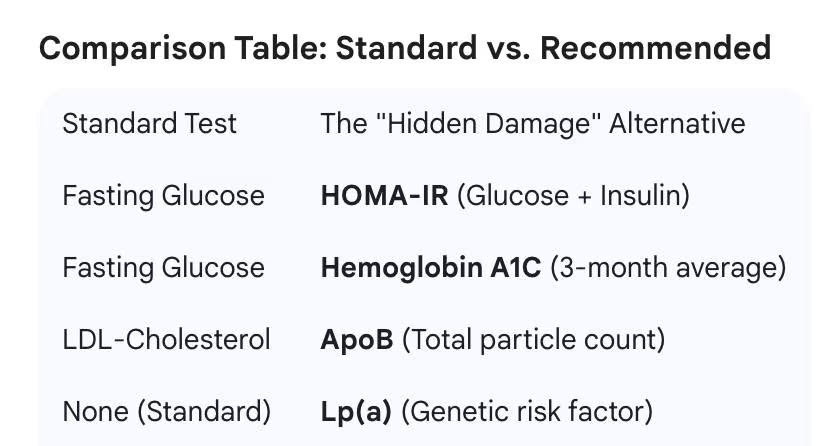
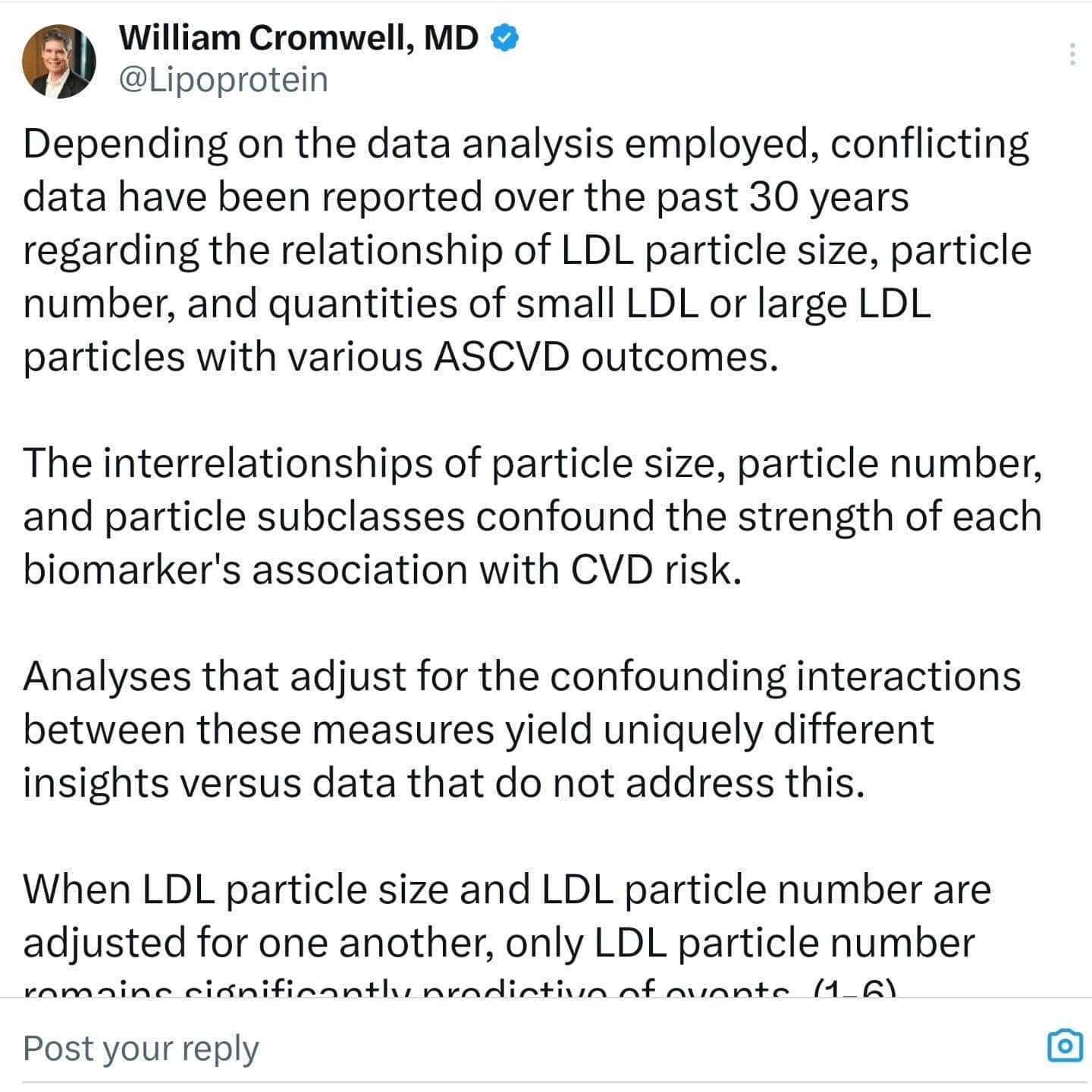
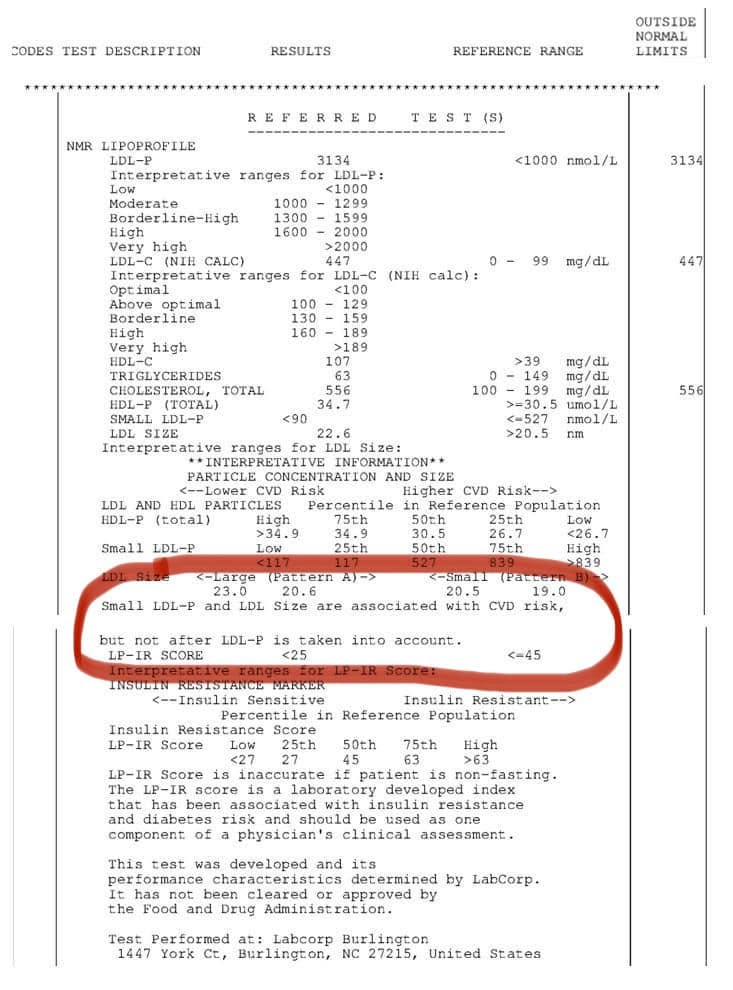
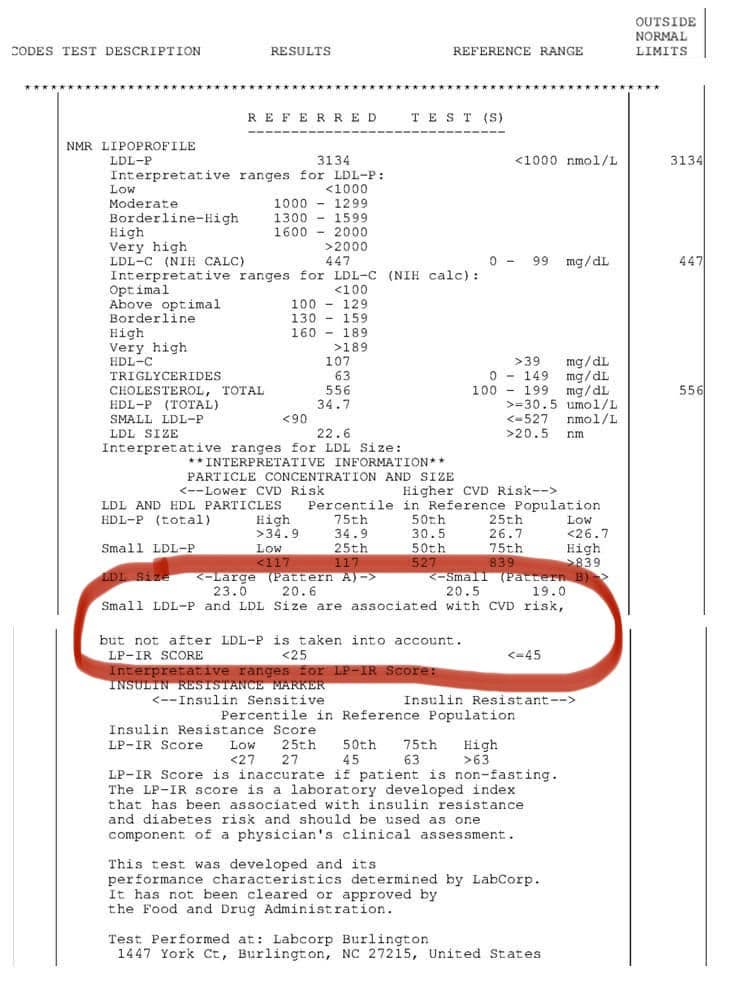
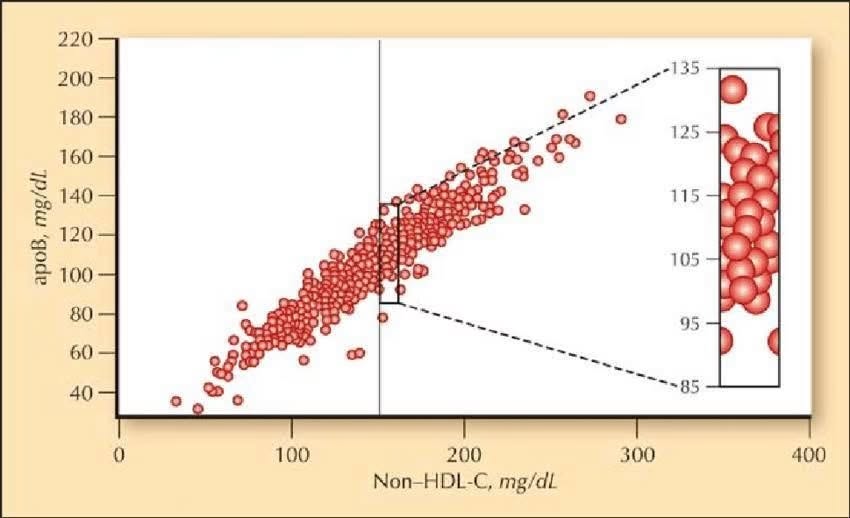
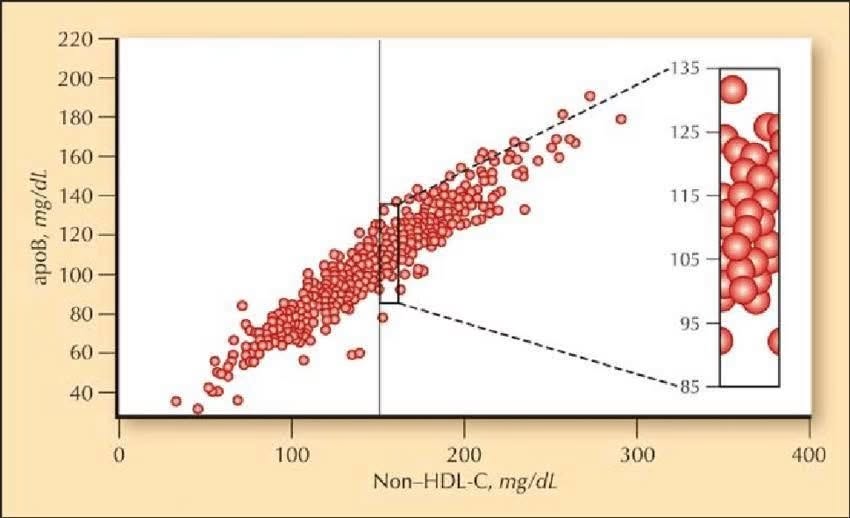
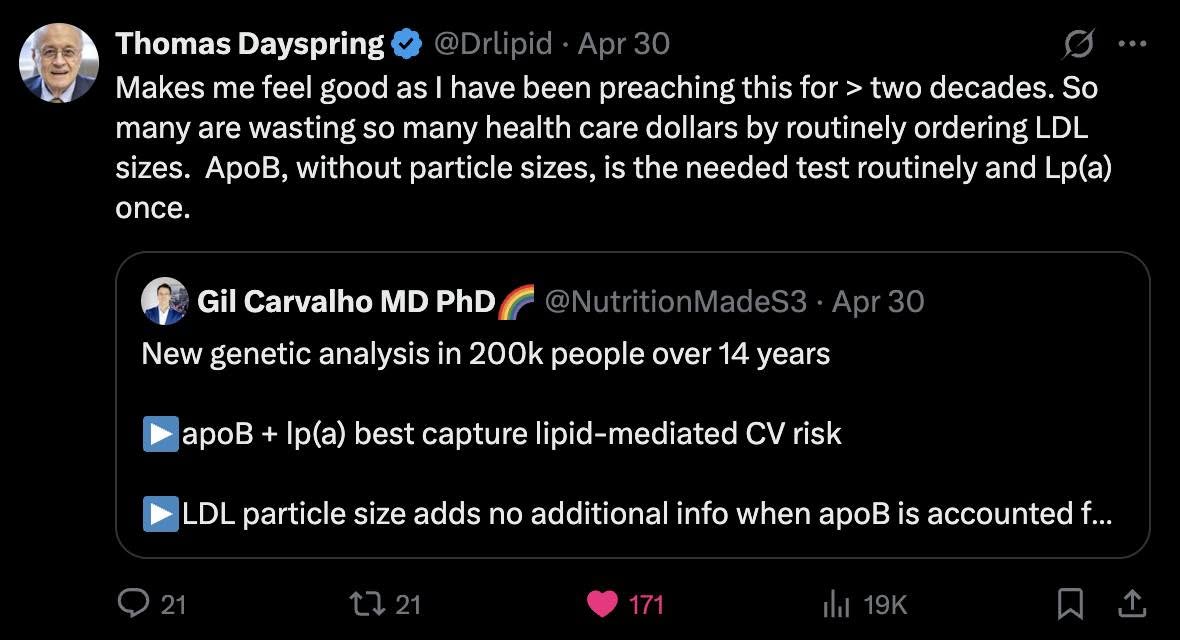
  8. ApoB and Lp(a) capture lipid risk; LDL particle size adds nothing once apoB is known May 02, 2025
#cac 24#apob 18#calculator 17#statins 14#plaque 14#ldl 13#alzheimers 13#aha 13#lpa 12#inflammation 11#prevent 11#dementia 10#bloodtests 10#insulinresistance 9#cardiovascular 9#crp 8#riskfactors 8#calcium 8#heartattack 8#cholesterol 8#ptau217 8#cac0 7#glucose 7#cta 7#cvd 7#heartdisease 7#cardiovasculardisease 7#insulin 6#hscrp 6#triglycerides 6#liver 6#a1c 5#liverfat 5#visceralfat 5#carotid 5#particlesize 5#aging 5#stroke 5#dayspring 5#vldl 5

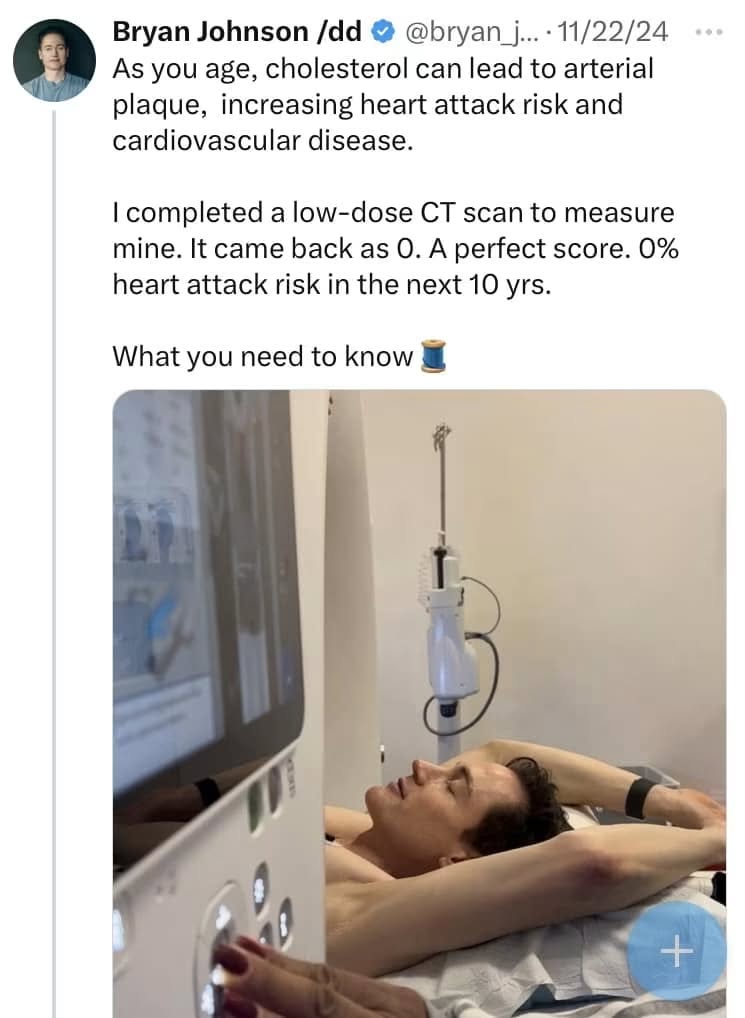
A zero CAC score does not rule out blockages: 54% of 23,759 symptomatic patients had CAC 0

Jan 01, 2025 · Louis Nervegna ♥ 28 · 💬 37 Plaque, CAC & CT angiography

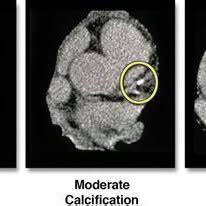
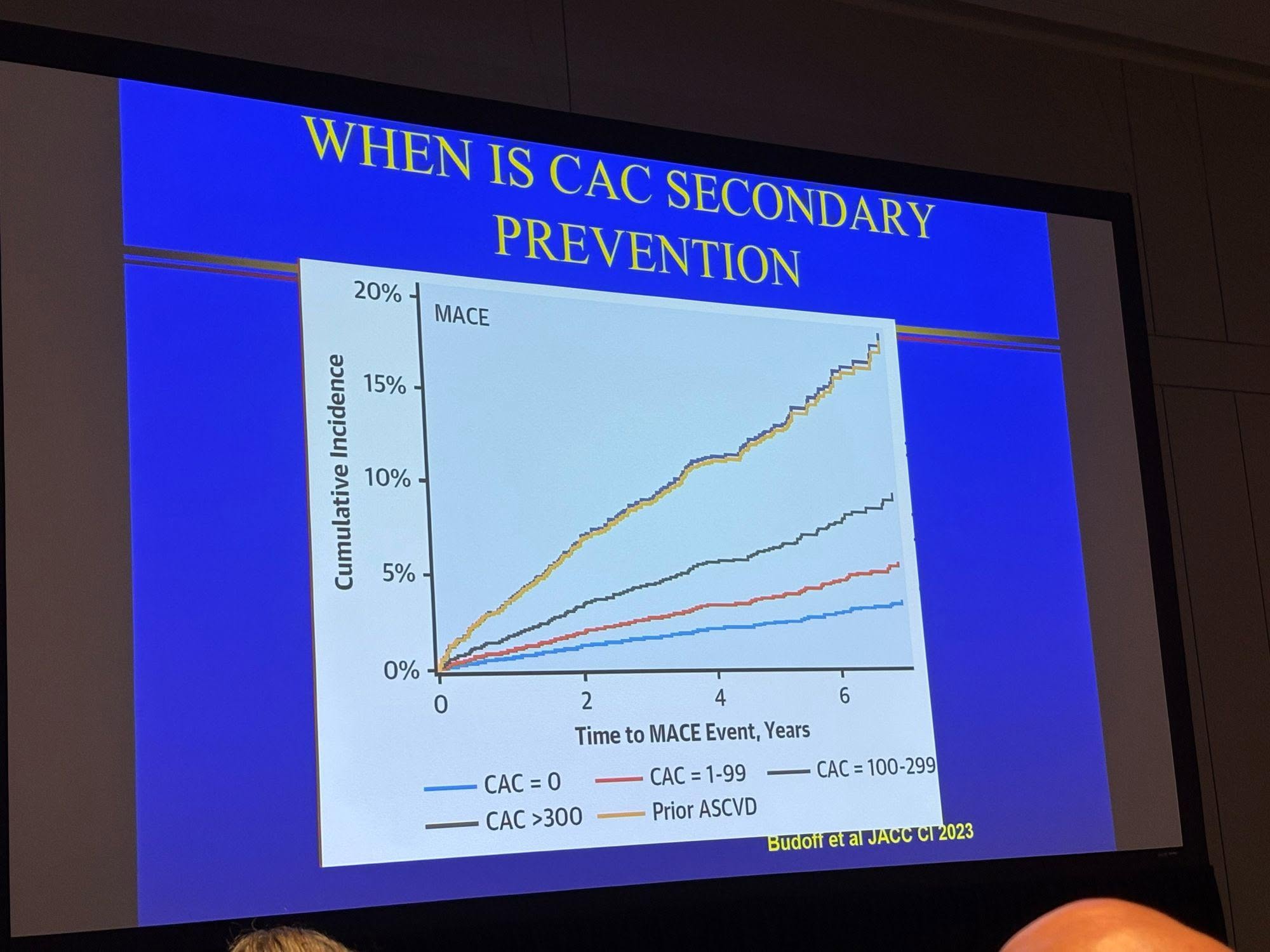
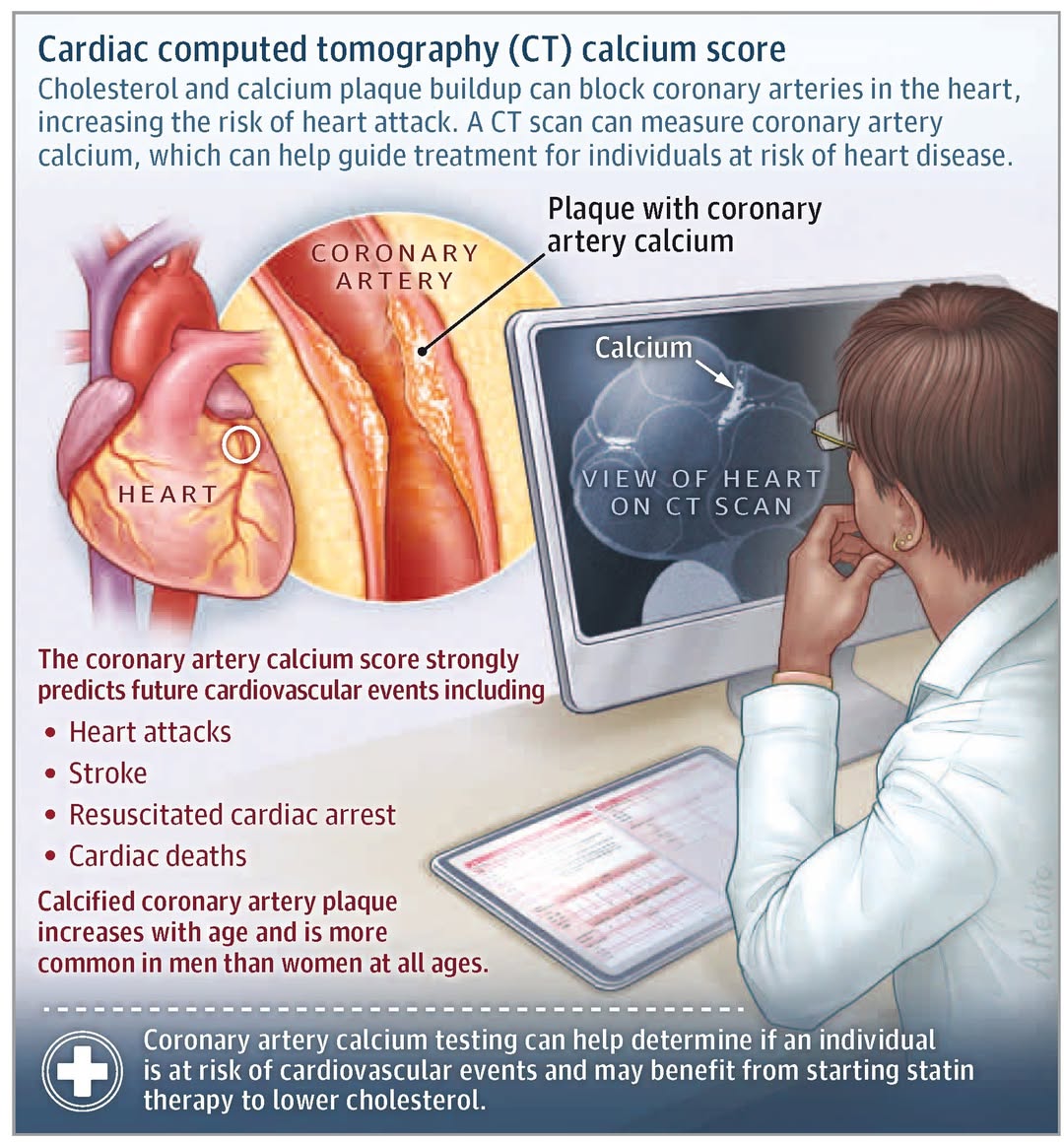
Louis challenges the myth that a CAC of zero means no risk. In the Western Denmark Heart Registry of 23,759 symptomatic patients undergoing CT angiography, 54% had CAC zero, and half of people with obstructive blockages have zero CAC. Soft plaque can grow without calcification, so CAC shows late-stage disease and is poor for early detection.
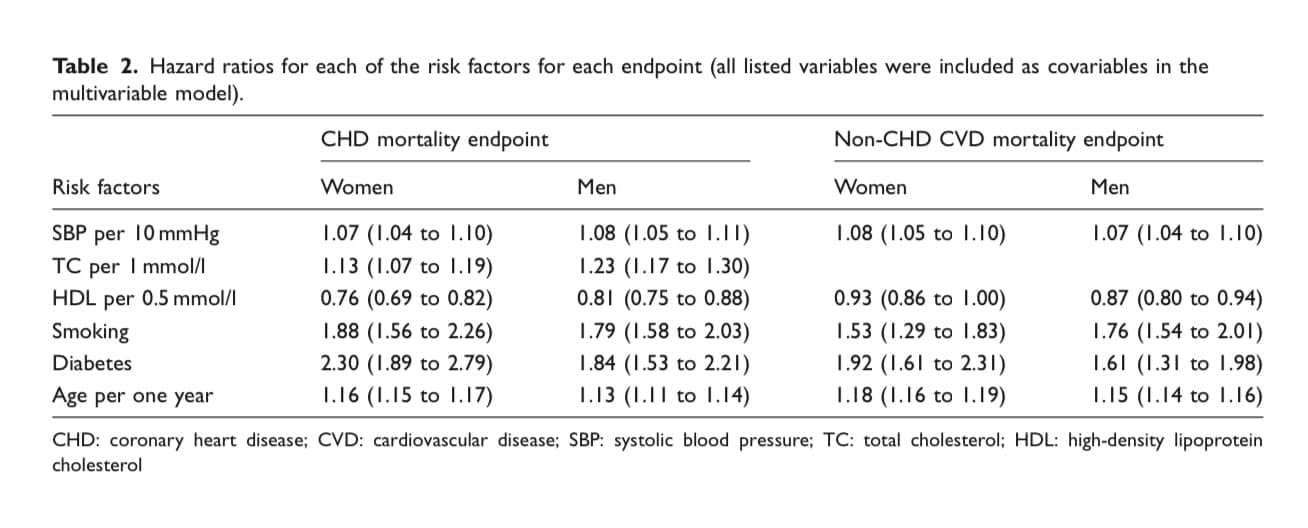
Age raises CVD death risk about 19.5x from 65 to 85, far above diabetes or smoking

Dec 18, 2023 · Louis Nervegna ♥ 13 · 💬 20 ↩ 5 Cardiovascular disease: the big picture

Louis compares hazard ratios from the SCORE O.P. risk model for people over 65. A hazard ratio of 1.16 per year of age compounds to about 19.5x higher CVD death risk between 65 and 85, far larger than diabetes, smoking, high blood pressure or LDL. The numbers used are for women; men are similar. (The post also writes this as 19,500%, which is a mislabel of 19.5x.)

Does a CAC scan change outcomes? Two 2026 randomized trials say not for the average person

Sep 04, 2026 · Louis Nervegna ♥ 8 · 💬 31 Plaque, CAC & CT angiography

Louis asks whether CAC scanning changes whether you have a heart attack; for some it is a wake-up call, but for the average person it does not seem to change outcomes. The shared text cites a Danish trial of 30,000 men (no reduction in death, MI or stroke at seven years, more serious bleeding) and the US CorCal trial of nearly 6,000 people (same event rates as a risk calculator).

MESA: high Lp(a) raised CVD risk only when hsCRP was 2 mg/L or higher

Jul 12, 2024 · Louis Nervegna ♥ 16 · 💬 12 ↩ 4 Lp(a)

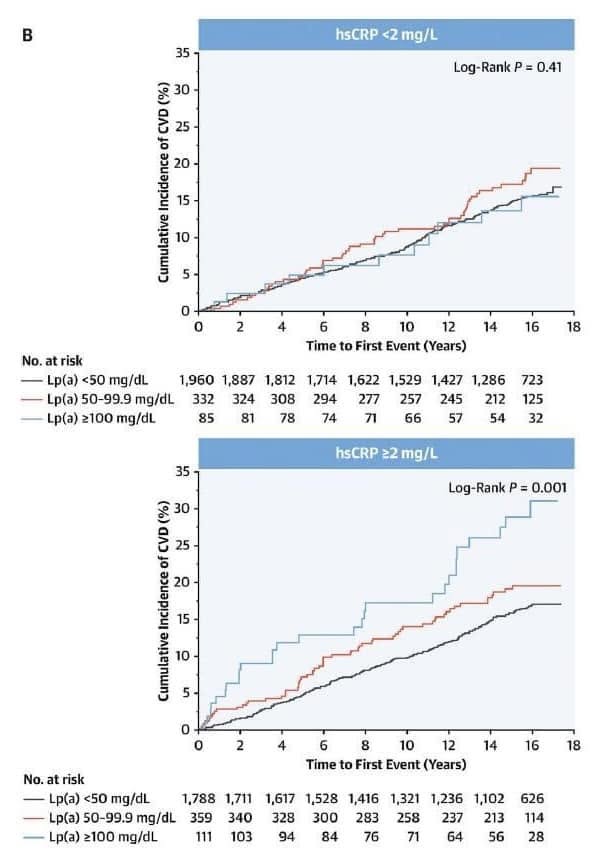
In MESA (mean follow-up 13.6 years, 684 CVD events), high Lp(a) conferred no significant risk when hsCRP was below 2 mg/L. With hsCRP of at least 2, Lp(a) of 50-99.9 mg/dL had HR 1.36 and 100 or more had HR 2.09. Participants were lower-risk, averaged age 62, so applicability to others is unclear.

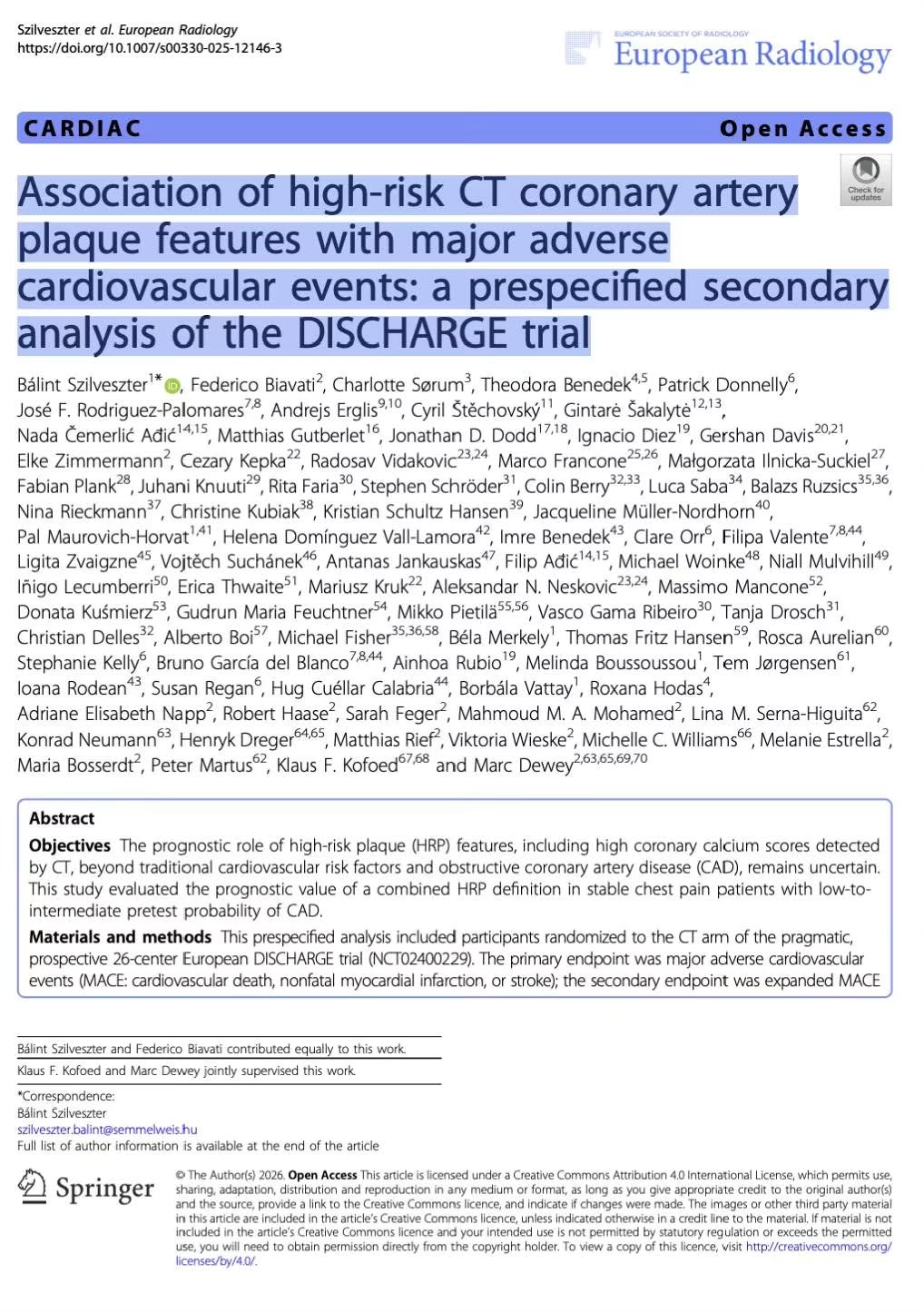
SCOT-HEART: CT angiography cut 5-year coronary death or MI risk 41% in chest pain patients

Jan 03, 2026 · Gokhan Can ♥ 12 · 💬 18 Plaque, CAC & CT angiography

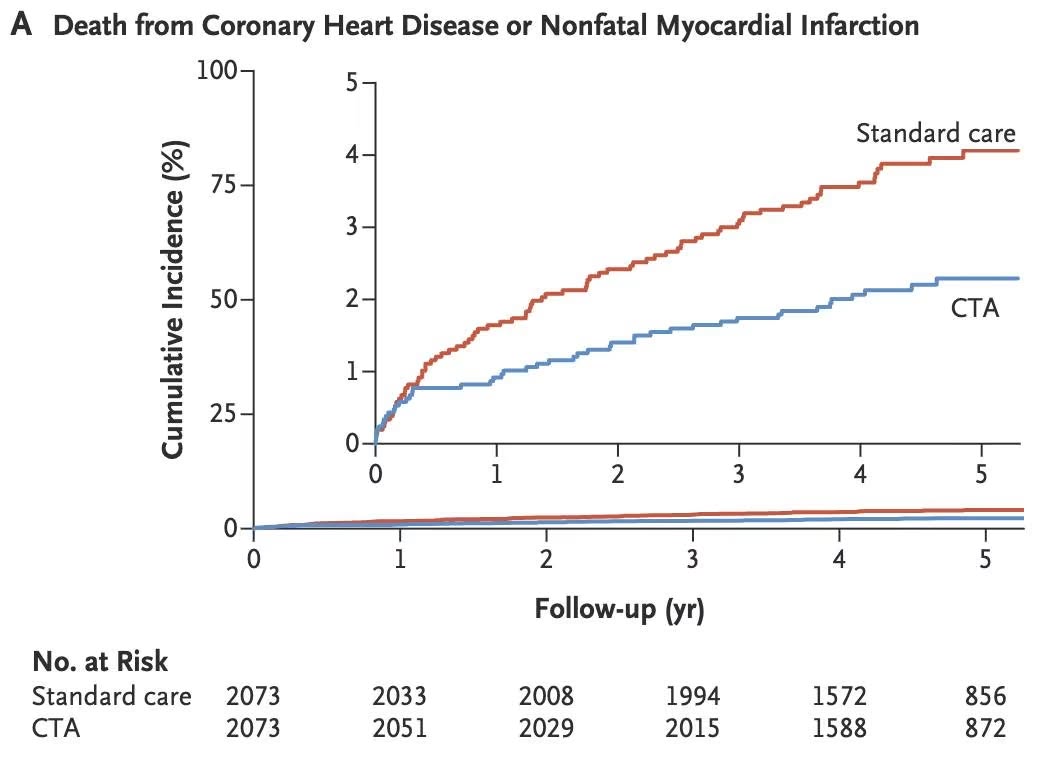
Summarises SCOT-HEART (4,146 patients with stable chest pain, standard care vs standard care plus coronary CTA). CTA guidance lowered coronary death or nonfatal MI to 2.3% from 3.9%, mainly by directing aspirin and statin use to patients with plaque. Total procedures were similar by year 5; results apply to chest-pain patients only.

Should you take iron for low-normal ferritin? Probably not without symptoms or a cause

Mar 21, 2026 · Louis Nervegna ♥ 12 · 💬 24 ↩ 2

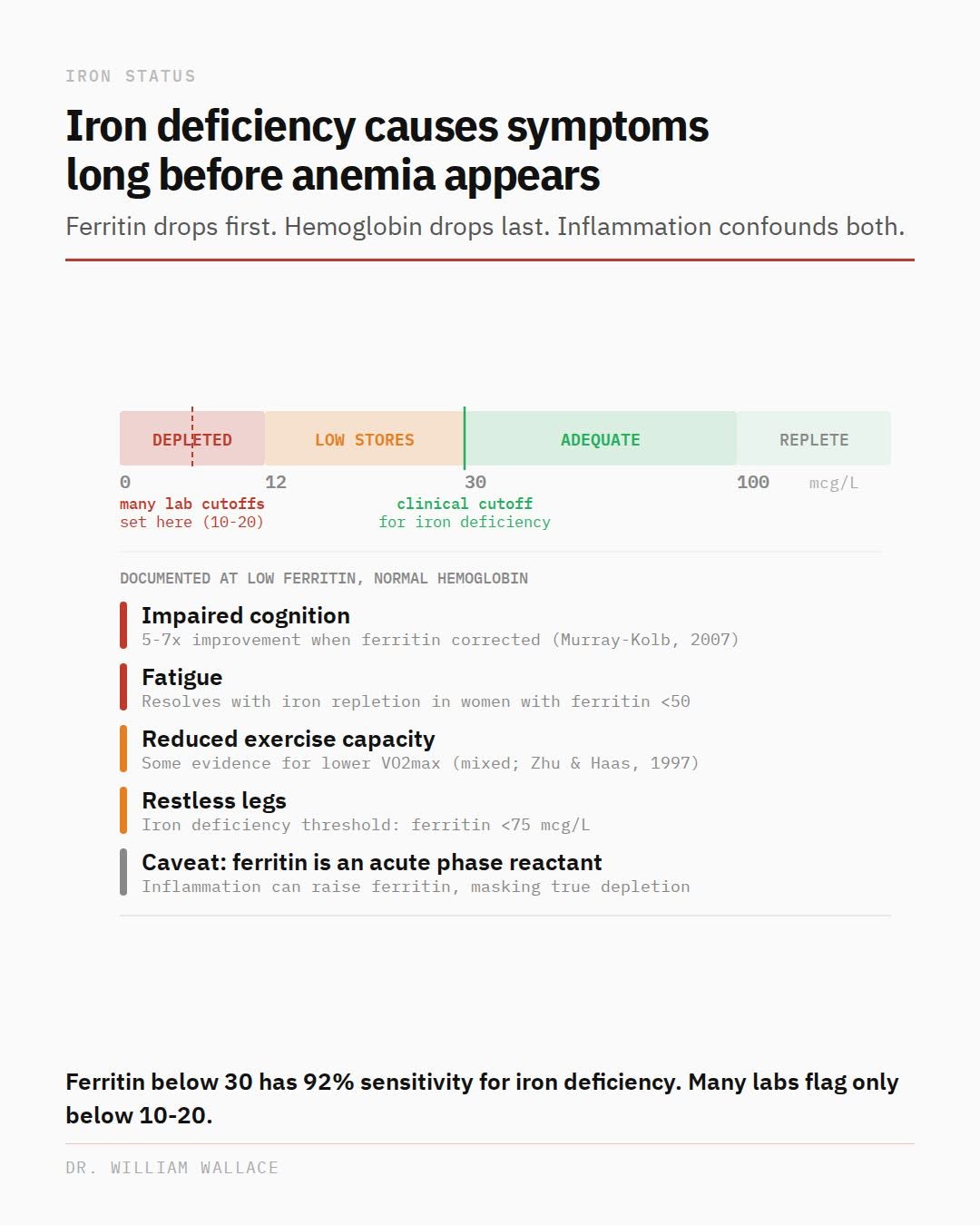
Louis discusses low-normal ferritin with no anemia or symptoms: see a doctor to find sources of iron loss, treat true iron deficiency or anemia, but in otherwise healthy asymptomatic people he thinks extra iron is generally a bad idea. He notes iron deficiency can promote clotting and reduce oxygen delivery.

A zero CAC does not rule out plaque in symptomatic patients; 54% had CAC 0 in Denmark

Dec 22, 2023 · Louis Nervegna ♥ 13 · 💬 16 ↩ 3 Plaque, CAC & CT angiography

Louis shares a MedPage Today report that a zero calcium score is not a clean bill of health when symptoms are present, especially in young people and women. In the Western Denmark Heart Registry, over half of symptomatic patients undergoing CT angiography had a CAC of zero, and half of those with symptomatic blockages had zero CAC.

2025 ACC statement: inflammation is actionable in CVD, with universal hsCRP screening

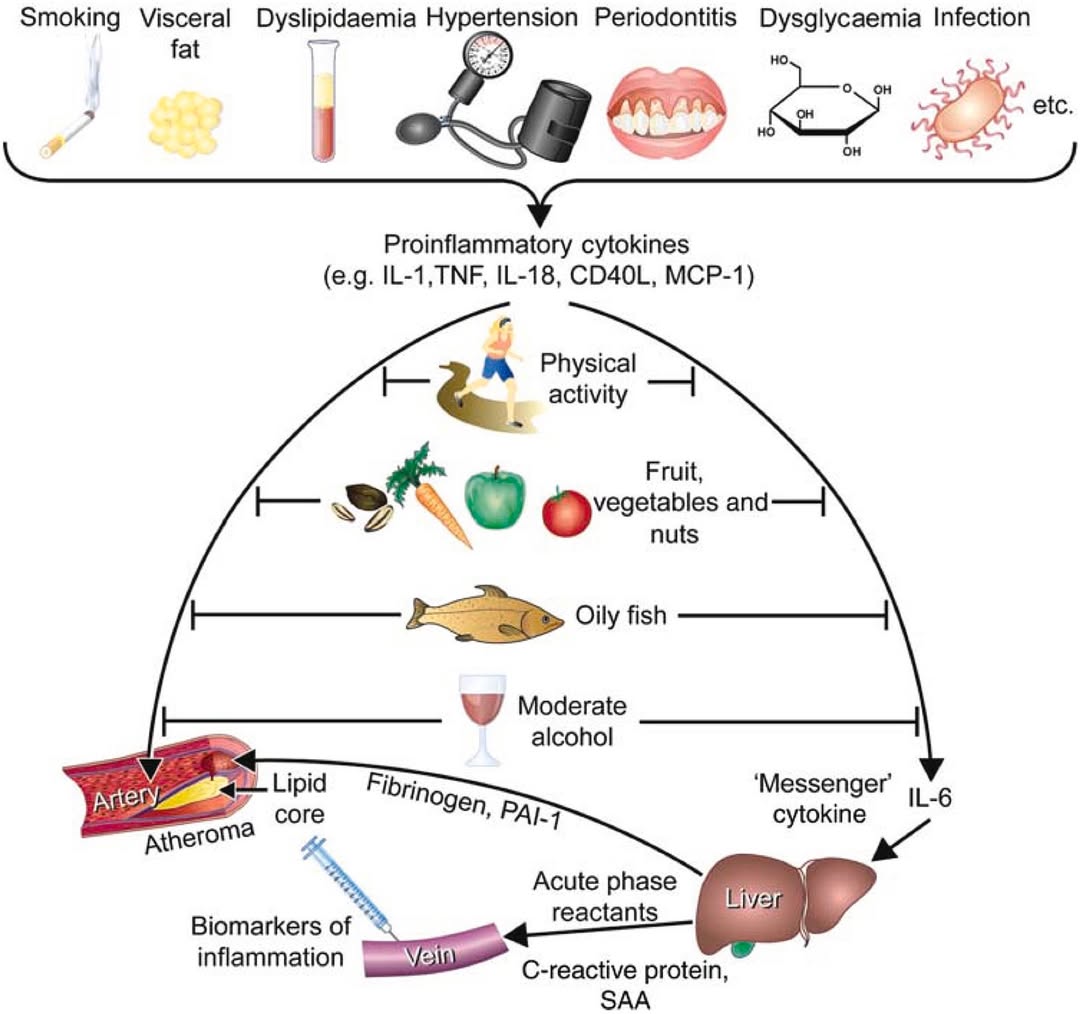
Oct 09, 2025 · Gokhan Can ♥ 15 · 💬 13 Inflammation & CRP

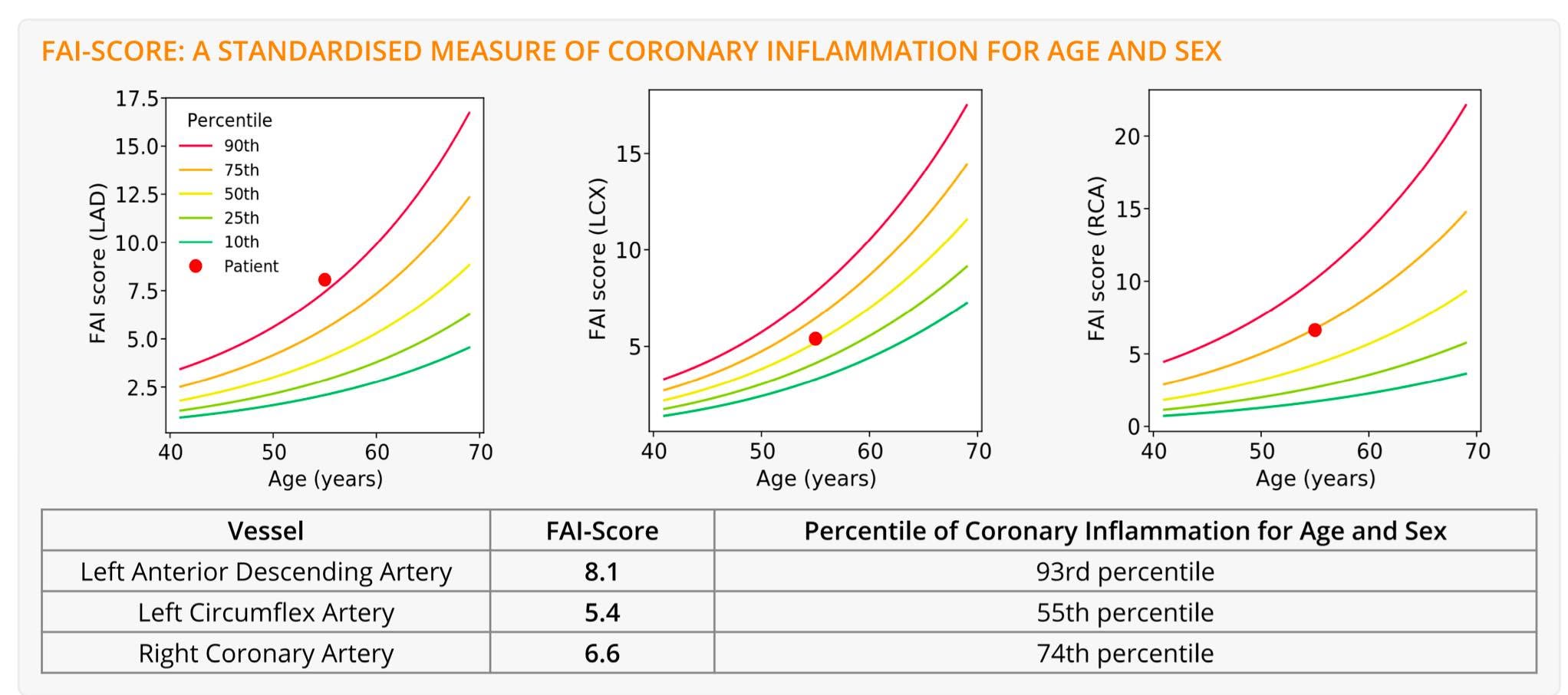
Summarises the 2025 ACC Scientific Statement (JACC) concluding the inflammation-ASCVD link is now clinically actionable. It recommends universal hsCRP screening in primary and secondary prevention alongside cholesterol, notes IL-6 and fibrinogen also predict risk, and says CT perivascular fat attenuation is promising but not routine. It contrasts this with a more cautious 2002 CDC/AHA workshop.

Boston Heart's desmosterol test is likely a waste of money, argues Louis

Jan 15, 2024 · Louis Nervegna ♥ 13 · 💬 15

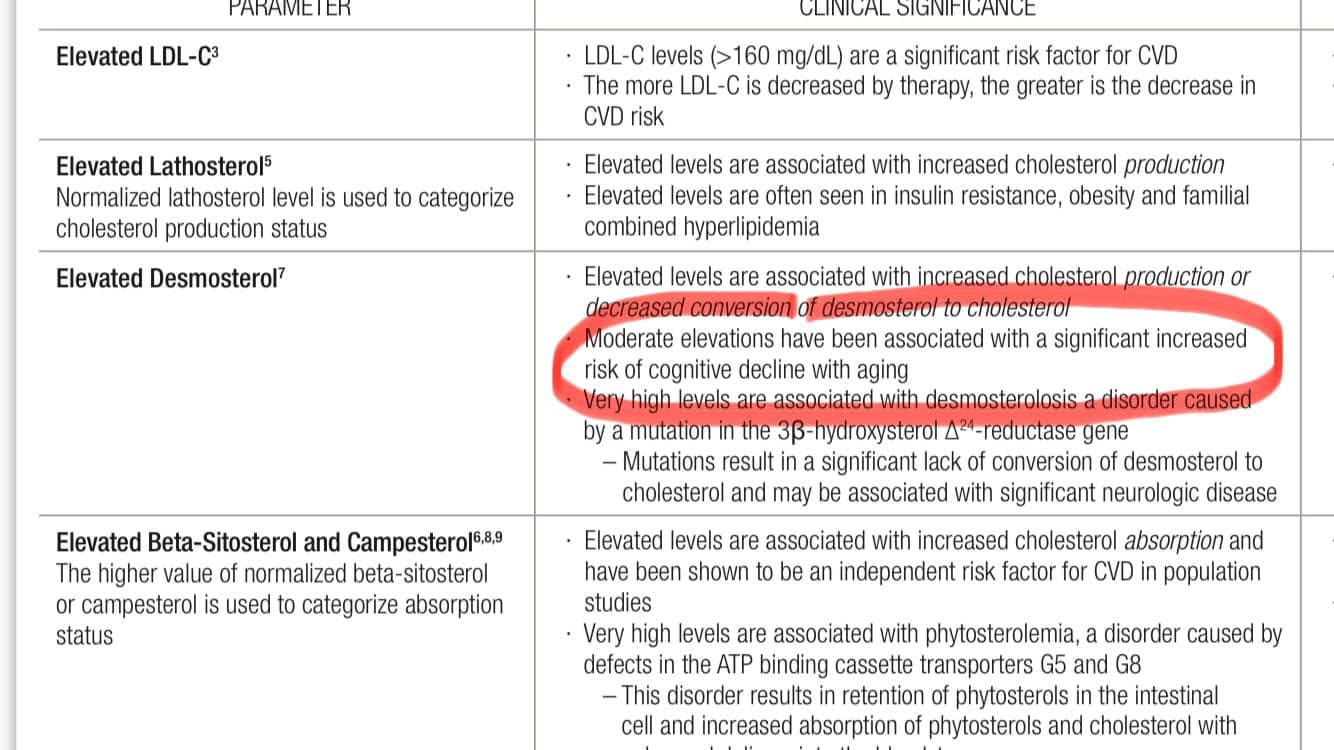
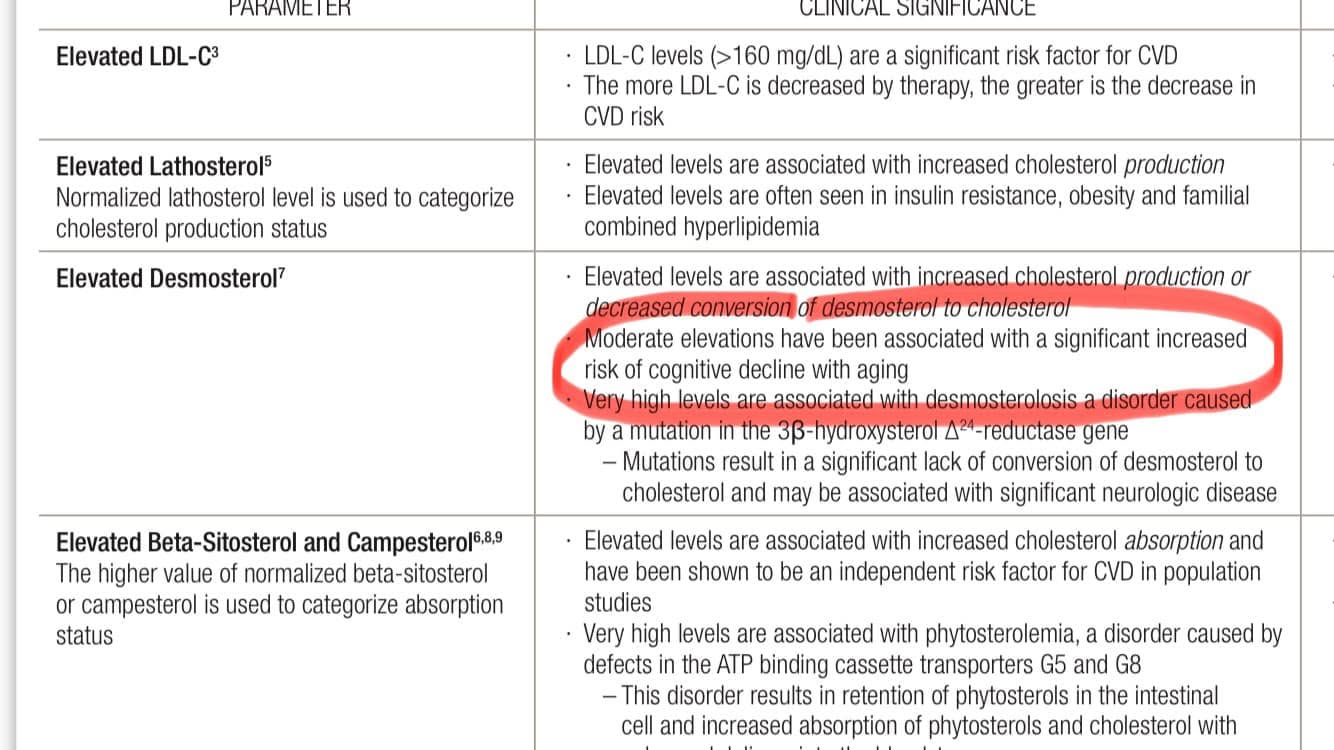
Louis critiques the desmosterol blood test, a marker of cholesterol production marketed for predicting statin response and Alzheimer's risk. He argues statin response can simply be checked by trying a statin, and that in healthy people high (not low) desmosterol is associated with higher dementia risk, so claims that statins raise Alzheimer's risk via lowering desmosterol are backwards. Even the test maker's material says lower desmosterol is optimal.

AHA PREVENT calculator replaces Pooled Cohort Equations for ages 30-79

Jan 25, 2024 · Louis Nervegna ♥ 8 · 💬 21 ↩ 12

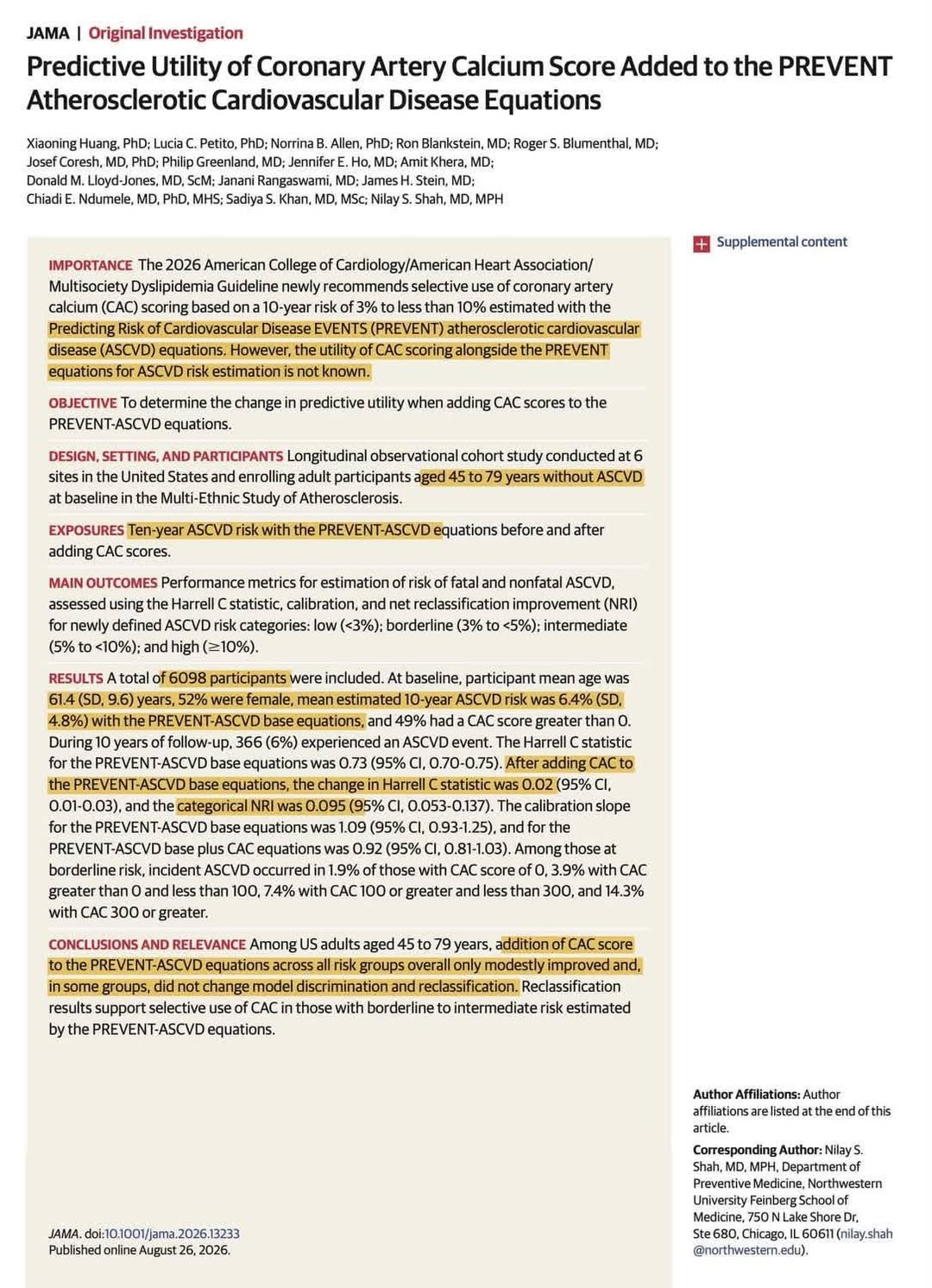
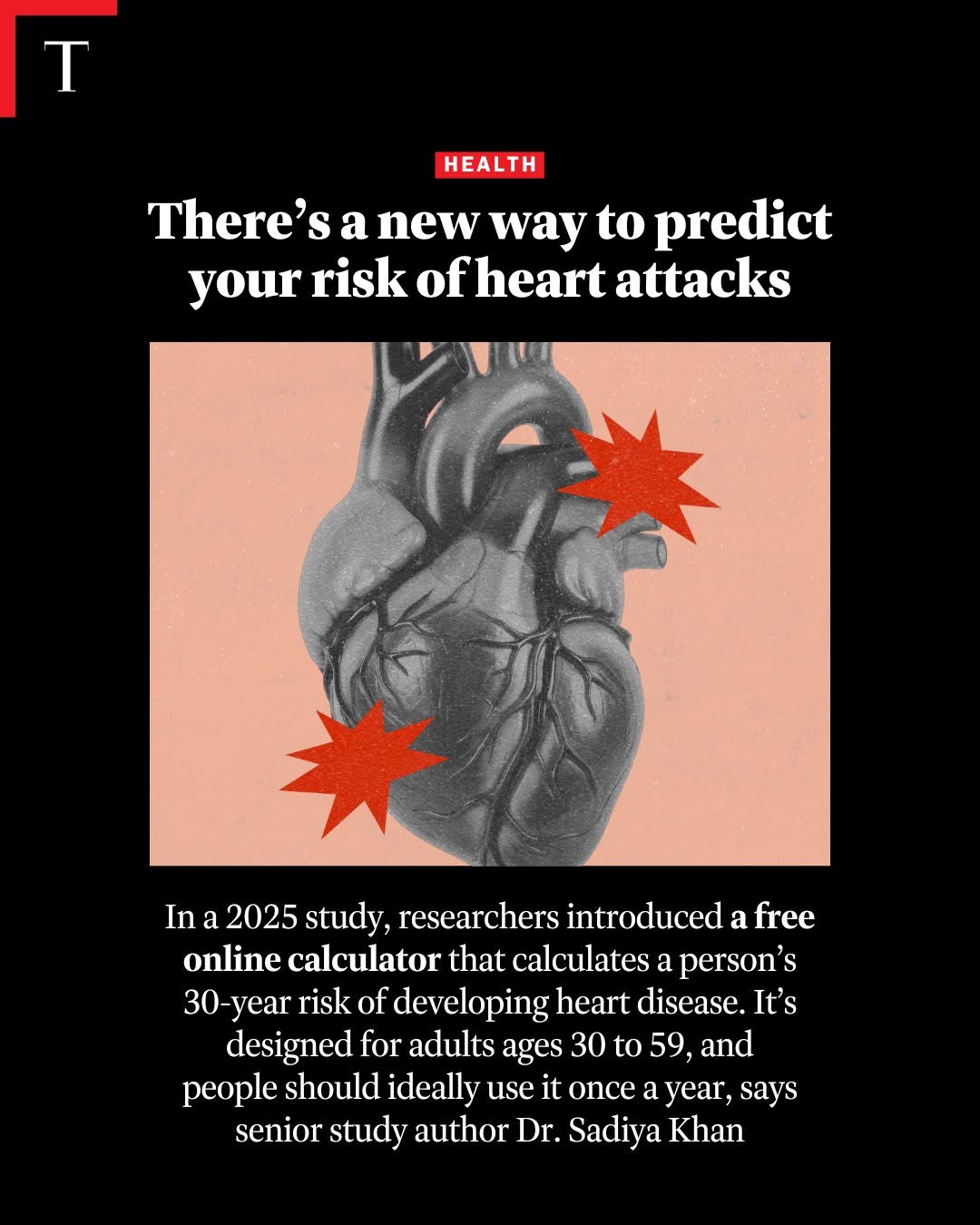
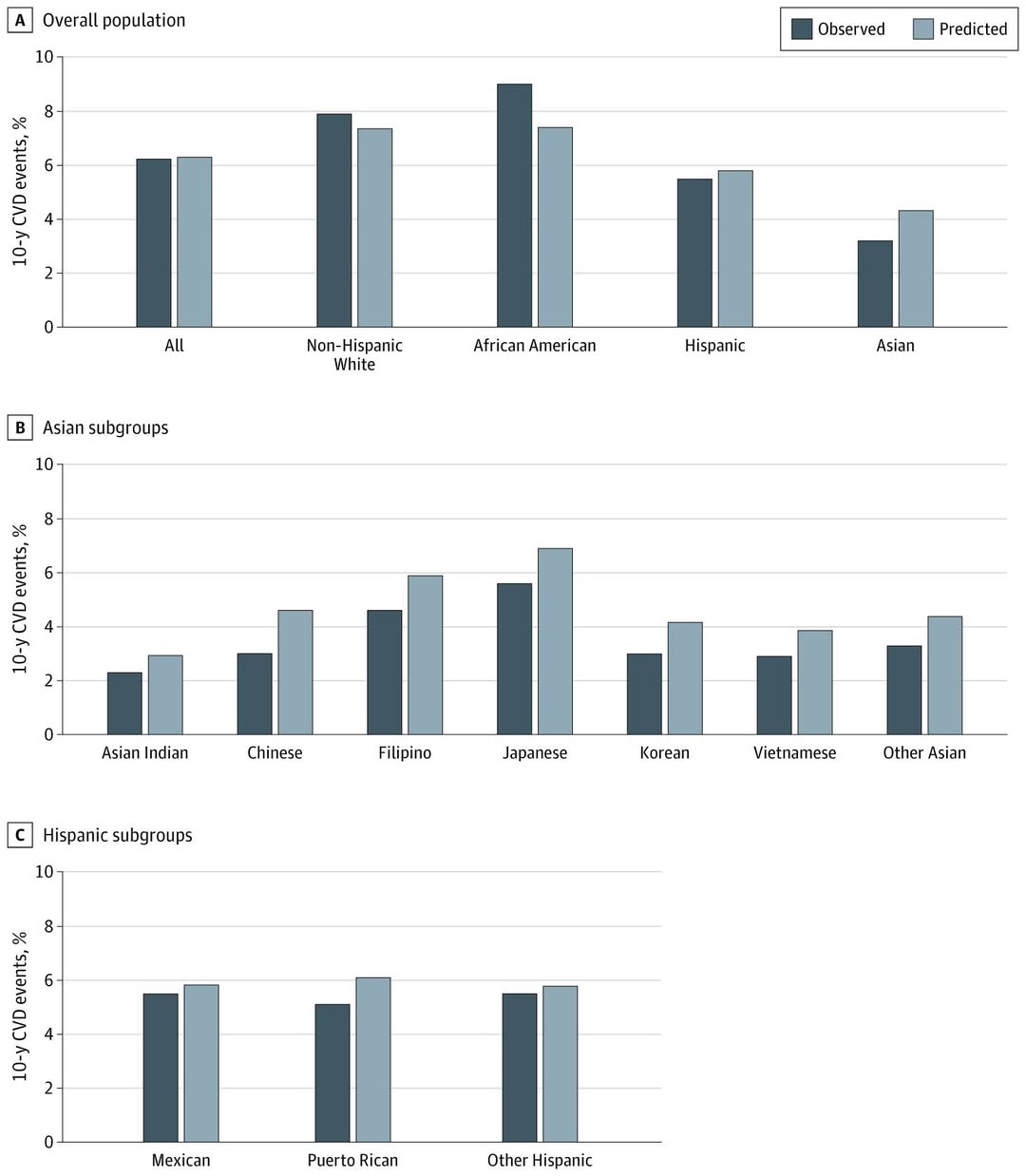
The AHA updated its cardiovascular risk calculator, PREVENT, for adults aged 30-79 without known CVD. It uses newer, larger and more diverse data than the 2013 Pooled Cohort Equations and includes kidney and metabolic disease, giving 10- and 30-year risk of both ASCVD and heart failure. Louis warns it will underestimate risk in people with prior heart attack/stroke, significant atherosclerosis or a high calcium score.

NEJM: hs-CRP, LDL and Lp(a) each predicted 30-year CVD risk in women, best combined

Aug 31, 2024 · Louis Nervegna ♥ 8 · 💬 14

Louis highlights a NEJM Women's Health Study analysis of initially healthy women followed 30 years with 3,662 first major cardiovascular events. Top versus bottom quintile hazard ratios were 1.70 for hs-CRP, 1.36 for LDL and 1.33 for Lp(a), each independent, with the combination predicting best. The authors argue prevention should extend beyond 10-year risk estimates.

VLDL cholesterol (triglycerides / 5) may be more atherogenic than LDL

May 02, 2024 · Louis Nervegna ♥ 13 · 💬 11 ↩ 8 LDL, ApoB & lipid panel

Louis explains that VLDL is an emerging atherosclerosis risk factor and may be more atherogenic than LDL, so people with low LDL but high VLDL may still be at risk. VLDL can be roughly estimated by dividing triglycerides by 5 on a standard lipid panel, which is one reason to watch triglycerides. A normal VLDL is below 30 mg/dL, corresponding to triglycerides below 150 mg/dL, though optimal is likely lower in high-risk people.

Coronary CT angiography modestly improved lifestyle and therapy uptake vs risk scoring

Jun 22, 2025 · Louis Nervegna ♥ 16 · 💬 12 Plaque, CAC & CT angiography

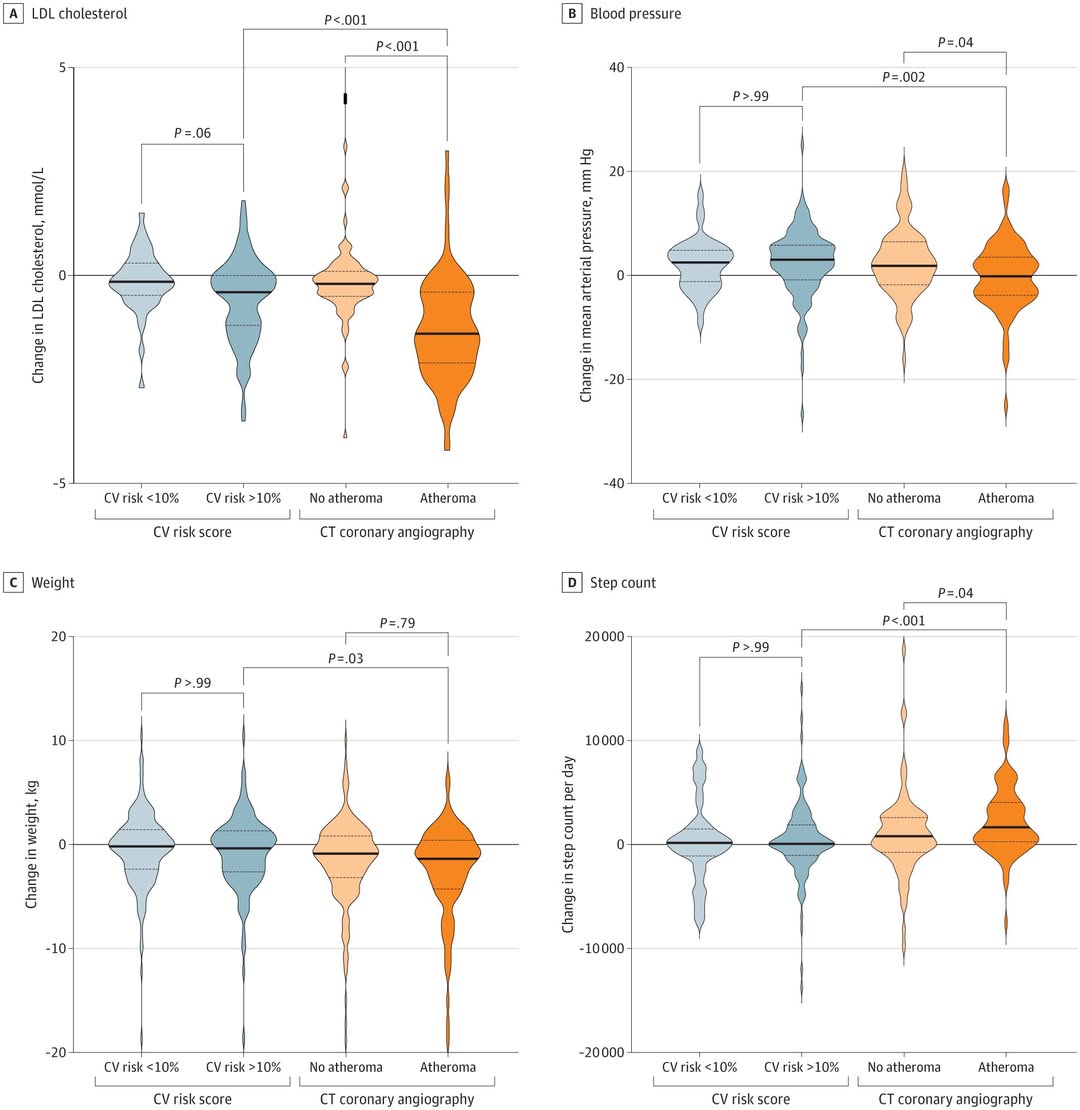
Louis shares a JAMA finding that, compared with cardiovascular risk scoring, coronary CT angiography was associated with modest improvements in healthier lifestyle behaviors, acceptance of recommended preventive therapy and risk factor modification. His comment is that higher-risk people become more motivated once they see their scan results.

In MESA, high Lp(a) mattered mainly when CAC was 100 or higher

Jun 01, 2024 · Louis Nervegna ♥ 8 · 💬 15 ↩ 5 Lp(a)

Louis shares a new MESA analysis suggesting that elevated Lp(a) raises 10-year heart attack and stroke risk mainly in people with CAC of 100 or more. With CAC between 1 and 99, high versus low Lp(a) mattered less, and a zero CAC appeared to 'trump' high Lp(a) over a decade.

Boston Heart's desmosterol test appears to be a waste of money

Nov 19, 2025 · Louis Nervegna ♥ 22 · 💬 7

Louis critiques the desmosterol blood test, marketed to predict statin response, noting patients can just try a statin. He says it is being misused as an Alzheimer's risk marker without supporting literature.

Why some people with very high Lp(a) have clean arteries: oxidized phospholipids

Dec 04, 2025 · Louis Nervegna ♥ 19 · 💬 7 Lp(a)

Louis shares an article proposing that Lp(a) harms arteries largely through oxidized phospholipids (OxPL), and that people with high Lp(a) but low OxPL content may avoid plaque. OxPL may predict risk better than Lp(a) itself, so measuring both could improve risk assessment; the piece is a blog explainer, not new data.

Plaque starts in neck and leg arteries decades before the heart; calcium scores miss it

Sep 17, 2026 · Gokhan Can ♥ 17 · 💬 5 Plaque, CAC & CT angiography

The post summarises a video describing an NEJM study of 16,000 asymptomatic people showing plaque accumulates first in the neck and leg arteries, during the 20s to 40s, before the heart. Heart scans such as coronary calcium may therefore miss early disease; carotid intima-media thickness ultrasound can detect peripheral plaque, and the ankle-brachial index offers a simple at-home check for leg artery blockage.

Circulating oxidized LDL is a poor test; measure ApoB instead, says Dayspring

Feb 04, 2024 · Louis Nervegna ♥ 9 · 💬 12 LDL, ApoB & lipid panel

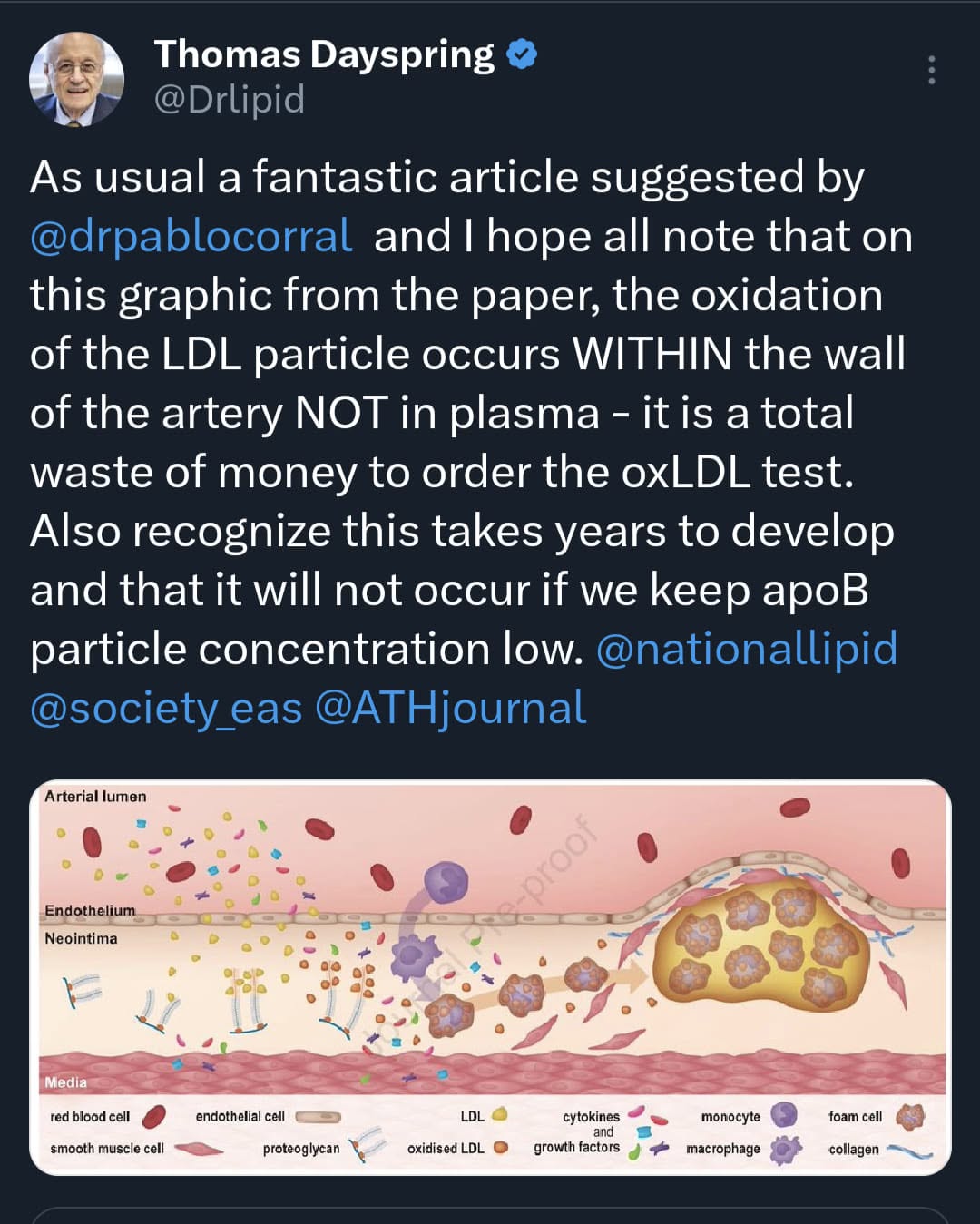
Tom Dayspring argues that oxidized LDL measured in the bloodstream is a 'useless' biomarker and that ApoB should be measured instead. Louis adds that this refers to circulating oxidized LDL, not oxidized LDL inside plaques, which still matters but cannot be measured by blood test. Newer studies that adjust for ApoB reportedly show circulating oxidized LDL is not related to CVD risk.

What CRP and hs-CRP actually measure, and why a single reading is unreliable

Oct 27, 2025 · Louis Nervegna ♥ 11 · 💬 5 Inflammation & CRP

Louis clarifies that CRP and hs-CRP are the same marker, with hs-CRP simply more sensitive for the low levels relevant to heart disease. Both reflect inflammation anywhere in the body, spike temporarily with infections, vaccination, injury, surgery or intense exercise, and fluctuate day to day, so the aim is to capture the quiet background level and not rely on one test.

Adding Lp(a) does not improve the accuracy of the PREVENT risk calculator

Jun 04, 2025 · Louis Nervegna ♥ 11 · 💬 6 Lp(a)

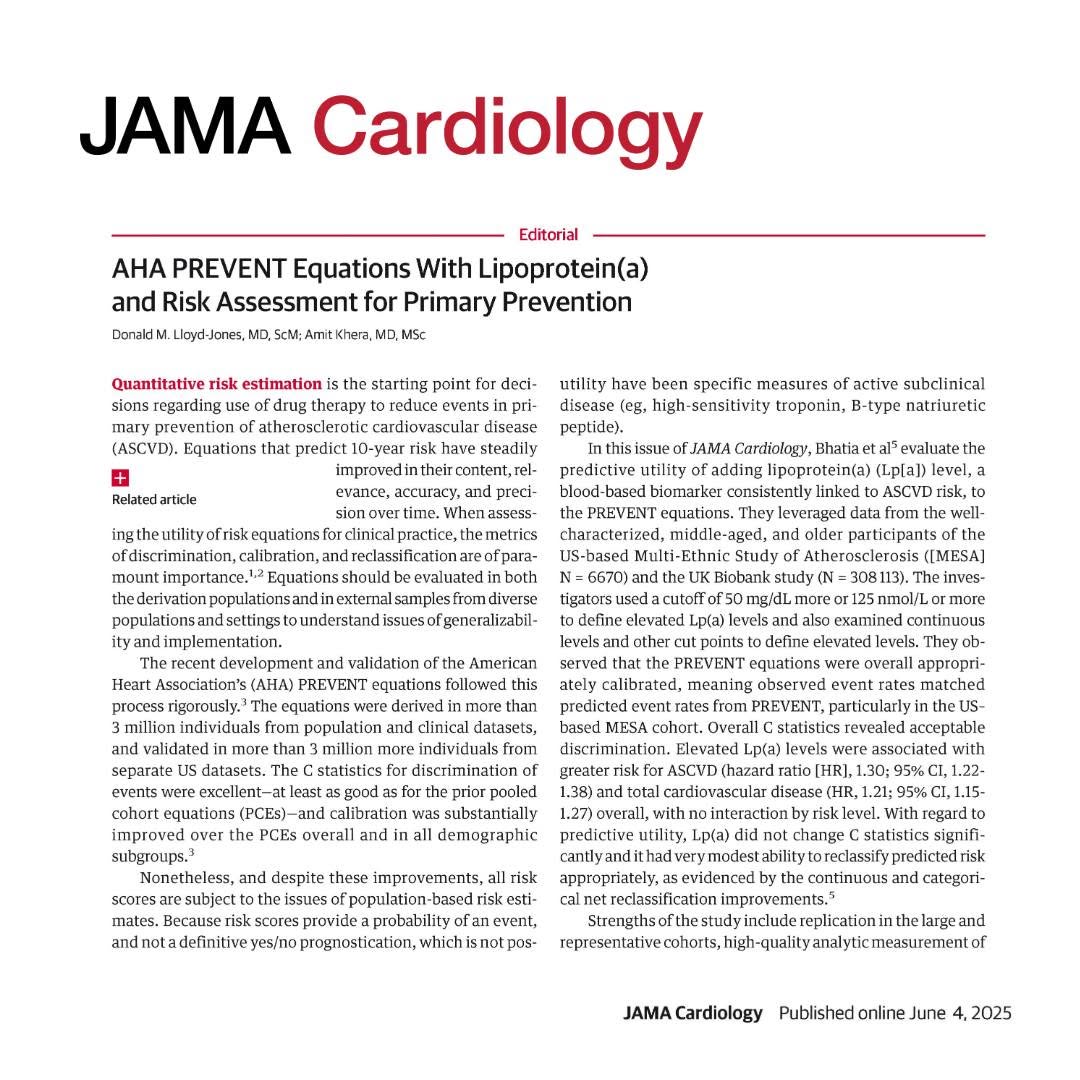
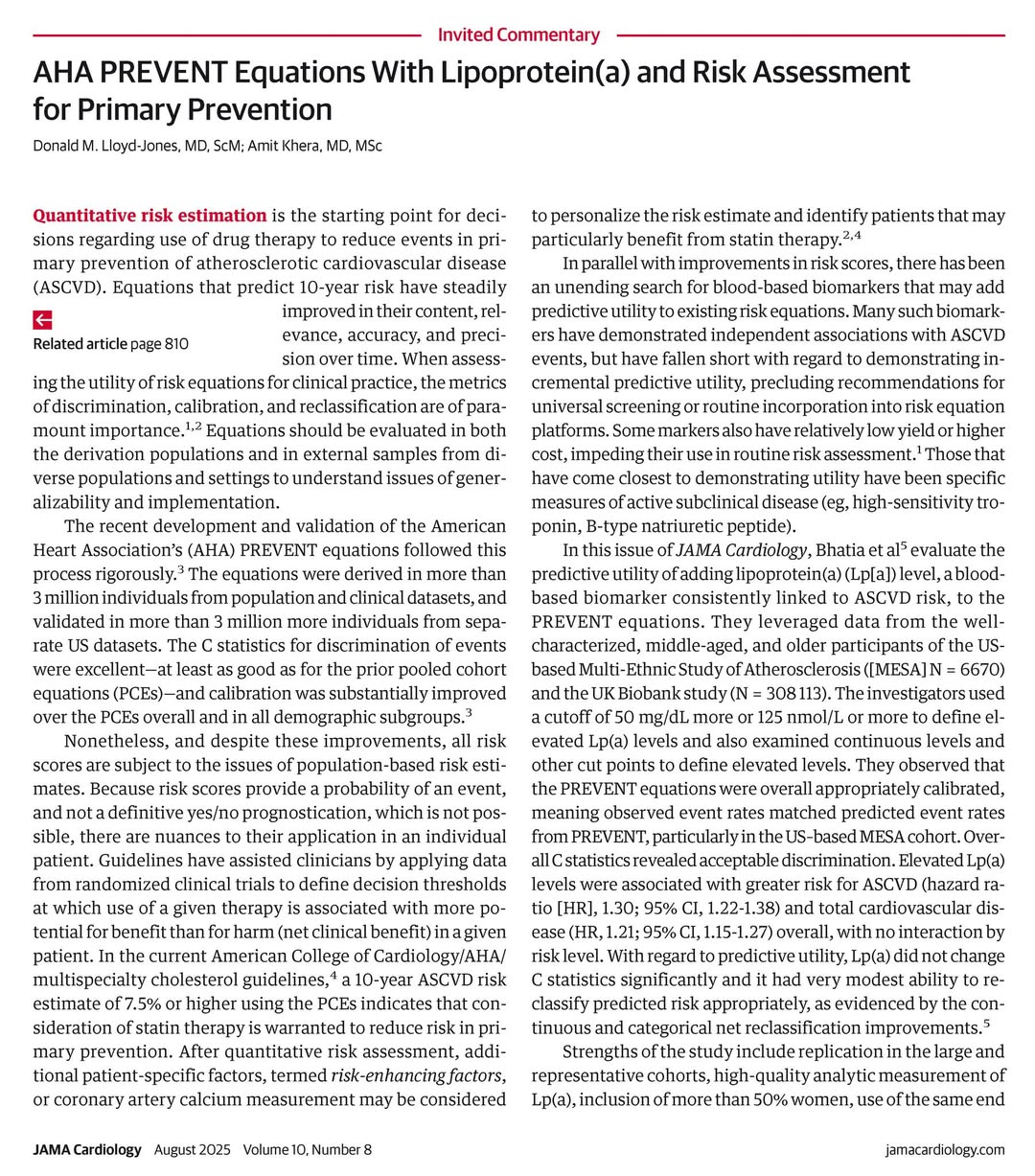
Louis shares a JAMA Cardiology editorial on a model that added Lp(a) to the AHA risk calculator. Adding Lp(a) did not improve prediction accuracy, so it is unlikely to be added soon, though measuring it can still personalize risk because Lp(a) is a causal factor.

Big swings in Lp(a) usually reflect acute inflammation, not an intervention working

Jun 20, 2026 · Louis Nervegna ♥ 11 · 💬 4 ↩ 1 Lp(a)

Louis explains that Lp(a) is largely genetic but behaves as an acute-phase reactant, so infection, surgery, extreme exercise, vaccine reactions or inflammatory flares can shift test results temporarily. Large changes are therefore usually due to inflammation, and blaming big jumps on statins can hide an underlying problem.

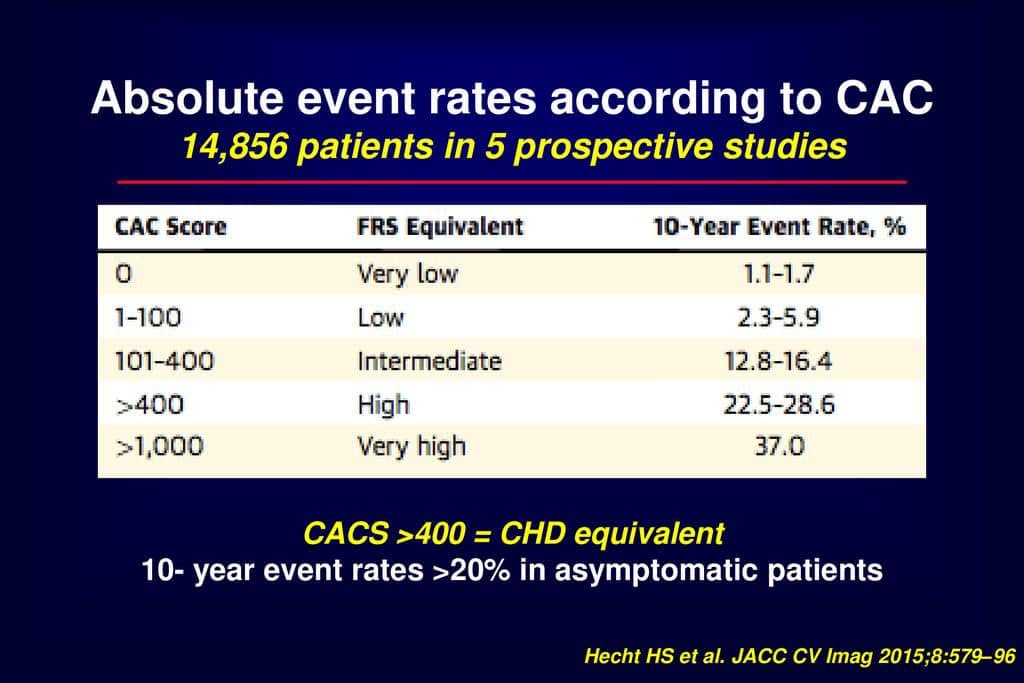
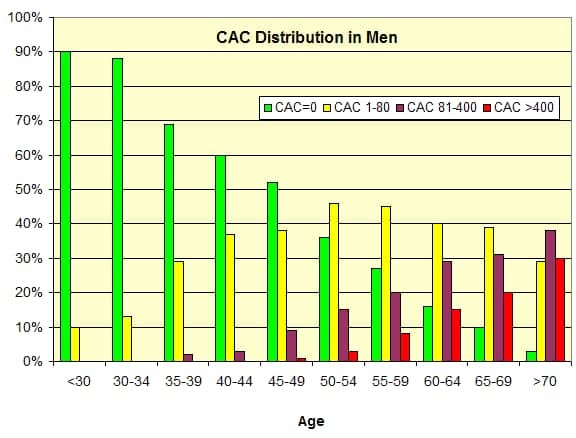
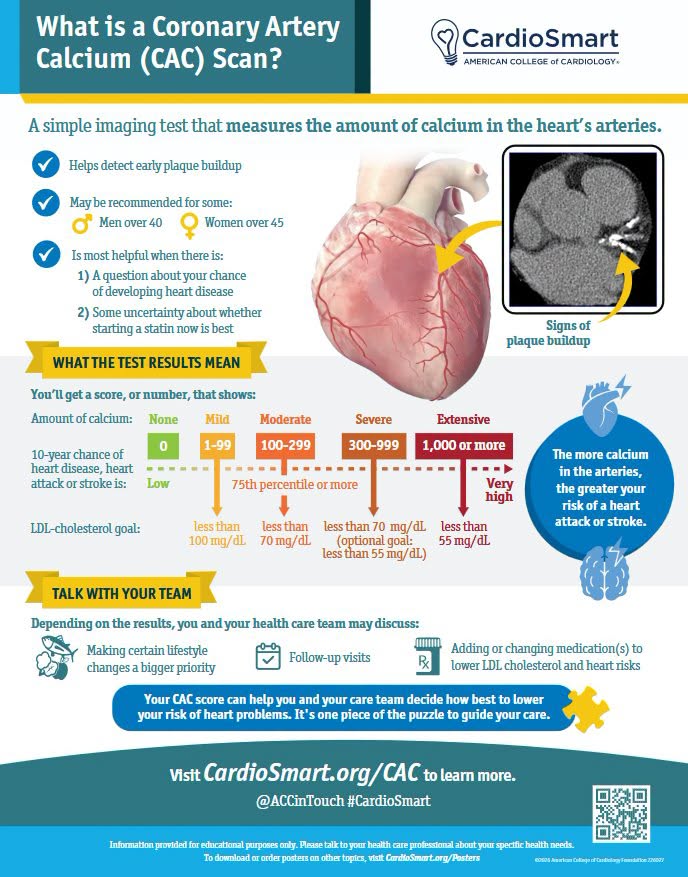
How to convert a CAC score into a 10-year heart attack or stroke risk

Jun 01, 2024 · Louis Nervegna ♥ 12 · 💬 5 Plaque, CAC & CT angiography

Louis shares a chart for converting a coronary artery calcium score into a 10-year risk of heart attack or stroke, referencing a JACC Cardiovascular Imaging review of CAC scanning. The linked review describes CAC as the most robust predictor of coronary events in asymptomatic primary prevention, particularly in intermediate-risk people.

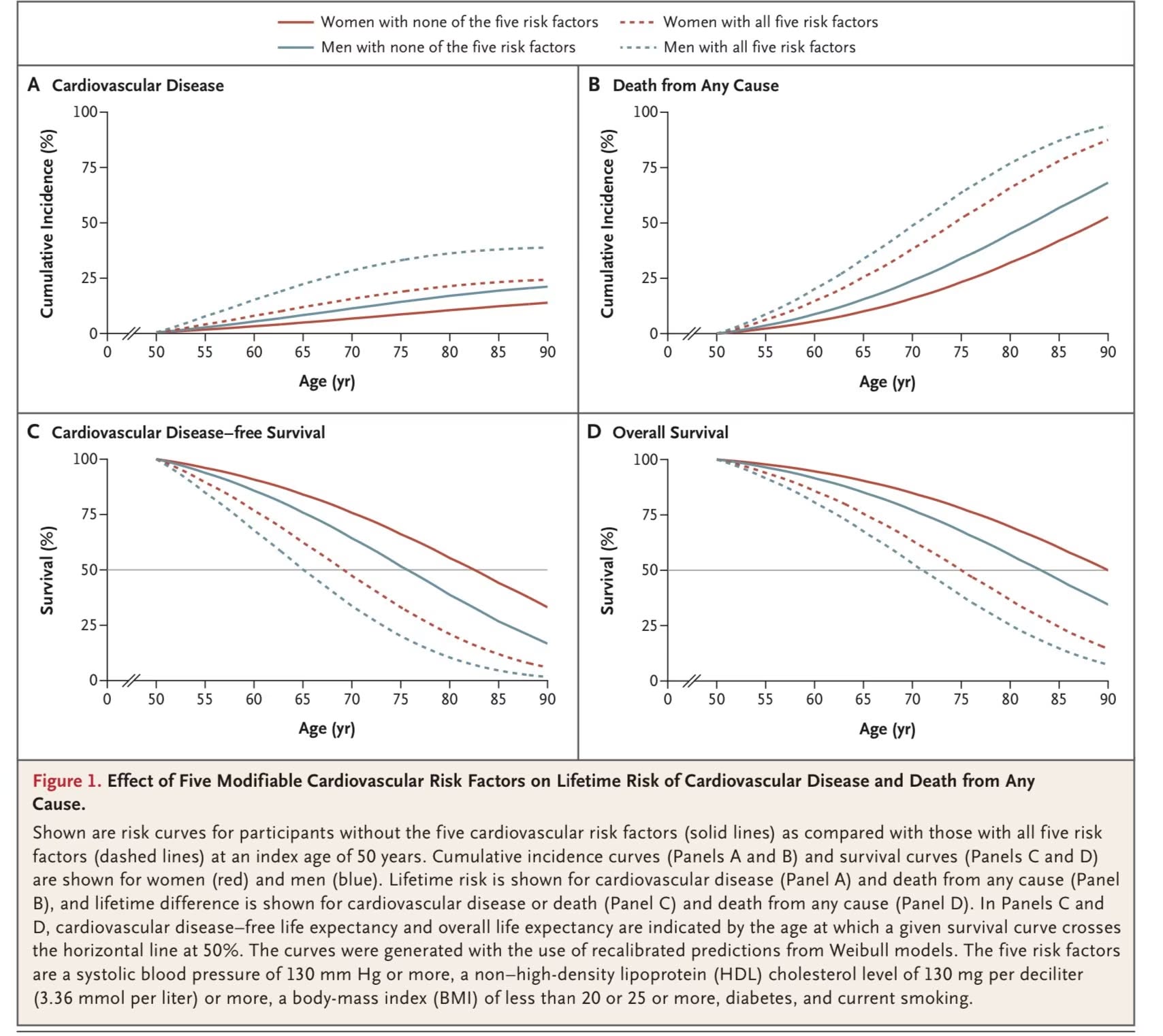
No risk factors at 50 meant up to 13.3 more CVD-free years in a 2M-person NEJM analysis

Apr 25, 2025 · Louis Nervegna ♥ 20 · 💬 1 Cardiovascular disease: the big picture

Luigi Fontana's summary of a NEJM pooled analysis of over 2 million people in 39 countries on blood pressure, non-HDL cholesterol, BMI, diabetes and smoking. At age 50, no risk factors versus all five meant up to 13.3 more CVD-free years and lower lifetime CVD risk; modifying risk factors at 55-60 still helped. Only about half of CVD events are attributable to the five classic factors.

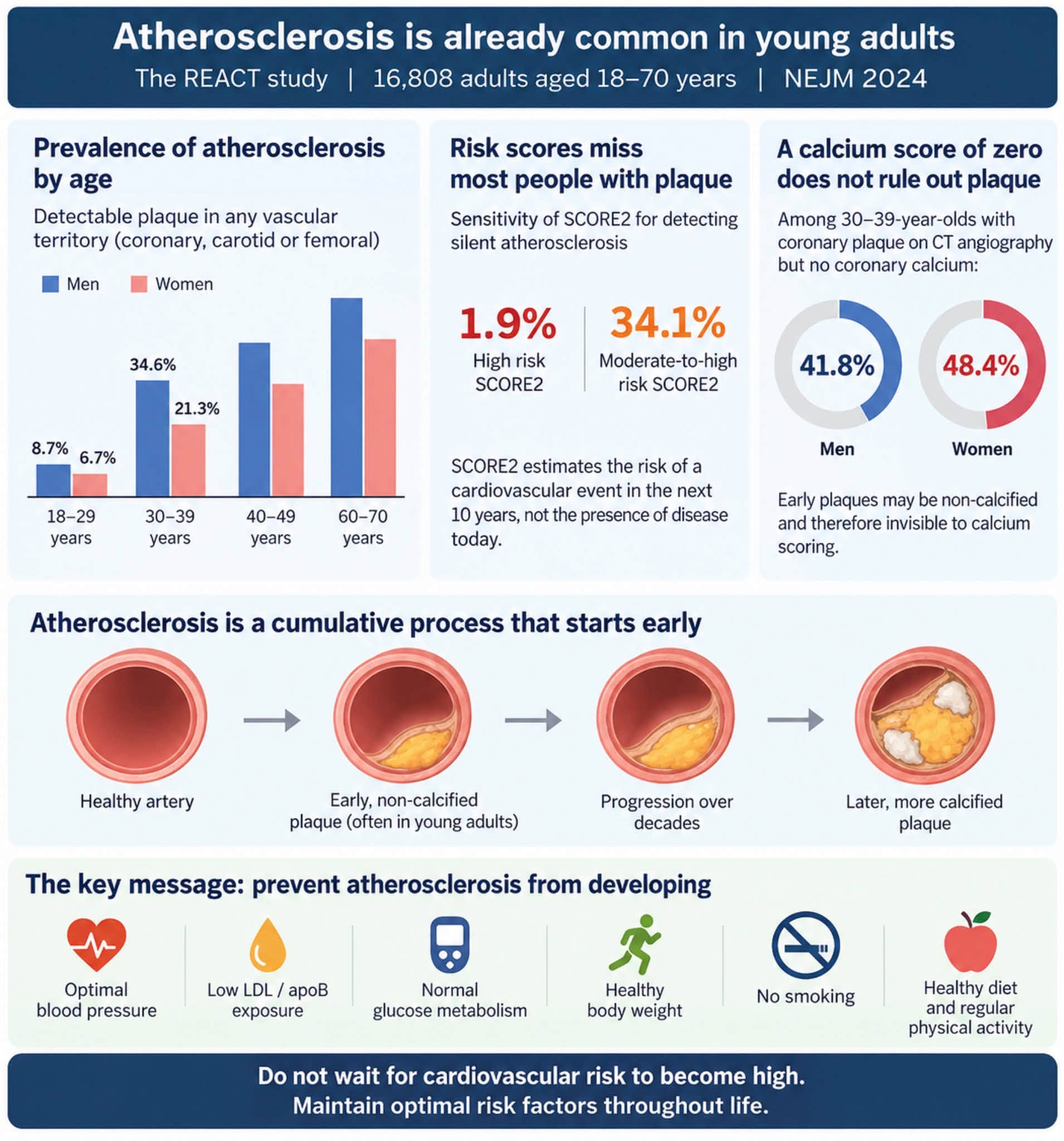
REACT: silent atherosclerosis found in 57% of 16,808 adults, 7-9% of 18-29-year-olds

Sep 26, 2026 · Louis Nervegna ♥ 11 · 💬 2 Plaque, CAC & CT angiography

The NEJM REACT study used carotid and femoral ultrasound plus coronary CT angiography in 16,808 adults aged 18-70 without known disease. Plaque was present in 57% overall, appeared in young adults, and a zero calcium score often missed early non-calcified plaque. Ten-year risk scores detected very little silent disease, so keeping risk factors favorable throughout life is the priority.

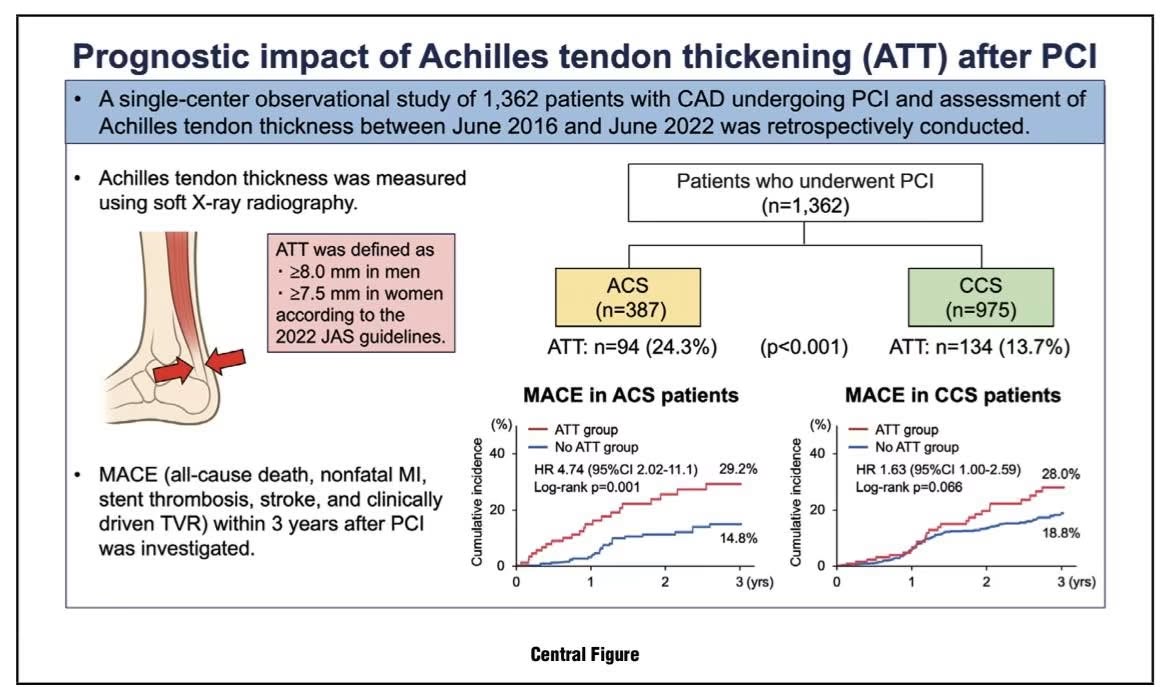
Thickened Achilles tendon predicts MACE after stenting: 28.4% vs 17.9%

Mar 13, 2026 · Louis Nervegna ♥ 6 · 💬 3

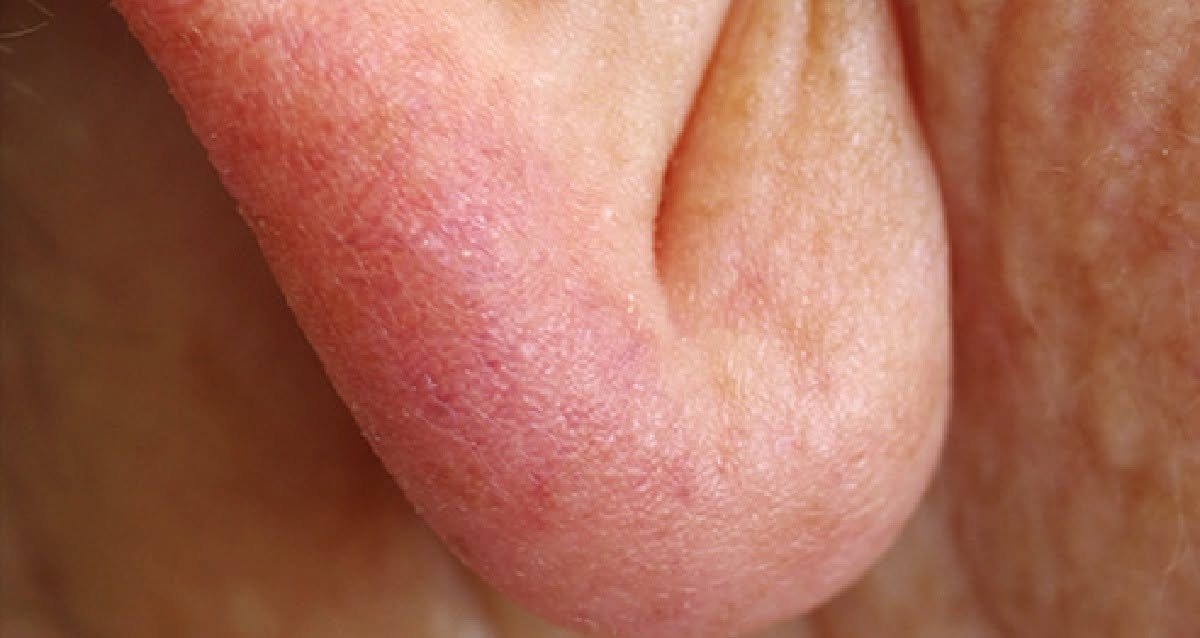
Louis shares a 2026 Circulation Journal study showing Achilles tendon thickening (at least 8 mm men, 7.5 mm women) predicts major adverse cardiovascular events within three years after PCI, likely reflecting cumulative LDL exposure.

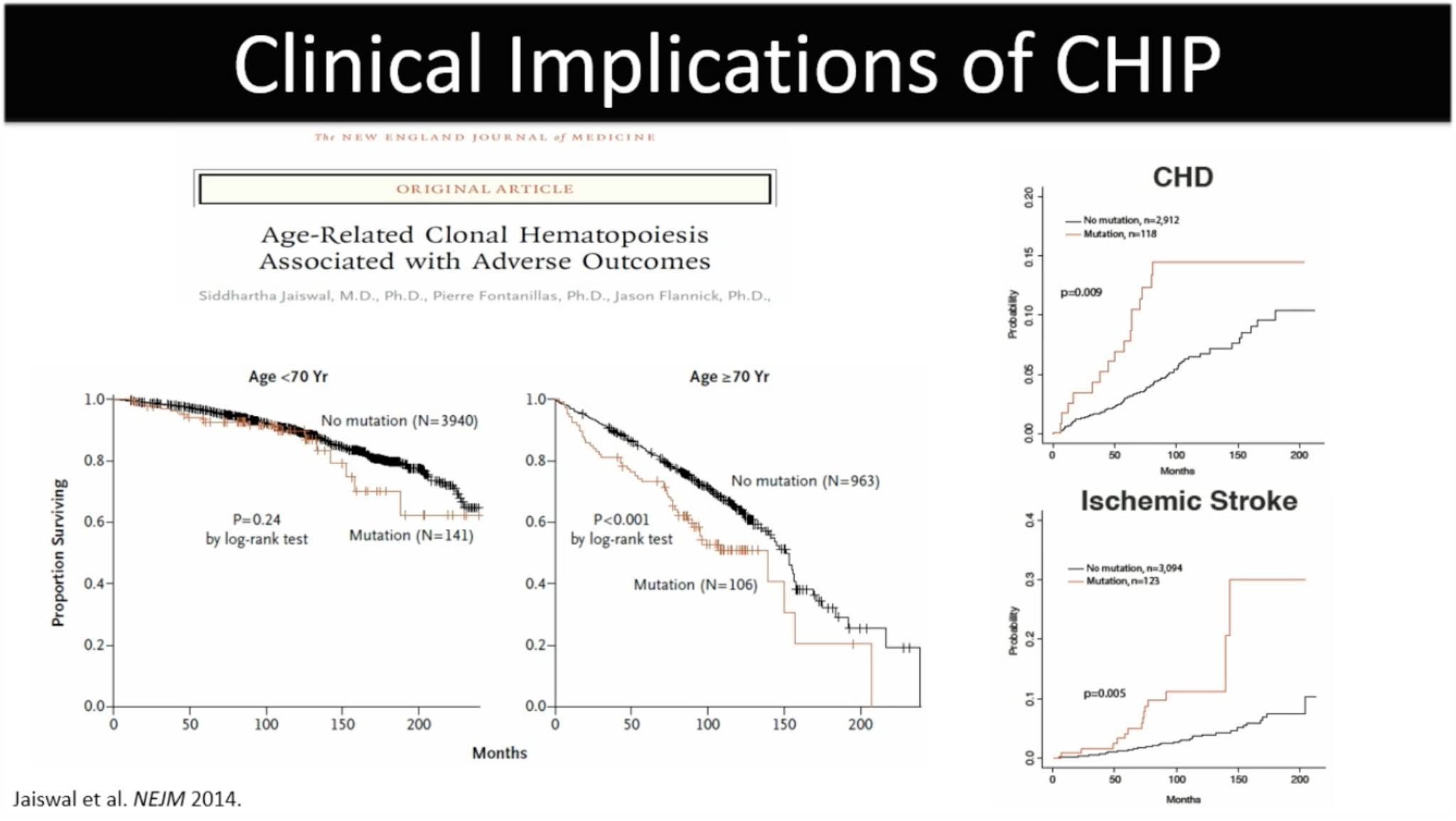
CHIP (clonal hematopoiesis): a little-known risk factor for heart disease and stroke

Apr 08, 2024 · Gokhan Can ♥ 5 · 💬 3

Explains clonal hematopoiesis of indeterminate potential: blood cells carrying acquired mutations that raise the risk of blood cancers, coronary disease and stroke. It becomes more common with age, can be detected with a next-generation sequencing panel, and has no specific treatment yet. The post notes testosterone therapy and anything strongly stimulating bone marrow may help CHIP expand.

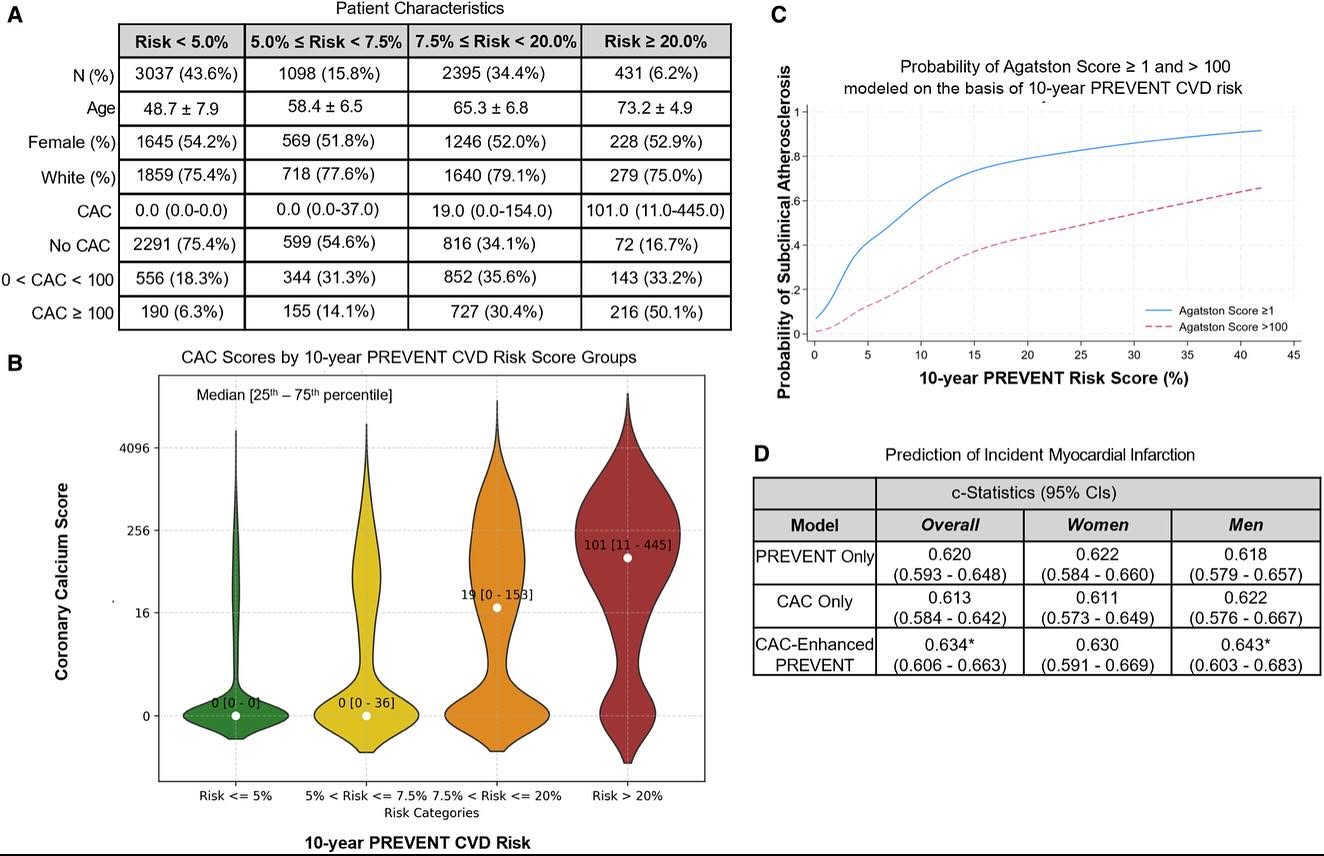
PREVENT 10-year risk estimates also predict subclinical atherosclerosis (JAHA)

Jun 13, 2025 · Louis Nervegna ♥ 4 · 💬 3

Louis points to the AHA PREVENT calculator, shared from Luigi Fontana's summary of a JAHA study. The PREVENT 10-year risk estimates predict not only heart attack and stroke but also subclinical atherosclerosis seen on imaging, helping flag silent disease early. PREVENT applies to adults aged 30 to 79.

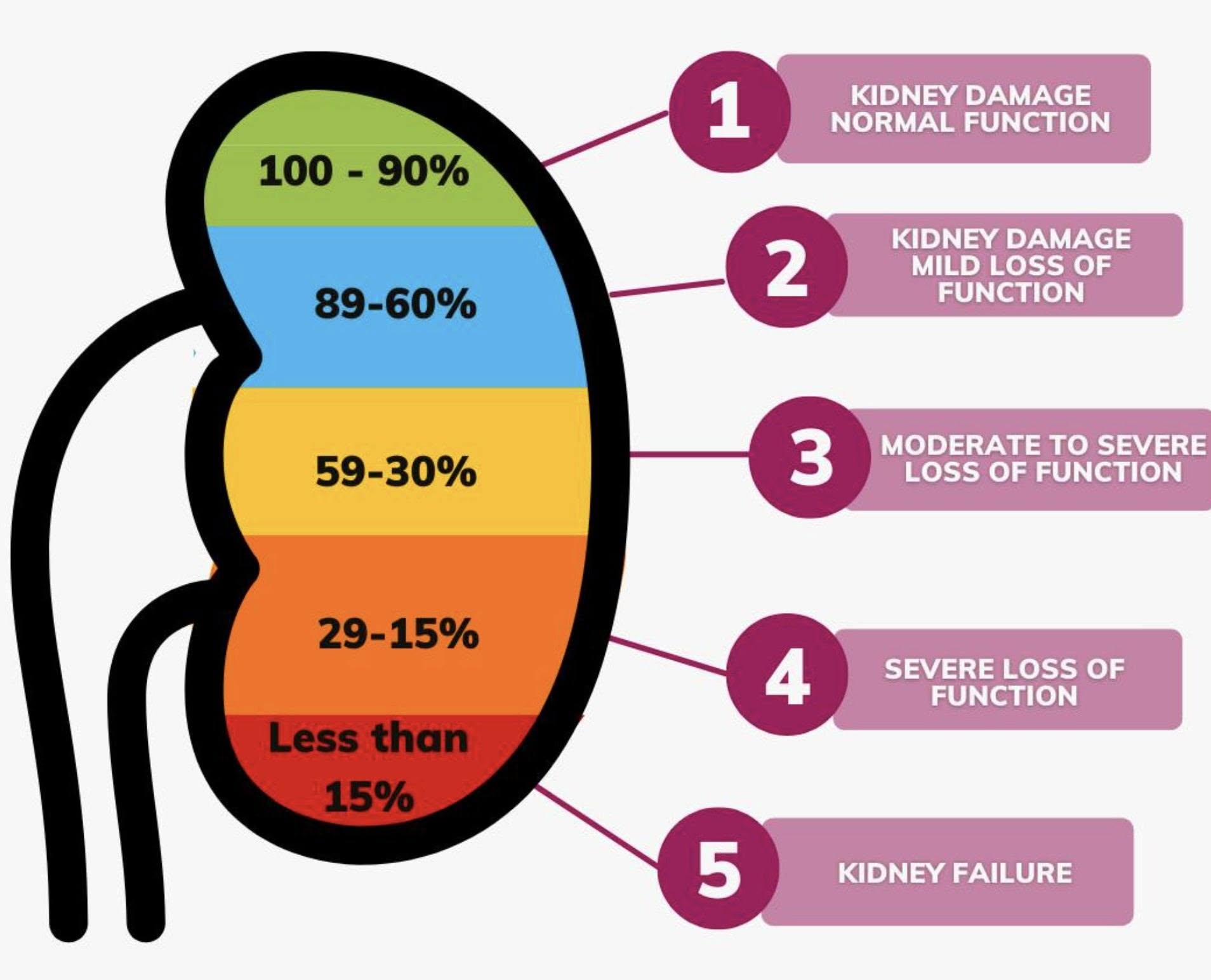
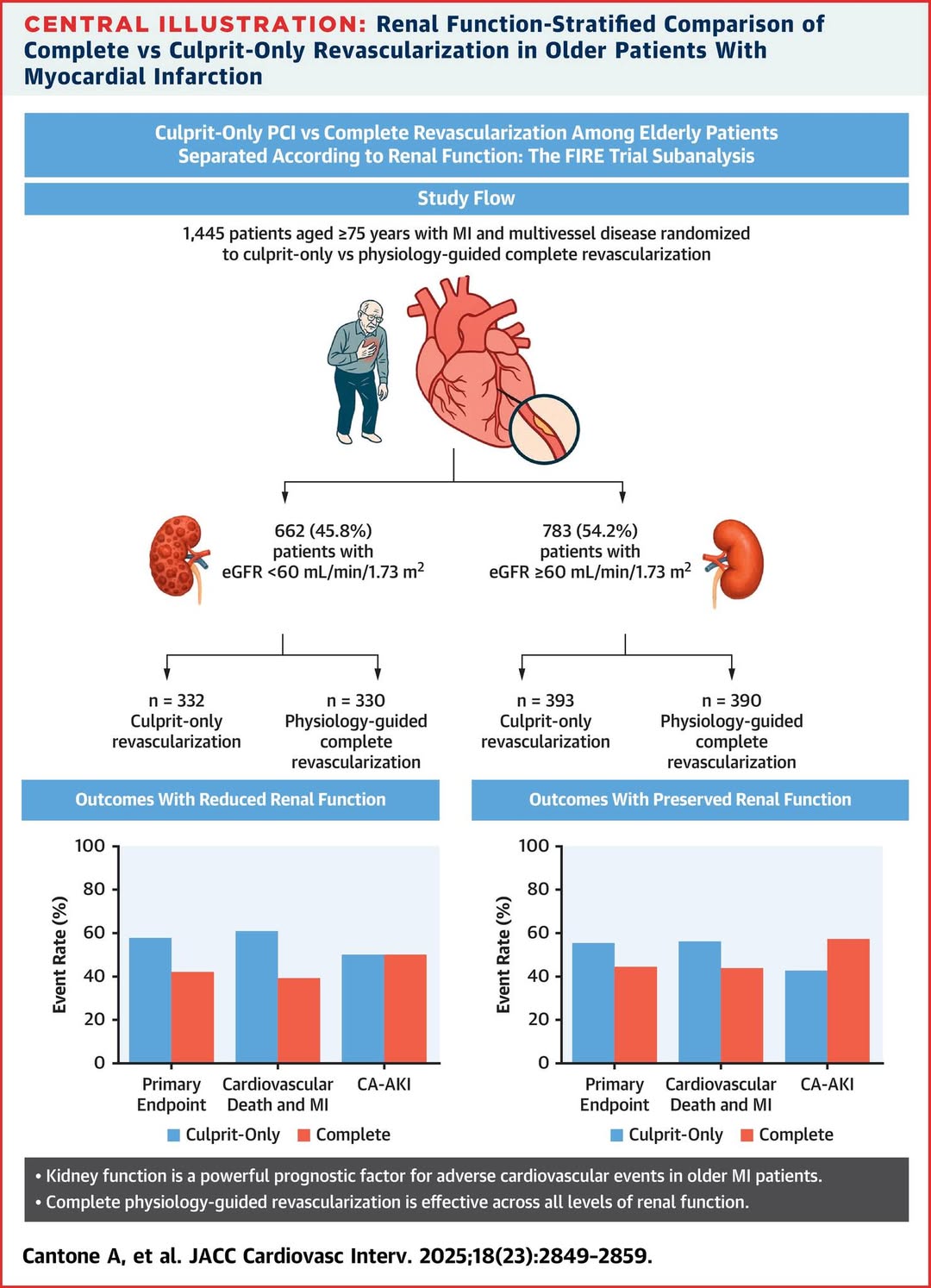
Kidney function is a major CVD driver and now an input in the new AHA risk calculator

Dec 16, 2025 · Louis Nervegna ♥ 8 · 💬 1 Kidney health

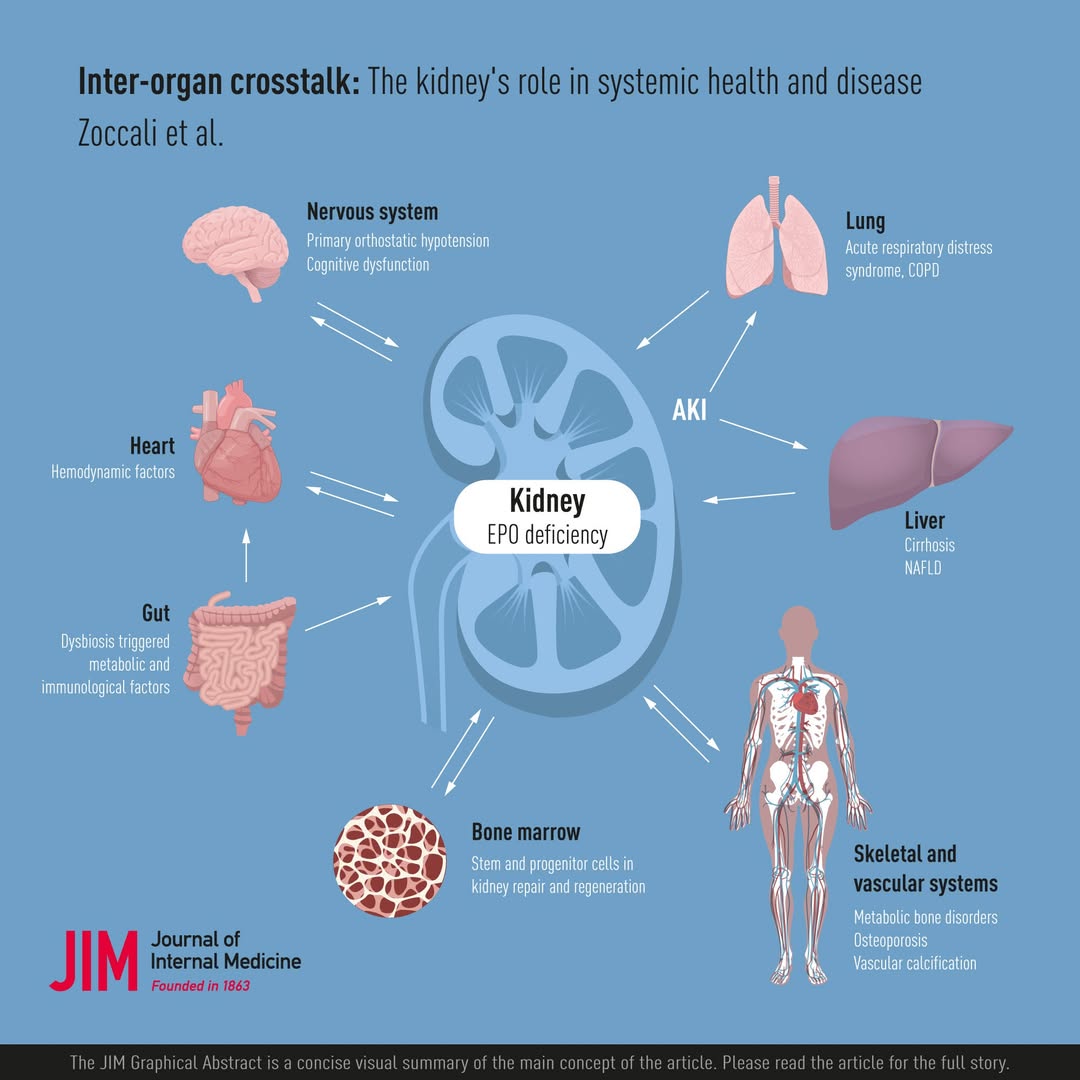
Louis notes that reduced kidney function is a major cause of cardiovascular disease and that the newest AHA risk calculator includes eGFR. He shares a JACC International piece showing kidney function remains a strong prognostic factor in older MI patients, with physiology-guided complete revascularization effective regardless of renal function.
MESA: high Lp(a) mostly matters when CAC is 100 or above

Jul 18, 2024 · Louis Nervegna ♥ 4 · 💬 1 Lp(a)

A repost of a MESA analysis suggesting that people with high Lp(a), CAC under 100 and hsCRP under 2 mg/L have 10-year risk not much above those with normal Lp(a). The highest risk is with elevated Lp(a) and CAC of 100 or more. Louis notes this is a cohort study, not an RCT.

CGMs overestimated glucose by about 16 mg/dL in healthy adults in a crossover trial

Dec 02, 2025 · Louis Nervegna ♥ 3 · 💬 1

Louis shares a post on an AJCN randomized crossover trial in 15 healthy adults where CGM readings ran about 16 mg/dL higher than capillary samples fasting and after meals, overstated the glycemic index of fruit smoothies and exaggerated time above threshold. He advises trusting lab values over a disagreeing CGM.

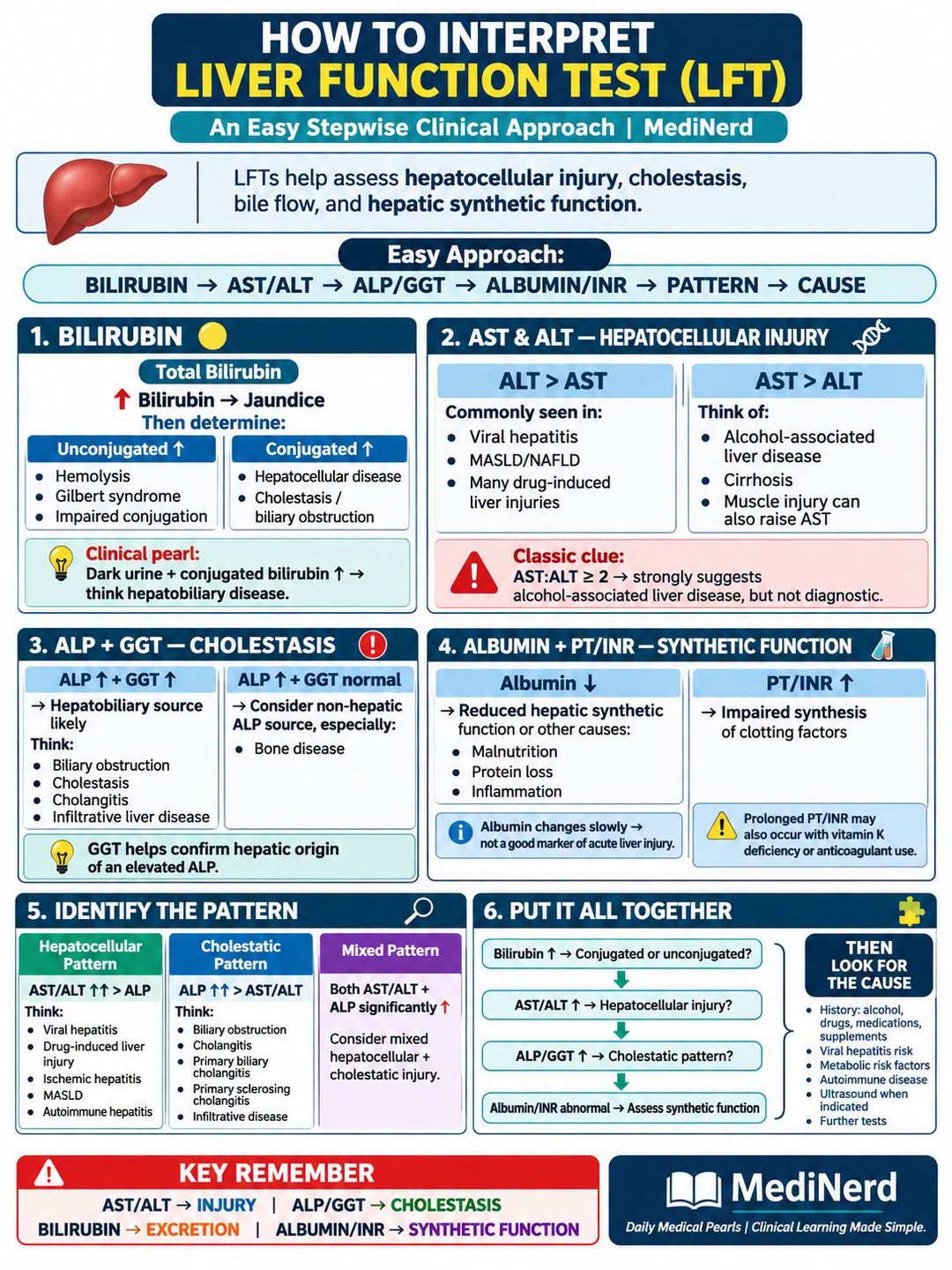
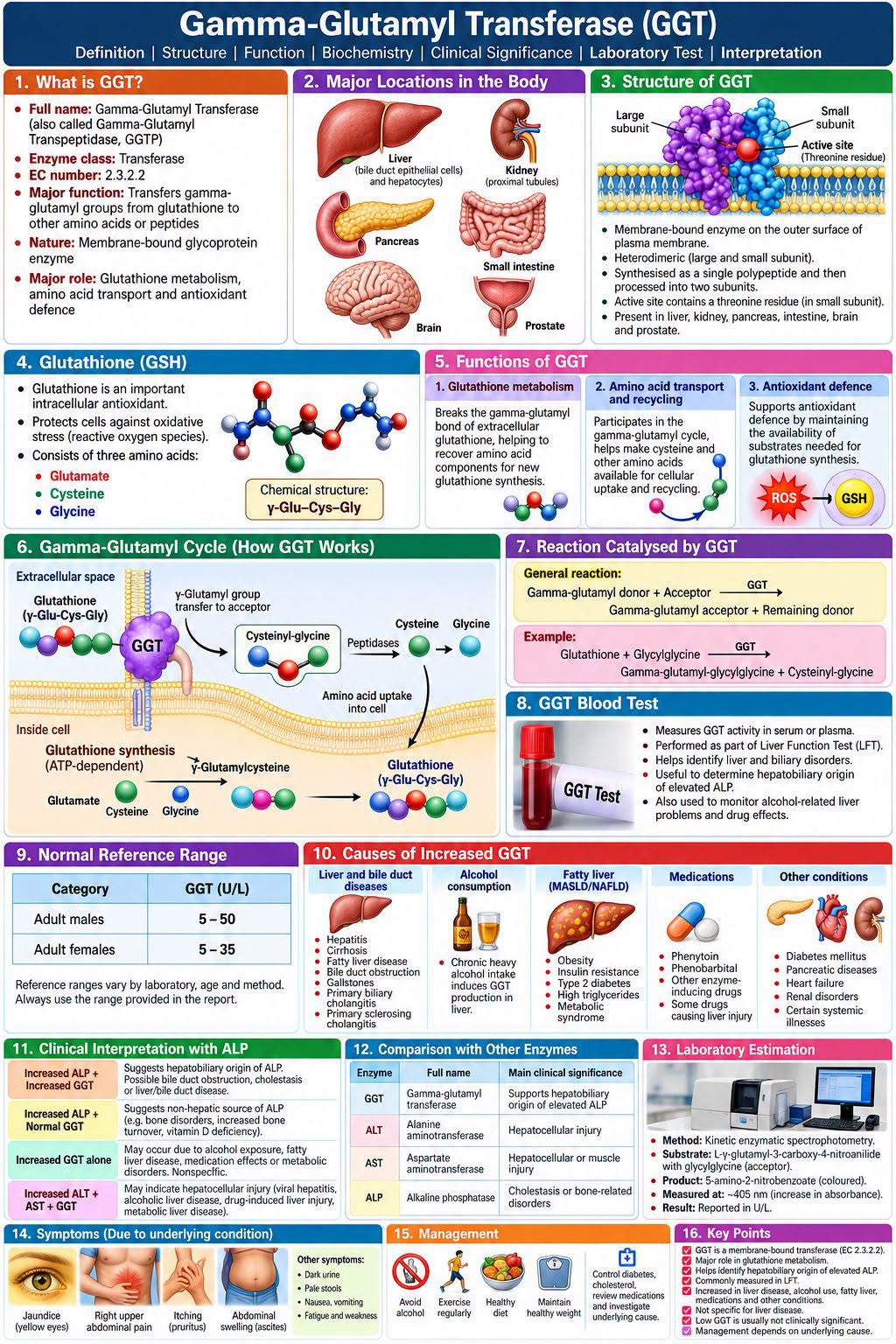
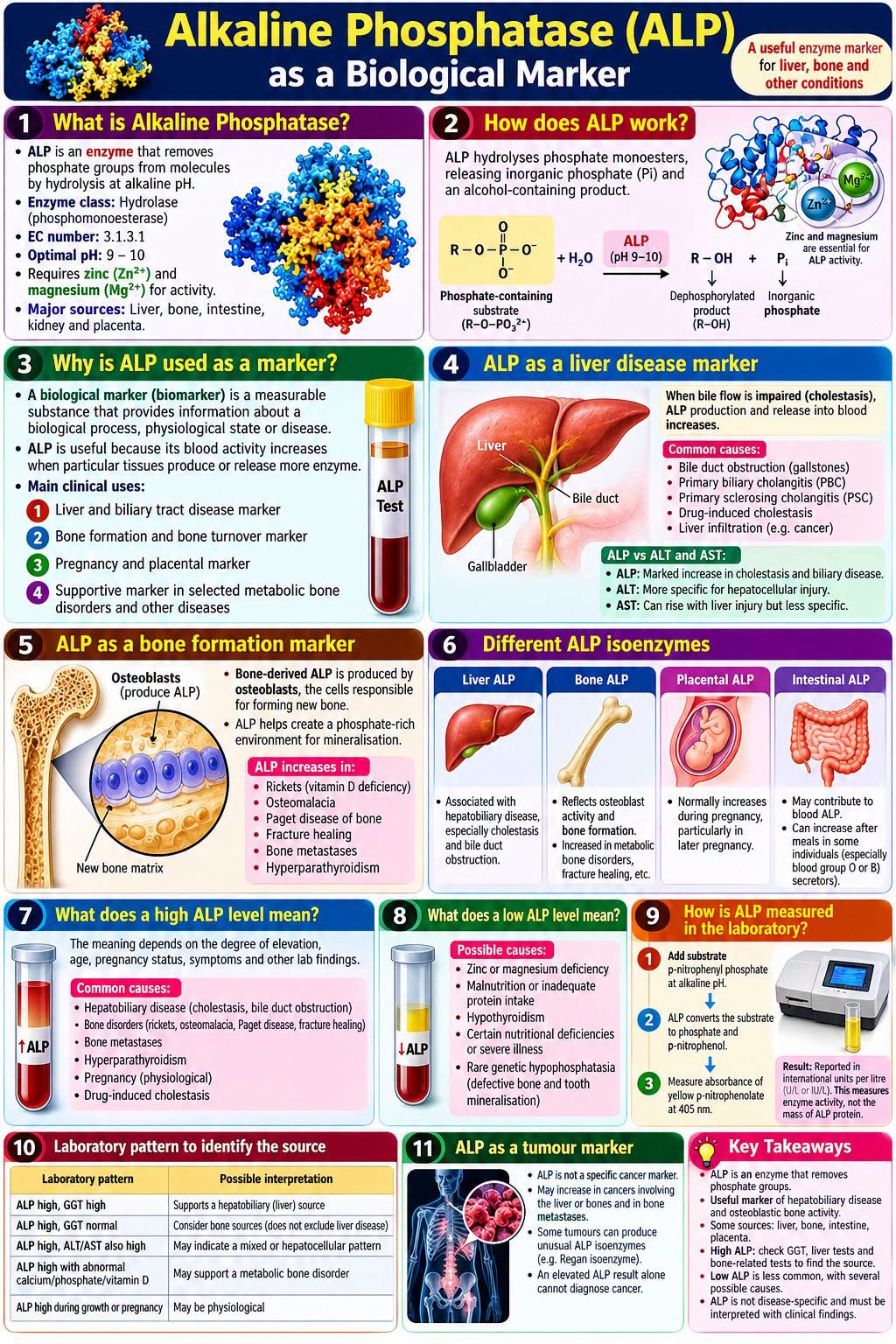
How to interpret the liver function panel: bilirubin, AST/ALT, ALP/GGT, albumin/INR

Nov 02, 2026 · Louis Nervegna ♥ 2 · 💬 1

A shared infographic gives a stepwise approach to liver function tests: bilirubin, then AST/ALT, ALP/GGT, albumin/INR, then pattern and cause. It helps readers see whether abnormal results suggest hepatocellular injury, cholestasis or reduced synthetic function. General clinical reference with no study cited.
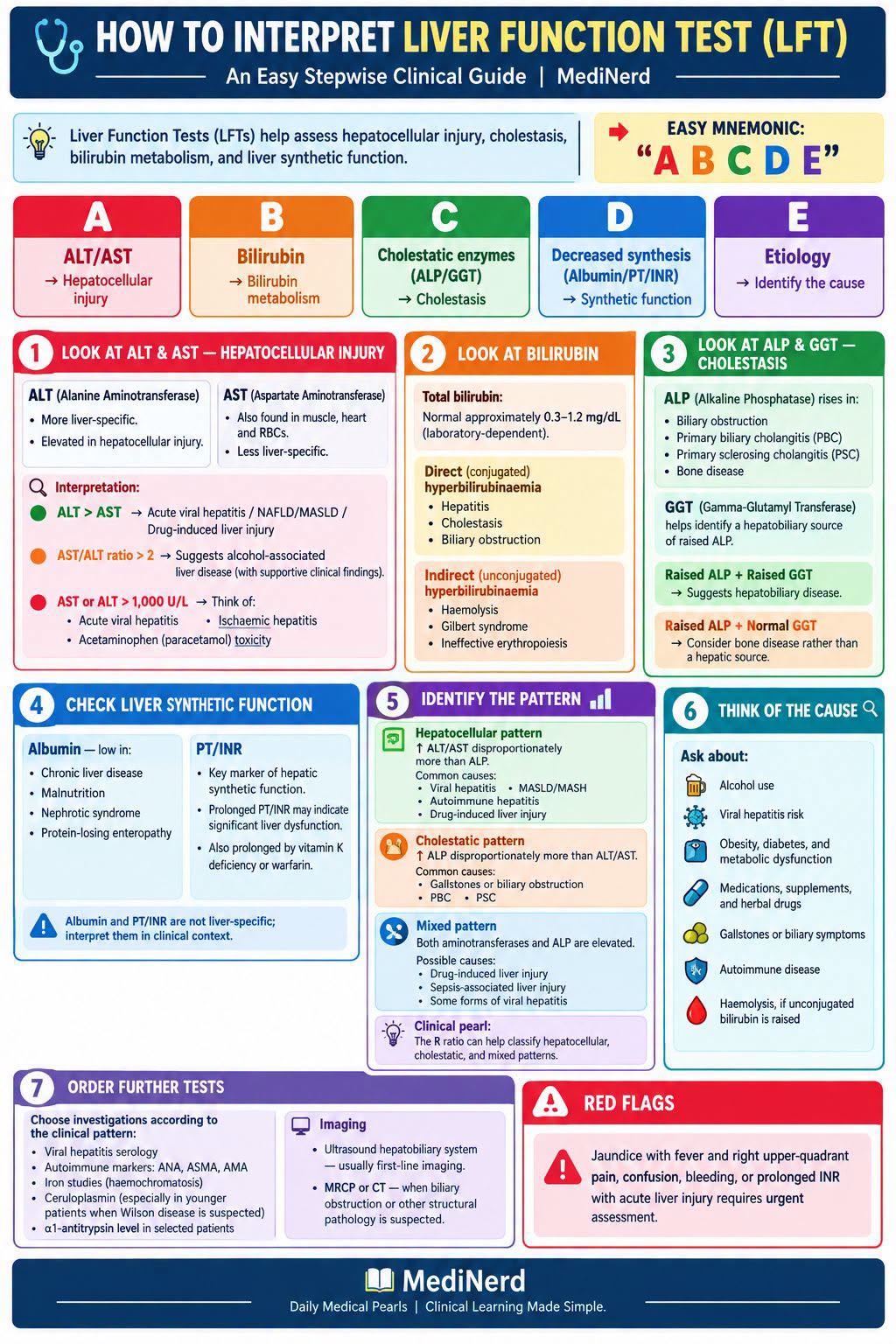
How to interpret liver function tests with the A-B-C-D-E mnemonic

Oct 27, 2026 · Louis Nervegna ♥ 1 · 💬 3

A shared infographic gives a mnemonic approach to liver function tests: ALT/AST for hepatocellular injury, bilirubin, cholestatic enzymes ALP/GGT, decreased synthesis (albumin/PT/INR) and etiology. Overlaps with a similar earlier infographic.

New AHA risk calculator estimates 10- and 30-year heart disease risk for ages 30-79

Mar 01, 2026 · Louis Nervegna ♥ 4

Links the new AHA risk calculator, which uses sex, age, BMI, blood pressure, cholesterol, smoking and diabetes to give 10- and 30-year risk. Louis warns it is for primary prevention only and will underestimate risk in people with prior events, significant atherosclerosis or high calcium scores.

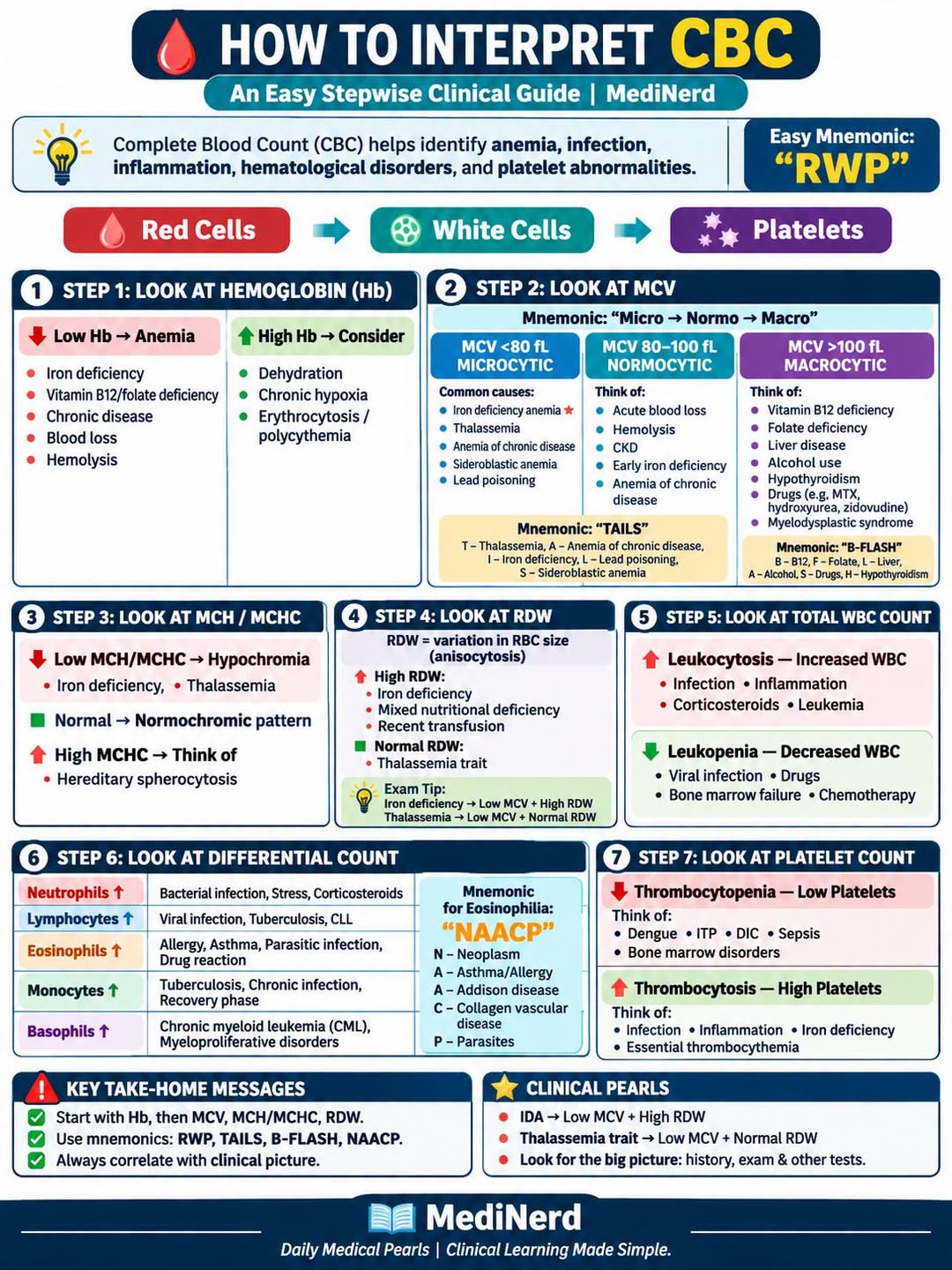
How to interpret a complete blood count (CBC): a stepwise clinical approach

Nov 03, 2026 · Louis Nervegna ♥ 3

A shared infographic explains how to read a CBC in order: hemoglobin, MCV, MCH/MCHC, RDW, white cells with differential, then platelets, using the 'RWP' mnemonic. It covers what low or high values may point to, such as anemia, infection or platelet abnormalities. It is a general clinical reference rather than heart-specific content.

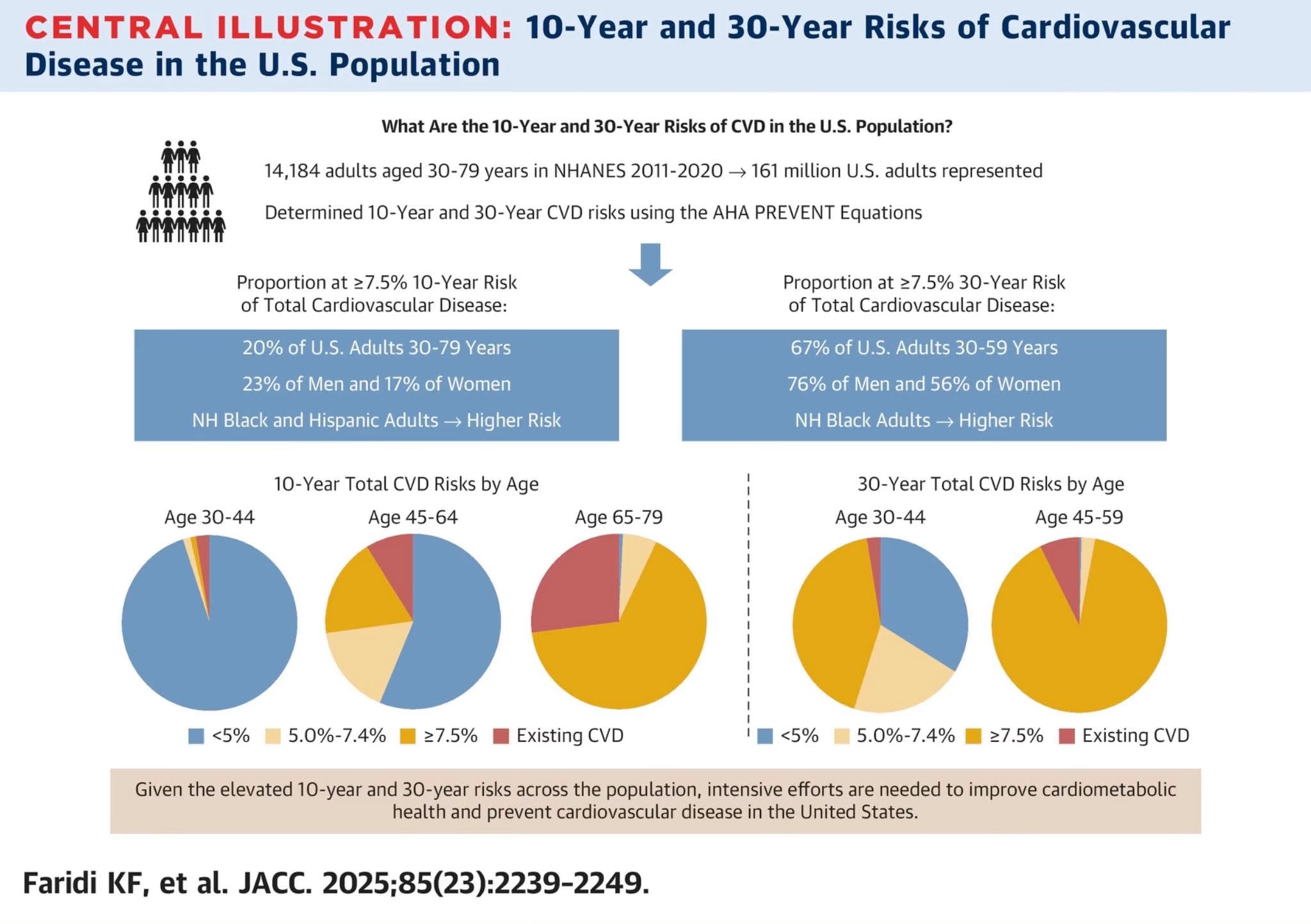
JACC PREVENT analysis: nearly 3 in 10 US adults have CVD or elevated 10-year risk

Jun 10, 2025 · Louis Nervegna ♥ 3

A shared summary of a JACC study applying the AHA PREVENT equations to US adults aged 30 to 79, showing high burden of existing or predicted cardiovascular disease, higher risk in men, Black and Hispanic adults, and an elevated 30-year risk in about two-thirds of middle-aged adults without CVD.

A rising calcium score on a statin does not mean it failed, per FLOWPROMOTE details

Nov 08, 2026 · Louis Nervegna ♥ 1 Plaque, CAC & CT angiography

Louis shares a cardiologist's explanation that a higher calcium score on a statin neither proves failure nor success, since plaque picks up calcium as it hardens and denser calcium counts extra. It summarizes FLOWPROMOTE: atorvastatin 40 mg vs rosuvastatin 40 mg plus ezetimibe 10 mg lowered LDL more and shrank total plaque more in 18 months while calcified plaque grew in both groups. These were secondary results of a small trial on CT, not event outcomes.

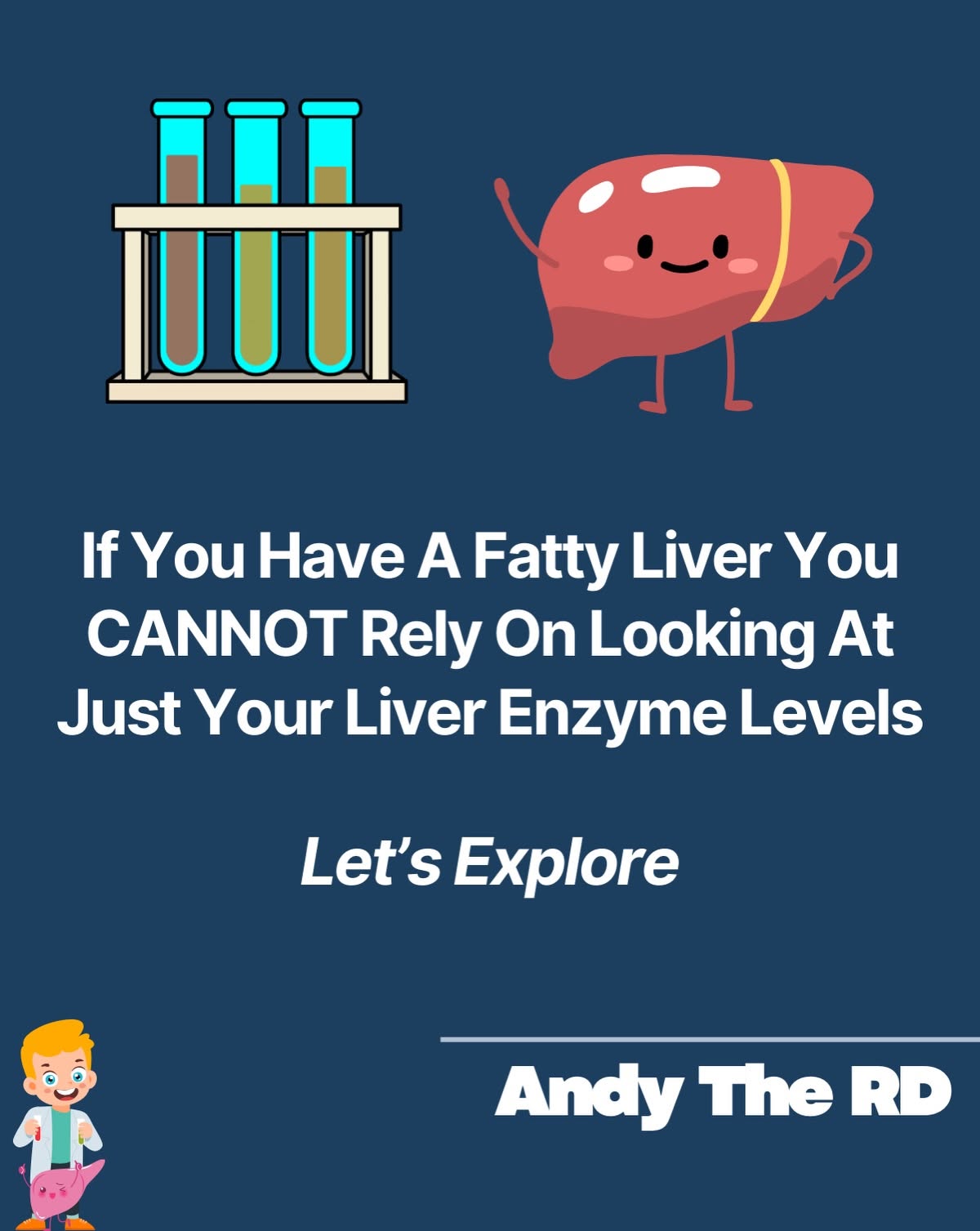
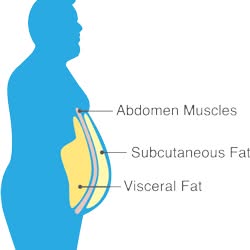
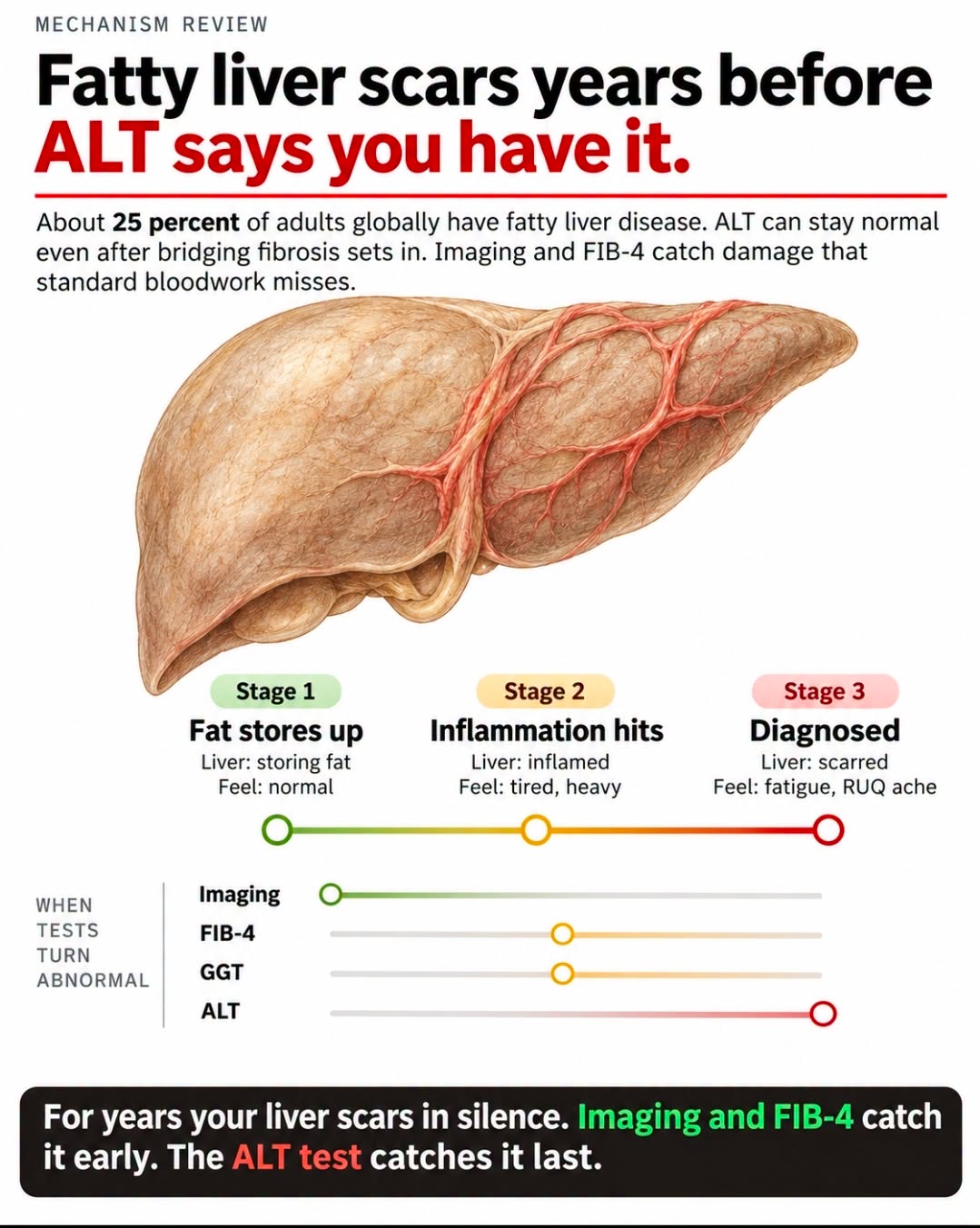
Fatty liver can scar the liver years before ALT rises; 10% weight loss resolves it in 90%

Nov 03, 2026 · Louis Nervegna ♥ 1 Weight, visceral & liver fat

Routine ALT testing can miss advanced fatty liver disease: a Hepatology study biopsied 51 patients with normal ALT and found 12 with bridging fibrosis and 6 with cirrhosis. The post notes selection bias in that sample but says fibrosis behind a normal ALT is well established. Ten percent body weight loss resolved fatty liver in 90 percent and regressed fibrosis in 45 percent, and Mediterranean diet, resistance training and insulin-resistance management reduce liver fat independent of weight.

About 10% of people with a zero calcium score still have significant soft plaque

Nov 12, 2026 · Louis Nervegna ♥ 1 Plaque, CAC & CT angiography

Louis notes that roughly 10% of patients with a CAC of zero have significant soft plaque, and shares a primer explaining why a zero score does not exclude heart disease. CAC detects only calcified plaque while CT coronary angiography shows both calcified and non-calcified plaque and narrowing. A zero score still means very low event risk over the following years, but low is not none.

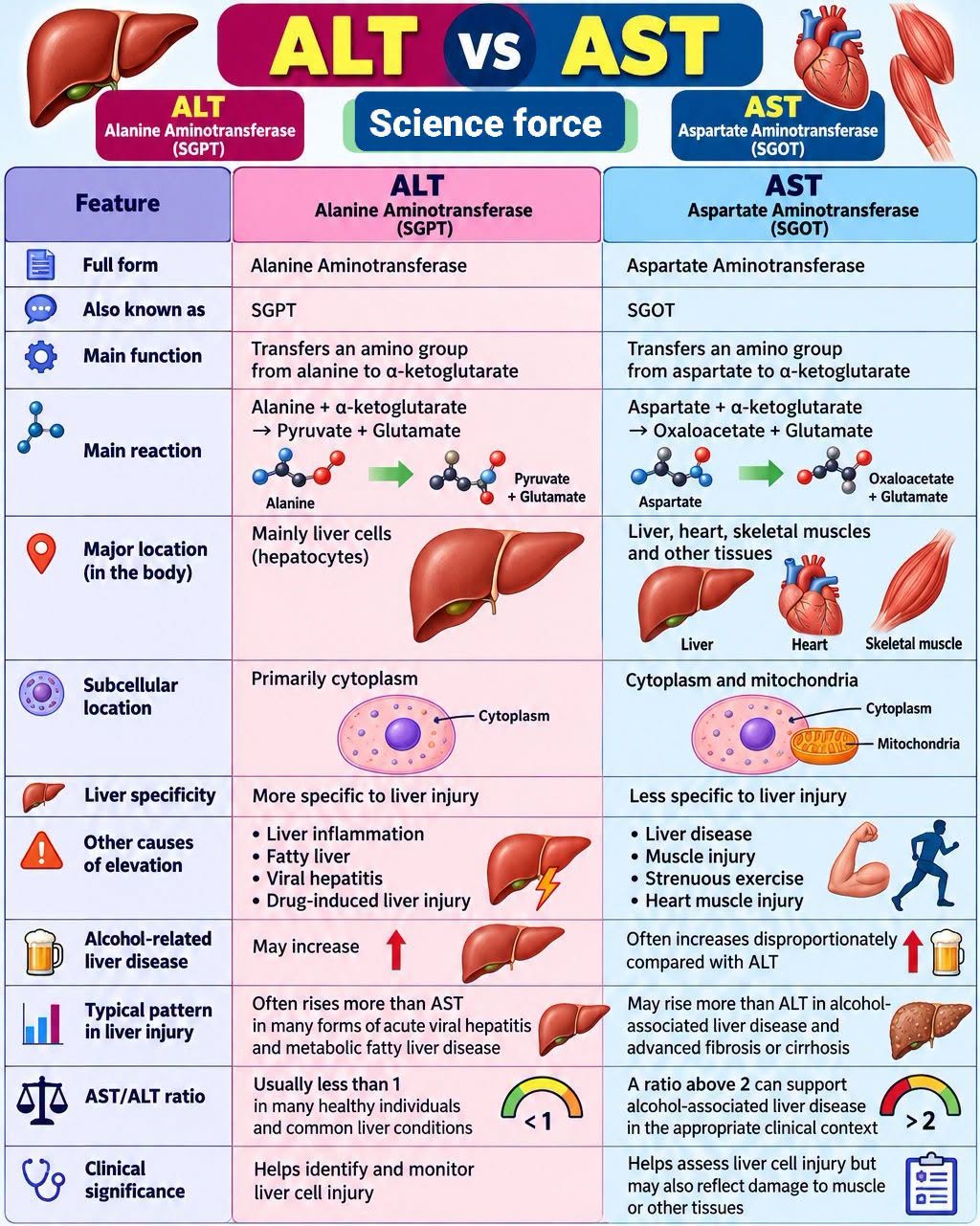
ALT versus AST: how the two liver enzymes differ

Oct 29, 2026 · Louis Nervegna ♥ 1

A shared explainer compares ALT and AST, enzymes in amino acid metabolism measured in liver function tests to detect liver cell damage, noting AST may also reflect other tissues. General lab-test background without study data.