The idea that iodized salt is bad for you in reasonable amounts is nonsense
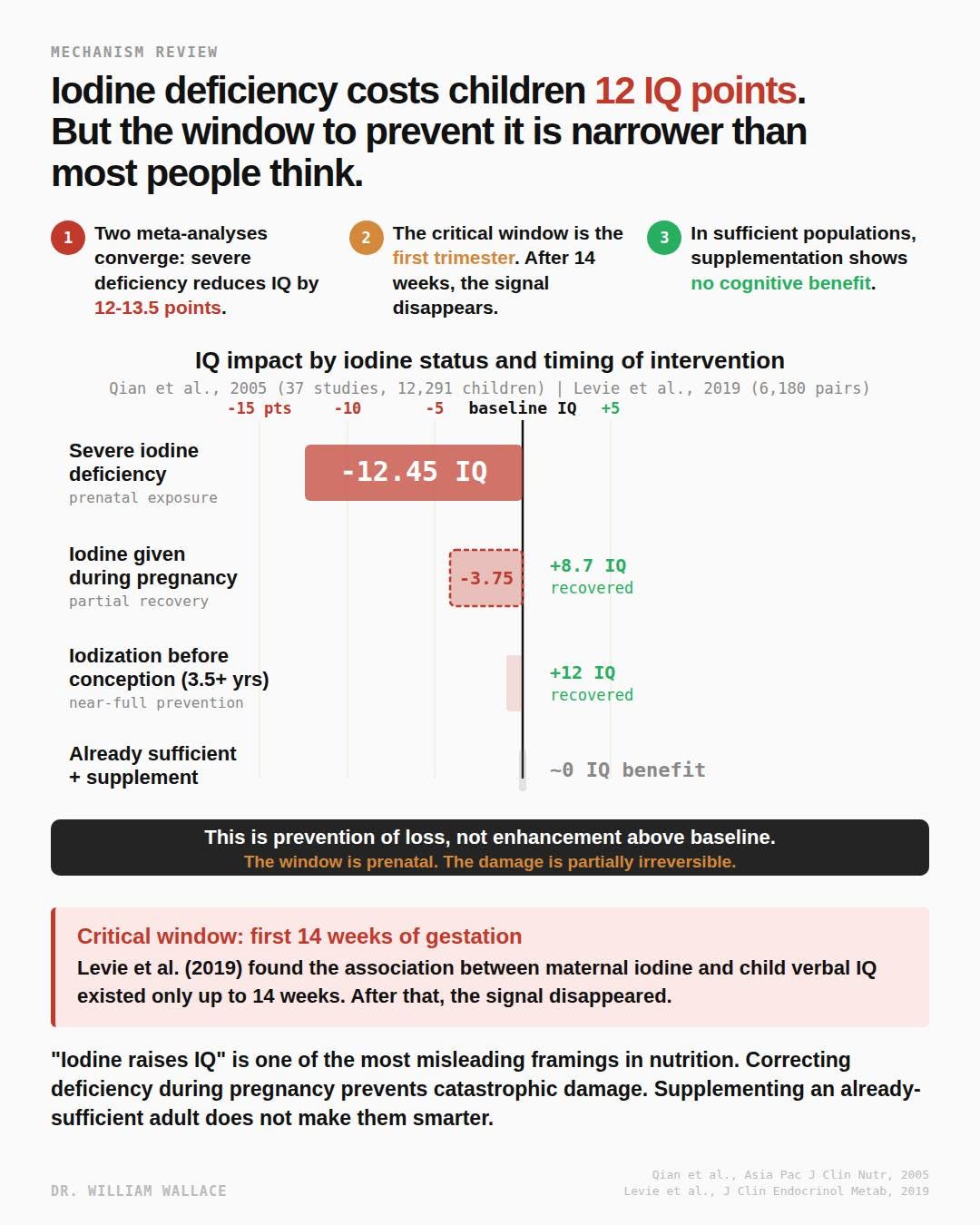
You need some iodine in your diet.
The real problem is too much sodium in general. Not iodized salt.
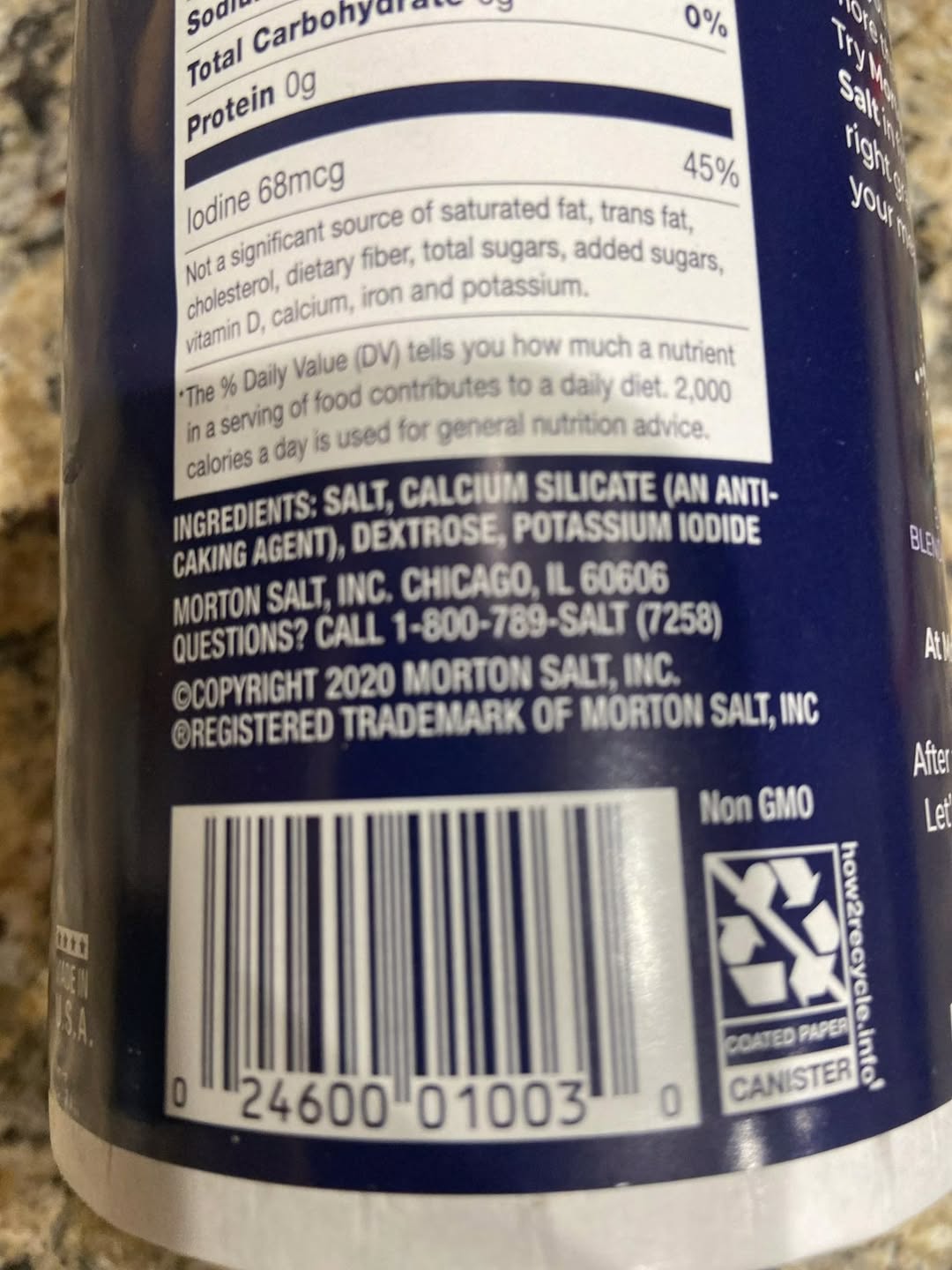
Iodized salt is literally just salt (sodium chloride), and a tiny bit of calcium silicate, glucose (dextrose), and iodine (potassium iodide).
Calcium silicate is a naturally occurring mineral. It is formed geologically in nature when calcium carbonate reacts with silica. It is a source of both calcium and silica. The silica is good for hair, skin, nails, and maybe your arteries too. The calcium is good for bones. Calcium silicate is only present in very tiny amounts in iodized salt. It is included to prevent the salt from clumping (anti-caking).
Potassium iodide is the most common way to supplement with iodine. It is a highly bioavailable source of iodine.
The tiny bit of glucose (dextrose) in iodized salt serves to stabilize the potassium iodide, and prevent it from oxidizing. It has no impact on blood sugar whatsoever in such an incredibly tiny amount. A standard 1.5g serving of iodized salt contains 0.0006g of glucose, which is lower than virtually every food you can eat. You’d get far more glucose by eating 1 cup of broccoli (1.5g glucose) or a 6oz steak (0.5g glucose, from glycogen). The word “dextrose” is a synonym for the word “glucose”. They are the same thing.
Stop listening to BS from influencers who don’t know what they’re talking about. Iodized salt is not bad for you in reasonable amounts. The bioavailable iodine that it provides is good for you.
You can buy healthier versions of iodized salt that reduce the sodium by using potassium chloride in place of sodium chloride. For example: ↪ A 50:50 salt/potassium blend cuts sodium and adds potassium; avoid with kidney disease.