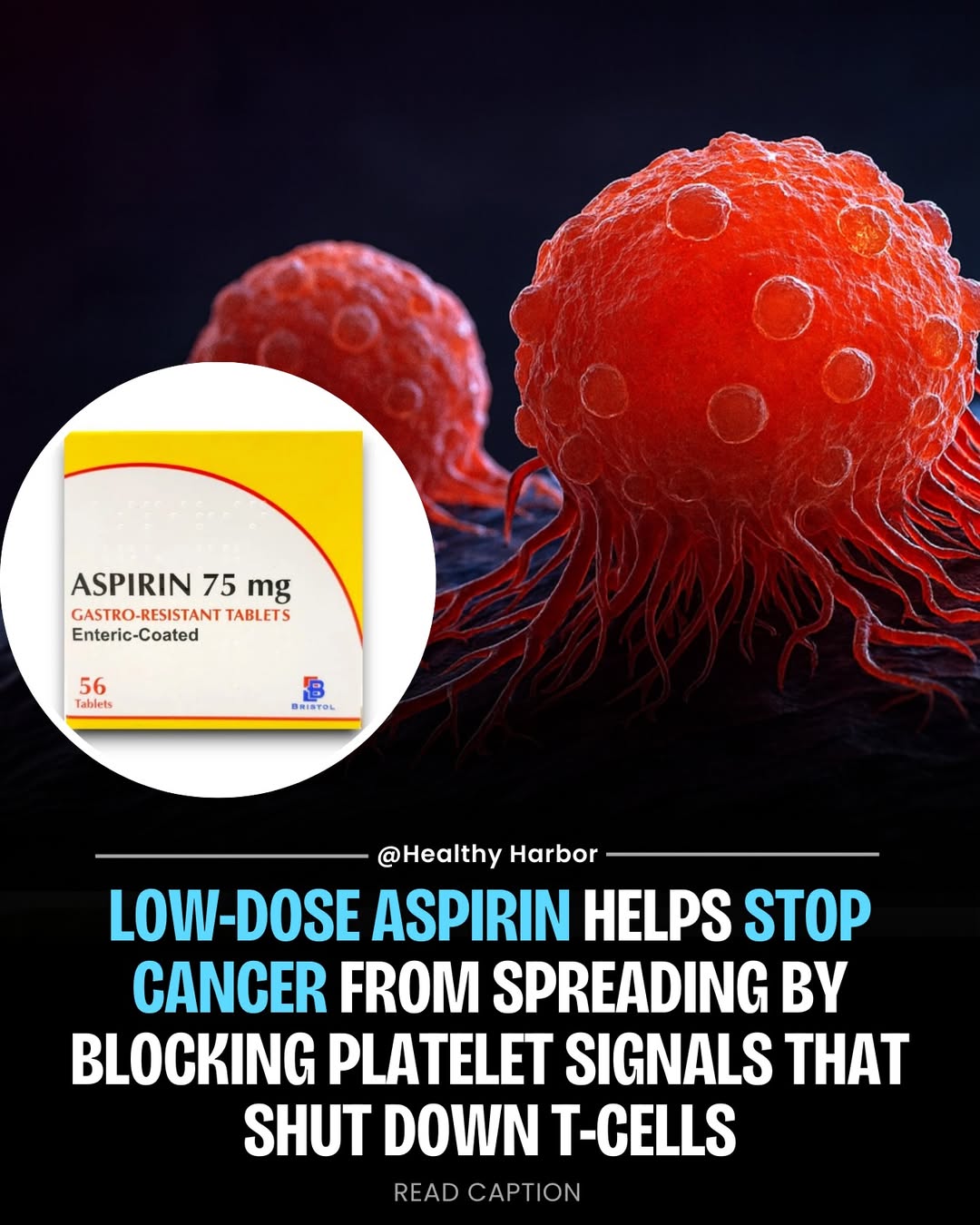
Aspirin can reduce risk of cancer in certain groups of people.
Quoted:
It is here that John Burn's study of patients with Lynch Syndrome, which vastly increases the risk of colorectal and other forms of cancer, enters the picture. In 2020, Burn published the results of a landmark randomised controlled trial of 861 patients with the condition. Following the participants for 10 years, his team discovered that people who had taken a daily 600mg dose of aspirin for at least two years effectively halved their risk of colorectal cancer.
His team have since conducted a second trial, which is currently under peer review. The early results suggest that a much lower dose of aspirin (75-100mg) is just as effective – if not more. "The people who took aspirin for two years had 50% fewer cancers in the colon," he says. "What we want to do is keep on going for a few more years because the data is going to get better as time goes on.” (Nick James, the very first patient to enter the trial, was among the ones who appeared to have benefited.)
The low dose (75-100mg) is similar to what people take for the prevention of cardiovascular events. That matters, since aspirin can come with unpleasant side effects, including indigestion, internal bleeding, stomach ulcers and even brain haemorrhage, and lower dose can be much better tolerated. The findings are already affected policy. "In the UK, guidelines have been changed as a result of our findings," says Burn. Since 2020, these now recommend that people with Lynch Syndrome should start taking aspirin at about 20 years of age for most people, or 35 for less severe cases.
Given these results, it is natural to wonder whether aspirin could benefit other patient groups. Martling has investigated whether aspirin can reduce the risk of metastasis in people who've already had a diagnosis of colorectal cancer. Her team focused on people with common mutations in their bowel or rectal tumours. "Of all patients getting colorectal cancer, 40% have one of the mutations we have studied," she explains. Previous research had suggested these people may respond particularly well to aspirin.
The three-year randomised controlled trial involved 2,980 patients, with one group taking 160mg of aspirin daily, starting within three months of surgery, and the other receiving a placebo. The aspirin-treated group had less than half the risk of recurrence – a highly significant effect size. "That's a large group of the patients," says Martling. What's more, both Martling's and Burn's trials showed very few cases of adverse effects in the people taking aspirin.
Martling's study, published in September 2025, quickly changed practice in Sweden. Since January 2026, bowel cancer patients in the country have started being screened for the mutations in question, and offered a low dose of aspirin if they have them.
It is not yet clear whether aspirin could protect patients from other cancers as well – but we may soon have some answers. Langley is currently running a large randomised controlled trial with 11,000 participants who've had colorectal, breast, gastroesophageal, or prostate cancer in the UK, Ireland and India. Her team will be looking at the effect of a daily 100mg or 300mg preventative dose of aspirin, and they're hoping to have results next year.
"We really are the first to explore the role of aspirin in other tumour types," she says. She is aiming to replicate Martling's findings for colorectal cancer, as well as gathering funds to investigate the implications of the specific mutations in the other cancers, too. The replication is key, she says, as authorities ideally want two sets of trial results before they make recommendations for patients.
A cure all?
Exactly who should be taking aspirin regularly, and when, remains a matter of debate. Some researchers believe that the combined benefits for cardiovascular disease and cancer should inspire wider uptake. Burn, who has taken aspirin as a preventative measure in the past, is optimistic about its potential for public health. "We did a big study where we showed that if every 50-something year-old took a baby aspirin for ten years, the national mortality from all causes would be reduced by 4%," says Burn.
Most researchers argue that it should only be restricted to particular patients, however. "It's one thing to give aspirin to a cancer population but it's a totally different thing to offer the healthy population something that might harm them as well," says Martling. That's because aspirin can have serious adverse effects, and it isn't likely to work for all people or all cancers.
 bbc.comAspirin can reduce the risk of cancer - and we're starting to understand whyThe 4,000-year-old drug, most commonly used to treat pain, prevents certain tumours from forming and spreading across the body – findings that are already changing health policies.bbc.com