HD-OPM Archive
Topics › Statins

SAMSON trial: 10% of statin symptom burden was pharmacological, the rest nocebo

Louis Nervegna · Apr 28, 2026 · ♥ 9 reactions · 6 comments · original Facebook post
StatinsMyths, misinformation & controversies
AI summary & key facts

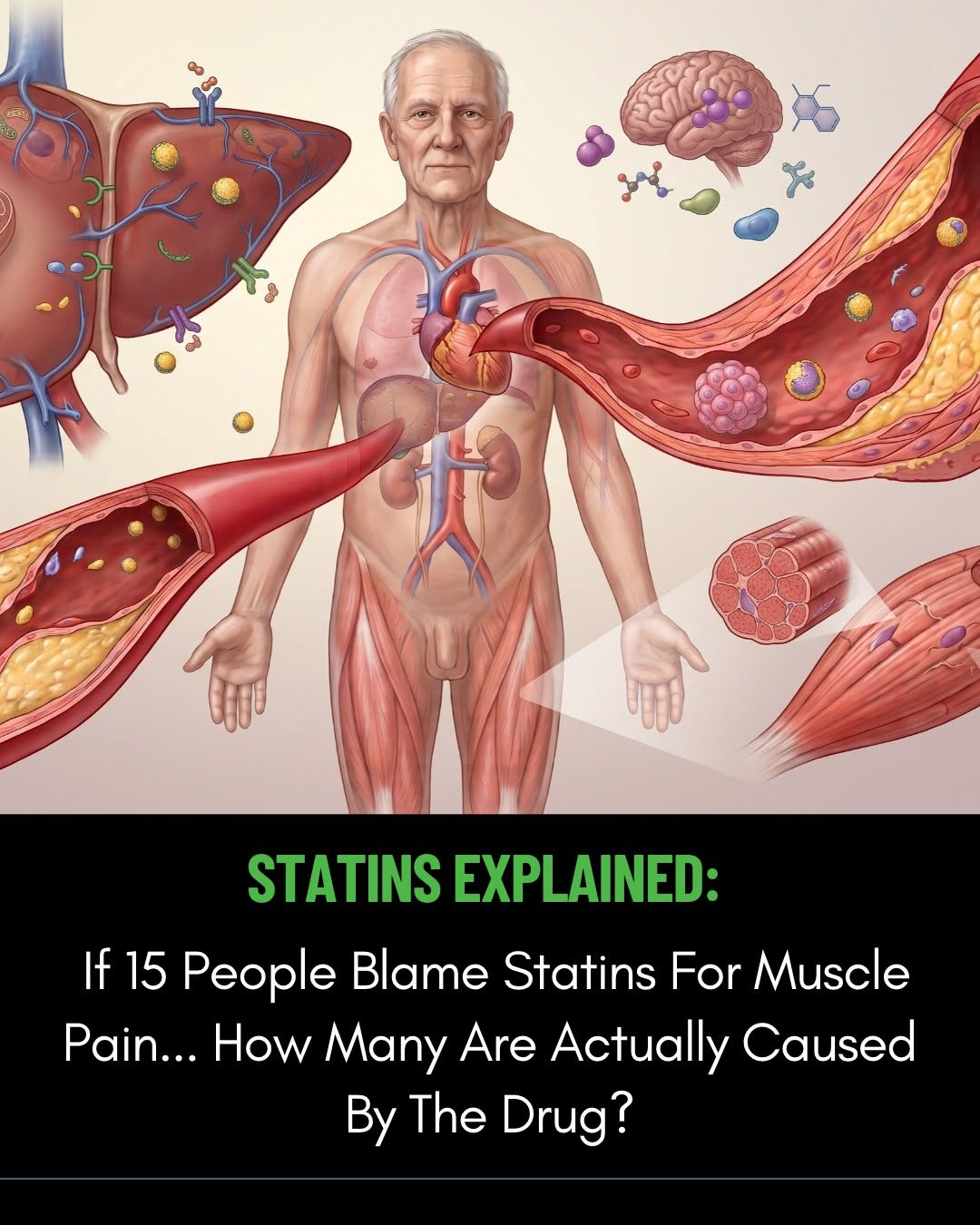
Louis revisits SAMSON, where 60 patients rotated statin, placebo and nothing; 90% of symptom burden on statins also occurred on placebo.

We’ve discussed this SAMSON trial before in the group. It was a huge eye opener to me when it was first published. It totally changed my view on statin side effects.

Link to video referenced in post:
▶Video · YouTube · Barbell Medicine90% of Statin Side Effects Happened on Placebo TooIf the biochemical mechanisms of statin myopathy are real, why don’t most people get symptoms? And how much of what gets reported is actually from the drug? In this segment, we dig into the nocebo research, the terminology problem, and why the reported rate of statin intolerance varies from 1% to 25% depending on how you define it. We cover the SAMSON trial…m.youtube.com

Also see these previous posts:
  1. ↪ SAMSON N-of-1 trial: statin and placebo caused equal symptoms, pointing to nocebo
  1. ↪ Nocebo effect explained about 90% of symptoms in patients who quit statins (SAMSON trial)
  1. facebook.com/share/r/1Bhb5nfMh2
  1. facebook.com/share/v/1GKWpQFPxd

#statinsHD #noceboHD #samsonHD #ascotHD

Research cited

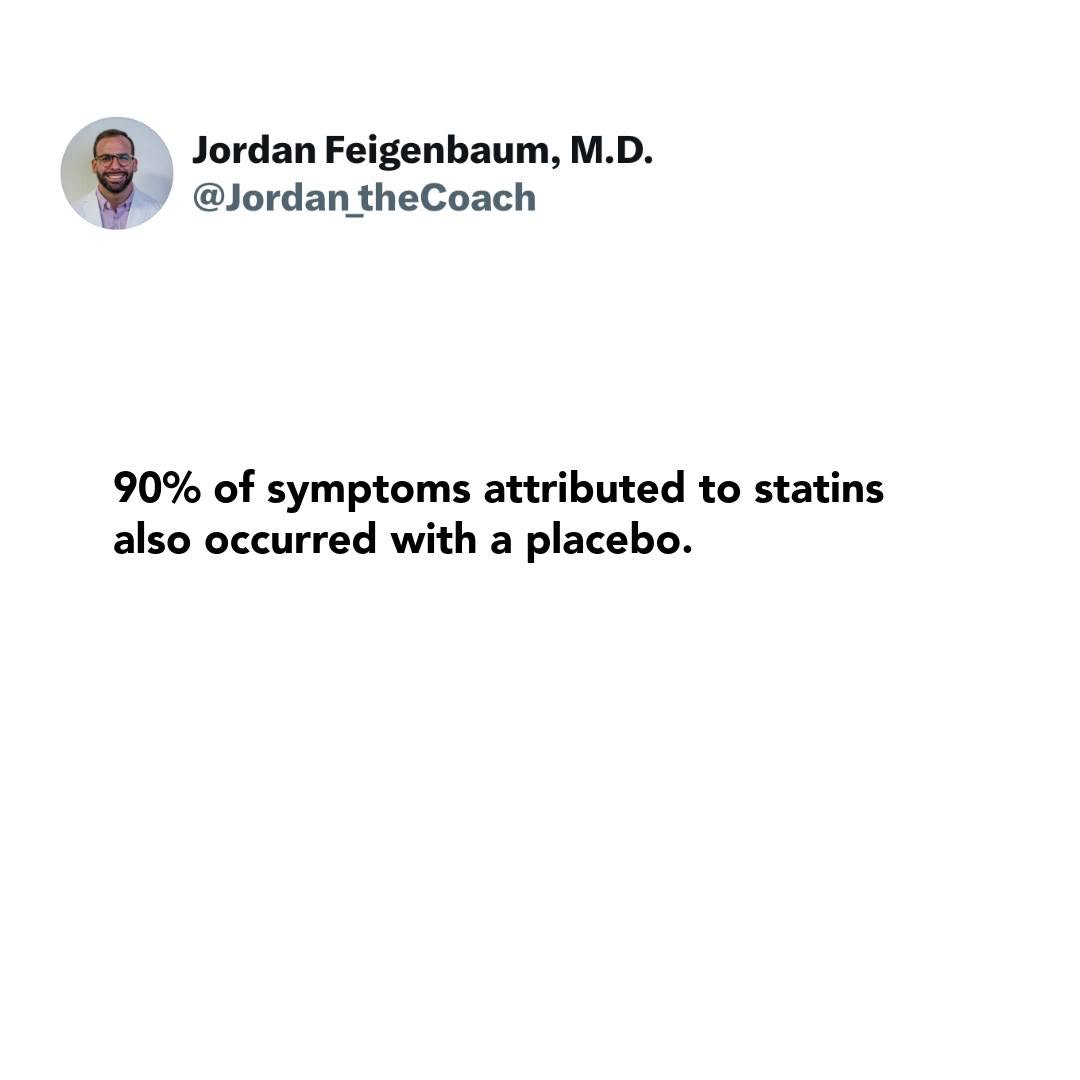
In the SAMSON trial, 60 patients took statins, placebo, and nothing in rotating periods and rated their symptoms throughout. Ninety percent of the symptom burden attributed to statins also occurred on placebo; ten percent was pharmacological.

In the ASCOT data, side effect reports jumped 41% when patients learned they were on statins rather than placebo. The expectation of side effects produces them.

This is the nocebo effect. The muscle aches and fatigue are real, generated by the brain in response to the expectation of harm rather than the drug's chemistry. Patients who stop a statin because of these symptoms cannot distinguish a pharmacological effect from an expectation effect, because from the inside they feel identical.

Reported muscle symptoms on statins range from 1% to 25% depending on definition. SAMSON puts the pharmacological contribution at roughly 10%. Actual muscle damage, confirmed by objective testing, is rarer still.

Millions of people have stopped a medication with documented cardiovascular mortality benefit because of symptoms that are real but not drug-caused.

Today's video covers the SAMSON data, the nocebo research, and what the evidence says about managing statin intolerance in practice. Linked in comments.

Have you stopped a statin, or had a patient stop one, because of side effects?

No photo description available.
← newer: Up to 90% of statin side effects occur on placebo too (SAMSOolder: D2d: vitamin D did not prevent diabetes overall, but cut ris →