The idea that nuts are bad for people with heart disease is also a blatant lie
The chief promoter of this lie is Caldwell Esselstyn. Just like his claim that extra virgin olive oil impairs endothelial function and causes heart disease, his claim that nuts harm people with CVD is also patently false: ↪ One 50 mL dose of high-polyphenol EVOO improved endothelial function vs refined olive oil.
There is now a consensus in both academic cardiology and academic nutrition that nuts are protective against CVD.
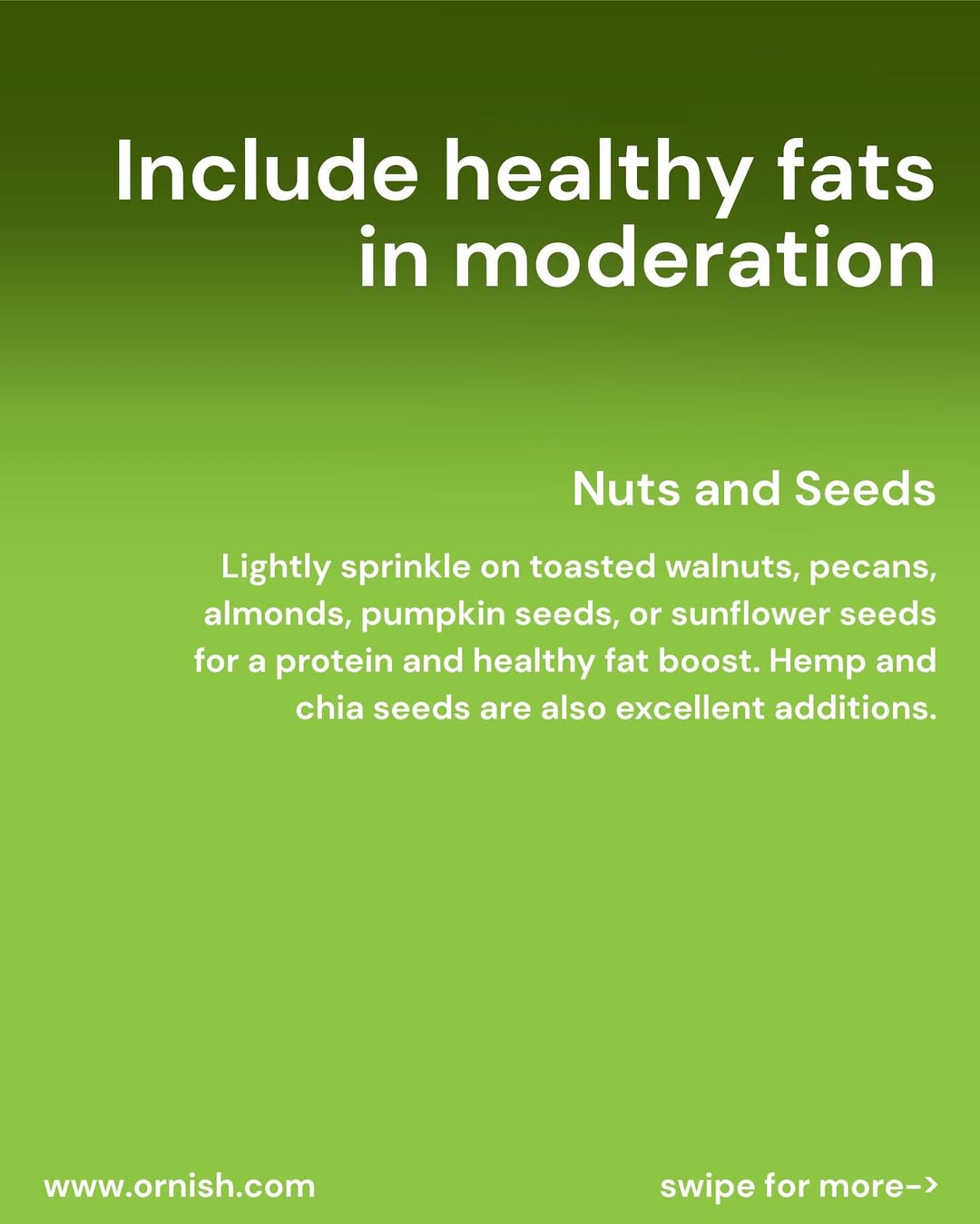
Ironically, one of the best articles I have ever read on why nuts are GOOD for people with heart disease was written by Dean Ornish. For years, Ornish argued that nuts should be avoided because of their high fat content. He has completely changed his view on this, in light of the strong evidence that nuts protect against CVD. As Ornish describes in his article below, this evidence comes from both large randomized trials and long-running prospective cohort studies. I suggest that you read Ornish’s article for yourself.
The Ornish program to reverse heart disease now allows nut and seed consumption.
They changed their former ultra low fat position because of the strong evidence that nuts and seeds protect against CVD.
Quoted from the Ornish website:
“The Dr. Dean Ornish’s Program for Reversing Heart Disease now allows a limited amount of select nuts and seeds. The reason for this change is because in the last decade a lot of research has focused on the influence of eating nuts and seeds on our health. Both epidemiological studies and clinical trials have shown impressive evidence that nut consumption is associated with cardiovascular health and the reduction of major chronic diseases such as type 2 diabetes.
Consuming nuts and seeds correlates with a consistent 30-50% lower risk of cardiovascular disease.
Several of the largest cohort studies, including the Adventist Study, the Iowa Women’s Health Study, the Nurses’ Health Study, and the Physicians’ Health Study have shown that consuming nuts and seeds correlates with a consistent 30-50% lower risk of cardiovascular disease (CVD), myocardial infarction, sudden cardiac death, and stroke. Decreased cholesterol has also been associated with eating nuts.”
“The PREDIMED study, a 5 year randomized control study that was published in 2013 in the New England Journal of Medicine, tracked 7216 patients who were all at high risk of heart disease.”
“The most relevant findings after the five-year study was that the group that included nuts cut their incidence of stroke in half. The results also showed the increased frequency of nut consumption was associated with a reduced risk of mortality.”
“A 2015 meta-analysis of 61 controlled intervention trials also investigated the effects of nuts, including walnuts, almonds, pistachios, pecans, and cashews on cholesterol, blood pressure, apolipoprotein B (ApoB), and inflammation (C-reactive protein). The study found that nut intake lowered total cholesterol, LDL, and triglycerides. Another pooled analysis published in JAMA in 2010, looked at 25 intervention studies examining the effects of nut consumption on cholesterol levels. The study concluded that nut consumption decreased blood cholesterol (LDL) levels.”
“There is also considerable research showing the benefits of nut consumption on the reduction of inflammation and LDL oxidation that leads to plaque development, metabolic syndrome, diabetes, and other related metabolic disturbances and biomarkers for disease risk.”
#ornishHD #nutsHD #seedsHD