I have nothing against the Esselstyn diet. I think it is a very healthy diet.
But the evidence that Esselstyn has published supporting it is nothing more than a collection of anecdotes. This is why most cardiologists won’t recommend it… even though they won’t outright discourage it either. Case-based observational studies like Esselstyn has published are at the bottom of the evidence hierarchy in medicine:
↪ Check where a study sits on the evidence hierarchy before citing it
All of Esselstyn’s patients in his published case-based observational studies were heavily medicated, and the vast majority were taking statins. Esselstyn himself has admitted that much of the benefit came from the medications, especially the statins. You can read it in his own words here:
↪ Esselstyn's reversal results paired a plant-based diet with lipid drugs, mostly statins
Esselstyn has never run a randomized controlled trial to test his diet properly.
Funding for such a trial is not an issue. His family has a thriving business promoting the diet that provides them with a nice stream of income. They could easily use some of that money to fund an RCT to test how well the diet really works. But they have repeatedly chosen not to. Ask yourself why? They have had no trouble raising money for documentaries like Forks over Knives and other projects to promote the diet. That money would have been much better spent by running a proper RCT. There are also rich and famous people on this diet that could easily help raise money for such an RCT (e.g. Bill Clinton) if Esselstyn really wanted to run one. He clearly does not.
At least Ornish did run a proper RCT. Ornish’s results were good, but no better than the big trials on the traditional Mediterranean diet:
↪ Ornish trial: lifestyle program cut cardiac events, but plant-based diet was not a cure
↪ Meta-analysis of 4 Mediterranean diet RCTs: MACE down 48%, CVD death down 46%
You can read more about the results from the individual randomized controlled trials below:
Lyon Heart Study:
facebook.com/share/p/K3ryR8pPoaDqGbcB
PREDIMED:
facebook.com/share/p/D3NaRVbTaPwtzoD8
facebook.com/share/p/woK18Xkmce4e3TY7
facebook.com/share/p/AAkLnZgkWU1KTp7P
CORDIOPREV:
facebook.com/share/p/aBV3aCZ9a6VR95JY
The Esselstyn diet is healthy, but it likely doesn’t work any better than a traditional Mediterranean diet in combination with optimal use of medication.
All you have to do is join the multiple Esselstyn groups on Facebook to see that many patients on the Esselsyn diet still see their heart disease progress, especially if they refuse medication.
Esselstyn cherry picks the best cases when he talks about his diet, and pretends that the failures don’t exist. Every time there is a failure, he claims that the patient was “non-compliant”. This just isn’t true. Some of the patients in these Facebook groups follow the Esselstyn diet religiously and still fail.
Esselstyn also promotes all kinds of pseudoscientific nonsense about olive oil and nuts/seeds, and promotes high consumption of white potatoes which many studies have shown likely cause heart disease and diabetes.
facebook.com/share/v/17QT6Fzh4D
↪ Olive oil's brief FMD dip resembles exercise's transient, hormetic endothelial effect
↪ Harvard: white potatoes act like refined starch, tied to weight gain and diabetes
↪ Willett: refined starch and sugar (~40% of US calories) drive heart disease and diabetes
Virtually everyone in cardiology and academic nutrition thinks that what Esselstyn says about olive oil and nuts causing heart disease is nonsense— the best evidence shows the exact opposite of what he claims.
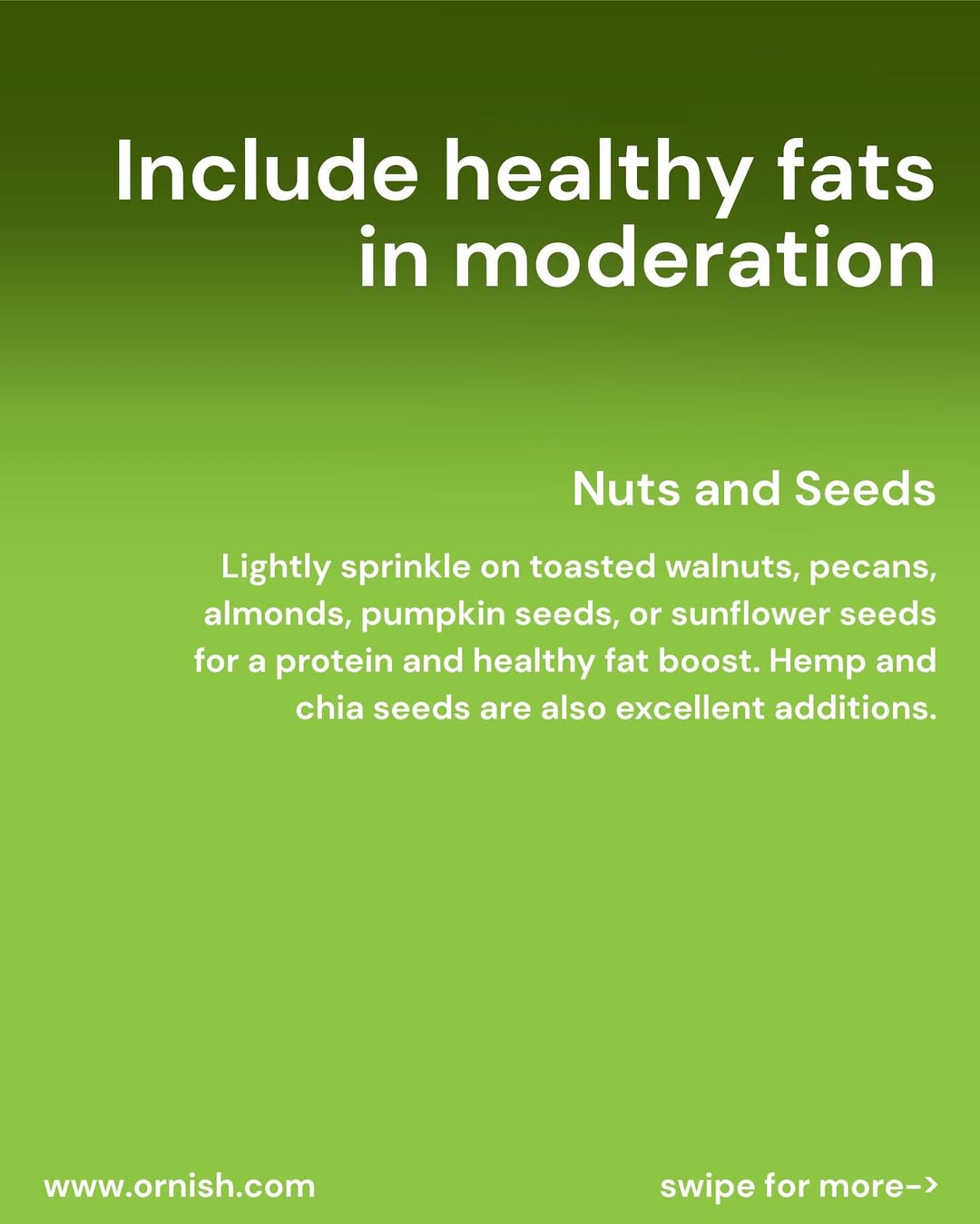
Even Ornish now recommends consumption of nuts and seeds because the evidence is so strong that they protect against heart disease.
↪ Ornish program now allows nuts and seeds, citing 30-50% lower CVD risk and PREDIMED