Statins and Diabetes
In randomized controlled trials lasting around 5 years, statins increase the relative risk of developing new-onset type 2 diabetes by about 9% to 12%.
The exact increase is dependent on the dosage and intensity of the statin, with very high-intensity regimens pushing the relative risk upward to around 20% to 36%.
Paper · Lancet Diabetes & EndocrinologyLancet Diabetes & Endocrinology articlethelancet.com ctsu.ox.ac.ukStatins can cause a small increase in blood sugar levels so people at high risk may develop diabetes soonerctsu.ox.ac.uk ▶Video · YouTube · NEJM GroupPodcast 117: Atorvastatin and new-onset diabetesStatins, according to a 2010 meta-analysis in Lancet, are associated with a slightly increased risk for new-onset type 2 diabetes. One, atorvastatin (marketed as Lipitor), was underrepresented in that analysis. Researchers, along with the manufacturer, decided to have a look at data from three trials to see whether atorvastatin also conferred that risk.…m.youtube.com
Paper · Front Endocrinol (Lausanne) · 2023Statins and risk of type 2 diabetes: mechanism and clinical implications.Statins are widely used to prevent cardiovascular disease events. Cardiovascular diseases and type 2 diabetes are tightly connected since type 2 diabetes is a major risk factor for cardiovascular diseases. Additionally, cardiovascular diseases often precede the development of type 2 diabetes. These two diseases have common genetic and environmental antecedents. Statins are effective in the lowering of cardiovascular…pmc.ncbi.nlm.nih.gov
Spoiler alert: These numbers are correct. But I purposely stated them in the scariest way possible, to make a point.
What do these numbers actually mean?
Let’s walk through some examples…
If your risk of developing diabetes in the next 5 years is about 1 in 1000, then it means that your risk increases to about 1.12 in 1000.
If you are on very high intensity statins, then it increases to as much as 1.36 in 1000.
This is tiny!
But if you are right on the verge of developing diabetes anyway, then it can push you over the edge.
Say your risk of developing diabetes in the next 5 years is 1 in 2.
Now your risk goes up to 1.12 in 2, or as high as 1.36 in 2 on very high intensity dosing.
This can be enough to nudge you over the official diagnostic threshold.
The point is that people at low risk for diabetes see no appreciable increase in risk from statins.
But people at very high risk of developing diabetes can see enough of an increase in risk to push them over the edge. These people were likely going to develop diabetes anyway. The statin causes it to happen a little bit sooner than it would have otherwise.
Extensive clinical data and major meta-analyses of randomized trials backs this up:
- The Absolute Risk: Over a 5-year treatment period, this elevated risk translates to only about 1 extra case of diabetes per 1,000 patients treated.
- Who is Affected: The risk is almost entirely concentrated in individuals who already have pre-existing diabetes risk factors (e.g., metabolic syndrome, high baseline glucose, obesity). Patients without these risk factors generally show no increased risk of diabetes at all.
 GOV.UKStatins: risk of hyperglycaemia and diabetesStatin use may be associated with a level of hyperglycaemia in some patients where formal diabetes care is appropriate.gov.uk
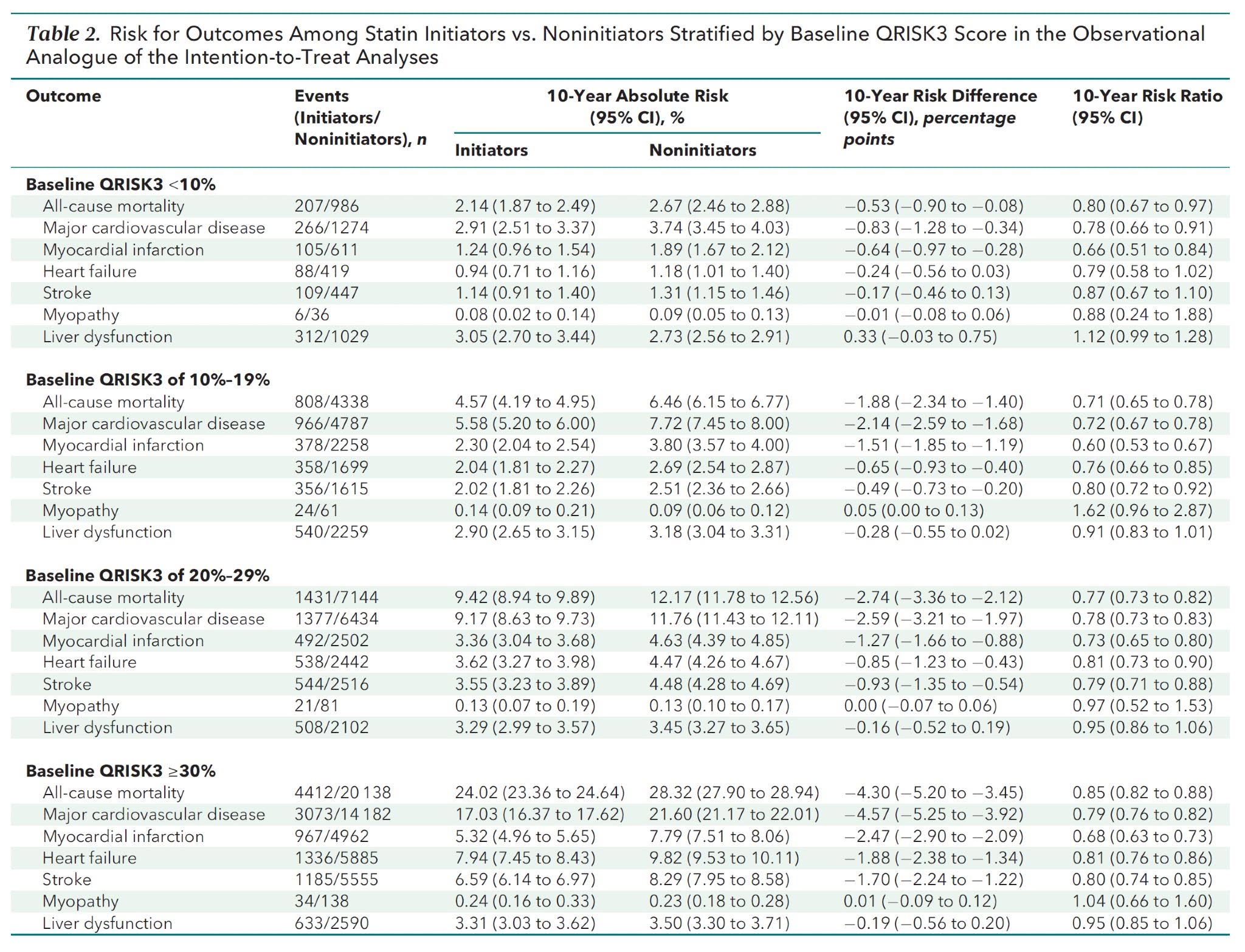
- The Net Benefit: The same 5-year statin treatment prevents approximately 11 major cardiovascular events (such as heart attacks and strokes) per 1,000 patients. Compare that to the 1 extra case of diabetes per 1000 patients.
The bottomline is that the small increased risk of new-onset diabetes is considered clinically minor compared to the major cardiovascular benefits that statins provide.