Low LDL and Cancer
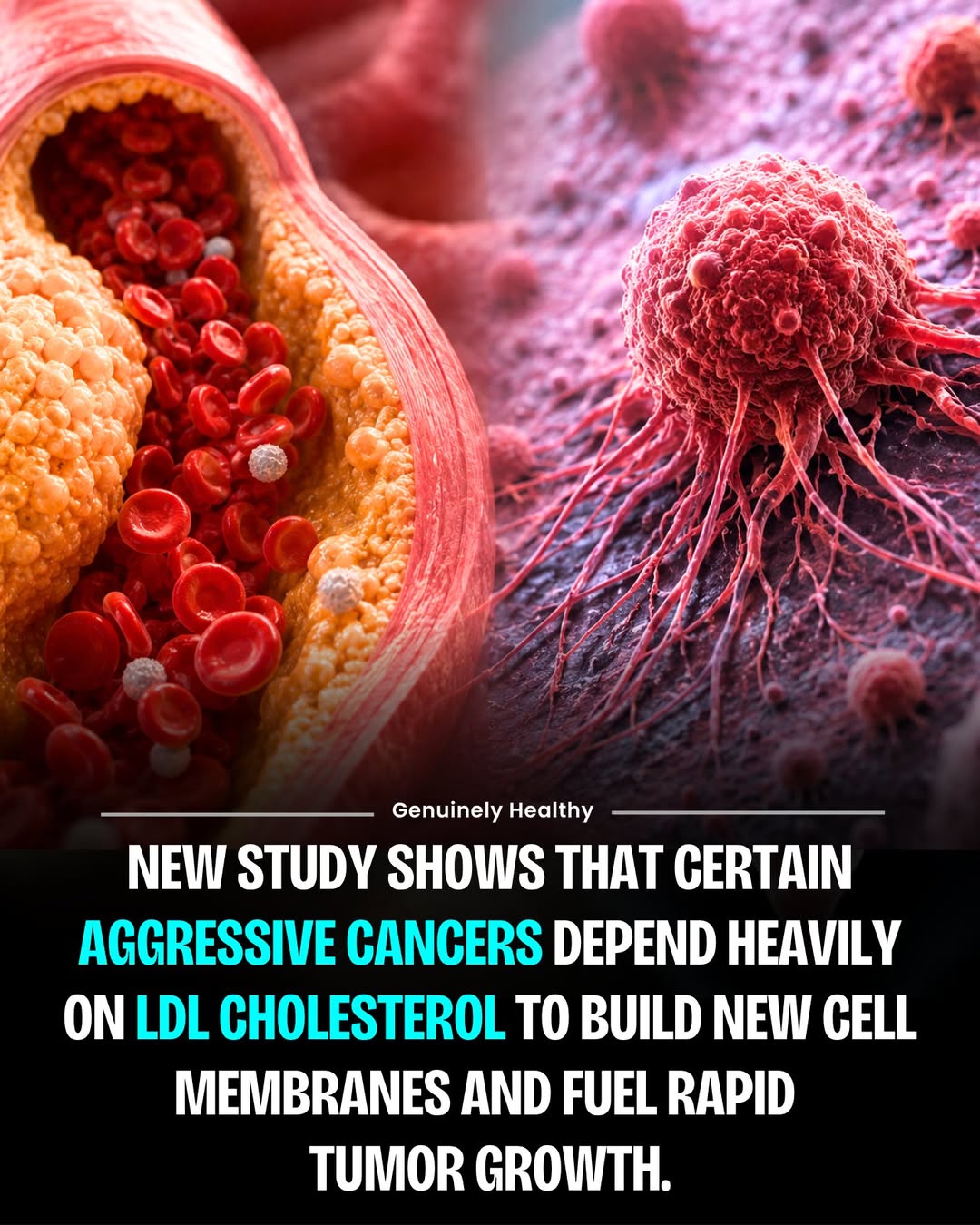
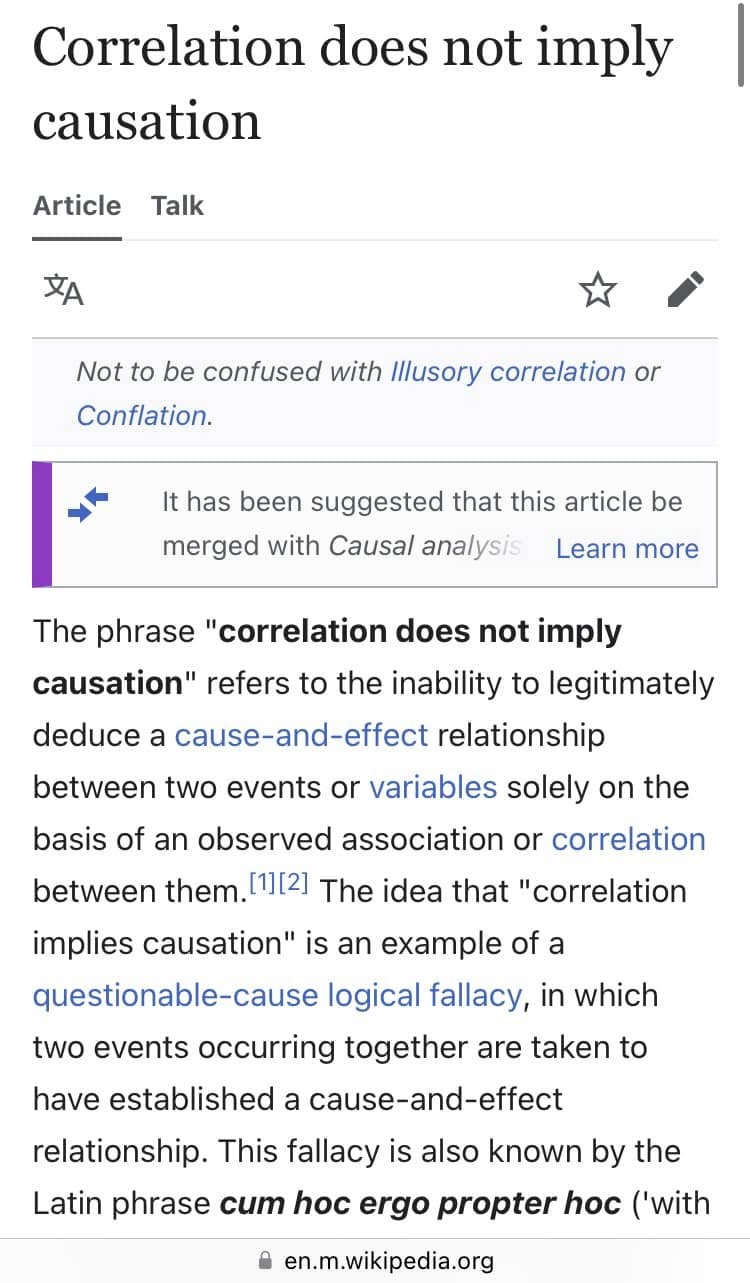
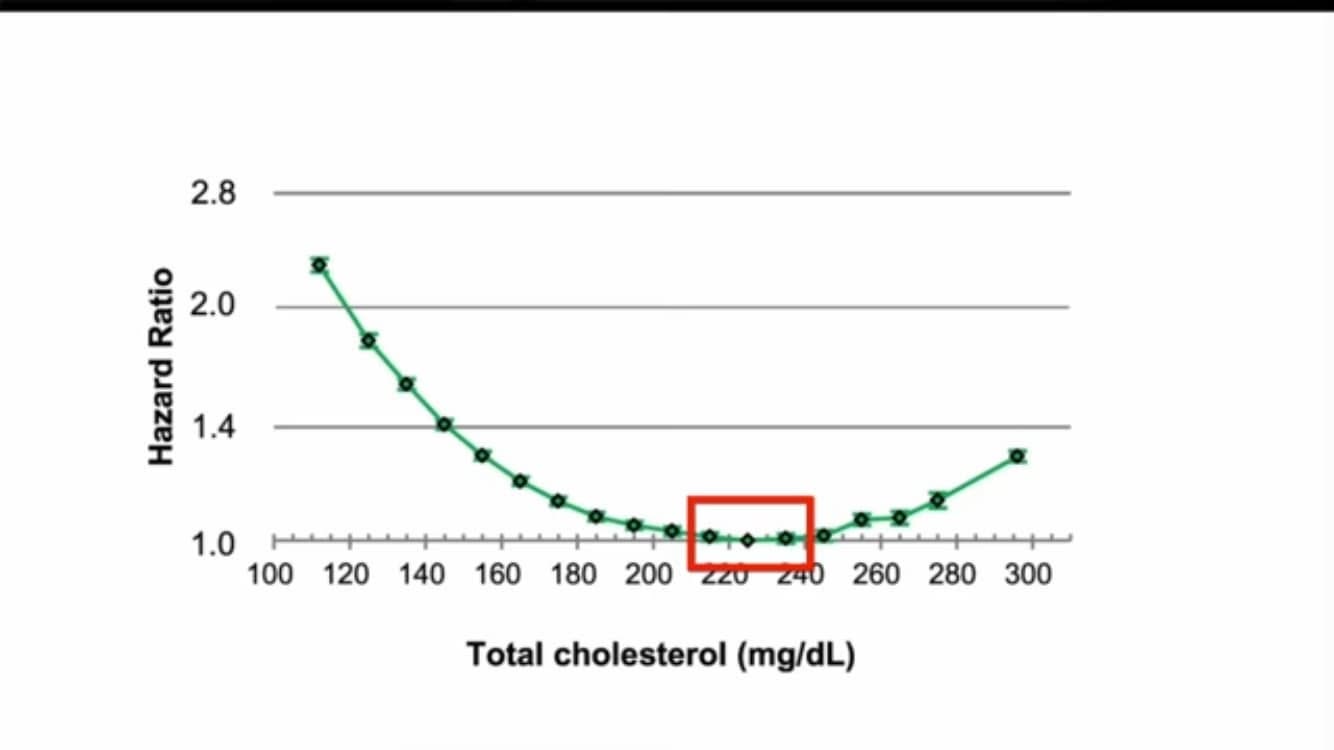
Observational studies historically linked low LDL cholesterol to an increased cancer risk. However, modern Mendelian Randomization (MR) studies—which use genetic variants as lifelong proxies—have largely debunked this. They confirm that genetically lowered LDL does not increase cancer risk, and in some contexts, it can even be protective.
The relationship between LDL-C and cancer, as evaluated by MR methodologies, reveals several specific nuances:
- Overall Cancer Risk: When looking at total cancer incidence across large cohorts, genetically-predicted LDL cholesterol levels (and gene variants that mimic lipid-lowering drugs like statins) show no significant causal association with overall cancer risk.
 eLifeStatins may reduce cancer risk through mechanisms separate to cholesterolNew findings suggest the potential use of statins for cancer prevention should be “urgently evaluated”.elifesciences.org
- Breast and Prostate Cancers: Large-scale MR studies (utilizing targets like HMGCR and PCSK9) have actually found that genetically raised LDL-C is causally associated with an increased risk of breast and prostate cancers.
- Colorectal Cancer: Genetic proxies for statins (HMGCR) have been found to significantly decrease the risk of colorectal cancer. However, the data can be gene-specific; some variants mimicking other drug targets (like PCSK9) have shown distinct, often site-specific variations.
- Endometrial Cancer: MR studies have found that genetically increased LDL cholesterol is associated with a lower risk of endometrial cancer across all primary histologies.
Why the Disconnect?
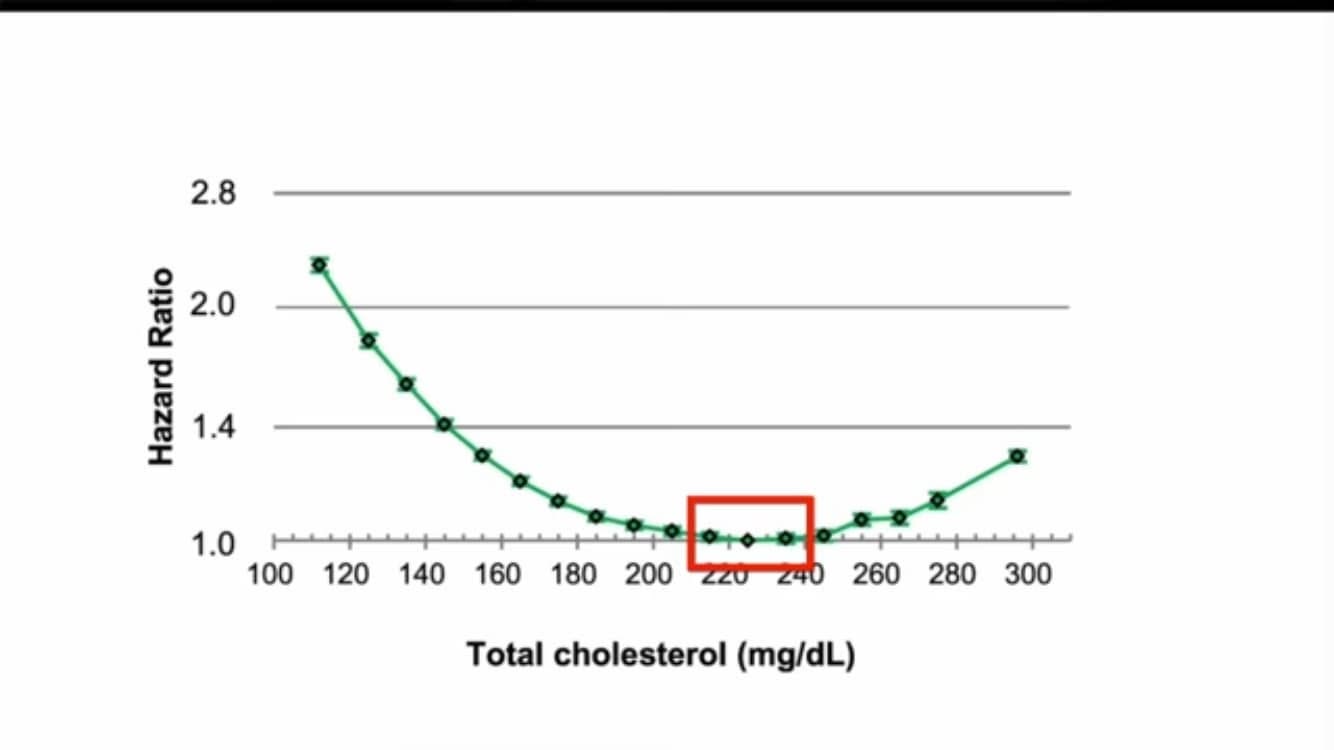
The reason genetically decreased LDL does not cause cancer is that the low LDL levels seen in observational studies are often the consequence of undiagnosed, preclinical cancer, rather than the cause of it (reverse causality). When MR studies remove this reverse causality, researchers find that lifelong low LDL-C is perfectly safe regarding cancer.
 GlobalRPHLDL Targets Below 40 mg/dL: How Low Is Too Low in 2026?LDL Targets Below 40 mg/dL: How Low Is Too Low in 2026? Abstract PurposeThis paper evaluates the current evidence supporting the use of very lowlow density lipoprotein (LDL) cholesterol targetsbelow 40 mg per deciliter in contemporary cardiovascular practice and examines whether the benefits of aggressive lipid lowering outweigh potential risks as of 2026.…globalrph.com
Paper · J Lipids · 2021Lipoproteins as Markers for Monitoring Cancer Progression.Lipoproteins are among the contributors of energy for the survival of cancer cells. Studies indicate there are complex functions and metabolism of lipoproteins in cancer. The current review is aimed at providing updates from studies related to the monitoring of lipoproteins in different types of cancer. This had led to numerous clinical and experimental studies. The review covers the major lipoproteins such as LDL…pmc.ncbi.nlm.nih.gov
Paper · Cancer Epidemiol Biomarkers Prev · 2018Causal Inference in Cancer Epidemiology: What Is the Role of Mendelian Randomization?Observational epidemiologic studies are prone to confounding, measurement error, and reverse causation, undermining robust causal inference. Mendelian randomization (MR) uses genetic variants to proxy modifiable exposures to generate more reliable estimates of the causal effects of these exposures on diseases and their outcomes. MR has seen widespread adoption within cardio-metabolic epidemiology, but also holds…pmc.ncbi.nlm.nih.gov
#ldlHD #cancerHD #ldlcancerHD #statinscancerHD #ushapedcurveHD #lowldlHD #reversecausalityHD