Pharmacologist Louis Ignarro won the 1998 Nobel Prize in Physiology or Medicine.
He was awarded the prize for:
- Discovering that nitric oxide (NO) acts as a signaling molecule in the cardiovascular system.
- Uncovering an entirely new mechanism by which blood vessels in the body relax, widen, and regulate blood flow.
- Proving for the first time that a gas can act as a signaling molecule in living organisms.
#nitricoxideHD #mouthwash #nitratesHD #nitritesHD #vegetablesHD #louisignarroHD
Most people think nitric oxide production begins in the heart or blood vessels.
In reality, part of that process begins in your mouth.
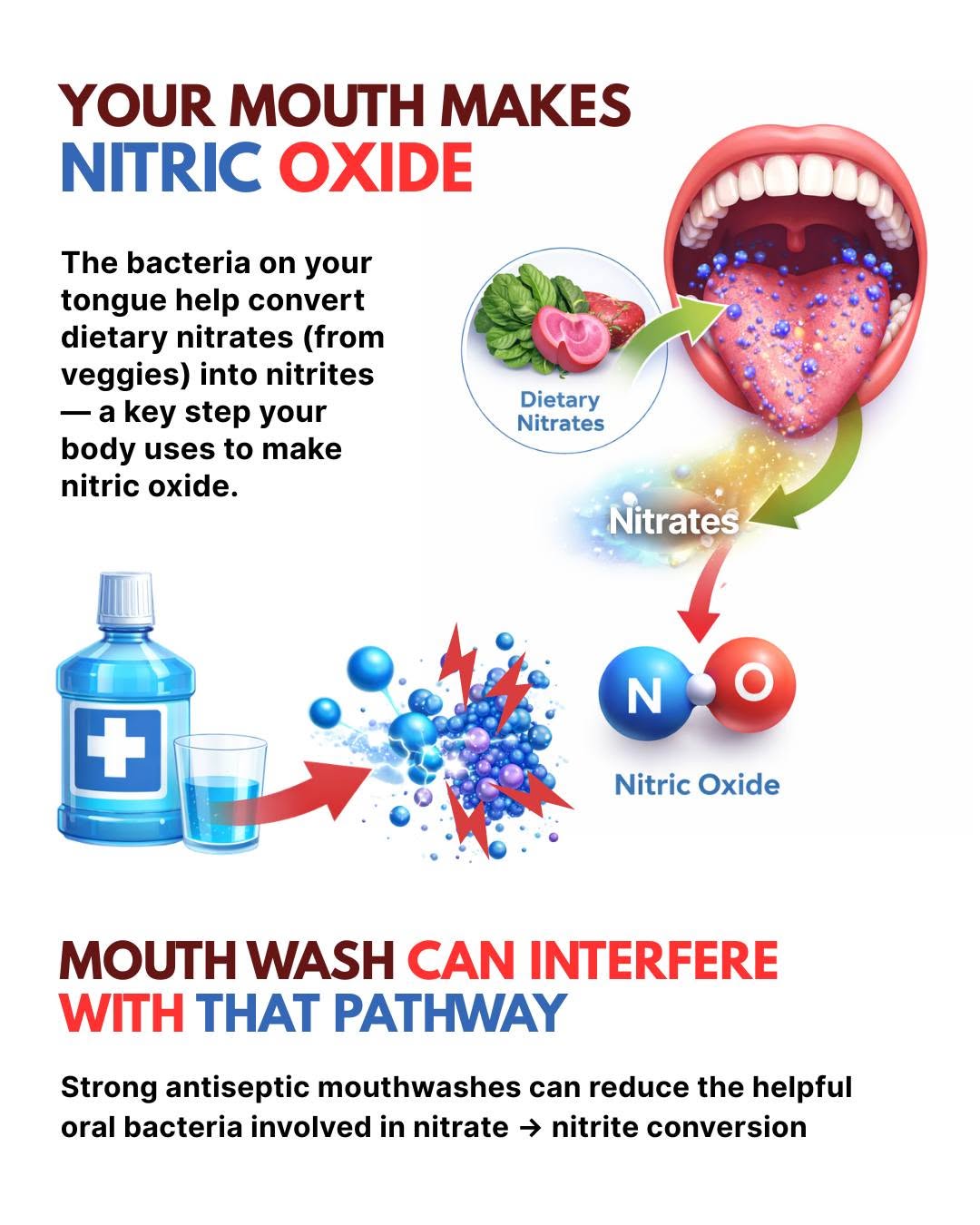
When you eat nitrate-rich vegetables — like spinach, arugula, or beets — beneficial bacteria on your tongue help convert those dietary nitrates into nitrites. That conversion is a key step your body uses to ultimately produce nitric oxide.
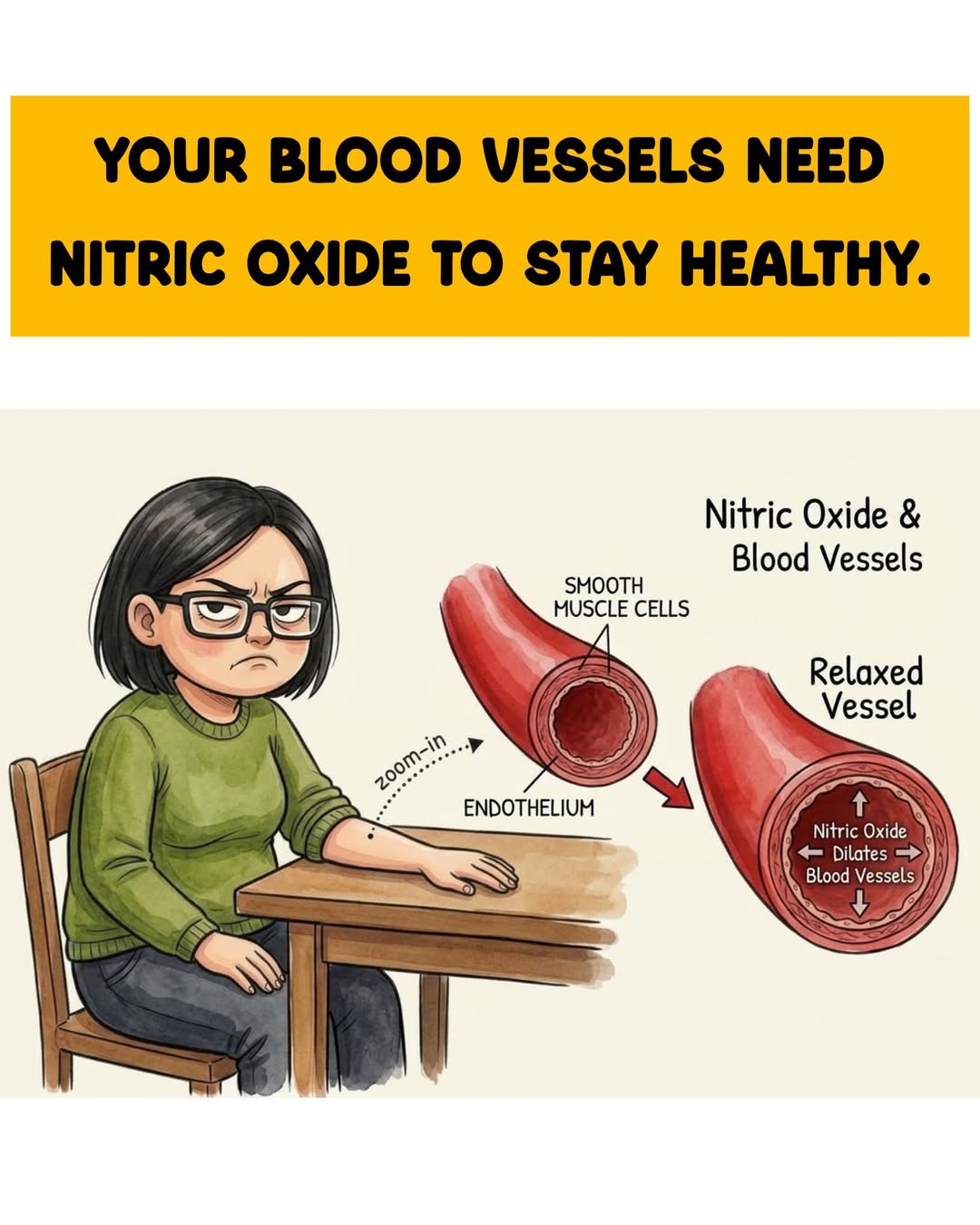
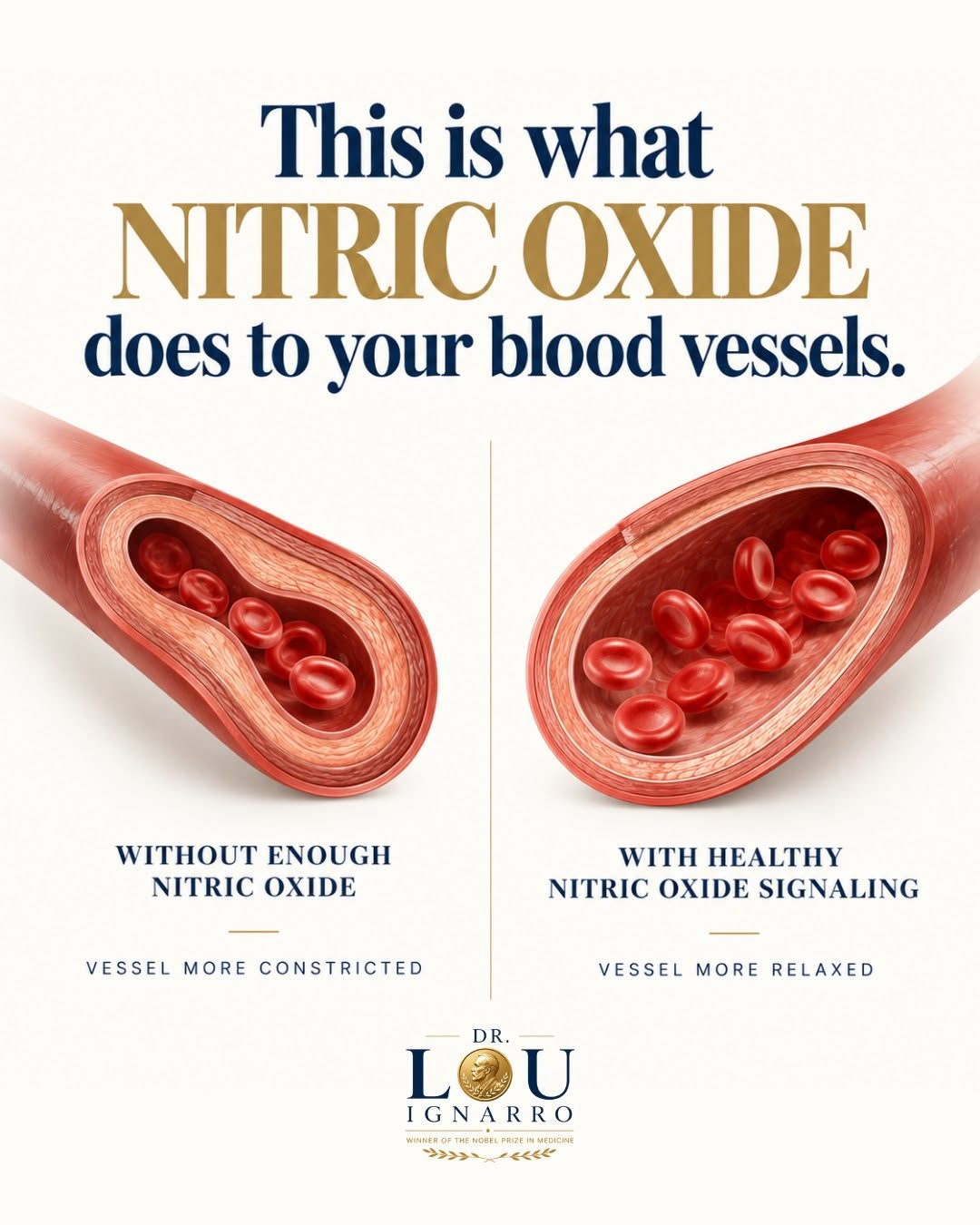
Nitric oxide then supports circulation, vascular flexibility, and healthy blood flow throughout the body.
But here’s the nuance.
Strong antiseptic mouthwashes don’t distinguish between harmful bacteria and beneficial bacteria. Overuse can reduce the very microbes involved in nitrate → nitrite conversion — potentially interfering with this natural pathway.
This doesn’t mean avoiding oral hygiene. It means being thoughtful.
Practical approach:
✅ Brush and floss regularly
✅ Use strong antiseptic mouthwashes only when medically necessary
✅ Include nitrate-rich vegetables in your daily diet
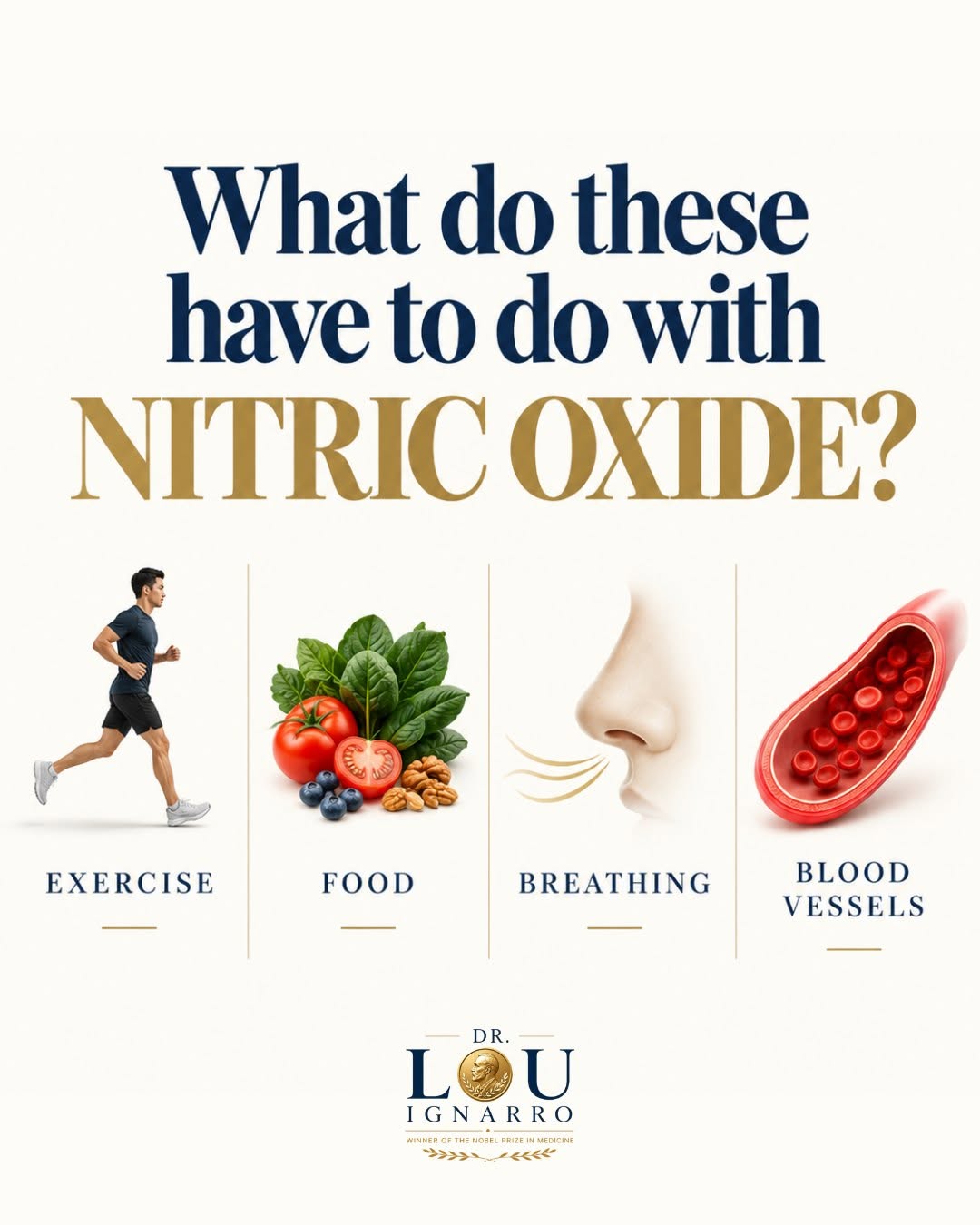
✅ Stay physically active to support vascular health
Science is often about small details that have meaningful ripple effects.
Your body already has elegant systems in place. Sometimes the best strategy is to support them — not disrupt them.
#NitricOxide #HeartHealth #VascularHealth