Hibiscus increases NO and lowers BP
*(I drink 1-2 mugs of hibiscus tea and green tea brewed together everyday fairly religiously. EGCG in green tea is a well known longevity compound. Hibiscus lowers BP, increases NO, inhibits PI3K/mTor pathway). *
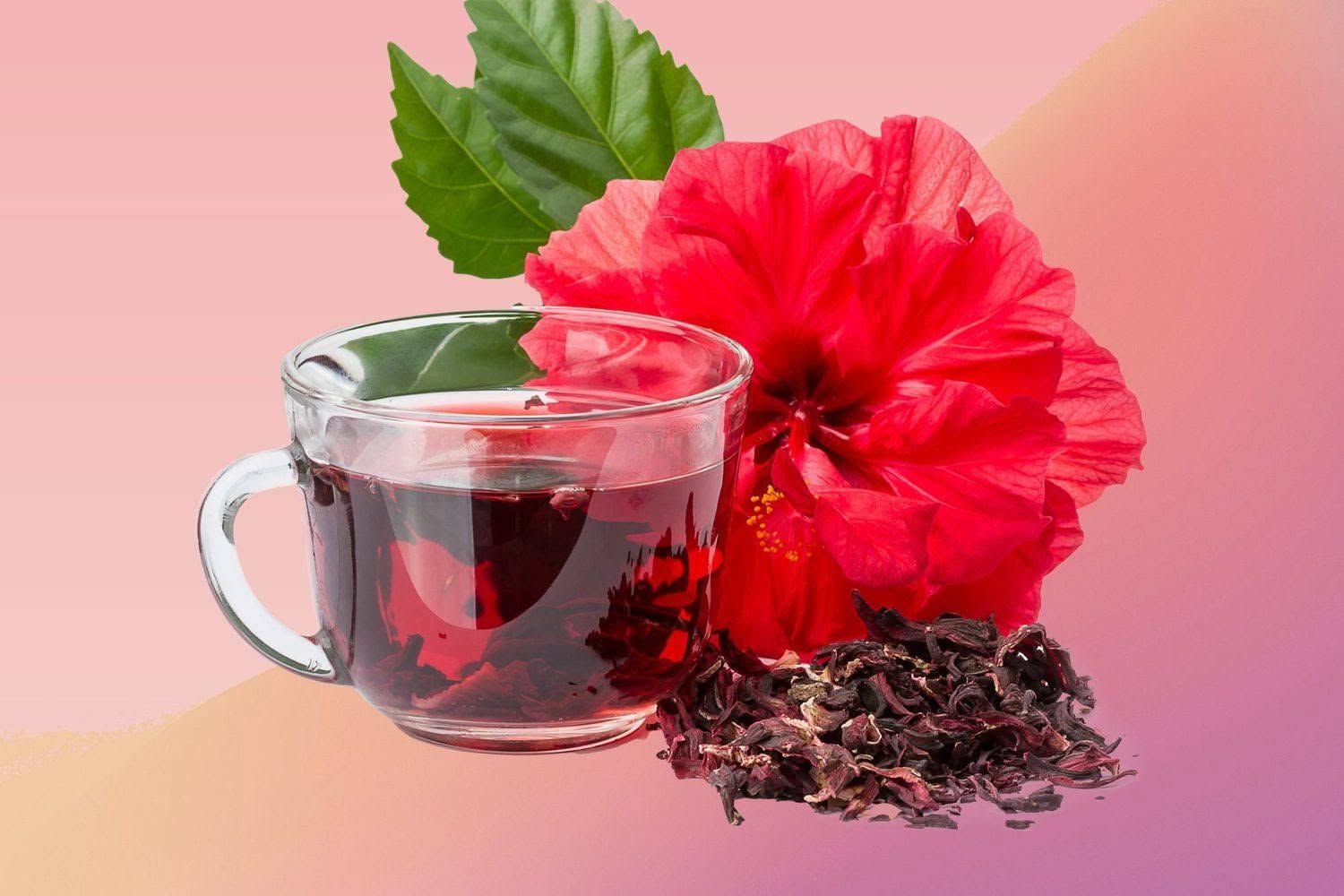
Hibiscus IMPROVES BLOOD FLOW
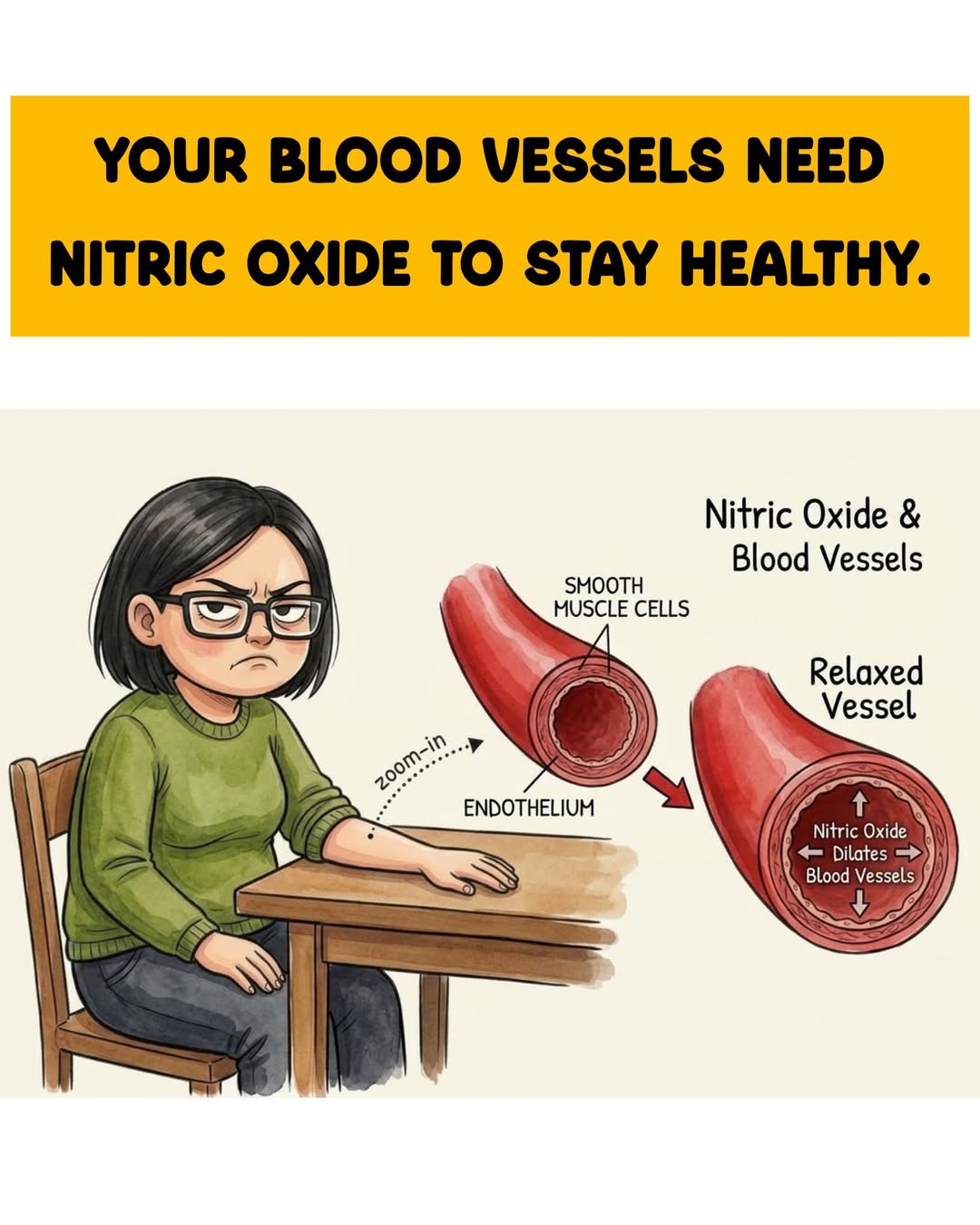
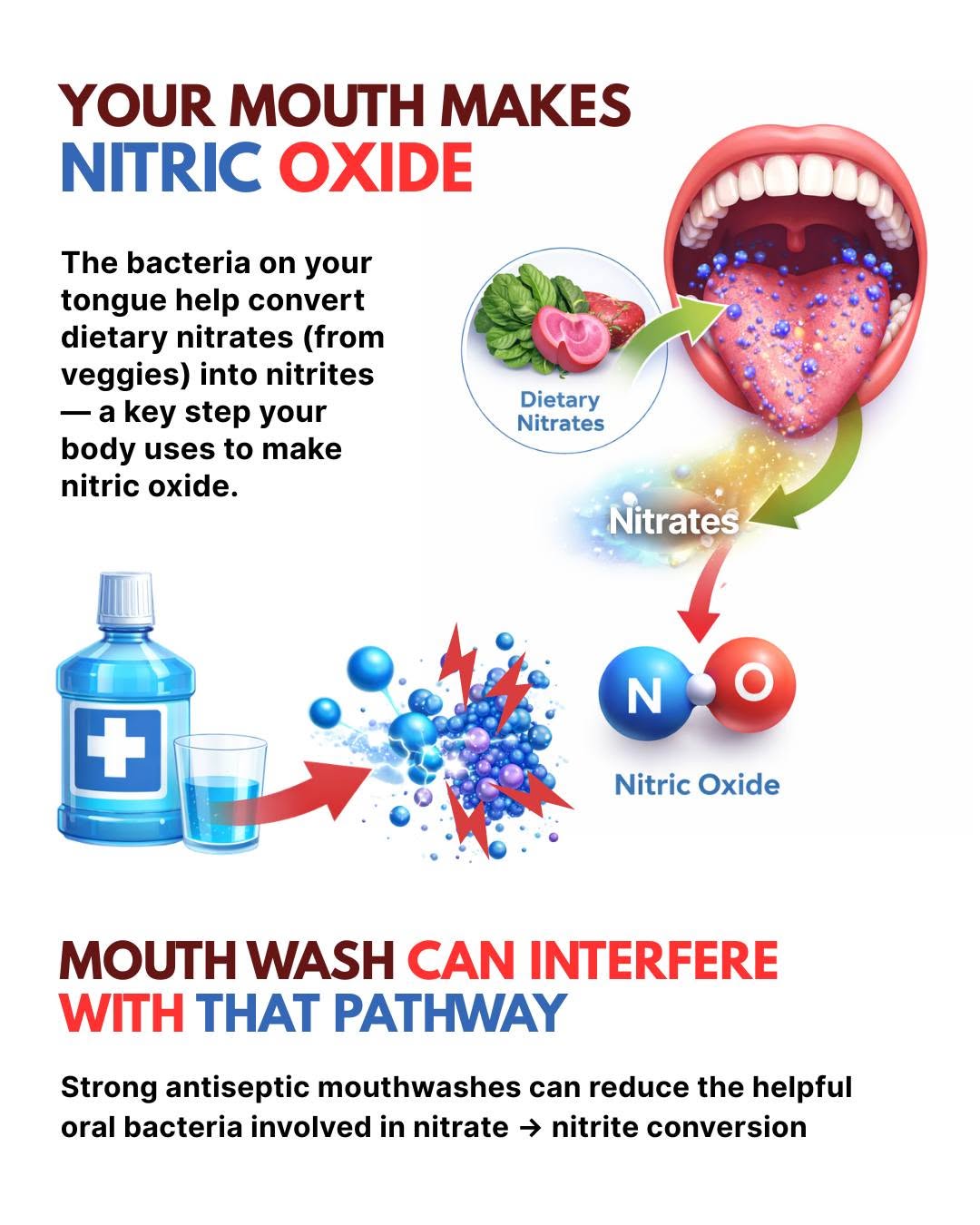
Paper · Nutrients · 2019Acute Effects of Hibiscus Sabdariffa Calyces on Postprandial Blood Pressure, Vascular Function, Blood Lipids, Biomarkers of Insulin Resistance and Inflammation in Humans.Conclusion: The extract of HSC improved postprandial vascular function and may be a useful dietary strategy to reduce endothelial dysfunction and CVD risk, although this requires confirmation.ncbi.nlm.nih.govConsumption of hibiscus extract increased plasma total nitrites/nitrates relative to baseline over 4 hours (significant effect, p=0.016). Additionally, urinary nitrates were significantly higher with HSC versus control at 4 hours (p=0.048). This suggests increased nitric oxide production, which vasodilates blood vessels.
Acute hibiscus extract consumption significantly increased flow-mediated dilation (FMD) of the brachial artery by 2.29 percentage points at 2 hours and 2.02 percentage points at 4 hours relative to baseline and water control (p<0.001). This indicates improved vascular endothelial function after HSC consumption.
Plasma total antioxidant capacity was significantly higher in the 0-2 hour period after intake of hibiscus extract relative to control (p=0.026).
HIBISCUS LOWERS BLOOD PRESSURE
 mylongevityjourney.blogspot.comHibiscusHibiscus lowers blood pressure in prehypertensive and mildly hypertensive adults, High in anthocyanins (the pigment that gives them their ...mylongevityjourney.blogspot.com
Seventeen randomized trials were included. Hibiscus exerted stronger effects on systolic BP (−7.10 mmHg ;P = 0.02) than placebo, with the magnitude of reduction greatest in those with elevated BP at baseline. Hibiscus induced reductions to BP similar to that resulting from medication. Hibiscus also significantly lowered levels of low-density lipoprotein compared with other teas and placebo (−6.76 mg/dL; P = 0.05).
HIBISCONE C INHIBITS PI3K
The phosphatidylinositol-3-kinase (PI3K) pathway regulates cellular metabolism and is upregulated in many cancers, making it an attractive chemotherapeutic target. We demonstrate that hibiscone C competitively inhibits PI3K activity in intact cells, slows proliferation, and induces cell death. Inhibited PI3K resulted in +10% mice lifespan in one study.
Paper · Bioorg Med Chem Lett · 2017Inhibition of phosphatidylinositol-3-kinase by the furanosesquiterpenoid hibiscone C.The phosphatidylinositol-3-kinase (PI3K) pathway regulates cellular metabolism and is upregulated in many cancers, making it an attractive chemotherapeutic target. Wortmannin is a potent inhibitor of PI3K; however, its potential as a chemotherapeutic is limited due to its instability, lack of selectivity, and lengthy chemical synthesis. In contrast, hibiscone C, a structurally simpler and less studied member of the…pubmed.ncbi.nlm.nih.gov