🩸Endothelial Health & Nitric Oxide Boosters
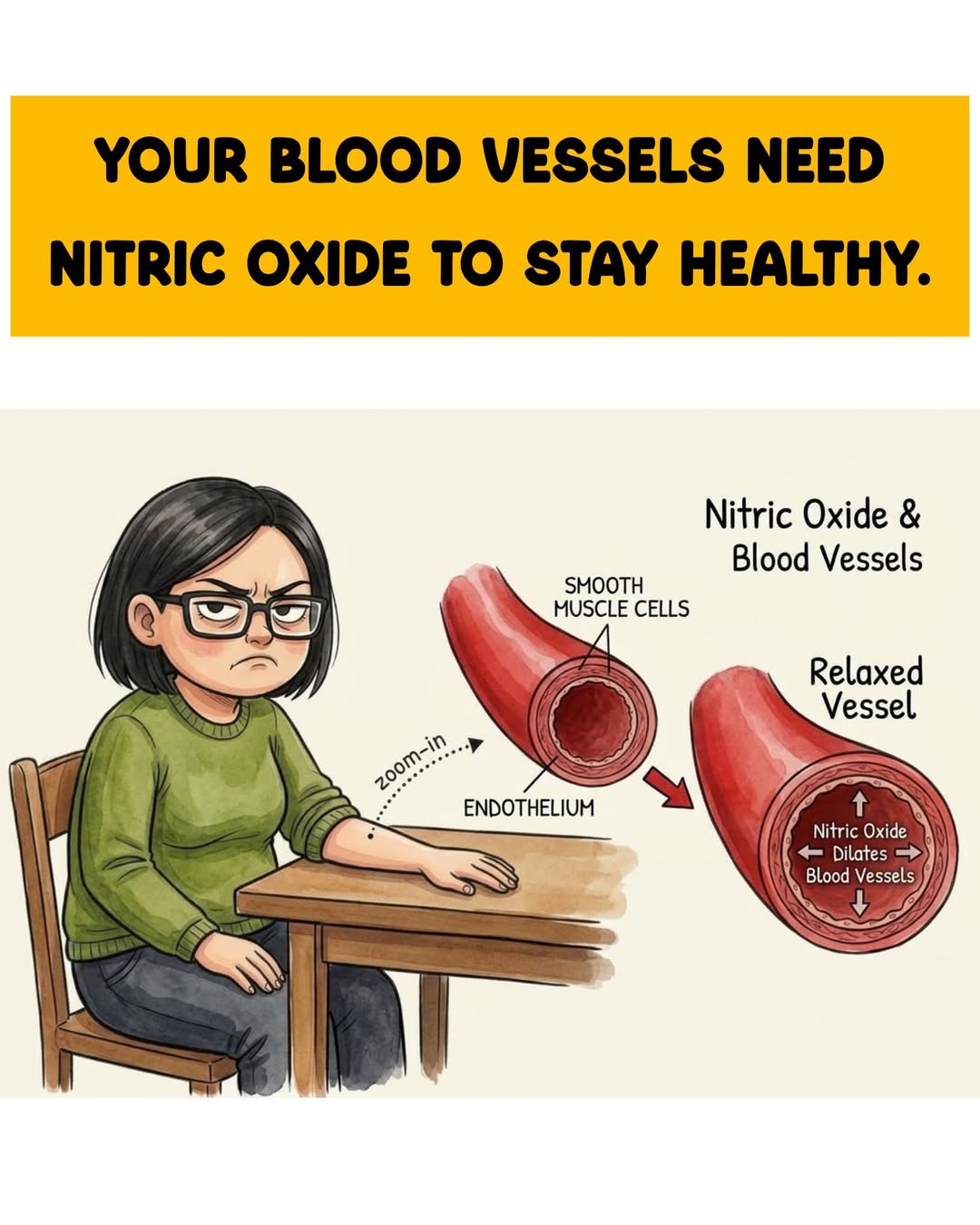
Think of your blood vessels as a living highway. The inner lining—called the endothelium—is not just a passive wall. It constantly senses blood flow and releases signals that help control whether vessels relax, widen, constrict, or become inflamed.
🩸One of its most important signals is Nitric Oxide (NO).
When NO production is healthy, blood vessels can relax more easily, improving blood flow and helping keep blood pressure under control. But factors such as aging, oxidative stress, smoking, poor diet, insulin resistance, and chronic inflammation can impair endothelial function. This is often called endothelial dysfunction.
🩸Where do nitrates fit in?
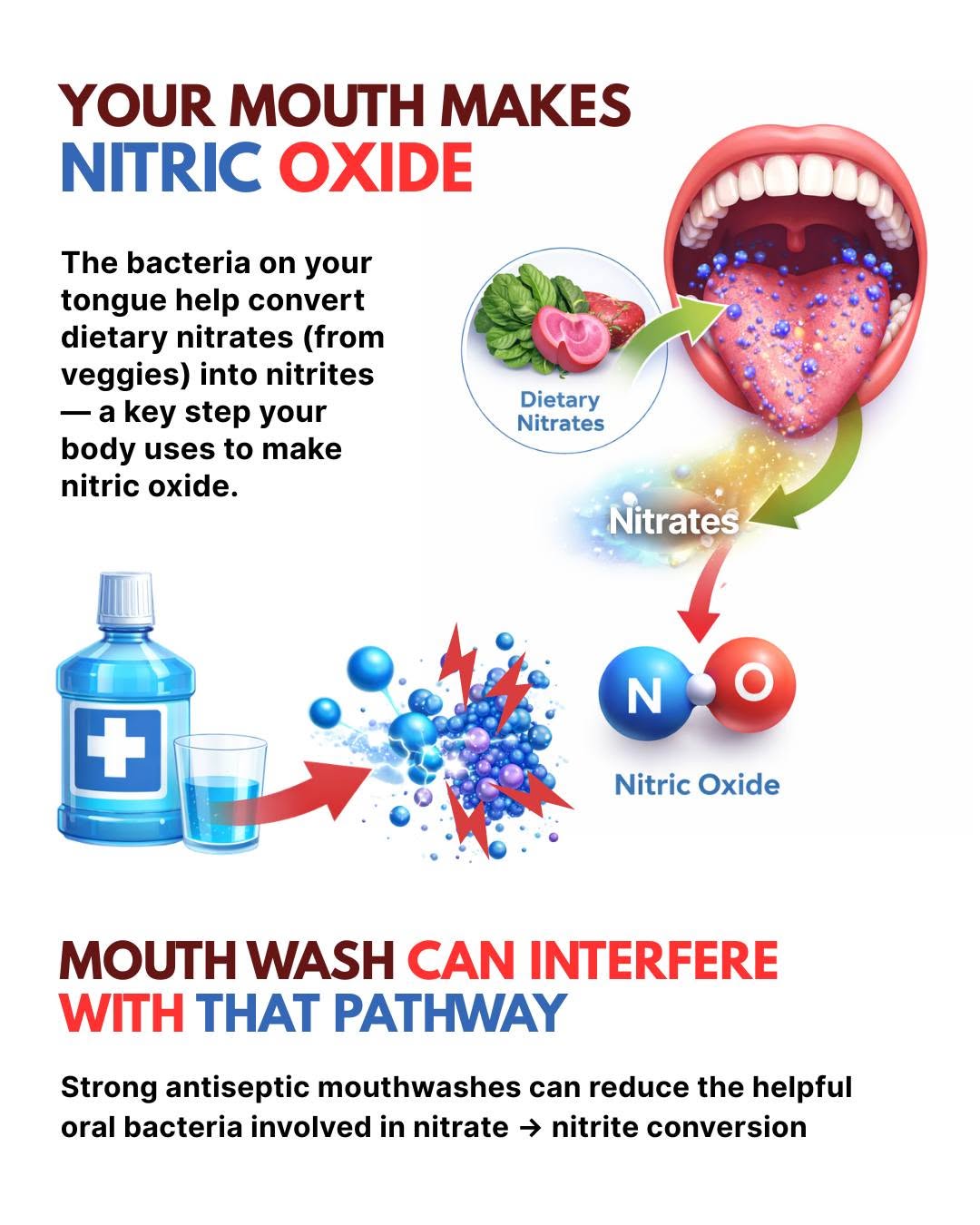
Certain vegetables—especially beetroot, spinach, arugula, lettuce, and other leafy greens—are naturally rich in dietary nitrate.
The body can convert nitrate → nitrite → Nitric Oxide, particularly through the nitrate–nitrite–NO pathway. This provides another route for supporting NO availability beyond the enzyme-based pathway that uses the amino acid L-arginine.
That matters because more available NO can promote vasodilation, meaning the smooth muscle surrounding blood vessels relaxes and the vessels become wider.
🩸A simple way to think about it
Nitrate-rich vegetables → nitrate → nitrite → nitric oxide → blood vessel relaxation → improved vascular function
🩸Research on beetroot and dietary nitrate has found improvements in vascular function and, in some studies, modest reductions in blood pressure—although the response varies between individuals.
———-
The goal is not simply to “boost nitric oxide.” The real goal is to protect the endothelium.
A diet rich in vegetables, fiber, antioxidants, and minimally processed foods—combined with regular physical activity, good sleep, healthy body weight, and avoidance of smoking—creates a much better environment for healthy blood vessels.
———-
💌JBdaily
———-
Study takeaway:
Endothelial health is a key foundation of cardiovascular health. Dietary nitrates from leafy greens and beetroot can support the nitrate–nitrite–NO pathway, helping promote vasodilation and potentially improve blood pressure and vascular function.