HD-OPM Archive
Topics › Sleep, stress & social health

Magnesium plus potassium improved insomnia and sleep hormones in type 2 diabetes

Louis Nervegna · Jul 03, 2026 · ♥ 23 reactions · 8 comments · original Facebook post
Sleep, stress & social healthSupplements & vitaminsInsulin resistance & diabetes
AI summary & key facts

Louis suggests that taking magnesium at bedtime may work better when combined with an equal dose of potassium, especially in people with diabetes. The shared summary describes a 2024 Frontiers in Endocrinology randomized trial in adults with type 2 diabetes and insomnia, where the combination gave the biggest improvements.

If you take magnesium at bedtime to help with sleep, you might get better results by combining it with an equal dose of potassium— especially if you are diabetic.

Link to full study:

Paper · Front Endocrinol (Lausanne) · 2024Effects of magnesium and potassium supplementation on insomnia and sleep hormones in patients with diabetes mellitus.Conclusion: The study revealed that magnesium, potassium, and magnesium and potassium combined had a significant effect on serum cortisol and melatonin levels (sleep hormones). In addition, supplementation significantly decreased the severity of insomnia among patients with diabetes by improving sleep duration.frontiersin.org

#sleepHD #insomniaHD #cortisolHD #magnesiumHD #potassiumHD #melatoninHD
Research cited

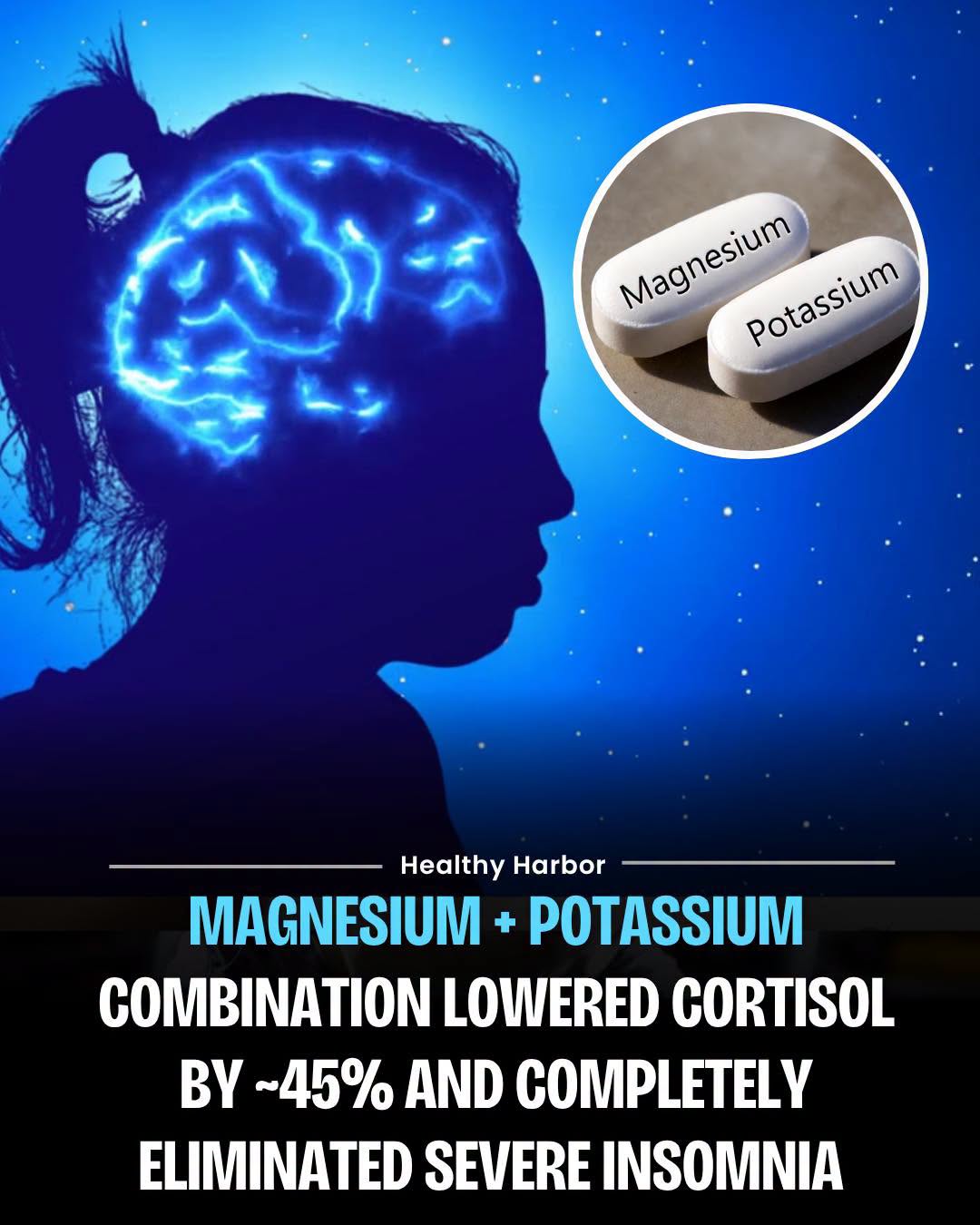
A randomized, single-blind controlled clinical trial published in late 2024 in the medical journal Frontiers in Endocrinology investigated whether magnesium and potassium supplementation could improve insomnia in adults with type 2 diabetes.

The study enrolled 320 participants (290 completed the trial) who were randomly assigned to receive either a placebo, magnesium alone, potassium alone, or a combination of 250 mg magnesium plus 250 mg potassium daily for two months.

The combination group experienced the greatest improvements, with morning cortisol levels decreasing by about 45% (from 41.6 to 22.7 µg/dL), melatonin levels increasing substantially, and severe insomnia, measured using the Insomnia Severity Index (ISI), no longer present among participants by the end of the study. Magnesium-only and potassium-only groups also showed improvements, but the combined supplementation produced the strongest effects.

No photo description available.
← newer: Gel, feed and sweep: why the word 'fiber' on a label says liolder: 90-120 min/week of strength training linked to 13% lower mor →