From the Adventists Heath Study:
Pure vegan diets might modestly raise the risk of certain neurological conditions in elderly people— including dementia, stroke, and Parkinson’s disease— when compared to healthy non-vegetarian diets.
Pesco-vegetarian diets showed the lowest risk of these neurological conditions and the lowest overall death risk in this elderly sub-grouping.
Link to journal paper:
PaperS0002 9165(24)00652 Xajcn.nutrition.orgLink to article on the study:
 Adventist ReviewPesco-vegetarian Diets Best for Reducing Risk of Death in Elderly, Study Saysadventistreview.org
The Seventh-day Adventist Health Study 2 (AHS-2)—which tracked roughly 88,000 individuals over several decades and recorded over 12,000 deaths—occupies a unique and prestigious position in nutritional epidemiology. In most population studies, evaluating the true health effects of a plant-based diet is notoriously difficult due to "healthy user bias." Typically, vegans and vegetarians smoke less, drink less alcohol, exercise more, and possess higher socioeconomic status than the general population. The California Adventists, however, form a unique cohort within a recognized Blue Zone. Because non-vegetarian Seventh-day Adventists also adhere to healthy lifestyle habits, comparing vegans to non-vegans within this group effectively isolates dietary intake from confounding lifestyle choices.
While the AHS-2 data consistently demonstrates that plant-based diets offer robust protection against middle-age mortality, cardiovascular disease, type 2 diabetes, and renal failure, cause-specific mortality analysis in older adults presents a critical biological nuance.
Among vegans aged 85 and older, the study observed an increased risk of death from major neurological conditions, specifically 17% for stroke, 13% for dementia, and 37% for Parkinson's disease.
Note: The bar for comparison here is very high. They were not comparing pure vegan diets to the standard American diet (SAD). They were comparing them to very healthy non-vegetarian diets.
Examining the underlying statistical confidence intervals and biochemical mechanisms offers essential context for understanding how decades of strict plant-based eating may impact the aging brain.
From a statistical standpoint, these percentages carry varying degrees of mathematical certainty. Both stroke and dementia showed statistically significant risk increases, meaning the observation is unlikely to be a result of random chance. The 37% increase in Parkinson’s disease mortality represents a strong observational trend; however, because Parkinson’s disease affects a smaller absolute sub-population, it narrowly missed formal statistical significance. Nevertheless, taken together, these findings signal a pattern of heightened neurological vulnerability in the ninth decade of life and beyond.
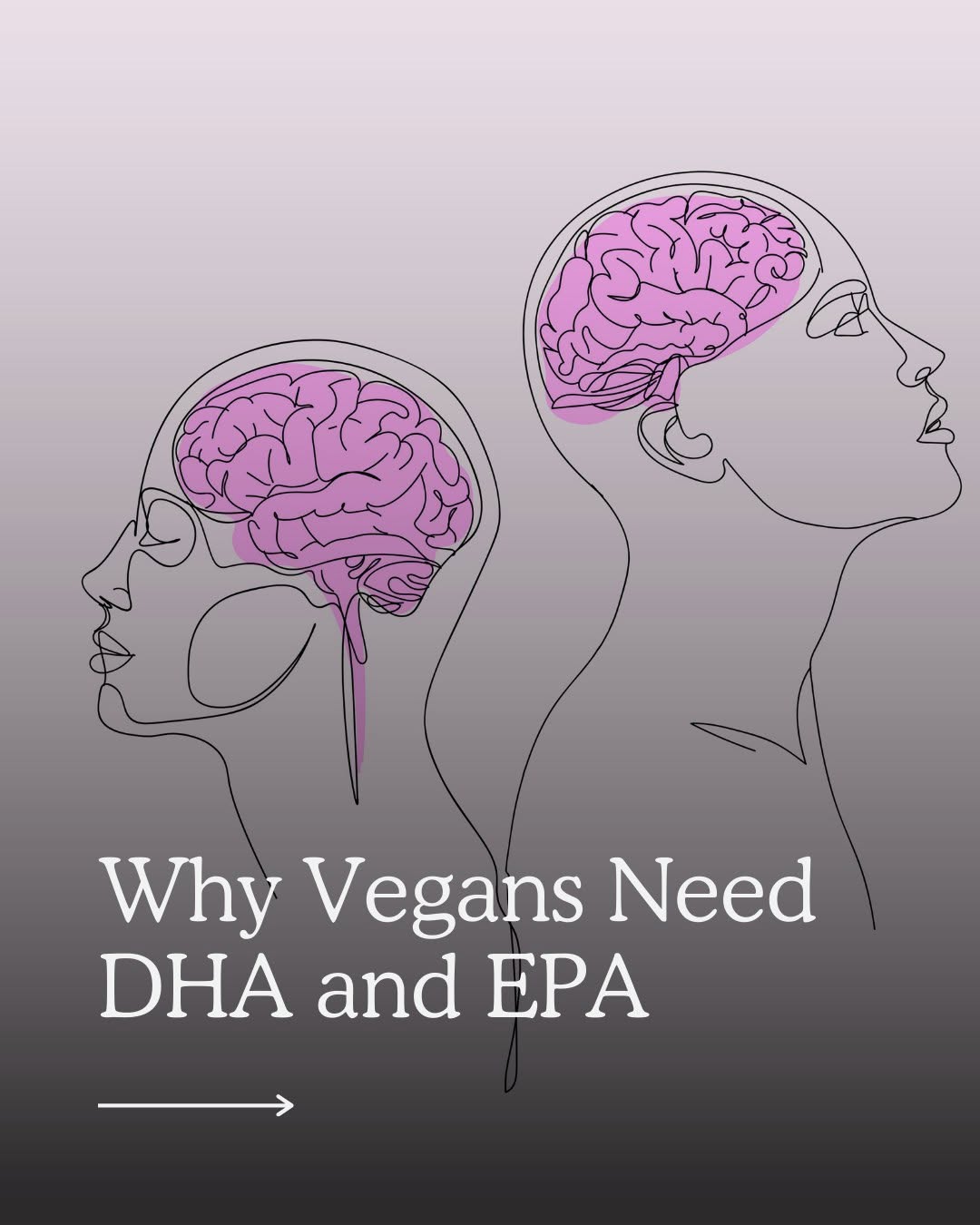
Researchers and neurobiologists hypothesize that these elevated neurological risks might be the result of a combination of long-term nutrient shortfalls and vascular mechanics. The primary driver might be the chronic absence of preformed long-chain omega-3 fatty acids, specifically docosahexaenoic acid (DHA) and eicosapentaenoic acid (EPA). While plant sources provide alpha-linolenic acid (ALA), human conversion of ALA to DHA is notoriously inefficient, often remaining under five percent. Because DHA comprises over thirty percent of the structural lipids in the cerebral cortex, decades of low systemic intake might compromise neuronal cell membrane fluidity, increase susceptibility to neuroinflammation, and accelerate brain tissue atrophy.
A second critical mechanism involves vitamin B12 metabolism and its relationship to homocysteine. Even among vegans who supplement with B12, subclinical deficiencies or poor absorption can lead to accumulated serum homocysteine levels over time. Elevated homocysteine directly damages cerebral blood vessels, increases neurotoxicity, and stands as an established risk factor for both microvascular stroke and dementia.
Finally, the relationship between cholesterol levels and cerebral blood vessel integrity might present a complex trade-off, although this remains controversial. Lowering circulating LDL cholesterol through a plant-based diet is tremendously protective against ischemic heart disease and ischemic stroke. However, extraordinarily low cholesterol levels might weaken the smooth muscle wall structures of delicate microvessels in the brain, slightly elevating the risk of hemorrhagic stroke. Furthermore, lower intake of specific micronutrients like choline—essential for acetylcholine neurotransmitter synthesis—and reduced bioabsorption of key minerals like zinc and iron due to plant phytates may further impair dopamine regulation and cognitive reserve over a lifespan.
Ultimately, the Adventist Health Study 2 demonstrates a distinct biological shift across the human lifespan. In mid-life, a strict vegan diet confers clear survival advantages by suppressing cardiovascular and metabolic diseases. However, in advanced age, as vascular risk diminishes relative to neurodegenerative risk, the cumulative effect of long-term micronutrient deficiencies becomes more pronounced. These findings suggest that while a plant-based diet remains a powerful tool for metabolic health, preserving neurological longevity into late adulthood may require intentional dietary planning and targeted supplementation.
Quoted from the article:
A variety of vegetarian diets appear to protect against risk of mortality and contributing conditions, with a pesco-vegetarian diet — which includes fish — providing the most protection against risk in very elderly people, according to a new study.
Researchers at Loma Linda University Health found that vegetarian diets are associated with lower risk for all-cause mortality and many cause-specific mortalities, especially among males and in middle-aged subjects. However, slightly higher risks were observed among very elderly vegetarians for neurological conditions such as stroke, dementia, and Parkinson’s Disease. Despite this, the pesco-vegetarian diet continued to offer a small but noticeable advantage over other vegetarian and non-vegetarian diets, even in elderly people.
Gary Fraser, distinguished professor at Loma Linda University School of Public Health and principal investigator of the study, said a vegetarian diet appears to offer protection from risk of death through middle-aged years, but once it helps people get into their 80s that overall advantage seems to disappear for those adhering to a strict vegetarian diet.
“These increased risks of neurological conditions among vegetarians in their 80s weren’t huge, but something is going on there that we shouldn’t ignore if we wish the vegetarian advantage to continue for all vegetarians in their later years,” Fraser said.
Fraser said his team found that Adventist vegetarians overall had about a 12 percent less risk of death compared to Adventist non-vegetarians. Study participants with a pesco-vegetarian diet had an 18 percent less risk of death. Those with a lacto-ovo-vegetarian diet (including dairy and eggs) had a 15 percent less risk of death. Vegans overall had a less than 3 percent decreased risk of death, but male vegans fared much better than non-vegetarians, in contrast to females.
“Overall, this is some of the clearest data that American vegetarians are greater protected from premature death than non-vegetarians,” Fraser said.
This post was written in collaboration with Gemini AI.
#adventistsHD #ahsHD #fishHD #seafoodHD #veganHD #vegetarianHD #elderlyHD #pescatarianHD #strokeHD #dementiaHD #parkinsonsHS #hemorragicstrokeHD #cholineHD #zincHD #ironHD #phytatesHD #omega3HD #epaHD #dhaHD #alaHD #acetylcholineHD #dopamineHD #cognitivereserveHD #vitaminb12HD #homocysteineHD