HD-OPM Archive
Hashtags

#omega3

67 posts

Harris and Patrick: omega-6 to omega-3 ratio does not predict heart disease or diabetes

Dec 05, 2023 · Louis Nervegna ♥ 15 · 💬 11 ↩ 6 Fats & oils (saturated fat, seed oils, omega-6, olive oil)

Louis shares a FoundMyFitness clip with Bill Harris and Rhonda Patrick explaining that the omega-6:omega-3 ratio is not useful for predicting heart disease or diabetes. Harris co-authored the two large biomarker studies (about 70,000 and 40,000 people) showing higher blood omega-6 linked to lower heart disease and diabetes. They agree that avoiding nuts over unfounded ratio claims makes no sense.

Super-oxidized fish oil fed for 7 weeks caused no harm in human trial

Sep 17, 2026 · Louis Nervegna ♥ 16 · 💬 7 Supplements & vitamins

The poster shares a Bill Harris clip arguing oxidized fish oil is likely not harmful. In the trial described, researchers deliberately super-oxidized fish oil and gave it to participants for 7 weeks, finding no difference in oxidation, peroxidation, inflammation, glucose, lipids or liver enzymes versus non-oxidized fish oil.

Adventist study: vegans 85+ had higher neurological death risk than non-vegetarians

Aug 14, 2026 · Louis Nervegna ♥ 8 · 💬 8 Mediterranean, DASH, MIND & plant-forward diets

Among AHS-2 participants (about 88,000, over 12,000 deaths), vegans aged 85 and older had higher risk of death from stroke (17%), dementia (13%) and Parkinson's (37%) than healthy non-vegetarians, while pesco-vegetarians had the lowest risk. The comparison was against very healthy non-vegetarians, not the standard American diet.

Harvard: omega-6/omega-3 ratio is not a useful indicator of heart health

May 01, 2025 · Louis Nervegna ♥ 3 · 💬 16 Fats & oils (saturated fat, seed oils, omega-6, olive oil)

Louis quotes the Harvard Nutrition Source: the popular claim that excess omega-6 promotes inflammation and disease is not supported in humans. Controlled feeding studies show omega-6 does not raise inflammatory markers, human studies show cardiovascular benefit, and the ratio is not a useful measure of diet healthfulness, though many Americans would benefit from more omega-3.

100+ trials: polyunsaturated fat improves glucose and insulin markers, saturated doesn't

Sep 14, 2025 · Louis Nervegna ♥ 7 · 💬 6 ↩ 13 Fats & oils (saturated fat, seed oils, omega-6, olive oil)

Louis summarizes a meta-analysis of randomized feeding trials showing polyunsaturated fat, mostly omega-6 from vegetable oils, lowers fasting glucose and A1C and improves insulin resistance and insulin secretion. Monounsaturated fat did well but less so, and saturated fat showed no appreciable benefit.

Bale-Doneen protocol: aggressive multi-drug risk management reduced carotid IMT

Dec 03, 2023 · Gokhan Can ♥ 11 · 💬 3 ↩ 2 Plaque, CAC & CT angiography

Describes the Bale and Doneen approach to reversing plaque: lifestyle counseling, regular imaging and biomarker testing, statin-based lipid control with ezetimibe or niacin, SBP under 120, low-dose aspirin, insulin sensitizers and anti-inflammatories. In the 2016 community-based paper, carotid IMT measures fell markedly over a median of 3 years.

Women with Alzheimer's show lower omega-3 lipids, unlike men, in an 841-adult study

Dec 17, 2025 · Louis Nervegna ♥ 10 · 💬 4 Brain health & dementia

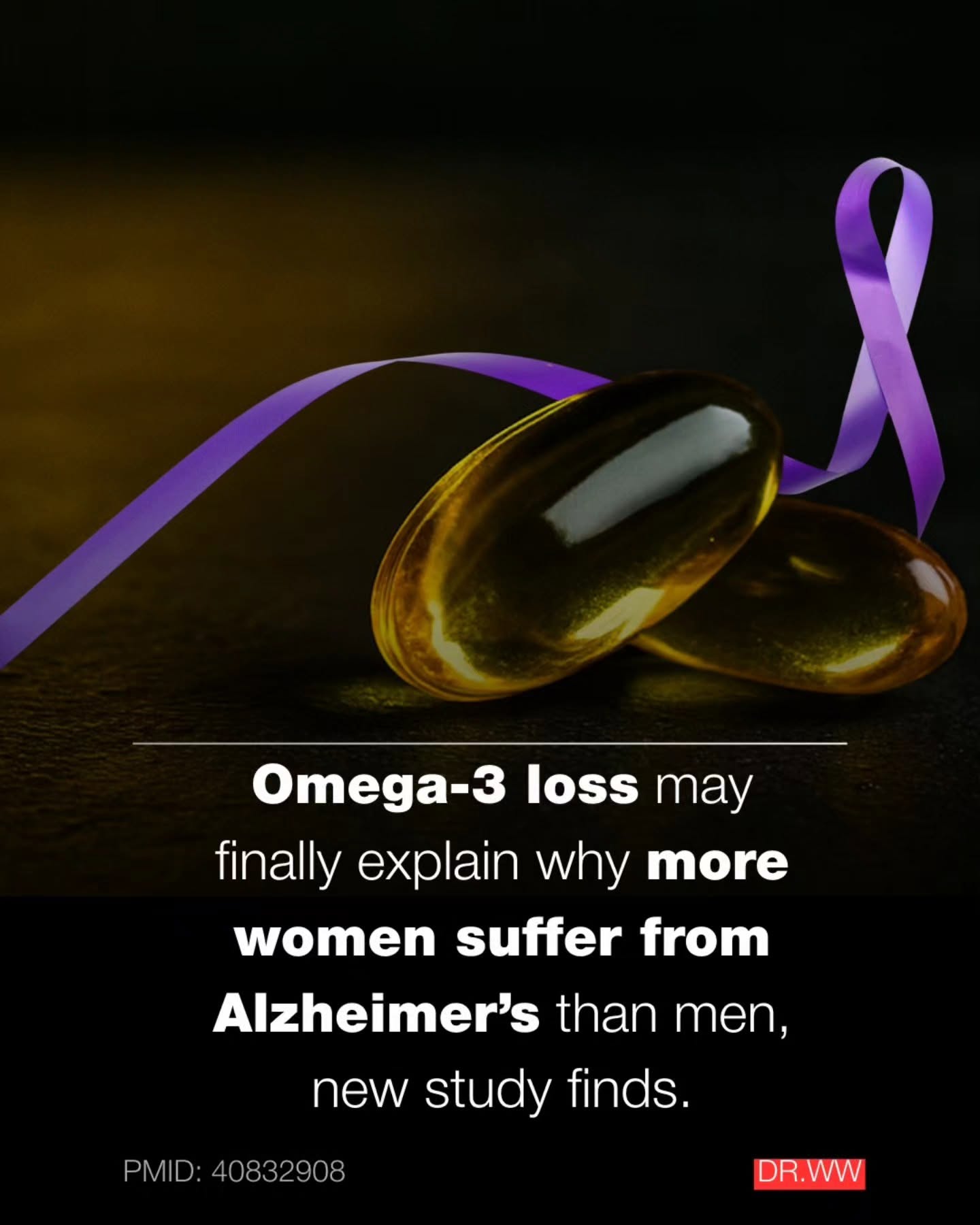
Louis shares a summary of a 2025 Alzheimer's & Dementia lipidomics study of 841 European adults. Women with Alzheimer's had a sharp drop in protective omega-3-rich unsaturated lipids that men did not, and the lowest levels tracked with worse memory; the post also cites a review of 58 RCTs suggesting 1,000-2,500 mg/day EPA+DHA as the cognitive sweet spot.

Rhonda Patrick's morning and evening supplement list

May 18, 2024 · Gokhan Can ♥ 11 · 💬 5 Supplements & vitamins

Reposts a list of the supplements Rhonda Patrick takes, including multivitamin, fish oil, vitamin D, K2, ubiquinol, cocoa extract, sulforaphane, berberine and urolithin A, plus evening magnesium and more fish oil. It is a personal regimen with no supporting studies attached, so it is context rather than evidence.

Bill Harris: omega-6/omega-3 ratio does not predict heart disease or diabetes

May 01, 2025 · Louis Nervegna ♥ 5 · 💬 6 ↩ 3 Fats & oils (saturated fat, seed oils, omega-6, olive oil)

Louis shares a clip where fatty acid scientist Bill Harris explains the omega-6 to omega-3 ratio does not predict cardiovascular disease or diabetes risk. He notes Harris co-authored two very large pooled biomarker studies (~70,000 and ~40,000 people) showing higher blood omega-6 linked to lower heart disease and diabetes.

Human trials: omega-6 and oxidized fish oil do not raise oxidation or inflammation markers

Sep 18, 2026 · Louis Nervegna ♥ 7 · 💬 4 Fats & oils (saturated fat, seed oils, omega-6, olive oil)

The post states that human randomized trials have repeatedly shown omega-6 fats do not cause oxidation or lipid peroxidation, and that oxidized fish oil does not raise inflammation, oxidation or peroxidation markers or worsen cardiometabolic or liver health. It shares a saturated fat versus omega-6 breakdown by Dr Alan Flanagan.

Case: carotid plaque regression with salmon, niacin and low-dose rosuvastatin

Dec 23, 2023 · Louis Nervegna ♥ 13 · 💬 3 Plaque, CAC & CT angiography

Louis shares a video by Dr. Ford Brewer describing his own plaque reversal. He ate salmon daily, added niacin and low-dose rosuvastatin and switched from an ARB to an ACE inhibitor, with a major decrease in carotid plaque volume and CIMT arterial age falling from 72 to 52. It is a single self-reported case in a video from a clinic that also sells services and supplements.

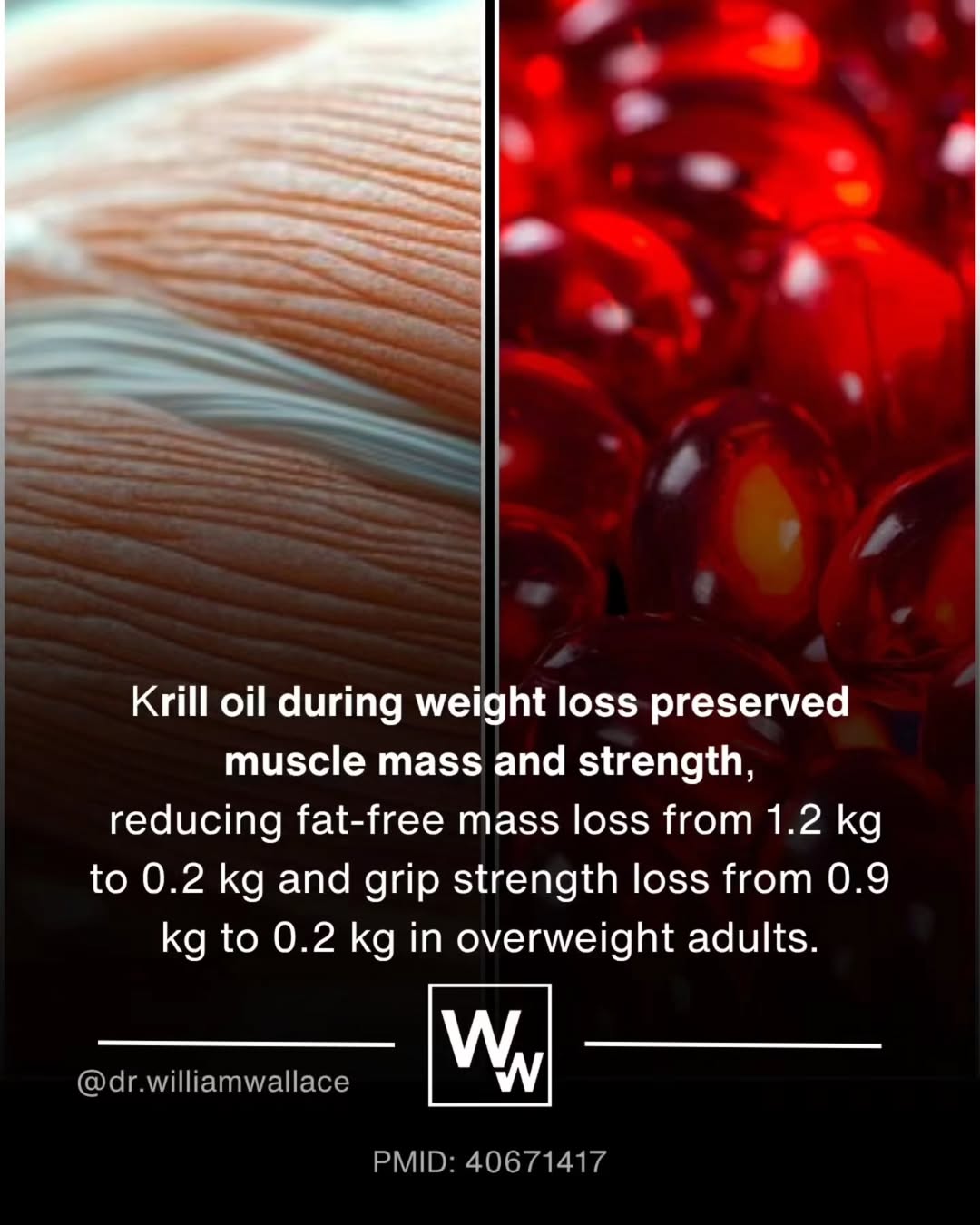
Review of 33 systematic studies finds little evidence omega-3 supplements build muscle

Mar 14, 2025 · Louis Nervegna ♥ 11 · 💬 2 Supplements & vitamins

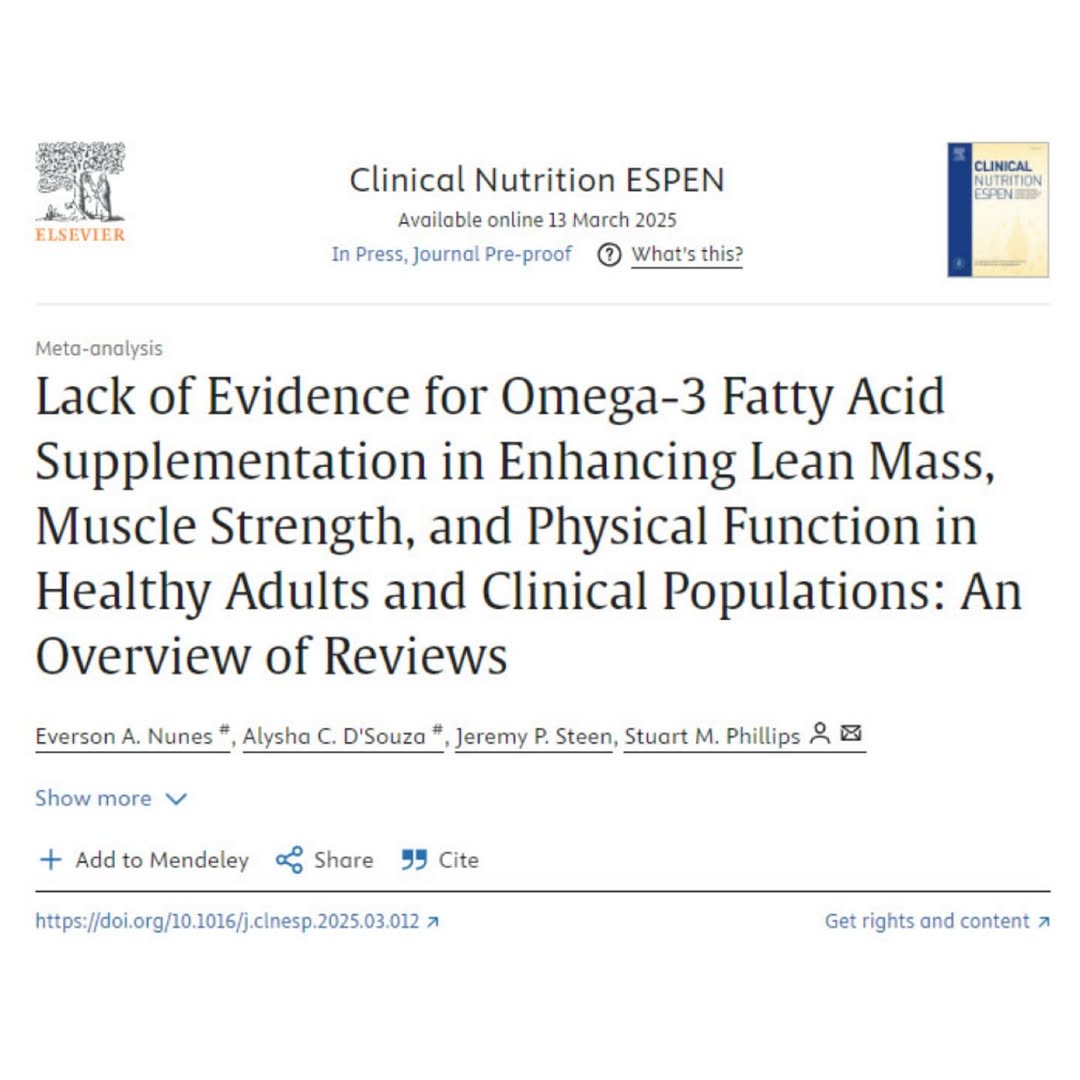
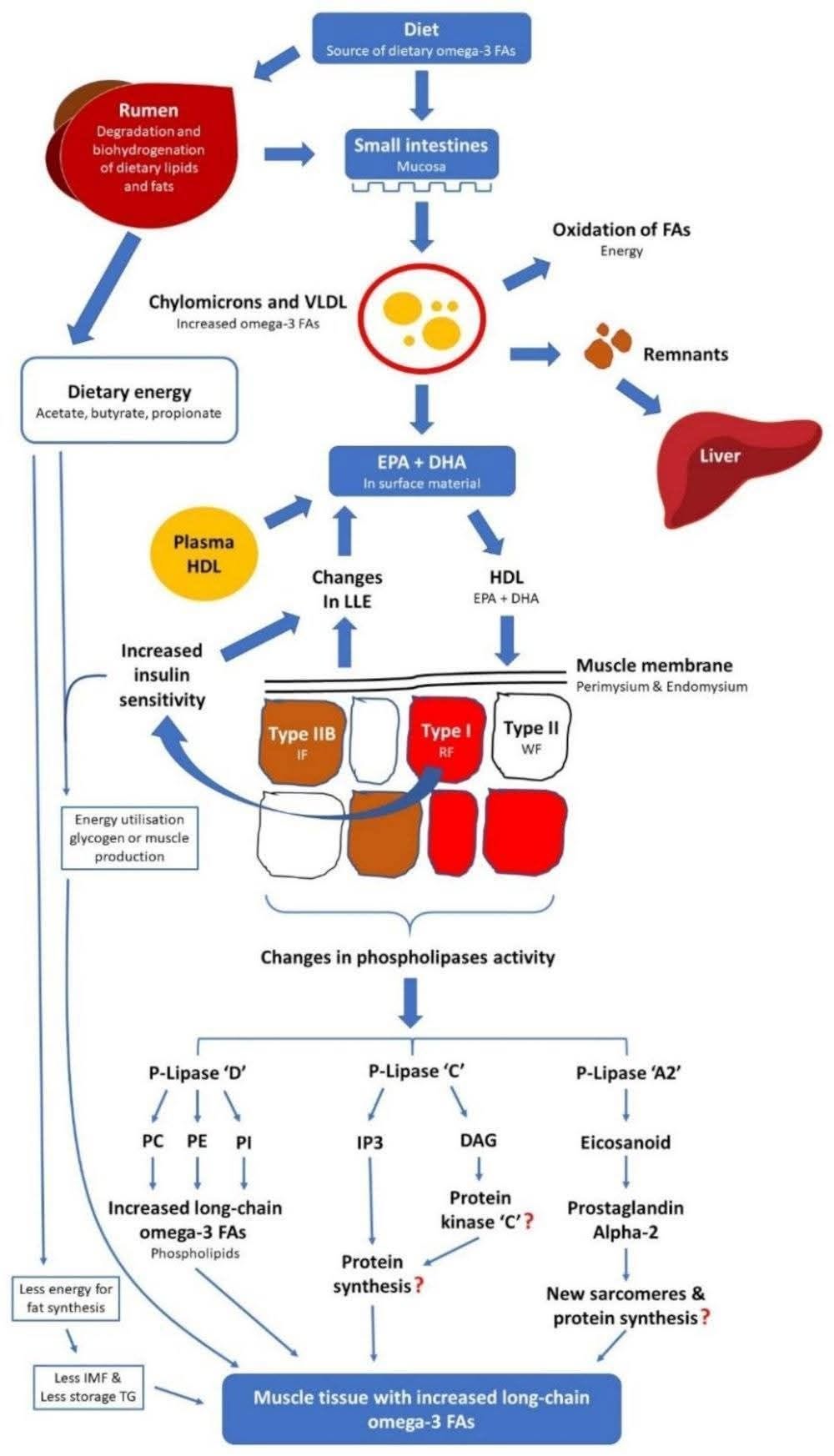
Louis shares Stuart Phillips' summary of a 2025 Clinical Nutrition ESPEN review of 33 systematic studies, which found little evidence that omega-3 supplements improve lean mass, muscle strength or physical function in healthy adults or clinical groups. Some small benefits in older adults were suggested, but exercise and protein remain the best strategies.

Framingham data link a high omega-3 index to about 5 more years of life expectancy

Dec 03, 2025 · Louis Nervegna ♥ 9 · 💬 2 Supplements & vitamins

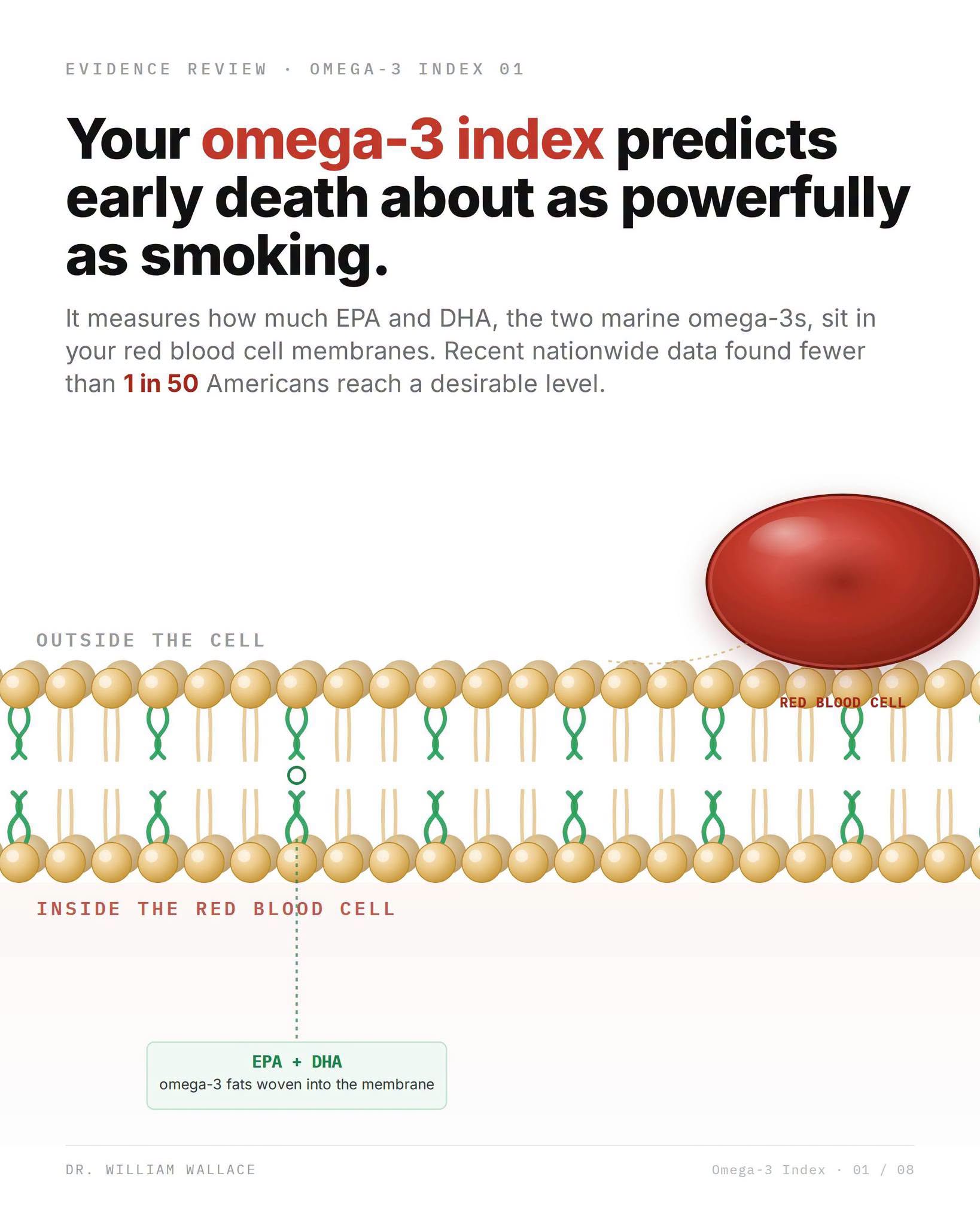
Louis shares a FoundMyFitness claim that people with a high omega-3 index (about 8%) have roughly 5 more years of life expectancy than those with a low index (about 4%) in cohort data from the Framingham Heart Study. It also says very low omega-3 may carry mortality risk similar to smoking and that nearly 90% of Americans fall short of EPA and DHA targets.

100+ feeding trials: polyunsaturated fat improves glucose control, saturated fat does not

Dec 17, 2025 · Louis Nervegna ♥ 7 · 💬 1 Fats & oils (saturated fat, seed oils, omega-6, olive oil)

Louis summarizes the 2016 PLoS Medicine meta-analysis of randomized feeding trials: polyunsaturated fat, mainly omega-6 from vegetable oils, lowered fasting glucose and A1C and improved insulin resistance and secretion, MUFA did well but less so, and saturated fat showed no appreciable benefit. He pairs it with the 20-cohort biomarker study showing a 43% lower diabetes risk with high omega-6.

High-dose DHA did not slow cognitive decline in 2-year APOE4 trial, but reached the brain

Jun 27, 2026 · Louis Nervegna ♥ 7 Brain health & dementia

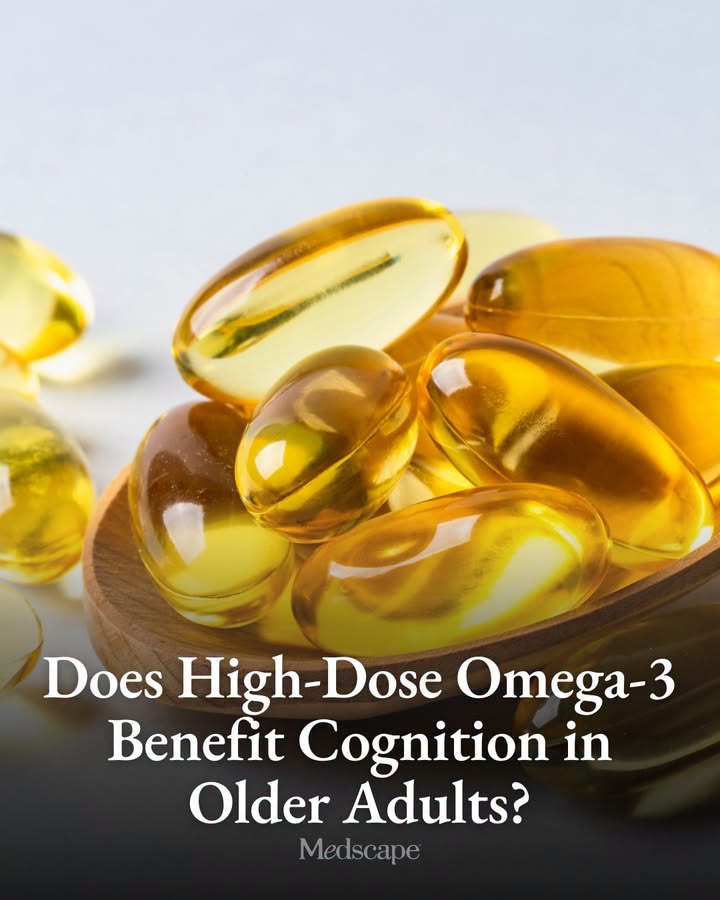
Louis comments on a Medscape report of a trial of high-dose omega-3 in older adults at high dementia risk. It found no improvement in memory, cognition or hippocampal volume, although DHA reached the cerebrospinal fluid equally in APOE4 carriers and non-carriers. He notes the trial was short at two years, and APOE4 carriers with the highest DHA to arachidonic acid ratio declined less.

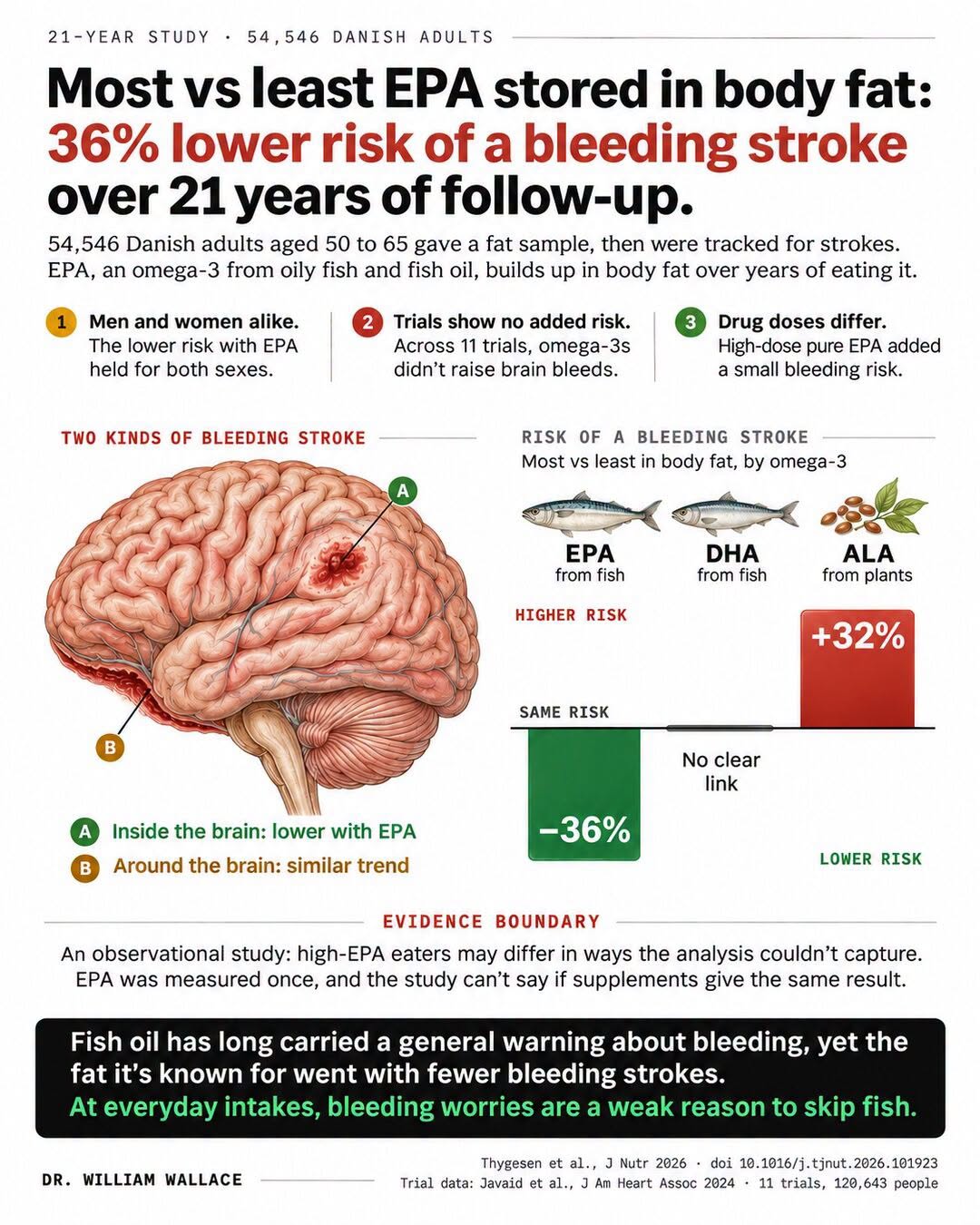
Higher stored EPA linked to 36% lower bleeding stroke risk in a 21-year Danish study

Nov 09, 2026 · Louis Nervegna ♥ 4 Heart attack, stroke & procedures

Louis shares a 21-year Danish study of 54,546 adults using fat-tissue samples of EPA and DHA. People with the highest EPA had a 36% lower risk of bleeding stroke, DHA was neutral, and ALA was linked to 32% higher risk (needs confirmation). Pooled RCTs found no extra brain bleeding, except small risk with high-dose prescription EPA. The study is observational.

Olive oil has the strongest trial evidence, but canola and soybean oil also have support

Louis explains that olive oil is the only fat tested in multiple large randomized outcome trials (CORDIOPREV, PREDIMED, Lyon). Lyon also tested canola oil with olive oil and saw the largest total mortality reduction in a cardiology prevention trial, and the Indo-Mediterranean study (about 1,000 people) tested soybean oil. Harvard cohorts link canola or soybean oil in place of butter to lower cancer, CV and total mortality.