HD-OPM Archive
Hashtags

#stroke

85 posts

Heart attack clots form on ruptured unstable plaque, not in plaque-free arteries

Mar 17, 2025 · Louis Nervegna ♥ 29 · 💬 12 Heart attack, stroke & procedures

Louis argues that although most heart attacks are caused by clots, clots form when unstable plaque ruptures, so people with near-zero plaque have near-zero risk of clot-caused heart attacks. Blood thinners like aspirin are proven to lower risk in people with considerable plaque but are unlikely to help, and may harm, those with little or no plaque.

Red yeast rice vs statins: lovastatin removed, other monacolins remain, no outcome RCTs

Feb 11, 2024 · Louis Nervegna ♥ 22 · 💬 15 Supplements & vitamins

Louis explains that the FDA forced US red yeast rice products to remove lovastatin (monacolin K), the first statin, approved in 1986 as Mevacor, yet they still lower cholesterol through related monacolins. Some people intolerant of statins tolerate it, but it is unregulated with variable potency and lacks large long-running RCTs proving fewer heart attacks and strokes, so it is a gamble for high-risk people.

Does a CAC scan change outcomes? Two 2026 randomized trials say not for the average person

Sep 04, 2026 · Louis Nervegna ♥ 8 · 💬 31 Plaque, CAC & CT angiography

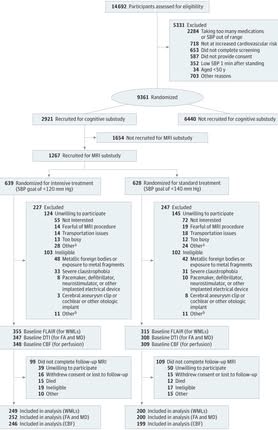
Louis asks whether CAC scanning changes whether you have a heart attack; for some it is a wake-up call, but for the average person it does not seem to change outcomes. The shared text cites a Danish trial of 30,000 men (no reduction in death, MI or stroke at seven years, more serious bleeding) and the US CorCal trial of nearly 6,000 people (same event rates as a risk calculator).

Ezetimibe beyond statins: fewer events, no mortality gain in trials, registry benefits

Nov 07, 2024 · Gokhan Can ♥ 11 · 💬 22 PCSK9, ezetimibe & newer drugs

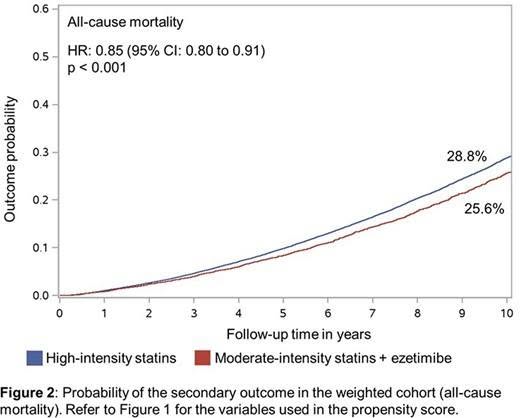
Evidence digest on ezetimibe. A meta-analysis of 15 RCTs (123,785 patients) found add-on lipid lowering cut cardiovascular events 19% versus statins alone but did not improve all-cause mortality. Other data show moderate statin plus ezetimibe matches high-intensity statins, and registry studies hint at lower mortality, with strong LDL-target attainment.

Potassium-enriched salt cut recurrent stroke 14% and stroke deaths 21% in stroke survivors

Feb 11, 2025 · Gokhan Can ♥ 17 · 💬 10 Blood pressure, salt & potassium

A cluster randomized trial in rural northern China (a subgroup analysis of a larger trial) gave stroke survivors a salt substitute containing 25% potassium chloride. It reduced recurrent stroke, hemorrhagic stroke and stroke-related death compared with regular salt, suggesting a cheap, widely usable strategy where sodium intake is high.

Nattokinase and PAI-1: how it may work and why PAI-1 matters

Dec 03, 2023 · Gokhan Can ♥ 14 · 💬 16 ↩ 2 Supplements & vitamins

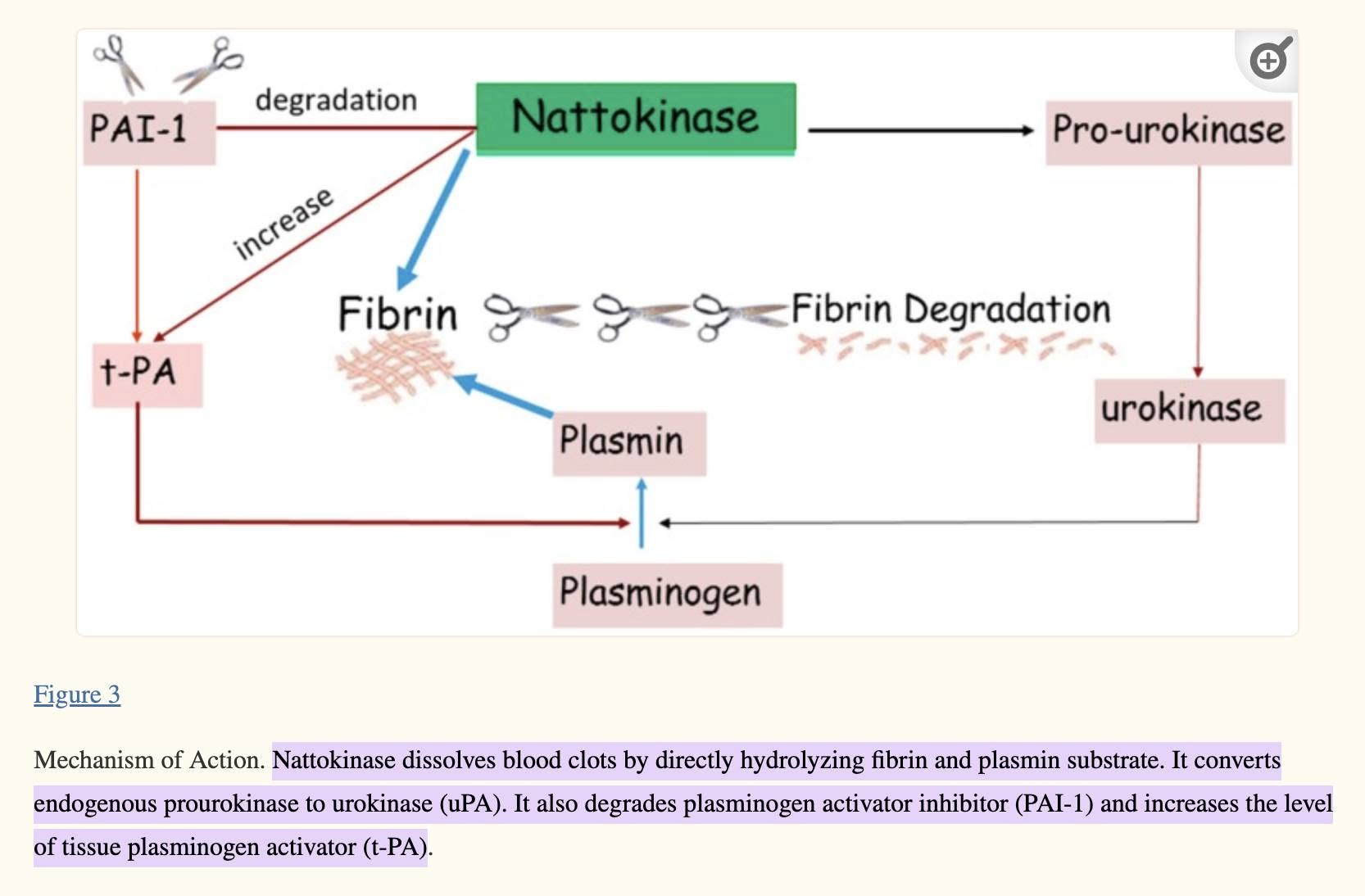
Notes that nattokinase appears to act by inhibiting PAI-1, a marker linking thrombosis, inflammation, metabolic disorder and aging. People who genetically make less PAI-1 live about 7 years longer, and PAI-1 inhibition helped fatty liver and dyslipidemia in preclinical work.

Baby aspirin during and after Covid may be worth discussing if you have heart disease

Jan 06, 2024 · Louis Nervegna ♥ 14 · 💬 12 Infections & vaccines

Louis suggests people with heart disease who get Covid ask their doctor about baby aspirin during infection and for a few weeks after. Infections temporarily raise heart attack and stroke risk through inflammation, and Covid raises clot risk more than other infections. A linked 2022 meta-analysis found aspirin use associated with lower Covid mortality without more bleeding.

Selenium plus CoQ10 trial: over 50% lower CV death, benefit persisted 10-12 years

Dec 18, 2023 · Louis Nervegna ♥ 14 · 💬 12 Supplements & vitamins

Louis reshares a post quoting Life Extension on a trial where older people took selenium plus coenzyme Q10 for four years and had more than half the cardiovascular mortality. Follow-up showed 49% lower CV death at 10 years and 41% at 12 years, including in subgroups with heart disease, diabetes and hypertension. He suggests adding about 200 ug selenium to CoQ10. The source is a supplement-company magazine and the trial is not named.

Statins for all could halve heart attacks yet add only 10-20 days to life over 5 years

May 14, 2024 · Louis Nervegna ♥ 11 · 💬 11 Statins

Louis works through why universal statin use could cut lifetime heart attack and stroke risk from about 20% to 10% while extending average lifespan by only days over 5 years: only about 10% of heart attacks and strokes are fatal, and only 1 in 5 US deaths are from them, so the reduction in overall deaths is about 50 times smaller. His arithmetic suggests a 0.022% to 0.094% reduction in overall deaths over 5 years. Note that this is a population-averaged back-of-envelope calculation.

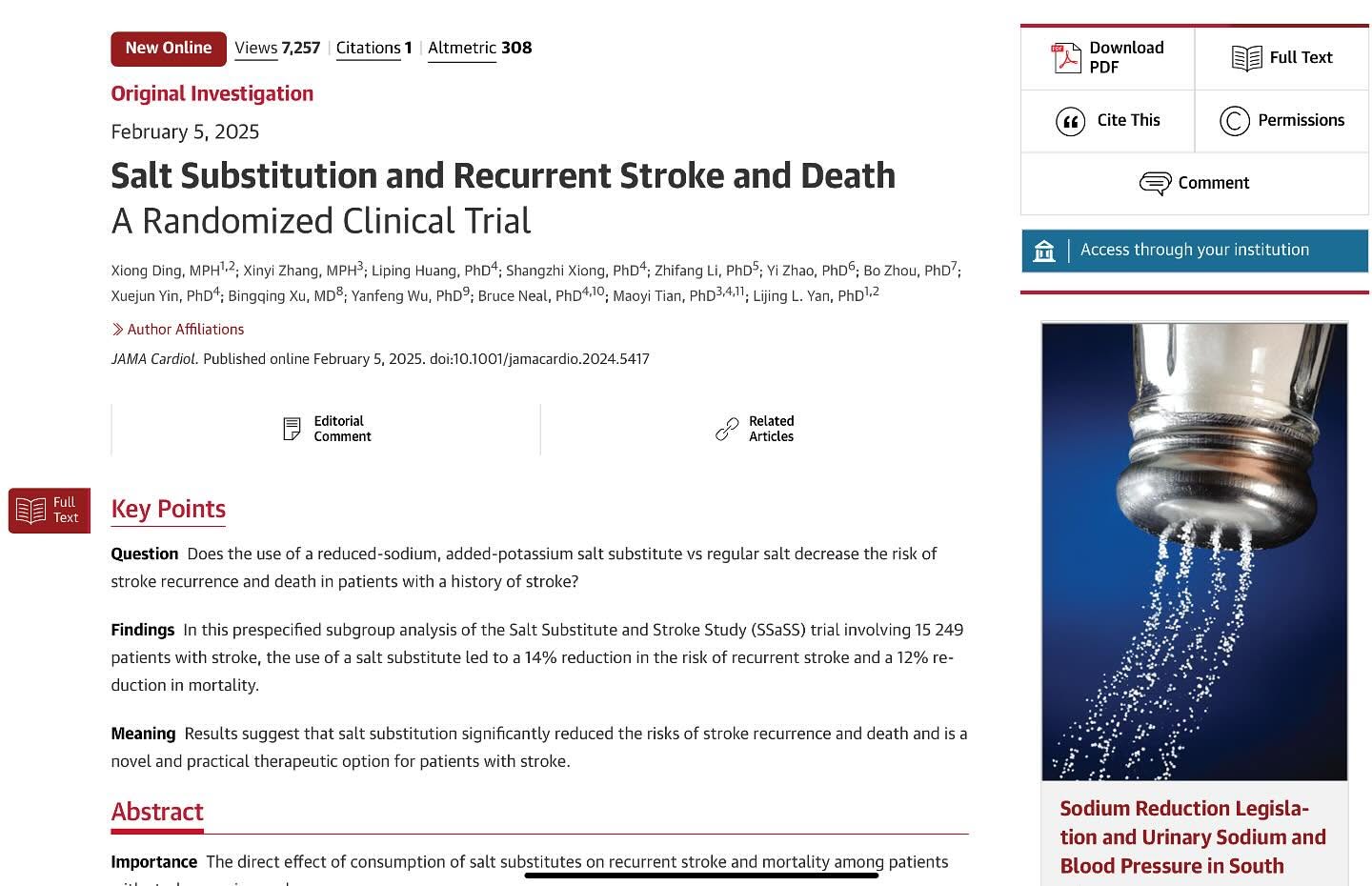
SSaSS in stroke survivors: potassium salt substitute cut recurrent stroke 14%, deaths 12%

Mar 13, 2025 · Louis Nervegna ♥ 10 · 💬 12 Blood pressure, salt & potassium

Louis shares Luigi Fontana's summary of a cluster randomized trial in 15,249 stroke patients in northern China, in which a low-sodium, potassium-enriched salt substitute reduced recurrent stroke and death with no increase in hyperkalemia. Louis personally uses a 50/50 sodium chloride and potassium chloride blend that tastes nearly like regular salt.

Platelet reactivity score (PRESS) predicts cardiovascular events in PAD patients

Aug 20, 2024 · Gokhan Can ♥ 6 · 💬 19 Aspirin, antiplatelets & blood thinners

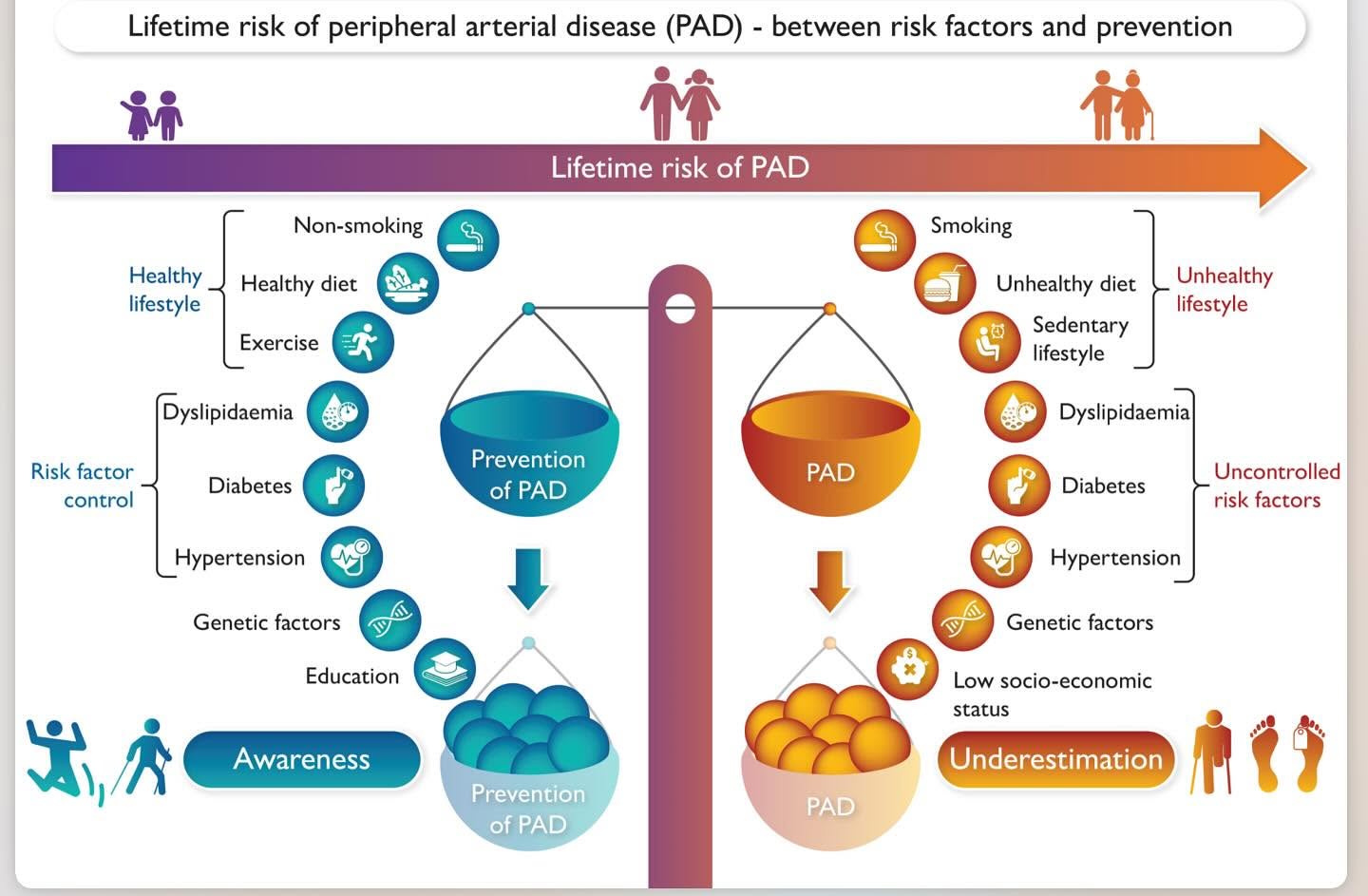
NYU researchers developed PRESS, combining platelet aggregation responses and RNA sequencing, to detect platelet hyperreactivity. In PAD patients, hyperreactive platelets predicted more major adverse cardiac or limb events within 30 days of revascularization, and PRESS above the median carried a 90% higher risk of major events over 18 months. It might help target aspirin.

Flu and respiratory infections raise heart attack risk; ask your doctor about baby aspirin

Sep 11, 2024 · Louis Nervegna ♥ 13 · 💬 8 Infections & vaccines

Louis shares MedPage Today coverage of another study confirming that infections like flu temporarily raise heart attack and stroke risk. He suggests that people with CVD ask their doctor about daily baby aspirin during illness and for a period afterward. The proposed mechanism is increased metabolic demand plus inflammatory and coagulation effects that destabilize plaque.

Statins work as well in women as men: 27-trial CTT meta-analysis of 174,000 participants

Dec 19, 2023 · Louis Nervegna ♥ 5 · 💬 11 Statins

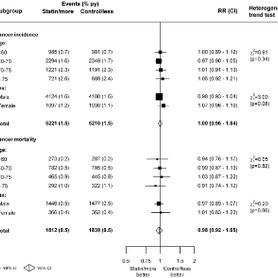
Louis rebuts the claim that statins are less effective in women using the Cholesterol Treatment Trialists' meta-analysis of 27 randomized trials. Per 1 mmol/L LDL reduction, proportional reductions in major vascular events and all-cause mortality were similar in women and men, with no adverse effect on cancer or non-CV mortality. Trials averaged 4.9 years, so longer-term benefit is likely larger.

Adventist study: vegans 85+ had higher neurological death risk than non-vegetarians

Aug 14, 2026 · Louis Nervegna ♥ 8 · 💬 8 Mediterranean, DASH, MIND & plant-forward diets

Among AHS-2 participants (about 88,000, over 12,000 deaths), vegans aged 85 and older had higher risk of death from stroke (17%), dementia (13%) and Parkinson's (37%) than healthy non-vegetarians, while pesco-vegetarians had the lowest risk. The comparison was against very healthy non-vegetarians, not the standard American diet.

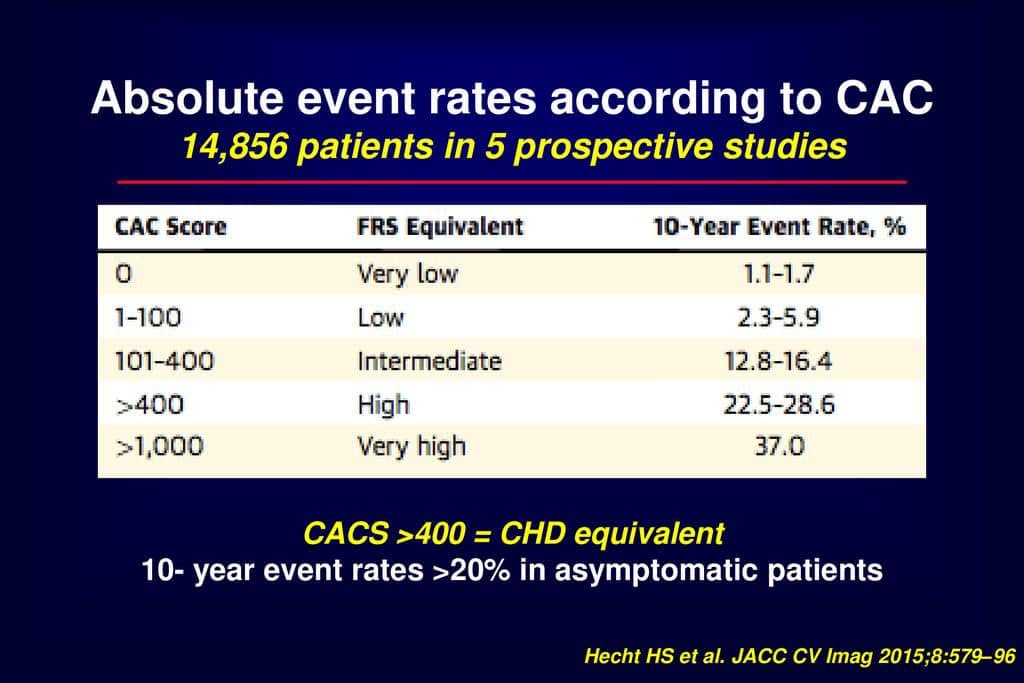
How to convert a CAC score into a 10-year heart attack or stroke risk

Jun 01, 2024 · Louis Nervegna ♥ 12 · 💬 5 Plaque, CAC & CT angiography

Louis shares a chart for converting a coronary artery calcium score into a 10-year risk of heart attack or stroke, referencing a JACC Cardiovascular Imaging review of CAC scanning. The linked review describes CAC as the most robust predictor of coronary events in asymptomatic primary prevention, particularly in intermediate-risk people.

Selenium plus CoQ10 for 4 years halved CV mortality, with benefit lasting 12 years

Dec 03, 2023 · Louis Nervegna ♥ 9 · 💬 6 ↩ 2 Supplements & vitamins

Louis quotes a Life Extension article on a trial of older people taking selenium plus coenzyme Q10 for four years, with over 50% lower cardiovascular death. Follow-ups showed 49% lower CV death at 10 years and 41% at 12 years, persisting in subgroups with heart disease, diabetes and hypertension. Source is a supplement company magazine; the trial is not named.

Micronanoplastics 50 times higher in carotid plaque than in plaque-free arteries

Apr 23, 2025 · Gokhan Can ♥ 14 · 💬 3 ↩ 1 Environment (microplastics, pollution, heat)

A small preliminary study presented at an AHA meeting found carotid plaque, especially from people with stroke, TIA or transient vision loss, held 50 times more micronanoplastics than plaque-free arteries. It cannot prove causation and no direct link to inflammation markers was found, though gene activity related to plaque stability differed.

Statins cause under 10% of reported muscle pain, analysis of 23 RCTs finds

Jun 29, 2026 · Louis Nervegna ♥ 6 · 💬 2 Statins

Louis shares the Oxford/CTT Lancet analysis of 23 large randomized trials (155,000 people) showing muscle pain is common with or without a statin. Over 90% of muscle pain reported on statins was not caused by the drug, and true statin-related cases occurred mainly in the first year, more with high-intensity dosing.

CHIP (clonal hematopoiesis): a little-known risk factor for heart disease and stroke

Apr 08, 2024 · Gokhan Can ♥ 5 · 💬 3 Risk assessment & lab tests

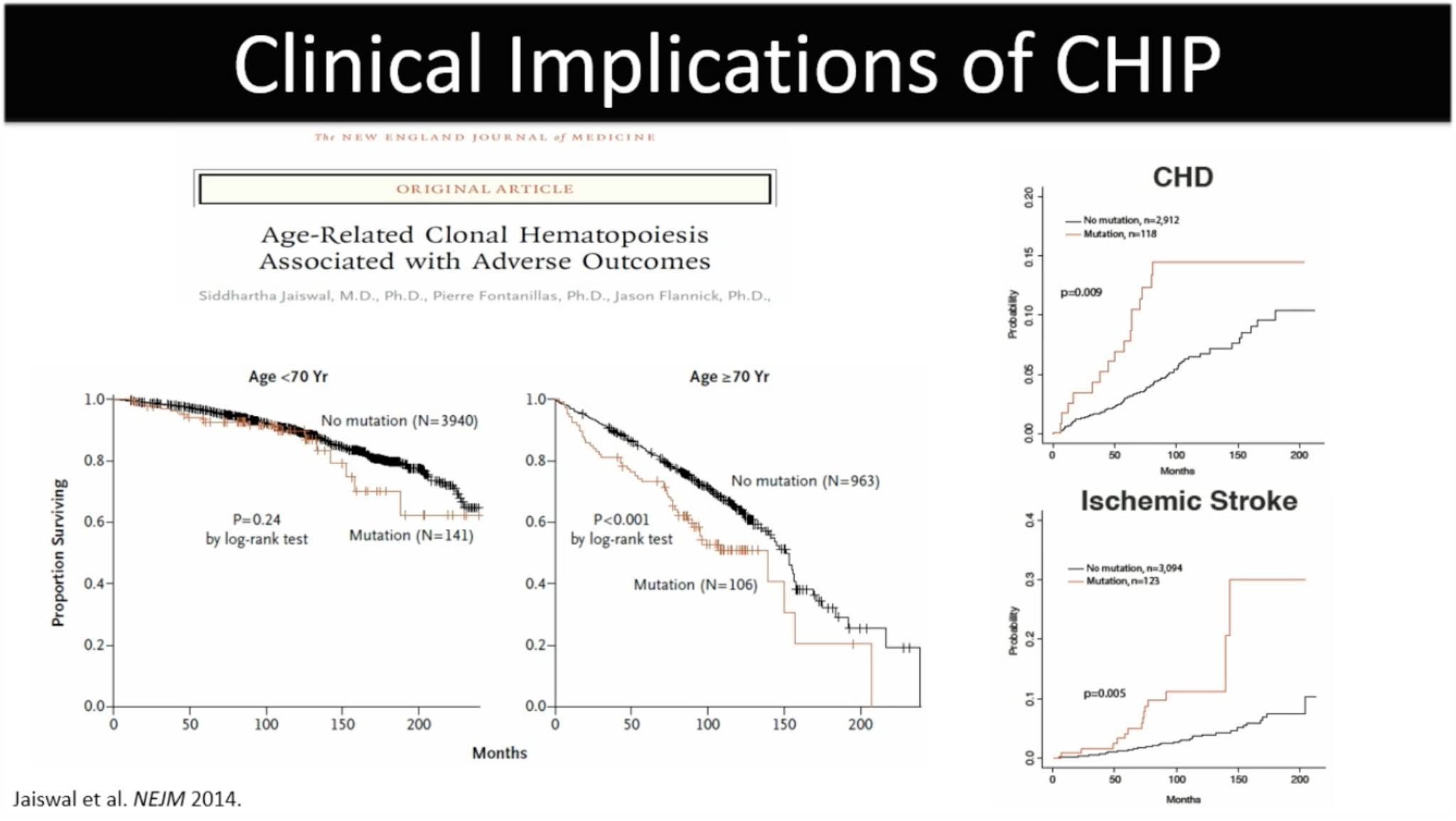
Explains clonal hematopoiesis of indeterminate potential: blood cells carrying acquired mutations that raise the risk of blood cancers, coronary disease and stroke. It becomes more common with age, can be detected with a next-generation sequencing panel, and has no specific treatment yet. The post notes testosterone therapy and anything strongly stimulating bone marrow may help CHIP expand.

Statins cut stroke overall but may raise hemorrhagic stroke after prior stroke at low LDL

Dec 23, 2023 · Louis Nervegna ♥ 5 · 💬 1 Statins

Louis reviews whether statins raise hemorrhagic stroke risk. Meta-analyses of RCTs in people who already had a stroke show lower overall stroke risk but higher hemorrhagic stroke when LDL is pushed very low. In people never having had a stroke, meta-analyses show no increase, though trials averaged under 5 years. For high-risk patients the benefit outweighs the small hemorrhagic risk, but those with strong family history of hemorrhagic stroke should discuss it with a doctor.

Regular coffee linked to lower stroke, heart disease and diabetes risk in Harvard data

Sep 26, 2024 · Louis Nervegna ♥ 9 Nuts, fish, coffee, tea, cocoa & other foods

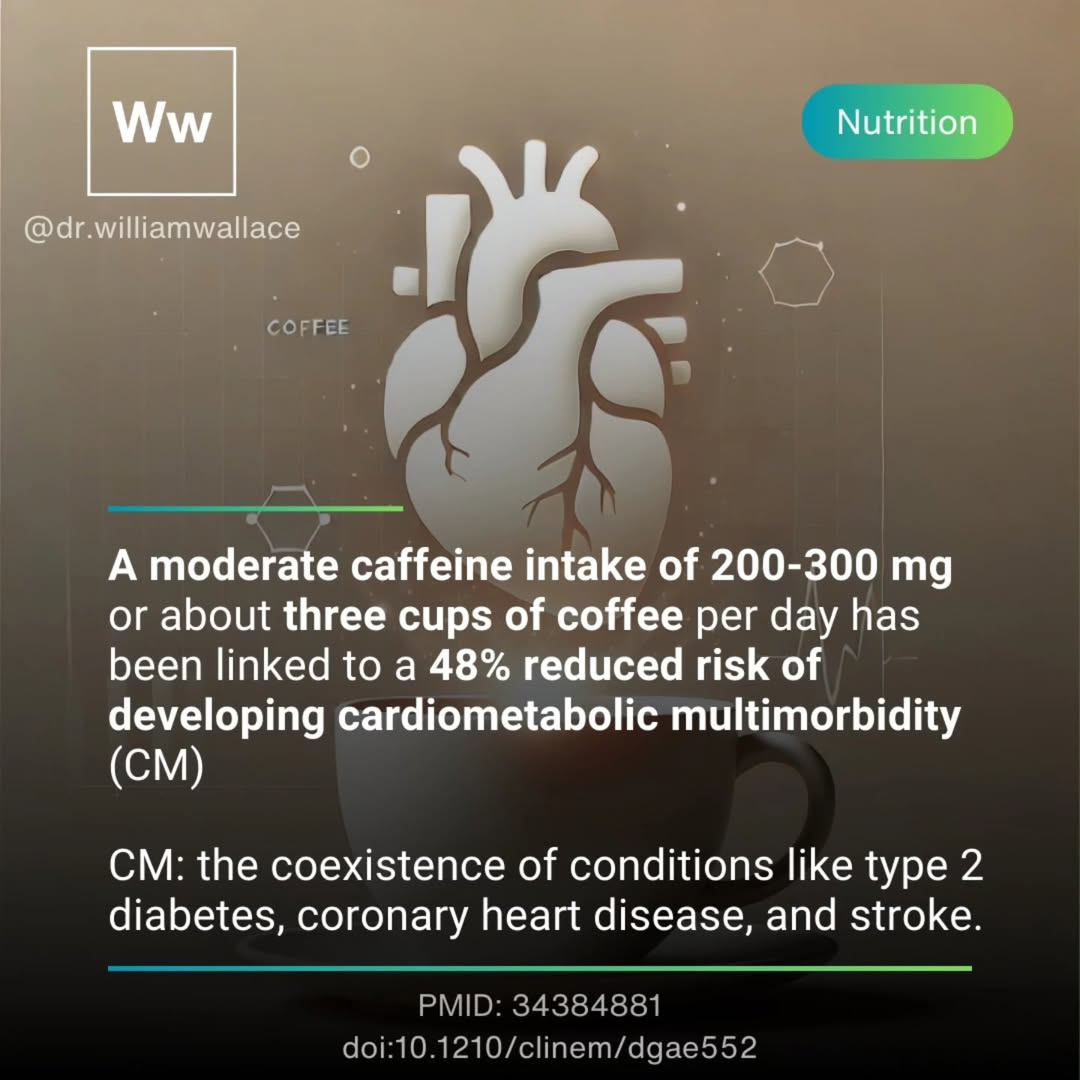
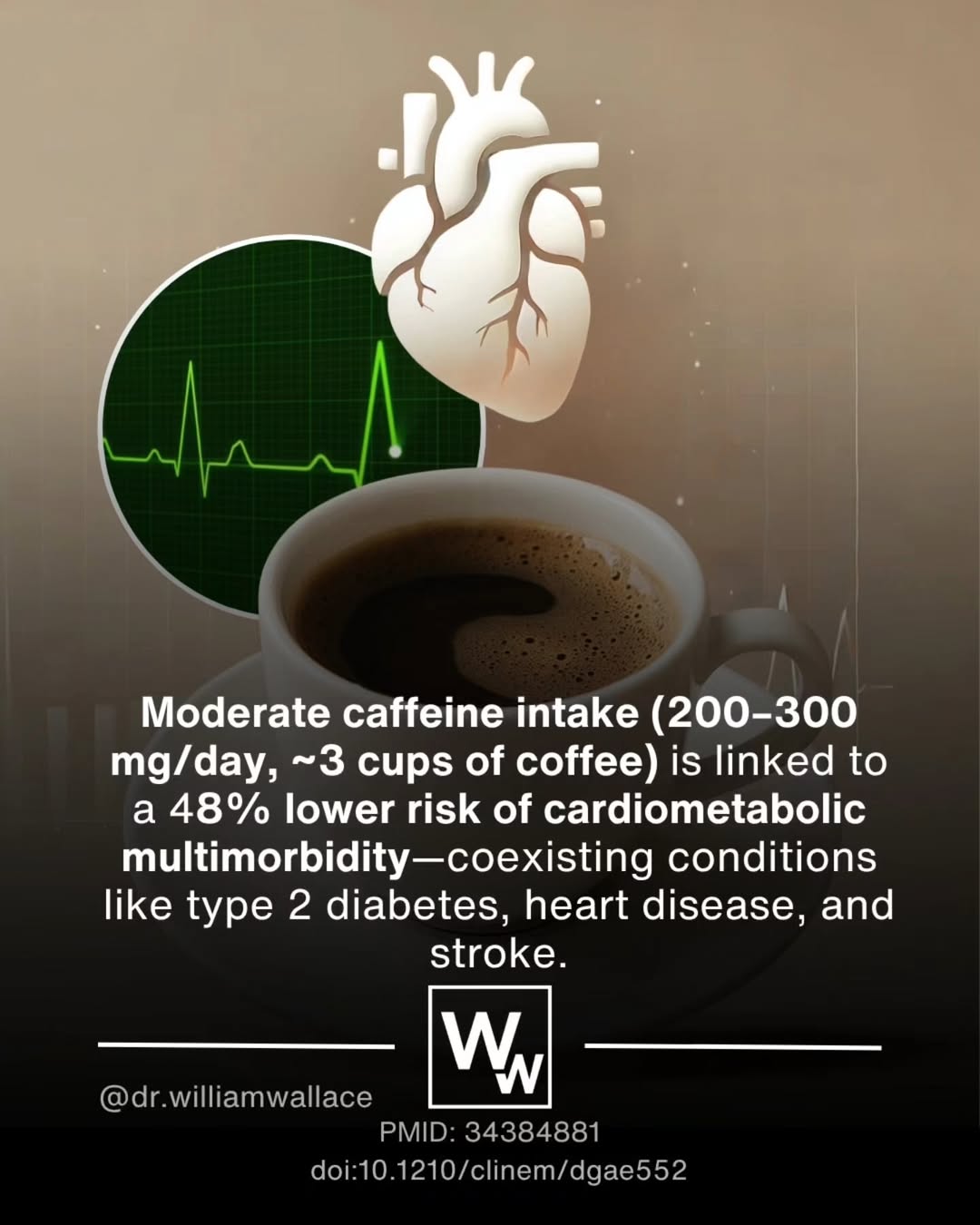
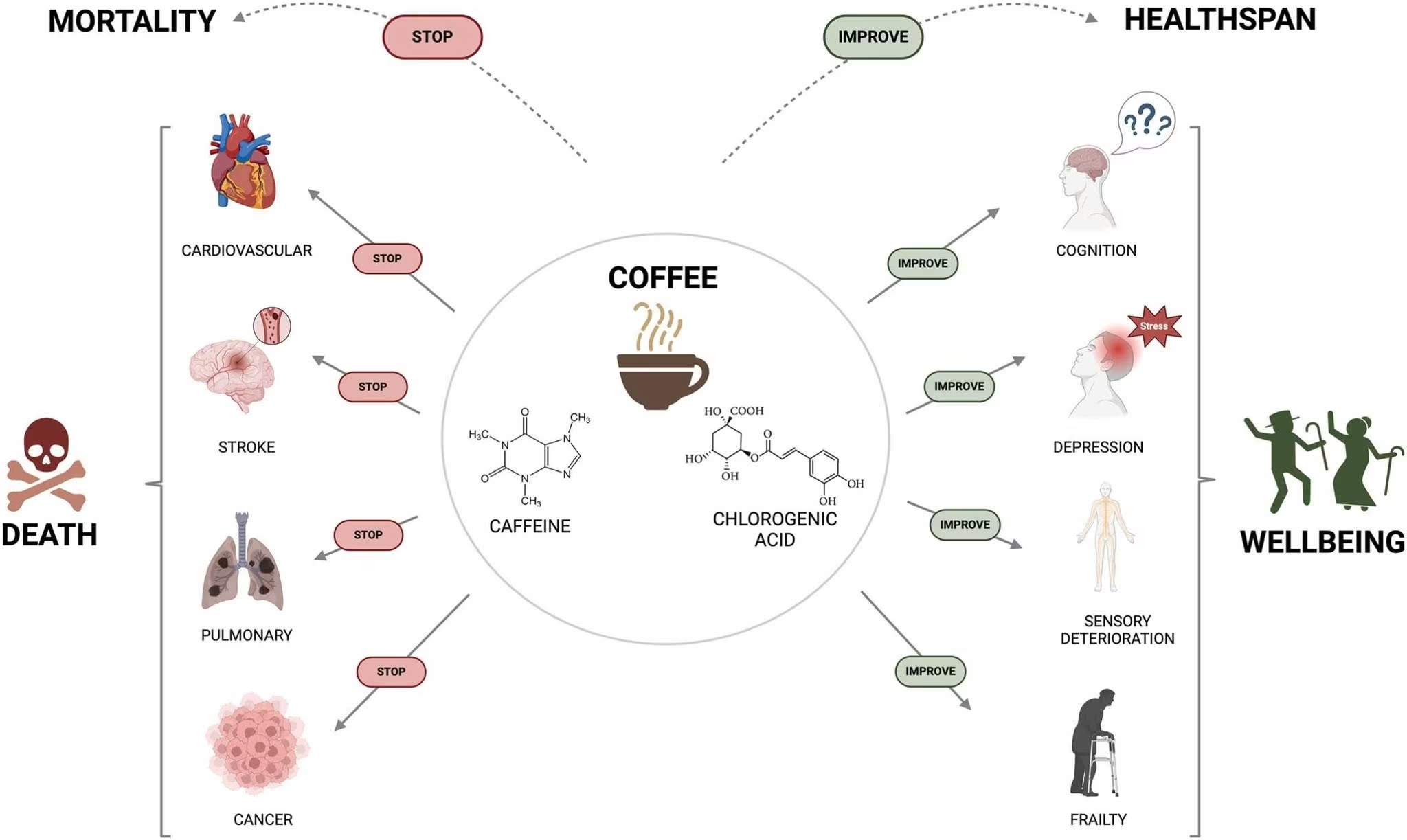
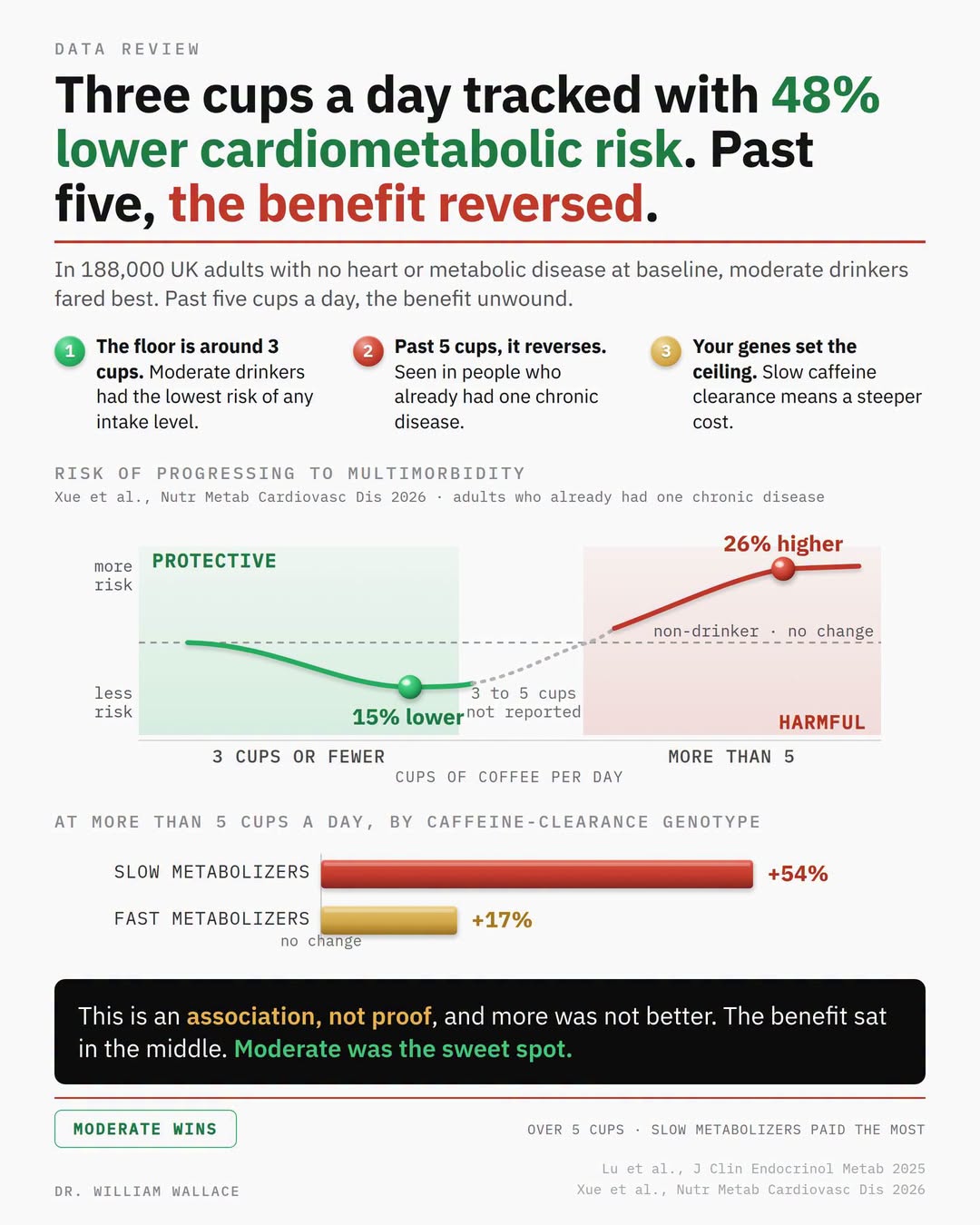
Louis shares a roundup of his coffee posts and quotes the Harvard Nutrition Source. Among 83,076 Nurses' Health Study women, 4+ cups daily was linked to 20% lower stroke risk, and in 37,514 women 2-3 cups daily to 21% lower heart disease risk. A 21-study meta-analysis tied about 3 cups daily to 21% lower CVD death. Benefits also cover insulin sensitivity and diabetes.

Infections temporarily raise heart attack and stroke risk; vaccines may do so far less

Oct 14, 2024 · Louis Nervegna ♥ 12 Infections & vaccines

Louis explains that infections such as flu raise short-term heart attack and stroke risk through inflammation and coagulation effects that destabilize plaque, and that the effect fades in a week or two. Vaccines can in theory do this to a much smaller degree. He suggests asking a doctor about a baby aspirin during and shortly after infection, and avoiding hs-CRP tests during that window.

Vitamin C has not reduced heart attacks or strokes and plaque data are mixed

Apr 12, 2026 · Gokhan Can ♥ 5 · 💬 1 Supplements & vitamins

Admin summarises that vitamin C alone has been tested widely without reducing hard outcomes (MACE), and plaque-reversal data are mixed: supportive in animals, better/worse/no effect in human trials. He does not advise it as a heart-disease cure, though physiological doses appear safe; he takes 250 mg/day to avoid deficiency. Links an (largely AI-generated, author-vetted) summary document.

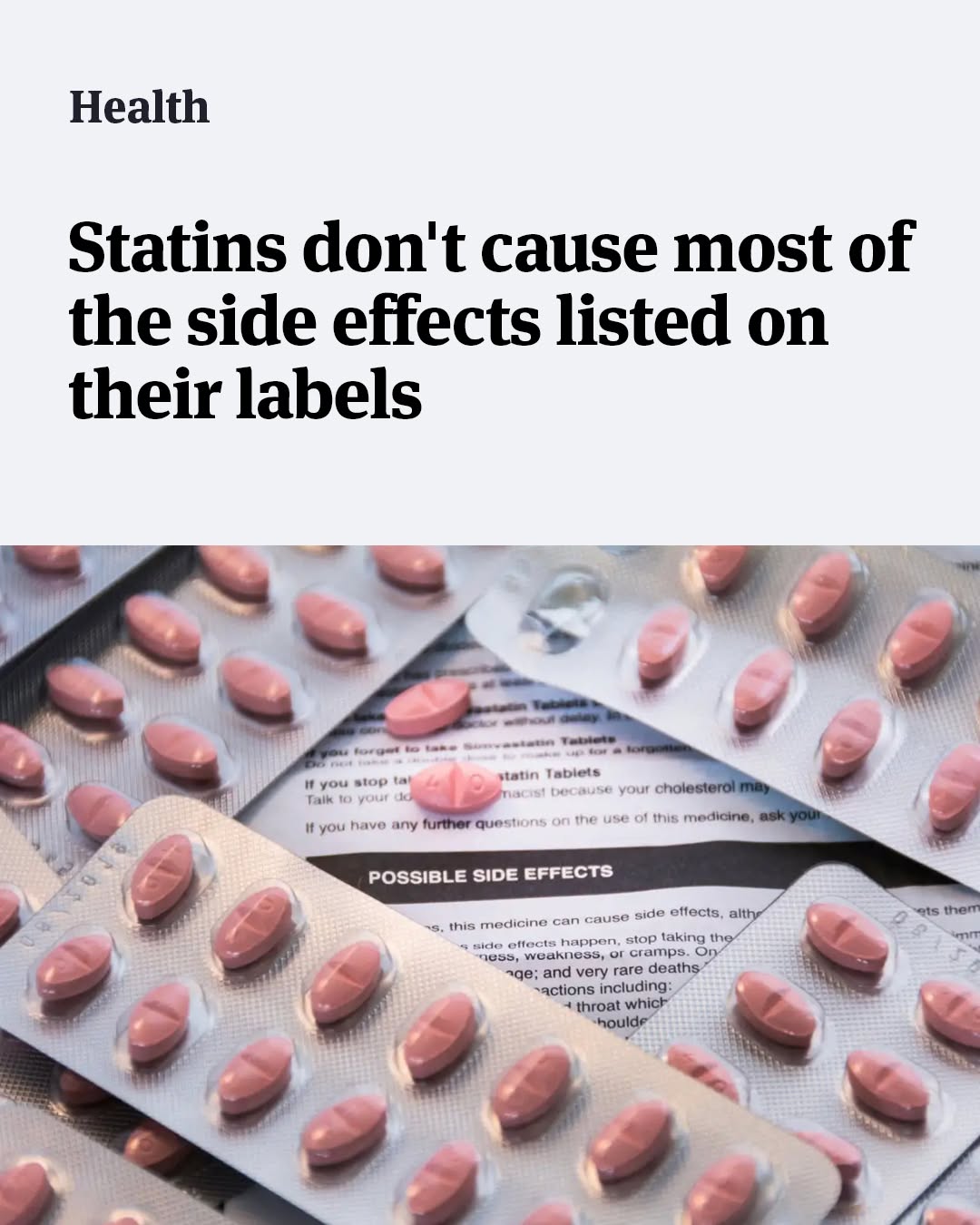
New Scientist: most statin label side effects are not caused by statins

Feb 11, 2026 · Louis Nervegna ♥ 1 · 💬 2 Statins

Shared news report on a rigorous assessment of the evidence concluding that the long list of statin side effects is vastly overstated and that package warnings may be deterring people from life-saving drugs. The investigator quoted says we can now be confident statins do not cause the vast majority of listed issues.

Atrial fibrillation overview shared from NEJM

Jan 25, 2025 · Louis Nervegna ♥ 3 · 💬 1 Heart rhythm & heart failure

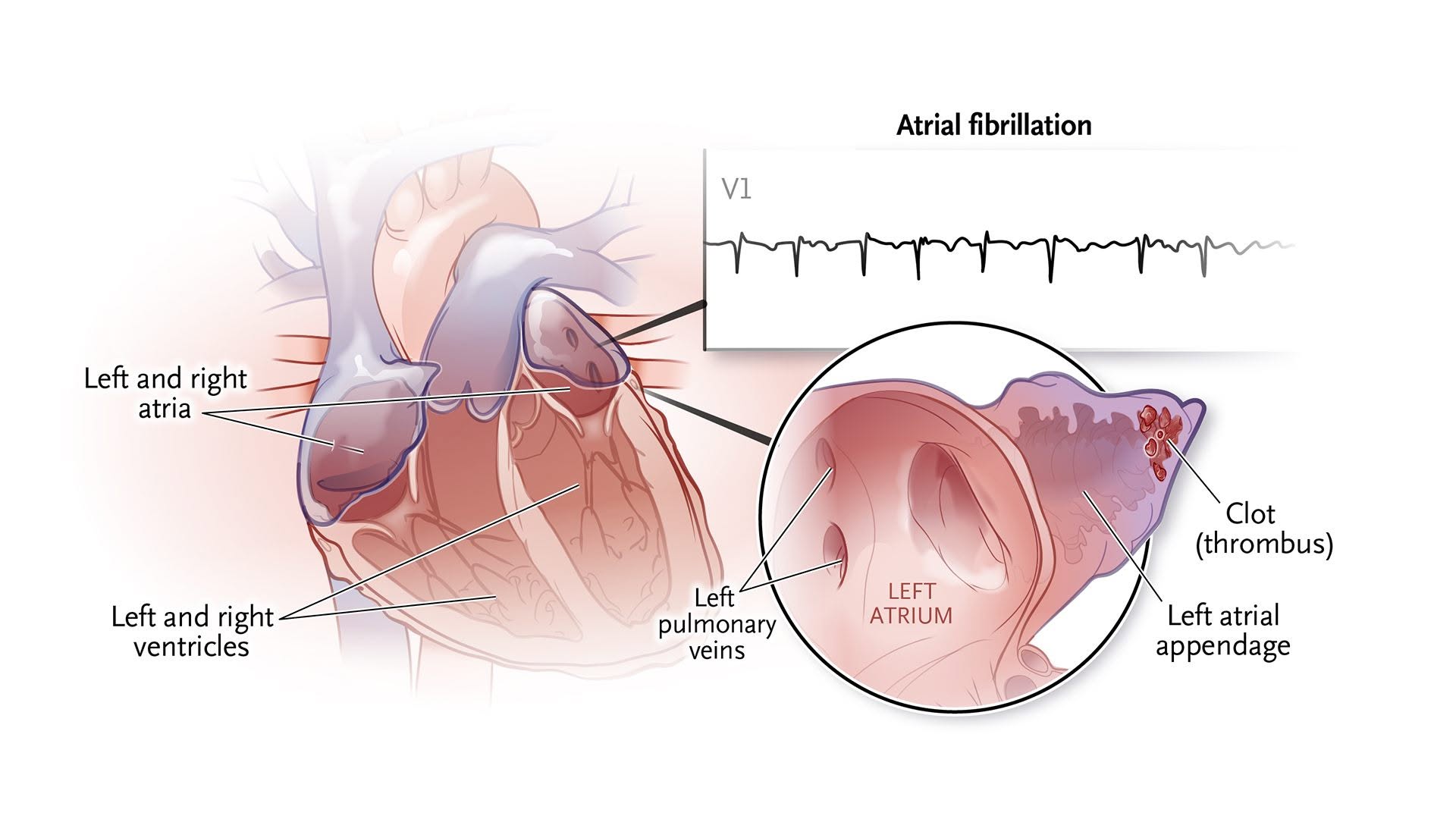
A shared NEJM explainer describes atrial fibrillation as an irregular, rapid rhythm of the upper heart chambers that can cause clots in the left atrial appendage and stroke. It lists typical symptoms and the main treatments: rate and rhythm control, catheter ablation and anticoagulants.

Statins may lower cardiac embolism risk via pleiotropic effects; anticoagulants lead

Oct 24, 2026 · Louis Nervegna ♥ 2 · 💬 1 Statins

A quoted explainer says statins may reduce cardioembolic stroke risk via anti-inflammatory and endothelial effects, and preclinical data suggest protection against adverse heart remodeling. Anticoagulants remain the main defense in AFib, and clinical evidence on structural benefits is mixed. No specific studies are named.

B12 lowers homocysteine but has not cut heart attacks; B vitamins may lower stroke risk

Nov 08, 2026 · Louis Nervegna ♥ 1 Supplements & vitamins

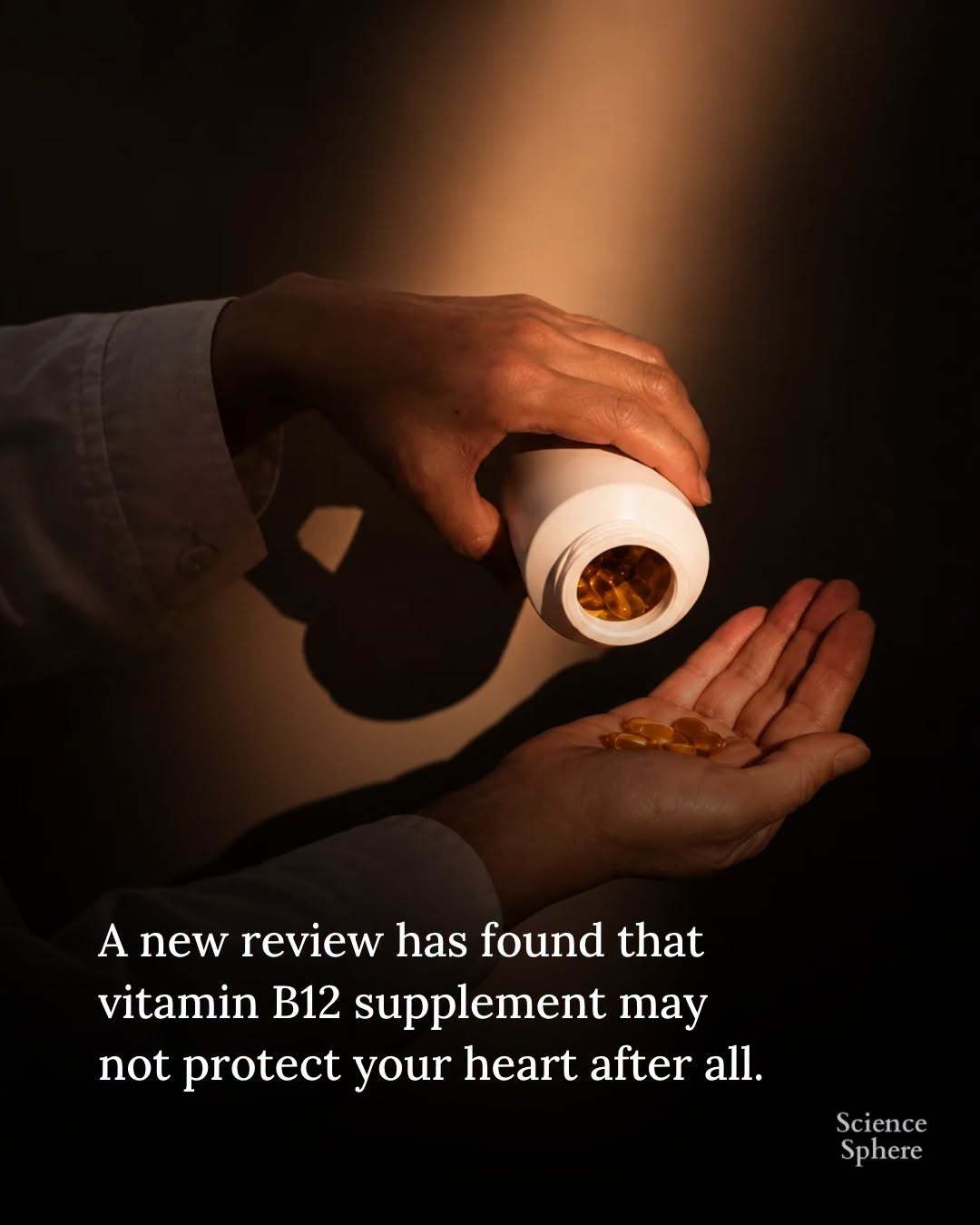
Louis shares a review summary showing B12 supplements reliably lower homocysteine, but large randomized trials did not consistently reduce heart attacks or cardiac deaths. The strongest benefit was for stroke, mainly where foods are not folic-acid fortified, but most trials combined B12 with folic acid and B6. Routine B12 solely for CVD prevention is not supported, though it is essential if deficient.